
Choosing an SUV is about more than just style, performance, and comfort. One factor that often goes overlooked during the buying process is insurance cost.
For many buyers, especially families or those purchasing their first SUV, insurance premiums can become a significant part of the long-term cost of ownership. While a vehicle might seem affordable upfront, a high insurance rate can quickly make it expensive over time.
Insurance premiums are determined by a variety of factors, including the likelihood of theft, repair costs, accident history, safety ratings, and even the demographics of typical drivers. As a result, two SUVs with similar sticker prices can have vastly different insurance costs, making some models more practical than others.
Understanding which SUVs carry lower insurance premiums can be crucial for cost-conscious buyers who want to balance safety, style, and long-term financial planning. At the same time, some SUVs come with a reputation for insurance spikes due to higher repair costs, increased accident risk, or their classification as luxury or high-performance vehicles.
Being aware of these trends allows consumers to make informed decisions before signing on the dotted line, helping avoid unexpected financial strain. This article examines five SUVs that tend to keep insurance costs low and five SUVs that typically lead to higher premiums.
By breaking down the factors contributing to these differences, potential buyers can make decisions that align with both their lifestyle and their budget. Understanding these patterns is not just about immediate savings. It can influence long-term vehicle ownership, monthly budgeting, and even resale value.
This discussion will highlight specific models, providing insight into why some SUVs remain cost-effective while others come with financial surprises, offering a clearer picture for anyone navigating the complex industry of insurance and vehicle ownership.
Five SUVs That Keep Insurance Costs Low
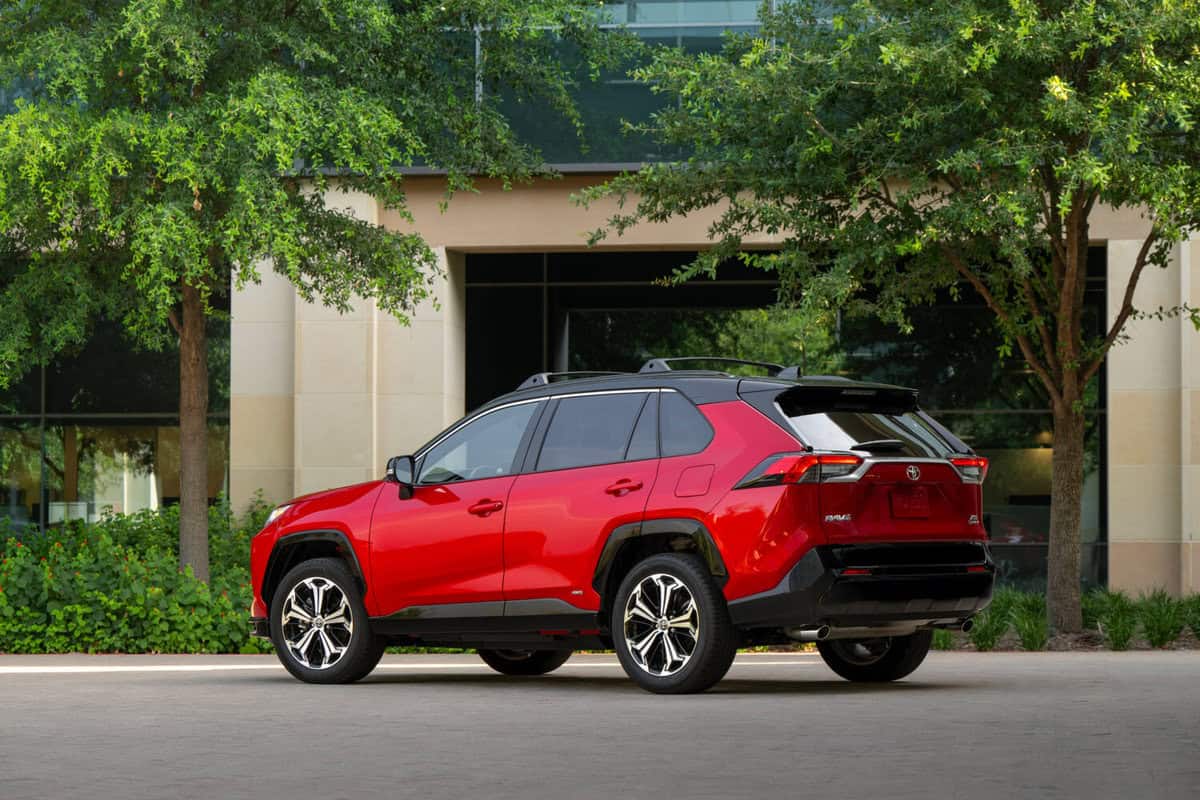
Toyota RAV4
The Toyota RAV4 has earned a strong reputation for being one of the most insurance-friendly SUVs on the market. Its long-standing reliability, coupled with a high resale value, makes it attractive to both drivers and insurance companies. Safety is a major factor contributing to its favorable insurance rates.
The RAV4 often comes equipped with advanced driver-assistance systems, including collision mitigation, lane departure warnings, blind-spot monitoring, and adaptive cruise control.
These features actively reduce the likelihood of accidents, which helps keep insurance claims low. Insurers closely monitor accident data, and vehicles like the RAV4 with fewer claims are rewarded with lower premiums.
In addition, the RAV4 has relatively moderate repair costs compared to luxury SUVs, which often require expensive parts and specialized labor. The availability of replacement parts is high due to its popularity, meaning repairs are faster and more affordable, further reducing insurance costs.
Beyond repair costs, the RAV4 benefits from its size and vehicle classification. Mid-sized SUVs tend to fall into lower-risk insurance categories, especially when compared to high-performance or luxury SUVs. Insurers analyze factors such as engine power, vehicle weight, and historical claims data when determining rates.
Because the RAV4 is neither a performance vehicle nor particularly flashy, it is less likely to be involved in accidents or thefts. Drivers who purchase RAV4s are typically cautious, practical, and family-oriented, which also lowers risk in the eyes of insurers.
Its combination of safety, practicality, and moderate repair costs makes it a consistently attractive option for those seeking lower insurance premiums without sacrificing the benefits of a modern SUV.
The RAV4 also maintains low insurance costs due to its excellent claim history. Statistically, this SUV has fewer claims per driver than many competing models, which reflects its solid construction and reliable performance. Its design emphasizes longevity, and mechanical issues that often trigger insurance claims are relatively rare.
Insurance companies view vehicles that are less likely to be involved in frequent or costly claims as safer investments. This reputation strengthens the RAV4’s insurance profile.
The presence of multiple trims allows buyers to select configurations that balance performance and cost efficiency, which further reduces insurance risk.
Finally, the flexibility of engine and trim options plays an essential role in affordability. The RAV4 offers standard, hybrid, and occasionally higher-powered trims, allowing buyers to tailor their choice to personal needs while avoiding unnecessary insurance costs.
Higher horsepower models tend to increase insurance premiums, but the availability of moderate, efficient engines ensures the RAV4 remains accessible to cost-conscious consumers.
Combined with its reliability, ease of maintenance, and strong safety features, the Toyota RAV4 is an SUV that consistently delivers low insurance premiums while providing versatility, comfort, and utility for drivers of all types.
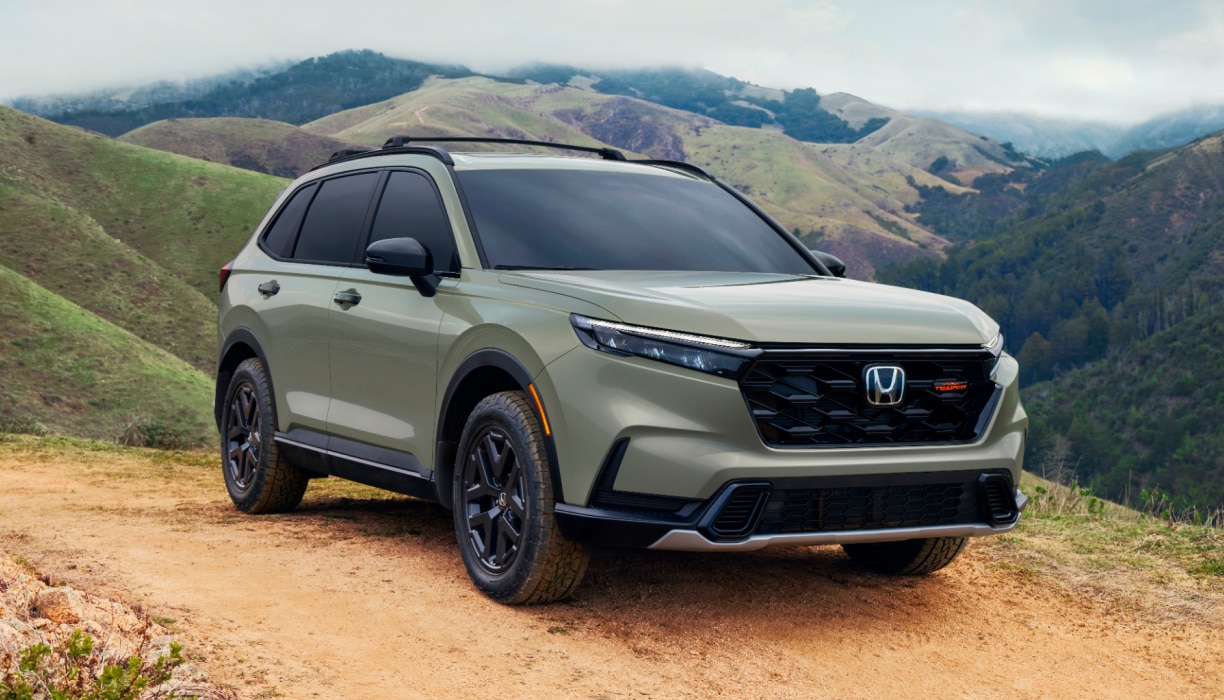
Honda CR-V
The Honda CR-V is another SUV known for its insurance affordability, combining reliability, strong resale value, and high safety standards. Its reputation for longevity and low maintenance requirements translates into fewer insurance claims and more manageable premiums. Like the RAV4, the CR-V includes safety features that reduce accident severity and frequency.
Technologies such as automated emergency braking, stability control, lane-keeping assistance, and multiple airbags help minimize injuries in the event of a collision.
Safety organizations consistently award the CR-V high marks in crash tests, which insurers take into account when calculating rates. Vehicles with strong safety performance are less likely to generate expensive claims, making the CR-V attractive to insurance providers.
The demographic of typical CR-V drivers also impacts insurance costs. This SUV tends to appeal to families, professionals, and cautious drivers, all of whom are statistically associated with fewer accidents.
Insurers evaluate the driving behavior and risk profile of the average owner, and vehicles with a safer, more responsible owner base are rewarded with lower premiums.
Unlike sporty or performance-oriented SUVs, the CR-V does not attract drivers who engage in aggressive driving, speeding, or other high-risk behavior. Its reputation for practicality and safety helps reduce both accident and theft claims, keeping insurance premiums reasonable.
Repair and maintenance costs further contribute to the CR-V’s insurance-friendly status. Replacement parts are widely available, and the repair process is generally straightforward.
The cost-effectiveness of repairs is a key factor in insurer decisions, as vehicles that are expensive to repair typically come with higher premiums.
Honda’s history of reliable engineering ensures that mechanical breakdowns are rare, which reduces insurance claims and reinforces its low-risk profile. This combination of reliability, safety, and practicality makes the CR-V a smart choice for cost-conscious buyers seeking both an efficient SUV and manageable insurance expenses.
Lastly, the CR-V’s engine and trim options allow buyers to select configurations that balance power with cost efficiency. Lower-output engines keep insurance premiums down, while higher-powered options remain available for those who require additional performance.
Insurers often consider engine size and power when calculating risk, so choosing a moderate engine helps maintain lower premiums. The CR-V’s strong resale value also factors into insurance calculations, as vehicles that hold value and are easier to repair are considered safer investments.
Together, these qualities make the Honda CR-V a consistently low-cost SUV to insure while delivering dependable performance and comfort.
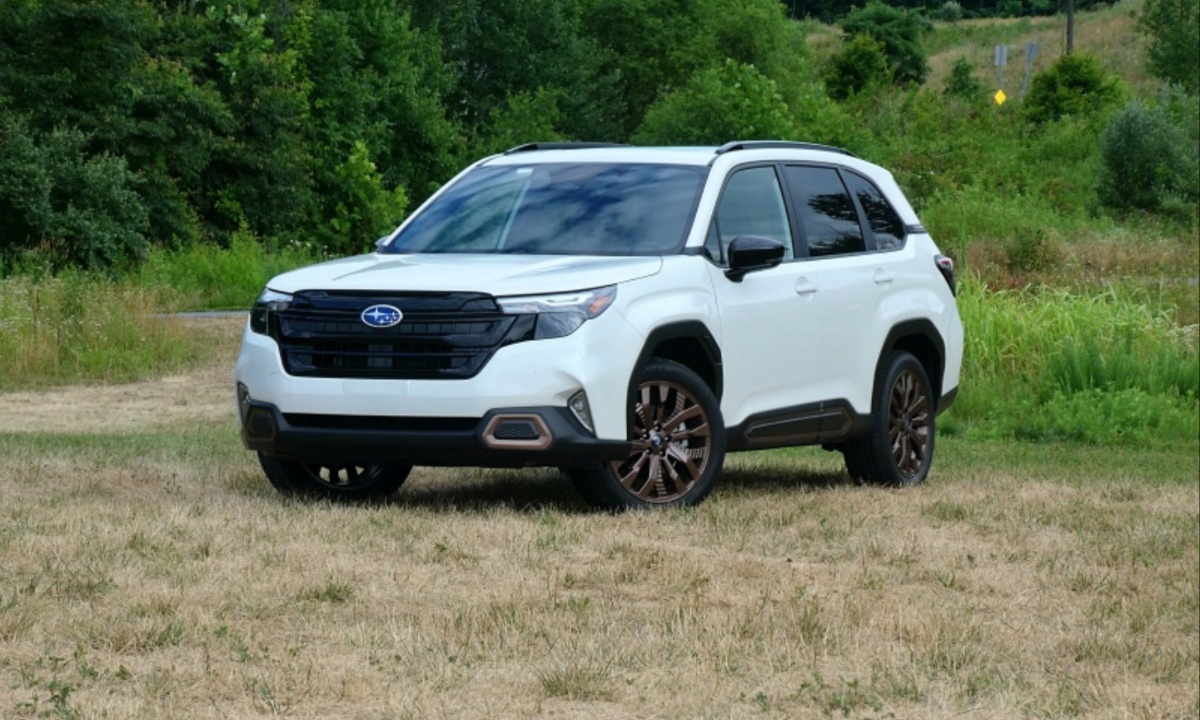
Subaru Forester
The Subaru Forester is known for maintaining relatively low insurance costs due to its focus on safety, all-weather performance, and long-term reliability. Standard all-wheel drive gives it better traction in challenging conditions, reducing accident risk in snowy, rainy, or slippery environments.
Subaru’s EyeSight Driver Assist technology, which includes adaptive cruise control, pre-collision braking, and lane-departure warning, has helped the Forester earn top safety ratings.
High safety ratings are strongly correlated with lower insurance premiums, as they indicate fewer severe injuries in the event of an accident. The vehicle’s crashworthiness, combined with advanced safety technology, makes it attractive to insurers looking to minimize liability.
The typical Forester driver is often practical, cautious, and family-oriented. Insurers consider the demographics and driving habits of average owners when setting premiums, and vehicles that attract responsible drivers generally enjoy lower rates.
Unlike high-performance SUVs, the Forester is not marketed toward aggressive or thrill-seeking drivers, further reducing its risk profile. The combination of an all-weather drivetrain and a reputation for safety contributes to fewer accidents and claims, which directly lowers insurance costs.
Repair costs and vehicle reliability also influence insurance premiums. The Forester is known for dependable engineering and relatively low-cost repairs, with widely available parts. Fewer mechanical failures mean fewer insurance claims, which benefits drivers seeking affordable coverage.
Subaru’s strong reliability record ensures that insurance companies view the Forester as a lower-risk option. Additionally, the long lifespan of the vehicle contributes to its affordability, as long-term ownership does not result in unexpected insurance spikes due to frequent repairs.
Finally, the Forester offers practical engine and trim options that appeal to everyday drivers. Lower-output engines and non-luxury trims keep insurance premiums manageable while still providing adequate performance for commuting, family errands, and recreational activities.
Its utility, reliability, and consistent safety ratings make the Forester an excellent choice for drivers who want SUV versatility without high insurance costs. The balance of safety, practicality, and reasonable repair expenses makes it one of the most cost-effective SUVs to own and insure over time.
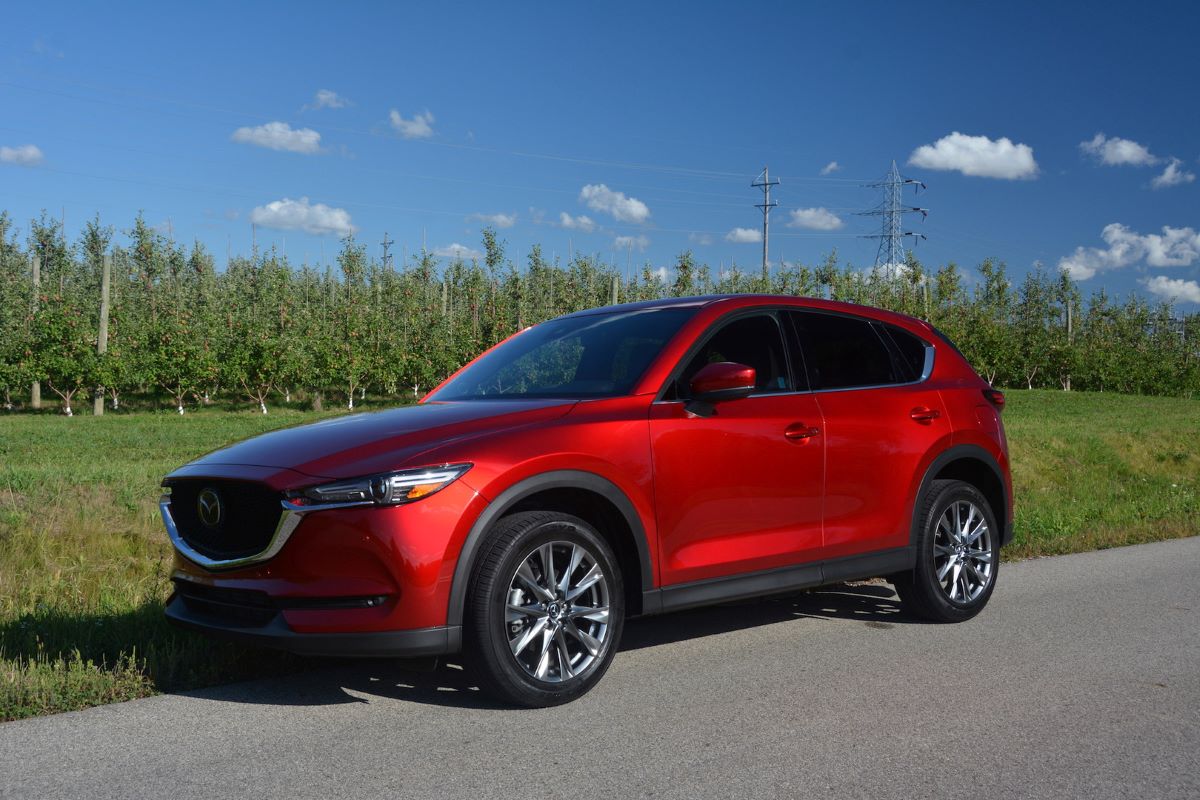
Mazda CX-5
The Mazda CX-5 combines style, performance, and practicality while maintaining relatively low insurance costs. Its design emphasizes safety, with features such as blind-spot monitoring, lane-keep assist, rear cross-traffic alert, and automatic emergency braking.
Safety ratings for the CX-5 are consistently strong, which insurers consider when setting premiums. High crash-test performance reduces the likelihood of severe injuries and costly claims, keeping insurance costs manageable. The vehicle’s moderate repair costs further contribute to its insurance-friendly profile.
Unlike luxury SUVs or high-performance models, the CX-5 uses widely available parts and relatively straightforward repair procedures, reducing insurer risk.
Driver demographics also play a role in the CX-5’s insurance rates. The vehicle is popular among practical, safety-conscious individuals who tend to have fewer accidents. Insurers reward vehicles that attract responsible drivers with lower premiums.
Its combination of mid-range pricing, practical performance, and moderate power discourages reckless driving, which lowers both accident frequency and insurance costs. This makes the CX-5 appealing to drivers looking for a stylish SUV that does not compromise affordability.
Maintenance and long-term reliability also make the CX-5 insurance-friendly. Routine repairs are predictable and relatively inexpensive, while mechanical failures that could trigger claims are uncommon.
Mazda’s reputation for reliability reinforces the perception that the CX-5 is a low-risk vehicle. Insurance companies often look at historical claims data, and vehicles with fewer accidents and mechanical issues are classified as safer, resulting in lower premiums.
Finally, the CX-5 offers engine and trim choices that allow drivers to balance performance with insurance cost. Base and mid-level trims have smaller engines that carry lower premiums, while higher-output versions remain available for those who want sportier performance.
Insurers consider engine size and horsepower when calculating risk, so the availability of moderate options helps maintain affordability. The Mazda CX-5 is a well-rounded SUV that combines performance, safety, and practicality while keeping insurance costs under control.
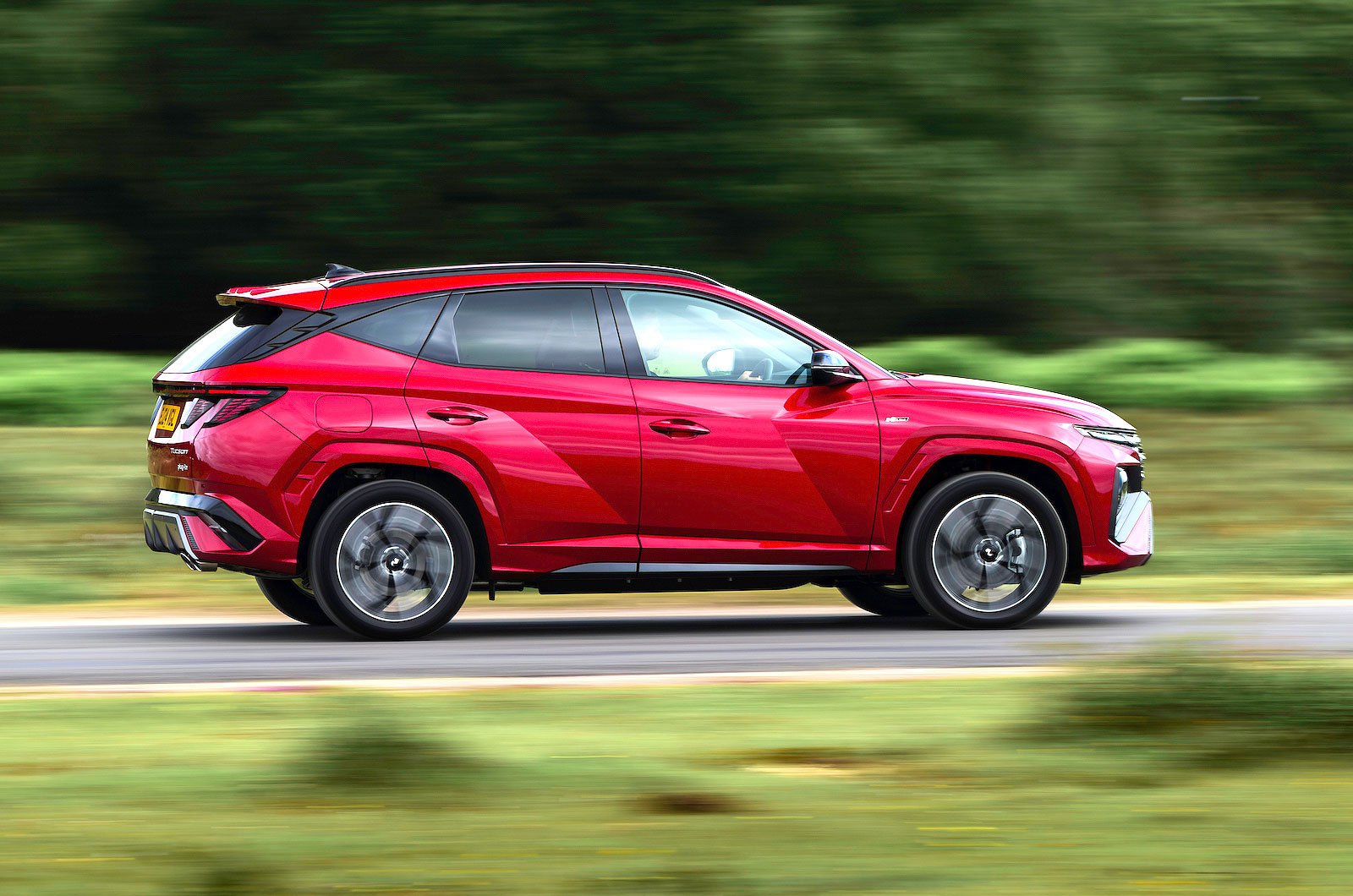
Hyundai Tucson
The Hyundai Tucson is known for offering a balance of affordability, safety, and moderate insurance costs. Its suite of driver-assistance features, including automated emergency braking, lane-keeping assistance, and blind-spot detection, contributes to strong safety ratings.
Insurers favor vehicles that help prevent accidents or reduce injury severity, and the Tucson fits this profile. Its repair costs are reasonable, and replacement parts are widely available, which keeps premiums manageable. The combination of safety, affordability, and dependability makes Tucson appealing for cost-conscious buyers.
Demographics of typical Tucson owners also influence insurance costs. The vehicle attracts practical, safety-conscious drivers, which lowers the likelihood of accidents. Insurers take driver profiles into account, and vehicles frequently driven by careful, responsible individuals generally enjoy lower premiums.
The Tucson’s engine options are moderate, and the vehicle is not marketed as high-performance, which further reduces insurance costs. Its non-flashy design discourages theft, another factor that keeps insurance low.
Reliability and repair costs play a critical role in affordability. Hyundai’s consistent reliability record reduces the risk of mechanical failures, which in turn reduces the frequency of insurance claims.
Minor collisions and routine repairs are also inexpensive compared with luxury or high-end SUVs, which translates to lower insurance premiums over time. Insurers consider the long-term cost of repair and replacement parts, and the Tucson’s favorable track record helps maintain lower rates.
Finally, Tucson’s combination of practical size, safety, and affordability appeals to a wide audience, from small families to urban commuters. Its moderate power, strong crash ratings, and predictable maintenance costs make it one of the most insurance-friendly SUVs in its class.
The vehicle strikes a balance between utility and cost efficiency, making it a strong option for buyers seeking low insurance premiums without compromising comfort or capability.
Five SUVs That Cause Insurance Premiums to Spike
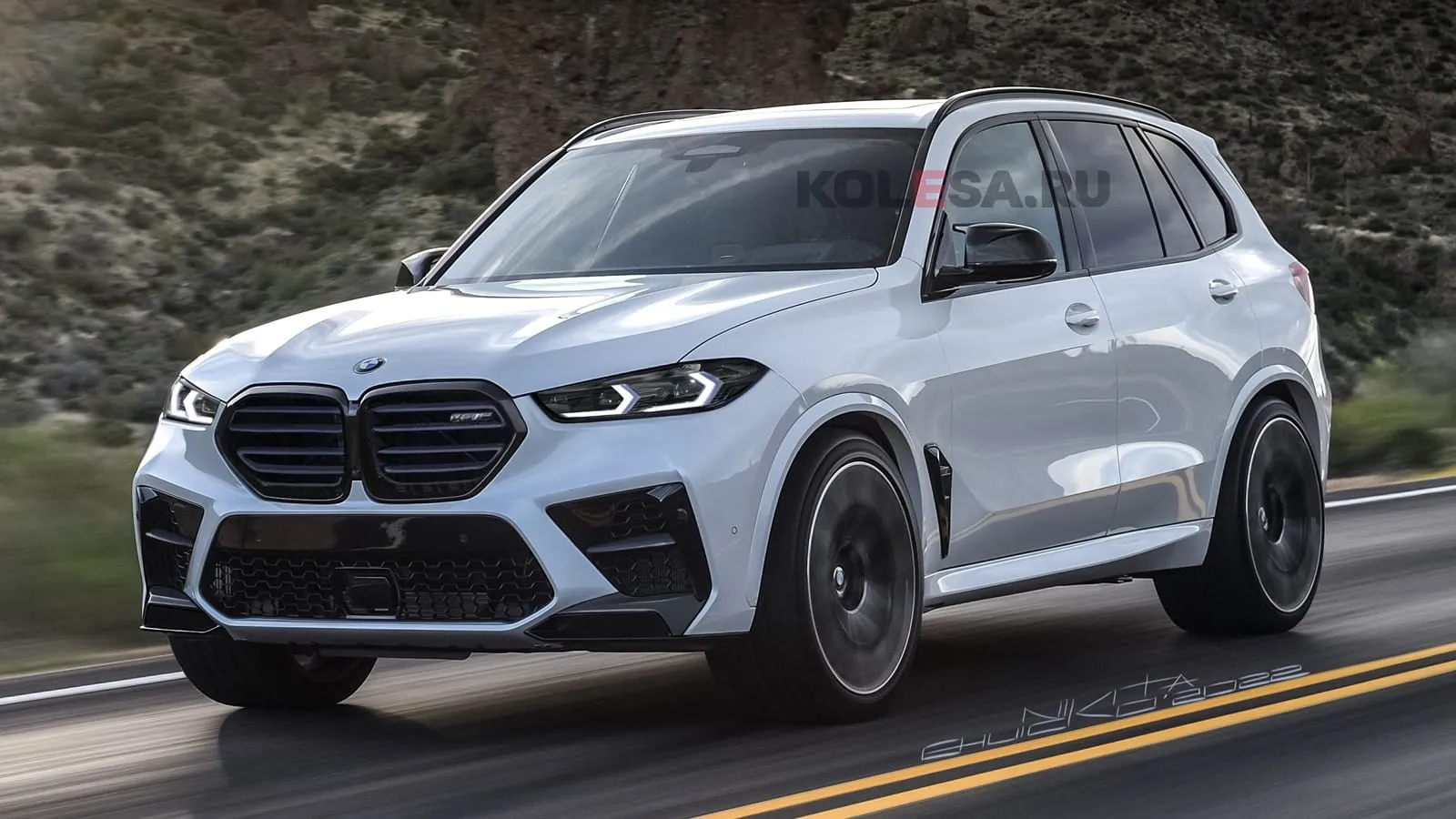
BMW X5
The BMW X5 is widely recognized as a luxury SUV that can lead to significant insurance costs. Part of the reason stems from its high initial price, which influences replacement and repair costs. Insurance companies take into account the potential payout if the vehicle is totaled or requires major repairs.
BMW parts tend to be expensive, and repairs often require specialized labor at certified dealerships, which drives up the cost of claims.
Additionally, the X5 is equipped with complex electronic systems, advanced suspension components, and luxury interior features that are expensive to replace. Even minor accidents can result in costly repairs, which insurers factor into premium calculations.
Driver behavior also plays a role in the X5’s high insurance rates. The vehicle’s performance-oriented design, including powerful engines and sporty handling, often attracts drivers who may push the vehicle to higher speeds or engage in aggressive driving. Insurers view this as a higher risk profile, which contributes to increased premiums.
Furthermore, luxury SUVs like the X5 are more frequently targeted for theft or vandalism, adding another layer of risk that raises insurance costs. The combination of expensive repairs, powerful engines, and theft risk makes the X5 a challenging SUV to insure at an affordable rate.
Another factor that drives premiums is the vehicle’s safety and accident claim history. While the X5 does have modern safety systems, accidents involving luxury SUVs often result in higher payouts due to the expensive repair process.
Even fender-bender collisions can become costly due to the specialized parts and labor required. Insurance companies analyze historical claims data and have found that luxury SUVs like the X5 tend to generate more expensive claims, resulting in higher premiums for current and future owners.
Finally, the BMW X5’s performance variations further influence insurance rates. Higher-output engines, M Performance trims, and all-wheel-drive options increase the perceived risk for insurers. Vehicles with more horsepower and sport-tuned suspension are statistically more likely to be involved in accidents, which drives premiums higher.
Even routine maintenance is more expensive than on non-luxury models, reinforcing the insurer’s assessment of risk. Buyers looking for luxury, power, and prestige must therefore accept that the X5 will carry significant insurance costs.
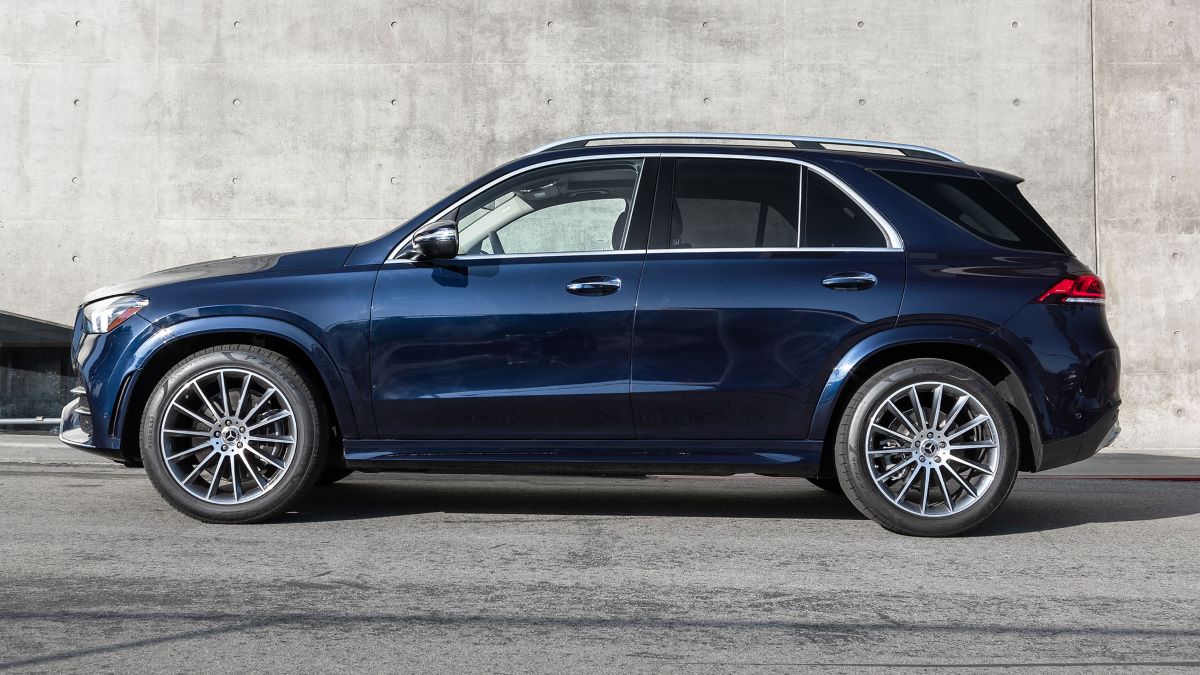
Mercedes-Benz GLE
The Mercedes-Benz GLE is another luxury SUV that consistently leads to higher insurance premiums. Like the BMW X5, its high purchase price and expensive components make repair costs a major consideration for insurers.
The GLE’s sophisticated electronics, luxury interior materials, and advanced driver-assistance systems often require specialized attention in the event of a collision.
Minor cosmetic damage, such as scratches or dents, can be surprisingly expensive to repair, and major collisions often involve high-cost replacements. Insurers anticipate these costs, which directly translates into higher premiums.
Driver demographics also impact insurance rates for the GLE. The vehicle’s luxury branding and high-performance options often appeal to drivers who prioritize speed and prestige, which can correlate with riskier driving behavior. Insurance companies take this into account when setting premiums.
Additionally, the GLE is frequently parked in urban areas or high-income neighborhoods, where theft and vandalism are statistically more common, further increasing insurance costs. Its combination of high replacement costs and higher risk of claims makes the GLE a costly SUV to insure.
Historical claims data also plays a role in the GLE’s high premiums. Luxury SUVs tend to have higher repair claims per incident than standard or mid-range models.
Accidents, even minor ones, can be expensive due to the cost of luxury parts and labor. Insurers analyze this pattern and adjust premiums to reflect the likelihood of a costly claim. In addition, repair times for luxury vehicles can be longer, which adds to the cost exposure for insurance companies.
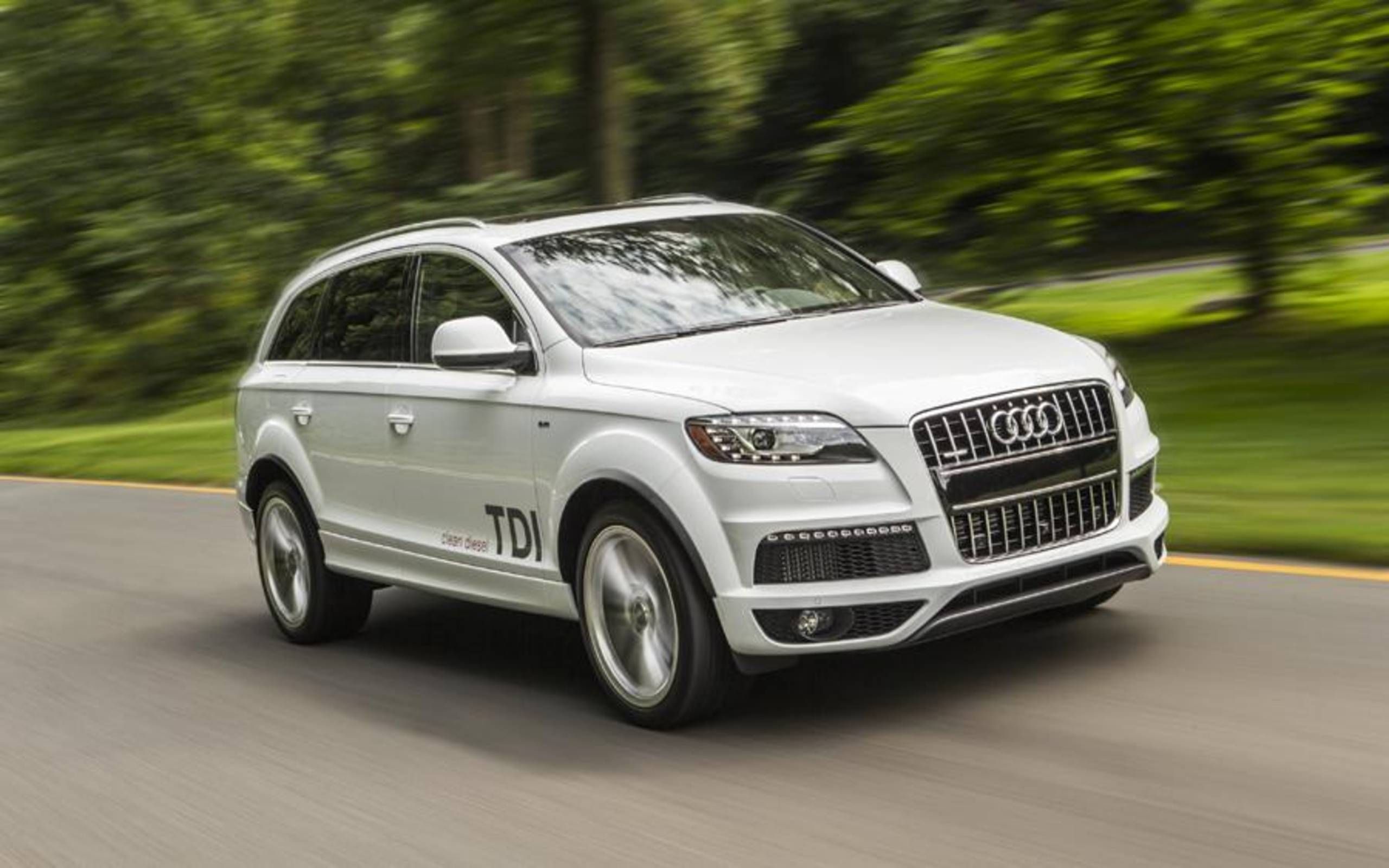
Audi Q7
The Audi Q7 is a large luxury SUV that often results in high insurance premiums due to its combination of price, repair costs, and advanced technology. Audi vehicles typically use sophisticated materials, electronics, and engineering systems that are expensive to repair.
Even minor collisions can require parts that are costly to source or replace, driving up claims and resulting premiums. The Q7’s size and weight also mean that in accidents, damage is often more extensive than in smaller SUVs, increasing repair costs and insurance liability.
Driver behavior and market demographics play a significant role in the Q7’s insurance profile. The SUV’s high-performance trims, all-wheel-drive system, and advanced handling features appeal to drivers who enjoy a sporty driving experience.
Insurers recognize that these drivers may be more prone to accidents, particularly speeding or high-speed cornering incidents. Furthermore, luxury SUVs like the Q7 are attractive targets for theft or vandalism due to their value and perceived status, increasing insurance risk even further.
Finally, engine and trim options influence insurance costs for the Audi Q7. Higher horsepower versions, such as the 3.0T or SQ7 trims, increase the vehicle’s perceived risk for insurers.
More powerful engines correlate with higher accident severity, while larger, luxury-focused trims carry higher repair costs. Combined with high initial purchase price and advanced technology, these factors make the Q7 a prime example of an SUV that can significantly increase insurance premiums.
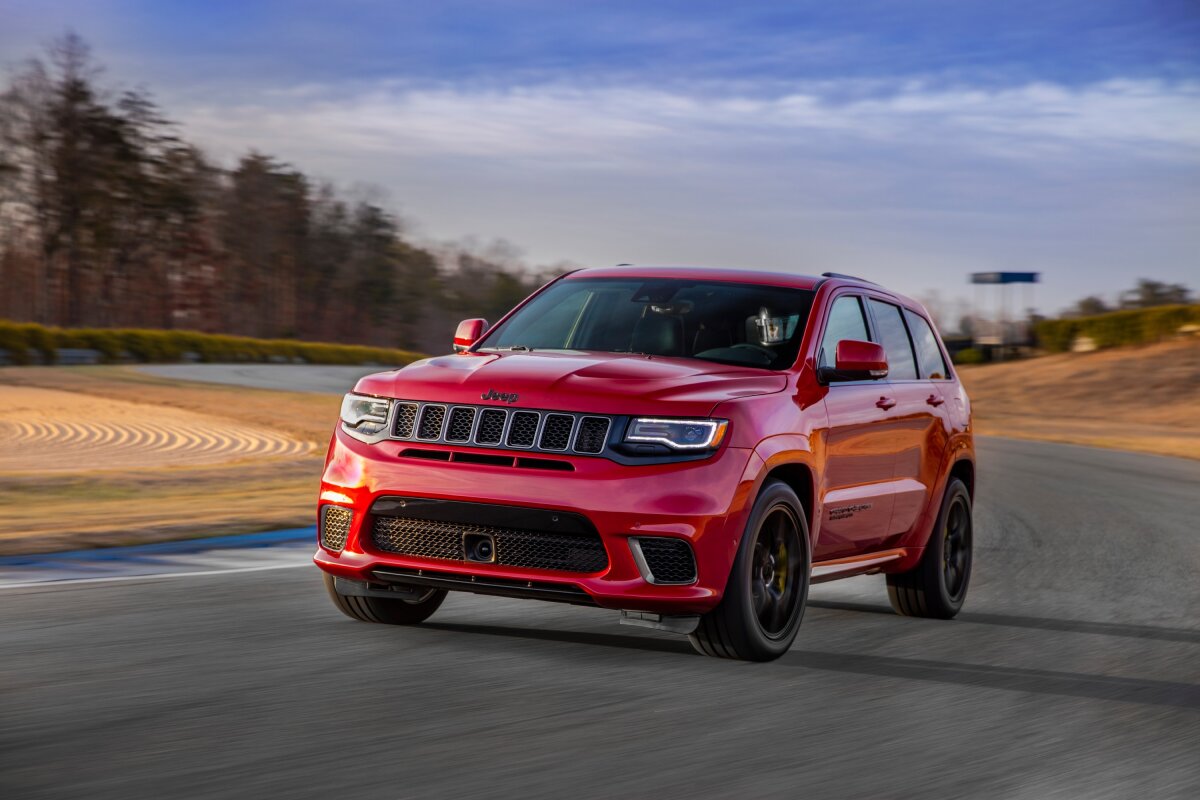
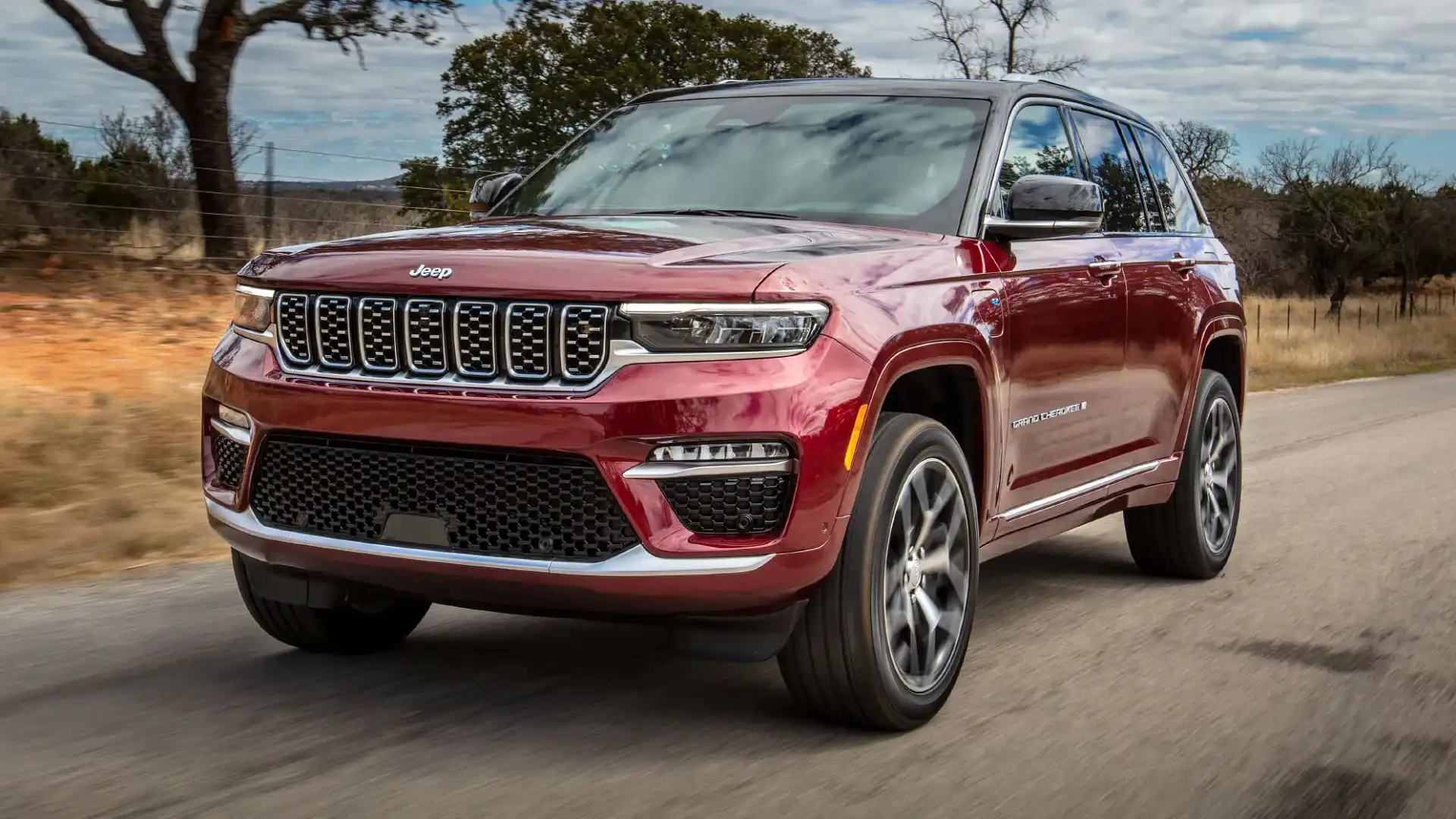
Jeep Grand Cherokee
The Jeep Grand Cherokee is another SUV that often leads to insurance spikes, though for slightly different reasons than luxury European models. While not always as expensive upfront, the Grand Cherokee has higher accident claim rates and repair costs compared to more mainstream SUVs.
Its off-road capability, higher center of gravity, and popularity among drivers seeking performance make it more prone to certain types of accidents. Insurance companies take note of accident frequency, rollover risk, and repair complexity, all of which contribute to higher premiums for this model.
Driver demographics for the Grand Cherokee also play a role. The SUV appeals to both off-road enthusiasts and performance-minded drivers who may take greater risks, such as speeding or aggressive maneuvers.
Insurers often consider the typical driving behavior of owners when setting rates, and vehicles like the Grand Cherokee, which attract riskier drivers, naturally carry higher premiums. In addition, some trims include powerful V6 and V8 engines, which increase accident severity and repair costs, further elevating insurance costs.
Finally, safety ratings and historical claims data affect premiums. While the Grand Cherokee generally has modern safety features, its history of rollover risk, combined with higher accident claims for off-road and performance trims, increases insurer risk perception.
Vehicles with higher liability exposure or higher-cost claims naturally carry higher premiums. The combination of performance-oriented trims, off-road appeal, and historical claim data ensures that the Jeep Grand Cherokee is often significantly more expensive to insure than lower-risk SUVs in the same class.
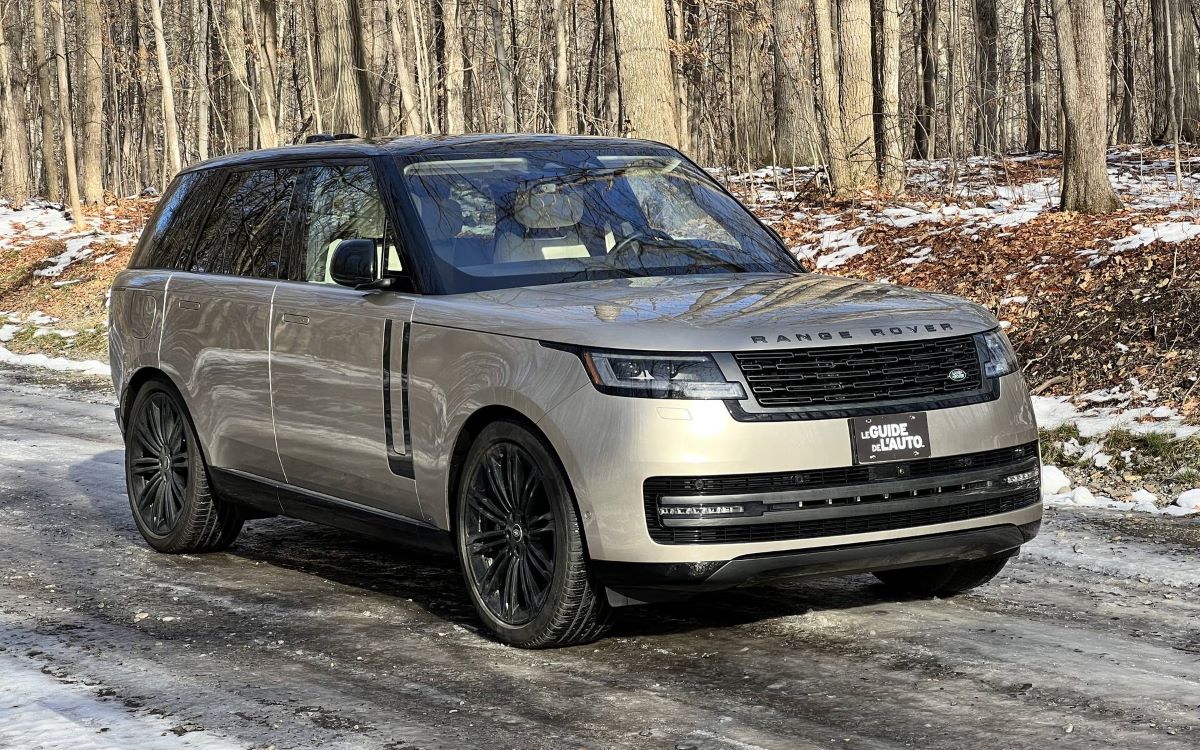
Land Rover Range Rover
The Land Rover Range Rover is among the most expensive SUVs to insure due to its luxury status, high repair costs, and advanced features. Replacement parts for Range Rovers are costly, and repairs often require specialized labor and extended timelines.
Even minor damage can be extremely expensive to fix because of the intricate suspension, electronic systems, and high-end materials used throughout the vehicle. Insurance companies consider this high repair cost a major factor when determining premiums, making the Range Rover a vehicle that consistently carries steep insurance rates.
The Range Rover also attracts a demographic that influences insurance costs. Its luxury image and high performance appeal to affluent drivers who may be more likely to engage in higher-speed driving or aggressive handling.
Additionally, luxury vehicles like the Range Rover are frequent targets for theft and vandalism, further increasing insurance premiums. Insurers account for this elevated risk when calculating rates, adding to the cost of ownership.
Finally, the Range Rover’s engine and performance options further exacerbate insurance costs. Powerful V8 or turbocharged engines, along with advanced off-road and sport trims, increase the likelihood of severe accidents.
These high-performance options, combined with expensive repairs, theft risk, and luxury materials, ensure that the Range Rover remains at the top of the list for SUVs with insurance premiums that spike significantly above the industry average.
