
Hybrid vehicles have become an increasingly popular choice for drivers seeking better fuel efficiency, reduced emissions, and a balance between traditional internal combustion engines and electric propulsion.
Over the past decade, automakers have invested heavily in hybrid technology, attempting to deliver vehicles that meet or exceed the Environmental Protection Agency (EPA) mileage ratings.
Consumers often rely on these ratings to make decisions about fuel economy, expecting that their real-world driving experience will closely match the numbers published by manufacturers.
However, the reality of hybrid performance can vary significantly depending on factors such as driving habits, terrain, climate, and vehicle design. While some hybrids consistently meet or even surpass EPA ratings, others tend to fall short, leaving owners disappointed and sometimes skeptical of official figures.
Understanding the gap between EPA mileage and real-world performance is important for prospective buyers. For those who drive primarily in city conditions with frequent stop-and-go traffic, hybrids with efficient regenerative braking and electric-only operation at low speeds can maximize fuel savings.
Conversely, hybrids that perform well under laboratory testing may struggle to maintain those ratings on highways or in regions with extreme weather conditions. Additionally, some hybrids employ technology that optimizes performance for short-term metrics rather than sustained efficiency, which can create discrepancies between advertised and actual mileage.
Evaluating hybrid vehicles is not only about looking at the numbers but also considering the driving experience and long-term cost of ownership. Some models are praised for their ability to consistently deliver fuel savings across a variety of conditions, while others are criticized for inefficiencies that become apparent after a few months of daily use.
The design of the hybrid system, including the balance between electric motor and gasoline engine, battery size, and regenerative braking system, plays a crucial role in determining whether a vehicle meets EPA expectations. By comparing hybrids that deliver versus those that fall short, drivers can make more informed choices and avoid potential frustration related to fuel economy.
This article categorizes ten popular hybrid vehicles into two groups: five that reliably meet EPA mileage ratings and five that often fail to achieve the numbers claimed by manufacturers. Each selection is examined with an eye on real-world performance, design characteristics, and typical driving scenarios.
Through this comparison, readers can gain a better understanding of which hybrids are dependable in delivering efficiency and which ones may require careful driving to approach their advertised fuel economy. The goal is to provide a practical guide for anyone considering a hybrid, highlighting both successes and shortcomings in the current market without exaggeration or marketing bias.
5 Hybrid Cars That Deliver EPA Mileage
1. Toyota Prius
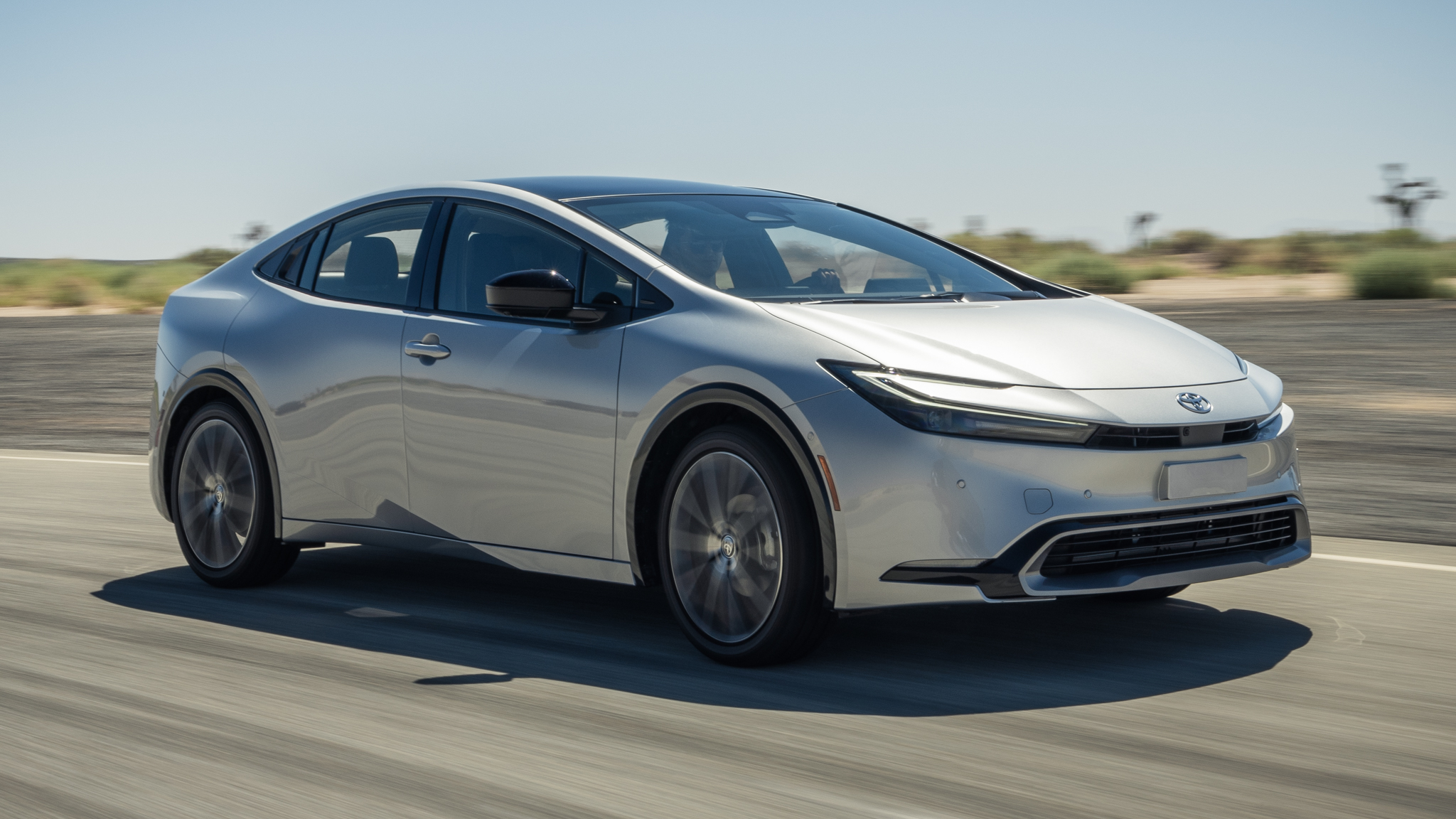
The Toyota Prius is widely recognized as the benchmark for hybrid fuel efficiency, earning its reputation through years of consistent performance and innovation. One of the primary reasons the Prius reliably delivers its EPA mileage is its combination of lightweight construction and aerodynamics.
The body design minimizes drag, which reduces energy consumption at highway speeds, while the hybrid system optimizes the interplay between the gasoline engine and the electric motor. In city driving conditions, where the Prius shines, the electric motor often handles low-speed movement entirely on its own.
This allows the gasoline engine to remain off for significant stretches, conserving fuel in ways that traditional vehicles cannot replicate. The Prius has become synonymous with hybrid efficiency largely because its engineering prioritizes steady, predictable mileage over raw power or acceleration, which contributes to its consistent real-world performance.
Another factor contributing to the Prius’s ability to meet or exceed EPA estimates is its highly efficient gasoline engine. This small yet powerful engine is paired with a continuously variable transmission (CVT), which allows it to remain within its optimal efficiency range at almost all times.
Unlike some hybrid vehicles that rely on short-term electric boosts to achieve temporary mileage gains, the Prius system maintains a smooth and continuous balance between engine and motor power. This careful tuning minimizes fuel wastage, especially in stop-and-go traffic.
Many real-world tests demonstrate that drivers can consistently achieve 50 to 55 miles per gallon, with some attentive drivers even surpassing these figures when practicing careful acceleration, coasting, and regenerative braking.
Technology in the Prius also supports fuel efficiency in ways that make it user-friendly and practical for daily driving. The dashboard displays real-time energy flow between the battery and engine, allowing drivers to understand how acceleration, braking, and speed affect fuel consumption.
Eco-driving modes adjust throttle response to prioritize efficiency over speed, while regenerative braking recaptures energy that would otherwise be lost. These features create a direct feedback loop, empowering drivers to maintain consistent mileage and make minor adjustments to their driving habits that can lead to noticeable gains in fuel economy.
Long-term reliability plays a crucial role in the Prius’s continued ability to deliver on its EPA rating. Toyota’s hybrid battery technology is known for its longevity, often functioning effectively for over a decade with proper maintenance.
The low maintenance requirements, combined with a durable engine and transmission system, ensure that the vehicle’s performance does not degrade significantly over time. Owners frequently report that even after tens of thousands of miles, the Prius maintains fuel efficiency close to the initial EPA estimates.
This reliability makes it not only a smart choice for environmentally conscious drivers but also for those seeking a vehicle that retains its economic value and operational efficiency over many years.
2. Honda Accord Hybrid
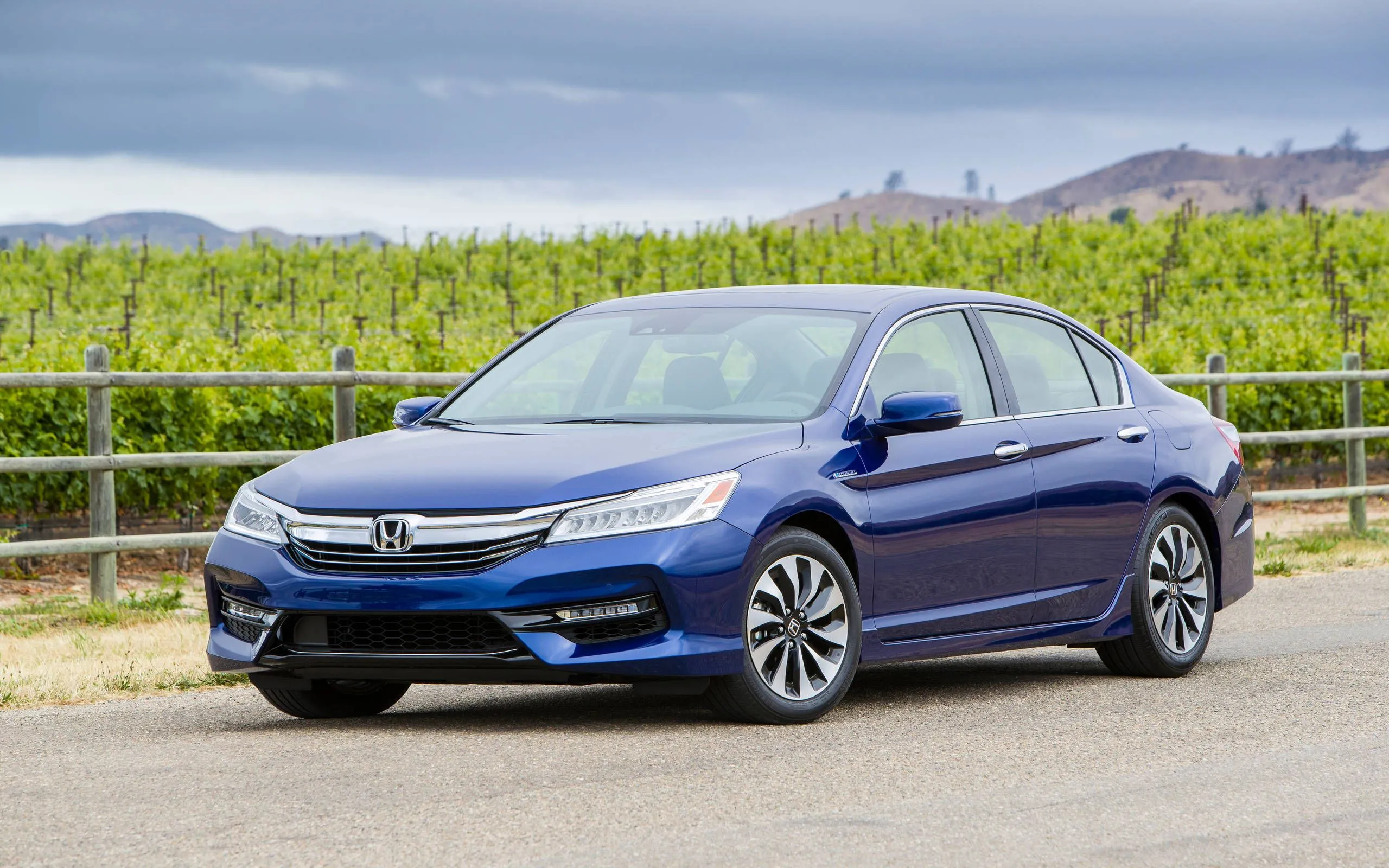
The Honda Accord Hybrid exemplifies a blend of efficiency, comfort, and performance, making it one of the few midsize sedans that consistently meets its EPA ratings. One of the key advantages of this vehicle is its advanced two-motor hybrid system, which seamlessly coordinates between electric and gasoline power.
This system allows the vehicle to operate efficiently under various driving conditions, whether navigating dense city streets or cruising on highways. By intelligently switching between power sources, the Accord Hybrid ensures that fuel consumption remains low without sacrificing responsiveness or performance.
Real-world users often note that the smoothness of the power delivery makes the car feel like a conventional gasoline vehicle, even while delivering significant fuel savings.
The Accord Hybrid performs remarkably well in both urban and highway driving conditions. While many hybrids are optimized for city driving and struggle to achieve advertised mileage at higher speeds, the Accord manages to sustain impressive fuel efficiency on the freeway. Its gasoline engine is calibrated to provide adequate power during sustained cruising without excessive fuel consumption.
Combined with an efficient electric motor that assists during acceleration or when extra power is required, the car often achieves a balance between comfort and economy that few other hybrids in its class can match. Many drivers report achieving mileage within one or two miles per gallon of the EPA estimates, demonstrating the system’s consistency across driving scenarios.
Inside, the Accord Hybrid’s technology enhances the driver’s ability to maintain high fuel efficiency. Features such as eco-assist systems, adaptive cruise control, and intuitive hybrid displays provide constant feedback on how driving behavior impacts fuel consumption.
This feedback allows drivers to consciously adjust their acceleration, braking, and overall driving style to maximize efficiency. Unlike some vehicles where technology feels intrusive or distracting, Honda’s approach is practical and informative, creating a sense of control and engagement that encourages consistent adherence to fuel-saving practices.
The reliability of the Accord Hybrid further strengthens its ability to meet EPA mileage ratings over time. Honda’s hybrid batteries are engineered for longevity, with intelligent battery management systems that preserve capacity even after years of use.
This durability prevents a decline in performance that can plague less well-designed hybrid systems. In addition, the engine, transmission, and hybrid components are engineered with robust materials and tested extensively, ensuring that the vehicle maintains efficiency even in demanding conditions. For drivers who value predictability and consistency in fuel consumption, the Accord Hybrid remains a highly dependable option.
3. Hyundai Ioniq Hybrid
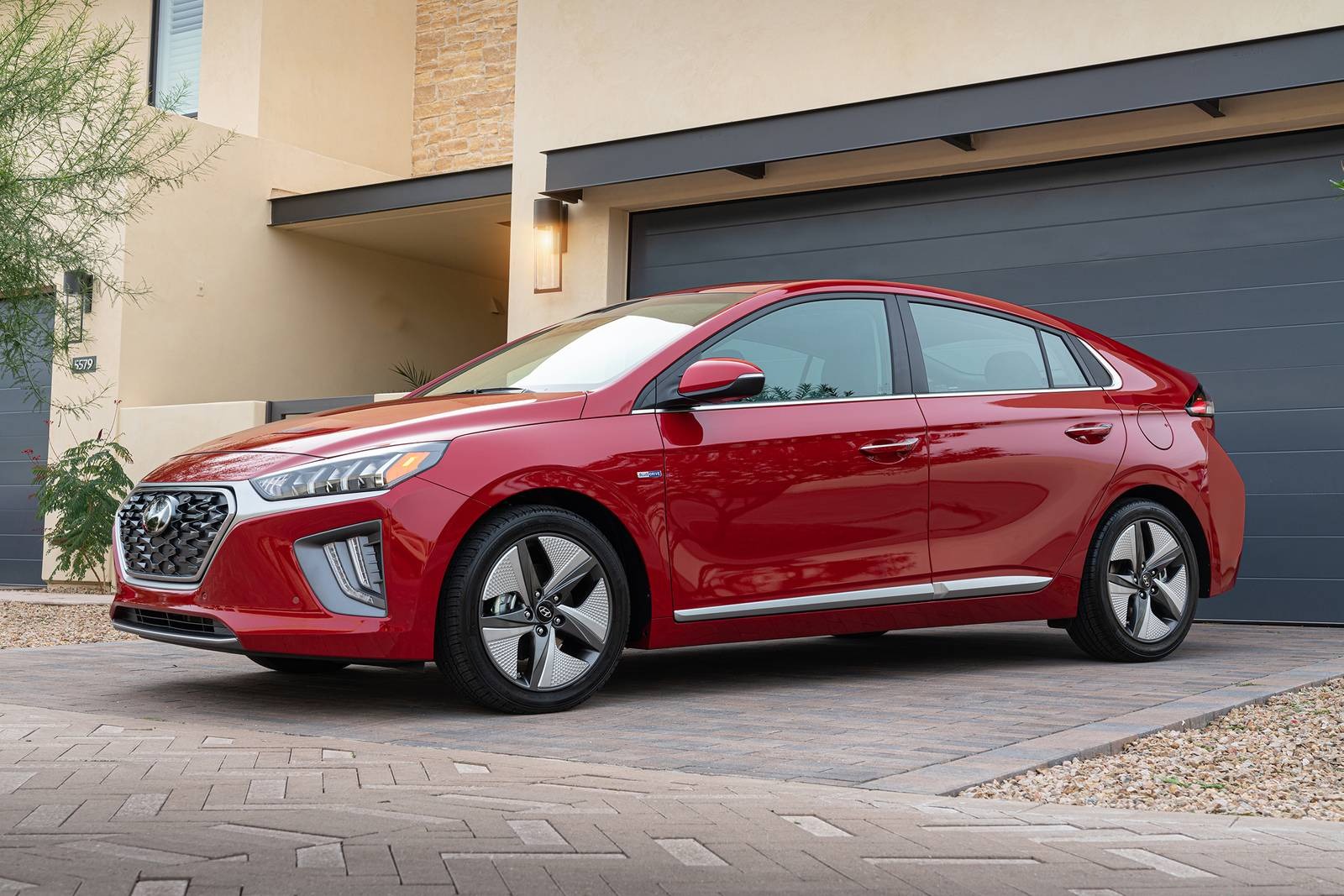
The Hyundai Ioniq Hybrid is designed with efficiency as its primary goal, and it succeeds in consistently meeting EPA mileage ratings across a wide range of conditions. One reason for its exceptional performance is its lightweight construction, which reduces energy consumption and allows the hybrid system to operate at optimal levels.
Its aerodynamic profile minimizes drag, improving highway efficiency, while the small, highly efficient gasoline engine works in tandem with the electric motor to achieve maximum energy recovery. This design ensures that the Ioniq operates efficiently whether in urban traffic or on open roads, providing real-world mileage that closely mirrors official ratings.
The hybrid system in the Ioniq is straightforward yet highly effective, emphasizing consistent energy utilization rather than short-term gains. The electric motor supplements the gasoline engine during acceleration and low-speed maneuvers, reducing the load on the engine and conserving fuel.
Regenerative braking captures energy during deceleration, further enhancing overall efficiency. Drivers consistently report that the Ioniq achieves city and highway mileage very close to its EPA estimates, with some drivers surpassing these ratings under careful driving.
Unlike hybrids that rely heavily on marketing gimmicks or temporary electric boosts, the Ioniq maintains a steady and reliable performance across multiple driving conditions.
This immediate feedback creates an opportunity for drivers to modify their behavior and achieve optimal mileage. Features like eco mode adjust throttle sensitivity and transmission behavior to favor fuel savings, while regenerative braking ensures that even stop-and-go traffic contributes to overall efficiency rather than wasting energy.
Reliability is a cornerstone of the Ioniq Hybrid’s success in delivering EPA mileage. Hyundai offers comprehensive warranties on hybrid components, including long-term coverage for the battery and electric motor.
The components are designed to maintain performance over years of daily use, reducing the likelihood of degradation that could negatively impact fuel economy. Combined with the vehicle’s efficient design, aerodynamic features, and advanced technology, the Ioniq represents one of the most reliable hybrids in maintaining advertised mileage under typical driving conditions.
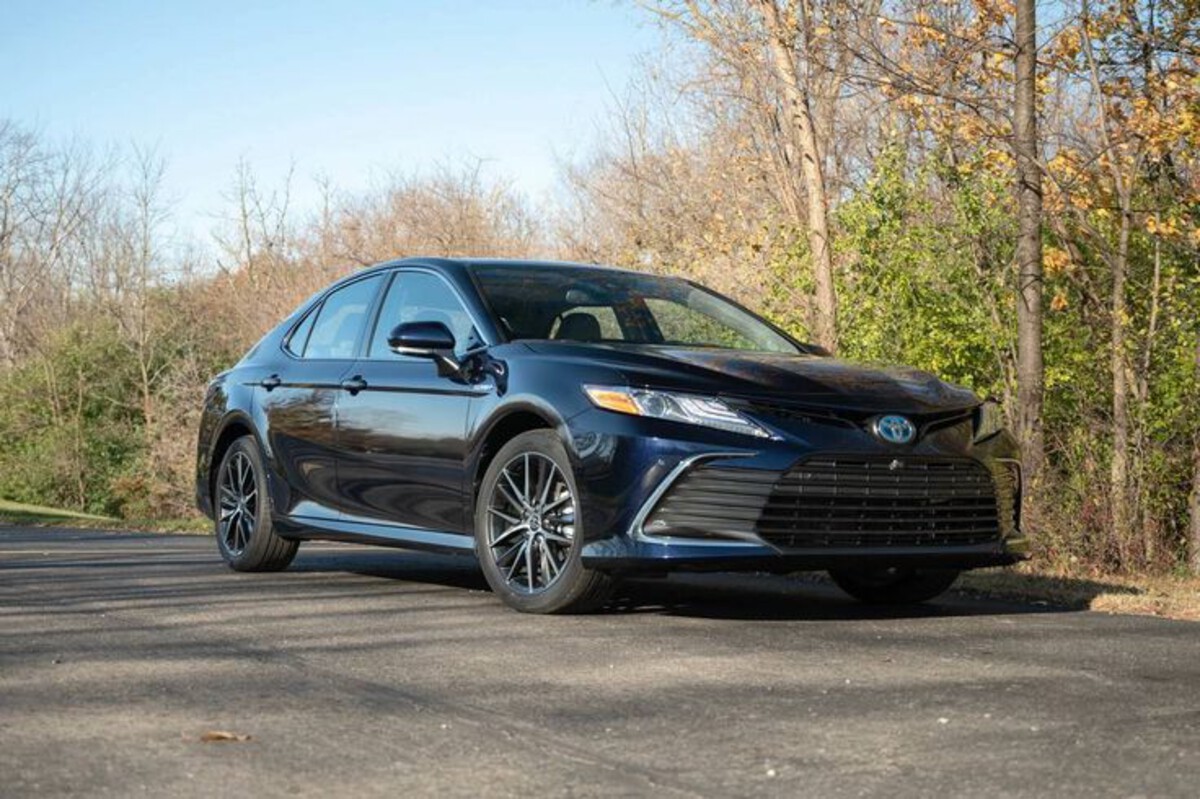
4. Toyota Camry Hybrid
The Toyota Camry Hybrid combines the benefits of a midsize sedan with highly efficient hybrid technology, enabling it to consistently deliver EPA-rated mileage. One major factor in its performance is the Toyota Hybrid Synergy Drive system, which intelligently manages the interaction between the gasoline engine and electric motor.
This system allows for smooth transitions between power sources, ensuring that fuel is conserved whenever possible. In city driving, the electric motor can handle low-speed movement independently, while the gasoline engine engages only when necessary. This controlled approach to power distribution makes the Camry Hybrid one of the most reliable options for drivers seeking consistent fuel economy.
Highway efficiency is another area where the Camry Hybrid excels. Unlike some hybrids that experience a sharp drop in fuel economy at higher speeds, the Camry maintains close alignment with EPA ratings, thanks to careful tuning of the engine and motor.
Drivers can achieve high mileage without sacrificing performance, making it suitable for long commutes or extended road trips. The seamless blending of power ensures that the vehicle performs efficiently even under varying driving conditions, demonstrating the versatility and effectiveness of Toyota’s hybrid system.
The Camry Hybrid’s interior technology supports fuel-conscious driving by providing real-time feedback and efficiency metrics. Drivers can track energy usage, monitor the impact of acceleration and braking, and adjust driving behavior to optimize fuel consumption.
Features such as eco indicators and hybrid-specific dashboards provide practical, actionable information, empowering drivers to make decisions that directly affect mileage. This level of engagement creates a sense of control and encourages consistent fuel-saving habits, further ensuring that the Camry Hybrid meets or exceeds EPA expectations.
Reliability also plays a vital role in the Camry Hybrid’s ability to deliver advertised fuel economy. Toyota’s proven hybrid components, including long-lasting batteries and low-maintenance engines, minimize the risk of performance degradation over time.
Owners often report that even after years of use, the Camry maintains fuel efficiency comparable to new vehicles. This combination of advanced hybrid technology, thoughtful interior feedback systems, and long-term reliability ensures that the Camry Hybrid is a consistently dependable choice for drivers who prioritize both comfort and fuel economy.
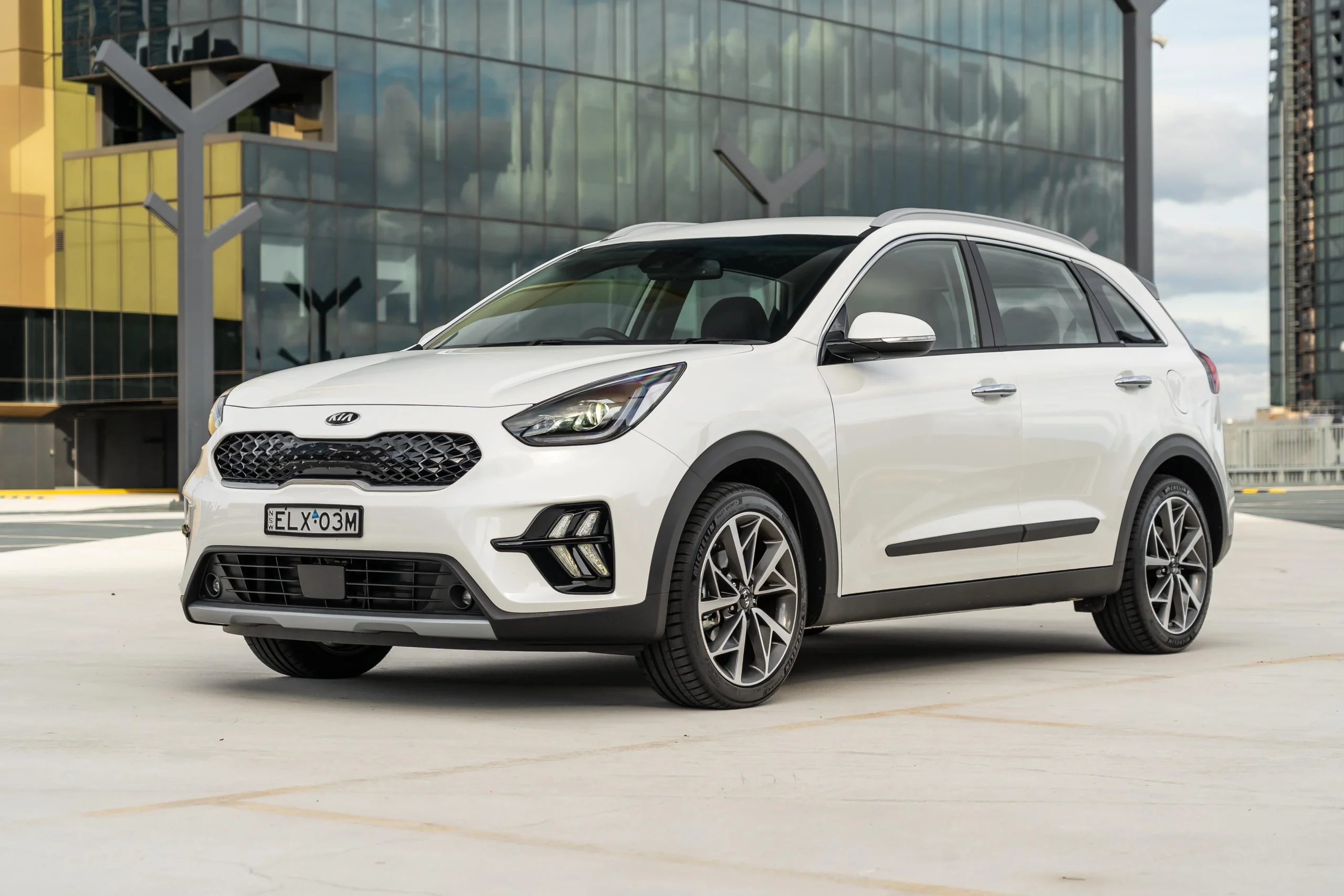
5. Kia Niro Hybrid
The Kia Niro Hybrid is a compact SUV that focuses on achieving real-world efficiency without sacrificing practicality or power. Its aerodynamic design, lightweight structure, and hybrid drivetrain allow it to consistently meet EPA mileage ratings.
The electric motor assists the gasoline engine during acceleration, while regenerative braking recaptures energy that would otherwise be lost, contributing to overall efficiency. This combination of design and technology ensures that the Niro performs well in a variety of driving conditions, from urban traffic to long highway trips.
Highway driving is another strength for the Niro Hybrid. Unlike many hybrid SUVs that experience significant drops in fuel efficiency at sustained high speeds, the Niro maintains mileage close to advertised levels. The gasoline engine operates efficiently during cruising, while the electric motor provides support only when additional power is needed.
This balance allows the Niro to perform reliably over long distances without the dramatic fuel economy loss that can affect other hybrids.
Technology and reliability further strengthen the Niro Hybrid’s consistency. Features like real-time energy monitoring, eco-driving indicators, and efficient power distribution between engine and motor encourage drivers to maintain optimal efficiency.
In addition, Kia’s emphasis on long-term durability ensures that hybrid components continue to perform effectively over many years, allowing the vehicle to sustain its EPA-rated mileage. This combination of thoughtful engineering, efficient design, and advanced technology makes the Kia Niro Hybrid one of the most dependable vehicles for achieving advertised fuel economy.
5 Hybrid Cars That Fall Short of EPA Mileage
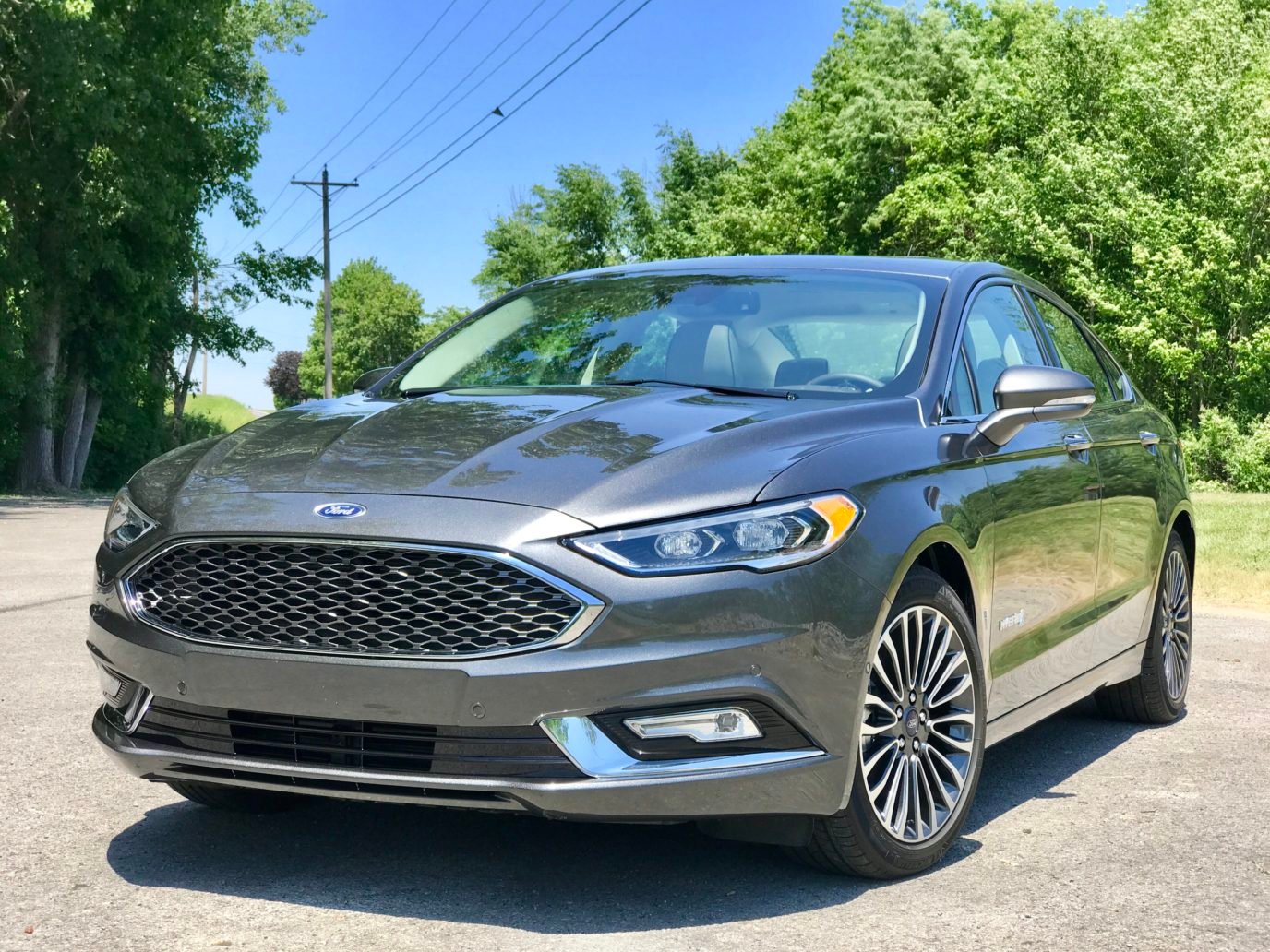
1. Ford Fusion Hybrid
The Ford Fusion Hybrid is often praised for its smooth ride and comfortable interior, but its real-world fuel economy frequently falls short of EPA estimates.
One reason for this discrepancy is its heavier design compared to smaller hybrids, which increases energy consumption during both city and highway driving. While the Fusion Hybrid’s two-motor system is designed to optimize efficiency, it cannot fully compensate for the added weight and less aerodynamic profile.
As a result, drivers may notice that highway mileage, in particular, tends to lag behind the EPA rating, especially at sustained high speeds or when driving in hilly terrain. The difference between advertised and actual performance can be significant enough to impact annual fuel costs for regular commuters.
The Fusion Hybrid’s interior technology, while advanced, does not always help drivers achieve the expected fuel economy. Energy monitoring systems provide feedback, but the complexity of the dual-motor system can make it harder for drivers to interpret and act on efficiency information effectively.
Some drivers may not fully utilize regenerative braking or fail to engage eco-driving modes consistently, both of which are crucial for maximizing fuel savings. While the car offers tools to improve efficiency, they require attention and adaptation, which not all drivers manage in practice.
Long-term reliability is another factor influencing the Fusion Hybrid’s performance. Over time, battery performance can degrade slightly, and the increased weight and complexity of the drivetrain can lead to additional energy losses. While the vehicle is generally dependable, these minor declines in efficiency can exacerbate the gap between actual and EPA-rated mileage.
Drivers seeking a hybrid that reliably meets its advertised fuel economy may find that the Fusion Hybrid falls short under everyday driving conditions, especially when compared to lighter, more efficiency-focused competitors.
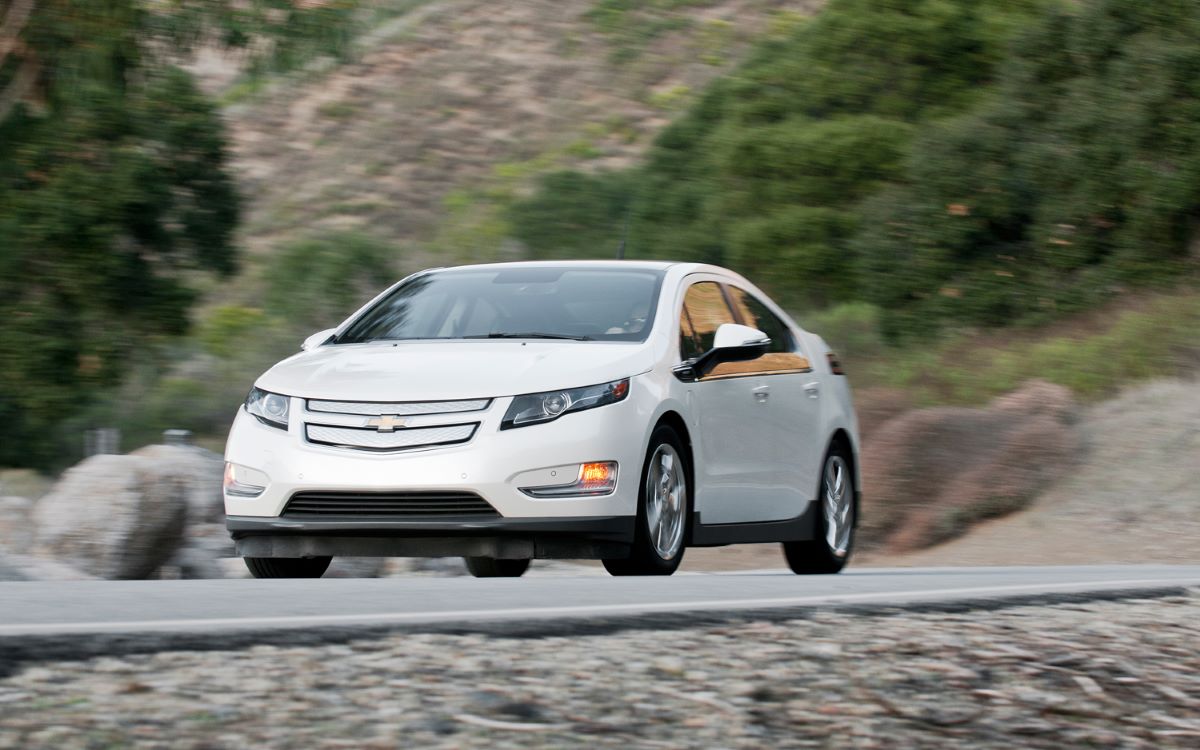
2. Chevrolet Volt (First Generation)
The first-generation Chevrolet Volt was innovative for its time, featuring a plug-in hybrid system that allowed for extended electric-only driving. However, real-world fuel economy often fell short of EPA estimates, especially after the electric range was depleted.
One reason for this shortfall is the relatively large gasoline engine, which consumes more fuel than smaller hybrid engines when operating solely on gasoline. Drivers who relied heavily on highway travel or had long commutes beyond the electric range frequently experienced lower-than-expected miles per gallon, revealing a significant gap between advertised and actual performance.
Technology in the Volt, such as energy flow displays and range estimators, provided valuable feedback to drivers but sometimes created a false sense of security.
Drivers expecting consistent fuel economy could be misled by optimistic electric range projections, which did not account for real-world driving conditions like hills, higher speeds, or cold weather. While the Volt’s plug-in hybrid system offered an innovative approach to efficiency, it also demanded careful monitoring and adjustments by the driver to approach advertised mileage.
Finally, battery management and long-term performance influenced the Volt’s ability to meet fuel economy targets. Over time, the battery’s effective capacity decreased slightly, reducing electric-only range and forcing the gasoline engine to operate more frequently.
Even though the Volt was designed to remain efficient, this gradual decline contributed to lower overall mileage and made it difficult for owners to consistently achieve EPA estimates. For drivers seeking predictability, the first-generation Volt illustrates the challenge of balancing innovative hybrid technology with real-world fuel economy expectations.
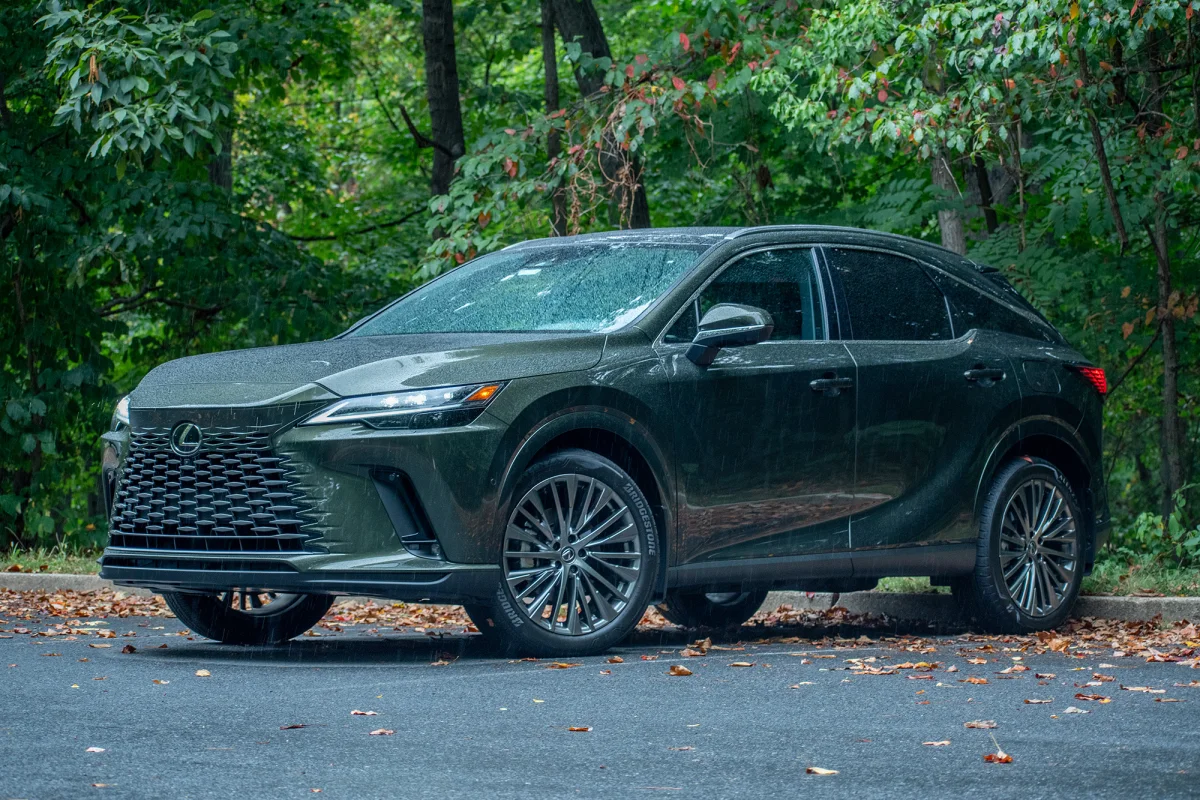
3. Lexus RX 450h
The Lexus RX 450h is a luxury hybrid SUV that offers a smooth ride and powerful performance, but it often fails to achieve its EPA-rated mileage. One major factor is its weight. As a midsize luxury SUV, it has a larger curb weight than many smaller hybrids, which increases fuel consumption during acceleration and on inclines.
The hybrid system, while sophisticated, cannot fully offset the energy demands of a heavier vehicle, leading to lower-than-expected mileage in both city and highway driving. Drivers may find that while the SUV feels refined and responsive, it requires more fuel than the EPA ratings suggest, especially under aggressive driving or load-bearing conditions.
City driving presents its own challenges. While the RX 450h can operate in electric-only mode at very low speeds, the frequent engagement of the gasoline engine during normal urban driving reduces fuel economy.
Factors like climate control, stop-and-go traffic, and heavier cabin features common in luxury SUVs further contribute to lower real-world efficiency. Drivers often report that actual city mileage falls well below EPA estimates, indicating a gap between idealized laboratory conditions and everyday use.
Long-term reliability plays a role in the RX 450h’s mileage performance as well. While Lexus hybrids are known for durability, heavier components and complex drivetrain systems can gradually affect fuel efficiency. Battery performance is generally reliable, but the SUV’s weight and auxiliary systems can increase energy demands over time.
As a result, the RX 450h is often better appreciated for luxury, comfort, and refinement than for consistent fuel efficiency, highlighting the trade-off between performance and mileage in larger hybrid SUVs.
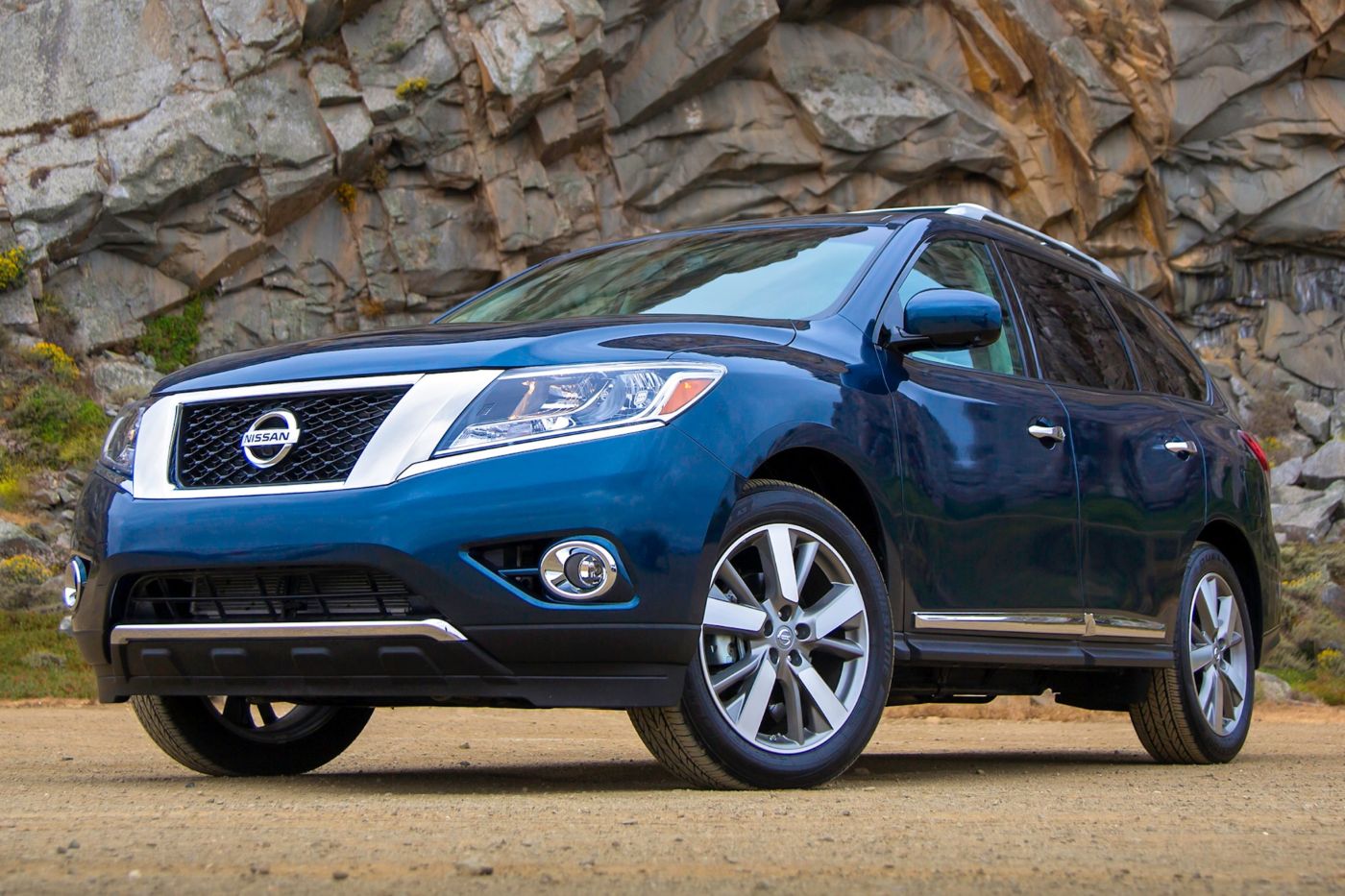
4. Nissan Pathfinder Hybrid (Previous Generation)
The previous-generation Nissan Pathfinder Hybrid was introduced as a family-oriented SUV with a hybrid system intended to improve fuel economy. However, its real-world mileage often fell short of EPA estimates due to the vehicle’s size and power demands.
As a larger SUV, it requires more energy to move, especially under load or when climbing hills. The hybrid system, while functional, struggles to provide significant efficiency gains in these conditions, and drivers frequently report that highway mileage is significantly below advertised numbers. Even moderate acceleration can cause a noticeable drop in fuel economy, making it difficult to meet expectations over long trips.
Technology intended to assist fuel-efficient driving does not always produce the desired results. While the Pathfinder offers energy flow displays and eco-driving indicators, the vehicle’s size and weight often limit the effectiveness of these tools.
Drivers may be able to optimize fuel consumption to a degree, but external factors such as terrain, weather, and passenger load frequently outweigh any potential efficiency gains. This creates a consistent pattern of mileage falling short of expectations.
Finally, long-term performance considerations affect the Pathfinder Hybrid’s ability to sustain EPA-rated efficiency. Battery aging, combined with wear on hybrid components, can slightly reduce fuel economy over time. ‘
Given the vehicle’s initial difficulty in achieving advertised numbers, these long-term factors further exacerbate the gap between EPA estimates and real-world mileage. For drivers seeking reliable efficiency, the Pathfinder Hybrid illustrates how larger hybrid SUVs often sacrifice mileage for size, utility, and power.
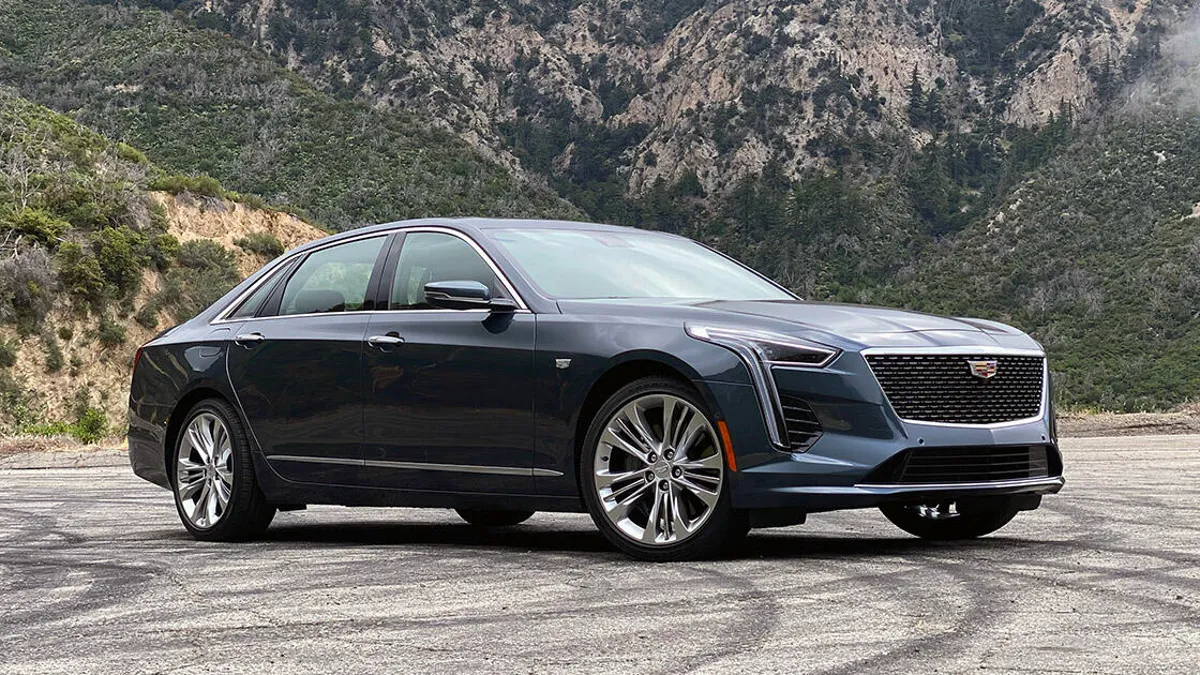
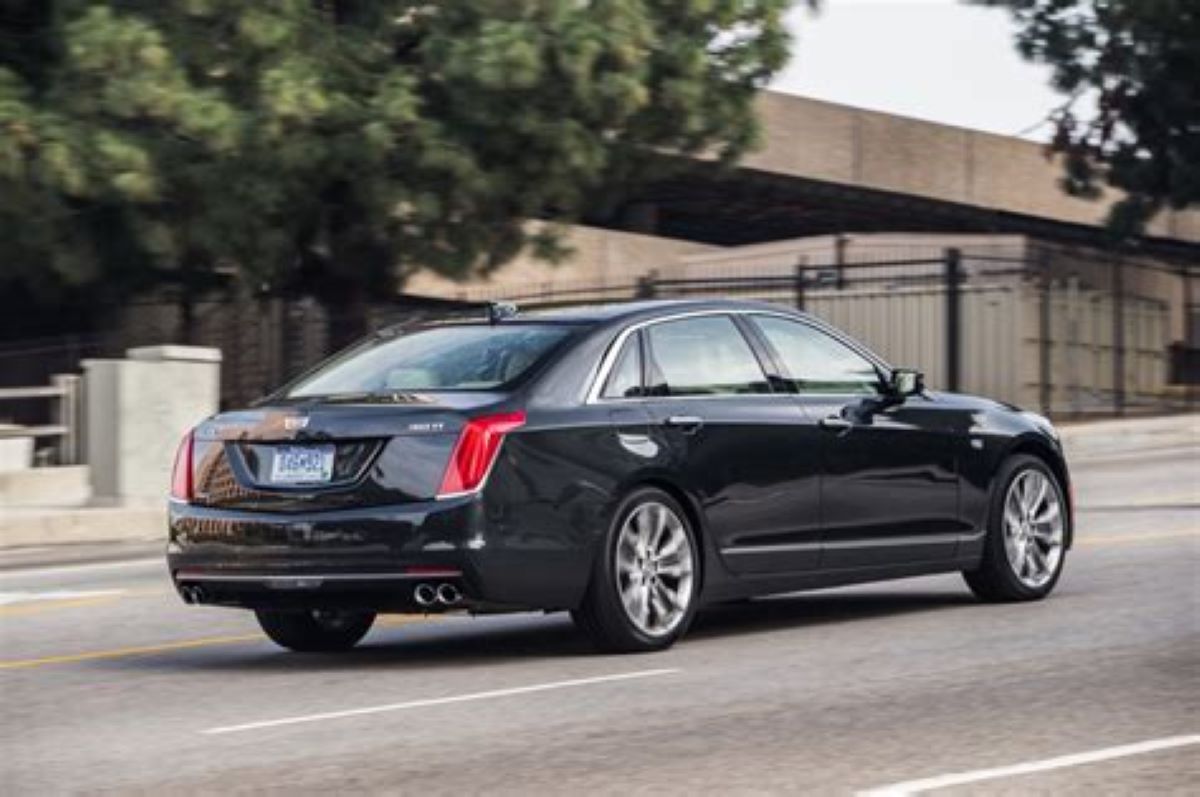
5. Cadillac CT6 Plug-In Hybrid
The Cadillac CT6 Plug-In Hybrid represents a luxury approach to hybrid technology, combining high performance with electric propulsion. However, real-world fuel economy often fails to match EPA estimates, particularly once the electric-only range is depleted. One contributing factor is the vehicle’s weight and engine configuration.
As a large luxury sedan, the CT6 requires more energy to accelerate and maintain speed, reducing efficiency compared to smaller hybrids. Drivers may find that fuel consumption rises quickly under normal driving conditions, especially on highways or when using advanced features like air conditioning or all-wheel drive.
City driving also highlights the discrepancy. While the electric motor can manage short urban trips, the gasoline engine engages more often than anticipated, particularly when carrying passengers or luggage.
This results in lower overall fuel economy than the EPA suggests. Many drivers note that the plug-in system works best for short trips within the electric range, but longer journeys reveal the limitations of the hybrid system, producing mileage well below advertised levels.
Long-term reliability and battery performance further influence the CT6’s fuel economy. Over time, battery degradation reduces electric-only capabilities, forcing the gasoline engine to operate more frequently and decreasing overall mileage.
Despite its sophistication and luxury appeal, the CT6 Plug-In Hybrid demonstrates that higher-end hybrid vehicles with larger dimensions often struggle to meet the EPA’s advertised efficiency, particularly for drivers seeking consistent real-world mileage across all driving conditions.
