
Parents often look for vehicles that reduce small but important risks during daily travel. When children ride in the back seat, the simplest features often matter the most. Child locks on the rear doors and window switches that are clearly marked and easy to control can make routine trips safer and less stressful.
Many modern cars include these features, but not all of them handle them with the same level of clarity or convenience. Some hide the child lock mechanism in places that are hard to reach, while others use window switches that feel confusing or too lightly built for confident control.
A family may have several caretakers who share the vehicle, such as grandparents, babysitters, or older siblings, which makes it important for these safety elements to be intuitive instead of buried in a complicated setup.
When a car provides simple and obvious buttons for these functions, it reduces the chance of mistakes. This includes mistakes like leaving the child lock off when it should be on or allowing the rear windows to stay active when a younger passenger likes to press everything within reach.
Reliable controls also remove stress during hectic moments such as school drop offs or grocery store runs. A parent who feels rushed can still trust the setup without needing to repeat multiple steps or check through menus.
Child lock systems and accessible window buttons also help families who frequently switch between carrying children and carrying adult passengers.
It becomes easier to adjust settings on the fly without digging for tools or searching for hidden switches. This flexibility supports families with varied routines. Even short distances feel different when one can confirm settings with a quick glance or single motion.
This article highlights ten cars known for having easy child lock mechanisms and straightforward window lock buttons. The focus is on vehicles that offer practical control layouts, simple design choices, and user friendly features.
These selections are not based on any external list or ranking. Instead, the emphasis is on common design principles that appear across many family oriented vehicles. Each model discussed here represents a type of approach that parents often appreciate, making them useful examples for anyone comparing options.
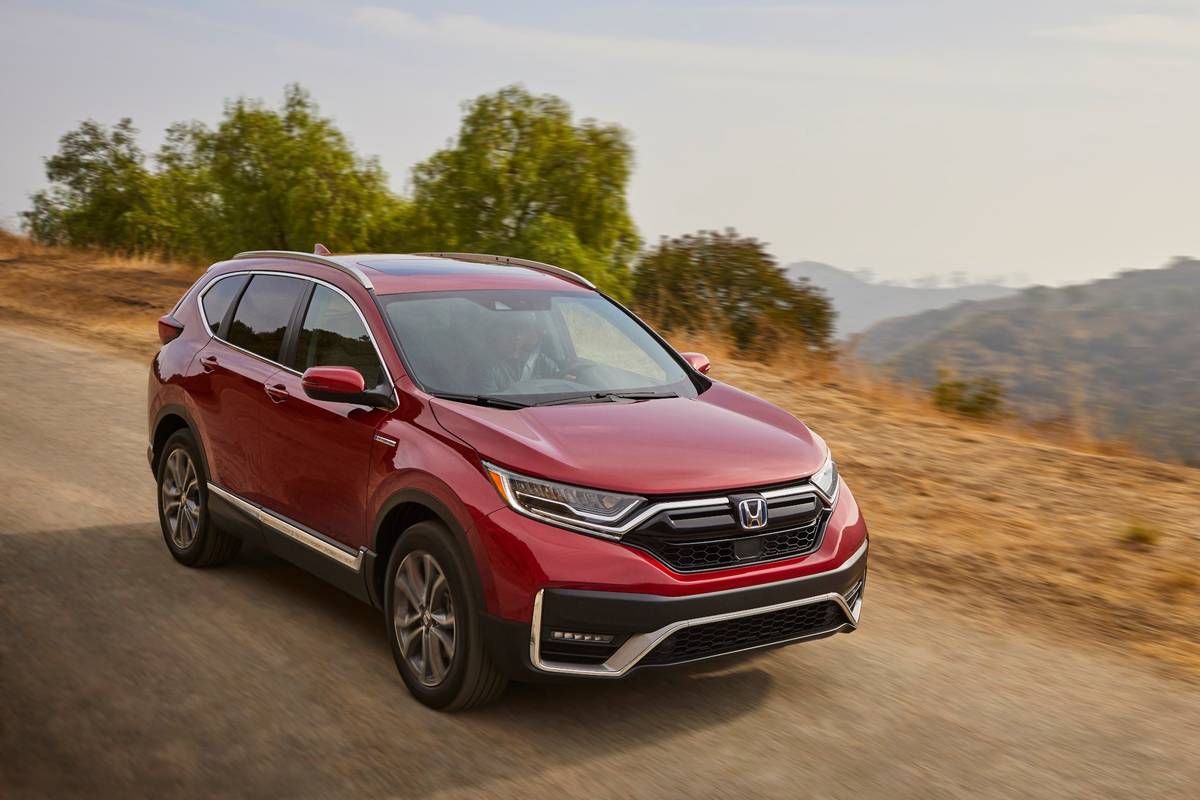
1. Honda CR V
The Honda CR V has gained steady popularity among families because its controls remain simple and predictable. The rear door child lock switch is placed in a traditional position near the latch, allowing parents to activate it without confusion. This placement may be standard, yet Honda tends to craft it in a way that feels direct and sturdy.
Parents who occasionally switch between carrying younger and older passengers will appreciate that they do not need to readjust the controls through a touchscreen or hidden menu. Everything remains physical and visible, which helps during rushed situations.
Even during low light conditions, the placement is intuitive, ensuring that parents can engage the lock quickly without needing to fumble or search blindly. This reliability is particularly useful for those who often transport children at night or in unfamiliar parking areas, where simple access can prevent unnecessary stress.
Parents often comment on the CR V window switches because they are spaced in a manner that prevents accidental pressing by rear passengers.
The central window lock button located on the driver’s door is large enough to be recognized instantly. Even with a quick reach, the driver can confirm whether the windows are locked for the back seats.
This works well for children who enjoy touching every button they can find. Moreover, the button is designed to be responsive without being overly sensitive, so a firm press ensures activation while preventing inadvertent toggles from light contact. Parents can maintain peace of mind knowing the system provides both security and practical usability.
Another advantage of the CR V is the durability of its switches. Honda typically uses consistent materials that do not feel flimsy. When switching the child lock on and off, the click is easy to feel. This tactile confirmation is valuable when a parent does not have the luxury of visually confirming the position of the switch.
It also reduces wear over time because the system is mechanical rather than software-based. Many parents have noted that even after years of regular use, these switches continue to operate smoothly without sticking or requiring extra force, which is not always the case with other vehicles in the same class.
Families who frequently transport multiple children find the CR V convenient because its interior layout keeps everything within reach of adults while out of reach for curious kids. Window lock controls remain protected from accidental bumps, and the child lock mechanism works reliably even after years of use.
The rear door locks provide consistent feedback and clarity, which is particularly useful during longer trips where children may become more active or restless.
These qualities make the CR V a trustworthy choice for parents who want consistency instead of theatrics in their vehicle features. Its thoughtful design demonstrates an understanding of the daily challenges parents face, making it a practical option for both city commuting and longer family trips.
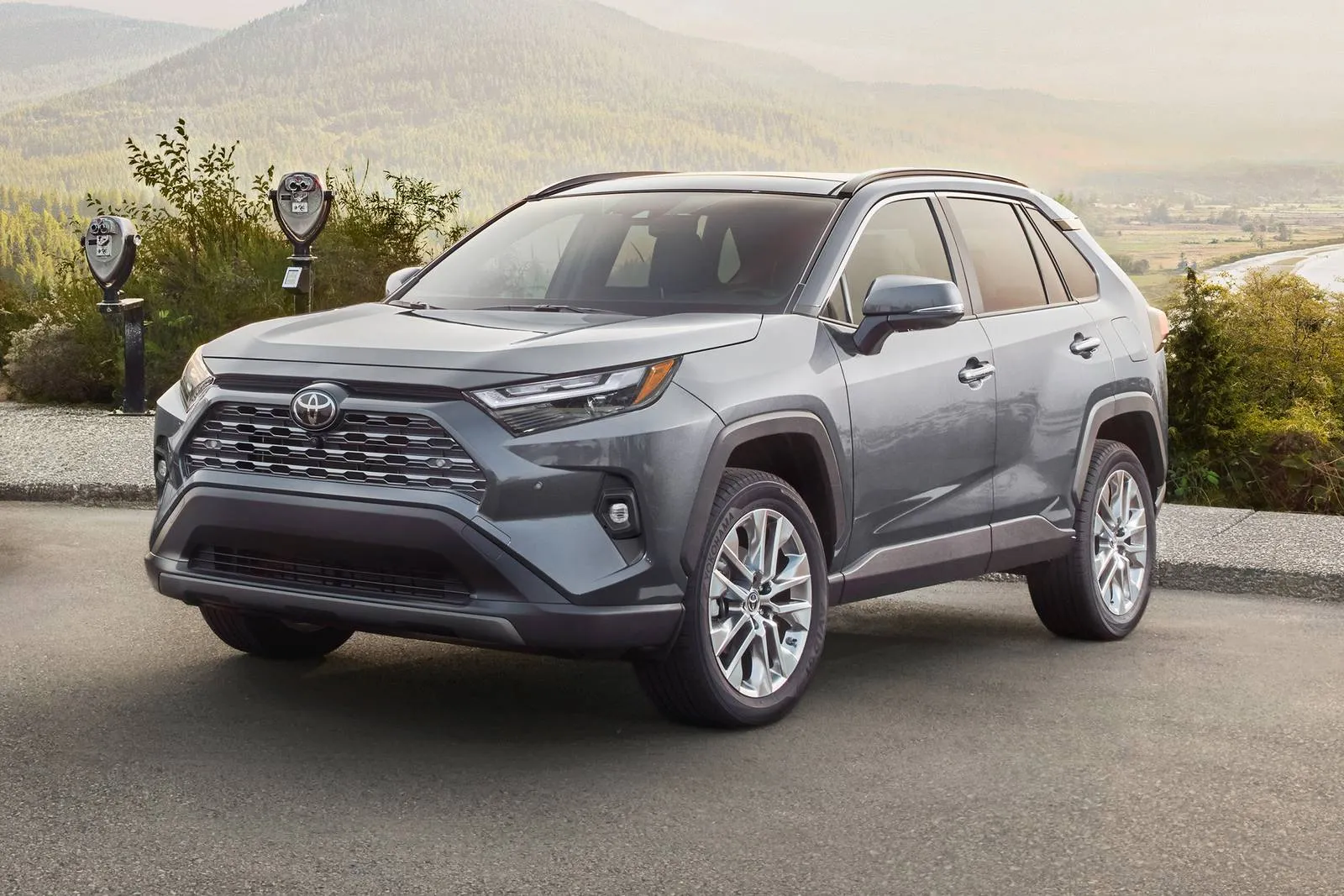
2. Toyota RAV4
The Toyota RAV4 is often praised for its simple controls that feel natural to understand. The child lock switch sits near the rear door latch and includes clear markings. This helps adults who have not used the car before. A babysitter or relative can adapt quickly because nothing requires a manual or hidden knowledge.
The intuitive layout provides reassurance that once the child lock is set, it will remain in place without surprise changes. The child lock mechanism itself is sturdy, requiring a deliberate press to engage, which ensures accidental activation is rare.
This is particularly important for parents who frequently travel on busy streets or highways and want to reduce distractions in the back seat.
Window lock controls in the RAV4 are part of the driver-oriented layout. The driver can immediately see which windows are active and which are restricted. The lock button is placed logically with the other window switches, making the entire panel easy to memorize.
For parents who often hand the car over to another adult, this layout eliminates confusion and minimizes the chance that a child will accidentally operate the rear windows.
The feedback from the button is tactile and distinct, making it easy to confirm that the setting has changed without having to glance down. This reduces the mental load during stressful or hurried driving moments.
Toyota tends to design its cars with longevity in mind, and this shows in the way the buttons feel. Both the child lock and window switches offer clear feedback when toggled. This feedback helps parents ensure they activate the correct setting even when they are in a hurry.
Consistent reliability is a recurring strength in Toyota models, making safety-oriented controls feel dependable. In addition, the smooth yet firm resistance of the switches means they can withstand repeated activation over many years without becoming loose, which is especially valuable for families with young children who often experiment with buttons.
Families appreciate that the RAV4 does not overload the cabin with unnecessary complexity. Everything has a simple function without excessive touch menus or multi-step procedures.
When traveling with kids, simplicity becomes a major advantage. The car keeps both safety and convenience at the forefront by making the child lock and window functions quick to access.
Even in challenging situations such as parking in crowded areas or during sudden school pickup times, these controls can be activated efficiently without distracting the driver.
This combination of simplicity, accessibility, and durability makes the RAV4 an appealing option for parents who want reassurance that safety features are both functional and practical.
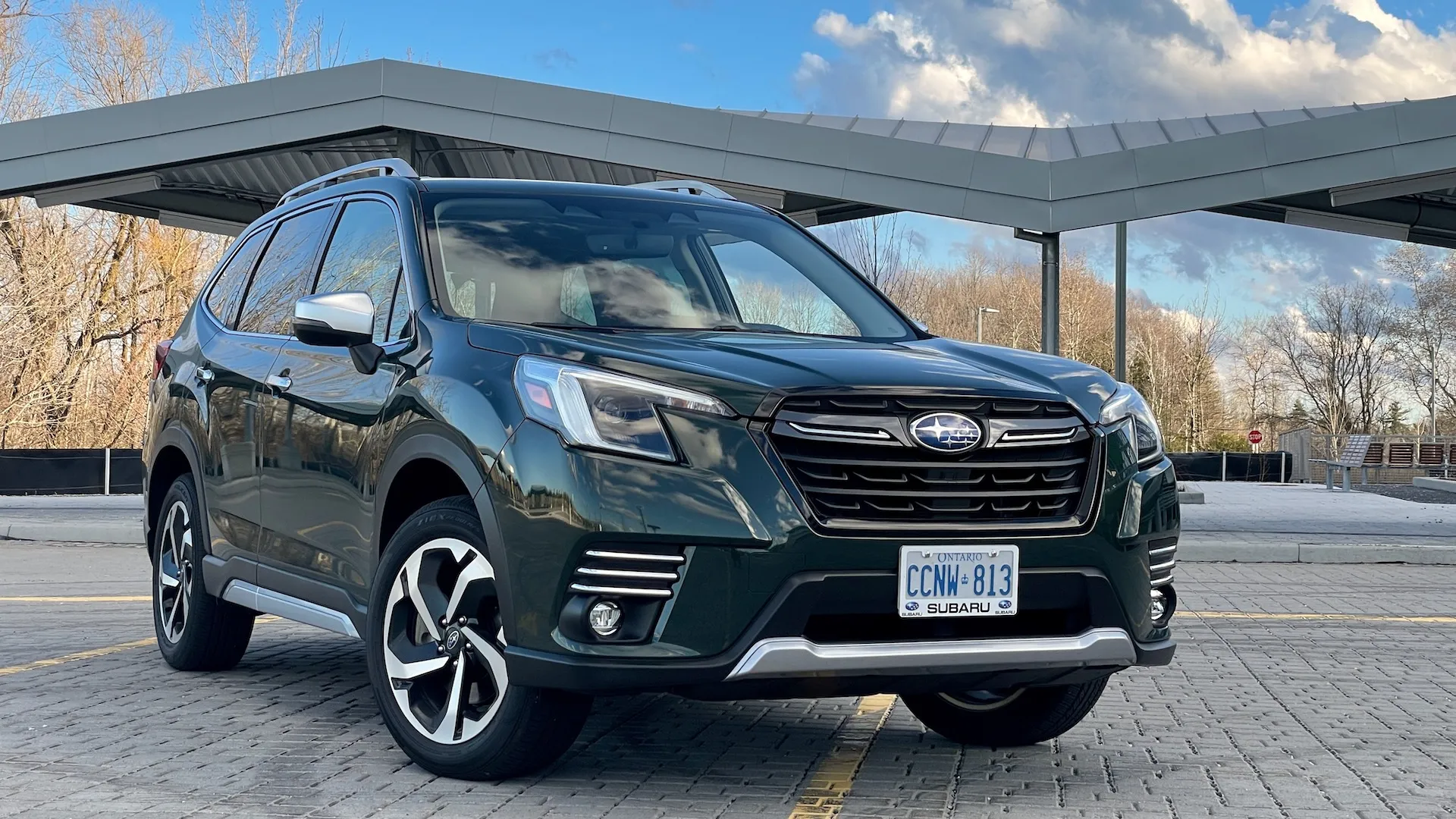
3. Subaru Forester
The Subaru Forester appeals to safety-conscious families because of its balanced approach to control design. Subaru tends to maintain traditional child lock mechanisms located near the door latch area. This placement allows any adult to activate it without navigating through digital systems.
Since families may rotate drivers frequently, simple mechanics reduce mistakes and avoid confusion. The rear doors themselves are solidly built, and the child lock switch integrates seamlessly, providing both a physical barrier and clear feedback when engaged.
This is especially helpful in households where children are active or curious, reducing accidental door openings during stops.
The driver-side window controls in the Forester are organized in a clean cluster. The lock button stands out clearly, allowing the driver to disable rear window control with one motion. This proves useful when carrying children who often press whatever they see.
With a single action, the driver can secure the windows and focus on the road instead of worrying about distractions coming from the back seat. The design also minimizes accidental engagement by requiring a deliberate press, which balances safety with ease of use.
For families on long trips, this feature provides peace of mind as children can move freely without the risk of opening windows unexpectedly.
Subaru tends to emphasize practical interior layouts with materials that feel sturdy. Many parents value this because children are not always gentle with interior components. The durability of the switches inspires confidence that the child lock system will hold up through repeated use.
The window lock button also has a resistance level that prevents accidental toggling, which enhances safety for growing families. This attention to detail is a hallmark of Subaru’s design philosophy, reflecting their understanding of family dynamics and the challenges of keeping a car interior both safe and resilient over time.
For outdoor-oriented families, the Forester remains a strong candidate because its safety features do not require complex adjustments even when switching between various types of passengers. A family may transport children one day and adults the next, and the controls remain simple to reset.
This adaptability reflects Subaru’s approach to user-friendly design that supports families with active lifestyles. The clear markings, intuitive placement, and reliable operation of both child lock and window lock controls make it a vehicle that families can trust to handle everyday demands efficiently and safely.
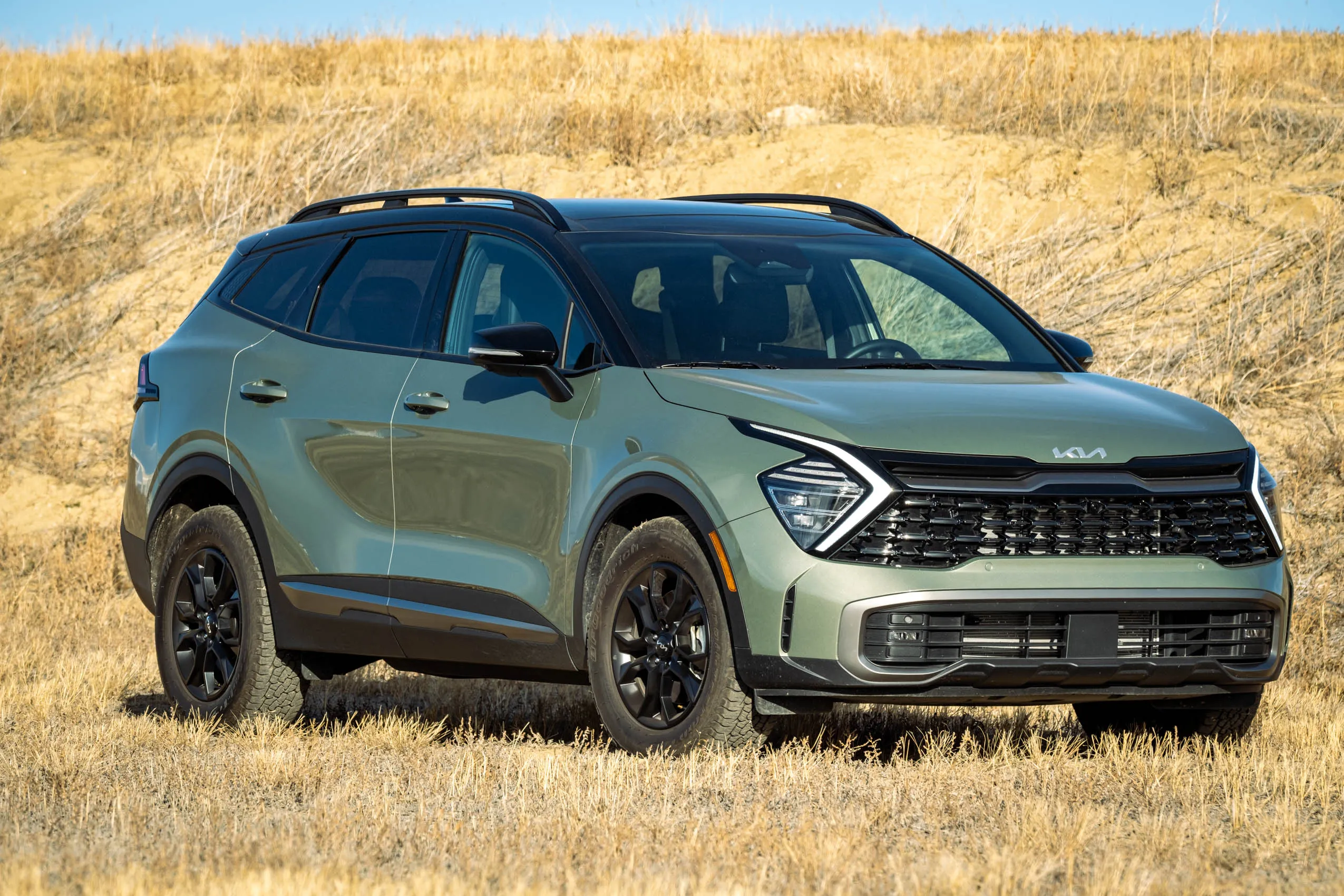
4. Kia Sportage
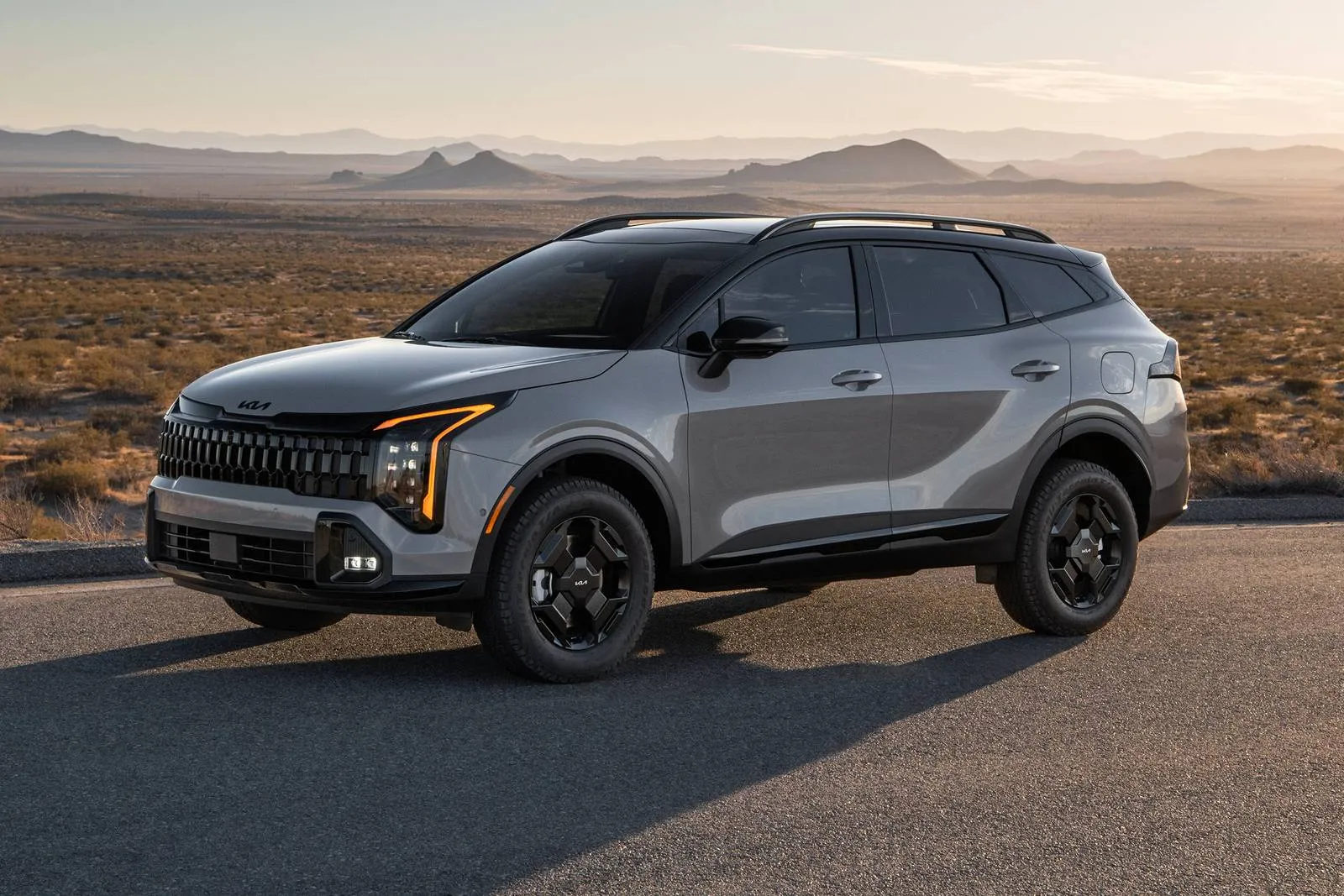
The Kia Sportage has gained attention for its comfortable layouts and easy-to-learn controls. The child lock switch on the rear doors is clearly shaped and simple to operate, avoiding any guesswork when parents need to secure the back seat. Because the switch avoids fragile styling, it withstands everyday use in households that perform frequent drop-offs and pick-ups.
The mechanism itself requires a clear motion to engage or disengage, preventing accidental changes by children who may tug on the doors. Its placement is intuitive, so new drivers or caregivers can find it immediately without prior experience.
The window lock button is placed prominently on the driver-side panel. Its design makes it easy to reach without shifting posture. This helps drivers who handle busy routines where distractions can be dangerous. When younger passengers are in the back, one quick press secures the windows and minimizes interruptions.
The feedback from the button is distinct, giving parents confidence that it has engaged correctly without needing to visually check. Families with multiple drivers or shared vehicles benefit from the simplicity and consistency of these controls, as each adult can quickly adjust settings to suit the current passengers.
Parents often mention how the Sportage layout supports multitasking. Even with fast movements such as loading groceries or helping children buckle in, the controls stay easy to find. Physical buttons avoid mistakes caused by digital menus. This simplifies transitions between driving alone and driving with kids.
The tactile nature of the buttons, combined with their logical positioning, allows parents to operate them instinctively. This becomes particularly valuable during high-stress situations like school pickups or errands where attention to the road must remain a priority.
Kia often builds its interior features around clarity. The Sportage is an example of how this philosophy benefits families. The child lock and window lock are placed where one would expect, and their straightforward operation makes the vehicle appealing to households that prefer uncomplicated safety measures.
Beyond mere functionality, the switches feel durable and solid, giving parents confidence that repeated use over months and years will not diminish reliability. For families seeking a balance of safety, convenience, and lasting performance, the Sportage delivers a well-rounded solution.
5. Hyundai Tucson
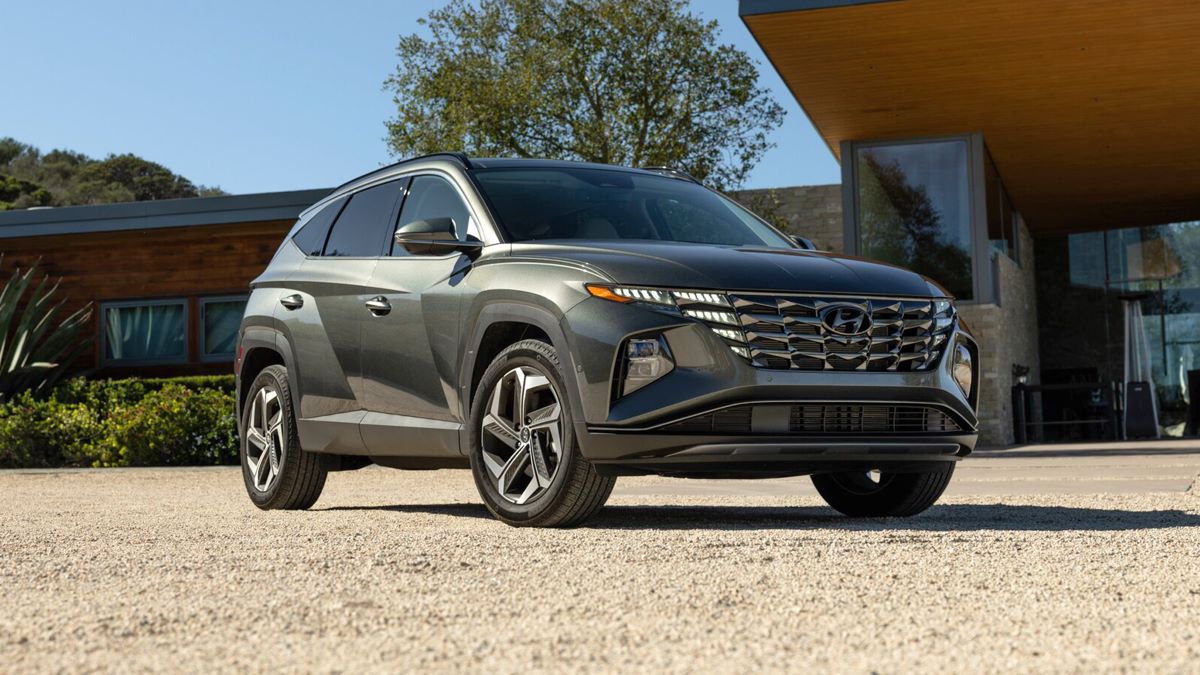
The Hyundai Tucson has a reputation for combining comfort with functional design. Its child lock switch uses a standard mechanical layout on the rear doors. Parents appreciate that they can activate it quickly without relying on screens or digital prompts.
The mechanism is firm enough to avoid accidental disengagement yet smooth enough to operate easily. Its placement ensures that anyone stepping into the vehicle for the first time can immediately identify and use it, which is useful for families with rotating caregivers or shared responsibilities.
The Tucson’s window lock button is positioned where the driver naturally rests their hand. Its large shape prevents missed presses or confusion during hurried situations. This helps when drivers need to secure the windows because a child likes to tap buttons during the ride.
The design is thoughtfully ergonomic, allowing for one-handed operation without taking focus off the road. Families driving in busy city environments or on long trips benefit from this quick and accessible control, which improves safety and reduces minor distractions caused by children in the back seat.
Hyundai produces interiors that feel balanced and user-friendly. The mechanical feel of its controls makes it easier to trust the system. Parents who value reliability will find that the Tucson maintains consistent performance throughout years of frequent use.
The materials used in the switches are durable, resisting wear from repeated pressing and providing tactile feedback that confirms engagement. These details reduce the chance of confusion or error, which is particularly important when multiple children of different ages share the back seats.
For families that regularly alternate between adult passengers and children, the Tucson suits their needs by offering controls that take almost no time to adjust. This flexibility improves the daily experience, making school runs and errand trips simpler to manage.
The combination of practical placement, tactile feedback, and durability ensures parents can quickly set the vehicle to match the current passenger arrangement. Tucson’s child lock and window lock systems exemplify how thoughtful design can reduce stress and increase confidence for families on the move.
6. Ford Escape
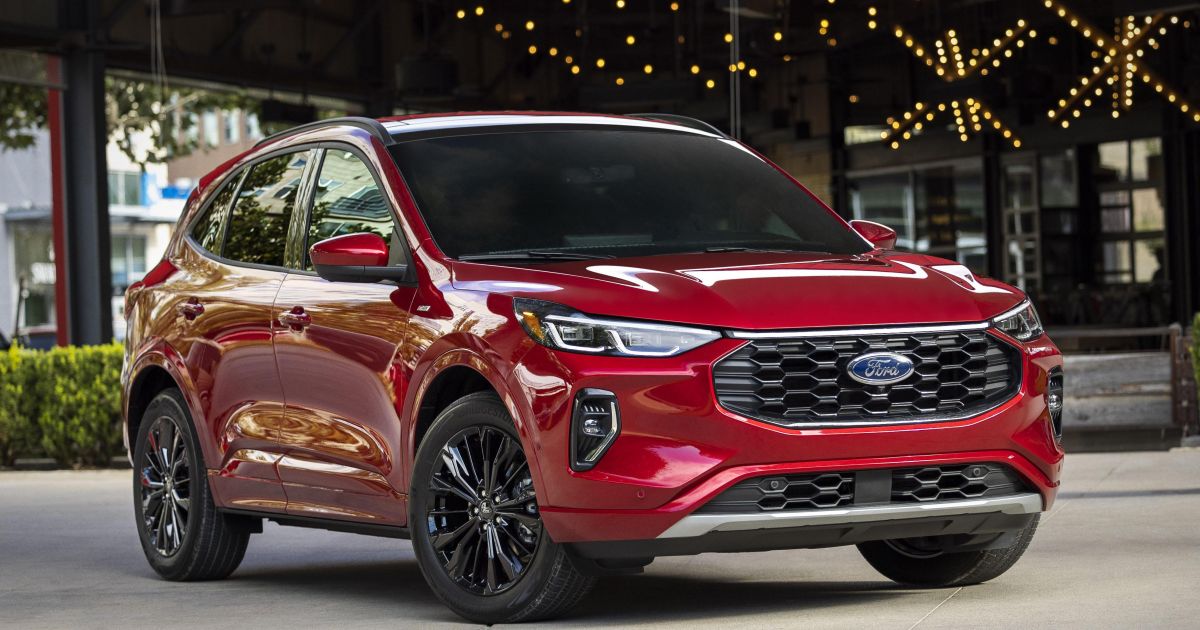
The Ford Escape stands out among family-oriented SUVs for its familiar control layout. The child lock switch aligns with traditional positioning near the rear door latch. This consistency helps anyone who uses the vehicle understand how to secure the doors quickly.
The latch is robust, providing physical assurance that the doors are locked, and it requires a clear, deliberate motion to activate, reducing the risk of accidental unlocking.
Families with young children often find that this simplicity prevents stressful moments during busy routines, such as school drop-offs or weekend trips. In addition, the visual indicators near the latch allow parents to confirm the status at a glance, which is particularly helpful in low-light conditions.
Ford’s driver-side window panel is known for clear grouping. The lock button is placed in a logical and easy-to-see position. Parents can disable the rear windows immediately if a child starts pressing buttons. This quick control promotes safe driving conditions by reducing distractions.
The button also provides tactile feedback, so the driver can feel when the lock has engaged without taking their eyes off the road.
The arrangement of all window switches ensures that children in the back cannot inadvertently operate them while adults maintain full control. This combination of accessibility and security contributes to the Escape’s appeal for families with active children.
Durability is an advantage in the Escape. The tactile feel of the switches reassures parents that the lock mechanisms will continue functioning over time. Wear and tear rarely affect mechanical switches as quickly as digital ones, making them more suitable for families with active children.
The child lock system is designed to remain effective over years of repeated engagement, which is essential in households where doors are frequently opened and closed. This robustness prevents malfunctions that could compromise safety or require costly repairs, giving parents confidence in the long-term reliability of their vehicle.
Drivers who often switch between solo travel and family travel appreciate the Escape’s adaptability. The controls are simple enough to adjust without thought, yet reliable enough to remain secure during daily routines.
Whether transporting children or adult passengers, parents can quickly reset the system without confusion. The placement and design of these controls reflect an understanding of real-world family needs, offering a balance between functionality, convenience, and security that makes the Escape a dependable choice for busy households.
7. Nissan Rogue
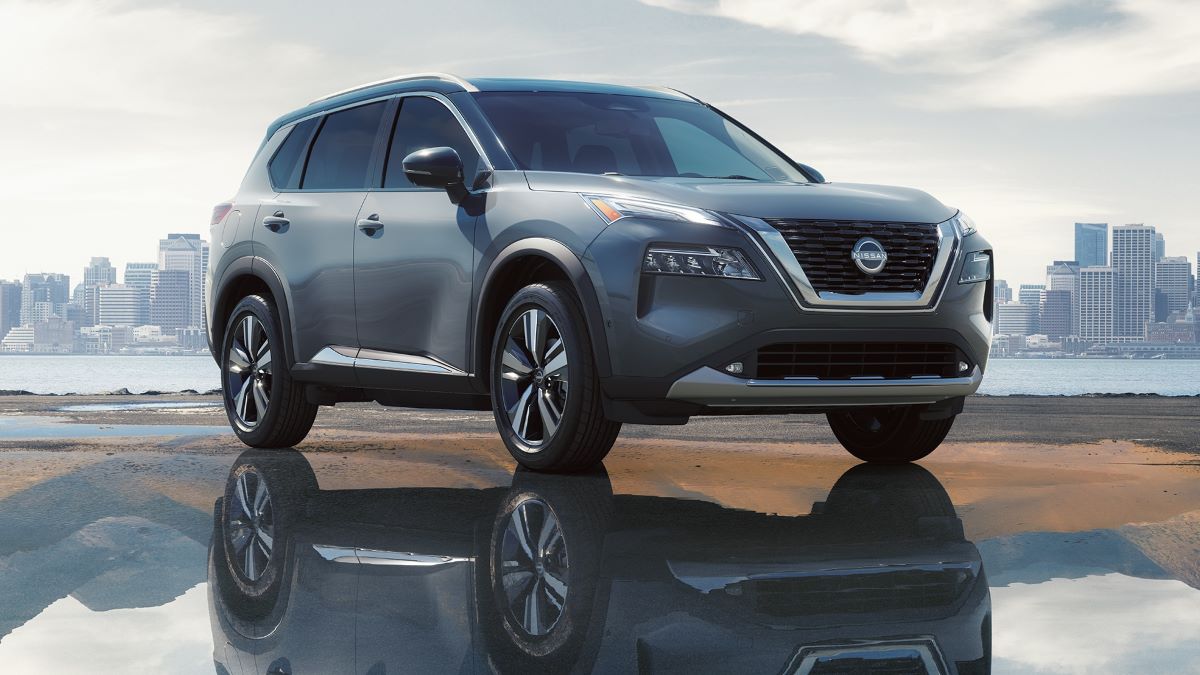
The Nissan Rogue has gained a strong following among families because its controls tend to focus on convenience. The child lock system uses a latch-based mechanism that is easy to activate without referencing instructions. This helps families who frequently switch between child passengers and adult passengers.
The latch requires a deliberate motion to engage or disengage, preventing accidental operation by children. Its placement near the rear door edge ensures that adults can access it quickly without shifting their position, which is particularly useful in tight parking spaces or crowded areas.
The simplicity of the system reduces the risk of confusion among multiple caregivers or occasional drivers.
The window lock button on the Rogue is one of its most appreciated features. The button is shaped clearly and placed where the driver can find it instantly. This reduces the chance that children will accidentally open the windows while the car is moving.
The button is slightly raised and has a firm tactile response, making it easy to differentiate from the other switches. For families who frequently drive with young children, this design provides reassurance and prevents minor distractions that could compromise safety.
The visibility and straightforward operation of the lock also allow quick engagement without needing to take attention away from the road.
Families that carry children of different ages find that the Rogue handles these needs with little adjustment. The safety controls remain simple enough for anyone to use, encouraging confidence in situations where quick decisions are necessary.
Switching the locks for different passengers can be done in moments, and the intuitive placement prevents frustration during busy routines.
This focus on practical usability and reliability demonstrates Nissan’s awareness of the challenges families face while driving, making the Rogue a consistently trusted option for households seeking safety and convenience.
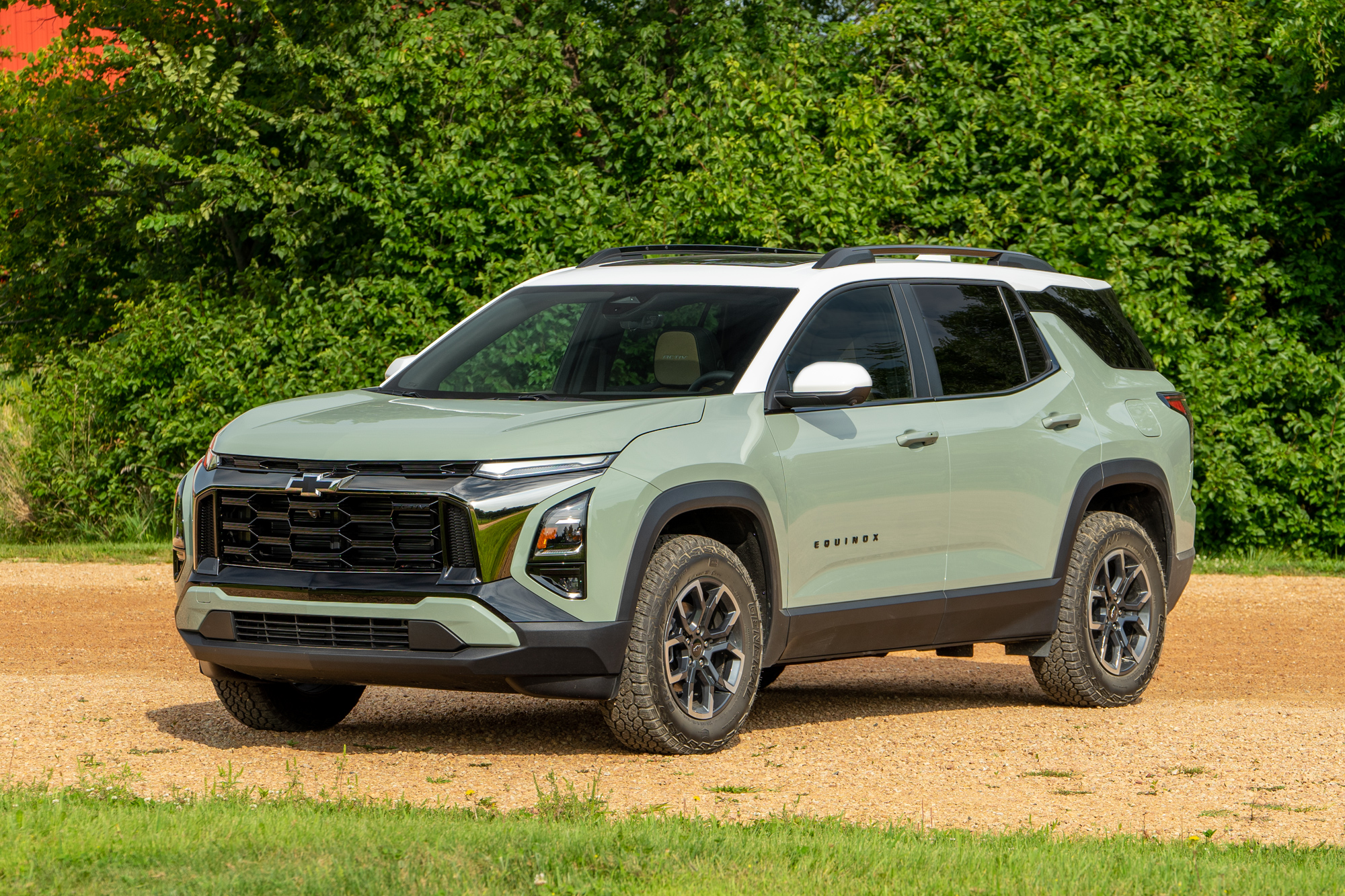
8. Chevrolet Equinox
The Chevrolet Equinox supports family travel with its easy-to-understand layout. The child lock mechanism is placed in a familiar location, allowing parents to engage it without confusion. The latch is robust and responsive, giving physical confirmation that the rear doors are secured.
This reduces the chance of accidental opening while driving and provides a clear visual indicator of engagement. Families with young children often find that this mechanical simplicity is more reliable than electronic or menu-based systems, which can be confusing or inconsistent. The position near the door edge ensures easy access for adults while keeping it out of reach of curious children.
The window lock button is part of a clean and logically designed cluster. Its size helps prevent missed presses, while its location on the driver side allows immediate engagement when needed. Parents can quickly secure the rear windows, avoiding potential distractions caused by children pressing buttons during travel.
The button has a tactile click that communicates engagement, ensuring confidence that the windows are locked. Families driving in high-traffic areas, on long trips, or through neighborhoods with unpredictable stops can rely on this feature to maintain control and safety.
Whether transporting children, adults, or mixed groups, the Equinox makes adjustment effortless. The child lock and window lock settings require minimal attention and provide consistent performance across multiple driving environments.
Families benefit from being able to quickly secure the rear doors and windows in moments of need, without worrying about accidental activation or inconsistent function. The combination of simplicity, accessibility, and reliability makes the Equinox a practical and trustworthy choice for parents who prioritize safety and ease of use in their family vehicle.
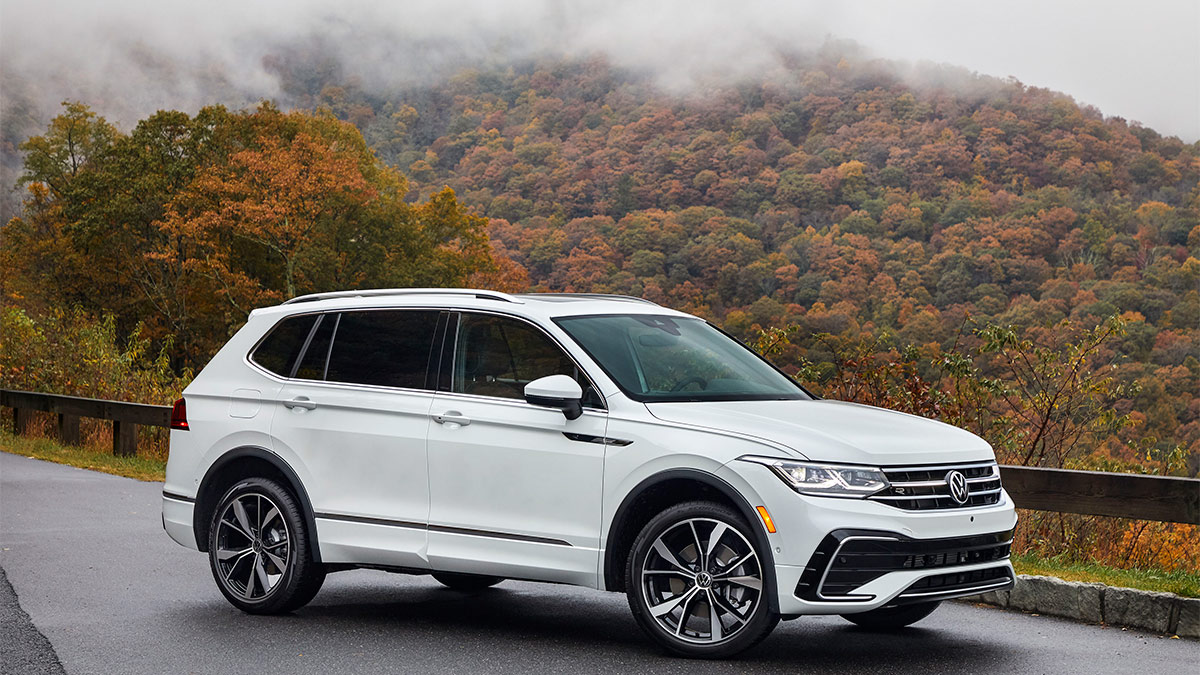
9. Volkswagen Tiguan
The Volkswagen Tiguan offers families a balance of comfort and control clarity. The child lock located on the rear doors is simple and clearly marked. Parents can activate it quickly without hesitation, even if they are not familiar with German-themed design patterns.
The mechanism is designed to require deliberate motion, ensuring that children cannot easily override it. Its sturdy construction ensures long-term reliability, even in households where the rear doors are opened and closed frequently throughout the day. The clear labeling and intuitive placement help both first-time users and regular drivers operate the locks confidently.
The driver-side window panel includes a solid and easy-to-find lock button. It provides quick access when the driver needs to prevent children from operating the windows. The button has a firm tactile response, making it easy to feel and confirm engagement without looking away from the road.
Its ergonomic positioning allows one-handed operation, so parents can quickly secure the windows even when multitasking with other driving tasks. The logical grouping of all window controls reduces confusion and ensures that children in the back cannot inadvertently operate them, enhancing safety during family travel.
Drivers who move between different types of passengers appreciate the Tiguan’s straightforward controls. Adjusting the child lock and window lock settings takes little effort, which supports families who maintain busy schedules.
The design ensures that safety measures can be engaged quickly, reducing stress and allowing parents to focus on driving. This thoughtful balance of simplicity, durability, and accessibility makes the Tiguan a dependable choice for families who value clear and reliable controls in their vehicle.
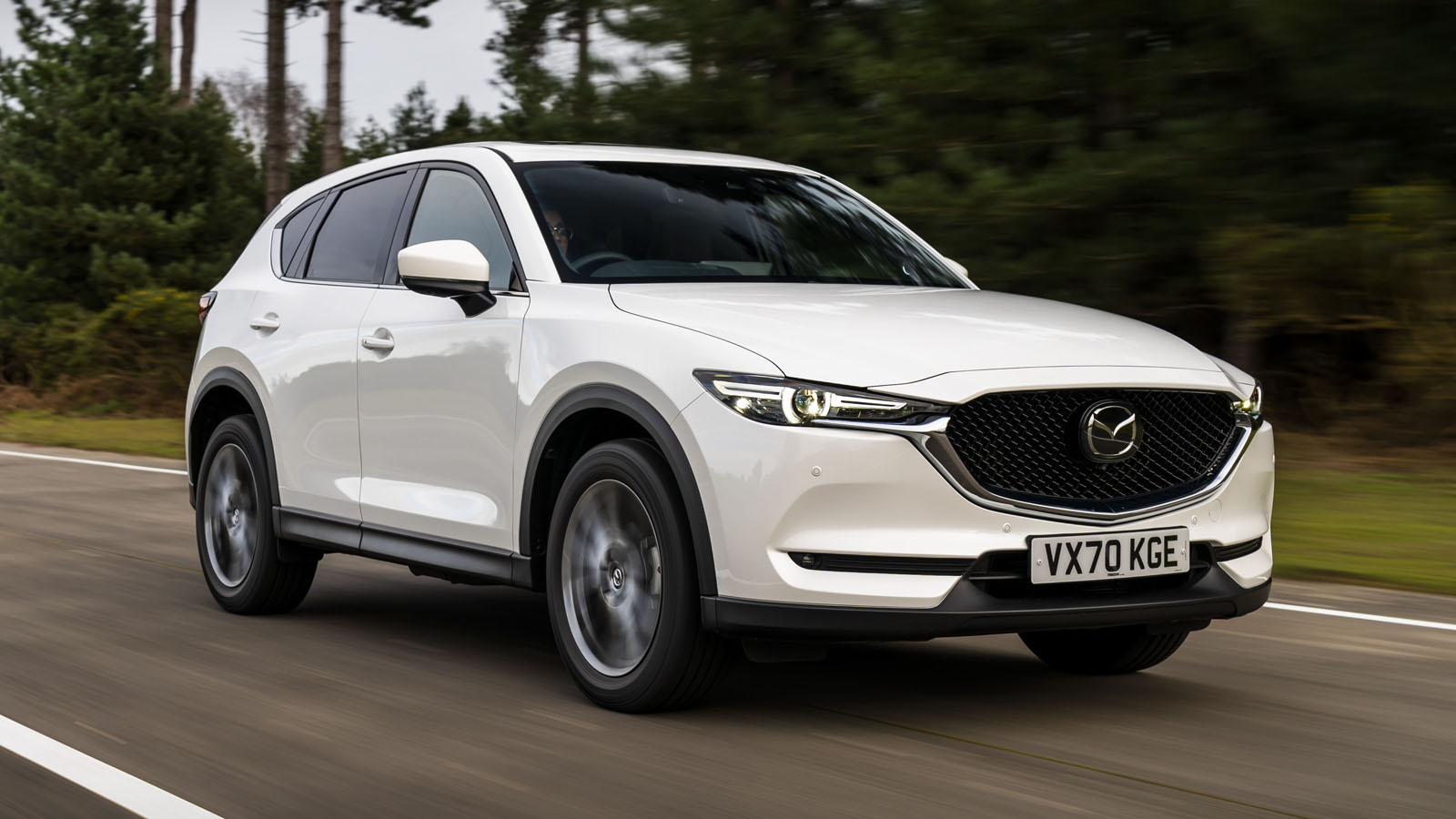
10. Mazda CX 5
The Mazda CX 5 remains a favorite among families because of its thoughtful and streamlined design. The child lock switch is located clearly near the rear door latch, making activation easy. Its operation requires no special instructions, which helps when multiple adults share the car.
The latch mechanism is robust, providing physical assurance that the doors remain locked even if children try to push them open. The clear markings ensure that the status of the lock can be quickly identified, reducing the chance of mistakes.
This design offers reliability and simplicity, which is critical for families with young children who may require frequent stops or adjustments.
The CX 5 emphasizes quality in its interior controls. Both the child lock and window lock switches provide a satisfying physical response. This helps reduce doubt about whether the settings have been activated correctly.
The materials feel sturdy and durable, capable of withstanding frequent use by multiple drivers over the years. Families with multiple children benefit from this reliability, as repeated engagement of the locks does not wear down the mechanisms or make them loose over time.
Families who value simplicity will find the CX 5 enjoyable to use. Switching between different passenger types becomes quick and easy. The car’s user-friendly design supports a smoother daily routine, especially for parents handling multiple tasks.
The intuitive placement, tactile feedback, and durable construction of the child lock and window lock controls make the CX 5 an excellent choice for households that require consistent, reliable, and easily manageable safety features during every journey.
