
Electric vehicles have gained significant popularity in recent years as an alternative to traditional gasoline-powered cars. With advances in battery technology, many consumers are now considering used EVs for both urban commuting and longer trips.
However, one of the challenges that prospective EV buyers face, especially in colder climates, is how temperature affects battery performance and vehicle efficiency.
Unlike internal combustion engines, which generate heat naturally as part of the fuel-burning process, electric vehicles rely on battery chemistry that can be sensitive to cold temperatures.
This sensitivity can reduce driving range, affect charging speed, and even influence cabin heating efficiency. As a result, knowing which vehicles maintain consistent performance in winter and which ones experience significant range drops is critical for making an informed purchase.
Choosing a used EV without considering winter performance could lead to frustration, unexpected charging stops, and limited mobility during the cold months.
Battery technology, heating systems, and energy management strategies play a central role in determining winter performance. Some EVs are equipped with advanced thermal management systems that keep the battery within an optimal temperature range, allowing the car to maintain most of its rated range even in freezing conditions.
Others, particularly older models or those with less sophisticated battery cooling and heating systems, can see dramatic reductions in range when temperatures fall below freezing. In addition to battery performance, features like all-wheel drive, regenerative braking, and preconditioning systems can make a noticeable difference.
Preconditioning allows drivers to warm up the battery and cabin while the car is still plugged in, reducing the energy drawn from the battery once the journey begins. Considering these factors is especially important for buyers who live in northern climates where winter temperatures can be harsh and prolonged.
Used EVs also differ in how their software and charging infrastructure support cold weather. Manufacturers continually improve battery management algorithms, and newer models often benefit from updates that increase efficiency in low temperatures.
On the other hand, older models may have outdated software that cannot optimize energy use as effectively. Buyers need to consider the trade-offs between price, performance, and winter reliability.
While some older EVs may offer an attractive purchase price, they could require more careful planning for winter trips, such as shorter driving ranges and more frequent charging.
Understanding which vehicles handle winter conditions well and which ones are prone to range drops can prevent inconvenience, enhance safety, and provide confidence in daily use.
This article examines ten popular used EVs, dividing them into two categories: those that perform well in cold weather and those that experience noticeable range loss. The first section highlights five vehicles known for maintaining efficiency and reliability in winter conditions.
Each vehicle’s characteristics, battery management, and winter-specific features are discussed. The second section focuses on five models that tend to suffer from substantial range reduction when temperatures drop, explaining the reasons behind this performance change and how drivers can mitigate its effects.
By understanding these differences, potential buyers can make better-informed decisions and select a used EV that aligns with both their driving needs and the challenges of winter weather.
Five Used EVs That Handle Winter Well
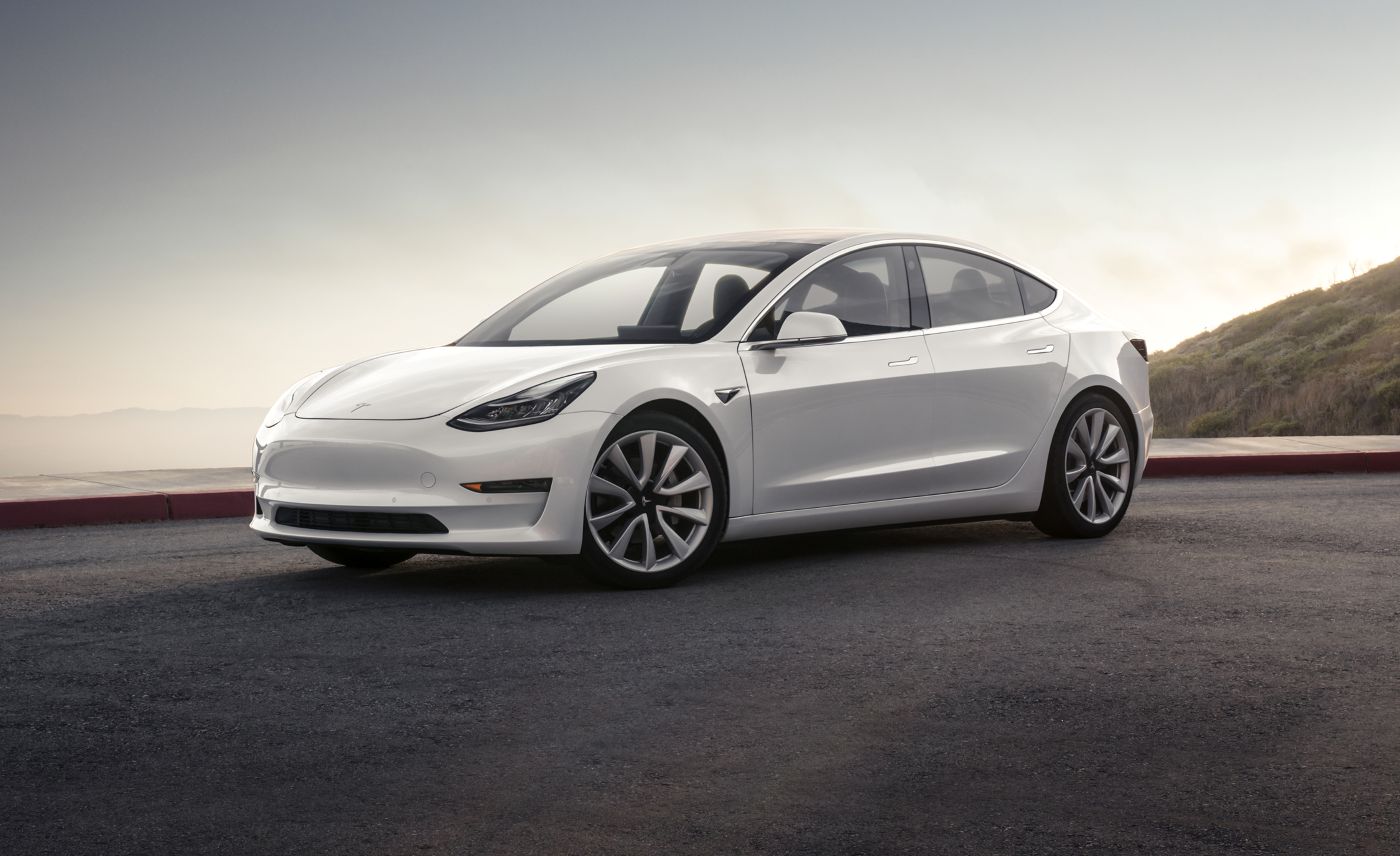
1. Tesla Model 3
The Tesla Model 3 is widely regarded for its strong winter performance, largely due to its sophisticated battery thermal management system. This system actively heats or cools the battery to maintain optimal performance, which allows the vehicle to retain a significant portion of its rated range even when temperatures fall below freezing.
While some reduction in range is inevitable during harsh winter conditions, the decrease is generally moderate, often around 10 to 20 percent, depending on factors such as outside temperature, driving style, and the use of cabin heating.
The Model 3’s efficient drivetrain helps offset energy losses, allowing drivers to cover significant distances without requiring frequent charging stops. This combination of thermal management and drivetrain efficiency makes the Tesla Model 3 one of the most reliable options for cold climates among used EVs.
Cabin heating in the Model 3 relies on a heat pump in newer versions, which is far more efficient than traditional resistive heaters. The heat pump system works by transferring heat rather than generating it from scratch, minimizing energy consumption and preserving battery range.
Additionally, the Tesla app allows for preconditioning of the cabin and battery while the car is still plugged in, reducing the amount of energy needed for heating during the drive.
Drivers can schedule warm-ups from their phones, ensuring the car is ready to go even on the coldest mornings. This functionality also reduces the impact of cold starts on battery performance, making winter commutes far more predictable and less stressful.
The Model 3’s design contributes to winter stability and efficiency. Aerodynamic body lines, combined with weight distribution from the low-mounted battery, provide excellent handling on snow and ice. All-wheel-drive variants enhance traction, but even rear-wheel-drive models perform adequately with winter tires.
The regenerative braking system also plays a role in winter driving, allowing energy recovery while slowing the vehicle on slippery roads, which slightly extends range even in challenging conditions.
Drivers appreciate that the car remains responsive and stable even in deep snow or icy conditions, giving confidence in environments that would strain less capable EVs.
Finally, Tesla’s Supercharger network and software updates enhance winter usability. Fast-charging stations are strategically located, allowing for longer trips in cold weather with minimal range anxiety. Tesla’s continual software updates optimize energy efficiency and battery use, improving performance for older used models as well.
For buyers considering a used EV capable of reliable winter operation, the Model 3 is often recommended because it balances efficiency, range, and comfort, offering a practical option for regions where cold temperatures are the norm rather than the exception.
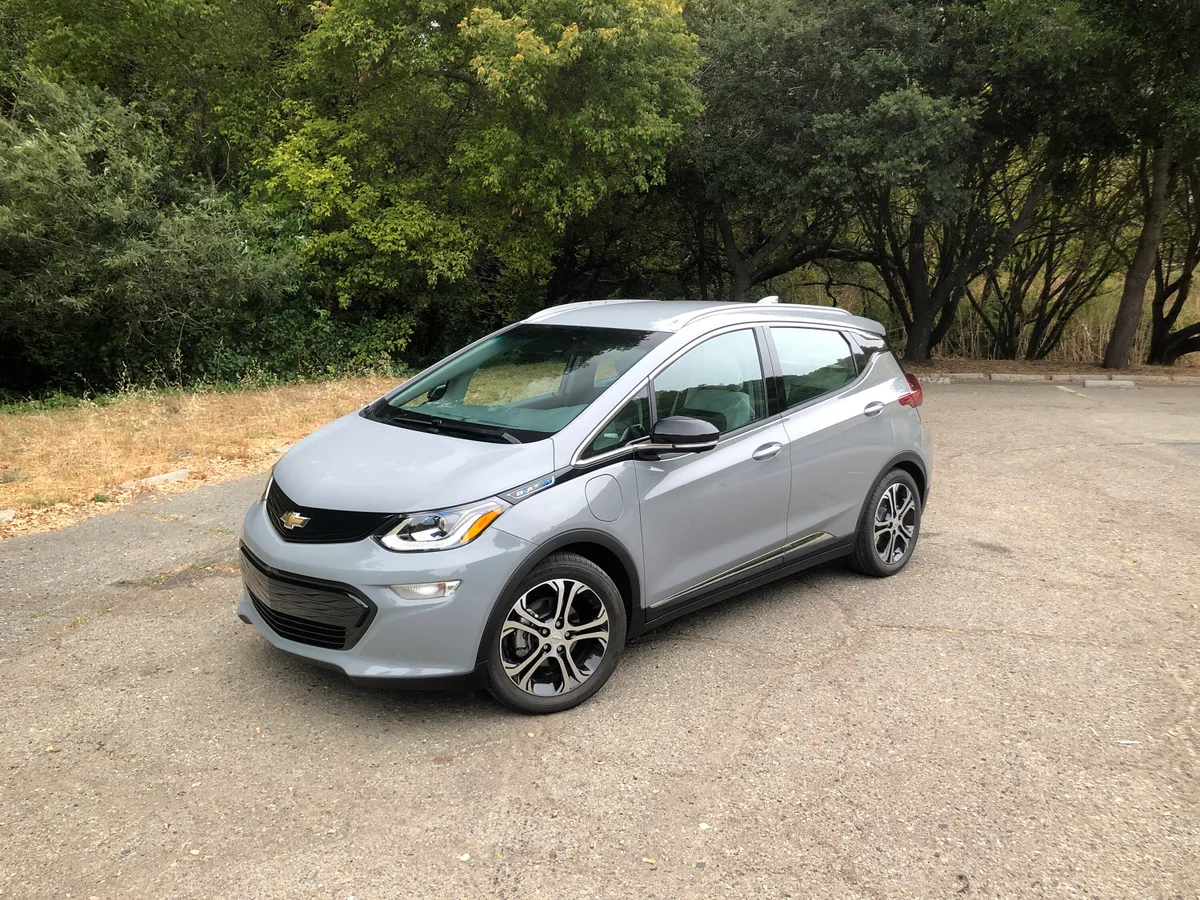
2. Chevrolet Bolt EV
The Chevrolet Bolt EV maintains respectable performance in cold weather, despite having a simpler thermal management system than some competitors.
The liquid-cooled battery helps preserve energy output in winter, and while the range loss can be slightly higher than in Tesla models, it is generally manageable, often falling between 15 and 25 percent.
The compact and lightweight nature of the Bolt contributes to efficiency, allowing drivers to complete daily commutes and suburban trips without significant inconvenience.
Many owners report that with proper attention to preconditioning and tire selection, the Bolt remains practical even in regions where winter temperatures are harsh.
Cabin heating in the Bolt relies on a resistive heating system, which consumes more battery energy than a heat pump. However, preconditioning can substantially reduce this energy drain.
When the vehicle is plugged in and warmed before departure, the energy required for both cabin comfort and battery optimization comes from the external power source, leaving more range available for driving.
The regenerative braking system recovers energy efficiently, further offsetting losses caused by heating demands. Drivers who actively monitor energy use and adjust driving habits, such as moderating acceleration and limiting high-speed driving, find that winter range becomes predictable and manageable.
The interior layout of the Bolt enhances winter usability, providing clear displays for remaining range and energy consumption. These features are particularly useful during colder months when range can fluctuate due to battery temperature and heating demands.
Drivers can make informed decisions about trip length, charging stops, and energy use in real time. Additionally, the Bolt’s handling is stable and predictable with proper winter tires, giving drivers confidence on icy and snowy roads.
Its combination of lightweight design, regenerative braking, and informative user interface makes it one of the better-performing used EVs for winter commuting.
From a practical perspective, the Chevrolet Bolt EV offers affordability without sacrificing winter reliability. Compared to newer, more expensive EVs, the Bolt provides strong range retention, decent interior comfort, and predictable performance under cold conditions.
For used EV buyers seeking a vehicle that can withstand winter demands without extreme range reduction, the Bolt represents a solid balance of cost, efficiency, and reliability, particularly for everyday urban and suburban driving.
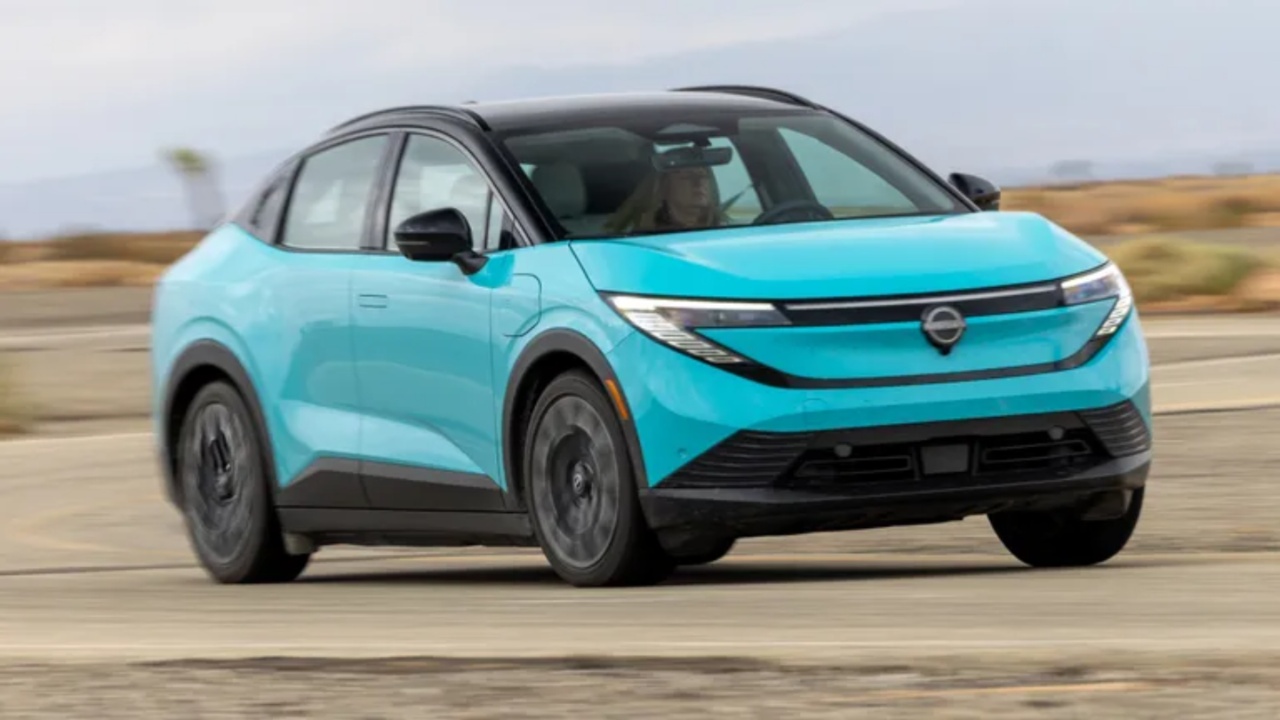
3. Nissan Leaf (2018 and later)
The 2018 and newer Nissan Leaf models improved significantly over earlier versions in terms of winter performance. These vehicles are equipped with larger batteries and optional heat pumps, which aid both battery thermal management and cabin heating efficiency.
Range reduction in cold weather is generally moderate, around 20 percent, depending on temperature, driving style, and heating use. Unlike older Leafs, which suffered significant energy losses in freezing conditions, these models allow drivers to maintain predictable range during winter commutes.
Preconditioning through the NissanConnect app further enhances winter usability, enabling drivers to warm the battery and cabin while the car is plugged in.
The adjustable regenerative braking in the Leaf provides both energy recovery and improved handling on slippery roads. Drivers can tailor the system to suit road conditions, optimizing energy efficiency during winter trips.
The Leaf’s compact design and relatively low weight also contribute to maintaining performance in cold conditions. For city driving, frequent stops and starts are handled efficiently, and drivers can recapture energy during deceleration, which slightly offsets the energy consumed for cabin heating.
Energy monitoring features in newer Leaf models help drivers adapt to winter driving challenges. Real-time feedback allows users to track battery usage, estimate remaining range, and adjust habits accordingly.
Drivers who follow these recommendations often find that the vehicle can maintain much of its rated range, even during sustained cold periods. The battery chemistry itself remains resilient over multiple winters, providing a reliable experience for used EV buyers concerned with long-term winter performance.
Affordability and availability make the Nissan Leaf a practical choice for cold climates. Its combination of battery capacity, energy-efficient heating systems, and real-world winter range makes it a reliable option for those seeking a used EV that can handle daily commuting and short trips reliably during winter months.
Preconditioning, winter tires, and thoughtful driving habits ensure that the Leaf remains a dependable vehicle in regions where freezing temperatures are common.
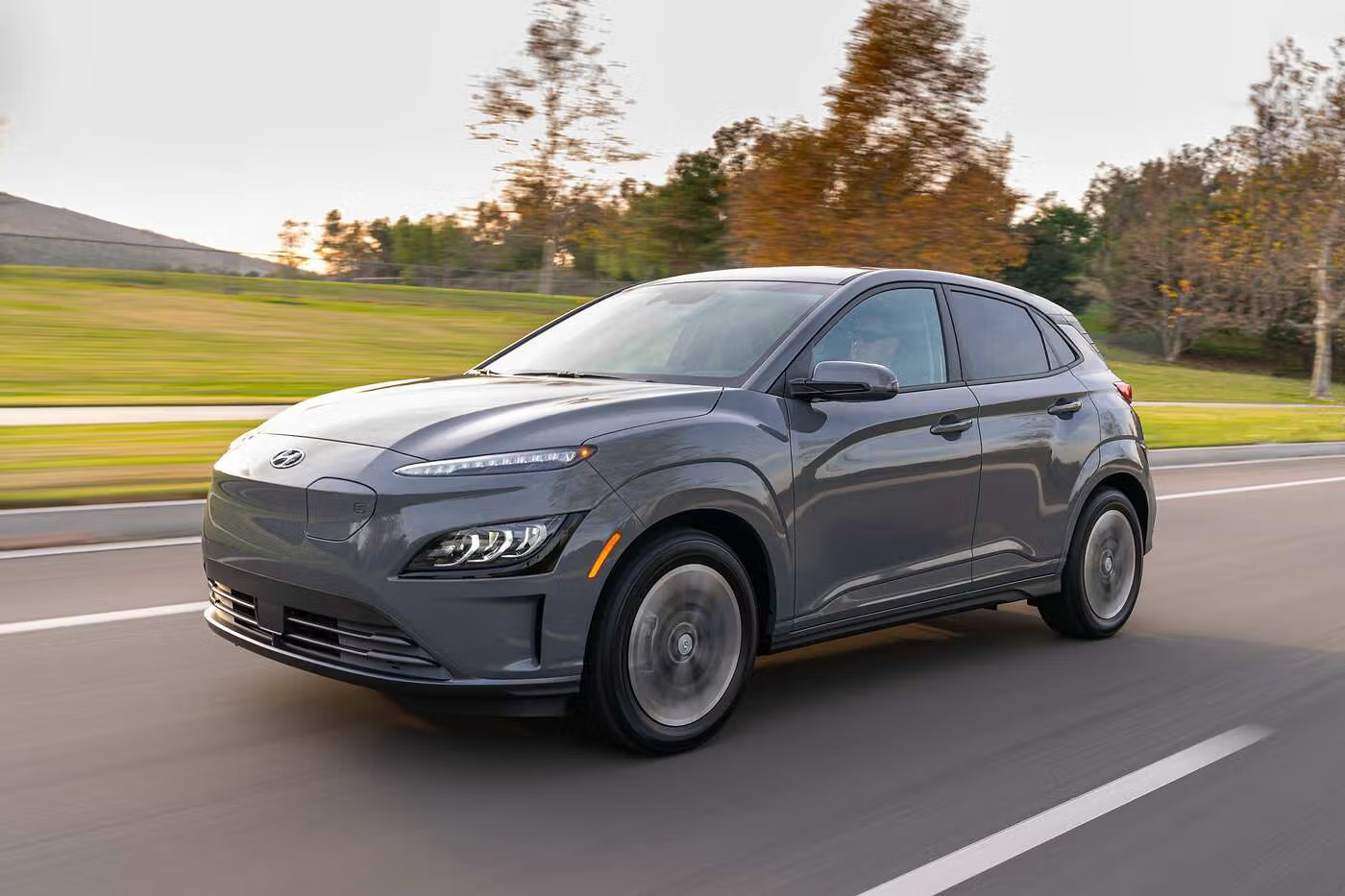
4. Hyundai Kona Electric
The Hyundai Kona Electric benefits from an advanced battery thermal management system that keeps performance stable even in freezing weather. The system regulates battery temperature to reduce range loss, allowing drivers to cover meaningful distances without excessive concern for charging stops.
Cold-weather range reduction is typically around 10 to 20 percent, making the Kona Electric one of the more resilient used EVs for northern climates. Its aerodynamic shape, efficient electric drivetrain, and compact size all contribute to winter efficiency, helping preserve both range and driving confidence in challenging conditions.
Cabin heating relies on a heat pump rather than resistive elements, which conserves battery energy and ensures quicker warming of the interior. Preconditioning while plugged in is especially effective, allowing the vehicle to start each journey with a warm battery and cabin.
This approach reduces the demand on battery energy during trips, minimizing unexpected range drops and making cold-weather driving more predictable. Drivers report that even in consistently subzero temperatures, the Kona Electric remains reliable with manageable energy consumption for heating and propulsion.
The Kona Electric’s handling in winter conditions is enhanced by its stability controls, weight distribution, and available all-wheel-drive configuration. Regenerative braking works efficiently even in cold weather, capturing energy while slowing the car on icy surfaces.
The vehicle responds well to winter tires, and its low center of gravity enhances traction and stability. Many drivers find that the Kona Electric offers a level of confidence and control rarely seen in other vehicles within its price range, particularly when snow, slush, or ice are factors in daily driving.
Used Kona Electrics present strong value for buyers who need winter-ready performance without paying a premium for new vehicles.
The combination of effective thermal management, heat pump heating, regenerative braking, and thoughtful design features ensures that this vehicle can remain efficient and dependable even in harsh cold conditions.
Drivers benefit from predictable range, strong handling, and reliability, making the Kona Electric a top recommendation for winter driving among used EVs.
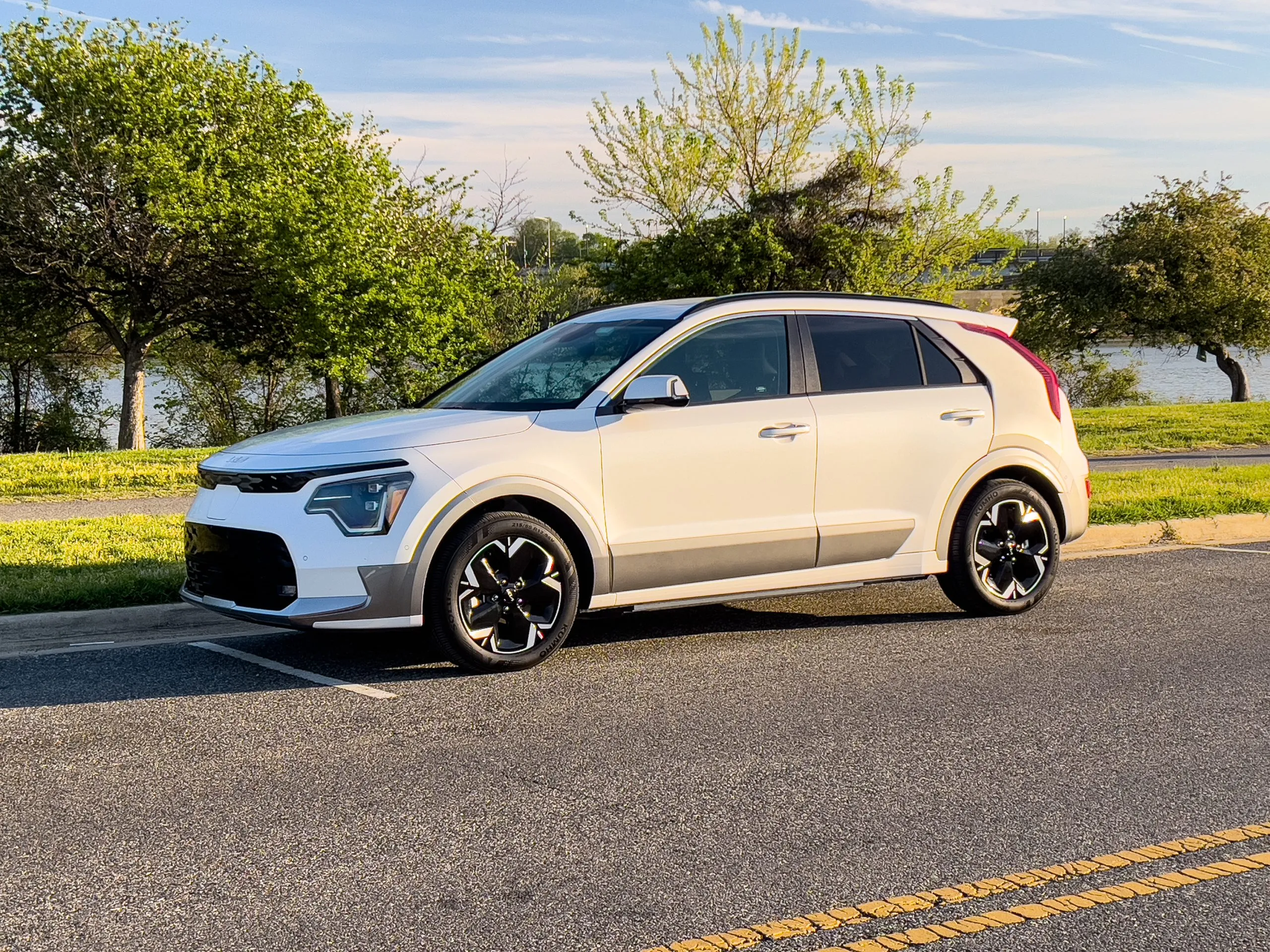
5. Kia Niro EV
The Kia Niro EV shares many of the advantages found in the Hyundai Kona Electric, including efficient battery thermal management and a heat pump for cabin heating. These features help preserve battery range, resulting in modest winter reductions of around 15 percent in typical cold conditions.
The Niro EV’s aerodynamic shape, relatively low weight, and efficient drivetrain also contribute to energy efficiency, allowing drivers to complete daily commutes without significant limitations even in harsh winter weather.
Preconditioning is particularly effective in the Niro EV, allowing the vehicle to warm both the battery and the cabin while connected to a charger. This reduces energy consumption during trips and ensures that range is preserved for driving rather than heating.
Drivers who actively utilize this feature notice more predictable range and consistent performance, even during extended cold periods. Battery and motor efficiency is further optimized through the vehicle’s software, which adapts to temperature and driving conditions for improved energy management.
Winter handling in the Niro EV is reliable, with stability systems and regenerative braking enhancing safety on snow-covered or icy roads. Drivers can adjust regenerative braking to match road conditions, optimizing both efficiency and control.
Cabin comfort remains high, with the heat pump allowing quick warming without placing a large burden on the battery. The Niro EV strikes a balance between energy efficiency, winter reliability, and practical design, making it suitable for drivers who experience regular subzero conditions.
For used buyers, the Kia Niro EV represents a strong combination of affordability, efficiency, and winter performance. Its modest range reduction in cold weather, paired with preconditioning, heat pump heating, and stable handling, makes it one of the most practical options for northern climates.
Drivers can rely on it for commuting, errands, and even longer trips without the stress of dramatic winter range loss, provided they take advantage of the vehicle’s built-in energy-saving features.
Five Used EVs That Experience Significant Range Loss in Winter
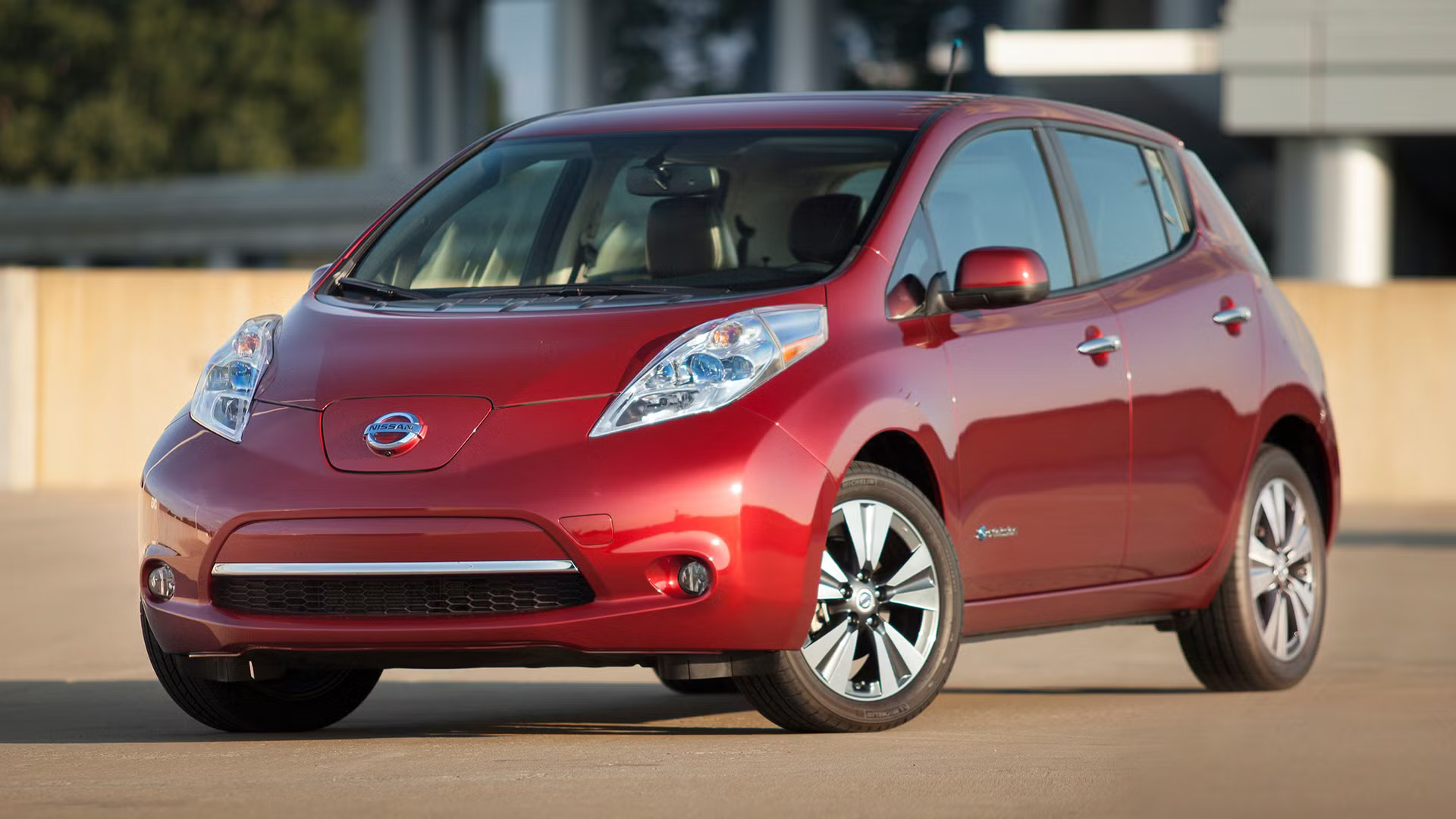
1. Early Nissan Leaf (2011–2017)
The original Nissan Leaf, produced between 2011 and 2017, has long been criticized for its poor winter performance compared to more modern EVs. These models lack a heat pump, instead relying solely on resistive cabin heating, which draws a significant amount of energy directly from the battery.
As a result, drivers often experience a range reduction of 30 percent or more during cold winter months. The early Leaf also lacks active thermal management for the battery, meaning that its chemical reactions slow considerably in freezing temperatures.
This reduced efficiency not only affects range but also the vehicle’s acceleration and responsiveness, particularly during the first few minutes of a cold start.
Battery performance in these older Leafs is particularly vulnerable to extended cold exposure. Lithium-ion batteries operate optimally within a specific temperature range, and without thermal regulation, energy output drops sharply.
In practice, this means that trips that could be completed comfortably in warmer months may require additional charging stops during winter.
Preconditioning can help, but the early Leaf models offer limited capability to warm the battery and cabin while plugged in. Drivers must often rely on battery energy alone to heat the interior, further reducing available range.
Winter driving also exacerbates the Leaf’s energy challenges. Regenerative braking, while functional, is less effective in low temperatures, meaning less energy is recovered during deceleration. Snow, ice, and slush can increase rolling resistance, further diminishing battery efficiency.
Handling is predictable, but energy losses due to both environmental factors and resistive heating can make range planning complicated. Drivers frequently report needing to adjust their routines or leave extra charging time when temperatures drop below freezing.
Despite affordability, these early Leafs require careful consideration in cold climates. They are more suitable for short commutes and urban driving where range anxiety is less of a concern.
For longer trips or areas with consistently harsh winters, the energy demands of resistive heating and the lack of thermal management can make daily use inconvenient. Prospective buyers must account for winter limitations if they choose an early Leaf as a used EV, or they may encounter unexpected range reductions that could disrupt their plans.
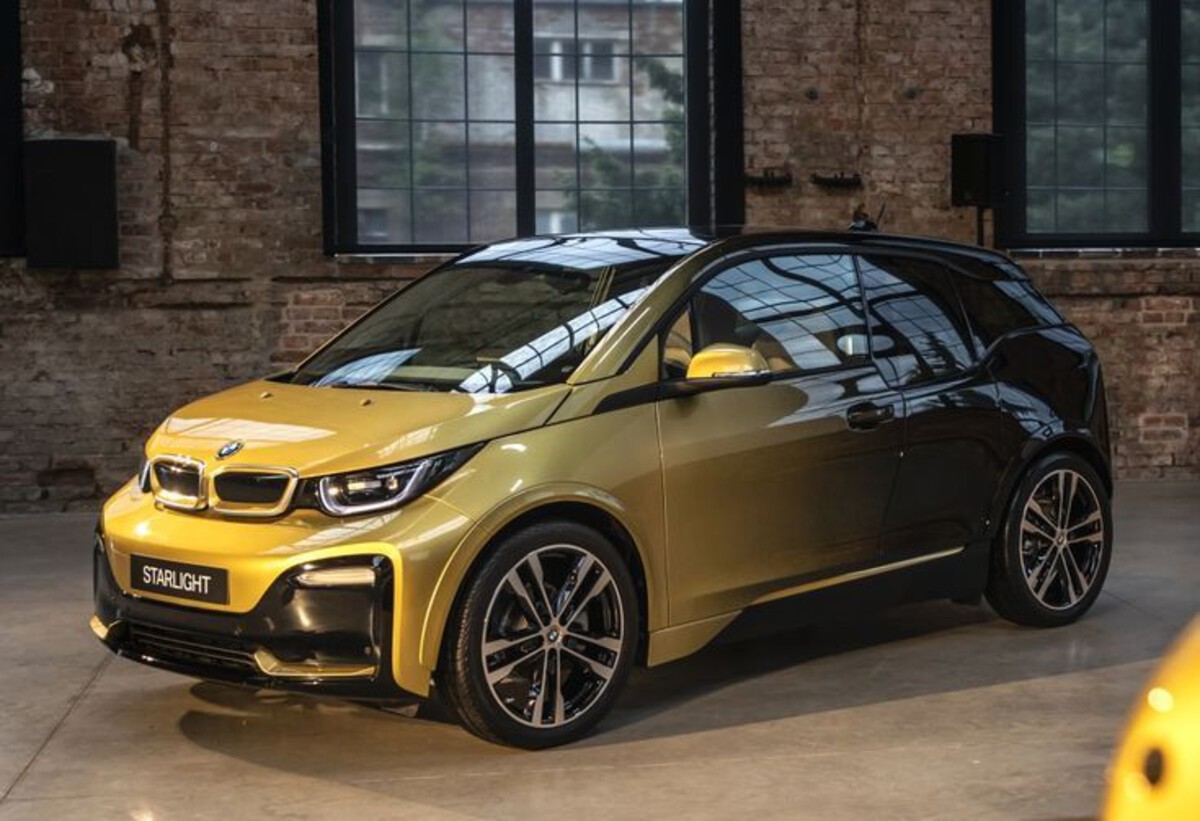
2. BMW i3 (2014–2018)
The BMW i3 is an innovative and lightweight electric vehicle, but its winter performance presents several challenges. The resistive heating system consumes a large portion of the battery during cold weather, which can reduce range by 25 to 40 percent depending on temperature and driving conditions.
The i3’s relatively small battery capacity amplifies this effect, making even modest trips more energy-intensive in freezing conditions. While preconditioning is available, it provides limited improvement compared to vehicles with heat pumps or advanced thermal management systems.
Battery chemistry slows in colder temperatures, reducing energy output and efficiency. The i3’s cooling and heating systems were designed primarily for temperate climates, so in subzero conditions, drivers often notice reduced acceleration and less responsive energy regeneration.
Range estimates on the dashboard can fluctuate widely during cold weather, making it difficult to plan longer journeys without conservative adjustments. Drivers need to monitor energy consumption carefully, especially when using climate control extensively.
Regenerative braking efficiency is also affected by winter temperatures. The i3 allows for adjustable energy recovery, but cold batteries store less energy and regenerative braking becomes less effective on icy roads.
This combination of reduced battery output and decreased energy recovery means that drivers face a significant drop in effective range compared to warmer months. In practical terms, winter driving requires more frequent charging and careful planning, particularly for longer commutes or road trips.
Despite these challenges, the BMW i3 offers city-friendly maneuverability, compact size, and a unique driving experience. However, prospective buyers in northern climates must weigh winter limitations carefully.
Daily commuting is possible, but trips longer than 50 to 80 miles in subzero temperatures may require adjustments in driving behavior and charging frequency. For cold-weather reliability, the i3 is less forgiving than newer EVs with more advanced thermal management systems.
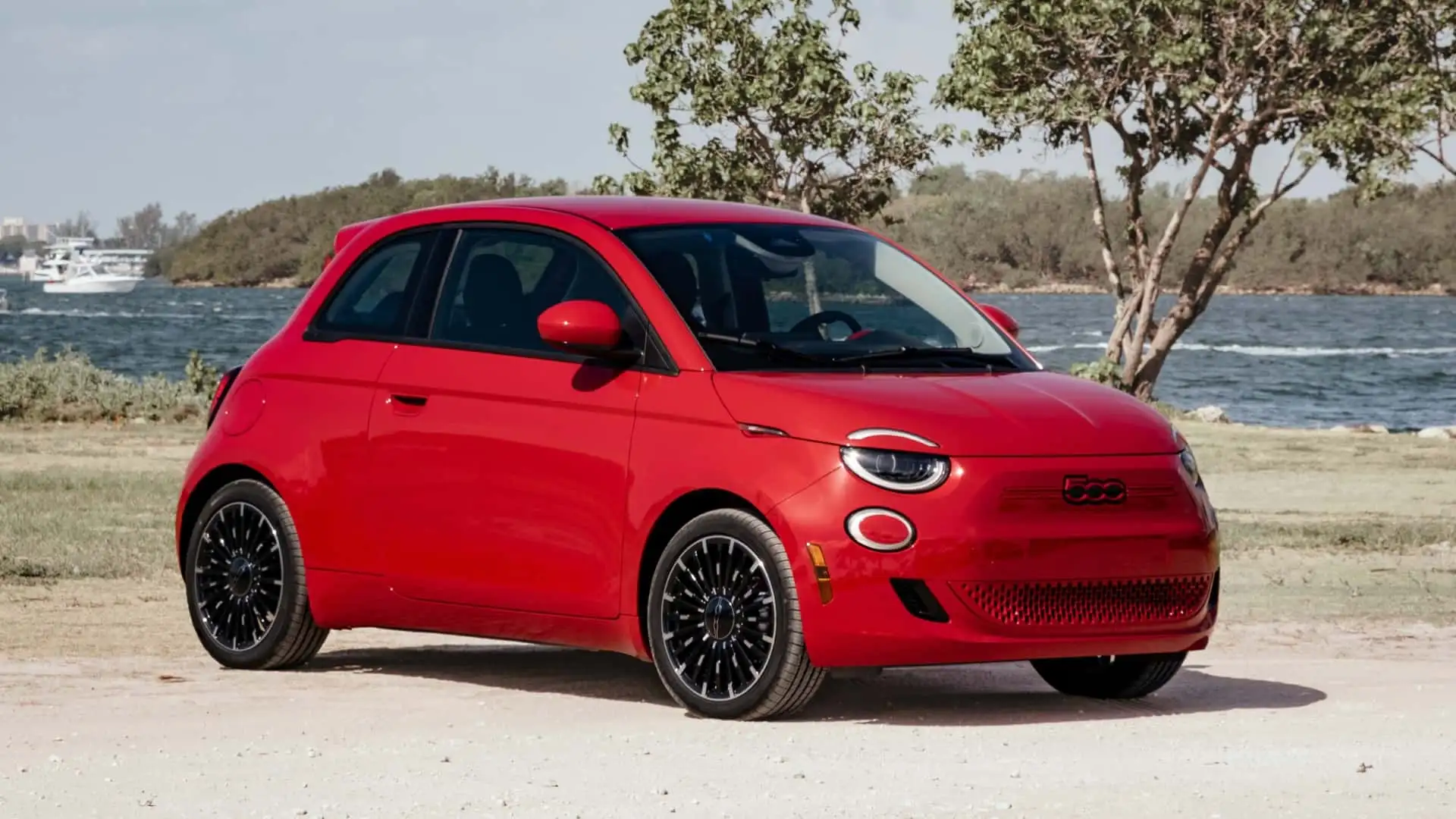
3. Fiat 500e
The Fiat 500e is a small, stylish electric vehicle designed primarily for urban environments, but it struggles considerably in winter. Its battery lacks active thermal management, and cabin heating relies on resistive systems, which draw significant energy from the already small battery.
Drivers frequently report range reductions of 30 percent or more during freezing conditions, limiting practical use in cold climates. While preconditioning helps slightly, the gains are modest, and energy consumption for heating often outweighs the battery’s ability to maintain its rated range.
The vehicle’s small battery capacity exacerbates the problem. Even short trips in subzero temperatures can consume a disproportionate amount of energy, forcing drivers to plan more frequent charging stops.
Cold weather also reduces regenerative braking efficiency, meaning less energy is recovered while decelerating. Urban driving, which usually benefits from energy recovery, becomes less efficient in winter, further reducing effective range.
Handling and traction are adequate for city streets, but the combination of energy-intensive heating and limited battery capacity creates a higher risk of range anxiety.
Drivers may need to adjust routes or limit the use of climate control to preserve battery life, making winter operation less convenient than in larger or more winter-capable EVs. Despite its small size, the 500e requires more careful attention to energy use than many comparable vehicles.
Used Fiat 500e models are attractive for their low cost and compact design, but winter driving limitations are a significant concern. Buyers should expect noticeable performance reductions and plan trips accordingly. For individuals living in areas with prolonged cold periods, the 500e is better suited for short city commutes rather than extended cold-weather driving.
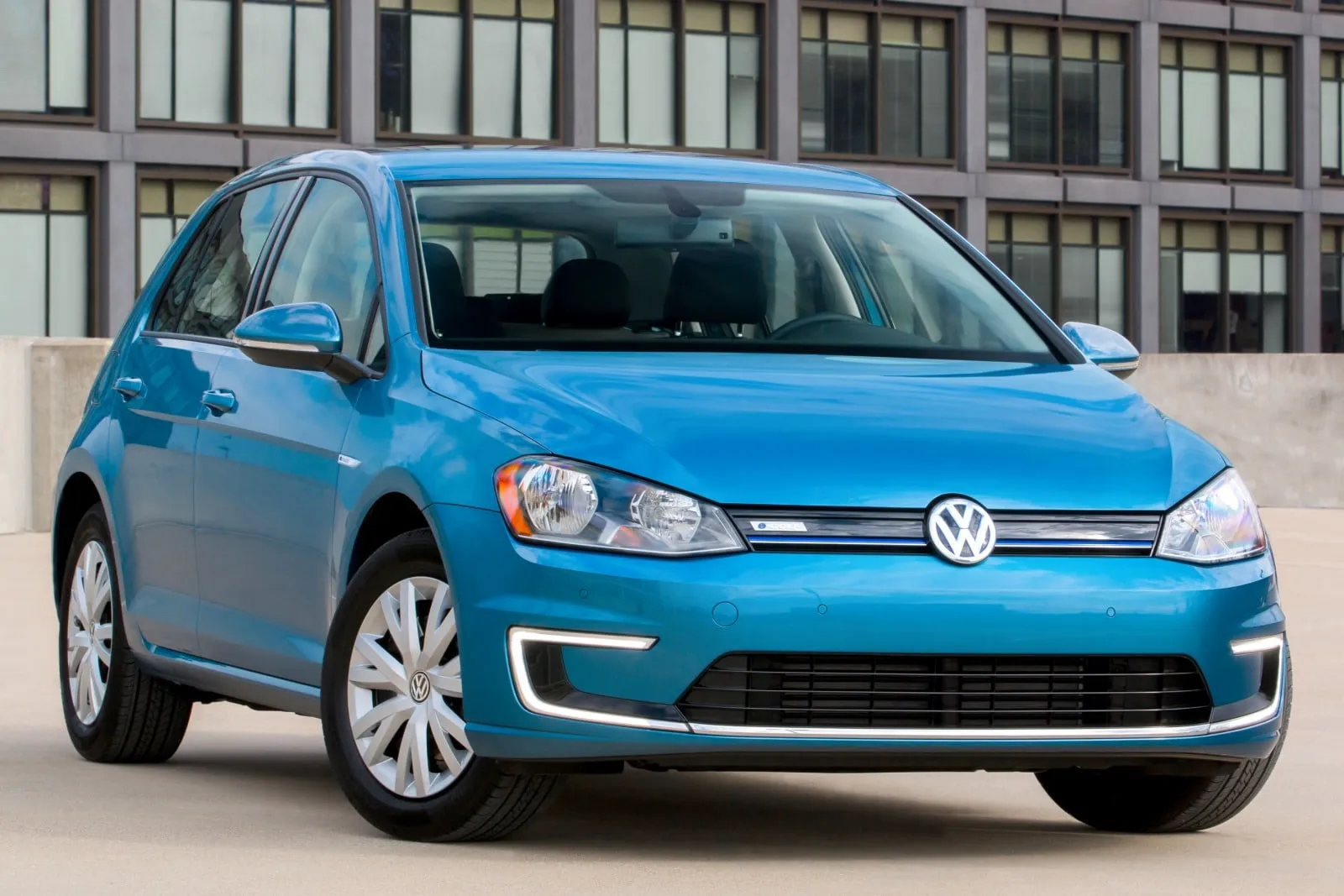
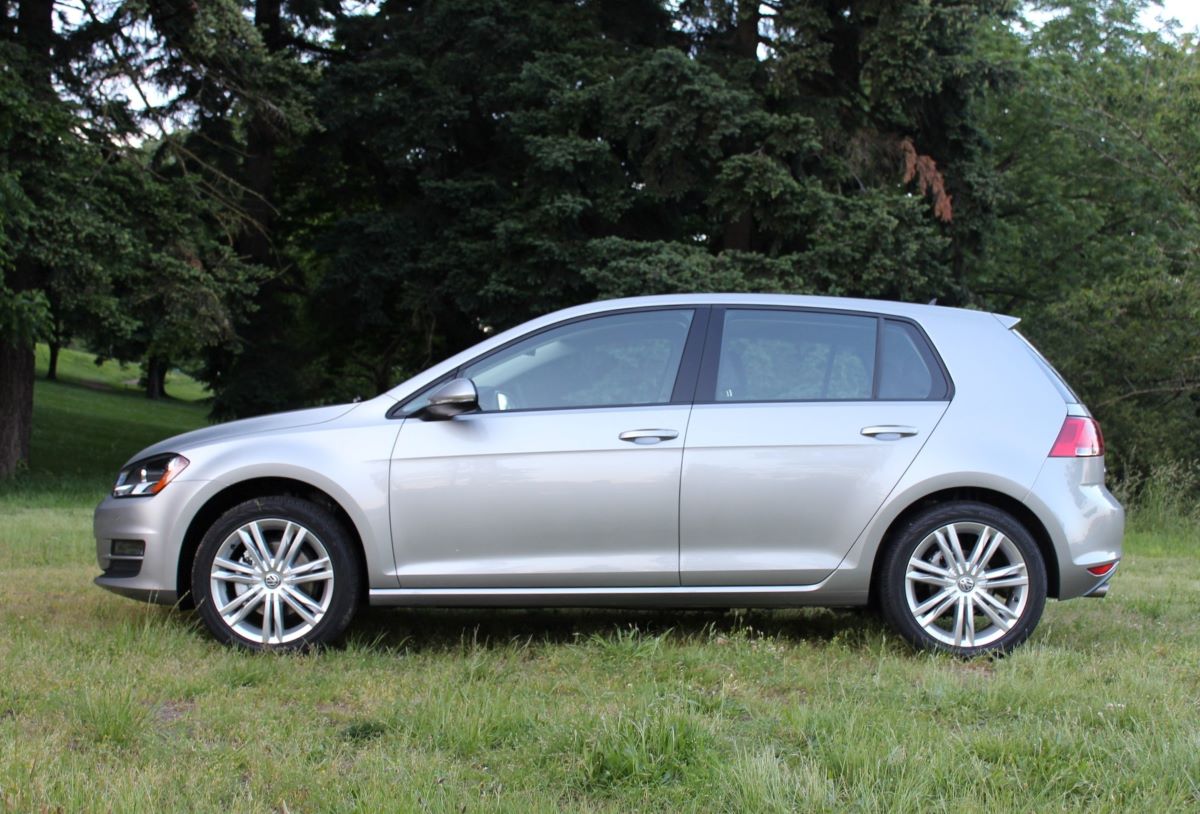
4. Volkswagen e-Golf (2015–2019)
The Volkswagen e-Golf is a practical, well-built EV, but it experiences range loss in cold weather. Its resistive heating system consumes a considerable portion of battery energy, and thermal management for the battery is limited.
Drivers often see winter range reductions of 25 to 35 percent, which can make longer trips challenging without additional charging stops. While preconditioning can mitigate some energy loss, it does not fully compensate for the inefficiency of resistive heating.
Battery output decreases in subzero temperatures, reducing both range and regenerative braking efficiency. Energy recovery is less effective during deceleration, meaning that city driving, which normally benefits from regenerative braking, becomes less energy-efficient.
Snow, ice, and wet conditions increase rolling resistance, further compounding range loss. Drivers may notice that trips that were comfortably manageable in warmer weather require more careful planning in winter.
The e-Golf’s handling remains predictable with winter tires, but the primary challenge is energy management. Cold-weather performance can be inconsistent, and drivers must pay attention to both battery temperature and range estimates.
While the vehicle is mechanically reliable, its energy efficiency suffers significantly in winter conditions, making trips longer or requiring more frequent charging stops than expected.
For buyers considering a used e-Golf in a cold climate, understanding these limitations is essential. While the car offers solid build quality and driving comfort, winter performance is not its strong point. Planning, preconditioning, and adjustments to driving behavior are necessary to prevent unexpected range issues during cold months.
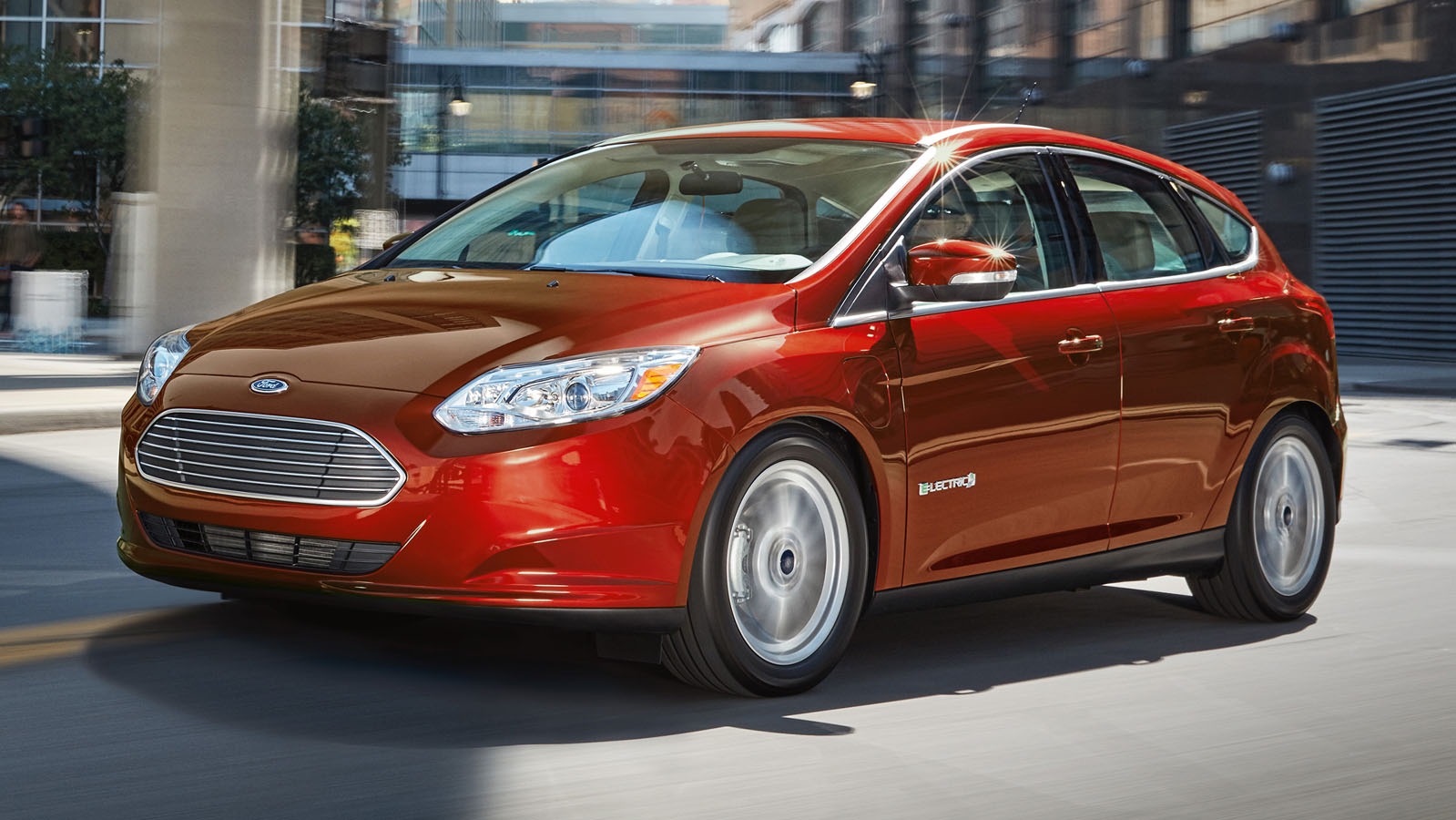
5. Ford Focus Electric (2012–2018)
The Ford Focus Electric is a compact EV that struggles with efficiency during the winter months. Its resistive heating system draws heavily on the battery, often resulting in energy losses exceeding 30 percent when temperatures drop below freezing.
The vehicle’s small battery means that even modest reductions in energy output have a substantial impact on driving range. Winter driving requires careful planning, particularly for longer commutes or trips in subzero conditions.
Handling and traction are adequate on icy or snow-covered roads, but the primary concern for winter drivers is range management.
Preconditioning helps, but the small battery and energy-intensive heating system limit its effectiveness. Drivers must adjust expectations for trip length and plan for additional charging stops during the cold season.
Used Ford Focus Electrics are affordable and mechanically reliable, but they are not ideal for regions with prolonged cold temperatures.
While they are practical for short commutes or temperate climates, winter conditions highlight the limitations of their battery and heating systems. Prospective buyers should carefully consider whether the Focus Electric can meet their winter driving needs before making a purchase.
