
When it comes to choosing a modern crossover or SUV, visibility plays a huge role in both safety and driving comfort. Drivers often underestimate how important it is to have a clear line of sight in all directions, especially in urban environments where pedestrians, cyclists, and other vehicles constantly appear from unexpected angles.
Crossovers with excellent visibility give the driver confidence to maneuver in tight spaces, park without stress, and anticipate potential hazards before they become critical.
Conversely, vehicles with poor visibility, often nicknamed “blind-corner beasts,” demand constant attention and adjustment, making city driving and off-road adventures more challenging.
The design of a vehicle, its pillars, window size, seating position, and even the thickness of its roofline, directly influence how easily a driver can see around the vehicle. Modern safety systems like cameras, sensors, and parking assistance can help, but nothing fully replaces a design that inherently allows for unobstructed sight.
Drivers who value safety, comfort, and peace of mind often lean toward vehicles where the driver can see clearly in every direction. Meanwhile, those who prioritize style, off-road capability, or certain performance characteristics may find themselves negotiating blind spots more frequently.
This article compares five crossovers that excel in providing clear views all around against five larger, more imposing vehicles that tend to create visual blind spots, particularly at corners.
By analyzing both groups, we can understand the trade-offs between visibility, design, and driving experience, while helping prospective buyers make informed decisions about what they truly need in a vehicle.
5 Crossovers with Clear Views All Around
1. Subaru Forester
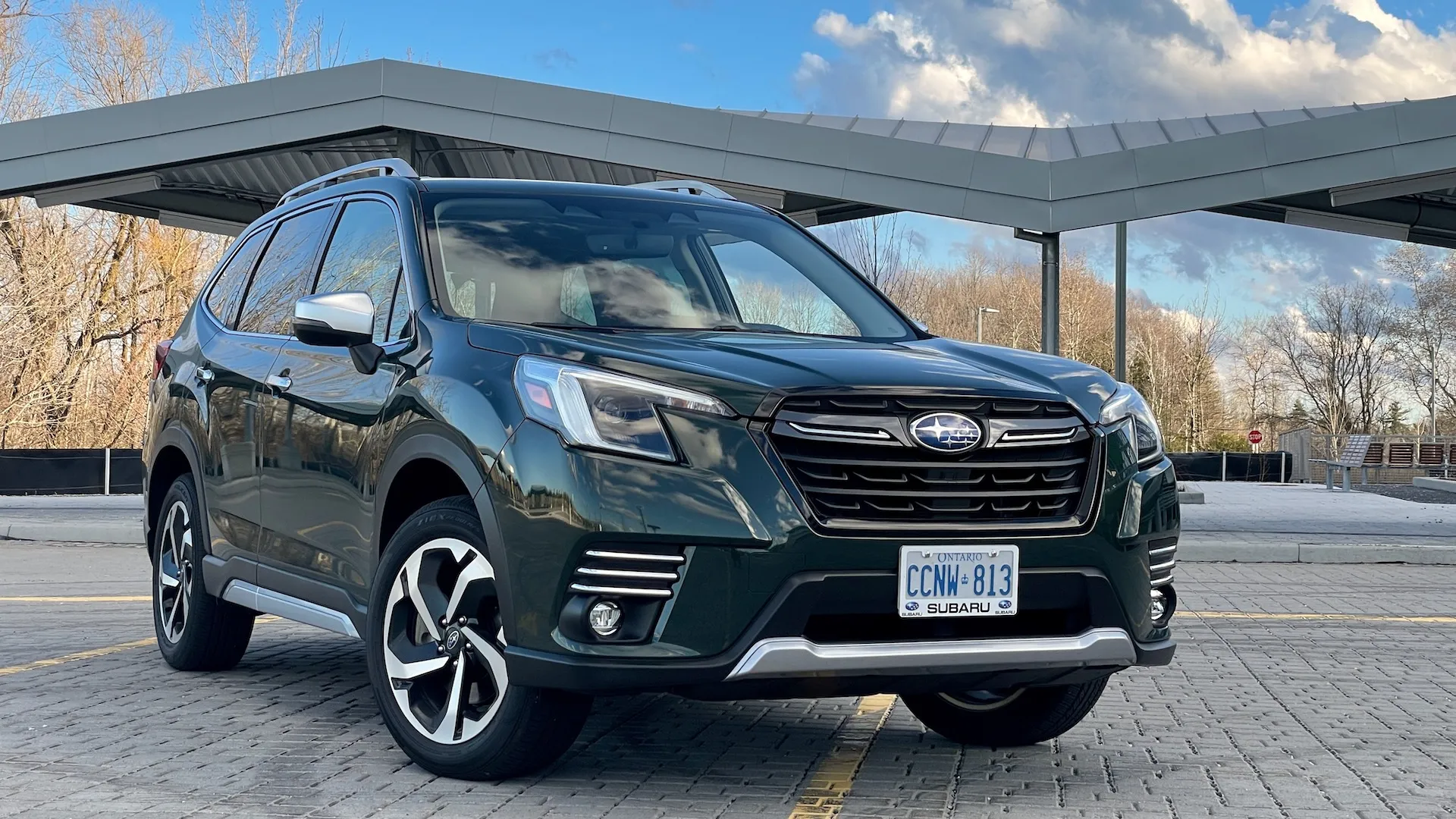
The Subaru Forester is widely regarded as one of the most driver-friendly crossovers when it comes to visibility. Its tall seating position immediately gives the driver a commanding perspective of the road ahead, allowing for better anticipation of traffic conditions, pedestrians, and cyclists.
The cabin design complements this height advantage with a wide windshield and large side windows, ensuring that nearly every angle around the vehicle is visible. The A-pillars are thin compared to many competitors, reducing the common blind spots experienced during turns or at intersections.
Even the B- and C-pillars are designed with visibility in mind, ensuring that side and rearward sightlines are maintained. This combination of design elements results in a sense of openness and control that many drivers find reassuring, especially during urban commuting, where tight corners and unpredictable traffic are routine.
Another advantage is the Forester’s rearward visibility. The rear window is broad, allowing drivers to see directly behind the vehicle with minimal obstruction.
Combined with large side mirrors, this layout reduces the stress of parallel parking or reversing in crowded areas. In addition, the window line extends far enough toward the rear to provide a partial side view, which is especially helpful when monitoring cross-traffic at intersections or when changing lanes on multi-lane roads.
Many drivers note that they can judge distances and anticipate movement behind the vehicle without even relying on cameras or sensors, which adds to the confidence and peace of mind while driving.
The Forester also considers the small but critical details that affect awareness. For example, the dashboard is positioned low, and interior trims do not obstruct the driver’s field of vision. Mirrors are adjustable and carefully angled to provide maximum coverage without requiring frequent readjustment.
Furthermore, Subaru’s EyeSight safety suite, while optional, complements the natural visibility by providing alerts for vehicles and pedestrians that may appear in blind spots or unexpected areas. This combination of thoughtful design and supplemental technology creates a synergy that minimizes risks caused by obstructed sightlines.
Practical experience further emphasizes the Forester’s visibility benefits. Families, commuters, and outdoor enthusiasts alike appreciate how easy it is to judge spaces when maneuvering through parking lots, narrow lanes, or crowded streets.
Even in adverse weather conditions like rain or snow, the elevated seating and clear sightlines help the driver maintain situational awareness. This is particularly important for drivers who are new to crossovers or transitioning from smaller sedans, as the Forester’s design mitigates the intimidation factor of a taller, larger vehicle while promoting safer and more intuitive driving habits.
2. Honda CR-V
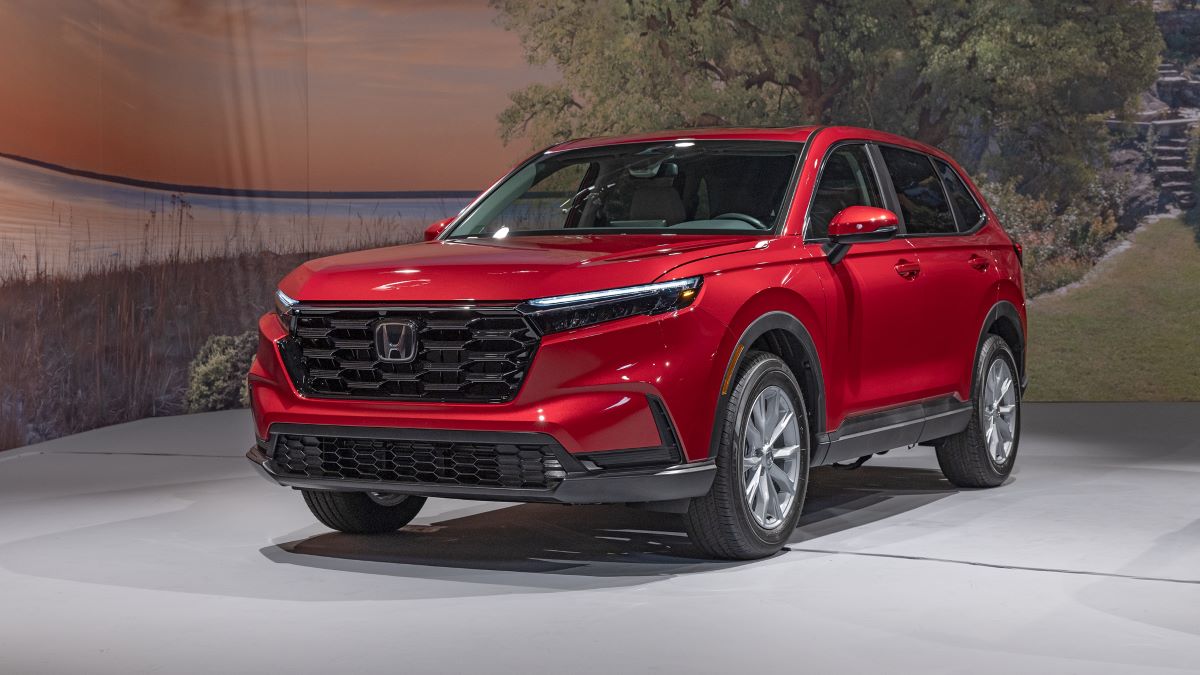
The Honda CR-V is consistently praised for its excellent all-around visibility, making it a practical choice for drivers of all experience levels.
Its high seating position allows for a commanding view of both the immediate road and the surrounding traffic environment, which is especially helpful in urban areas where pedestrians and cyclists frequently appear from unexpected angles.
The wide windshield, combined with thin A-pillars, ensures minimal obstruction when entering intersections or negotiating sharp turns. Additionally, the CR-V’s window design creates a nearly uninterrupted field of view to the sides, allowing drivers to monitor nearby vehicles and road users with ease.
Rearward visibility is another strong point of the CR-V. Its rear window is tall and wide, allowing the driver to see directly behind the vehicle, while the rear pillars are carefully angled to reduce blind spots. This design makes tasks such as backing out of a driveway or parking in tight spots significantly less stressful.
Side mirrors are large and positioned to enhance the natural sightlines created by the windows, allowing drivers to maintain awareness of adjacent lanes and nearby obstacles. Even when reversing or changing lanes, the need for additional camera input is reduced due to the vehicle’s inherent visibility advantages.
The interior layout of the CR-V further supports a clear view. The dashboard and control panels are positioned low, so they do not obstruct forward sightlines, and mirrors are easily adjustable to maximize rearward and side vision.
Honda’s attention to ergonomic placement of controls ensures that drivers can focus on the road rather than constantly shifting their gaze to compensate for blind spots.
In addition, the CR-V’s compact dimensions relative to its height make it maneuverable while retaining the benefits of an elevated seating position, striking a balance between openness and practicality.
In real-world driving scenarios, these visibility advantages translate into both safety and convenience. Drivers report feeling more confident during parallel parking, merging into traffic, or navigating narrow lanes. The clear sightlines reduce the likelihood of accidents caused by unseen pedestrians or vehicles and lower driver stress, particularly in busy cities.
For families or those who frequently drive in mixed urban and suburban environments, the CR-V’s combination of high seating, wide windows, and thoughtful design elements creates a vehicle that is both practical and reassuring to operate.
3. Toyota RAV4
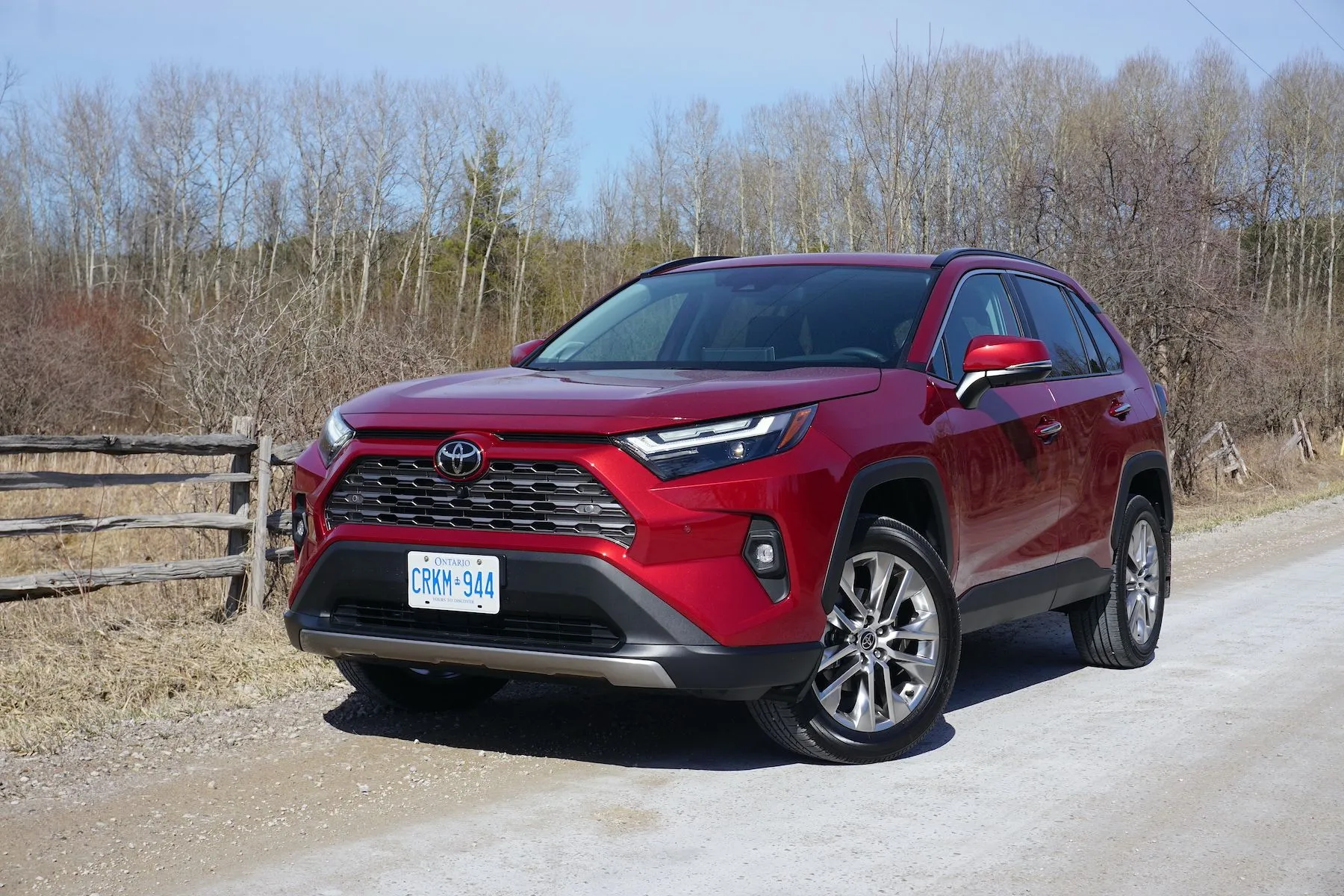
The Toyota RAV4 is designed to combine style, utility, and clear visibility, resulting in a crossover that is both functional and visually appealing. Its large windshield and expansive side windows allow light to flood the cabin, creating an open and airy feel while ensuring that drivers maintain a broad view of the surrounding environment.
The RAV4’s elevated seating position adds a perspective advantage, enabling the driver to see over smaller cars and anticipate traffic movement ahead. This elevated viewpoint is especially useful on highways or busy streets, where early detection of changes in traffic patterns can significantly enhance safety.
Side visibility is optimized through careful design of the A- and C-pillars. These structural elements are intentionally slim, allowing drivers to see at corners and maintain awareness of approaching vehicles or pedestrians. Side mirrors complement these sightlines, providing coverage for lanes adjacent to the vehicle.
This combination of design choices reduces the dependency on electronic aids while ensuring that blind spots are minimized. For drivers navigating crowded urban streets or tight residential areas, this visibility advantage makes maneuvering feel natural and intuitive.
Rearward visibility is equally strong in the RAV4. The rear hatch window is large, providing a clear line of sight directly behind the vehicle, while the C-pillars are angled to minimize obstruction.
Drivers can back out of driveways or parking spaces with confidence, reducing the likelihood of collisions with objects or pedestrians. Even when reversing in tight parking lots, the driver can often rely on natural sightlines rather than electronic assistance, which adds to a sense of control and comfort.
Interior ergonomics also enhance visibility. Low dashboards, a clean instrument panel, and thoughtfully positioned controls prevent obstructions to forward sightlines.
Together with the vehicle’s elevated seating, these design choices allow drivers to maintain constant situational awareness. Whether commuting, running errands, or taking longer trips, the RAV4 offers an unobstructed view that improves both confidence and safety, making it one of the most practical crossovers for drivers who value clear vision in all directions.
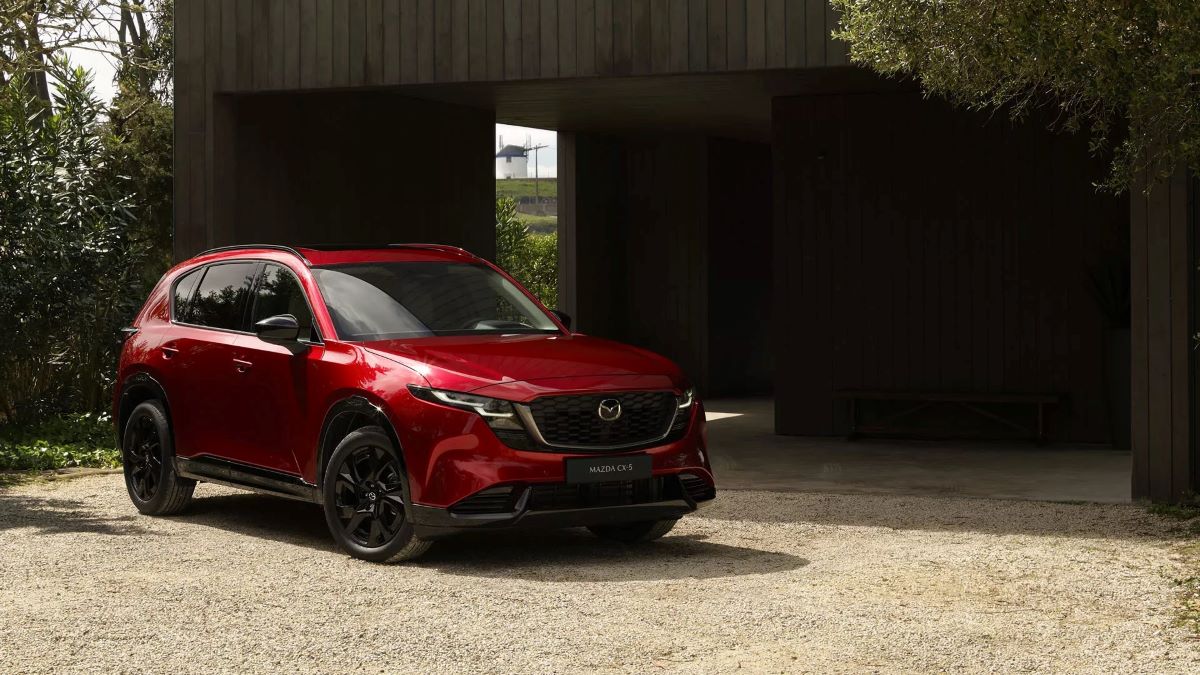
4. Mazda CX-5
The Mazda CX-5 is often praised for achieving a balance between elegant design and practical functionality, with visibility as a key component of the driving experience.
The vehicle’s seating position allows drivers to see over most passenger cars, giving a strategic advantage in traffic while reducing the likelihood of surprises from smaller vehicles.
Large side windows and a wide windshield contribute to an expansive field of view, minimizing blind spots and increasing driver confidence. Even during sharp turns or complex maneuvers, the CX-5’s slim A-pillars allow for a clear line of sight to the road ahead, reducing the risk of collisions at intersections or crowded areas.
Rear visibility is enhanced through careful window placement and mirror design. The rear hatch window is wide, and the C-pillars are angled to allow as much rearward sight as possible. Side mirrors are large, complementing the natural sightlines and providing additional coverage for adjacent lanes.
While rearview cameras and sensors are available, drivers frequently report that the CX-5’s inherent visibility reduces reliance on these electronic aids, resulting in a more intuitive driving experience.
Attention to interior layout further improves visibility. The dashboard is low and streamlined, minimizing obstruction of the forward view, and the instrument cluster is positioned to be easily readable without diverting attention from the road.
Additionally, the cabin’s ergonomic design ensures that drivers can quickly adjust mirrors and seating for optimal sightlines, making day-to-day driving safer and less stressful.
In practical terms, the CX-5’s design benefits both city and highway driving. Tight parking spaces, crowded intersections, and lane changes become less stressful due to the vehicle’s natural awareness advantages.
Drivers appreciate the combination of style and functionality, where visibility does not compromise aesthetic appeal. The CX-5 demonstrates that a modern crossover can offer elegance, comfort, and safety simultaneously, making it a standout option for those who value all-around visibility.
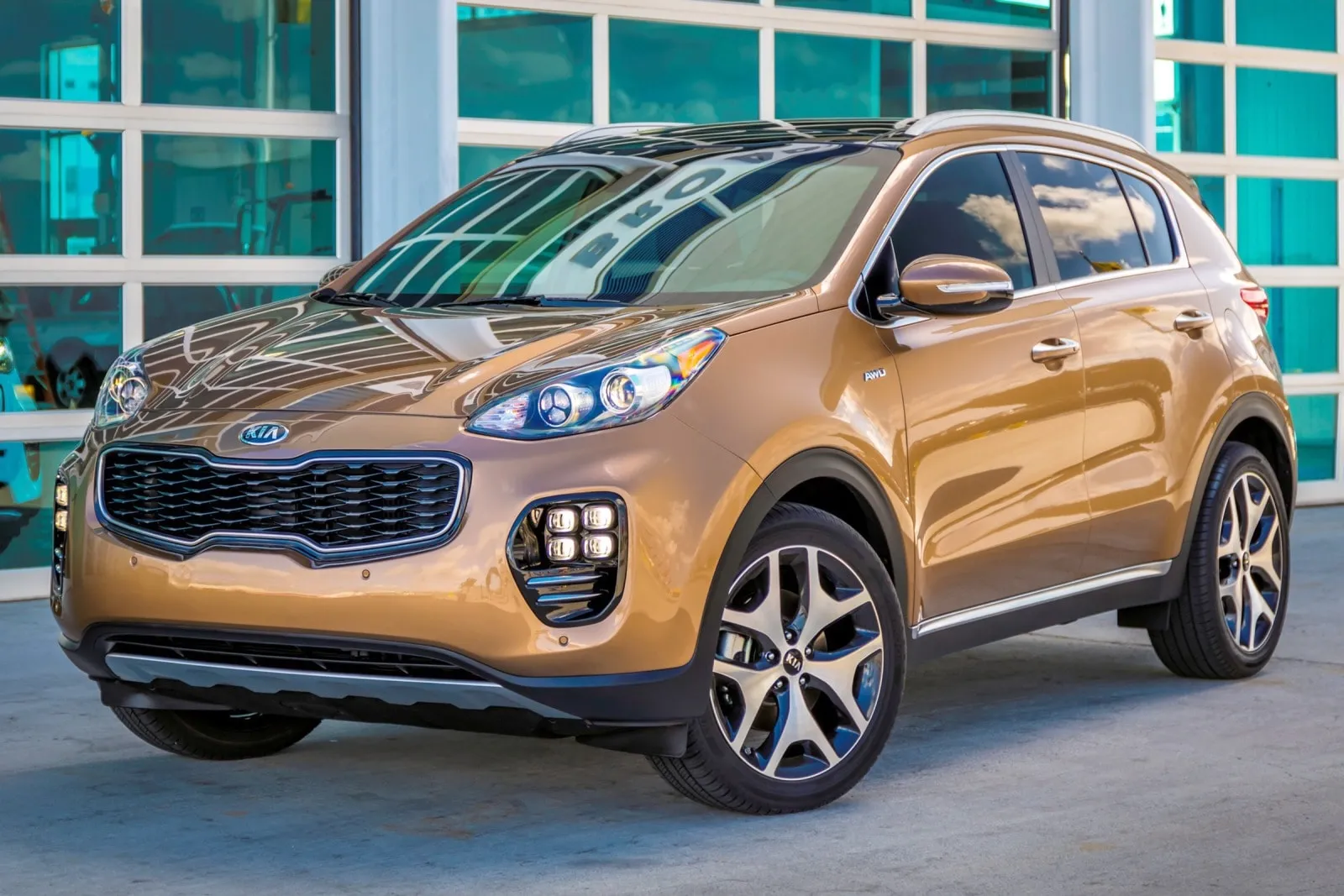
5. Kia Sportage
The Kia Sportage offers a compact SUV design that maximizes visibility without sacrificing style or functionality. Its elevated seating position allows the driver to see over smaller vehicles, providing a clear perspective of the road ahead.
Wide windows and thin pillars reduce blind spots significantly, allowing drivers to maintain awareness of nearby traffic, pedestrians, and cyclists. The vehicle’s cabin design emphasizes openness, with a low dashboard and well-positioned mirrors that ensure sightlines remain unobstructed even in urban or tight driving environments.
Front visibility benefits from a large windshield and well-angled A-pillars. Drivers can easily monitor the road ahead during lane changes, turns, and merges, improving safety in busy traffic.
Side visibility is enhanced through generously sized windows that extend toward the rear, allowing drivers to maintain awareness of adjacent lanes and monitor activity behind the vehicle. Mirrors are strategically placed to complement these natural sightlines, reducing the need for constant adjustment.
Rearward visibility is also strong in the Sportage. The rear window is broad, and the D-pillars are designed to minimize obstruction. Backing into parking spaces or navigating crowded lots becomes less stressful, and the combination of window placement and mirrors allows drivers to anticipate movement behind the vehicle.
While modern safety features like cameras and sensors are available, the vehicle’s inherent design reduces dependency on technology.
Finally, the interior layout supports the Sportage’s visibility strengths. Low-profile dashboards, clear instrument clusters, and easily adjustable seating allow drivers to optimize sightlines without compromising comfort. Practical experience demonstrates that the Sportage is particularly well-suited for city driving, suburban commuting, and even light off-road scenarios where awareness is key.
5 Blind-Corner Beasts
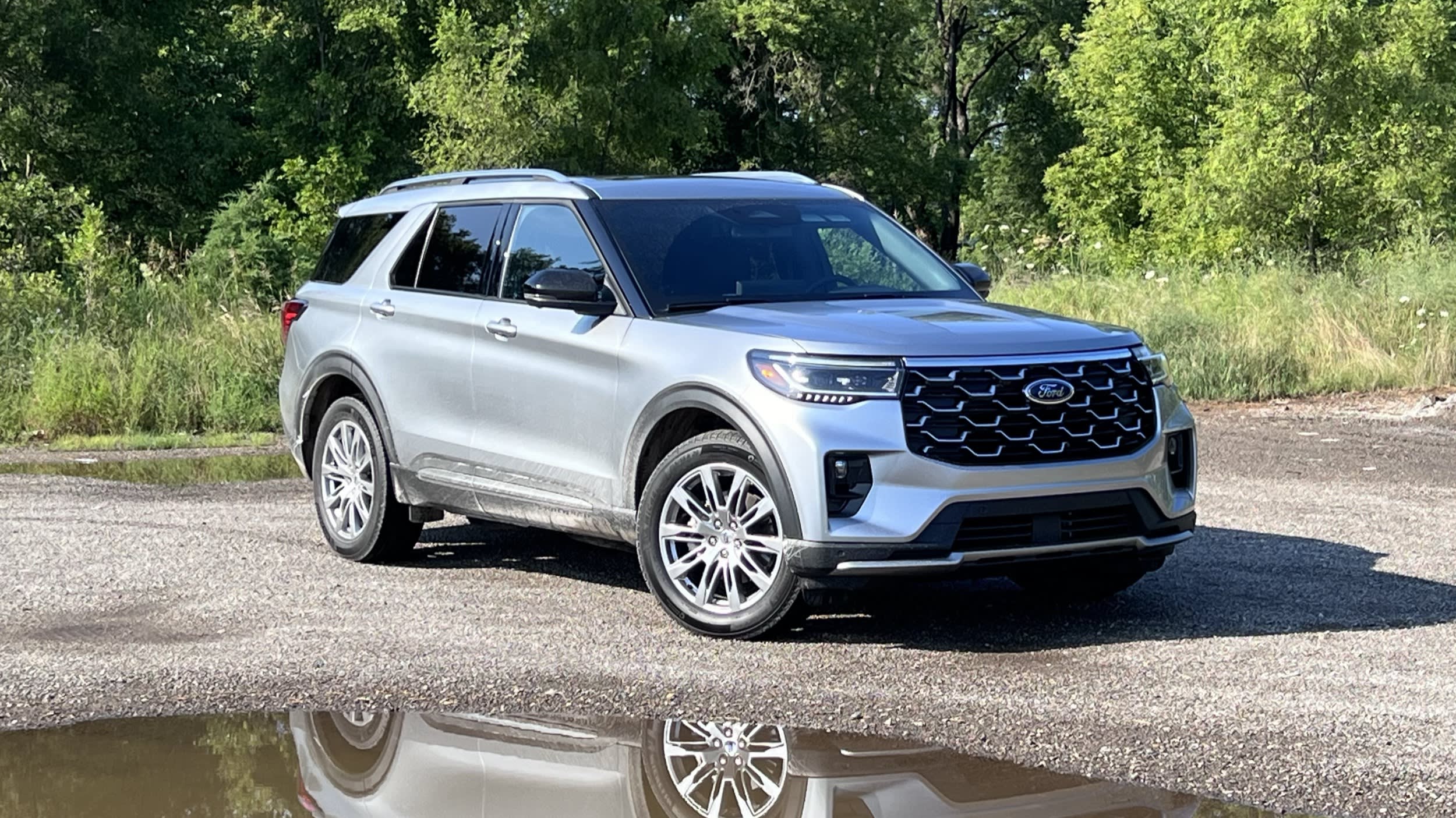
1. Ford Explorer
The Ford Explorer is a large SUV that offers a commanding presence on the road but comes with significant visibility challenges. Its tall seating position provides a good forward view, allowing drivers to see over most smaller vehicles in traffic.
However, the thick A-, B-, and C-pillars create substantial blind spots, particularly at intersections or when making sharp turns. Drivers often need to lean or adjust their head positions to compensate for these obstructions, making quick visual assessments more difficult.
While advanced driver-assist technologies such as blind-spot monitoring and cameras are available, the Explorer’s design inherently limits natural sightlines, especially during tight maneuvers in urban environments.
Rear visibility is another area where the Explorer shows its limitations. The rear window is relatively high and the D-pillars are thick, which makes spotting obstacles, pedestrians, or smaller vehicles behind the SUV a challenge.
Parallel parking, backing out of driveways, and reversing into tight spaces often require extensive reliance on cameras and parking sensors. Drivers must adjust their mirrors frequently and sometimes move their bodies to see around these blind spots, adding to the stress of everyday driving.
Side visibility is compromised due to the vehicle’s wide body and pillar placement. Changing lanes on highways or monitoring traffic at intersections can require extra caution, particularly in fast-moving traffic.
While electronic aids such as blind-spot detection and lane-keeping assist mitigate these risks, they cannot replace the intuitive awareness that comes from clear sightlines. For inexperienced drivers, navigating congested streets in the Explorer can feel intimidating and may require deliberate planning to avoid accidents.
Finally, the Explorer prioritizes size, power, and utility over all-around visibility. Its bold styling and muscular frame appeal to buyers seeking a commanding road presence and ample passenger space.
However, this comes at the cost of visual clarity, forcing drivers to adapt their habits and rely on technology to compensate for blind corners. The trade-off is clear: drivers gain capability and stature but must accept increased complexity in situational awareness and maneuvering.
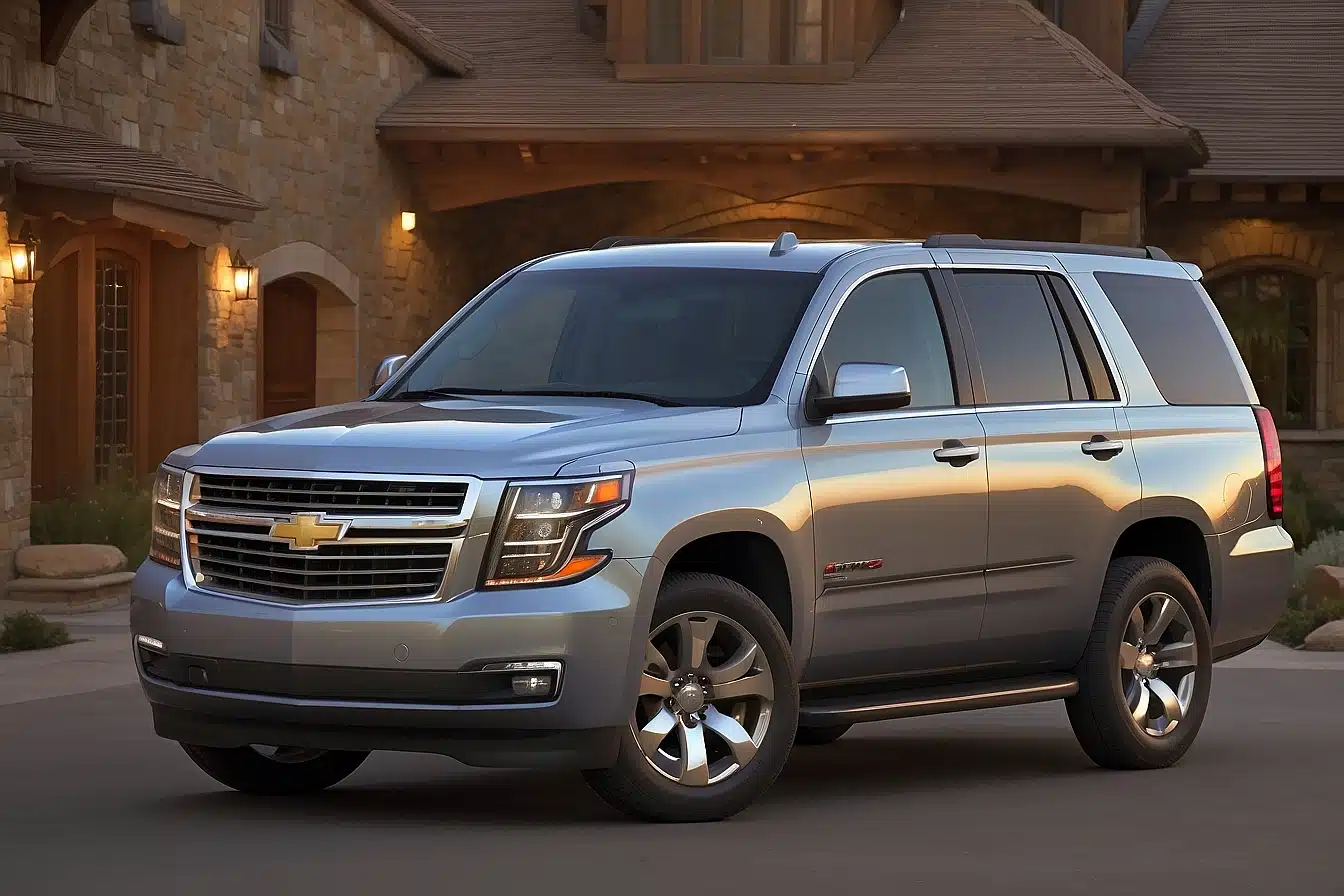
2. Chevrolet Tahoe
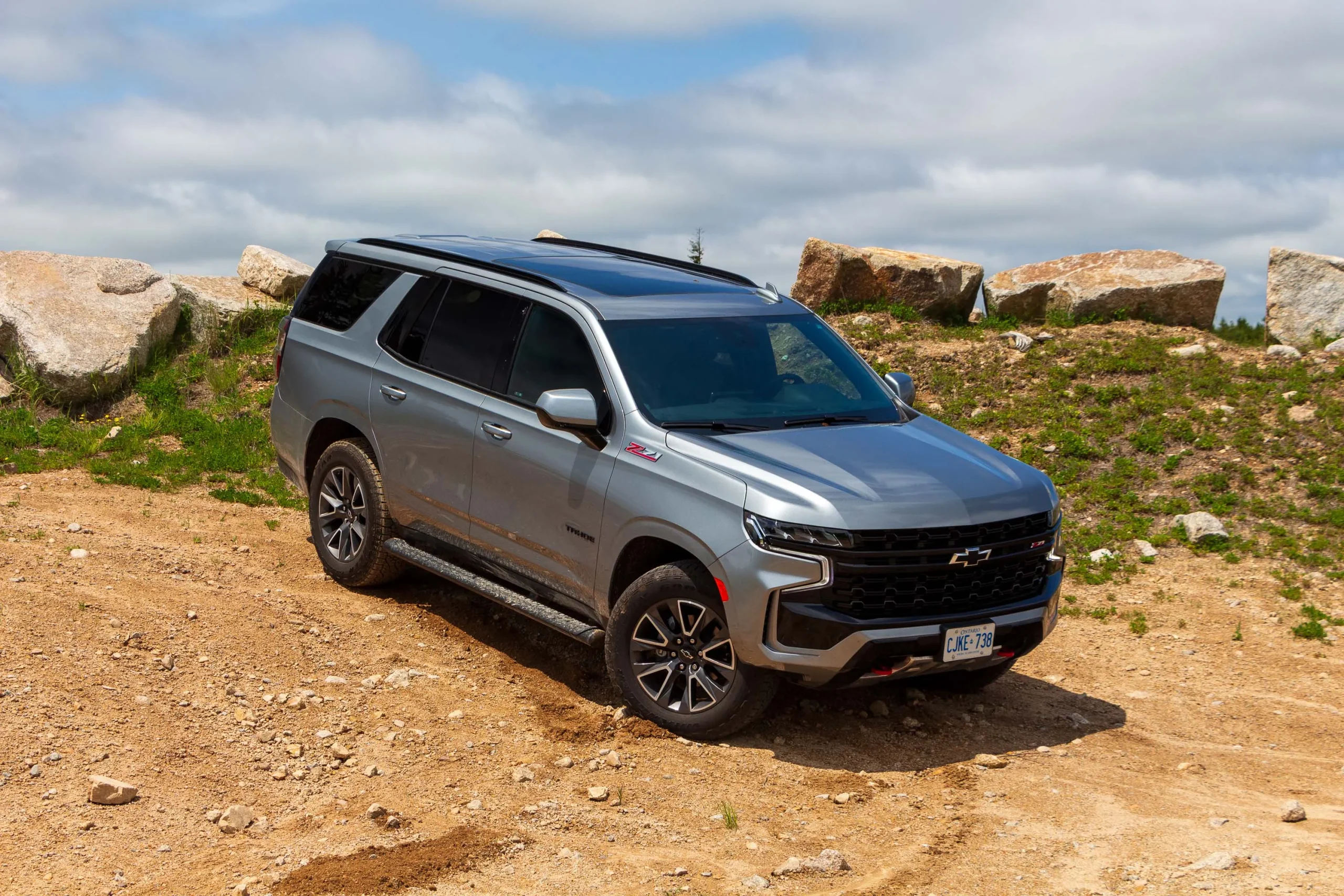
The Chevrolet Tahoe is a full-size SUV renowned for its passenger and cargo capacity but notorious for limited sightlines. While the elevated seating position offers a forward view, thick A-, B-, and C-pillars obstruct the driver’s peripheral vision, creating blind spots that are particularly noticeable when making turns or merging into traffic.
The Tahoe’s wide body and long wheelbase exacerbate these issues, making tight spaces and city streets challenging to navigate without electronic assistance. Cameras, sensors, and blind-spot monitoring are almost mandatory to maintain adequate awareness of the surrounding environment.
Rear visibility presents additional challenges. The Tahoe’s rear window sits high, and the D-pillars are wide and visually blocking, reducing the driver’s ability to see objects, vehicles, or pedestrians behind the SUV.
This design makes reversing in crowded parking lots stressful and demands the use of rearview cameras or mirrors positioned carefully to avoid collisions. Drivers often need to turn their heads or physically lean to gain a proper view, which can slow reactions in busy traffic scenarios.
Side visibility is similarly affected by the vehicle’s size and pillar placement. Lane changes, merging, and monitoring adjacent traffic require vigilance and often the use of supplemental technologies.
Thick B-pillars obstruct views of smaller cars, motorcycles, or bicycles, making sudden maneuvers riskier. Even experienced drivers need to develop habits such as constant mirror checks and cautious lane transitions to compensate for these blind corners.
The Tahoe’s interior and design emphasize comfort, utility, and road dominance over visibility. Its spacious cabin, wide seats, and commanding dashboard create an enclosed feeling, limiting situational awareness compared to smaller crossovers.
While the Tahoe delivers impressive power, towing capability, and interior space, it comes with the inherent compromise of restricted sightlines. Drivers must remain mindful of blind corners at all times, particularly when parking, navigating intersections, or performing complex maneuvers.
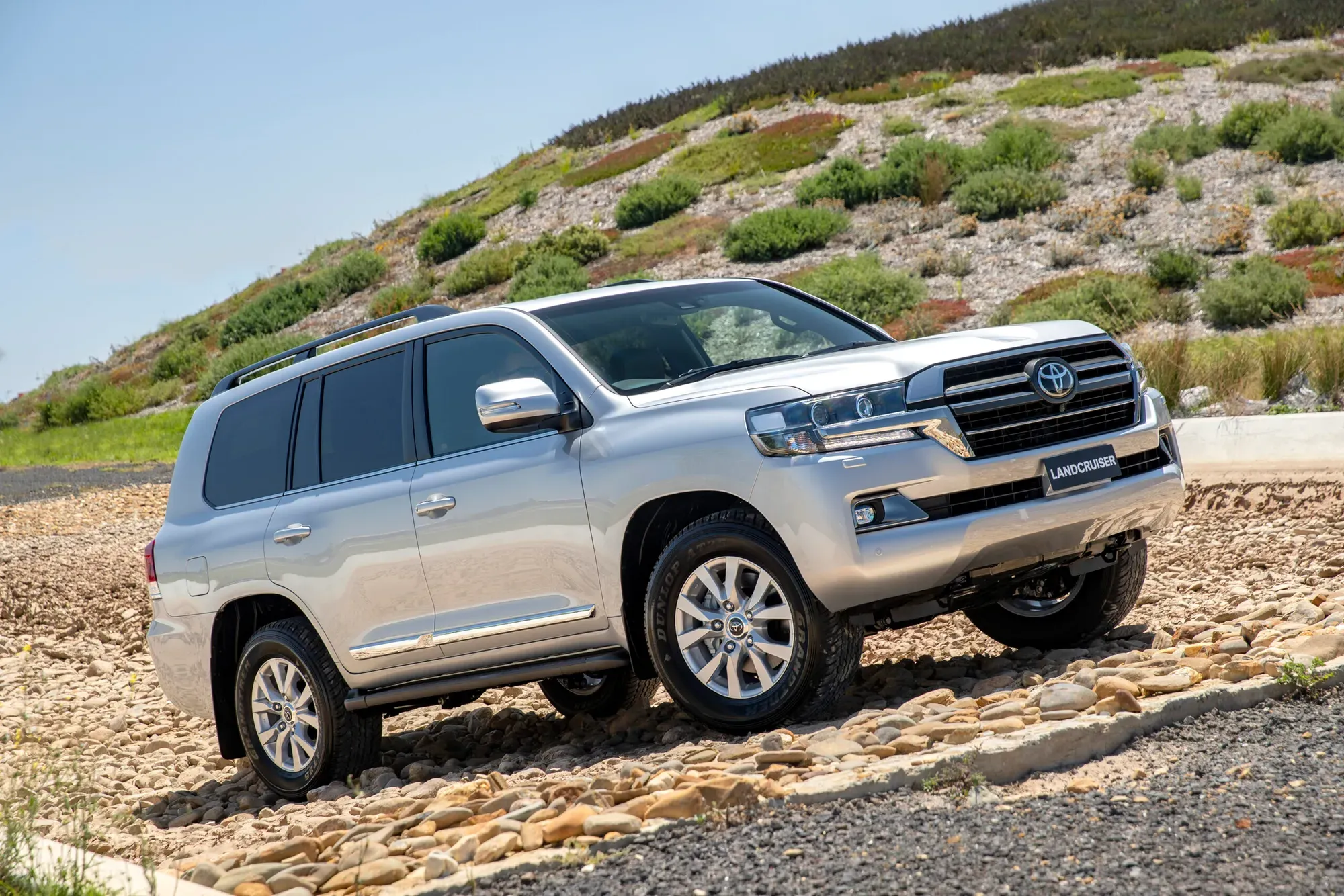
3. Toyota Land Cruiser
The Toyota Land Cruiser is an off-road legend known for ruggedness and durability, but it is not a model designed with all-around visibility in mind. Its high hood, thick A- and C-pillars, and elevated body create natural blind spots that require drivers to be attentive at all times.
While the elevated seating position allows for a commanding forward view, side and rearward visibility are more restricted than in many crossovers. Drivers often need to adjust their head positions or mirrors to compensate, especially on narrow trails or city streets where quick reactions are required.
Rearward visibility is particularly challenging in the Land Cruiser. The high-mounted spare tire, wide D-pillars, and relatively small rear window can obscure pedestrians, vehicles, or obstacles. Reversing into tight spaces demands careful use of backup cameras or frequent mirror adjustments.
Off-road driving can compound these difficulties, as uneven terrain requires constant spatial awareness to avoid obstacles that may not be directly visible due to the blind corners.
Side visibility is limited as well. The vehicle’s width and tall door frames obstruct views of adjacent lanes, making lane changes or merging more difficult.
Even experienced drivers must account for these blind spots by using side mirrors more aggressively and adjusting seating positions to improve peripheral awareness. Traffic situations, particularly at intersections or in urban congestion, require deliberate caution due to these inherent limitations.
Inside the cabin, the Land Cruiser prioritizes durability and comfort over visual openness. Thick dashboards, reinforced pillars, and substantial interior trim reduce natural sightlines, giving a sense of enclosure despite the vehicle’s size.
While the Land Cruiser excels in off-road capability, towing, and long-distance comfort, drivers must constantly compensate for blind corners through careful observation and reliance on electronic safety systems, underscoring the trade-off between rugged utility and visibility.
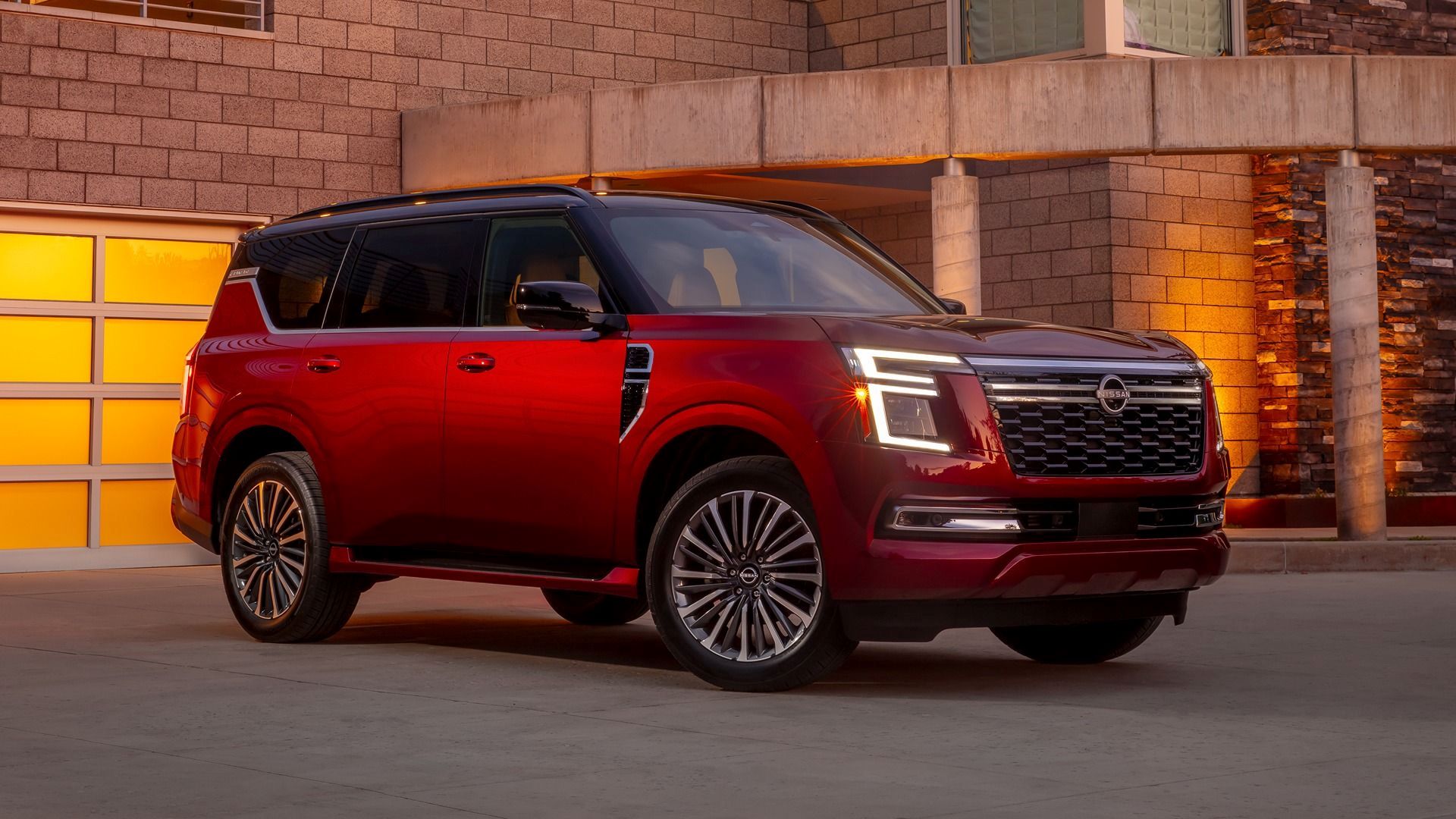
4. Nissan Armada
The Nissan Armada is a full-size SUV that combines power and luxury but suffers from significant visibility challenges. Its large body, tall roofline, and thick pillars obstruct critical sightlines, creating blind corners that demand extra vigilance.
While the elevated driver position offers a strong forward view, lateral and rear visibility are compromised, particularly in dense traffic or tight urban environments. Drivers must rely heavily on mirrors, sensors, and cameras to maintain situational awareness and avoid collisions.
Rear visibility is limited by the high rear window and substantial D-pillars, which can obscure smaller vehicles, pedestrians, or obstacles.
Backing out of tight driveways, parking lots, or congested areas becomes challenging, often requiring the use of cameras or turning the head repeatedly to gain a clear perspective. The vehicle’s size and high seating position can create a false sense of security, but without careful attention, blind corners pose a real safety risk.
Side visibility is similarly constrained by thick B-pillars and wide doors. Lane changes, merging, and turning at intersections require extra caution, particularly in fast-moving traffic.
While electronic safety features such as blind-spot detection assist the driver, the vehicle’s natural design limits intuitive awareness. Drivers must develop habits to compensate for these blind spots, including frequent mirror checks and cautious maneuvering.
The interior design emphasizes comfort, luxury, and road presence over unobstructed visibility. Wide dashboards, deep seats, and spacious interior layouts contribute to a sense of enclosure, further limiting the driver’s natural field of vision.
The Armada’s design prioritizes presence and capability over transparency, meaning that all-around awareness depends on a combination of driver skill and technological assistance.
The trade-off is clear: immense size and comfort come at the cost of natural sightlines, creating a vehicle that demands respect and deliberate attention in everyday driving scenarios.
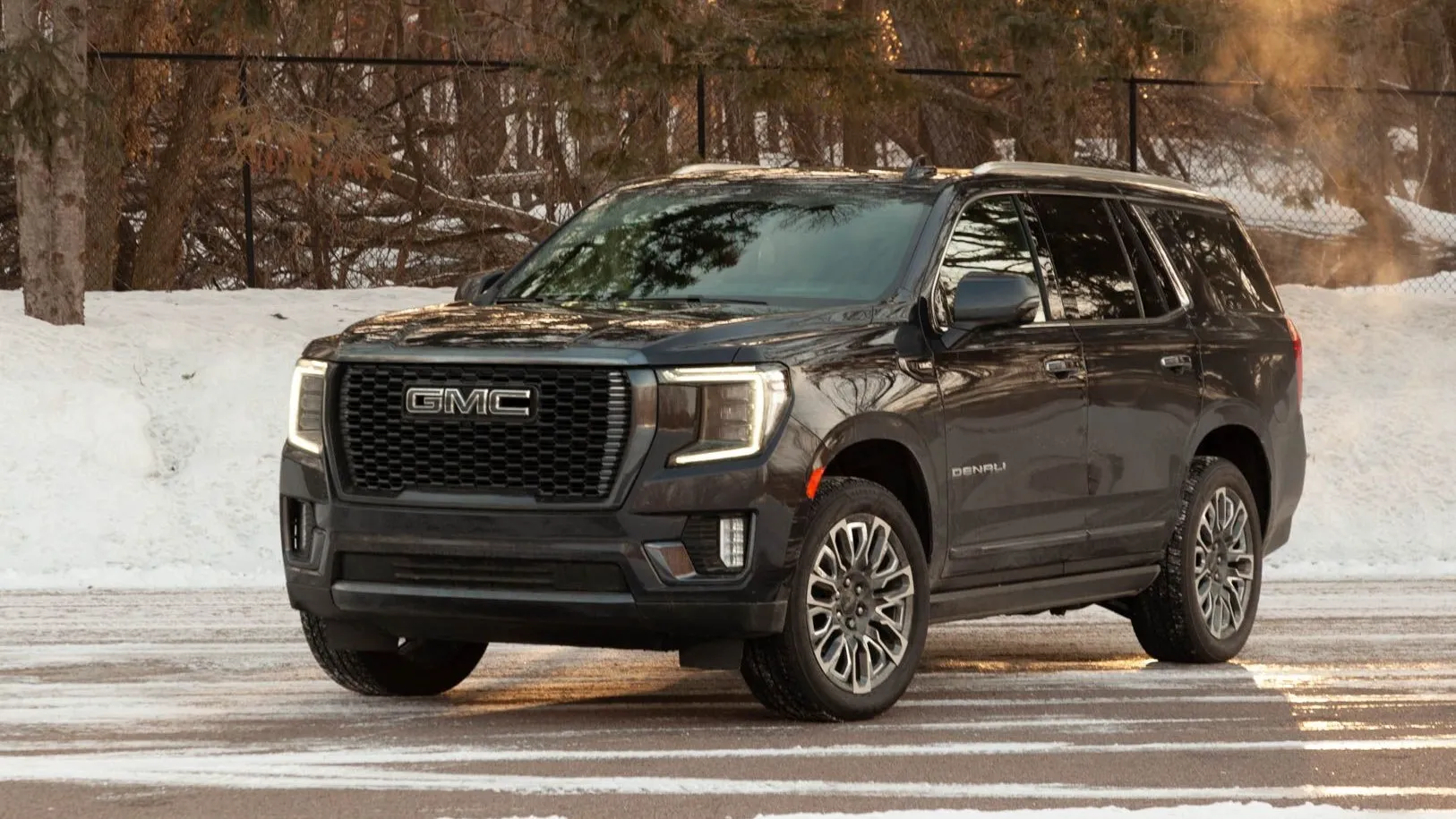
5. GMC Yukon
The GMC Yukon is a full-size SUV designed for space, comfort, and road dominance but comes with inherent visibility challenges. The vehicle’s tall hood, thick A- and B-pillars, and wide body create blind corners that can make driving in urban and suburban environments stressful.
While the elevated seating position provides an advantage for forward visibility, side and rear sightlines are compromised, forcing drivers to rely heavily on mirrors, cameras, and parking sensors to maintain awareness. Maneuvering through crowded streets or tight spaces demands increased attention and adjustment.
Rearward visibility is particularly affected by wide D-pillars and a high-mounted rear window. Drivers must use caution when reversing, as pedestrians, small vehicles, or obstacles can easily be obscured.
The reliance on electronic aids such as rearview cameras is often essential, but even then, the driver must maintain vigilance to account for blind corners that cameras may not fully cover. This adds complexity to parking and low-speed maneuvers, especially in congested urban areas.
Side visibility is limited by thick B-pillars and the vehicle’s expansive width. Changing lanes, merging, and monitoring adjacent lanes require careful observation and frequent mirror checks. Traffic at intersections, crowded highways, or multi-lane roads can be challenging, requiring deliberate planning and situational awareness to avoid potential collisions.
While driver-assistance systems help, they cannot fully replace natural sightlines, making this SUV inherently more demanding to operate safely.
The Yukon’s interior design prioritizes comfort, passenger space, and luxury over unobstructed views. Large seats, wide dashboards, and reinforced pillars create an enclosed cabin, further limiting natural visibility.
Drivers must consciously compensate for these blind corners by using a combination of mirrors, cameras, and careful observation.
The vehicle offers impressive capability and presence but comes with a clear trade-off: operating safely requires extra attention and adaptation, highlighting the challenges of large SUVs with compromised visibility.
