
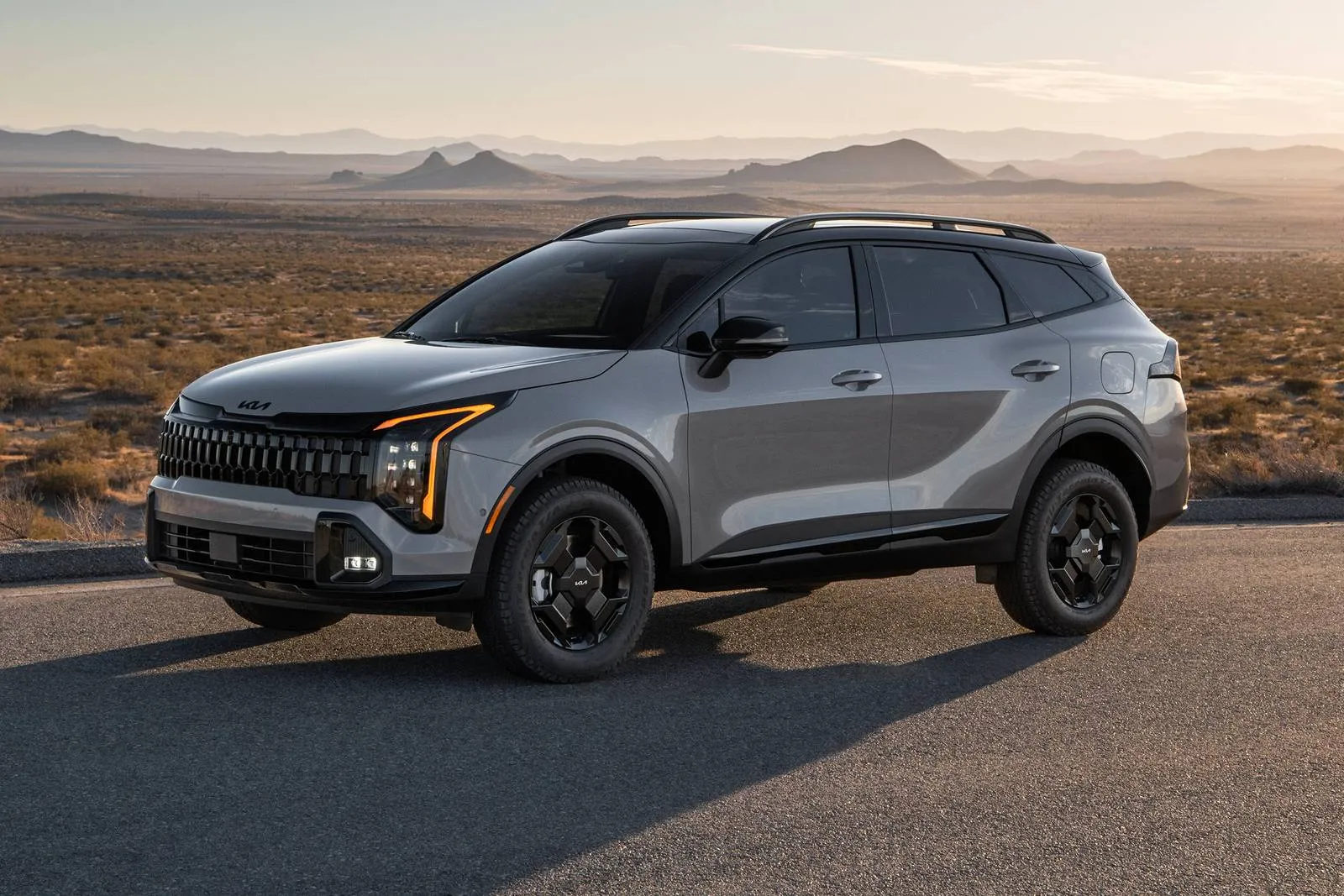
The popularity of crossovers has grown tremendously over the past decade, largely because they offer a blend of utility, comfort, and manageable size. Among the qualities that drivers often seek is a stable ride, especially when traveling on rougher roads or gravel surfaces.
While many crossovers provide a smooth experience on paved streets, some struggle when encountering uneven terrain, transmitting vibrations and jolts to the cabin. For those who spend time on rural roads, driveways, or lightly maintained routes, finding a crossover that handles gravel with poise is an important consideration.
The vehicles that manage to maintain composure over these surfaces tend to combine well-tuned suspension, solid chassis engineering, and tires that balance grip with comfort. Choosing the right crossover is not just about horsepower or fuel economy.
It is also about confidence and peace of mind while driving. When a vehicle absorbs bumps rather than transferring them to the passengers, it enhances the sense of control and reduces fatigue on longer journeys. This is particularly relevant for small families, outdoor enthusiasts, or anyone who frequently drives on mixed road conditions.
Crossovers in this category often blur the lines between traditional SUVs and sedans, offering a taller seating position and better visibility without sacrificing ride quality. They typically have all-wheel drive systems that provide traction but do not compromise suspension articulation, making them versatile in multiple environments.
In this article, we focus on ten crossovers that excel in managing rough surfaces without causing discomfort, creating a reference point for those who value a composed ride.
Each vehicle demonstrates a combination of engineering choices that allow it to navigate gravel roads with minimal vibration or jostling, giving drivers a sense of stability and reliability.

1. Subaru Outback
The Subaru Outback has long been recognized as one of the most versatile crossovers, blending wagon-like practicality with SUV functionality. Its all-wheel-drive system is standard across all trims, which ensures that the vehicle maintains traction on loose surfaces such as gravel, dirt, and lightly rutted roads.
The ride remains smooth even at moderate speeds over uneven terrain, making it an appealing choice for drivers who often encounter secondary roads, driveways, or rural pathways.
The combination of ground clearance and carefully tuned suspension allows the Outback to manage rough surfaces without harsh feedback to the cabin, creating a stable and composed driving experience that is rare in vehicles of this size.
The suspension architecture of the Outback is designed for both comfort and control. It features MacPherson struts in the front and an independent rear suspension setup, which allows each wheel to move individually over bumps and dips. This setup helps absorb shocks before they reach the cabin, reducing jolting and vibration.
Subaru’s engineers also emphasize a low center of gravity, which minimizes body roll and enhances stability over uneven terrain. Drivers can tackle curves, gravel stretches, and mild off-road conditions without the vehicle feeling unsettled or twitchy, a combination that sets the Outback apart from many competitors in the crossover segment.
Tire selection and design further contribute to the Outback’s composure. Subaru equips the vehicle with all-season tires that are designed to maintain grip on a variety of surfaces without compromising ride quality.
The tire sidewalls provide a balance between flexibility and stiffness, allowing the wheels to absorb small impacts while maintaining contact with the road.
This design minimizes the feeling of bouncing or jostling, even when the vehicle encounters loose gravel or small rocks. It also enhances braking and cornering stability, adding an extra layer of confidence for drivers in less-than-perfect road conditions.
Inside, the Outback’s cabin is carefully engineered to complement its stable ride. The seats are cushioned and supportive, helping to absorb minor shocks while maintaining comfort over long journeys.
The interior materials are designed to dampen noise from the road and vibrations, further insulating occupants from the roughness outside.
Together, these elements, suspension, tires, chassis stability, and interior comfort, allow the Outback to deliver a composed ride over gravel and uneven roads, making it a reliable choice for families, outdoor enthusiasts, and anyone who values a crossover that can handle both city streets and rural paths with poise.

2. Honda CR-V
The Honda CR-V has earned a reputation for comfort and reliability, particularly when it comes to ride quality. Its suspension system is tuned to prioritize smoothness, which is particularly noticeable when driving over gravel or uneven surfaces.
The independent front and rear suspension systems allow the wheels to react individually to bumps, absorbing imperfections before they reach the cabin.
This results in a ride that feels controlled and composed, reducing the sensation of jiggling or bouncing for passengers. For drivers who frequently travel on secondary roads or rural routes, this feature is invaluable, as it enhances both comfort and confidence behind the wheel.
The CR-V’s optional all-wheel-drive system further improves performance on loose or slippery surfaces. By actively distributing power between the front and rear wheels based on traction needs, the system helps maintain steady momentum without abrupt slippage.
This creates a smooth, predictable driving experience on gravel roads and ensures the vehicle remains responsive during cornering or acceleration.
The intelligent combination of chassis balance, suspension, and all-wheel-drive capability allows the CR-V to maintain stability even when the surface beneath it becomes uneven or unpredictable, making it one of the more composed crossovers in its class.
The CR-V’s chassis design contributes significantly to its stability and handling. Its structure emphasizes torsional rigidity, which reduces body flex and roll over bumps or curves. This rigidity allows the suspension to work efficiently, providing a smoother ride and minimizing the feeling of jolts in the cabin.
Additionally, Honda’s careful attention to weight distribution ensures that the vehicle remains balanced even during sudden directional changes or when negotiating uneven terrain. These design elements come together to create a crossover that feels confident, safe, and comfortable in a variety of road conditions.
Inside the cabin, passenger comfort is further enhanced through thoughtful seat design and sound insulation. Seats are ergonomically designed to reduce fatigue during long drives and cushion minor road shocks, while noise-dampening materials limit the intrusion of gravel and tire noise.
Together, the mechanical and interior systems of the CR-V work in harmony to create an experience that feels calm and stable, even when traveling over rough surfaces. For families and commuters who value a composed ride and reliable handling, the CR-V offers a blend of practicality and comfort that few compact crossovers can match.
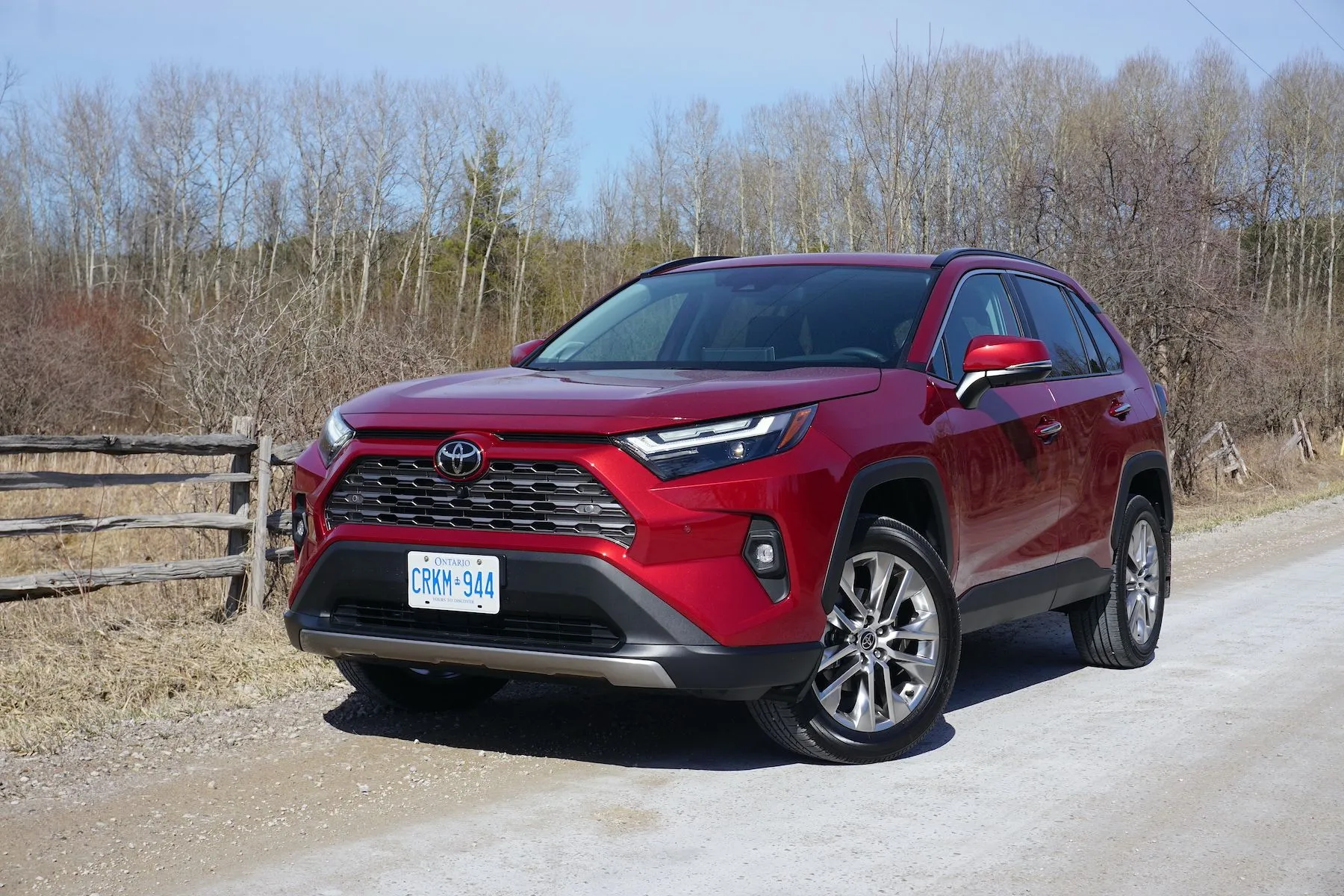
3. Toyota RAV4
The Toyota RAV4 is designed to offer a balance between everyday practicality and the ability to traverse less-than-perfect surfaces with confidence. Its suspension system is tuned to absorb road imperfections while maintaining composure, providing a smooth ride over gravel and lightly uneven terrain.
The front employs MacPherson struts while the rear features a multi-link suspension, which allows the wheels to move independently and reduces the impact of bumps and ruts on the cabin. This attention to suspension geometry ensures that the vehicle remains stable and controlled, even on roads that might challenge less capable crossovers.
All-wheel-drive versions of the RAV4 incorporate torque vectoring and intelligent traction management systems. These features distribute power to wheels with the most grip, preventing slippage and maintaining a smooth, steady progression over gravel surfaces.
The combination of well-calibrated steering and suspension ensures that the RAV4 responds predictably to driver input, whether navigating corners, accelerating, or braking on uneven terrain. Drivers benefit from a sense of security and stability, knowing that the vehicle will not react unpredictably to minor irregularities in the road.
Chassis design and structural integrity play an equally important role in the RAV4’s composed ride. Toyota emphasizes a strong, torsion-resistant frame that limits flex and body roll during travel over rough surfaces.
This stability ensures that the suspension can perform its primary function of absorbing bumps efficiently, reducing the transmission of shocks to the cabin. Even when driving at moderate speeds over gravel paths or minor potholes, the RAV4 remains steady and controlled, allowing passengers to enjoy a quiet and comfortable ride.
The interior contributes to the perception of refinement and stability. Ergonomically designed seats provide support and reduce vibration, while sound-insulating materials help minimize the intrusion of road and tire noise.
These cabin features, combined with a well-tuned chassis and suspension system, make the RAV4 a crossover that delivers both comfort and confidence on gravel roads. It is an ideal choice for drivers who require a versatile vehicle that can transition smoothly from city streets to rougher, less maintained surfaces without compromising ride quality.
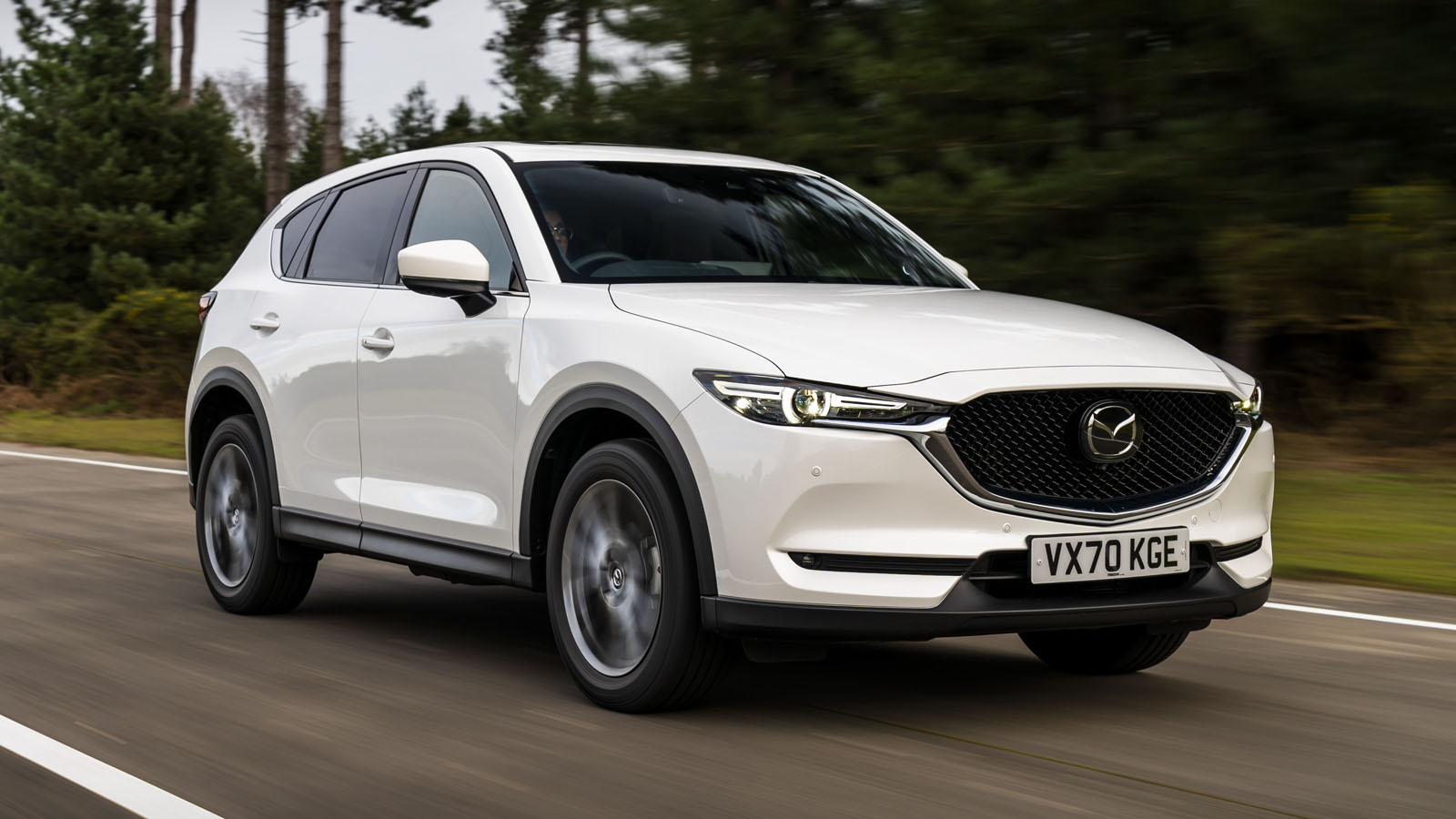
4. Mazda CX-5
The Mazda CX-5 has earned recognition for offering a refined driving experience that balances comfort, control, and handling precision. Its suspension system is calibrated to absorb imperfections in the road while maintaining a composed, connected feel.
The front MacPherson struts and rear multi-link suspension allow the wheels to react independently, reducing vibrations and jolts transmitted to the cabin. This design makes the CX-5 particularly adept at traversing gravel roads, where uneven surfaces can often result in uncomfortable or uncontrolled movement in less carefully engineered vehicles.
Mazda places a strong emphasis on chassis rigidity and structural integrity, which contributes directly to the CX-5’s composed ride. A firm, well-balanced frame reduces flex and body roll, allowing the suspension to function optimally.
This rigidity ensures that even when encountering gravel, dips, or minor obstacles, the vehicle remains steady, minimizing the sensation of jostling inside the cabin. Drivers experience precise handling and predictable control, which reinforces confidence on rough surfaces.
The tire and wheel combination also plays an important role in the CX-5’s ability to traverse gravel smoothly. Standard all-season tires offer sidewall compliance sufficient to absorb minor impacts while maintaining traction and stability.
This allows the vehicle to glide over uneven surfaces without transmitting every small irregularity to the cabin, enhancing both comfort and control. Even during light off-road travel, the CX-5 maintains composure, demonstrating a suspension and chassis synergy that is carefully tuned for stability.
Inside, the Mazda CX-5 focuses on passenger comfort, ensuring that vibrations are dampened and road noise is minimized. Ergonomic seats provide cushioning and lateral support, further reducing the perception of harshness from rough roads.
The combination of responsive suspension, rigid chassis, compliant tires, and well-insulated interior allows the CX-5 to handle gravel with confidence, making it a standout option for drivers seeking a crossover that prioritizes both refinement and stability.
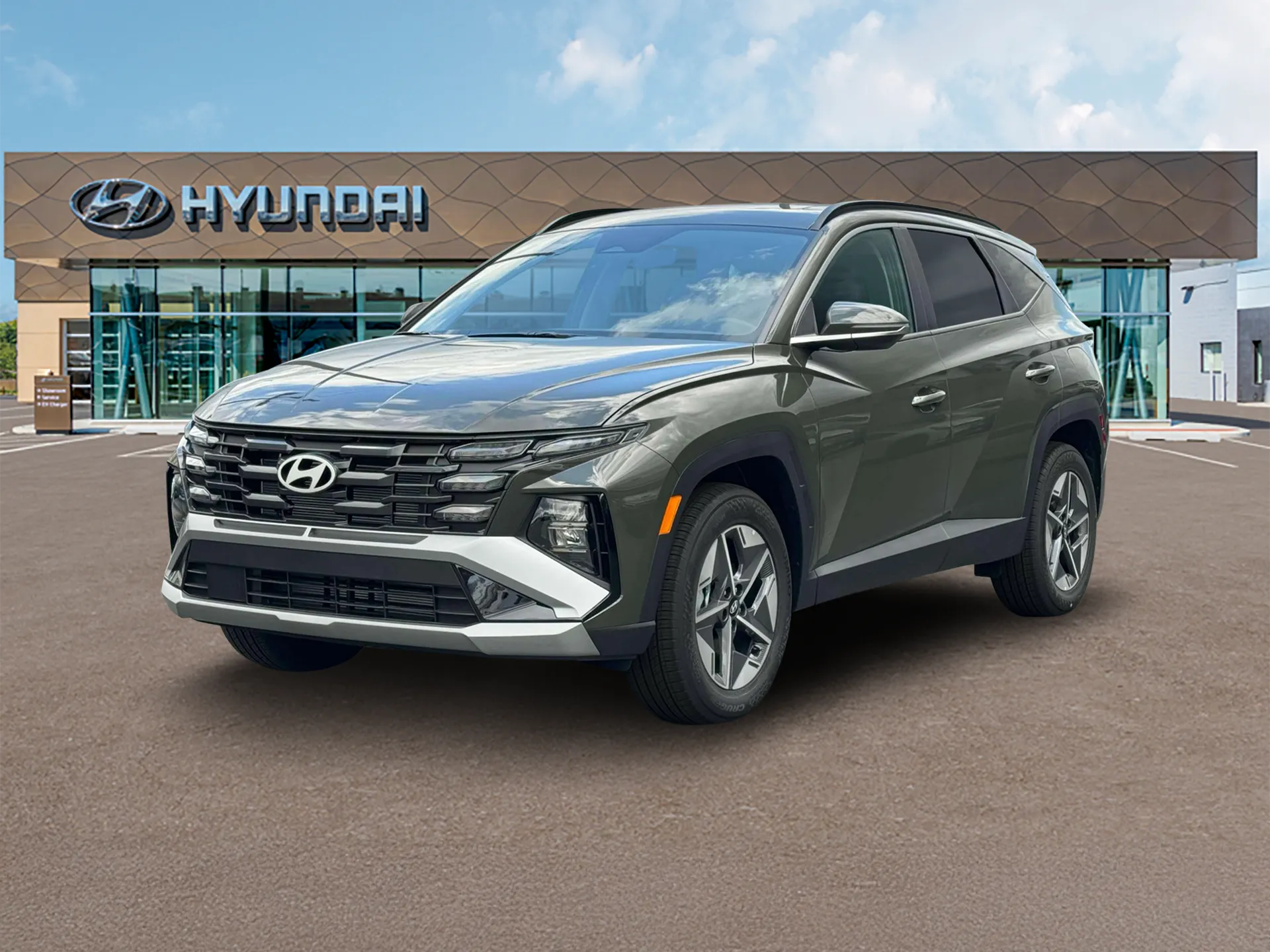
5. Hyundai Tucson
The Hyundai Tucson is designed to provide a balanced combination of ride comfort and composure over uneven surfaces. Its suspension system, which includes MacPherson struts at the front and multi-link suspension at the rear, allows each wheel to move independently, absorbing bumps and irregularities before they reach the cabin.
The result is a vehicle that handles gravel roads with minimal discomfort, offering passengers a smooth, controlled ride even on less-than-perfect surfaces.
All-wheel-drive variants of the Tucson enhance traction and stability on gravel, dirt, or lightly rutted roads. The system distributes power intelligently between the front and rear wheels, reducing wheel slip and maintaining momentum.
Steering is precise yet forgiving, providing drivers with a sense of control without feeling harsh or overly sensitive, which helps maintain comfort during longer trips on uneven terrain.
The chassis design and structural integrity of the Tucson also contribute to its composed handling. A rigid frame reduces flex and allows the suspension to work efficiently, minimizing the transfer of shocks to the cabin.
This ensures that body roll is controlled and that the vehicle maintains balance during cornering or when traveling over uneven ground. The combination of suspension tuning and chassis design makes the Tucson feel confident and stable, even when the surface is unpredictable.
Inside, the Tucson’s interior supports comfort and reduces fatigue on rough roads. Seats are ergonomically designed and well-cushioned to absorb minor shocks, while sound-deadening materials limit the intrusion of road and tire noise.
Together with a suspension system and chassis engineered for stability, these interior features ensure that passengers experience a composed, quiet ride over gravel surfaces, making the Tucson a practical and comfortable choice for drivers who encounter mixed road conditions regularly.
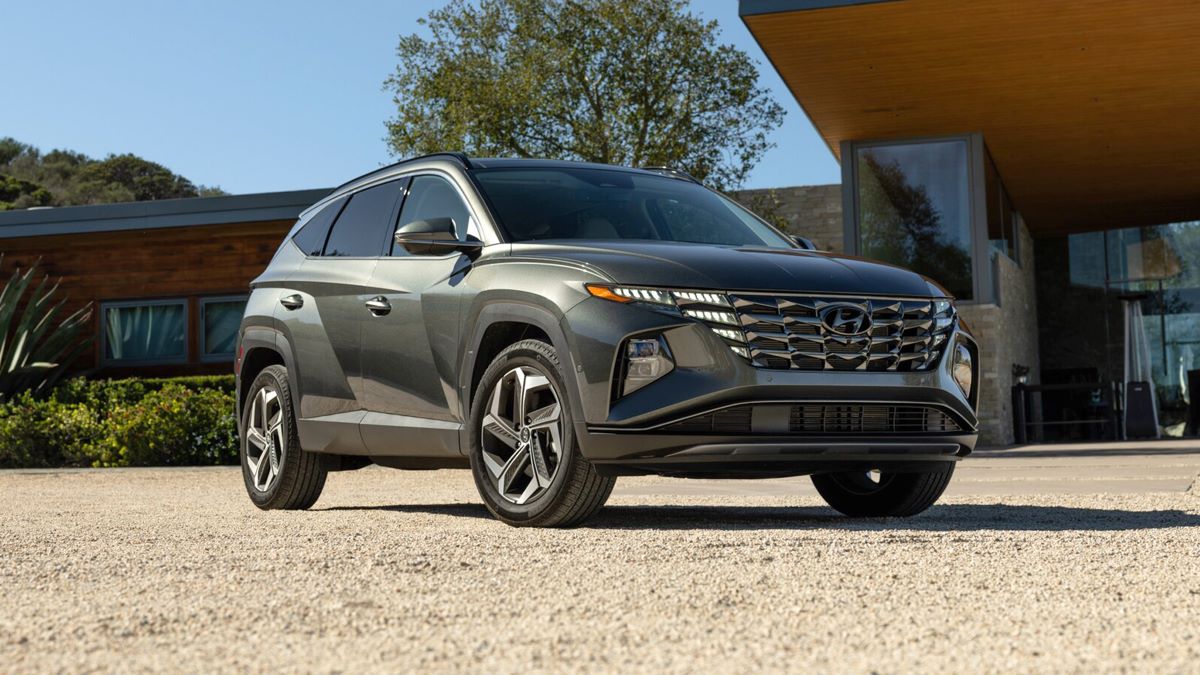
5. Hyundai Tucson
The Hyundai Tucson strikes a balance between refined on-road behavior and the ability to handle light gravel surfaces with confidence. Its suspension is designed to manage road irregularities effectively, incorporating MacPherson struts at the front and multi-link suspension at the rear.
This combination allows each wheel to respond independently to changes in terrain, reducing the sensation of jolts or bumps inside the cabin. Unlike some competitors, the Tucson maintains a consistent ride height, which helps in stabilizing the vehicle over uneven surfaces and prevents the feeling of top-heaviness that can make gravel travel uncomfortable.
The all-wheel-drive system in the Tucson enhances stability on loose surfaces, distributing power efficiently between the front and rear wheels.
This ensures that the crossover maintains traction even when gravel or loose dirt threatens to reduce grip. Steering and suspension calibration work together to offer precise handling, making it easier for drivers to navigate winding rural roads without losing composure or confidence in the vehicle’s responsiveness.
Hyundai places significant emphasis on cabin comfort, which contributes indirectly to ride quality. Seats are well-cushioned and ergonomically designed to absorb subtle vibrations, while materials and insulation minimize road noise and harshness from gravel surfaces.
Passengers experience a smoother ride as the vehicle glides over rough patches rather than reacting sharply to each irregularity.
The Tucson’s balance of ride comfort, chassis rigidity, and intelligent traction management makes it a strong option for drivers who want a crossover that can handle both city streets and light off-road conditions without feeling unstable.
It demonstrates that even a vehicle not marketed as an off-road specialist can achieve a high level of composure on gravel through careful engineering and thoughtful design.
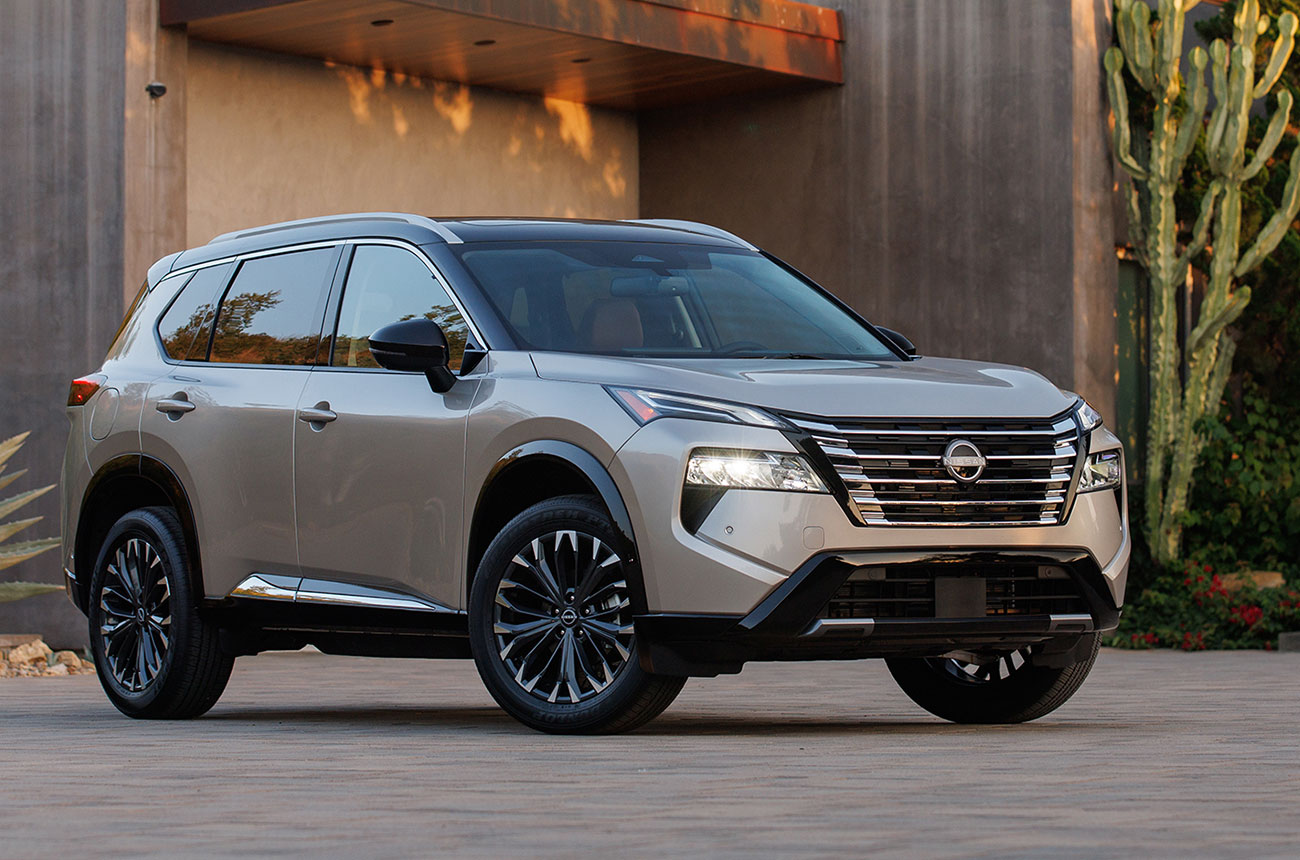
6. Nissan Rogue
The Nissan Rogue is often praised for its smooth, composed ride, which extends to gravel and lightly uneven surfaces. It features a well-tuned suspension system that includes independent front and rear setups, designed to isolate passengers from bumps and ruts.
The Rogue’s suspension geometry absorbs small and medium imperfections in the road, preventing the cabin from shaking excessively when traveling over gravel paths.
Traction control and optional all-wheel drive enhance stability in conditions where grip may be inconsistent. The system modulates power delivery to individual wheels, ensuring that the crossover maintains momentum without abrupt shifts or skidding.
Combined with responsive steering, this technology allows the Rogue to feel controlled and predictable on loose surfaces, giving the driver confidence in a variety of driving conditions.
Another factor contributing to the Rogue’s stability is its chassis design. The vehicle is engineered with a focus on torsional rigidity, which minimizes flexing when traveling over uneven ground. This stability translates into less body roll and smoother transitions between bumps, which further reduces the perception of jiggling inside the cabin.
The interior of the Rogue reinforces its ability to handle rough surfaces. Seats are supportive and cushion minor shocks, while sound-deadening materials limit road noise.
Passengers experience a sense of isolation from the gravel road below, making longer journeys more comfortable and less fatiguing. This combination of suspension, chassis strength, traction management, and interior design positions the Rogue as one of the more refined compact crossovers for gravel travel.

7. Volkswagen Tiguan
The Volkswagen Tiguan is known for combining European handling precision with a comfortable ride, which translates well to light gravel or uneven roads.
Its suspension setup, featuring MacPherson struts in the front and a multi-link rear configuration, allows the wheels to move independently over bumps, reducing the amount of vibration transmitted to the cabin. This design helps maintain stability while preventing excessive body motion that can make gravel roads feel harsh.
The Tiguan’s optional all-wheel-drive system enhances its ability to maintain traction on loose surfaces. By distributing torque to the wheels with the most grip, the system ensures controlled acceleration and cornering even when the road surface is inconsistent.
The result is a crossover that can maintain composure and directional stability without requiring constant corrections from the driver.
Chassis design contributes significantly to the Tiguan’s smooth ride. Volkswagen emphasizes structural rigidity and weight distribution to reduce pitch and roll during transitions over uneven terrain. This ensures that the suspension can operate efficiently, keeping passengers comfortable while minimizing jolts and vibrations from gravel.
Inside, the Tiguan features ergonomic seats and well-insulated cabin materials. The seats help absorb minor shocks, and interior noise is limited through careful material selection.
These elements work together to create a cabin environment where passengers feel isolated from the rough road surface, making the Tiguan an attractive option for drivers seeking a European feel with reliable comfort on gravel.

8. Ford Escape
The Ford Escape blends nimble handling with comfort-oriented suspension tuning, which makes it suitable for traveling on gravel roads without discomfort.
Its independent suspension system allows each wheel to react individually to bumps, helping prevent jostling inside the cabin. The tuning balances control and cushioning, meaning the vehicle absorbs irregularities without feeling loose or unstable.
All-wheel-drive models enhance stability on loose or uneven surfaces by intelligently distributing torque between the front and rear wheels.
This improves traction while ensuring smooth acceleration and braking, even when the road surface varies. Steering is responsive but not overly harsh, giving drivers the ability to navigate rough patches with confidence.
The Escape’s chassis is designed for rigidity, which limits flex and unwanted vibration. The combination of a firm structure and compliant suspension ensures that gravel roads feel more controlled, minimizing bounce and reducing fatigue on longer drives. This makes the Escape particularly appealing to those who need versatility in both urban and rural environments.
Passenger comfort is further improved by interior design. Seats are supportive and provide damping against vibrations, while the cabin is insulated against road noise. This ensures that even when the tires encounter loose gravel, passengers remain relatively unaffected, contributing to a composed and enjoyable ride.

9. Chevrolet Equinox
The Chevrolet Equinox is designed to provide a smooth and composed ride, even on gravel or uneven road surfaces. Its suspension system, which combines independent front struts with a sophisticated rear multi-link setup, allows the wheels to move independently, absorbing bumps before they reach the cabin.
This design minimizes the sensation of jostling for passengers and keeps the vehicle stable at moderate speeds over gravel roads, light dirt paths, and less maintained secondary streets.
The Equinox manages to balance a soft, comfortable ride with responsive handling, making it a versatile option for drivers who need both everyday comfort and the ability to navigate rougher surfaces.
The Equinox’s chassis plays a significant role in ride quality. It is engineered with rigidity and torsional strength in mind, which reduces body flex when encountering uneven terrain. This allows the suspension to work efficiently, preventing excessive pitch, roll, or vibrations from being transmitted to the cabin.
The vehicle’s weight distribution is also carefully balanced, further improving stability and ensuring that drivers feel in control when traveling over gravel stretches or dips in the road.
Chevrolet also equips the Equinox with tires that provide a combination of grip, compliance, and durability. All-season tires with slightly flexible sidewalls allow the vehicle to absorb minor shocks while maintaining traction on loose surfaces.
This contributes to a sense of stability while reducing the perception of bouncing or harshness. Whether accelerating, braking, or cornering on gravel roads, the Equinox remains composed and predictable, reinforcing confidence for both the driver and passengers.
Inside the cabin, passenger comfort complements the mechanical refinement. Seats are designed to absorb subtle vibrations and provide ergonomic support for longer drives, while noise-insulating materials reduce intrusion from road and tire noise.
The result is a crossover that feels controlled, quiet, and stable even when traveling over less-than-perfect surfaces. The Equinox demonstrates that careful attention to suspension, chassis design, tires, and interior comfort can transform a mainstream crossover into a capable, composed vehicle for gravel and uneven roads.
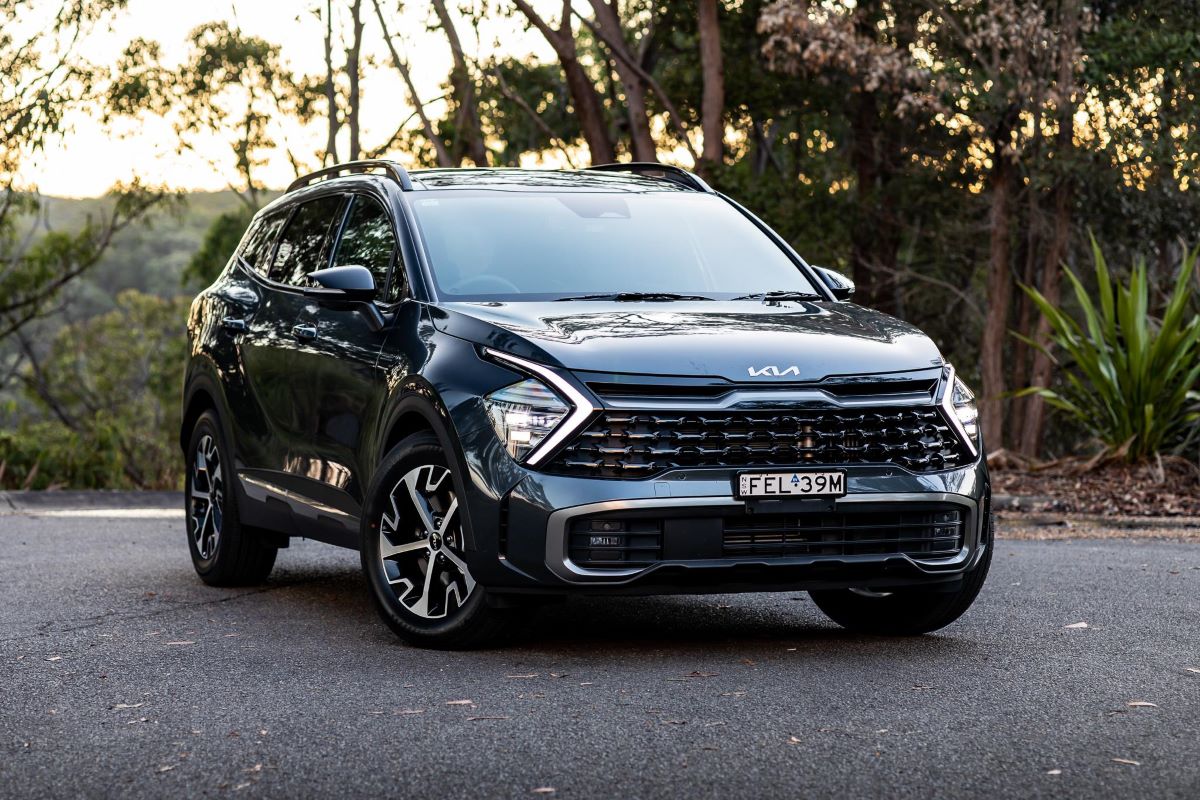
10. Kia Sportage
The Kia Sportage combines a comfortable ride with handling that remains controlled on uneven or gravel roads. Its suspension system, featuring MacPherson struts in the front and a multi-link setup in the rear, allows each wheel to react independently to bumps and surface imperfections.
This reduces vibrations and jolting inside the cabin, ensuring passengers remain comfortable even when the road is rough.
The Sportage’s tuning emphasizes balance between cushioning and stability, meaning it absorbs impacts without feeling soft or disconnected, a characteristic that is particularly valuable on gravel roads or lightly rutted paths.
All-wheel-drive variants of the Sportage enhance traction and control on loose surfaces. The system intelligently allocates torque between the front and rear wheels, preventing wheel slip and maintaining momentum over uneven terrain.
Steering is responsive yet forgiving, allowing the driver to make small corrections without the vehicle feeling twitchy or unstable. This capability makes the Sportage feel composed even when encountering sudden changes in road texture or loose gravel patches.
Chassis design contributes heavily to the Sportage’s ride quality. The frame is engineered for strength and rigidity, which reduces flex and allows the suspension to perform optimally. This results in controlled body movement, minimizing roll or pitch over bumps and irregular surfaces.
Drivers experience a sense of stability and confidence, knowing that the vehicle will maintain composure even under unpredictable road conditions.
Inside, the Sportage’s interior supports comfort and insulation from rough surfaces. Seats are ergonomically shaped and cushioned, helping to absorb minor shocks and reduce fatigue on longer drives. Sound-deadening materials further limit road noise, creating a quiet and refined cabin environment.
Combined with its suspension and chassis design, the Kia Sportage offers a confident, stable ride over gravel and uneven terrain, making it a practical choice for families and commuters who value comfort, versatility, and composure in a crossover.
