
Crossover vehicles have become a dominant presence on roads worldwide, offering a mix of car-like handling with the practicality of an SUV. They appeal to drivers who want higher seating positions, versatile cargo space, and a feeling of safety without committing to the bulk of a traditional SUV.
However, not all crossovers are created equal when it comes to everyday quirks, and one surprisingly common issue is how they handle routine car washes. This might sound trivial, but anyone who has rolled through a mechanized wash knows that vehicle dynamics, suspension setup, and structural rigidity can make a real difference.
Some crossovers navigate the brushes and water sprays without any hint of nervousness, while others wobble, rattle, or jolt unnervingly, making passengers feel as if they’re on a mild amusement ride.
The physics behind this behavior involves several factors. The suspension system, for instance, plays a crucial role.
A soft, high-travel suspension may absorb bumps effectively on the road but can create noticeable body movement during automated washes, especially when conveyor rollers or narrow guide tracks apply uneven forces to the wheels.
Similarly, weight distribution matters: vehicles with a high center of gravity and less stable front-to-rear balance are more prone to rocking under unusual lateral forces.
Tires also contribute, particularly when they interact with slick or uneven surfaces in the wash. Finally, structural rigidity and chassis design can influence the perception of movement, with some vehicles transmitting every minor vibration to the cabin.
In this article, we will examine two contrasting groups of crossovers: those that struggle in car washes and those that handle them with playful jiggles or surprising stability.
The first group tends to rock, lurch, or create discomfort, highlighting design or engineering choices that prioritize other factors over wash-day steadiness.
The second group offers a different experience: despite minor jostles, these vehicles often respond with a kind of lively agility that keeps the ride fun or at least tolerable. Both categories reveal the nuances of crossover engineering that may not appear on a test track or in standard road reviews.
Understanding these behaviors can be useful for practical reasons. Drivers who frequently use automated washes or have sensitive passengers may want to avoid crossovers that rock excessively. Conversely, those who enjoy a little tactile feedback and playful motion might find certain models appealing.
Beyond convenience, these characteristics also provide insight into the broader approach manufacturers take to suspension tuning, weight distribution, and chassis design.
The discussion that follows will not only list vehicles but also provide context for why they behave the way they do, helping buyers make more informed decisions based on real-world experiences rather than just specs and promotional materials.
5 Crossovers That Don’t Rock in Car Washes
1. Honda CR-V
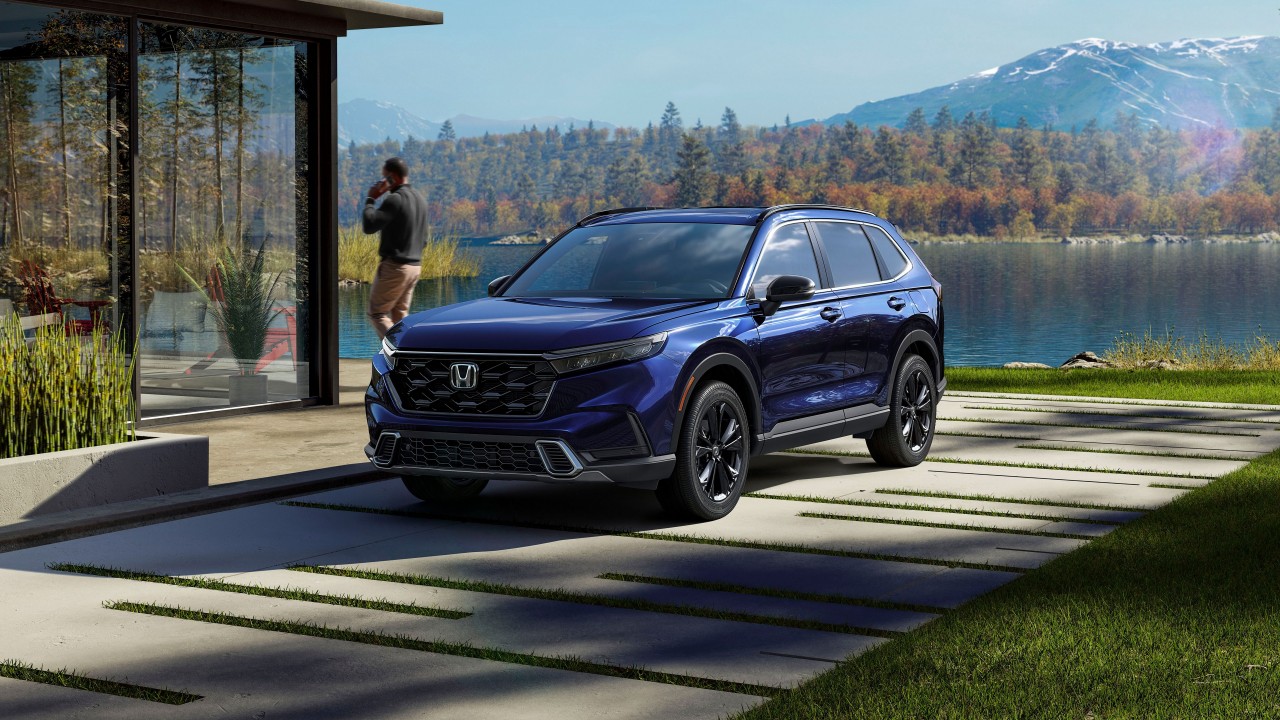
The Honda CR-V has long been praised for its balance between ride comfort and stability, and this reputation extends beyond standard driving into more unusual situations like automated car washes.
One reason it remains steady during these washes is its carefully calibrated suspension, which absorbs minor surface irregularities without transmitting excessive motion to the cabin. The front and rear suspension designs provide a combination of compliance and control, which prevents passengers from feeling sudden jolts or awkward shifts.
Even when the wheels encounter slightly uneven rollers or the wash track applies lateral force, the CR-V’s suspension works in harmony with the chassis to maintain a stable ride. Owners often report that they barely notice the vehicle moving side to side, a testament to the thoughtful engineering behind this practical crossover.
Another significant factor is the CR-V’s relatively low center of gravity for a vehicle in its class. Many crossovers, particularly taller models, tend to exaggerate side-to-side motion during car washes, creating a disconcerting experience for passengers. Honda’s design keeps the weight distribution balanced front-to-rear, which minimizes this effect.
As a result, the CR-V does not pitch forward or backward unnecessarily when brakes are lightly applied during automated washes, and it resists the rocking motion that can make rides uncomfortable. This stability is especially useful for families, older passengers, or anyone prone to motion sensitivity, as it creates a calm, reassuring environment inside the cabin.
Tire design and performance also contribute significantly to wash-day stability. Many CR-V trims come equipped with tires that offer a balance between sidewall stiffness and compliance, meaning they provide enough resistance to support the vehicle’s body without transmitting every minor bump or vibration into the cabin.
This is particularly important in car washes, where wet surfaces and uneven tracks could otherwise amplify small disturbances. The tires absorb these inconsistencies, allowing the vehicle to glide smoothly over rollers and other equipment, enhancing the perception of stability.
For passengers, this translates into a much less jarring experience, and for the driver, it feels controlled and predictable, even under unusual conditions.
Finally, the structural integrity of the CR-V enhances its stability. The unibody construction resists twisting or flexing under small external forces, such as those experienced during a car wash, ensuring the cabin remains solid.
This structural rigidity, combined with the suspension tuning, weight distribution, and tire performance, creates a crossover that maintains composure in situations where many others might feel unsettled.
The Honda CR-V is not only reliable on city streets or highways but also demonstrates a level of refinement that extends to everyday inconveniences like automated car washes, making it an excellent choice for those seeking both comfort and confidence in all driving scenarios.
2. Toyota RAV4
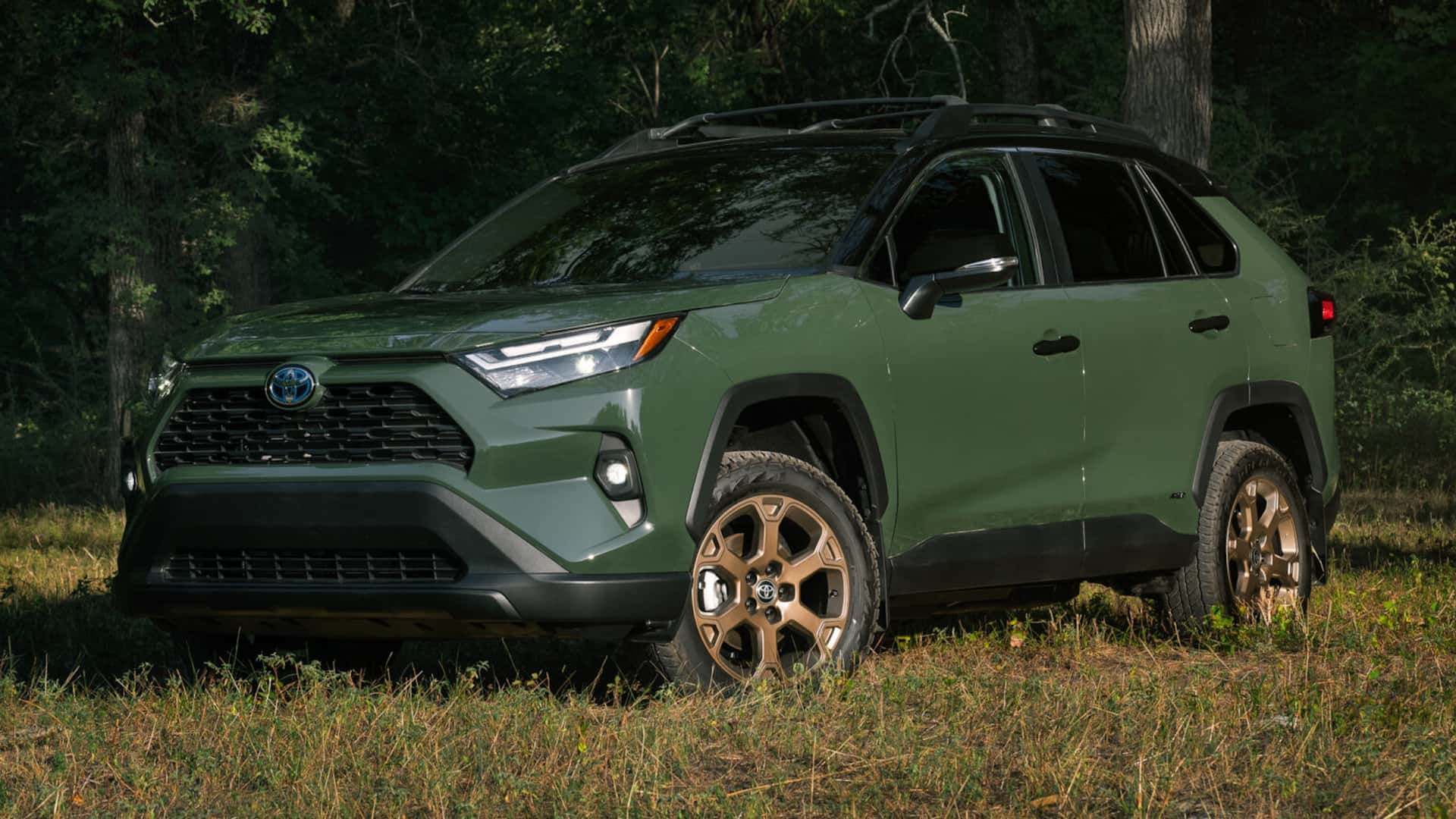
The Toyota RAV4 is a long-standing competitor in the compact crossover segment, earning a reputation for reliability, practicality, and thoughtful engineering. This reputation extends to its behavior during car washes, where the vehicle demonstrates remarkable composure.
The suspension system is designed to prioritize predictability over dramatic performance, which allows the vehicle to remain steady even when traveling across narrow rollers or uneven surfaces in automated washes.
The combination of front MacPherson struts and rear multi-link suspension provides both compliance and control, effectively dampening vibrations and preventing sudden jolts from affecting passengers. This creates a smooth, calm experience that enhances driver confidence and passenger comfort alike.
Weight distribution also contributes to the RAV4’s stability. Toyota has managed to keep the center of mass low, reducing the vehicle’s natural tendency to sway or tip under lateral forces.
Even with passengers or cargo on board, the RAV4 maintains a grounded posture, resisting minor disturbances caused by misaligned conveyor belts or slight inclines in the wash equipment.
For drivers, this translates into a vehicle that feels secure and controlled, with minimal need for corrective steering or cautious driving. The result is a car wash experience that feels routine and unremarkable in a good way, rather than unsettling.
Tire characteristics further reinforce the RAV4’s steady performance. The vehicle’s sidewalls are designed to provide moderate stiffness, offering enough support to prevent excessive flex while still absorbing minor surface irregularities. This prevents passengers from feeling every vibration and ensures the crossover predictably navigates slick or wet surfaces.
Tires that interact well with the car wash tracks reduce the chances of the vehicle lurching or pitching unexpectedly, allowing for a consistent and comfortable experience. Combined with the suspension and weight distribution, the tires play an essential role in maintaining composure during wash procedures.
Finally, Toyota’s commitment to structural integrity enhances the RAV4’s wash-day performance. The reinforced unibody design resists torsion and flex under minor external forces, ensuring the cabin remains solid even when rollers or tracks exert pressure on the wheels.
This rigidity, when combined with the well-engineered suspension and carefully chosen tires, allows the RAV4 to glide through automated car washes with minimal rocking or discomfort.
For buyers who value predictability, comfort, and reliability, the RAV4 offers a crossover experience that is calm and controlled under conditions that could unsettle other vehicles in the segment.
3. Subaru Forester
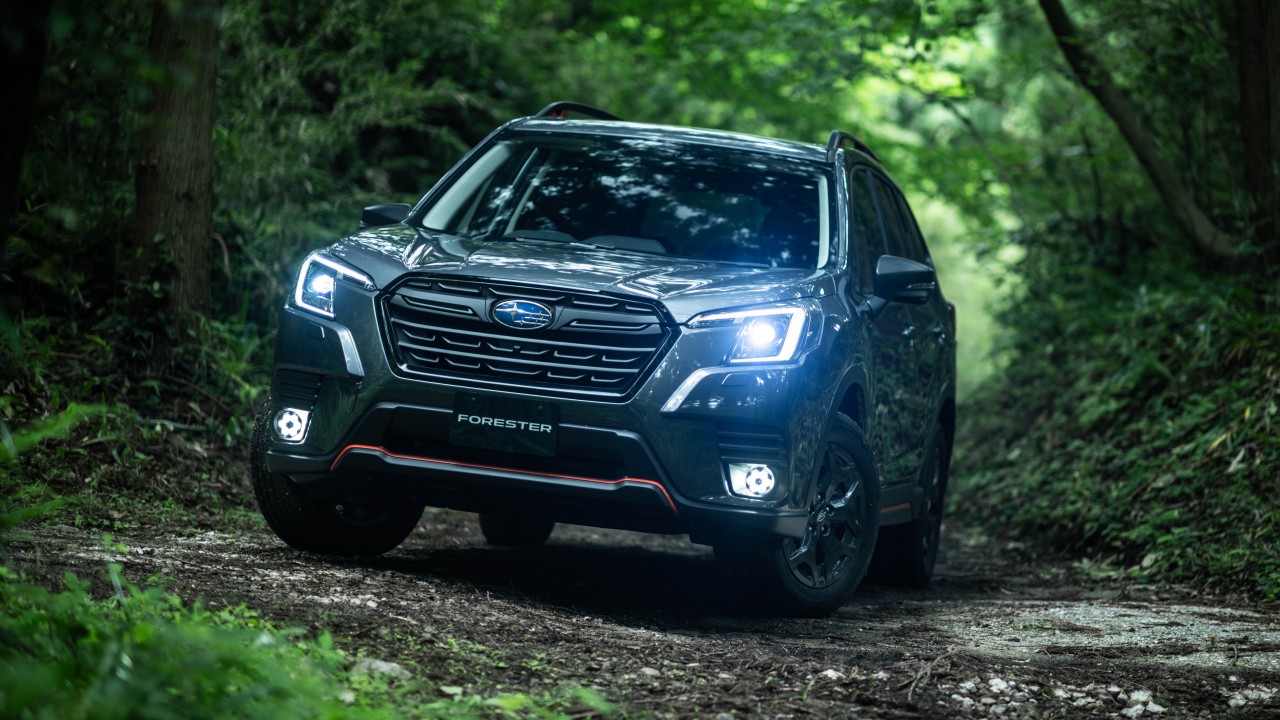
The Subaru Forester is known for its symmetrical all-wheel-drive system, practical design, and balanced ride characteristics. The AWD system distributes power evenly across the vehicle’s wheels, which helps maintain stability even during automated car washes.
By ensuring that no single wheel bears an excessive load, the vehicle minimizes the chance of rocking or lurching, even on wet or slightly uneven rollers.
The Forester’s suspension is tuned for comfort rather than sportiness, allowing the vehicle to absorb minor irregularities in the car wash equipment without transmitting them to the cabin. Passengers often notice how calm the vehicle feels, with minimal rocking or pitching, making for a reassuring experience during otherwise mundane tasks.
Suspension travel is moderate but effective, providing a balance between cushioning and stability. The shocks are carefully damped to absorb both vertical and lateral forces, preventing small imperfections in the wash tracks from producing exaggerated cabin motion.
This attention to damping reduces the sensation of being jostled, even when the vehicle’s tires encounter roller misalignment or uneven surfaces. The result is a stable, comfortable ride that maintains the Forester’s reputation for practicality and passenger-friendly engineering.
The tires also play a significant role in maintaining stability. Subaru equips the Forester with all-season tires that provide both grip and compliance, which allows the vehicle to remain well-grounded on slick or uneven wash surfaces.
These tires absorb minor surface irregularities without transmitting excessive motion into the cabin, ensuring that passengers experience smooth and predictable movement rather than sudden jolts. This is particularly important for taller crossovers, which might otherwise exaggerate small disturbances, creating discomfort or unease.
Finally, the structural rigidity of the Forester reinforces its wash-day performance. The unibody design and reinforced chassis reduce twisting and flexing under minor forces, allowing the suspension to perform optimally without compromise.
When combined with the AWD system, suspension tuning, and tire performance, this structural integrity ensures that the Forester handles automated washes with composure and stability.
Drivers and passengers alike can enjoy a calm, reassuring experience, making it an ideal choice for those who value practicality, comfort, and reliability in a crossover vehicle.
4. Mazda CX-5
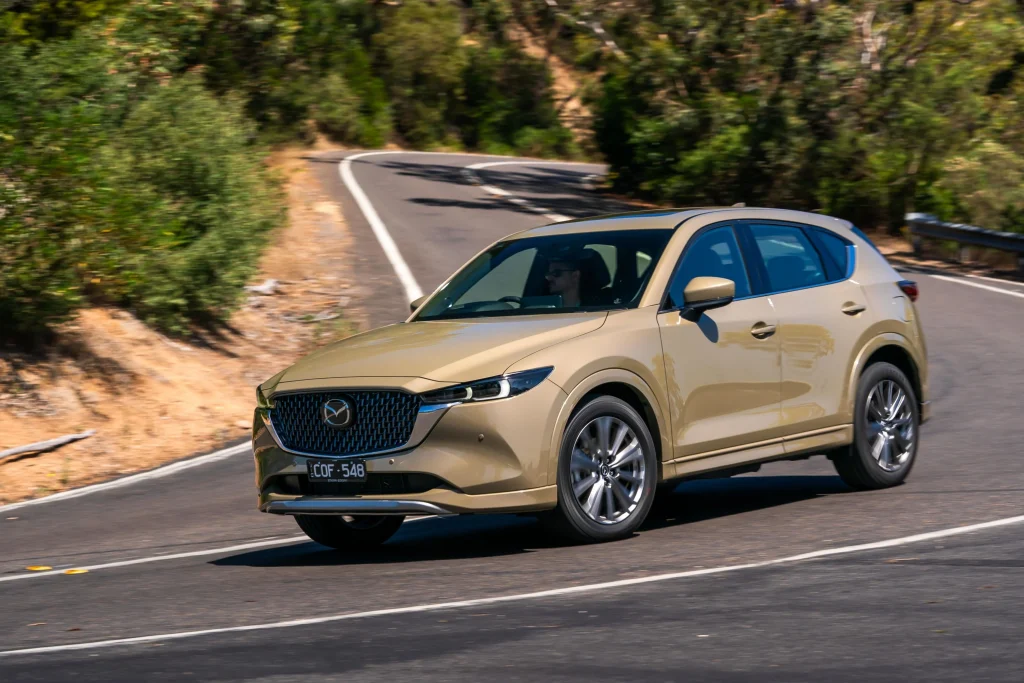
The Mazda CX-5 combines sleek styling with highly refined handling characteristics, which translates into excellent stability even during car washes. The front MacPherson strut and rear multi-link suspension setup are tuned to provide controlled movement over uneven surfaces, allowing the vehicle to maintain balance while absorbing minor bumps or jolts.
This combination of damping and spring rates prevents passengers from feeling abrupt or unsettling motions, creating a smooth and comfortable experience.
The CX-5’s suspension strikes a balance between sporty responsiveness and everyday comfort, making it one of the more composed crossovers in its class during automated wash procedures.
Tire selection also contributes to the CX-5’s wash-day composure. Mazda equips the vehicle with tires that offer sidewall stiffness appropriate for the vehicle’s weight, providing support without transmitting every minor bump to the cabin. The tires interact effectively with wet or uneven surfaces, ensuring that the crossover remains grounded and stable.
The combination of tires, suspension, and weight distribution creates a predictable ride that inspires confidence in both drivers and passengers.
Finally, the CX-5’s structural integrity enhances the perception of stability. The unibody chassis resists flex and twist under small external forces, allowing the suspension to function as intended. When rollers, tracks, or brushes create minor disturbances during automated washes, the vehicle remains controlled, solid, and composed.
Passengers experience minimal jostling, and the ride feels smooth and reassuring, making the CX-5 an excellent example of a crossover that balances handling, comfort, and stability effectively.
5. Hyundai Tucson
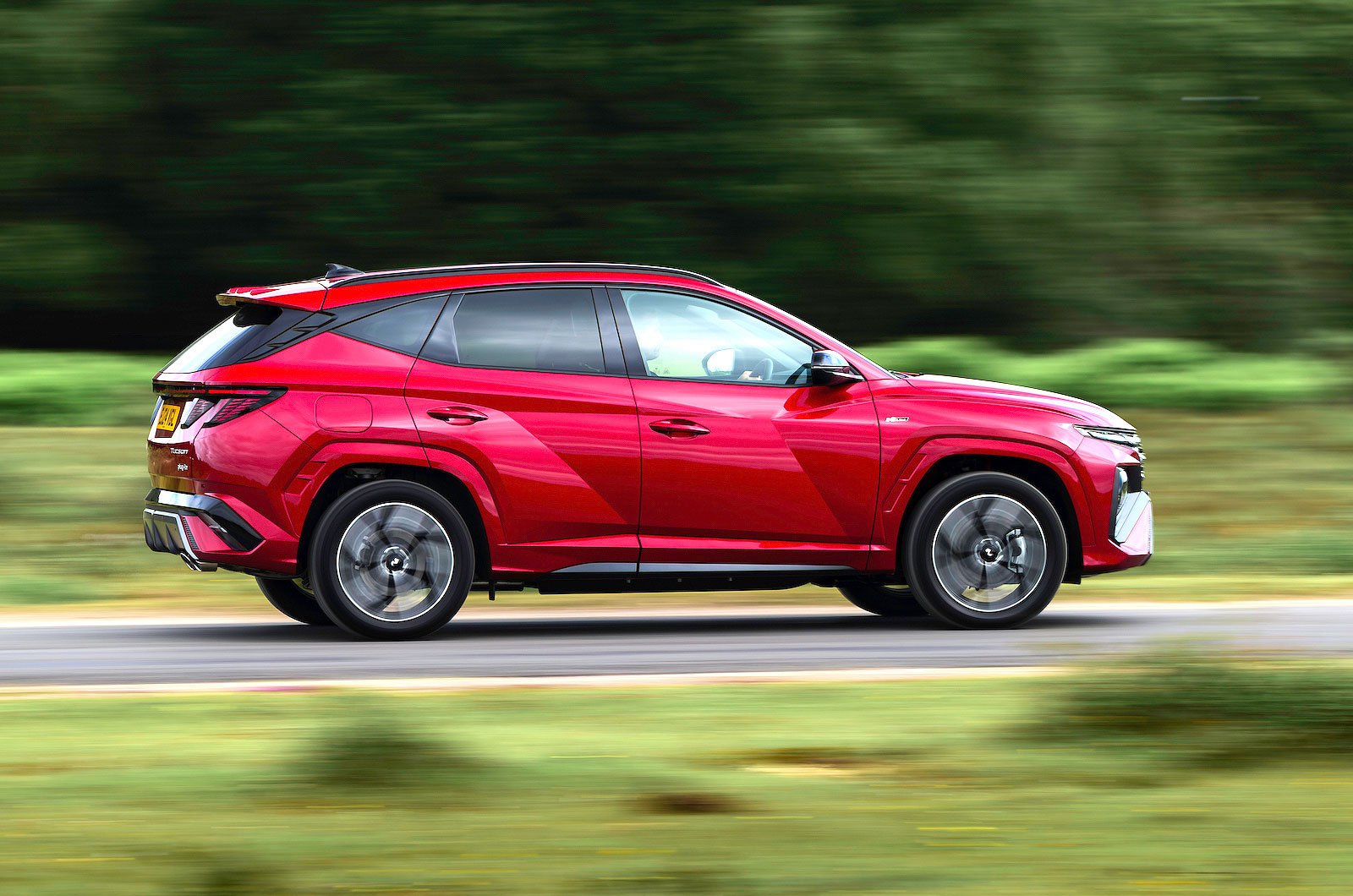
The Hyundai Tucson has earned a reputation for delivering a comfortable, practical, and well-engineered ride. Its suspension system absorbs minor irregularities effectively, which minimizes rocking in car washes.
The front struts and rear multi-link suspension are tuned to handle both road bumps and unusual forces introduced by rollers or conveyor tracks.
As a result, passengers generally feel gentle vibrations rather than abrupt jolts, creating a controlled and reassuring environment during automated wash procedures. This balance between comfort and stability makes the Tucson well-suited for drivers seeking a calm, predictable crossover experience.
Weight distribution further enhances the Tucson’s wash-day performance. Hyundai engineers have maintained a relatively low center of gravity, reducing lateral sway and pitching even when the vehicle is fully loaded with passengers or cargo.
This design ensures that the vehicle remains steady, preventing the rocking that can create discomfort in other crossovers. During car washes, this balance allows for smoother transitions over rollers and minor uneven surfaces, giving passengers a more relaxed ride experience.
Tires also play an important role in Tucson’s stability. Hyundai equips the vehicle with tires that provide moderate sidewall stiffness, absorbing minor disturbances rather than transmitting them to the cabin.
This combination of compliance and grip ensures that the vehicle navigates wet or slick surfaces without jarring occupants. Tires, suspension, and weight distribution work together to create a crossover that feels stable and composed, even in situations where other vehicles might rock unpredictably.
Finally, structural rigidity contributes significantly to the Tucson’s steadiness. The unibody chassis resists twisting and flex under small forces, allowing the suspension system to perform effectively. This ensures that minor lateral and vertical disturbances during car washes do not compromise cabin comfort.
Combined with Hyundai’s thoughtful engineering in suspension tuning, weight distribution, and tire selection, the Tucson handles automated washes with minimal rocking, providing a smooth and reassuring experience for both drivers and passengers.
5 Crossovers That Jiggle
1. Nissan Rogue
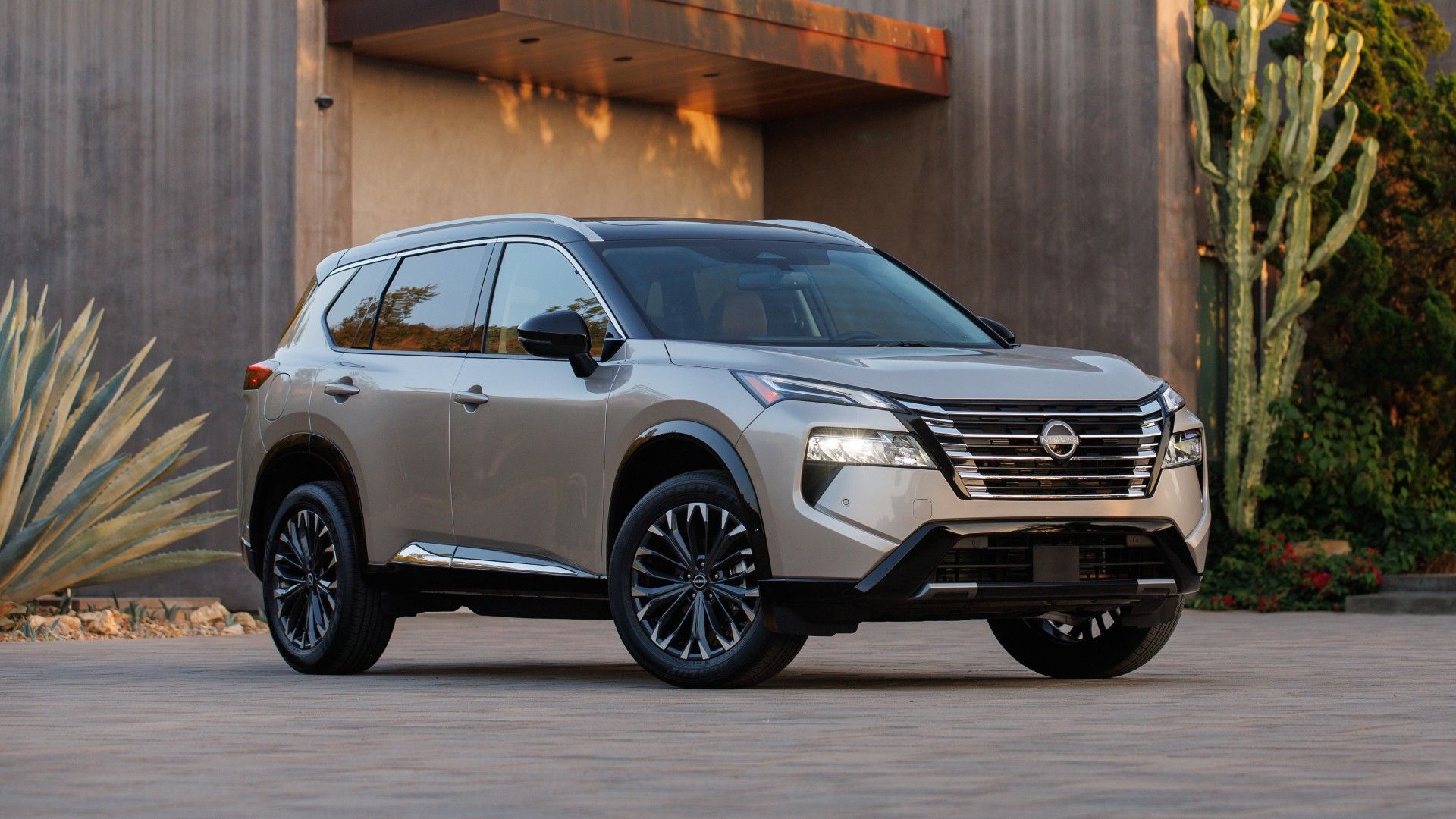
The Nissan Rogue is a popular crossover that often exhibits a noticeable jiggle during automated car washes, and this is largely due to its suspension tuning. Designed primarily for road comfort rather than firm handling, the Rogue employs a softer suspension system that absorbs bumps and potholes effectively on standard roads.
However, in the narrow confines of car wash tracks, this compliance can amplify lateral motion. When the wheels roll over uneven conveyor rollers or the wash brushes exert sideways pressure, the Rogue tends to sway or bounce slightly. Passengers sitting in the back may notice their seats moving with the vehicle’s body, giving the sensation of light rocking.
While this movement is not extreme, it is enough to make the wash experience feel dynamic rather than calm, highlighting the trade-off between everyday comfort and stability under unusual forces.
Weight distribution plays a significant role in the Rogue’s wash-day behavior. The vehicle has a relatively high center of gravity for a compact crossover, combined with a front-biased weight layout.
This configuration makes it more prone to side-to-side motion when the vehicle’s wheels encounter lateral forces or minor misalignments in wash tracks.
Even when stationary on rollers, the Rogue can shift subtly as the suspension compresses and rebounds unevenly. Drivers often report a sensation akin to gentle wobbling, which can feel playful but may also be unsettling for passengers unaccustomed to the movement.
Finally, the Rogue’s chassis design and structural characteristics accentuate its motion. Unlike some crossovers with ultra-rigid unibody structures, the Rogue allows small amounts of flex under lateral stress. While this contributes to comfort on uneven roads, it also enables the vehicle’s body to respond visibly to minor forces during car washes.
The combination of soft suspension, higher center of gravity, flexible tires, and slightly pliable chassis results in a vehicle that jiggles and bounces more noticeably.
Some passengers enjoy the lively sensation, while others may prefer a more grounded ride. Either way, it makes the Nissan Rogue a distinctive experience in automated washes, standing out for its playful, animated motion.
2. Ford Escape
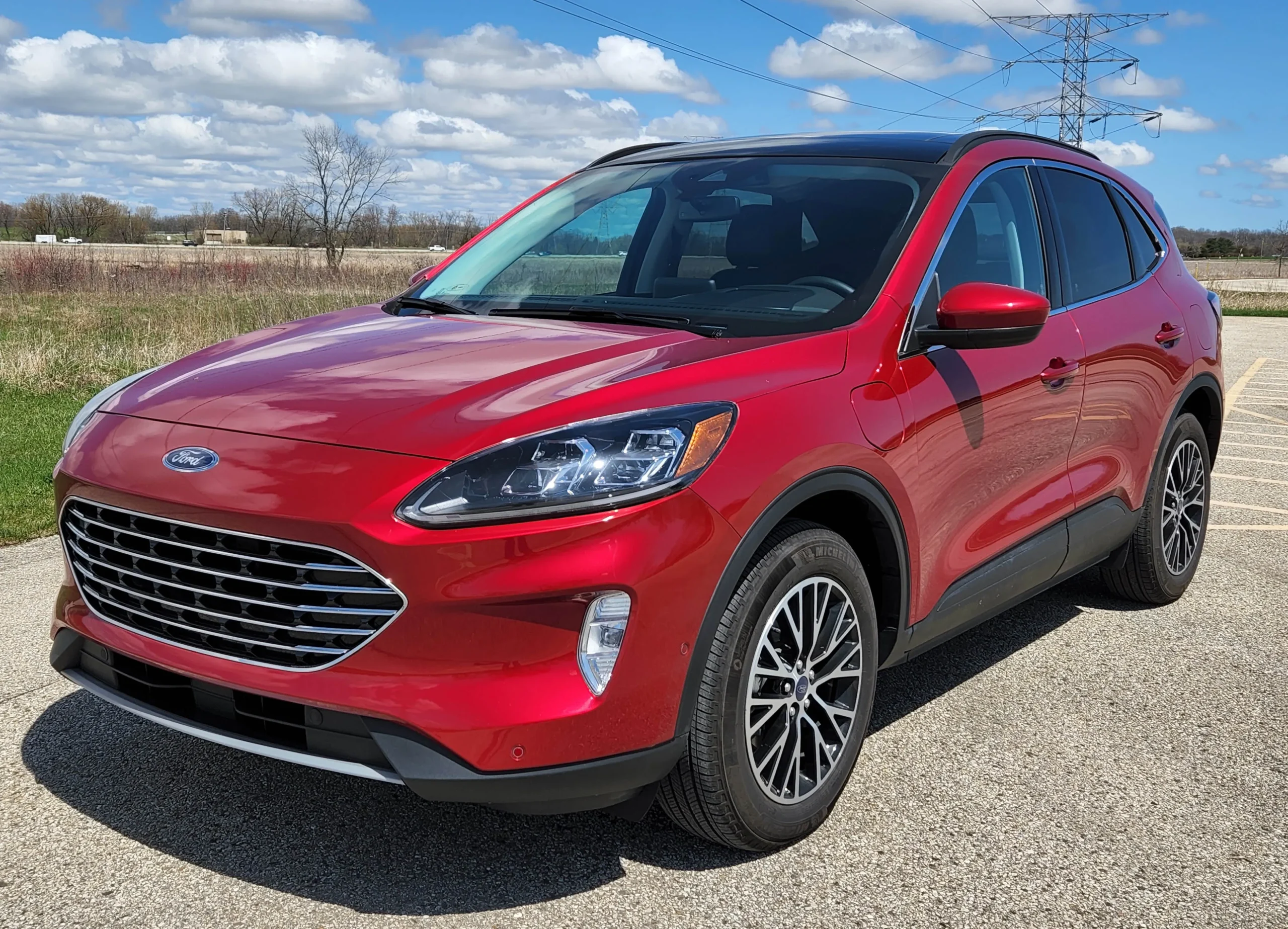
The Ford Escape, a longstanding player in the compact crossover market, tends to exhibit noticeable jiggle during car washes due to its suspension setup and chassis geometry. The Escape is engineered with comfort in mind, featuring a soft suspension system that excels at absorbing road imperfections.
However, this same softness allows more body movement when the vehicle’s wheels encounter lateral forces from rollers or brushes.
Passengers often feel a combination of side-to-side rocking and slight vertical motion, giving the impression that the vehicle is dancing across the wash tracks. While this does not compromise safety, it creates a more animated ride compared to crossovers engineered for wash stability.
Tires also influence the Escape’s jiggle. Many trims are equipped with tires that prioritize comfort over rigidity, allowing for greater sidewall flex. During automated washes, this flex interacts with the suspension to amplify body movement, causing the vehicle to sway or bounce as the tires slip slightly over wet rollers.
The cumulative effect of tire compliance and soft suspension makes the Escape feel more animated than most crossovers in similar scenarios. Drivers may notice minor body movement during entry and exit ramps of the wash, further enhancing the perception of a playful jiggle.
Finally, the Escape’s chassis characteristics accentuate this motion. While the unibody structure provides adequate strength for road handling, it allows some flex under uneven forces, which adds to the vehicle’s wash-time animation.
Unlike sturdier crossovers that maintain composure, the Escape responds visibly to minor perturbations from rollers or brushes. For passengers, this creates a distinct experience: the vehicle may rock lightly side to side, jiggle forward and back, or vibrate slightly through the cabin.
Though it does not impact safety, it underscores the Escape’s lively character in situations where other vehicles remain calm.

3. Jeep Cherokee
The Jeep Cherokee, known for its off-road capability, can produce a noticeable jiggle during automated car washes due to its higher ride height and suspension design. The Cherokee’s suspension is tuned for versatility, prioritizing ground clearance and off-road articulation over on-road wash stability.
As a result, when navigating narrow rollers or brushes, the crossover may sway or bounce, particularly if the vehicle’s wheels encounter uneven surfaces. Passengers often feel this movement as a combination of vertical lift and lateral rocking, creating a distinctive jiggle that is markedly different from more grounded crossovers.
Tires also affect the Cherokee’s behavior. Many trims feature tires with moderate sidewall stiffness designed for a balance of road comfort and off-road grip. In a car wash, these tires interact with slick or uneven surfaces in a way that enhances motion rather than suppressing it.
Small slips and rebounds amplify the rocking sensation, contributing to the jiggle that distinguishes the Cherokee from more composed crossovers. Passengers may feel their seats move subtly, and the cabin may vibrate lightly, creating a playful or even slightly unnerving sensation depending on individual sensitivity.
Finally, the Cherokee’s chassis design reinforces this behavior. While rugged and durable for off-road conditions, the structure allows small flexes and movements that amplify suspension responses.
When combined with the vehicle’s soft suspension, elevated ride height, and compliant tires, this creates a crossover that jiggles noticeably during automated washes.
The effect is not extreme, but it gives the Cherokee a more animated and lively presence compared to vehicles engineered for wash stability, making the experience memorable for passengers.

4. Kia Sportage
The Kia Sportage is a compact crossover that exhibits noticeable jiggle in automated car washes, primarily due to its suspension tuning and body design. The Sportage is engineered for a balance between comfort and responsive handling, with a suspension system that absorbs bumps effectively.
However, in the context of car washes, this compliance allows for more pronounced body movement when the wheels encounter rollers, brushes, or narrow conveyor tracks.
Passengers may feel slight side-to-side sway or vertical jostling as the vehicle negotiates minor irregularities in the wash equipment. This gives the Sportage a playful, almost buoyant quality in such environments, contrasting with the steadiness of other compact crossovers.
Tires play a supporting role in this behavior. Many Sportage trims come with tires designed for comfort, which have sidewalls capable of flexing slightly under force. During car washes, this flex amplifies the movement of the suspension, resulting in more noticeable rocking and bouncing in the cabin.
Wet surfaces, combined with roller and brush interactions, contribute to this effect, making the Sportage’s motion more pronounced than that of crossovers engineered for stability. The tires’ ability to absorb small imperfections while allowing body movement is a key factor in the jiggle phenomenon.
Finally, the Sportage’s chassis design adds to its dynamic behavior. While structurally sound and rigid enough for road handling, it allows minor flex under uneven forces, which amplifies suspension responses.
When combined with soft suspension, compliant tires, and a higher center of gravity, this flex allows the Sportage to jiggle and bounce in car washes.
For some passengers, this adds a fun and tactile dimension to an otherwise mundane experience, while for others, it may feel less controlled than vehicles designed for maximum wash stability. Either way, the Sportage stands out for its lively behavior during automated washes.
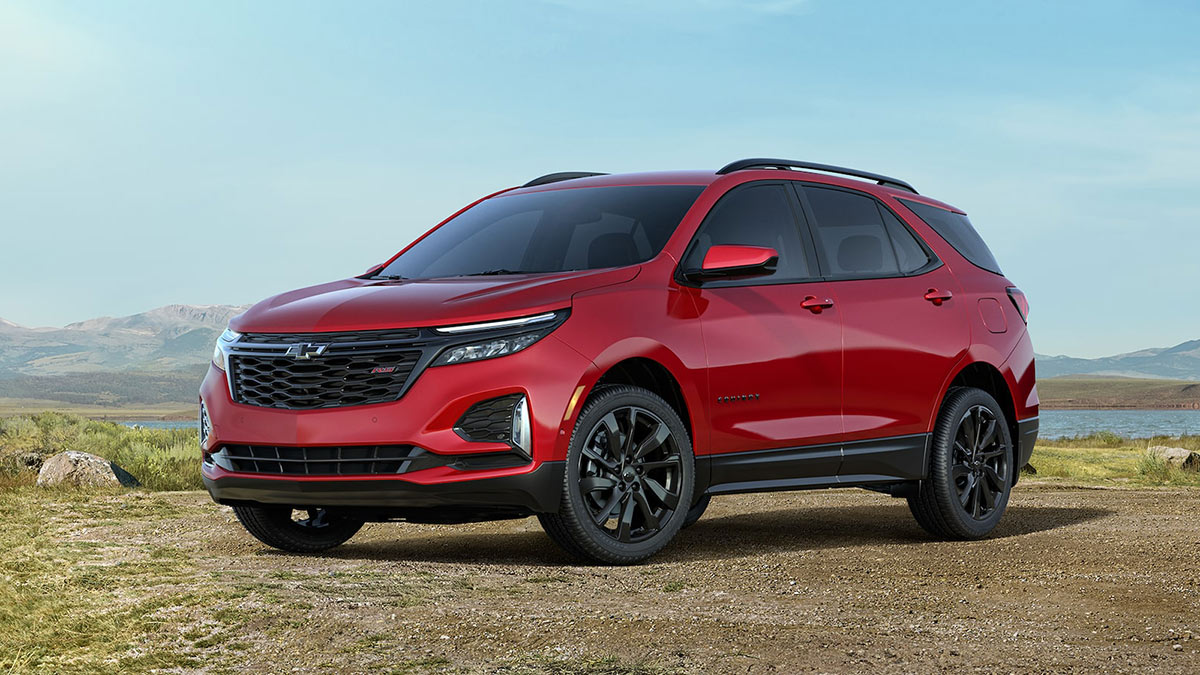
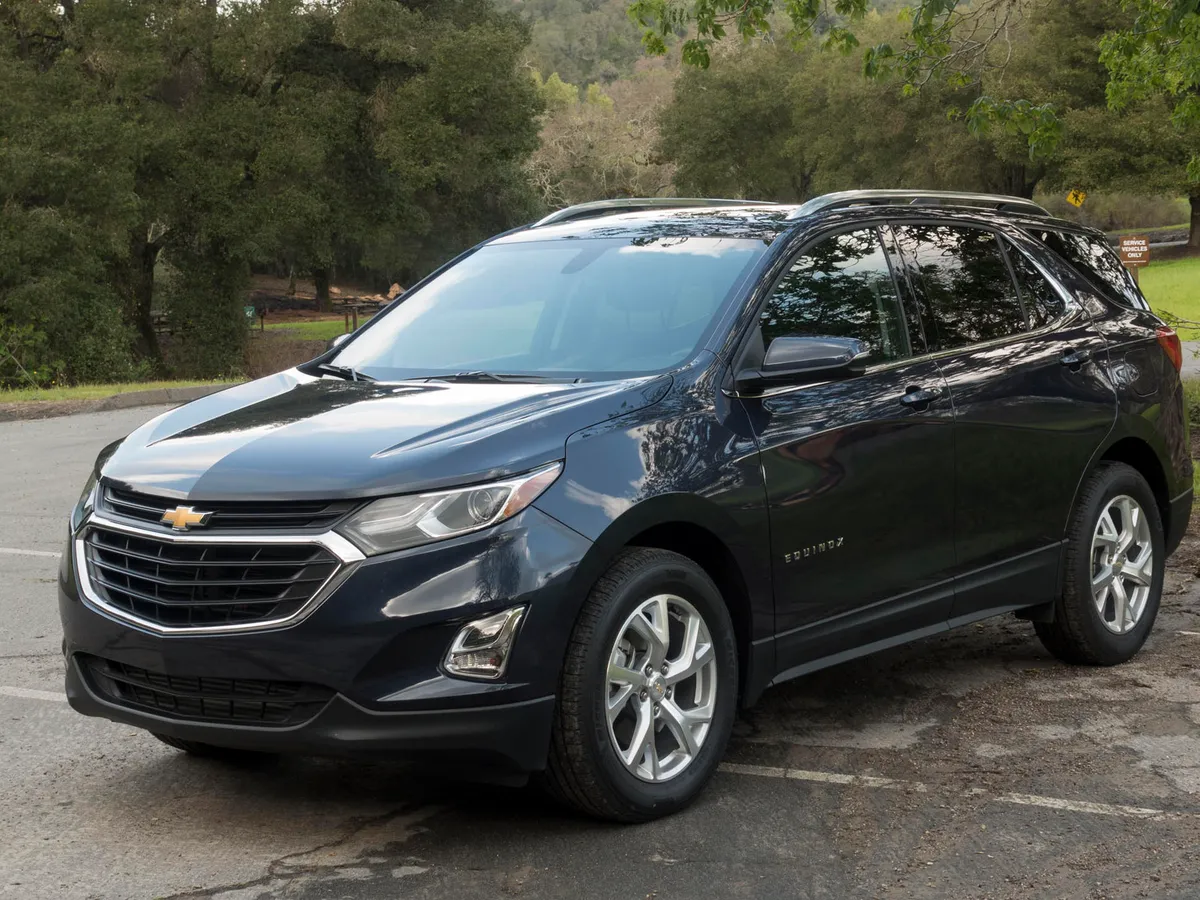
5. Chevrolet Equinox
The Chevrolet Equinox exhibits noticeable jiggle during automated car washes, largely due to its suspension and chassis design. The vehicle’s suspension is tuned for comfort and everyday usability, with softer springs and dampers that respond to road irregularities smoothly.
However, this softness also allows for greater body movement when lateral forces are applied, such as when the crossover encounters uneven rollers or slanted tracks in a car wash. Passengers often notice mild rocking, side-to-side swaying, or vertical jostling, creating a distinctive jiggle that contrasts with more composed competitors.
Tires contribute to this behavior as well. Many Equinox trims feature tires with soft sidewalls designed for smooth handling on roads.
During car washes, these tires allow for a degree of flex and lateral movement, which amplifies suspension motion. When combined with wet or slippery surfaces, the result is a crossover that moves perceptibly as rollers or brushes interact with the wheels. This adds to the sense of jiggle and contributes to the Equinox’s unique wash-day behavior.
Finally, the chassis design reinforces the Equinox’s dynamic response. While structurally sound for safety and road handling, the unibody frame allows slight flex under uneven forces. Combined with soft suspension and compliant tires, this flex produces a perceptible jiggle in the cabin during automated washes.
The vehicle rocks, sways, and bounces subtly, providing a lively experience that distinguishes the Equinox from crossovers designed to remain planted and calm. For drivers and passengers who enjoy a playful touch to routine car washes, the Equinox offers a memorable ride.
