
Fuel efficiency has become one of the most important considerations for car buyers today, as the cost of gas continues to fluctuate and environmental concerns grow. For many people, choosing a vehicle that conserves fuel can make a significant difference in monthly expenses and long-term ownership costs.
Gas-saving vehicles are often seen as practical, reliable, and economical, providing peace of mind for daily commuting, road trips, and long-term travel.
They are usually engineered with smaller engines, lightweight materials, and advanced technologies designed to maximize miles per gallon without sacrificing comfort or safety. These cars allow drivers to spend less time at the pump and more time on the road, enjoying their journeys.
At the same time, there are vehicles that, whether due to engine size, weight, or design, consume fuel at a higher rate. These thirstier daily drivers can be exciting, powerful, and often luxurious, but they come with the trade-off of higher fuel expenses.
Driving these cars can be more expensive over time, and they often require owners to budget more carefully to account for frequent trips to fill the tank.
While some drivers are willing to accept these costs for performance or status, understanding the difference between fuel-efficient vehicles and fuel-heavy ones is crucial for anyone who wants to make an informed choice.
The contrast between fuel-efficient cars and thirsty daily drivers highlights the diversity of automotive design and priorities. Some vehicles are designed primarily for practicality, focusing on economy and reliability, while others prioritize speed, power, and style at the expense of fuel consumption.
Both types of vehicles have their place, but the choice depends heavily on individual needs, lifestyle, and budget. Knowing which cars will save money at the pump and which ones will demand frequent refueling can help buyers make decisions that align with both their financial goals and driving preferences.
In this article, we will examine five cars that are known for keeping gas costs low and five that are considered heavy consumers of fuel in daily driving conditions. Each vehicle will be discussed in terms of engine performance, fuel economy, and practical considerations.
By the end, readers will have a clearer understanding of which vehicles can help save money on gas and which ones will require a larger fuel budget, making it easier to choose a car that matches their driving habits and priorities.
5 Cars That Keep Gas Costs Low
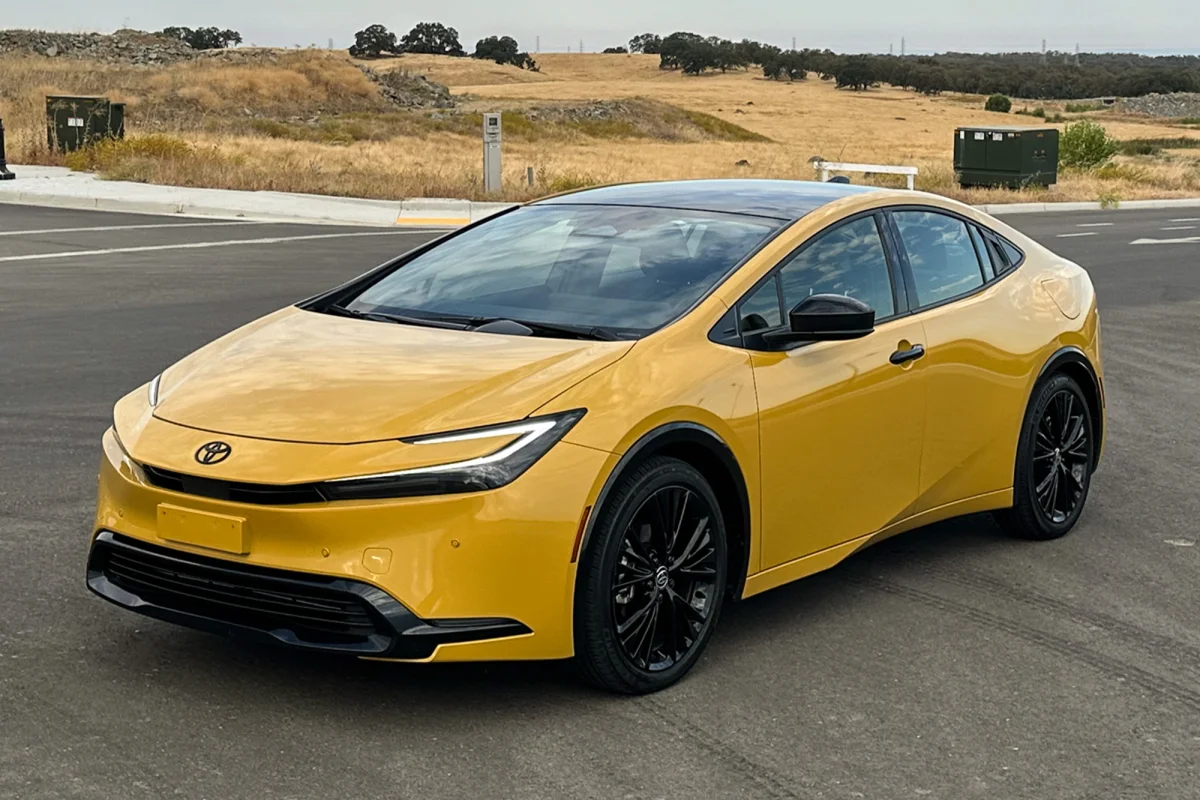
1. Toyota Prius
The Toyota Prius has become one of the most recognizable names in fuel-efficient vehicles, largely due to its pioneering hybrid technology and long-standing reputation for reliability.
Its hybrid powertrain combines a gasoline engine with an electric motor, allowing the vehicle to run on electric power at lower speeds and switch seamlessly to the gasoline engine when more power is needed.
This combination significantly reduces fuel consumption, especially in stop-and-go traffic, which is typically where traditional vehicles consume the most gas.
The Prius’s engineering includes a high-capacity battery and an energy management system that optimizes when and how the engine and motor work together, resulting in a fuel economy that often exceeds 50 miles per gallon in mixed driving conditions.
Additionally, its aerodynamic design, low rolling resistance tires, and lightweight construction all contribute to improved efficiency, making it one of the most economical choices for daily commuting.
Beyond the hybrid system itself, the Prius incorporates several technologies that maximize fuel savings in practical, user-friendly ways. One such feature is regenerative braking, which converts energy normally lost during braking into electrical energy to recharge the battery.
This process not only improves fuel economy but also reduces wear on brake components, lowering maintenance costs over time. Another important aspect is the Eco mode, which moderates acceleration and optimizes the air conditioning system for efficiency.
Drivers who pay attention to the feedback from the Prius’s energy-monitoring display can learn to adjust their driving habits to further enhance fuel savings.
These combined technologies make it possible for the Prius to maintain impressive fuel economy even under real-world driving conditions, allowing owners to spend significantly less on gas over the life of the vehicle.
In terms of comfort and daily usability, the Prius offers a surprisingly practical interior that makes it suitable for a wide range of drivers. Despite being designed primarily for efficiency, it provides ample passenger space and cargo capacity, making it an ideal vehicle for commuting, errands, and longer trips.
The interior features intuitive controls, a comfortable seating arrangement, and modern infotainment options that enhance the driving experience without compromising fuel efficiency. Drivers do not have to sacrifice comfort for economy, which is often a trade-off in smaller or more basic fuel-efficient vehicles.
Additionally, the Prius benefits from Toyota’s reputation for long-term reliability, meaning that many owners experience minimal mechanical issues over extended periods, further enhancing the car’s value proposition.
Another advantage of the Prius is the long-term cost savings it offers to drivers who prioritize fuel economy. While the upfront purchase price may be slightly higher than a comparable non-hybrid vehicle, the combination of low fuel consumption, reduced maintenance costs, and strong resale value typically offsets this difference within a few years.
Owners report that the reduced trips to the gas station, coupled with the car’s durability, make it an economically sound choice for daily commuting and even longer-term ownership.
Beyond economics, the Prius also appeals to environmentally conscious drivers who want to reduce their carbon footprint, as lower fuel consumption translates into fewer greenhouse gas emissions.
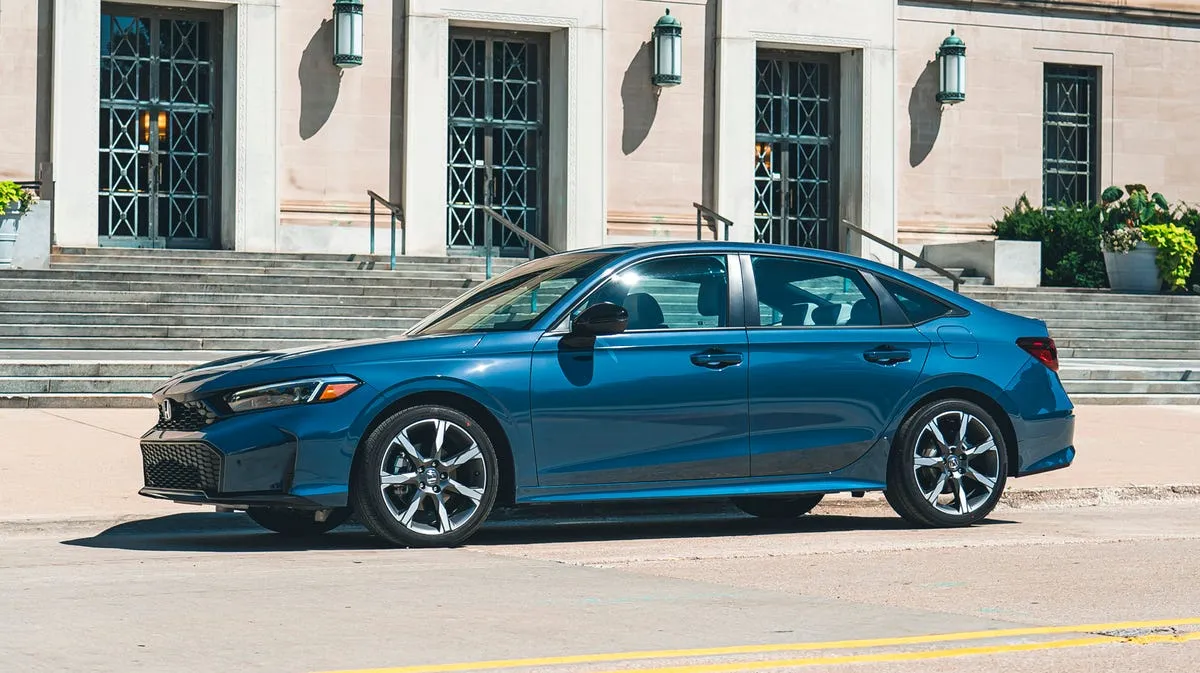
2. Honda Civic
The Honda Civic is widely regarded as one of the most reliable and fuel-efficient compact cars on the market. Its smaller engine size, lightweight design, and aerodynamic body all contribute to its impressive fuel economy, which remains competitive across both city and highway driving conditions.
The Civic’s engines are designed to deliver sufficient power for everyday driving while maintaining low fuel consumption, which makes it an excellent choice for commuters and budget-conscious drivers alike.
Over the years, Honda has continuously refined the Civic’s engine and transmission systems, incorporating technologies such as variable valve timing and turbocharged small-displacement engines to maximize efficiency without sacrificing performance.
These improvements allow the Civic to achieve high miles per gallon while still providing a responsive and enjoyable driving experience.
In addition to its efficient engine design, the Civic offers a practical and comfortable interior suitable for a variety of driving needs. Its cabin is spacious for a compact car, with well-designed seating, intuitive controls, and sufficient storage for personal belongings or grocery trips.
Despite its small size, the Civic manages to combine fuel efficiency with usability, making it a popular choice for students, young professionals, and small families. The straightforward, ergonomic interior ensures that drivers can focus on efficiency and smooth driving without being distracted by unnecessary complexity.
Honda’s reputation for reliability further enhances the Civic’s appeal, as maintenance costs remain low and the car is known to have a long service life, often reaching well over 200,000 miles without major issues.
Another important factor in the Civic’s fuel economy is its long-term value retention. Compact, fuel-efficient cars like the Civic tend to maintain strong resale value because of their reputation for reliability and low operating costs.
Drivers who purchase a Civic often find that they can recoup a significant portion of their investment when selling or trading the vehicle, further increasing its cost-effectiveness. Additionally, the Civic offers a balanced mix of economy, comfort, and usability that few other cars in its class can match.
For drivers who want a vehicle that saves money at the pump without sacrificing practicality or reliability, the Honda Civic remains a compelling and trusted choice, capable of serving as a daily driver for many years.
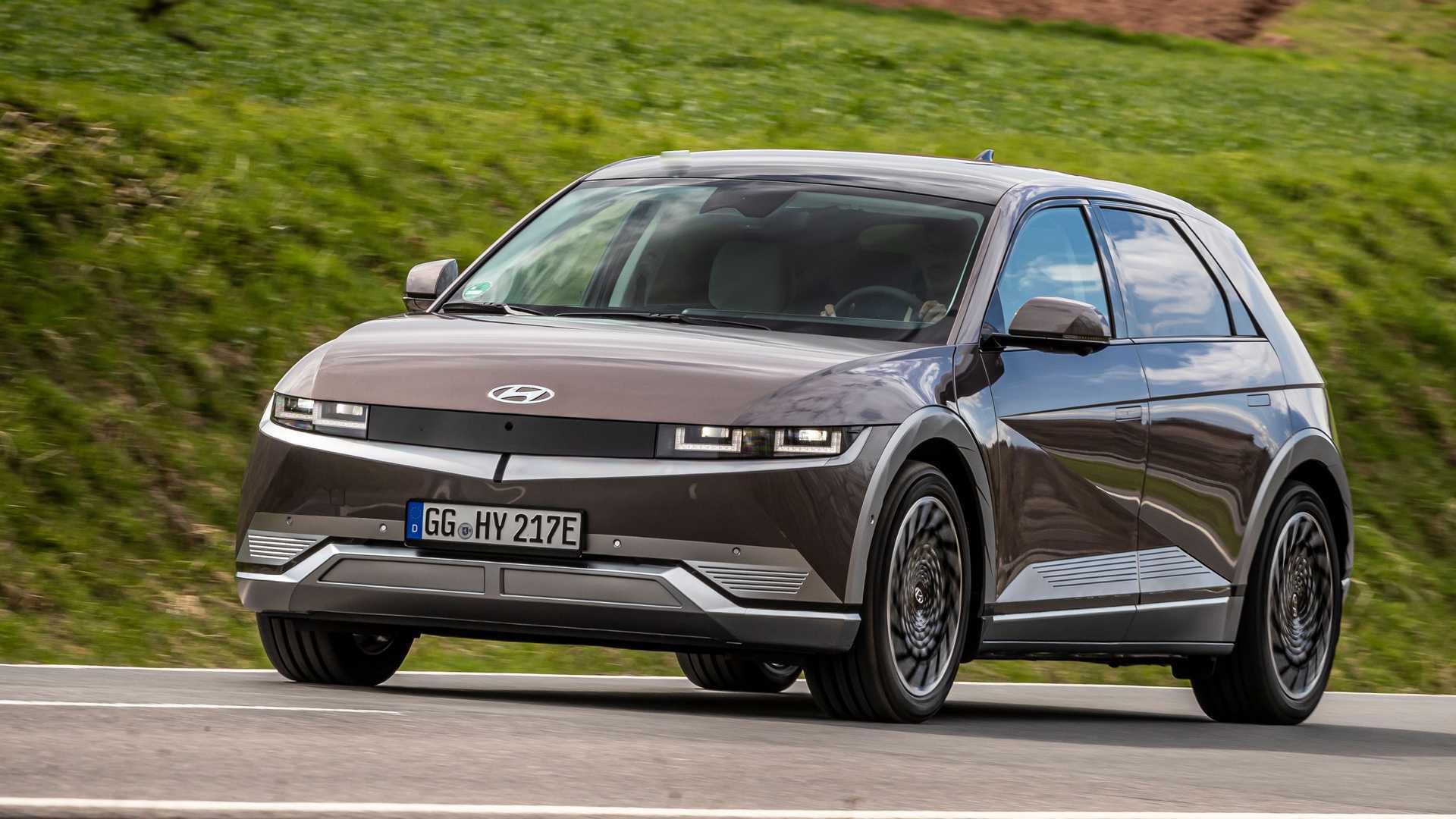
3. Hyundai Ioniq
The Hyundai Ioniq is one of the most fuel-efficient vehicles in its class, offering hybrid and plug-in hybrid versions that excel in both city and highway driving. Its powertrain combines a gasoline engine with an electric motor, allowing it to operate on electric power at lower speeds while seamlessly transitioning to gasoline when needed.
The vehicle’s lightweight construction, low rolling resistance tires, and streamlined body all contribute to its impressive miles per gallon figures. Hyundai has also focused on optimizing energy use in areas such as climate control and battery management, allowing drivers to maximize fuel efficiency under a wide range of driving conditions.
These design considerations make the Ioniq one of the most economical choices for drivers who want to save money on gas without sacrificing comfort or convenience.
The interior of the Ioniq is designed to complement its efficiency with a quiet, practical, and comfortable cabin. Although the vehicle prioritizes fuel savings, it still provides sufficient passenger space, intuitive controls, and modern technology features.
The layout is practical and user-friendly, with displays that provide real-time feedback on fuel consumption and electric motor usage. Drivers who pay attention to these displays can adjust their driving behavior to further optimize efficiency, making the Ioniq an engaging vehicle for those who want to actively manage their fuel consumption.
The combination of a quiet cabin, modern features, and efficient design ensures that the vehicle is suitable for commuting, errands, or longer trips without excessive fuel costs.
Finally, long-term ownership benefits make the Ioniq an excellent choice for fuel-conscious drivers. Hyundai’s warranty coverage and reputation for reliability ensure that maintenance costs remain manageable over the life of the vehicle.
Combined with consistently low fuel consumption, this allows owners to save significant amounts of money compared to driving larger or less efficient vehicles.
While the Ioniq may not have the same widespread recognition as some competitors, it proves that modern engineering can produce a fuel-efficient, practical, and comfortable car suitable for everyday use.
The Ioniq’s balance of technology, economy, and usability ensures that it remains a strong contender for anyone looking to reduce their fuel expenses.
4. Toyota Corolla
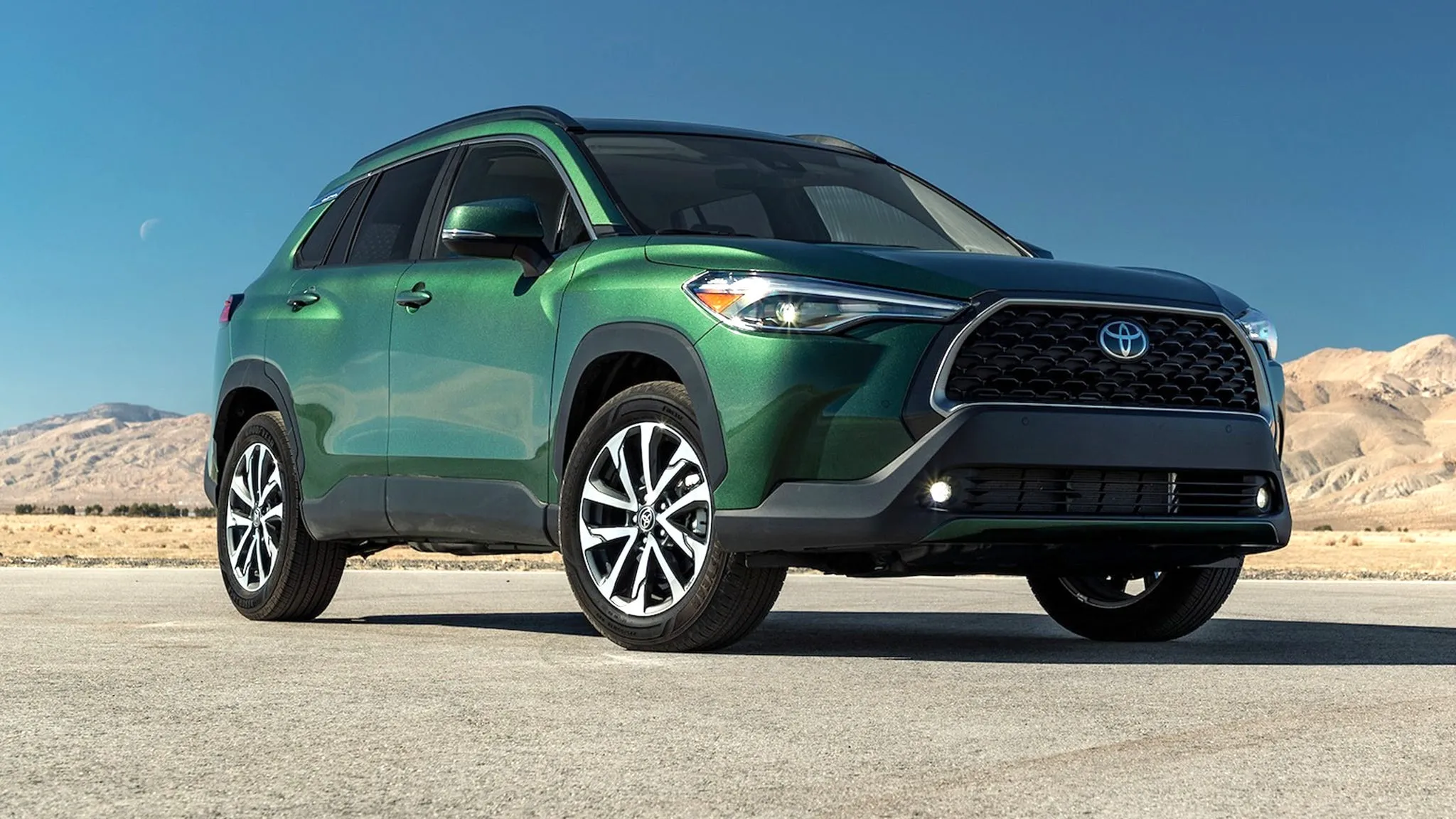
The Toyota Corolla has been a staple of reliable and fuel-efficient transportation for decades. Its smaller engine options, lightweight chassis, and aerodynamic design allow it to deliver consistently good miles per gallon, making it a popular choice for commuters and budget-conscious drivers.
Toyota has continuously refined the Corolla’s engines and transmissions over the years, incorporating technologies such as continuously variable transmissions and engine stop-start systems to maximize efficiency.
These enhancements, combined with a durable and well-engineered platform, ensure that the Corolla remains an economical choice for those looking to minimize gas costs without compromising on reliability or practicality.
The Corolla’s interior is designed for daily usability and comfort, making it a versatile option for a wide range of drivers. Despite being a compact vehicle, it offers ample passenger space and cargo capacity for commuting, errands, or small family needs.
Its cabin features intuitive controls, ergonomic seating, and a straightforward layout that prioritizes functionality over unnecessary complexity.
These factors make the Corolla an ideal vehicle for drivers who want a practical, low-cost vehicle that can handle the demands of everyday life while maintaining excellent fuel efficiency. In addition, Toyota’s emphasis on quality materials and durability ensures that the interior remains comfortable and functional over many years of ownership.
Long-term reliability and cost-effectiveness further enhance the Corolla’s appeal. Toyota vehicles are known for reaching high mileage with minimal mechanical issues, and the Corolla is no exception.
Combined with its low fuel consumption and generally modest maintenance costs, this makes the vehicle an excellent value over the long term.
The Corolla also retains its resale value well, ensuring that owners can recoup a portion of their investment when selling or trading in the vehicle. With its combination of economy, comfort, and dependability, the Toyota Corolla continues to be a strong choice for drivers who prioritize fuel efficiency and low operating costs.
5. Kia Forte
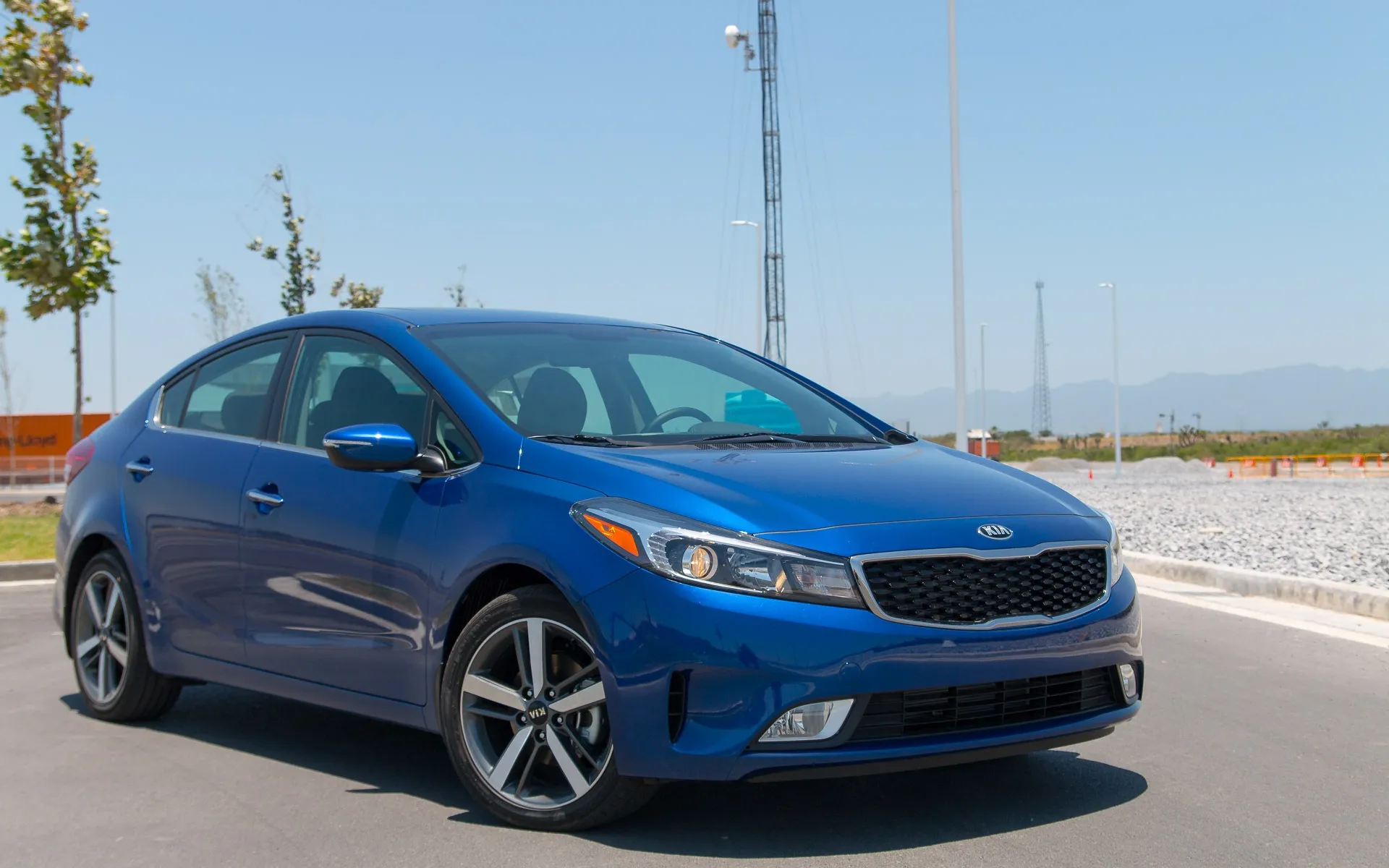
The Kia Forte is a compact sedan that successfully combines fuel efficiency with affordability and a comfortable driving experience. Its small, efficient engine options, aerodynamic design, and lightweight construction allow it to achieve impressive miles per gallon, particularly in city and highway conditions.
The Forte is designed for drivers who want a practical, cost-effective daily driver without compromising on comfort or usability. Its combination of fuel-saving engineering and modern design makes it a highly competitive option in the compact car segment.
Inside, the Forte delivers a practical, well-designed cabin with modern features that enhance the driving experience. Comfortable seating, user-friendly infotainment systems, and sufficient cargo space make it suitable for commuting, errands, or small family use.
The cabin is designed to prioritize comfort and convenience while ensuring that the vehicle’s efficiency is not compromised. Kia has also implemented technologies such as variable valve timing, efficient transmissions, and eco-driving feedback systems to help drivers maximize fuel economy.
These features allow the Forte to achieve strong fuel efficiency without sacrificing performance or comfort, making it an appealing option for everyday use.
Long-term ownership and value make the Forte an even more attractive option. Kia’s warranty coverage ensures that maintenance costs remain low, while the vehicle’s fuel efficiency significantly reduces operating expenses over time.
The Forte strikes a balance between comfort, practicality, and economy, providing drivers with a reliable daily vehicle that minimizes fuel costs. For individuals seeking a modern, efficient, and affordable car for daily driving, the Kia Forte stands out as a compelling choice capable of delivering long-term savings at the pump.
5 Thirsty Daily Drivers
1. Dodge Charger
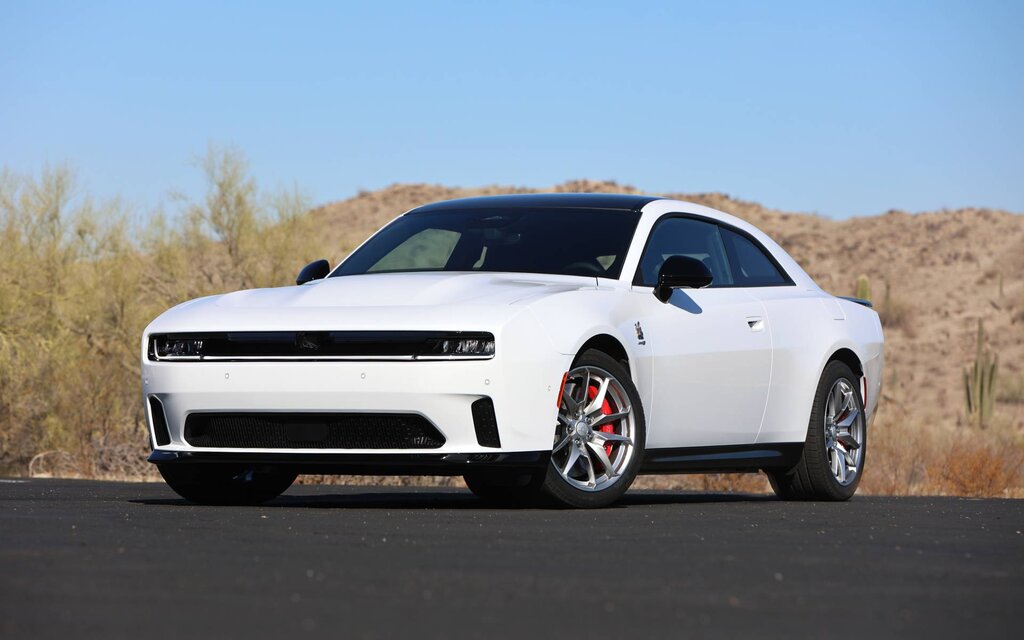
The Dodge Charger is a full-size sedan that is known for its aggressive styling, large size, and high-performance engine options. While the vehicle offers an exciting driving experience, it is one of the thirstier cars on the road, especially when equipped with V6 or V8 engines.
The car’s large engine size contributes significantly to its fuel consumption, as it requires more gasoline to deliver the power and acceleration that enthusiasts expect.
Additionally, the Charger’s heavy curb weight and broad frame mean that more energy is needed to move the vehicle, particularly in city driving conditions where frequent acceleration and braking occur.
Even in its base V6 configuration, the Charger consumes considerably more fuel than smaller sedans or hybrid alternatives, making it a less practical option for drivers looking to save on gas.
The Charger delivers a strong road presence and performance that appeals to enthusiasts, but these benefits come with fuel costs that cannot be ignored. With its high horsepower and torque, the vehicle accelerates quickly, providing a thrilling driving experience that is difficult to match in smaller, more efficient cars.
However, this power translates directly into higher fuel consumption, as the engine requires more energy to operate efficiently under high-performance conditions.
Even moderate driving in a Charger results in more frequent visits to the gas station compared to compact or hybrid vehicles. Drivers who prioritize performance over economy must factor in the increased operating costs when considering this vehicle as a daily driver.
Owning a Dodge Charger as a daily driver requires careful budgeting for fuel expenses. While the car provides an exhilarating experience on the road, it is less forgiving on the wallet when it comes to gas.
Frequent refueling and higher costs per mile are part of the ownership experience, particularly for those who drive long distances or spend considerable time in stop-and-go traffic.
The Charger’s powerful engines and performance-oriented design make it a compelling option for enthusiasts, but it is not ideal for drivers seeking to minimize operating costs. For those who prioritize performance over economy, the Dodge Charger delivers, but the trade-off in fuel consumption is significant.
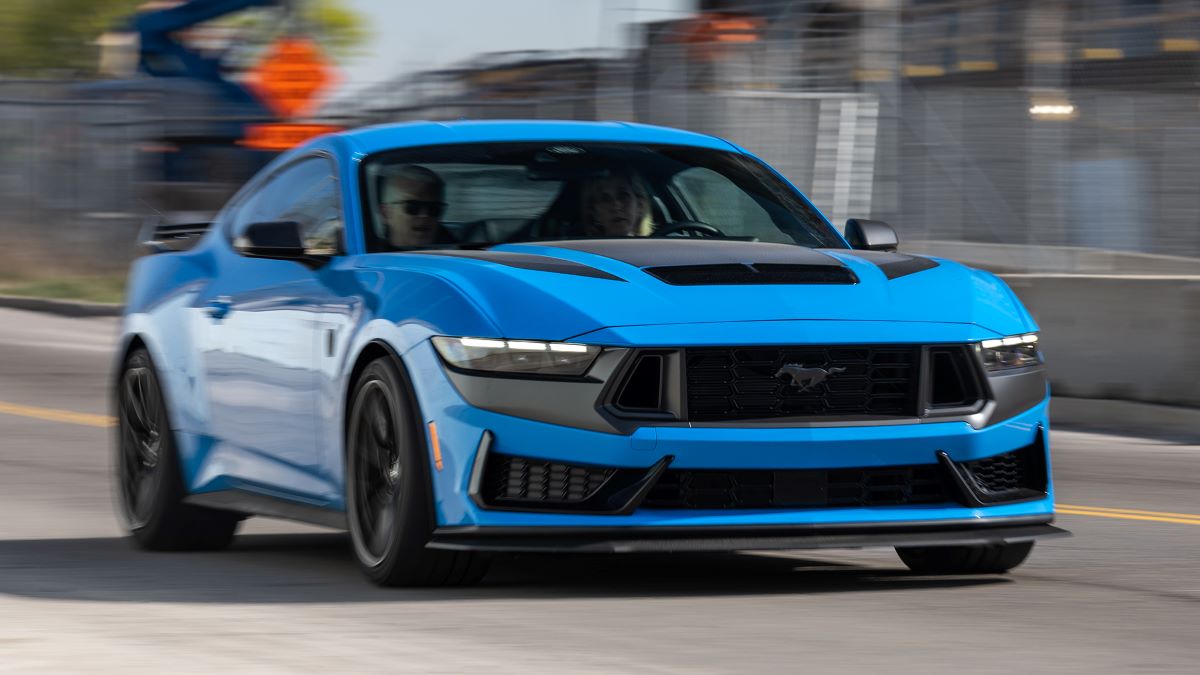
2. Ford Mustang
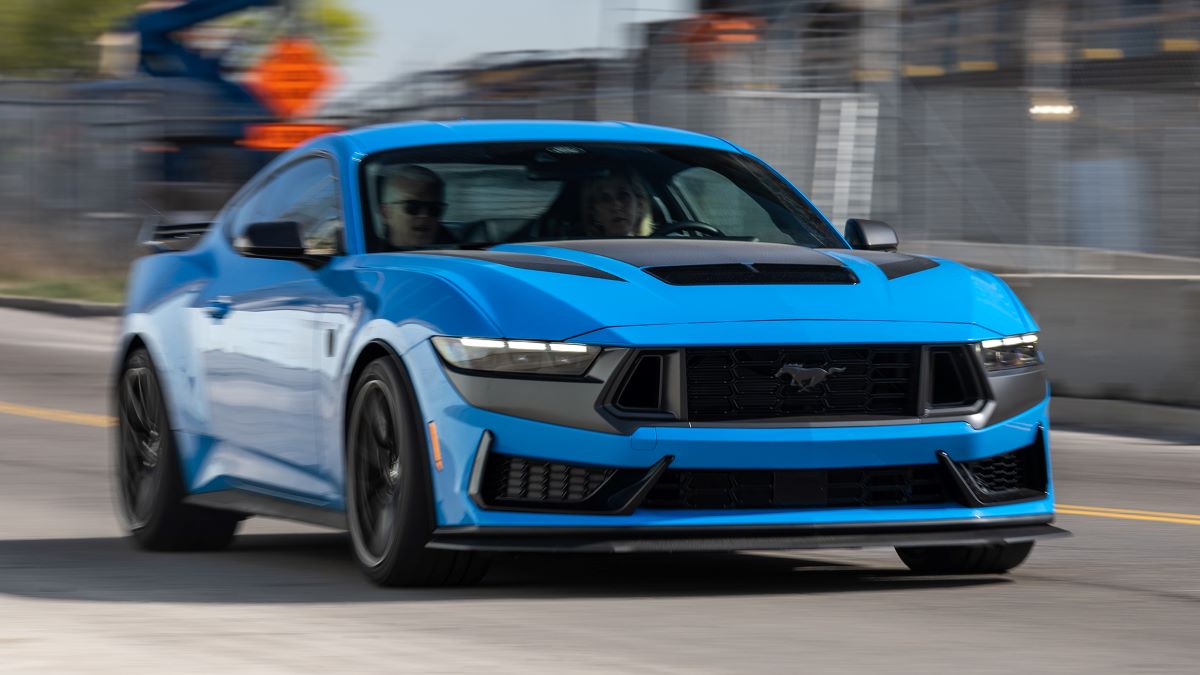
The Ford Mustang is an iconic sports car that is designed for performance, speed, and driving excitement. With engine options ranging from a turbocharged four-cylinder to V8 configurations, the Mustang prioritizes power over fuel efficiency.
The car’s thirstiness is a direct result of its large engine sizes, aggressive tuning, and high-performance components, all of which are designed to maximize acceleration and handling.
Even during routine commuting, Mustangs typically consume more fuel than compact sedans, hybrid vehicles, or economy-oriented cars. While it can function as a daily driver, the higher cost of fuel is a factor that owners must accept, particularly if they enjoy driving the car with its full performance capabilities.
The Mustang delivers a thrilling driving experience that is difficult to replicate in smaller, more efficient cars. Its engines are designed to produce high horsepower and torque, enabling rapid acceleration and strong performance at highway speeds. This performance comes at a fuel cost, as the engine consumes more gasoline to generate the desired power output.
Additionally, the Mustang’s sporty suspension and aerodynamics are optimized for speed and handling rather than fuel economy, meaning that efficiency is inherently limited. Drivers seeking both excitement and economy are likely to face a trade-off, with fuel consumption serving as the primary drawback of the vehicle.
Owning a Ford Mustang as a daily driver requires balancing performance desires with practical considerations like fuel costs. While the car provides excitement, style, and a strong presence on the road, it is not forgiving when it comes to gas consumption.
Regular use in commuting, errands, or city traffic can result in frequent refueling and higher monthly expenses compared to more fuel-efficient alternatives.
The Mustang’s powerful engines and performance orientation make it a thrill to drive, but for anyone concerned with minimizing fuel costs, it represents a compromise in everyday practicality.
3. Chevrolet Camaro
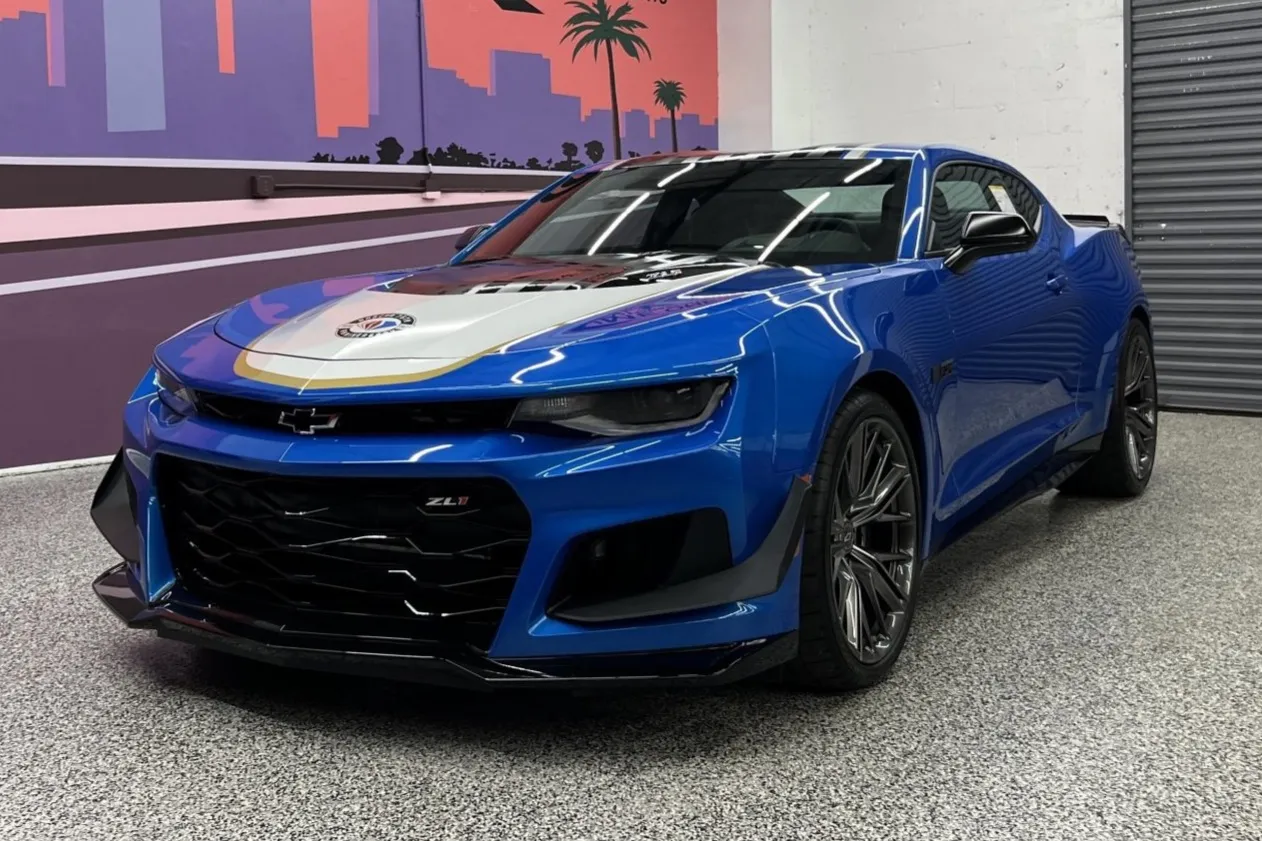
The Chevrolet Camaro is another high-performance vehicle that emphasizes speed, power, and aggressive styling at the expense of fuel efficiency. With large V6 or V8 engine options and a chassis designed for performance driving, the Camaro consumes significantly more gasoline than smaller, economy-focused vehicles.
Its heavy frame, performance tires, and engine tuning all contribute to higher fuel consumption, particularly in urban driving conditions where stop-and-go traffic amplifies inefficiency. Even during highway driving, the Camaro’s powerful engine requires more fuel to maintain speed and acceleration, making it a thirsty daily driver for those who prioritize performance.
Inside, the Camaro offers a modern, driver-focused cabin with technology and comfort features intended to enhance the driving experience. While the interior is comfortable and well-designed, the car’s emphasis on performance limits fuel-saving opportunities.
Features like performance tuning, aggressive gearing, and responsive throttle mapping prioritize driving dynamics rather than economy. Drivers who enjoy spirited driving, sharp cornering, and rapid acceleration will appreciate these qualities, but they come at the expense of fuel efficiency, making the Camaro a less practical choice for everyday commuting.
Owning a Chevrolet Camaro as a daily driver means accepting higher fuel expenses as part of the ownership experience. While it offers performance, style, and excitement, it requires careful budgeting to accommodate frequent fuel stops.
The Camaro’s thirstiness is a direct result of its design priorities, and while the car is rewarding for performance-minded drivers, it is not ideal for those seeking low-cost, fuel-efficient daily transportation. Anyone considering the Camaro as a daily driver should be prepared for a higher operating cost and plan accordingly.
4. Jeep Grand Cherokee
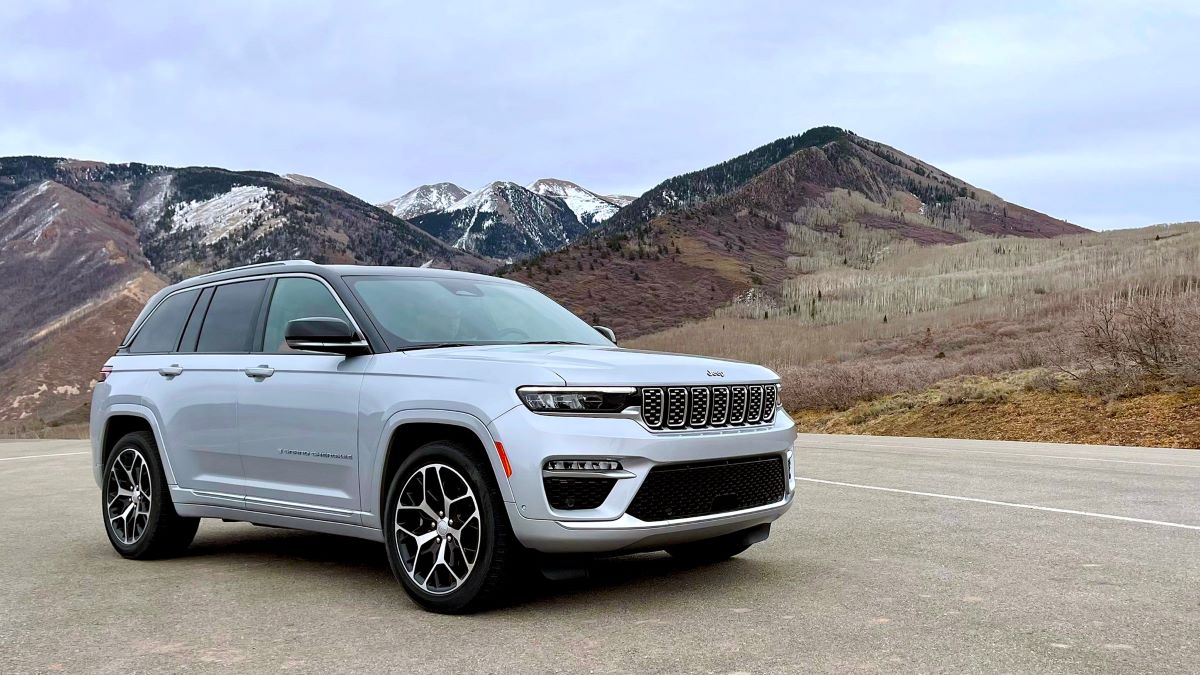
The Jeep Grand Cherokee is a large SUV designed for versatility, off-road capability, and comfort, but it is one of the thirstiest vehicles in its class. With engine options ranging from V6 to V8 and an all-wheel-drive system standard on many trims, the Grand Cherokee consumes a substantial amount of fuel in both city and highway driving.
Its heavy weight, large dimensions, and focus on power and utility contribute to lower fuel efficiency, making it less economical than smaller SUVs or hybrid options. Even everyday driving in urban or suburban environments can result in frequent visits to the gas station, particularly when the vehicle is loaded with passengers or cargo.
Inside, the Grand Cherokee offers a spacious and comfortable cabin with modern technology, premium materials, and seating for up to five passengers. While these features enhance the driving experience, they do not reduce fuel consumption, and the vehicle remains one of the thirstiest options for daily driving.
Owners enjoy comfort, cargo capacity, and versatility, but these advantages are accompanied by higher operating costs in terms of gas. The Grand Cherokee is ideal for drivers who need power, utility, or luxury but are willing to accept increased fuel expenses.
Owning a Jeep Grand Cherokee as a daily driver requires factoring in the vehicle’s thirstiness. While it provides comfort, versatility, and off-road capability, the fuel costs can add up quickly for those who use the vehicle for commuting or city driving.
Frequent refueling is expected, and operational costs are significantly higher than in smaller, fuel-efficient vehicles. For those who prioritize capability and comfort over economy, the Grand Cherokee delivers, but it is not designed with fuel savings as a primary concern.
5. BMW X5
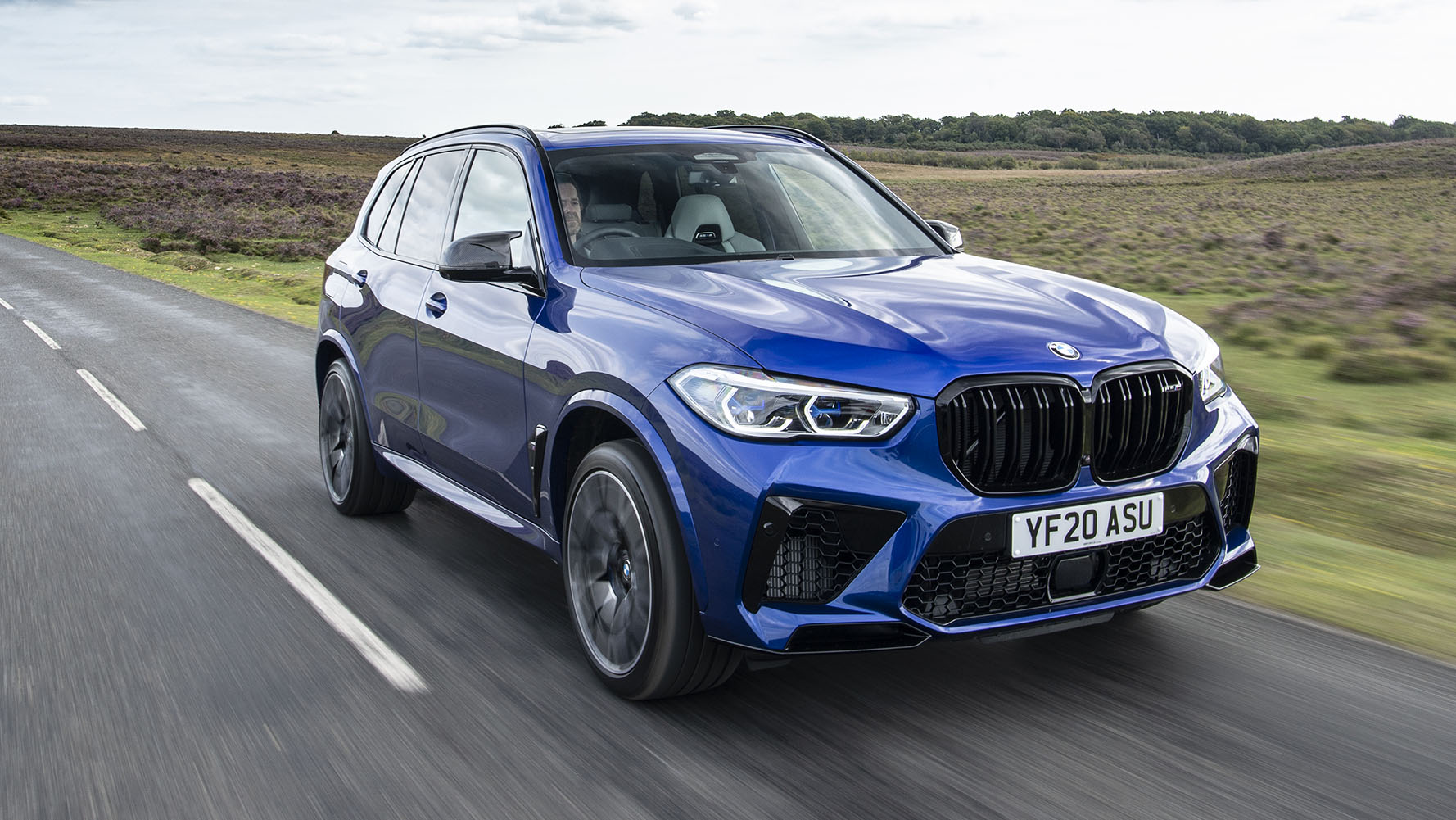
The BMW X5 is a luxury SUV that emphasizes performance, comfort, and technology, but it is also one of the more fuel-intensive vehicles in its category. With turbocharged engines, all-wheel-drive systems, and a heavier frame, the X5 consumes considerably more fuel than compact SUVs, crossovers, or hybrid options.
Its large engine options, including inline-six and V8 configurations, are designed for strong acceleration and high-speed stability, which require more gasoline to operate efficiently.
Even in moderate daily driving, the BMW X5 demands more fuel than most economy-focused vehicles, making it a thirstier daily driver that requires careful budgeting.
The X5 delivers a refined and engaging driving experience, combining strong engine performance with precise handling and advanced suspension systems. Drivers benefit from rapid acceleration, confident cornering, and a smooth ride, all of which contribute to its appeal as a luxury SUV.
However, these performance benefits are inseparable from higher fuel consumption, as the powerful engines and vehicle weight make efficiency a secondary consideration. Drivers who enjoy the X5’s driving dynamics must accept the trade-off of frequent fuel stops and higher costs at the pump.
Owning a BMW X5 as a daily driver involves accepting its thirstiness as part of the ownership experience. While the vehicle provides exceptional comfort, technology, and driving enjoyment, it requires more frequent refueling and higher fuel expenses than smaller, fuel-efficient alternatives.
For those who prioritize luxury and performance, the X5 is an excellent choice, but it is not ideal for drivers whose primary concern is minimizing operating costs. The SUV’s blend of power, technology, and premium features comes with a significant price at the pump, reinforcing its reputation as a thirsty daily driver.
