
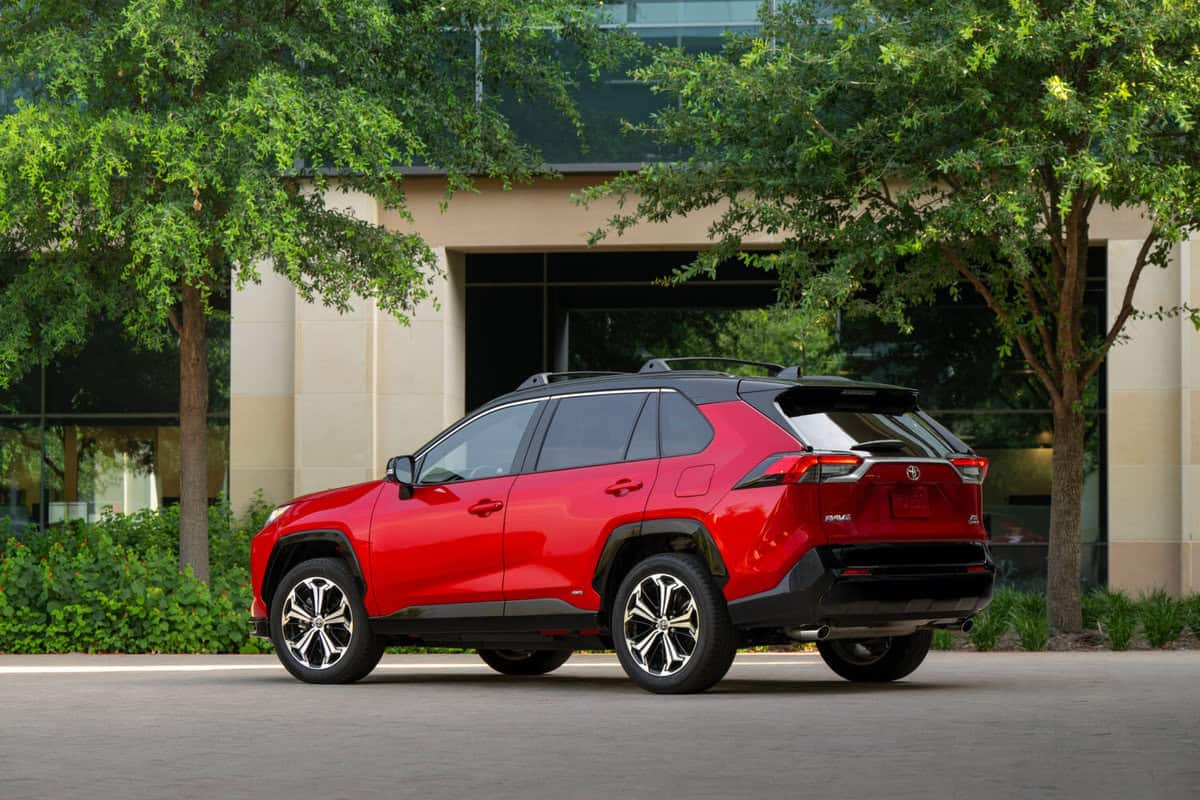
Modern crossovers have become a staple of the automotive market, blending car-like handling with SUV-style versatility. Buyers often look for vehicles that can maintain a solid, confident feel even as mileage accumulates.
A tight-feeling crossover is one where suspension components, steering, and chassis rigidity hold up well over time, giving the driver a sense of control and precision. Conversely, some crossovers develop looseness as they age, with steering play, softer suspension, or body flex becoming more noticeable after years of use.
Understanding how different models age can influence purchase decisions, maintenance priorities, and long-term satisfaction. Vehicles that remain tight at high mileage often share strong engineering foundations, quality materials, and careful attention to suspension design.
On the other hand, models that loosen up can still be functional and reliable but may feel less engaging or responsive over time. Factors like weight distribution, suspension layout, bushings, and steering design all contribute to how a crossover holds up as mileage increases.
Additionally, how the vehicle has been driven, whether it has been serviced regularly, and the driving conditions it has experienced play a significant role in perceived tightness or looseness. Some crossovers are designed with longevity in mind, while others prioritize initial comfort, which can result in a softer feel as miles accumulate.
This article will examine five crossovers that tend to maintain a tight, composed feel at 100,000 miles, as well as five that are more prone to loosening up, highlighting the mechanical and design factors that contribute to these differences.
Understanding these characteristics can help owners make informed decisions, whether buying new, considering a used model, or planning long-term maintenance. By comparing the experiences of vehicles at high mileage, drivers can better anticipate how their crossover will behave over time and identify which models deliver lasting confidence on the road.
Crossovers That Feel Tight at 100,000 Miles
1. Mazda CX-5
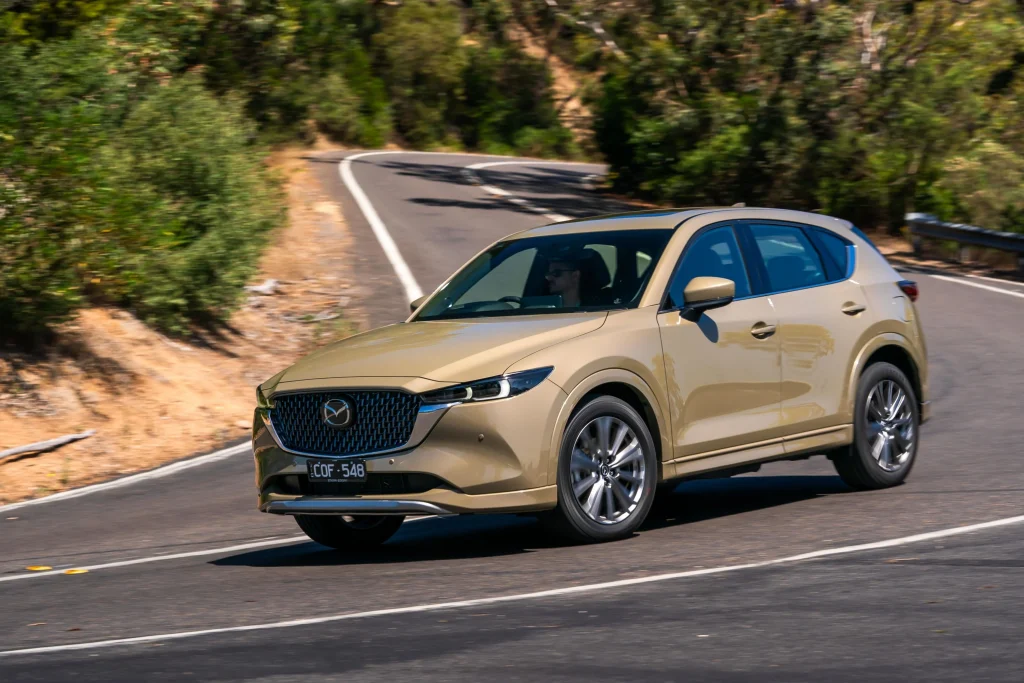
The Mazda CX-5 has long been praised for its engaging driving dynamics and precise steering. Even as mileage climbs past 100,000, this crossover tends to maintain its tight feel, with minimal body roll and suspension components that continue to perform as intended.
The chassis is stiff enough to provide responsive handling while still absorbing road imperfections comfortably. Owners often note that the steering retains its directness, and the suspension does not develop excessive play, making the CX-5 feel solid and planted.
This sense of precision is particularly noticeable on twisty roads where many other crossovers begin to feel vague or loose. Even after years of urban driving, highway miles, or exposure to pothole-laden streets, the CX-5 maintains its composure. Its ability to preserve tightness over time reflects Mazda’s philosophy of combining sporty handling with long-term durability, rather than sacrificing one for the other.
The ride quality in the CX-5 combines firmness with comfort, allowing it to handle corners with confidence without becoming harsh on rough roads. The front and rear suspension geometry is carefully tuned to maintain alignment and handling characteristics over time.
Even when the crossover has experienced urban potholes or highway miles, the structural integrity of the chassis keeps the driving experience consistent. In addition to comfort and handling, the CX-5 manages weight distribution exceptionally well.
The placement of the engine, transmission, and suspension components contributes to a low center of gravity, which further enhances cornering stability and minimizes body lean. Drivers often report that the vehicle retains a sense of responsiveness similar to when it was new, creating a driving experience that feels fresh even after extended use.
Another factor contributing to the tight feel is Mazda’s focus on steering feedback. The column, rack, and linkages are all designed for durability, reducing the likelihood of slop or excessive free play even after prolonged use.
Steering input remains predictable, and the connection between driver and road feels remarkably intact compared with many vehicles in the same segment. Owners who use the CX-5 for daily commuting or longer road trips frequently highlight how it remains engaging without becoming tiring, a balance that is difficult to maintain once a crossover surpasses 100,000 miles.
Furthermore, the steering remains communicative, transmitting subtle road imperfections and allowing the driver to sense traction and grip, which adds to the tight sensation.
Finally, the CX-5 benefits from strong build quality, with suspension components that use materials resistant to fatigue. Shock absorbers and springs hold their damping characteristics well, contributing to the tight feel. Even in higher trims with added weight from features, the crossover resists the typical sagging or settling seen in aging vehicles.
In addition, corrosion-resistant materials in key structural areas help prevent long-term weakening that could compromise tightness.
The combination of thoughtful engineering, durable materials, and precise tuning ensures that the CX-5 maintains a sense of stability, control, and driver confidence well into the life of the vehicle, making it one of the rare crossovers that feels tight and lively even after substantial mileage.
2. Honda CR-V
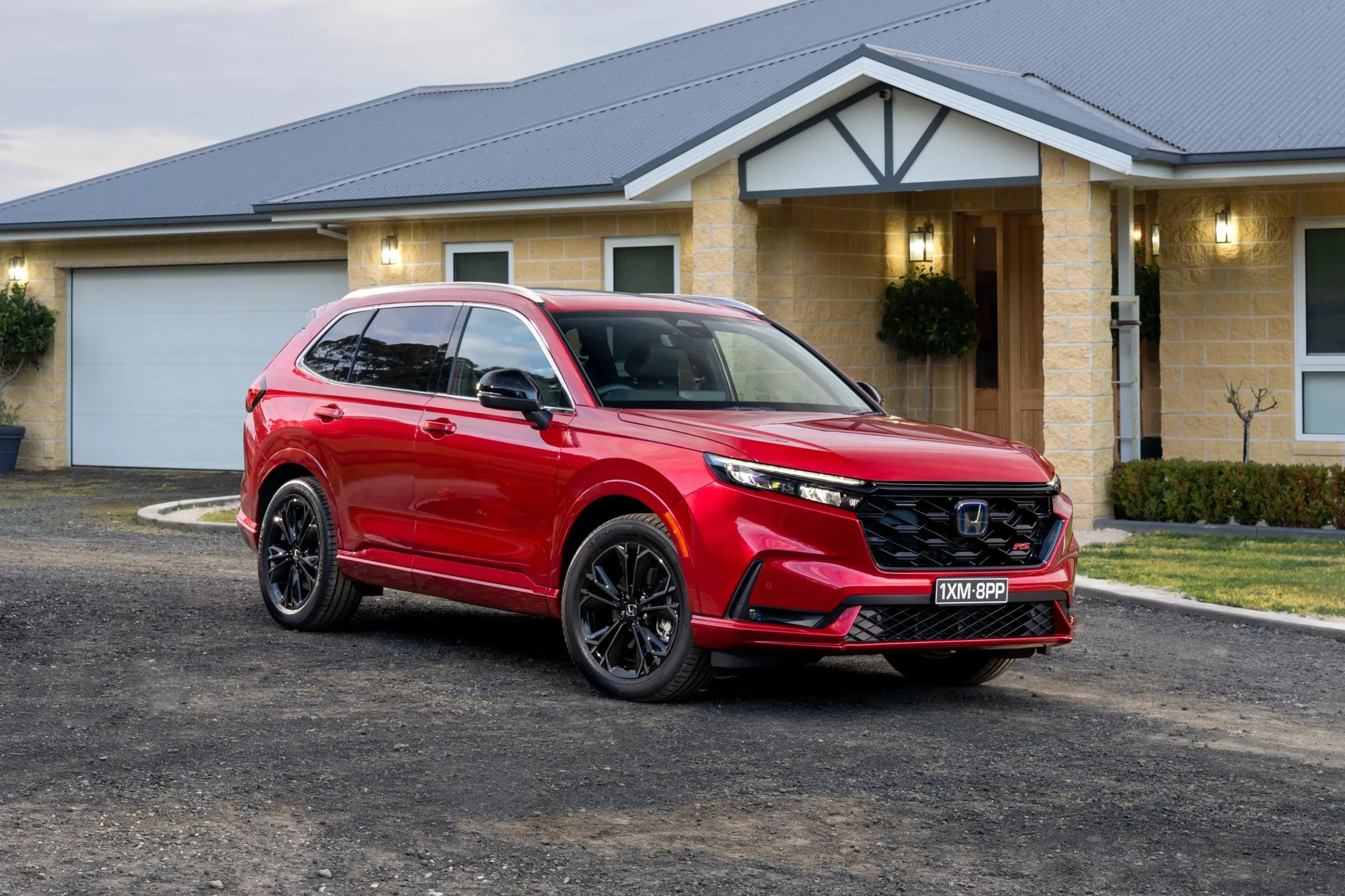
The Honda CR-V is known for reliability and practical design, but its handling at high mileage is also noteworthy. Well-maintained CR-Vs often retain a composed, tight feel even past 100,000 miles, with a suspension setup that balances comfort and control.
The chassis does not develop excessive flex, and the steering remains responsive enough for confident maneuvering. Unlike some competitors that feel soft or loose over time, the CR-V continues to provide predictable feedback to the driver, particularly in cornering and lane changes.
The sense of control is especially evident in long highway drives where stability and composure are crucial. The CR-V’s suspension is tuned to provide a smooth, absorbing ride while maintaining precise feedback, a combination that becomes increasingly valuable as mileage rises and components face wear.
Suspension components in the CR-V, including control arms and bushings, are durable and designed to handle a variety of driving conditions without significant wear. This durability contributes directly to the crossover’s ability to maintain tightness over high mileage.
The shock absorbers are tuned to resist fading or becoming overly soft, ensuring that the vehicle does not bottom out easily and retains a sense of precision when turning or braking.
The independent suspension setup provides predictable weight transfer and consistent handling, allowing drivers to navigate corners or evasive maneuvers without feeling that the vehicle has become disconnected or sloppy.
The CR-V demonstrates that strong suspension architecture combined with high-quality components can significantly extend the vehicle’s tight and responsive feel over time.
Steering integrity is another key reason the CR-V stays tight. The steering rack and linkage are engineered to minimize slop, and the geometry helps reduce tire wear while maintaining directional stability.
Even when exposed to urban environments with frequent turns and bumps, the CR-V retains a predictable feel, giving drivers confidence in both daily commuting and longer trips.
Owners frequently report that the vehicle continues to hold the intended steering feel from new, allowing them to maintain confidence in emergencies or precise maneuvers. This predictability and responsiveness reinforce the crossover’s tight sensation, which remains an essential factor for many drivers who rely on consistent handling in varied driving scenarios.
Finally, the interior and chassis integration contribute indirectly to the tightness. A well-secured body, reinforced mounting points for suspension components, and thoughtful weight distribution prevent the vehicle from developing the loose sensation often experienced in aging crossovers.
Even in higher-mileage examples, the CR-V’s body feels solid and connected, with minimal rattles or flex that might otherwise compromise driver confidence.
These characteristics, combined with a strong reputation for long-term reliability, make the CR-V a crossover that maintains its composure and precise handling beyond 100,000 miles, providing both comfort and confidence for owners over the life of the vehicle.
3. Toyota RAV4
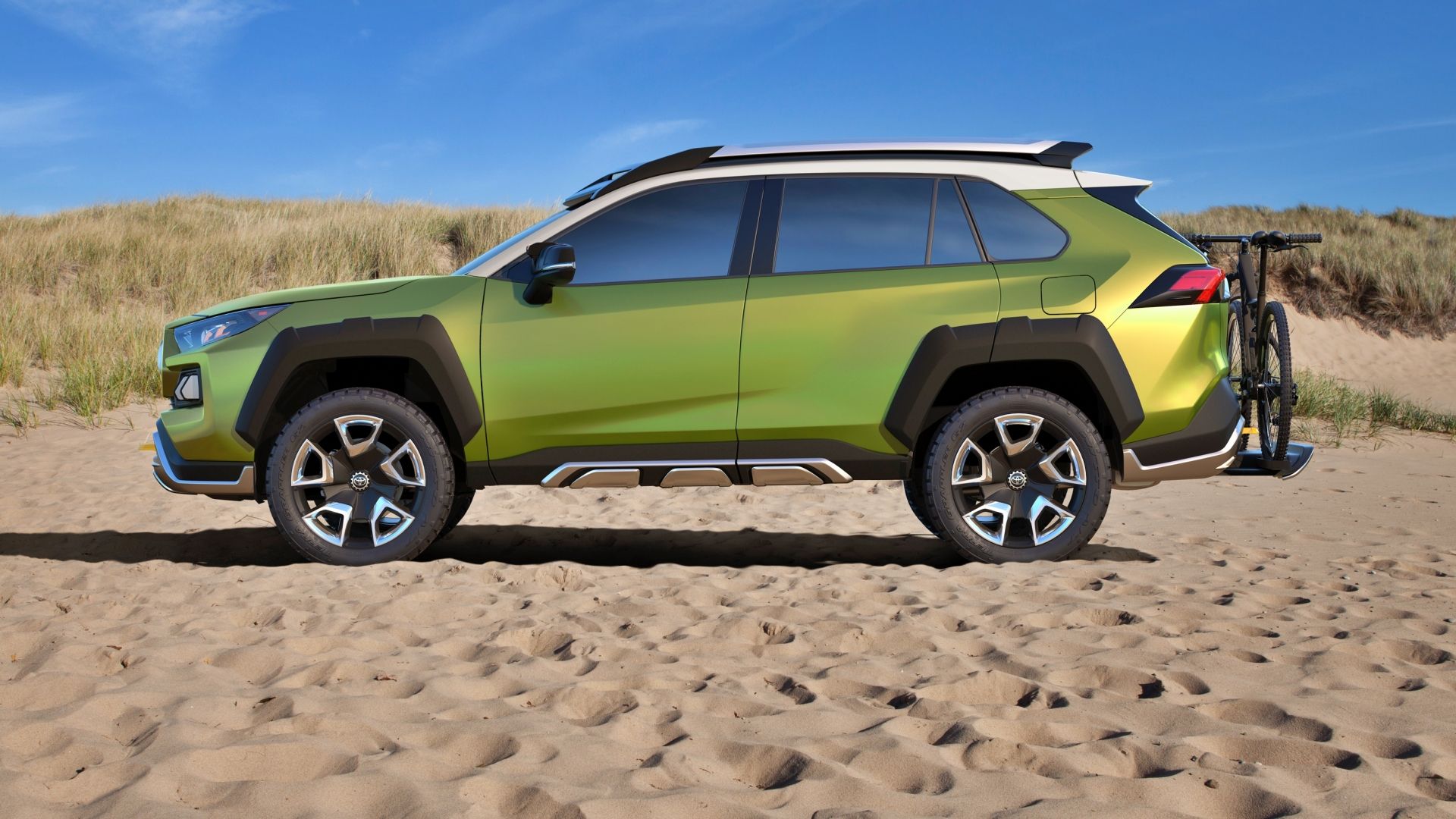
The Toyota RAV4 is another crossover that holds up remarkably well over time. Its combination of a rigid chassis and durable suspension components allows it to maintain a tight, controlled feel as mileage climbs.
Owners often report that the RAV4’s body roll remains moderate, the steering retains precision, and the vehicle continues to respond predictably in various driving conditions. Even after years of daily commuting or frequent highway use, the crossover remains composed and stable.
Part of this is due to Toyota’s engineering philosophy, which emphasizes long-term durability and structural integrity, ensuring that vehicles maintain their handling characteristics far beyond the first 50,000 miles.
The suspension design in the RAV4 prioritizes a balance between comfort and firmness. Springs and dampers resist sagging, and bushings are designed to maintain their effectiveness over the long term.
These characteristics help the vehicle stay planted during cornering, braking, and acceleration, which is particularly noticeable when the crossover reaches high mileage.
Drivers often appreciate the way the RAV4 handles imperfections in the road, absorbing bumps without creating a floaty or disconnected sensation. The stability of the suspension ensures that the crossover maintains a confident road presence, even under demanding conditions or heavier loads.
Steering feedback remains another strong point. The RAV4’s rack and pinion system does not develop excessive play, even after years of use, allowing drivers to maintain confidence in handling. Tire alignment and suspension geometry are designed to resist changes due to wear, meaning the tight feel persists without constant correction.
Drivers frequently remark that the steering continues to feel direct and communicative, providing reassurance during highway merges, sharp turns, or sudden braking. This sustained precision makes the RAV4 one of the crossovers that remains engaging and predictable, even when it has surpassed 100,000 miles.
In addition, the engineering of the vehicle ensures durability under normal and spirited driving. The RAV4’s suspension and steering components are made from corrosion-resistant metals, and high-stress areas are reinforced to limit the effects of aging.
Combined with thoughtful weight distribution and a stable center of gravity, this allows the vehicle to feel tight and composed even as mileage exceeds 100,000 miles.
Owners who continue to maintain their RAV4 often find that it feels almost as solid and confident as when it was new, demonstrating how strong design principles and quality materials contribute to long-term tightness in crossovers.
4. Subaru Forester
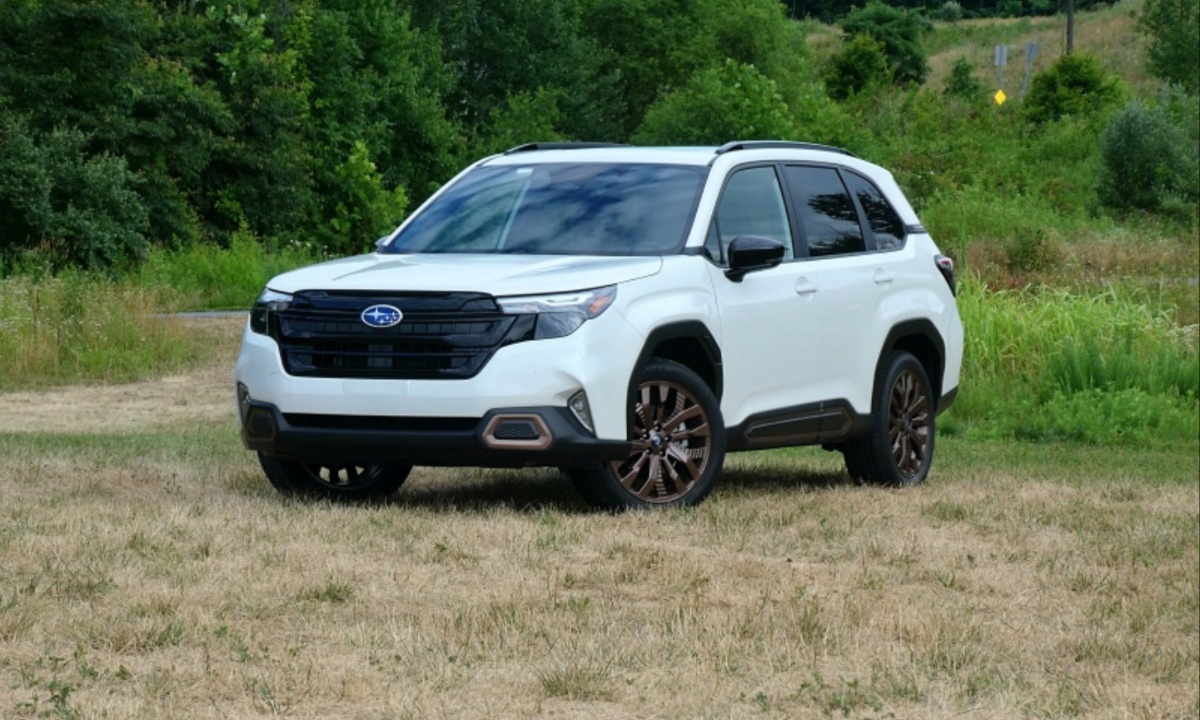
The Subaru Forester stands out for its combination of all-wheel-drive capability and balanced handling. Even at 100,000 miles, many Foresters retain a sense of tightness that contributes to driver confidence, particularly in adverse conditions. The chassis is designed to resist flexing, and the suspension maintains its damping characteristics over time.
Owners frequently note that the vehicle continues to feel connected to the road, with minimal slop in the steering and predictable cornering behavior. The symmetrical all-wheel-drive system also enhances the feeling of composure, ensuring that traction remains consistent and the vehicle feels stable in both wet and dry conditions.
Forester suspension geometry plays a major role in its longevity. The independent front and rear setups provide consistent handling without sacrificing ride comfort. Bushings and control arms are engineered to endure prolonged use, reducing the tendency for looseness in steering or sway during turns.
Shock absorbers maintain a firm response, even when the vehicle has carried heavy loads or driven extensively on rough surfaces. This durability allows the Forester to maintain a tight feel in both daily driving and more spirited situations, where predictability and control are essential for driver confidence.
The all-wheel-drive system adds some mechanical complexity, but Subaru has historically ensured that steering feel remains precise. Drivers report minimal play or vagueness in the wheel, which is uncommon in older crossovers that have undergone high mileage.
This contributes to a sense of security and control, making the Forester feel more engaging than many of its competitors. The responsiveness and feedback from the steering remain remarkably consistent, even when exposed to high-mileage wear patterns such as worn bushings or suspension fatigue, which further reinforces the tight sensation.
Finally, Subaru’s build quality and attention to structural integrity reinforce the tight sensation. Reinforced chassis points, high-quality fasteners, and corrosion-resistant suspension components all contribute to the vehicle’s enduring solidity.
The Forester’s layout distributes weight efficiently, keeping handling balanced and preventing the floating or soft feel that can occur in aging vehicles.
Combined with a strong all-wheel-drive system, durable suspension components, and precise steering, the Forester is able to maintain a confident, connected driving experience even well beyond 100,000 miles, offering long-term value and reliability to owners who prioritize composure and handling.

5. Hyundai Tucson
The Hyundai Tucson combines affordability with a surprisingly tight driving experience over long periods. Well-maintained models continue to feel solid at 100,000 miles, with suspension and steering components that do not develop significant play.
The chassis resists flex, and the suspension retains enough firmness to provide a responsive and controlled ride. Drivers often report that the Tucson maintains confidence-inspiring handling, even when compared to competitors that tend to soften with age.
Tucson’s ride quality demonstrates that comfort and composure can coexist in a crossover, even after extensive use.
Suspension durability is central to the Tucson’s performance. Components are designed to withstand typical wear patterns, including bushings, shocks, and struts. This reduces the chance of sagging or excessive body movement, helping the crossover maintain composure over time.
Weight distribution is also carefully managed, ensuring that the vehicle responds predictably during cornering, braking, and acceleration. Drivers notice that even after years of driving on uneven roads or highways, the Tucson remains tight and planted, a testament to the quality of its suspension design.
Steering feel is also noteworthy. Hyundai engineers have prioritized a balance between comfort and feedback, allowing the Tucson to remain responsive without harshness. Even after significant mileage, the steering rack and linkages generally resist developing slop, providing a controlled, tight sensation that enhances confidence behind the wheel.
The precision of the steering contributes to a connected, engaging driving experience, where the driver feels the road without the vagueness or looseness often experienced in aging crossovers.
Finally, build quality and attention to detail contribute to Tucson’s longevity. Suspension mounting points are reinforced, components use corrosion-resistant materials, and the chassis is engineered for long-term stability.
The result is a crossover that feels tight and composed at 100,000 miles, offering drivers a level of precision and confidence often reserved for more expensive vehicles. The combination of durable suspension components, solid chassis construction, and well-tuned steering ensures that the Tucson remains a practical yet engaging option for drivers seeking long-term reliability and driving satisfaction.
Crossovers That Loosen Up at 100,000 Miles
1. Nissan Rogue
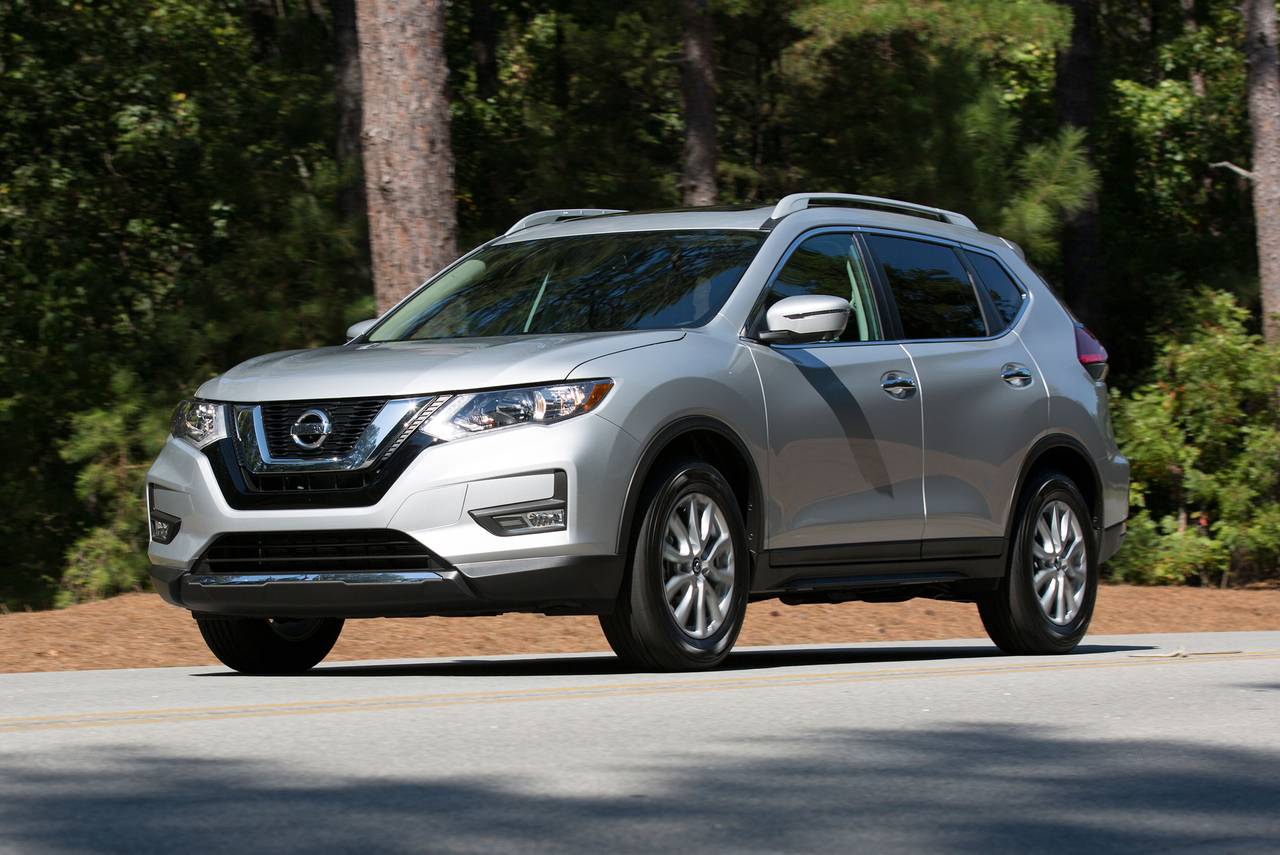
The Nissan Rogue tends to soften as mileage accumulates, with suspension components and bushings developing play over time. While the Rogue is comfortable initially, owners often report increased body roll and a less precise steering feel after 100,000 miles.
Unlike vehicles that maintain a tight, controlled sensation, the Rogue can begin to feel disconnected from the road, particularly during cornering or evasive maneuvers. The softening is not extreme, but it is noticeable to drivers who are accustomed to more responsive crossovers. Over long highway drives or during urban commutes that involve frequent turns, the Rogue can feel somewhat floaty, making precise lane changes or quick maneuvers feel less confident.
Additionally, alignment may drift over time, which can amplify the sense of looseness. Front and rear suspension geometry is susceptible to minor changes caused by worn components, resulting in uneven tire wear and a subtle reduction in steering responsiveness.
Drivers may notice a slight wandering effect at highway speeds or reduced precision when navigating tight corners. The combination of softening suspension, worn bushings, and shifting alignment leads to a less cohesive driving feel, contrasting sharply with crossovers engineered to remain tight over long-term use.
The Rogue’s body structure also contributes to the softening sensation. While the vehicle is safe and comfortable, certain points in the chassis flex more easily, particularly under heavier loads or during spirited cornering.
This body flex can intensify the feeling of looseness, making the crossover feel less anchored and precise. While the Rogue remains functional and reliable, it gradually loses the tight, connected sensation that makes crossovers like the CX-5 or RAV4 feel composed after 100,000 miles, especially for drivers who value handling as much as comfort.
2. Ford Escape
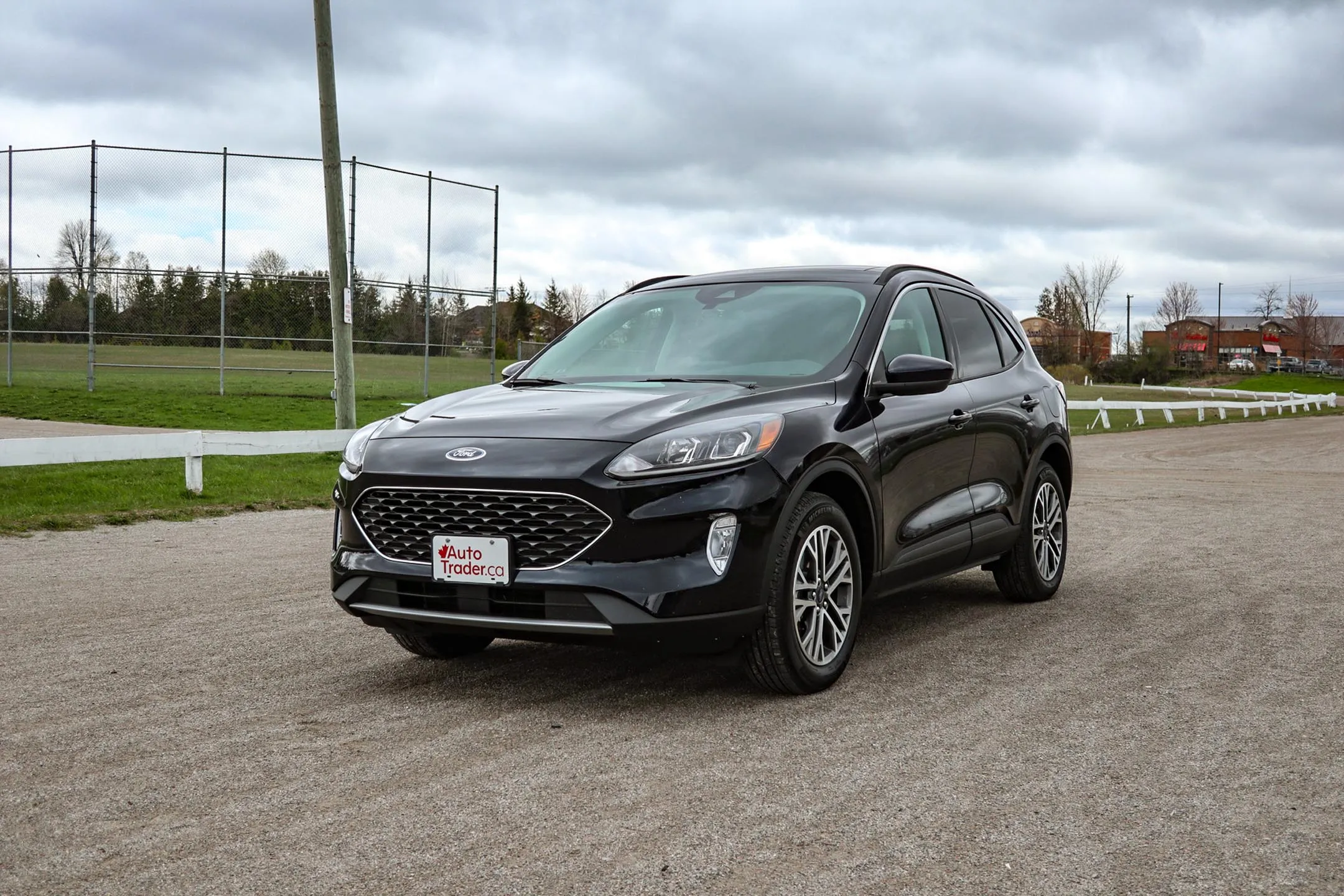
The Ford Escape is another crossover that tends to loosen up with high mileage. Steering may develop play, and the suspension softens, particularly in models that have been driven extensively on rough roads or frequently loaded with passengers and cargo.
Owners often notice increased body roll, a slightly floating ride, and diminished confidence in high-speed maneuvers. Unlike vehicles designed to preserve tightness over time, the Escape begins to feel less predictable as components age, which can affect the driver’s perception of stability during cornering or quick lane changes.
The Escape’s chassis design is also a factor. It emphasizes comfort and practicality rather than long-term tightness, which means structural flex may increase over time.
Mounting points for suspension components, while adequate for general durability, can contribute to a perception of looseness as the vehicle ages. The combination of softening shocks, worn bushings, and chassis flex creates a driving experience that feels more disconnected compared with tightly engineered crossovers that resist wear-related degradation.
Alignment and tire wear patterns can exacerbate the sense of looseness. Even small deviations in camber or toe angles over time can make steering less precise and increase the perception of wandering at highway speeds.
While the Escape remains safe and functional, the driving experience becomes less controlled and less engaging after high mileage, highlighting how design choices that prioritize comfort over precision can influence the feel of an aging crossover.
3. Chevrolet Equinox
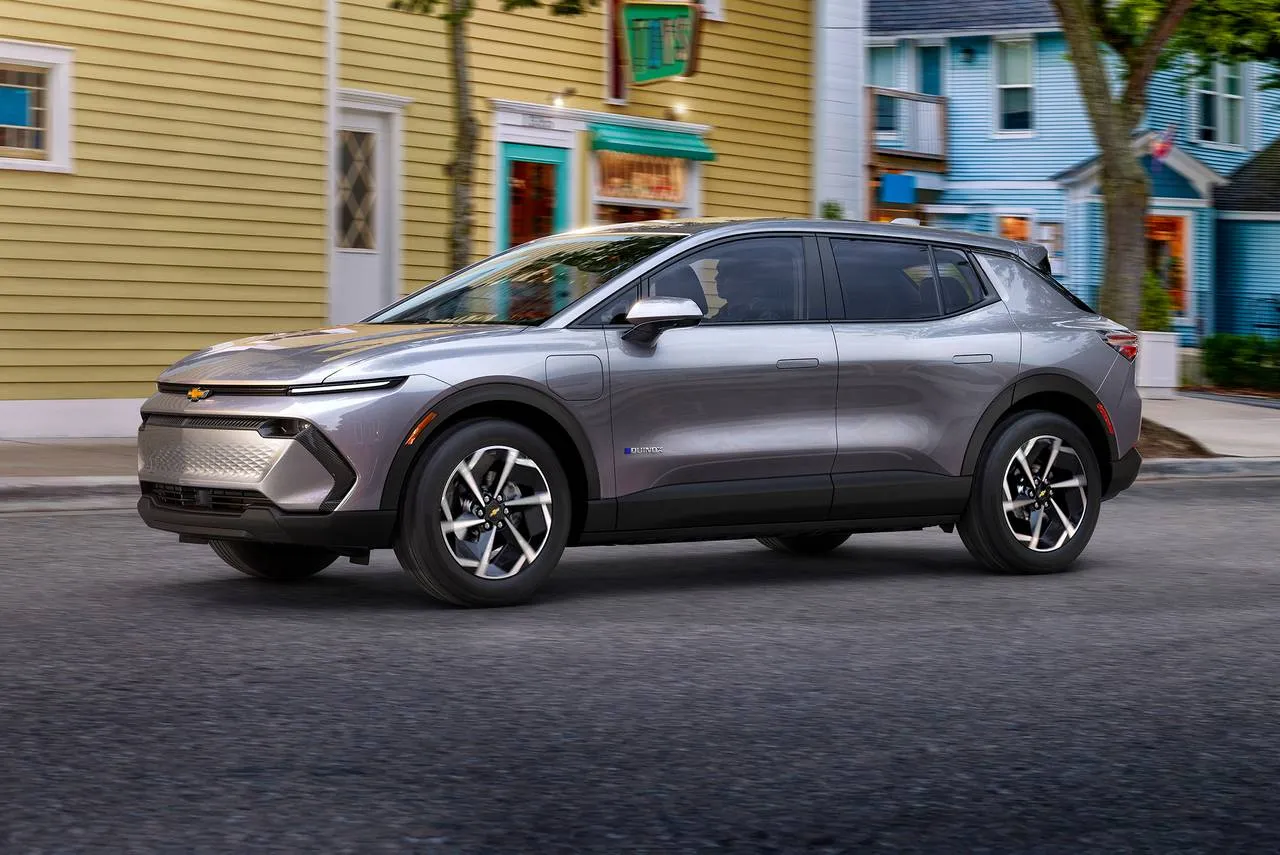
The Chevrolet Equinox is comfortable and quiet, but this comes at the expense of long-term tightness. After 100,000 miles, the suspension can feel soft, and steering may develop a vague sensation, particularly in earlier model years.
Many owners notice increased body roll, a floating sensation in corners, and a reduction in steering feedback that makes the crossover feel less connected to the road. While the Equinox continues to provide a smooth and practical driving experience, it lacks the composure of crossovers designed for long-term precision and tight handling.
The Equinox’s steering design is less durable than competitors known for tightness. Rack and linkage play may increase with mileage, and feedback is muted, leaving the driver with less awareness of road conditions.
Even with routine maintenance, the steering may feel disconnected or vague compared with a crossover that preserves precision over time. This lack of tightness affects not only handling but also the sense of stability, particularly at higher speeds or during emergency maneuvers.
Chassis flex further amplifies the sensation of looseness. While the Equinox maintains safety and quietness, structural components can shift slightly under stress, increasing the perception of softness.
This effect is especially noticeable during aggressive cornering, sharp turns, or sudden lane changes. As a result, the Equinox feels less composed and less connected than crossovers engineered for long-term tightness, making it more suited for drivers who prioritize comfort over precise handling at high mileage.
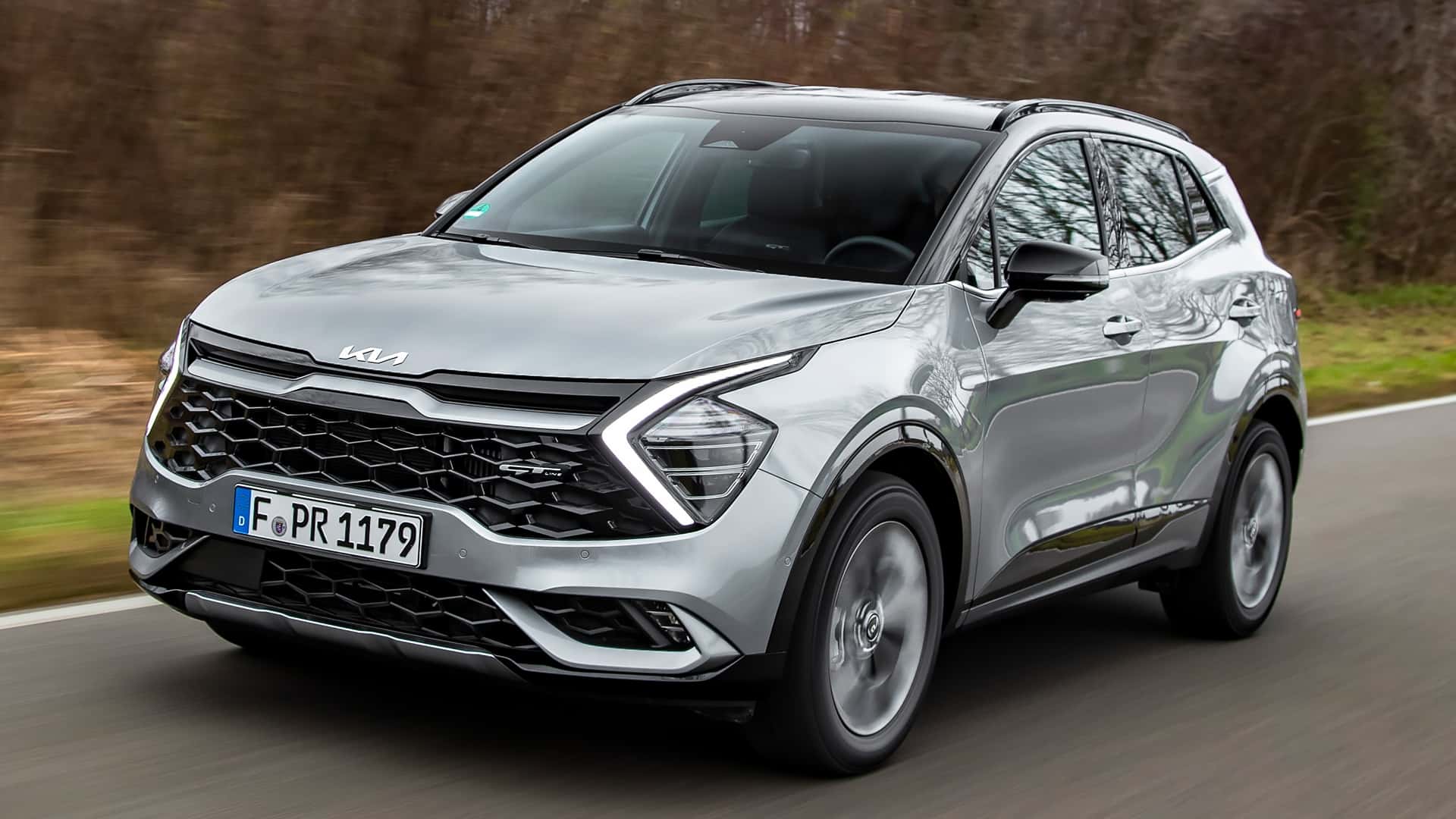
4. Kia Sportage
The Kia Sportage offers comfort and practicality, but many owners report that it loosens up with higher mileage. Suspension components, bushings, and dampers wear gradually, increasing body roll and reducing steering precision.
While the crossover continues to ride smoothly, the driving experience feels less tight and connected compared with its original state. This difference is particularly noticeable in cornering, sudden maneuvers, or when navigating uneven surfaces, where the Sportage can feel floaty or less composed.
Steering play becomes more pronounced over time. The rack and linkages are durable but not as resistant to wear as those found in crossovers engineered for tightness. As components age, feedback diminishes, making it more difficult for the driver to sense road conditions or respond precisely to unexpected situations. Even normal highway driving can feel less engaging, as the Sportage’s steering loses some of the directness and responsiveness present when the vehicle was new.
Chassis design further accentuates the softening effect. While the body remains quiet and comfortable, it flexes more easily under lateral forces, especially when combined with worn suspension components.
This additional movement contributes to the perception of looseness, making the Sportage feel less precise and less stable at higher mileage. For drivers who value tight handling and predictable response, this gradual softening may be a significant drawback despite the vehicle’s comfort and practicality.
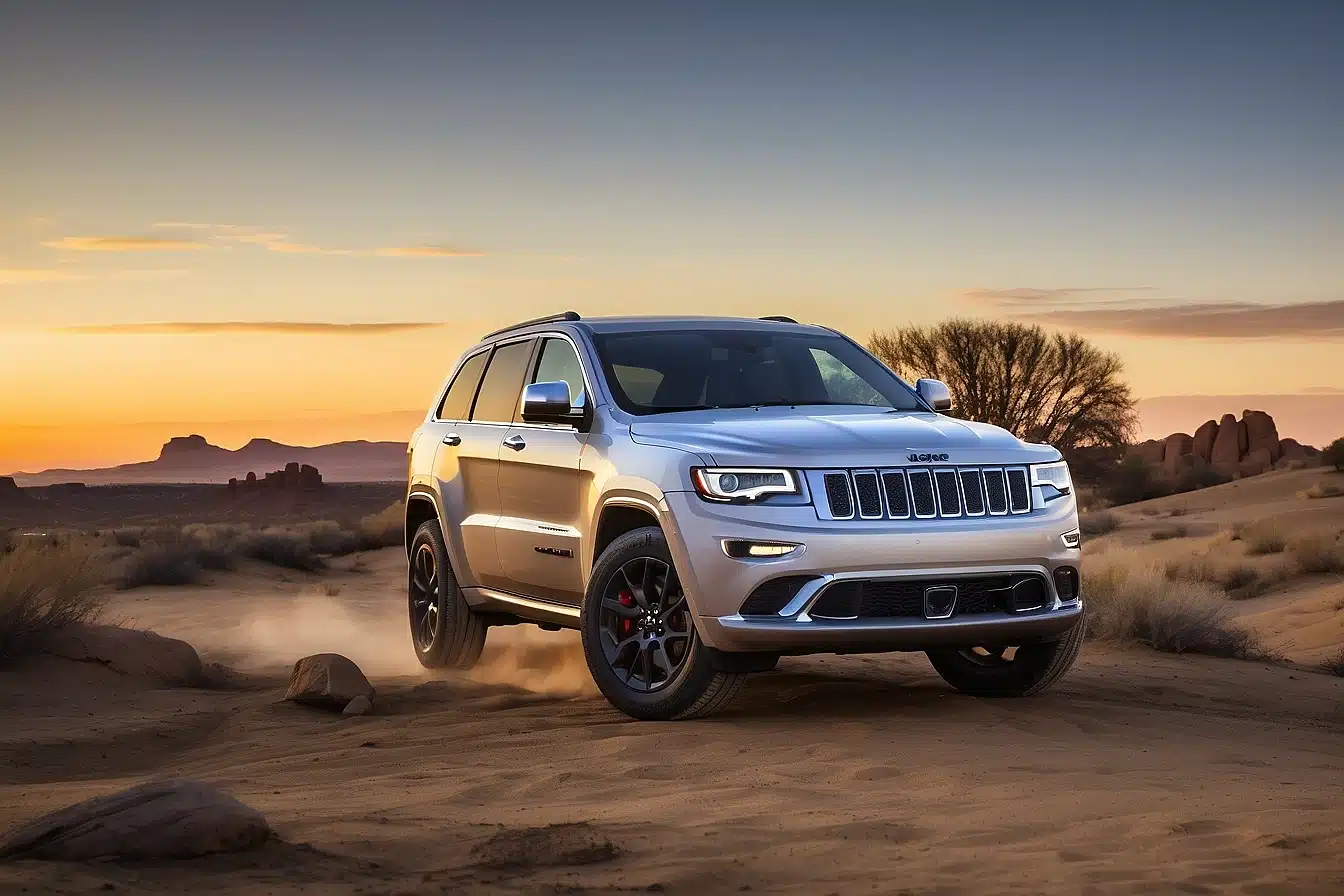
5. Jeep Cherokee
The Jeep Cherokee is rugged and capable, but many models loosen noticeably as mileage increases. Steering can develop play, and suspension components often soften, leading to increased body roll and a less tight feel.
Owners report that the Cherokee’s initial responsiveness diminishes over time, with the vehicle feeling less anchored during cornering or high-speed maneuvers. The loose sensation is particularly evident on paved roads, where suspension travel and chassis flex contribute to a floating feeling that contrasts with the crossover’s off-road stability.
Steering feedback diminishes over time, particularly in older or heavily used models. Rack and linkage play may develop, reducing responsiveness and driver awareness of road conditions.
Tire wear and alignment drift further exacerbate the perception of looseness, making the Cherokee feel less predictable at highway speeds or when navigating tight corners. Drivers often report that the vehicle requires more correction during lane changes or sudden maneuvers, highlighting the effects of age on steering feel and chassis composure.
Chassis characteristics also contribute. The Cherokee prioritizes comfort, off-road durability, and versatility, but this comes at the cost of long-term tightness on pavement. Suspension flex, soft bushings, and aging damping components combine to create a vehicle that feels looser after 100,000 miles than many of its competitors.
While the Cherokee remains safe, reliable, and capable, the driving experience is less connected and less precise, particularly for drivers who value composure and handling in addition to comfort and off-road functionality.
