
Small cars are often associated with compact dimensions, tight parking, and efficient fuel consumption. While these features make them ideal for city driving, they sometimes come at the cost of accessibility, particularly when it comes to entering and exiting the vehicle.
In recent years, automotive designers have recognized the importance of creating small cars that feel more open and accommodating.
One aspect that contributes significantly to comfort is door size. Larger door openings make it easier for passengers to get in and out, especially in tight urban environments or for individuals with mobility challenges. This feature may seem minor, but it can transform the driving and riding experience.
Beyond convenience, larger doors also enhance the perception of space inside a small car. When a car has wider and taller openings, passengers often feel less cramped, and loading items such as strollers, groceries, or luggage becomes more manageable.
Designers must balance door size with structural integrity and safety regulations, ensuring that the car remains strong while providing ease of access.
In addition, larger doors can improve ergonomics by allowing better posture when entering and exiting. For older adults or families with children, these practical benefits make a small car significantly more user-friendly.
In urban settings, small cars frequently face the challenge of tight parking spaces, where door swing can be limited. Cars with bigger doors reduce the risk of bumping neighboring vehicles and offer smoother entry and exit in constrained areas.
Even when parking is less of an issue, a generous door opening contributes to an sense of quality and attention to passenger needs. As a result, many automakers now prioritize this feature when designing compact models.
This article highlights ten small cars that stand out not just for their size, but for how they prioritize usability through large door openings. Each of these vehicles demonstrates that being small does not mean sacrificing comfort or accessibility.
By examining their designs, features, and practical advantages, we can see how thoughtful engineering can make everyday driving easier and more enjoyable. From city-friendly hatchbacks to versatile mini SUVs, these cars offer more than meets the eye, proving that careful attention to door design can elevate the small car experience in meaningful ways.

1. Honda Fit
The Honda Fit is widely recognized for its clever interior design and efficient use of space. One of the car’s standout features is its unusually wide door openings for a subcompact vehicle.
These doors allow passengers to slide in and out without contorting their bodies, an advantage in crowded parking lots or tight streets. Honda’s engineers focused on maximizing the utility of the car’s small footprint while ensuring that entering and exiting the vehicle remained effortless.
Inside, the Fit’s door openings work in tandem with its flexible seating system. The rear Magic Seat can fold in multiple configurations, allowing the transportation of tall or bulky items.
Large doors make this functionality easier to use because passengers can access the rear seat and cargo area without struggling. For families or those frequently carrying larger items, this feature adds a layer of practicality that is not always expected in a car of this size.
Another benefit of the Fit’s doors is improved safety. Larger openings facilitate quicker and more comfortable egress during emergencies.
Passengers are less likely to bump into the car frame or struggle with low or narrow entry points. For older adults or taller individuals, the Fit’s generous door dimensions can make a significant difference in comfort during daily use.
Finally, the wide doors enhance the car’s perception of space. While the Fit is small externally, the large door openings contribute to an airy and open feeling inside.
This helps the car feel more like a compact vehicle rather than a confining subcompact, improving passenger satisfaction and usability. The Honda Fit demonstrates that thoughtful door design can make a small car versatile, accessible, and enjoyable for a wide range of drivers and passengers.
2. Toyota Yaris
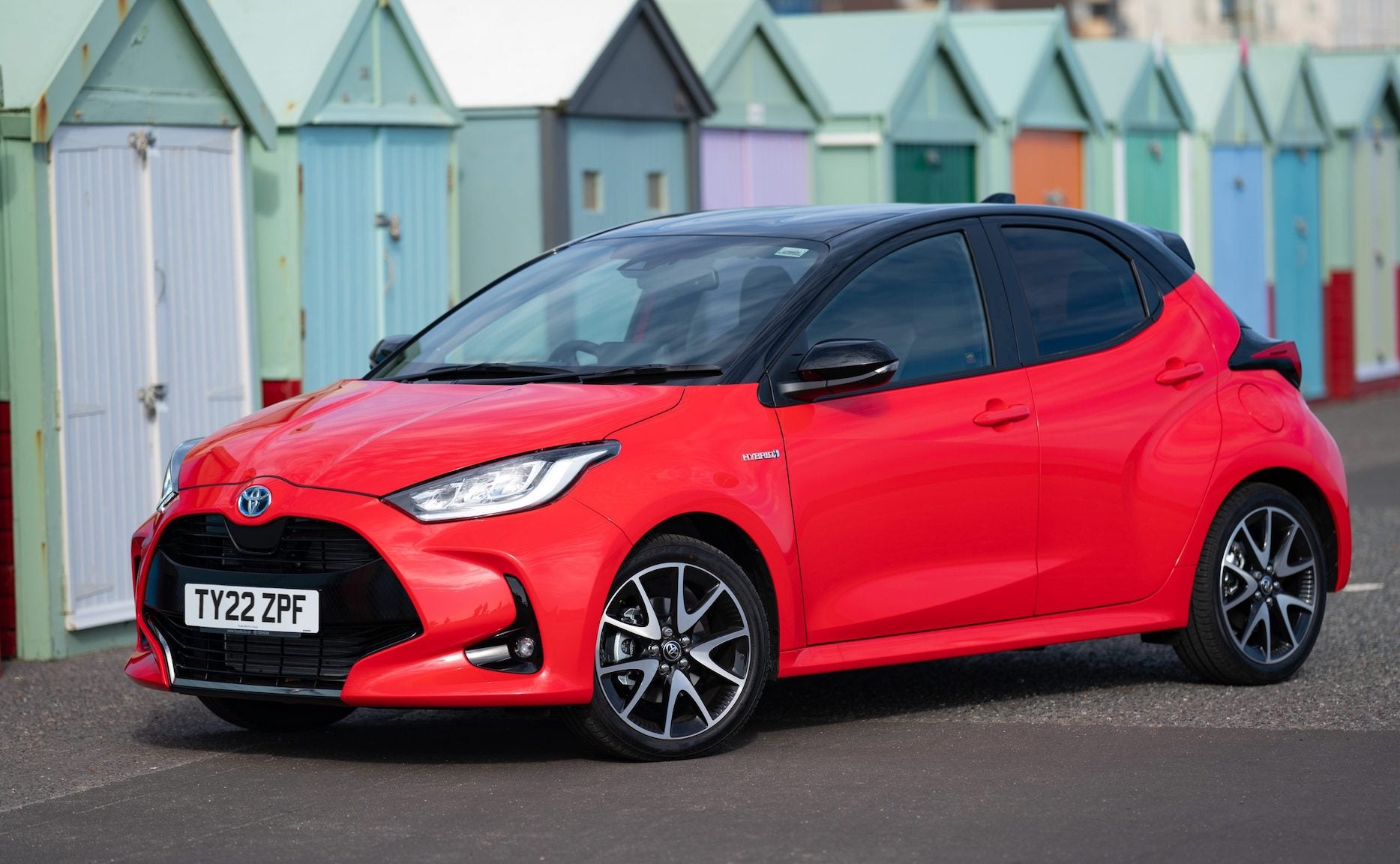
The Toyota Yaris is another small car known for its urban practicality. Its design emphasizes functionality, and one of the most noticeable aspects is its expansive door openings. Despite the Yaris’s compact frame, passengers can enter and exit comfortably, a feature that sets it apart from many other vehicles in its class.
The Yaris’s doors are complemented by a low step-in height and carefully designed door handles, making access smoother for all passengers.
This combination allows for easy entry even in tight parking spaces, reducing the risk of scraping other cars or feeling cramped while opening the door. Parents carrying children or groceries will find this feature especially useful, as it minimizes awkward maneuvering when handling multiple items.
Inside, the Yaris maintains its reputation for efficient space utilization. Rear passengers benefit from the wider door openings when loading car seats or larger packages, while front passengers enjoy an unobstructed approach to the driver and passenger seats. This design ensures that the car feels comfortable for both short and long trips, enhancing convenience.
From a safety standpoint, larger doors provide better escape routes in case of emergencies. In addition, the door frame and hinges are reinforced to maintain structural integrity without compromising the size of the openings. By balancing accessibility and safety, the Toyota Yaris demonstrates that even small cars can meet practical needs while remaining stylish and efficient.
3. Kia Soul
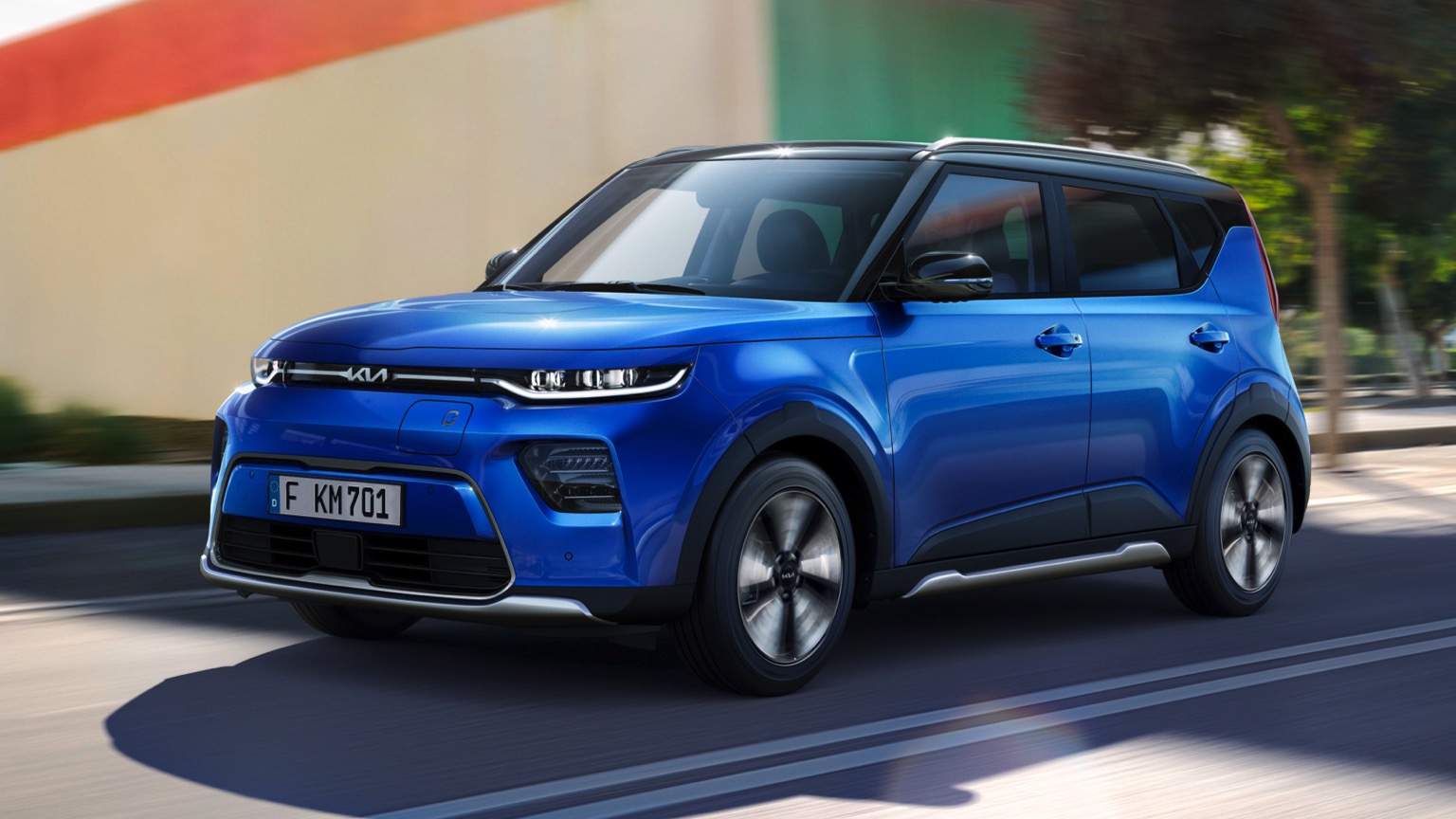
The Kia Soul is well-known for its boxy design and distinctive style, but its door design also deserves attention. The tall, wide doors make it one of the most accessible vehicles in the small car category. This feature enhances not only passenger comfort but also the usability of the interior space.
Passengers benefit from easier entry and exit, especially in urban environments where parking spaces can be narrow. The doors’ vertical height and generous width reduce the need to twist or bend awkwardly, making the Soul particularly appealing for families or those with mobility challenges.
The car’s cabin layout complements the door design, allowing more comfortable seating positions and easier access to rear storage areas.
The rear doors are similarly user-friendly, allowing for effortless loading of children, groceries, or larger items. Kia’s attention to ergonomics ensures that every passenger can move in and out with minimal strain, while the tall roofline contributes to a feeling of spaciousness that is rare in small vehicles.
In addition to comfort, the Soul’s door openings enhance the vehicle’s versatility. With the wide access points, passengers can quickly adjust seating arrangements, install child seats, or retrieve items from the rear without difficulty.
The combination of functionality, practicality, and style makes the Kia Soul a strong example of how door design can significantly improve the small car experience.
4. Nissan Versa
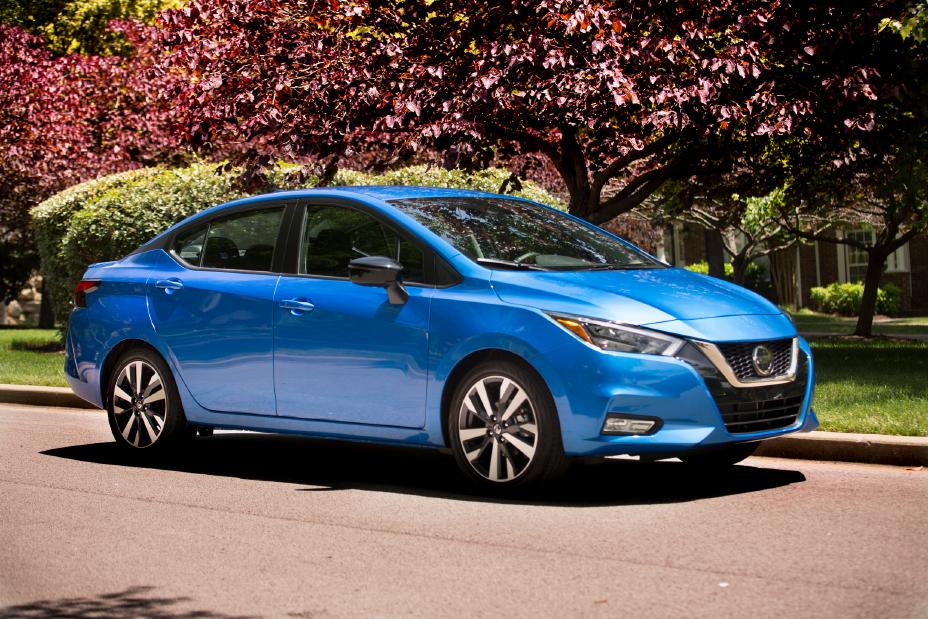
The Nissan Versa has long been recognized for its affordability and practicality, but its door design is a feature that often goes unnoticed. The Versa offers wide, tall doors that facilitate easier entry and exit for all passengers. This feature is particularly valuable in city driving, where tight parking spaces can make conventional doors cumbersome.
The front doors provide ample space to slide into the driver or passenger seat comfortably. Coupled with the low step-in height, the design reduces strain on the legs and back, making everyday commuting more comfortable. The doors’ large openings also allow for better visibility when getting in and out, which adds to safety.
In the rear, the Versa’s doors are equally generous. Passengers can install child seats or retrieve belongings from the back with minimal effort, and taller adults can enter without hitting their heads on the roof. This attention to passenger comfort is uncommon in the small car segment, giving the Versa an advantage over competitors.
Finally, the Versa’s doors improve practicality. Whether for families, older adults, or daily commuters, the wide openings enhance usability and make the car more versatile for multiple situations. By prioritizing accessibility without compromising safety or structural integrity, the Nissan Versa proves that small cars can deliver big benefits in daily life.

5. Hyundai Venue
The Hyundai Venue is a small crossover that combines compact dimensions with surprising practicality. Its door openings are wider and taller than many vehicles in its category, contributing to easy entry and exit for passengers. This design choice enhances the comfort and usability of the car, especially in urban environments.
The Venue’s doors facilitate loading and unloading, whether passengers are carrying groceries, luggage, or other bulky items. With the combination of a higher roofline and wide openings, passengers can enter and exit the vehicle without awkward movements or discomfort. This accessibility is particularly important for older adults and families with children.
Inside, the Venue’s layout complements the door design. The seats are positioned to allow a natural entry angle, and the rear cabin remains easy to access. This is particularly helpful in tight parking situations where door swing is limited, reducing the risk of accidental dents or scratches on neighboring cars.
Additionally, the Venue’s doors are reinforced to maintain safety standards without compromising the size of the openings.
This balance between accessibility and structural integrity demonstrates Hyundai’s attention to detail. By offering large doors on a small crossover, the Venue delivers practical advantages that make city driving and everyday use more comfortable and enjoyable.
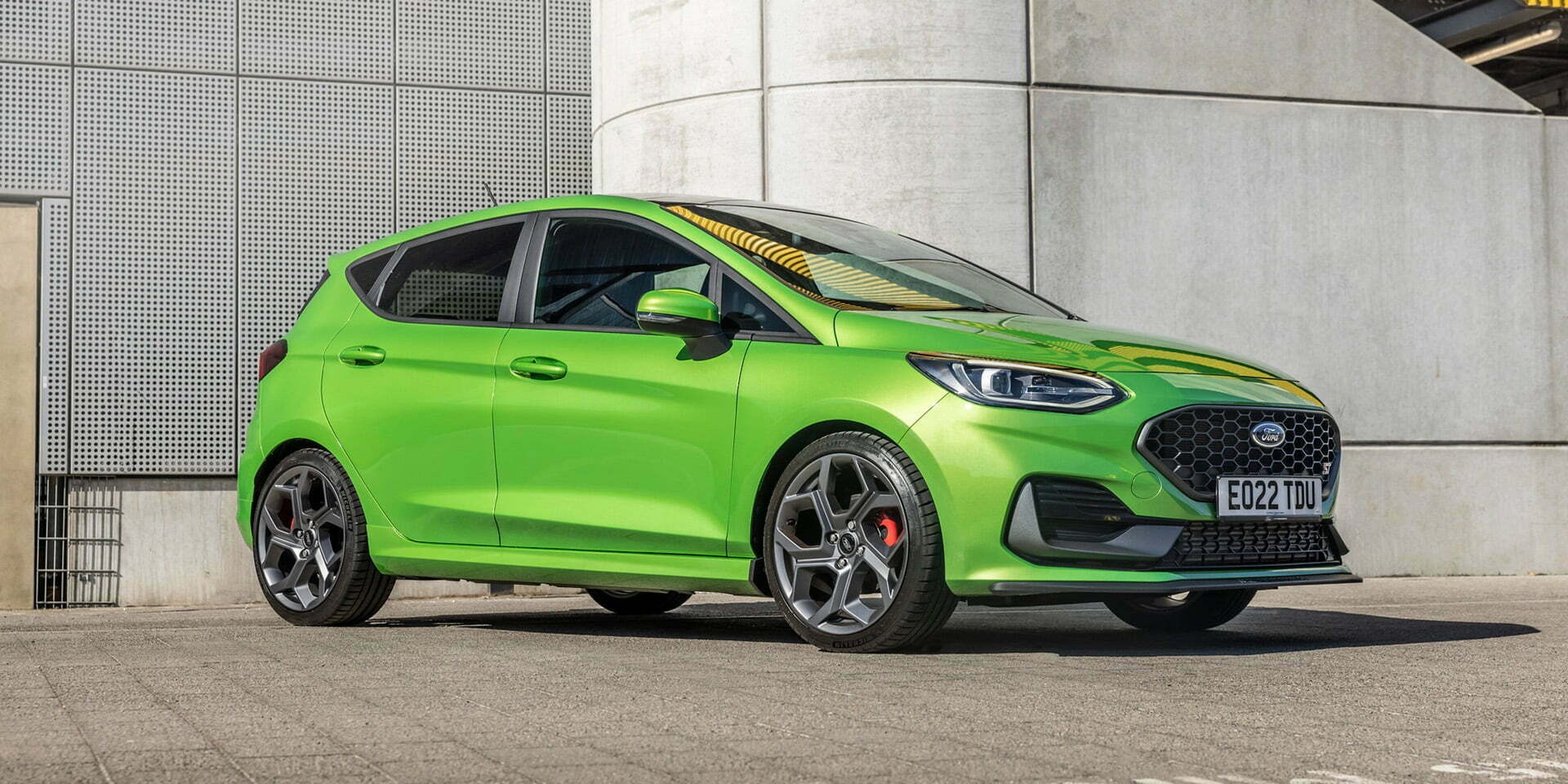
6. Ford Fiesta
The Ford Fiesta has been a popular choice in the small car segment for its nimble handling and efficient use of space, but one of its less discussed advantages is its large door openings.
Despite being a subcompact vehicle, the Fiesta allows passengers to enter and exit with remarkable ease, thanks to well-proportioned door dimensions that prioritize comfort without compromising its compact frame.
The front doors, in particular, are designed to provide ample shoulder and elbow room during entry, making the seating process smooth even for taller individuals. This accessibility ensures that the Fiesta remains user-friendly in urban settings where parking spaces are often tight and maneuvering can be challenging.
In addition to ease of entry, the Fiesta’s doors contribute to a more ergonomic seating experience. The door sills are positioned thoughtfully to minimize the effort required to lift oneself into the seat, and the wide door openings allow passengers to swing their legs in without awkward twisting.
This is especially important for older adults or individuals with limited mobility, as it reduces strain on the knees and back. For front-seat occupants, the combination of wide doors and adjustable seating enhances the driving experience by promoting a relaxed posture from the moment they step inside.
Rear passengers also benefit significantly from the Fiesta’s design. The doors are large enough to accommodate the installation of child safety seats with minimal hassle, while also allowing adult passengers to enter without feeling cramped. For families, this means that routine tasks such as dropping off children or loading shopping bags become simpler and less stressful. The rear doors also provide easy access to the trunk, as the wide openings allow passengers to maneuver cargo in and out efficiently.
Finally, the Fiesta’s door design enhances both safety and practicality. In emergencies, the wide doors allow for faster and more comfortable evacuation, while the reinforced frames maintain structural integrity.
The combination of accessibility, comfort, and safety ensures that the Fiesta provides a small car experience that feels much larger than its exterior dimensions suggest. By focusing on thoughtful design, Ford has made the Fiesta an example of how a small car can deliver maximum usability for everyday life.

7. Volkswagen Polo
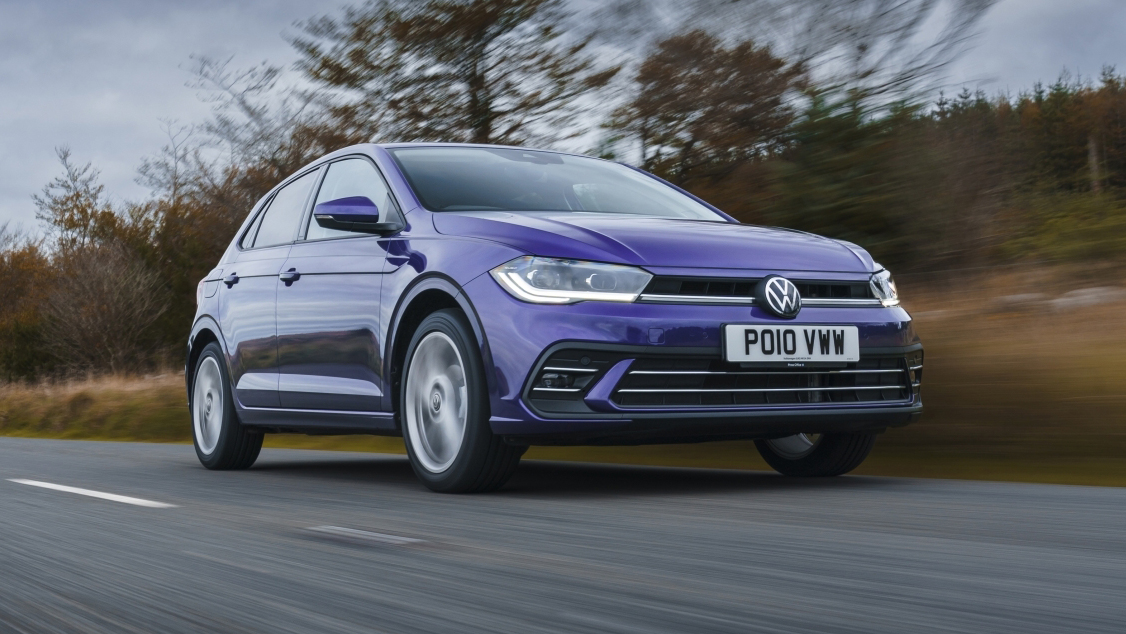
The Volkswagen Polo has long been admired for its solid build quality, refined interior, and clever use of space. One of the features that set it apart in the small car category is its large door openings, which provide exceptional accessibility for passengers.
Despite its compact exterior, the Polo’s doors are engineered to allow smooth entry and exit, reducing the feeling of confinement that can sometimes occur in subcompact vehicles. This design decision reflects Volkswagen’s attention to passenger comfort while maintaining the car’s sleek and modern styling.
The front doors of the Polo are particularly for their generous width and height, making it easy for occupants to approach the seats without twisting or contorting their bodies. For drivers, this means a more relaxed entry, which can be especially appreciated during daily commutes or frequent stops in city traffic. Additionally, the wide doors make it easier to get in and out when carrying items such as backpacks, shopping bags, or briefcases, improving the car’s usability.
Rear passengers also benefit from the Polo’s thoughtful door design. The generous openings allow for easier installation of child seats, as well as smoother access for taller individuals.
The interior layout complements this accessibility, ensuring that every passenger can enter and exit the vehicle comfortably. Furthermore, the Polo’s doors contribute to a sense of spaciousness inside the cabin, which enhances passenger satisfaction and comfort even on longer trips.
From a practical perspective, the Polo’s large doors also improve the loading and unloading of cargo. Combined with the hatchback design, these wide openings allow for effortless handling of luggage, groceries, and other items, making the car versatile despite its compact size.
By blending style, functionality, and accessibility, the Volkswagen Polo demonstrates that small cars can be both practical and enjoyable, providing an experience that feels significantly more spacious than its exterior dimensions might suggest.

8. Suzuki Swift
The Suzuki Swift is a small hatchback celebrated for its sporty handling and efficient design, yet one of its underappreciated strengths is its door design. Swift doors are large for a car in its class, allowing passengers to enter and exit with minimal effort.
This aspect of design becomes immediately apparent in urban environments, where parking spaces are tight and maneuvering in and out of vehicles can be challenging. The doors’ width and height provide a sense of openness that helps the Swift feel larger on the inside than its compact exterior would imply.
The front doors are particularly advantageous for taller occupants or those carrying items while entering. The wide swing and carefully engineered hinge placement reduce the need for twisting or contorting to fit into the seats, providing a smooth and comfortable entry.
Combined with a low step-in height, these doors make daily commuting and short trips less physically demanding, allowing passengers to maintain natural posture while entering or exiting the vehicle.
Rear seat accessibility is equally impressive. Swift’s back doors open wide enough to allow for easy placement of child seats, groceries, or other bulky items.
The car’s interior layout complements this design, giving passengers more room to maneuver and reducing the likelihood of hitting heads or shoulders against door frames. For families or commuters who often carry multiple items, this feature greatly enhances usability and convenience.
Additionally, the Swift’s door design contributes to safety and practicality. In emergencies, passengers can exit quickly and efficiently, while the reinforced frame ensures structural integrity is maintained.
The combination of wide, accessible doors and thoughtful interior design allows the Suzuki Swift to provide a small car experience that feels surprisingly accommodating, comfortable, and versatile, proving that size alone does not dictate usability.
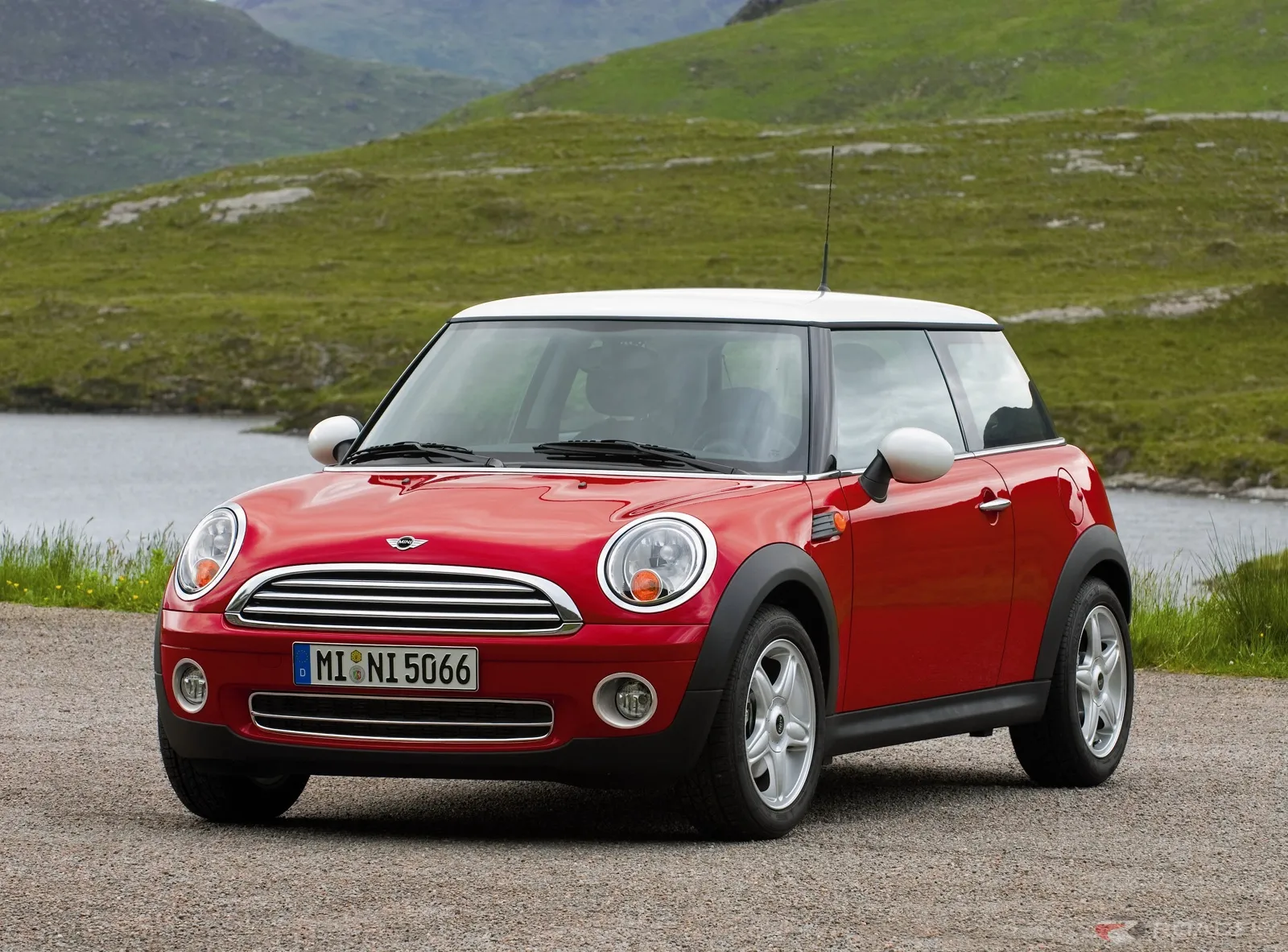
9. Mini Cooper
The Mini Cooper is known for its iconic styling and agile performance, but its door design also plays a key role in passenger comfort. Despite being a compact vehicle, the Cooper features doors that open wide and allow easy access for both front and rear passengers.
This thoughtful design helps counteract the perception of tightness often associated with small cars, making the Mini a surprisingly practical option for daily driving and urban mobility.
Front passengers benefit from doors that provide generous entry space, reducing the effort required to get into the seat. This is particularly important for taller drivers or those carrying items such as briefcases, bags, or groceries.
The Mini Cooper’s doors, combined with adjustable seating positions, ensure that passengers can maintain proper posture while entering and exiting the vehicle, which enhances comfort during use.
Rear doors, while slightly smaller than the front ones, are still wide enough to provide relatively easy access for backseat passengers. Children, adults, and older adults can enter and exit the vehicle without awkward movements, while installation of car seats or transportation of larger items is simplified.
The door design also helps create a feeling of space inside the cabin, despite the car’s compact footprint, making rides more comfortable for all occupants.
Moreover, the Mini Cooper’s door openings improve everyday usability. Whether it is loading luggage, groceries, or other cargo, the wide doors allow for more efficient handling of items without excessive bending or twisting.
This combination of style, accessibility, and practicality makes the Mini Cooper an excellent example of how thoughtful door design can enhance the small car experience, blending iconic aesthetics with real-world functionality.
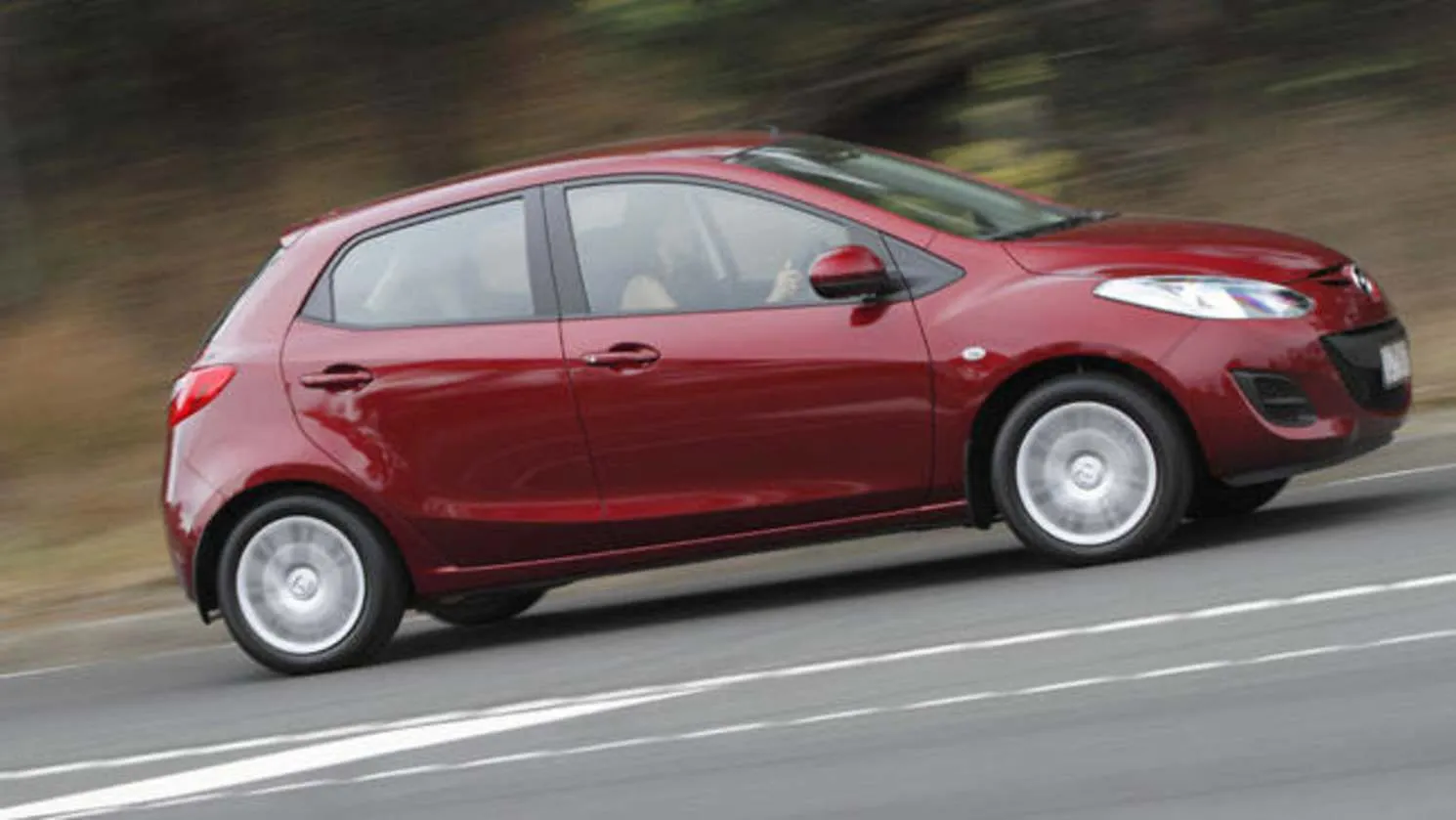
10. Mazda2
The Mazda2 is a small hatchback that combines sporty styling with practical features, and one of its key strengths is its generous door openings. Despite being compact, the Mazda2 allows passengers to enter and exit with remarkable ease, making it a user-friendly choice for city driving and everyday commuting.
The doors are designed to maximize accessibility without compromising the car’s sleek exterior lines, reflecting Mazda’s focus on blending form and function.
Front doors provide wide openings and a comfortable step-in height, allowing passengers to enter the cabin smoothly and maintain a natural posture.
This design is particularly beneficial for taller drivers or those carrying items while entering, as it minimizes awkward movements and strain on the body. The combination of wide doors and ergonomic seating ensures that even frequent short trips remain comfortable and hassle-free.
The rear doors of the Mazda2 are equally thoughtful. They allow for easier installation of child seats and better access for passengers, including adults who may find entry into small cars challenging.
The wide openings reduce the risk of bumping heads or shoulders on the door frame and facilitate the loading of groceries, luggage, or other bulky items. For families or commuters, this makes the vehicle more practical and convenient for daily use.
Finally, the Mazda2’s door design enhances safety and versatility. In emergencies, passengers can exit quickly, and the reinforced frame ensures structural integrity is maintained.
The combination of generous door openings, ergonomic design, and practical features makes the Mazda2 a small car that feels larger on the inside, offering a comfortable and accessible experience for drivers and passengers alike.
This attention to usability demonstrates that compact vehicles can still deliver exceptional practicality and comfort through thoughtful engineering.
