
The 2000s were an exciting era for performance cars, marked by innovation, experimentation, and a growing appreciation for drivers who sought more than just speed.
During this decade, manufacturers were balancing the demands of modern safety standards, environmental regulations, and the relentless pursuit of engineering excellence.
While a few models like the Nissan GT-R, Subaru WRX STI, and Porsche 911 dominated headlines and captured the hearts of enthusiasts, many other remarkable cars quietly provided thrilling driving experiences without achieving widespread recognition.
These vehicles often combined understated designs with impressive powertrains, engaging handling, and unique character, yet they were overlooked at the time or forgotten in the shadow of more prominent models.
This article focuses on ten of the best performance cars from the 2000s that deserve more attention than they typically receive.
Each model represents a combination of engineering ingenuity and driving enjoyment, demonstrating that exciting cars were not limited to the mainstream supercars or high-profile sports sedans.
Some of these cars are now considered hidden gems, offering exceptional performance for enthusiasts who know where to look. Others may have struggled in sales or marketing but still delivered a driving experience that rivals more famous competitors.
What makes these cars especially intriguing is the sense of discovery they offer; they are vehicles that reward attention to detail, provide distinctive character, and offer driving thrills without the fame or inflated prices of their more celebrated peers.
By highlighting these overlooked cars, this article celebrates diversity in performance engineering during the 2000s, from nimble hatchbacks and lightweight coupes to underrated sedans with potent engines.
The focus is on both mechanical excellence and the emotional appeal of the vehicles, emphasizing how these cars contributed to the automotive industry in ways that are often underestimated.
Whether it is the balance of chassis and engine, the sharpness of handling, or the way each car communicates with the driver, these models demonstrate that performance is not only about straight-line speed or aggressive styling.
Enthusiasts who are willing to look beyond popular choices can find cars that deliver excitement, style, and individuality, making the 2000s a fascinating decade for those seeking underappreciated gems.
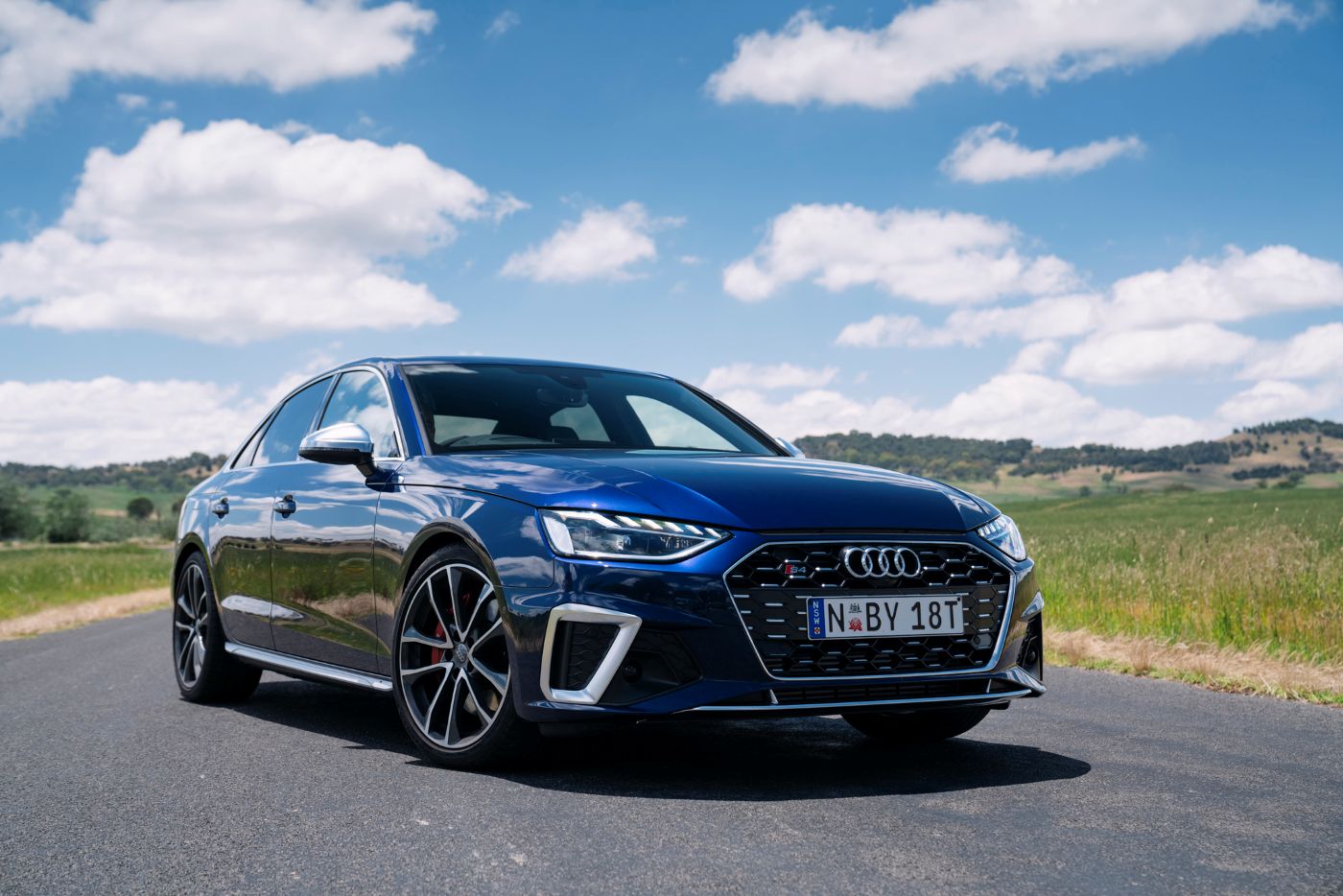
1. Audi S4 (B6/B7)
The Audi S4 of the mid-2000s, particularly the B6 and B7 generations, offered a unique blend of performance, refinement, and practicality.
At the time, enthusiasts often overlooked this model in favor of more aggressive German competitors such as the BMW M3 or Mercedes C55 AMG.
However, the S4 combined a supercharged V6 engine with Audi’s legendary Quattro all-wheel-drive system, resulting in a sedan that could confidently handle any driving condition while maintaining composure and comfort.
The engine delivered smooth power delivery, making it enjoyable in daily driving scenarios while still capable of spirited bursts when required.
The chassis of the S4 was engineered with balance in mind. Unlike some rivals that emphasized raw acceleration at the expense of handling precision, the S4 maintained poise through corners and offered responsive steering that invited the driver to engage more deeply with the road.
Its suspension setup, though firm, was adaptable enough to remain comfortable on longer journeys, showing that a high-performance car could be both usable and exciting.
The car’s braking system and weight distribution contributed to a sense of stability, providing confidence in various driving environments, from winding mountain roads to urban streets.
Inside, the Audi S4 emphasized a mix of luxury and driver-focused design. Controls were logically arranged, and the cabin materials were of high quality, reflecting Audi’s commitment to premium interiors.
The car’s understated appearance made it less conspicuous than other high-performance sedans, which may have contributed to its relative obscurity.
Nonetheless, the S4 provided all the amenities expected in a luxury vehicle while still prioritizing driver engagement. It was the type of car that could appeal to enthusiasts who wanted performance without the showy presence often associated with German sports sedans.
Another factor in the S4’s underrated status was its market timing. The B6/B7 generations came during a period when performance sedans were often overshadowed by the rise of more extreme sports cars.
Yet today, the S4 is recognized as a solid performer, capable of delivering a thrilling driving experience at a fraction of the cost of contemporary rivals.
Its reliability, combined with its all-weather capability and strong aftermarket support, has made it an appealing choice for enthusiasts seeking a versatile yet exciting car that flew under the radar when it was new.
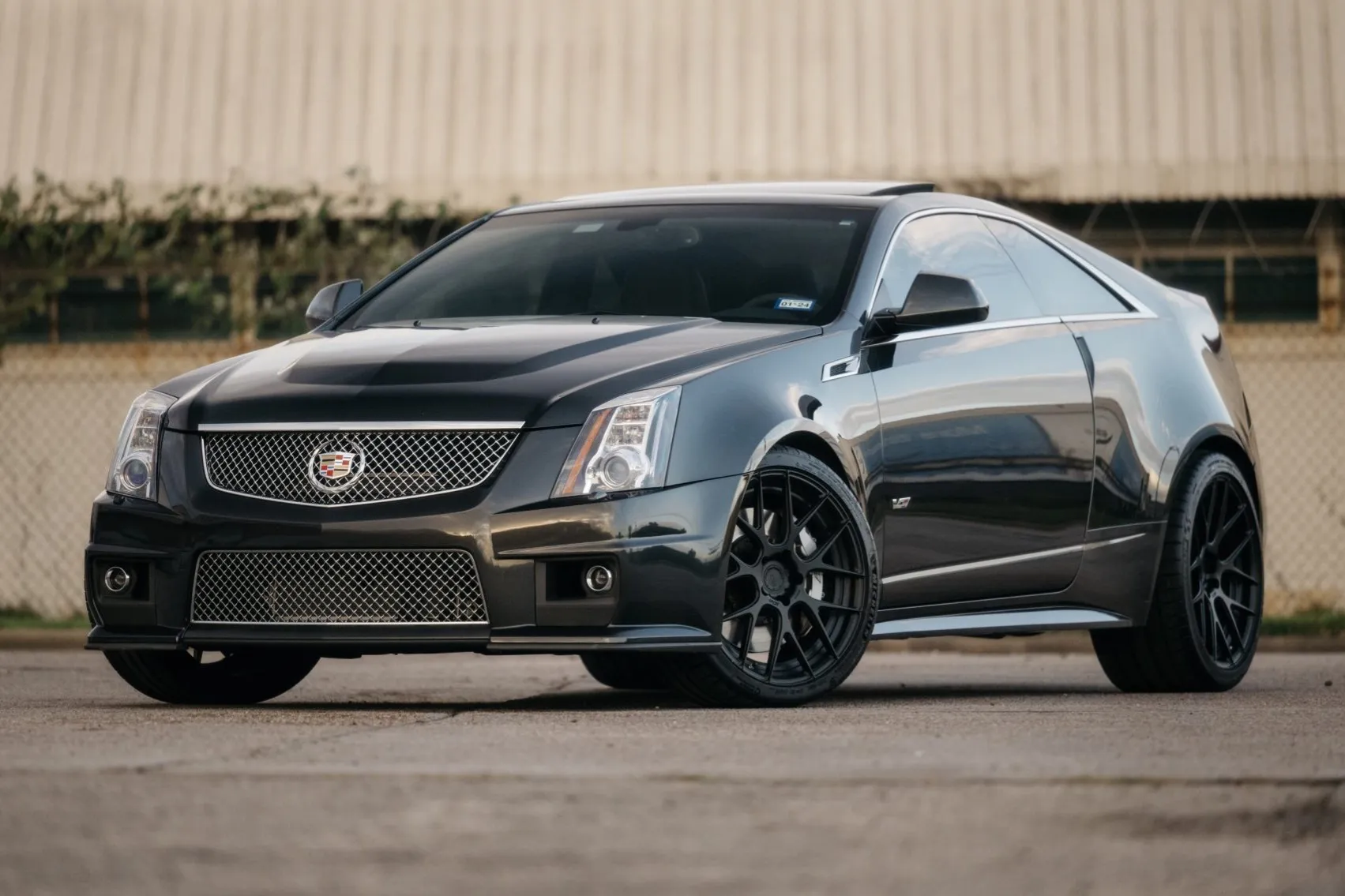
2. Cadillac CTS-V (First Generation)
When the first-generation Cadillac CTS-V debuted, it challenged perceptions about American luxury performance. Many enthusiasts dismissed the car initially because Cadillac was not traditionally associated with serious driving dynamics.
However, the CTS-V featured a 5.7-liter LS6 V8 borrowed from the Corvette, paired with a sport-tuned suspension, upgraded brakes, and a rigid chassis that transformed the otherwise conservative CTS into a legitimate performance sedan.
The result was a vehicle that could compete with established European rivals while retaining a distinctive American character.
Driving the CTS-V revealed an impressive balance of raw power and control. The LS6 engine provided abundant horsepower and torque, delivering thrilling acceleration while remaining manageable for everyday driving.
Unlike some American sedans of the era, which relied on straight-line speed alone, the CTS-V had precise steering and capable handling that rewarded careful driving.
Its suspension was tuned to provide a confident feel in corners, with minimal body roll compared to competitors, showing that Cadillac could build a car with serious road manners.
The interior design of the CTS-V offered a blend of comfort and sportiness. Seats were supportive during spirited driving, and controls were designed to be intuitive for the driver.
While the cabin was less luxurious than some European counterparts, it focused on functionality and ergonomics, emphasizing the driving experience without unnecessary distraction.
The combination of classic American V8 character with modern refinements made the CTS-V a compelling option for enthusiasts who wanted a different approach to performance.
Despite its capabilities, the CTS-V was often overlooked due to its unconventional styling and the stigma surrounding American luxury cars in performance contexts. Over time, however, it has gained recognition as a car that successfully bridged the gap between muscle and sophistication.
Today, the first-generation CTS-V stands out as a performance bargain, offering exhilarating V8 power, engaging handling, and an all-around experience that many modern performance sedans still struggle to match.

3. Infiniti G35 Coupe
The Infiniti G35 Coupe emerged in the early 2000s as a stylish alternative to more mainstream sports coupes. With its naturally aspirated V6 engine, rear-wheel-drive layout, and sharp handling, the G35 offered a satisfying combination of power, balance, and affordability.
Enthusiasts often overlooked the G35 in favor of more aggressive Japanese performance cars, yet it provided a refined driving experience that could easily satisfy those who valued precision and enjoyment over raw numbers.
Handling was another key aspect of the G35 Coupe. The suspension provided a firm yet compliant ride, allowing the car to maintain stability in corners while keeping driver feedback clear and communicative.
Steering was precise, helping the driver feel connected to the road and confident in executing maneuvers.
This focus on driver engagement, combined with reliable mechanical components, made the G35 a car that could be enjoyed over the long term, rather than simply being a short-lived performance experiment.
The G35’s design also deserves recognition. Its exterior was sleek and modern, avoiding overly aggressive styling in favor of elegance and proportion. Inside, the cabin offered quality materials, a thoughtful layout, and a driver-focused cockpit.
These elements combined to create a coupe that was attractive, fun to drive, and practical enough to use regularly.
Despite these qualities, the G35 remained underrated in performance circles, proving that a car does not need to be flashy or excessively marketed to provide a memorable driving experience.
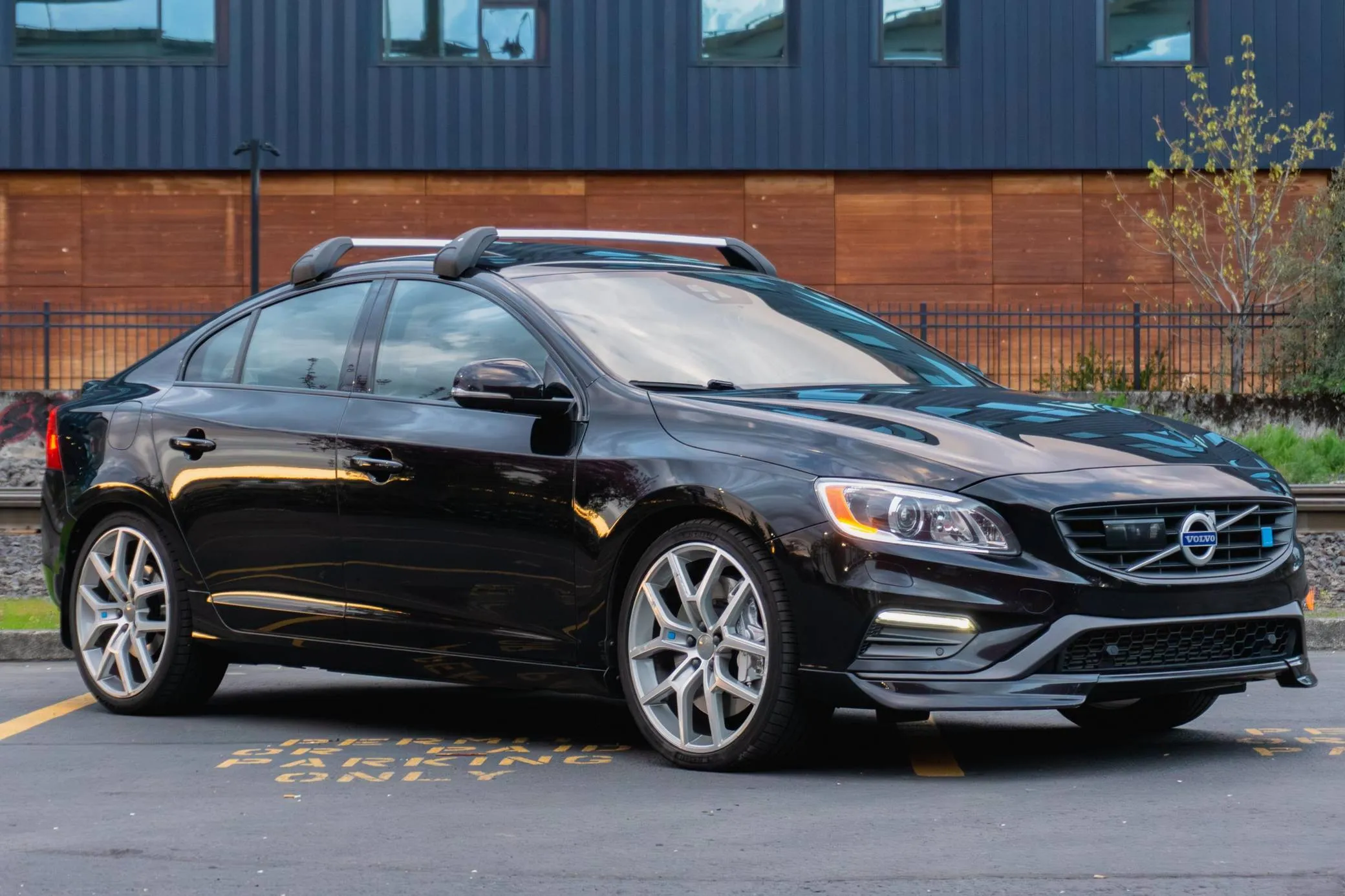
4. Volvo S60 R
Volvo’s S60 R was a surprising contender in the early 2000s, offering high-performance capabilities in a discreet package.
Equipped with a turbocharged five-cylinder engine producing impressive power, the S60 R combined acceleration, handling, and all-wheel-drive stability in a way that few expected from the Swedish brand.
While many considered Volvos to be strictly safe and practical cars, the S60 R demonstrated that performance and everyday usability could coexist in a single vehicle.
The engine’s turbocharging provided a surge of power that made highway passing effortless and allowed the S60 R to compete with more mainstream performance sedans.
Its all-wheel-drive system, combined with a carefully tuned suspension, offered confident handling in various conditions, from dry tarmac to wet or slippery roads.
The chassis was rigid and responsive, providing a connection between the car and driver that was often absent in other luxury sedans of the time. The S60 R excelled at combining comfort and performance without compromising either, making it a versatile and enjoyable vehicle.
The car’s understated appearance contributed to its overlooked status. While other sedans flaunted aggressive styling, the S60 R remained elegant and low-key, drawing little attention from the public but offering exceptional capability to those who knew its potential.
Its combination of turbocharged power, precise handling, and all-weather competence has allowed it to gain appreciation among enthusiasts who seek performance with a subtle and practical edge.
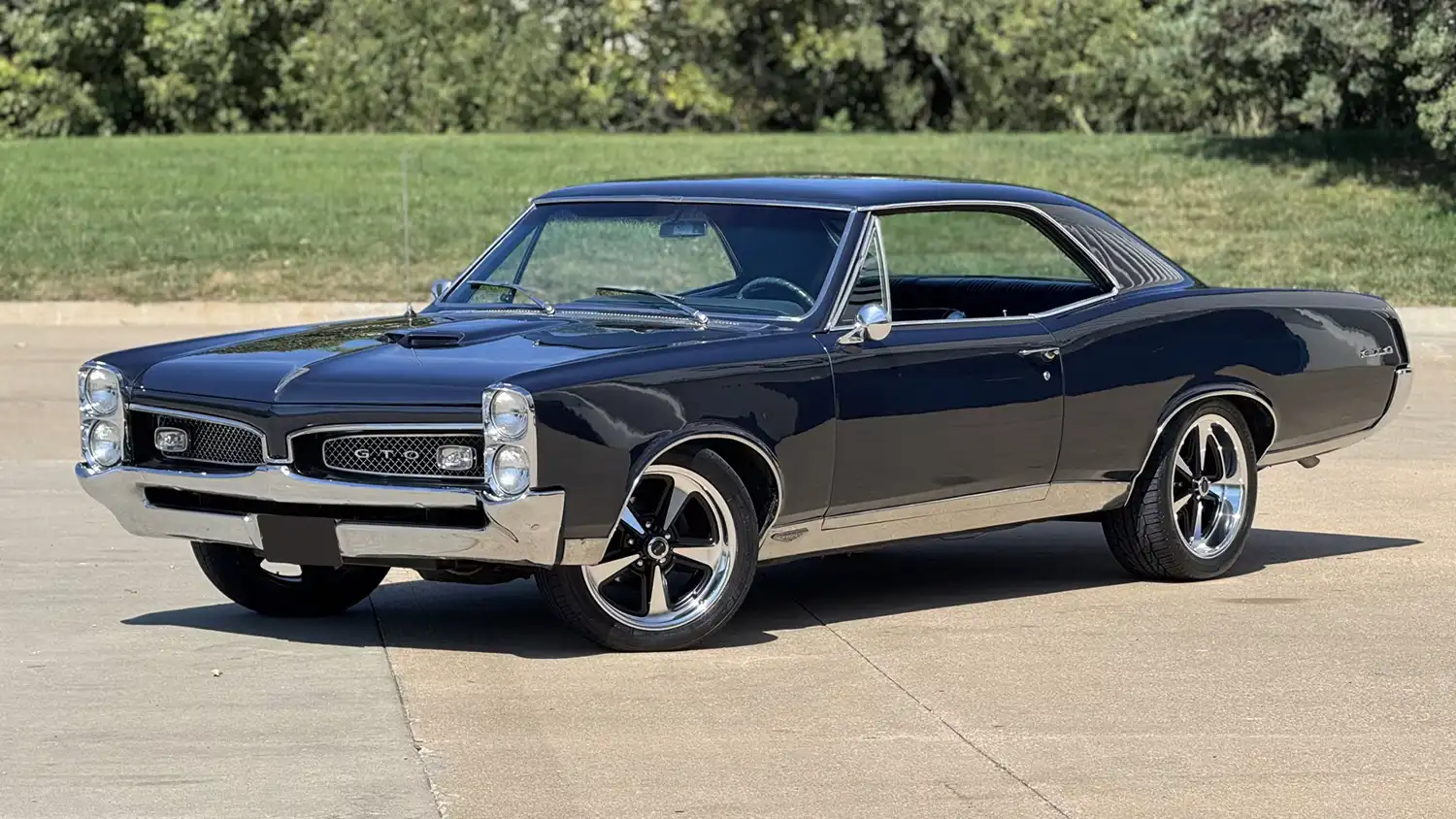
5. Pontiac GTO (2004–2006)
The Pontiac GTO returned in 2004 as a revival of a classic muscle car, but it often failed to gain the recognition it deserved due to its conservative styling and the perception that it was simply a rebadged Holden Monaro from Australia.
Beneath its understated exterior, however, the GTO offered potent V8 power and a chassis capable of delivering serious driving enjoyment.
Powered initially by a 5.7-liter LS1 V8 producing 350 horsepower, later upgraded to a 6.0-liter LS2 with 400 horsepower, the car provided effortless acceleration and a satisfying, low-end grunt that emphasized traditional American muscle character while remaining surprisingly composed on twisty roads.
Its performance metrics rivaled many contemporary sports cars, yet it flew under the radar due to its understated appearance and limited marketing appeal.
The GTO’s handling, often dismissed in early reviews, was a testament to careful chassis engineering. While heavy compared to European sports cars, the suspension offered good balance and confidence in corners.
Steering response was communicative for the era, and the car’s weight distribution, aided by a front-engine, rear-wheel-drive layout, allowed for controllable oversteer and a satisfying connection to the road.
This made the GTO enjoyable not only on highways but also on winding backroads, where its stability and traction could be fully appreciated.
The combination of raw muscle and balanced handling made it a car that could deliver different experiences depending on the driver’s intent.
Inside, the GTO presented a straightforward yet functional cabin. Unlike European rivals that prioritized refinement or high-tech interfaces, the GTO emphasized usability and comfort. Seats were supportive for spirited driving, and controls were within easy reach.
Today, however, the GTO is gaining recognition as a hidden gem of the 2000s, offering raw V8 power, engaging handling, and the unique appeal of an American muscle car with a modern twist.
For drivers seeking a performance car that combines tradition with excitement, the GTO represents one of the most compelling overlooked options of its decade.

6. Mazda RX-8
The Mazda RX-8 was one of the most distinctive performance cars of the 2000s, largely due to its use of the rotary engine and its unique four-door coupe layout.
Many enthusiasts overlooked the RX-8 at launch because the rotary engine’s characteristics were unconventional compared to traditional piston engines, but those willing to embrace its quirks found a car that offered exceptional responsiveness and agility.
The 1.3-liter Renesis rotary engine produced around 232 horsepower in naturally aspirated form, with a high-revving nature that rewarded precise throttle control and engagement.
Unlike conventional engines, the RX-8 delivered a linear and predictable power band that made spirited driving a dynamic and memorable experience.
Chassis dynamics were a major strength of the RX-8. Mazda engineers focused on lightweight construction, near-perfect weight distribution, and a balanced suspension setup that resulted in an incredibly communicative and agile car. Steering was sharp and direct, making the RX-8 feel lively and responsive in corners.
The interior materials were functional, and the layout emphasized ergonomics, giving the RX-8 a sense of precision that mirrored its performance capabilities. This combination of form and function made it a car suited for both daily driving and weekend track sessions.
The RX-8’s overlooked status can also be attributed to the challenges inherent in owning a rotary-powered car. The engine required careful maintenance and attention to detail, and fuel consumption was higher than conventional counterparts.
Yet for enthusiasts willing to embrace these quirks, the RX-8 delivered a driving experience unmatched by many naturally aspirated four-cylinder or V6 sports cars of the era.
Its unique engine, lightweight chassis, and sharp handling have cemented it as a cult favorite and one of the most engaging performance cars of the 2000s, rewarding drivers with a characterful and memorable experience.

7. Subaru Legacy GT Spec B
The Subaru Legacy GT Spec B represents an underrated performance option that combines turbocharged power with all-wheel-drive stability in a mid-size sedan package.
Many overlooked it because it lacked the aggressive styling and rally heritage of the WRX and STI, but the Spec B delivered surprising performance and handling refinement.
Powered by a turbocharged 2.5-liter flat-four engine producing approximately 250 horsepower, the car could accelerate confidently while offering excellent traction through Subaru’s symmetrical all-wheel-drive system.
The engine’s responsiveness, paired with a six-speed manual transmission, allowed drivers to extract maximum performance while maintaining a level of refinement suited for daily use.
Handling was one of the Legacy GT Spec B’s most appealing aspects. The suspension was tuned to balance ride comfort with cornering stability, making the car versatile across different driving environments. Steering was communicative, and the chassis remained composed even during spirited driving.
While not luxurious, the cabin had a purposeful feel, emphasizing utility and function over excessive flair. Infotainment and conveniences were well-integrated, contributing to a sense that the car was engineered to provide an enjoyable driving experience without distraction.
The Legacy GT Spec B’s understated appearance and limited production contributed to its status as an overlooked performance car. Enthusiasts focused on the WRX and STI often ignored the Spec B, despite its ability to deliver similar excitement in a more refined and practical package.
Today, it is appreciated as a hidden gem for those seeking a versatile performance car that offers turbocharged power, precise handling, and all-weather capability, proving that Subaru’s performance engineering extended beyond its rally-inspired icons.
8. Nissan 350Z
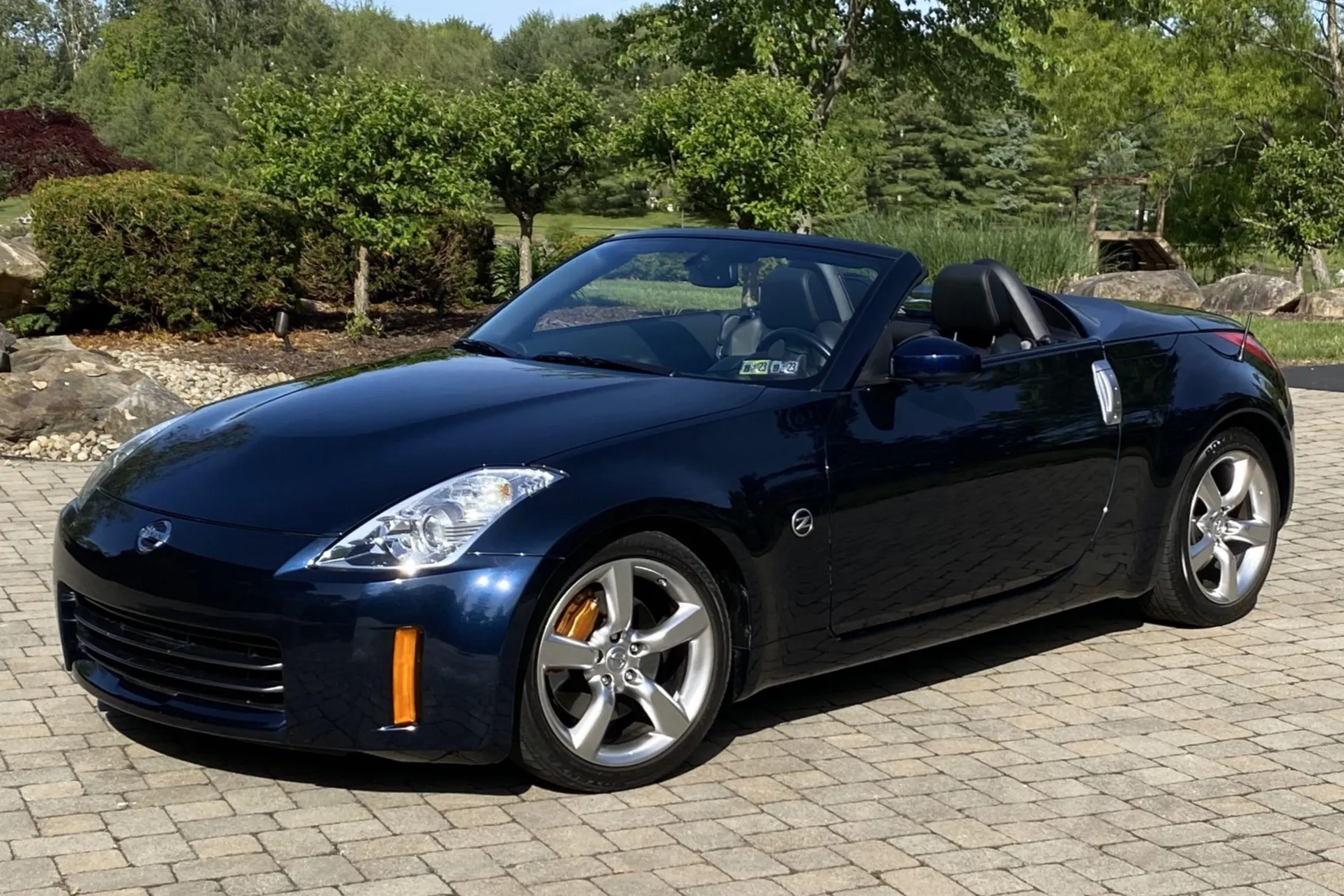
The Nissan 350Z was often overshadowed by flashier exotics and more storied sports cars in the 2000s, yet it provided a pure, engaging driving experience at an attainable price point.
Powered by a 3.5-liter V6 producing between 287 and 300 horsepower, the car offered strong acceleration and an emotionally rewarding exhaust note.
Its rear-wheel-drive platform, combined with a well-tuned suspension, made the 350Z a car that responded to driver input with clarity and precision.
Unlike some competitors that relied heavily on electronics, the 350Z allowed drivers to feel directly connected to the road, which contributed to its appeal as a true enthusiast-focused machine.
Handling was a central strength of the 350Z. With a low center of gravity, nearly ideal weight distribution, and stiff yet compliant suspension components, the car could tackle corners confidently and provide immediate feedback to the driver.
Steering was direct and communicative, enhancing the sense of control and precision. Materials were durable and practical, reflecting Nissan’s intent to prioritize driving experience over luxury.
The cabin design reinforced the sense that the 350Z was built for those who valued performance above all else, providing comfort where necessary but never diluting the car’s sporting essence.
Despite its many strengths, the 350Z was sometimes overlooked due to the popularity of other sports cars like the Mazda RX-8, BMW Z4, or higher-end European competitors. Its understated styling and moderate fame limited its exposure, yet it remains one of the most satisfying sports cars of the 2000s.
The combination of strong V6 performance, precise handling, and driver-focused design makes the 350Z a lasting favorite among enthusiasts seeking a straightforward and rewarding driving experience.
9. Lexus IS 300 (First Generation)
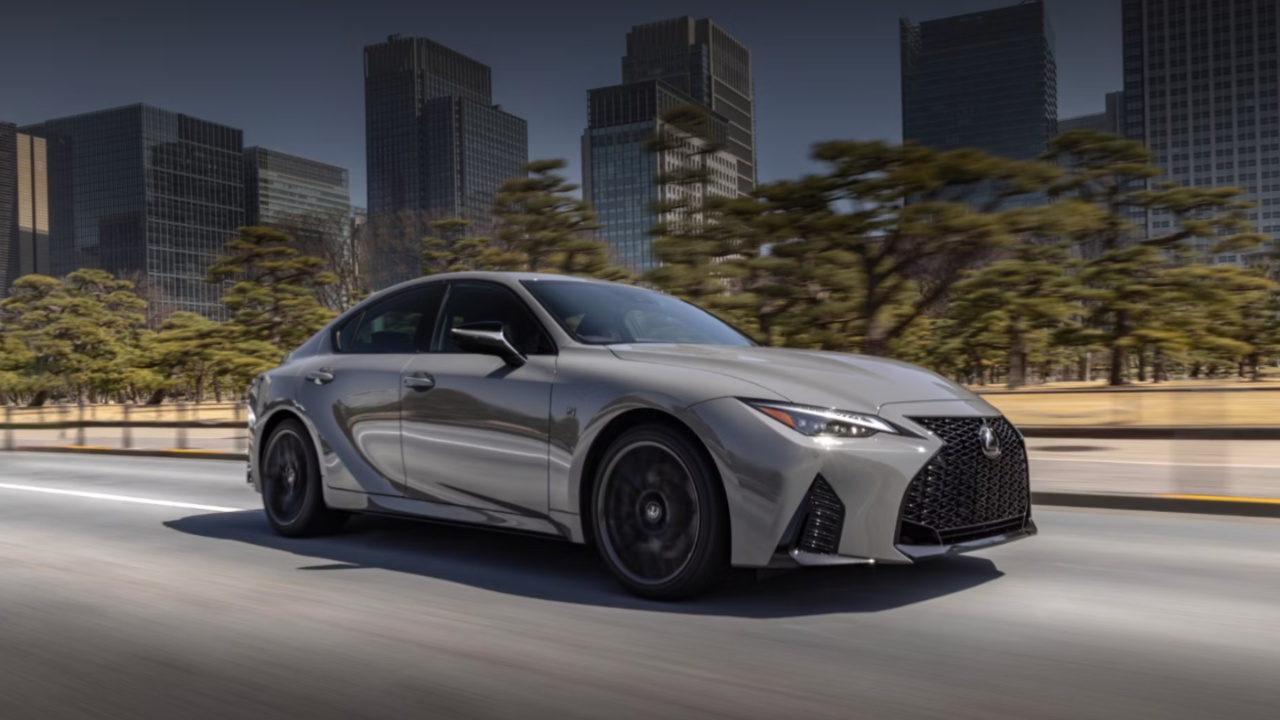
The first-generation Lexus IS 300 was a performance-oriented sedan that often flew under the radar compared to BMW’s 3 Series or Mercedes C-Class. Equipped with a naturally aspirated 3.0-liter inline-six engine producing 215 horsepower, the car offered smooth and responsive power delivery.
Its rear-wheel-drive layout, coupled with a well-tuned suspension, allowed for precise handling and an engaging driving experience.
Enthusiasts often overlooked the IS 300 due to its conservative styling and reputation as a luxury-focused brand, but the car’s balance of refinement and sportiness made it a strong contender in the compact performance sedan segment.
Unlike some luxury sedans of the time, the IS 300 did not rely excessively on electronic aids, allowing skilled drivers to explore its limits and enjoy the nuances of rear-wheel-drive performance. This combination of control and predictability made the car rewarding to drive over a variety of conditions.
The interior of the IS 300 was both comfortable and functional, with high-quality materials and thoughtful ergonomics. Seats were supportive and designed for spirited driving, while controls were accessible and logically arranged.
Although the cabin lacked the flashiness of some European rivals, it emphasized reliability and comfort, which complemented the car’s understated performance character.
The effect was a vehicle that could perform enthusiastically on weekends while remaining a practical daily driver during the week.
The IS 300’s understated presence and modest power output contributed to its overlooked status, yet those who experienced it recognized its capabilities.
It offered a rare combination of reliability, refinement, and engaging driving dynamics, which has helped it gain appreciation over time.
For enthusiasts seeking a balanced and approachable performance sedan from the 2000s, the Lexus IS 300 represents a compelling and often underappreciated choice.
10. Mitsubishi Lancer Evolution VIII
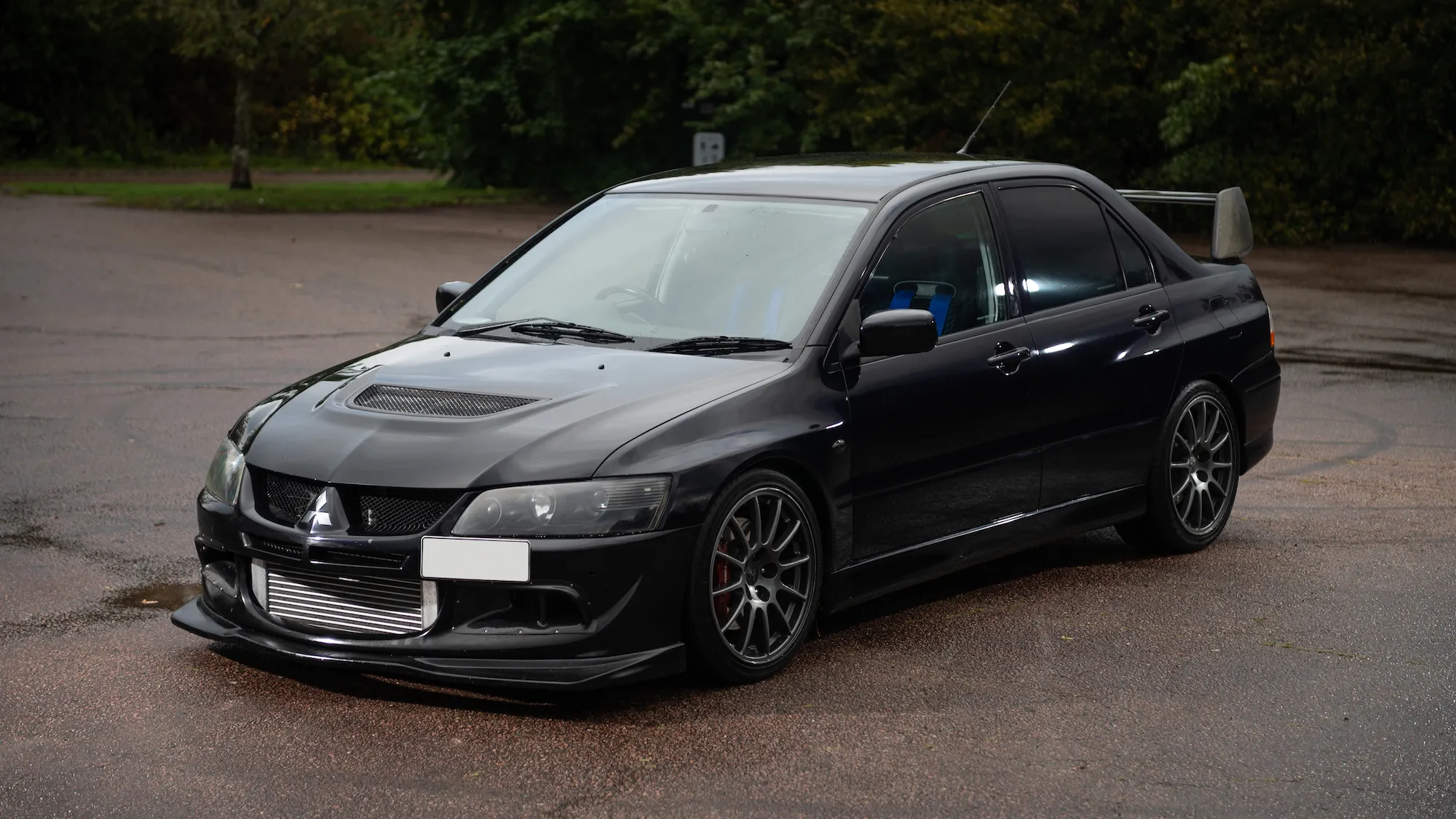
The Mitsubishi Lancer Evolution VIII was a rally-bred performance sedan that, despite its capabilities, was sometimes overshadowed by other Japanese icons such as the Subaru WRX STI.
The car featured a turbocharged 2.0-liter inline-four engine producing around 276 horsepower, combined with all-wheel-drive traction and advanced active differentials.
This combination allowed the Evo VIII to deliver exceptional acceleration, precise handling, and high levels of confidence in both straight-line and cornering performance.
The car’s chassis was stiff, responsive, and tuned for sharp control, making it a favorite among enthusiasts who valued agility and driver feedback.
Handling was the Evo VIII’s defining strength. Its active center differential allowed for torque distribution tailored to driving conditions, providing remarkable stability and grip through corners.
The suspension was tuned to minimize body roll while maximizing feedback, giving the driver confidence to push the car to its limits.
Steering was quick and communicative, allowing for precise inputs, and the combination of low weight and advanced drivetrain systems made it one of the most capable performance sedans of the era, particularly in variable conditions where traction was crucial.
Inside, the Evo VIII was designed with performance in mind rather than luxury. Seats were highly supportive, controls were within easy reach, and instrumentation focused on providing critical driving information efficiently.
Despite its exceptional capabilities, the Evo VIII was sometimes overlooked outside of niche enthusiast circles.
Its aggressive styling, Japanese origin, and relatively modest marketing compared to European rivals contributed to its underappreciated status.
Today, it is recognized as one of the most thrilling performance cars of the 2000s, offering turbocharged power, sophisticated all-wheel-drive technology, and a driver-focused chassis that continues to impress those who seek a high-performance vehicle with rally-bred pedigree.
