
The history of automobiles is filled with remarkable innovations, bold engineering experiments, and unusual design decisions that range from brilliant to bewildering.
Car manufacturers constantly seek ways to make vehicles more comfortable, stylish, or technologically advanced, but sometimes these efforts result in features that are as strange as they are unnecessary.
Automakers have always walked a fine line between creativity and absurdity, testing the limits of consumer taste and practicality.
While some innovations have led to industry-wide adoption, other features remain infamous examples of questionable judgment and unusual engineering choices. The appeal of these features is not always in their utility but rather in their sheer novelty or the shock factor they bring.
Some of these peculiar features are rooted in attempts to increase convenience or improve driver comfort, yet they often produce the opposite effect, confusing or amusing drivers instead of helping them. Others were created purely as marketing gimmicks, meant to set a car apart from competitors with eye-catching or conversation-starting attributes.
In many cases, these strange additions are remembered more for their eccentricity than for any functional value they might have provided. From cars with unconventional door designs to interior gadgets that serve little purpose, each example tells a story of automotive experimentation and the occasional failure of common sense.
The following list focuses on ten of the strangest and most absurd car features ever designed. These features include some that confused, some that made cars harder to use, and some that remain memorable purely because they were so unusual.
By examining these features, it becomes clear that the automotive industry has always balanced between practical innovation and curious, sometimes ridiculous creativity.
These examples also reflect broader trends in design thinking, consumer behavior, and the occasional eccentricity of engineers who dared to try things no one else would. Each of these ten features carries a legacy of unusual ideas that, while often short-lived, continue to fascinate enthusiasts and historians alike.

1. Retractable Hardtop Conversions with Clunky Mechanisms
One of the more ambitious but impractical innovations in automotive design is the retractable hardtop, where a car transforms from a coupe to a convertible at the push of a button. The concept seems appealing, combining the security and comfort of a hardtop with the open-air fun of a convertible.
However, the engineering required to make these mechanisms work is often complex and prone to mechanical failure. The folding roof panels, hydraulic systems, and motors involved are heavy and occupy significant trunk space, severely limiting practicality.
Despite the luxurious appeal, drivers often end up frustrated when the mechanism jams or when the added weight compromises handling and performance.
Additionally, retractable hardtops can be extremely expensive to repair. A failure in the hydraulic system or electronic controls may render the roof inoperable, effectively trapping the car in a half-open state.
This issue has plagued several models, particularly those produced in the 1990s and early 2000s, where the design was technically impressive but practically inconvenient.
Owners have reported stories of roofs malfunctioning at critical moments, such as during rainstorms or unexpected roadside stops. The combination of cost, complexity, and occasional unreliability often makes these features more of a headache than a convenience.
Another aspect that contributes to the absurdity of retractable hardtops is the time required to operate them. While advertised as quick and simple, the full cycle can take 20 to 30 seconds or more, during which drivers are sometimes left in awkward positions, trying to manage traffic or avoid sudden weather changes.
Unlike traditional convertibles with manually operated soft tops, these systems demand significant maintenance attention and add weight that compromises fuel efficiency. In some cases, automakers attempted to streamline the design, but the fundamental challenge of fitting a large, multi-panel roof into a limited space remained unsolved.
Despite their drawbacks, retractable hardtops continue to appear in niche sports cars and luxury models, appealing to enthusiasts who value engineering novelty over pure practicality.
The feature highlights an era of automotive experimentation when manufacturers prioritized innovation that looked impressive on paper, even if it caused headaches in everyday use. While the concept may never disappear entirely, the feature remains one of the most debated and criticized in automotive history, illustrating how ambition can sometimes lead to absurdity in car design.

2. Digital Dashboard Displays with Overcomplicated Interfaces
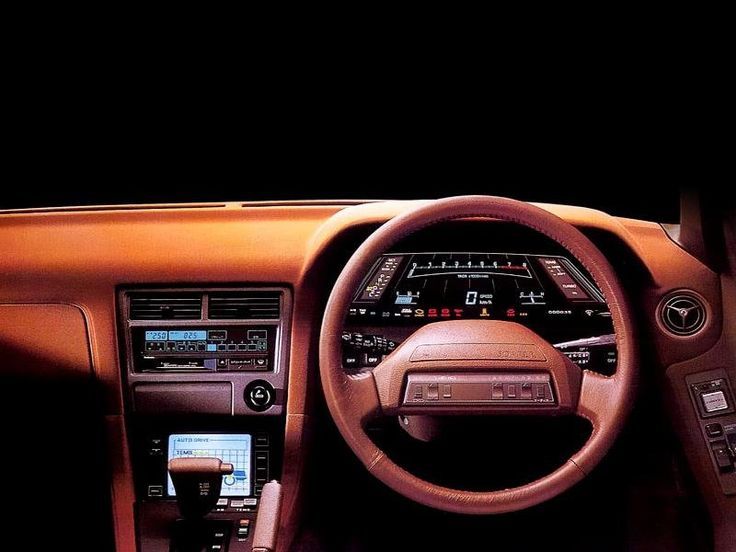
Modern cars frequently rely on digital screens to provide information to the driver, but some early attempts at digital dashboards were unnecessarily complex. Instead of replacing traditional analog gauges with simple digital alternatives, certain manufacturers produced intricate, multi-layered interfaces that required extensive learning to use.
Drivers often had difficulty locating basic information, such as speed or fuel levels, because the displays presented data in unconventional layouts or switched between modes automatically. The concept was futuristic, but the execution sometimes prioritized visual flair over practical readability.
One particularly unusual design replaced the standard speedometer and tachometer with a circular ring or bar graph that constantly changed appearance depending on driving conditions. While visually striking, the system forced drivers to interpret data they were accustomed to reading instantly.
In critical situations, such as merging onto highways or busy intersections, the distraction posed a potential safety concern. The challenge of balancing futuristic aesthetics with usability became evident as customers reported confusion and frustration with these overly ambitious digital dashboards.
Another problem arose from the inconsistent integration of digital features with traditional controls. Buttons, knobs, and touchscreens often overlapped in functionality, requiring drivers to learn multiple methods for performing the same action.
Some systems also included unnecessary features, like animated graphics for fuel consumption or climate control, that contributed little beyond entertainment. The high-tech experience conflicted with the primary goal of a dashboard: clear, intuitive communication of vital driving information.
Despite these flaws, digital dashboards paved the way for the sophisticated interfaces found in today’s vehicles. The early overcomplicated examples serve as cautionary tales about the limits of technology without thoughtful human-centered design.
They also reflect a period when manufacturers were eager to demonstrate innovation, sometimes at the expense of usability. Even today, automotive enthusiasts recall these interfaces with a mixture of fascination and disbelief, recognizing them as some of the most absurd yet ambitious features ever attempted.
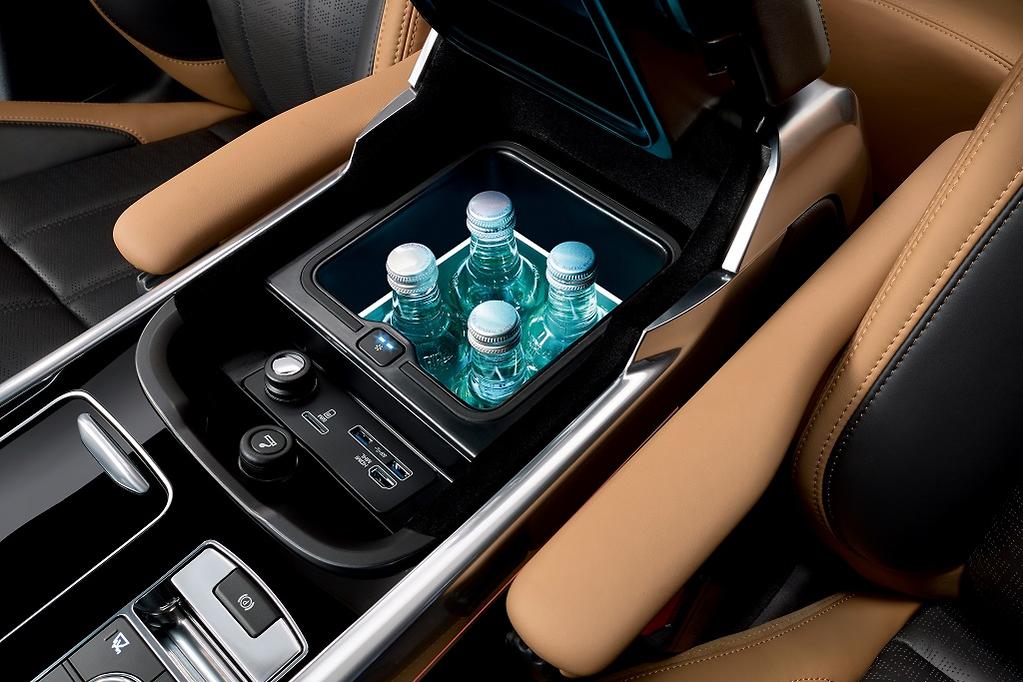
3. In-Car Refrigerators and Mini-Kitchens
The concept of integrating refrigerators or mini-kitchens into vehicles seems convenient in theory, especially for long trips or recreational vehicles. Several automakers experimented with these features, designing cars with small built-in refrigerators, fold-out stoves, or compartments for storing snacks and drinks.
While appealing for families or travelers, the practicality of such designs was questionable. The space required for refrigeration systems reduced interior room, and the energy demands often interfered with the vehicle’s electrical system, leading to malfunctions or draining the battery.
Mini-kitchens in cars also raised safety concerns. The inclusion of a stove or heating element in a moving vehicle creates obvious hazards, particularly in emergency braking situations or traffic jams. Automakers attempted to minimize these risks by creating small, electric-only heating units, but even these solutions could not fully eliminate the danger.
Additionally, cleaning and maintaining these tiny cooking systems proved tedious, and most users found them impractical for everyday use. Despite the occasional novelty, the feature rarely provided significant convenience compared to packing a cooler or stopping at a rest area.
Another issue arose from the awkward integration of these appliances into car interiors. Vehicles are designed for ergonomics and driver comfort, and adding refrigeration or kitchen units often disrupted these priorities.
Storage compartments became smaller, seating arrangements were altered, and the aesthetic of the cabin could feel cluttered or unattractive. Many models that included these features became infamous for their impracticality and awkward design, serving more as conversation pieces than functional innovations.
Despite their shortcomings, in-car refrigerators and mini-kitchens remain a symbol of creativity in automotive design. They illustrate the extremes to which manufacturers will go to differentiate their products, even if the result is cumbersome or absurd. Enthusiasts often remember these features with humor, appreciating the ambition while acknowledging the limited real-world utility.
4. Steering Wheels That Rotate Horizontally
Some experimental vehicles have featured steering wheels that rotate horizontally rather than pivoting in the traditional vertical plane. This design was intended to provide more ergonomic hand positioning or improve the driver’s line of sight.
While the idea sounded innovative, it quickly proved disorienting and difficult to control. Drivers accustomed to conventional steering found the motion counterintuitive, leading to potential safety risks in real-world driving situations.
The mechanics behind horizontally rotating steering wheels also introduced significant complexity. The linkages, sensors, and feedback mechanisms required to maintain responsive steering in this unusual orientation added weight and cost.
Malfunctions could result in steering resistance or unresponsive controls, creating a frustrating experience for users. Additionally, retrofitting this design into existing vehicles was nearly impossible, limiting its adoption to concept cars or niche prototypes rather than mass-market models.
Another challenge was the impact on driving habits. Traditional steering allows for quick, instinctive corrections, particularly in emergencies.
A horizontally rotating wheel disrupted this natural interaction, forcing drivers to adjust their movements and potentially slowing reaction times. The learning curve was steep, and for most drivers, the supposed ergonomic benefits did not outweigh the confusion and awkwardness of the design.
Despite its impracticality, the concept of a horizontally rotating steering wheel remains a memorable oddity in automotive history. It demonstrates the willingness of engineers to challenge conventional thinking and experiment with entirely new ways of interacting with vehicles.
While it never became mainstream, the feature highlights how some innovations, while technically feasible, can appear absurd when confronted with the realities of everyday driving.
5. Voice-Controlled Everything
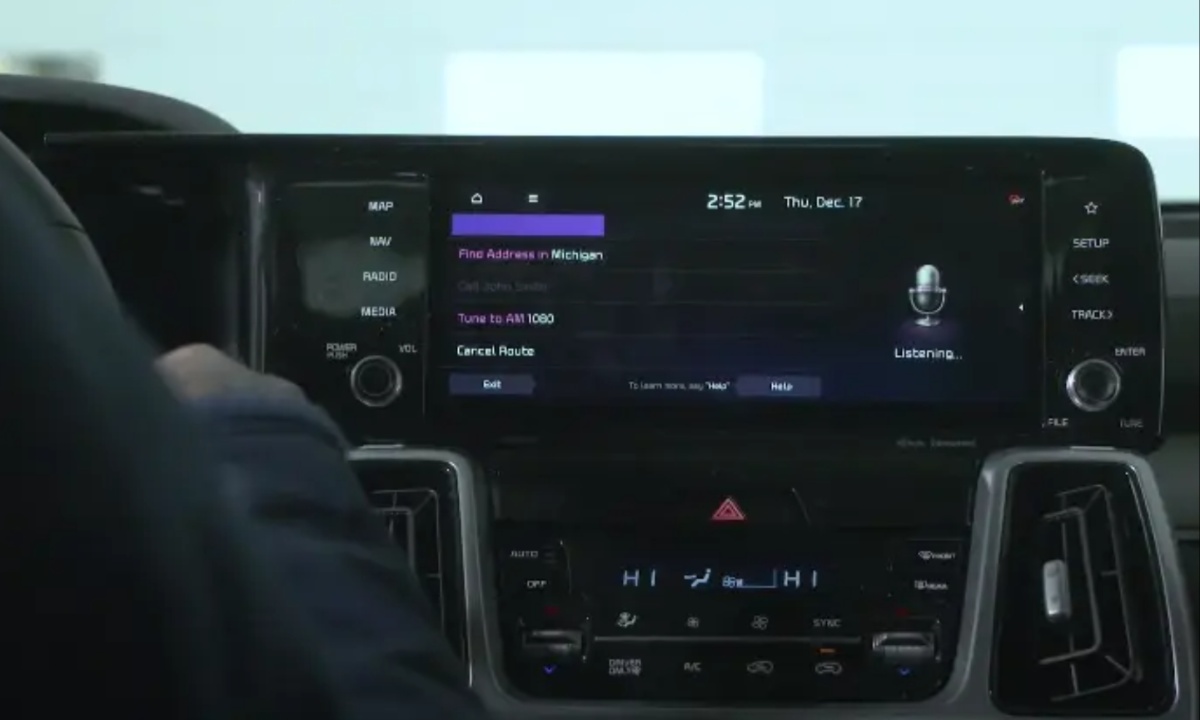
Voice recognition in cars was once considered a revolutionary step toward hands-free operation, but early implementations often bordered on the ridiculous. Some vehicles attempted to allow drivers to control nearly every aspect of the car using spoken commands, from adjusting the radio to opening the sunroof.
Unfortunately, the technology of the time was often unreliable, failing to accurately interpret speech in noisy environments or with different accents.
Drivers quickly discovered that shouting commands over road noise often produced unpredictable results, including incorrect radio stations, unintended climate settings, or failure to execute commands entirely.
The overreliance on voice control also created user frustration because it sometimes replaced conventional controls rather than complementing them. Instead of providing an additional method of interaction, these systems forced drivers to adapt to a cumbersome interface.
Drivers accustomed to tactile feedback and physical buttons found the experience slow and irritating, especially when commands were ignored or misinterpreted. The learning curve was steep, and many users reverted to traditional controls as soon as possible.
Another absurd aspect was the insistence of automakers to market these features as revolutionary conveniences, despite their practical shortcomings.
Promotional material often emphasized how drivers could accomplish complex tasks without touching anything, yet real-world application revealed frequent failures that undermined the intended benefit. The resulting perception was not one of futuristic ease but of overcomplicated technology struggling to perform a simple function.
Even though modern voice recognition systems are far more reliable, early implementations remain an amusing chapter in automotive history.
They highlight how enthusiasm for innovation can sometimes outpace technical readiness, producing features that appear advanced but functionally absurd. Many drivers remember these systems as frustrating experiments that worked better in advertisements than in practice.
6. Car Interiors with Over-the-Top Luxury Gadgets
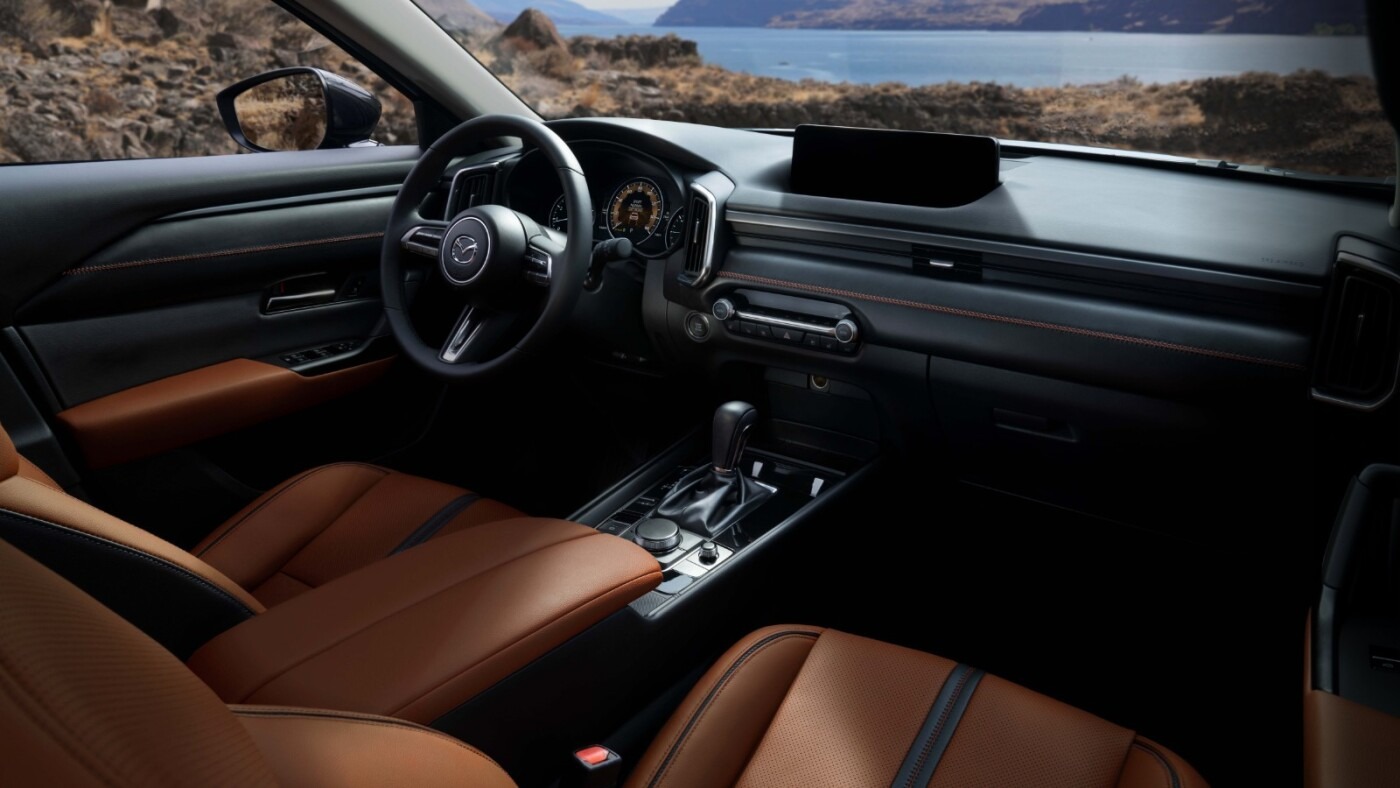
Some car manufacturers have taken luxury to extremes, incorporating features that are both extravagant and impractical. Certain vehicles include built-in champagne coolers, retractable tables, mood lighting that changes colors automatically, and even seats with massage functions that simulate a full spa experience.
While these additions sound appealing on paper, the practical benefit is often minimal, and the complexity of maintaining them can outweigh the perceived comfort.
For example, massage seats rely on numerous motors and electrical systems that can fail, leaving the driver with malfunctioning or uncomfortable seating arrangements rather than a soothing experience.
Another problem with these over-the-top luxury gadgets is their effect on space and ergonomics. Vehicles are designed with a balance of comfort and practicality, but excessive integration of gadgets can make interiors feel cluttered or awkward. Coolers and tables often encroach on legroom, making long drives less comfortable than intended.
Additionally, the abundance of electronic systems increases the risk of malfunctions, and repairs are often costly and time-consuming. Owners who anticipated unparalleled convenience sometimes find themselves dealing with technical headaches and maintenance challenges instead.
The aesthetic choices involved in these features can also be jarring. Cars that attempt to integrate too many gadgets risk creating interiors that resemble a collection of random electronic devices rather than a cohesive, stylish cabin.
For instance, oversized touchscreens, multiple lighting panels, and intricate seating adjustments can overwhelm the driver and passengers, turning what should be a relaxing environment into a confusing and overly complex space. Luxury becomes absurd when it prioritizes novelty over coherent design.
Despite these drawbacks, cars with extreme luxury gadgets maintain a certain allure. They serve as status symbols, demonstrating that a manufacturer can include nearly anything imaginable in a vehicle.
Enthusiasts often recall these features with fascination and humor, appreciating the ambition while acknowledging that few of these gadgets ever make sense in day-to-day use.
They are enduring examples of how automotive designers sometimes prioritize extravagance over practicality, creating features that are memorable primarily for their absurdity rather than their utility.
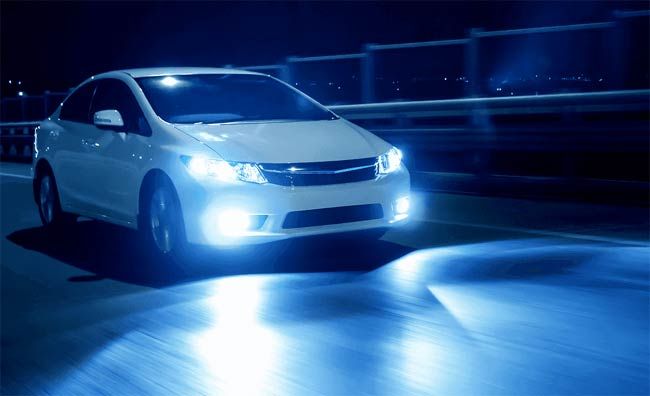
7. Pop-Up Headlights That Malfunction Easily
Pop-up headlights were once a hallmark of futuristic car design, used to give vehicles a sleek, aerodynamic appearance when not in use. While visually striking, these systems introduced a host of mechanical problems.
The motors responsible for raising and lowering the lights were prone to failure, leaving drivers in situations where the headlights would remain stuck in the down or up position.
During inclement weather or nighttime driving, a malfunctioning headlight could create serious safety hazards. Even when functioning properly, the complex mechanisms added weight and increased the likelihood of costly repairs.
Another challenge involved the integration of pop-up headlights with the vehicle’s body. The compartments that housed the lights required precise engineering to prevent water ingress and ensure smooth operation. Small misalignments or worn seals could allow moisture to enter, damaging both the lights and the surrounding electrical systems.
Owners frequently faced corrosion and rust in these areas, making maintenance a constant concern. This combination of mechanical complexity and vulnerability contributed to the perception that pop-up headlights were more trouble than they were worth.
The visual appeal of pop-up headlights also came at the expense of reliability. Automakers invested significant resources to achieve an aesthetic goal, sometimes prioritizing appearance over long-term durability.
While cars with these features remain iconic, they are often remembered for the inconvenience they caused. Repairing or replacing pop-up headlight systems became a costly undertaking, and drivers quickly learned to treat the mechanism with caution.
Despite their mechanical flaws, pop-up headlights have a nostalgic charm, symbolizing a particular era of automotive design when style often trumped practicality. They remain one of the most discussed absurd features, especially among collectors and enthusiasts who value them for aesthetic rather than functional reasons.
The feature illustrates the tension between ambitious design and everyday usability, highlighting how innovation can sometimes manifest as quirky or inconvenient engineering.
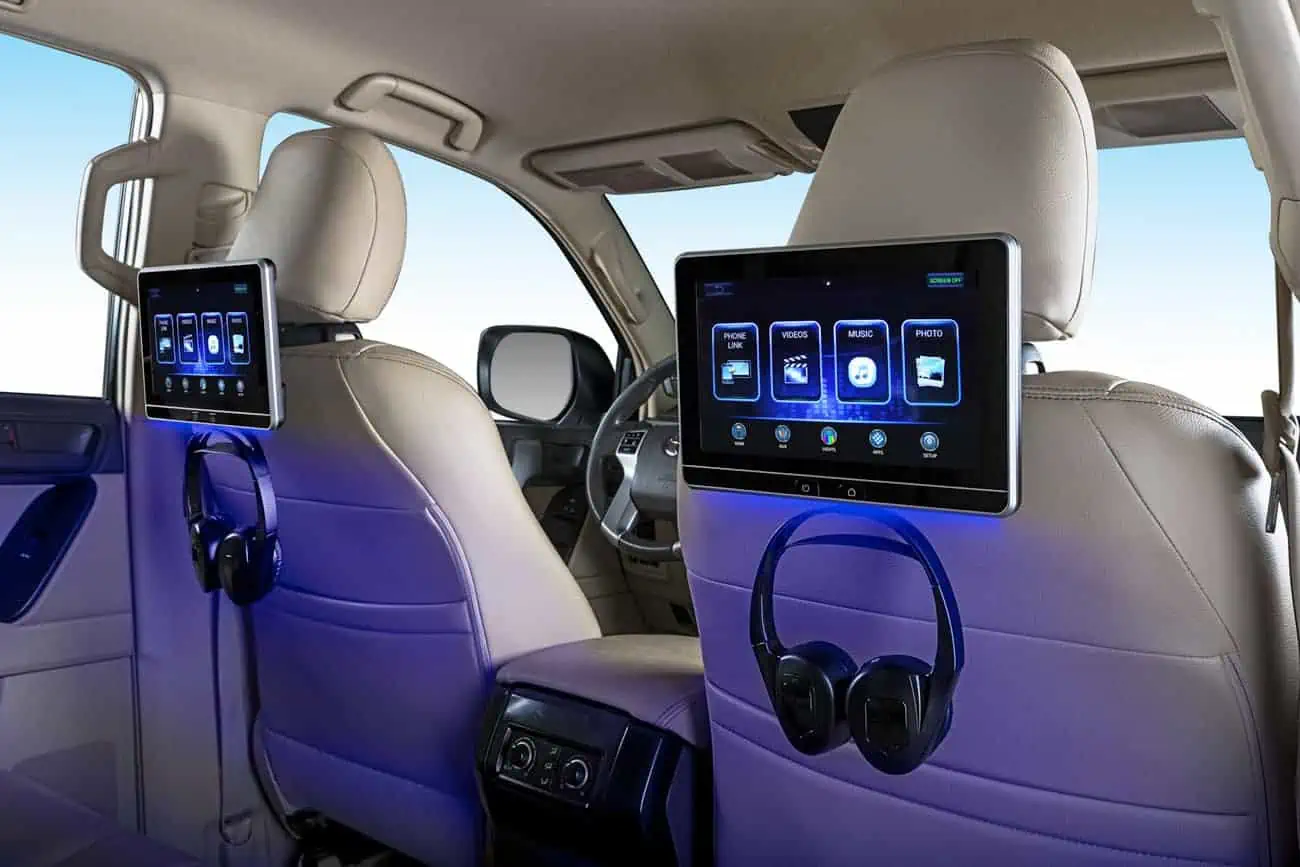
8. Excessive Rear Entertainment Systems
Rear-seat entertainment systems in cars began as simple screens for passengers to watch videos or play games, but some manufacturers pushed the concept to extremes. In certain luxury models, the rear cabin includes dual monitors, gaming consoles, headphones, touch controls, and even foldable tables for passengers to fully immerse themselves in entertainment.
While this setup can make long journeys more enjoyable for passengers, the sheer complexity and cost can make these systems impractical for everyday use. They also significantly increase vehicle weight, affecting fuel efficiency and handling.
Maintenance is another concern with extensive rear entertainment systems. Screens can malfunction, connections can fail, and software updates can be difficult to manage. In some cases, entire components must be replaced if one part breaks, which can be both expensive and inconvenient.
Additionally, these systems often require constant power, putting a strain on the vehicle’s battery and electrical systems. The more elaborate the setup, the more likely it is to encounter technical difficulties, diminishing the convenience it was meant to provide.
The design of such systems also sometimes interferes with interior ergonomics. Bulky screens, additional wiring, and auxiliary hardware can reduce seating space and limit legroom for rear passengers.
What is intended as a luxury amenity can instead make the vehicle feel cramped and less comfortable, especially for longer journeys. The pursuit of entertainment can inadvertently compromise the primary purpose of the cabin: providing a safe and comfortable space for occupants.
Despite these issues, rear entertainment systems continue to appeal to families and enthusiasts who prioritize luxury and convenience.
The absurdity lies in the degree of complexity, often far exceeding practical necessity. These systems are a testament to the lengths automakers are willing to go to differentiate their vehicles, providing features that, while technically impressive, sometimes verge on the excessive and comical.
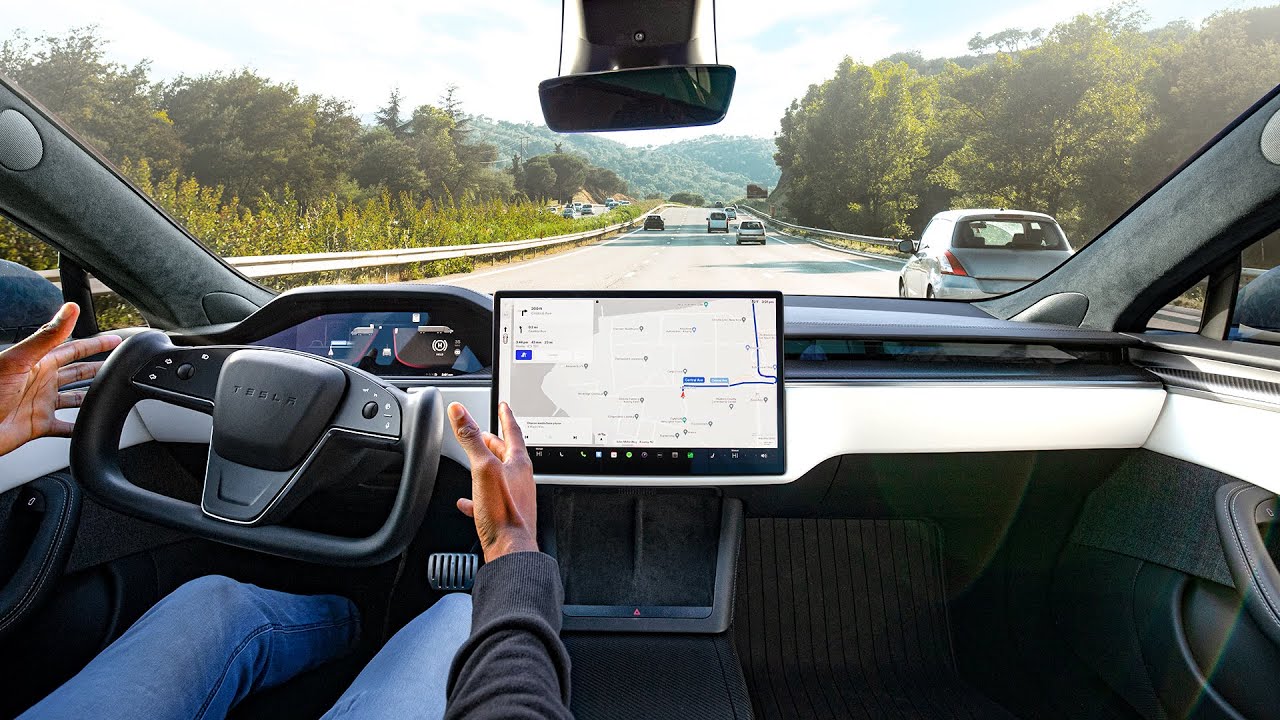
9. Steering Wheel Touch Controls That Distract
Some vehicles experimented with touch-sensitive steering wheels, eliminating physical buttons in favor of touch pads or sliders. While this feature aimed to modernize driver interaction and reduce clutter, it often resulted in greater distraction and less precise control.
Drivers accustomed to tactile feedback struggled to locate the correct controls without looking down, increasing the risk of accidents. Unlike traditional buttons or switches, touch surfaces provide no physical cues, making them difficult to use reliably while driving.
The learning curve for these controls was steep. Drivers had to memorize gestures and locations of functions, from adjusting audio volume to activating cruise control. Mistakes were common, as even slight shifts in hand placement could result in unintended actions.
The technology also often reacted inconsistently, with varying sensitivity depending on temperature, moisture, or driver glove use. Such inconsistency further undermined the goal of simplifying control, turning what should have been an ergonomic innovation into a source of frustration.
Another drawback involved integration with existing vehicle systems. The touch-sensitive steering often replaced long-standing interfaces rather than complementing them, removing familiar tactile options in favor of novelty.
In emergencies, the inability to operate controls instinctively could pose serious safety concerns, highlighting the limitations of prioritizing futuristic appearance over practical usability. Drivers often reverted to voice commands or other controls to compensate, defeating the original purpose of the feature.
Despite its impracticality, the touch-sensitive steering wheel remains an example of how automakers experiment with driver interaction. It represents a tension between modern technology and human factors engineering, emphasizing the need for usability alongside innovation.
Many enthusiasts remember this feature as one of the strangest attempts to merge technology and driving, more for its absurdity than any tangible improvement to the driving experience.

10. Car Aromatherapy Systems
Some luxury vehicles attempted to enhance passenger comfort through in-car aromatherapy systems, releasing scents designed to calm or invigorate drivers. While this may seem appealing for stress relief, the concept is largely impractical and sometimes absurd.
Scents can be highly subjective, with different passengers reacting differently, and overly strong fragrances can cause headaches, nausea, or allergic reactions. Despite being marketed as a wellness feature, aromatherapy in cars rarely provided a universally pleasant experience.
The mechanics of these systems also presented challenges. Dispensers could malfunction, leaking essential oils onto upholstery or carpets, creating stains and unpleasant odors. Refilling cartridges was often tedious, and the added complexity increased both weight and maintenance costs.
Unlike stationary aromatherapy devices, vehicles are constantly in motion, and the scent distribution is uneven, further reducing the feature’s effectiveness. Many owners found themselves disabling the system entirely after initial experimentation.
Another factor is the limited practical benefit of aromatherapy while driving. While relaxation is desirable, the primary focus in a vehicle should be safety and comfort.
A system that introduces unpredictable smells can be distracting, reducing the driver’s focus rather than improving well-being. Moreover, it is an expensive addition with minimal functional value, often leaving consumers questioning the necessity of the feature.
Despite its limitations, car aromatherapy remains an intriguing example of automotive experimentation. It illustrates the extremes to which manufacturers are willing to go to create unique experiences, even if the result is largely unnecessary or bizarre.
Enthusiasts remember these systems with amusement, appreciating the ambition while recognizing that it is one of the more absurd features ever included in vehicles.
