
Many used car markets are shaped by trends that move in cycles, especially when it comes to performance models from Japan. Certain models soar in value because they appear in movies, games, or social media feeds, while others fade from sight despite offering solid engineering, balanced capabilities, and inviting price tags.
This creates situations where some genuinely enjoyable sports machines remain overlooked, sometimes because they lack flashy styling, sometimes because they were overshadowed by legends from the same manufacturers, and sometimes because buyers simply never became familiar with their strengths.
As a result, these cars sit quietly on dealer lots or linger on private listing sites where only a small number of enthusiasts realize what they offer.
It is strange how perception affects interest more than actual performance. Some of the cars discussed here were praised by reviewers when they were new, and some even achieved respectable motorsport results, yet they never gained lasting fame.
Others were overshadowed by turbocharged siblings or more iconic generations of their own lineage. Many of these vehicles share characteristics that should draw attention such as responsive handling, dependable powertrains, and modification potential.
Yet they are routinely skipped in favor of more hyped choices that often cost far more with no meaningful improvement in performance or enjoyment.
The reasons behind this pattern vary. Sometimes the styling is viewed as too restrained. Sometimes the cars arrived during economic downturns or at a time when buyers preferred larger vehicles. In other cases the cars were marketed poorly or not offered in wide enough trims to gain traction.
The used market reflects these earlier decisions, and now these cars occupy a unique space where their value remains accessible but their reputation has dimmed. For buyers who prefer substance instead of status, this can be a great opportunity.
This article presents ten Japanese sports cars that remain overlooked today. The focus is not on rarity or extreme power but on consistent quality that deserves appreciation.
Each of these cars offers experiences that can satisfy a wide range of drivers whether someone prefers balanced cornering, rev happy engines, or engaging manual gearboxes. As long as buyers are willing to look past trends they will find options here that reward attention and curiosity.
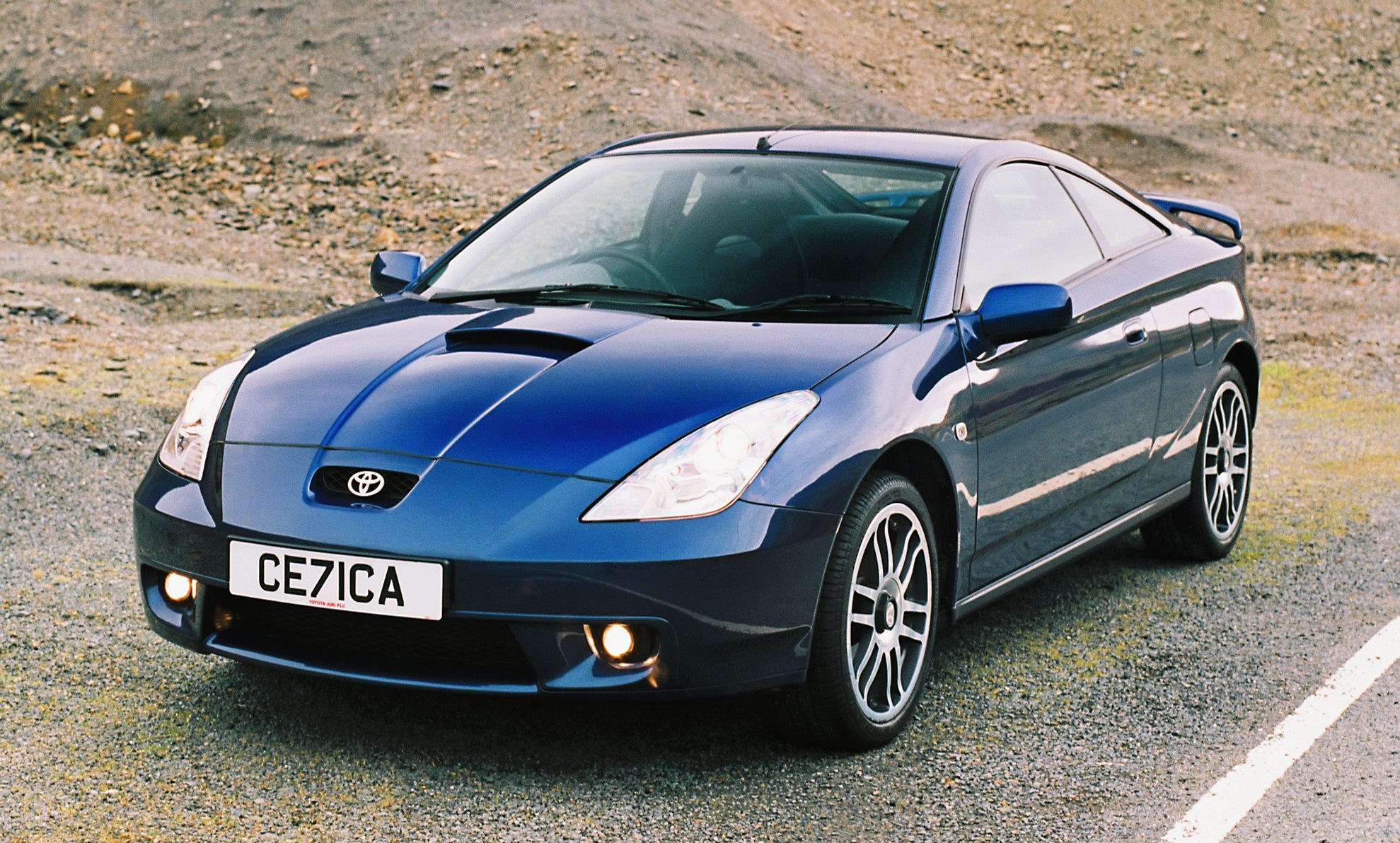
1. Toyota Celica GT from the Early Two Thousands
The Celica GT from this era continues to sit unnoticed despite having attributes that should give it far more attention. Many shoppers walk past it because they assume its modest horsepower numbers limit its capability. What they miss is how the lightweight structure shapes the entire driving experience.
The chassis feels lively, never requiring extreme speed to create an engaging connection between driver and road. Steering inputs translate clearly, body roll remains controlled, and the balance encourages confidence even for drivers who are not seasoned enthusiasts.
The high revving four cylinder engine adds character by rewarding smooth gear changes and creating a sense of progression as the rpm climbs. This combination makes the Celica a companion that builds enjoyment through precision rather than brute force.
Inside the cabin the car expresses a philosophy centered on simplicity and durability. The dashboard lines are clean and unfussy, giving drivers immediate access to the information they need without distracting extras. Many buyers overlook this intentional design because they expect lush materials or heavy electronic features.
Yet the Celica’s minimalism keeps the interior from aging poorly. Seats remain firm and supportive, controls maintain a satisfying sturdiness, and visibility remains one of the car’s strengths thanks to the relatively low dash and upright glass area. For daily driving this clarity reduces fatigue, especially during long commutes or tight urban traffic.
The Celica’s lack of market attention also stems from shifting trends during its production years. Performance discussions shifted toward turbocharged machines and all wheel drive models that delivered high output at the expense of simplicity. The Celica belonged to a different formula.
It offered long term dependability, lower running costs, and an approachable driving attitude. Yet buyers influenced by marketing often turn toward vehicles with stronger reputations rather than those that actually suit their needs. As a result the Celica GT became a hidden gem that only a small group of dedicated owners continued to appreciate.
Styling remains another factor that divides opinion. The pointed headlights, angular roofline, and sharply carved body panels represented a bold step away from earlier Celica generations. Some buyers found this fresh and athletic while others felt it lacked cohesion.
The debate surrounding its appearance contributed to its subdued presence on the used market. However time has shown that the unconventional design helps the car stand apart from the crowd.
Beneath that shape lies a sports machine shaped by balance, precision, and reliability. For buyers willing to move past first impressions the Celica GT offers an experience that stays enjoyable long after the initial purchase.
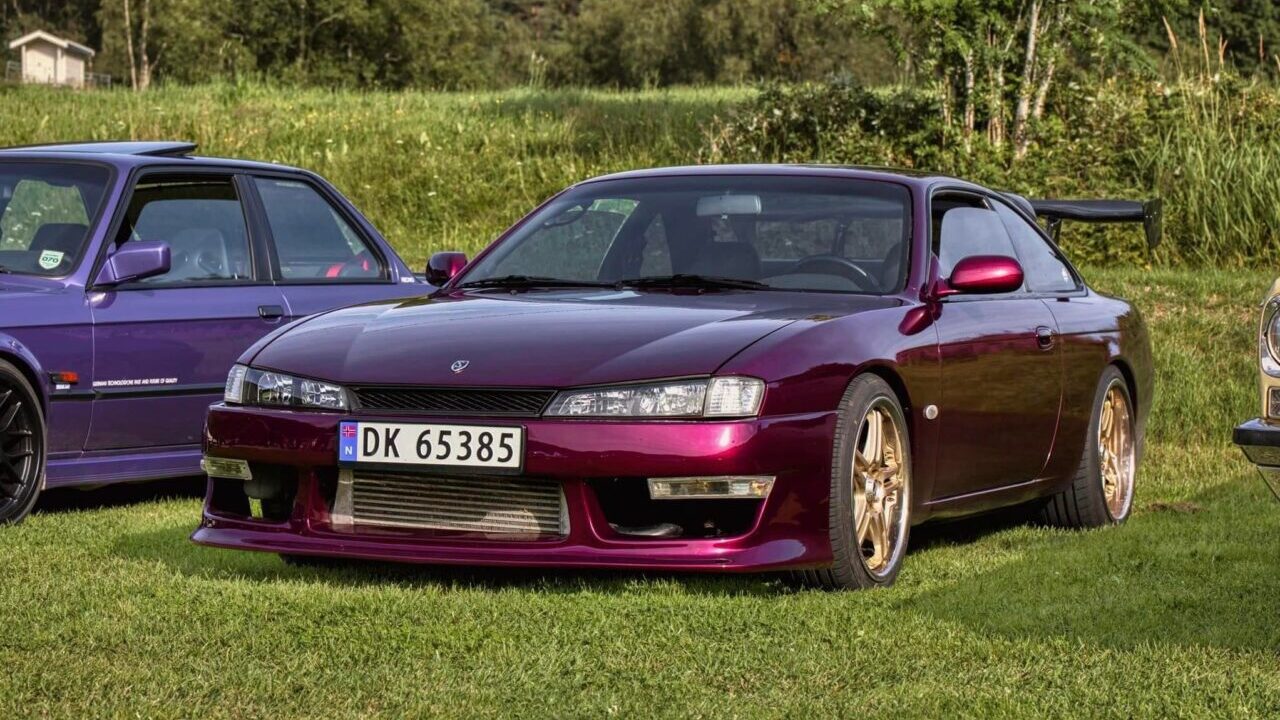
2. Nissan 200SX S14
The S14 often finds itself overshadowed by the two generations that surround it, but this middle chapter brings qualities that deserve greater recognition.
The car carries a well measured structure, offering a blend of smoothness and predictability that helps drivers explore its capabilities with confidence. It feels more mature than the S13 while avoiding the premium expectations placed on the S15.
This balance gives the S14 a unique charm. Its rear wheel drive layout presents the classic sports car attitude without unnecessary harshness. When pushed through corners the car settles into a rhythm that encourages flow rather than abrupt motions, allowing drivers of various skill levels to enjoy its nature.
Under the hood the engine offers healthy performance with a steady delivery that many underestimate. It does not chase extreme output figures but instead provides a dependable and reassuring torque curve. This becomes apparent during everyday use where smoothness matters more than sheer peak numbers.
Because it responds well to modest upgrades, tuning enthusiasts often find it provides room for growth. Yet unlike some sports cars that suffer reliability problems when modified beyond their limits, the S14 remains stable when kept within reasonable mechanical boundaries.
Styling contributes to the car’s quiet presence on the used market. The early version of the S14 displays softer lines that some found unexciting, while the later version introduced sharper accents that still lacked the aggressive appeal found in more iconic designs.
This restrained approach prevented the S14 from becoming a poster car for a younger audience. However the understated profile gives it an advantage as a mature driver’s car. It blends into traffic when needed but continues to reward those who appreciate a clean and measured aesthetic rather than drama for its own sake.
Inside the S14 cabin buyers find more comfort than expected. Noise levels remain tolerable, seating positions align well with long distance driving, and ergonomics reflect careful planning. While the S13 feels more raw and the S15 feels more refined, the S14 sits comfortably in the middle, making it suitable for both daily commuting and weekend fun.
If buyers looked past trends shaped by pop culture they would discover that the S14 offers a driving experience shaped by balance rather than excess. This quality continues to make it one of the most undervalued Japanese rear wheel drive sports cars available.
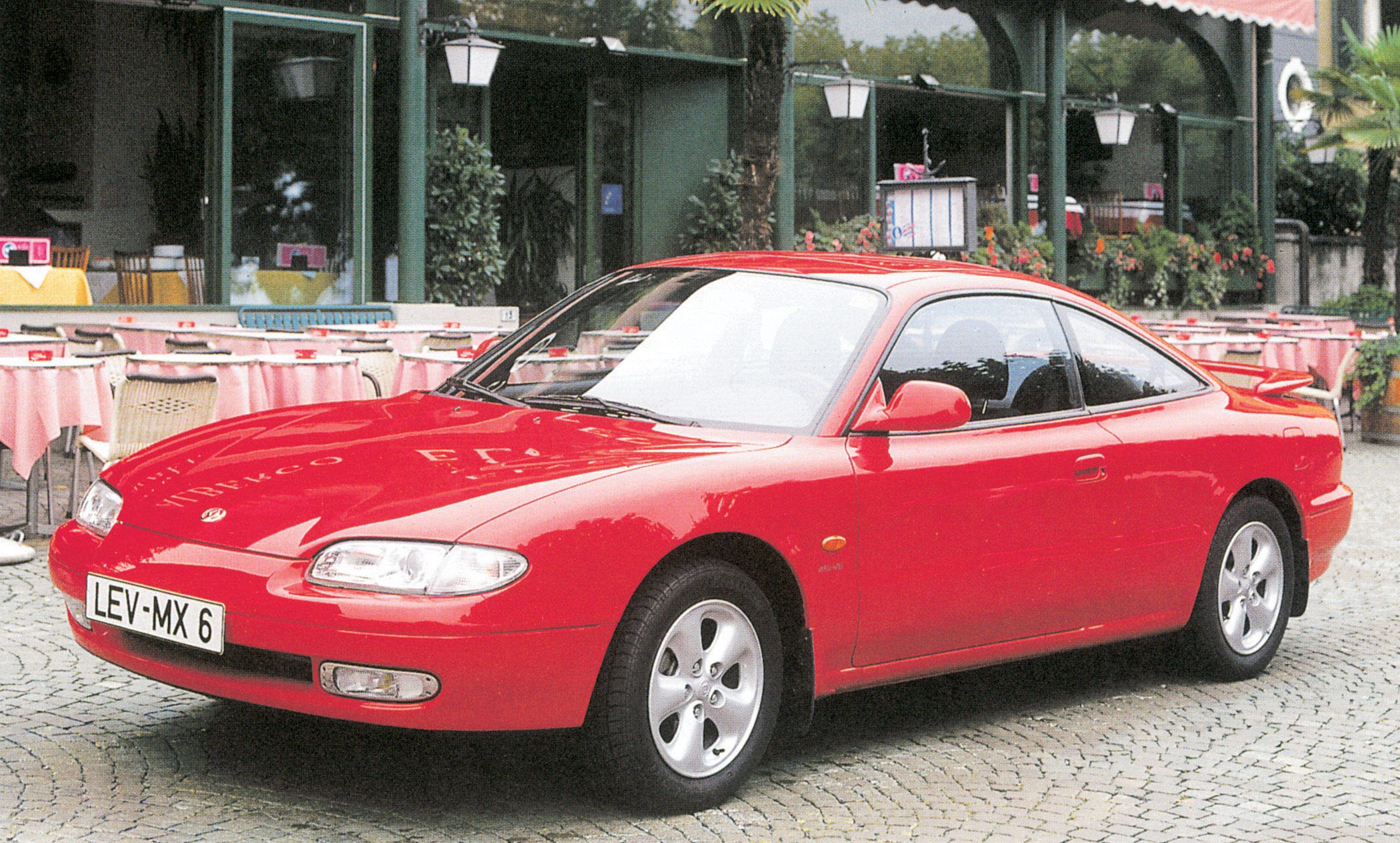
3. Mazda MX6 V6
The Mazda MX6 equipped with a V6 engine occupies a unique corner of the Japanese sports coupe industry. It delivers a character defined by smoothness and calm confidence rather than aggression. The front wheel drive layout might lead some buyers to dismiss it outright, yet this assumption overlooks how well engineered the platform truly is.
The suspension tuning allows the MX6 to remain composed while pushing through curving roads. Its cornering behavior stays predictable, making it a friendly platform for drivers who enjoy consistency over twitchy inputs.
The V6 engine contributes to this personality with a refined sound and a torque delivery that feels more mature than the high revving four cylinders common during its era.
Externally the MX6 carries a streamlined profile that communicates subtlety instead of seeking attention. Its rounded lines help it age gracefully and avoid the visual fatigue that affects some louder designs from the same period.
Many buyers searching for bold shapes or exaggerated aggression overlook this restrained appearance. Yet this understated design creates a lasting sense of cohesion. It also appeals to those who want a sports coupe that keeps a low profile while still offering an enjoyable drive when the opportunity arises.
Dependability stands out as one of the MX6’s strongest qualities. Mazda engineered the V6 for everyday use, meaning it remains durable even decades later when maintained properly. The engine design shares components with other Mazda models which helps ensure good availability of parts.
For a used buyer this consistency reduces long term worry, especially compared to sports cars known for complex engines or rare components. Many owners report mileage well beyond expectations, showing how the MX6 rewards drivers who appreciate mechanical honesty.
The MX6’s relative obscurity can be traced to timing as much as anything else. When it was new, the market began favoring turbocharged power and rally inspired designs. More subtle and comfortable coupes like the MX6 found themselves pushed aside by more dramatic machines.
Yet today this shift benefits buyers who want something smooth, capable, and reliable without paying a premium for fame. The MX6 remains a satisfying choice for those who enjoy confidence, quality engineering, and a relaxed driving personality with enough sportiness to keep it interesting.
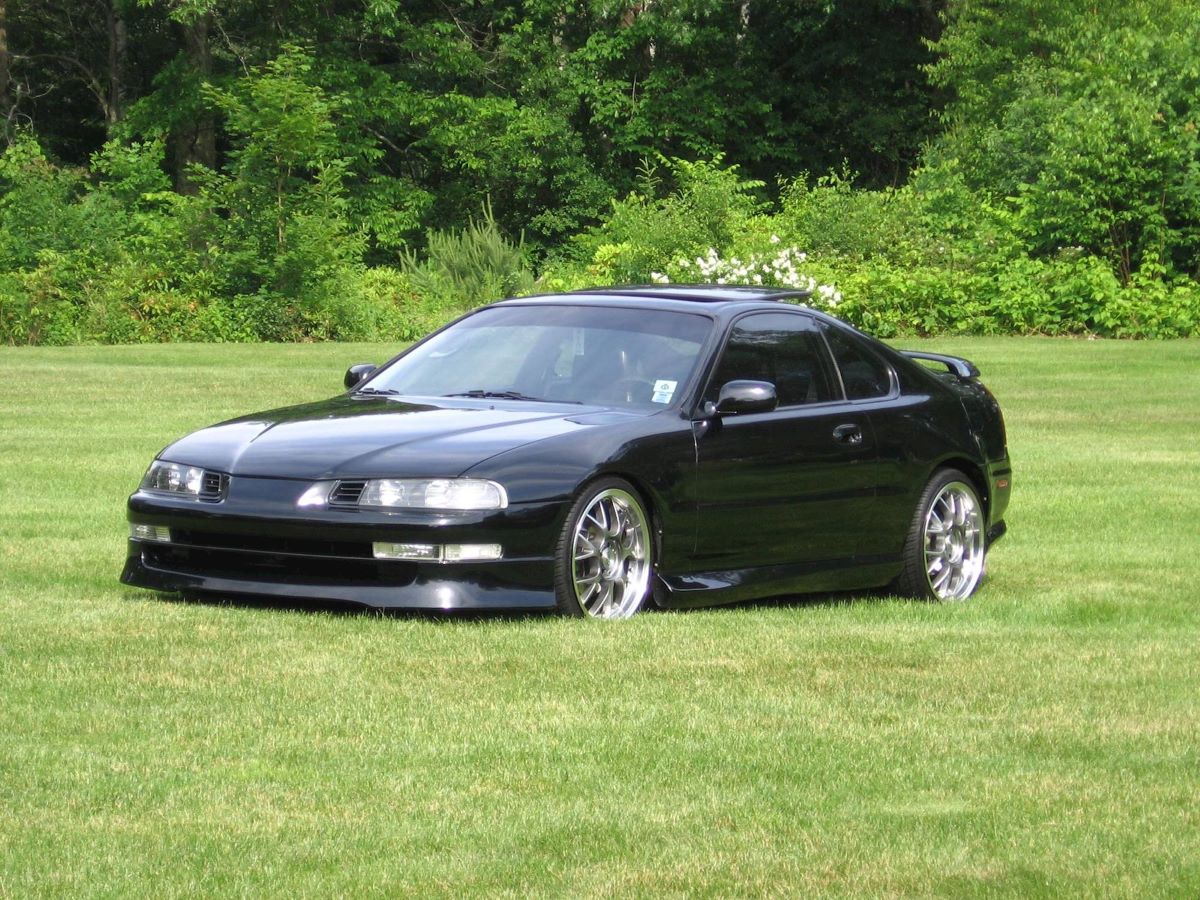
4. Honda Prelude Fifth Generation
The fifth generation Prelude carries a level of precision that buyers often underestimate. Honda fine tuned the suspension and steering to create a coupe that feels planted and confident even when driven enthusiastically. The car communicates information through the steering wheel with clarity, allowing drivers to adjust their inputs smoothly.
Unlike lighter Hondas designed with a more playful personality, the Prelude emphasizes stability. This gives it a calm and controlled character that becomes especially noticeable during long sweeping curves or when transitioning between bends on a country road.
The cabin highlights Honda’s commitment to function and thoughtful design. Materials age well, controls feel deliberate, and visibility stays impressive thanks to the low cowl and broad windshield. These qualities help the car remain comfortable for daily use, something that many older sports coupes struggle to achieve.
The seating position feels centered around the driver, promoting focus and reducing fatigue during long trips. Shoppers expecting flashy interiors may glance past the Prelude, yet those who value a cockpit that works with them rather than distracting them will appreciate its layout.
Market shifts during the Prelude’s lifetime played a large role in its muted presence today. Consumers began moving toward practical vehicles such as SUVs. Sports coupes like the Prelude lost momentum even though their qualities remained strong. Because of this shift the Prelude became an underappreciated option in the used market.
It delivers handling precision, power that feels trustworthy, and interior quality that holds up over time. For buyers willing to give it a moment of consideration it offers a rewarding alternative to more hyped models.
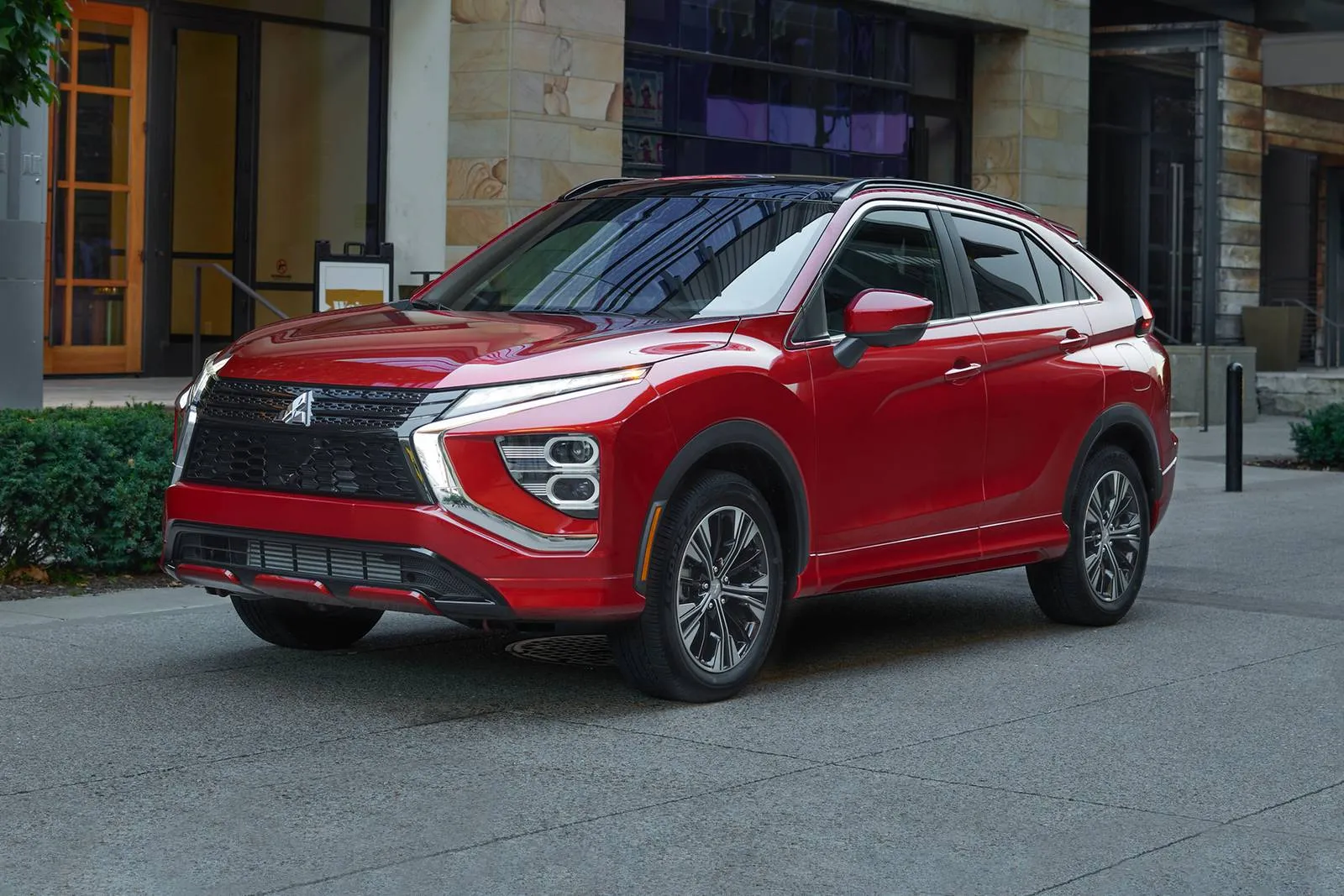
5. Mitsubishi Eclipse Third Generation
The third generation Eclipse faces misunderstanding because it represents a departure from the formula that made earlier models famous. Instead of building a high powered turbocharged machine, Mitsubishi aimed to broaden the car’s appeal by creating a coupe that blended daily comfort with a sporty image.
This shift caused many enthusiasts to turn away from it, yet the car’s merits become clear when examined without preconceptions. The chassis delivers a comfortable and stable ride suitable for highways and urban settings. At the same time the steering provides enough accuracy to create enjoyment during spirited drives without demanding high levels of skill or experience.
The suspension setup favors a smooth and controlled ride. Imperfections in the road are absorbed with ease, which encourages longer trips without fatigue. While it does not match the sharp focus of earlier versions, this more relaxed handling makes the Eclipse versatile.
It suits drivers who appreciate comfort but still want the responsiveness that separates a sports coupe from a standard commuter car. For many people this balance offers the ideal blend, yet the shift in character caused it to fall out of favor with tradition minded enthusiasts.
The styling of this generation contributed to its mixed reception. The rounded body shape provided a distinct look but clashed with trends moving toward sharper, more aggressive forms.
Buyers seeking dramatic lines often passed on it. As a result the Eclipse settled quietly into the background of the used market. Yet today its accessibility, comfort, and approachable performance make it a solid choice for shoppers seeking a reliable Japanese coupe that remains fun without demanding the compromises of a more extreme sports car.
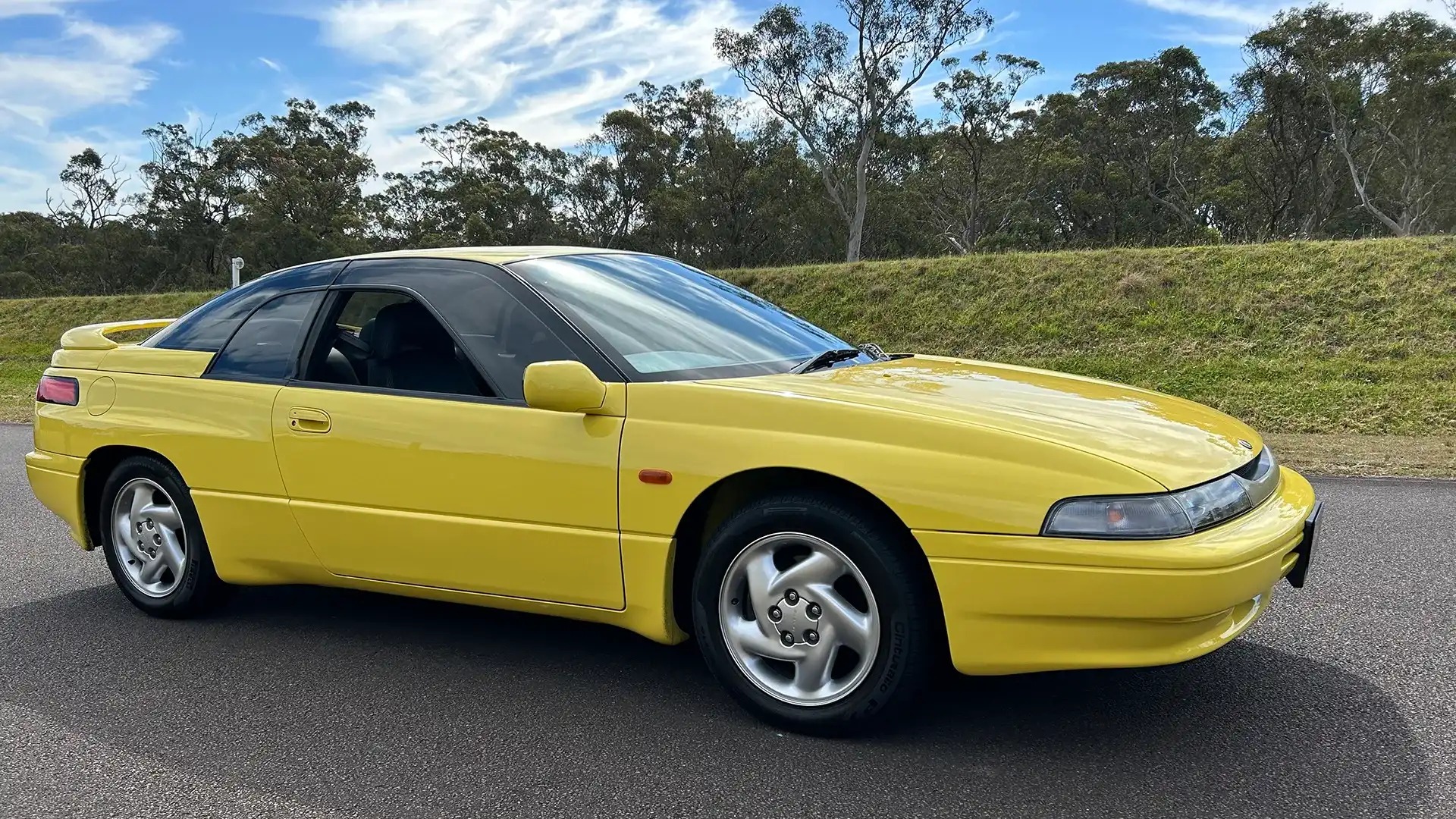
6. Subaru SVX
The Subaru SVX remains one of the most distinctive Japanese performance oriented grand tourers ever produced, yet it is consistently overlooked by buyers who expect Subaru to deliver only rally inspired machines.
The SVX was conceived with a different purpose, aiming for a smooth and composed long-distance character supported by a flat-six engine that delivers a sense of maturity and calm strength.
From behind the wheel, the car communicates a steady confidence. It glides over uneven pavement with surprising grace for its age, and the long wheelbase works with the engine’s smooth delivery to create a relaxed driving rhythm.
Many drivers who take time to understand its intentions discover a refined personality that contrasts sharply with Subaru’s usual rugged image.
The exterior design sets the SVX apart from nearly everything else on the road. Its layered window concept creates a unique shape that some admire and others find confusing. This controversial design is part of why many buyers skip over it without giving it a real chance. Yet the visual boldness is also what keeps the SVX unforgettable.
The flowing body lines give it a futuristic presence that still feels different today. Buyers who prefer something distinctive often find themselves drawn to its unconventional charm, discovering that its unusual appearance hides a surprisingly practical and comfortable package.
Interior quality plays a major role in the SVX’s character. The cabin was engineered for comfort, offering supportive seating, thoughtful ergonomics, and materials that age more gracefully than many competitors. Noise insulation remains impressive, giving the car a peaceful atmosphere during highway travel.
This makes the SVX feel like a traveler’s companion rather than a track focused machine. The fact that it remains undervalued today says more about market perception than about its real capability. For those who appreciate comfort blended with stable performance, the SVX stands as one of the most quietly impressive choices available.
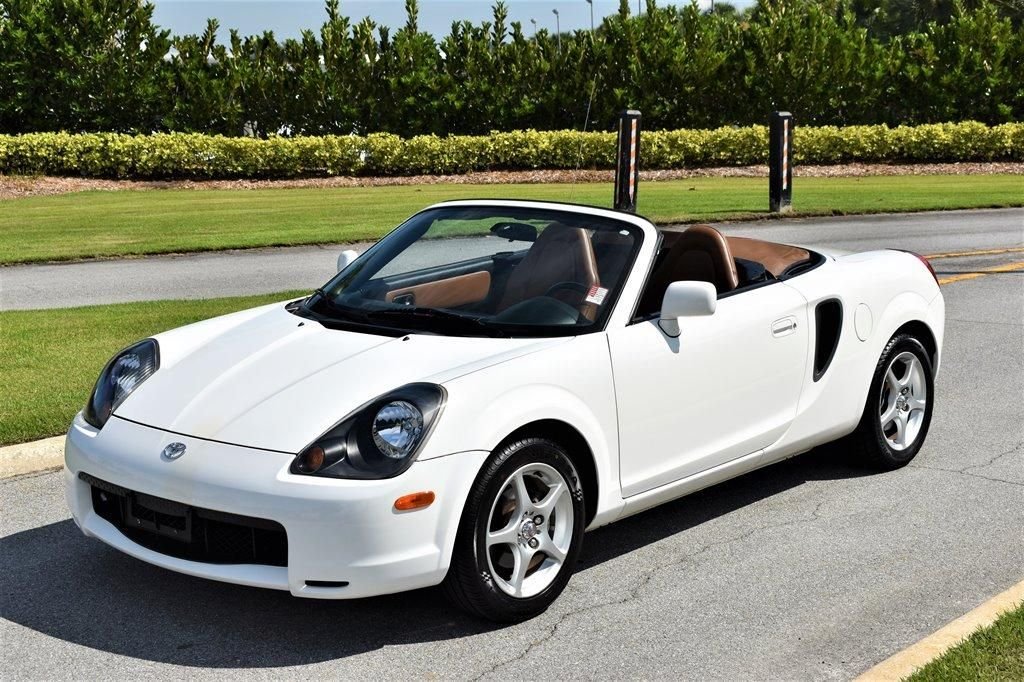
7. Toyota MR2 Spyder
The Toyota MR2 Spyder delivers one of the most engaging driving experiences offered by a Japanese sports car, yet buyers often skip it because they expect greater power figures from a performance vehicle. Its real strength lies in its extremely low weight and mid engine balance, which combine to create handling characteristics that feel nimble and responsive at any speed.
The steering reacts with immediate precision, and the car’s small footprint allows it to slip through tight roads with agility that larger sports cars cannot match. Even at moderate speeds the MR2 produces a feeling of interaction that many modern cars struggle to provide due to increasing weight and electronic systems.
The transmission options influenced its reputation as well. The sequential manual transmission offered in some markets became a point of criticism due to slow response times and clunky shifts.
This impression spread among buyers who never explored the manual transmission version, which provides a lively and engaging experience far more aligned with the car’s true capabilities.
When paired with proper maintenance, the engine remains highly dependable. Its design promotes long term reliability, and many well-maintained examples continue performing strongly without significant mechanical concerns.
Styling has also contributed to its underappreciated status. The rounded lines and gentle contours led many potential buyers to overlook the car, assuming that such a soft design reflected soft performance.
Yet this perception is misleading. Beneath those modest surfaces lies one of the most balanced sports machines available at an accessible price. Anyone seeking an affordable mid engine car with sharp responses and a lively personality would find the MR2 Spyder an exceptional option, provided they give it the fair evaluation it deserves.
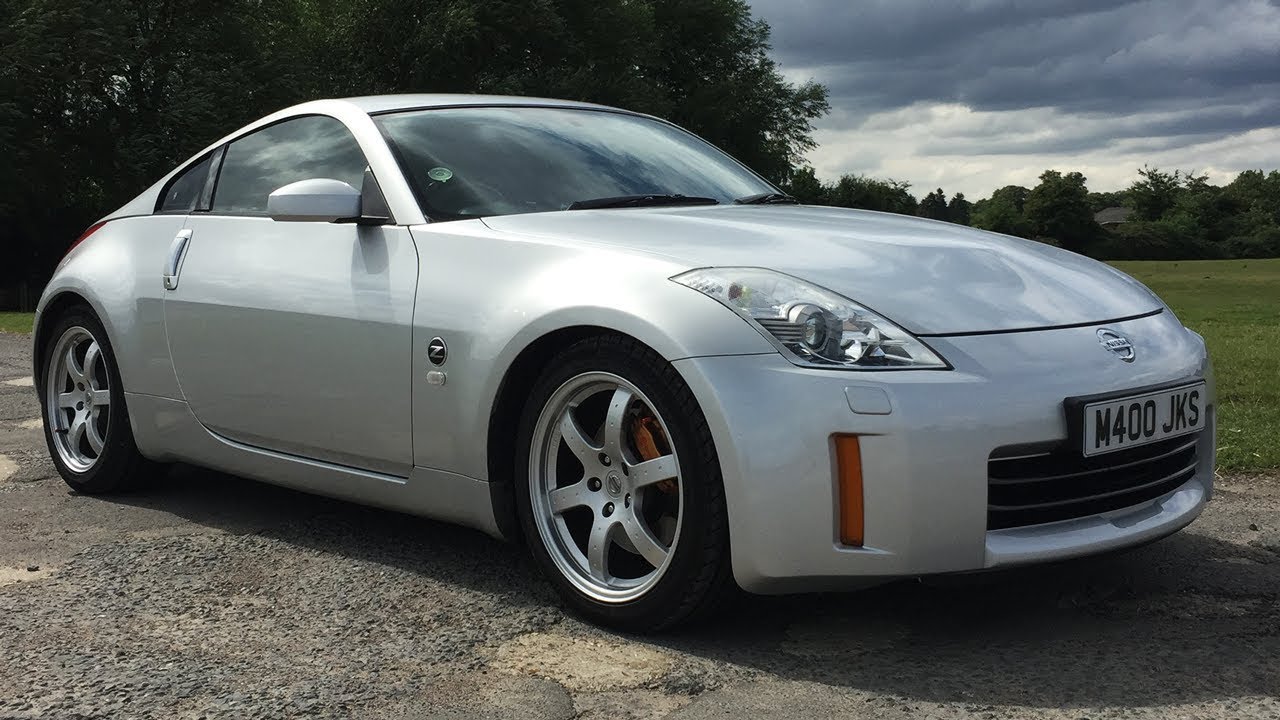
8. Nissan 350Z Base Models
The Nissan 350Z as a whole gained a strong following, yet the base models remain surprisingly undervalued because many shoppers focus exclusively on higher trims or heavily modified versions. These base models maintain the same core structure that makes the 350Z enjoyable, including the robust V6 engine and the well-tuned rear wheel drive chassis.
Without the extras found on higher trims, the base model offers a pure and direct connection to the road that some drivers prefer. It strips away unnecessary weight and gadgets, helping the car feel more honest in its behavior, especially during spirited driving.
The engine contributes heavily to the 350Z’s appeal. Despite the absence of high performance trim specific upgrades, the base model’s powertrain remains strong, reliable, and enjoyable. The naturally aspirated V6 offers a broad torque range that performs well in both everyday conditions and more demanding driving scenarios.
Buyers chasing turbocharged competitors often overlook how satisfying consistent, predictable power can be. The engine’s durability also makes the base model appealing to those who want sports car character without taking on excessive maintenance risks.
The base 350Z often sits unnoticed on used lots because it lacks the dramatic presence of variants with body kits, special edition badges, or aftermarket modifications.
Yet the core driving quality remains intact, allowing buyers to experience the essence of a Rear Wheel Drive Japanese sports car without the inflated price tag attached to more popular versions. This makes the base model one of the most practical ways to access genuine performance without sacrificing reliability or manageable ownership costs.
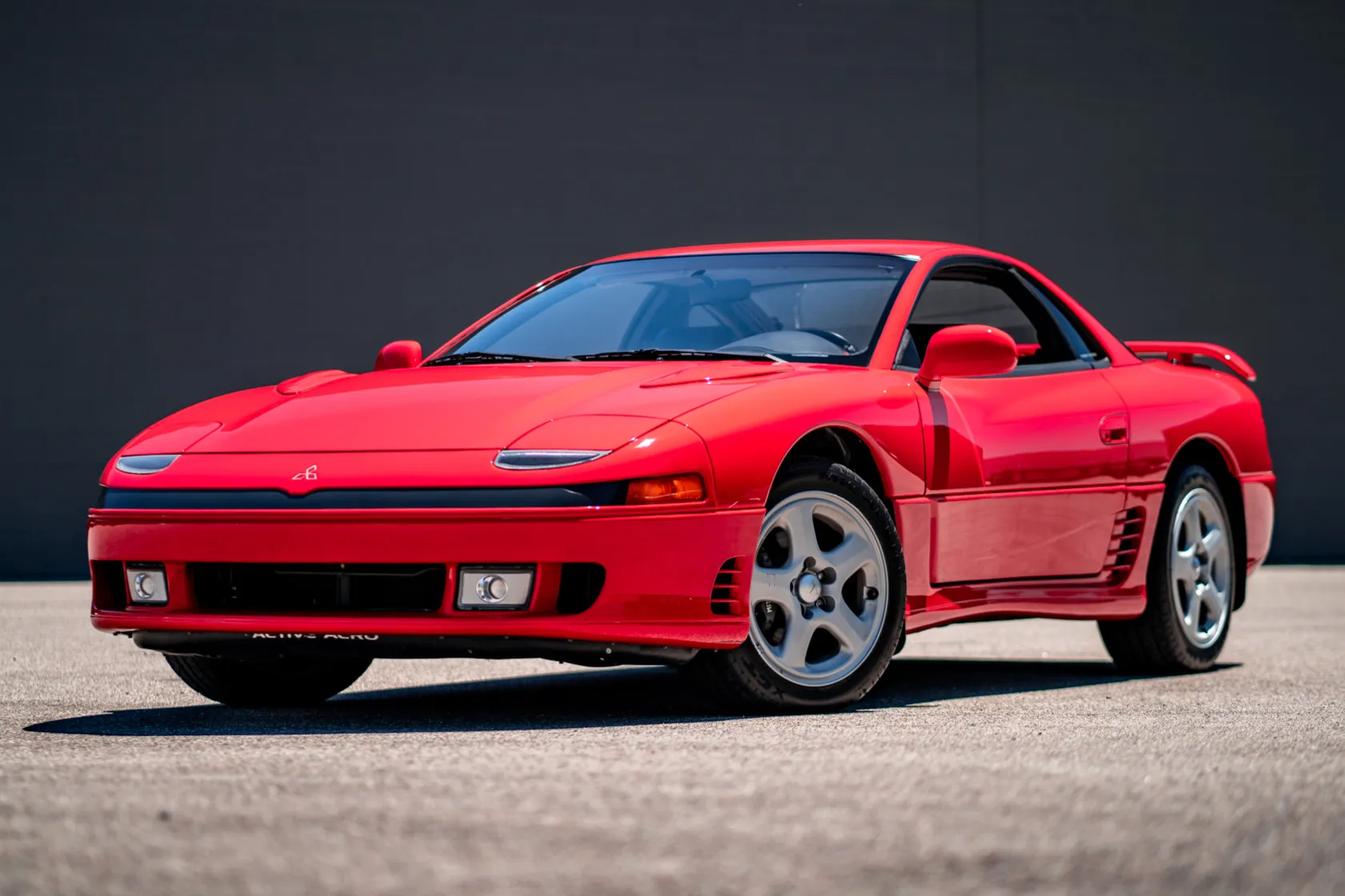
9. Mitsubishi 3000GT Non Turbo Models
The Mitsubishi 3000GT non turbo models often find themselves overshadowed by the more extreme turbocharged versions that capture enthusiast attention. However, these less powerful variants deliver a completely different experience, one focused on comfort, stability, and grand touring ability rather than outright performance.
The smooth V6 engine provides ample power for daily driving and relaxed highway cruising. While it lacks the explosive acceleration of the turbo model, it compensates with easier maintenance, better fuel economy, and a calmer temperament that suits drivers who prefer predictable and steady behavior.
The weight of the 3000GT, often cited as a drawback for the high performance version, actually supports the non turbo model’s strengths. It creates a planted and secure ride even at higher speeds. The suspension absorbs bumps with a sense of control, giving the car a composed personality.
For long drives the car remains comfortable and effortless, making it a practical choice for buyers who want a stylish coupe that doubles as a dependable traveler. Many shoppers ignore this because they expect all 3000GT versions to deliver intense performance, but the non turbo model offers a different kind of appeal.
The non turbo 3000GT remains undervalued largely due to the widespread belief that only the turbo version is worth owning. This perception leads many buyers to walk past solid examples without even considering their strengths. Yet the non turbo model can offer years of reliable service thanks to its simpler mechanical nature.
It retains the bold styling, strong presence, and enjoyable driving feel of the platform while avoiding the costlier maintenance associated with the high output version. For those willing to reconsider their assumptions, the non turbo 3000GT stands as a surprisingly well rounded choice.
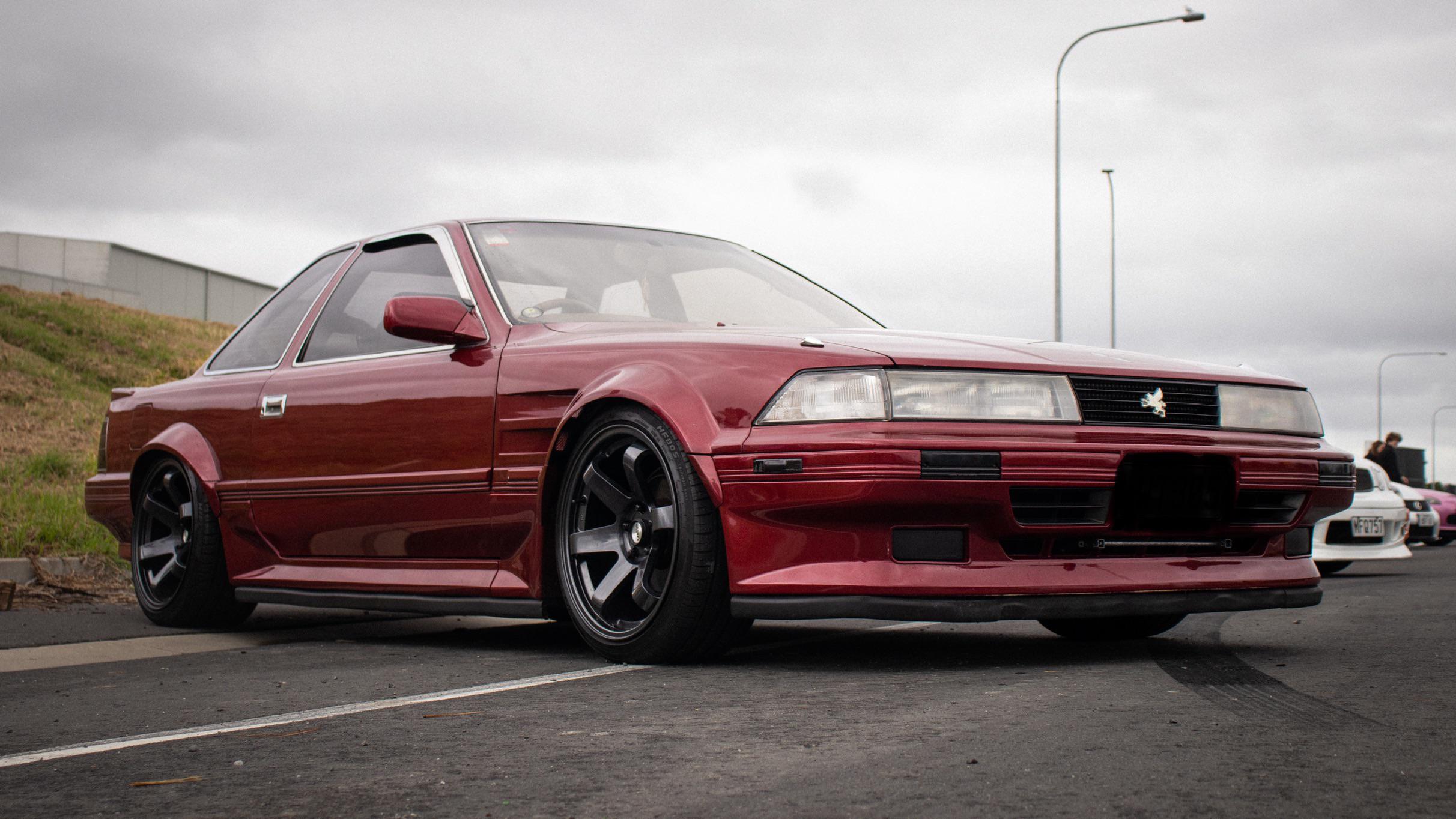
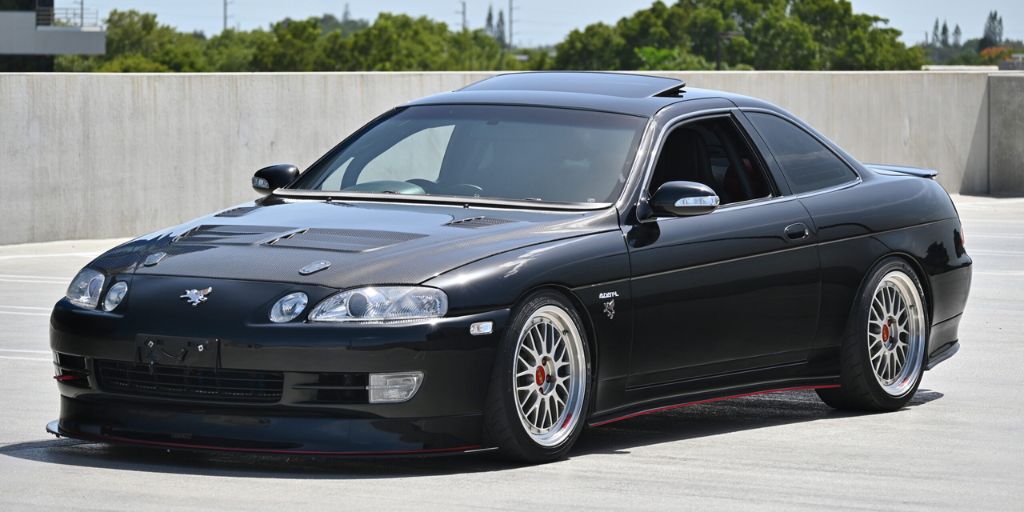
10. Toyota Soarer from the Nineties
The Toyota Soarer from the nineties embodies a rare combination of comfort, refinement, and understated performance, yet it seldom receives recognition in discussions about Japanese sports cars. This lack of attention stems partly from its quiet personality.
Rather than shouting its abilities through aggressive styling or dramatic figures, the Soarer presents itself with calm confidence. From the driver’s seat the car feels secure, smooth, and stable. The suspension filters imperfections without losing composure, creating a driving environment that suits long highway stretches as well as everyday commuting.
Inside the Soarer buyers find a thoughtful cabin with an atmosphere shaped by durable materials and ergonomic placement. The seating remains supportive even after many years, reflecting Toyota’s attention to comfort. Controls are arranged logically, helping the car age gracefully compared to others from the same era.
Noise levels stay low, allowing the driver to settle into a relaxed rhythm on extended trips. While some shoppers expect sports cars to feel raw or aggressive inside, the Soarer offers a different perspective by focusing on refinement without sacrificing capability.
The Soarer stays overlooked because it falls into a category that does not fit neatly into typical buyer expectations. It is not a lightweight sports car, nor is it a conventional luxury coupe. Instead it exists somewhere between those definitions, which caused it to be overshadowed when new and continues to be misunderstood today.
This lack of widespread recognition benefits buyers who want a capable Japanese coupe that blends strength, smoothness, and quality. For those who appreciate a more measured and mature approach to performance, the Soarer delivers an experience that remains satisfying long after purchase.
