
Louisville suburbs bring their own rhythm to daily life, shaped by wide roads, green neighborhoods, varied weather, and long commutes that often stretch across several parts of Jefferson County.
Families who live in places like Jeffersontown, Middletown, Prospect, Fern Creek, or St. Matthews juggle carpools, sports trips, grocery runs, and occasional drives into the city for work or entertainment.
This setting makes car choice more than a matter of style. It becomes a question of convenience, long term value, comfort during unpredictable seasonal shifts, and reliability when balancing a busy schedule.
A car that aligns with these needs can feel like an asset that steadies the household. A car that conflicts with them can feel like something that constantly demands repairs, time, and money, leaving families frustrated with rising costs and lost hours.
Suburban families often want roominess, dependable safety features, and fuel efficiency that holds up under regular use. They also tend to appreciate vehicles that can handle both city driving and longer interstate stretches, since travel between neighborhoods often involves a mix of both.
The right car can support the steady pace of life without adding complications. The wrong one can generate monthly headaches, surprising mechanical issues, or costly maintenance patterns.
Parents launching their kids into another full week of school activities may prefer a quiet cabin and smooth ride. Those with younger children often want reliable climate control, durable interiors, and flexible seating that can transition easily from errands to family outings.
Another important factor for Louisville suburban households is how a vehicle performs in changing conditions. While winters are not the harshest, ice can appear unexpectedly. Summers are hot and humid. Spring storms can be intense.
Cars that manage these fluctuations without trouble become appealing to those who want stability and trust in their daily transportation. Others may struggle more often than expected, leading drivers to wonder why a model performed well in early years but becomes demanding later.
This article presents two lists. The first covers five car types that typically support suburban family life with reasonable costs, comfort, and reliability.
The second highlights five that tend to strain budgets due to fuel demands, maintenance challenges, or constant repairs. While individual experiences vary, these categories help families think carefully about their next purchase and avoid surprises that disrupt daily routines.
5 Cars That Suit Louisville Suburban Families
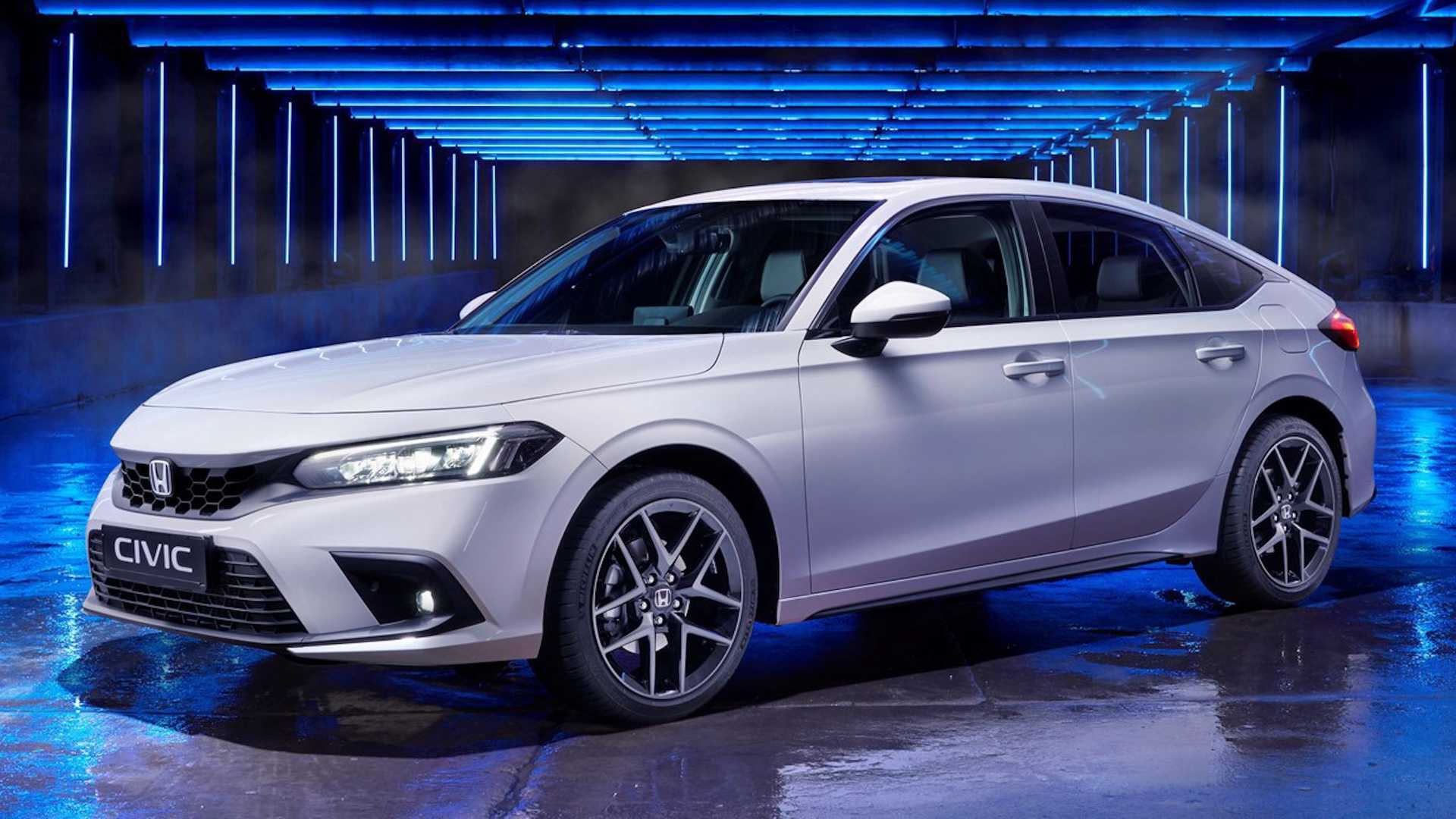
1. Mid-Size Hybrid Sedans
Families who value balanced performance and fuel savings often consider mid size hybrid sedans a dependable match for suburban life.
Their moderate size fits neatly into residential garages and parking areas common in Louisville neighborhoods, while their fuel efficiency helps keep monthly costs under control.
The blend of electric assistance with a standard gas engine reduces the strain of constant driving around schools, stores, and office routes.
These cars usually offer a quiet ride, which can make long trips on the Gene Snyder or I 71 feel more relaxed, especially during early morning commutes or evening returns after extracurricular activities.
Parents appreciate the predictability of hybrid systems that have matured over the years. Many models feature intuitive touches such as smooth braking, strong climate control, and seats that remain comfortable during longer weekend drives to parks or nearby towns.
Because these vehicles do not rely on extremely complex parts on the electric side, maintenance tends to remain manageable.
Their engines run cooler and endure less stress, so many families find that these hybrids hold up well under continuous use. The combination of affordability and durability helps households who want reliable transportation without feeling pressured by expensive upkeep.
Roominess is another point that families find appealing about mid size hybrids. While they are not the largest cars on the road, they usually provide ample legroom for kids, and trunks often support sports equipment, grocery bags, and backpacks all at once.
This size strikes a balance between practicality and comfort. The result is a car that rarely feels cramped but also never feels cumbersome while navigating the neighborhoods or merging onto busy sections of the interstate. Drivers who think about long term value often find this middle ground comforting.
The smooth acceleration and quiet cabin make hybrid sedans a practical choice for those who value calm moments during the day.
Suburban life includes plenty of stops and starts, and this class of car handles them without fuss. Over years of ownership, many families appreciate how predictable the costs remain.
Fuel bills stay moderate. Breakdowns are infrequent. And the sense of stability becomes an ongoing benefit that supports everything from the morning routine to weekend outings, helping families feel grounded in their daily schedules.
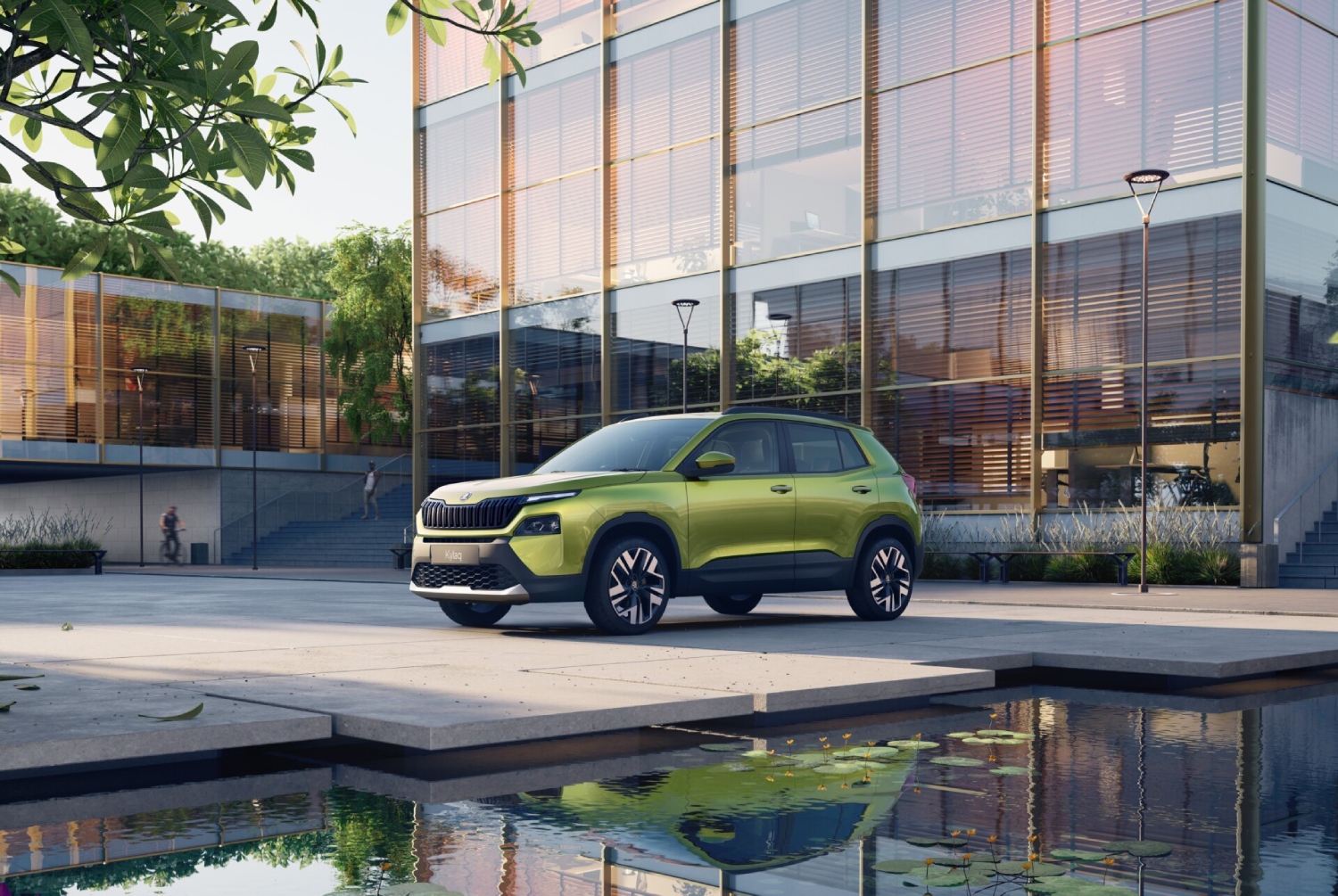
2. Compact SUVs With Strong Reliability Records
Compact SUVs continue to sit near the top of family shopping lists because they hit a sweet spot between size, efficiency, and capability.
For Louisville suburbs, this balance is especially appealing because households may need a vehicle that can slip easily through busy commercial areas but still carry passengers and gear across a variety of settings.
Compact SUVs often provide comfortable seating, a clear driving position, and suspension setups that soften bumps on outer roads. This makes them great companions for commuting and for handling the mixed surfaces found in many growing neighborhoods.
One advantage of well known compact SUV categories is the refined reliability that comes from years of steady improvement. Families appreciate predictable ownership experiences, often reporting that these vehicles offer consistent performance well beyond their early years.
Many of them have engines built on proven platforms that can handle routine conditions every day without becoming fragile or maintenance heavy. Oil changes, tire rotations, and brake inspections remain the main expenses, which helps households stick to reasonable budgets.
Passengers also tend to enjoy the interior flexibility of compact SUVs. Folding seats and flat load floors expand cargo areas, giving families room for strollers, sports bags, pets, and boxes without feeling cluttered.
The upright seating position provides a sense of visibility and control, which can be reassuring when navigating busier suburban intersections.
The ride height also helps during periods of heavy rain or small amounts of winter slush, where ground clearance becomes slightly more important than it might seem at first.
Most compact SUVs include modern safety systems that support drivers during complex traffic moments. Independent of brands or specific technologies, this category has matured toward predictable stability. Lane aids, backup cameras, and strong braking systems add to the confidence factor.
Families who use their cars for a wide range of tasks appreciate these consistent features. When the miles add up, the true value of a steady, efficient compact SUV becomes clear, making it a smart choice for suburban living.
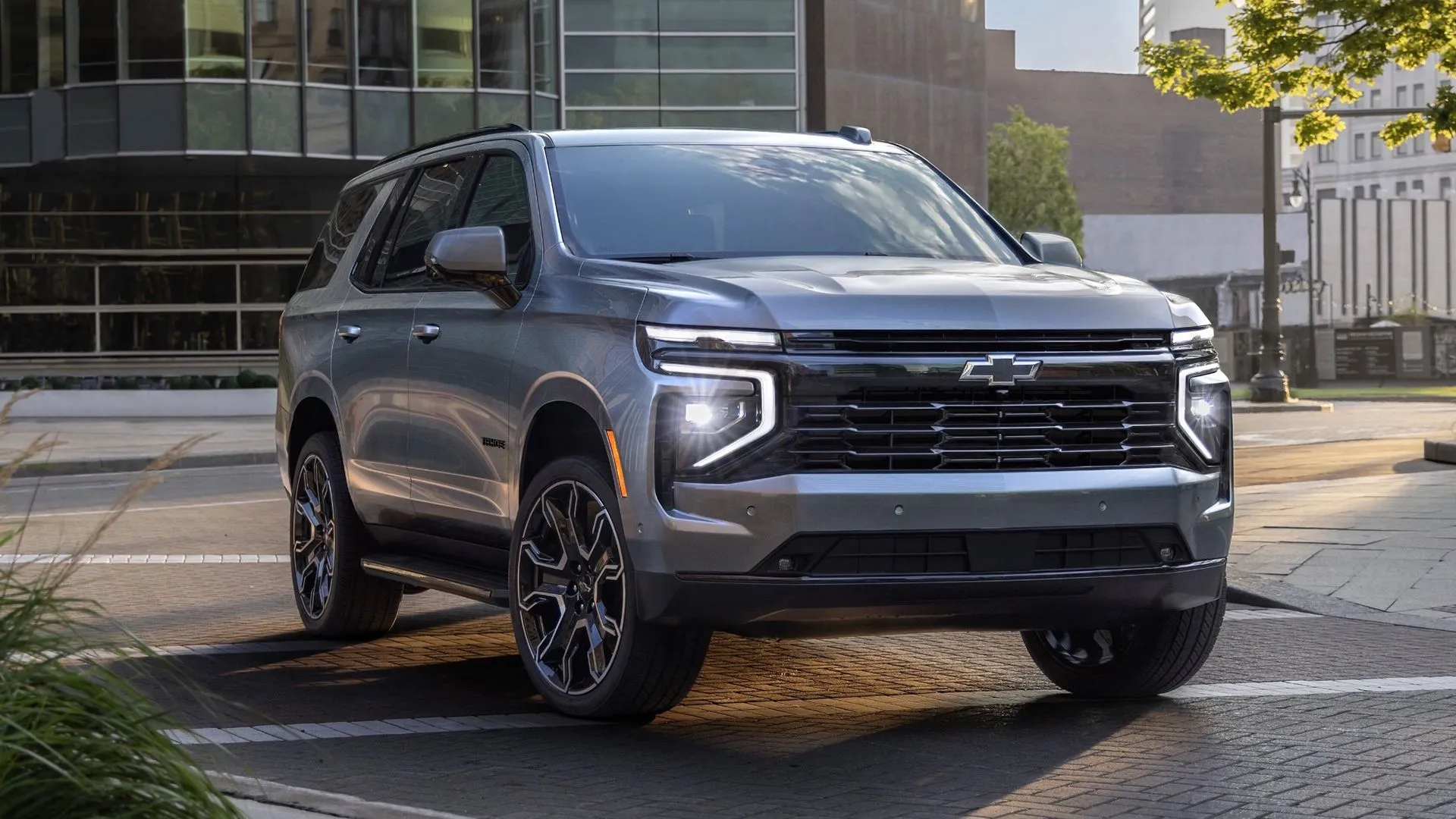
3. Three Row Family SUVs With Sensible Engines
Some families simply need more room. When carpooling, coordinating sports teams, or transporting several children with friends, three row SUVs become important. However, large vehicles can bring heavy fuel demands if they rely on oversized engines.
Sensible engine choices, such as well tuned V6 units or efficient turbocharged options, give families the space they need without overburdening their wallets.
These vehicles are valuable for households that frequently travel together or carry significant amounts of gear for school or weekend activities.
Interior comfort is one of the strongest points for this category. Parents appreciate that older kids or guests can sit in the third row without constantly complaining about cramped legs. Many three row models offer reclining seats, large windows, and climate control vents that reach all sections of the cabin.
These features help long drives feel manageable. When families visit parks, museums, or relatives across the region, everyone can settle into the ride with fewer stops to stretch or rearrange.
Practical storage solutions also support families who adopt this type of SUV. Large trunks, hidden compartments, and the ability to fold the third row help parents adapt the vehicle to different needs in a matter of seconds. Weekly errands become easier when everything fits comfortably without stress. Grocery shopping, outdoor gear, and home improvement supplies all find their place without forcing drivers to borrow a truck or make multiple trips.
Sensible engine choices matter because they help families predict long term ownership costs. A well calibrated engine avoids unnecessary strain, supporting smoother driving and fewer mechanical surprises. Maintenance is still required, but the rhythms stay reasonable and predictable.
For families who want size and comfort without constantly worrying about fuel costs or frequent breakdowns, three row SUVs with moderate, balanced engines remain a dependable solution that blends capacity with practicality.
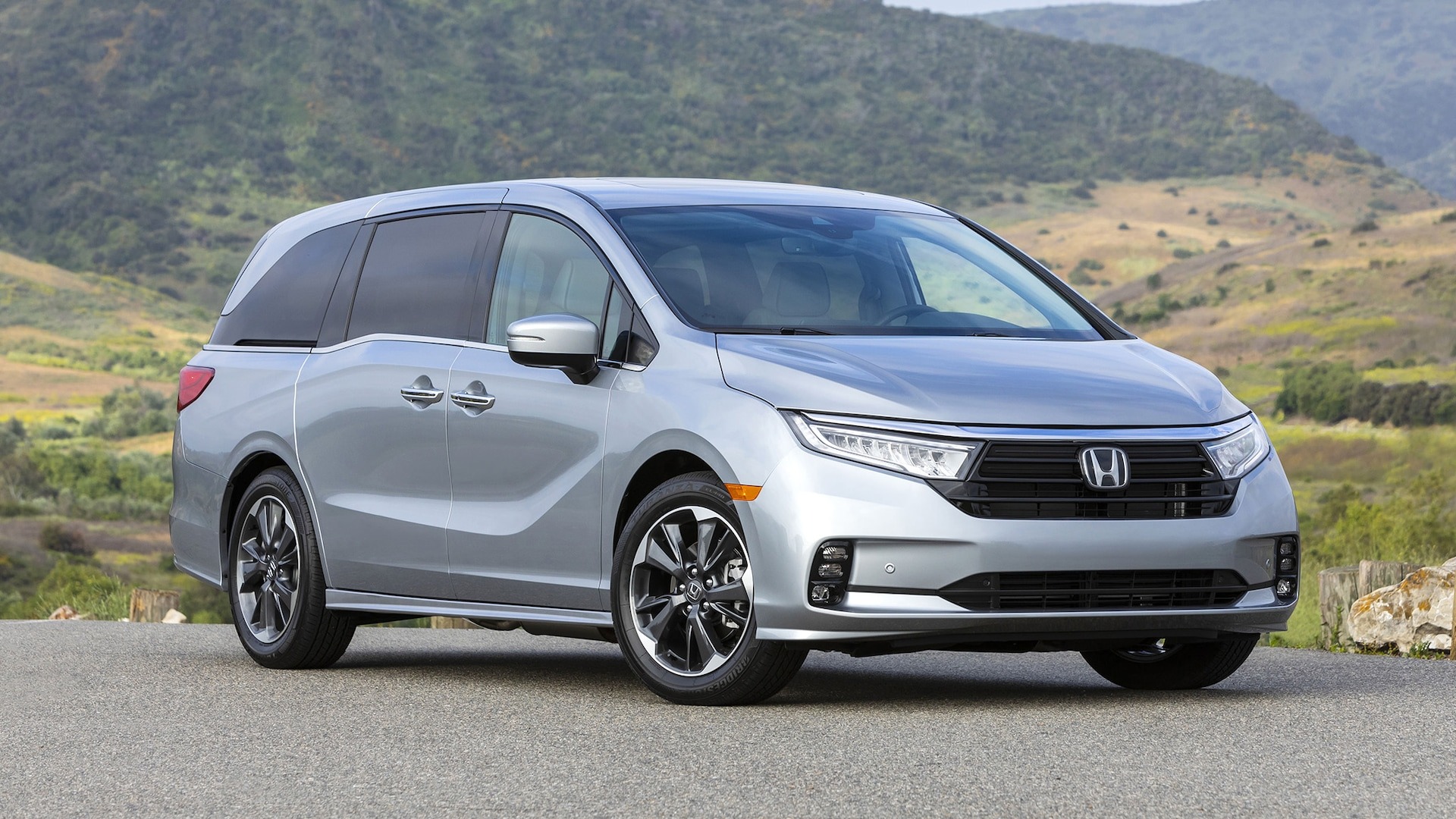
4. Minivans That Prioritize Function Over Flash
Minivans continue to serve households that value pure practicality. They may not appeal to everyone stylistically, but they consistently deliver space, accessibility, and convenience. Louisville area families who juggle multiple schedules often appreciate how quickly a minivan adapts to their needs.
Sliding doors make parking lot entrances easier, especially when children are young or carrying heavy items. The interior layout is typically a favorite among parents due to the large windows, comfortable seating, and storage solutions throughout the cabin.
One of the strongest advantages of minivans is their ability to provide a calm, well organized environment. Children settle more easily when seating is spacious and separated. Rear entertainment systems, if included, keep longer rides peaceful.
Parents appreciate how stable these vehicles feel during highway driving. Their lower center of gravity compared to taller SUVs often produces a smoother, more predictable ride that helps everyone remain comfortable through shifting traffic and changing weather.
The interior flexibility of a minivan is often unmatched. Seats that fold into the floor or slide forward create open spaces that can transport large items without fuss. Families who handle frequent home improvement projects or attend weekend sports events find this adaptability especially useful.
Whether carrying bicycles, camping gear, or musical instruments, the minivan tends to accommodate everything without forcing creative packing strategies.
Maintenance costs for most minivans remain moderate, particularly because they usually rely on dependable engines that have served families for many years. Mechanics are familiar with their common needs, which reduces the chance of surprises.
Because minivans are designed with practicality at the core, many of their features remain functional rather than flashy. This approach helps drivers focus on what they truly need: consistent performance, comfort, and reliability at a fair long term cost.

5. Efficient Compact Cars for Budget Conscious Households
Not every suburban family requires a large vehicle. Those who prioritize cost savings and predictable ownership experiences often choose compact cars that combine simplicity with efficiency.
These vehicles require less fuel, cost less to maintain, and usually come with straightforward mechanical systems that reduce the risk of major repairs. Families who primarily handle short commutes, school drop offs, and neighborhood errands often find compact cars completely sufficient for daily living.
Compact cars also offer an ease of driving that many households appreciate. Parking in crowded lots becomes simple. Tight neighborhood streets feel manageable.
The steering tends to be light, and visibility is usually strong. This contributes to a confident driving experience that suits parents and teen drivers alike.
Families introducing a new driver into the household often choose compact cars because the learning curve is gentler and the consequences of minor mishaps remain smaller.
While compact cars lack the space of larger categories, thoughtful designs usually maximize interior layout. Trunks remain useful for groceries and everyday items, and folding seats allow additional cargo capacity when needed.
This practicality often surprises those who assume that compact cars cannot handle more demanding errands. With the right planning, these vehicles support a wide range of tasks without overextending a household budget.
Maintenance remains one of the strongest advantages. Many compact models use engines that have stayed steady over years of refinement. Oil changes are inexpensive. Tire replacements cost less due to the smaller wheel size. Brake jobs remain within reasonable limits.
All of these factors create a sense of financial stability that helps families allocate money toward other needs like school costs, home improvements, or vacations.
The dependable nature of compact cars makes them a smart fit for many suburban households seeking balance between necessity and affordability.
5 Cars That Drain Savings
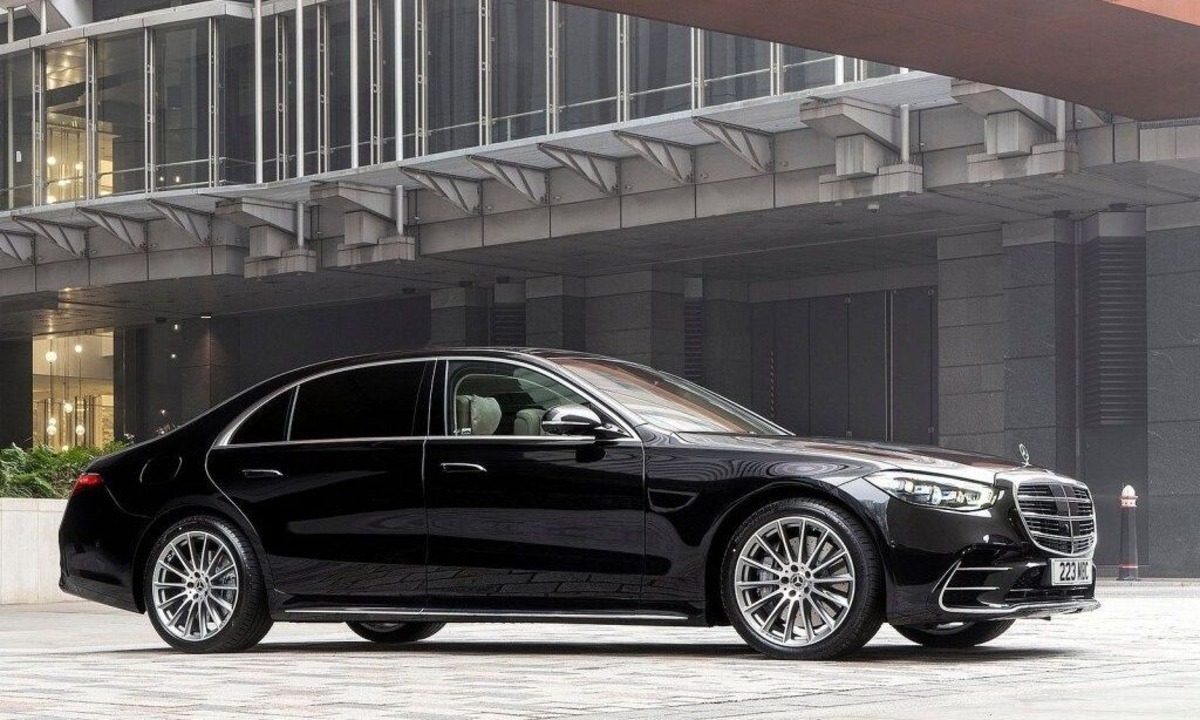
1. High Performance Luxury Sedans
Luxury sedans that prioritize high performance often introduce costs that exceed what many families expect.
While they may appear stylish and sophisticated, their engines consume more fuel, and their premium parts demand specialized service that can strain a household budget.
Drivers sometimes fall in love with the smooth power or upscale cabins before realizing that the vehicle requires higher grade tires, costly sensors, and advanced components that wear out faster due to the added performance expectations.
Repair expenses also tend to escalate because these cars include complex electronic systems. A single malfunctioning module or sensor can require attention from trained technicians who charge higher hourly rates.
Families accustomed to routine repair costs may find themselves surprised by charges that exceed what they considered normal.
As these vehicles age, their once impressive technology may begin to fail more often, and issues that seem minor can quickly become expensive.
The insurance costs associated with high performance sedans often exceed those of more modest vehicles. Because the repair process requires specialized parts and labor, insurers price coverage accordingly.
Families who try to balance insurance premiums with other obligations may feel the squeeze each renewal cycle. Combined with rising fuel costs and the need for premium gas, the financial commitment becomes burdensome.
Another concern is that performance vehicles often lack the versatility that suburban life demands. Tight parking spaces, steep driveways, and unpredictable weather can become frustrating obstacles.
Winter traction is often limited. Long commutes can feel costly due to continuous fuel consumption. While these sedans produce an satisfying driving experience under ideal conditions, the ongoing financial obligations can quickly overshadow the initial excitement, leaving families feeling trapped by the expense.
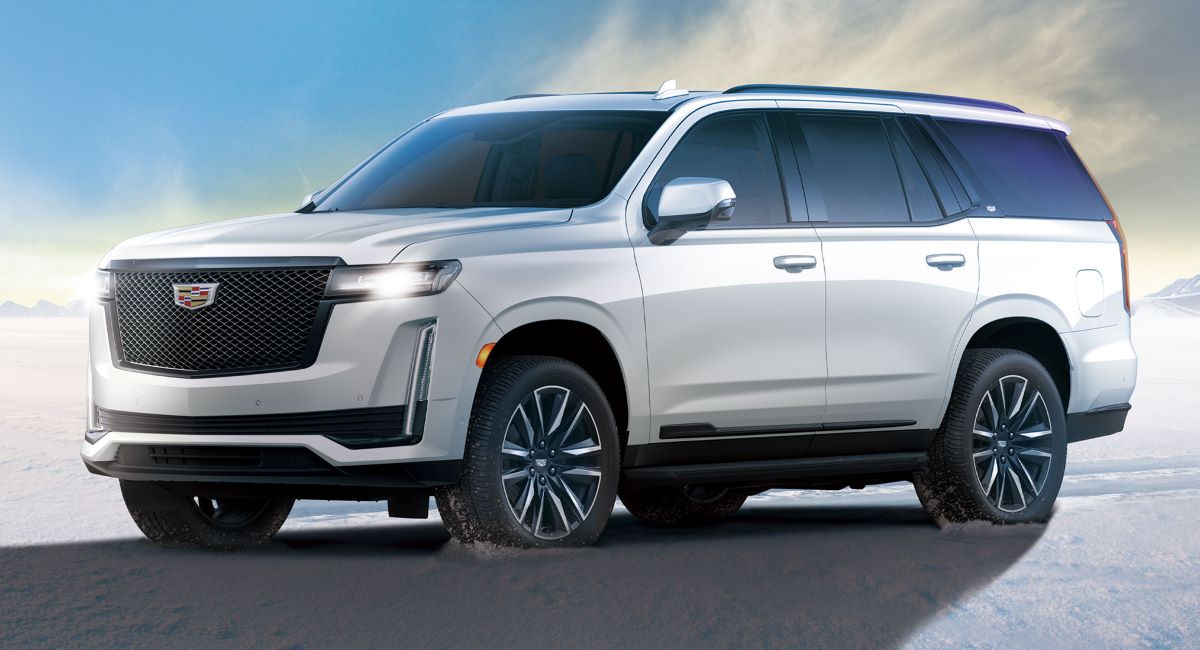
2. Full Size SUVs With Oversized Engines
Full size SUVs equipped with exceptionally large engines tend to create ongoing financial challenges. These vehicles may feel powerful and commanding on the road, but they also consume fuel at rates that surprise many families.
Long commutes across Louisville suburbs or regular trips along the interstate produce fuel bills that rise quickly. Even those who expected moderate consumption can become overwhelmed once the real numbers accumulate month after month.
Maintenance also becomes more complicated with such engines. Their heavy weight places strain on suspension components, brakes, and tires. As these parts wear out, replacement costs rise sharply.
The tires alone can cost significantly more than those used on compact or mid size vehicles. Families may not anticipate such high maintenance rhythms and may find themselves adjusting budgets repeatedly to cover expenses for unavoidable repairs.
Size brings its own challenges beyond cost. Full size SUVs can be difficult to maneuver in narrow driveways or crowded parking areas.
Their bulk increases wear on certain components and may contribute to higher insurance premiums due to increased repair costs after even minor accidents. Some families enjoy the feeling of a larger vehicle but underestimate how much extra expense accompanies the added weight and complexity.
As these vehicles age, their maintenance needs often grow faster than those of smaller, more efficient models. Transmission repairs, engine leaks, and electrical complications become more likely simply due to the increased strain the components endure.
Families trying to maintain long term reliability may feel the financial pressure mounting as the years pass, making oversized full size SUVs poor choices for those wanting predictable ownership.
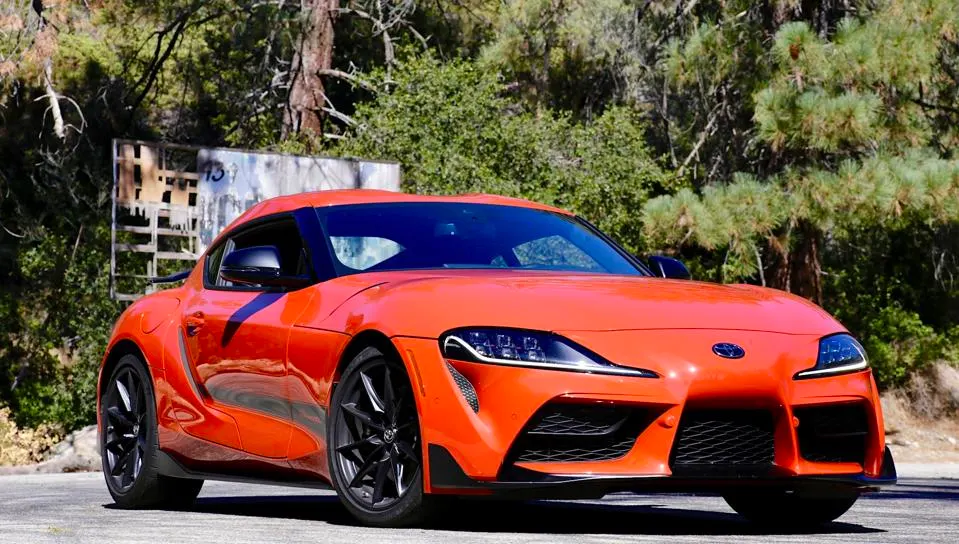
3. Sporty Coupes With Low Practicality
Sporty coupes often attract buyers with their stylish bodies and sharp handling, but they can easily become burdensome for families living in suburban environments. Their low seating positions make it difficult to load children or secure car seats comfortably.
Limited trunk space forces drivers to compromise on groceries, sports gear, or travel bags. Many families buy them as second cars but later realize how impractical they are for daily life in Louisville suburbs, where errands dominate weekly schedules.
Maintenance costs rise quickly because sporty coupes often use specialized parts that wear out due to performance focused engineering.
Tires are typically wider and softer, so they need replacing more often. Brake components wear faster. Suspension parts may require attention sooner than expected.
Families may begin to resent the constant costs required to keep the car functioning properly, especially if it is not the primary household vehicle.
Visibility can also become a problem. Coupes often have smaller windows and thicker pillars, reducing the driver’s ability to see surrounding traffic clearly.
This increases stress during parking, merging, or navigating tight suburban roads. While some may enjoy the thrill of a coupe on open stretches, the realities of daily errands frequently diminish the fun and highlight the lack of practicality.
The novelty of sporty styling can wear off once families realize how many compromises they must make. Even if the car runs smoothly, the lack of space, higher insurance premiums, and reduced comfort during longer trips make it less suitable for suburban households.
Many owners eventually trade in these vehicles for something more versatile, often at a financial loss due to the rapid depreciation common among sporty models.
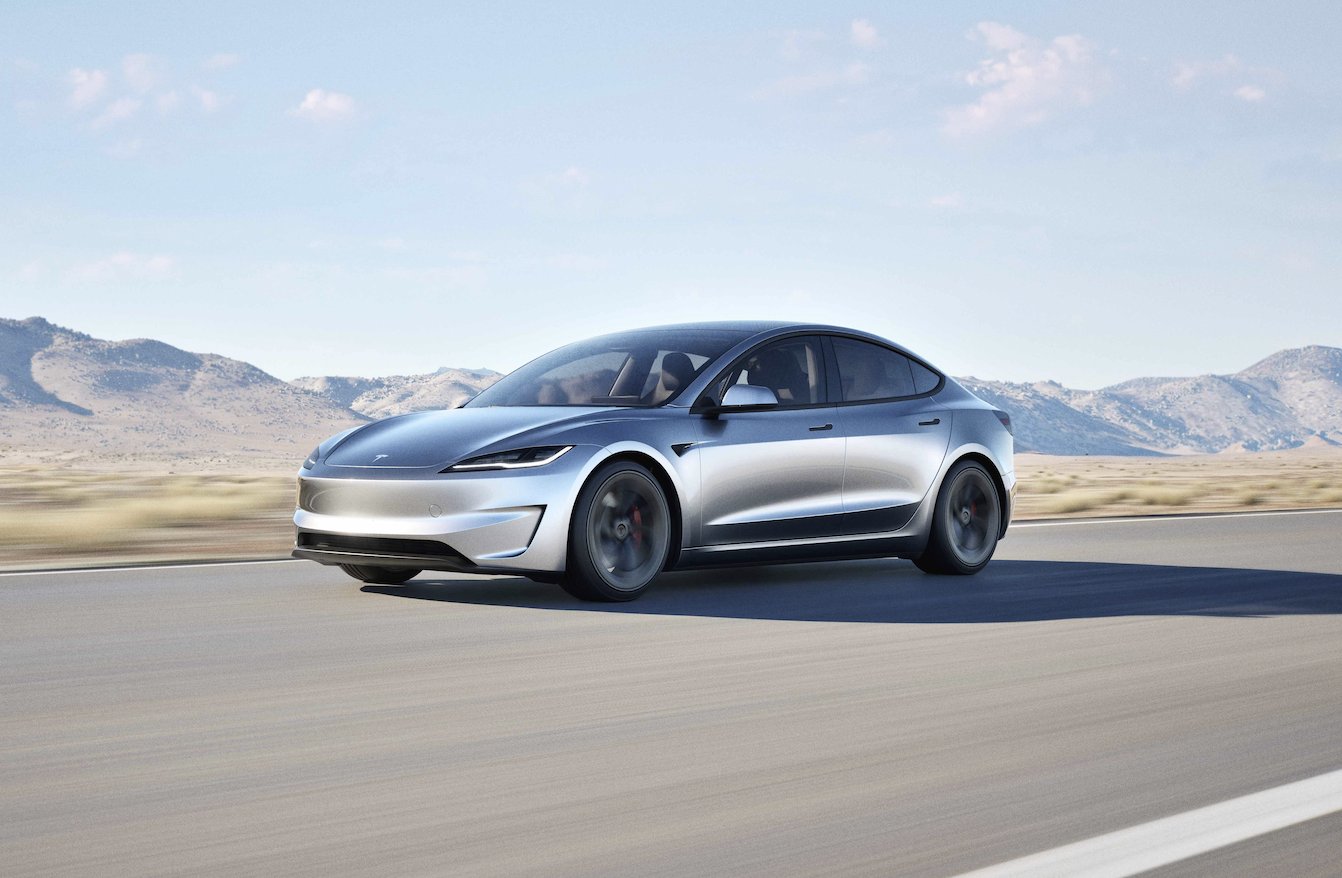
4. Luxury Electric Vehicles With High Repair Costs
Electric vehicles can be wonderful choices when battery ranges, charging access, and maintenance needs align with a household’s routine. However, some luxury electric offerings introduce high costs that surprise suburban families.
Their advanced technology requires specialized technicians, and repair bills can spike quickly. Even minor issues like faulty sensors, malfunctioning touch screens, or damaged charging ports can result in unexpectedly high expenses.
Battery maintenance and potential replacements also contribute to long term worry. While most batteries last many years, concerns about range degradation and replacement costs can weigh heavily on families who plan to keep vehicles for a long period.
Suburban driving in Louisville often involves a mix of short trips and occasional longer journeys, which can expose weaknesses in a battery that begins to age. Once issues arise, families may feel pressured by costly repairs or reduced convenience.
Charging access can also become a challenge. While many homes support basic charging setups, more powerful chargers require installation expenses that surprise families who expected plug and play convenience.
For those who rely on public charging, unpredictable availability or inconsistent speeds add frustration, especially during busy weekends or tight schedules involving family activities across town.
Luxury electric vehicles also tend to depreciate quickly due to fast evolving technology. When families attempt to trade them in, they may discover that new models with improved features have reduced the value of their current vehicle more than expected.
Combined with expensive insurance and advanced repair requirements, the financial burden can grow heavier with each passing year, making some luxury electric vehicles a riskier choice for households on a careful budget.
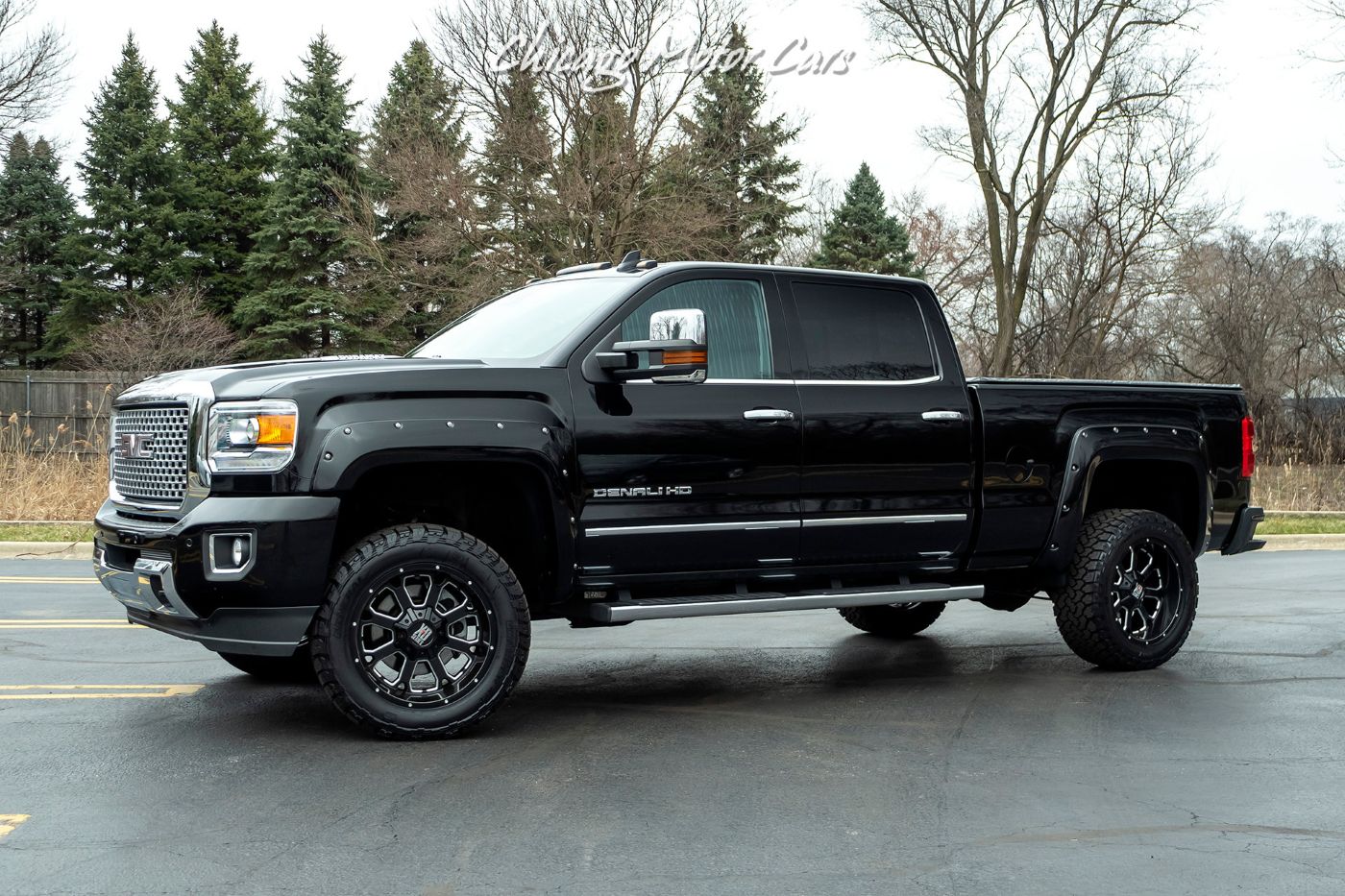
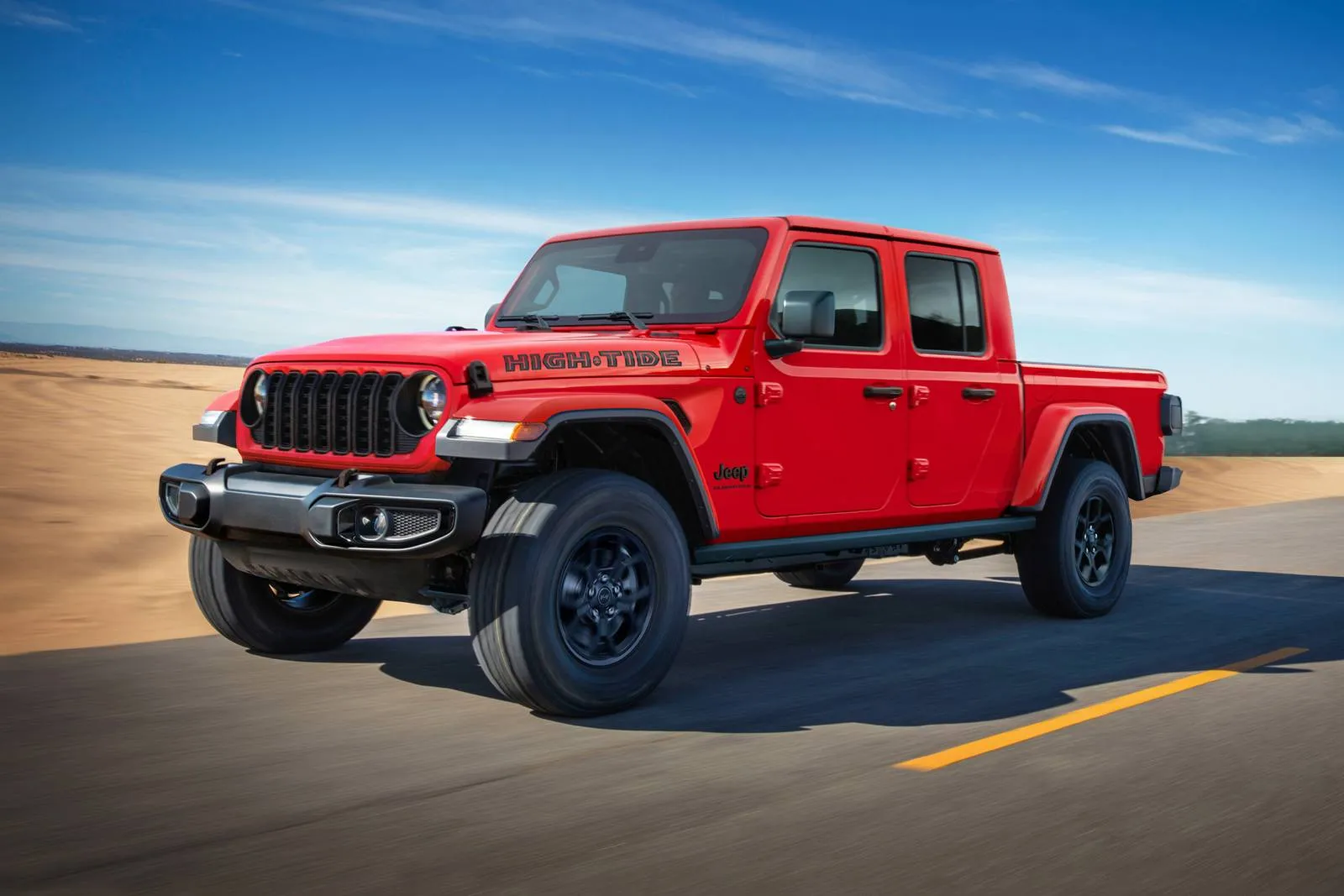
5. Specialty Trucks Designed for Heavy Towing
Specialty trucks built primarily for towing large trailers or performing heavy duty tasks are often appealing due to their rugged appearance and impressive power.
However, families living typical suburban lifestyles discover that these trucks introduce more cost than value.
Their engines are built for hauling weighty loads, not casual commutes. When used daily for small errands or family transport, their large engines consume far more fuel than necessary.
Maintenance demands also escalate. Heavy duty trucks carry larger brakes, stronger suspension systems, and bulkier components that are more expensive to service. Even oil changes can cost significantly more because of the larger capacity these engines require.
For drivers who do not regularly tow or haul, these expenses feel disproportionate to the benefits. Many families discover that their truck behaves like a vehicle designed for a completely different lifestyle, and the mismatch becomes financially uncomfortable.
Ride comfort is another issue. Trucks built for heavy duty tasks often feel stiff on ordinary streets. Passengers may find the ride bumpy, especially on uneven suburban pavement.
Turning radius can be wide, parking can be challenging, and garages built for standard vehicles may not comfortably fit oversized trucks. These day to day annoyances contribute to regret for households that bought them primarily for appearance rather than actual need.
Insurance costs can also increase because heavy duty trucks are often involved in more expensive repair scenarios. Their large frames and powerful engines mean that even small accidents can cause substantial damage.
When paired with the ongoing cost of high fuel consumption, the financial burden becomes consistent and unavoidable.
Families who value predictability often realize that specialty towing trucks drain resources unnecessarily and would be better replaced with vehicles designed for everyday suburban life.
