
Muscle cars have always held a special place in the hearts of car enthusiasts. They are more than just vehicles; they are symbols of raw power, freedom, and American automotive engineering at its most expressive.
The roar of a V8 engine, the weighty feel of a manual gearbox, and the sculpted lines of classic bodywork combine to create a driving experience unlike any other.
While many people associate muscle cars with expensive price tags and collector’s premiums, there exists a wide range of budget-friendly options that offer the thrill of high horsepower without demanding a small fortune.
These cars are perfect for gearheads who want to experience the intensity of straight-line speed, aggressive styling, and the tactile feedback of driving without compromising their finances.
They offer the chance to personalize, restore, and modify, providing a playground for automotive creativity.
For many enthusiasts, owning a muscle car is not just about transportation; it is about connecting with a legacy of performance, culture, and lifestyle that spans decades.
Budget muscle cars are more accessible today than they have been in years. With careful research and a willingness to put in some work, an aspiring gearhead can find models that deliver significant performance while remaining affordable.
These cars often balance nostalgia with functionality, providing a sense of history alongside practical driving enjoyment.
They are not only ideal for weekend cruisers and car shows but also for hands-on projects that allow owners to tinker with engines, suspension systems, and interior details. Enthusiasts often discover that these budget-friendly machines become more rewarding the more effort is invested in them.
Restoring a well-chosen muscle car allows a deeper appreciation of automotive engineering and creates a stronger connection between driver and machine.
Beyond speed and style, budget muscle cars offer an entry point into a larger community of collectors, modifiers, and fans who share the passion for raw, unrefined performance.
This article highlights ten budget muscle cars that any serious enthusiast should consider. Each model represents a balance of performance, style, and affordability.
While prices may vary based on condition, location, and modifications, these vehicles offer opportunities for both collectors and hands-on enthusiasts to enjoy genuine muscle car experiences.
From late-model bargains to classic icons, this list provides options for every level of interest and investment.
Gearheads who are willing to put in effort will find that these cars not only satisfy the desire for speed but also create a meaningful connection to a long-standing automotive tradition.
Whether the goal is to build a project car, enjoy spirited weekend drives, or participate in car meets, each of the following models deserves attention for its ability to deliver muscle car thrills without a prohibitive price tag.
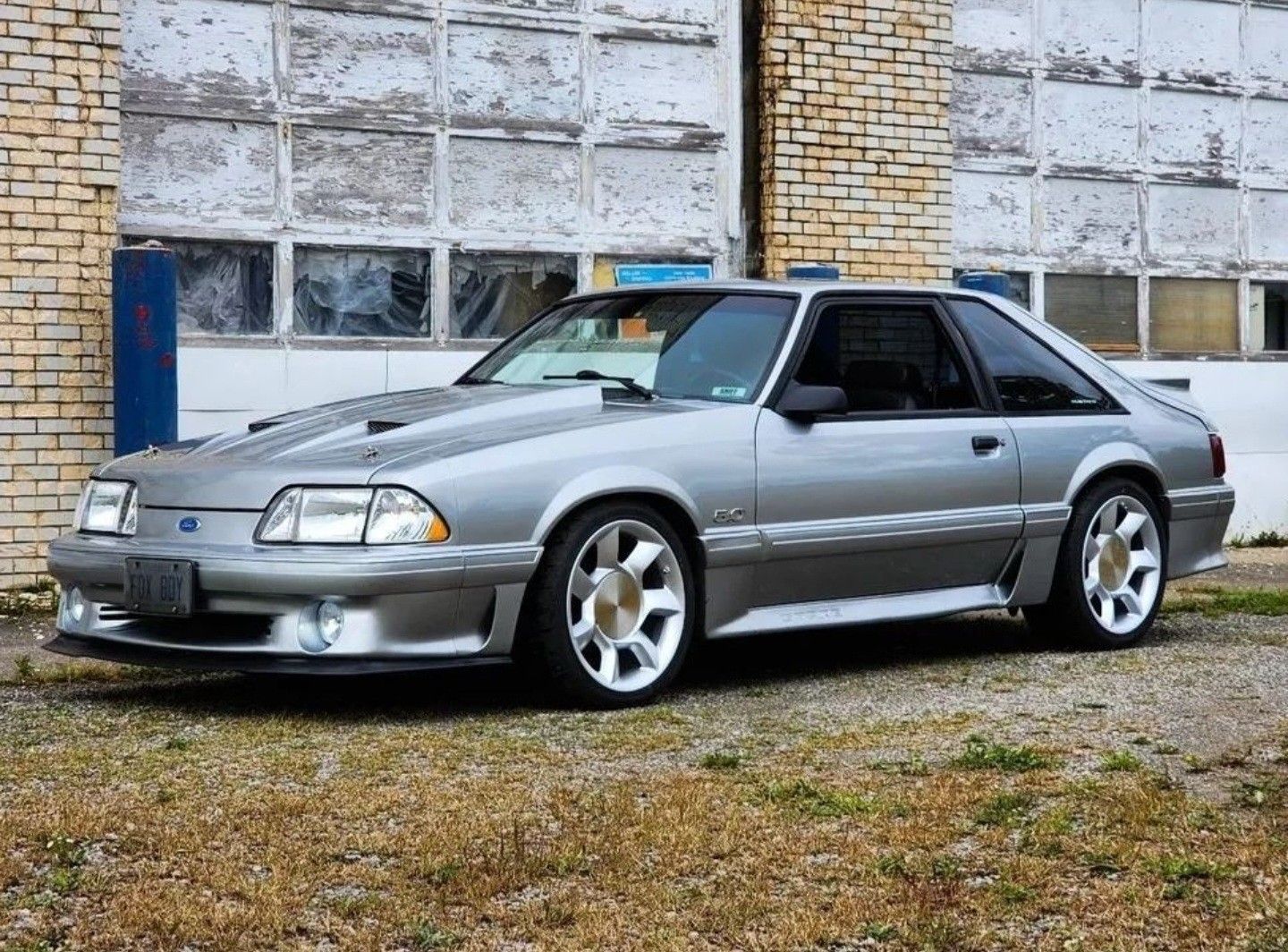
1. Ford Mustang (Fox Body, 1979–1993)
The Fox Body Mustang represents one of the most iconic eras in Mustang history. With a simple, lightweight design, these cars offer incredible potential for both daily driving and performance upgrades.
They are widely regarded as ideal entry points for anyone looking to experience muscle car culture without a massive investment.
The combination of a V8 engine and a relatively light frame allows the Fox Body Mustang to deliver impressive acceleration and handling for its era.
Enthusiasts have consistently praised the balance of performance and customization options that this generation provides. Parts availability is extensive, and aftermarket support is virtually unmatched, which makes it a favorite for beginners and seasoned modifiers alike.
Styling is another factor that makes this Mustang appealing. The angular lines and aggressive stance evoke the spirit of late 1980s and early 1990s automotive design. Many enthusiasts appreciate the ability to restore or modify the exterior to reflect personal tastes.
Paint and bodywork can be updated without breaking the bank, making the Fox Body Mustang a blank canvas for creative expression.
Whether left stock for a vintage feel or modified with modern touches, the car retains its identity as a true American muscle vehicle.
Interior options were simple but functional, and upgrading seats, gauges, or stereo systems is easy for those who wish to modernize the driving environment.
The Fox Body Mustang also offers a strong community of owners and enthusiasts. Clubs, online forums, and local meets provide a wealth of resources for maintenance, performance upgrades, and restoration tips. This network helps new owners navigate potential pitfalls and maximize the enjoyment of their cars.
Additionally, the Fox Body Mustang’s affordability allows enthusiasts to invest in performance upgrades without stretching their budget excessively.
The combination of accessible performance, upgrade potential, and enduring style ensures that the Fox Body Mustang remains a top choice for budget-conscious gearheads.
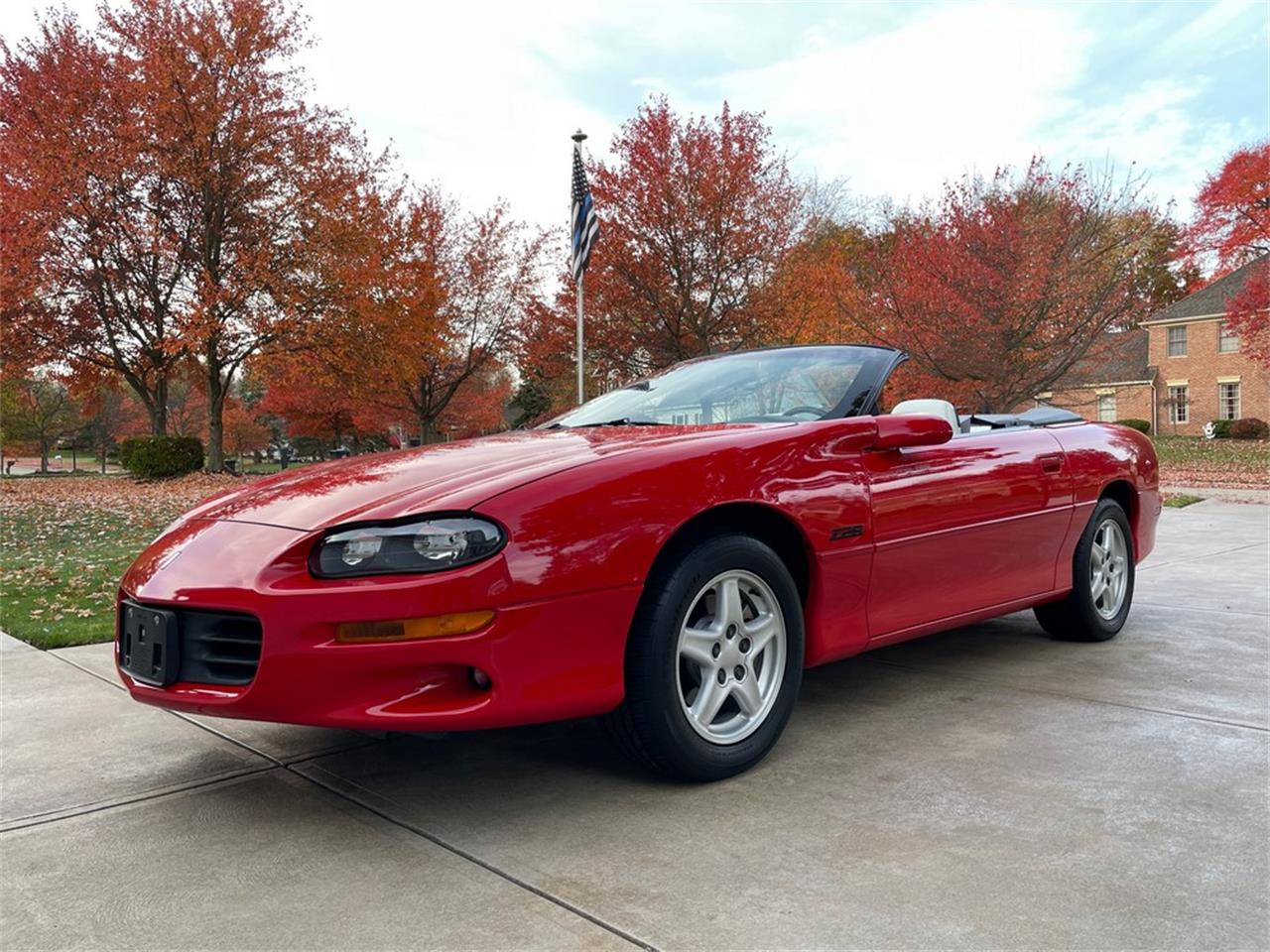
2. Chevrolet Camaro (Third Generation, 1982–1992)
The third-generation Chevrolet Camaro introduced a more aerodynamic and modern approach to muscle cars while retaining classic performance DNA. This generation balanced aggressive styling with lighter weight and better handling than its predecessors.
Enthusiasts appreciate the mix of comfort, practicality, and performance potential, making it a great option for budget-conscious buyers.
The availability of V8 engines provides authentic muscle car power, while the car’s relatively simple mechanical layout keeps maintenance costs low. This combination has cemented the third-generation Camaro as a practical choice for those seeking straight-line speed without excessive expense.
The aftermarket support for the third-generation Camaro is extensive. Owners can access performance upgrades ranging from basic bolt-ons to complete engine swaps. Suspension components, brakes, and steering upgrades allow the car to handle corners and daily driving more effectively.
This generation also benefits from improvements in chassis rigidity, making it more capable of handling increased power. Enthusiasts often enjoy the ease of modifying these cars because factory parts are abundant and affordable.
Whether building a daily driver, weekend cruiser, or project car, the third-generation Camaro provides a flexible platform for various levels of investment and ambition.
Reliability and parts availability are additional reasons why the third-generation Camaro remains a budget-friendly option. Engines and transmissions are relatively simple to maintain, and aftermarket solutions are readily available for more ambitious builds.
Enthusiast communities are active, guiding everything from engine swaps to body restoration. These factors contribute to the car’s reputation as an accessible muscle car that offers an authentic driving experience without a prohibitive cost.
For gearheads seeking an affordable, modifiable, and performance-capable classic, the third-generation Camaro is an excellent choice.
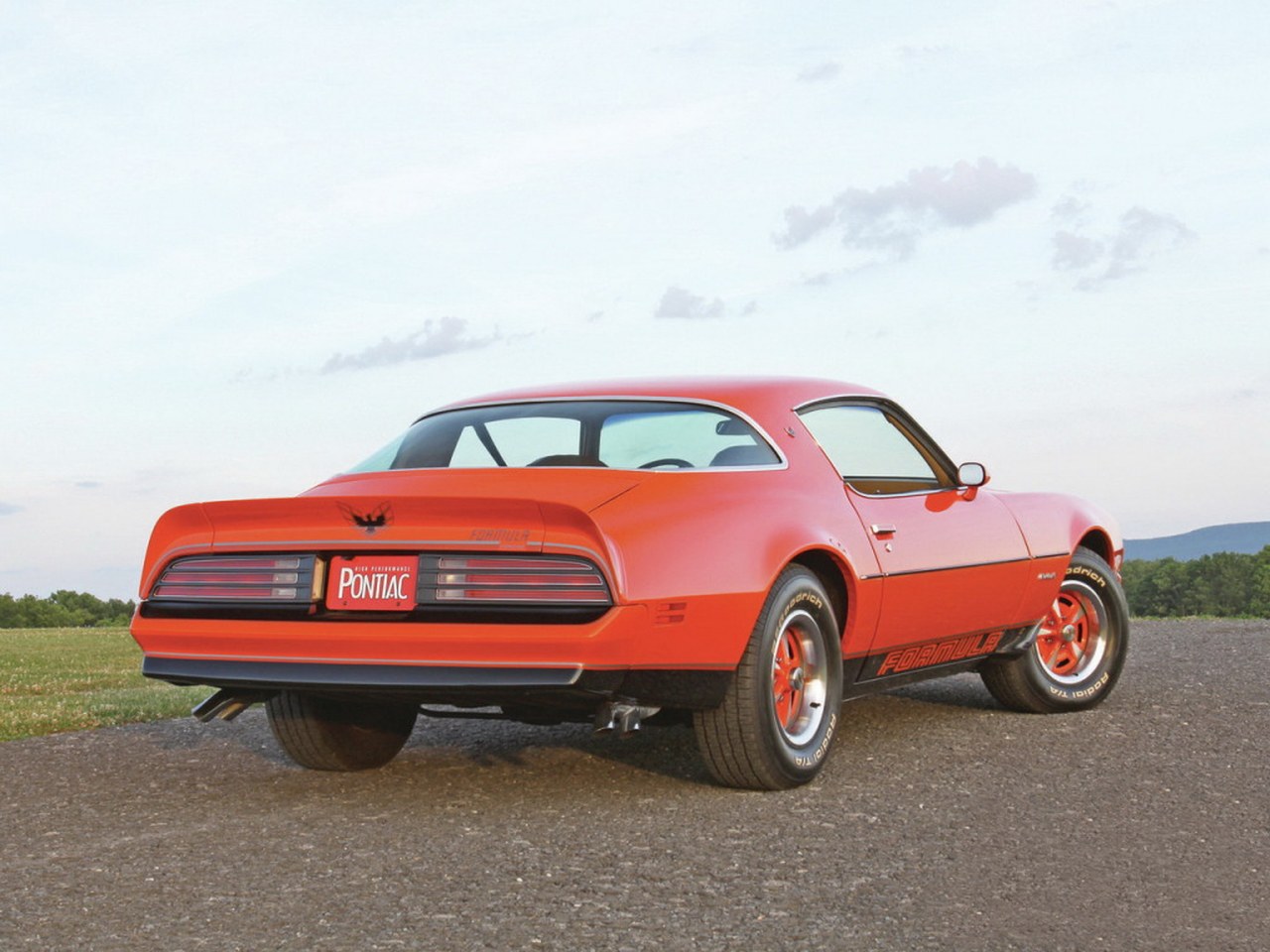
3. Pontiac Firebird (Third Generation, 1982–1992)
The third-generation Pontiac Firebird is closely related to the Chevrolet Camaro, sharing a platform and many mechanical components, but it has its own distinctive styling and personality that appeals to muscle car enthusiasts.
The design featured a lower, sleeker profile, with an emphasis on aerodynamics and a more aggressive front end.
Many enthusiasts consider the Firebird Trans Am models from this era to be the most desirable due to their sportier suspension setups, powerful V8 options, and unique visual touches like the iconic shaker hood and rear spoiler.
Even base models offer a satisfying performance experience, making it a great candidate for budget-minded buyers who still want a car that turns heads.
The Firebird’s combination of style, comfort, and raw power makes it one of the most versatile and enjoyable muscle cars to own without paying a premium for rarity.
Mechanically, the third-generation Firebird offers a lot of potential for upgrades and personalization. Stock V8 engines deliver respectable horsepower, but they are highly receptive to modifications such as intake, exhaust, and camshaft upgrades.
Suspension improvements are easy to implement, allowing owners to improve handling without compromising comfort. The rear-wheel-drive layout ensures a traditional muscle car feel, giving drivers the ability to enjoy controlled slides or aggressive acceleration.
Transmission options include both manual and automatic choices, with many enthusiasts favoring manual gearboxes for the increased engagement they provide.
The platform’s relative simplicity also makes troubleshooting and repairs accessible for those willing to invest time in learning the car’s mechanical quirks.
Another advantage of the third-generation Firebird is the strong community support that surrounds it. Clubs, online forums, and social media groups offer advice on everything from sourcing rare parts to sharing restoration tips.
This network can be invaluable for first-time buyers or those attempting a project build, providing insight into common issues, performance upgrades, and aesthetic enhancements. Additionally, parts availability is generally strong, especially for more common engines and components, keeping repair and modification costs reasonable.
The combination of performance potential, stylish design, and active enthusiast support ensures that the Firebird remains an excellent choice for anyone seeking an affordable, enjoyable muscle car.
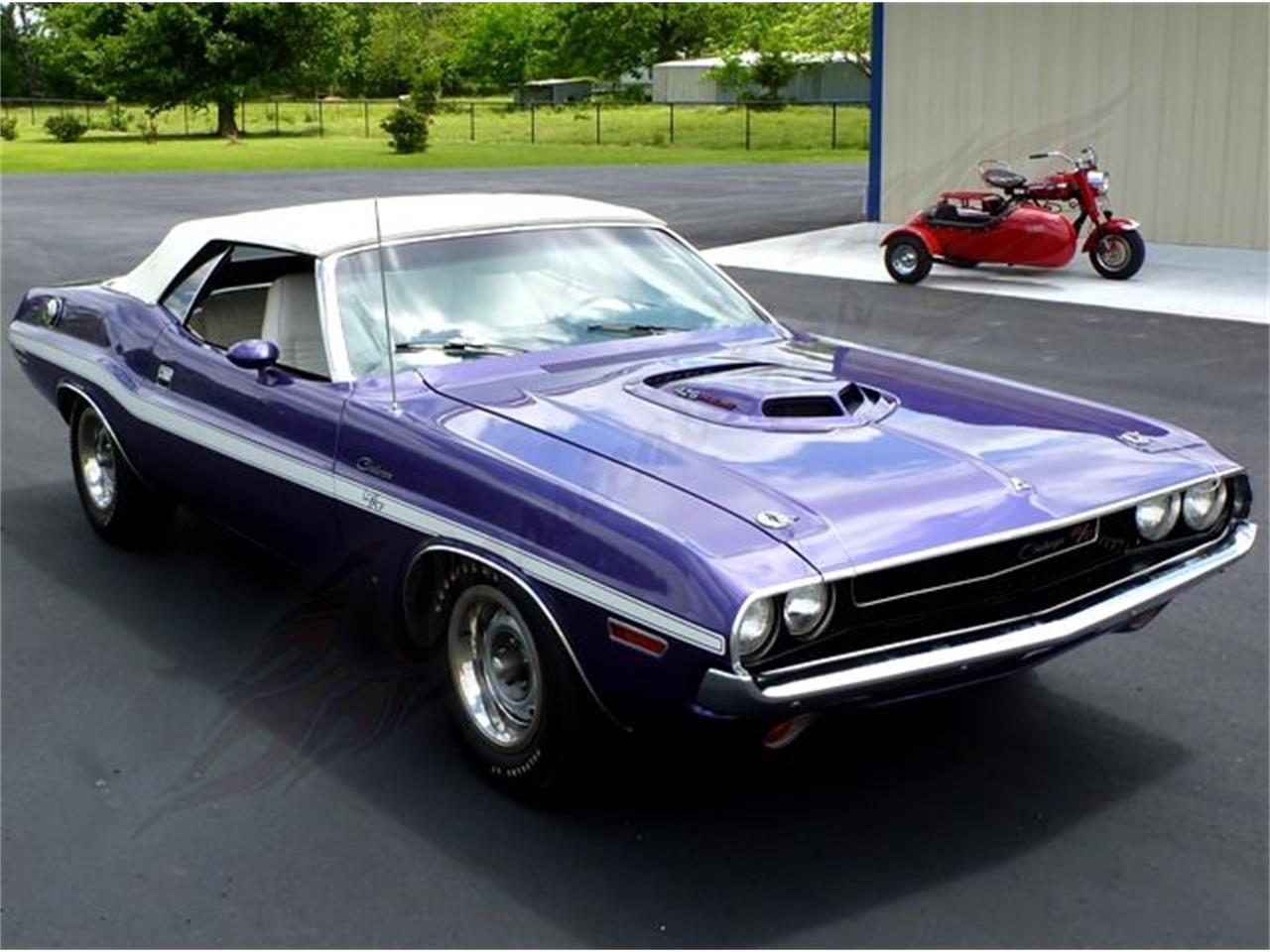
4. Dodge Challenger (Third Generation, 1970–1974)
The early Dodge Challenger models represent the classic era of American muscle cars at their peak, combining large displacement engines, bold styling, and a commanding presence on the road.
While early Challengers may require a slightly higher investment than later muscle cars, it is still possible to find models that are affordable with patience and careful selection.
The design emphasizes wide, muscular proportions with long hoods and short rear decks, creating an aggressive stance that commands attention.
Under the hood, engines like the 383, 440, and 426 Hemi deliver explosive acceleration, while the rear-wheel-drive setup ensures a driving experience that feels visceral and exciting.
The Challenger offers an authentic connection to the muscle car era, allowing enthusiasts to experience the raw power and character that defined American performance vehicles of the early 1970s.
Styling and interior appeal further enhance the Challenger’s status among muscle car fans. Bold lines, distinctive front grilles, and aggressive rear taillights make the car instantly recognizable.
Inside, the cockpit-focused layout features straightforward controls and ample space, allowing drivers to feel connected to the car while maintaining comfort.
Restoration opportunities are abundant, from paint and bodywork to interior upgrades, giving owners the ability to create a personalized classic that stands out in car meets or local cruises.
This level of engagement and customization makes the Dodge Challenger particularly appealing for gearheads who enjoy a project-oriented approach to car ownership.
Community and historical significance also play key roles in the Challenger’s enduring appeal. Enthusiast networks, dedicated clubs, and online resources provide detailed guidance on sourcing parts, troubleshooting common issues, and performing upgrades.
These networks make it easier for new owners to navigate the challenges of classic car ownership while maintaining an authentic muscle car experience. Furthermore, the Challenger’s iconic status as a symbol of early 1970s performance and style adds intangible value for collectors and drivers alike.
This combination of performance, design, and community support makes the early Dodge Challenger a top choice for budget-conscious enthusiasts seeking a muscle car that embodies the era’s spirit.
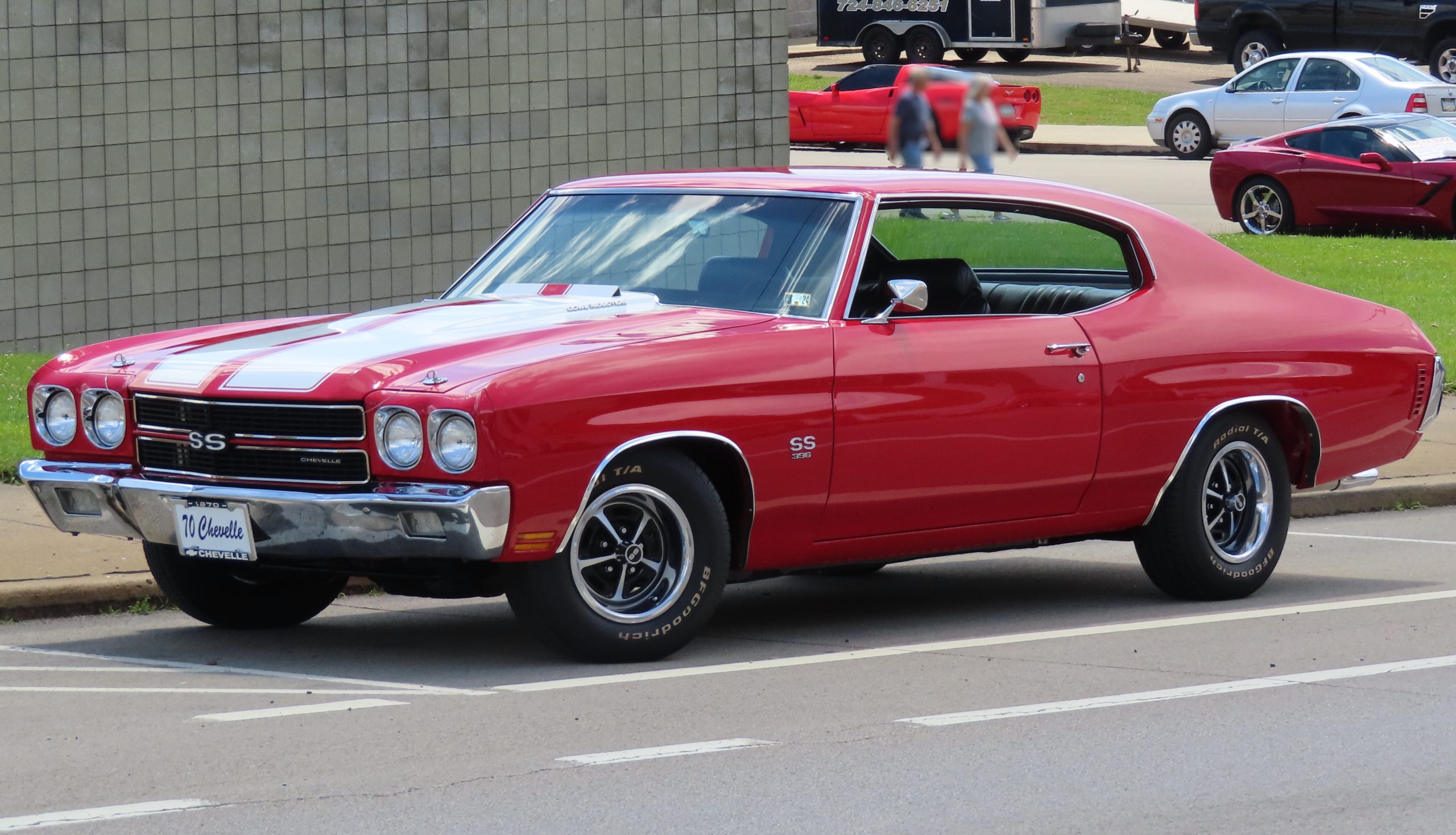
5. Chevrolet Chevelle (1970–1972)
The Chevrolet Chevelle remains one of the most revered muscle cars of the early 1970s, offering a balance of performance, comfort, and style that appeals to a wide range of enthusiasts.
Models like the Chevelle SS feature powerful small-block and big-block V8 engines that provide thrilling acceleration and an unmistakable exhaust note.
While prices for pristine examples may be high, many budget-friendly options exist for those willing to consider cars in need of minor restoration or with non-original components. The Chevelle’s design emphasizes muscular proportions and aggressive lines, giving it a commanding presence on the road.
It remains a favorite among gearheads due to its blend of classic styling, robust engine options, and the ability to deliver an authentic muscle car experience without an overwhelming investment.
Interior design and aesthetics contribute to the Chevelle’s lasting appeal. The cabins were spacious for the era, with supportive seating and a driver-focused layout. Many enthusiasts enjoy restoring original interior elements while incorporating subtle modern upgrades to improve comfort and usability.
Exterior styling remains a major draw, with bold lines, chrome accents, and signature badging that signal its muscle car heritage.
Restoration and customization opportunities are extensive, allowing owners to create a vehicle that reflects personal style while retaining the car’s iconic identity.
The visual impact of the Chevelle continues to make it a centerpiece at car shows and enthusiast gatherings, reinforcing its reputation as a classic muscle car worth owning.
Chevelle ownership also benefits from a strong enthusiast community and historical significance. Clubs, forums, and social media groups provide advice on restoration, performance upgrades, and sourcing hard-to-find parts.
These networks are invaluable for first-time buyers or those undertaking more ambitious projects, offering guidance and shared knowledge.
Additionally, the Chevelle’s place in muscle car history adds a sense of pride and connection for owners, knowing they are preserving a piece of automotive heritage.
With the combination of power, style, adaptability, and community support, the Chevrolet Chevelle stands out as a budget-friendly muscle car that offers both driving enjoyment and the satisfaction of participating in a longstanding enthusiast culture.
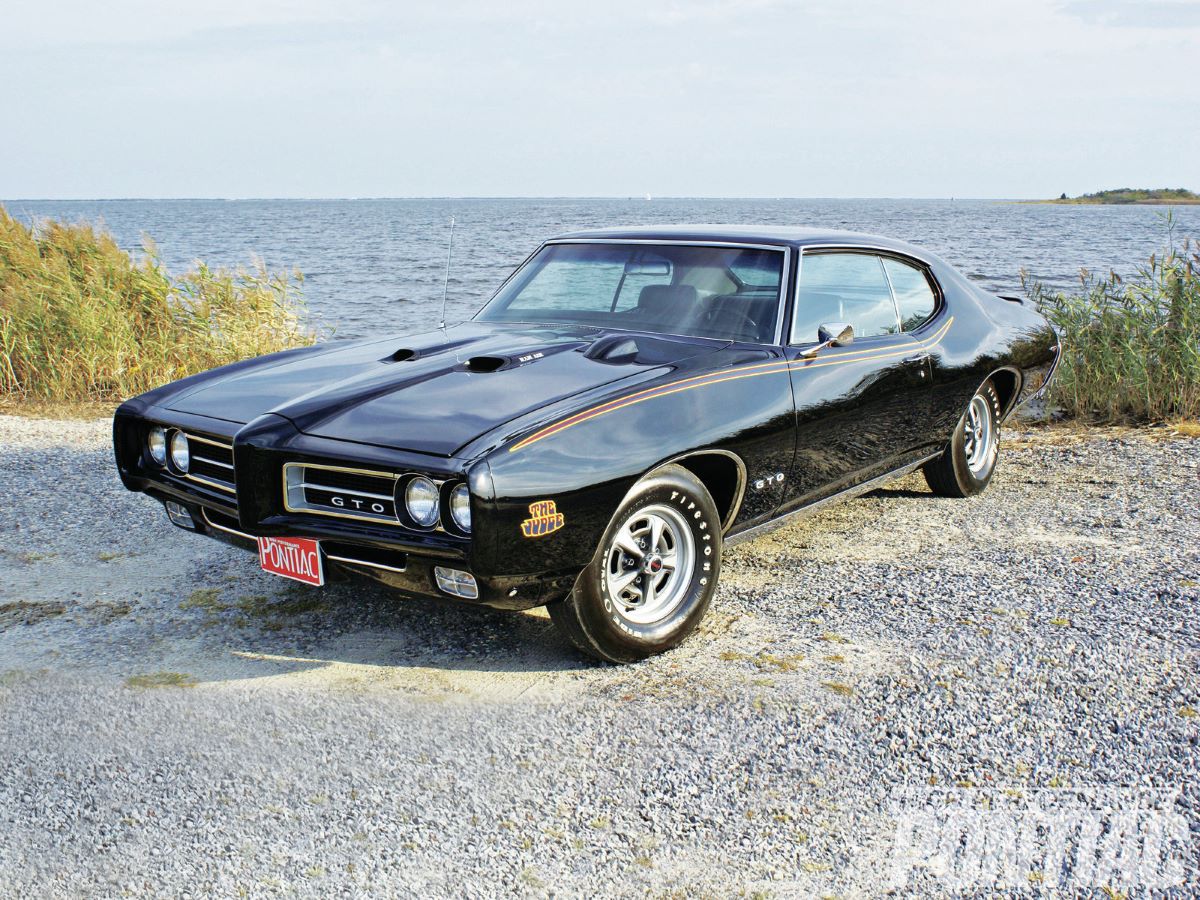
6. Pontiac GTO (1968–1972)
The Pontiac GTO is often credited as one of the earliest true muscle cars, combining performance, style, and a sense of prestige that appealed to enthusiasts from its inception.
Models from the late 1960s and early 1970s offered a range of powerful V8 engines, from the 400 cubic inch small-block to the legendary 455 cubic inch big-block, delivering thrilling acceleration and a commanding presence on the road.
The GTO’s styling reflects its performance intent, with muscular proportions, bold front grilles, and distinctive badging that have become iconic symbols of American muscle.
Even budget-friendly models, especially those needing minor cosmetic restoration or with less desirable trim packages, can provide the full muscle car experience for enthusiasts who are willing to invest some time and effort.
The interior of the GTO complements its performance-focused design. While not luxurious by modern standards, the cabin layout prioritizes driver control and engagement, with straightforward instrumentation and supportive seating.
Many owners opt to restore original elements, such as the iconic gauge clusters and seat patterns, while incorporating modern touches like upgraded audio or air conditioning for comfort.
Exterior aesthetics are equally compelling, with bold lines, hood scoops, and distinctive rear styling that signal its performance heritage. Restoration and personalization options are abundant, allowing enthusiasts to create a car that stands out at car shows while remaining faithful to the GTO’s iconic identity.
Community support and historical significance further enhance the Pontiac GTO’s appeal as a budget muscle car. Enthusiast clubs, online forums, and social media groups provide detailed guidance for maintenance, restoration, and performance enhancements.
These networks are invaluable for navigating common challenges, such as sourcing original parts or addressing rust-prone areas.
Owning a GTO also connects enthusiasts to a broader history of muscle cars and American automotive culture. For gearheads who value authenticity, performance, and heritage, the Pontiac GTO represents a compelling option that balances affordability with a legendary reputation.
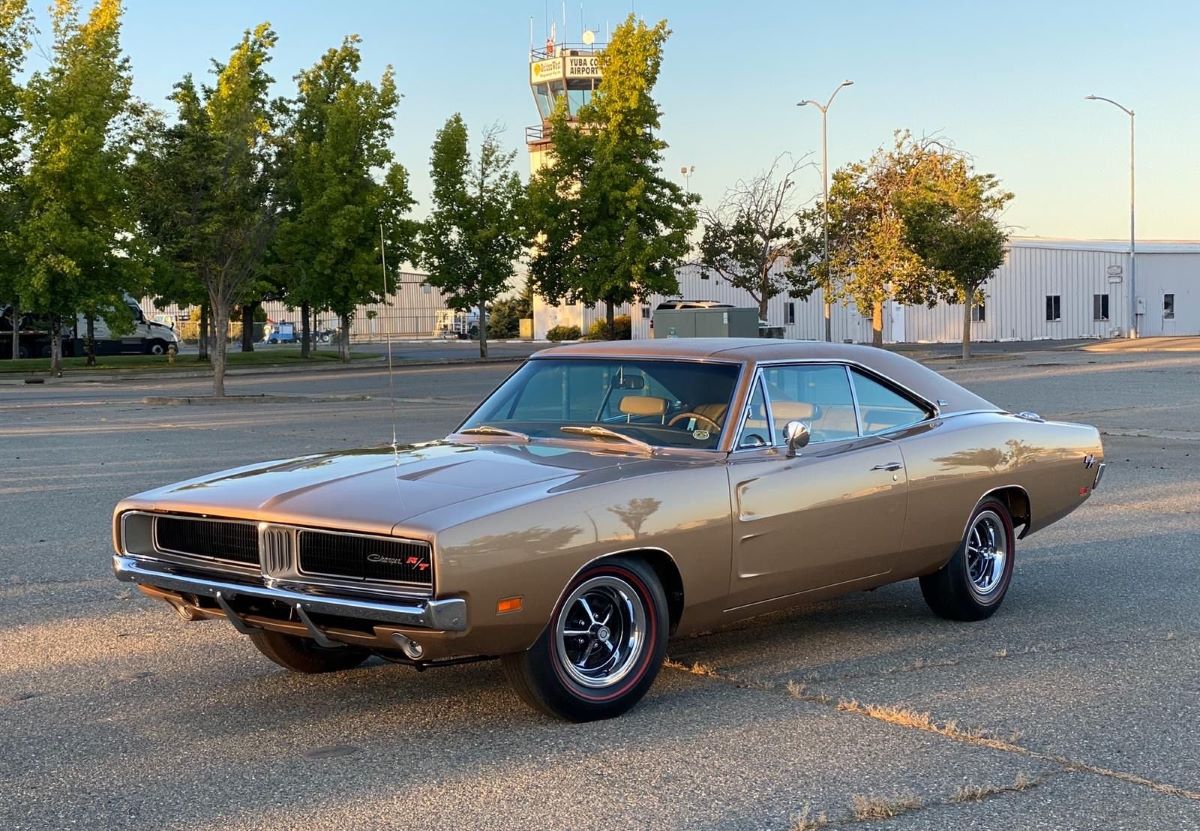
7. Dodge Charger (1968–1970)
The late 1960s Dodge Charger exemplifies the muscle car era at its most dramatic, with aggressive styling, powerful engines, and a distinctive fastback roofline.
The Charger combines raw performance with a commanding presence, making it a favorite among collectors and budget-conscious enthusiasts alike.
Engine options range from small-block V8s to the massive 426 Hemi, providing performance levels that still impress today.
The car’s wide stance and sculpted body lines convey strength and speed, while interior layouts focus on comfort and driver engagement. Even moderately priced examples allow gearheads to experience the thrill of classic muscle car power without the cost of a fully restored collectible.
Styling and interior design remain key elements of the Charger’s enduring appeal. The fastback roofline and aggressive front fascia create a striking visual impression, while interior layouts prioritize ergonomics and driver control. Seats are generally spacious, and dashboards are simple yet functional.
Restoration opportunities are abundant, allowing owners to recreate factory looks or add personal touches such as modern gauges, upgraded audio, or custom upholstery.
The Charger’s distinctive appearance and performance potential ensure it remains a standout option for those seeking a visually impressive yet budget-friendly muscle car.
The enthusiast community surrounding the Dodge Charger is another reason it is ideal for gearheads. Clubs, forums, and social media networks provide insights on sourcing parts, performing upgrades, and avoiding common pitfalls.
These resources make the process of owning and improving a Charger more accessible, especially for first-time classic car buyers.
The combination of historical significance, striking design, and mechanical flexibility ensures that the Dodge Charger remains a compelling choice for anyone looking to experience classic muscle car excitement without breaking the bank.
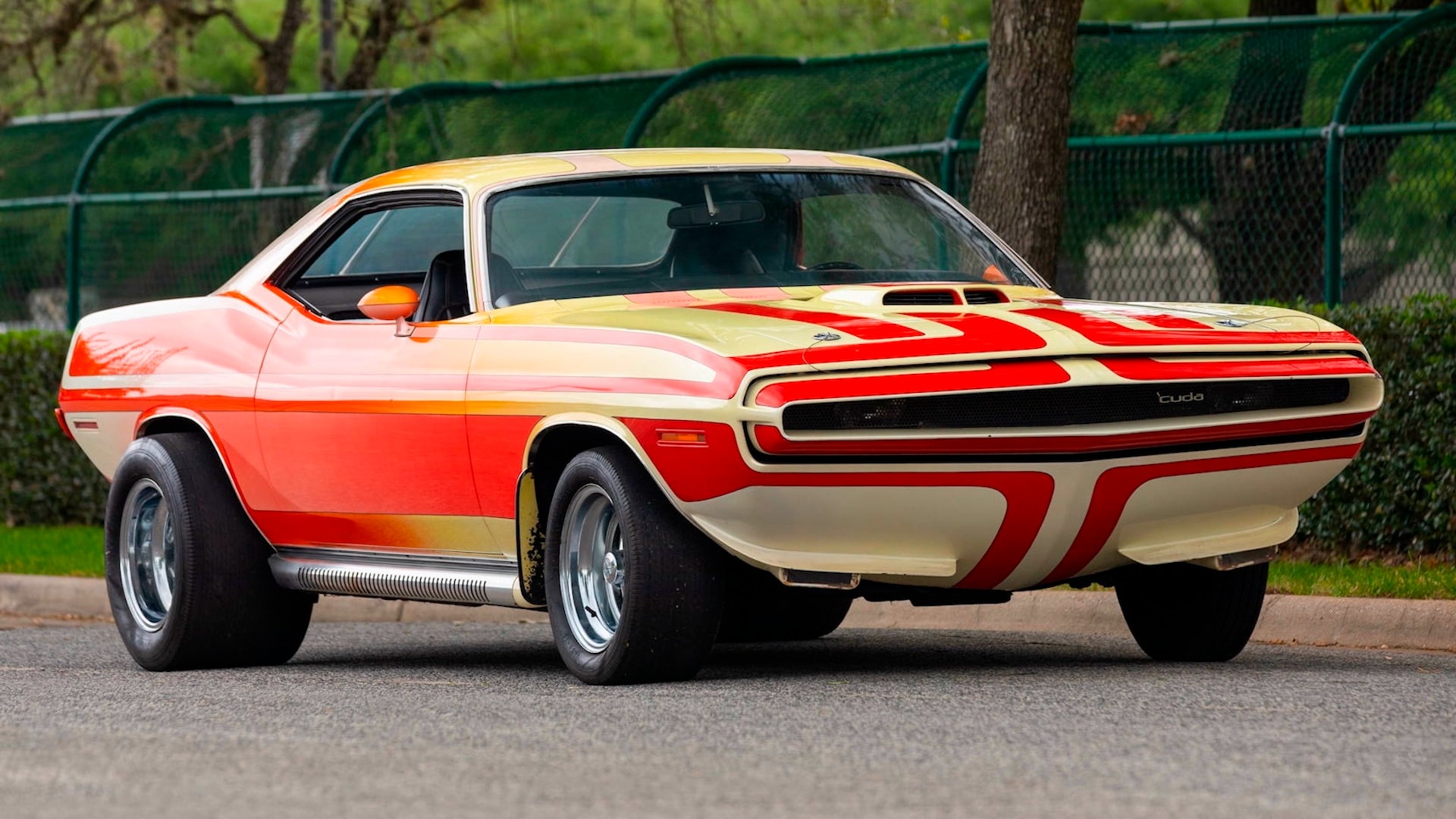
8. Plymouth Barracuda (1970–1974)
The Plymouth Barracuda, often overshadowed by its contemporaries, is a highly rewarding option for gearheads seeking an affordable and unique muscle car. The early 1970s models feature sharp styling with a fastback roofline, prominent hood scoops, and a wide, aggressive stance.
Engine options range from modest six-cylinders to powerful V8s, including the legendary 340 and 383 cubic inch small-block engines, as well as the big-block 426 Hemi in higher trims.
The Barracuda’s combination of performance and visual appeal makes it a standout choice for enthusiasts who want a car that is both distinctive and capable on the road.
Many budget-conscious buyers can find examples in need of minor cosmetic work or with less desirable trim packages, making the Barracuda an accessible entry into classic muscle car ownership.
Interior and styling are additional draws for the Plymouth Barracuda. The fastback design, combined with bold colors and trim options, ensures a visually striking presence on the road. The interior is simple but functional, with supportive seating and intuitive controls.
Restoration opportunities are plentiful, allowing owners to recreate the original look or incorporate modern enhancements such as upgraded audio, seats, or climate control.
This combination of aesthetics and practicality allows gearheads to create a personalized vehicle that retains the Barracuda’s iconic charm while enhancing usability.
The Barracuda also benefits from an engaged and knowledgeable enthusiast community. Clubs, forums, and online resources provide detailed advice on sourcing parts, restoring components, and upgrading performance.
This network is especially valuable for first-time buyers, helping them navigate common challenges and maximize their investment.
With its combination of affordability, performance potential, and distinctive styling, the Plymouth Barracuda offers gearheads a unique muscle car experience that stands apart from more common options while remaining accessible to those on a budget.
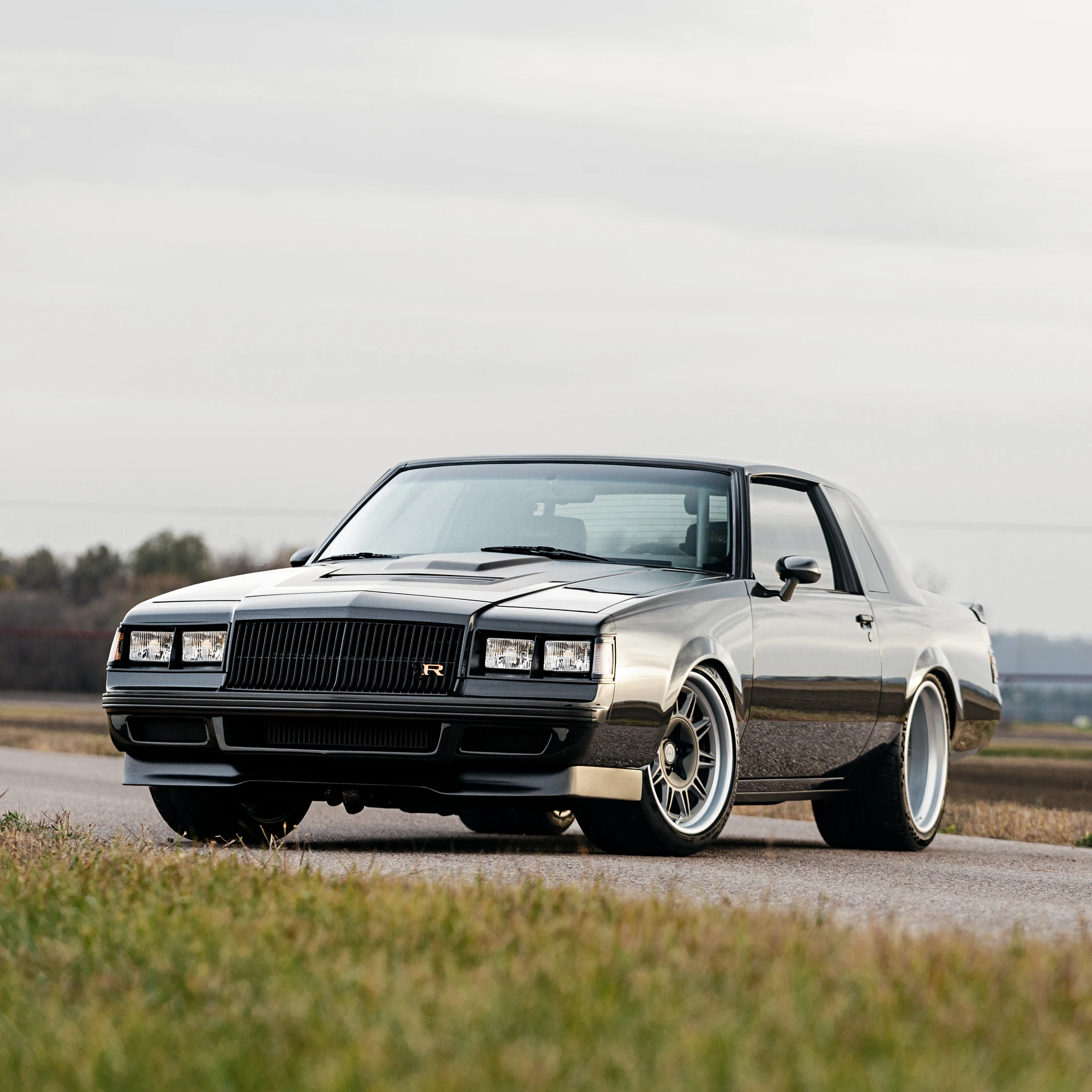
9. Buick Grand National (1984–1987)
The Buick Grand National represents a departure from traditional muscle cars, offering turbocharged performance in a sleek, understated package.
While not as visually aggressive as other muscle cars, the Grand National’s performance credentials are exceptional, with the 3.8-liter turbocharged V6 producing impressive power and torque for its era.
Enthusiasts appreciate the car’s ability to achieve high speeds and strong acceleration while maintaining a refined, somewhat stealthy appearance.
Budget-friendly examples are often available, especially for earlier models or cars with minor cosmetic wear, allowing gearheads to experience turbocharged performance without spending excessively.
The Grand National combines style, technology, and performance in a unique package that remains highly desirable among muscle car enthusiasts.
Styling and interior design further contribute to the Grand National’s appeal. The blacked-out exterior creates a menacing and distinctive presence, while the cabin is simple, functional, and driver-focused. Seats are supportive, and dashboards feature straightforward gauges and controls.
Restoration and personalization options are available, allowing owners to maintain the car’s factory aesthetics or incorporate modern enhancements.
This combination of understated styling and high performance makes the Buick Grand National an intriguing alternative to more conventional muscle cars, offering something truly different for enthusiasts on a budget.
Community support and historical significance add value to the Grand National as well. Enthusiast clubs, online forums, and social media groups provide detailed guidance on maintenance, upgrades, and sourcing parts.
This network helps new owners navigate the unique challenges of turbocharged systems while maximizing the car’s potential.
Additionally, the Grand National occupies a special place in muscle car history as one of the few American cars to successfully combine turbocharged technology with traditional muscle car appeal.
For gearheads seeking performance, rarity, and uniqueness, the Buick Grand National is a highly rewarding option that remains accessible at a reasonable price.
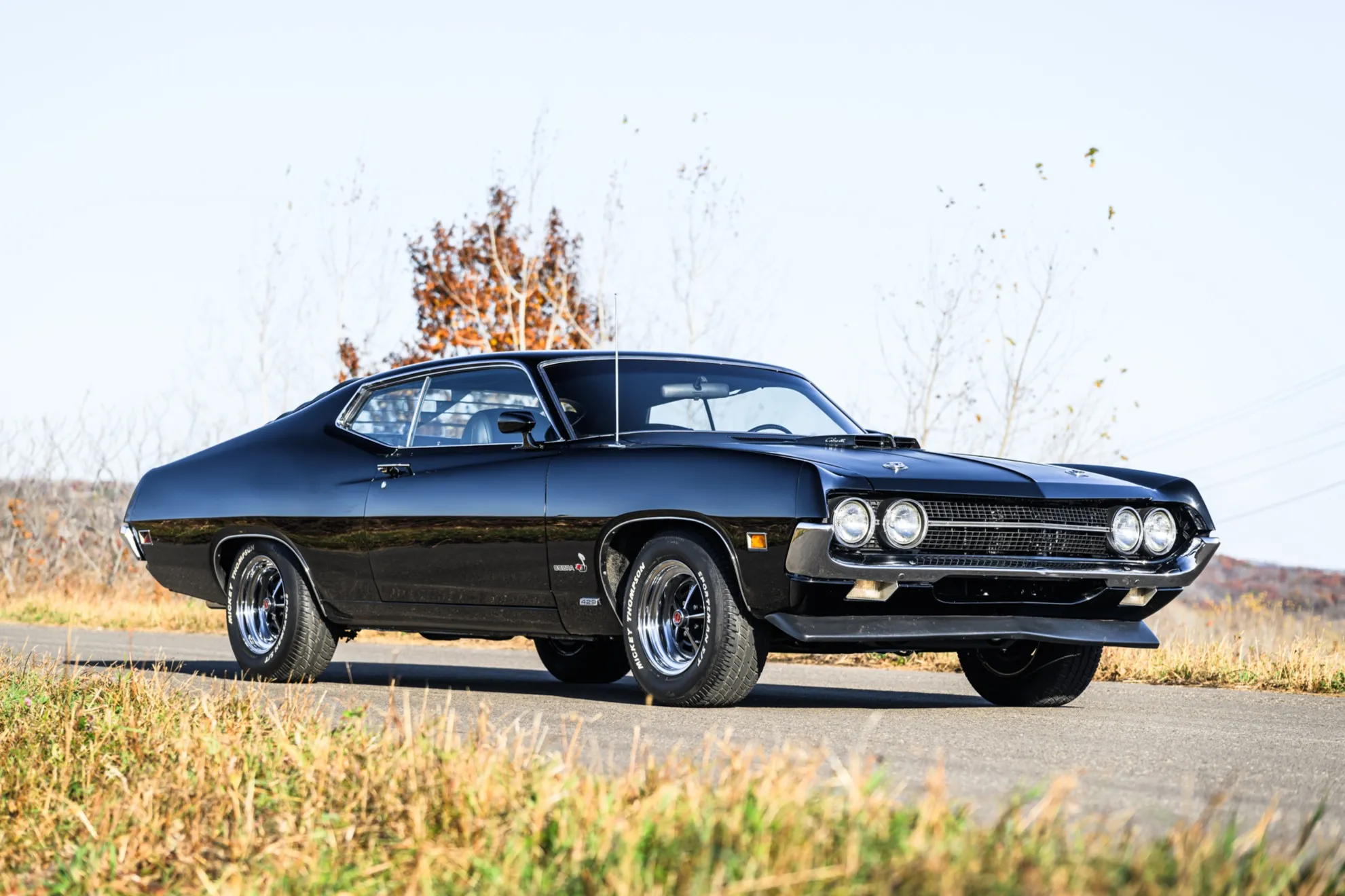
10. Ford Torino (1968–1971)
The Ford Torino is a versatile and often overlooked muscle car, offering a balance of performance, style, and affordability.
Late 1960s and early 1970s models featured a range of engines, from small-block V8s to larger 429 and Torino Cobra engines, delivering a variety of performance options for enthusiasts.
The Torino’s styling emphasizes sleek lines and a long hood, complemented by a spacious interior that can accommodate both driver and passengers comfortably.
While it may not have the same name recognition as some other muscle cars, the Torino offers a solid platform for those seeking an affordable, powerful, and customizable vehicle.
Its combination of visual appeal, engine options, and practical usability makes it a strong contender for budget-conscious gearheads.
The Torino’s interior and exterior design contribute to its appeal. Inside, the cabin is functional, driver-focused, and comfortable for daily use or weekend cruising. Restoration opportunities abound, allowing owners to upgrade upholstery, gauges, and audio systems while maintaining the original character.
The exterior’s muscular proportions, long hood, and distinctive grille give the Torino a strong road presence, making it a visually striking option in the world of classic muscle cars. Customization possibilities range from subtle updates to complete restomods, giving gearheads full creative freedom.
Community support and historical value further strengthen the Torino’s appeal. Enthusiast clubs, online forums, and social media groups provide resources for restoration, performance upgrades, and general ownership advice. These networks are invaluable for first-time buyers, offering guidance on parts, repairs, and potential pitfalls.
Additionally, the Torino’s place in muscle car history as a versatile, high-performance, and affordable option gives owners a sense of pride and connection to automotive heritage.
For enthusiasts seeking a budget-friendly muscle car with strong potential for personalization and performance, the Ford Torino remains an excellent choice.
