
The idea of a V12 engine often brings to mind images of luxury vehicles with astronomical price tags, exotic supercars, or limited-edition hypercars that are well beyond the reach of most car enthusiasts.
These engines are typically associated with flawless engineering, smoothness, and raw power, characteristics that make them highly desirable in the automotive world.
However, the notion that V12 engines are exclusively reserved for the wealthy is not entirely accurate. Over the years, several manufacturers have offered V12-powered vehicles that, while still premium, can be considered budget-friendly relative to the broader spectrum of V12 cars.
These vehicles represent a fascinating combination of engineering excellence and attainable performance, allowing enthusiasts to experience the prestige and refinement of a V12 engine without venturing into the extreme luxury segment.
V12 engines are renowned for their smoothness and balance. Unlike smaller engines that may require complex balancing or turbocharging to achieve similar output, the inherent design of a V12 provides near-perfect balance, resulting in remarkably smooth power delivery.
This makes the driving experience exceptionally refined, especially at low and mid-range speeds, where vibrations are minimized, and the engine hums with a characteristic richness.
Furthermore, the sound of a V12 engine is widely celebrated for its orchestral quality, producing a unique combination of throaty growls and high-pitched harmonics that can make every drive feel like a special occasion. The combination of sound, smoothness, and performance is part of the enduring appeal of V12 engines.
In addition to their mechanical qualities, V12 engines offer impressive versatility across various types of vehicles. While many people associate them with high-speed supercars, they are equally at home in grand tourers, luxury sedans, and even some SUVs.
This adaptability has allowed manufacturers to create vehicles that cater to a broader audience, blending performance and comfort. Moreover, as technology has advanced, modern V12 engines have become more efficient and reliable than ever before.
Innovations such as variable valve timing, direct fuel injection, and advanced engine management systems have allowed these engines to deliver strong performance while maintaining a manageable fuel consumption and reduced maintenance requirements relative to their past iterations.
For enthusiasts on a budget, finding a V12-powered vehicle requires careful consideration of depreciation, maintenance, and availability. Many budget-friendly V12 cars are older models that have already experienced significant depreciation, which makes them more accessible to buyers.
While they may lack some of the modern features of newer vehicles, they often retain the essential qualities that make V12s special: smooth power delivery, impressive sound, and refined performance. Collectors and enthusiasts who prioritize driving experience over brand-new technology will find these cars particularly appealing.
In this article, we highlight ten V12-powered cars that stand out for their combination of performance, engineering excellence, and relative affordability. Each offers a unique perspective on what it means to own and enjoy a V12 engine without breaking the bank.
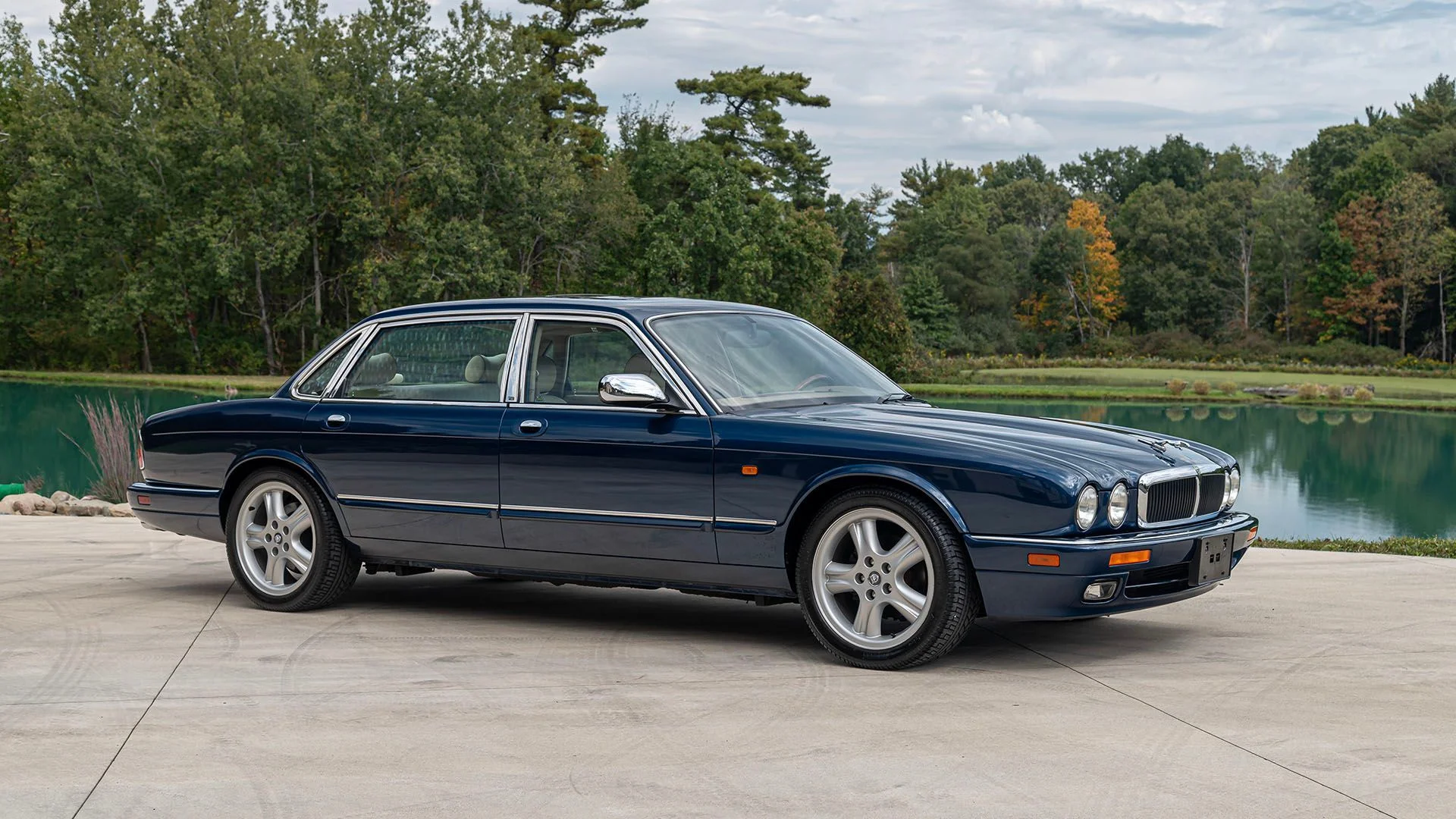
1. Jaguar XJ12 (Series III, 1979–1992)
The Jaguar XJ12 is an example of British engineering that successfully combined luxury, performance, and the allure of a V12 engine at a price that remains approachable for many collectors today. Introduced in the late 1970s, the XJ12 was part of Jaguar’s renowned XJ series, which had already established a reputation for elegance and comfort.
The V12 engine in the XJ12 was smooth and powerful, producing ample torque for effortless highway cruising and providing a distinctly refined driving experience.
Its engine was mated to automatic or manual transmissions, allowing a choice between relaxed driving and more engaged performance, which appealed to a variety of drivers.
One of the defining characteristics of the XJ12 is its balance of luxury and engineering sophistication. The interior was crafted with high-quality leather, polished wood accents, and a layout that emphasized driver comfort and passenger convenience. Despite its age, the XJ12’s design retains a sense of elegance and purpose that continues to attract enthusiasts.
The V12 engine, although not the most powerful by modern standards, delivered a smoothness that was unparalleled for its time. Its ability to accelerate quietly and steadily while maintaining composure over long distances made it a true grand tourer.
Maintenance and ownership costs for the XJ12 can be higher than smaller engines, but parts availability and the simplicity of its mechanical design relative to modern V12s make it manageable.
Many owners appreciate the mechanical nature of the engine, which allows for a more hands-on ownership experience. Furthermore, the depreciation curve of these cars has already bottomed out, making them a practical choice for enthusiasts seeking a V12 without the extreme initial cost of contemporary models.
In terms of performance, the XJ12 may not rival modern supercars, but it offers a distinctive combination of smooth acceleration, linear power delivery, and comfortable handling. Its lightweight chassis, in comparison to its engine size, ensures that it responds predictably to driver inputs.
The driving experience is as much about the sensation of refinement as it is about speed, which is a rare quality in today’s performance-oriented market. Collectors often highlight the XJ12 as an accessible way to experience a V12 engine with classic styling and dependable mechanics.
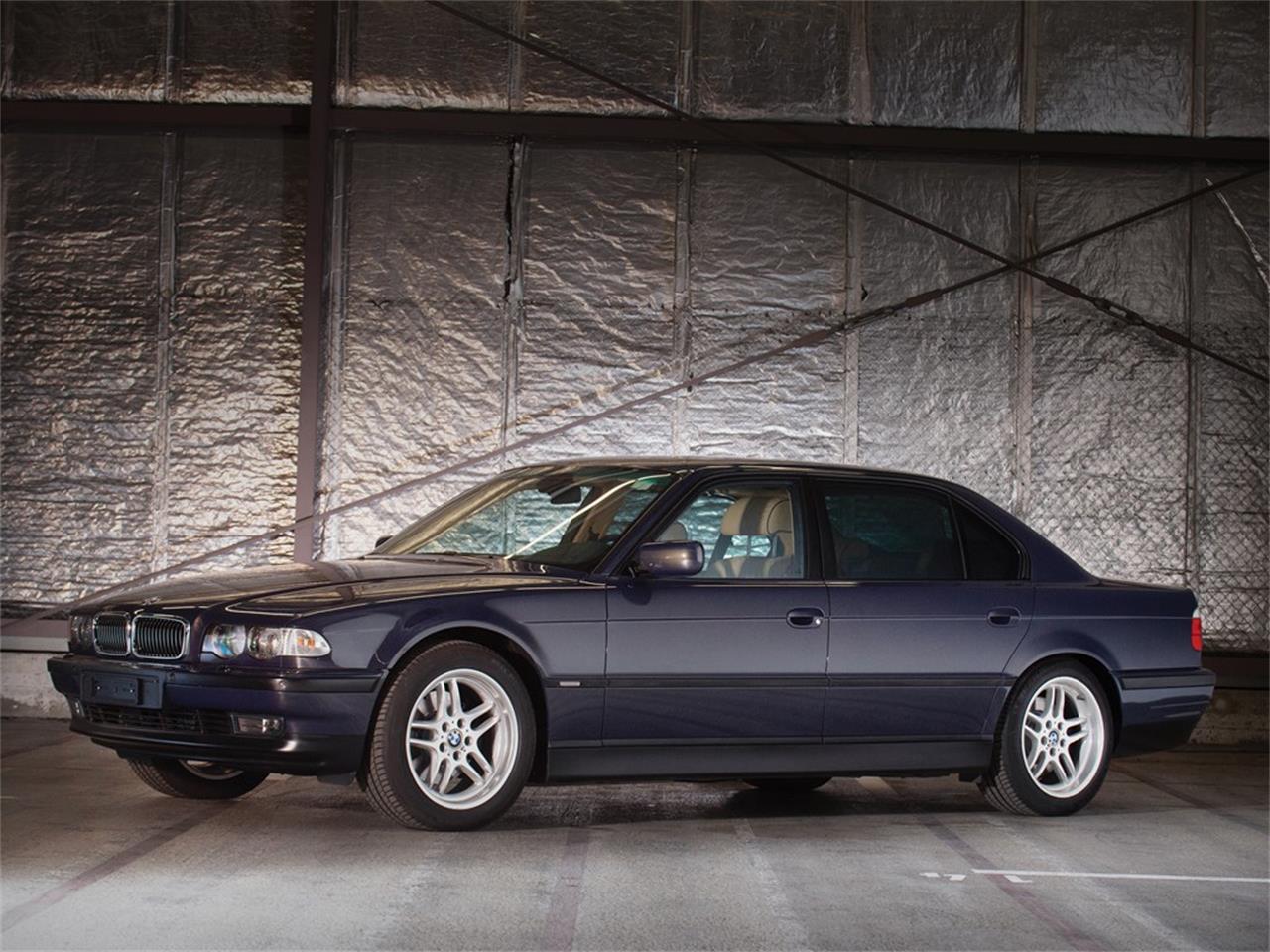
2. BMW 7 Series V12 (E32 and E38, 1987–2001)
BMW’s 7 Series has long been synonymous with executive luxury, and the V12 variants, particularly the E32 and E38 generations, offer an excellent blend of performance, comfort, and attainable price. The E32 750iL was the first production BMW to feature a V12 engine, demonstrating the company’s commitment to engineering excellence.
With a 5.0-liter V12 in the early models, and later upgraded to 5.4 liters, these engines provided smooth and potent power delivery that was remarkable for their era. BMW combined this engine with sophisticated suspension and chassis design, ensuring that the large sedan handled with surprising agility for its size.
The interior of the 7 Series V12 models reflected BMW’s attention to detail. High-quality materials, ergonomic design, and innovative technology made these cars comfortable for both drivers and passengers.
Even today, the E32 and E38 interiors maintain an aura of elegance, with features such as advanced climate control, premium sound systems, and luxurious seating. The V12 engine contributed not only to performance but also to the refinement of the vehicle, producing power with minimal vibration or noise intrusion.
From a cost perspective, the 7 Series V12 sedans of this era have seen considerable depreciation, making them attainable for enthusiasts who are willing to invest in proper maintenance.
The engines are robust and reliable when serviced regularly, and many of the mechanical components are straightforward to work on compared to newer, more complex V12 engines. Owners often find that the combination of luxury, performance, and the exclusivity of a V12 makes these vehicles highly satisfying to own and drive.
Performance in the E32 and E38 V12 7 Series sedans was focused on effortless acceleration and high-speed stability rather than outright track dominance. The engines provided smooth torque delivery across the rev range, making highway cruising serene and powerful.
Handling was balanced and predictable, ensuring confidence behind the wheel even in a car that weighed well over two tons. These V12 7 Series models remain popular among enthusiasts seeking a full-size luxury car that offers both refinement and the thrill of a twelve-cylinder engine at a fraction of the cost of contemporary V12 supercars.
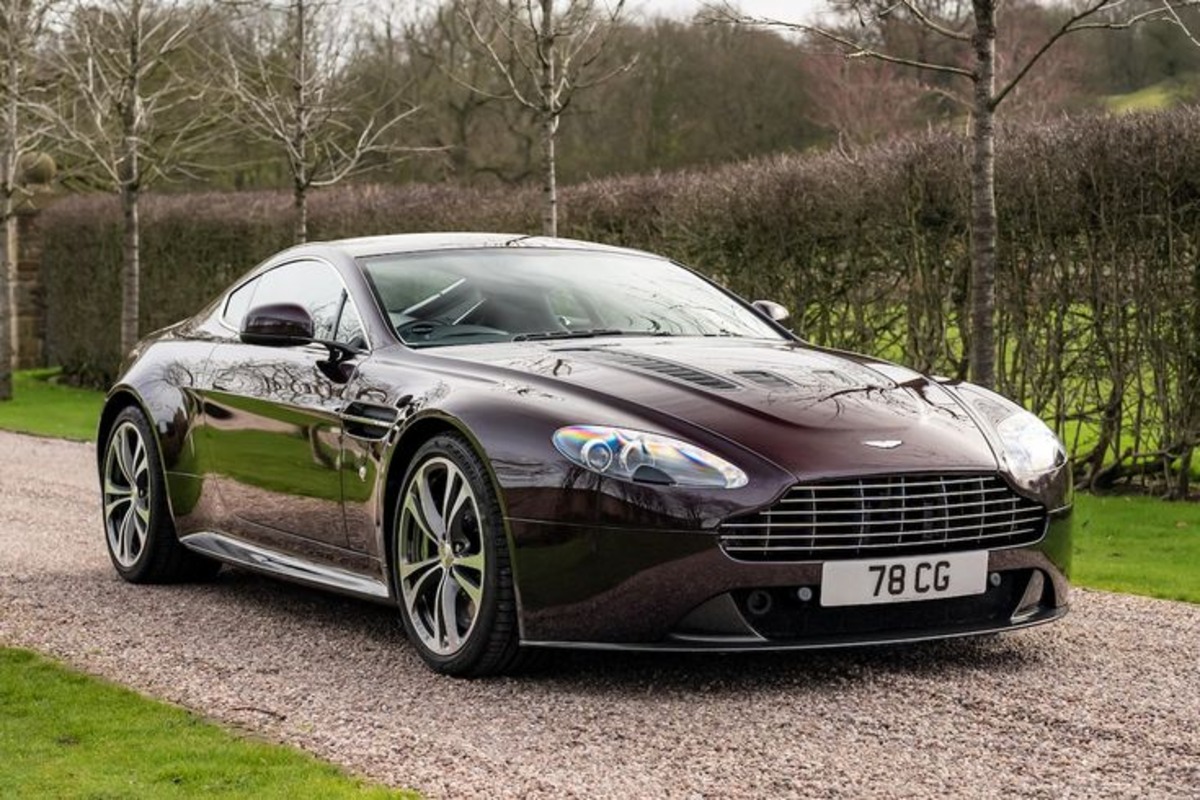
3. Aston Martin V12 Vantage (2009–2018)
The Aston Martin V12 Vantage represents a rare combination of sports car agility and V12 performance in a package that can be considered relatively affordable in the world of Aston Martins. Introduced in 2009, this car took the standard V8 Vantage platform and fitted it with a naturally aspirated 6.0-liter V12 engine derived from the DB9.
The result was a car with substantial horsepower, impressive torque, and the unmistakable soundtrack of a V12 that could excite even the most jaded car enthusiast. The V12 Vantage offered performance on par with some supercars of its era, while maintaining the traditional Aston Martin balance of style and driving pleasure.
Inside, the V12 Vantage retained the luxury craftsmanship Aston Martin is known for, featuring premium leather, fine stitching, and a driver-focused cockpit.
While not as technologically laden as some modern cars, the simplicity and elegance of the interior added to the charm, allowing the driver to focus on the driving experience. Every detail, from the controls to the seating position, was designed to complement the performance of the V12 engine, ensuring an engaging yet comfortable ride.
Owning a V12 Vantage requires some attention to maintenance, as is typical for performance-oriented V12 engines. However, these cars have proven to be relatively reliable if properly serviced, and their value has become more accessible over time.
For enthusiasts seeking the sound and feel of a V12 in a compact sports car form, the V12 Vantage offers a compelling option. Its presence on the road and the auditory experience of the engine make it stand out in traffic, providing both prestige and driving satisfaction.
Performance metrics of the V12 Vantage reflect its sporty orientation. Acceleration is brisk, handling is sharp, and the balance between chassis and engine ensures that the power delivery is both thrilling and manageable.
Unlike larger grand tourers, the V12 Vantage emphasizes a connection between driver and car, allowing for precise control and immediate feedback. The result is a car that embodies the essence of a V12-powered sports car, offering exhilaration and refinement at a price point that is relatively modest for the segment.
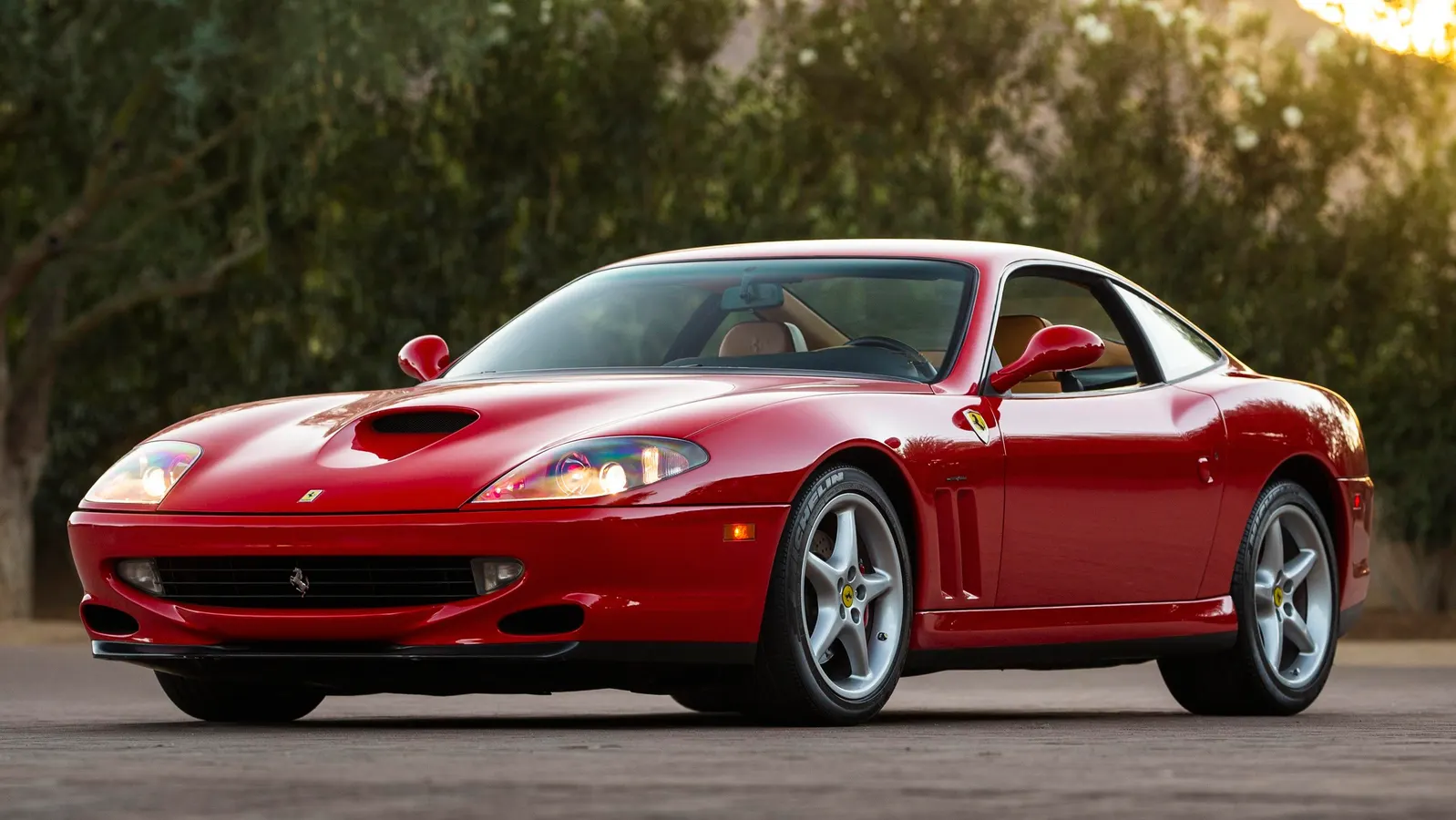
4. Ferrari 550 Maranello (1996–2001)
The Ferrari 550 Maranello is a standout example of an accessible V12 Ferrari that offers a blend of performance, design, and relative affordability for enthusiasts who desire an authentic Ferrari experience.
Introduced in the mid-1990s, the 550 Maranello marked Ferrari’s return to a front-engine V12 grand tourer layout, reminiscent of the classic Ferrari 365 GTB/4 Daytona.
Its 5.5-liter naturally aspirated V12 engine delivered over 470 horsepower, providing exhilarating performance while maintaining a level of drivability suitable for both spirited driving and long-distance touring.
The balance between power, handling, and comfort made the 550 Maranello a versatile vehicle that could be enjoyed on public roads without the constant need for racetrack conditions to exploit its capabilities.
One of the most celebrated aspects of the 550 Maranello is the smoothness of its V12 engine. Unlike some high-strung supercars, the 550’s engine offers a broad torque curve that makes acceleration linear and predictable.
The engine’s high-revving character and characteristic Ferrari exhaust note combine to create an engaging sensory experience, with vibrations and harshness minimized to ensure a refined drive.
The transmission, a six-speed manual in the standard model, allows enthusiasts to fully exploit the engine’s potential, providing a sense of control and connection that is often lost in more automated or electronically controlled supercars.
The interior of the 550 Maranello emphasizes driver comfort and ergonomics without sacrificing performance-oriented design. Leather upholstery, supportive seats, and a clean, functional dashboard create an environment that is both luxurious and purposeful.
Ferrari designed the car to be a true grand tourer, meaning it could comfortably handle long journeys at high speeds, and the interior reflects this intent.
The cabin layout places controls within easy reach, while the seating position and visibility are optimized for a balance of comfort and engagement. For those seeking a V12 Ferrari that is usable on a daily or semi-regular basis, the 550 Maranello represents a practical choice.
From an ownership perspective, the 550 Maranello has become one of the more attainable Ferrari V12s in the modern market.
While maintenance and servicing costs are naturally higher than conventional cars, the relative availability of parts and the simplicity of the naturally aspirated V12 make it manageable compared to newer turbocharged Ferrari models.
The car’s depreciation has made it accessible to collectors who prioritize driving experience over brand-new technological innovations. The 550 Maranello offers a rare combination of classic Ferrari style, engaging V12 performance, and attainable ownership, making it a highly desirable option for enthusiasts seeking a true twelve-cylinder experience without paying hypercar prices.
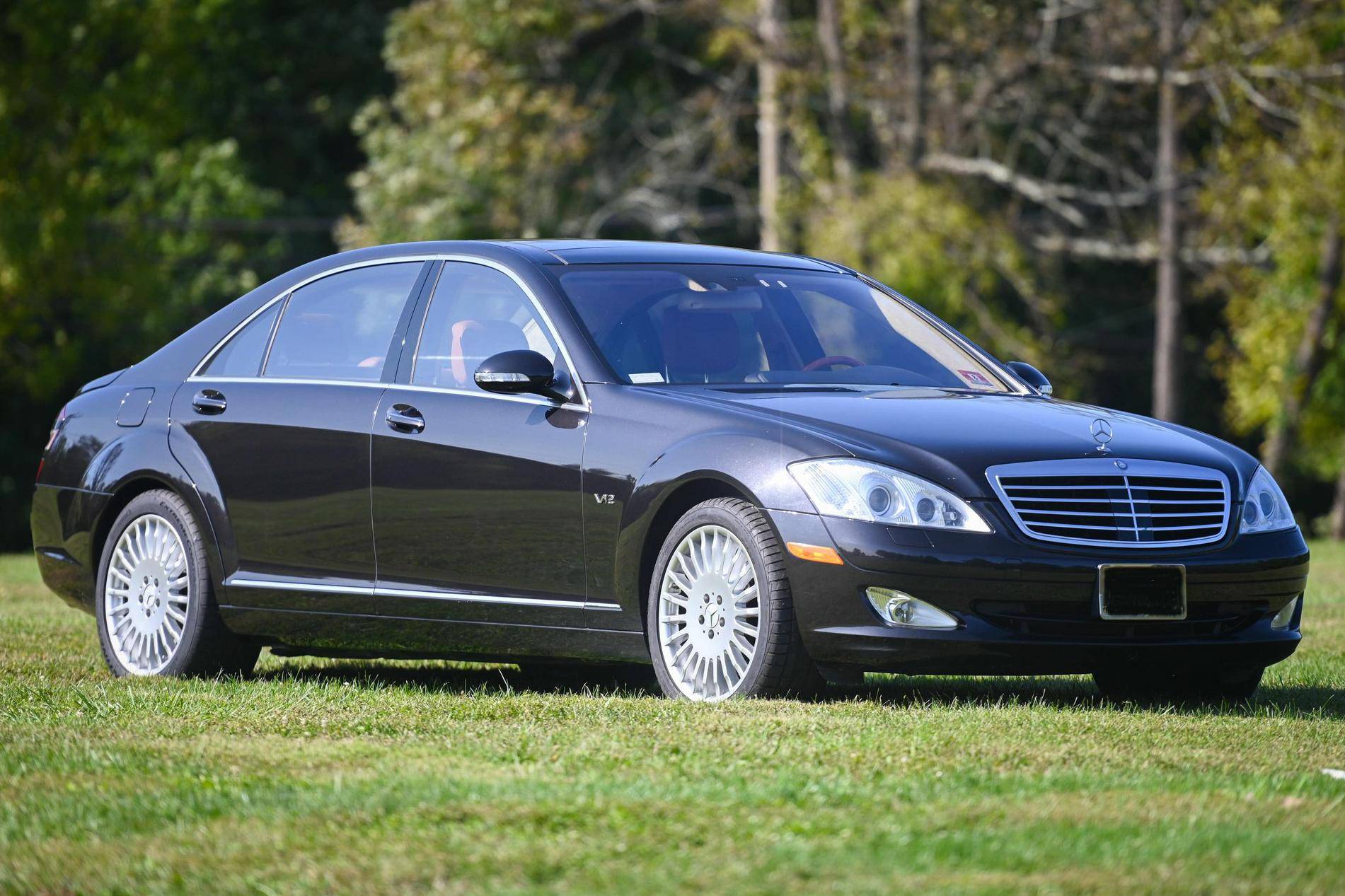
5. Mercedes-Benz S600 (W140, 1991–1998)
The Mercedes-Benz S600 from the W140 generation is an example of a full-size luxury sedan that combines opulent comfort with the impressive refinement of a V12 engine.
Launched in the early 1990s, the S600 was powered by a 6.0-liter V12 engine that produced smooth, effortless power, transforming this large vehicle into a capable high-speed cruiser.
The engine’s design emphasizes linear torque delivery, which means acceleration is smooth and consistent, allowing the car to glide along highways with minimal effort.
Unlike sports-oriented V12s, the S600’s twelve-cylinder engine prioritizes refinement and quiet operation, providing a serene driving experience even at high speeds.
Ownership of a W140 S600 today presents both opportunities and challenges. On one hand, these cars have depreciated significantly, allowing enthusiasts to acquire a V12-powered Mercedes at a fraction of the original cost.
On the other hand, servicing and replacement parts require careful attention, as the complexity of the vehicle can make repairs costly if neglected.
Nevertheless, for those willing to maintain the car properly, the S600 offers a combination of timeless design, reliability, and the distinctive smoothness of a twelve-cylinder engine that makes driving a pleasure rather than a chore.
Performance in the S600 is understated but potent. The V12 engine delivers sufficient acceleration for merging onto highways or overtaking slower traffic, all while maintaining composure and a quiet cabin. The suspension system, combined with the weight of the car, ensures stability and confidence even at higher speeds.
Unlike high-strung sports cars, the S600 focuses on providing a luxurious and dignified driving experience, where the V12 engine acts as a tool to enhance comfort and power delivery rather than dominate with aggressive performance.
This combination makes the W140 S600 a unique and attainable V12-powered vehicle for collectors and enthusiasts who value elegance and refinement.
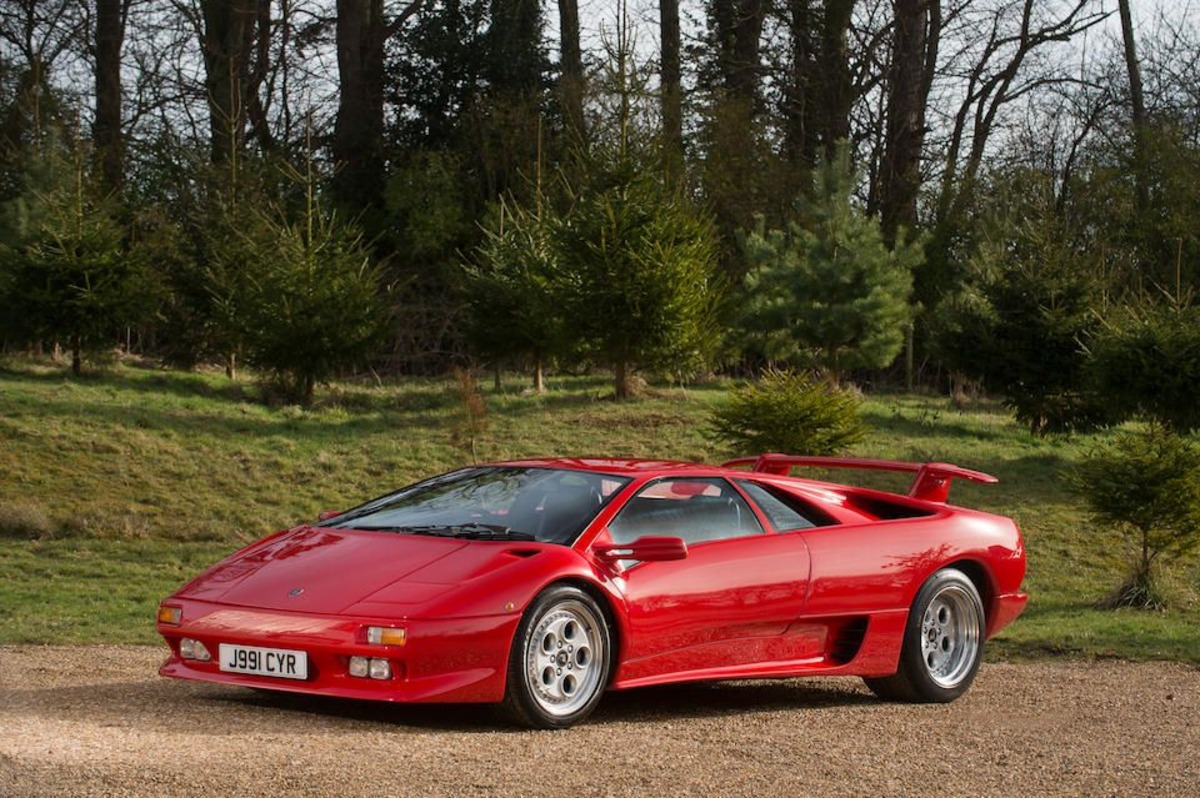
6. Lamborghini Diablo (1990–2001)
The Lamborghini Diablo is a legendary Italian supercar that, despite its exotic reputation, has become more attainable in recent years, allowing enthusiasts to experience a V12-powered exotic without paying hypercar-level prices.
Introduced in the early 1990s as Lamborghini’s flagship model, the Diablo featured a mid-mounted V12 engine that offered blistering acceleration and a distinctive, aggressive sound.
The naturally aspirated twelve-cylinder engine delivered power linearly across the rev range, providing exhilarating performance and a visceral connection between driver and machine. Its design emphasized both aerodynamics and visual drama, making it a car that demanded attention whenever it appeared on the road.
Inside, the Diablo’s cabin is functional yet unmistakably exotic. The interior focuses on driver engagement, with supportive bucket seats, straightforward controls, and a cockpit designed to complement high-speed driving.
While not as luxurious as some grand tourers, the Diablo’s interior reflects its primary purpose: performance and driver connection. For collectors seeking the thrill of a classic Lamborghini V12, the Diablo offers a unique blend of raw power and iconic styling that remains relevant decades after its release.
Ownership of a Lamborghini Diablo does require commitment, as maintenance costs for exotic V12 engines can be significant. However, the car’s relative affordability compared to newer V12 Lamborghinis makes it accessible to serious enthusiasts who prioritize driving experience over warranty coverage or modern conveniences.
The Diablo remains a benchmark for classic V12 exotics, offering dramatic performance, legendary design, and a memorable presence that few cars in its price range can match.
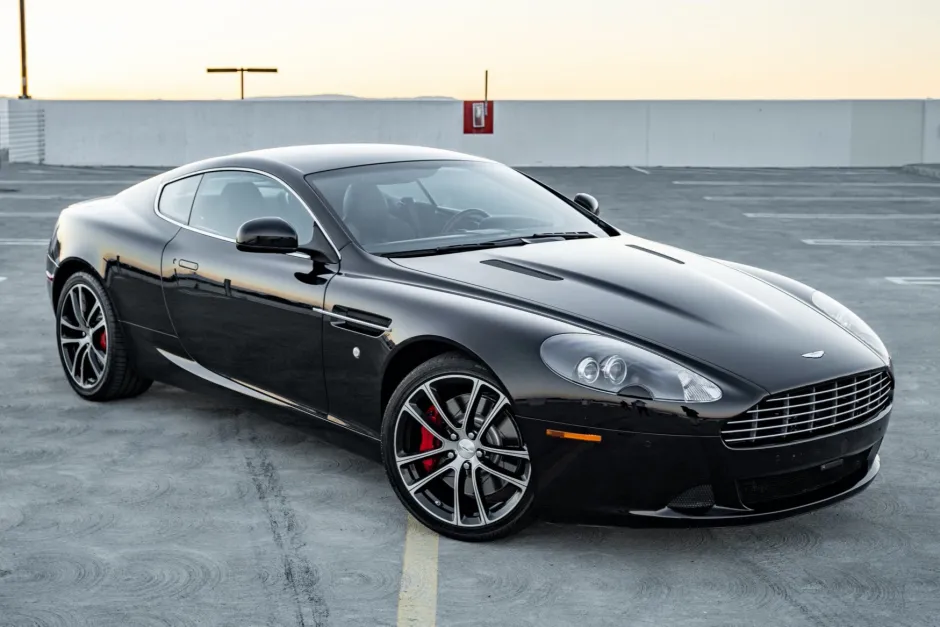
7. Aston Martin DB9 (2004–2016)
The Aston Martin DB9 represents a modern grand tourer that combines elegant design with a naturally aspirated V12 engine, offering accessibility and driving pleasure in equal measure. Introduced in 2004, the DB9 featured a 5.9-liter V12 engine capable of producing over 450 horsepower.
The car’s performance was balanced with comfort, making it suitable for both spirited driving and long-distance cruising. The engine’s smoothness and linear power delivery exemplify Aston Martin’s approach to engineering, emphasizing refinement and driver engagement without sacrificing power.
The DB9’s design is a hallmark of Aston Martin’s aesthetic philosophy. Sleek lines, sculpted curves, and an aggressive stance create a vehicle that is instantly recognizable.
Inside, the cabin reflects a combination of luxury and ergonomics, with premium materials, carefully crafted details, and a layout that enhances the driving experience.
The DB9’s interior is designed to complement the V12 engine, creating an environment where drivers can fully enjoy the performance and sound of a twelve-cylinder powerplant.
Ownership of a DB9 offers the experience of a modern V12 without the extreme costs associated with newer hypercars. Regular maintenance ensures longevity, and the car’s relatively simple naturally aspirated engine is more predictable than turbocharged alternatives.
Enthusiasts appreciate the combination of style, comfort, and accessible V12 performance, making the DB9 a popular choice for collectors and drivers seeking a balance between luxury and sportiness.
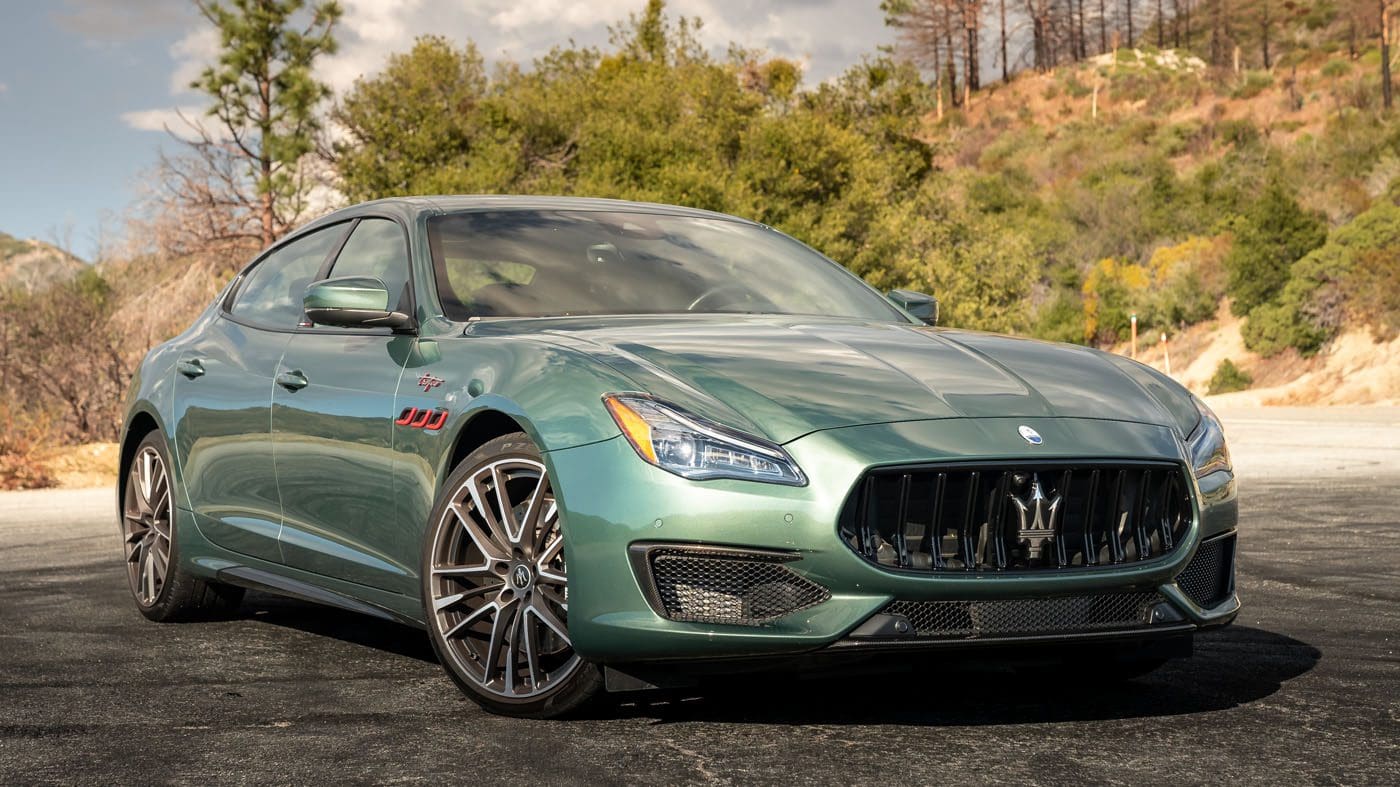
8. Maserati Quattroporte V12 (2003–2012)
The Maserati Quattroporte V12 represents a unique blend of Italian luxury and V12 performance in a full-size sedan that is surprisingly attainable compared to other twelve-cylinder vehicles.
Introduced in the mid-2000s, the Quattroporte V12 featured a 6.0-liter naturally aspirated engine sourced from Ferrari, producing more than 400 horsepower.
This engine allowed the Quattroporte to accelerate with authority while maintaining a level of smoothness expected in a high-end luxury sedan.
Unlike smaller sports cars, the Quattroporte V12 emphasized comfort and refinement, transforming it into an executive vehicle capable of long-distance cruising without sacrificing the distinctive character of a twelve-cylinder engine.
Inside, the Quattroporte V12 combines traditional Maserati craftsmanship with modern luxury features. Leather upholstery, fine wood trim, and driver-focused controls create an environment that is both sophisticated and functional.
The interior is spacious enough to accommodate passengers comfortably, making it a true grand tourer capable of transporting four adults in style and comfort. The attention to detail in the cabin reinforces the vehicle’s Italian heritage, with a design philosophy that emphasizes elegance, performance, and the joy of driving.
Ownership of a Maserati Quattroporte V12 offers an opportunity to experience Ferrari-derived V12 performance at a fraction of the cost of a Ferrari or Lamborghini.
While maintenance and servicing of a V12 Maserati require attention to detail, the availability of parts and the relative simplicity of the naturally aspirated engine make it manageable for dedicated enthusiasts.
The Quattroporte V12 remains a compelling choice for those seeking an Italian luxury sedan that delivers thrilling performance, elegant design, and the unmistakable character of a twelve-cylinder engine without reaching the extreme prices of exotic supercars.
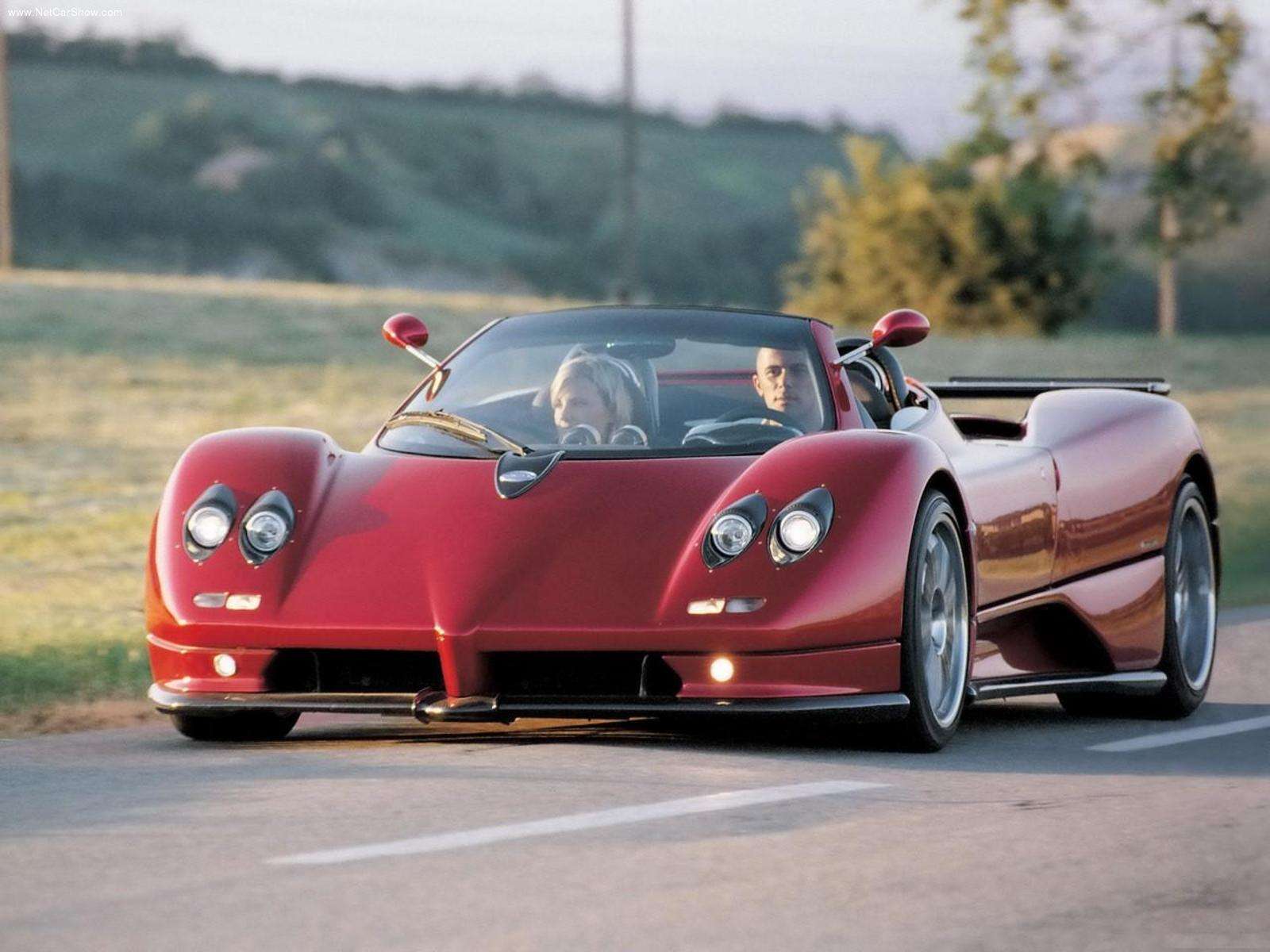
9. Pagani Zonda C12 (1999–2005)
The Pagani Zonda C12 is a rare and exotic supercar that, despite its exclusivity, can sometimes be found at more approachable prices relative to modern hypercars.
The Zonda’s 6.0-liter V12 engine, developed by Mercedes-AMG, produces exceptional power and torque, providing a performance experience that is both exhilarating and precise.
The engine’s naturally aspirated design allows for immediate throttle response and a linear power delivery that enhances the driver’s sense of connection with the vehicle.
The Zonda C12’s lightweight chassis and low center of gravity complement the V12’s characteristics, resulting in performance that is thrilling without being unpredictable.
The interior of the Zonda C12, though compact and focused, is crafted with attention to detail. Materials such as carbon fiber, aluminum, and leather are used to create a cabin that is both lightweight and luxurious in an understated way.
The seating position is low, emphasizing the car’s performance orientation, while controls are intuitive and positioned to allow for maximum engagement.
Unlike other supercars of its era, the Zonda prioritizes the driving experience over gadgetry, allowing the V12 engine to take center stage in every interaction.
Owning a Pagani Zonda C12 requires dedication, but it also offers a unique opportunity to experience one of the most revered V12 engines in modern automotive history.
While maintenance can be complex and specialized, the investment is rewarded with an unparalleled driving experience that few vehicles can match.
For enthusiasts seeking a rare, lightweight supercar with a naturally aspirated V12, the Zonda C12 represents an extraordinary balance of performance, design, and emotional impact, offering a driving experience that is intimate, engaging, and unforgettable.
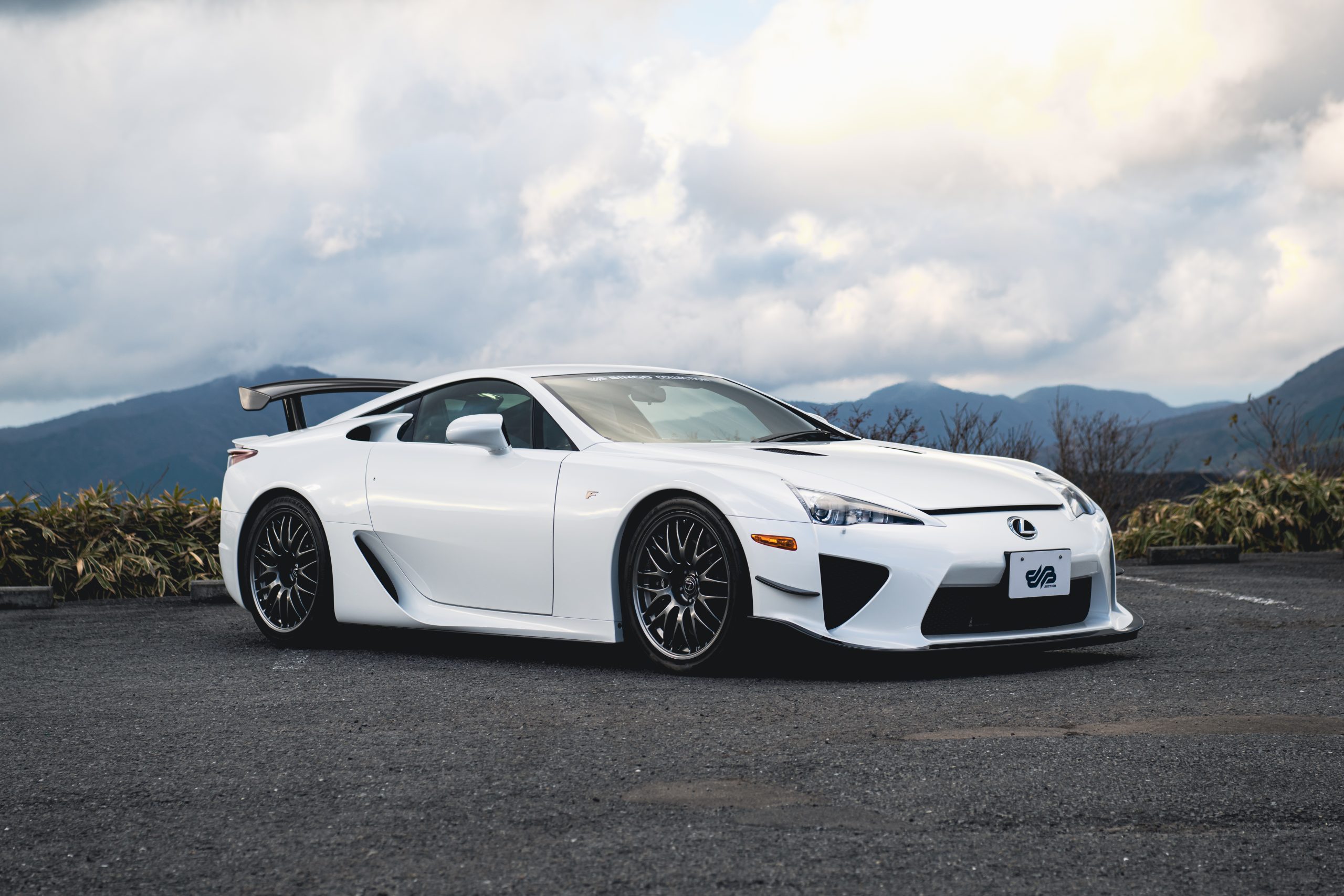
10. Lexus LFA (2010–2012)
The Lexus LFA is a modern engineering marvel that represents Japan’s most ambitious effort at a V12-powered supercar.
While not traditional in terms of displacement, the LFA’s 4.8-liter V10 engine behaves in many ways like a V12 due to its high-revving nature, smooth power delivery, and unique sound characteristics.
The engine produces approximately 552 horsepower, and its construction emphasizes precision, lightweight design, and balance.
Every aspect of the LFA, from its carbon fiber chassis to its meticulously engineered engine components, reflects an obsession with performance and driver engagement. Although it is more expensive than some other cars on this list, it can be considered relatively attainable compared to European V12 hypercars.
The driving experience of the LFA is defined by its immediacy and responsiveness. The engine’s high-revving nature allows for exhilarating acceleration, while the chassis and suspension work in harmony to provide agility and precision.
Unlike some larger V12-powered cars, the LFA emphasizes driver involvement, offering a raw and direct connection to the road.
Its handling is sharp, braking is precise, and every input from the driver is translated into immediate feedback. The LFA’s exhaust system produces a distinctive and emotionally engaging sound that enhances the sensory experience, providing an auditory signature that is instantly recognizable.
Inside, the LFA’s cockpit combines minimalism with high-quality materials. The focus is on driver engagement rather than luxury excess, with supportive seats, logical control placement, and high-quality finishes that emphasize performance and durability.
Carbon fiber and aluminum are used extensively to reduce weight, while the interior layout ensures that the driver remains connected to the car at all times.
Unlike traditional luxury vehicles, the LFA is designed to place the driver at the center of the experience, emphasizing control, precision, and the enjoyment of high-performance driving.
