Mesa, Arizona is one of the fastest-growing commuter cities in the American Southwest, and anyone who drives its wide desert highways knows the environment can be unforgiving.
Between triple-digit summer heat, long stretches of arterial roads, and regional traffic that often involves multiple short hops instead of one long interstate drive, the best commuter car in Mesa must handle heat stress, deliver consistent reliability, and remain inexpensive to maintain in a region where independent shops thrive.
At the same time, many modern vehicles especially those packed with proprietary electronics have made routine repairs difficult for all but factory-trained technicians.
For commuters who rack up miles navigating Loop 202, US-60, and dense city traffic, knowing which vehicles are affordable to own and which lock you into dealership repair bays can make a huge difference in both budget and convenience.
This list breaks down five cars that shine for Mesa daily commuters, thanks to their durability, heat tolerance, and low ownership cost, and compares them against five cars that often require dealer-only service, either due to complicated electronics, specialized tools, or overly integrated systems.
Whether you’re a first-time buyer, a family commuter, or someone driving 20+ miles each way daily, these insights will help you make a smarter long-term investment in the Arizona heat.
Cars for Mesa Daily Commuters
Mesa commuting is a grind, long surface streets, constant stoplights, freeway bursts, and heat that never really lets up. Day after day, that mix of traffic, sun, and miles quietly separates dependable cars from the ones that start nickel-and-diming their owners. For daily drivers in Mesa, comfort, efficiency, and heat-proof reliability matter far more than flashy specs.
This article breaks down the cars that make sense for Mesa daily commuters. We’re talking about vehicles that handle desert heat without drama, deliver solid fuel economy in stop-and-go traffic, and stay comfortable and reliable even when the odometer keeps climbing. If your car is part of your everyday routine, these are the models that make commuting easier, not more expensive.
1. Toyota Corolla
The Toyota Corolla has long been the king of hot-climate reliability, and Mesa drivers appreciate it for one specific reason: the engine and transmission aren’t sensitive to prolonged heat cycles.
High summer temps often accelerate component wear in less durable cars, but the Corolla’s naturally aspirated four-cylinder and proven CVT design hold up exceptionally well.
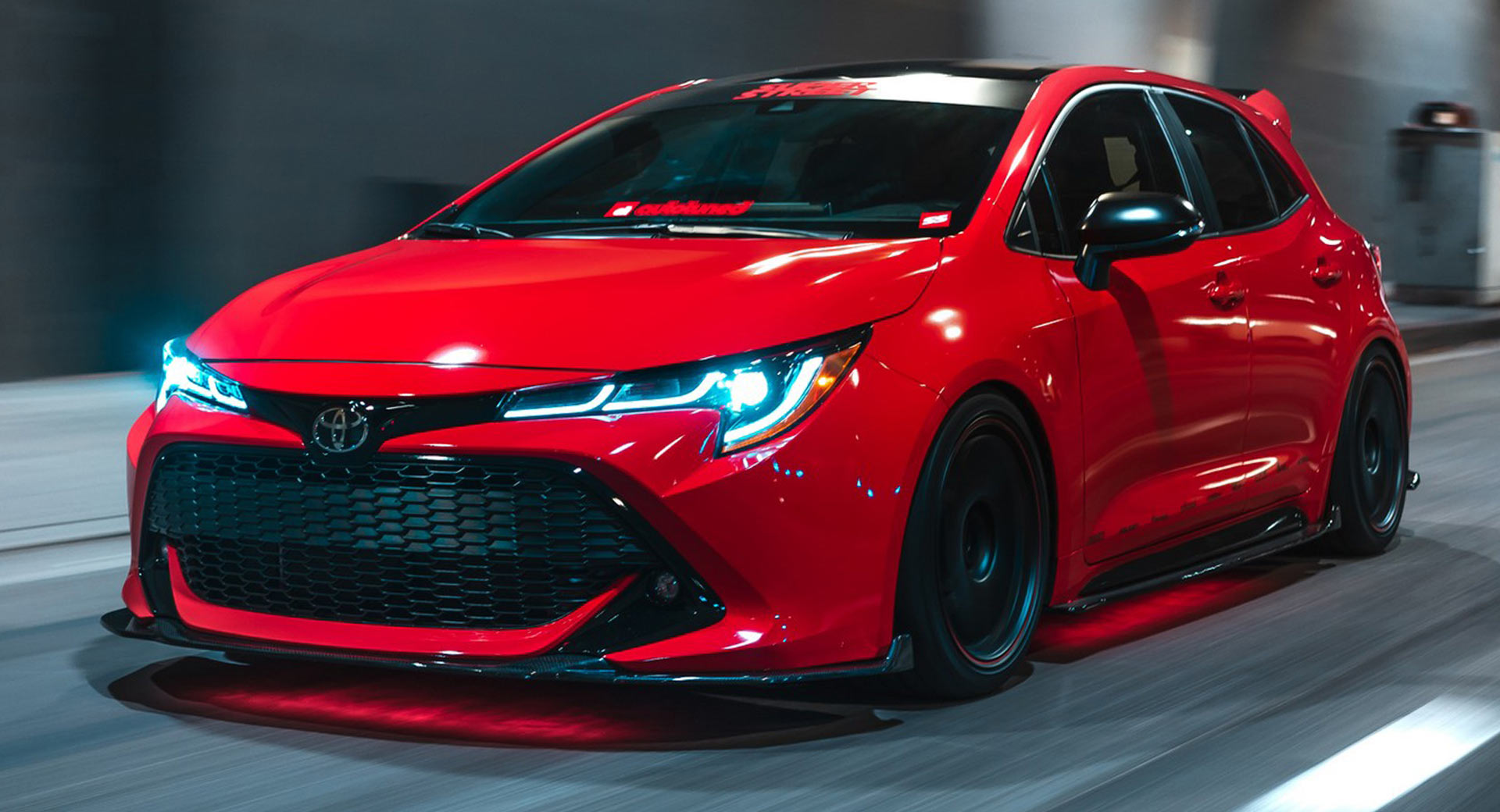
Independent shops in Maricopa County can service nearly everything on this model, so you’re not trapped paying dealership-level rates.
With excellent fuel efficiency often reaching over 35 mpg mixed in real-world desert commuting the Corolla remains a champion for those driving to ASU Polytechnic, Banner Medical Centers, or offices throughout Gilbert and Chandler.
2. Honda Civic
The Civic is another commuter favorite, loved for its ability to rack up 150,000+ miles with minimal intervention.
Mesa’s combination of highway and surface-street driving suits the Civic well, as it offers strong acceleration for merging onto busy routes like US-60 while still delivering efficient city mileage.
Its engines, particularly the non-turbo trims, handle desert heat impressively. Parts availability is excellent, maintenance is straightforward, and any reputable independent shop in Mesa or Tempe can service it affordably.
The Civic’s comfortable cabin and supportive seating also make it an easy choice for workers who endure 30–45 minutes of stop-and-go traffic daily.
Once a simple means of getting from point A to point B, the Honda Civic has evolved into a highly desirable and enjoyable compact car. Offered as either a sedan or a practical hatchback, the Civic is powered by a choice of a 158-hp 2.0-liter four-cylinder or a turbocharged 1.5-liter engine producing up to 180 horsepower.
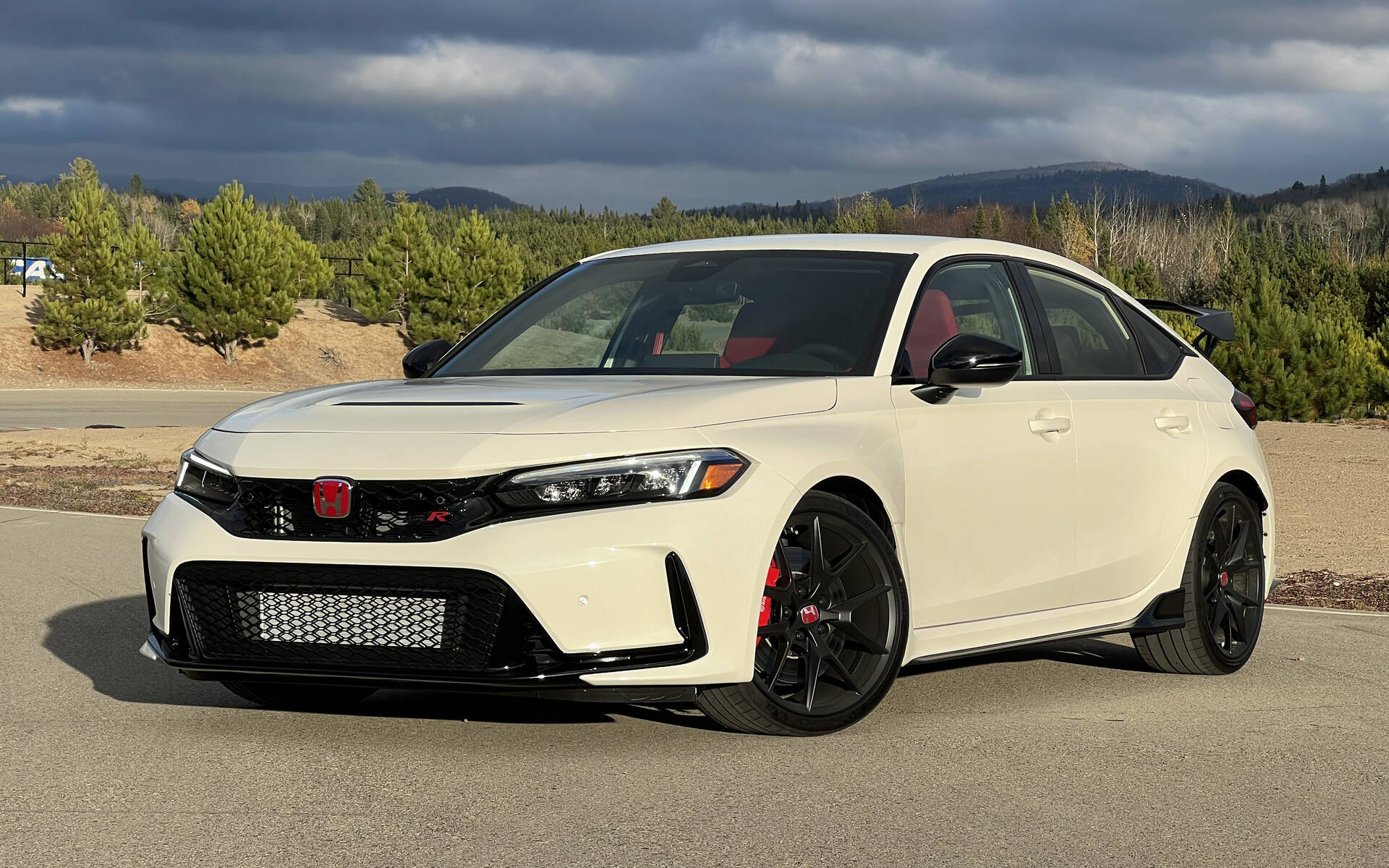
Honda equips the Civic with a generous array of standard driver-assistance features, including adaptive cruise control and lane-keeping assist. Surprisingly, though, modern infotainment options aren’t standard: the base LX comes with a small touchscreen that primarily handles radio functions and little else.
Both of the Civic’s four-cylinder engines are lively, with the turbocharged 1.5-liter standing out as our preferred choice. In testing, it effortlessly propelled our Civic Touring test car away from stoplights. While the six-speed manual offers light, precise action and remains our favorite, the optional continuously variable transmission (CVT) is a capable partner, arguably one of the best CVTs on the market.
The Civic excels as a well-rounded compact, striking a fine balance between comfort and driver engagement. Its ride is smooth without being soft, the steering is responsive, and the overall driving dynamics feel athletic and enjoyable.
Quick, well-weighted, and surprisingly communicative steering adds to the driving pleasure. Sport trims provide an even more spirited experience with sharper steering. Braking is firm with good pedal feel, though the Civic’s stopping power doesn’t quite match that of some competitors.
Also Read: Top 10 Sedans Famous for Their Incredible Longevity
3. Hyundai Elantra
Hyundai’s quality surge in recent years has made the Elantra a go-to option for value-minded commuters. For Mesa drivers, the key attraction is its long warranty combined with maintenance that’s surprisingly simple for independent shops to handle.
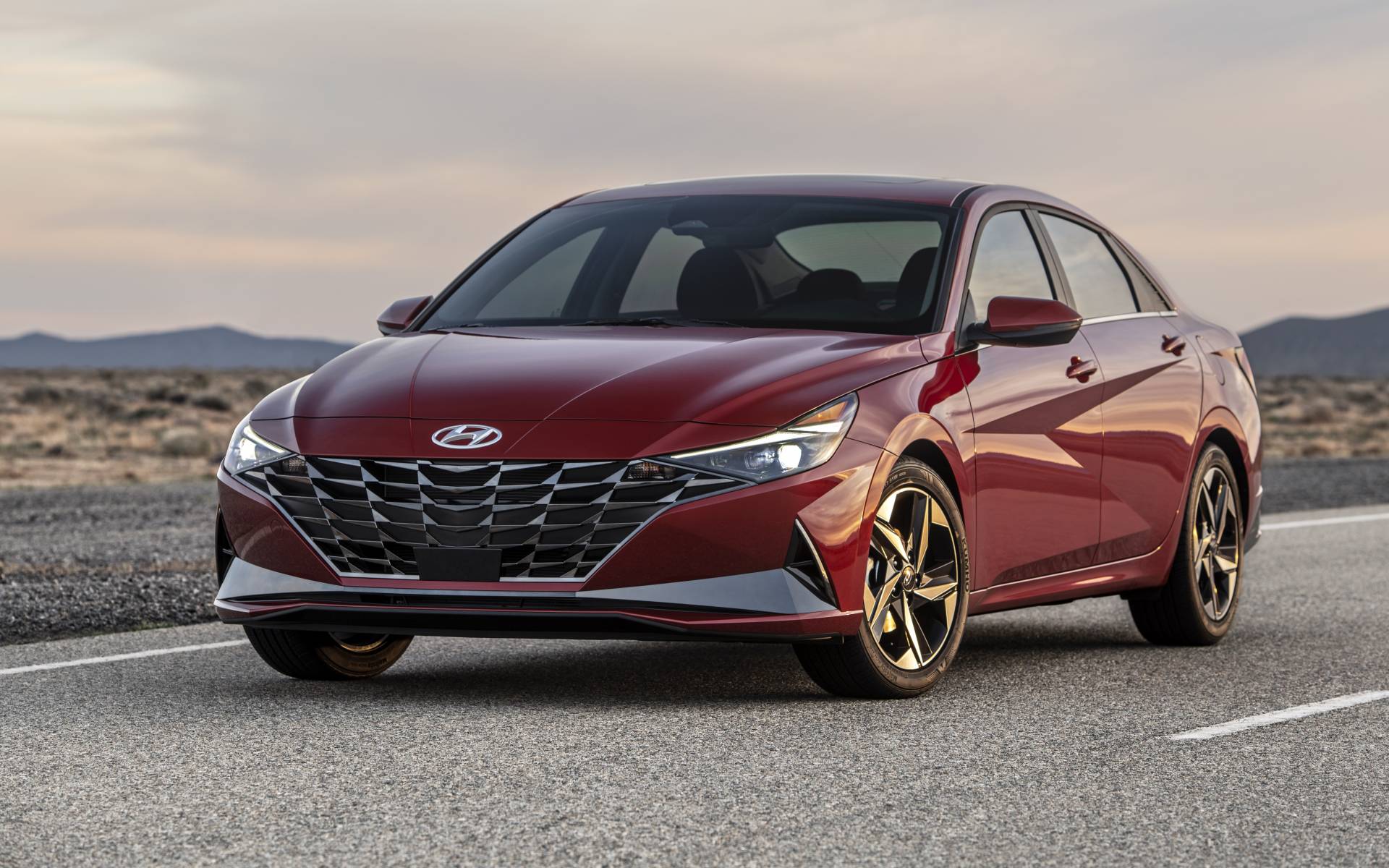
Unlike some competitors, the Elantra’s engines and transmissions are not dealer-locked, and routine components remain inexpensive.
It performs well in high heat, thanks to robust cooling systems that were designed with harsh climates in mind. For commuters in Eastmark, Red Mountain, and downtown Mesa, the Elantra hits a sweet spot of affordability, comfort, and practicality.
4. Toyota Camry
The Toyota Camry is one of the best midsize sedans for Arizona commuters who spend more time on highways than surface streets.
The combination of bulletproof engines particularly the 2.5-liter four-cylinder and Toyota’s straightforward mechanical layout makes the Camry one of the easiest large-mileage vehicles to maintain without dealer dependency.
Mesa drivers also praise its strong air-conditioning performance, a necessity when cabin temps skyrocket after being parked outdoors. With spacious seating and exceptional ride quality, it’s a prime choice for daily drives to Phoenix, Scottsdale, or Queen Creek.
The 2022 Toyota Camry carries a familiar nameplate, but its bold styling and performance-oriented models make it feel nearly unrecognizable compared with earlier generations.
The current Camry is arguably the most compelling iteration yet. Its standard four-cylinder engine is unremarkable but efficient, serving daily driving duties adequately, while the hybrid maximizes fuel economy, even if its acceleration lacks excitement.
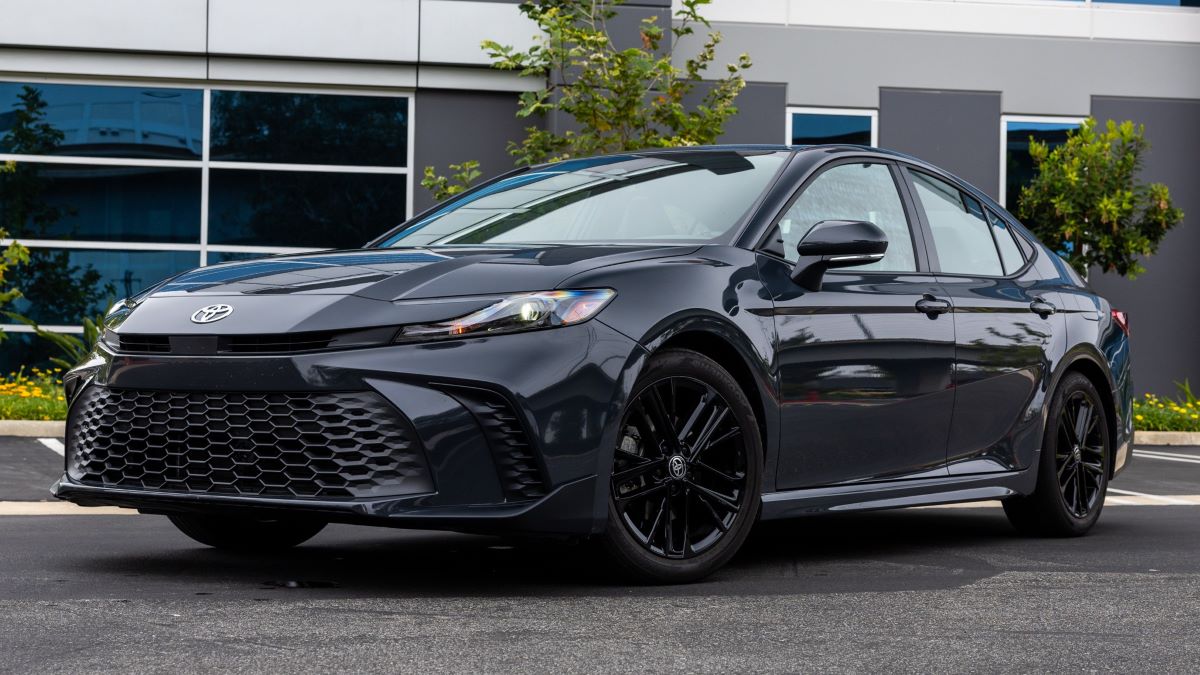
For those seeking performance, the 301-hp V-6, especially in the sport-tuned Camry TRD, is genuinely fun to drive. While competitors like the Honda Accord and Hyundai Sonata may feel more refined and satisfying, the Camry offers its own appeal, including a full suite of standard active safety features and decades of proven reliability.
The standard four-cylinder pairs with a smooth eight-speed automatic, though its acceleration figures are modest. The hybrid combines a smaller version of the same engine with two electric motors, offering efficiency but little excitement.
The standout powertrain is the 301-hp V-6, available in XLE, XSE, and TRD trims. Driving the Camry is now genuinely enjoyable, thanks to a controlled ride and surprisingly responsive handling. Steering feels well-weighted, substantial through corners yet light during low-speed maneuvers such as parking.
Brake feel is responsive and firm, even in the hybrid, where friction braking is blended with regenerative braking that recaptures energy to recharge the battery. At very low speeds, however, the hybrid’s brake pedal can feel overly sensitive, leading to a slightly jerky experience during tight parking maneuvers.
5. Mazda3
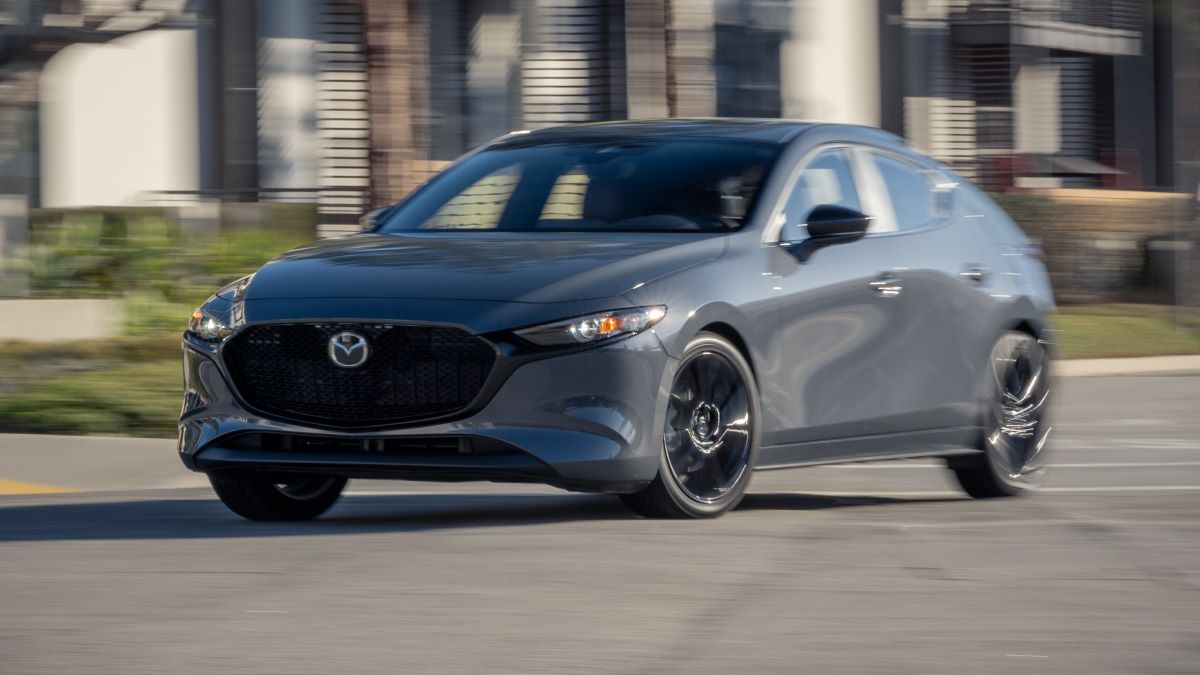
The Mazda3 stands out for Mesa commuters who want something fun but still dependable and easy to maintain. Mazda’s Skyactiv-G engine platform is robust and heat-tolerant, making it ideal for Arizona summers.
Contrary to early misconceptions, these engines don’t require exotic servicing the majority of routine maintenance can be performed by independent mechanics.
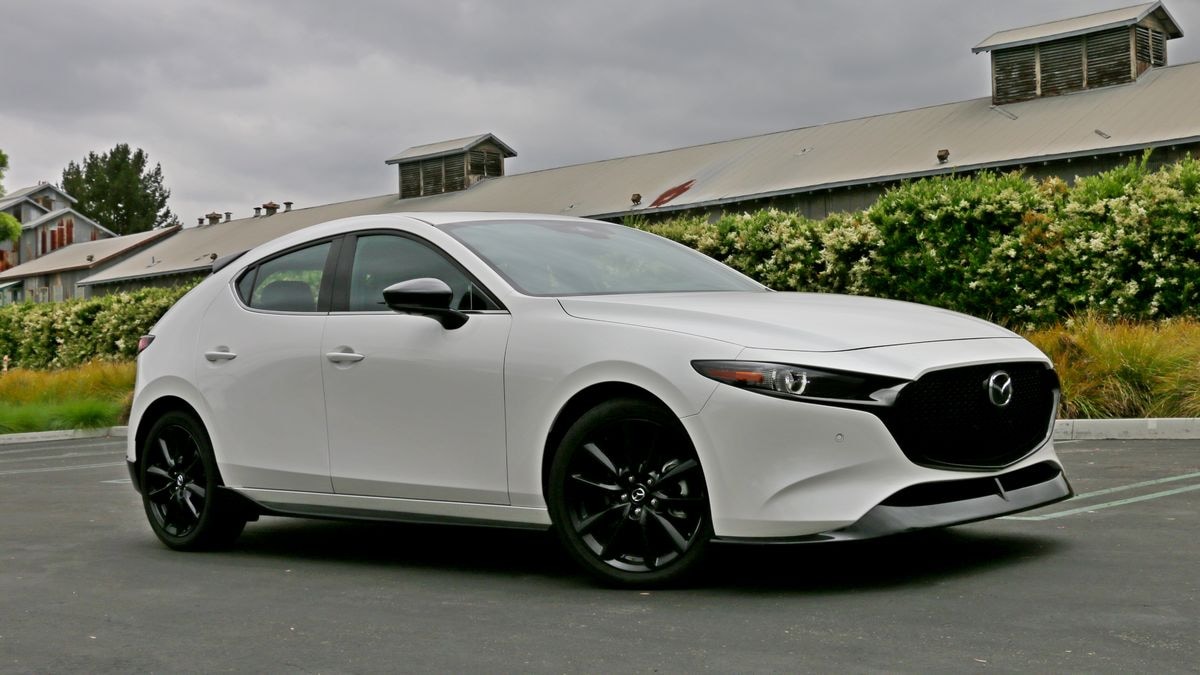
The Mazda3’s responsive steering and firm ride also make it more enjoyable to drive than many commuter cars, a bonus for those who spend significant time in traffic on the 101 or 202. Its interior quality further boosts long-term comfort for daily use.
Cars That Require Dealer-Only Service
Some cars are engineered to keep you dependent, and the dealership knows it. From locked-down software to proprietary parts and systems that can’t be serviced without factory tools, these vehicles turn routine maintenance into an expensive, time-consuming hassle. What should be a simple repair suddenly requires a dealership appointment, inflated labor rates, and zero flexibility.
This article digs into cars that practically force dealer-only service. We’ll look at brands and models that limit independent repairs, restrict diagnostics, or design components in ways that shut out local mechanics entirely.
If you care about long-term ownership costs, convenience, and having real control over your vehicle, this is the kind of information you need before you buy, not after the warranty runs out.
1. BMW 3 Series (Modern Models)
While the BMW 3 Series is an excellent performance sedan, its maintenance landscape is not ideal for Mesa commuters who value affordability.
Modern 3 Series models rely heavily on integrated electronic systems including adaptive suspensions, drive-by-wire steering, and high-pressure turbo components that typically require BMW-specific diagnostics tools.
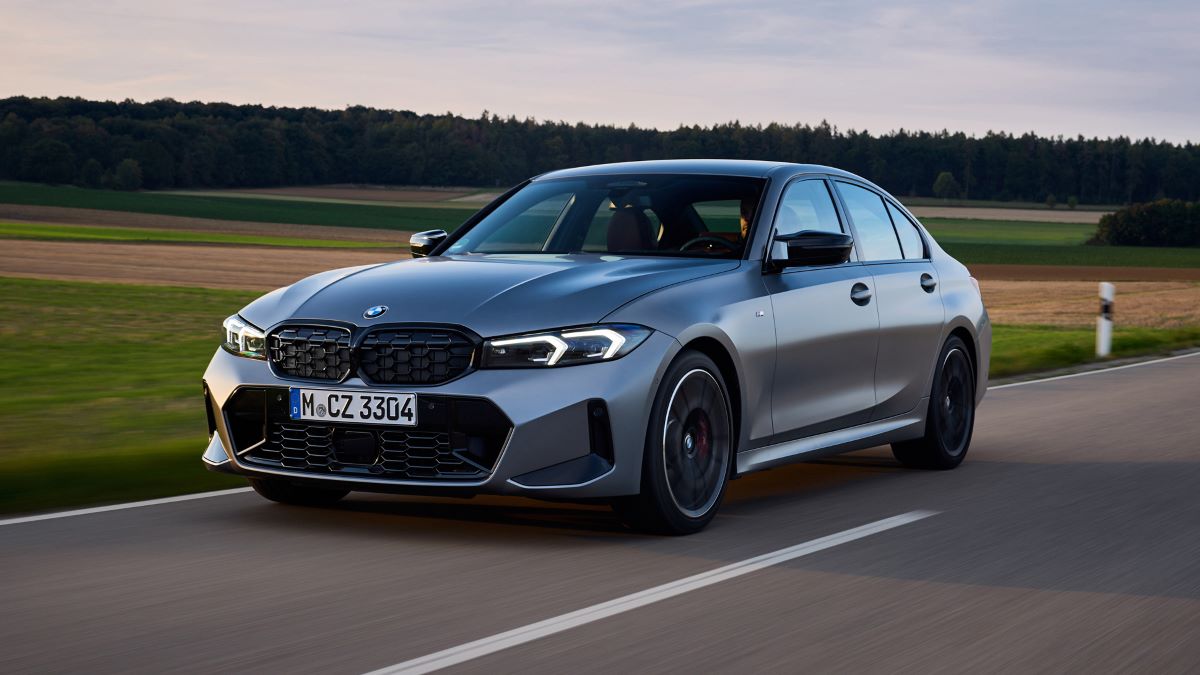
Many independent shops in Arizona avoid deep repairs on newer BMWs due to limited access to proprietary software.
As a result, owners are often locked into dealership service departments, where labor fees can be steep. High heat also accelerates wear on turbo components, making ownership even costlier in a desert climate.
2. Mercedes-Benz C-Class
Much like the BMW 3 Series, the Mercedes-Benz C-Class suffers from extreme service complexity. Even basic repairs such as electrical components or sensor-controlled cooling systems require dealer-level tools and programming.
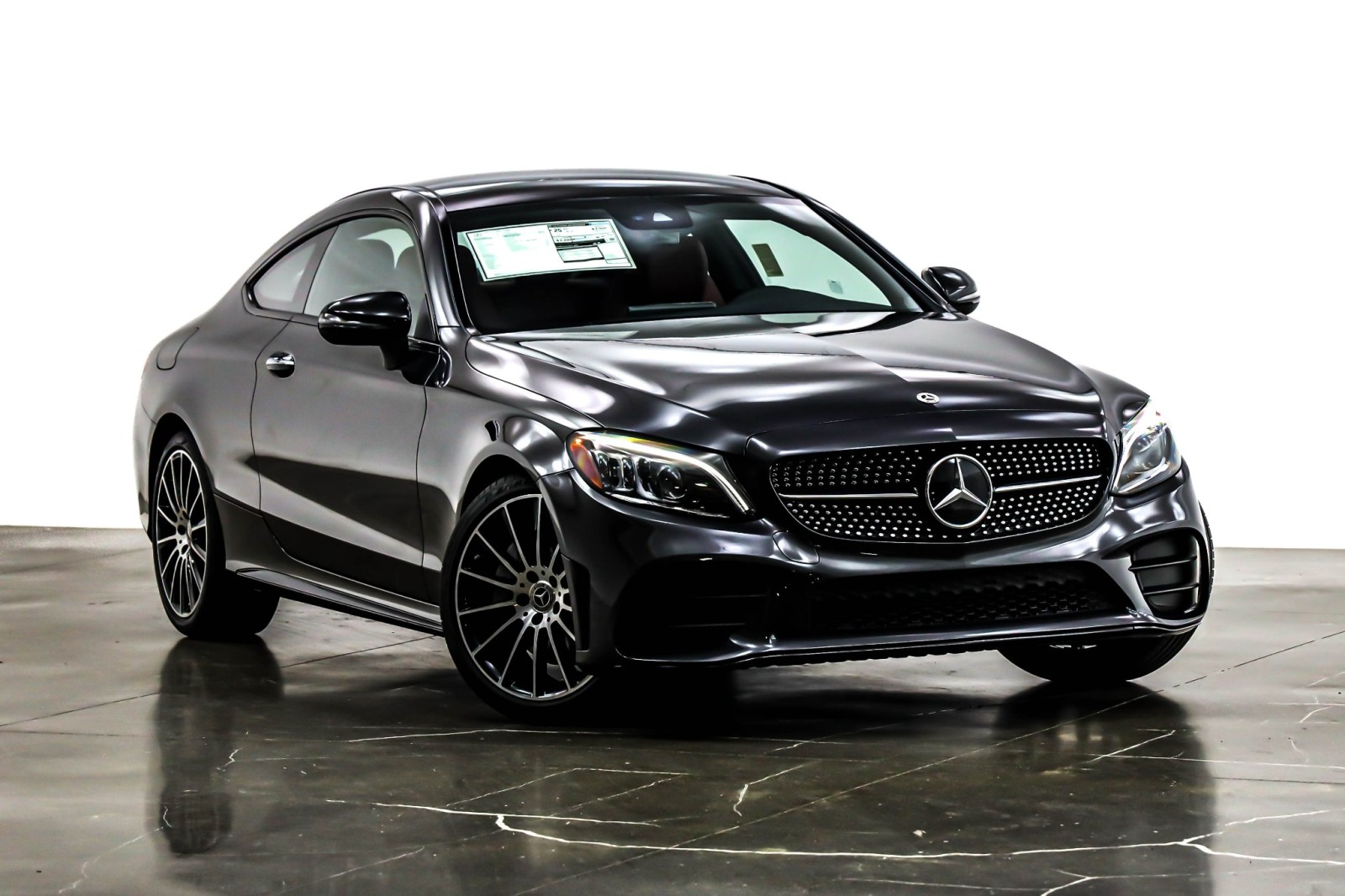
Mesa commuters often find themselves spending more time in Phoenix-area luxury dealerships than independent garages, simply because specialized diagnostics are unavoidable.
The turbo-four engines in newer C-Class models also have a reputation for being sensitive to thermal load, something that becomes a real cost factor during relentless Arizona summers.
In its standard C300 form, it delivers a quiet, comfortable ride with just the right level of handling precision. For buyers seeking more power and performance, Mercedes offers the AMG C43 and C63 models.
The C300 is available as a sedan, coupe, or convertible. While this generation is approaching the end of its lifecycle, it still offers modern technology, and both its interior and exterior designs have aged gracefully. A redesigned C-Class is expected within the next year.
Unless you specifically want a convertible or the added style of the coupe, the sedan remains the most practical and satisfying choice. Rear-wheel drive comes standard on the C300, while Mercedes’ 4Matic all-wheel-drive system is available for $2,000.
Among the many optional packages, the $1,500 Premium package is worth considering, adding SiriusXM satellite radio, an upgraded audio system, and ambient interior lighting. However, many packages are bundled together, which can push a sedan’s price well above $50,000.
All C300 models are powered by a turbocharged 2.0-liter four-cylinder engine producing 255 horsepower and 273 lb-ft of torque, paired with a nine-speed automatic transmission. In testing, a C300 4Matic sedan reached 60 mph in 5.4 seconds. Rear-wheel drive is standard, while 4Matic all-wheel drive is optional.
The engine is quiet at idle and cruising speeds, though the sound under full throttle is less thrilling than expected. In our entry-luxury sports sedan comparison, the C300’s acceleration was solid but midpack, with the BMW 330i and Alfa Romeo Giulia 2.0T outperforming it in straight-line speed.
Also Read: 9 Best Comfortable Cruisers for Weekend Road Trips at Any Budget
3. Chevrolet Bolt EV
The Chevrolet Bolt is a great electric commuter in theory, but its battery architecture and control systems mean owner flexibility is limited.
EVs are already more dealer-centric than gas vehicles, but the Bolt takes this a step further: its high-voltage battery modules, battery management systems, and cooling loops require factory-trained technicians for nearly all non-cosmetic repairs.
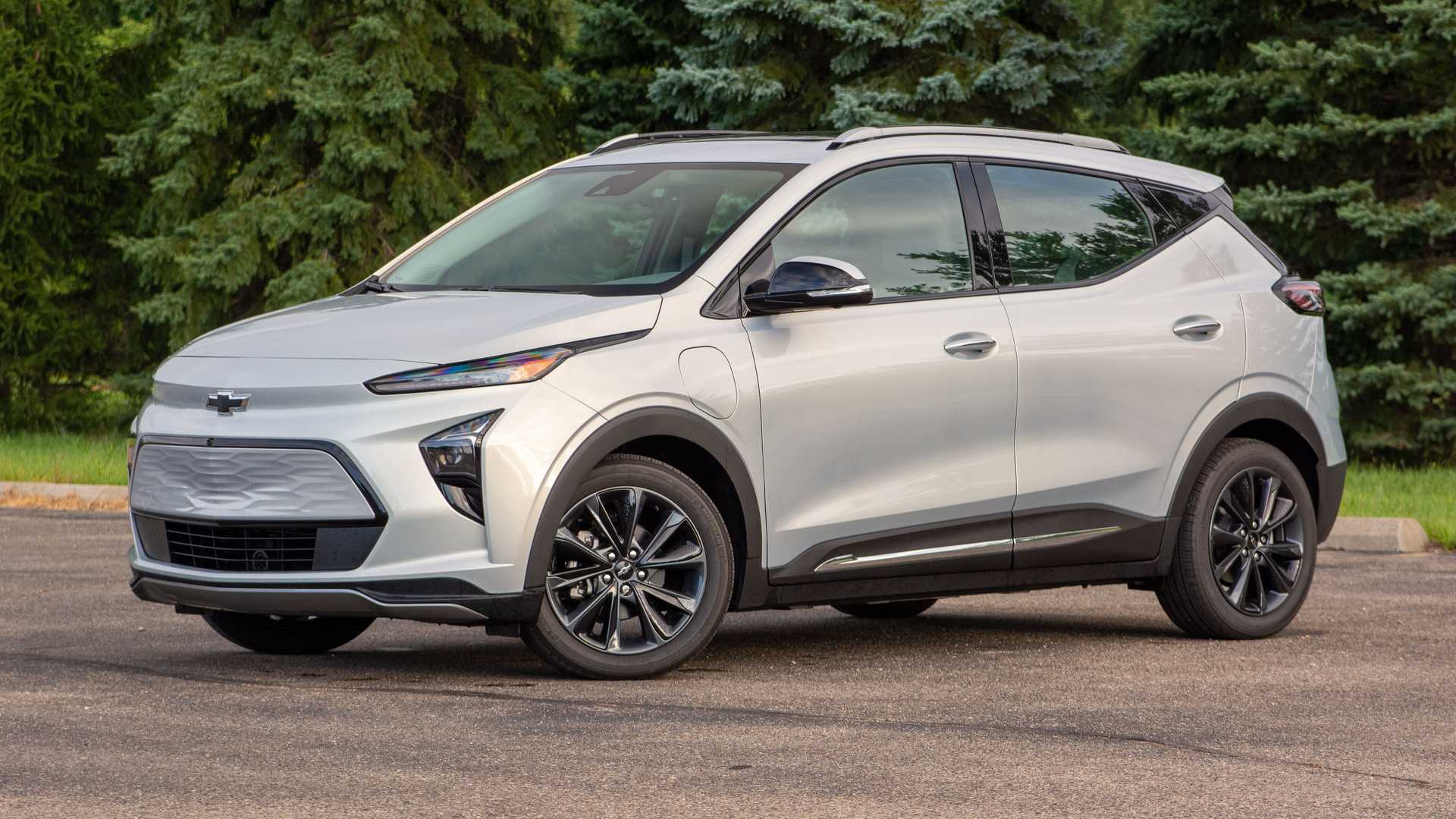
Independent EV shops are growing, but in Mesa, most still avoid deep battery work due to liability concerns.
If your Bolt experiences anything more complicated than routine tire/brake maintenance, dealership intervention is essentially guaranteed.
The 2024 Chevy Bolt combines a spacious and versatile interior with strong performance and impressive electric range, making it a compelling option in today’s EV market. With an estimated 259 miles on a single charge, it ranks among the longest-range electric vehicles available.
The Bolt also features an array of modern tech, from infotainment upgrades to advanced driver-assistance systems, giving it broad appeal for drivers seeking a reliable, efficient, and well-equipped electric car.
Thanks to its long-range capability, the Bolt is well-suited for longer commutes or weekend trips. Covering 259 miles on a single charge allows drivers to travel between cities without worrying about recharging. The Bolt also supports fast charging, enabling a quick return to full capacity when needed. With a top speed of 94 mph, it handles both highway driving and city streets comfortably.
Affordability is another strength of the 2024 Bolt, with a starting price of approximately $36,620, making it accessible to those looking for a capable and efficient EV. Standard driver-assistance technologies, including lane-keep assist and automatic emergency braking, further enhance comfort and safety, making everyday driving less stressful.
The 2024 Chevy Bolt is a strong contender for anyone seeking a reliable, efficient, and tech-forward electric vehicle. Its long range, fast-charging capability, and well-rounded features make it a practical and attractive choice in the growing EV segment, offering excellent value for the price.
4. Land Rover Discovery Sport
The Discovery Sport might deliver comfort and luxury, but it is notoriously dependent on dealer-only servicing.
Its complex all-wheel-drive systems, integrated electronics, and tightly packaged engine bays make even simple jobs extremely labor-intensive without specialized tools.
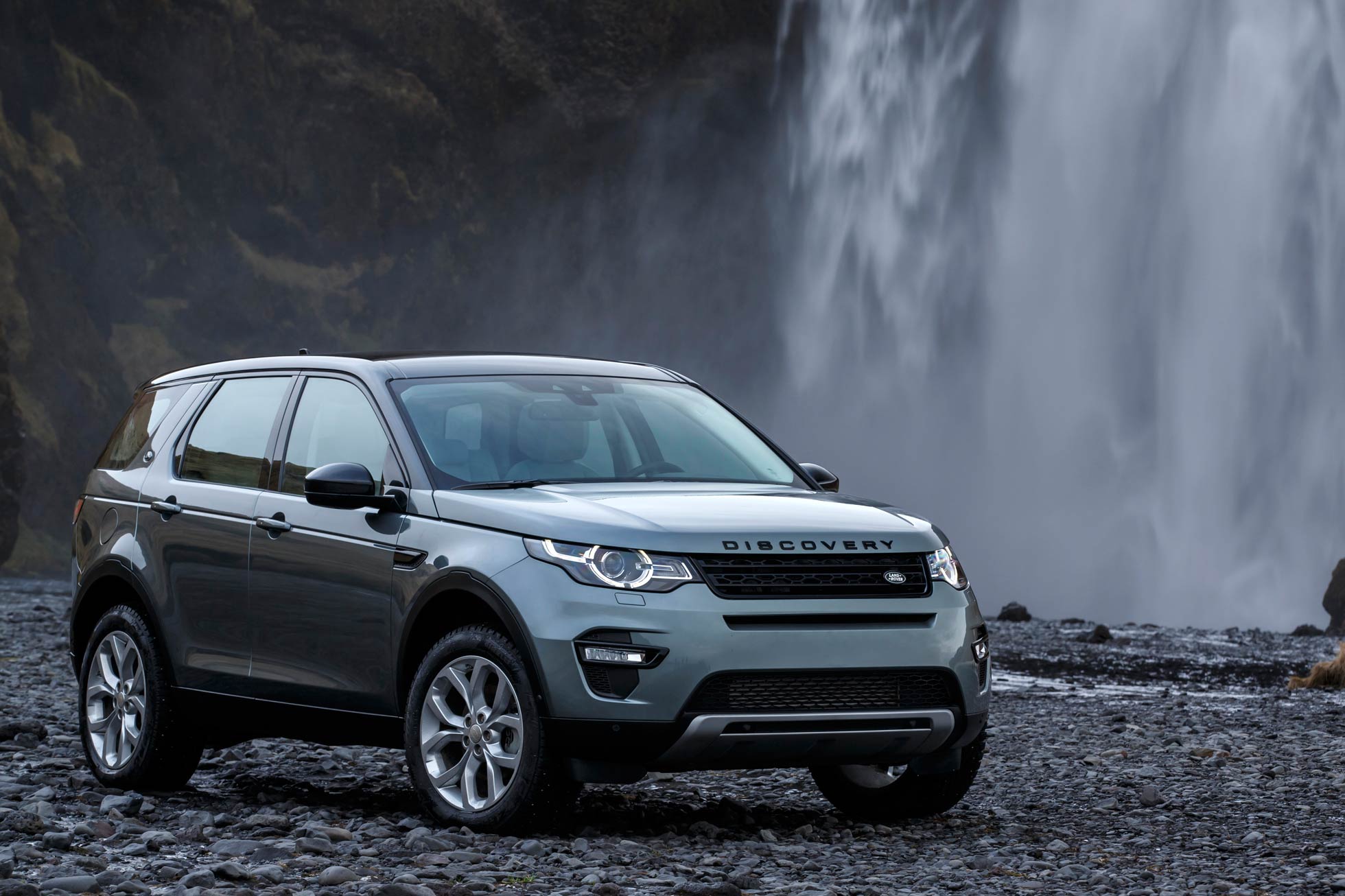
Independent shops in the Mesa–Gilbert–Chandler region often decline work on newer Land Rovers for this reason. In hot climates, these vehicles can also suffer from cooling-system strain, putting you in the dealership more often than expected.
For a daily commuter vehicle that racks up local miles, the Discovery Sport is generally more hassle than it’s worth.
The Land Rover Discovery Sport has never fully embodied the premium feel typically associated with the brand. While it functions adequately as a luxury crossover, it falls short of the standard set by Land Rover’s larger SUVs.
Back in 2015, the Discovery Sport’s shortcomings were clear: a dull interior, intrusive road noise, and a stiff ride detracted from its premium badge.
Minor updates since then have improved infotainment and added features, but competitors like the Genesis GV70 have continued to raise the bar. A redesign is expected in the next few years, likely introducing an electric or hybrid powertrain to replace the thirsty turbo-four.
The Discovery Sport does feel spacious for its size and handles off-road conditions well. With adaptive cruise control added this year, it now comes with a solid suite of tech features for the price. For buyers looking for the most affordable entry into the Land Rover family, that may be enough, but it’s still worth comparing alternatives before committing.
All Discovery Sport models come with a turbocharged 2.0-liter inline-four engine producing 246 horsepower and 269 lb-ft of torque. Fuel economy is modest, topping out at 19/23 mpg city/highway, which lags behind class rivals such as the BMW X3 (23/29 mpg) and Volvo XC60 (23/30 mpg). Land Rover rates the 2023 Discovery Sport at 0-60 mph in 7.3 seconds. A nine-speed automatic transmission and all-wheel drive are standard across the lineup.
While the Discovery Sport shares a platform with the Range Rover Evoque, the Evoque carries a $2,000 premium and offers less cargo and rear-seat space.
That may seem like a win for the Discovery Sport, but the Evoque is lighter, more fuel-efficient, and more agile. It also brings additional Range Rover prestige and a more upscale interior. The Discovery Sport’s main advantage is size, but it comes at the expense of refinement and luxury.
Ultimately, neither model is ideal. Both the Evoque and Discovery Sport are nearing the end of their cycles, and other manufacturers—such as Volvo with the XC40 and XC60, offer more refined alternatives in this segment.
5. Audi A4
The Audi A4 combines refinement, power, and technology but that tech is precisely what locks owners into dealer maintenance.
Modern A4s use advanced electrical networks, adaptive LED lighting, sensor-rich safety systems, and complex turbocharging setups that require Audi-specific diagnostics and certified tools.
Even software updates and routine coding adjustments must be performed at an Audi dealership. The dense engine packaging also makes heat management a challenge in Arizona’s extreme environment, potentially increasing long-term wear.
For a daily Mesa commuter car, the A4 simply isn’t the most maintenance-friendly choice.

When driving in Mesa’s intense heat and mixed urban-suburban commute patterns, the right vehicle can dramatically impact your budget, stress level, and long-term satisfaction.
Our test Audi A4, equipped with the 261-horsepower 45 TFSI turbocharged four-cylinder engine, accelerated from 0 to 60 mph in 5.3 seconds—a strong performance for a four-cylinder in this segment.
The dual-clutch transmission doesn’t deliver the same engagement as the BMW 3 Series’ sharp conventional automatic, and its responses can occasionally feel delayed, but it quickly becomes familiar. Overall, the A4 handles daily driving smoothly and quietly.
Braking is firm but can be abrupt at low speeds, making delicate maneuvers like parking a bit tricky. In our testing, the A4 stopped from 60 mph in 111 feet, a respectable figure, though our car was fitted with summer performance tires; expect slightly longer distances with standard all-season tires.
The A4’s handling is competent but not especially thrilling. Steering lacks strong road feedback and doesn’t clearly communicate tire grip. Dynamically, the car remains composed and capable, with a firm suspension that controls body motions over uneven pavement without feeling harsh.
Visibility is strong, aided by thin pillars and generous glass. Most expected driver-assistance features are included, though blind-spot monitoring is optional on the base trim.
Cars like the Toyota Corolla, Honda Civic, and Mazda3 offer reliability that thrives in extreme temperatures while allowing you to maintain them with local independent mechanics keeping costs down and flexibility high.
In contrast, vehicles like BMWs, Audis, and EVs such as the Bolt may be tempting for their technology, but they often rely on proprietary systems that funnel owners into dealership service bays, increasing both expense and inconvenience.