
The supercar represents a unique intersection of engineering, design, and emotion, offering experiences far beyond those provided by ordinary vehicles. Unlike standard road cars, these machines are conceived not for convenience or economy but to challenge the boundaries of speed, handling, and aesthetics.
A supercar’s significance is measured not merely by numbers on a dyno chart but by its ability to redefine what is possible within automotive design. From the roaring naturally aspirated engines of the 1960s to the sophisticated hybrid powertrains of today, each generation of supercars has reflected both the technology available at the time and the cultural appetite for performance.
These vehicles embody ambition in its purest form, showcasing a willingness to risk comfort, practicality, and even safety in pursuit of excellence. Owning or driving one is as much an emotional experience as it is a technical one, drawing out feelings of adrenaline, awe, and reverence that are rarely replicated in other areas of life.
Supercars are often created during periods of technical or creative transition, and this has historically amplified their significance. Advances in metallurgy, engine design, suspension geometry, and electronics have allowed manufacturers to produce vehicles that not only accelerate faster but also handle with precision that was previously unimaginable.
The integration of lightweight materials such as carbon fiber and Kevlar has enabled designers to increase power-to-weight ratios without compromising structural integrity. In parallel, aerodynamics has evolved from simple curves to complex active systems that enhance stability at extreme speeds.
These technical advances serve as milestones that help define the evolution of the supercar category, while simultaneously inspiring competitors to innovate further. Beyond pure performance, they often represent cultural statements, symbols of wealth, aspiration, and status, creating an aura that extends far beyond the road or track.
The emotional resonance of supercars plays a crucial role in their legendary status. Some of these vehicles become iconic because of their appearances in media, their association with racing victories, or their presence as symbols of prestige.
Many enthusiasts can recall the first time they saw a particular supercar, whether on a city street, at a racetrack, or in a magazine, and felt an instant sense of awe. This cultural footprint is amplified when a vehicle introduces new engineering concepts that influence an entire generation of cars.
The combination of emotion, technical innovation, and aesthetic beauty allows certain supercars to occupy a permanent place in automotive history. These vehicles transcend mere transportation, becoming objects of art, engineering triumph, and aspiration simultaneously.
This article examines ten supercars that have earned a permanent place in the collective memory of automotive enthusiasts and professionals alike. Each entry represents a different milestone in the evolution of performance vehicles, illustrating how design philosophies, engineering solutions, and cultural impact intersect to produce machines that are far more than the sum of their components.
From the minimalist raw aggression of early icons to the technologically sophisticated hybrid beasts of the modern era, these supercars showcase humanity’s relentless pursuit of speed, elegance, and innovation. The following sections provide a comprehensive analysis of each, highlighting what makes them extraordinary, how they shaped automotive history, and why they continue to captivate the imagination of car enthusiasts around the world.
By examining these machines, it becomes clear that supercars are not merely vehicles; they are milestones in the ongoing story of human ambition and creativity in motion.
Ferrari F40
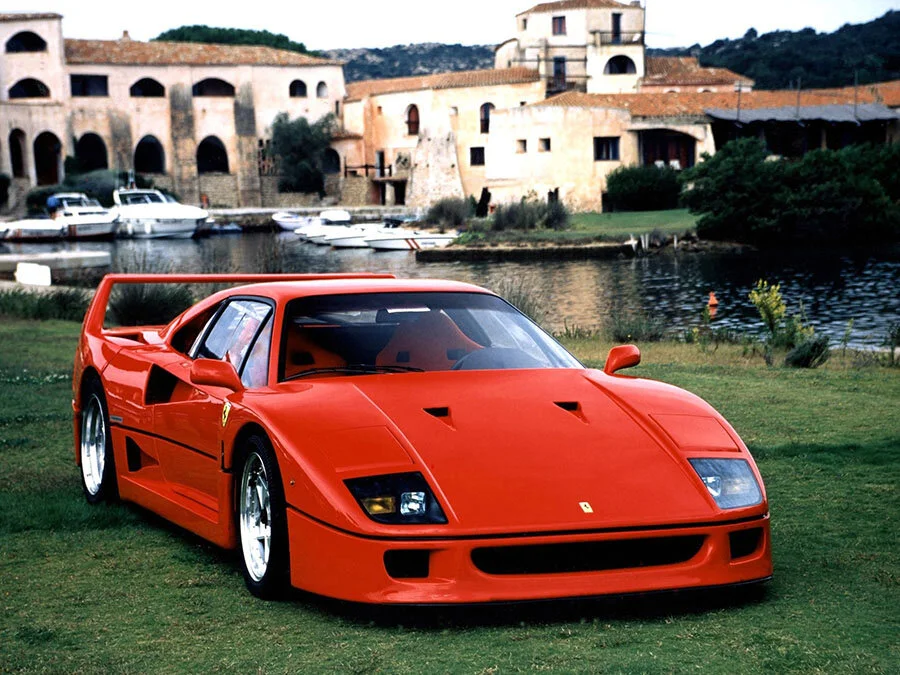
The Ferrari F40 stands as one of the most uncompromising and revered vehicles in automotive history. Introduced to commemorate Ferrari’s 40th anniversary, it was developed under the direction of Enzo Ferrari with minimal regard for luxury or convenience.
The philosophy behind the F40 was simplicity combined with extreme performance, and this principle manifested itself in every aspect of the car. Extensive use of lightweight materials, including carbon fiber, Kevlar, and aluminum, drastically reduced mass, resulting in a car that weighed less than many of its contemporaries despite its high-displacement twin-turbocharged V8 engine.
Its aerodynamic body was designed not merely for visual impact but to produce high downforce and improve high-speed stability, ensuring that the F40 was as capable on the road as it was on the track.
The F40’s performance was considered radical for its era. Its 2.9-liter twin-turbocharged V8 engine produced approximately 478 horsepower, allowing it to achieve a top speed in excess of 200 miles per hour. The car’s acceleration was violent and direct, with turbo lag delivering sudden bursts of power that demanded attention and respect.
Unlike modern supercars equipped with traction control and other electronic aids, the F40 offered a completely analog driving experience. This meant that every decision, from throttle modulation to gear selection, required skill and concentration. It was not merely a car to drive; it was a car to master, rewarding drivers who understood its unique combination of power, weight distribution, and mechanical feel.
The visual impact of the F40 was revolutionary. Its aggressive styling, including a prominent rear wing, deep vents, and low, wide stance, communicated performance with immediate clarity. The design was a blend of functional necessity and artistic expression, signaling that this was not a car built for comfort but for extreme driving engagement.
Inside, the cabin stripped away all superfluous elements, leaving only essential controls and instrumentation. The seats were firm and supportive, the dashboard minimal, and every surface designed with performance and weight reduction in mind. This minimalist interior reinforced the car’s philosophy, emphasizing that everything about the F40 was designed with speed and efficiency as priorities.
The Ferrari F40 has endured as a benchmark for automotive purity and performance. Even decades after its release, it continues to be celebrated for its raw driving experience and engineering precision. It represents the culmination of an era before electronic intervention became standard, a time when mechanical skill dictated a car’s usability.
For enthusiasts and collectors, the F40 is not simply a car; it is a symbol of a golden age of automotive engineering, where daring design, uncompromising performance, and emotional intensity converged into one extraordinary package. Its influence can still be seen in subsequent supercars that aim to capture the spirit of minimalism combined with extreme capability.
Lamborghini Miura
The Lamborghini Miura fundamentally transformed the concept of the high-performance road car through its revolutionary mid-engine layout. Before its introduction, supercars typically featured front-engine configurations that limited handling balance at extreme speeds. By moving the engine behind the driver, Lamborghini engineers achieved a much more favorable weight distribution, resulting in superior cornering performance and a dramatic reduction in understeer.
This mechanical innovation not only improved driving dynamics but also paved the way for generations of mid-engine supercars, establishing a new standard in automotive design that would be emulated by nearly every manufacturer seeking performance.
The Miura’s 3.9-liter V12 engine was another critical element of its greatness. Producing around 350 horsepower in its early iterations, it provided not only substantial straight-line speed but also a smooth and emotional delivery of power. Acceleration was thrilling, with the engine’s characteristic wail adding to the visceral experience.
Unlike many performance vehicles of the era, the Miura combined speed with elegance, allowing drivers to enjoy the sensation of acceleration without sacrificing refinement. Its engine, coupled with a five-speed manual transmission, required skill to extract maximum performance, offering a deep connection between driver and machine that modern electronic aids often dilute.
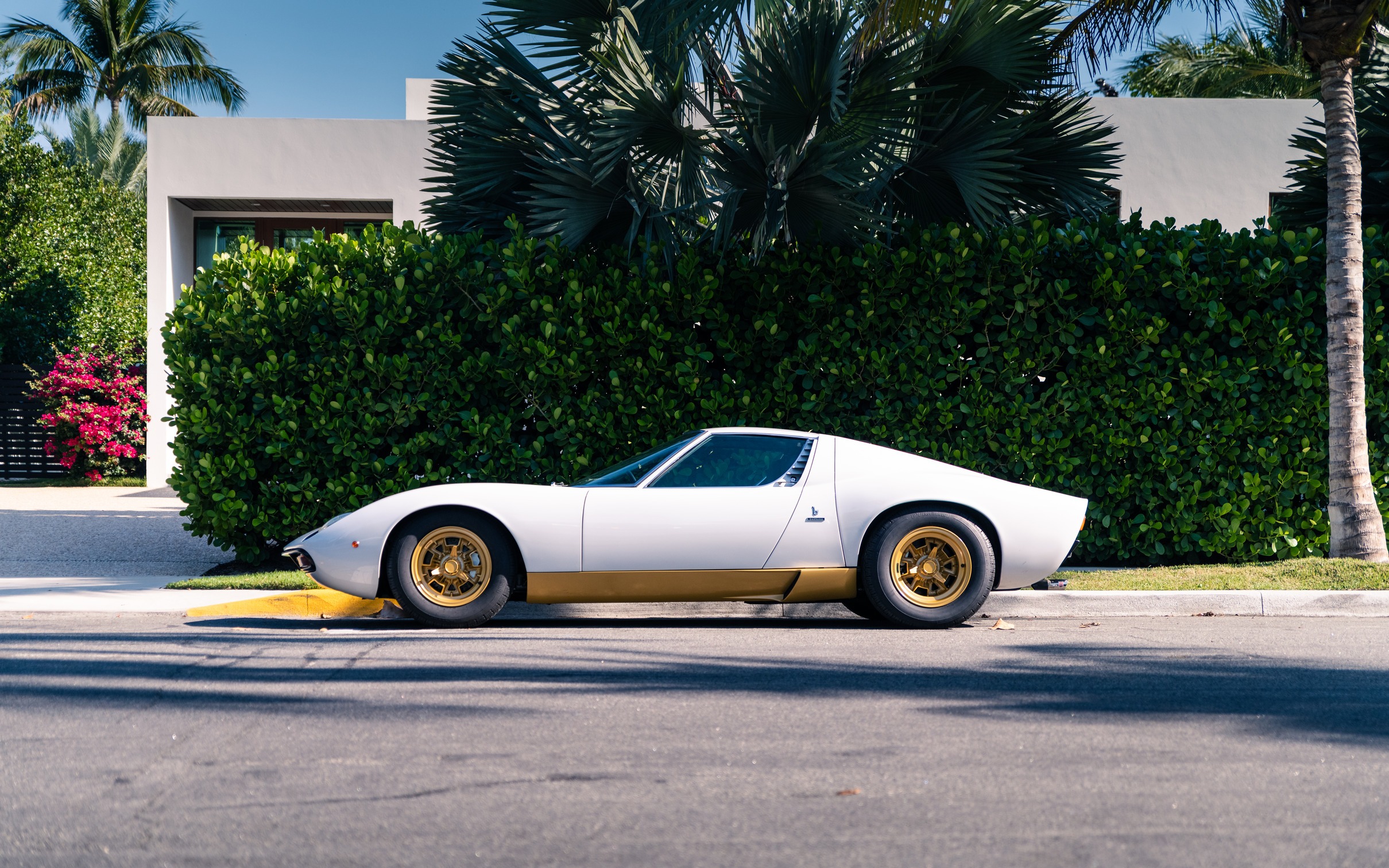
Design played a central role in the Miura’s enduring appeal. The car’s low, sweeping profile and flowing curves created a sense of motion even when stationary. Iconic features, such as the “eyelash” headlight design and rounded rear haunches, became defining elements of Lamborghini’s design identity.
The Miura proved that supercars could be aesthetically beautiful while performing at the highest level, merging artistry with engineering in a way few vehicles had before. Its design not only captured attention but influenced future generations of high performance cars, reinforcing Lamborghini’s reputation as a manufacturer of daring and visually striking vehicles.
The Miura’s impact extended far beyond engineering and aesthetics; it became a cultural icon. It elevated Lamborghini from a small, niche manufacturer to an aspirational global brand, inspiring admiration from enthusiasts, celebrities, and racing professionals alike.
The Miura demonstrated that innovation and boldness could produce a car capable of redefining an entire category, a lesson that resonates in supercar design to this day. Its legacy is a testament to the power of combining engineering ingenuity, emotional engagement, and timeless beauty, making it one of the most influential and revered supercars ever created.
McLaren F1
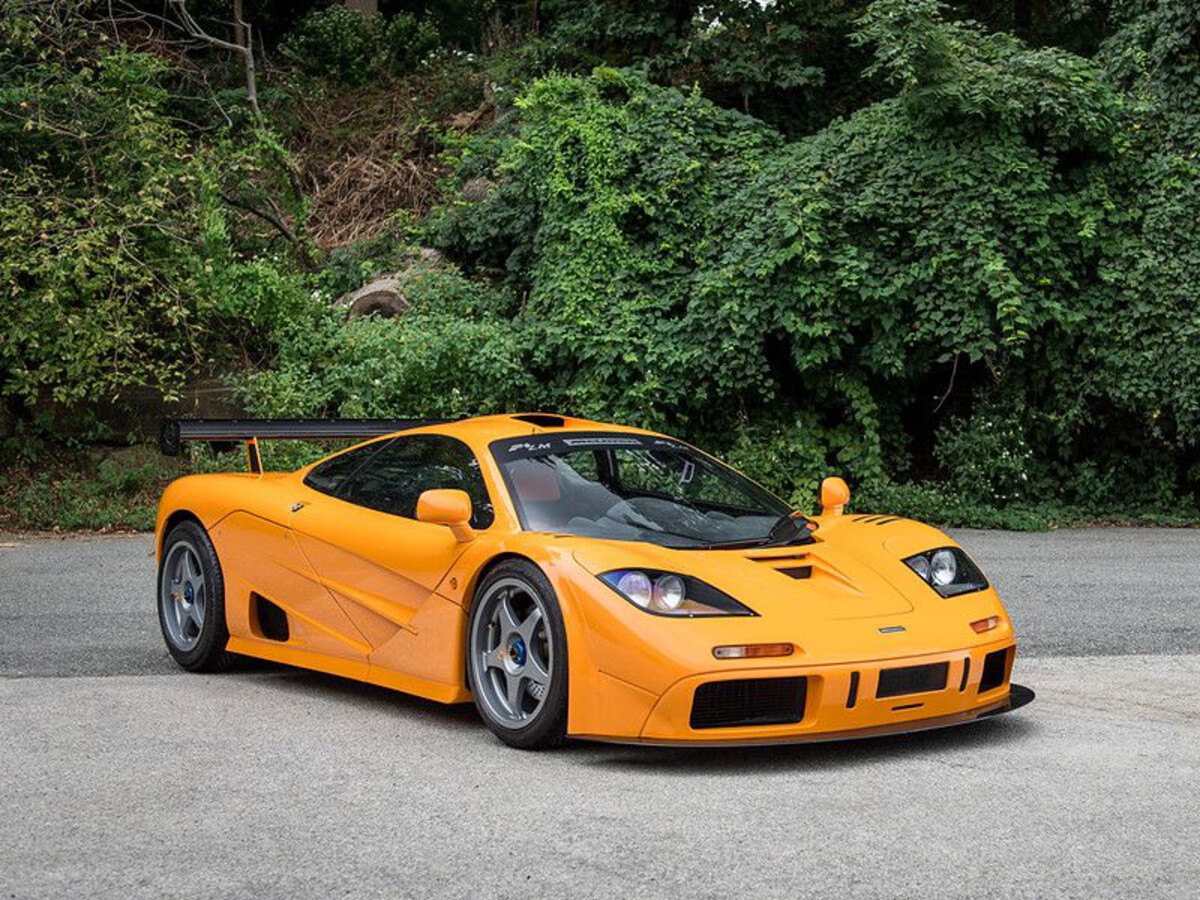
The McLaren F1 is widely regarded as one of the most ambitious and technically accomplished supercars ever created. Conceived by Gordon Murray, the car embodied a philosophy of pure engineering excellence, uncompromised by cost or convention.
One of its most distinctive features is the central driving position, which places the driver at the midpoint of the car, flanked symmetrically by two passenger seats. This arrangement provides unparalleled visibility, balance, and connection to the vehicle, creating an experience that feels almost like piloting a high-performance aircraft.
Every component of the car was designed with weight reduction, strength, and efficiency in mind, resulting in a chassis and body that combined rigidity with minimal mass, a combination that remains unmatched in many respects even decades later.
Under the hood, the naturally aspirated BMW-sourced V12 engine delivers power with extraordinary smoothness and immediacy. Producing roughly 627 horsepower, the F1 was capable of record-breaking speeds exceeding 240 miles per hour, making it the fastest production car in the world at the time.
The engine’s high-revving nature and immediate throttle response created a driving experience that felt alive and responsive, unlike turbocharged alternatives that rely on forced induction to deliver peak power. Complementing this engine is a fully manual gearbox, which enhances the sense of connection and control. The lack of electronic driving aids means that the F1 rewards skillful operation, demanding precision and respect from the driver, particularly at high speeds.
The McLaren F1’s legacy extends beyond its record-breaking top speed or its advanced engineering. It represents a philosophy of purity in supercar design, where innovation, driver engagement, and mechanical excellence take precedence over marketing trends or regulatory compromises.
Its influence is seen in countless subsequent hypercars that emphasize light weight, central driver focus, and natural handling over sheer technological gimmickry. For enthusiasts and engineers alike, the F1 remains the prime example of how uncompromised design, executed with precision and passion, can achieve greatness that transcends its era.

Porsche 911 GT1
The Porsche 911 GT1 occupies a unique place in supercar history as a vehicle that blurs the line between competition and road legality. Developed primarily to meet homologation rules for endurance racing, the GT1 is based on Porsche’s traditional 911 lineage but radically altered in terms of structure and layout.
Unlike conventional 911s, the GT1 employs a mid-engine configuration, which dramatically improves balance, handling, and stability at high speeds. This radical engineering decision transformed Porsche’s approach to road-going supercars, demonstrating that racing technology could be adapted for public roads without losing performance or precision.
Powering the GT1 is a twin-turbocharged engine producing in excess of 600 horsepower, depending on the model variant. The combination of lightweight construction, turbocharged power, and advanced aerodynamics resulted in a car that accelerates with intensity and handles with surgical precision.
Driving the GT1 requires constant engagement and attention, as the suspension and steering are optimized for racing performance rather than comfort. Every corner, braking zone, and straightaway becomes an opportunity to experience the direct connection between driver, engine, and chassis. For enthusiasts seeking a machine that closely mirrors a racing car’s experience, the GT1 is unparalleled.
The exterior design emphasizes both function and aggression. Wide bodywork, large air intakes, and prominent aerodynamic elements communicate the GT1’s racing pedigree while ensuring efficient cooling and downforce at extreme speeds.
Unlike many aesthetically driven supercars, the GT1’s appearance is a direct reflection of its engineering priorities. Its low stance, exaggerated fenders, and prominent rear wing make a clear statement: this is a car built to dominate on the track, and every design element exists to serve performance. Even today, its silhouette remains instantly recognizable and continues to inspire designers in both road and race car engineering.
The Porsche 911 GT1’s influence is evident in the way modern supercars increasingly integrate racing technology into road cars. It demonstrated that high performance does not need to compromise usability entirely, even though the GT1 remains far from a comfortable daily driver.
Its combination of technical innovation, extreme capability, and emotional impact solidifies its place as one of the most daring and respected supercars ever created. For collectors and driving purists alike, the GT1 represents a rare convergence of racing heritage and road-going brilliance.
Bugatti Veyron
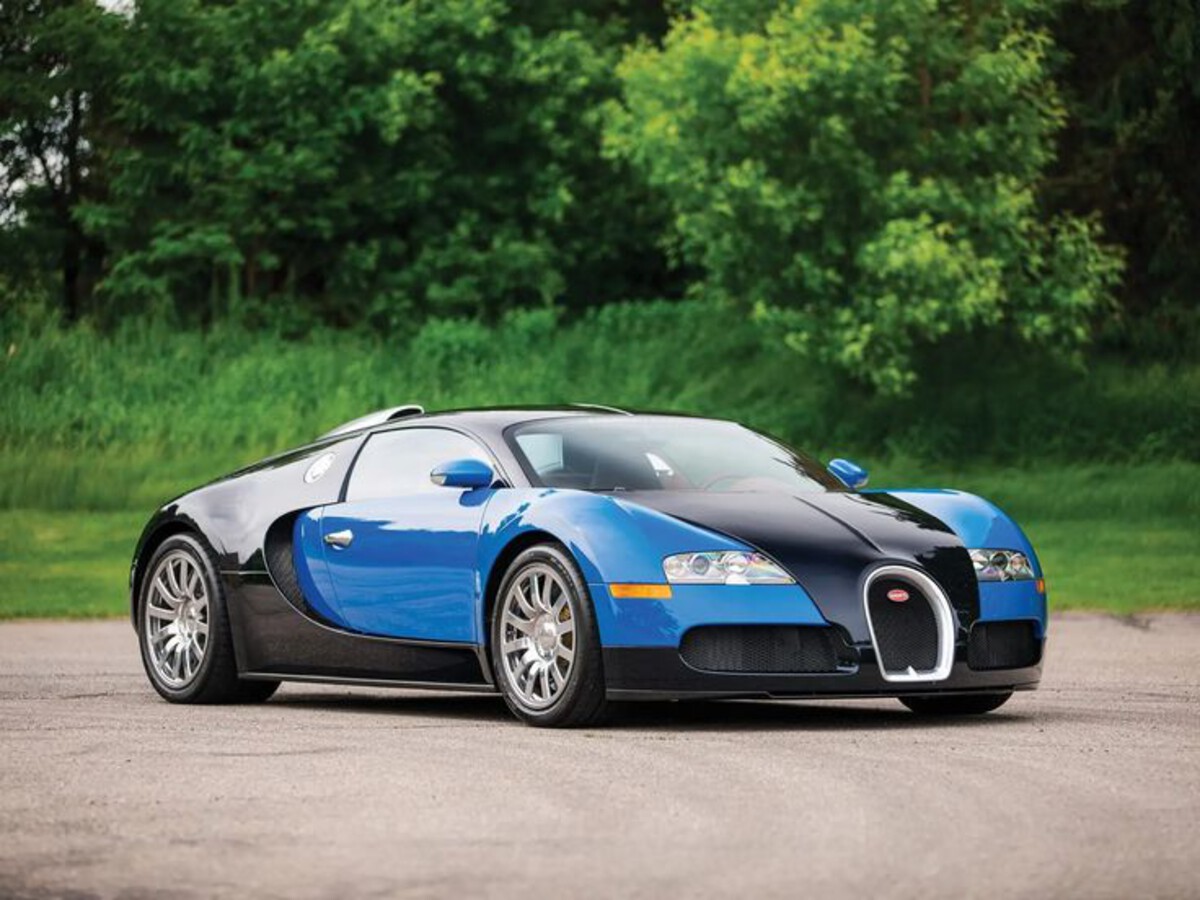
The Bugatti Veyron redefined the boundaries of what a production supercar could achieve, combining blistering performance with extraordinary luxury and refinement. From its inception, the Veyron was designed with a single goal in mind: to exceed all known limits of speed while remaining a usable road car.
The car’s engineering complexity is staggering, featuring a quad-turbocharged W16 engine producing over 1,000 horsepower, capable of propelling the vehicle to speeds exceeding 250 miles per hour. Achieving these numbers required the development of specialized components, including a seven-speed dual-clutch transmission, advanced all-wheel drive, and active aerodynamics that adjust dynamically to speed and driving conditions.
The Veyron’s exterior design merges elegance with technical necessity. Smooth lines and flowing surfaces conceal functional elements such as cooling ducts, underbody airflow channels, and deployable rear wings.
Its presence is commanding, yet understated compared to some more aggressive supercars, reflecting Bugatti’s philosophy of combining power with refinement. Inside, the cabin offers levels of comfort and craftsmanship rarely associated with extreme performance vehicles, featuring premium leather, carbon fiber, and meticulously crafted controls that balance usability with luxury.
Bugatti’s achievement with the Veyron created a paradigm shift in the automotive world. It demonstrated that a production vehicle could combine unprecedented speed, technological sophistication, and everyday usability, setting a new benchmark for hypercars.
Manufacturers worldwide were challenged to innovate in response, and the Veyron’s influence continues to shape modern supercar design. Beyond performance and luxury, the Veyron remains a cultural icon, symbolizing the limits of engineering ambition and human ingenuity in the pursuit of automotive excellence.
Ferrari LaFerrari
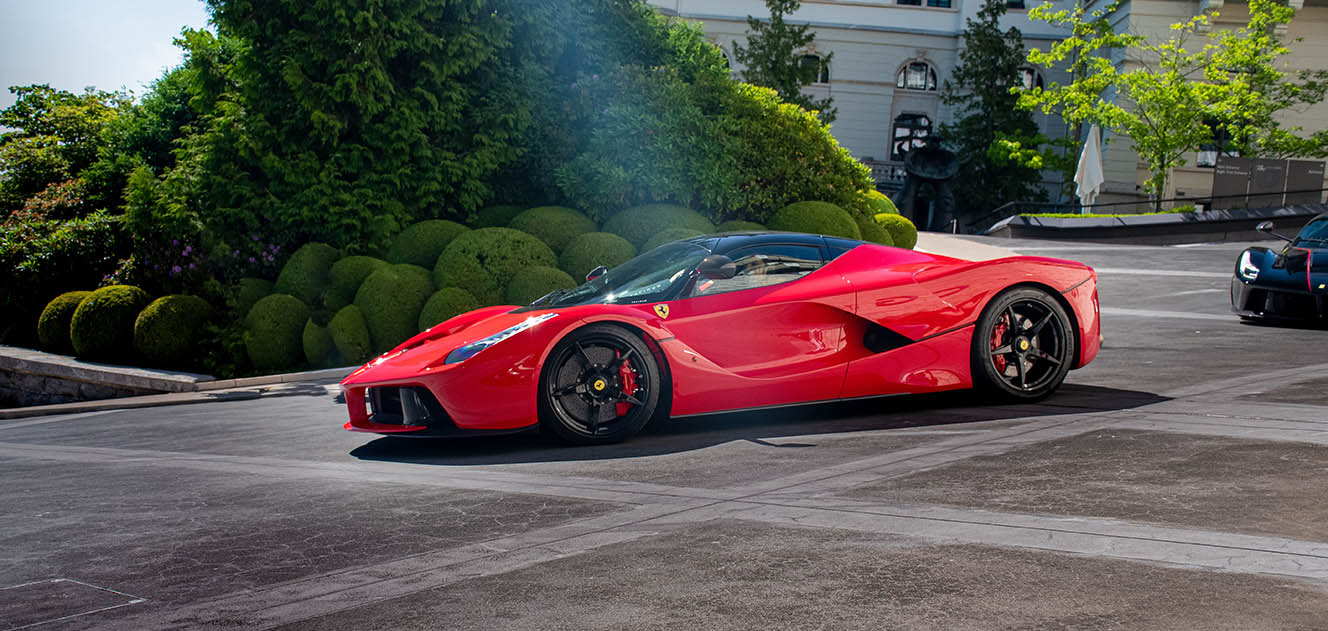
The Ferrari LaFerrari represents a landmark in the evolution of high performance vehicles, particularly for its pioneering use of hybrid technology in a supercar context. Unlike earlier Ferrari models that relied purely on internal combustion power, the LaFerrari combines a naturally aspirated V12 engine with an electric motor to produce a total output exceeding 950 horsepower.
This hybrid system enhances both acceleration and responsiveness, providing immediate torque delivery while preserving the thrilling auditory character and emotional engagement of Ferrari’s traditional engines. The integration of hybrid technology demonstrates that performance innovation can coexist with the visceral characteristics that define a Ferrari.
Design in the LaFerrari is a marriage of form and function. The car’s sculpted surfaces, aggressive stance, and integrated aerodynamic features reflect Ferrari’s philosophy that every curve must serve a purpose.
The interior reinforces this performance-driven approach, with a cockpit that positions the driver at the center of the machine, integrating controls into the steering wheel for rapid and intuitive access. Comfort is secondary to connection and control, yet Ferrari ensures that usability is not sacrificed entirely, maintaining a level of refinement expected from the brand.
LaFerrari’s significance extends beyond its raw performance. It represents Ferrari’s successful exploration of hybrid technology without compromising emotional and aesthetic appeal. The car demonstrates that modern supercars can incorporate advanced engineering solutions while remaining deeply engaging and authentic.
Its influence is evident in subsequent Ferrari models and in the broader industry, where hybrid powertrains are increasingly employed to enhance performance. The LaFerrari is a symbol of the future of supercars, bridging tradition and innovation in a single, extraordinary package.
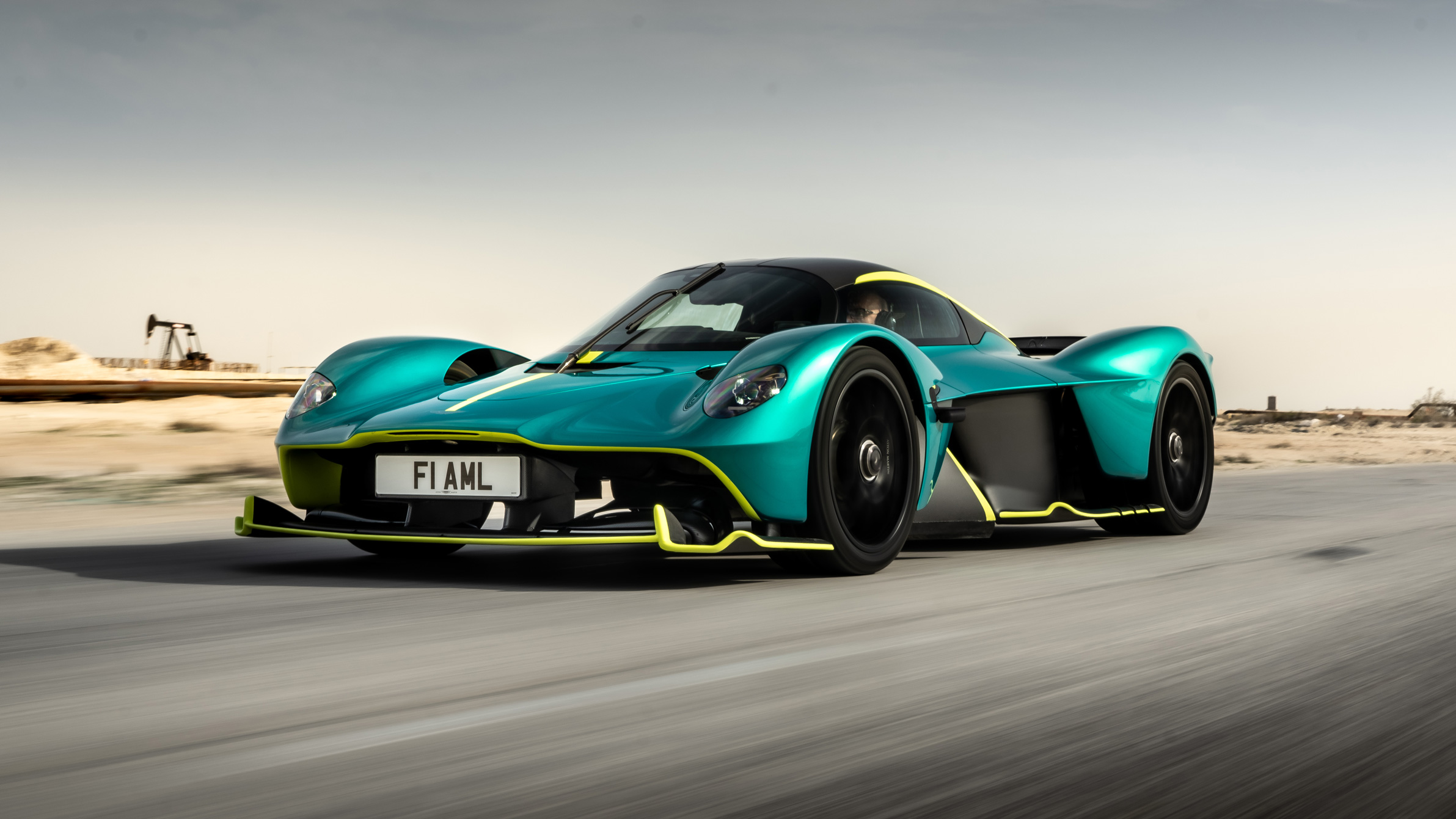
Aston Martin Valkyrie
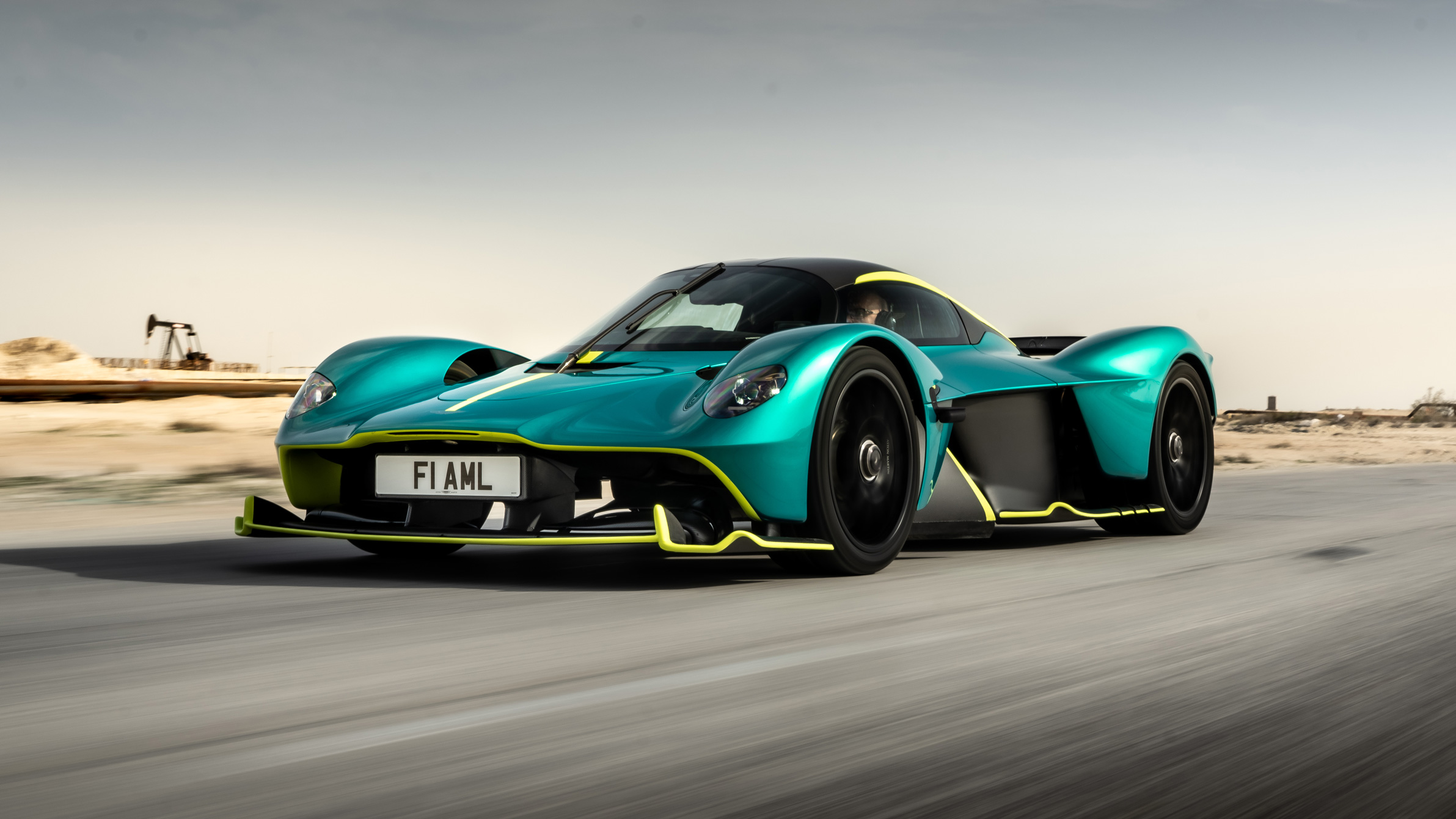
The Aston Martin Valkyrie represents an unprecedented fusion of Formula One technology and road-legal design, resulting in a supercar that operates at the very edge of mechanical possibility. Developed in collaboration with Red Bull Advanced Technologies, the Valkyrie emphasizes aerodynamic efficiency, extreme lightness, and driver-centric engineering.
Every surface, vent, and curve is designed to maximize downforce while minimizing drag, ensuring the car remains glued to the road even at extraordinary speeds. The chassis uses advanced carbon fiber construction to reduce weight and increase rigidity, allowing the enormous powertrain to be managed effectively while delivering exceptional responsiveness.
The Valkyrie’s exterior design is an exercise in functional beauty. Long, low lines, sharply sculpted air intakes, and an aggressive rear diffuser communicate speed even at rest. Its profile is almost otherworldly, appearing more akin to a prototype race car than a road-going vehicle.
Every element is dictated by engineering needs rather than stylistic preference, yet the result is a vehicle of astonishing visual impact. The cockpit mirrors this philosophy: seating is low and reclined, controls are highly focused, and visibility is optimized for maximum road awareness. Luxury is secondary to function, reinforcing the car’s identity as a machine designed for performance.
The Valkyrie’s significance extends beyond raw numbers; it represents a philosophical statement about what is possible in a road car. By combining race-level technology, hybrid innovation, and aerodynamic mastery, Aston Martin challenged conventional supercar design.
The vehicle demonstrates that extreme performance can coexist with sophistication and usability within carefully defined limits. It is a testament to engineering ambition, proving that the line between a hypercar and a Formula One car can be blurred without compromise. For collectors and enthusiasts, the Valkyrie is a rare example of the future of supercars realized in the present.
Pagani Zonda
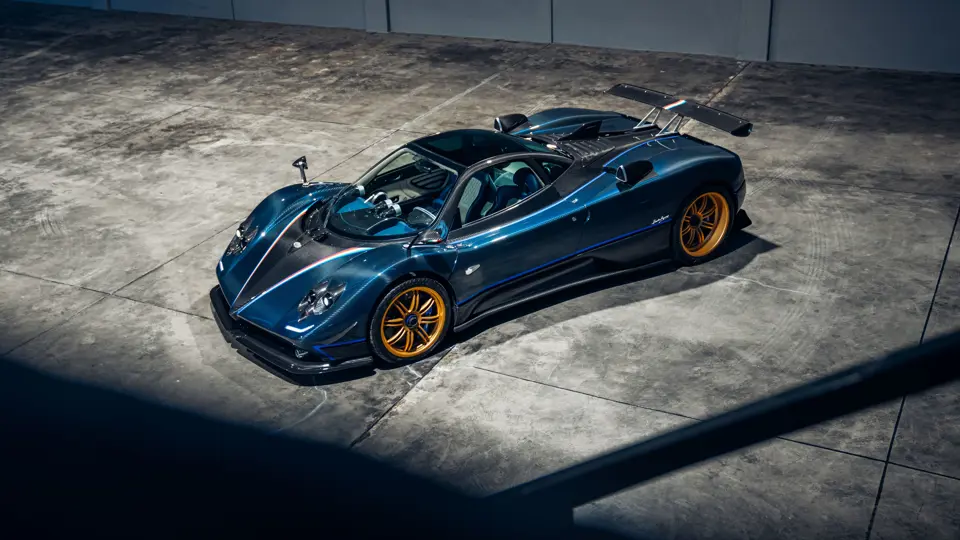
The Pagani Zonda is a masterclass in combining engineering excellence with artistic expression. Each vehicle is meticulously handcrafted, blending exotic materials, advanced engineering, and extraordinary attention to detail. Carbon fiber construction dominates the chassis and body panels, resulting in a lightweight yet exceptionally strong frame.
Unlike mass-produced supercars, each Zonda is unique, reflecting the philosophy of founder Horacio Pagani that automotive design can be both highly functional and visually expressive. The result is a car that performs at the highest level while remaining a moving piece of art, celebrated for both its mechanical and aesthetic achievements.
Design is where the Zonda truly distinguishes itself. Each line, vent, and curve serves both aesthetic and functional purposes, from airflow management to cooling. The distinctive exhaust layout, often featuring quad or multiple stacked pipes, produces a sound that is as iconic as the car’s appearance.
The interior mirrors this philosophy, blending exposed carbon fiber with luxury materials such as leather and polished metals. Cockpit layout is ergonomic but highly driver-focused, ensuring that every control is intuitively placed while maintaining the car’s bespoke character. Each Zonda feels like a one-of-a-kind creation rather than a production vehicle.
The legacy of the Zonda lies in its combination of artistry, engineering, and exclusivity. It demonstrates that a supercar can be both functional and expressive, capable of thrilling performance while inspiring admiration purely for its design.
The Zonda elevated Pagani to an elite status among supercar manufacturers and influenced a generation of boutique car makers. Its success underscores that innovation, passion, and craftsmanship can coexist with performance, creating a vehicle that is both technically remarkable and emotionally compelling.
Ford GT
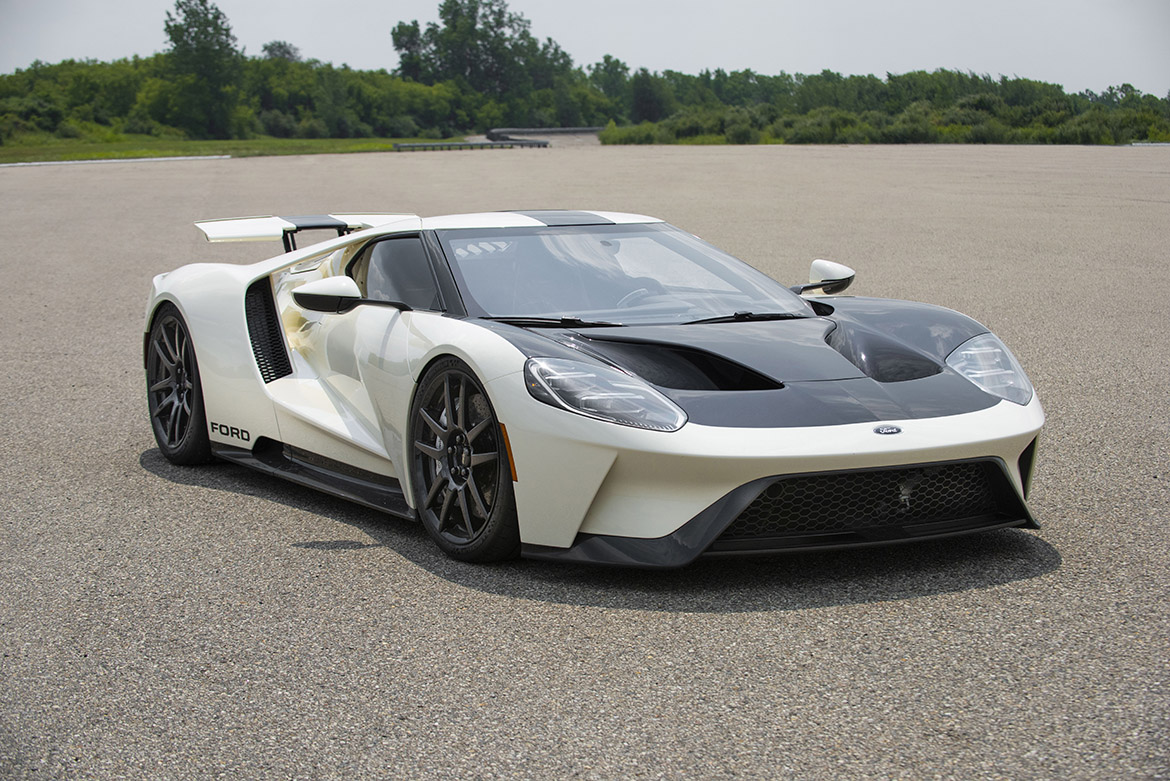
The Ford GT represents a modern interpretation of racing heritage brought to the road. Inspired by the legendary GT40 that dominated Le Mans in the 1960s, the contemporary GT is a synthesis of aerodynamic sophistication, lightweight engineering, and extreme performance.
The chassis uses advanced carbon fiber materials to provide rigidity and reduce mass, while active aerodynamics adjust in real-time to optimize downforce, drag, and cooling efficiency. This approach ensures the vehicle performs exceptionally on both straights and corners, translating decades of motorsport knowledge into a road-legal package.
The GT’s exterior is a careful balance of aesthetics and function. Sharp, flowing lines, wide arches, and large vents communicate power while improving aerodynamic efficiency and cooling. The rear diffuser and active wing are engineered to generate downforce at high speeds while retracting for lower drag in straights.
Inside, the cabin is driver-focused, with controls designed for quick access and minimal distraction. Unlike many luxury-oriented supercars, the GT emphasizes purpose over comfort, reflecting its racing DNA while remaining capable of limited daily usability.
The Ford GT demonstrates the value of heritage in supercar design. By revisiting the principles that produced historic success and combining them with contemporary technology, the vehicle achieves a rare balance of legacy, performance, and technological sophistication.
It serves as a bridge between the golden era of endurance racing and modern hyper-performance vehicles. For enthusiasts and collectors, the GT embodies both historical significance and cutting-edge engineering, earning its place among the most respected supercars in the world.

Koenigsegg Agera RS
The Koenigsegg Agera RS is a culmination of independent engineering ambition, combining cutting-edge technology, extreme performance, and meticulous attention to detail. Produced by a boutique manufacturer in Sweden, the Agera RS pushes the boundaries of what is mechanically possible in a road-legal vehicle.
Its lightweight carbon fiber monocoque and advanced aerodynamics allow the car to achieve blistering acceleration and record-breaking top speeds while maintaining stability and control. Every aspect of the car, from the active rear wing to the airflow management underbody, has been engineered to maximize performance without compromise.
The exterior design of the Agera RS reflects its engineering philosophy, blending aggressive styling with aerodynamic necessity. Every vent, splitter, and curve has a functional purpose, contributing to cooling, downforce, or drag reduction.
Inside, the cabin is driver-oriented, combining essential controls with high-quality materials to create a focused yet refined environment. Unlike more extravagant hypercars, the Agera RS emphasizes mechanical function and precision, ensuring that nothing detracts from the car’s performance potential.
The Agera RS exemplifies the capabilities of independent supercar manufacturers to challenge industry giants. Its achievements in acceleration, top speed, and engineering innovation position it among the most remarkable vehicles ever produced.
Beyond numbers, the Agera RS demonstrates a commitment to precision, innovation, and purity of purpose that resonates with enthusiasts worldwide. It stands as a testament to what is possible when ambition, creativity, and technical excellence converge in a single, extraordinary machine.
