
The Porsche 911 has long held a position of reverence in automotive culture, often seen as the balance between engineering, performance, and refinement. Its history spans decades of evolution, each generation carefully crafted to refine its iconic rear-engine layout, delivering a combination of speed, stability, and driving engagement that few vehicles can match.
It has become more than just a car; it is a symbol of precision, luxury, and technical mastery. Enthusiasts often praise its ability to merge everyday usability with track-capable performance, a feat that few other sports cars have attempted with consistent success.
The 911’s driving dynamics are meticulously calibrated to provide a sense of control and confidence under nearly every condition, and its presence on the road carries a level of prestige that often makes it an aspirational goal for car collectors and driving enthusiasts alike.
Despite these accolades, the Porsche 911 is not without limitations. Its price can put it out of reach for many buyers, and its very ubiquity in high-performance circles has made it a familiar presence rather than a singular, memorable experience. While the 911 excels in balance and refinement, some drivers may feel it lacks the raw excitement, aggressive styling, or distinctive character offered by less conventional competitors.
Furthermore, its cost relative to performance can sometimes be questioned when compared with sports cars that push boundaries in acceleration, handling, or emotional engagement without demanding the same financial investment. In essence, while the 911 is exceptional, it is not the only route to a thrilling or satisfying driving experience.
Value is a crucial consideration for many buyers who weigh not just the brand prestige, but what they receive for their money in terms of driving excitement, engineering, and uniqueness. Some sports cars deliver superior performance at lower prices, offer more distinctive character, or provide a more visceral connection between car and driver.
In certain cases, competitors exceed the 911 in raw acceleration, cornering, or braking while simultaneously offering a personality that makes them feel alive, aggressive, or even rebellious. These alternatives cater to drivers who prioritize passion and individuality over traditional metrics of excellence, challenging the conventional hierarchy in sports car culture.
This article examines ten sports cars that surpass the Porsche 911 in areas of value, performance, or character. Each example brings a unique philosophy and experience to the table, proving that driving enjoyment can be measured in more than lap times or resale value.
Some cars excel in raw power and speed, others emphasize emotional engagement and sensory stimulation, and still others focus on a combination of affordability and performance that makes them irresistible to enthusiasts. By highlighting these options, the article illustrates the richness of the sports car market and encourages readers to consider alternatives that may deliver a deeper or more personal driving experience than the traditional benchmark of the Porsche 911.
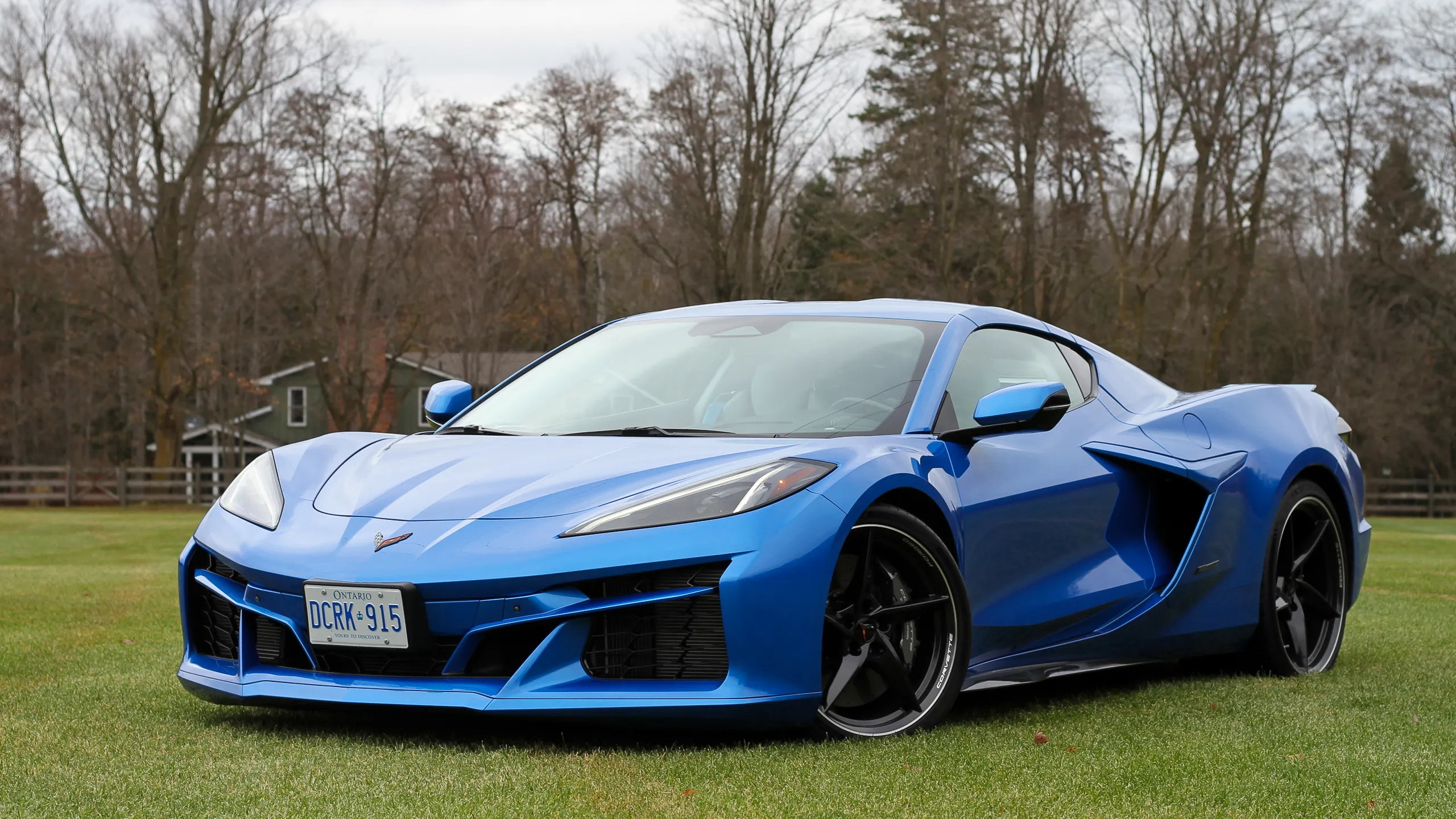
Chevrolet Corvette
The Chevrolet Corvette has historically been a cornerstone of American automotive performance, embodying a philosophy that combines power, presence, and practicality in one package. While European cars like the Porsche 911 emphasize precision and engineering tradition, the Corvette emphasizes raw performance and bold design that immediately communicates speed and capability.
Its current generation achieves a remarkable balance between technological sophistication and classic sports car character, demonstrating that an American sports car can rival European peers in handling, acceleration, and driving dynamics. The mid-engine layout of modern Corvettes has elevated their status, allowing for improved weight distribution, sharper cornering, and a more connected feel that makes every maneuver feel intentional and rewarding.
Performance is a primary reason the Corvette competes so effectively with the Porsche 911. Its engine delivers intense acceleration, generating visceral force that makes each press of the pedal thrilling. The car’s suspension and chassis are tuned to handle both high-speed straights and twisty roads with composure, giving drivers a sense of confidence that complements its aggressive power delivery.
Unlike some cars where electronic aids dominate the experience, the Corvette provides an opportunity to feel the connection between the driver and the road, offering a more mechanical and engaging experience. This combination of speed, precision, and feedback positions the Corvette as a vehicle that rivals or surpasses the 911 in measurable performance while delivering a more emotionally stimulating ride.
The character of the Corvette is another defining attribute. Unlike the reserved, understated demeanor of the Porsche, the Corvette radiates personality and presence. Its styling is bold and aggressive, turning heads with sculpted lines, prominent vents, and a commanding stance.
Inside, the cabin combines modern technology with driver-focused ergonomics, emphasizing the sense that every control is directly connected to performance. The Corvette’s exhaust note, throttle response, and chassis feedback all contribute to an experience that feels dynamic and alive. For drivers seeking a car that evokes emotion on every drive, the Corvette offers a level of drama that the measured precision of the 911 cannot fully replicate.
Value is a critical differentiator for the Corvette. Its combination of performance, technology, and design is available at a price significantly lower than many European counterparts, including the Porsche 911. Buyers receive capabilities that challenge supercars without the associated financial burden.
Additionally, the Corvette’s reputation for durability and track-ready performance increases its appeal, making it a sports car that can be enjoyed in daily driving, spirited weekend runs, and occasional track days without compromise. In short, the Corvette delivers an extraordinary combination of power, character, and affordability that positions it as a compelling alternative to the Porsche 911.

Nissan GT R
The Nissan GT-R is widely recognized as a technological marvel in sports car engineering, designed to achieve blistering performance through precision, innovation, and meticulous tuning. Unlike the Porsche 911, which has evolved gradually over decades with a focus on balance and refinement, the GT R was conceived as a high-tech performance machine capable of competing with far more expensive supercars.
Its advanced all-wheel-drive system, dual-clutch transmission, and powerful engine allow the car to launch aggressively and maintain stability through even the most demanding driving scenarios. This results in a driving experience that feels purposeful, precise, and uncompromising.
Acceleration is one of the GT R’s most impressive attributes. Its engine delivers immense power, allowing it to sprint from zero to sixty in a matter of seconds, often faster than comparable 911 variants. The sophisticated drivetrain ensures that power is applied efficiently, resulting in controlled, predictable, and exhilarating acceleration.
Cornering performance is equally impressive, with active suspension and stability systems that allow the car to maintain composure in high-speed turns. The combination of these attributes provides drivers with a sense of confidence and capability, particularly in situations that demand maximum performance from both car and driver.
Character is where the GT R distinguishes itself. Unlike the refined and understated Porsche, the GT R offers a more aggressive, almost mechanical feel. It communicates its presence through sound, weight transfer, and responsiveness, creating a sensation of being in direct command of a high-powered machine.
The intensity of the experience is heightened by its engineering philosophy, which prioritizes performance optimization over refinement, making the car feel alive and assertive. This makes it particularly appealing to enthusiasts who crave intensity, responsiveness, and an unfiltered connection to the car’s mechanical systems.
Value is an advantage of the GT R. While it carries a premium price relative to mainstream sports cars, its performance rivals or exceeds vehicles that cost significantly more, making it one of the most capable sports cars for its price.
Additionally, its durability and ability to handle repeated high-performance use enhance its practicality as a track-capable yet road-legal vehicle. The GT R delivers a high-tech, adrenaline-inducing experience that challenges the Porsche 911 in both performance and excitement, offering drivers a compelling alternative for those who prioritize capability and intensity.
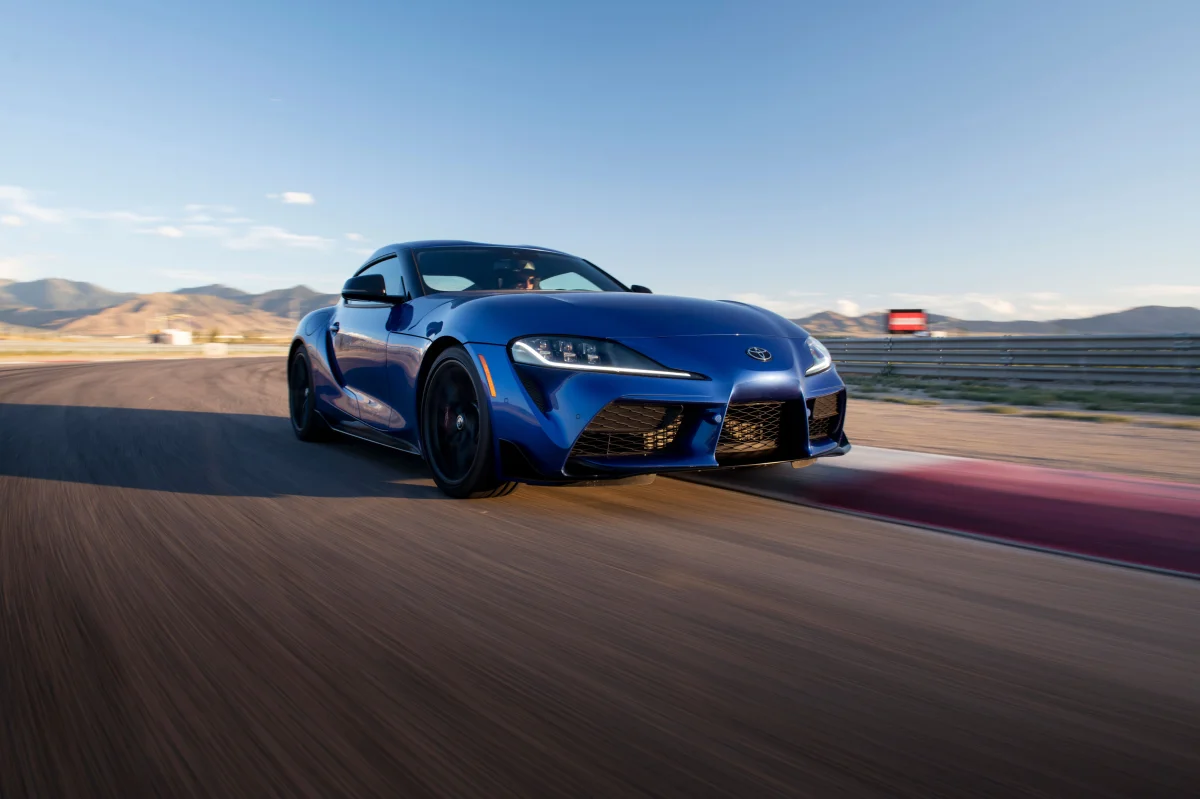
Toyota Supra
The Toyota Supra is a sports car that balances modern performance with a sense of nostalgia, appealing to both enthusiasts who remember its heritage and newcomers seeking an accessible, engaging vehicle. Its development was focused on creating a driver-friendly sports car that offers excitement without overwhelming the operator.
While the Porsche 911 leans heavily on decades of incremental refinement and a rear-engine philosophy, the Supra approaches performance with a more direct, playful attitude, emphasizing balance, agility, and a connection between car and driver that feels immediate. Its design, with sculpted curves and muscular proportions, communicates its purpose even when standing still.
Performance is a strength of the Supra, particularly in its turbocharged variant. Its engine delivers robust acceleration across a broad RPM range, providing both low-end responsiveness and high-speed surge.
The car’s chassis and suspension are tuned to offer sharp cornering and stability, allowing drivers to confidently attack turns without the need for excessive electronic intervention. While it may not reach the extreme acceleration or top-speed figures of the highest-spec 911, it achieves a dynamic equilibrium where every maneuver feels intuitive and rewarding, particularly on winding roads or during spirited weekend drives.
The Supra’s character is strongly defined by its engagement and approachability. Its steering, throttle response, and suspension setup encourage drivers to feel directly connected to the car’s behavior, providing a sense of control that is tactile and reassuring.
Unlike the more composed 911, which can sometimes feel insulated, the Supra delivers a more expressive experience, where the sensations of acceleration, lateral forces, and chassis movement are felt distinctly. This emotional engagement makes the car feel alive and reactive, cultivating a bond between driver and machine that enhances enjoyment beyond raw performance numbers.
Value is another reason the Supra stands out. It provides a high level of performance, modern technological features, and appealing aesthetics at a price point that is considerably lower than many Porsche 911 variants.
It also offers a combination of reliability, affordability, and everyday usability, making it a car that can be enjoyed without financial strain or constant concern for maintenance. For buyers who want a car that is fun, capable, and distinctive without commanding the premium associated with German sports cars, the Supra presents a compelling alternative that emphasizes driving joy over prestige.
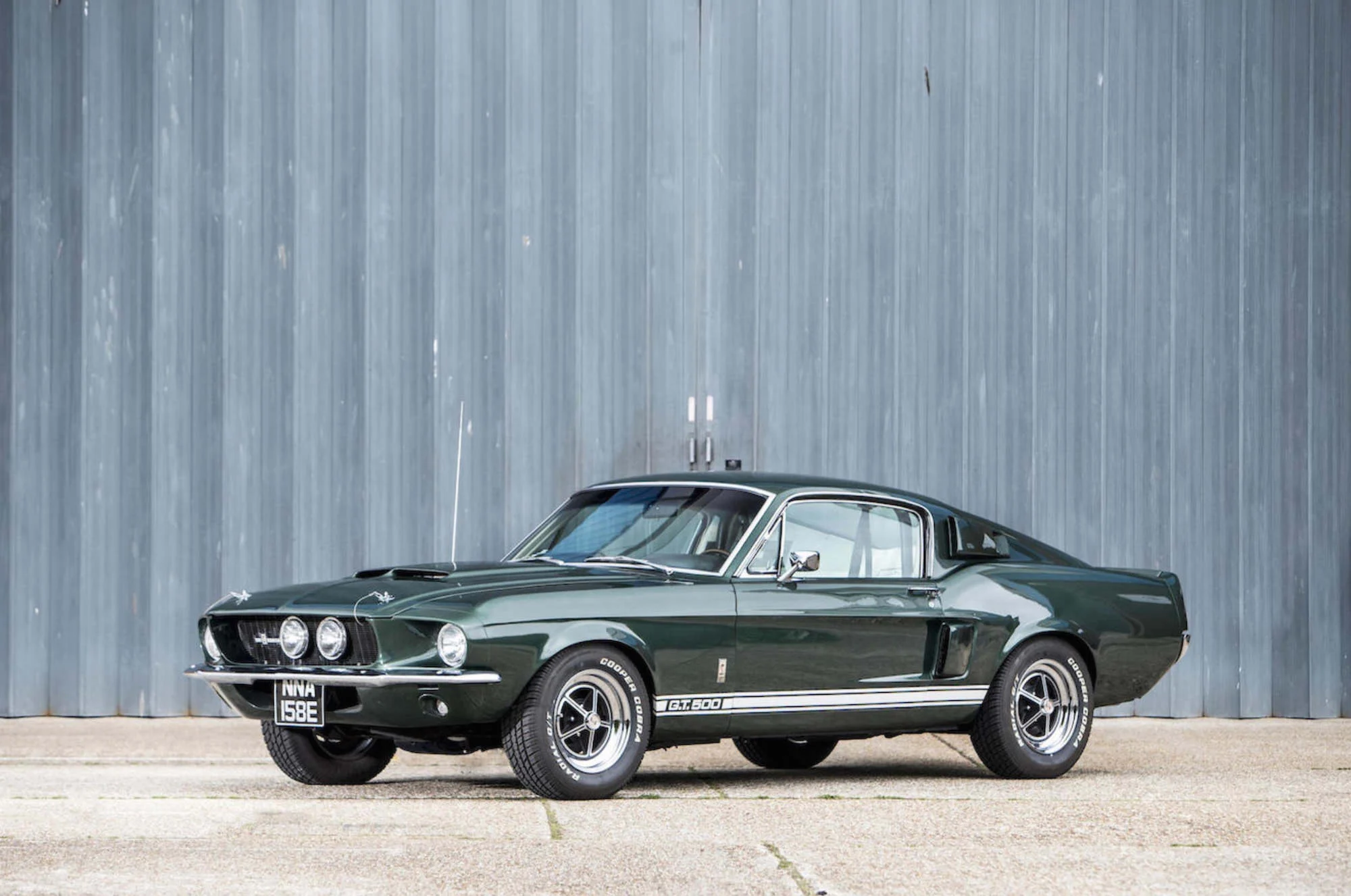
Ford Mustang Shelby GT500
The Ford Mustang Shelby GT500 represents a philosophy rooted in extreme performance and unapologetic presence. Unlike the Porsche 911, which balances precision and subtlety, the GT500 embraces spectacle and drama, delivering a package that makes a bold statement both visually and mechanically.
Its design, with wide fenders, large air intakes, and aggressive aerodynamic elements, emphasizes speed and power. This car is intended to be noticed, and every detail reinforces its purpose: a high-performance sports car that prioritizes raw force and excitement.
Performance is the cornerstone of the GT500’s appeal. Its supercharged V8 engine produces enormous horsepower, generating blistering straight-line acceleration that few sports cars in its price range can match.
The car’s suspension and chassis, while heavier than some competitors, are finely tuned to harness this power, allowing drivers to manage high speeds with confidence. Its braking system is similarly robust, ensuring the car can stop as dramatically as it accelerates. While its cornering may not always match the precision of the Porsche 911, the GT500 provides an exhilarating combination of power and handling that rewards confident, enthusiastic driving.
Character is arguably the GT500’s most striking feature. Its engine roar, throttle feedback, and road presence create a sense of theatricality that few sports cars can match. Driving the GT500 is not a subtle experience; it demands attention and engagement, making every journey feel intense and memorable.
The car’s personality is larger than life, with a sense of aggression that contrasts with the refined, composed demeanor of the 911. For drivers who want drama, spectacle, and a strong emotional connection, the GT500 delivers a distinctive and memorable experience.
Value is another area where the GT500 excels. Despite its supercar-level performance, it remains far more accessible than European rivals, offering extraordinary speed, technology, and styling at a fraction of the cost.
This combination of affordability, performance, and character provides a unique proposition for buyers who want maximum excitement without paying for badge prestige alone. In practical terms, it allows drivers to enjoy a thrilling sports car experience that challenges or surpasses the Porsche 911 in raw emotion and dramatic impact.
Audi R8
The Audi R8 is a supercar that combines high-end performance with refined usability, offering an exotic alternative to the Porsche 911 with a mid-engine layout and striking presence. Unlike the 911, which emphasizes evolutionary design and subtlety, the R8 stands out visually and mechanically, providing an unmistakable exotic appeal.
Its wide, low stance, pronounced air intakes, and aerodynamic sculpting create a sense of aggression even at a standstill, signaling that it is designed for performance and precision.
Character is central to the R8’s appeal. Its combination of exotic design, distinctive engine sound, and precise handling conveys an air of exclusivity and excitement. The car feels both luxurious and performance-focused, capable of delivering a high-adrenaline experience without compromising comfort.
This dual personality allows it to appeal to drivers who want a car that can perform in extreme scenarios while remaining usable in daily life. The R8’s driving experience emphasizes elegance, poise, and a sense of occasion that few sports cars can match.
Value, although less obvious due to the R8’s premium pricing, comes from the integrated experience it provides. It offers supercar performance, exotic styling, and everyday usability in a single package, making it a complete and satisfying vehicle for enthusiasts who value performance and prestige in equal measure. For those seeking a car that feels exceptional every time it is driven, the R8 offers a compelling alternative to the Porsche 911, combining speed, character, and versatility in a manner that few other cars can replicate.
BMW M4
The BMW M4 represents a philosophy that blends high performance with everyday usability, offering drivers a sports car that is both thrilling and adaptable. Unlike the Porsche 911, which is focused on the refinement of a single sports car archetype, the M4 occupies a space that combines power, technology, and comfort.
Its aggressive design language, characterized by wide fenders, large grilles, and aerodynamic detailing, communicates strength and athleticism, signaling that it is capable of serious performance while remaining practical for daily use.
Character is strongly evident in the M4’s dual nature. It can be a refined, comfortable vehicle for long drives and daily commutes, yet it transforms into an aggressive, engaging machine when pushed hard. Its steering feedback, chassis communication, and engine responsiveness create an emotional connection between driver and car, providing satisfaction that extends beyond numbers on a spec sheet.
This combination of accessibility and engagement distinguishes the M4 from the more narrowly focused 911, appealing to enthusiasts who want versatility and enjoyment in one package.
Value is apparent in its blend of performance, technology, and practicality. The M4 offers high levels of engineering, dynamic capability, and interior refinement at a cost that, while premium, remains lower than many supercar competitors.
It also provides everyday usability and comfort, making it a sports car that does not compromise on either performance or livability. For drivers who want a vehicle that excels across a broad spectrum of driving conditions while still offering significant thrills, the M4 represents a compelling alternative to the Porsche 911.
Jaguar F-Type
The Jaguar F-Type emphasizes emotion and design in ways that few sports cars attempt, creating an experience that is as much about presence as it is about performance. Unlike the Porsche 911, which relies on decades of refinement and engineering continuity, the F-Type is intentionally dramatic.
Its long hood, sculpted fenders, and aggressive stance communicate purpose and beauty, making it instantly recognizable. Every curve and line appears designed to enhance aerodynamics while emphasizing the car’s exotic and luxurious character, giving drivers a sense of pride and excitement even before setting off.
Performance in the F-Type is both engaging and satisfying, with engines that deliver smooth, immediate power and a responsive chassis that rewards spirited driving. Acceleration is strong across multiple engine variants, allowing the car to compete with many higher-priced sports cars while maintaining control and poise.
Steering feel and suspension balance are tuned to provide tactile feedback, helping drivers sense the road and chassis movement clearly. While it may not match the Porsche 911 in terms of track-day precision or consistency, it delivers a performance that feels human-centered, emphasizing enjoyment over numbers alone.
Value in the F-Type is found in the balance of experience and exclusivity. While its price is significant, it offers an emotional return that few cars at the same cost can match. The combination of performance, sound, design, and everyday usability creates a sports car that feels special each time it is driven. For enthusiasts who want a vehicle that excites both visually and mechanically, the F-Type provides an alternative to the 911 that delivers passion and presence over conventional engineering supremacy.
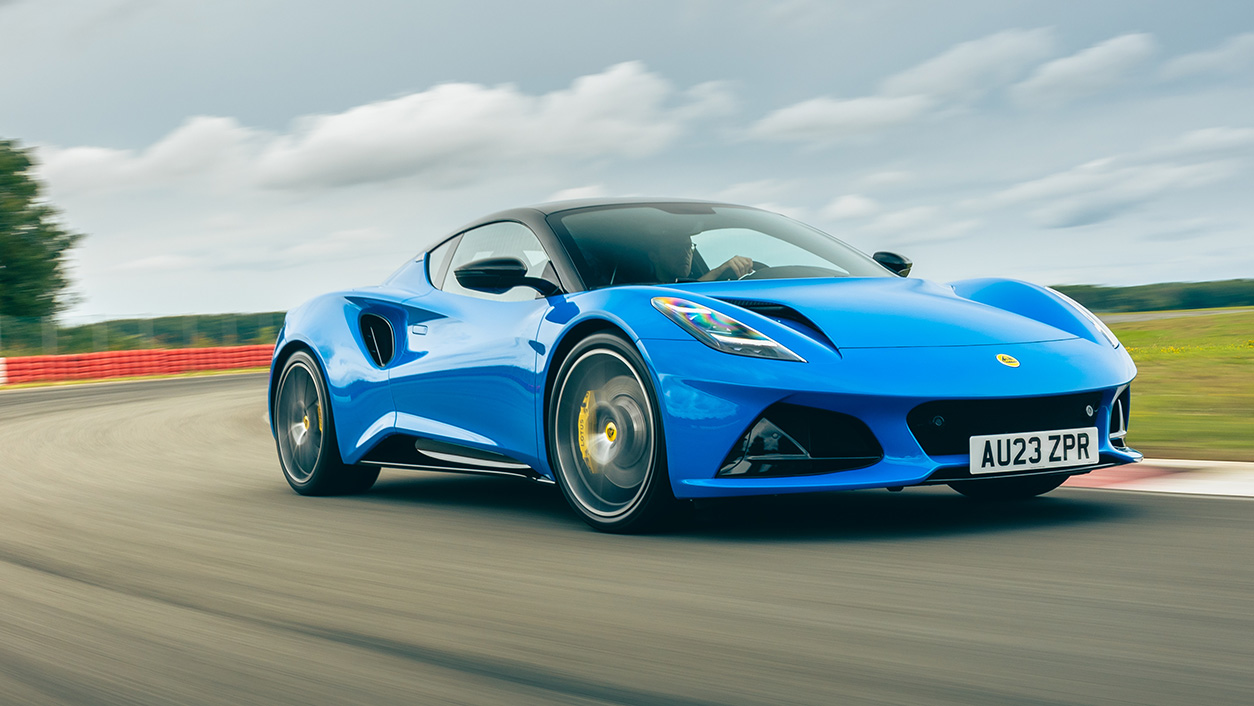
Lotus Emira
The Lotus Emira represents a philosophy focused on lightweight performance and driver engagement, standing out as a sports car that values connection over raw horsepower. Unlike the Porsche 911, which emphasizes refinement and stability, the Emira delivers an experience where every input feels immediate, mechanical, and meaningful.
Its design is purposeful, with smooth aerodynamic lines and functional vents that reduce weight and drag while highlighting the car’s agility. The Emira’s proportions convey a sense of balance and responsiveness, signaling a car designed for focused driving enjoyment.
Performance in the Emira is achieved not through sheer power, but through intelligent engineering and weight distribution. Its chassis is remarkably responsive, allowing for rapid direction changes and precise handling in corners.
Steering is communicative, suspension feedback is clear, and throttle response is linear, creating a level of driver involvement that is rare in modern sports cars. While it may not match the Porsche 911 in outright acceleration or top-end speed, the Emira provides an experience that feels more intimate and rewarding for drivers who appreciate nuanced control and finesse.
Value is found in the Emira’s commitment to experience over prestige. Its pricing is competitive relative to performance, yet it delivers a highly rewarding driving experience that feels distinctive compared to more traditional sports cars.
Its lightweight construction, responsive dynamics, and engaging character provide satisfaction that many higher-priced cars, including the 911, cannot replicate in the same visceral manner. For enthusiasts who seek authenticity and driver focus, the Emira represents an alternative that is both thrilling and distinctive.
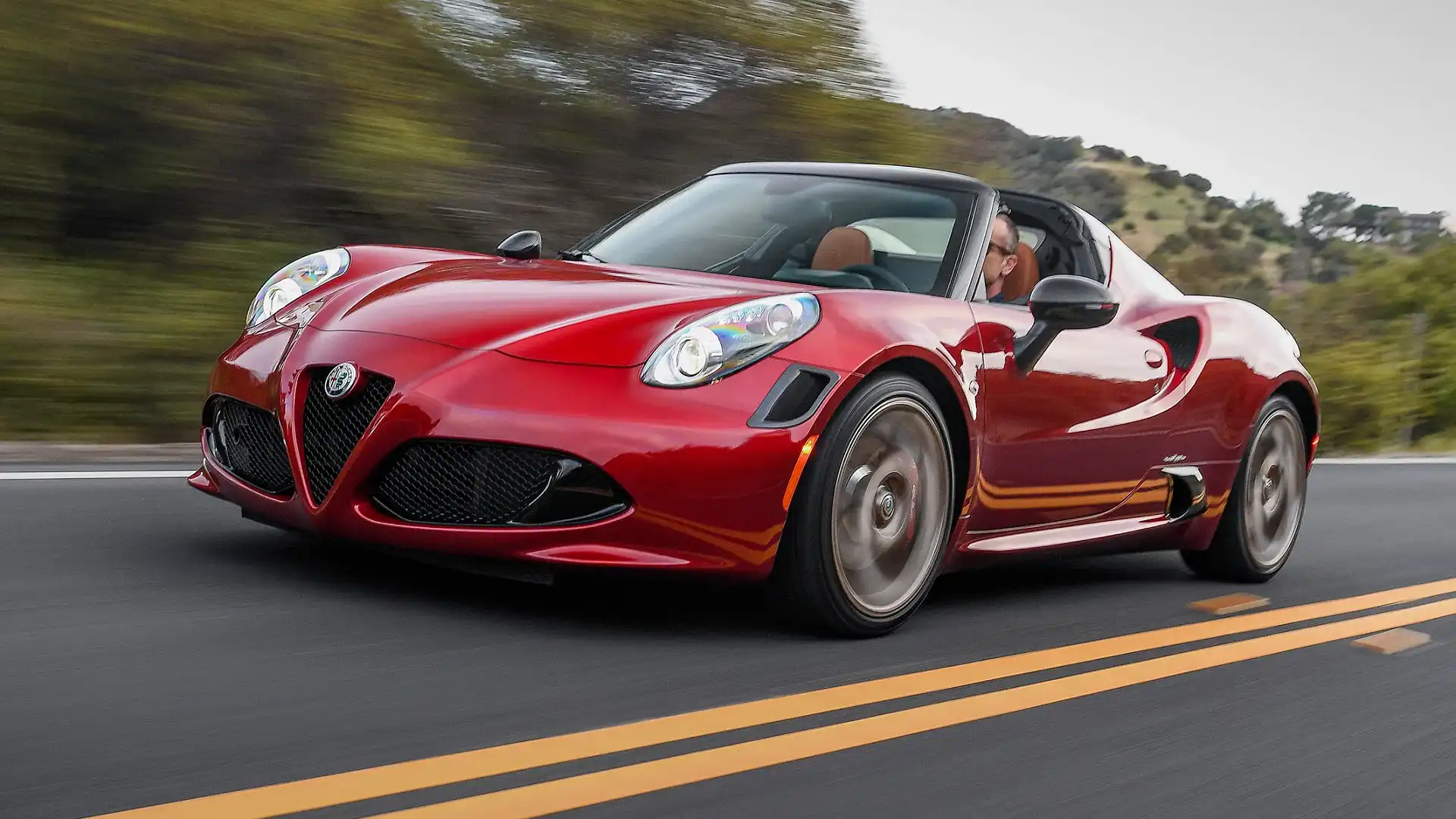
Alfa Romeo 4C
The Alfa Romeo 4C is a sports car designed around lightness, agility, and emotional engagement, offering a unique alternative to more refined competitors like the Porsche 911. Its small size and minimalist construction reflect a philosophy of purity, emphasizing the connection between car and driver.
Every component is carefully engineered to reduce weight, from its carbon-fiber monocoque to its stripped-down interior. This approach creates a car that feels extremely responsive and quick, with handling that rewards precision and commitment.
Character is central to the 4C experience. Its aggressive exhaust note, the sensation of speed amplified by light weight, and the small, focused cabin combine to create a visceral, emotional driving experience.
The 4C does not attempt to insulate or soften the ride; instead, it amplifies the feeling of control and immediacy, making even short drives memorable. Its character is raw, expressive, and uncompromising, appealing to drivers who want a car that feels alive with each input.
Value is apparent in the driving experience it provides relative to cost. While it is not as versatile or comfortable as the 911, it delivers a unique blend of excitement and purity that few other cars offer at a comparable price.
For buyers who prioritize emotional connection, sharp handling, and a focused sports car feel, the 4C provides a compelling choice. Its approach emphasizes the joy of driving over prestige, offering an experience that is entirely distinctive in the modern sports car industry.
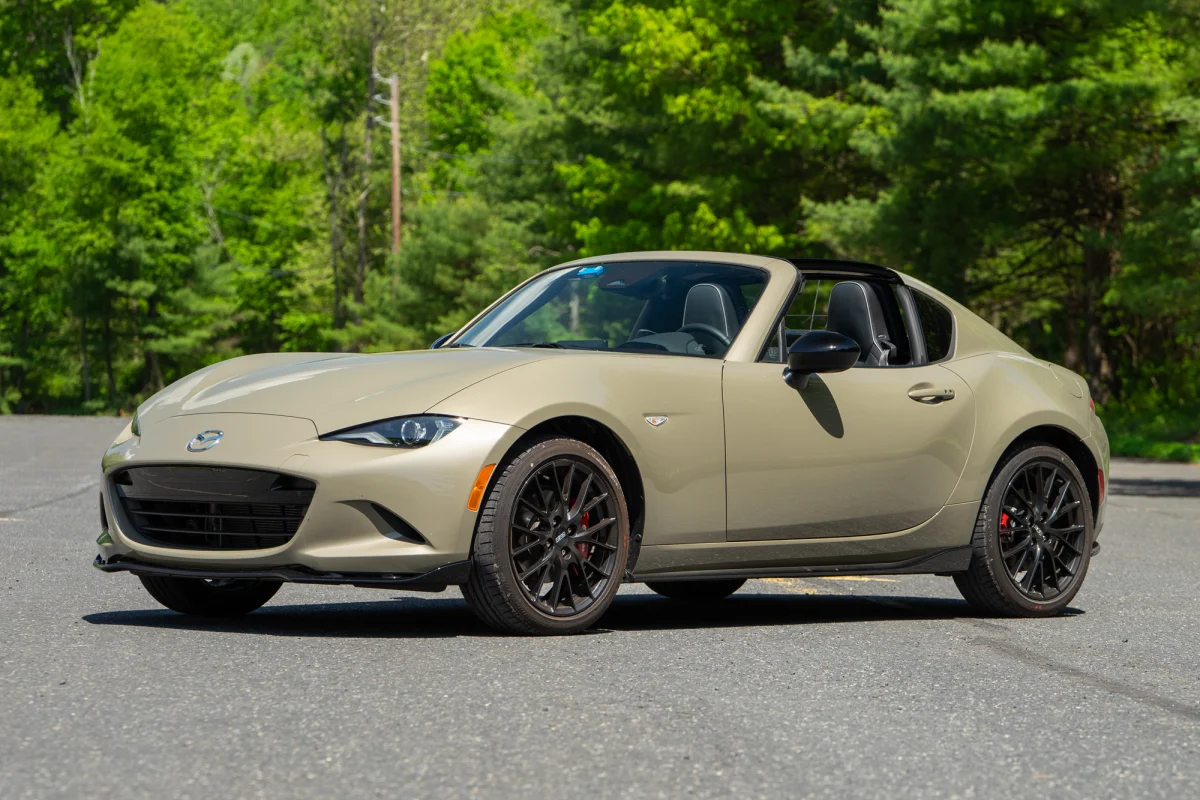
Mazda MX-5
The Mazda MX-5, known for its lightweight design and driving purity, demonstrates that high engagement does not require extreme power or cost.
Unlike the Porsche 911, which combines refinement with performance, the MX-5 focuses on simplicity, balance, and driver involvement, creating an experience where every corner, turn, and gear change is meaningful. Its compact size, low weight, and minimalistic interior emphasize the essentials of sports car driving, stripping away distractions and emphasizing fun.
Performance in the MX-5 is surprisingly effective given its modest engine output. The car’s low weight and nimble chassis allow it to accelerate briskly for its class and navigate corners with remarkable agility.
Steering is direct and communicative, and the suspension delivers a sense of balance and control. While it may not match the Porsche 911 in speed or power, the MX-5’s approach to performance is centered on driver enjoyment, turning even mundane roads into an engaging driving environment.
Value is exceptional in the MX-5. Its price is significantly lower than that of most high-performance sports cars, yet it delivers a level of engagement and satisfaction that rivals more expensive competitors.
For drivers who value the pure joy of driving, a connection to the road, and accessibility, the MX-5 demonstrates that a small, thoughtfully designed car can provide a deeply rewarding experience without prestige or cost as the main selling point. It remains a testament to the idea that driving enjoyment is measured in connection and responsiveness, rather than horsepower alone.
