
The 1990s were a defining decade for performance cars, even though many enthusiasts today tend to focus on modern supercars filled with digital displays, driver aids, and hybrid systems. What often gets overlooked is how much raw speed and mechanical excellence came out of the 1990s.
Manufacturers were experimenting with turbocharging, lightweight construction, advanced suspension geometry, and engines that prioritized high revs and durability. These cars were built during a time when emissions regulations were tightening but had not yet fully constrained performance engineering, allowing designers to strike a balance between power and simplicity.
Many of these vehicles never achieved lasting fame because they were overshadowed by halo cars like the Supra, Skyline GT R, and NSX. Others were misunderstood, sold in limited numbers, or simply marketed poorly. As a result, their reputations faded, even though their performance capabilities remain impressive decades later.
In 2025, with proper maintenance and occasional modernization such as improved tires or braking components, these cars are still capable of delivering acceleration, handling, and top speed figures that rival or exceed many contemporary sports sedans.
Another reason these forgotten cars still perform well is their mechanical honesty. They rely on direct driver input rather than software intervention. Throttle response, steering feedback, and chassis balance feel immediate and engaging.
This mechanical connection often translates into real world speed because drivers can better predict and control the vehicle at its limits. Even by modern standards, many of these cars are quick off the line, stable at highway speeds, and thrilling on winding roads.
This article highlights ten fast 1990s cars that have slipped from mainstream attention but remain genuinely quick in 2025. Each one offers a reminder that speed is not solely about horsepower numbers or cutting edge technology. It is also about balance, engineering philosophy, and the timeless appeal of machines built with performance as a priority rather than an afterthought.
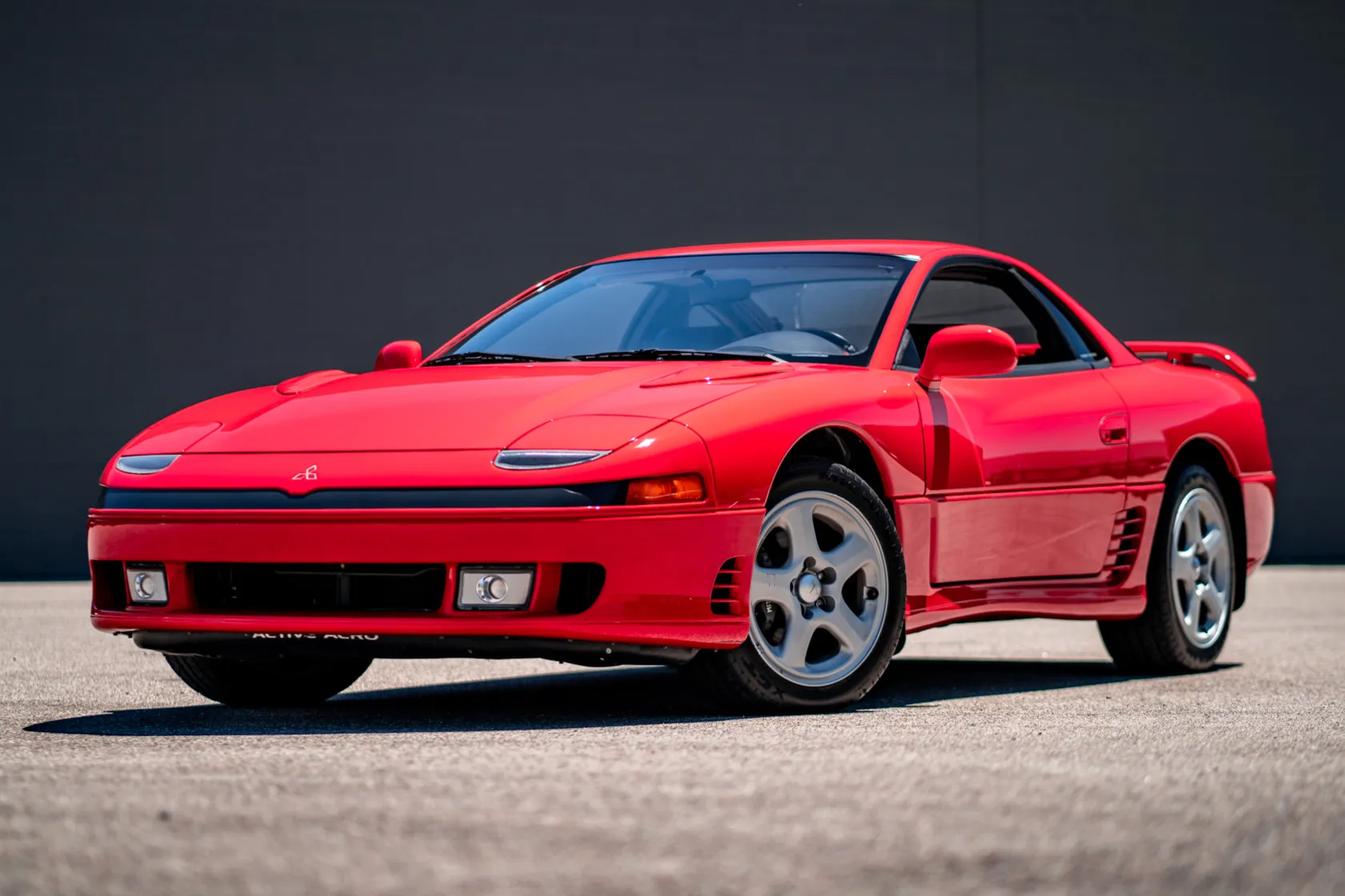
Mitsubishi 3000GT VR 4
The Mitsubishi 3000GT VR 4 was one of the most technologically ambitious cars of the 1990s, and its engineering reflected a level of complexity rarely seen in Japanese sports cars of the era. It featured a twin turbocharged V6 engine that produced strong midrange and top-end power, a full-time All Wheel Drive system for traction in various conditions, four wheel steering for enhanced maneuverability, and active aerodynamics that adjusted the rear spoiler and underbody panels to improve high speed stability.
While some critics at the time labeled it overengineered, the combination of these systems allowed the 3000GT VR 4 to deliver performance that was both exhilarating and confidence-inspiring. Its technology was comparable to European sports cars but at a fraction of the cost, making it a hidden gem for enthusiasts who valued raw speed paired with sophisticated engineering.
Despite its weight, which exceeded 3,500 pounds, the VR 4 was capable of surprising acceleration. The twin turbos minimized lag and provided consistent torque, while the all wheel drive system distributed power efficiently to all four wheels. In real-world driving, this meant the car could launch aggressively from a standstill, maintain grip in corners, and deliver stable acceleration even in less-than-perfect road conditions.
Modern tires amplify this advantage, making the vehicle feel even faster and more controllable in 2025 than it did when new. Many drivers today are surprised at how effectively the car manages both straight line speed and cornering performance without requiring modern electronic aids, proving that its mechanical sophistication still holds up decades later.
The handling characteristics of the 3000GT VR 4 were a defining factor in its appeal. Four wheel steering provided an unusual level of agility for a car of its size, reducing understeer in tight corners and improving stability at high speeds. When navigating twisty roads, the car’s suspension, tuned with multiple layers of precision engineering, kept it balanced and responsive, allowing drivers to maintain momentum without fear of abrupt weight shifts.
This sense of connectedness to the road continues to impress modern drivers, as it gives a feeling of control that modern all wheel drive cars with heavy electronic intervention often cannot replicate. Drivers who spend time with the VR 4 in 2025 quickly rediscover how naturally it invites spirited driving while maintaining composure under challenging conditions.
Maintenance concerns have contributed to the 3000GT VR 4’s diminished reputation over time, yet those who invest in proper upkeep reap a vehicle that still performs at a high level. The engine, transmission, and drivetrain were built to endure stress, meaning that well-maintained examples retain their original performance characteristics.
Even in 2025, the VR 4 is capable of sustained high speed runs, tight cornering, and smooth, powerful acceleration. Its forgotten status is less a reflection of performance and more a reflection of market dynamics and the complexity of maintaining its advanced systems. For enthusiasts, the 3000GT VR 4 serves as a reminder that speed, stability, and advanced engineering can coexist in a vehicle designed to perform decades after its initial production.
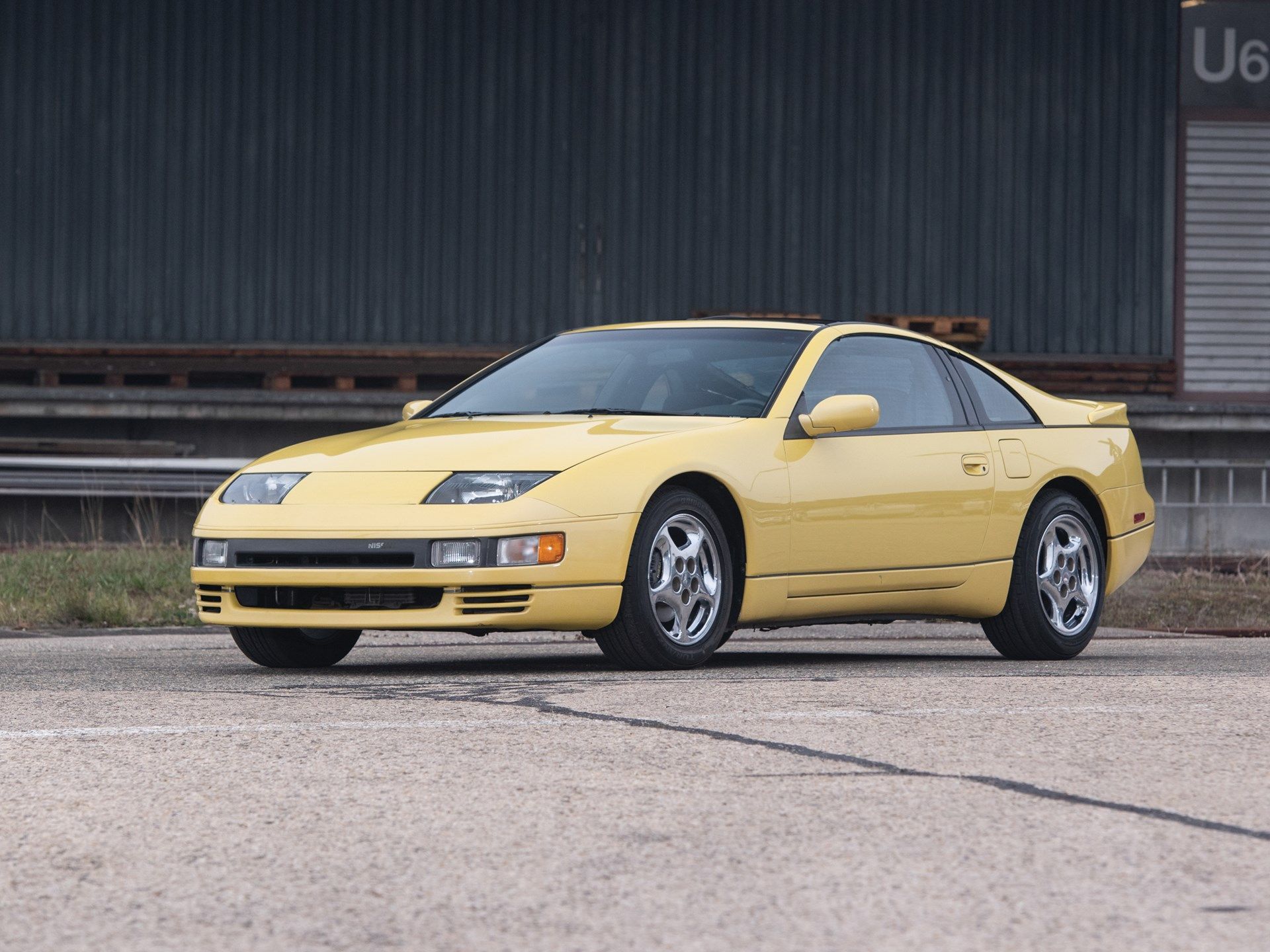
Nissan 300ZX Twin Turbo
The Nissan 300ZX Twin Turbo was a masterclass in balance and precision engineering during the 1990s. Its V6 engine, equipped with twin turbochargers, provided an unusually smooth and linear power delivery for its time.
This allowed the driver to modulate throttle input with confidence, making the car feel more responsive and controllable than competitors with more aggressive or unpredictable turbo setups.
Unlike some of the era’s high-strung sports cars, the 300ZX emphasized usability without sacrificing outright performance. Its lightweight chassis, aerodynamically sculpted body, and advanced suspension geometry allowed it to corner precisely and maintain stability at high speeds, giving drivers a complete sense of control that remains relevant even in 2025.
Acceleration remains one of the car’s strongest attributes. Thanks to the combination of the twin turbos and the engine’s broad torque curve, the 300ZX can achieve rapid midrange and top-end speed, giving it an edge on both highways and winding roads.
Its lightweight design ensures that the vehicle feels quick and nimble rather than ponderous, while aerodynamic refinements help maintain composure at high velocity. The driving experience is further enhanced by the precise steering and suspension feedback, which communicates road conditions directly to the driver, making every high speed maneuver feel intentional and connected rather than reliant on electronic systems.
Handling precision is another reason the 300ZX Twin Turbo remains impressive decades later. The car’s balanced weight distribution and suspension tuning allow it to maintain cornering speed without feeling unstable or twitchy. Drivers can confidently push through turns, enjoying the sensation of momentum and grip that was engineered into every component.
This capability makes the car not just fast in straight lines but capable of delivering a sense of speed in curves and complex driving situations, which many modern cars with electronically mediated handling lack. The car’s ability to combine acceleration with road-hugging agility ensures it remains a genuinely thrilling machine even in 2025.
Despite its performance credentials, the 300ZX Twin Turbo often fades from memory due to its understated styling and lack of aggressive marketing compared to flashier contemporaries. It was never the most attention-grabbing car on the street, but its engineering brilliance ensures that its speed and handling have not aged.
Today, enthusiasts and collectors who rediscover the 300ZX Twin Turbo are rewarded with a car that still feels alive, responsive, and fast. Its continued relevance demonstrates that carefully tuned engineering, balance, and driver focus can produce a performance experience that endures decades beyond the model’s original release.
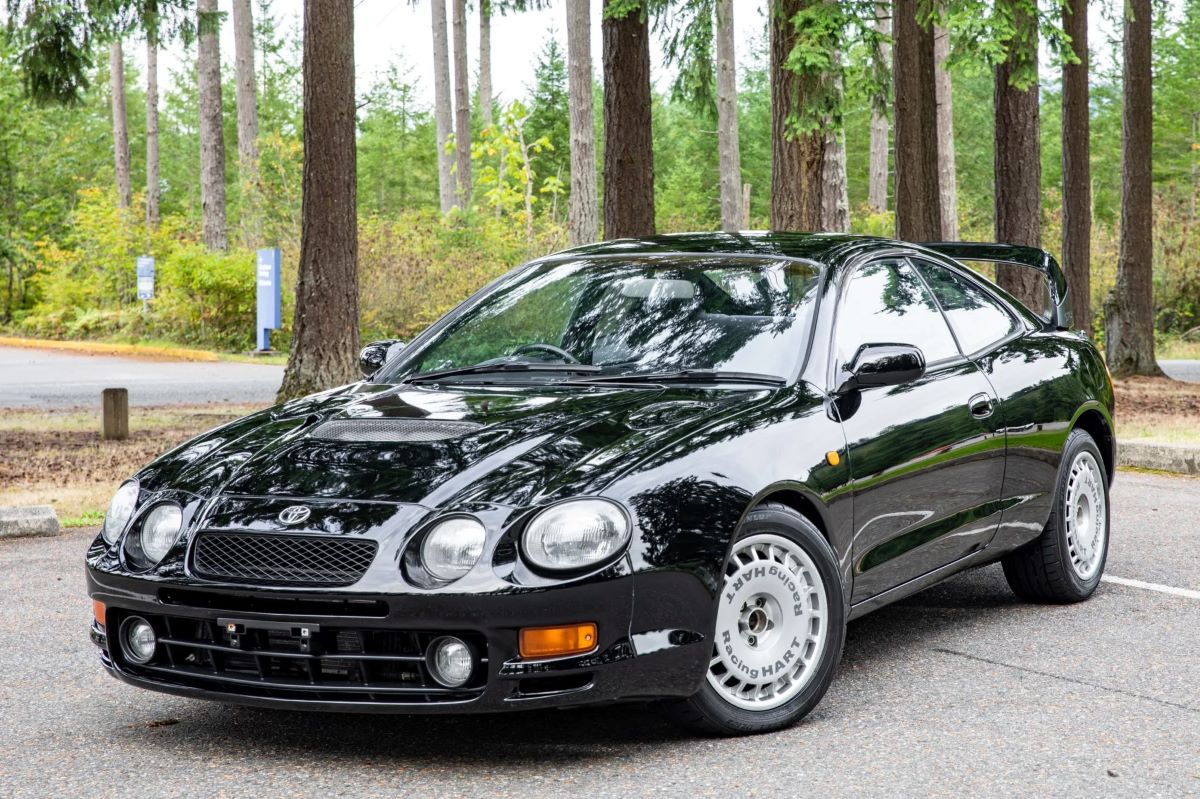
Toyota Celica GT Four ST205
The Toyota Celica GT Four ST205 was developed with a strong focus on rallying performance, carrying over technology and design principles from Toyota’s competitive rally cars directly to the road. Its turbocharged engine, paired with a sophisticated All Wheel Drive system, allowed it to maintain traction under extreme conditions while delivering brisk acceleration.
The engine offered a potent blend of low-end torque and high-rev horsepower, making it equally effective on city streets and open highways. Unlike some turbocharged cars of the era that suffered from noticeable lag or unpredictable power delivery, the ST205 felt smooth, responsive, and connected, allowing drivers to fully exploit its capabilities with confidence.
Acceleration remained impressive, thanks in part to its relatively lightweight construction. With careful engineering, Toyota was able to optimize weight distribution and reduce unnecessary mass, enhancing both straight-line performance and cornering dynamics.
The car could launch confidently from a stop and carry speed through twisty roads, making it feel faster than many of its contemporaries with larger displacement engines. In 2025, drivers who pair the ST205 with modern tires and properly maintained suspension systems are often surprised at just how agile and rapid the car feels, a testament to the thoughtful balance of power, weight, and drivetrain performance.
Handling was a defining characteristic of the Celica GT Four ST205. Its All Wheel Drive system allowed the car to maintain grip in a variety of conditions, while the chassis geometry ensured predictable behavior through corners.
Whether tackling tight bends or sweeping curves, the ST205 stayed planted, allowing drivers to carry higher speeds without fear of losing control. Its suspension was designed to provide both comfort and precision, striking a balance that allowed spirited driving without sacrificing daily usability. Even decades after its release, this combination of traction, balance, and responsive steering makes it feel modern and capable on challenging roads.
Despite its impressive performance, the Celica GT Four was often overshadowed by more prominent sports cars, particularly the Toyota Supra and Nissan Skyline GT R. Limited production numbers and marketing focused on economy models caused many enthusiasts to overlook its capabilities.
Yet in 2025, the ST205 remains a hidden gem, delivering an experience that blends raw speed, precise handling, and rally-bred durability. Its engineering ensures that the car not only performs well in short bursts of acceleration but also maintains composure during sustained high-speed driving, making it a remarkable relic of 1990s performance engineering.
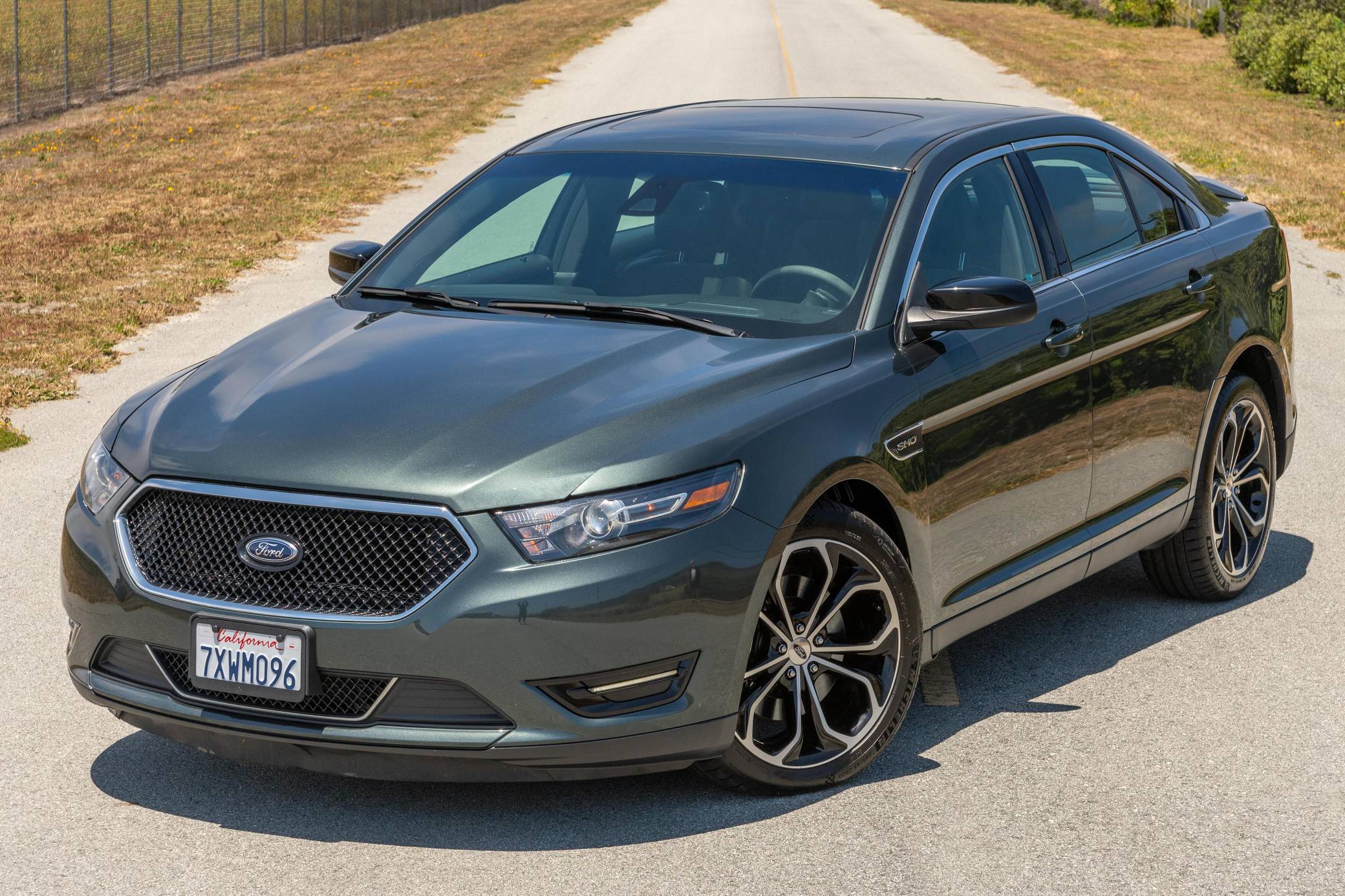
Ford Taurus SHO
The Ford Taurus SHO was a vehicle that challenged conventional expectations for American sedans. While it retained the practical styling of a family car, beneath the surface lay a high-revving V6 engine designed in collaboration with Yamaha.
This engine produced a surprising amount of power for the time, with smooth, linear delivery that rewarded aggressive throttle input without feeling harsh or unwieldy. The combination of the engine and a carefully tuned suspension allowed the SHO to accelerate with authority, making it a sleeper capable of catching unsuspecting drivers off guard.
Unlike many muscle cars that relied purely on straight-line power, the SHO offered a balanced performance package suitable for both highway cruising and spirited driving on curvy roads.
Acceleration remains one of the Taurus SHO’s strongest points. The engine’s high-revving nature allows it to sustain strong midrange power, giving it the ability to merge, overtake, and maintain speed confidently on highways. While it may not compete with modern turbocharged sedans in initial launch, its relentless midrange performance ensures it remains competitive and rewarding to drive.
The engine, paired with the car’s robust transmission and suspension, provides a smooth and continuous surge of power, which continues to impress decades after its introduction. In 2025, this combination makes the SHO a surprisingly quick and stable vehicle, especially when maintained and paired with modern tires.
The chassis design played a significant role in the SHO’s lasting performance. Ford engineers equipped the car with stiffer springs, upgraded shocks, and refined geometry, creating a suspension that minimized body roll while maintaining a comfortable ride.
This made it possible for drivers to navigate curves and highway sweeps at speed with confidence, an unusual trait for a sedan of its size and era. Steering feedback was precise, allowing for a sense of connection that further enhanced the perception of speed and control. Drivers today often note that the SHO feels much more responsive and agile than they expected from a mid-1990s sedan.
Despite its performance credentials, the Taurus SHO remains largely forgotten. Its understated appearance and family sedan silhouette masked its true abilities, causing it to be overlooked by enthusiasts chasing flashier sports cars. However, in 2025, it serves as a reminder that speed and performance can be hidden behind conventional packaging.
The SHO’s combination of high-revving engine, balanced chassis, and durable engineering allows it to maintain impressive performance, making it a unique option for those who appreciate raw mechanical speed without the need for ostentation.
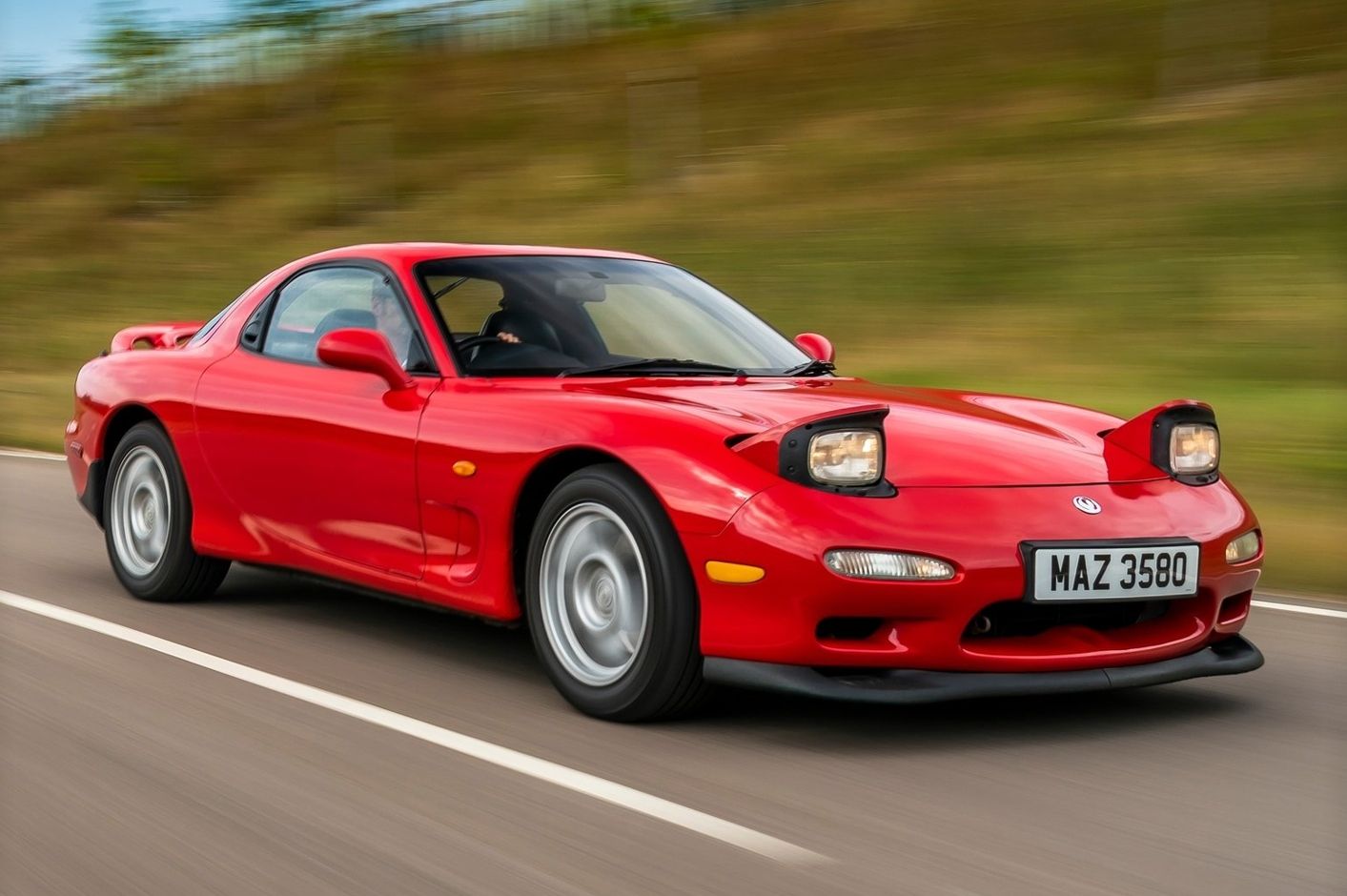
Mazda RX 7 FD
The Mazda RX 7 FD remains a benchmark for lightweight sports car design, combining the unique characteristics of a twin rotor rotary engine with a meticulously balanced chassis. The engine’s compact size and low weight contributed to near-perfect weight distribution, enhancing handling and responsiveness.
Its sequential turbocharging system provided strong acceleration without significant lag, delivering a thrilling sense of speed that remained accessible even to drivers unfamiliar with rotary powertrains. The RX 7 FD was not just a straight-line performer; it was engineered to excel in cornering, with suspension tuning that emphasized precision, grip, and predictability.
Acceleration in the RX 7 FD continues to impress even in 2025. The twin rotor engine allows for high revs without sacrificing control, providing rapid response to throttle inputs and a surge of speed that feels immediate. Its relatively low curb weight means that every unit of horsepower contributes directly to performance, resulting in an exhilarating sense of motion.
Modern tires and brake upgrades only enhance these characteristics, allowing the car to maintain competitive straight-line and cornering performance decades after its initial release. Driving an FD today remains an immersive experience, with every shift and turn rewarding the driver’s input.
The RX 7 FD faded somewhat from mainstream attention due to concerns about rotary engine maintenance and longevity. However, enthusiasts who maintain the car meticulously are rewarded with a machine that still delivers sharp acceleration, precise handling, and a driving experience that rivals modern sports cars.
In 2025, it stands as a reminder that performance is not solely defined by numbers on a spec sheet; it is also about balance, responsiveness, and the enduring appeal of engineering designed to create connection between car and driver.
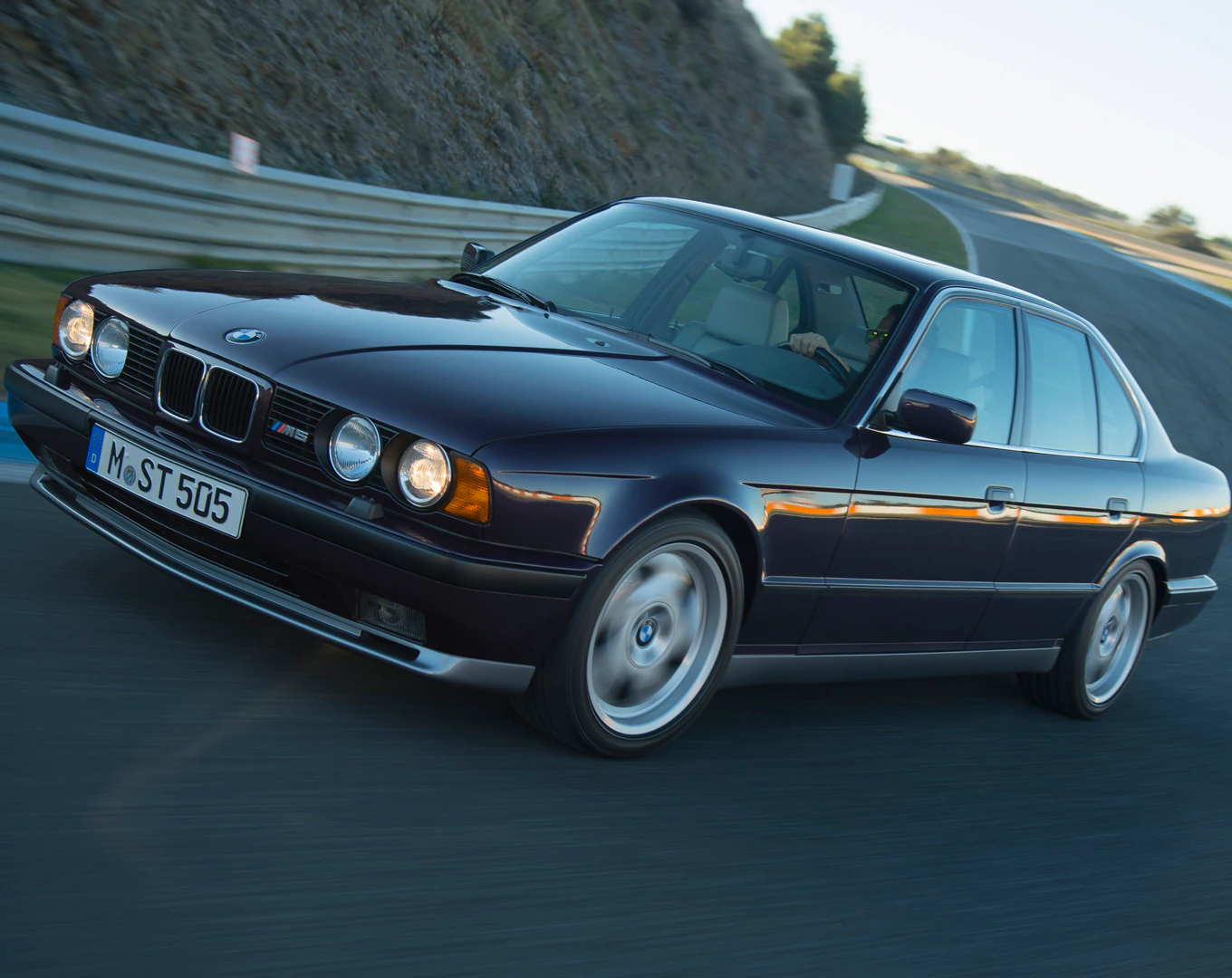
BMW M5 E34
The BMW M5 E34 is often regarded as one of the most refined performance sedans of the 1990s. Beneath its conservative exterior, the car housed a naturally aspirated inline-six engine renowned for its smoothness and linear power delivery.
Unlike turbocharged competitors, the E34 M5 relied on mechanical precision and balanced engineering rather than forced induction to achieve its impressive speed. The engine’s high-revving nature meant it could sustain acceleration at high speeds with ease, while its robust transmission translated power seamlessly to the rear wheels.
The car’s refinement did not come at the cost of performance; it was capable of matching many contemporary sports cars in real-world acceleration and top speed, offering an experience that was both exhilarating and elegant.
Handling is another area where the E34 M5 shines. BMW engineers focused on achieving balance and predictability, resulting in a chassis that is stable yet responsive under high-speed cornering.
The car’s suspension geometry, combined with a near-perfect weight distribution, allows it to maintain speed through turns without excessive body roll. This balance translates into real-world speed because the driver can push the car harder, confident that it will respond consistently. The steering feedback communicates subtle nuances of the road, adding to the sense of connection and control that modern electronic systems often dilute.
Despite its performance capabilities, the E34 M5 faded from widespread attention due to its understated styling and the rising popularity of flashier sports cars in the late 1990s.
However, in 2025, it remains a hidden gem that demonstrates how thoughtful engineering can create a car that excels at speed, handling, and driver engagement. It is a rare example of a vehicle where luxury and performance coexist seamlessly, proving that true driving excitement is not dependent solely on aggressive looks or massive horsepower figures.
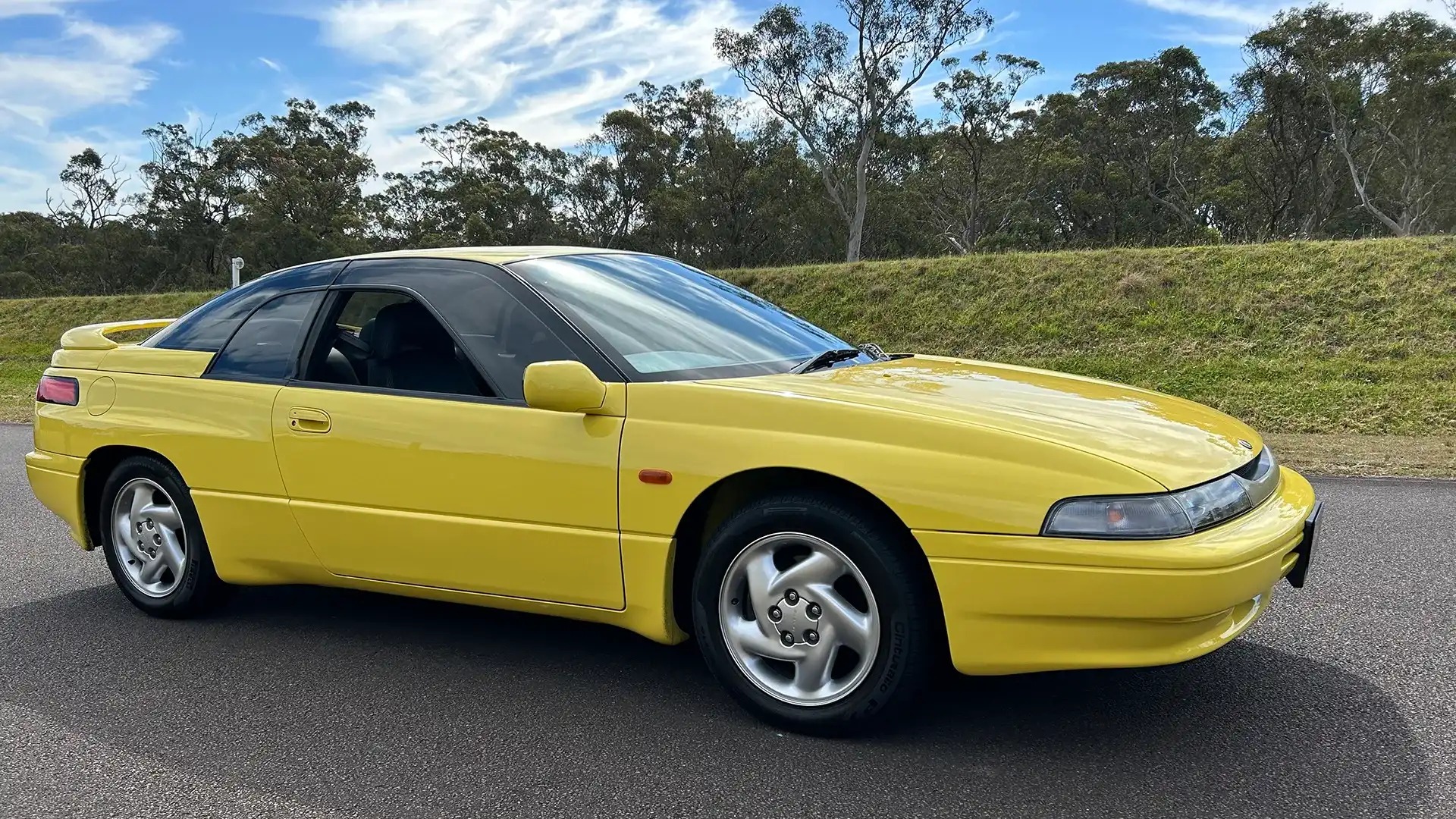
Subaru SVX
The Subaru SVX was a unique grand touring coupe that combined unusual styling with impressive mechanical sophistication. Its horizontally opposed flat-six engine provided smooth, broad power delivery, while the All Wheel Drive system ensured traction and stability at high speeds.
The SVX was designed to offer a refined yet powerful driving experience, blending grand tourer comfort with the capability to sustain rapid acceleration and confident handling. Unlike many performance coupes of its era, the SVX did not rely on excessive horsepower alone; instead, it focused on delivering a complete and balanced driving package that emphasized stability, predictability, and composure on the road.
Handling was one of the SVX’s most distinctive attributes. Its All Wheel Drive system, combined with a well-tuned suspension, allowed the car to maintain composure during fast cornering and sudden lane changes. Steering feedback was precise, and the chassis communicated clearly with the driver, creating a sense of confidence rarely found in coupes of similar vintage.
These characteristics make the SVX not only fast in straight lines but also agile and controlled on winding roads. Even decades later, its cornering balance and stability are noteworthy, highlighting Subaru’s engineering expertise and foresight in blending speed with practical drivability.
The Subaru SVX’s unusual styling and limited production numbers contributed to its obscurity in the 1990s, but these factors do not diminish its performance capabilities. In 2025, the SVX stands as a testament to understated speed and technological sophistication.
It proves that a car does not need to be flashy to perform exceptionally well, offering a driving experience that combines smooth acceleration, stable handling, and enduring mechanical reliability. Enthusiasts who rediscover the SVX are rewarded with a unique performance coupe that still delivers genuine excitement behind the wheel.
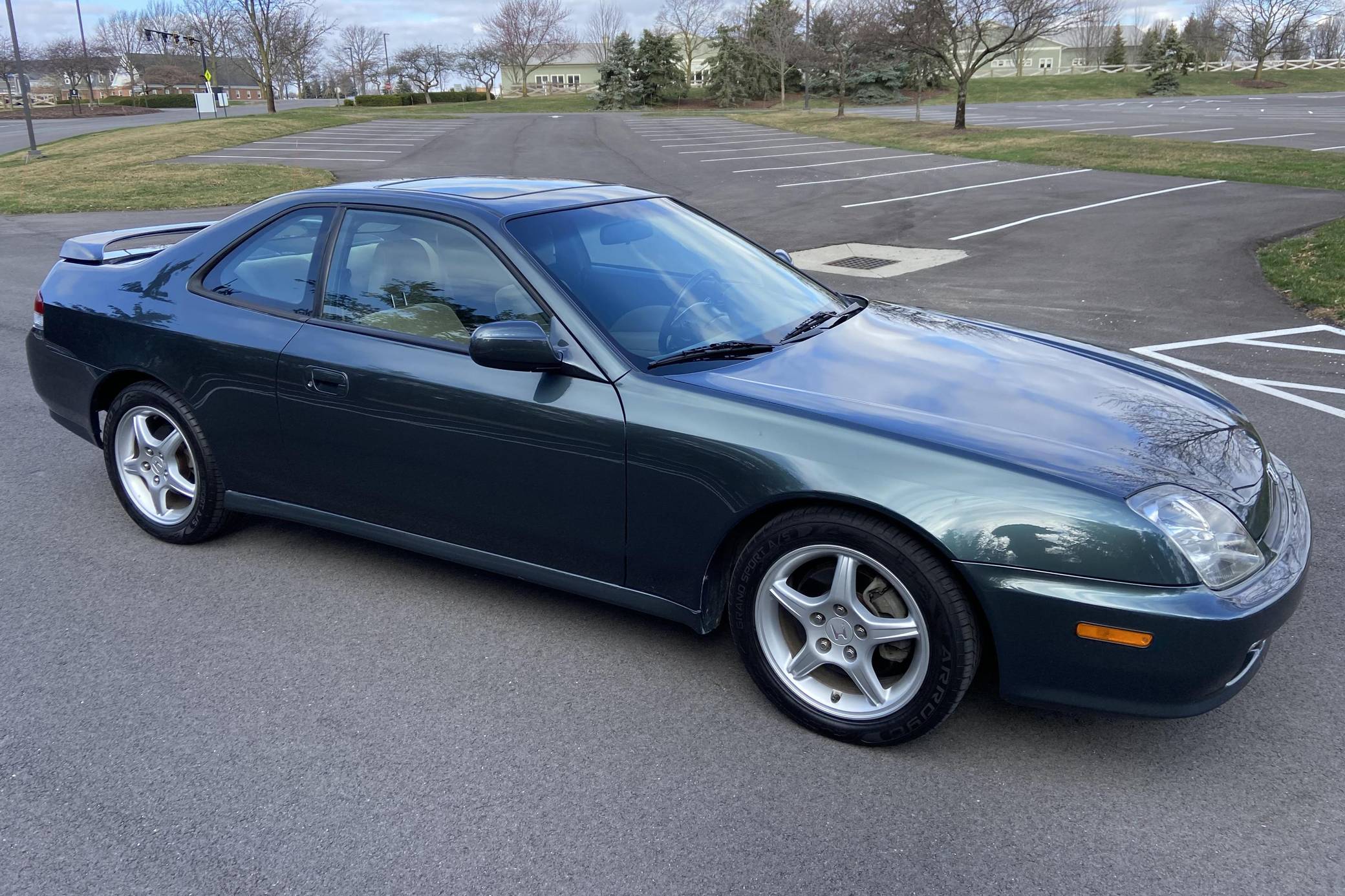
Honda Prelude Type SH
The Honda Prelude Type SH exemplified precision engineering and focused handling during the 1990s. Its naturally aspirated four-cylinder engine may not have produced staggering horsepower, but its high-revving nature and immediate throttle response created a driving experience that felt fast and engaging.
Honda paired this engine with a sophisticated suspension system and the innovative active torque transfer system, which allowed the car to maintain cornering stability by optimizing the distribution of power between the front wheels. The result was a small, lightweight coupe that felt agile, responsive, and capable of maintaining high speeds through tight and technical roadways.
Acceleration in the Prelude Type SH remains satisfying even today. Its power delivery is linear and predictable, giving drivers the ability to maintain momentum confidently without sudden surges that might unsettle the car.
In real-world driving, the car feels faster than raw numbers suggest, particularly on twisty roads where its light weight and high-rev engine allow it to exit corners quickly and with composure. The high-rev nature of the engine rewards drivers who exploit its performance envelope, creating an immersive and engaging driving experience that remains relevant in 2025.
Despite its precision and capability, the Honda Prelude Type SH was often overshadowed by more powerful or flashier Japanese sports cars of the 1990s. Its understated performance and emphasis on handling over outright power caused many enthusiasts to overlook it.
In 2025, however, the Type SH remains a testament to the virtues of balance, lightweight design, and driver-focused engineering. It continues to deliver speed, agility, and responsiveness, proving that performance does not always require extravagant horsepower or aggressive styling to create an unforgettable driving experience.
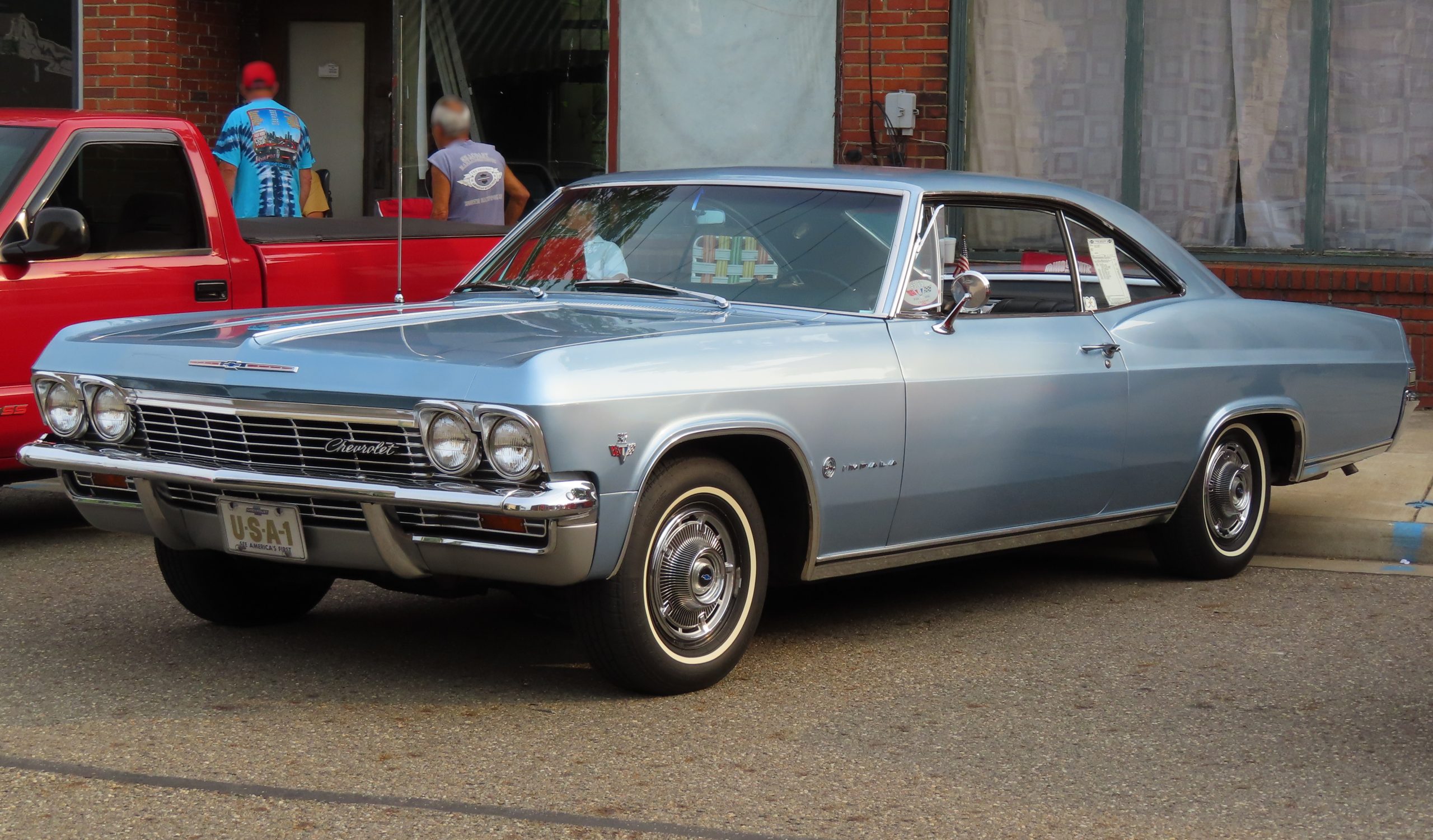
Chevrolet Impala SS
The Chevrolet Impala SS of the 1990s was a surprising contender in the realm of high-performance sedans. While its exterior appeared large and conventional, the car housed a robust 5.7-liter V8 engine capable of delivering impressive torque at low and midrange speeds.
This allowed the Impala SS to accelerate effortlessly from city streets to highways, producing a driving experience that was both commanding and accessible. Its combination of raw power, solid rear-wheel drive, and a chassis tuned for stability enabled the car to deliver speed that belied its seemingly ordinary appearance. The Impala SS was a true sleeper performance sedan, offering surprising pace to those who underestimated its capabilities.
Acceleration in the Impala SS remains satisfying even in 2025. The V8 engine produces a smooth, linear surge of power that allows the car to maintain momentum without requiring constant gear changes. On highways, it can merge and overtake with authority, delivering confidence to drivers who enjoy the sensation of strong forward motion.
While it may not offer the refined handling of smaller sports cars, its combination of power and weight creates a unique sensation of force that feels both deliberate and thrilling. With modern tires and suspension maintenance, the Impala SS can continue to perform well, offering an experience that balances raw power with stability.
Despite its capabilities, the Impala SS did not receive widespread recognition as a performance car due to its conventional styling and the dominance of smaller, flashier sports cars. However, in 2025, it stands as a reminder that performance can exist in unexpected forms.
The car’s enduring appeal lies in its combination of torque-rich acceleration, comfortable driving dynamics, and a sleeper aesthetic that allows it to surprise even experienced drivers. For enthusiasts who appreciate raw power and understated speed, the Chevrolet Impala SS remains a compelling example of 1990s engineering that continues to impress decades later.
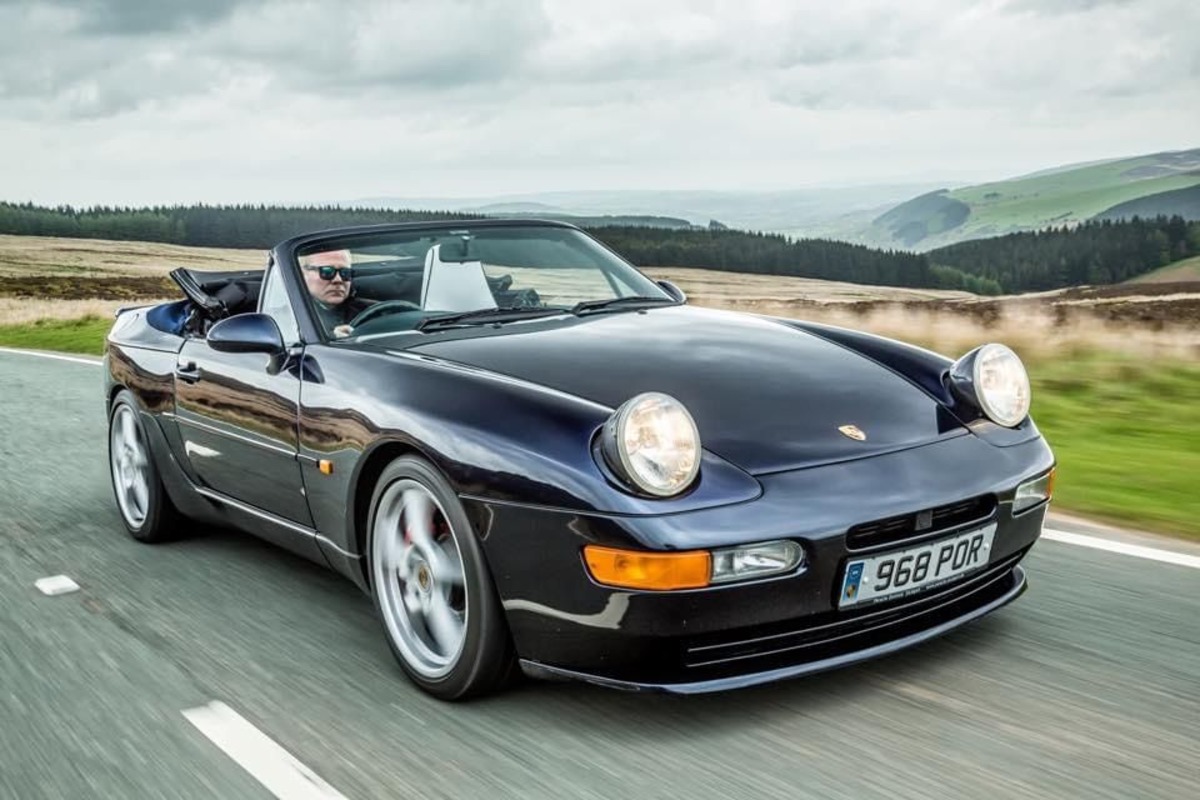
Porsche 968
The Porsche 968 was the culmination of Porsche’s front-engine, water-cooled sports car development in the 1990s. It featured a naturally aspirated inline-four engine paired with a transaxle layout, which provided near-perfect weight distribution and exceptional balance.
The car’s lightweight construction and precise suspension tuning allowed it to corner with remarkable agility, while the engine delivered smooth, linear power that made acceleration feel both immediate and controlled. Unlike some higher-horsepower rivals, the 968 emphasized harmony between engine, chassis, and driver, creating a performance experience that prioritized balance and predictability as much as raw speed.
Acceleration in the 968 remains impressive for a naturally aspirated sports car even in 2025. Its engine responds instantly to throttle input, allowing drivers to maintain momentum through technical driving sections. The combination of efficient gearing and a responsive powertrain gives the car a sense of speed that feels continuous and controlled, rather than abrupt or harsh.
On open roads, the 968 can sustain high speeds confidently, thanks to its aerodynamic profile and balanced chassis. Even by modern standards, the car’s ability to merge, overtake, and carry speed through corners demonstrates that thoughtful engineering can produce a vehicle that remains exciting decades after its release.
The 968’s lack of mainstream recognition can be attributed to its timing and market positioning. Overshadowed by Porsche’s 911 series and the allure of turbocharged rivals, it was often overlooked despite its engineering excellence. However, in 2025, the 968 stands as a testament to balanced performance, mechanical precision, and enduring speed.
Its combination of responsive power, exceptional handling, and driver-focused design ensures it remains one of the most rewarding and fast 1990s cars that has largely been forgotten. For enthusiasts seeking a sports car that delivers both composure and thrill, the Porsche 968 continues to offer an experience that feels timeless and genuinely exhilarating.
