
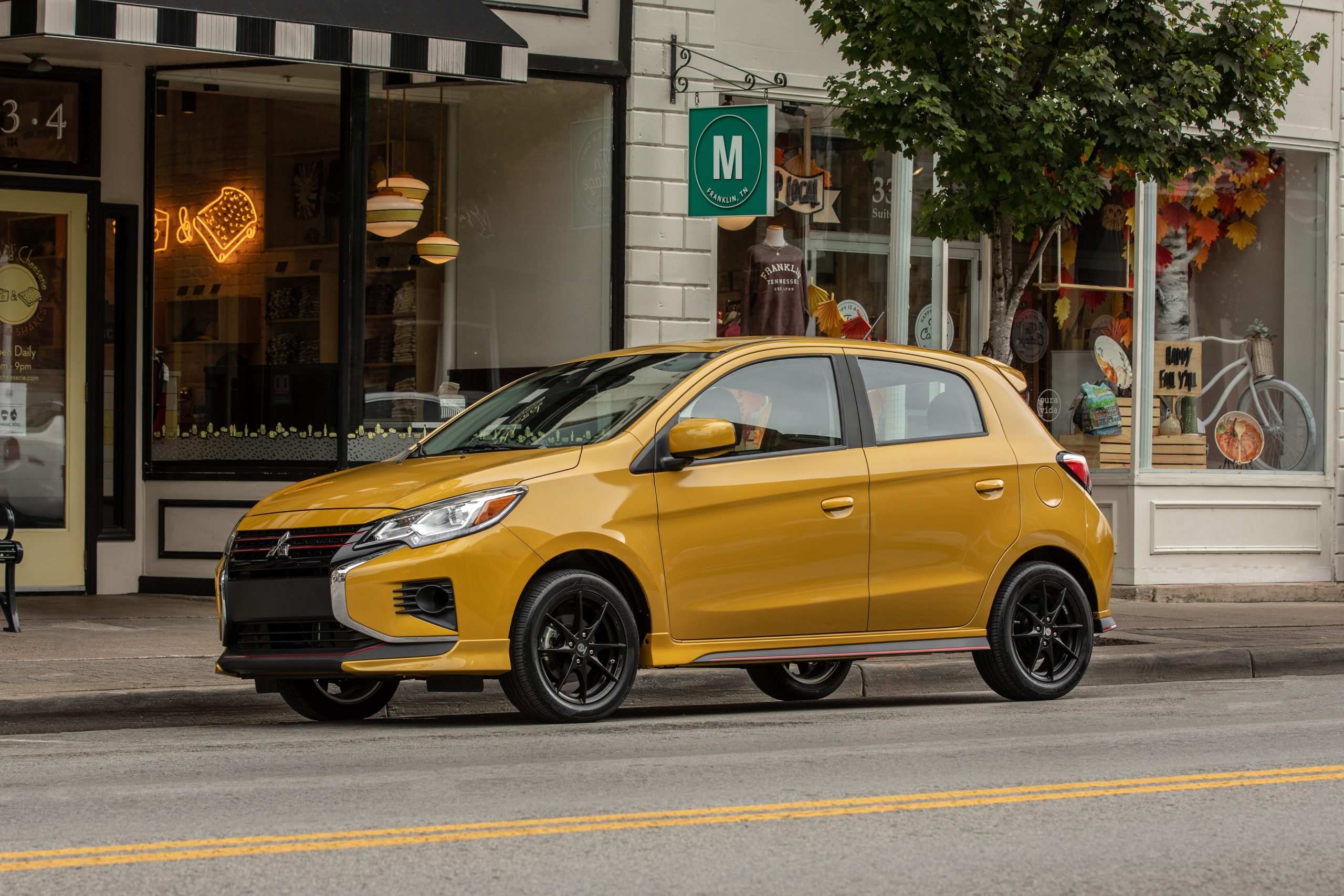
Winter commuting in Hartford presents a unique set of challenges that demand reliability, durability, and performance under extreme conditions. With icy roads, heavy snow, and unpredictable weather patterns, residents must carefully consider their vehicle choices to ensure safety and consistency.
A reliable winter commuter car is not simply one that starts on cold mornings; it is a vehicle equipped to handle slick roads, sudden snowstorms, and the additional stress winter driving places on a car’s mechanical systems.
Beyond safety, winter commuting requires attention to fuel efficiency, ease of maintenance, and the longevity of the vehicle.
Hartford’s cold climate, combined with frequent precipitation, makes certain cars ideal for navigating urban streets and suburban highways during the harsh months, while others fail to meet these basic requirements and can lead to frequent repairs, frustration, and even financial strain.
Choosing the right car for winter is not merely about picking a model with all-wheel drive or a sturdy frame. Tire compatibility, ground clearance, battery reliability, and heating system efficiency all play crucial roles in ensuring a dependable commute.
Drivers often overlook these factors until problems arise, leading to a cycle of costly repairs and inconvenience.
Conversely, selecting vehicles known for their robustness and winter performance can provide peace of mind, reduce commuting stress, and improve quality of life during colder months. A practical, reliable car allows commuters to focus on the road rather than the fear of breaking down or getting stuck in inclement weather.
This article will examine ten vehicles, divided into two categories. The first group represents five cars that are particularly suitable for Hartford winter commuting. These models combine performance, safety, and reliability to handle the city’s harsh conditions with confidence.
The second group highlights five cars that have a reputation for frequent breakdowns, higher maintenance costs, or mechanical vulnerabilities that can become especially problematic during winter.
By understanding the strengths and weaknesses of each vehicle, Hartford residents can make informed decisions that align with their winter commuting needs. The goal is to provide a practical guide that balances safety, comfort, and long-term reliability for drivers who face the challenges of Connecticut winters every day.
5 Cars for Hartford Winter Commuting
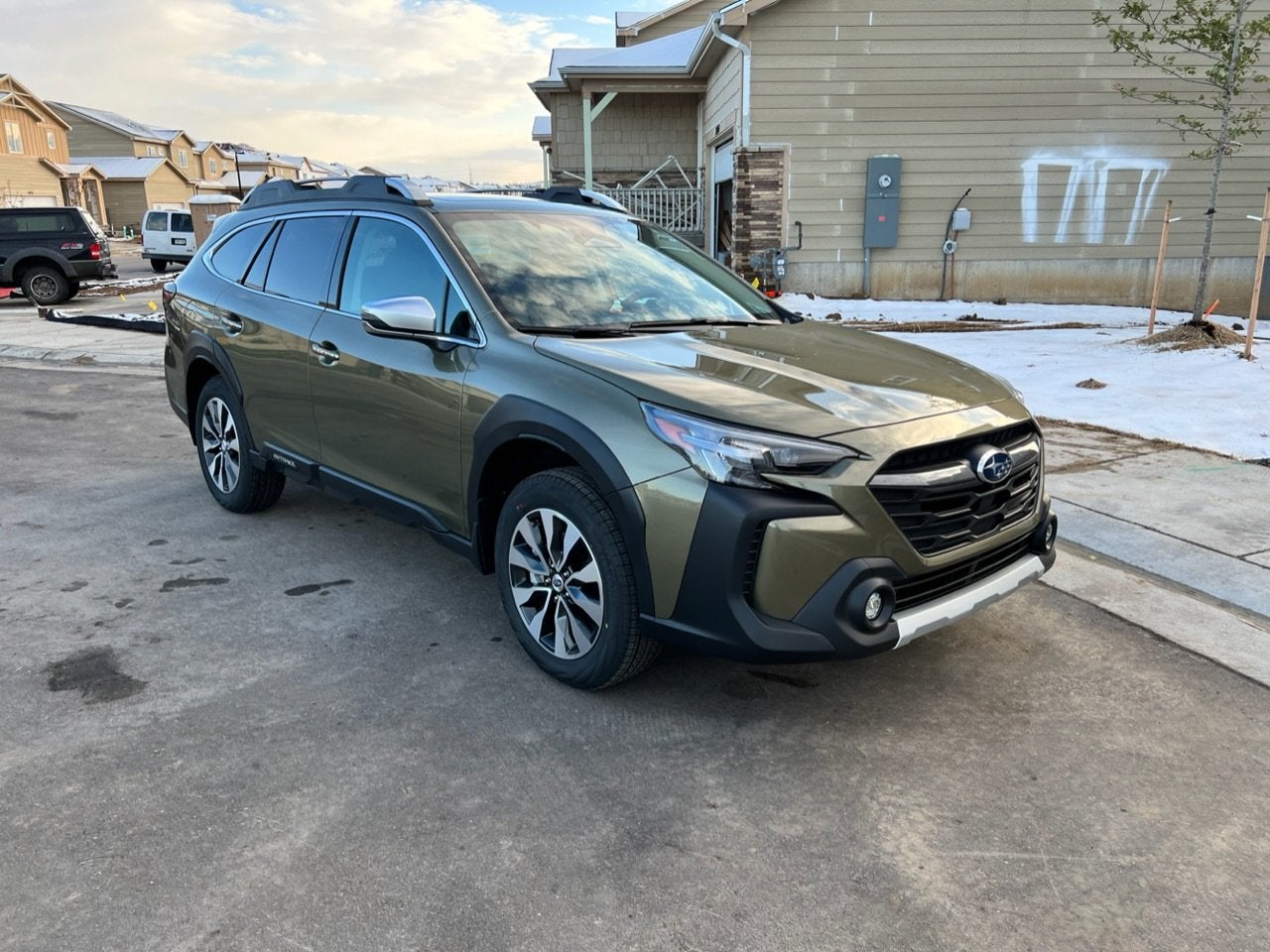
1. Subaru Outback
The Subaru Outback is widely recognized for its all-wheel-drive system, making it particularly effective on snowy and icy roads. Its symmetrical all-wheel-drive layout ensures that power is evenly distributed to all four wheels, providing superior traction in challenging conditions compared to many front-wheel-drive vehicles.
Ground clearance is another significant advantage, allowing the Outback to navigate deep snow and uneven surfaces with ease. During Hartford winters, when streets may be partially cleared and snowbanks can impede smaller vehicles, this capability prevents delays and reduces the risk of accidents.
The Outback also incorporates advanced stability control systems and traction management, which help drivers maintain control during sudden turns or emergency maneuvers, a crucial feature when roads are slick with ice or slush.
Subaru’s reputation for mechanical durability adds to the Outback’s winter appeal. Its engine and transmission systems are known for their robustness and longevity, allowing the car to withstand repeated exposure to extreme temperatures without major mechanical issues.
Unlike some vehicles that struggle in cold starts, the Outback performs reliably, reducing the likelihood of morning frustrations.
The cabin heating system is highly efficient, rapidly warming the interior to comfortable levels even on the coldest Hartford mornings.
Additionally, modern safety features such as automated emergency braking, lane-keeping assist, and blind-spot monitoring enhance driver confidence, providing extra protection on icy or snow-covered roads. This makes the vehicle not only reliable but also reassuring during long or hazardous winter commutes.
Fuel efficiency is another strong point for the Subaru Outback, particularly given its size and capabilities. Its engine is engineered to optimize power delivery without compromising fuel economy, which is helpful during longer commutes to neighboring suburbs or towns around Hartford.
This balance of power and efficiency allows drivers to manage fuel costs while still benefiting from the vehicle’s all-weather capabilities.
Compared to heavier SUVs or trucks, the Outback provides a cost-effective way to navigate winter roads without sacrificing performance. Its combination of fuel efficiency, traction, and stability makes it particularly suitable for daily commuting in areas prone to snow and ice accumulation.
Maintenance costs for the Subaru Outback are relatively moderate, and parts are widely available. Mechanics in the Hartford area are familiar with Subaru models, meaning repairs are typically straightforward and less time-consuming than for less common vehicles.
Routine inspections, tire rotations, and minor repairs can be completed efficiently, reducing downtime during critical winter months.
The vehicle’s durability and ease of service contribute to a low-stress ownership experience, which is essential for commuters who rely on their cars daily. Subaru Outback combines performance, safety, reliability, and practicality, establishing it as one of the most dependable choices for Hartford winter driving.
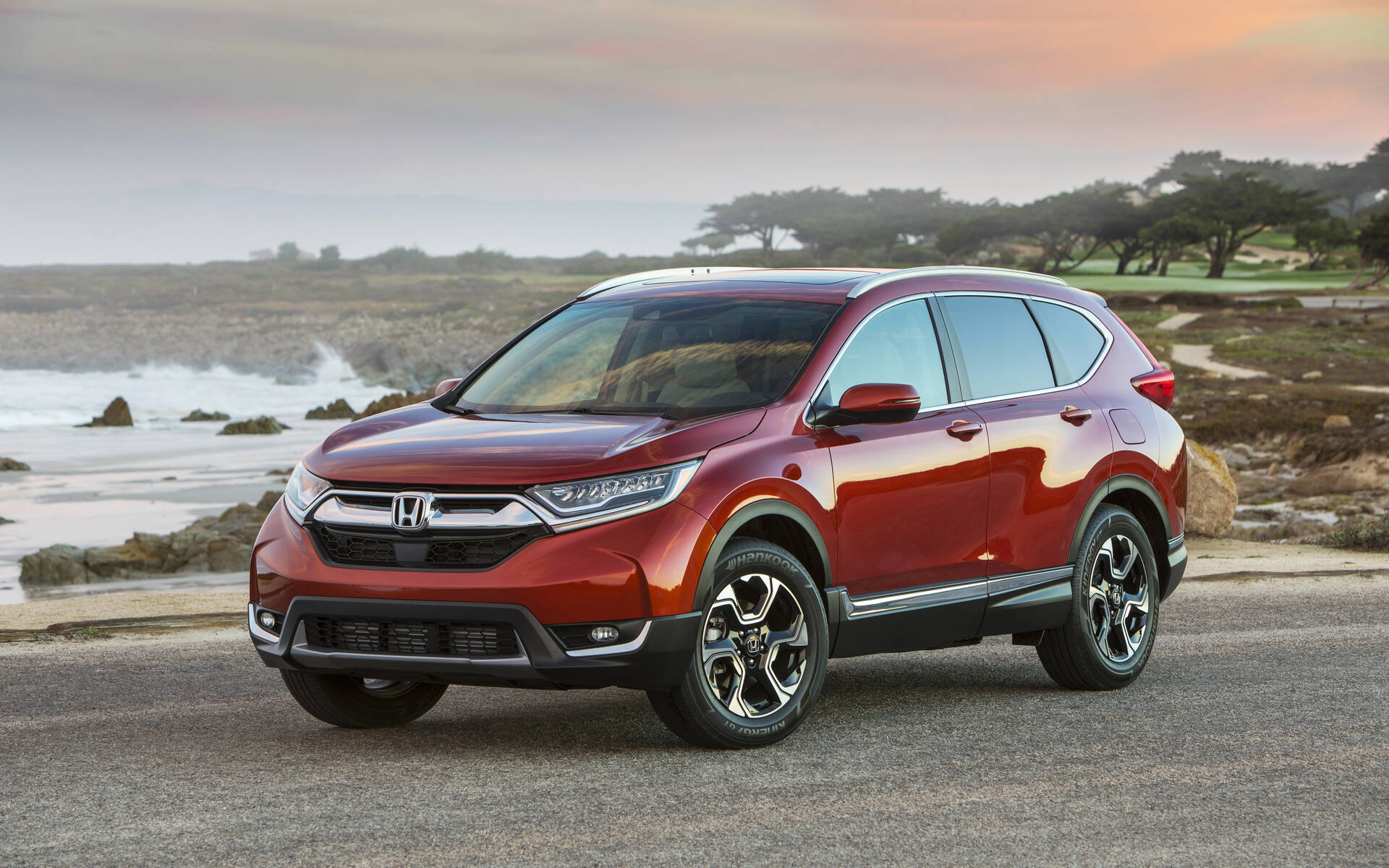
2. Honda CR-V
The Honda CR-V offers an ideal combination of practicality, reliability, and winter performance, making it a standout for Hartford commuters. Its all-wheel-drive option significantly improves traction on icy or snow-covered roads, providing a sense of control and safety that is especially valuable in unpredictable winter conditions.
The CR-V’s suspension system is engineered to handle uneven surfaces effectively, which is particularly important when roads are damaged by freeze-thaw cycles.
Its compact size allows for easier maneuvering on tight city streets, which is a significant advantage when navigating partially cleared streets or congested traffic during winter storms. The combination of responsive handling and stability makes the CR-V a dependable companion in both urban and suburban settings.
Honda vehicles are known for their long-term durability, and the CR-V exemplifies this reputation. Its engines are designed to withstand extended use, and transmissions are built to endure repeated cold starts without significant wear.
The body structure resists corrosion caused by road salt and winter moisture, which is particularly relevant in Hartford, where salted roads are common.
Additionally, the heating and ventilation systems are efficient, ensuring that the cabin reaches a comfortable temperature quickly, even during prolonged commutes. The defrosting systems are reliable, keeping windshields and windows clear, which is critical for visibility and safety during icy mornings or snowstorms.
Passenger comfort is another strong point for the Honda CR-V. The interior is spacious, allowing for comfortable seating even when passengers wear bulky winter clothing. The design of the seats and cabin materials ensures durability and comfort over longer drives, which is beneficial when winter traffic slows commutes.
In addition, the CR-V’s interior is equipped to handle winter conditions without deteriorating quickly from exposure to moisture, salt, or heavy clothing.
Features such as adjustable seating, ample legroom, and heated seat options in some trims enhance comfort and usability, making the CR-V practical for daily commuting and longer journeys alike.
The Honda CR-V also holds value exceptionally well over time, which is a financial advantage for Hartford residents. Its resale value remains high due to the vehicle’s reputation for reliability, durability, and consistent performance.
Maintenance is generally straightforward and cost-effective, thanks to the widespread availability of parts and widespread familiarity among local mechanics.
For winter commuters, this translates into a lower likelihood of unexpected repairs disrupting daily routines. The CR-V’s combination of winter-ready performance, durability, comfort, and financial practicality make it one of the most sensible choices for drivers navigating Hartford’s snowy and icy conditions.
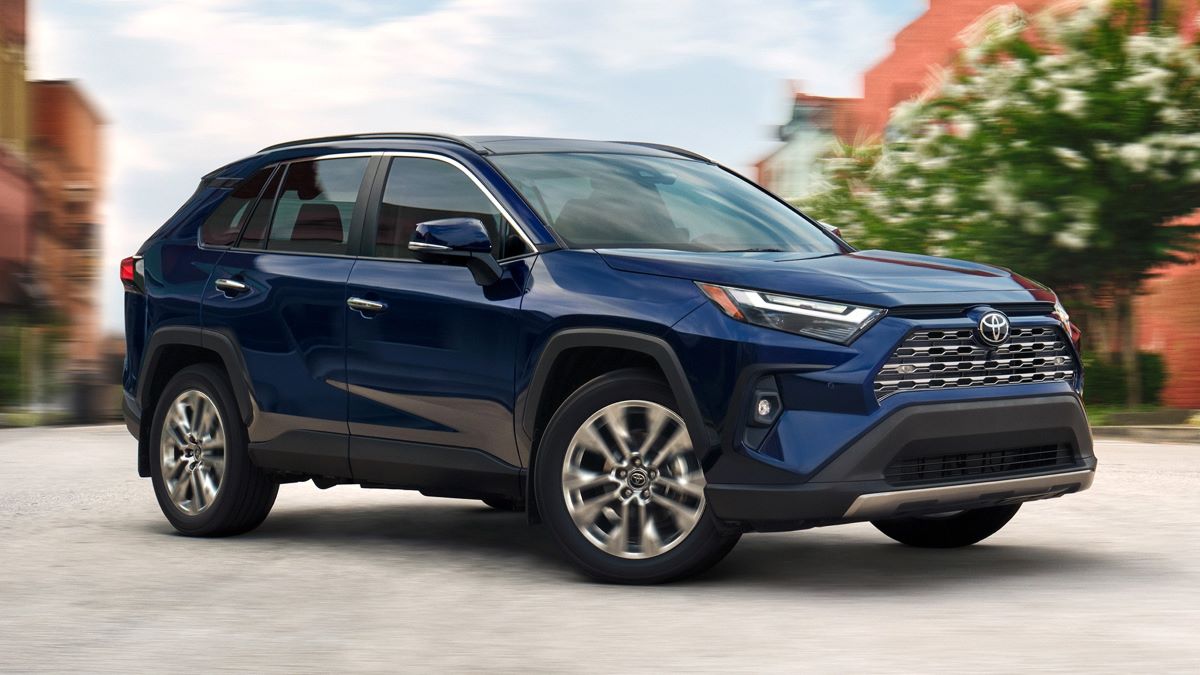
3. Toyota RAV4
The Toyota RAV4 is widely regarded as a dependable and versatile SUV, particularly well-suited to winter commuting. Its available all-wheel-drive system provides reliable traction on snow, ice, and slushy roads, while the higher ground clearance allows it to clear snowbanks and uneven surfaces without difficulty.
Advanced stability and traction control systems assist in maintaining balance and grip during sudden maneuvers, giving drivers additional confidence during hazardous conditions.
The vehicle’s responsive steering helps commuters navigate snow-covered roads and tight turns, reducing stress when navigating urban streets or suburban areas during winter storms.
Mechanically, the RAV4 has a strong track record of long-term reliability. Its engines are durable, transmissions are robust, and the build is designed to resist corrosion from salted roads. This is particularly relevant for Hartford winters, where exposure to salt and moisture can accelerate wear in less durable vehicles.
The heating system is powerful, rapidly warming the cabin and ensuring passenger comfort. Defrosting systems clear windshields efficiently, reducing waiting time in the morning and improving visibility. Drivers benefit from a vehicle that is both dependable and capable of maintaining consistent performance in adverse weather conditions.
Fuel efficiency is another advantage of the Toyota RAV4. Despite being a mid-size SUV with all-wheel-drive capabilities, it delivers competitive mileage, allowing commuters to manage fuel expenses even with frequent winter driving.
The RAV4’s efficiency is balanced with enough power to navigate challenging road conditions without compromising control. Hartford residents who travel longer distances for work or errands will appreciate this combination of practicality, performance, and economy.
The RAV4’s interior is designed to accommodate winter challenges as well. The cabin is spacious, allowing passengers to dress warmly without feeling cramped, and the cargo area can easily store winter gear, groceries, or emergency supplies.
Durable materials resist wear caused by snow, salt, and moisture, helping maintain the vehicle’s appearance and functionality over time. Together with its performance, reliability, and fuel efficiency, the RAV4 is a practical and dependable option for anyone who commutes regularly in Hartford’s winter conditions.
4. Subaru Forester
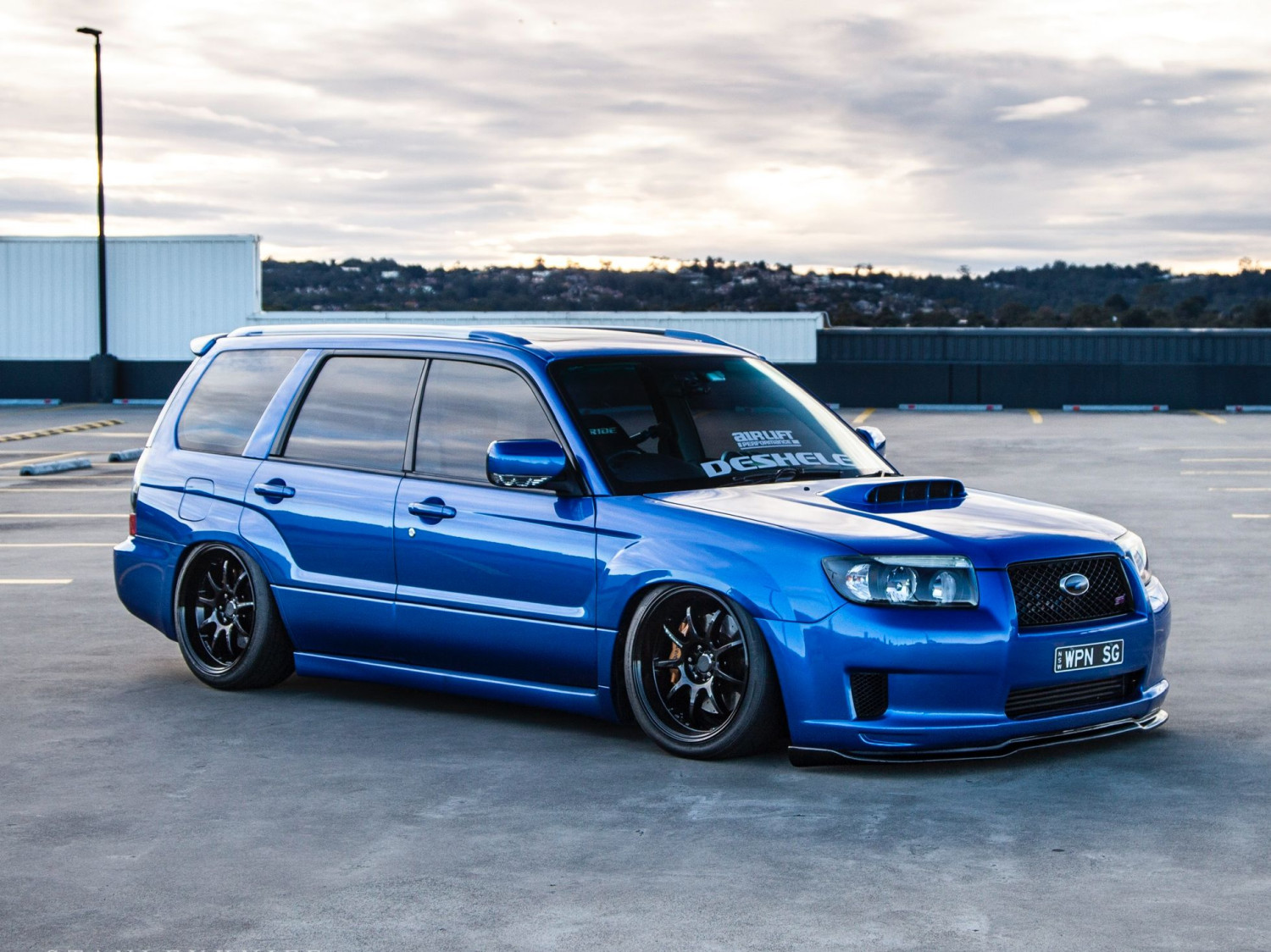
The Subaru Forester shares many advantages with the Outback, making it an excellent choice for winter commuting. Its standard all-wheel-drive system ensures consistent traction on icy or snow-covered roads, while the slightly higher ride height allows for smooth navigation over uneven surfaces and snowbanks.
In Hartford winters, when streets are not always fully cleared, the Forester’s off-road capabilities provide peace of mind, reducing the chances of getting stuck or encountering delays. Advanced stability control and adaptive braking systems further enhance the vehicle’s handling, giving drivers confidence in emergencies.
Reliability is a hallmark of the Forester. Its engine and transmission systems are known for their durability, and cold-weather performance is dependable, allowing for consistent operation even during prolonged exposure to harsh temperatures.
Cabin heating systems are efficient, rapidly warming passengers and clearing frost from windows, which is essential for safe commuting. The vehicle also features modern safety technology, including collision avoidance and adaptive headlights, improving visibility and reducing the risk of accidents on slippery roads.
Drivers can travel longer distances without excessive fuel consumption, balancing power and efficiency effectively. Tire compatibility is another benefit, as the Forester accommodates winter tires without compromising performance or stability, enhancing traction and control in icy conditions.
The interior is both spacious and practical, with enough room for passengers and winter gear. Seats are comfortable even when wearing heavy clothing, and cabin materials are resilient against moisture and cold-related wear. The cargo area is ample, providing space for emergency kits, winter boots, or other essentials.
The Forester combines reliability, performance, safety, and practicality, making it one of the most versatile options for Hartford residents during winter commutes.
5. Ford Escape
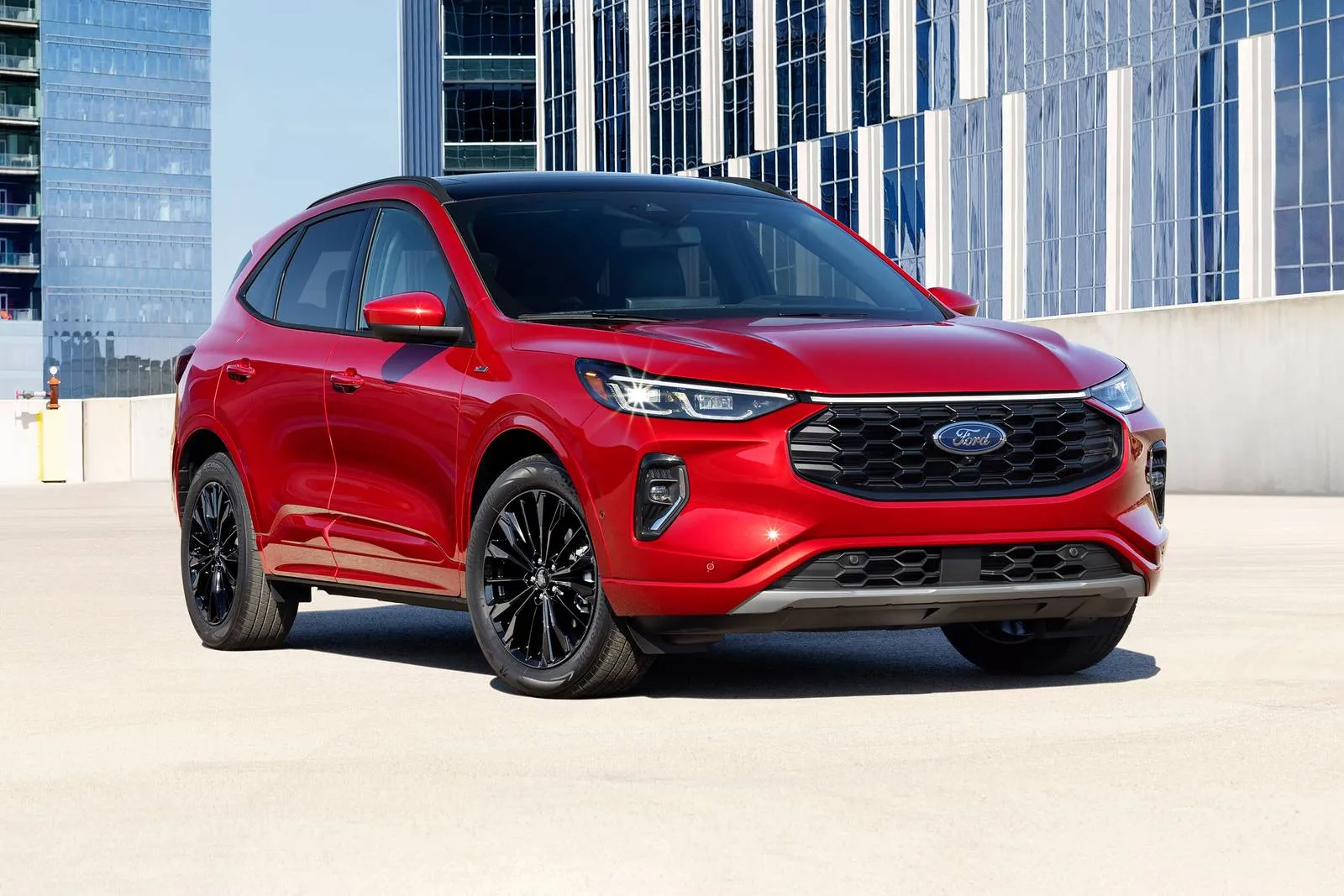
The Ford Escape is a strong option for winter commuting due to its available all-wheel-drive system, stability control, and responsive handling. Its moderate ground clearance allows it to navigate snow-covered roads and minor obstacles while still remaining easy to maneuver in urban environments.
The compact size aids in parking and turning on congested streets, which can be particularly helpful in Hartford where winter snow can reduce available space. The Escape blends utility with comfort, offering commuters a reliable option for daily travel regardless of winter weather.
Mechanical reliability is another advantage. Modern Escape models feature resilient engines and transmissions that perform well under cold-weather stress, allowing consistent operation during harsh Hartford winters.
The heating system is effective, rapidly warming the cabin and defrosting windows, which is particularly valuable during early-morning commutes when ice accumulation is common. These features ensure driver and passenger comfort while enhancing safety during winter travel.
Fuel efficiency remains competitive for an SUV, which is helpful for commuters who may face longer drives or traffic delays due to snow.
The vehicle handles winter tires well, and the traction offered by all-wheel drive improves handling on icy surfaces. Together with its relatively low maintenance requirements, these factors make the Escape a dependable option for daily winter driving.
Interior comfort and practicality further enhance its suitability for winter commuting. The seats are supportive, providing comfort during longer trips, and cabin materials are durable, resisting wear caused by boots, snow, and moisture.
Cargo space is adequate for winter equipment, groceries, or emergency supplies, making the Escape versatile and functional. Its combination of winter-specific performance, reliability, and usability establishes the Escape as a dependable vehicle for Hartford residents navigating challenging winter conditions.
5 Cars That Break Early in Winter Conditions
1. Mini Cooper
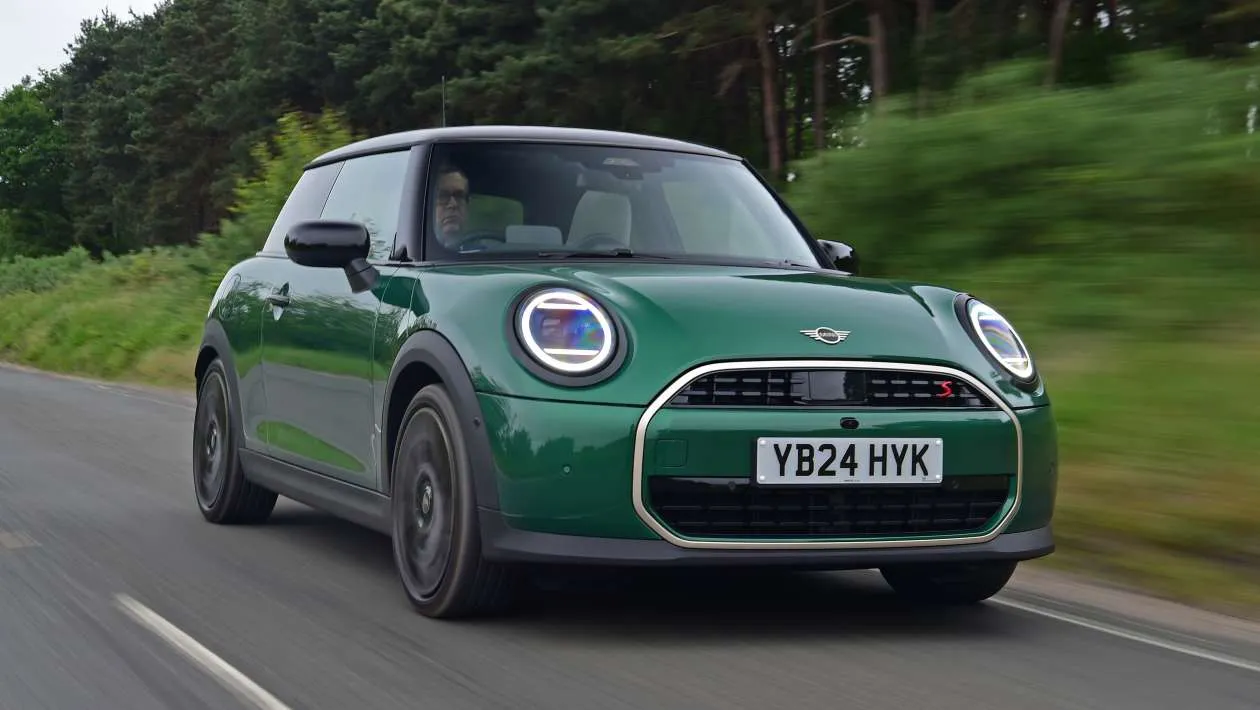
The Mini Cooper, while stylish and fun to drive in ideal conditions, often struggles during harsh winter weather. Its low ground clearance and small size make it particularly vulnerable on icy or snow-covered roads. Even with winter tires, the vehicle has a tendency to slip or lose traction when accelerating, braking, or cornering on slippery surfaces.
In Hartford winters, where snow accumulation can range from a few inches to heavy storms, this can result in frequent difficulties navigating residential streets or city avenues. Its short wheelbase exacerbates instability on uneven or snow-laden roads, creating a challenging driving experience during the colder months.
Mechanically, the Mini Cooper is prone to frequent repairs, particularly in colder climates. Engine issues, transmission failures, and electronic system malfunctions are reported more often than in larger, more robust vehicles. Cold temperatures can intensify these problems, causing starting issues, battery failures, and slow cabin heating.
The heating system is often less effective, leaving drivers and passengers uncomfortable during extended winter commutes. Additionally, maintenance and repairs tend to be expensive, partly due to the need for specialized mechanics and limited parts availability.
The interior, while stylish, does not accommodate winter practicality. Limited cargo space and minimal seating room make it difficult to store boots, coats, or emergency gear, which are essential in snowy climates. Wet snow, slush, and salt can accelerate wear on seats, carpets, and controls.
Drivers may also notice condensation build-up on windows during cold mornings, requiring frequent defrosting and making visibility a constant concern. This combination of mechanical issues and limited interior practicality makes the Mini Cooper a frustrating choice for winter commuting.
Fuel efficiency, though reasonable for its class, does not compensate for its winter weaknesses. Frequent repairs, reduced traction, and limited interior space make it an unreliable option for Hartford commuters.
Drivers relying on a Mini Cooper during winter months may encounter repeated inconvenience, higher repair costs, and an increased risk of accidents due to traction and handling limitations. Despite its aesthetic appeal, it is generally ill-suited for consistent winter driving in regions with heavy snow or ice.
2. Fiat 500
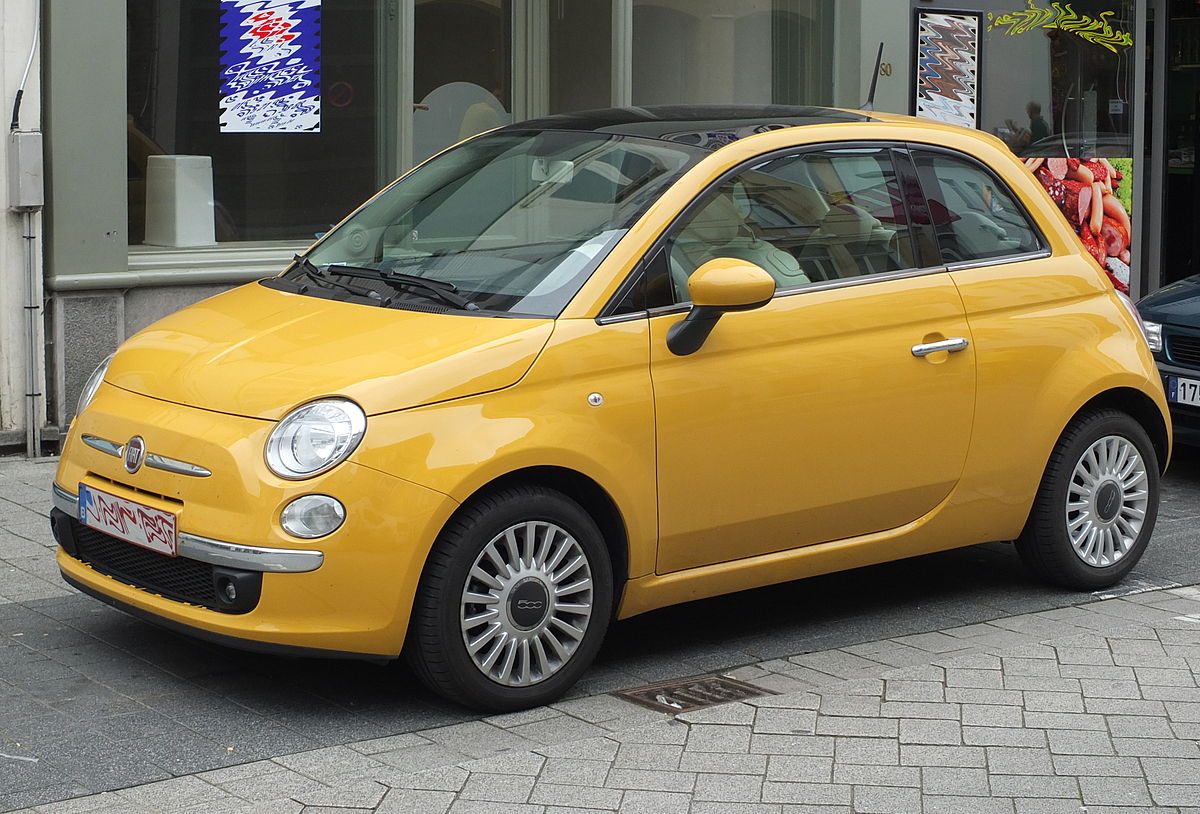
The Fiat 500 is another small, lightweight car that faces significant challenges in winter conditions. Its low weight and small tires result in poor traction on icy roads or compacted snow, increasing the likelihood of slipping during acceleration or braking.
Its low ground clearance makes it vulnerable to snow accumulation, meaning drivers may become stuck in moderate snowbanks that larger vehicles would easily pass. Hartford winters, with frequent road salt and snow, exacerbate these traction issues, making the Fiat 500 a risky choice for daily commuting in the colder months.
Reliability is another concern. Fiat 500 engines and electrical systems are prone to malfunctions, especially in cold weather. Batteries, starters, and other critical components may fail more often than in vehicles with more robust designs.
Cabin heating systems are often weak, taking longer to warm the interior, which can make early-morning commutes uncomfortable. Drivers may experience repeated trips to mechanics, increasing both downtime and maintenance costs. Cold weather also amplifies these issues, making consistent winter operation more difficult.
The interior is extremely limited, offering little space for passengers or winter gear. Snow boots, coats, and umbrellas can make the cabin feel cramped, while wet or salted clothing can damage interior surfaces over time.
Storage options are minimal, which reduces practicality for winter errands, emergency supplies, or grocery runs. The Fiat 500’s compact size, though appealing in urban settings, becomes a disadvantage when roads are snow-covered or uneven.
While fuel economy is relatively high, it does not offset the car’s winter-specific shortcomings. Frequent mechanical issues, traction limitations, and small interior space create challenges that affect daily commuting and safety.
Drivers relying on a Fiat 500 in Hartford winters may find themselves repeatedly inconvenienced and exposed to increased risk on slippery roads, making it a poor choice for reliable winter driving.
3. Volkswagen Beetle
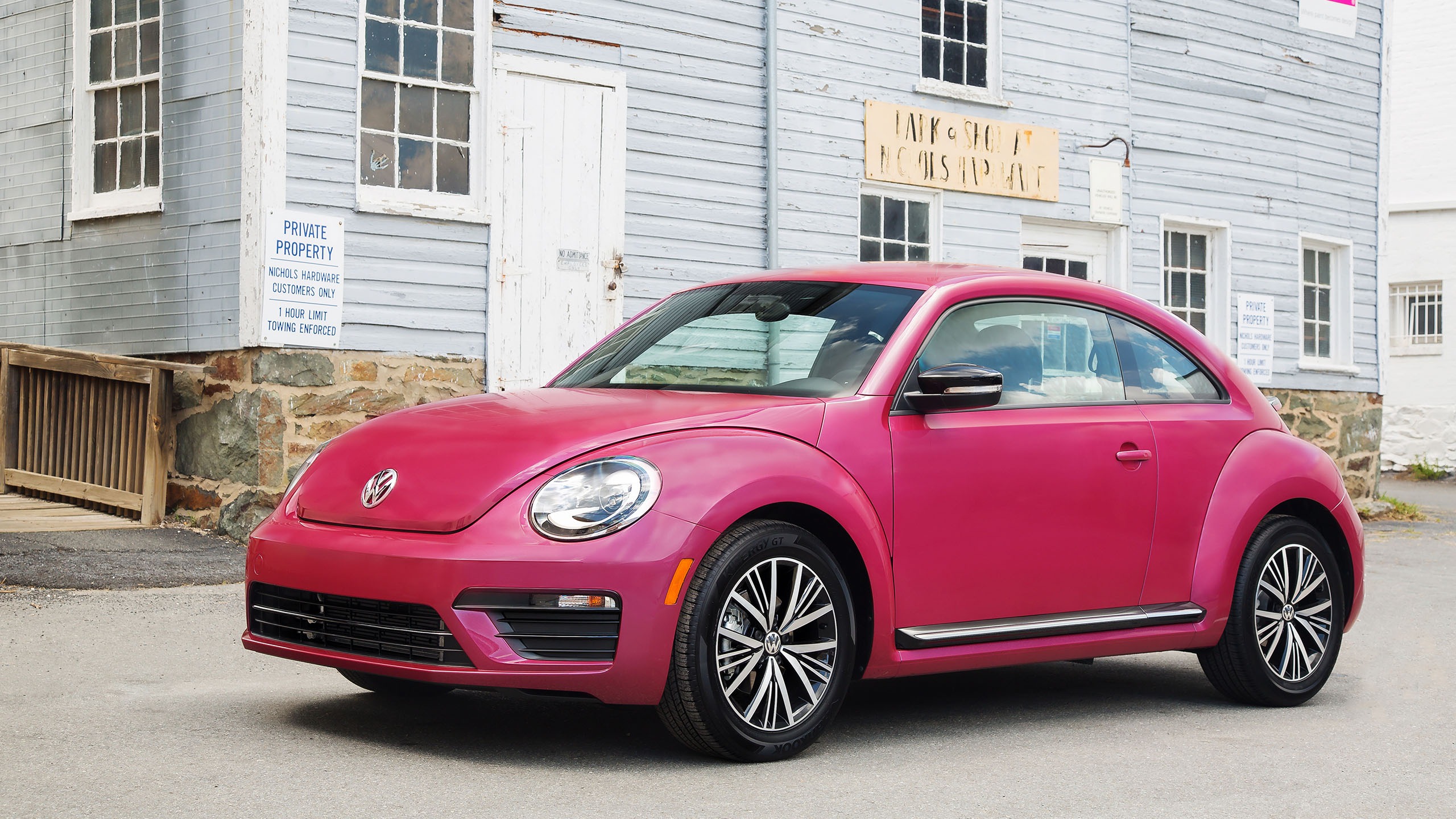
The Volkswagen Beetle, despite its iconic design and smooth handling in fair conditions, struggles in winter weather. Low ride height and front-wheel-drive-only configurations reduce traction on ice and snow, making the vehicle prone to sliding or difficulty climbing small inclines.
Even minor accumulations of snow can cause problems for the Beetle, as its short ground clearance limits the car’s ability to navigate through snowbanks or uneven road surfaces. Hartford drivers often face snow-packed streets, which can make this model unreliable for consistent winter commuting.
Mechanical issues can become more pronounced during cold weather. Beetles are known to experience electrical problems, transmission issues, and engine difficulties that are intensified by freezing temperatures.
Heating systems may be slow to reach effective warmth, and windshield defrosting may be insufficient in rapidly clearing ice, creating potential safety hazards. Maintenance can be costly, particularly if specialized parts are required or repairs involve electronic systems sensitive to cold.
The interior, though attractive and well-designed, is compact and offers limited storage. Transporting winter essentials, such as heavy coats, boots, shovels, or emergency kits, can be cumbersome.
Moisture from snow and slush may damage interior components over time, reducing both comfort and longevity. Visibility can also be an issue if the heating and defrosting systems are inadequate, adding stress to commuting in icy conditions.
Although the Beetle has reasonable fuel efficiency, this advantage does not outweigh the practical drawbacks.
Reduced traction, higher maintenance needs, and small cabin space make it ill-suited for Hartford winter driving. Drivers may face recurring mechanical challenges, limited comfort, and compromised safety, leading to frustration and increased costs throughout the winter season.
4. Smart Fortwo
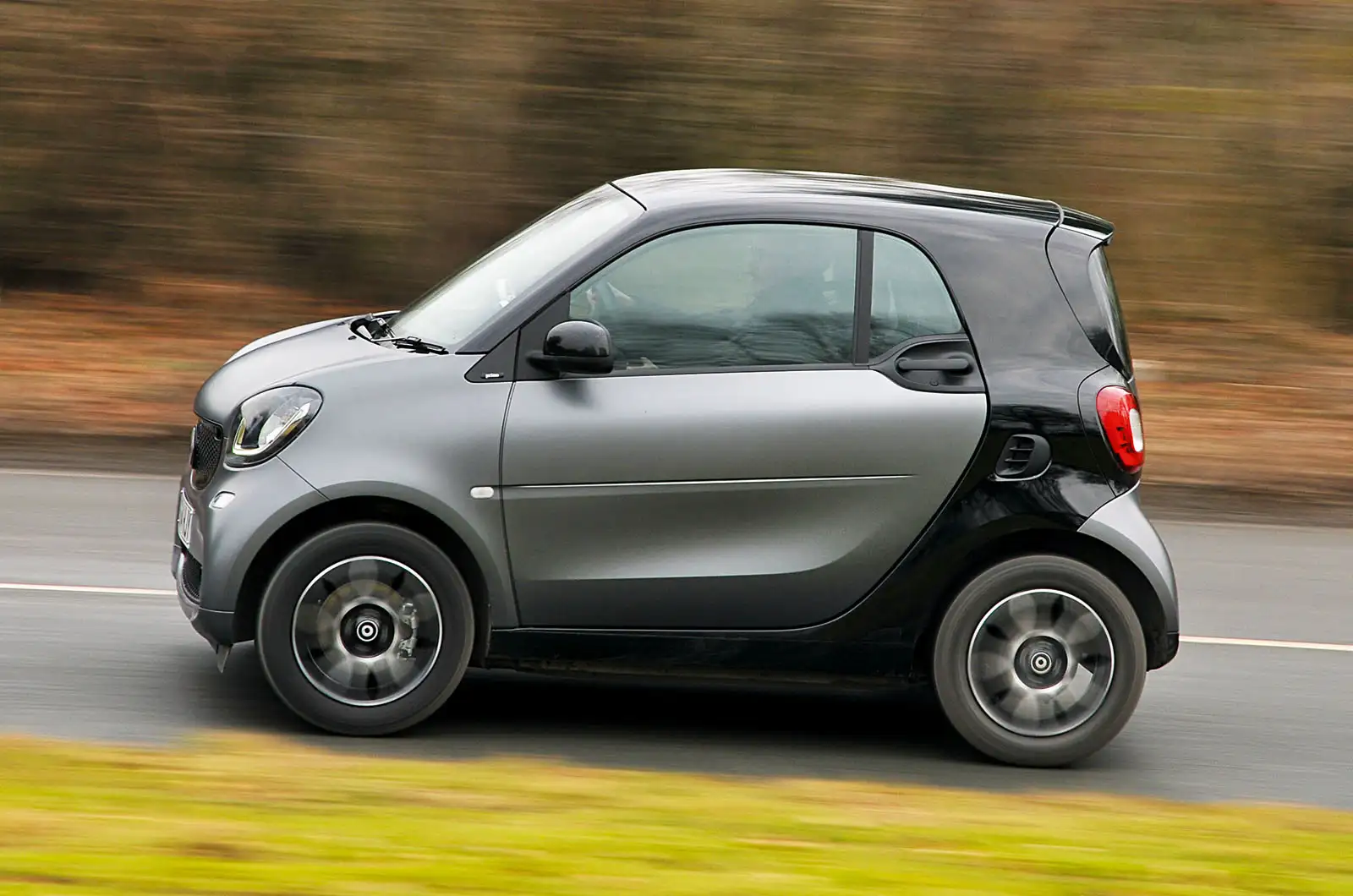
The Smart Fortwo, designed primarily for urban environments, is one of the least suitable vehicles for winter driving. Its extremely compact size, short wheelbase, and light weight make it highly unstable on snow and ice.
Even with winter tires, the vehicle often struggles to maintain traction, and its low ground clearance makes it highly susceptible to getting stuck in snowdrifts or on poorly cleared streets. Hartford winters, with unpredictable snow and ice accumulation, expose these limitations, making the Smart Fortwo risky for regular commuting.
Mechanically, the Fortwo is prone to cold-related problems. Engine performance may suffer, starting can be difficult in freezing temperatures, and the heating system is often insufficient to quickly warm the cabin.
Electrical issues are not uncommon, and small mechanical problems can become major inconveniences when compounded by winter weather. Regular maintenance is often required to keep the vehicle operational, reducing reliability during periods when dependable commuting is essential.
Interior space is extremely limited, restricting passenger comfort and storage. The vehicle can barely accommodate two adults comfortably when they are wearing bulky winter clothing.
Cargo space is minimal, preventing drivers from transporting essential winter gear or emergency supplies, which is critical in snowy conditions. Wet and slushy clothing can damage the interior, and moisture accumulation may accelerate wear on seats and electronics.
Despite being fuel-efficient, the Smart Fortwo’s winter limitations outweigh its economy. Low traction, susceptibility to getting stuck, small interior, and mechanical vulnerabilities make it a poor choice for Hartford commuters. Drivers may face frequent frustration, safety risks, and higher maintenance costs throughout the winter months, highlighting its unsuitability for harsh conditions.
5. Mitsubishi Mirage
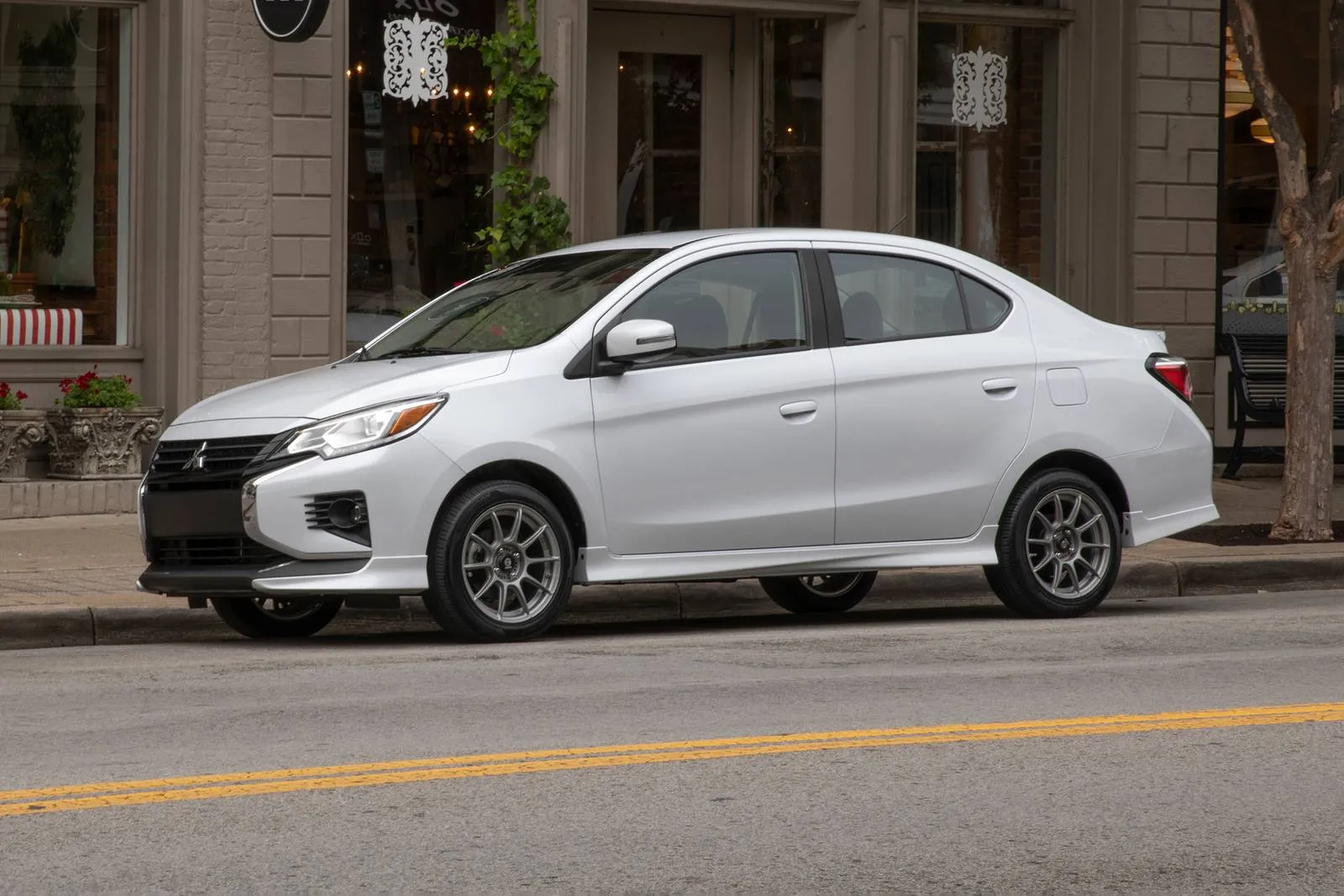
The Mitsubishi Mirage, known for its affordability and fuel efficiency, is often a poor choice for winter driving. Its lightweight frame and narrow tires reduce traction, making it difficult to maintain control on icy or snow-covered roads.
Low ground clearance further increases the risk of becoming stuck, particularly during moderate to heavy snowfall, which is common in Hartford winters. The vehicle’s small size and low weight, while advantageous in city traffic, become liabilities when navigating snowy suburban streets or unplowed roads.
Mechanically, the Mirage can be inconsistent in cold weather. Engine performance may decline during prolonged exposure to low temperatures, and transmissions can be less responsive in icy conditions.
Heating systems are often basic, leaving the cabin slow to warm and defrost. Frequent maintenance may be required to address issues that worsen in winter, such as battery failure, engine strain, or electrical malfunctions, making the car less reliable for daily commuting.
The interior is minimal, limiting space for passengers and winter gear. Carrying heavy coats, boots, or emergency equipment is inconvenient, and moisture from snow can cause interior wear over time.
The small cargo area prevents the safe storage of essential items, such as a shovel, blankets, or ice scraper, which are often necessary for Hartford winters. Comfort and practicality are compromised in cold, snowy conditions.
While the Mirage is economical in terms of fuel, this advantage does not outweigh its shortcomings in winter. Poor traction, low clearance, frequent maintenance, and limited interior space make it an unreliable option for winter commuting.
Drivers may experience frequent frustration, higher costs, and safety risks, highlighting the vehicle’s unsuitability for Hartford’s challenging winter environment.
