
Living in Anchorage, Alaska, or other regions with extremely cold winters presents unique challenges for vehicle owners. Temperatures can drop far below zero, roads may be covered in ice and snow for months, and even small mechanical issues can quickly become serious problems.
Selecting a car that can handle these conditions is not just about comfort; it is about reliability, safety, and ensuring that you can get where you need to go without being stranded in harsh weather. Cold weather affects every aspect of a car’s performance, from the battery and engine to the tires and braking system.
Vehicles that perform well in moderate climates can suddenly become unreliable when faced with subzero temperatures and icy roads. For residents of Anchorage, a car must combine mechanical durability, effective heating systems, and the ability to maintain traction on slippery surfaces.
Certain vehicles are specifically designed or proven to manage these conditions, making them excellent choices for drivers who cannot afford to compromise on winter performance.
On the other hand, some vehicles, though popular in warmer climates, show significant weaknesses when exposed to extended cold, leading to problems such as battery failure, frozen fluids, poor traction, and sluggish engines.
Recognizing which cars thrive and which struggle in extreme cold can save drivers a great deal of frustration, repair costs, and even risk to personal safety. The right vehicle can be the difference between a smooth winter commute and a stressful, potentially hazardous journey.
This article highlights five cars that excel in Anchorage’s cold climate and five cars that often struggle under the same conditions, providing insights into what features and characteristics make a vehicle winter-ready versus prone to failure.
5 Cars That Excel in Anchorage Cold Weather
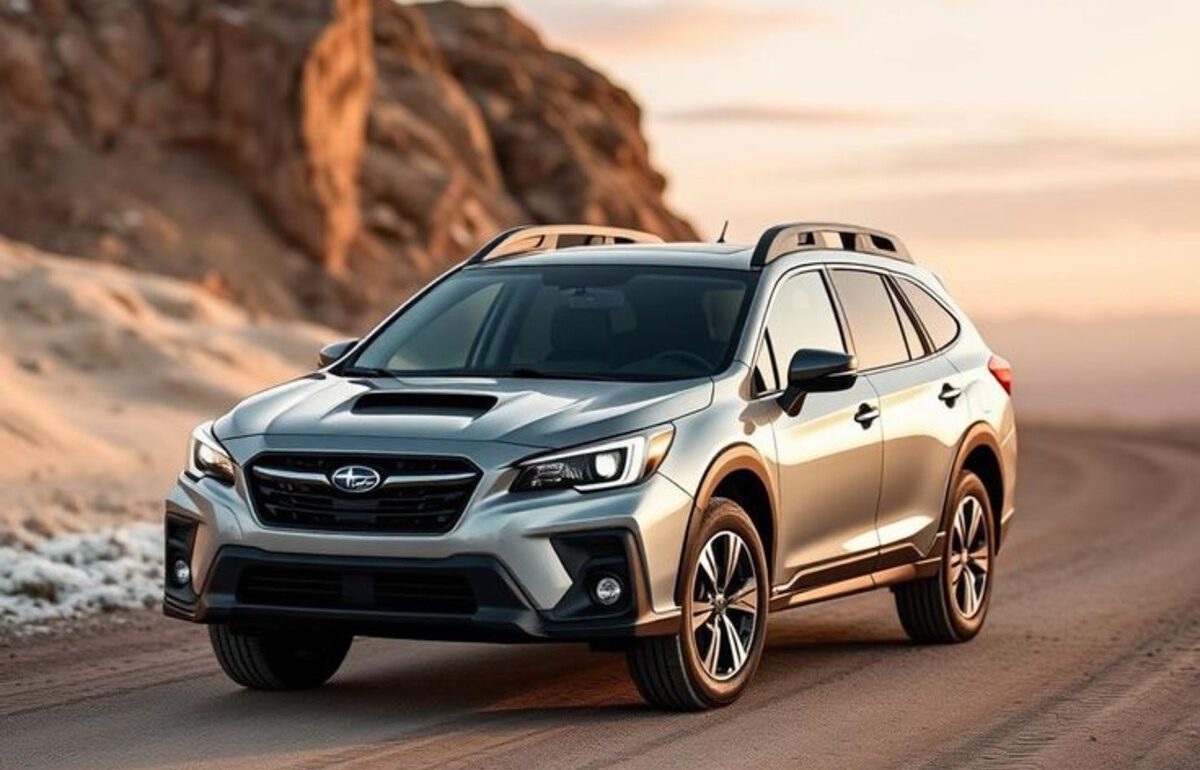
Subaru Outback
The Subaru Outback has earned a reputation as one of the most reliable vehicles for extreme cold climates, and for good reason. Its standard all-wheel-drive system allows power to be distributed to all four wheels simultaneously, which provides excellent traction on snow-covered or icy roads.
This feature significantly reduces the chances of losing control, which is crucial during long winters when roads can be unpredictable and conditions change rapidly.
The Outback’s engine is designed to start reliably even after being exposed to very low temperatures overnight, and its battery is built to endure the stress that cold weather places on electrical systems.
Additionally, the higher ground clearance compared to typical sedans enables the Outback to navigate snowdrifts and uneven surfaces without difficulty. This becomes essential in Anchorage winters, where accumulated snow can make roads difficult to traverse.
Beyond mechanical reliability, Subaru has equipped the Outback with a robust heating system that warms the cabin quickly, which ensures that drivers and passengers do not have to endure prolonged periods of cold before the vehicle becomes comfortable.
This combination of all-wheel drive, ground clearance, mechanical resilience, and heating capability makes the Outback a standout choice for those who live in areas with severe winter conditions.
Subaru’s reputation for reliability in cold climates is another factor that solidifies the Outback’s appeal. Its resale value tends to remain high in regions where winters are harsh because buyers know that it is a vehicle designed to survive long, cold seasons without major issues.
In addition, the AWD system provides predictable handling on black ice or slippery surfaces, a critical consideration when winter road conditions are dangerous and accidents are more likely.
Maintenance is generally straightforward, and Subaru’s parts are built to withstand repeated cycles of freezing and thawing. This durability means that the Outback can reliably perform year after year, even in conditions that might severely challenge other vehicles not designed for extreme cold.
The body panels, undercarriage, and suspension components are treated to resist corrosion from road salt, which is a common concern in areas where snow removal requires chemical de-icing.
The vehicle’s longevity is further supported by its mechanical design, which prioritizes reliability over purely aesthetic considerations. Crash-test results and safety ratings remain favorable across multiple model years, emphasizing that the vehicle not only performs well in cold weather but also offers protection in the event of an accident.
In sum, the Subaru Outback exemplifies the combination of durability, comfort, and winter-specific features that make a vehicle genuinely suitable for regions with long, harsh winters like Anchorage.
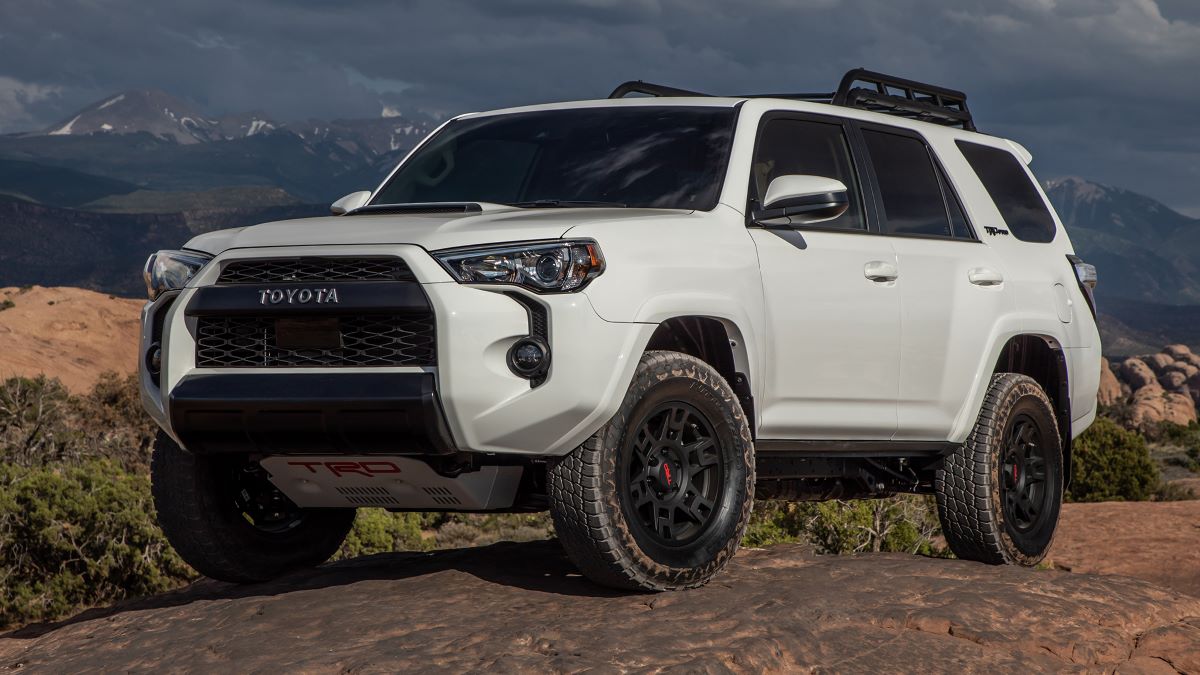
Toyota 4Runner
The Toyota 4Runner is another exceptional vehicle for extreme cold due to its rugged, truck-based design and high ground clearance. Unlike smaller SUVs, the 4Runner is built on a body-on-frame structure that allows it to handle heavy snow, rough terrain, and unplowed roads with relative ease.
Its four-wheel-drive system provides reliable traction across a variety of winter conditions, including ice patches, compacted snow, and uneven gravel surfaces. The engine remains dependable even in subzero temperatures, and drivers can usually expect consistent cold starts without excessive strain on the battery or starter system.
Inside, the 4Runner offers a spacious, well-heated cabin that ensures comfort for all occupants during long drives in harsh weather. For drivers who need a dependable vehicle rather than a purely luxurious ride, the 4Runner provides a balance of rugged performance and interior usability that few vehicles can match in extreme cold climates.
In practical terms, the 4Runner offers plenty of cargo space for hauling winter gear, emergency supplies, or recreational equipment. Its interior heating system, combined with heated seats in higher trims, ensures that occupants remain comfortable even during prolonged stops or idling periods in cold weather.
Unlike smaller vehicles, the 4Runner has a commanding presence on the road, which can help maintain safety in snowplows’ paths or during sudden weather changes.
The combination of off-road capability, interior comfort, and reliable heating features makes it a practical choice for drivers who must deal with both urban and rural winter driving conditions.
Finally, Toyota’s reputation for mechanical reliability strengthens the 4Runner’s suitability for extreme cold. Components such as the engine, transmission, and drivetrain are built to withstand prolonged exposure to subzero temperatures, and owners often report minimal issues even after years of harsh winter use.
The 4Runner is also relatively easy to maintain, which is a critical factor when roads are hazardous and weather conditions can delay routine service.
For those living in Anchorage or similar climates, the 4Runner provides a dependable, well-rounded solution that combines durability, traction, and comfort in ways that few vehicles of comparable size can match.
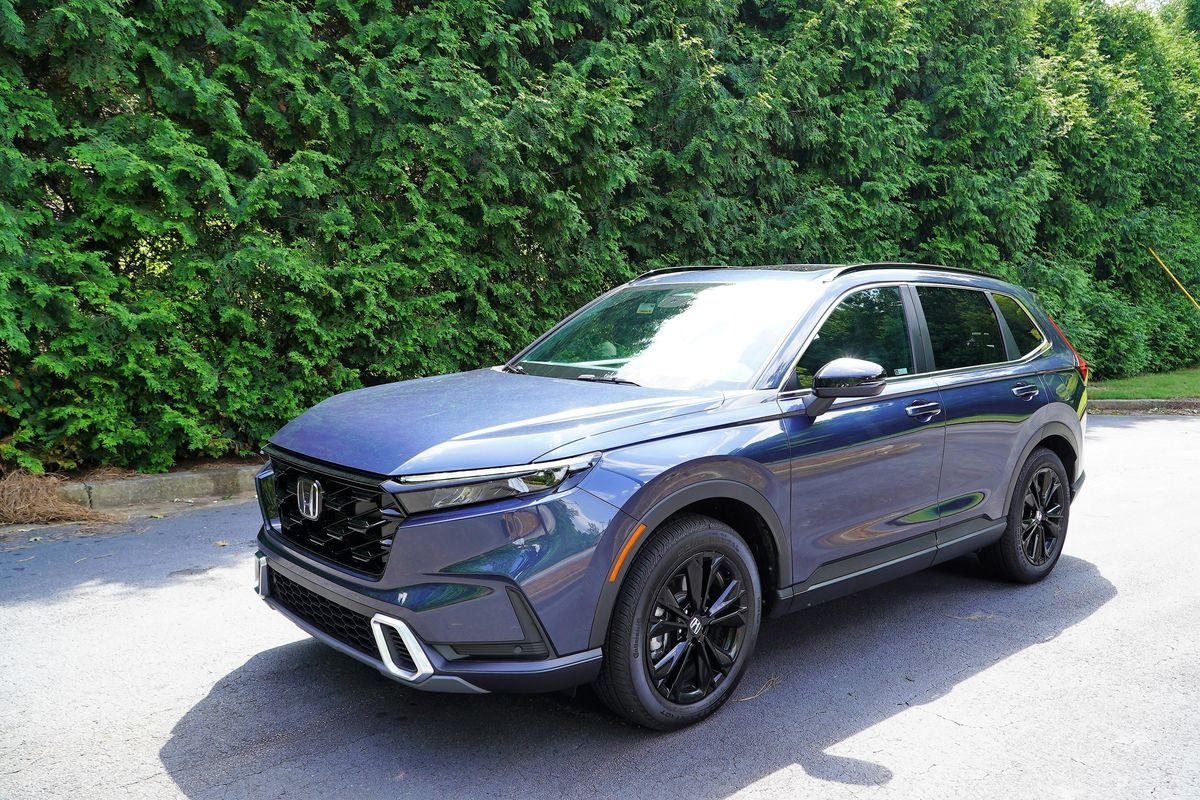
Honda CR-V AWD
The Honda CR-V with all-wheel drive offers a unique blend of maneuverability, reliability, and winter performance, making it an appealing option for drivers who need a smaller, city-friendly vehicle that can still handle snow and ice.
Its AWD system provides consistent traction on slippery surfaces, and the engine is designed to start reliably even in prolonged cold periods.
The cabin heating system works efficiently to maintain warmth for passengers, and higher trims may include features such as heated seats and steering wheels, adding extra comfort when outdoor temperatures are extremely low.
While the CR-V may not have the off-road capability of a 4Runner or Jeep, it is well-suited for urban and suburban driving, where parking, maneuvering, and compact size are more practical considerations than deep snow navigation.
Cold starts are generally reliable in the CR-V, and the battery and electrical system are robust enough to handle repeated exposure to subzero temperatures.
Its predictable handling and braking performance allow drivers to maintain control on slick roads, and while it may lack the ground clearance of larger SUVs, it compensates with maneuverability and stability in snow-packed city streets.
These factors make it especially useful for commuters who live in urban environments yet occasionally face challenging winter conditions.
Durability and maintenance considerations are also strengths of the CR-V. Its corrosion-resistant materials and mechanical design help it withstand repeated exposure to road salt, moisture, and freezing temperatures. Owners can expect reliable performance for multiple winter seasons with minimal issues.
The Honda CR-V AWD demonstrates that even a smaller vehicle can provide dependable performance and safety in harsh winter environments, making it a strong candidate for Anchorage residents who want a compact, efficient, and winter-ready car.
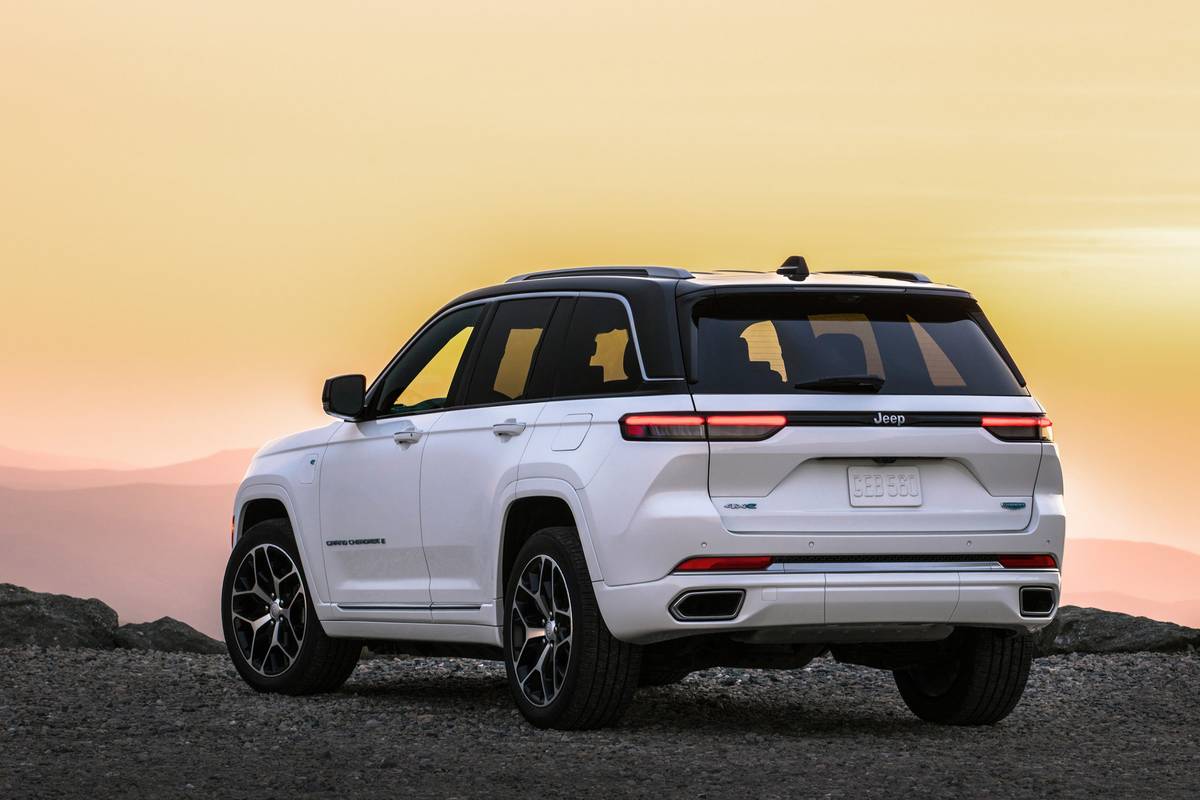
Jeep Grand Cherokee 4WD
The Jeep Grand Cherokee with four-wheel drive is engineered for performance in adverse conditions, and it excels in cold-weather environments.
Its powerful engine options, combined with a high-performance 4WD system, allow it to navigate snow-covered roads and uneven terrain with relative ease. Advanced features, such as heated seats, steering wheels, and terrain management systems, provide both comfort and functionality in freezing conditions.
The terrain management system allows the vehicle to adjust traction, throttle, and braking based on the road surface, providing optimal performance whether on ice, snow, mud, or gravel.
These capabilities make the Grand Cherokee particularly appealing to drivers who must navigate unpredictable winter roads or venture into remote areas where plowed roads are not always available.
The vehicle’s weight and stability help maintain control on slippery roads. Its suspension and braking systems are designed to handle the stresses of winter driving, including sudden stops on ice or snow-covered inclines.
The engine is robust enough to perform well in cold starts, and its electrical system is engineered to endure extended exposure to low temperatures without failure. The combination of these mechanical and electronic systems ensures that the Grand Cherokee maintains reliable performance, even under extreme cold conditions.
Interior comfort is another area where the Grand Cherokee shines. The heating system warms the cabin quickly, and heated seats and steering wheels in higher trims improve comfort during long trips.
The spacious interior allows for transporting winter gear, emergency supplies, or large items that might be difficult to carry in smaller vehicles. For families or drivers who spend long periods on the road during winter, these features contribute to both comfort and safety.
Finally, the Grand Cherokee’s durability in extreme cold climates is well-established. Its engine, drivetrain, and transmission are all designed to endure harsh winter conditions over time.
Owners report that with proper maintenance, the vehicle can continue to function reliably for many years, even under challenging winter use. With a combination of power, comfort, and winter-specific features, the Grand Cherokee stands out as a reliable and practical choice for Anchorage residents who need a vehicle capable of thriving in extreme cold.
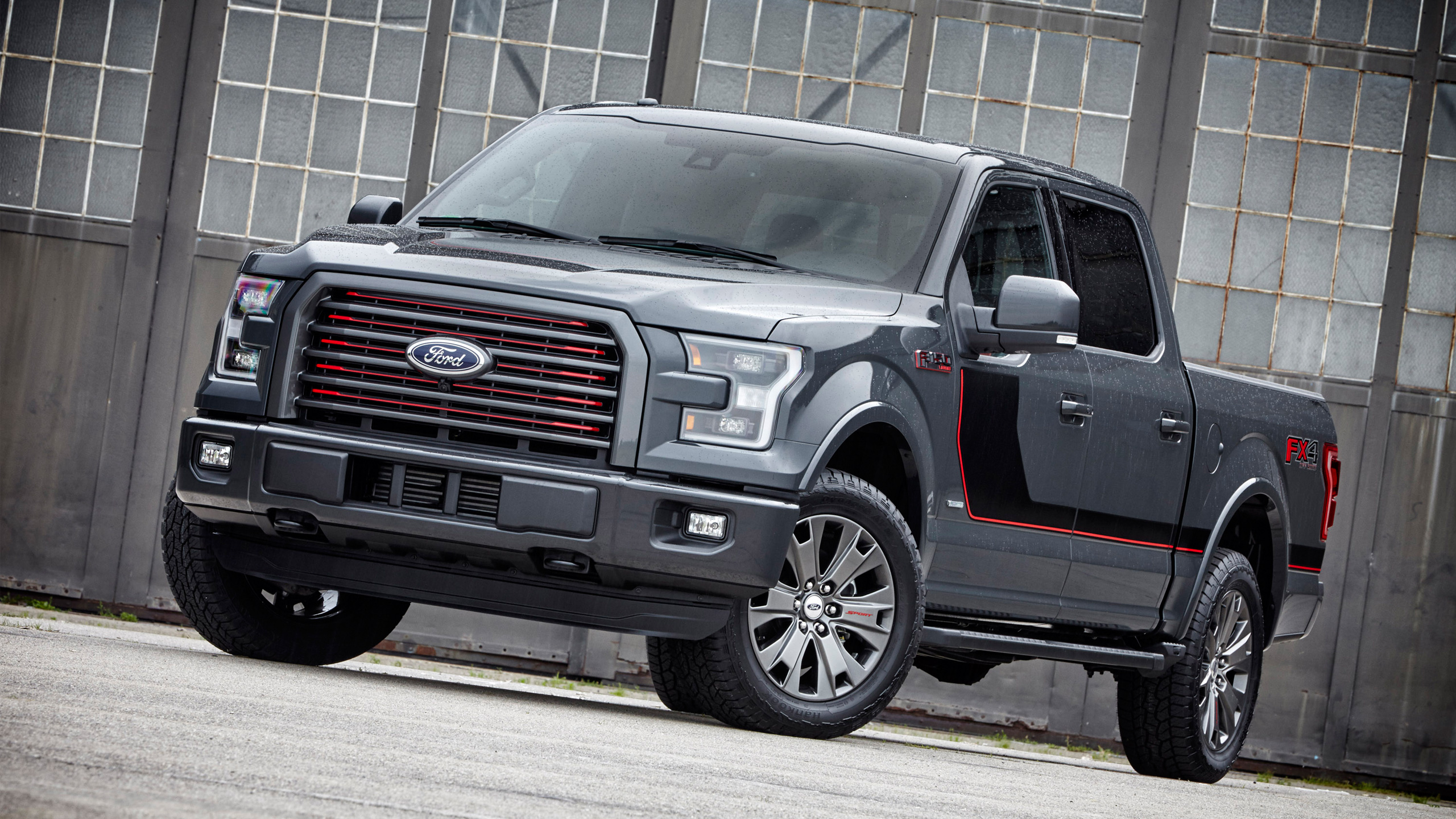
Ford F-150 4WD
The Ford F-150 with four-wheel drive is widely recognized as a rugged, reliable vehicle for extreme cold. Its powerful engines, large tires, and high ground clearance allow it to navigate snow-covered roads, unplowed streets, and uneven terrain without difficulty.
The 4WD system provides stability and traction, even when ice makes driving hazardous. Modern battery and engine technologies ensure reliable cold starts, even after prolonged exposure to subzero temperatures.
Additionally, the F-150 is built with durable components that can endure repeated exposure to moisture, road salt, and freezing conditions, making it well-suited for Anchorage winters.
The cabin of the F-150 is designed for comfort during extended winter drives. Efficient heating systems quickly warm the interior, while higher trims include heated seats and steering wheels to further enhance comfort.
Its cargo bed allows for hauling supplies, equipment, or recreational items, which is particularly useful in areas where winter activities are common. The truck’s weight and size contribute to stability on icy or snow-covered roads, and advanced braking, traction control, and suspension systems help maintain control in challenging conditions.
The F-150’s practical advantages extend beyond performance. Road salt and moisture can accelerate wear, but modern models incorporate corrosion-resistant materials that prolong the vehicle’s life.
Regular maintenance is straightforward, and the truck’s robust construction ensures that it remains reliable even under harsh winter conditions. Its combination of power, versatility, and durability makes it a trusted vehicle for drivers who need a dependable cold-weather car for work or recreation.
Finally, the F-150’s reputation for long-term reliability reinforces its status as an ideal cold-weather vehicle. With proper care, it can withstand many winters without major mechanical issues, providing peace of mind to drivers who face extreme conditions regularly.
Its blend of stability, power, and comfort ensures that it remains a capable and practical choice for navigating the challenges of Anchorage’s harsh winters.
5 Cars That Fail in Extreme Cold
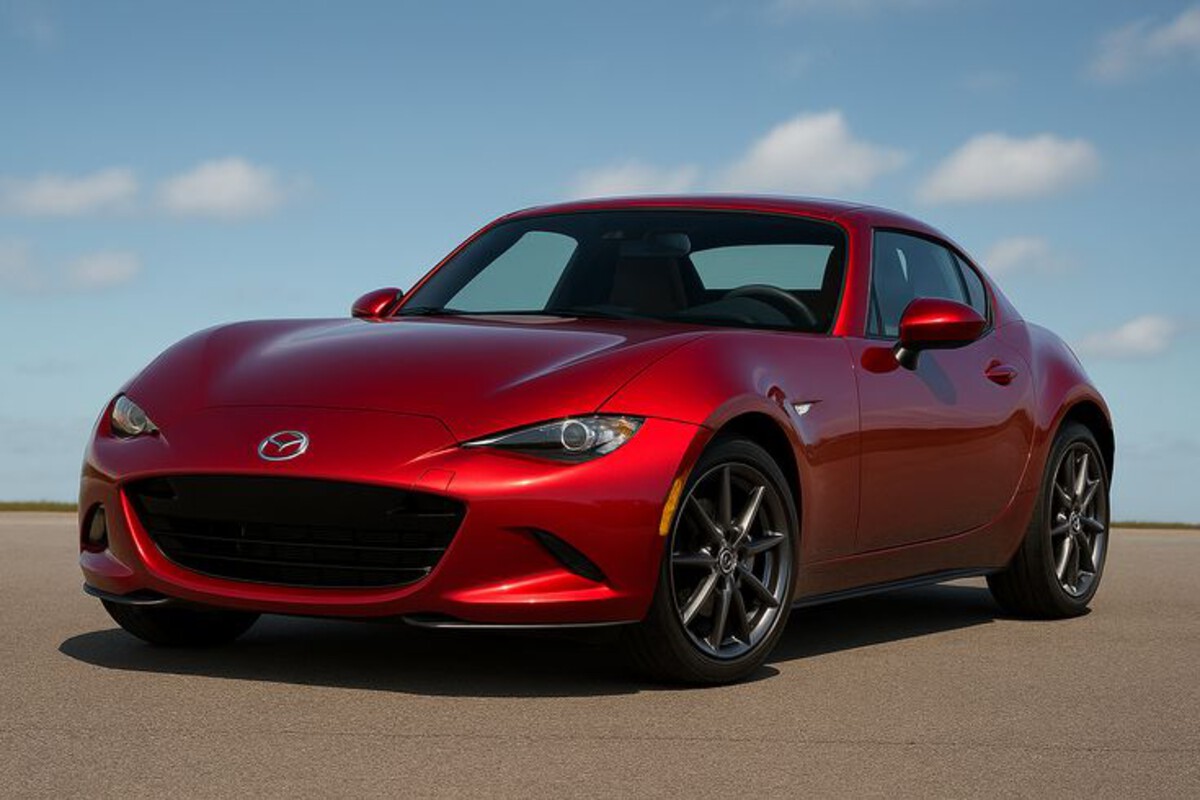
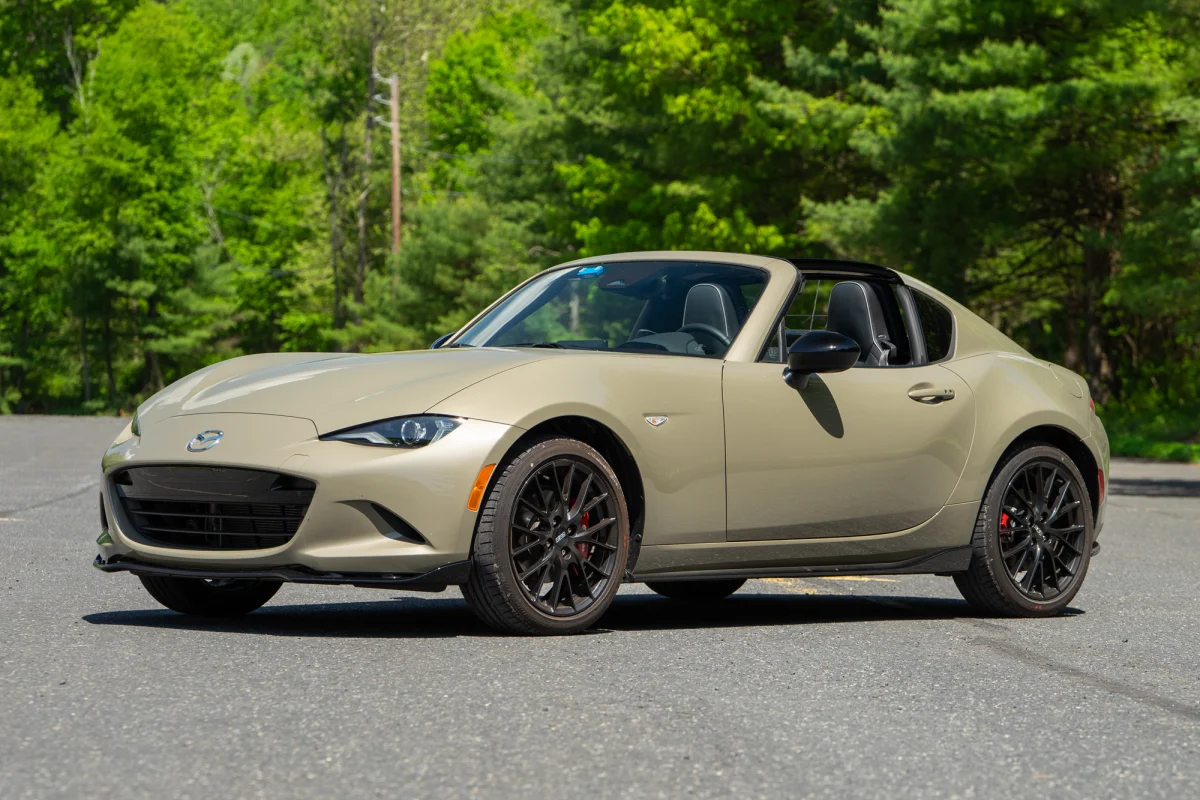
Mazda MX-5 Miata
The Mazda MX-5 Miata is a sports car that excels in performance and handling under mild conditions, but it struggles significantly in extreme cold environments. Its low ground clearance and lightweight design make it highly vulnerable to snow accumulation and icy road surfaces.
The car is primarily rear-wheel drive, which provides minimal traction on slippery surfaces, leading to frequent loss of control when attempting to navigate snow-covered streets. In regions like Anchorage, where snow can accumulate to several feet and ice is common on untreated roads, driving a Miata can quickly become dangerous.
Its small tires and minimal weight over the rear axle reduce the vehicle’s ability to maintain traction, making it prone to spinning or sliding even under cautious driving.
While it is fun to drive in ideal conditions, the MX-5 Miata’s design does not account for the demands of prolonged winter use, which is a critical limitation for anyone living in extreme cold climates.
The MX-5’s lightweight construction, while beneficial for sporty handling, becomes a liability on icy roads. When traction is lost, the vehicle has little stability to counteract skidding, and even advanced traction control systems cannot fully compensate for the car’s limitations.
Its small size and low profile make it susceptible to being buried in deep snow, especially in urban areas where snowplows have not cleared side streets.
Snow chains or winter tires can help, but they cannot fully overcome the inherent disadvantages of the car’s design in extreme cold. Drivers may find themselves frequently stranded or forced to abandon the vehicle during heavy snow events, a scenario that is both frustrating and dangerous.
Finally, the Miata is not designed for long-term durability in harsh climates. Constant exposure to road salt and ice can accelerate corrosion, particularly along the undercarriage, which is not reinforced for winter resilience.
Mechanical components such as the suspension and drivetrain are optimized for performance rather than reliability in extreme cold, making them prone to wear or failure when subjected to repeated stress from icy or snowy conditions.
While the Mazda MX-5 Miata is an excellent sports car in temperate climates, it is ill-suited for Anchorage winters and is likely to disappoint anyone attempting to rely on it in subzero conditions.
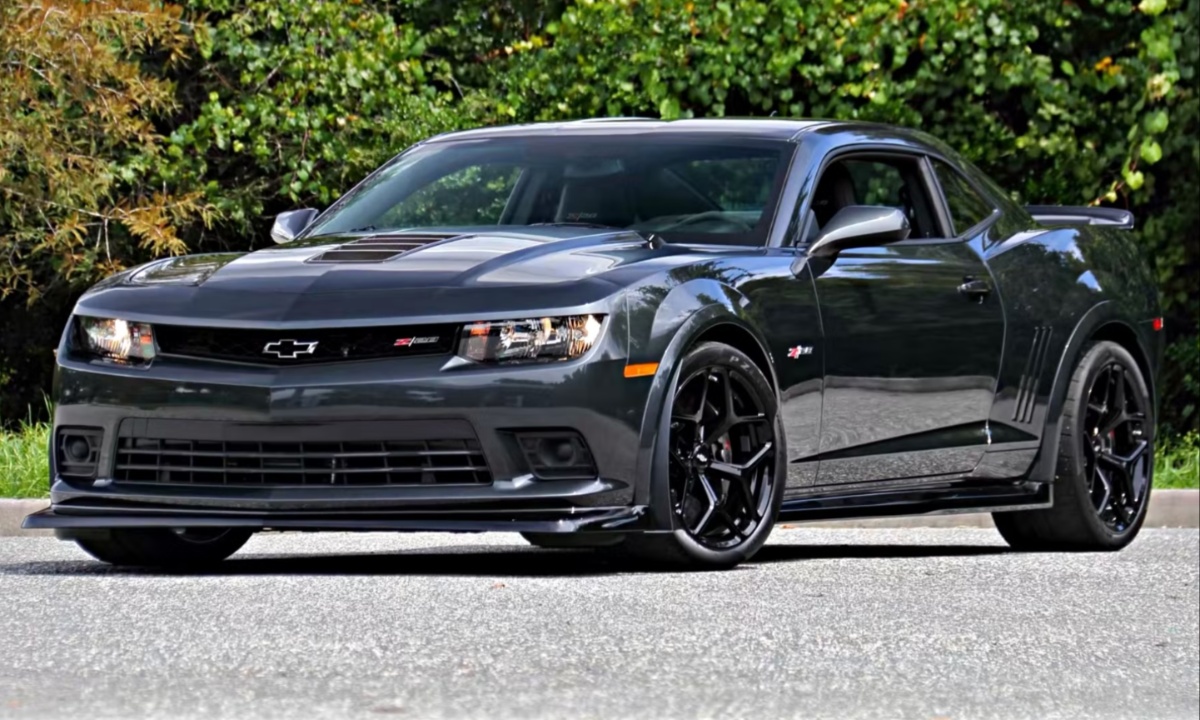
Chevrolet Camaro
The Chevrolet Camaro is another high-performance sports car that fails to handle extreme cold effectively. Like the Miata, it is rear-wheel drive with low ground clearance, which makes it difficult to navigate snow-covered streets safely.
The Camaro’s tires and suspension are designed for dry pavement and aggressive handling, not ice, snow, or slush.
In Anchorage winters, where road conditions can change suddenly and dramatically, this lack of traction and stability makes the car hazardous to drive. Even minor snow accumulation can impede forward motion, requiring drivers to either risk spinning out or avoid driving altogether.
The Camaro’s design emphasizes speed and handling over cold-weather reliability, leaving it at a serious disadvantage in regions where winter weather dominates half the year.
The Camaro’s weight distribution and low profile make it particularly vulnerable on icy surfaces. Rear-wheel-drive sports cars rely heavily on weight over the rear axle to maintain traction, but the Camaro’s design does not provide sufficient balance in snowy or icy conditions.
Traction control systems can help in minor situations, but they cannot fully compensate for the lack of inherent stability when ice or deep snow is present.
Skidding, spinning, or getting stuck is common when attempting to drive in Anchorage’s winter conditions without significant modifications, such as winter tires or added weight, which many drivers are unwilling to implement.
Finally, the Camaro’s durability in extreme cold is questionable. Road salt and freezing temperatures accelerate corrosion on the undercarriage and body panels, and mechanical components optimized for performance may experience accelerated wear in icy or snowy conditions.
Suspension, brakes, and drivetrain components are not designed for repeated winter stress, increasing the likelihood of maintenance issues.
For drivers living in cold climates, the Camaro is more of a weekend or fair-weather vehicle rather than a reliable daily driver during harsh winters. Despite its popularity for sporty driving, it fails to meet the practical needs of extreme cold weather driving.
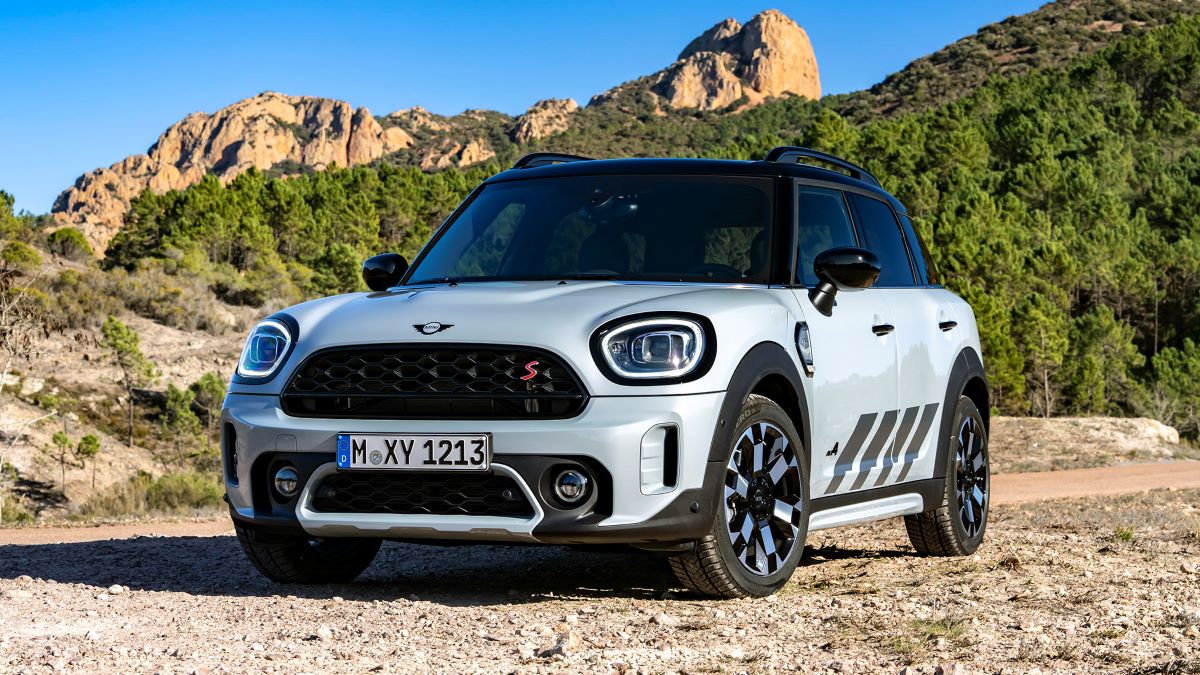
Mini Cooper
The Mini Cooper, known for its compact size and responsive handling, is also poorly suited for extreme cold environments. Its small wheels and low ground clearance make it vulnerable to snow accumulation and icy patches, which are common in Anchorage winters.
The vehicle’s front-wheel-drive system, while better than rear-wheel drive for light snow, cannot compensate for its lightweight construction and tendency to lose traction in deeper snow or on steep, icy inclines.
Drivers often struggle to maintain control, and even minor snow events can make roads impassable for a Mini Cooper without specialized tires or chains. While it is fun to drive in cities with mild winters, the Mini Cooper is impractical in regions where extreme cold and snow dominate the winter season.
The Mini Cooper also faces challenges in terms of durability. Its undercarriage and suspension components are not heavily reinforced, which makes them susceptible to damage from road salt, ice, and uneven snow-covered surfaces.
Repeated exposure to harsh winter conditions can accelerate corrosion and mechanical wear, leading to costly maintenance issues over time.
Its small tires and narrow track width reduce stability on slippery surfaces, making accidents more likely in icy or snowy conditions. Even with winter tires, the Mini Cooper remains at a disadvantage compared to larger, AWD-equipped vehicles specifically designed for extreme cold.
Finally, the vehicle’s limited size and lightweight construction make it vulnerable to being stranded during significant snowstorms. Snowplows often leave side streets partially blocked, and a low-profile vehicle like the Mini Cooper can easily become stuck or trapped.
This creates a safety concern, as drivers may need to wait for assistance in freezing conditions. In sum, the Mini Cooper is a stylish, city-friendly car, but it consistently underperforms in environments with extreme cold and heavy snow, making it an unreliable choice for residents of Anchorage or similar regions.
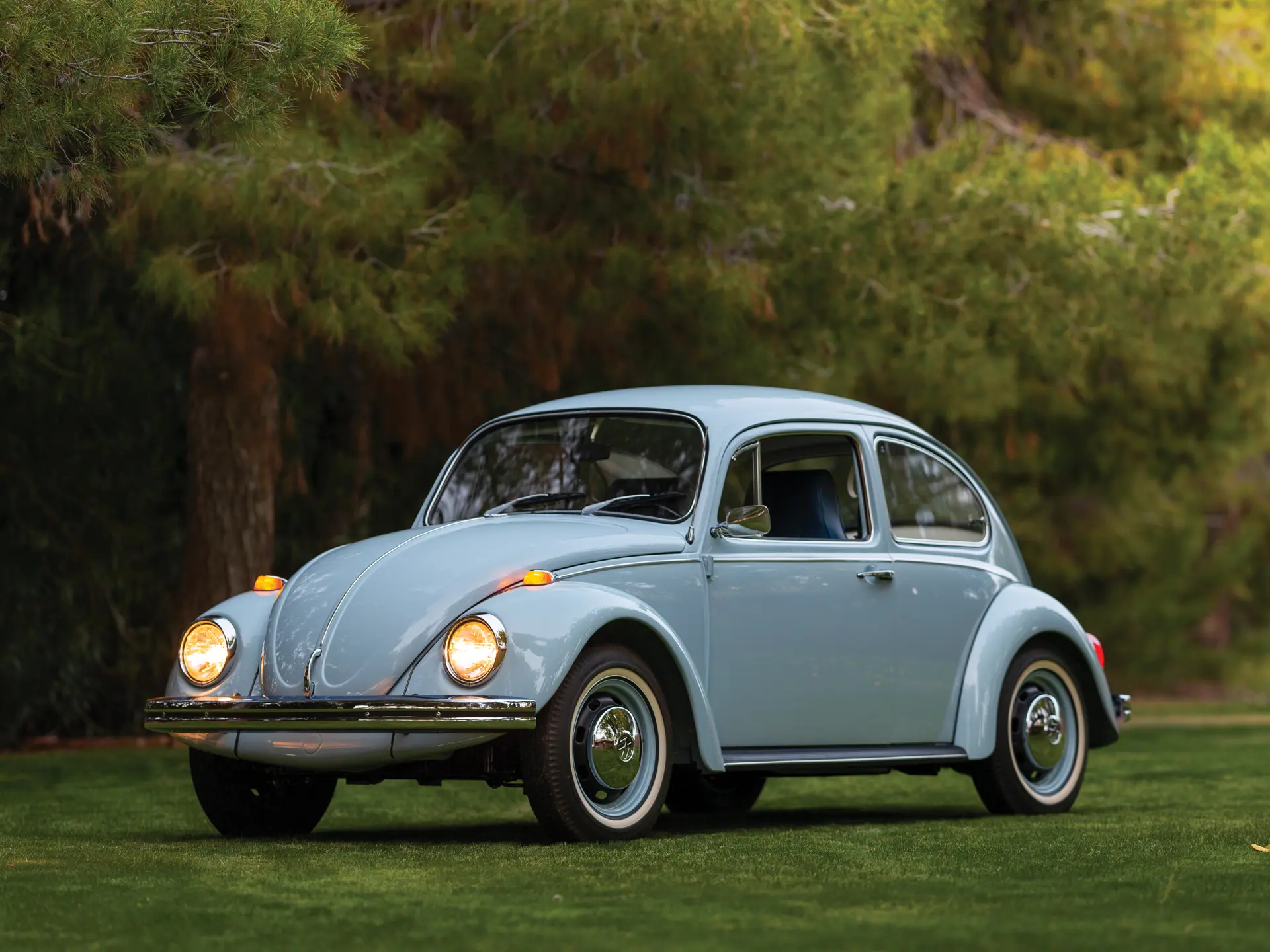
Volkswagen Beetle (Classic and Newer Models)
The Volkswagen Beetle, whether classic or newer models, is another car that struggles in extreme cold climates. Its low ground clearance and rear-engine layout make it prone to poor traction on snow and ice. The Beetle’s lightweight frame can slide easily on slippery surfaces, creating dangerous driving conditions in winter.
While it may be manageable on cleared urban streets, deeper snow, ice patches, or unplowed roads can render it almost impossible to drive safely.
The car’s tires and suspension are optimized for city driving rather than harsh winter terrain, which compounds its deficiencies in cold weather. Drivers often face difficulties starting the car in freezing temperatures, particularly in older models with aging batteries and mechanical components.
The Beetle’s rear-engine layout, while beneficial in dry conditions for traction on dry roads, can create unpredictable handling in snow and ice. The weight distribution is not ideal for maintaining stability on slippery surfaces, and the vehicle can easily oversteer or slide during acceleration or braking.
Traction control systems may mitigate some of these issues in newer models, but they cannot fully compensate for the inherent design limitations of the vehicle when faced with heavy snow or ice.
Finally, long-term durability is a concern for Beetle owners in cold climates. Road salt and freezing temperatures can accelerate corrosion, particularly on the undercarriage and suspension components. Mechanical systems not designed for extreme cold can fail prematurely under repeated stress from winter conditions.
While the Volkswagen Beetle is an iconic and enjoyable vehicle in temperate climates, it fails to provide reliable, safe, or practical transportation in environments characterized by severe cold and persistent snow, making it a risky choice for Anchorage residents.
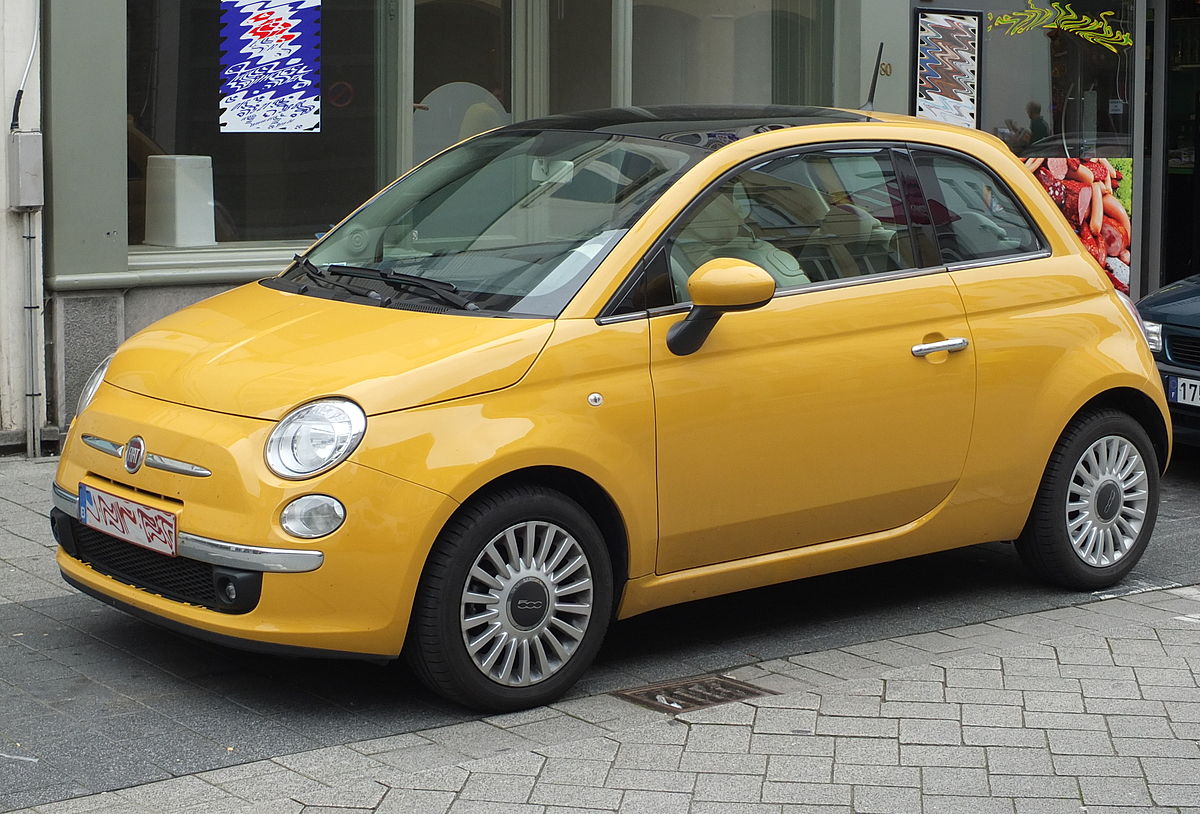
Fiat 500
The Fiat 500, a small city car, is highly impractical for extreme cold conditions. Its low ground clearance makes it vulnerable to snow accumulation, while its narrow tires reduce traction on icy roads.
The car’s lightweight construction and small engine further compromise its performance in winter conditions, making it prone to sliding and instability on snow-covered or icy streets.
While it is economical and easy to maneuver in urban areas, it becomes unreliable and potentially unsafe when faced with heavy snowfall or extremely cold temperatures.
Drivers attempting to navigate unplowed roads or steep inclines may find themselves stuck or sliding, highlighting the vehicle’s limitations in cold climates.
The Fiat 500’s suspension and braking systems are not optimized for snow or ice, creating additional safety concerns. Lightweight vehicles with narrow tires often lack the stability required to maintain control on slippery surfaces, even with traction control systems.
Acceleration and braking can lead to skidding or loss of control, particularly when roads are partially covered with ice or compacted snow. These issues make the vehicle unreliable for consistent winter commuting or emergencies.
Finally, durability concerns further limit the Fiat 500’s effectiveness in cold climates. Exposure to road salt, ice, and freezing temperatures accelerates wear on mechanical and body components.
The undercarriage, suspension, and drivetrain are not reinforced for long-term winter use, increasing maintenance costs and reducing reliability.
While the Fiat 500 is compact, stylish, and efficient, it consistently underperforms in extreme cold conditions, making it a poor choice for residents of regions like Anchorage, where reliable winter transportation is critical.
