
Living in Bismarck, North Dakota, means facing some of the harshest winter conditions in the United States. Snowstorms, freezing rain, and sub-zero temperatures are all regular features of the winter months, making vehicle choice a critical decision for safety and reliability.
Among different vehicle types, SUVs often emerge as the preferred option for many residents due to their higher ground clearance, four-wheel-drive capabilities, and ability to handle rough and icy terrain. However, not all SUVs are created equal, especially when it comes to winter performance.
Some models are built with cold-weather reliability, traction control, and heated features that make them ideal for the North Dakota winter, while others struggle in snow, ice, and frigid temperatures. Knowing which SUVs hold up and which do not can save drivers from costly repairs, accidents, and inconvenient stranding.
When evaluating vehicles for extreme winter conditions, there are several factors to consider. All-wheel-drive and four-wheel-drive systems are essential for navigating icy and snow-covered roads, while stability control and anti-lock braking systems enhance control in slippery situations.
Tire performance, particularly the availability of winter-specific tires, is also a major factor. Additionally, cold-weather packages that include heated seats, heated steering wheels, and remote start systems contribute significantly to comfort and safety.
Ground clearance, suspension robustness, and the vehicle’s build quality determine its ability to handle deep snow and icy roads without damage. While some SUVs are marketed as all-weather capable, they may still falter in the realities of a Bismarck winter if they lack the right combination of traction, durability, and heating features.
This article categorizes ten SUVs into two groups: five that thrive in Bismarck’s harsh winter conditions and five that do not perform well when faced with extreme cold, heavy snow, and ice. The goal is to help local residents make informed decisions when purchasing a vehicle, ensuring both safety and convenience during the winter months.
Each vehicle on the “performing” list has earned its reputation through strong traction, reliable systems, and winter-friendly features. Conversely, the SUVs on the “underperforming” list may look attractive in milder climates but reveal their shortcomings in severe winter environments.
Understanding these differences allows buyers to prioritize winter safety without sacrificing everyday usability, and helps prevent the frustration of being caught off guard by Bismarck’s unpredictable and extreme winter weather.
5 SUVs That Handle Bismarck Harsh Winters Well
1. Subaru Outback
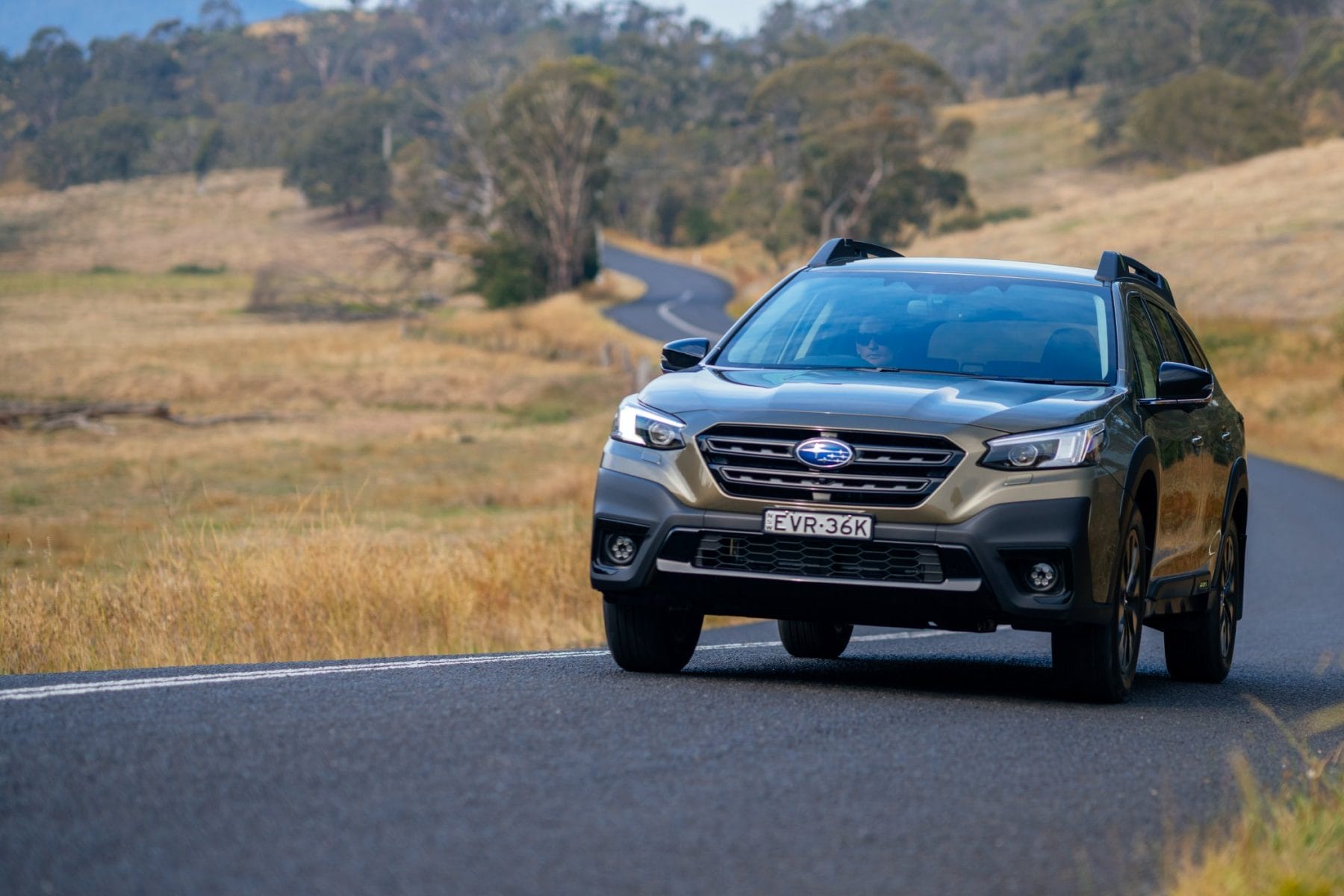
The Subaru Outback is consistently praised for its ability to handle extreme winter conditions, making it an excellent choice for residents of Bismarck. One of its most imp. features is the symmetrical all-wheel-drive system, which distributes power evenly to all four wheels.
This balanced distribution improves stability on icy roads and ensures that drivers have traction even on snow-packed streets or steep inclines. The vehicle’s ground clearance, which is higher than many other crossovers, prevents the undercarriage from getting caught in deep snow.
This is particularly important in North Dakota, where snowfall can accumulate quickly, and some rural roads may not be plowed immediately. Additionally, the Outback’s lightweight but durable frame allows for responsive handling while maintaining a strong grip on slippery surfaces.
In addition to traction, the Outback’s safety features enhance winter reliability. Stability control, anti-lock brakes, and advanced traction systems work in tandem to minimize the risk of skidding or sliding. The vehicle is also equipped with X-Mode in higher trims, which optimizes engine output and braking for snow or mud.
This system adjusts torque distribution to the wheels that need it most, giving drivers confidence when accelerating on ice or navigating curves covered in snow.
Even in challenging weather, the Outback maintains predictable handling, reducing stress and potential accidents. The combination of technology and engineering ensures that drivers can focus on the road without worrying about losing control.
Comfort during winter months is another area where the Outback excels. Heated front seats and an available heated steering wheel make mornings in sub-zero temperatures more tolerable. Many models also offer dual-zone climate control, allowing both driver and passenger to adjust temperature settings independently.
A remote start system is available on higher trims, which allows the cabin to preheat and windows to defrost before the driver enters. This is not just a luxury but a practical feature, as Bismarck mornings often require clearing ice and snow from the windshield, a task made much easier when the car is already warm.
The Outback’s reliability in cold climates extends to its engine and drivetrain performance. Its horizontally opposed Boxer engine maintains smooth operation in extreme cold, and the transmission is designed to remain responsive even when temperatures drop dramatically.
Drivers rarely report cold-start issues or transmission sluggishness, which can be common in other SUVs during prolonged sub-zero conditions.
Coupled with proper winter tires and regular maintenance, the Subaru Outback remains one of the most dependable vehicles for winter driving in harsh climates, offering both safety and peace of mind.
2. Toyota 4Runner
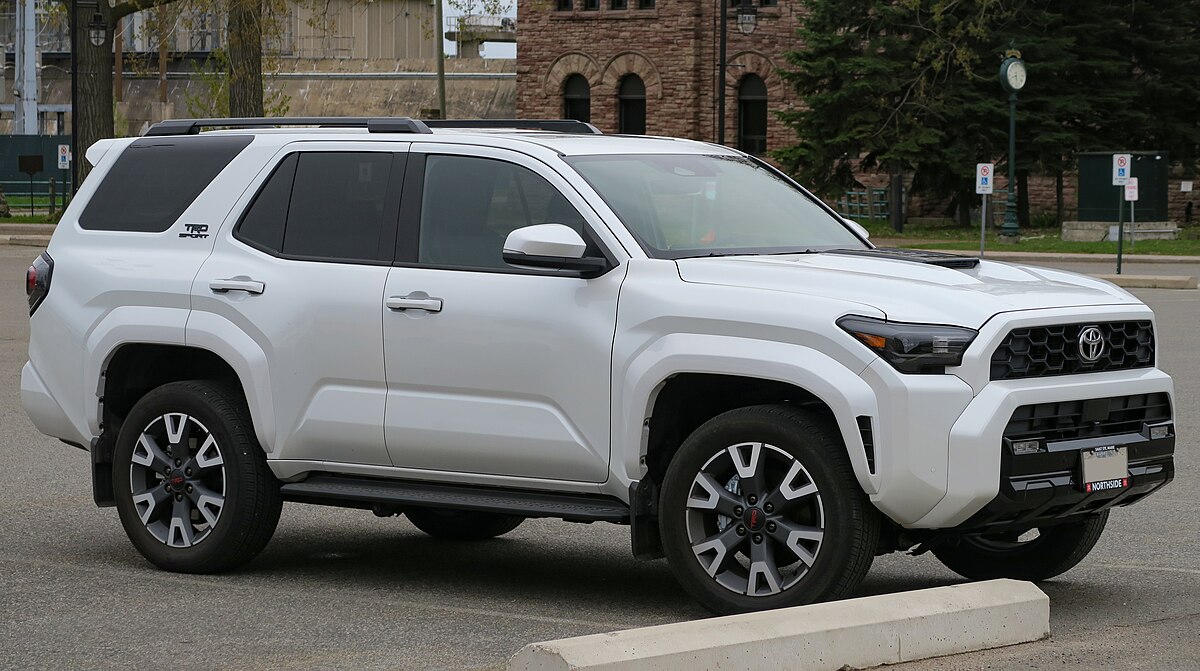
The Toyota 4Runner is a midsize SUV built with off-road capability at its core, which translates into excellent performance during harsh winters. Its body-on-frame construction is particularly resilient, allowing it to withstand the stress of icy roads, heavy snow, and unplowed rural routes.
Ground clearance is generous, which means the 4Runner can navigate snowdrifts that might halt less capable vehicles. The 4Runner’s four-wheel-drive system is robust and dependable, featuring low-range gearing that improves traction on icy inclines or deep snow.
Its rugged suspension allows the vehicle to maintain control over uneven terrain, giving drivers confidence even when winter conditions are unpredictable.
Winter safety is enhanced by the vehicle’s advanced traction and stability features. Anti-lock braking and traction control work together to prevent skidding during sudden stops or while maneuvering around icy patches. The 4Runner also has an active traction control system that monitors wheel spin and adjusts power distribution to maximize grip.
These systems, combined with the vehicle’s heavy build, make it less prone to sliding and more capable of handling slippery roads. For drivers in Bismarck, where ice can form quickly and unexpectedly, these features provide essential support for maintaining control and avoiding accidents.
The interior of the 4Runner is designed to ensure comfort and usability during cold months. Heated seats, a heated steering wheel, and a responsive climate control system make driving in freezing temperatures more pleasant.
The availability of remote start allows the cabin to warm up and windows to defrost before entering the vehicle, reducing time spent scraping ice from the windshield. Additionally, the spacious interior can accommodate passengers and cargo without sacrificing comfort, even when layering winter clothing and carrying snow gear or emergency supplies.
Reliability is a hallmark of the 4Runner, particularly in cold climates. Its engine, transmission, and drivetrain are engineered to withstand repeated exposure to extreme cold without mechanical failures.
Battery performance remains consistent, and cold starts are rarely problematic, even after extended periods of sub-zero temperatures.
Combined with proper winter tires, the 4Runner provides drivers with a dependable and capable SUV that can handle both city streets and rural backroads in Bismarck’s harshest winter conditions.
3. Jeep Grand Cherokee
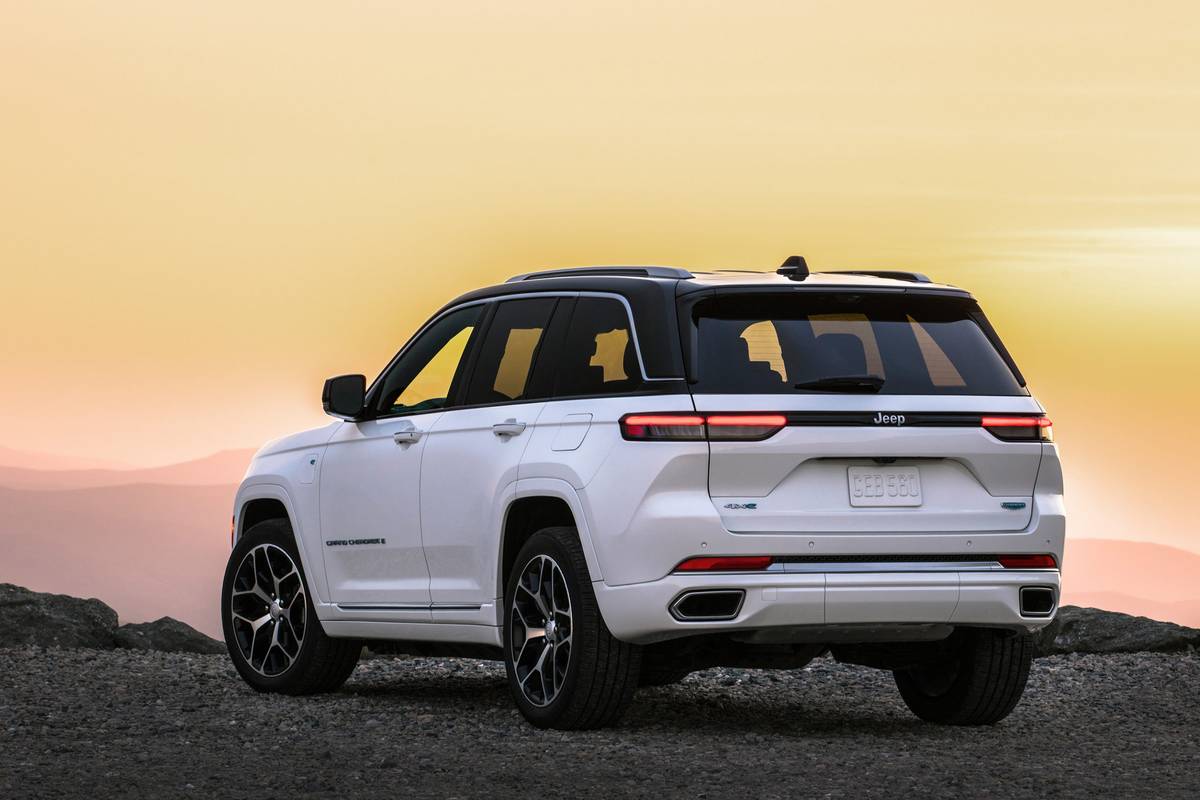
The Jeep Grand Cherokee is highly regarded for its winter capabilities, largely due to its advanced four-wheel-drive systems and rugged construction. Quadra-Trac and Quadra-Drive systems allow the SUV to intelligently distribute torque to the wheels with the most traction, making it effective on icy or snow-covered roads.
High ground clearance and a solid suspension further enhance its ability to navigate deep snow without getting stuck. This makes the Grand Cherokee a strong choice for areas where roads may not be regularly plowed, or where winter storms create hazardous driving conditions.
Winter safety is further reinforced by the Grand Cherokee’s suite of electronic systems. Traction control, stability management, and anti-lock brakes help prevent loss of control during slippery conditions. The vehicle’s balanced weight and low center of gravity also contribute to stability, reducing the risk of rollovers or uncontrollable slides.
Advanced features, such as hill-descent control and adjustable drive modes, allow drivers to adapt the vehicle’s performance to the severity of the conditions. This level of control is especially useful for drivers in Bismarck, where sudden weather changes can create treacherous road situations.
Passenger comfort is a major strength of the Grand Cherokee. Heated front seats, heated steering wheels, and optional heated rear seats ensure warmth throughout the cabin, even on the coldest days. The remote start feature allows the engine to warm the interior and defrost windows before entry, saving time and improving safety by providing clear visibility.
The climate control system efficiently maintains cabin warmth, while the spacious interior allows for the transport of winter gear, groceries, or even snow equipment without compromising comfort.
The Grand Cherokee is also known for its durability in extreme weather. Its engines and transmissions continue to operate reliably under sub-zero conditions, and the drivetrain is resistant to performance issues caused by ice or extreme cold. Battery and electronic systems are designed to withstand temperature fluctuations without failure.
Regular winter maintenance and the use of all-season or winter-specific tires further enhance the SUV’s capability. For drivers in Bismarck, the Jeep Grand Cherokee represents a combination of ruggedness, safety, and comfort that few other SUVs can match during the winter months.
4. Ford Bronco
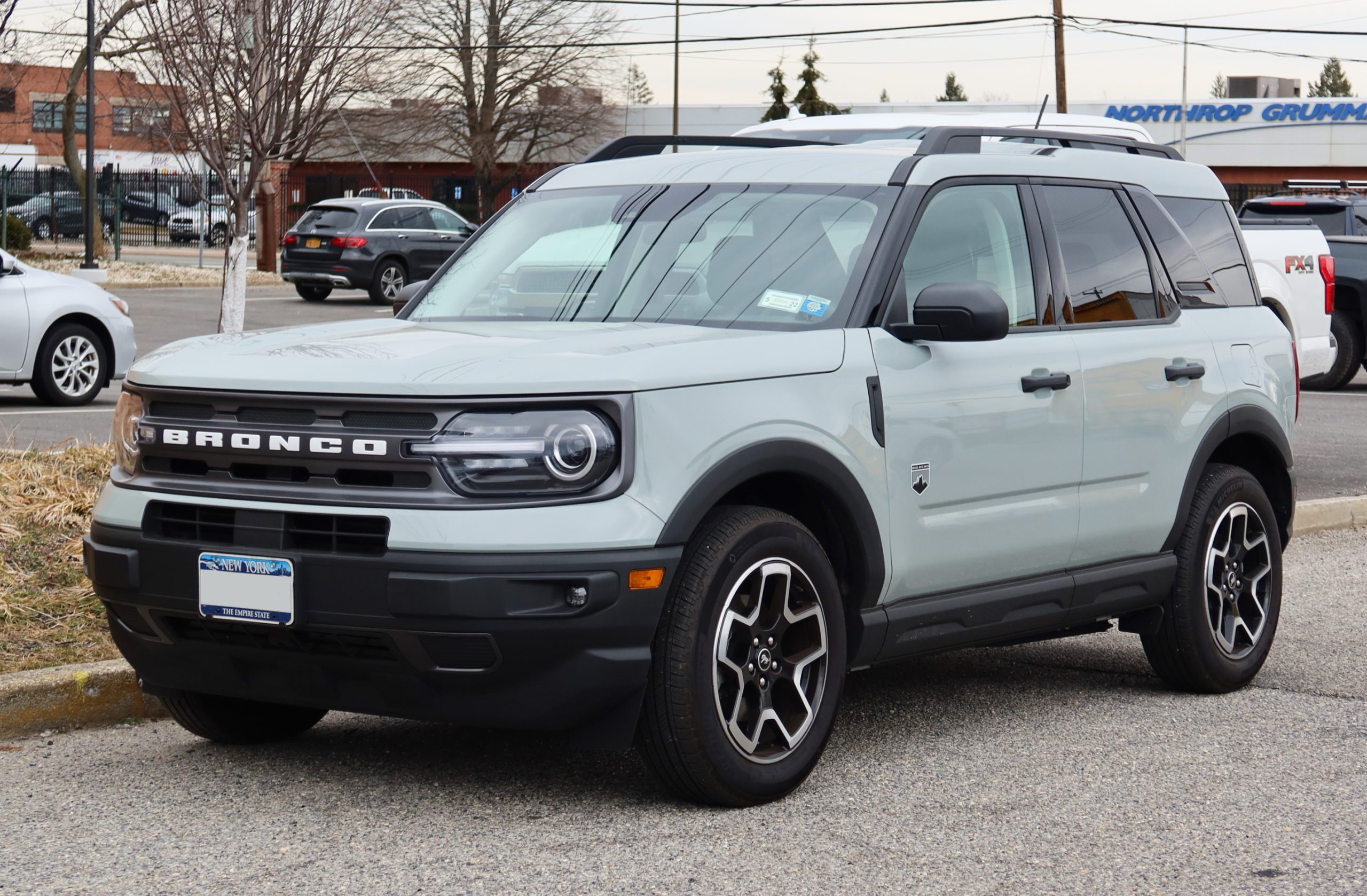
The Ford Bronco has earned a reputation for ruggedness and all-terrain capability, making it highly effective in winter environments. Its four-wheel-drive system provides strong traction on snow and ice, while its solid suspension and high ground clearance allow it to navigate deep snow, unplowed roads, and icy inclines with minimal risk of getting stuck.
The Bronco’s off-road design, including available advanced traction control and terrain management systems, allows drivers to adjust the vehicle’s performance to match road conditions, which is especially valuable during severe Bismarck winters.
The SUV also features safety technologies designed to prevent accidents on slippery roads. Traction control and stability systems help maintain control during acceleration or cornering on ice, while anti-lock braking prevents wheel lockup during emergency stops.
Hill-descent control is available in higher trims, allowing drivers to safely navigate steep, icy inclines without losing control. Together, these systems make the Bronco predictable and manageable, even in conditions where other vehicles might struggle or slide uncontrollably.
Interior features of the Bronco focus on driver and passenger comfort in cold weather. Heated seats and a heated steering wheel ensure that the cabin stays warm during freezing temperatures, while the remote start function allows the engine to preheat the vehicle before entry.
Climate control systems efficiently distribute heat throughout the interior, ensuring consistent comfort for all occupants. Additionally, the Bronco’s durable interior materials can handle wet clothing, snow boots, and other winter gear without becoming damaged or overly soiled.
Durability in extreme conditions is a defining characteristic of the Bronco. Its engine and drivetrain systems are built to withstand prolonged exposure to sub-zero temperatures, and it maintains reliability even during repeated cold starts.
The Bronco is engineered to tolerate harsh winter conditions while providing consistent performance, making it an excellent choice for residents of Bismarck who need a safe, comfortable, and reliable SUV capable of handling snow, ice, and freezing temperatures with confidence.
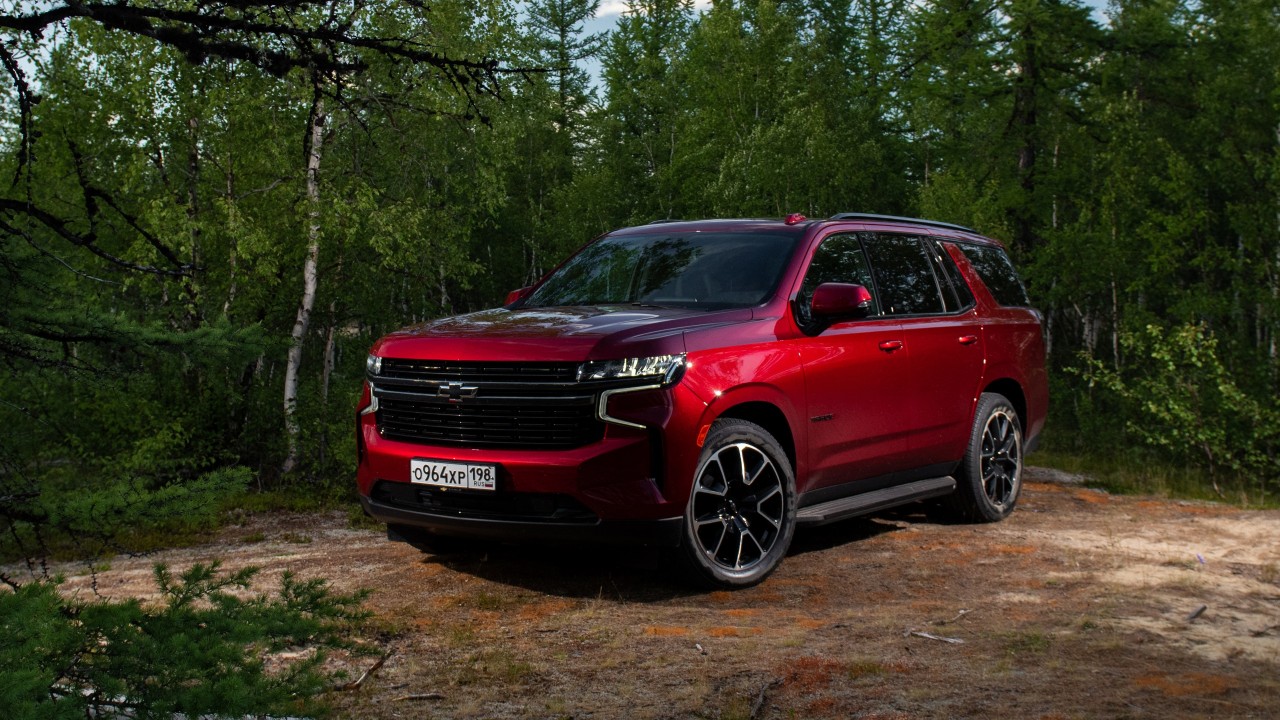
5. Chevrolet Tahoe
The Chevrolet Tahoe is a full-size SUV that combines strength, stability, and winter-ready features, making it highly suitable for Bismarck winters. Its four-wheel-drive system is powerful and reliable, providing traction on icy or snow-covered roads.
The SUV’s high ground clearance and weight give it stability on slippery surfaces, and its full-size frame allows it to plow through moderate snowdrifts without difficulty. For drivers who frequently encounter unplowed roads, the Tahoe provides the necessary capability to maintain control and avoid becoming stranded.
Winter safety is enhanced by the Tahoe’s advanced electronic systems. Anti-lock brakes, traction control, and electronic stability control work together to maintain grip and prevent sliding. Higher trims often include driver assistance technologies, such as forward collision warning and lane-keeping assist, which help avoid accidents on icy roads.
The vehicle’s large size and balanced weight distribution contribute to predictable handling, making it easier for drivers to navigate challenging winter conditions safely.
Interior comfort is a key advantage of the Tahoe during cold months. Heated seats, heated steering wheels, and optional heated rear seating ensure that all passengers remain warm.
The remote start system allows the cabin to reach a comfortable temperature and defrost the windows before entry, reducing the inconvenience and hazards of manual ice removal. The climate control system is powerful and efficient, providing rapid heating throughout the cabin, which is especially beneficial during bitter Bismarck mornings.
Durability and reliability are also major strengths. The Tahoe’s engines, transmissions, and four-wheel-drive systems perform consistently in sub-zero temperatures, resisting issues that can plague less robust SUVs. Its battery and electronic components are designed for cold-weather performance, and with proper winter tires, the vehicle maintains excellent traction.
The combination of capability, safety features, comfort, and durability makes the Chevrolet Tahoe a dependable option for navigating harsh Bismarck winters while providing ample space for passengers and cargo.
5 SUVs That Don’t Hold Up in Bismarck Harsh Winters
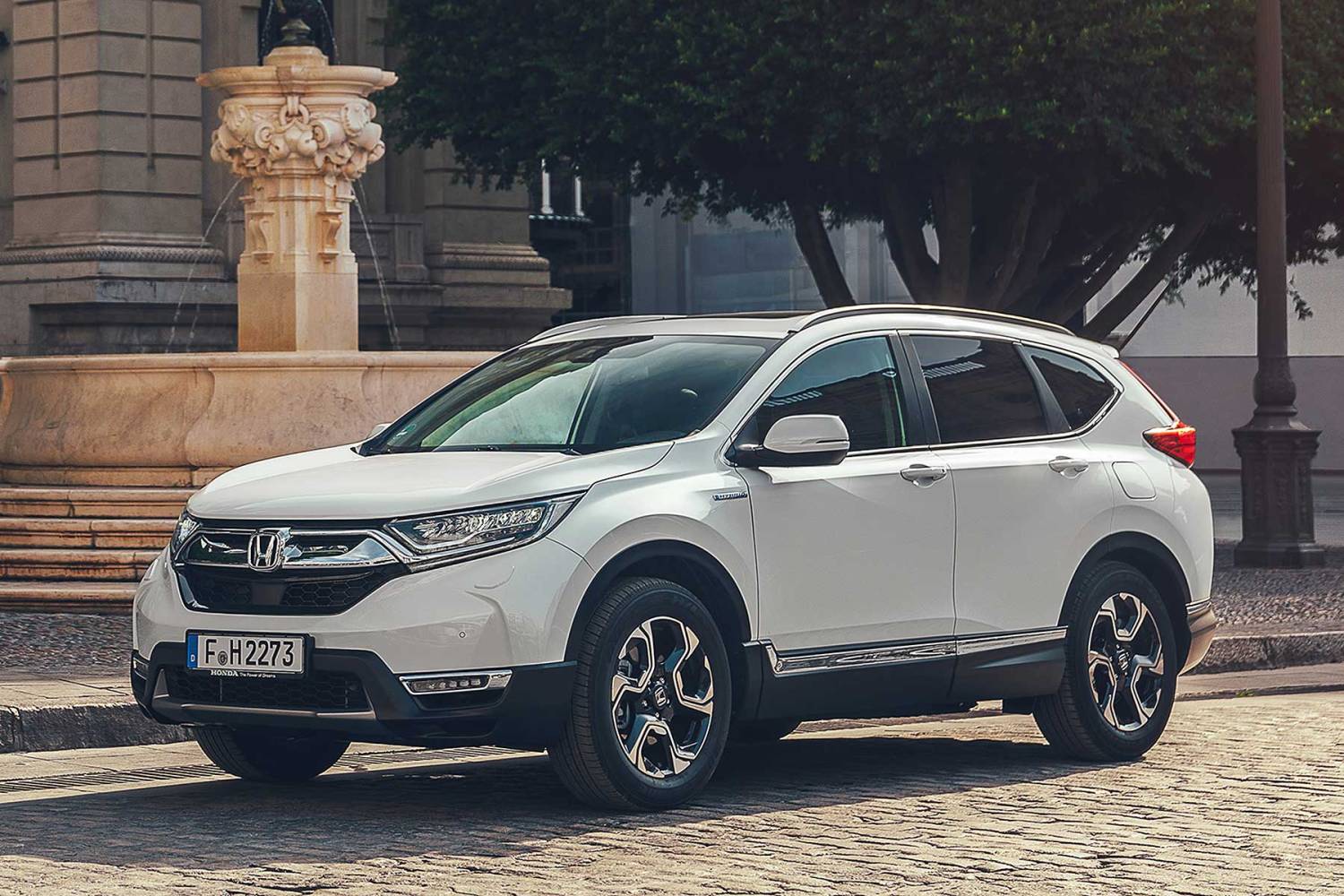
1. Honda CR-V
The Honda CR-V is a popular compact SUV known for fuel efficiency and urban maneuverability, but it often struggles in harsh winter conditions like those in Bismarck. Its all-wheel-drive system, while capable in light snow, lacks the advanced traction control and torque management needed for heavy snow or icy roads.
Drivers have reported wheel slip during starts on steep inclines, and the lighter frame can make it feel unstable on slick surfaces. Ground clearance is also relatively low, around 8 inches in most trims, which may not be sufficient to navigate deep snow without scraping the undercarriage or getting stuck.
The CR-V’s winter safety features are basic compared to more winter-ready SUVs. Stability control and traction assist systems are present, but they are less robust and reactive than those found in vehicles like the Subaru Outback or Toyota 4Runner.
During heavy snow or sudden ice patches, the CR-V’s braking and traction performance can feel less predictable, increasing the risk of skidding.
Its smaller tires and narrower wheelbase can reduce grip, especially on rural roads or secondary streets that are poorly plowed. For Bismarck drivers who encounter heavy snowfall or icy conditions frequently, these limitations are significant.
Comfort in winter is also less than ideal. While some trims offer heated seats and a heated steering wheel, these features are often limited to higher-end trims, and remote start is not standard on all models.
This means that on freezing mornings, drivers may need to manually defrost windows and wait for the cabin to warm up, which can be inconvenient and reduce visibility. The smaller interior also limits the space for winter gear, snow boots, or extra clothing layers, which can be cumbersome for families dealing with extreme cold and snow.
Durability in extremely cold conditions is another concern for the CR-V. Its engine and transmission systems are not as resilient under repeated sub-zero starts compared to SUVs designed for harsh climates. Battery performance may also degrade faster in prolonged cold, and lightweight components can feel strained when forced to perform in severe snow or ice.
While the CR-V performs adequately in mild winter conditions, it struggles to maintain reliability and control during Bismarck’s harsh winter months, making it a less than ideal choice for serious winter driving.
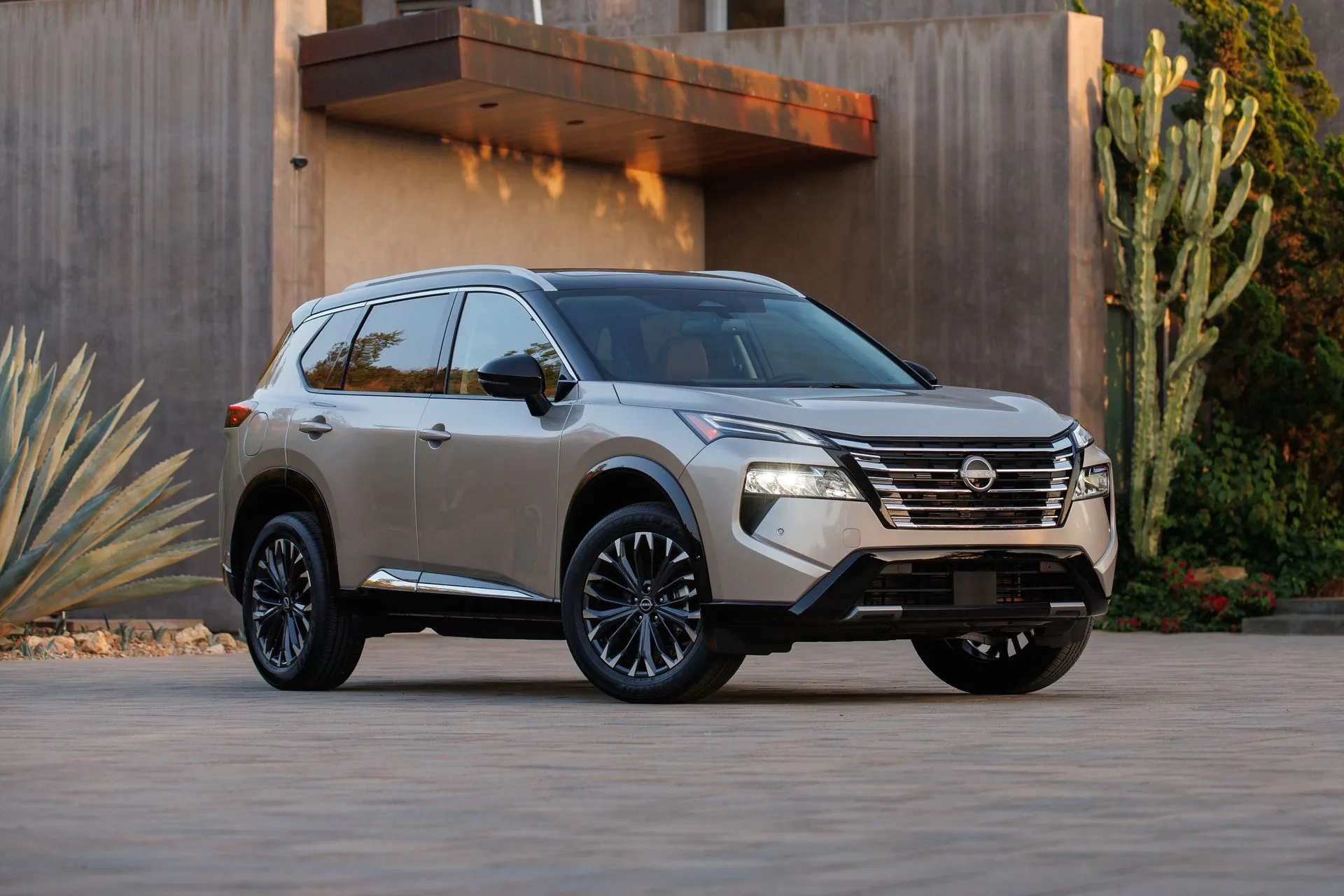
2. Nissan Rogue
The Nissan Rogue is another compact SUV that often falls short in extreme winter conditions. Its all-wheel-drive system is intended for moderate snow but can struggle with ice and deep snowdrifts common in North Dakota.
Traction control may engage too late in slippery situations, and the vehicle’s lighter curb weight can contribute to instability on slick roads. The Rogue also has limited ground clearance, which increases the likelihood of scraping or getting stuck in unplowed areas, making it less dependable for drivers facing heavy snowfall.
Winter safety systems in the Rogue are present but limited in capability. While stability control and traction assist are standard, they are not as aggressive as the systems on Subaru, Toyota, or Jeep SUVs.
Anti-lock braking is effective on normal icy patches, but on heavily snow-covered or uneven rural roads, drivers may experience delayed response or difficulty maintaining control. For residents of Bismarck, where snow and ice accumulation is significant and unpredictable, these limitations can compromise both safety and confidence behind the wheel.
The Rogue’s durability in severe cold is also limited. Its engine and transmission can be prone to sluggish performance in sub-zero temperatures, and battery efficiency often drops in extreme cold. Lighter suspension components can feel strained when dealing with icy or snow-packed roads, and tires may not provide sufficient grip without switching to dedicated winter tires.
While the Rogue performs well in mild winter weather or city snow conditions, it is not built for the deep snow, ice, and sub-zero temperatures typical of Bismarck winters, making it a less reliable choice for residents who need true winter performance.
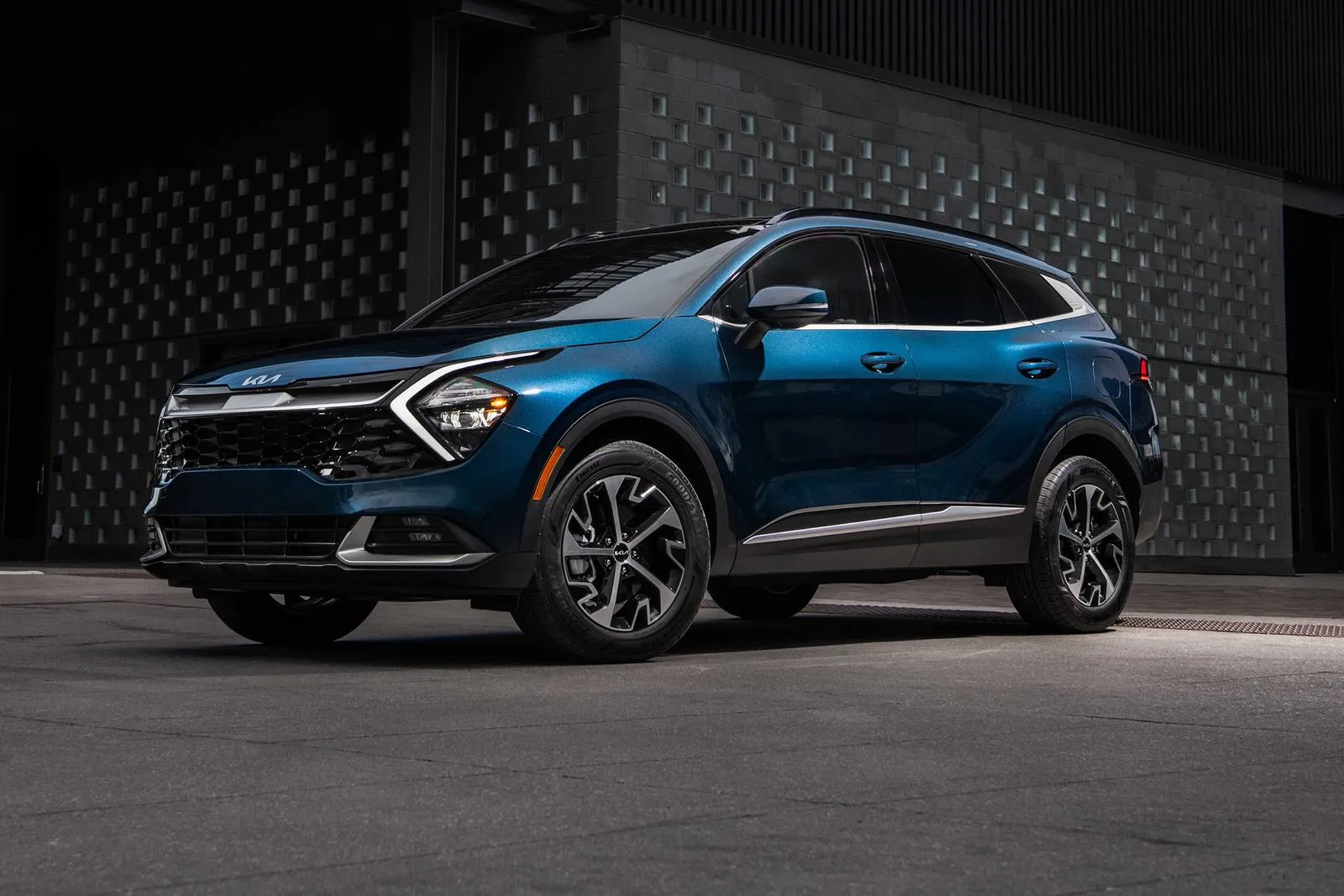
3. Kia Sportage
The Kia Sportage is a small SUV that struggles in severe winter climates due to its limited traction capabilities and lower ground clearance. Its all-wheel-drive system is optimized more for light rain or mild snow rather than heavy snow or icy roads.
The front-biased system may fail to adequately deliver power to rear wheels when needed, leading to loss of control in slippery conditions. Ground clearance, which is around 7.8 inches in most trims, is insufficient for deep snow, increasing the likelihood of scraping the undercarriage or becoming stuck during winter storms common in Bismarck.
Comfort in extreme cold is not always guaranteed in the Sportage. Heated seats and steering wheels are often limited to higher trims, and remote start is frequently an optional feature rather than standard.
This can result in a longer wait to warm up the cabin and defrost windows on frigid mornings, creating potential visibility issues and discomfort. The compact interior also provides limited space for carrying snow gear, winter clothing, or other essential items needed during North Dakota winters, which can make long trips or family commutes more cumbersome.
Durability and reliability in severe cold are additional concerns. The Sportage’s engine and transmission are prone to sluggishness in sub-zero temperatures, and the lighter suspension may struggle on ice-packed or uneven roads.
Battery performance can degrade faster in extreme cold, and components such as plastics or electronics may be more sensitive to repeated freezing cycles. While adequate for moderate climates, the Kia Sportage is not designed to handle the sustained extreme winter conditions typical of Bismarck, limiting its safety and reliability in serious snow and ice conditions.
4. Ford Escape
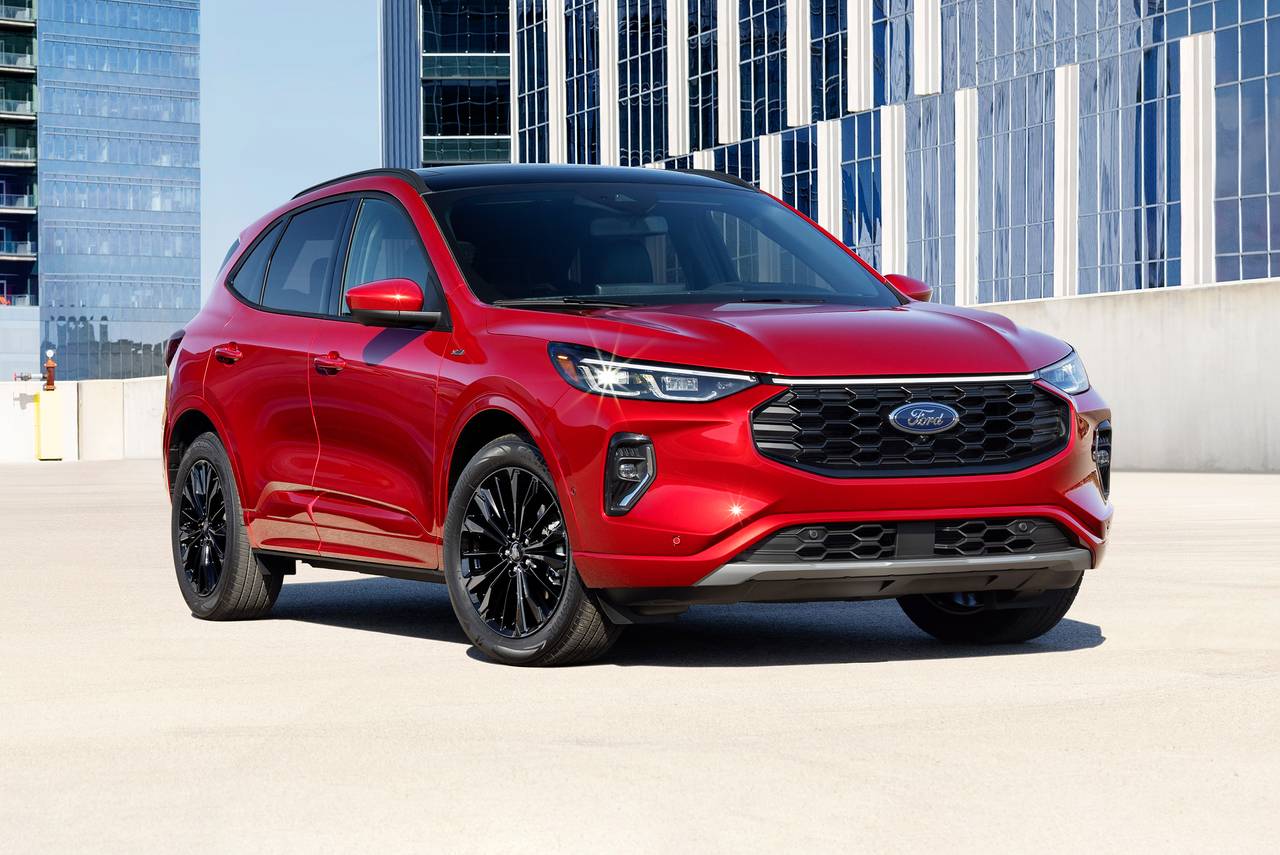
The Ford Escape, though popular as a compact SUV, falls short when it comes to handling severe winter conditions. Its all-wheel-drive system is functional for light snow, but the front-wheel-biased setup struggles on icy surfaces and deeper snow, reducing traction where it is needed most.
The Escape’s ground clearance is modest, usually under eight inches, making it more prone to scraping or becoming stuck in snowdrifts. Its relatively lightweight design can also make it more difficult to control on slick roads, particularly during high winds or blizzard conditions.
Winter safety systems in the Escape are functional but limited in extreme conditions. Traction control and stability assist are standard, yet they are less robust than those found in SUVs built for severe winter performance.
Anti-lock brakes work well in moderate snow, but on heavily iced roads or plowed streets with residual snow, the Escape can feel unpredictable. Drivers may experience wheel spin or sliding, particularly when accelerating from a stop or navigating sharp curves, which compromises confidence during harsh North Dakota winters.
Durability and reliability in severe cold are weaker compared to larger or more winter-focused SUVs. Engine and transmission responsiveness can lag during sub-zero starts, and battery performance may decrease in extreme temperatures.
Lighter suspension components can struggle with snow-packed or icy roads, while tire grip is often insufficient without dedicated winter tires. Although the Escape performs adequately in mild winter conditions or city snow, it lacks the capability and reliability required for the extreme snow, ice, and sub-zero temperatures typical of Bismarck winters.
5. Hyundai Tucson
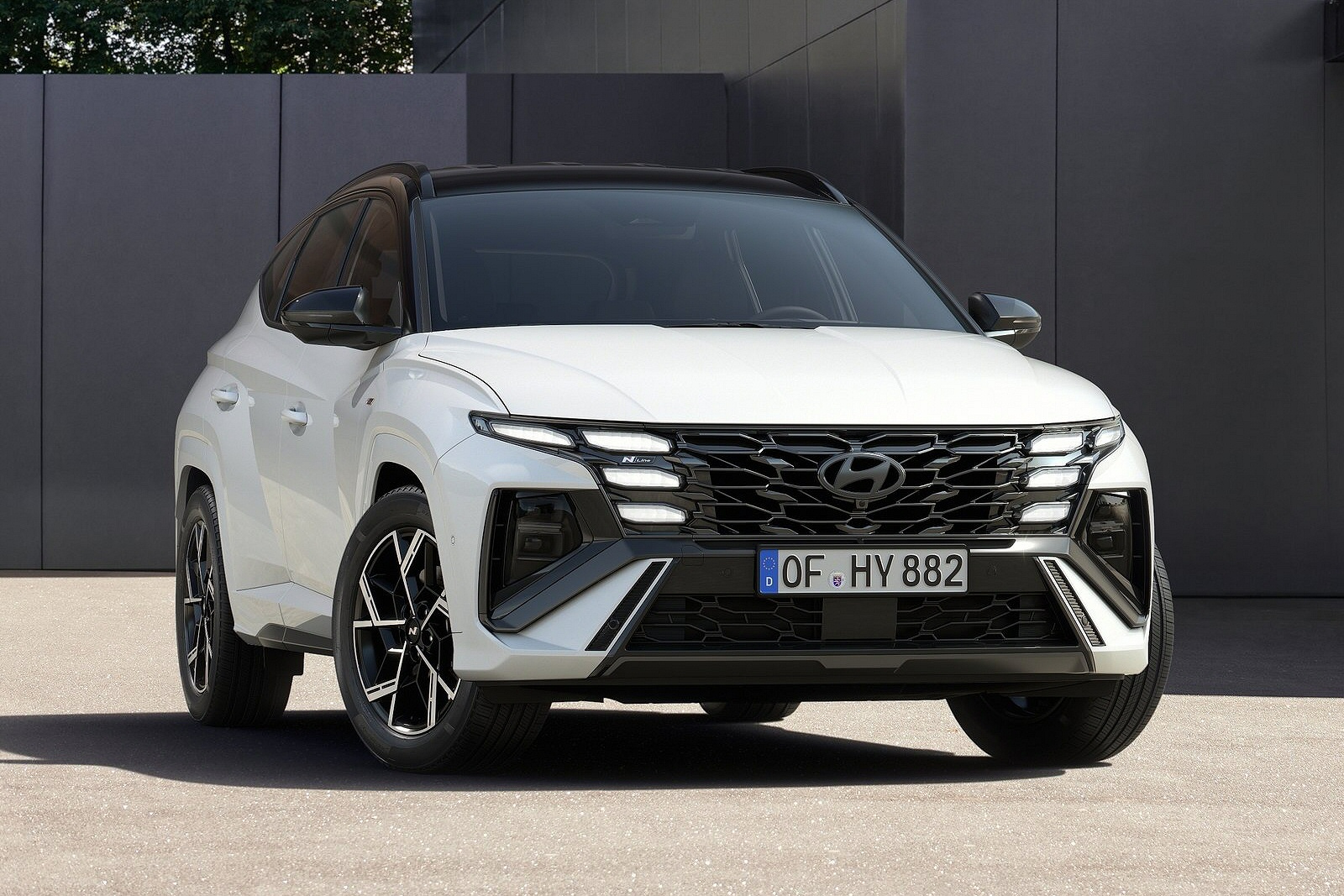
The Hyundai Tucson is another compact SUV that faces significant limitations in extreme winter conditions. Its all-wheel-drive system is suitable for light snow but can struggle in heavy accumulation or icy situations. Tucson’s front-biased AWD may fail to deliver adequate power to the rear wheels in low-traction scenarios, leading to potential slipping or loss of control.
Ground clearance, typically under eight inches, is insufficient for navigating deep snow or uneven rural roads common in North Dakota winters. These limitations make it less reliable for drivers who regularly face severe winter weather.
Winter safety features on the Tucson exist but are limited. Traction control and stability management are present, yet they are less aggressive than systems found on more winter-capable SUVs.
Anti-lock braking is helpful on moderately icy roads, but on severe snow or ice patches, the vehicle may struggle to stop or maintain a stable path. The lighter curb weight and smaller wheelbase contribute to reduced stability, increasing the likelihood of sliding or difficulty controlling the vehicle on slick surfaces.
Durability and reliability in sub-zero temperatures are additional concerns. The Tucson’s engine and transmission can be sluggish during prolonged cold starts, and battery performance may degrade faster in extreme cold.
Suspension components are lighter, which can reduce control on ice-packed or snow-heavy roads, while tire grip may be insufficient without specialized winter tires. While the Tucson works well for mild winter conditions, it lacks the resilience and capability needed for the heavy snow, ice, and extreme cold typical of Bismarck, making it an unreliable choice for serious winter driving.
