
High-performance automobiles have always represented more than speed alone. They reflect national engineering priorities, regulatory philosophies, and cultural attitudes toward risk, freedom, and mechanical expression. While the United States remains one of the largest car markets on Earth, not every extreme machine ever built is allowed to reach American roads.
Some of the fastest new cars produced today exist entirely outside the reach of American buyers, blocked by emissions laws, safety standards, production limitations, or strategic decisions by manufacturers.
These vehicles are not theoretical concepts or museum pieces. They are fully engineered machines capable of astonishing acceleration, breathtaking top speeds, and handling that borders on the unreal.
The absence of these cars from the American market often has little to do with their capability. In many cases, they exceed anything legally available in the United States. Instead, the barriers come from compliance costs, homologation rules, and local regulations that differ sharply between regions.
European and Asian markets sometimes allow low volume or specialized vehicles to bypass certain restrictions, while American law tends to be stricter and more uniform. As a result, some of the most advanced performance cars in the modern era remain exclusive to buyers overseas.
There is also a philosophical divide at play. Many of these cars prioritize raw performance over comfort, long term durability, or mass appeal. They are built for collectors, track focused drivers, or brand loyalists who value technical extremes.
American manufacturers tend to balance performance with daily usability, while some foreign automakers are willing to produce machines that feel closer to race cars than street vehicles. That difference alone can be enough to keep a model out of the United States.
This article examines ten modern cars that represent the sharp edge of automotive performance yet remain unavailable to American buyers.
Each one pushes the limits of speed through unique engineering approaches, from hybrid systems to lightweight construction and aggressive aerodynamics. Together, they paint a clear picture of what American enthusiasts are missing and why these machines exist beyond US borders.
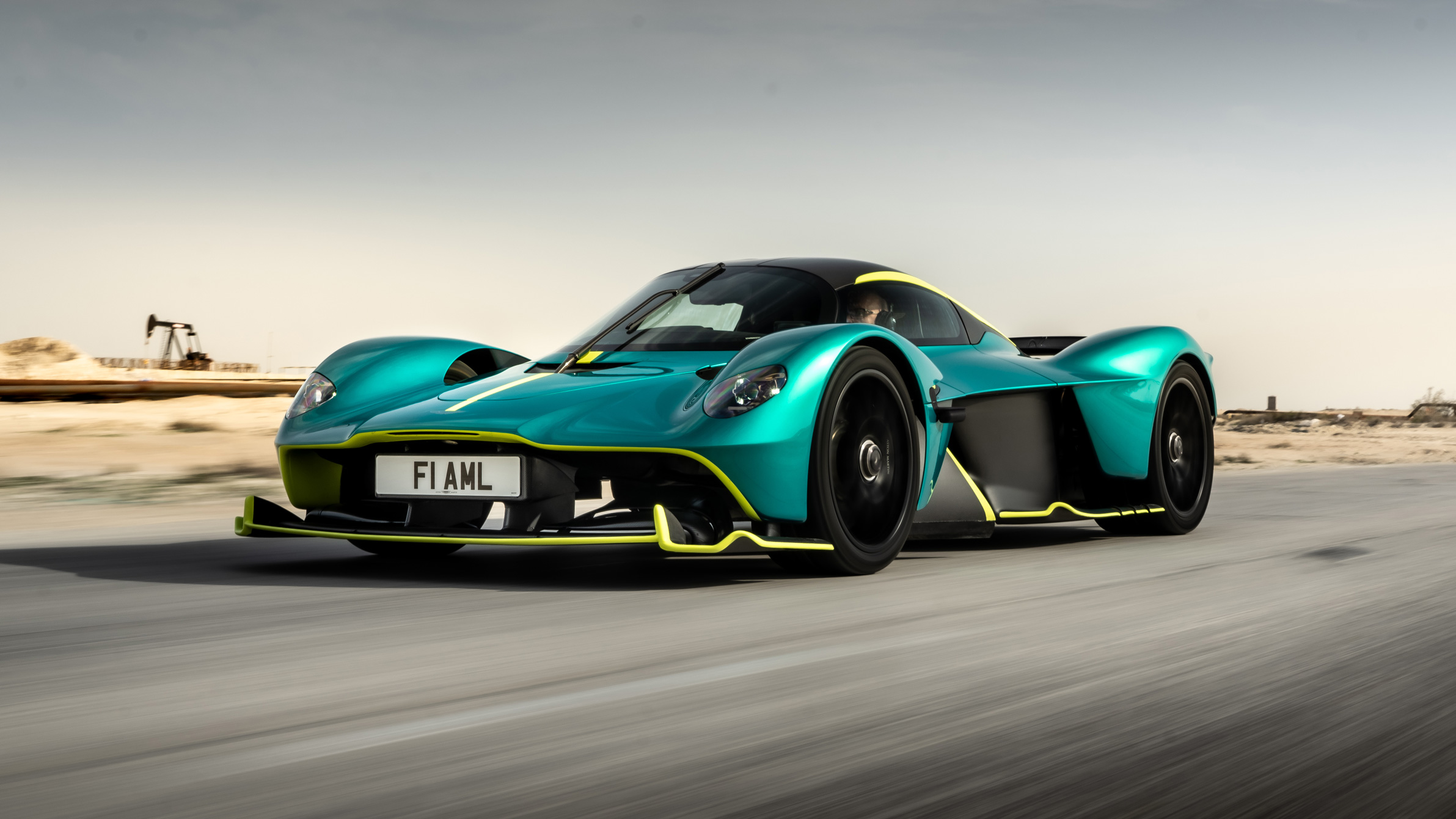
Aston Martin Valkyrie
The Aston Martin Valkyrie stands as one of the most radical machines ever created for road use, yet it remains inaccessible to American buyers. Developed in partnership with Red Bull Racing, the car represents a fusion of hypercar design and Formula One engineering principles.
Its naturally aspirated V12 engine produces more than 1,000 horsepower while revving to nearly 11,000 rpm, a level of performance almost unheard of in a road vehicle.
Every aspect of the Valkyrie is designed to maximize speed and responsiveness, from its lightweight carbon fiber monocoque to its carefully tuned suspension geometry. This commitment to performance over practicality is part of what makes it so thrilling and so unattainable for American enthusiasts, who are limited by regulations that restrict pedestrian safety, emissions compliance, and other critical factors.
Inside, the Valkyrie’s interior reflects a philosophy that prioritizes engineering excellence above comfort or luxury. Traditional features, such as thick leather, infotainment screens, and climate control, are minimized or absent, replaced by exposed carbon fiber panels, racing seats, and a cockpit layout that prioritizes driver engagement.
The seating position is extremely low to the ground, which improves aerodynamics and vehicle balance but also makes everyday usability challenging.
Visibility is restricted, and ingress and egress require deliberate effort. Such design choices underscore the car’s intended purpose: it is a driving instrument, designed to extract the maximum performance from its mechanical components, rather than a conventional street car.
These factors contribute to its exclusion from the American market, where regulatory compliance emphasizes safety and usability for the average driver.
Performance on the road, or on a track, is nothing short of extraordinary. The Valkyrie’s suspension is rigid and highly responsive, translating every steering input into immediate motion. Combined with its aerodynamic features, including a massive front splitter, diffusers, and a sculpted rear wing, the car generates downforce comparable to race cars.
This makes cornering at high speeds precise yet unforgiving. While the car is exhilarating to drive on smooth surfaces, it is less suitable for typical city streets or uneven roadways, where potholes, speed bumps, or abrupt elevation changes could disrupt its delicate balance. This uncompromising approach highlights the gap between raw capability and everyday practicality.
The Aston Martin Valkyrie embodies what can be achieved when regulations and compromise are secondary to engineering ambition. It serves as a testament to human ingenuity and the pursuit of extreme performance, blending cutting-edge materials, advanced aerodynamics, and race-inspired mechanical systems into a single machine.
Its absence from the American market is a reminder that even in one of the largest automotive markets in the world, some creations exist only beyond the reach of enthusiasts due to legal, technical, and practical constraints. For those who admire speed and engineering mastery, the Valkyrie remains an aspirational symbol of automotive performance.
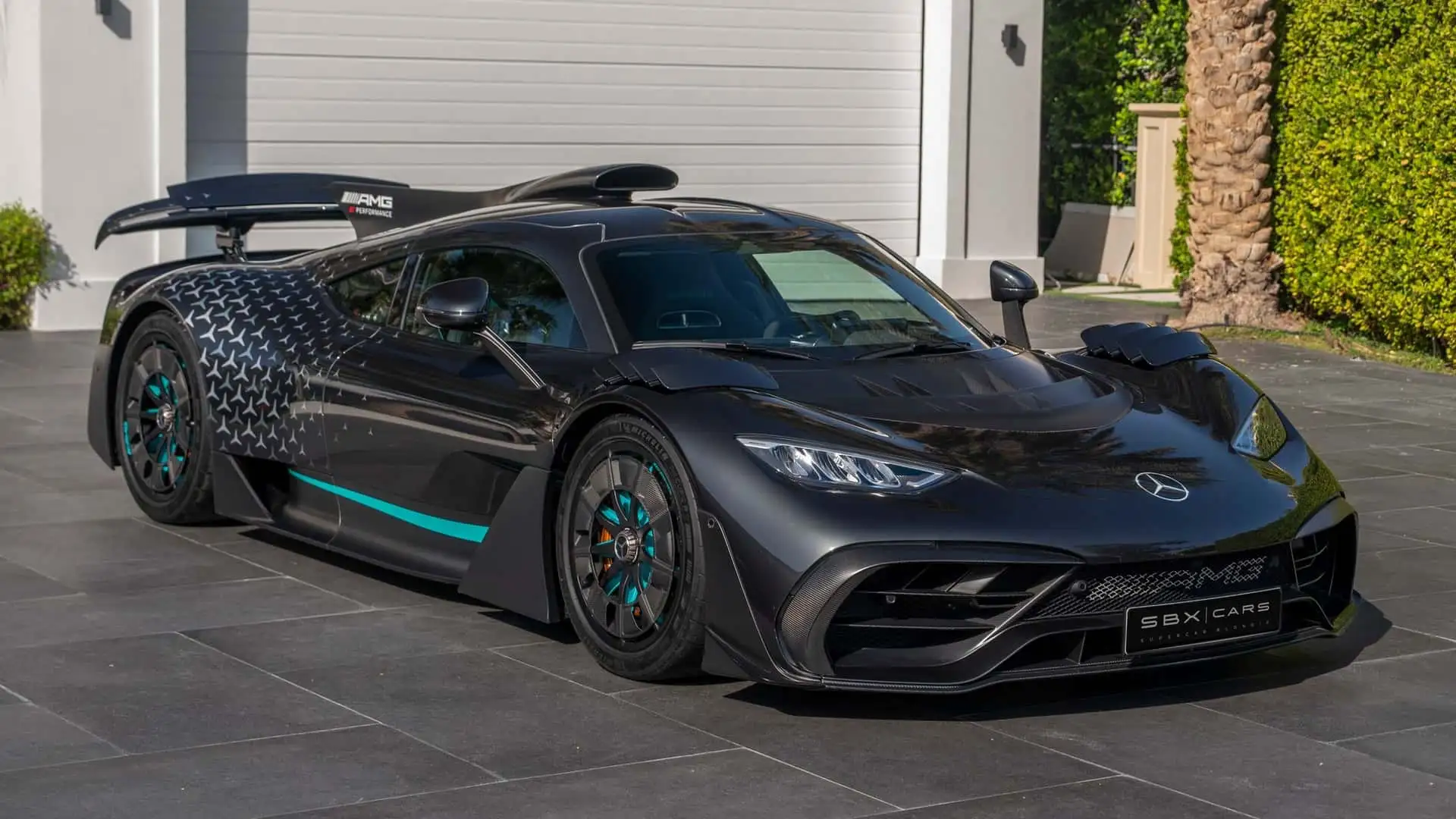
Mercedes AMG One
The Mercedes AMG One is an unprecedented feat of automotive engineering, merging the complexity of Formula One technology with road-going usability. At its core lies a 1.6-liter turbocharged V6 engine paired with four electric motors, producing over 1,000 horsepower.
This hybrid powertrain enables instantaneous acceleration and highly efficient energy management, achieving performance levels rivaling full-fledged race cars. Despite its extraordinary capabilities, American buyers cannot legally purchase the AMG One due to challenges related to emissions, noise standards, and crash regulations, which are stricter than those in Europe.
Even minor deviations from these rules can prevent homologation in the United States, creating a situation where engineering brilliance exists but is legally inaccessible.
The AMG One’s hybrid system is a marvel of integration and coordination. The electric motors supplement the internal combustion engine to deliver torque instantaneously, while the energy recovery systems optimize efficiency at every speed. This combination allows acceleration from zero to sixty in under 2.5 seconds, with top speeds exceeding 217 miles per hour.
Inside the cabin, the AMG One emphasizes driving immersion rather than comfort. Fixed racing seats, minimalistic controls, and a cockpit-style layout enhance driver focus and feedback. Every vibration, noise, and sensation from the engine and suspension is transmitted directly to the driver, creating an experience akin to racing.
Airflow, sound, and heat management are secondary considerations, contributing to the car’s intensity. While these design choices are ideal for high-performance driving, they conflict with American expectations for street-legal cars, which include quiet cabins, soft suspensions, and accessible controls.
The Mercedes AMG One demonstrates the extreme potential of automotive engineering when racing knowledge is applied to road cars. Its exclusion from the American market highlights the tension between technical ambition and regulatory compliance.
Despite this, the AMG One remains a benchmark for hybrid hypercar performance, illustrating how cutting-edge technology can achieve unprecedented speed and handling. For enthusiasts in the United States, it is a symbol of engineering prowess, a machine admired from afar but largely untouchable due to the boundaries of law and practicality.
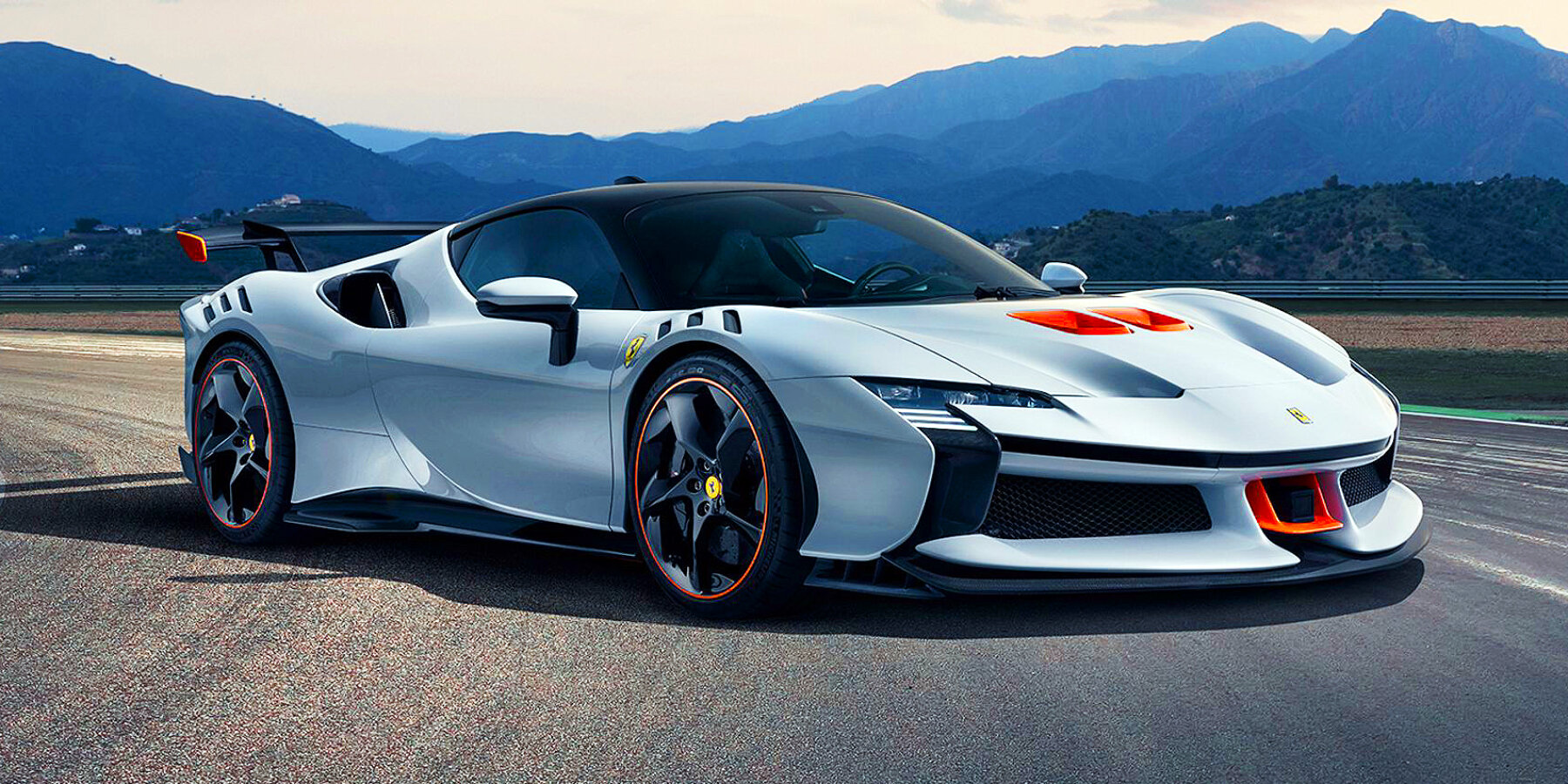
Ferrari SF90 XX Stradale
The Ferrari SF90 XX Stradale is a hyper-focused version of the SF90, built specifically for track dominance, yet it is unavailable in the United States. While the standard SF90 is accessible in limited numbers, the XX Stradale variant pushes the car to its absolute limits.
Its hybrid V8 engine, paired with three electric motors, produces over 1,100 horsepower, allowing acceleration from zero to sixty in under 2.5 seconds. The vehicle’s aerodynamic elements are optimized for track performance, including massive diffusers, winglets, and spoilers, all of which generate significant downforce at high speeds.
These enhancements improve lap times dramatically, but their aggressive design complicates homologation under US regulations, preventing legal sale in the country.
The SF90 XX Stradale’s hybrid technology reflects a careful balance between raw power and sophisticated control systems. Electric motors provide instant torque for better acceleration and cornering, while the internal combustion engine delivers a high-revving, emotionally charged experience.
This combination requires intricate calibration, ensuring that power delivery remains precise and manageable at all speeds. Such sophistication, while exhilarating, introduces compliance difficulties for markets like the United States, where emissions and safety standards are stringent and highly prescriptive.
Driving the SF90 XX Stradale is an intense and demanding experience. Steering is razor-sharp, brakes respond instantly, and every throttle input is communicated with surgical precision. While this creates unmatched engagement on track, it also makes the car challenging to drive in everyday scenarios.
Ferrari’s SF90 XX Stradale showcases the extremes of hybrid hypercar technology and engineering innovation. It represents a vision of performance without compromise, designed to demonstrate the full potential of the platform in controlled environments.
Its absence in the United States emphasizes the divide between cars engineered purely for performance and those adapted for regulatory compliance and consumer usability. As a result, the XX Stradale remains a machine of aspiration, admired by enthusiasts but legally unattainable for American buyers.

Koenigsegg Jesko Attack
The Koenigsegg Jesko Attack is a track-focused hypercar designed to achieve the combination of speed, precision, and driver engagement. Its twin-turbo V8 engine produces up to 1,600 horsepower on E85 fuel, while a lightweight carbon fiber chassis ensures structural integrity without excess mass.
The Jesko Attack’s engineering allows it to accelerate and corner at extreme levels, rivaling the fastest production and prototype cars on the planet. Despite its extraordinary capabilities, it is unavailable to American buyers due to regulatory restrictions, including crash compliance, emissions, and safety standards, which prevent its homologation for US roads.
Comfort features such as climate control, sound insulation, and entertainment systems are largely omitted, reinforcing the car’s identity as a pure performance machine. Such a setup contrasts sharply with American expectations for road-legal supercars, which must balance excitement with comfort and safety.
Koenigsegg’s Jesko Attack embodies an uncompromising vision of automotive engineering. Every component, from engine output to aerodynamic surface, is designed to maximize track performance.
Its absence from the American market highlights the tension between technical ambition and regulatory practicality, demonstrating that even in a country with a strong car culture, the most advanced vehicles are not always accessible. The Jesko Attack remains a showcase of what is possible when performance, innovation, and mechanical ingenuity are given free rein.
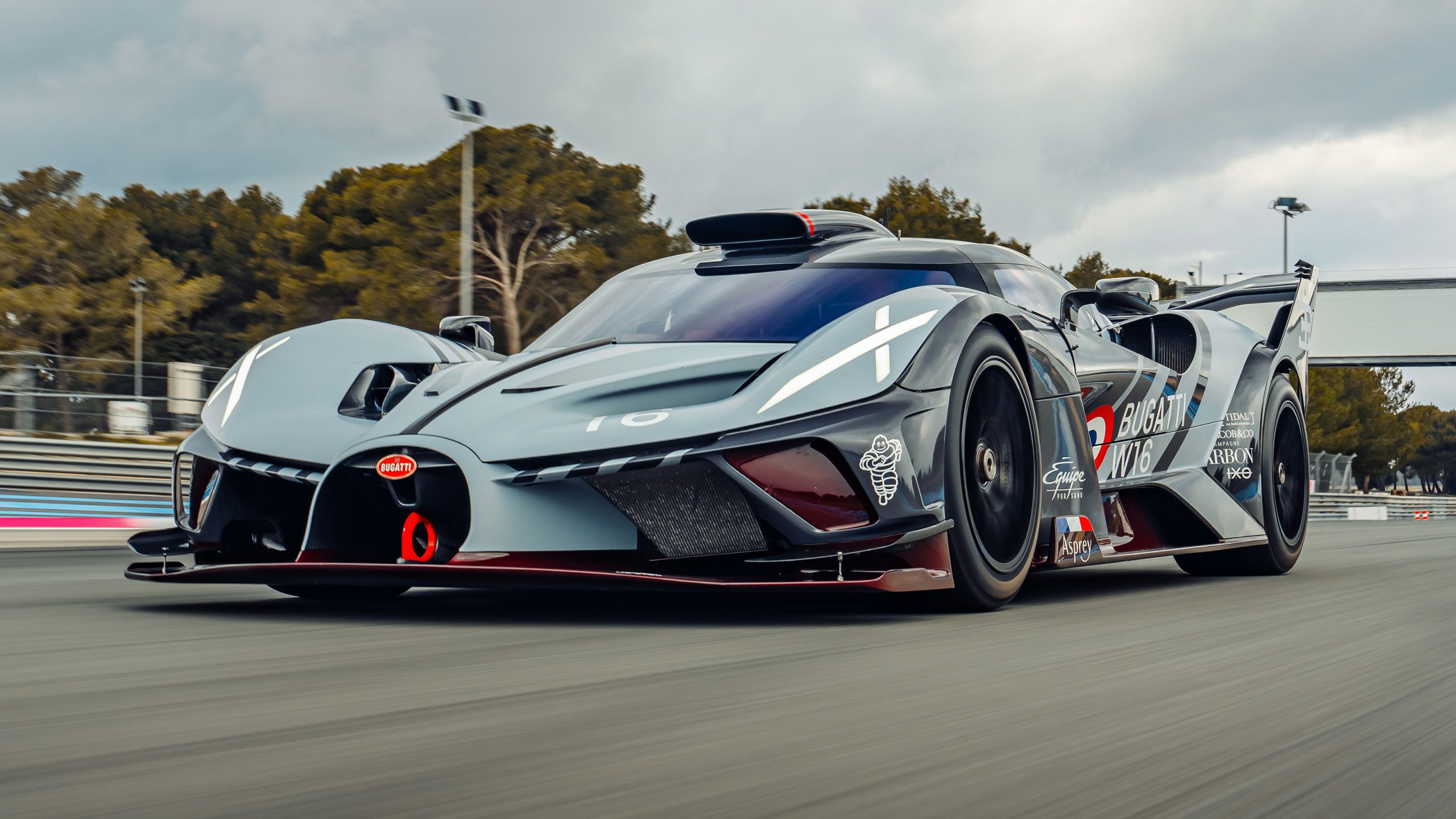
Bugatti Bolide
The Bugatti Bolide represents an extreme departure from the conventional hypercar formula, focusing almost entirely on raw speed and track performance. Equipped with a quad-turbo W16 engine capable of producing up to 1,850 horsepower, the Bolide is lighter than traditional Bugatti models due to extensive use of carbon fiber and minimalist components.
However, such design choices make it highly impractical for urban or suburban roads, where lower-speed maneuverability and pedestrian safety are critical. The car’s focus on track dominance and aerodynamics is a major factor in its inaccessibility in American markets, where regulatory requirements are stringent.
The interior reflects the Bolide’s track-first philosophy. Exposed carbon fiber, minimal padding, and racing-style seating dominate the cabin, emphasizing driver feedback and control over comfort. Instrumentation is centered on performance metrics such as tire temperature, G-force, and power output, rather than entertainment or convenience features.
The driving experience is intense and immersive, with every engine note, vibration, and movement communicated directly to the driver, creating an emotional connection that few road-legal vehicles can match.
The Bugatti Bolide exemplifies the extremes of automotive engineering when luxury and regulatory compliance are secondary considerations. Its absence from the United States underscores the contrast between pure performance innovation and market accessibility.
As a result, it remains a highly coveted symbol of engineering mastery, offering a glimpse of the limits of speed, power, and aerodynamics while remaining unattainable for American enthusiasts. The Bolide demonstrates how far manufacturers can push the boundaries when their sole focus is track dominance and engineering excellence.
Rimac Nevera R
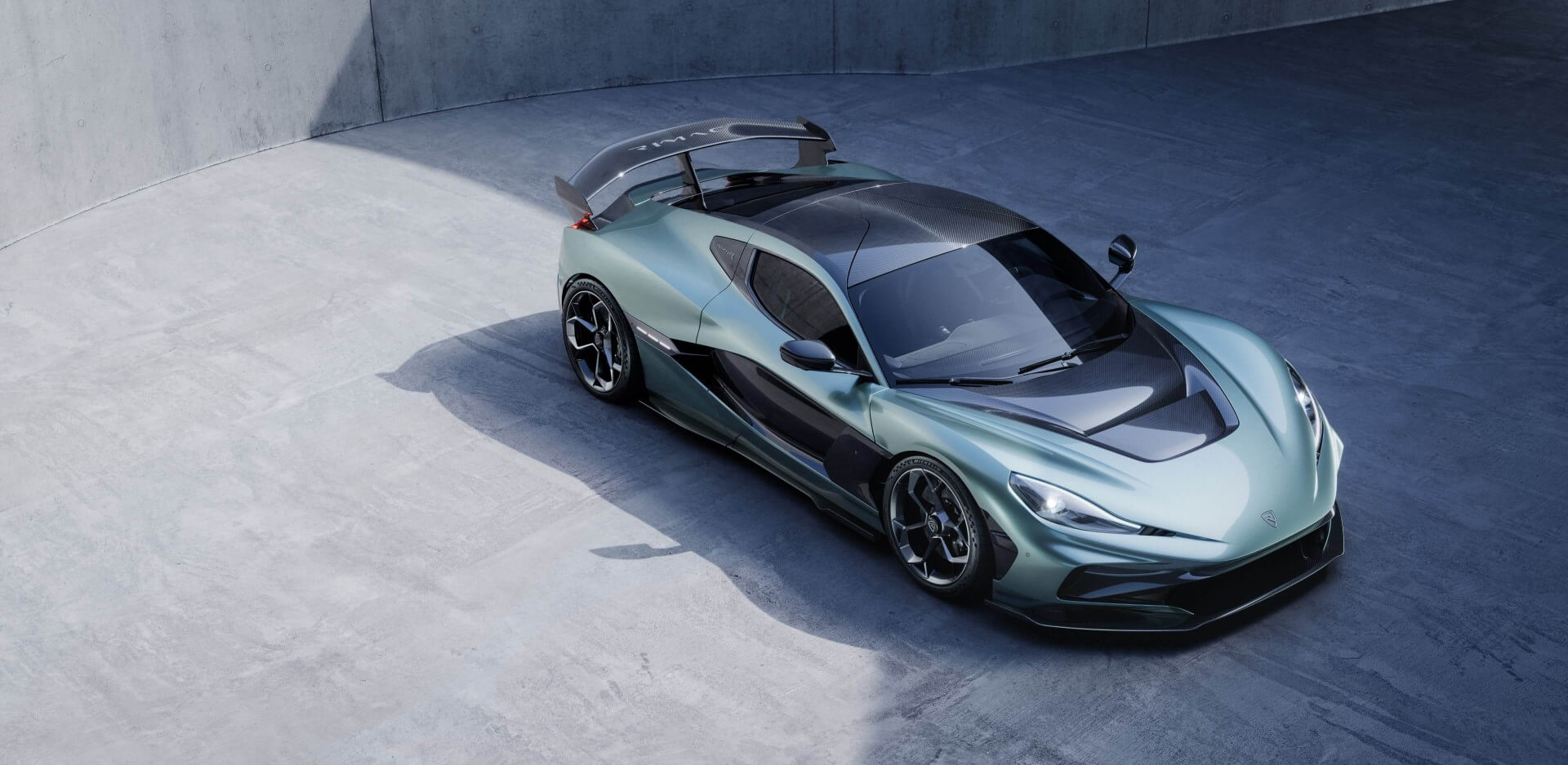
The Rimac Nevera R is an electric hypercar that challenges traditional notions of speed and power, yet remains unavailable to American buyers. Produced by Croatian manufacturer Rimac, it represents the pinnacle of electric vehicle performance, boasting four independent electric motors that generate a combined 1,914 horsepower.
These motors allow for instantaneous torque delivery to each wheel, producing acceleration figures that can rival any internal combustion hypercar. Despite its revolutionary technology, American regulatory hurdles, including crash safety standards, battery certifications, and emissions-related laws for high-voltage systems, complicate its domestic availability.
The Nevera R’s design demonstrates that electric vehicles can achieve extreme performance without sacrificing precision or driver engagement.
This combination of extreme acceleration, cornering agility, and electric drivetrain efficiency makes the Nevera R unique among both EVs and traditional supercars. However, these innovations introduce compliance challenges for American safety regulations, as the car’s high-voltage systems and cutting-edge battery management protocols require special certification that is difficult to achieve in the US.
Inside, the Rimac Nevera R balances futuristic technology with driver-centric ergonomics. The cockpit features multiple digital displays, advanced telemetry, and customizable driving modes, allowing the driver to monitor everything from tire temperature to battery state-of-charge in real time.
The Rimac Nevera R showcases the future of automotive performance by demonstrating that electric vehicles are capable of surpassing traditional supercars in acceleration, handling, and technological sophistication.
Its absence from the American market underscores the tension between regulatory compliance and cutting-edge innovation, highlighting that the most advanced cars may remain geographically restricted due to technical, legal, and safety constraints. For enthusiasts, it represents a glimpse of what is possible when speed, technology, and precision converge in an all-electric hypercar.

Lamborghini Sian FKP 37
The Lamborghini Sian FKP 37 represents a unique blend of hybrid technology and Lamborghini’s iconic V12 performance, yet it is not available to American consumers. Its naturally aspirated 6.5-liter V12 engine is paired with a supercapacitor-based hybrid system, producing a combined output of 819 horsepower.
The Sian is the first Lamborghini to utilize this hybrid technology, which stores energy in a lightweight supercapacitor rather than a conventional battery, allowing instant power delivery and improved handling dynamics.
American regulatory compliance presents a significant barrier, as hybrid systems of this complexity require extensive crash, emission, and safety testing before approval, making the car effectively unavailable to buyers in the United States.
The Sian’s performance is equally exceptional. Acceleration from zero to sixty miles per hour takes just over 2.8 seconds, and the car’s top speed exceeds 220 miles per hour. Its lightweight construction, extensive use of carbon fiber, and aerodynamic design contribute to both speed and agility.
Active aerodynamic elements, such as adjustable spoilers and diffusers, provide downforce when needed without compromising stability at high speeds.
Despite these engineering feats, the Sian’s road-legal adaptation in the US is hindered by strict regulations regarding emissions, crash performance, and pedestrian safety. As a result, Lamborghini’s most advanced hybrid hypercar remains outside the reach of American enthusiasts.
Unlike more conventional luxury vehicles, the Sian prioritizes engagement and precision over comfort or infotainment, making it a pure driving machine. These design choices, while thrilling, are part of what makes it difficult to meet American road regulations, where certain comfort, safety, and emissions standards must be strictly met.
The Lamborghini Sian FKP 37 demonstrates how hybrid technology can enhance extreme performance without compromising the visceral experience of a naturally aspirated V12. Its absence in the US highlights the challenges manufacturers face when bringing cutting-edge, high-performance technology to markets with strict compliance standards.
For automotive enthusiasts, the Sian embodies the fusion of heritage, innovation, and speed, offering a vision of performance that remains tantalizingly out of reach due to legal and technical barriers.
Pagani Huayra R
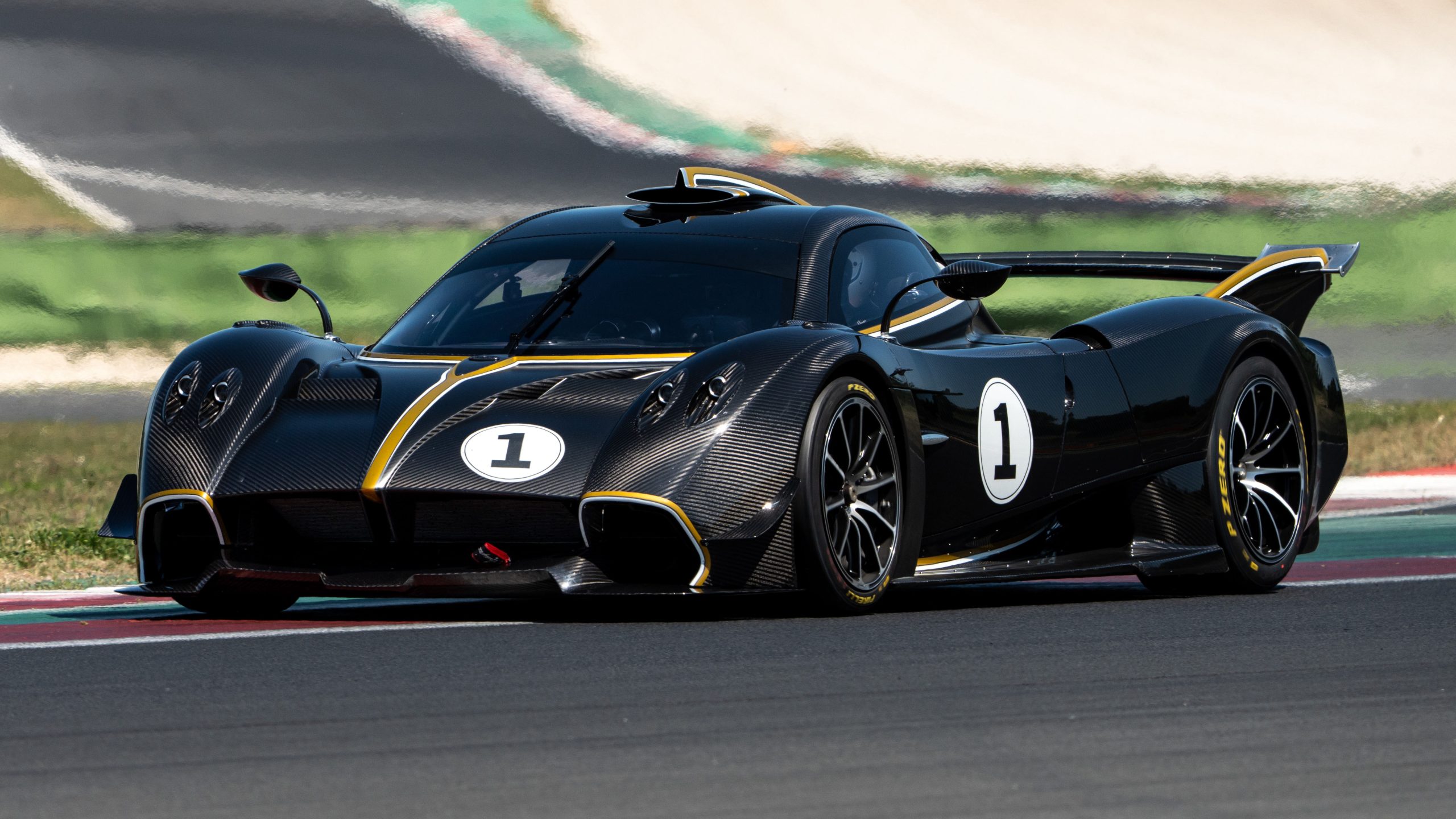
The Pagani Huayra R is a track-focused hypercar designed for maximum performance and precision, yet it is unavailable to American buyers. Unlike the road-going Huayra, the R variant is powered by a naturally aspirated 6.0-liter V12 engine developed by Pagani in collaboration with HWA AG, producing 850 horsepower.
Performance is the defining characteristic of the Huayra R. It accelerates from zero to sixty in just over 2.8 seconds, and its top speed is electronically limited but capable of exceeding 240 miles per hour on track. Aerodynamic enhancements, including active flaps, diffusers, and a massive rear wing, allow for unparalleled stability during high-speed cornering.
The car’s suspension and chassis are tuned for precision and responsiveness rather than comfort, creating a driving experience that demands skill and focus. These extreme design elements, while thrilling on a track, make the Huayra R unsuitable for typical American streets, reinforcing its exclusivity.
Inside, the Huayra R features a cockpit designed purely for performance. Lightweight racing seats, minimal padding, and exposed carbon fiber dominate the interior, emphasizing the connection between driver and machine. Instrumentation is fully digital, providing telemetry and real-time data such as tire temperature, engine parameters, and aerodynamic load.
Luxury features like infotainment, climate control, and soft seating are intentionally omitted, prioritizing speed and feedback over convenience. These choices, while enhancing the driving experience, further prevent US certification due to consumer expectations and regulatory standards.
The Pagani Huayra R exemplifies the philosophy of performance through precision engineering. Its absence in the US market underscores the tension between extraordinary mechanical achievement and practical legal compliance.
For enthusiasts, the Huayra R represents the pinnacle of hypercar design: a combination of artistry, engineering, and extreme performance that exists in a realm largely inaccessible outside Europe. It is a demonstration of what can be achieved when comfort and regulation are secondary to driving excellence.
Nissan GT-R50 by Italdesign
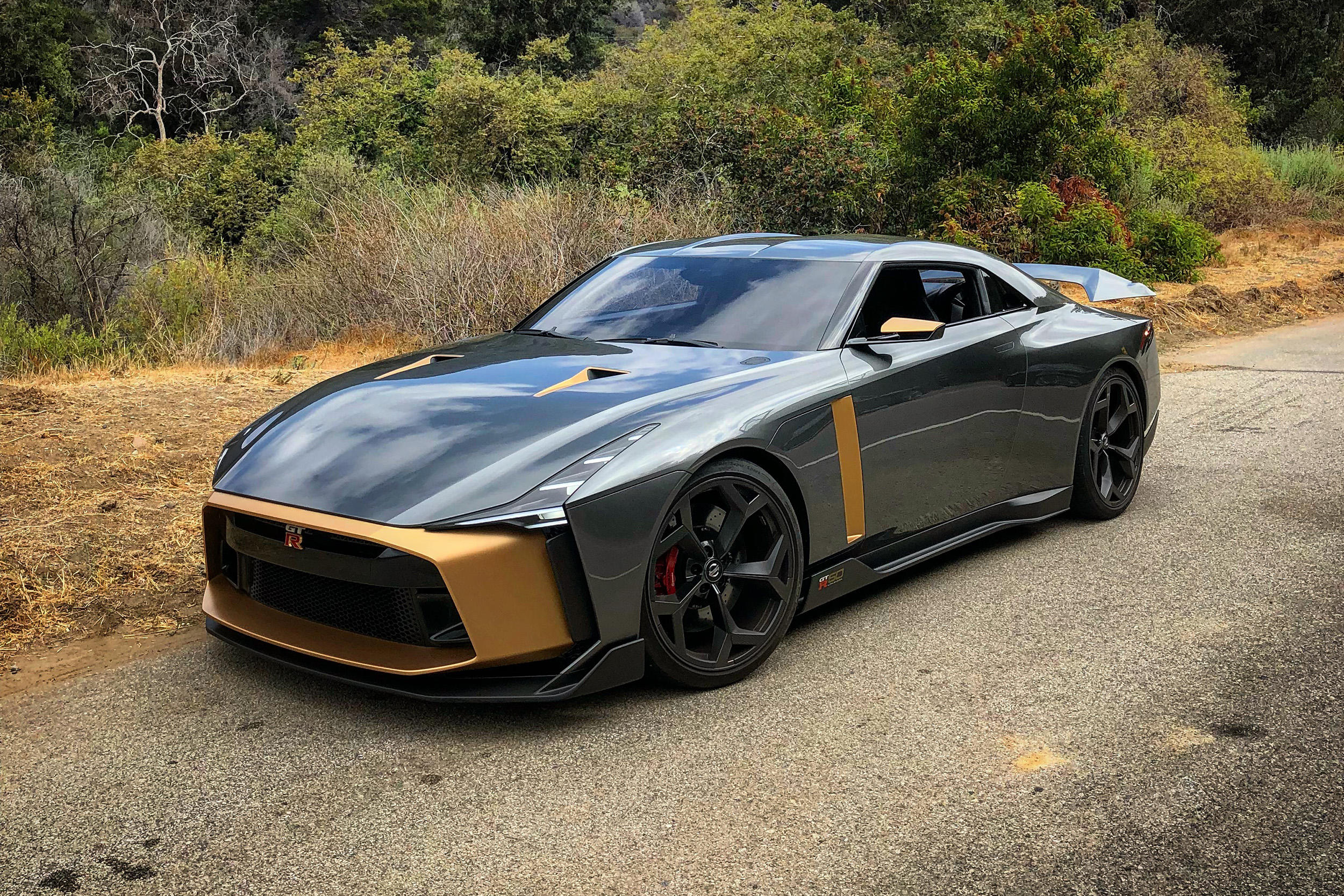
The Nissan GT-R50 by Italdesign is a limited-edition hypercar created to commemorate fifty years of the GT-R lineage, yet it is not available to American buyers. Based on the GT-R Nismo platform, the GT-R50 features a heavily upgraded 3.8-liter twin-turbo V6 engine producing approximately 710 horsepower.
Every detail of the car has been reimagined, from its aerodynamics to interior design, creating a GT-R that pushes boundaries far beyond standard production models. Despite its appeal, homologating the car for the United States presents challenges, including emissions compliance, crash safety certification, and regulations around advanced carbon fiber body components.
The GT-R50’s performance is extraordinary, reflecting both Nissan’s engineering and Italdesign’s aerodynamic enhancements. The car accelerates from zero to sixty in just over 2.9 seconds, while its lightweight bodywork, larger brakes, and upgraded suspension allow it to corner with unprecedented precision for a street-legal vehicle.
Its aggressive aerodynamic styling, including a widebody kit and prominent rear wing, improves downforce at high speeds while maintaining balance. These extreme modifications make the car an engineering marvel, yet also prevent it from meeting the US regulatory framework designed for safety, emissions, and crash performance.
Inside, the GT-R50 combines GT-R heritage with a futuristic, driver-focused interior. Alcantara and leather surfaces provide a sense of refinement, but the cockpit is still oriented toward driving performance.
The Nissan GT-R50 by Italdesign is a celebration of fifty years of GT-R evolution, merging heritage with cutting-edge technology. Its absence in the US illustrates how even highly desirable vehicles can remain geographically restricted due to technical and regulatory barriers.
Enthusiasts are left with admiration and aspiration, appreciating the engineering brilliance and performance potential that this one-of-a-kind hypercar represents, even if it cannot legally be driven in America.
Porsche 911 GT2 RS Clubsport
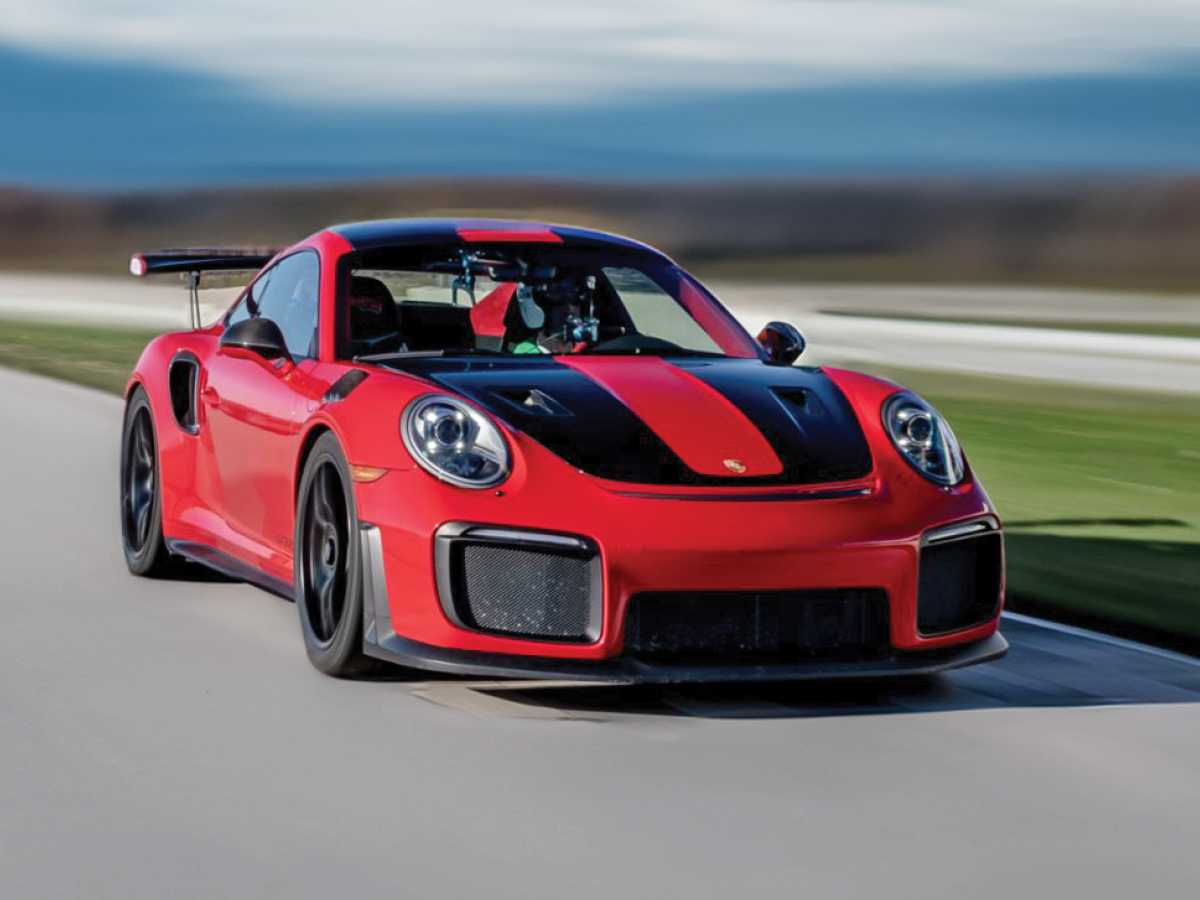
The Porsche 911 GT2 RS Clubsport is a track-oriented variant of the GT2 RS, designed to extract maximum performance while remaining inaccessible to American buyers. Its twin-turbocharged 3.8-liter flat-six engine produces 700 horsepower, paired with a rear-wheel-drive layout and advanced Porsche Torque Vectoring systems.
Performance is the GT2 RS Clubsport’s defining trait. Acceleration from zero to sixty occurs in roughly 2.7 seconds, and the car’s lightweight design combined with advanced suspension tuning allows for extraordinary cornering precision. Aerodynamic features, including a massive rear wing, front splitter, and adjustable diffusers, generate downforce to keep the car stable at high speeds.
While these design choices are ideal for track environments, they make the vehicle incompatible with normal road conditions in the United States, emphasizing the divide between performance engineering and legal road usability.
Inside, the Clubsport’s cockpit reflects its racing purpose. Lightweight bucket seats, stripped-down interiors, and exposed carbon fiber dominate the space, while telemetry and driver-assistance systems focus entirely on track performance.
Traditional luxury or comfort features are minimized or omitted to reduce weight and maximize feedback from the car’s handling characteristics.
Controls are designed to allow fast adjustments of suspension and traction settings, giving the driver complete command over the vehicle’s dynamics. This interior philosophy, though thrilling on a track, is incompatible with US road expectations and regulations, further restricting its availability.
The Porsche 911 GT2 RS Clubsport exemplifies how track-focused engineering can push a vehicle to the limits of speed, handling, and driver engagement. Its absence from the American market highlights the regulatory challenges of bringing extreme performance machines to streets governed by safety and emissions standards.
For enthusiasts, the Clubsport is both an aspirational symbol and a reminder of what is possible when engineering, design, and performance are prioritized above all else.
