
Choosing a car is one of the most important decisions for anyone who drives regularly. For people living in Round Rock, a city known for its mix of suburban streets, busy highways, and occasional traffic jams, selecting the right vehicle can influence daily life more than many realize.
A car is not just a mode of transportation; it shapes comfort, fuel efficiency, maintenance costs, and even mental well-being. For daily commuters, having a reliable and practical vehicle can mean the difference between a stress-filled morning and a smooth, manageable start to the day.
The factors to consider include gas mileage, durability, insurance costs, ease of parking, and the technology features that make driving safer and more convenient.
Some cars are built for efficiency and minimal upkeep, while others may look impressive on paper but demand constant attention and drain resources. Understanding the differences between cars that support your daily routines and cars that can create financial headaches is essential, especially for people who drive long distances to work, school, or errands.
Round Rock, being part of the Austin metropolitan area, presents unique commuting challenges. Roads can vary from congested highways during peak hours to quieter suburban routes, requiring vehicles that balance performance with economy. Fuel economy is especially important because frequent stops at gas stations can become costly if a car consumes more fuel than necessary.
Maintenance frequency also matters, as cars with complex or unreliable systems can result in surprise bills that disrupt personal budgets. Furthermore, comfort features such as seating quality, cabin noise levels, and climate control can significantly impact how enjoyable or exhausting a commute feels.
While some cars manage to combine affordability, reliability, and comfort, others may look appealing but ultimately prove to be financial burdens due to frequent repairs, high fuel consumption, or expensive insurance premiums. In this article, we will look at two contrasting lists of cars: those that make daily commuting in Round Rock practical and stress-free, and those that tend to rack up bills and create frustration.
By understanding the differences, drivers can make informed decisions that suit their lifestyle and avoid vehicles that could become costly headaches over time. This guide aims to provide a realistic perspective, helping residents make choices that balance cost, efficiency, and satisfaction.
5 Cars for Round Rock Daily Commuters
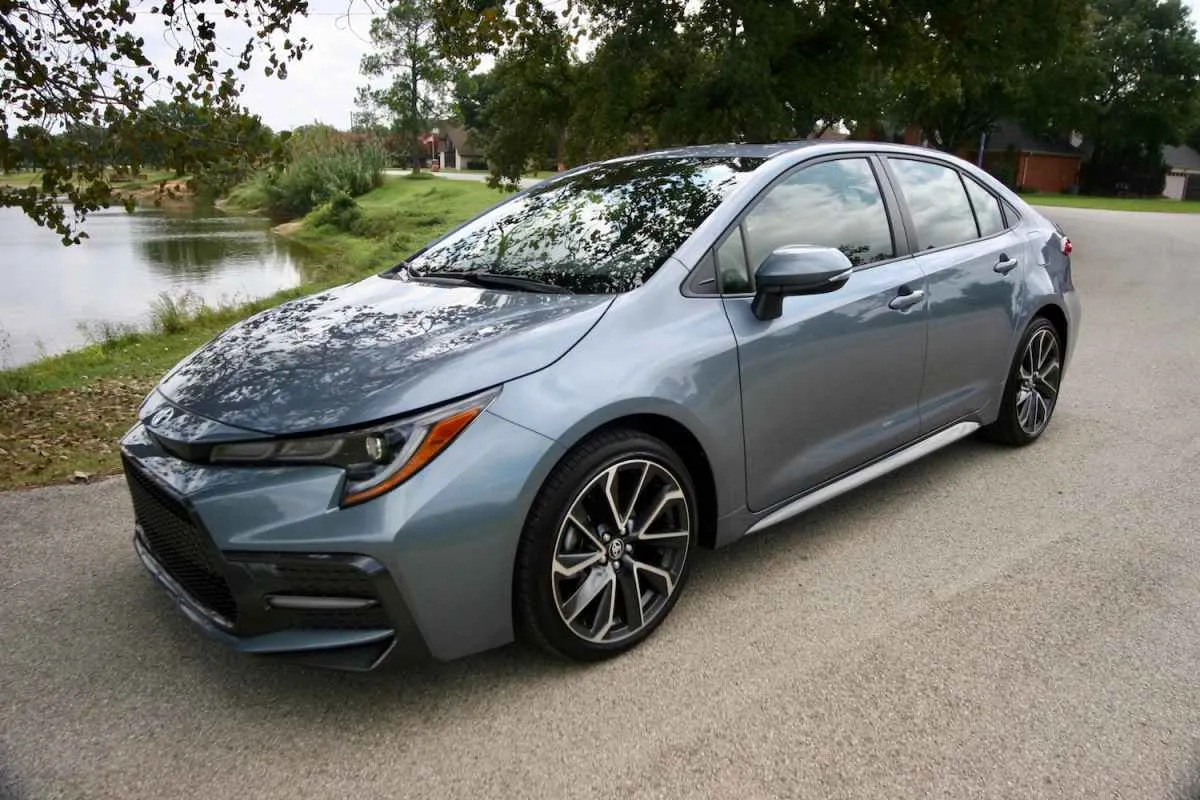
1. Toyota Corolla
The Toyota Corolla has long been a favorite among daily commuters for good reason. Its reputation for reliability is unmatched in its class, which means fewer unexpected visits to the repair shop and lower long-term maintenance costs. For someone commuting in Round Rock, the Corolla offers excellent fuel economy, often reaching over 30 miles per gallon on combined city and highway driving.
This efficiency translates directly into savings at the pump, particularly for people who face long daily commutes. Beyond cost efficiency, the Corolla is known for its smooth driving experience.
Suspension and handling are tuned to provide comfort without sacrificing stability, making it suitable for highway driving and stop-and-go city traffic alike. Inside, the cabin is quiet and ergonomically designed, which can make mornings or evenings spent in traffic significantly less stressful.
Technology is another area where the Corolla excels. Modern models come with intuitive infotainment systems, smartphone connectivity, and safety features such as lane departure warnings and automatic emergency braking.
These systems are designed to simplify commuting and reduce distractions, helping drivers stay alert even during monotonous trips.
Because Round Rock sees a mix of suburban and highway driving, these features are particularly valuable, offering both convenience and added protection. Insurance costs for the Corolla tend to be reasonable as well, reflecting its safety record and low claim history.
Practicality extends to cargo space and passenger comfort. While it is not a large vehicle, the trunk can easily handle groceries, gym bags, or work equipment, making it versatile for everyday needs.
Rear seat space is adequate for passengers, allowing for comfortable rides whether you are carpooling with coworkers or driving family members. The combination of space, comfort, and reliability makes the Corolla a sensible choice for anyone seeking a car that works well for routine commuting.
Finally, resale value is another consideration that favors the Corolla. Its enduring popularity ensures that even older models hold value over time, making it easier to upgrade or trade in the future.
This factor is especially important for commuters who want a vehicle that can maintain its worth without costing a fortune in depreciation. Taken together, these qualities make the Corolla an ideal companion for Round Rock drivers looking for a practical, dependable, and efficient car.
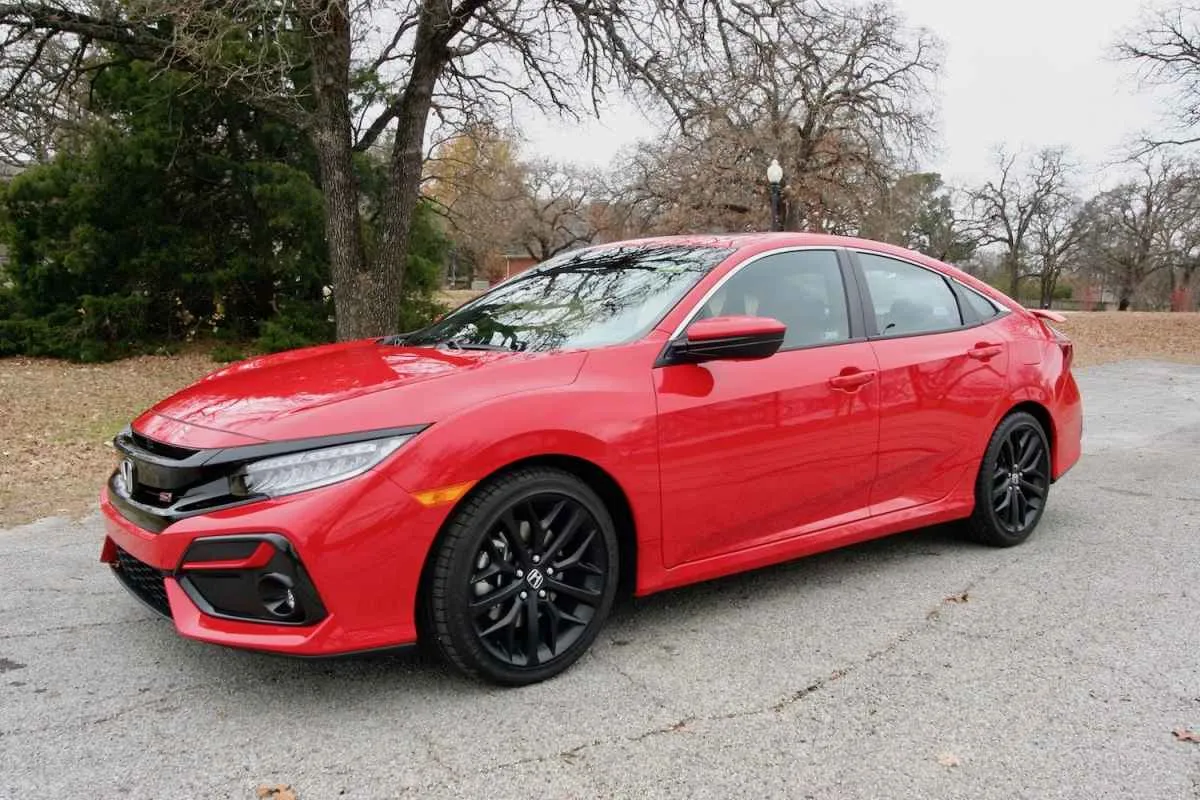
2. Honda Civic
The Honda Civic has consistently been a top choice for drivers who need a dependable car without constant maintenance worries. Its engines are designed to be long-lasting, often reaching high mileage milestones with minimal issues.
For Round Rock commuters, the Civic offers excellent fuel efficiency, similar to the Corolla, helping drivers save money on fuel over time. The combination of fuel economy and reliability ensures that a Civic is a practical option for those who spend significant time on the road.
Comfort and driving dynamics are standout features. The Civic provides responsive steering, a stable ride, and a well-tuned suspension system that handles bumps and uneven pavement effectively. This creates a smoother and less tiring driving experience, which is particularly important for daily commutes where repetitive strain can accumulate.
Additionally, interior space is well-optimized, allowing passengers to enjoy generous legroom and seating comfort. Small design touches, such as adjustable seating positions and supportive cushions, further enhance the comfort for longer journeys.
Safety is a strong selling point for the Civic. Most modern models come equipped with driver assistance technologies, including adaptive cruise control, collision mitigation, and lane-keeping assistance. These features help drivers navigate traffic with confidence and reduce the likelihood of accidents.
Insurance premiums for Civics are generally affordable, reflecting their strong safety record and low repair costs. The combination of advanced safety features and reasonable insurance makes the Civic a compelling option for daily commuters concerned about both protection and budget.
Maintenance and long-term ownership are further strengths of the Civic. Parts are widely available, and the engine design is straightforward, reducing labor costs during repairs or servicing. Honda also has a reputation for consistent quality control, meaning fewer surprises during routine maintenance.
With a Civic, drivers can expect a vehicle that performs reliably, requires minimal intervention, and provides consistent comfort and efficiency, making it a top pick for anyone commuting in Round Rock.
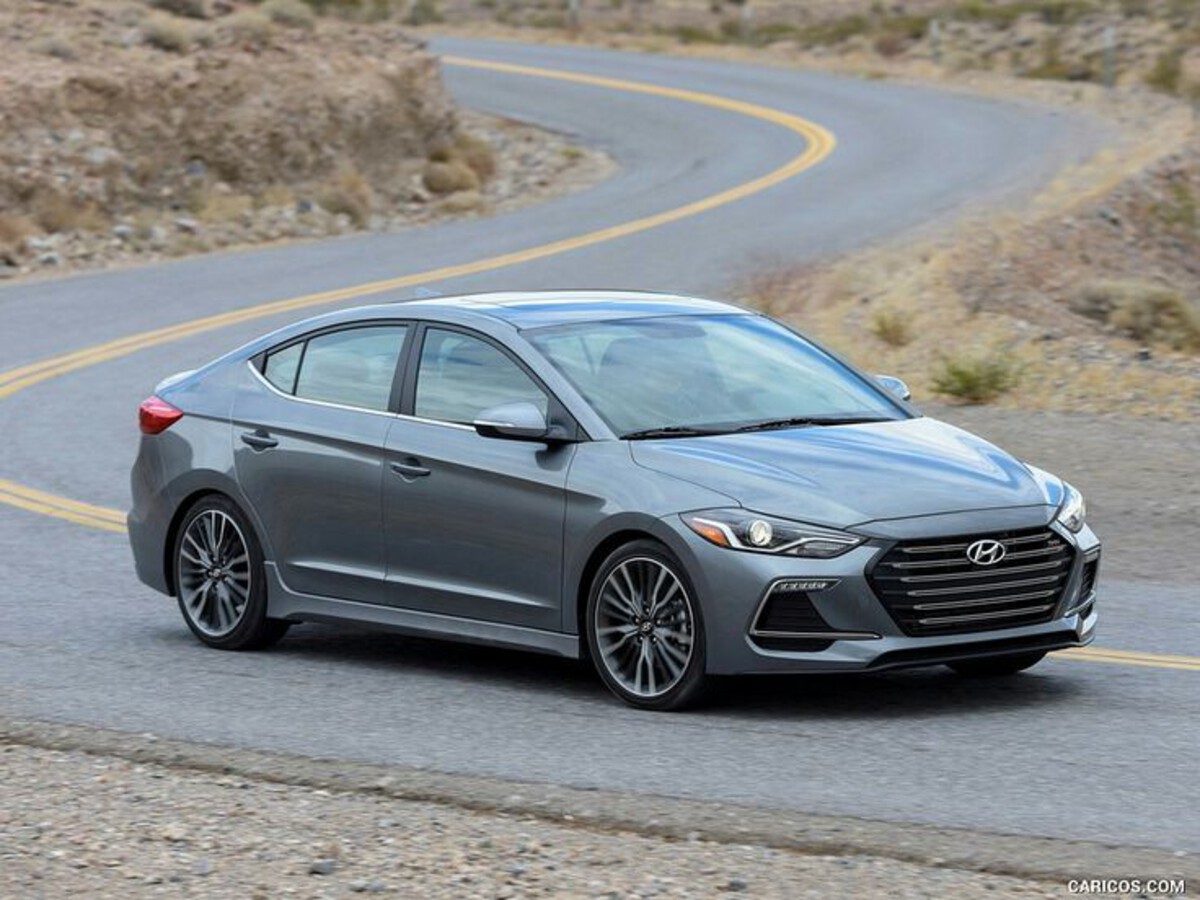
3. Hyundai Elantra
The Hyundai Elantra is another vehicle that balances affordability, comfort, and practicality. It offers strong fuel efficiency, often matching the top performers in its class, which is crucial for commuters looking to minimize fuel expenses.
The Elantra’s smaller footprint makes it ideal for city driving, parking in tight spaces, and navigating suburban roads. Despite its compact size, interior design maximizes comfort for both the driver and passengers, ensuring that commutes are not only efficient but also enjoyable.
Technology and convenience features make the Elantra appealing. Modern models include touchscreen infotainment systems, wireless connectivity, and driver assistance tools like blind-spot monitoring and rear cross-traffic alerts.
These features are practical for Round Rock residents who face a combination of highway and urban driving, offering both convenience and additional safety. Even with these added features, the Elantra remains budget-friendly when it comes to maintenance and insurance, making it a practical choice for young professionals, families, or anyone seeking a cost-effective vehicle.
The car’s ride quality is smooth and predictable. Its suspension absorbs most road imperfections while maintaining stable handling during turns or lane changes. This stability reduces fatigue during longer commutes and ensures confidence behind the wheel.
Noise reduction inside the cabin also contributes to a more relaxed driving experience, which is important when commuting daily on busy roads.
Finally, the Elantra provides strong value retention. Its combination of reliability, warranty coverage, and cost-efficient maintenance ensures that owners can expect fewer unexpected bills over time. For those prioritizing a balance between price, comfort, and dependability, the Elantra represents a compelling choice among daily commuter cars in Round Rock.
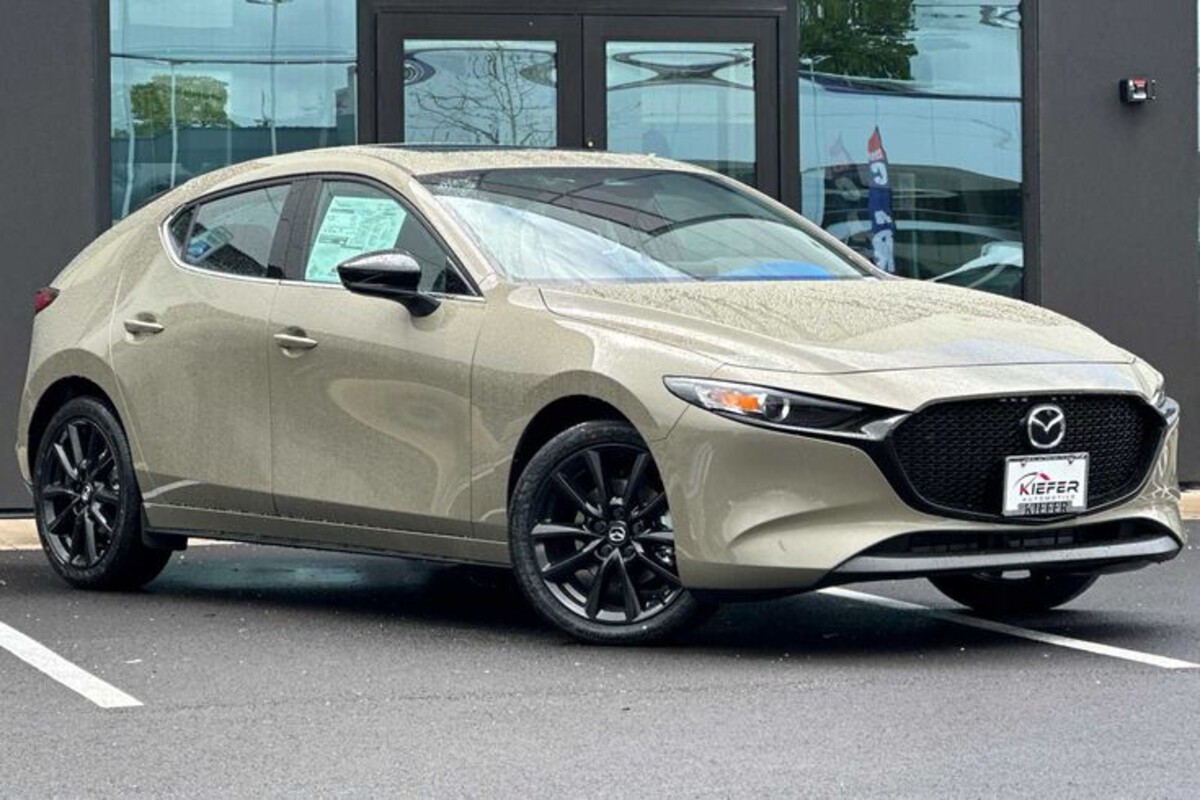
4. Mazda3
The Mazda3 offers a blend of style, driving pleasure, and practicality that appeals to commuters who want more than just a basic vehicle.
It is well-known for its engaging handling, responsive steering, and smooth acceleration, making daily driving enjoyable rather than tedious. Fuel efficiency is competitive with other compact cars, ensuring that drivers do not spend excessive amounts on gas while still benefiting from a vehicle that is fun to drive.
Interior quality in the Mazda3 is above average for its class. Soft-touch materials, a clean layout, and thoughtful ergonomics enhance comfort during commutes.
This attention to detail ensures that drivers and passengers feel more relaxed and focused, even during long periods on the road. Advanced safety features, including automatic emergency braking, lane-keeping assist, and adaptive cruise control, further contribute to a sense of security.
Reliability is solid, with most components requiring minimal attention outside of standard maintenance intervals. Parts are generally affordable, and Mazda’s reputation for build quality reduces the likelihood of frequent repairs. Insurance rates are moderate, reflecting the car’s low claim frequency and strong safety record. For someone commuting regularly in Round Rock, this combination of reliability, comfort, and driving enjoyment is ideal.
The Mazda3 also offers a range of trim levels, allowing buyers to choose models that emphasize either efficiency, technology, or performance. This flexibility ensures that the car can meet a variety of commuter needs. Whether prioritizing cost, comfort, or driving experience, the Mazda3 is a strong candidate for anyone seeking a dependable, enjoyable vehicle for daily driving.
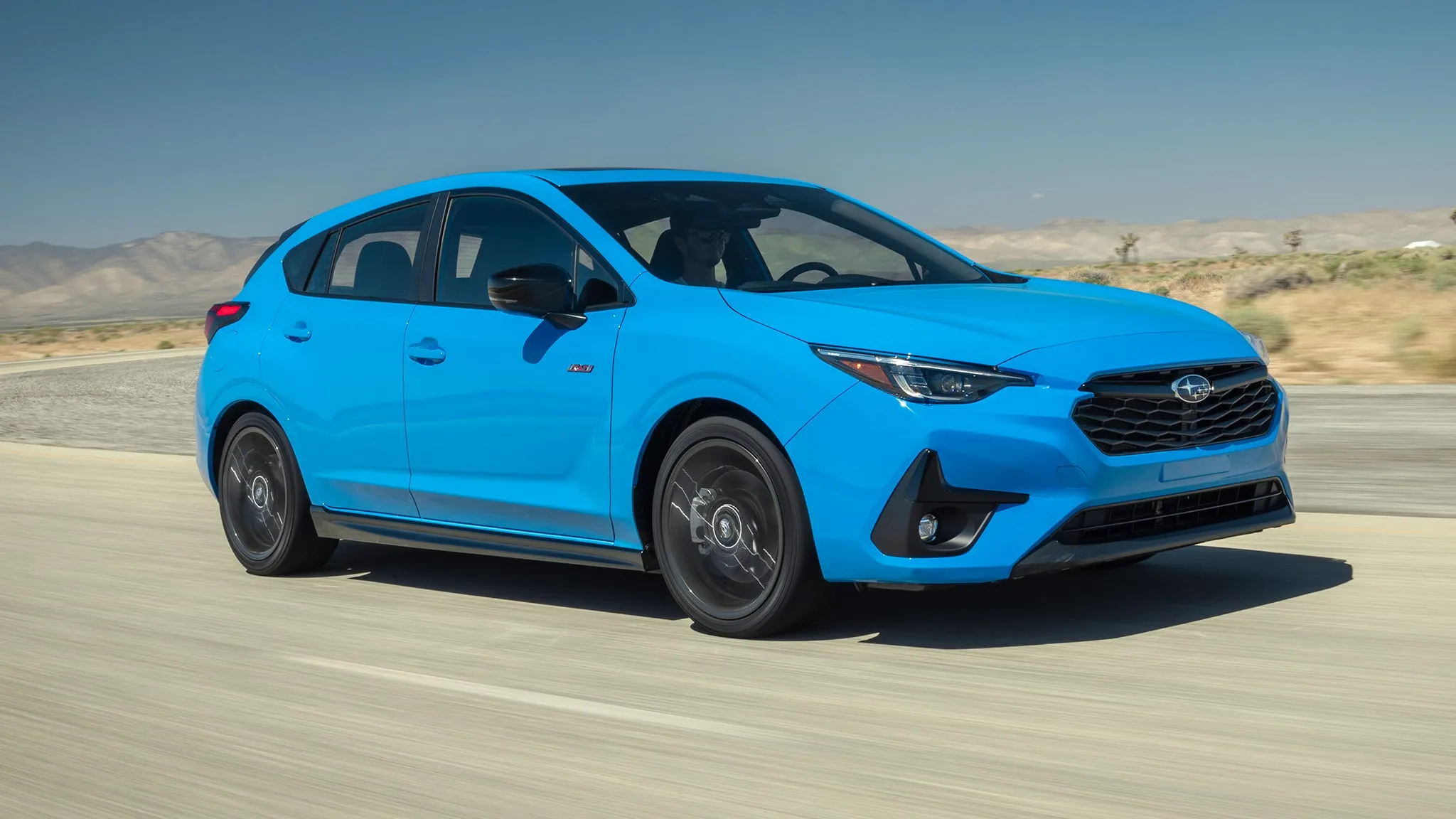
5. Subaru Impreza
The Subaru Impreza is unique among commuter cars due to its standard all-wheel-drive system, which provides extra confidence in varying weather conditions. Round Rock can occasionally experience rain or slick roads, making the Impreza’s traction advantage valuable. Fuel efficiency is slightly lower than other compact cars, but it remains reasonable, and the added stability and safety often justify the trade-off.
Comfortable seating and a spacious cabin make daily commuting more pleasant. The Impreza’s suspension handles rough patches well, contributing to a smooth ride even on uneven roads. Driver and passenger amenities, including infotainment systems and climate control, ensure that the vehicle meets modern expectations for convenience and ease of use.
Safety is a major strength, with features like Subaru’s EyeSight system providing adaptive cruise control, pre-collision braking, and lane-keeping assistance. These technologies are particularly helpful for commuters navigating traffic, as they can reduce stress and improve safety. Insurance rates are generally reasonable due to the car’s solid safety ratings.
Maintenance for the Impreza is manageable, with widely available parts and a straightforward mechanical design. While it may not have the same fuel efficiency as some other compact cars, the combination of safety, all-weather capability, and comfort makes it a practical choice for daily commuting.
For residents of Round Rock seeking a reliable, secure, and versatile vehicle, the Subaru Impreza stands out as an excellent option.
5 Cars That Rack Up Bills

1. BMW 5 Series
The BMW 5 Series is widely recognized for its luxury appeal, performance, and advanced technology. Driving one of these cars gives a sense of sophistication and prestige that is hard to match. The interior is luxurious, with high-quality materials, comfortable seating, and state-of-the-art features like premium sound systems, adaptive cruise control, and intricate infotainment options.
The exterior styling is sleek and timeless, often turning heads on the road. For drivers who enjoy the experience of driving itself, the 5 Series offers smooth handling, responsive steering, and powerful engine options that make highway merging and acceleration effortless.
However, while the driving experience is remarkable, the car’s operating costs are notoriously high. Parts replacement is expensive, even for routine items like brake pads, tires, and filters. The precision engineering that contributes to the car’s smooth operation also demands meticulous maintenance, and minor issues can quickly escalate into costly repairs.
Insurance premiums for the BMW 5 Series are typically steep. Insurers consider it a high-value vehicle with powerful engines, which increases the likelihood of high claims in accidents or theft situations. Fuel economy is also a concern, particularly with the higher-performance engines.
Commuters who face frequent city driving or long trips may find themselves stopping at the gas station much more often than they would with smaller, economy-oriented cars. This constant spending can add up, especially when combined with maintenance and insurance costs. The cumulative effect of these expenses makes the 5 Series a vehicle that, while enjoyable to drive, often becomes a financial burden for daily use rather than a practical choice for commuting.
Additionally, the 5 Series’ technology and electronics, while impressive, are prone to expensive repairs. Features such as adaptive suspension, infotainment systems, and electronic climate controls can fail over time, leading to significant repair bills.
Even relatively minor issues, like a malfunctioning sensor or software glitch, can require trips to specialized service centers, which charge premium labor rates.
For someone commuting daily in Round Rock, this means that a seemingly minor problem could result in several hundred dollars of unexpected expenditure. The cost of ownership becomes considerably higher than with more practical commuter cars, overshadowing the enjoyment of driving a luxurious vehicle.
Resale value, while generally better than some other luxury brands, is also affected by the maintenance history. Potential buyers may be wary of models with a history of high repair costs, which can make selling or trading the vehicle challenging.
Depreciation happens quickly with luxury vehicles like the 5 Series, particularly if the car has been driven frequently or shows signs of wear. These factors, combined with fuel consumption, insurance, and ongoing maintenance, make the BMW 5 Series a prime example of a car that can rack up bills for drivers who want a prestigious and enjoyable ride but are not prepared for the associated financial demands.
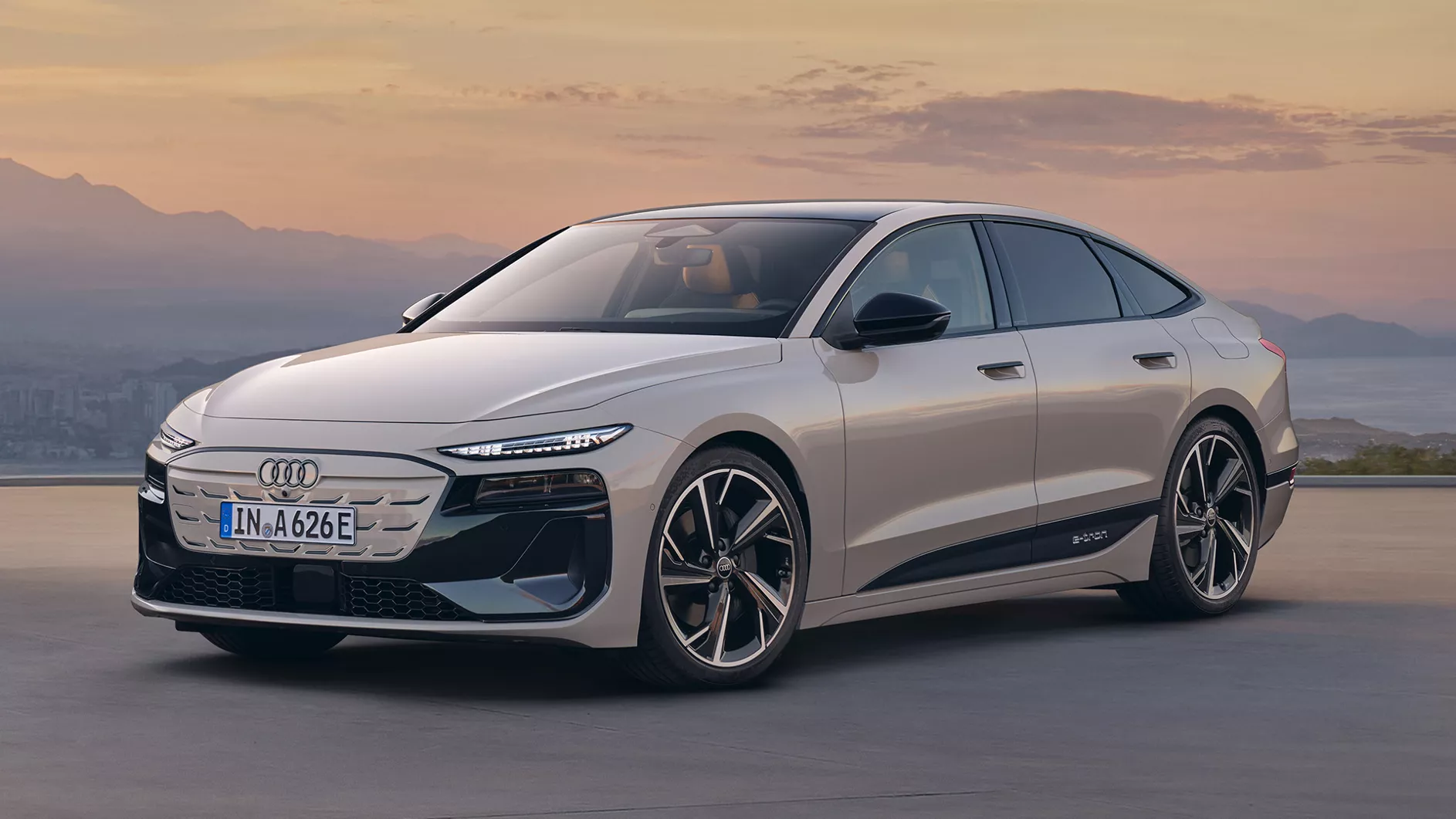
2. Audi A6
The Audi A6 is another luxury sedan that impresses with style, comfort, and advanced features, yet it is notorious for generating high costs over time. Its interior is meticulously designed, offering leather seating, ambient lighting, and a digital cockpit that combines navigation, entertainment, and vehicle controls.
Drivers appreciate the smooth ride, excellent handling, and quiet cabin, all of which contribute to a comfortable commuting experience. However, the advanced technology that enhances comfort also introduces complexity. Repairs for electronic systems, adaptive suspension, or performance components can be extremely costly, and routine maintenance often requires specialized service centers rather than standard mechanics.
Fuel consumption is another consideration that makes the A6 an expensive car to maintain for daily commuting. While smaller engines exist, many trims feature turbocharged or V6 engines that demand premium fuel and produce lower miles per gallon compared to compact or midsize commuter cars.
Frequent refueling can quickly become a significant portion of a monthly budget, especially for drivers traveling long distances or facing heavy traffic. The combination of high fuel costs and maintenance expenses makes the A6 a challenging vehicle for commuters who need affordability alongside performance.
Insurance rates for the A6 are also higher than average. Its status as a luxury vehicle, combined with powerful engine options and advanced electronics, increases the perceived risk to insurers. Premiums can be several times higher than for more practical commuter vehicles, adding another layer of financial strain.
In addition, the vehicle’s resale value, while initially strong, is heavily influenced by maintenance history. Cars with frequent service needs or older electronics may depreciate faster, leaving owners with limited options when upgrading or selling.
Long-term reliability is a concern with the A6. While it offers a smooth, enjoyable ride and a high level of technology integration, the sophistication of its systems means that even minor failures can be costly. Sensors, cameras, and engine components are prone to wear or malfunction, and repairing them requires both expertise and expensive parts.
For someone commuting daily in Round Rock, these cumulative costs can make ownership more stressful than satisfying. Drivers may find that the initial allure of luxury gives way to repeated financial burdens, highlighting the importance of considering total ownership costs rather than just the driving experience.
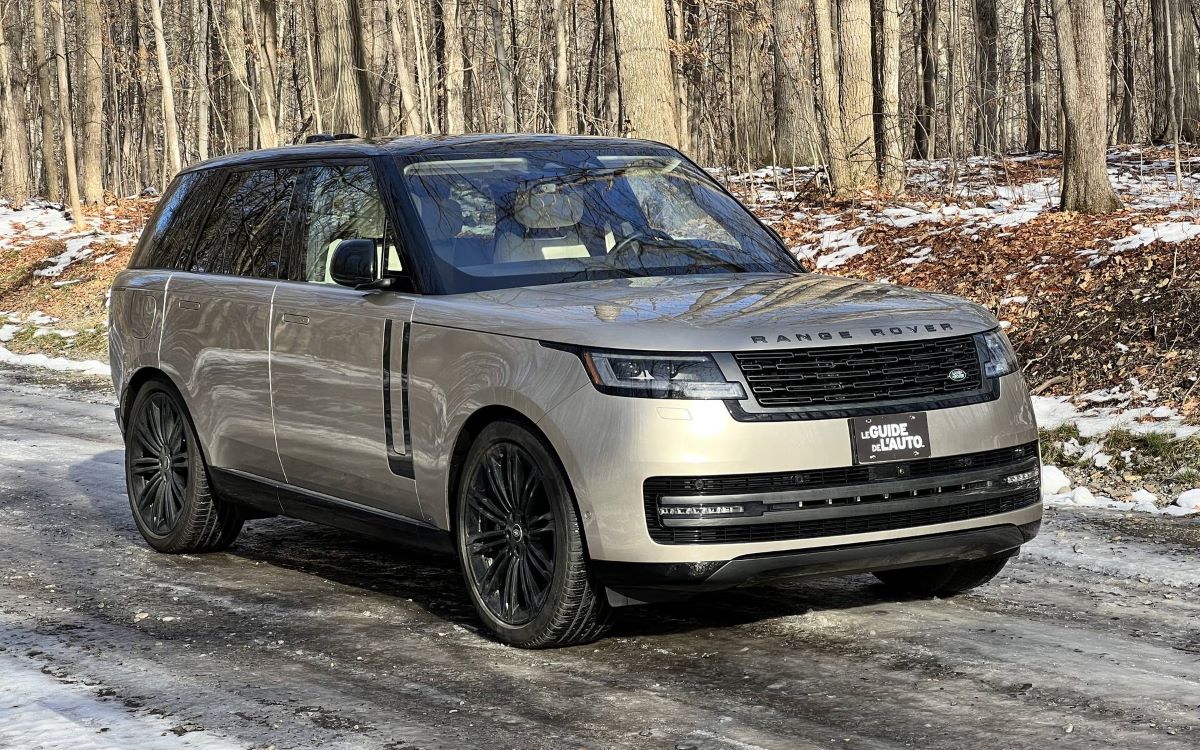
3. Land Rover Range Rover
The Range Rover represents a pinnacle of off-road capability and luxury, offering commanding road presence and a plush interior. Its combination of powerful engines, advanced suspension systems, and cutting-edge technology makes it extremely appealing for those seeking a comfortable and capable ride.
Inside, drivers enjoy premium leather seats, multi-zone climate control, extensive infotainment options, and a host of driver-assist technologies designed to make travel safer and more enjoyable. Yet, these advantages come with substantial financial drawbacks.
The complexity of the Range Rover’s engineering means maintenance and repairs are consistently expensive. Components such as air suspension systems, electronic modules, and drivetrain elements require specialized service, and even routine maintenance can cost far more than expected.
Fuel economy is a significant issue. The Range Rover’s powerful engines, while impressive in performance, consume large amounts of fuel, particularly in city traffic. Commuters who drive daily in Round Rock may quickly find themselves facing high monthly fuel costs.
In addition, frequent maintenance needs and the cost of replacement parts compound the financial burden. Tires, brake components, and other consumables are large and heavy, often requiring premium materials that are significantly more expensive than those used in compact or midsize vehicles.
Insurance is another major consideration. The Range Rover’s high value, combined with its performance capabilities and history of costly repairs, results in elevated insurance premiums. Even minor accidents or damage can lead to claims that further increase costs, making ownership a financial challenge.
Potential resale issues also exist. While Range Rovers maintain appeal in certain markets, buyers are cautious about vehicles with expensive maintenance histories, which can limit the resale price or complicate trade-in negotiations.
Despite the vehicle’s impressive appearance and comfort, owners often encounter electronic glitches, suspension failures, or engine issues that require specialized attention. These problems are not only expensive to fix but also time-consuming, adding to the financial strain.
Drivers may find that the initial prestige of owning a Range Rover is offset by the ongoing burden of upkeep, fuel costs, insurance, and repair expenses, making it a classic example of a car that racks up bills rather than offering practical commuting benefits.
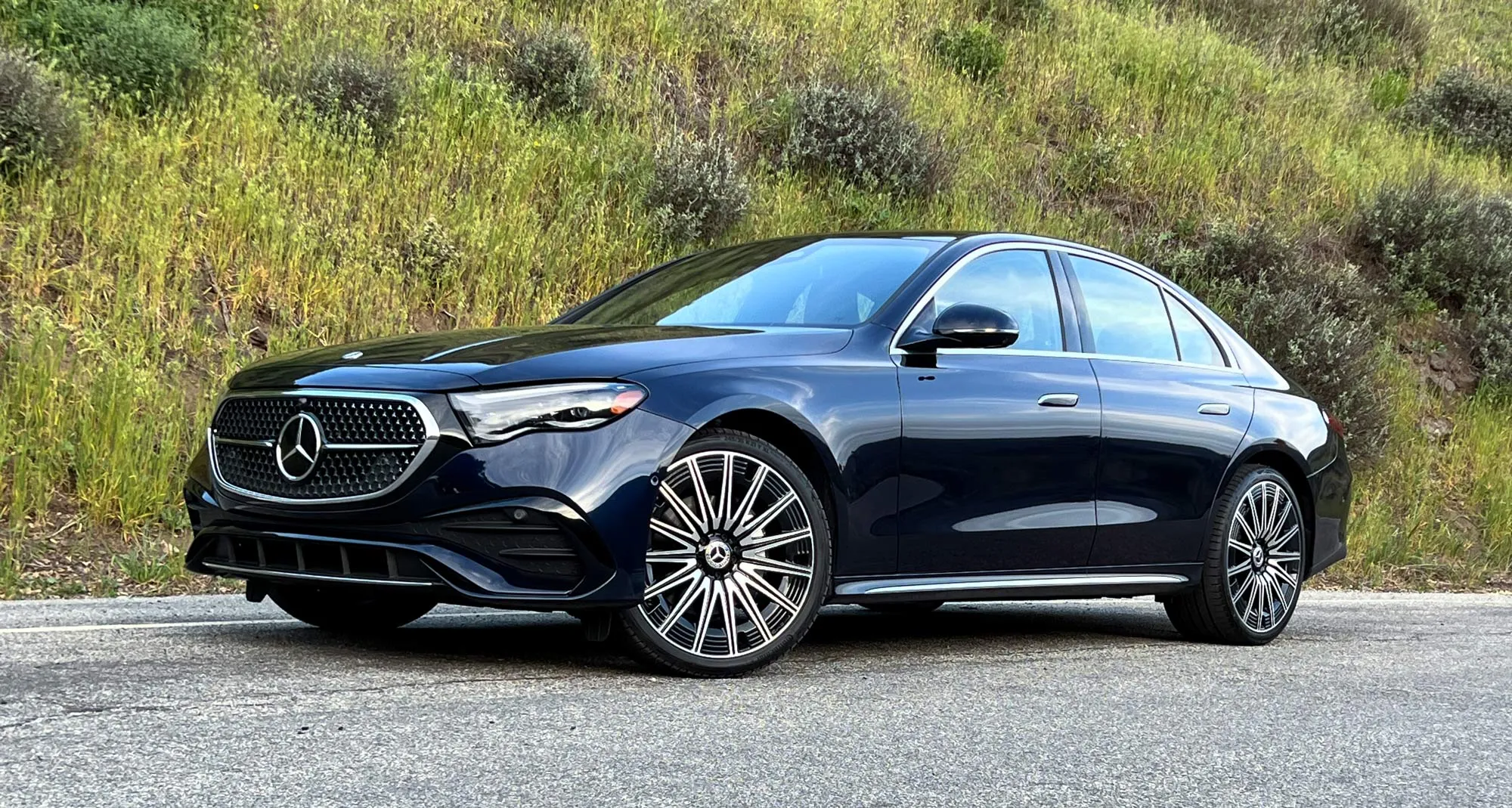
4. Mercedes-Benz E-Class
The Mercedes-Benz E-Class is frequently praised for its elegance, advanced technology, and driving comfort. The interior is sophisticated, featuring high-quality materials, ergonomic seating, and a wide range of infotainment and driver assistance systems.
Driving the E-Class is an enjoyable experience, with smooth handling, responsive acceleration, and a quiet cabin that contributes to a relaxed commute. Despite these advantages, owning an E-Class can be financially demanding due to high maintenance and repair costs. Components such as air suspension, electronic control units, and complex drivetrain parts often fail over time, requiring specialized repair services that carry premium labor charges.
Fuel efficiency is another concern for daily commuters. E-Class engines, especially in higher trims, consume more fuel than comparable midsize vehicles, leading to increased monthly expenses for gas. The performance capabilities that make this car enjoyable to drive also contribute to its higher operational costs.
Regular servicing, including oil changes, brake maintenance, and tire replacement, tends to be more expensive due to the cost of OEM parts and the need for skilled technicians.
Insurance rates are similarly elevated. The combination of luxury features, high repair costs, and value leads to higher premiums, making the total cost of ownership significant. Even minor accidents can result in costly repairs due to advanced electronics and bodywork complexity. Resale value can be affected if maintenance records are incomplete or if the car has developed common issues, further increasing the financial risk for owners.
Finally, the long-term reliability of the E-Class is mixed. While the car is built with durability in mind, its sophisticated systems make it vulnerable to expensive failures. Electrical malfunctions, suspension problems, and engine-related issues can emerge over time, creating a cycle of repair costs that far exceeds what most daily commuters would expect.
For those who prioritize comfort and performance over practicality, the E-Class offers a premium driving experience, but the ongoing financial demands make it a vehicle that often racks up bills rather than saving money or providing hassle-free commuting.
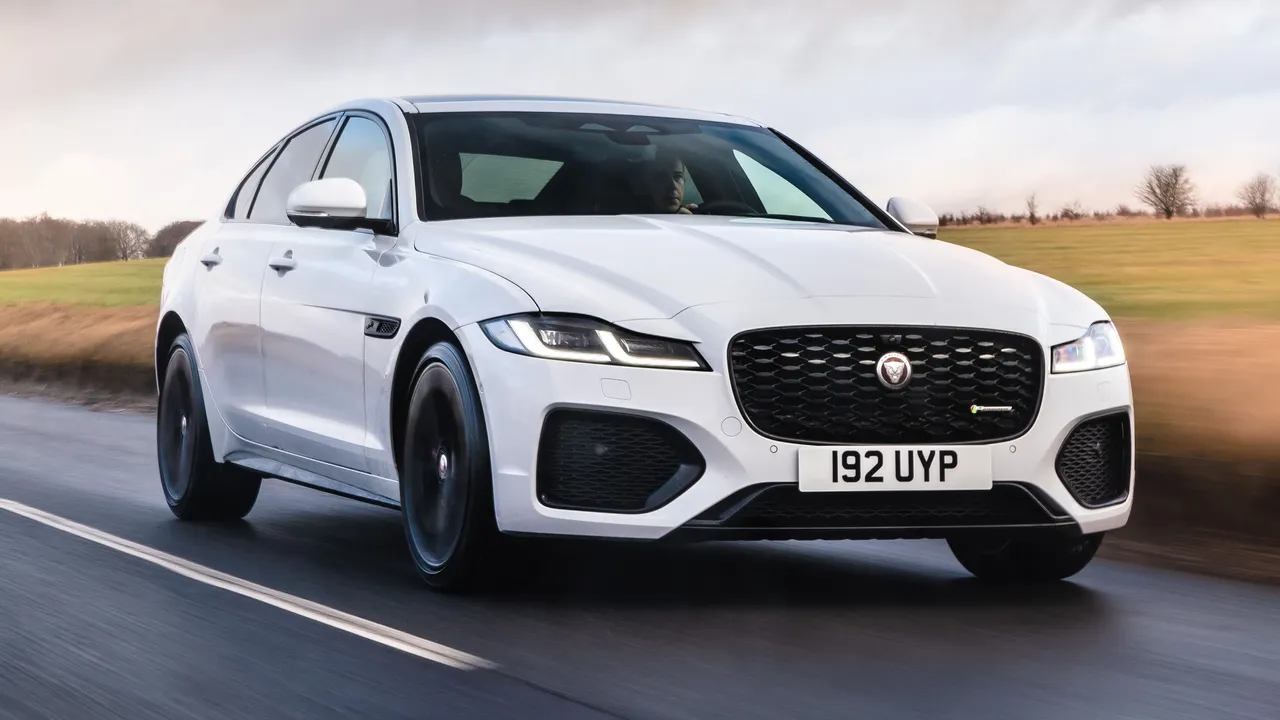
5. Jaguar XF
The Jaguar XF stands out for its striking design, performance-oriented engines, and luxurious interior. Seats are crafted from high-quality materials, technology integration is advanced, and driving dynamics are precise and engaging.
The XF delivers a unique combination of sporty handling and comfort, appealing to drivers who want to enjoy every aspect of the commute. Yet, the vehicle’s allure is accompanied by substantial costs that accumulate quickly for daily drivers.
Repairs on Jaguars are notoriously expensive, with parts and labor prices significantly higher than standard midsize sedans. Electronic systems, engine components, and suspension elements are prone to issues that require specialized service centers, adding further to financial strain.
Fuel consumption is a challenge for Jaguar XF owners. Its performance-focused engines often demand premium fuel and deliver lower miles per gallon, particularly in city traffic. Commuters traveling daily in Round Rock may notice that refueling expenses alone are a recurring financial concern.
Maintenance is frequent and costly, with routine items such as brakes, tires, and oil changes exceeding the costs of average commuter cars. This combination of expenses can make it difficult to justify ownership for someone focused on practicality.
Insurance premiums for the XF are elevated due to the car’s luxury status and history of high repair costs. Accidents or even minor damage can lead to high claims and premium increases, further inflating the total cost of ownership. Resale value is affected by both the maintenance history and market demand.
Jaguars, while stylish and performance-driven, do not hold value as consistently as some mainstream brands, meaning owners may face steep depreciation when selling or trading in the vehicle.
Reliability concerns extend to electrical systems and mechanical components. Owners may encounter failures in sensors, infotainment systems, and drivetrain parts that require expensive attention. Over time, the combination of high fuel, insurance, and repair costs can overshadow the vehicle’s aesthetic and performance advantages.
While the Jaguar XF offers a luxurious and enjoyable driving experience, it exemplifies a car that racks up bills, making it a challenging option for commuters seeking affordability, consistency, and practicality.
