
Hatchback cars have grown in popularity over the last few decades because they combine practicality, efficiency, and versatility in ways that traditional sedans often cannot. In a place like Billings, Montana, the choice of vehicle carries unique considerations.
The terrain, climate, and lifestyle of residents influence what makes a car reliable and functional. Some hatchbacks are known for being durable and low-maintenance, allowing owners to handle repairs and routine maintenance independently.
These cars often have simple mechanical designs, readily available parts, and straightforward diagnostic systems, which can be a major advantage for those living in areas where access to specialized mechanics or dealerships may be limited.
On the other hand, there are hatchbacks that, while attractive or technologically advanced, are best maintained by professional service centers due to their complex systems, high-tech components, or proprietary parts. Understanding the difference between these types of vehicles can save time, money, and frustration.
Billings’ environment emphasizes the need for cars that can handle occasional harsh weather, long distances between towns, and the practicality of transporting both people and goods. Hatchbacks that are easy to maintain and repair by the owner provide a level of independence that aligns well with Montana living.
This includes vehicles with durable engines, simple transmissions, and a history of mechanical reliability. They can handle routine maintenance like oil changes, brake repairs, or minor engine work without specialized tools or dealer intervention.
In contrast, hatchbacks that rely heavily on dealer work often feature advanced electronics, complex hybrid systems, or proprietary parts that are not readily available locally. While these cars may offer modern conveniences or higher performance, they can create dependence on dealer schedules, parts shipping, and higher costs.
Choosing between these types of vehicles requires an understanding of personal needs and priorities. For someone living an active lifestyle in Montana, including outdoor recreation, rural travel, and practical use, a hatchback that allows independence in maintenance may be preferable.
For others, who value luxury, technological features, or fuel efficiency above DIY convenience, dealer-dependent hatchbacks may still be appealing.
This article compares five hatchbacks well-suited for self-maintenance with five that are more dependent on dealer service, providing insights into reliability, mechanical simplicity, and the lifestyle considerations that make these vehicles appropriate for Billings residents. By examining both categories, readers can weigh the balance between freedom, cost, and convenience when choosing their next car.
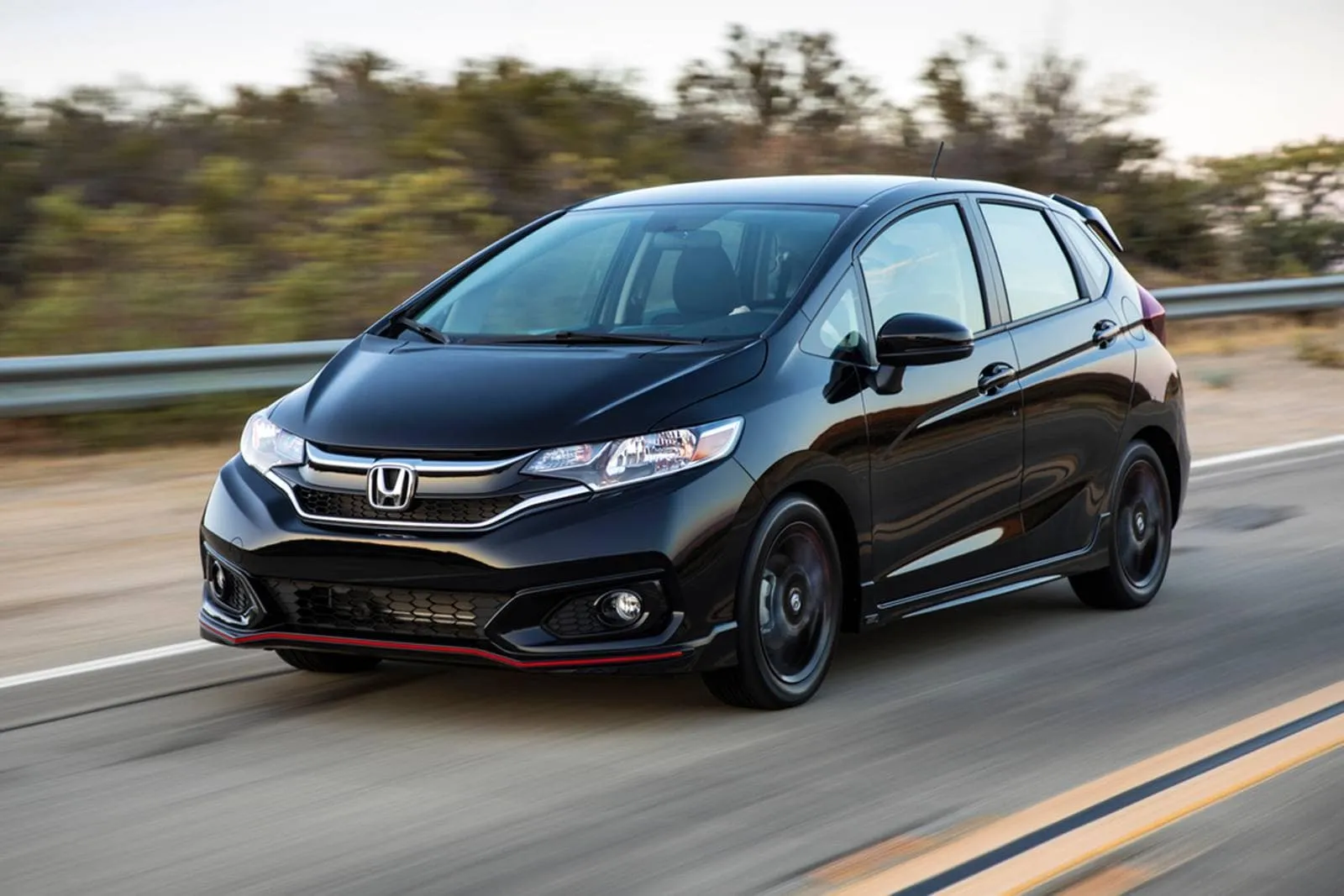
Honda Fit
The Honda Fit has earned a reputation as one of the most reliable hatchbacks on the market, particularly for those who prefer to handle their own vehicle maintenance. Its mechanical layout is straightforward, and the engine is known for longevity when regularly maintained.
Replacement parts are widely available and relatively affordable, which makes it easy for owners to manage repairs without professional assistance.
This is particularly useful in Montana, where access to dealership services can sometimes require significant travel. Routine maintenance such as oil changes, air filter replacements, and brake servicing can be performed by someone with basic mechanical knowledge, allowing the Fit to remain dependable over many years of service.
Beyond its reliability, the Fit’s design maximizes interior space while keeping the exterior compact. The flexibility of its seating system allows for easy transportation of larger items, a feature that is useful for Montana residents who may need to carry camping gear, sports equipment, or supplies.
Its fuel efficiency is another advantage for areas with longer distances between towns, reducing the cost of travel and minimizing the number of stops at service stations.
The simplicity of the Fit’s drivetrain means fewer potential issues arise compared with more technologically complex vehicles, and owners can often troubleshoot minor problems using online resources or service manuals.
The Fit also benefits from a supportive aftermarket community. Because of its popularity, there are numerous forums and resources dedicated to DIY repairs, part recommendations, and maintenance tips. This community can be a valuable tool for Montana drivers who are learning to handle basic vehicle care independently.
Owners can share experiences on everything from brake replacements to suspension repairs, providing practical advice tailored to the car’s specific mechanical needs. This type of support complements the vehicle’s inherent simplicity and adds confidence for those who prefer not to rely on dealer services.
Finally, the Honda Fit’s durability extends beyond the engine. Its transmission, electrical system, and suspension components are designed for longevity and ease of repair.
Many owners report over 200,000 miles with minimal major repairs, making it a smart investment for long-term reliability. In regions like Billings, where winter conditions and rural travel can be demanding, having a hatchback that owners can maintain themselves ensures consistent performance, safety, and lower vehicle expenses.
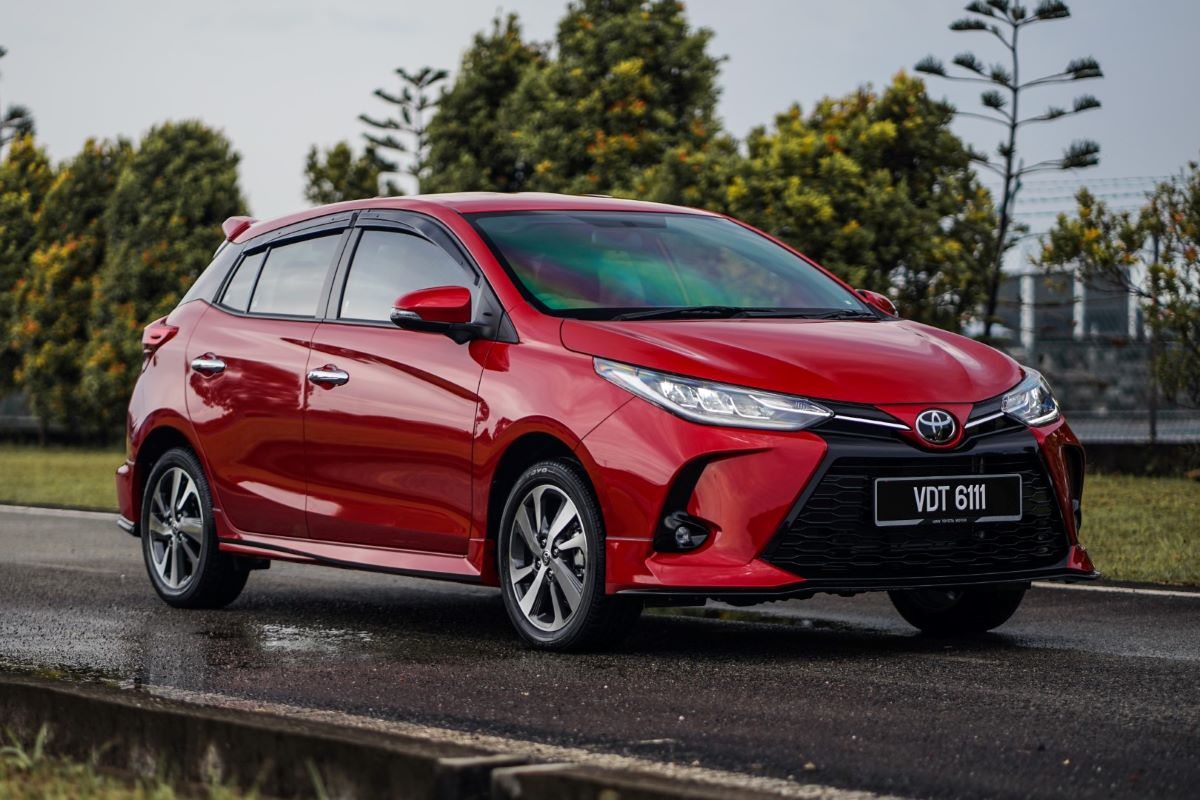
Toyota Yaris
The Toyota Yaris is another hatchback well-regarded for ease of maintenance and dependability. Its mechanical systems are uncomplicated, and the brand’s history of reliability assures drivers who prefer to perform routine repairs independently.
Engine access is straightforward, which facilitates tasks such as changing belts, filters, or fluids without specialized tools. For Montana residents, the Yaris offers a balance of compact size, practicality, and fuel efficiency, which is particularly valuable for both city driving in Billings and longer trips across rural areas.
One of the Yaris’s strengths lies in its economy. Fuel-efficient engines reduce operational costs, while low-cost replacement parts make ongoing maintenance more affordable than many other hatchbacks. Brake pads, tires, and suspension components are standardized and commonly available at local auto parts stores.
For self-reliant owners, this accessibility ensures that minor repairs and adjustments can be made promptly without waiting for dealership appointments or shipping delays. This is especially important in areas where travel to a dealer might require an hour or more of driving.
The Yaris also emphasizes reliability in its construction. Its chassis and suspension systems are robust, and the car handles a variety of road conditions well. This is crucial for Montana drivers who face winter snow, gravel roads, and longer distances between services.
A hatchback that maintains stability and performance in less-than-ideal conditions without frequent professional intervention adds value and peace of mind. The simplicity of the Yaris’s electrical system further reduces the risk of unexpected problems that might require specialized diagnostics, making it ideal for owners who want independence in vehicle care.
Additionally, the Yaris benefits from Toyota’s reputation for longevity. Many older models continue to perform well with basic upkeep, which makes it a cost-effective choice for residents who want a car they can manage over several years.
By combining easy-to-repair systems, fuel efficiency, and a dependable build, the Toyota Yaris provides a practical, owner-friendly option for hatchback enthusiasts living in Montana.
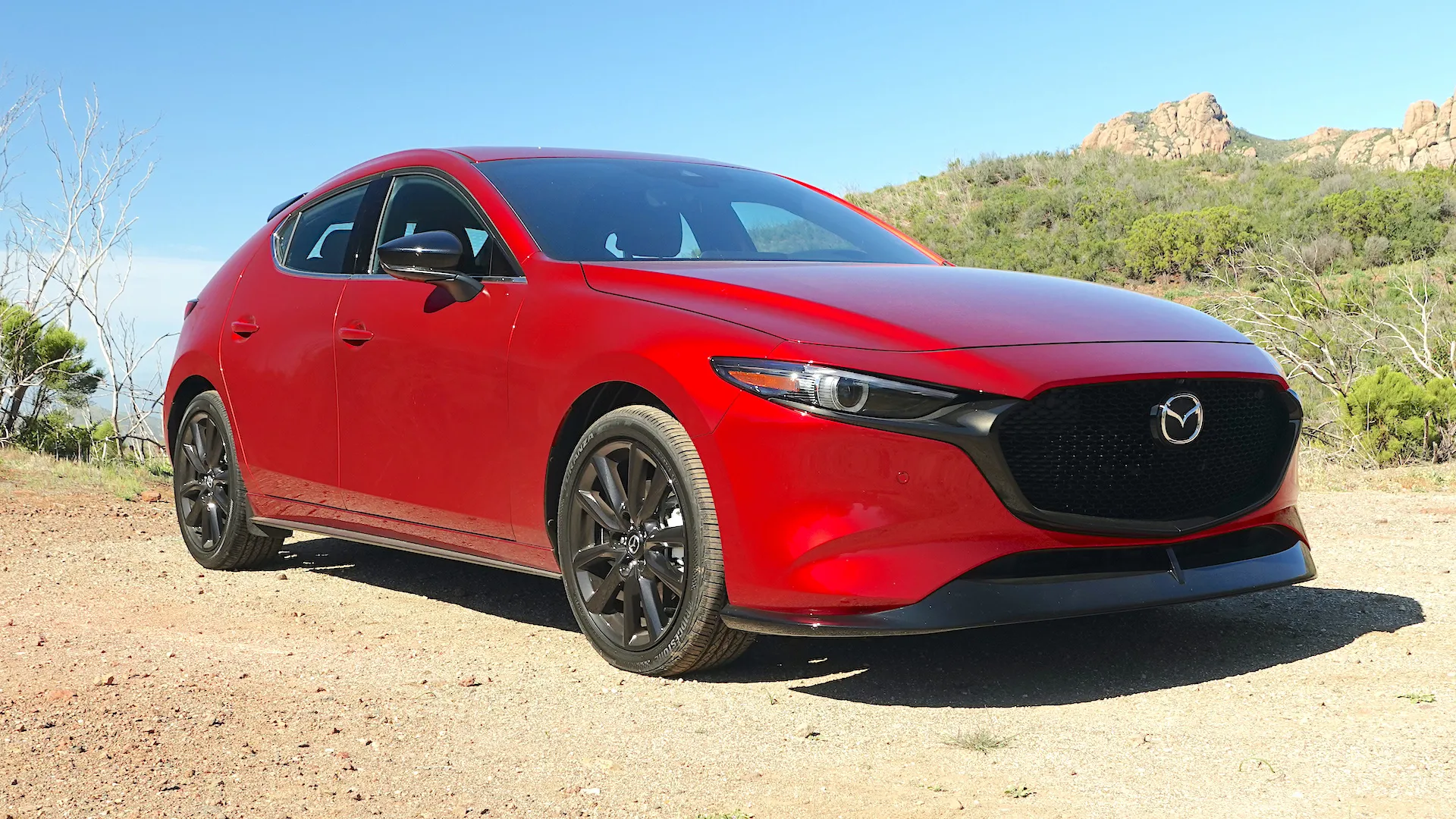
Mazda3 Hatchback
The Mazda3 Hatchback combines sporty styling with mechanical simplicity that appeals to DIY-minded drivers. While slightly more performance-oriented than some of the most basic hatchbacks, it retains a reputation for reliability and manageable maintenance.
Engines are accessible, and common maintenance tasks such as oil changes, brake servicing, and suspension repairs can often be completed by a knowledgeable owner. This makes the Mazda3 suitable for Montana residents who want a more engaging driving experience without sacrificing the ability to handle their own repairs.
Its fuel economy and compact design are additional advantages. The Mazda3 offers sufficient cargo space for both everyday errands and recreational equipment, making it versatile for urban and rural lifestyles. The suspension is designed to be both comfortable and durable, capable of handling rougher roads without frequent intervention.
Replacement parts are reasonably priced and widely available, which allows owners to maintain the car at home without relying heavily on dealer services. This practical combination of performance, accessibility, and durability makes the Mazda3 a strong choice for self-reliant hatchback owners.
The Mazda3 also has a supportive owner community. Online forums, repair guides, and instructional videos make it easier to troubleshoot issues independently.
This network of shared knowledge enhances the DIY maintenance experience and encourages owners to tackle minor repairs confidently. Additionally, many aftermarket upgrades and replacement components are designed for easy installation, further supporting an independent maintenance approach.
Finally, the Mazda3’s reputation for long-term reliability ensures that it remains a practical choice for residents of Montana. Engine longevity, transmission reliability, and resilient suspension components reduce the likelihood of major repairs, allowing owners to enjoy both the driving experience and the benefits of self-sufficiency.
For hatchback enthusiasts who value autonomy and a dependable vehicle, the Mazda3 offers an excellent balance of style, performance, and practical maintenance.
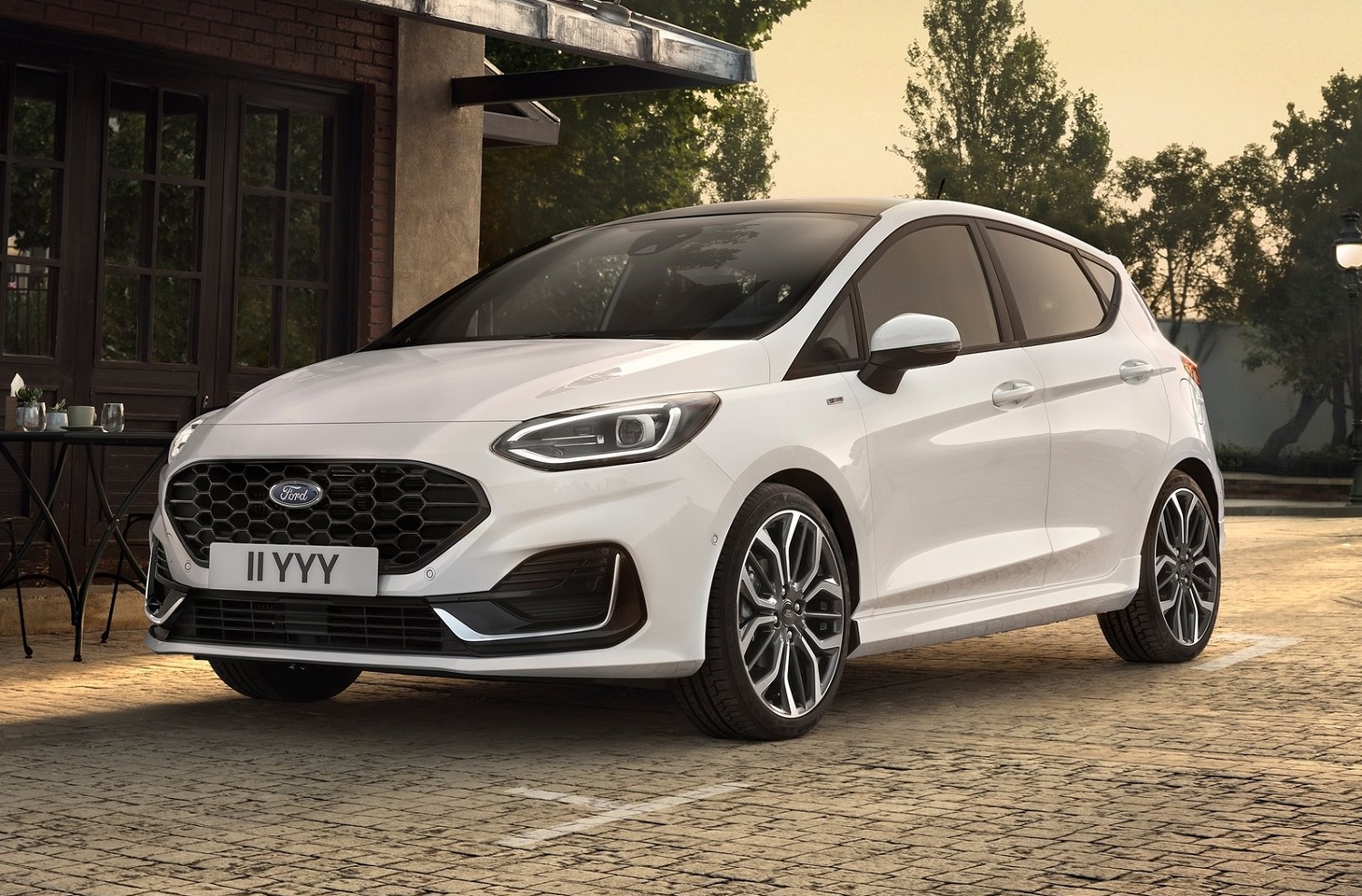
Ford Fiesta
The Ford Fiesta is a small hatchback that combines affordability with ease of maintenance. Its engines and transmission systems are mechanically straightforward, which allows for routine maintenance and minor repairs to be carried out at home.
Parts availability is high, and components like brakes, filters, and belts are commonly stocked at local auto stores, reducing the dependence on dealer services. This makes it a convenient option for Montana residents who prefer hands-on involvement with their vehicle.
The Fiesta’s size and maneuverability make it ideal for city driving in Billings while still being capable on rural roads. Its fuel efficiency reduces operating costs, which is a practical consideration in areas where distances between towns can be significant.
The car’s lightweight design contributes to reduced wear on tires and brakes, further simplifying maintenance and extending the lifespan of critical components. Additionally, its basic electronics system means fewer potential issues that could require specialized diagnostic equipment.
The Fiesta benefits from a strong aftermarket support network, similar to other self-maintenance-friendly hatchbacks. Owners can access instructional resources, replacement parts, and performance tips with ease, enabling a DIY approach to maintenance and minor upgrades. The simplicity of the car’s design encourages confidence in performing routine tasks without fear of unintentionally damaging complex systems.
Durability is another factor in the Fiesta’s appeal. While compact, it withstands regular use and moderate road challenges without significant mechanical strain. Its combination of reliability, affordability, and mechanical simplicity makes it an excellent candidate for hatchback drivers who want to reduce dependence on dealer services while still enjoying a comfortable, fuel-efficient vehicle.
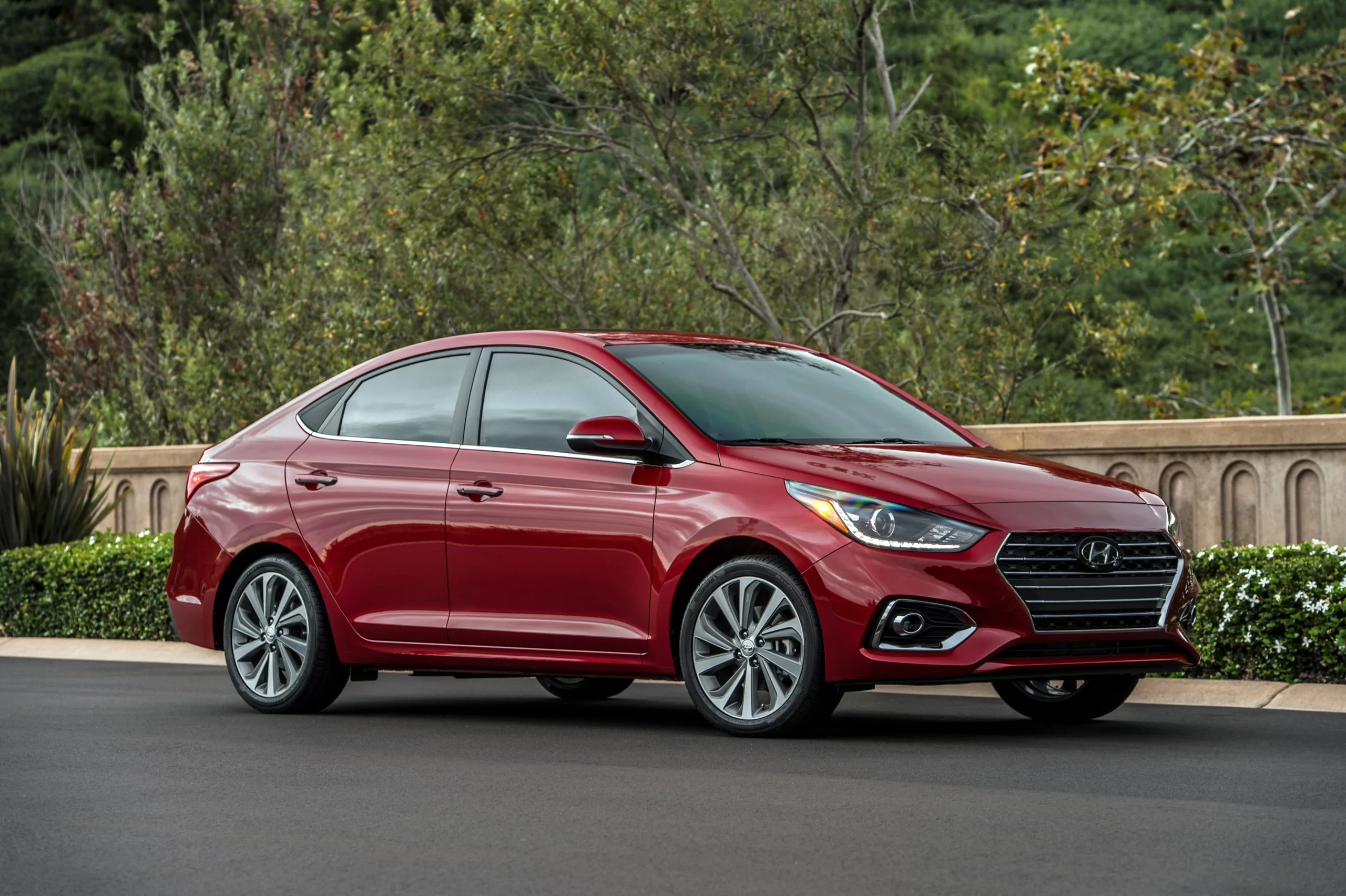
Hyundai Accent
The Hyundai Accent hatchback provides a balance of reliability, fuel efficiency, and simplicity. Its mechanical systems are uncomplicated, making it a solid choice for self-maintenance in Montana.
The engine layout is accessible, and common maintenance tasks such as oil changes, brake replacements, and fluid checks can typically be done without specialized tools. Parts are readily available and affordable, supporting a cost-effective maintenance routine that aligns with an independent lifestyle.
The Accent’s size and efficiency make it suitable for both urban and rural travel. It offers sufficient interior space for cargo and passengers while maintaining compact dimensions for maneuverability.
Its suspension and chassis are designed for durability, capable of handling varied road conditions without frequent repairs. The straightforward electronics system minimizes the risk of costly or complex issues, which is particularly important in areas with limited dealer access.
Additionally, the Accent has a reliable history. Owners report minimal major mechanical problems when performing regular maintenance. This consistency supports confidence in the car’s performance and long-term durability. A vehicle that can be maintained largely by its owner reduces both cost and inconvenience, which is especially valuable in Montana’s dispersed and sometimes harsh environments.
Finally, the Accent’s supportive community and readily available repair guides make self-maintenance accessible for both new and experienced drivers. With proper care, it can serve as a dependable and practical hatchback for Montana life, offering efficiency, simplicity, and mechanical reliability without heavy reliance on dealerships.
5 Hatchbacks That Require Dealer Work
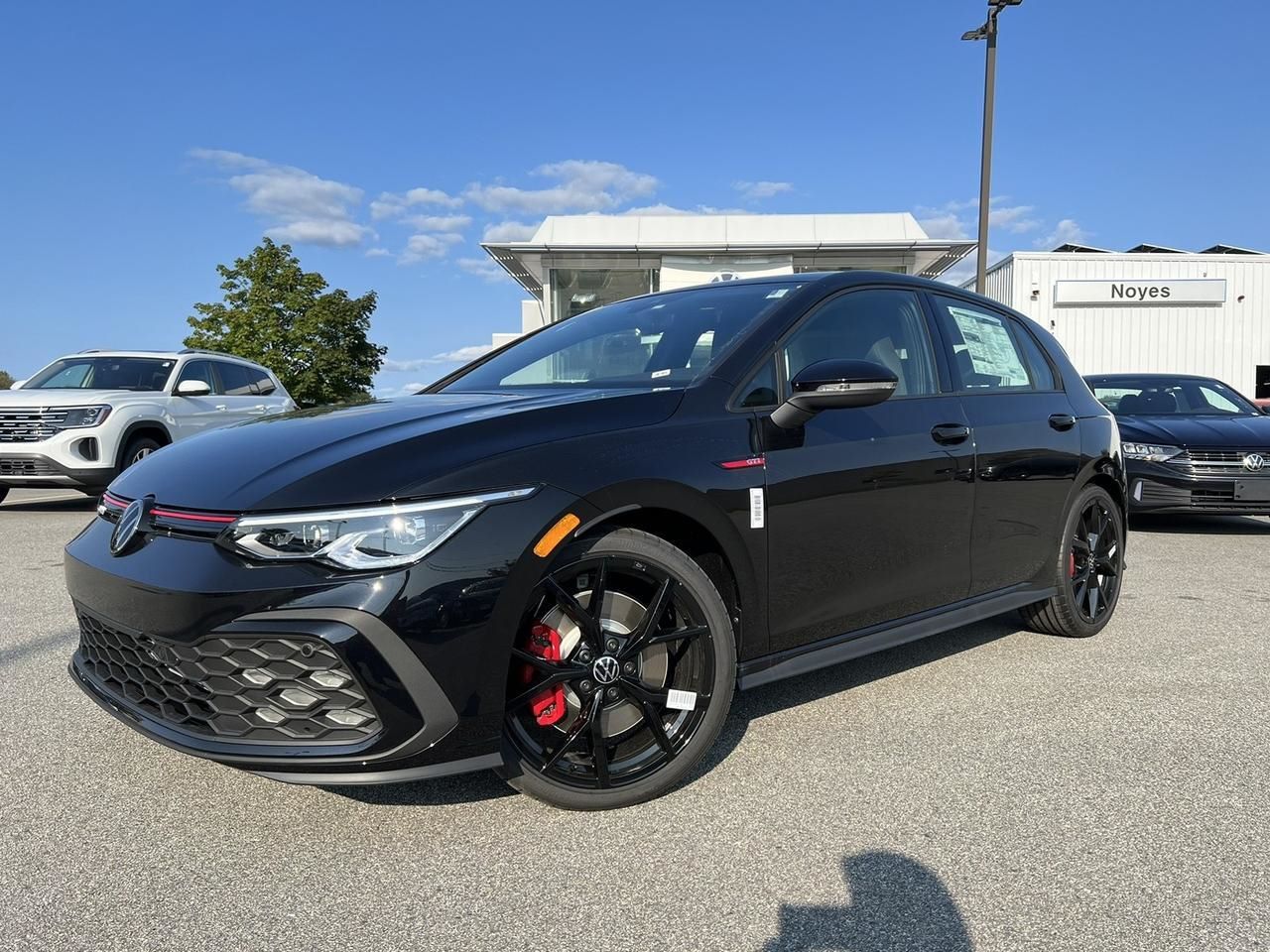
Volkswagen Golf
The Volkswagen Golf is known for its refined driving experience and modern features, but these advantages often come with higher maintenance demands. Many Golf models include advanced electronics, turbocharged engines, and sophisticated transmission systems that can require dealer-level diagnostics and repair.
While the car provides a comfortable and enjoyable ride, owners in Montana may face challenges handling repairs independently. Routine issues such as engine codes, transmission adjustments, or electronic malfunctions often necessitate specialized equipment and training.
Part of the Golf’s appeal comes from its engineering complexity. Turbocharged engines deliver performance benefits, but they also require careful monitoring of components like turbochargers, intercoolers, and direct injection systems. Improper handling of these elements can lead to significant damage, making DIY maintenance risky.
Additionally, the car’s electronic systems, including infotainment and driver-assistance features, often require proprietary software updates that can only be performed at a dealership. This dependence increases costs and reduces convenience for drivers who live far from service centers.
The Golf’s suspension and drivetrain are also more intricate than simpler hatchbacks. While this contributes to a smooth and stable ride, it makes certain repairs more time-consuming and technically challenging.
Components may need precise alignment or calibration that is difficult without specialized tools. Owners attempting to handle repairs at home may inadvertently create additional problems or void warranties.
Despite these challenges, the Golf is popular because of its build quality, comfort, and style. However, residents in Montana who want a vehicle they can fully maintain themselves may find it frustrating. Dependence on dealer service for even moderate repairs can limit flexibility, particularly when living in areas with long distances between service centers.
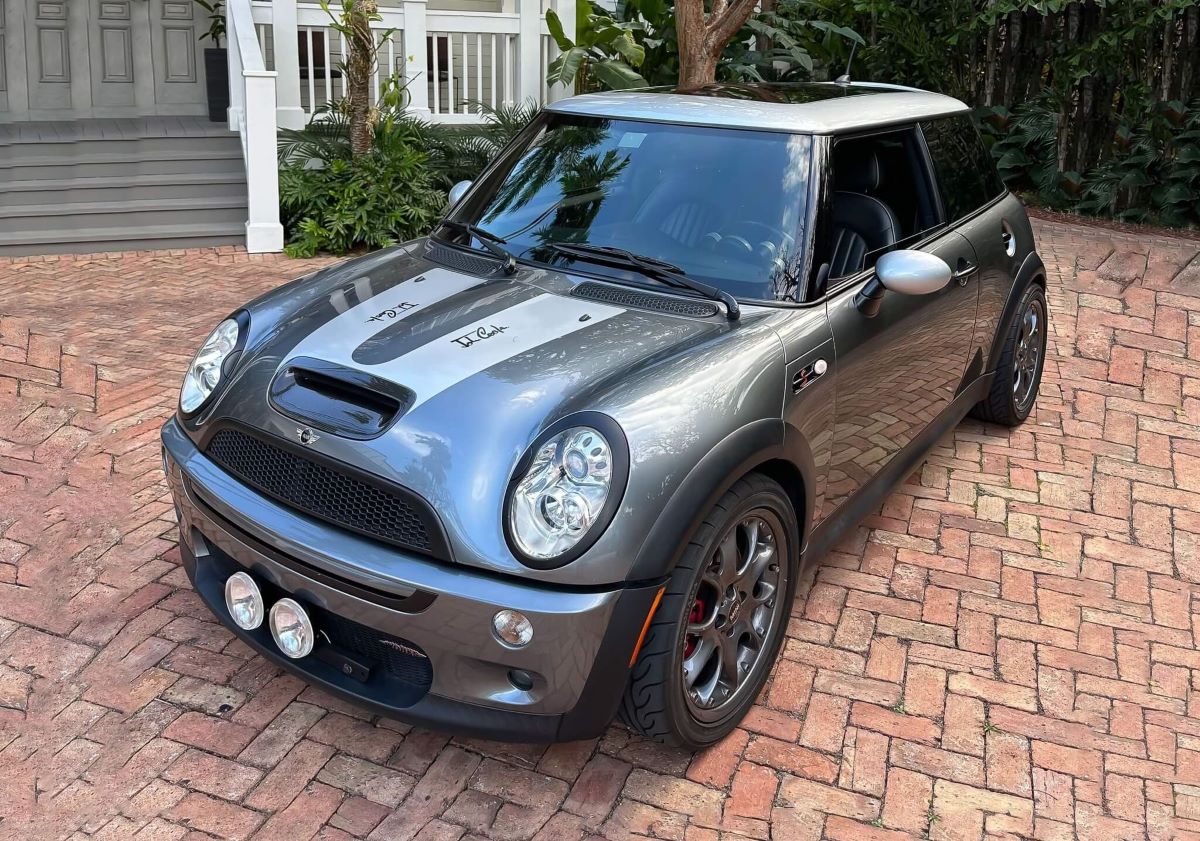
Mini Cooper
The Mini Cooper is a stylish and performance-oriented hatchback, but its maintenance requirements often place it firmly in the dealer-dependent category. Many of its models feature turbocharged engines, dual-clutch transmissions, and a variety of advanced electronic systems.
While these technologies contribute to precise handling and an engaging driving experience, they also increase the complexity of routine maintenance.
Tasks that might be simple on other hatchbacks, such as transmission adjustments, software updates, or turbocharger inspections, frequently require specialized diagnostic tools only available at a dealership. In Montana, where access to authorized Mini service centers may be limited, this can be inconvenient and costly.
Components like sensors, infotainment modules, and advanced safety systems often interact in ways that are not easily diagnosed without professional equipment. For instance, a single faulty sensor can trigger multiple warning lights or affect engine performance.
Without dealer-level support, owners may struggle to accurately identify and resolve the root cause of these issues. Furthermore, replacement parts are often proprietary and must be sourced through official channels, adding both time and expense to even relatively minor repairs.
The suspension and chassis design also contribute to the dealer-dependent classification. Mini Coopers are designed for precision handling, with tightly calibrated suspension components and specialized struts. While this provides excellent driving dynamics, adjustments or repairs to these systems typically require precision tools and experience.
DIY efforts, even by mechanically adept owners, can result in misalignment or additional wear if the correct procedures are not followed. Additionally, Mini Coopers often use high-performance tires and brake components that may not be as readily available in smaller towns or independent garages, further increasing reliance on dealership support.
Despite these limitations, the Mini Cooper continues to attract enthusiasts due to its iconic styling and nimble performance. However, drivers who prioritize independence in vehicle maintenance may find this car challenging to own in Montana.
The combination of complex engineering, sensitive electronics, and specialized parts makes the Mini Cooper a vehicle that relies heavily on dealer intervention to maintain optimal performance and reliability. For those seeking autonomy in maintenance and repairs, other hatchbacks may offer a more practical choice.
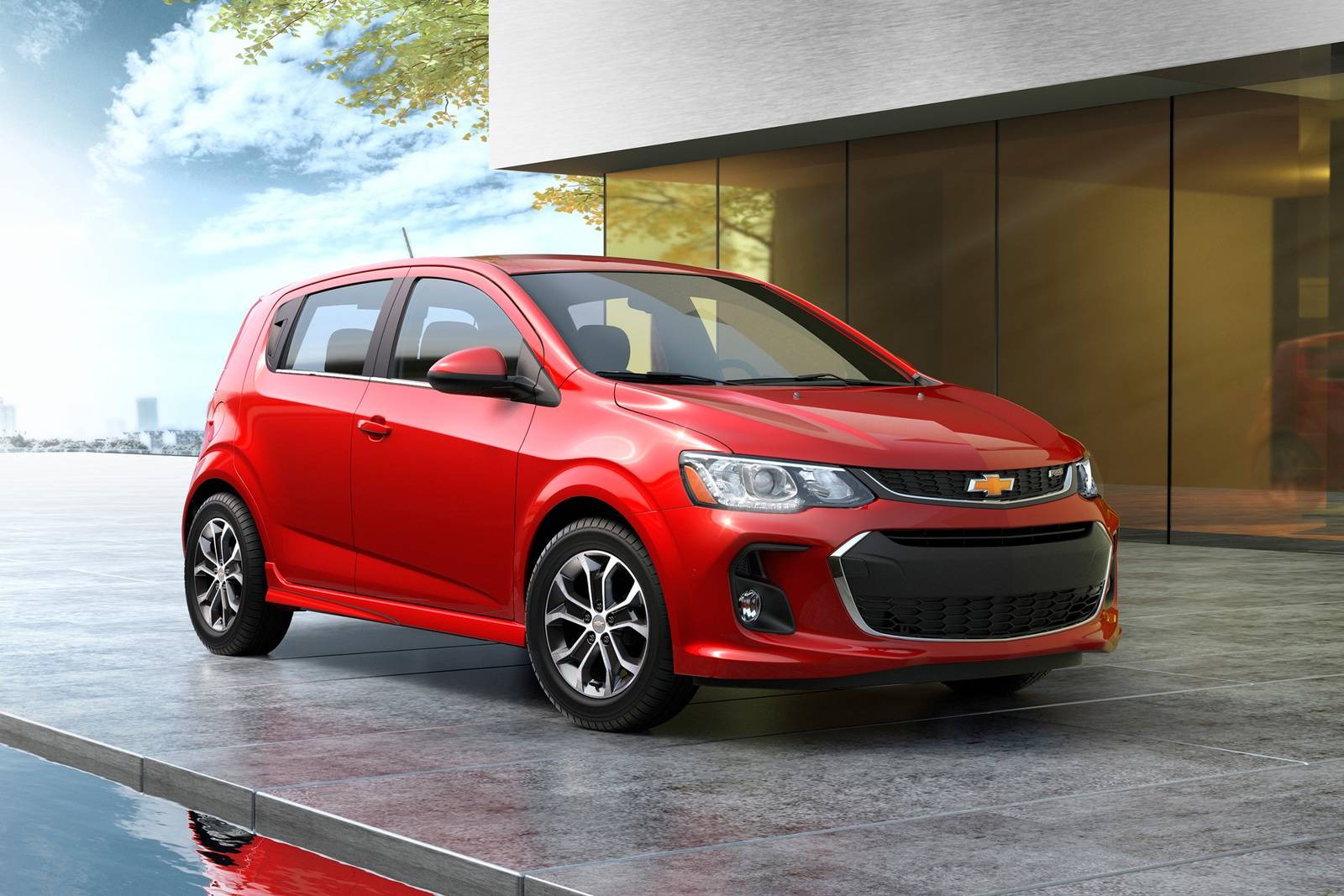
Chevrolet Sonic
The Chevrolet Sonic offers a balance between affordability and features, but many of its newer models incorporate technologies that make dealer service more necessary. The car includes electronic control systems, turbocharged engines, and advanced infotainment options that can complicate DIY maintenance.
Simple repairs like transmission issues, engine codes, or sensor malfunctions can require professional diagnostic equipment. In Montana, where Chevrolet dealerships may not be immediately accessible in rural areas, this dependency can lead to inconvenience and higher maintenance costs.
Turbocharged engines in the Sonic provide strong performance, but they also demand careful handling. Components such as the turbocharger, intercooler, and fuel injection system are more sensitive to errors in maintenance than naturally aspirated engines.
Attempting to address these systems without proper tools or knowledge can result in costly damage. Additionally, many Sonic models include electronic control units that monitor performance and emissions. Malfunctions often trigger warning lights that require software-based intervention at a dealership, further emphasizing the car’s reliance on professional service.
The Sonic’s suspension and braking systems, while designed for efficiency and comfort, can also be challenging for DIY repair. Alignment adjustments, strut replacements, and brake system work may require specialized tools or techniques not commonly found in home garages.
Even minor mechanical mistakes can lead to uneven wear or compromised safety, making dealer service the safer and more practical option. Replacement parts, while generally available, may require model-specific ordering that delays repairs for those attempting to manage maintenance independently.
Despite these considerations, the Chevrolet Sonic is a well-regarded compact hatchback for drivers seeking a mix of features and affordability.
However, for Montana residents looking for a hatchback that they can fully maintain themselves, the Sonic’s reliance on electronic systems, turbocharged components, and dealer-level diagnostics makes it a less practical choice. It is better suited to owners who have easy access to dealerships and do not mind relying on professional service for certain repairs.
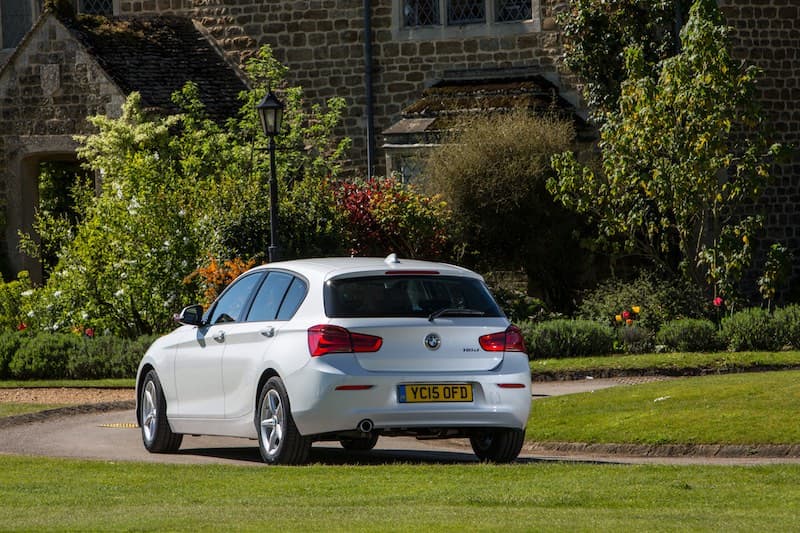
BMW 1 Series
The BMW 1 Series is a premium hatchback that offers high performance and advanced technology, but its maintenance requirements often place it squarely in the dealer-dependent category. Its engines, particularly turbocharged variants, and dual-clutch transmissions are complex and require specialized tools for repair and adjustment.
Attempting DIY maintenance without these resources can result in damage or reduced performance. In Montana, where BMW-certified service centers are limited, the 1 Series may create a dependency on dealership visits for both routine and unexpected repairs.
BMW’s reputation for precision engineering comes with the cost of mechanical complexity. Suspension systems are often intricately designed for sporty handling, which requires accurate calibration during repairs.
Brakes, struts, and chassis components are engineered for performance, meaning that even small mistakes in maintenance can have significant impacts on ride quality and safety. Additionally, BMW vehicles include sophisticated electronic systems for engine management, infotainment, and safety monitoring. These systems often need proprietary software updates and diagnostic tests available only at dealerships.
The 1 Series also uses premium parts that are not always easily sourced locally. Engine components, transmission parts, and electronic modules may need to be ordered through official channels, causing delays in maintenance and higher repair costs.
Even seemingly minor issues, such as sensor replacements or battery replacements, may require dealer intervention to avoid triggering warning lights or system errors. For owners in remote areas, this dependence can be inconvenient and add expense over time.
Despite the maintenance challenges, the BMW 1 Series attracts drivers who value performance, luxury, and technological sophistication. However, for residents of Montana who prioritize the ability to perform routine maintenance independently, the 1 Series presents significant obstacles.
Its combination of complex engines, advanced electronics, and proprietary parts makes it a vehicle best suited to those with consistent access to dealership service and the budget to support it.
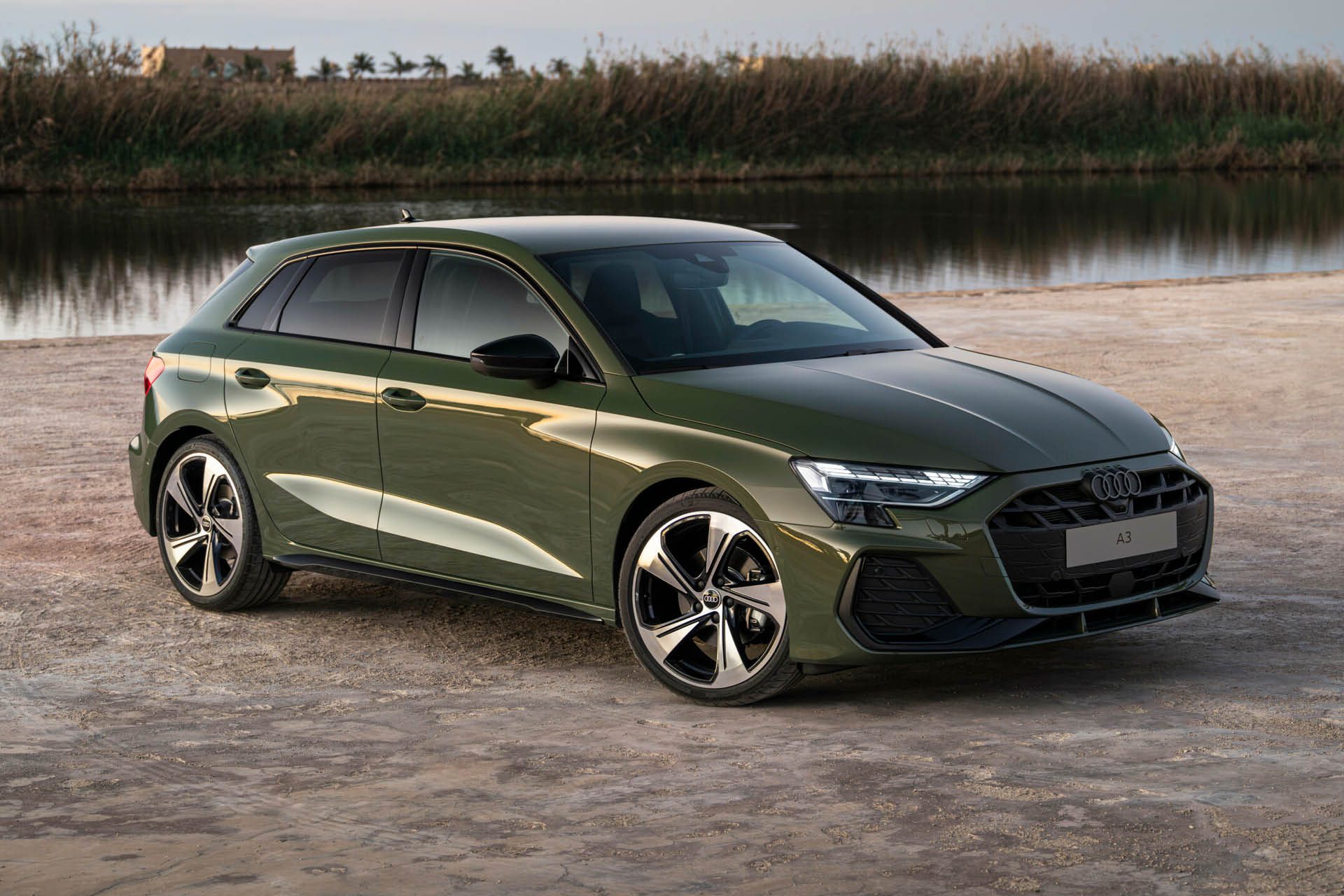
Audi A3
The Audi A3 is a compact hatchback that delivers premium features and performance but requires regular dealer-level attention for maintenance and repairs. Its turbocharged engines, all-wheel-drive systems, and integrated electronics make DIY maintenance challenging.
Routine issues, including engine codes, transmission adjustments, or infotainment updates, often necessitate professional diagnostic tools and software. In Montana, where access to authorized Audi service centers can be limited, this reliance on dealer support can make ownership less convenient.
Audi’s focus on technology and performance contributes to its dealer dependency. Engine management systems are highly integrated with the car’s electronics, meaning that even minor problems can trigger multiple warning lights.
Repairing these systems without proper diagnostic equipment can be ineffective or even harmful. All-wheel-drive models further complicate maintenance, as drivetrain components require precise calibration to maintain safety and performance. Attempting these repairs without proper tools or expertise can lead to mechanical issues and added costs.
The A3’s suspension and braking systems are engineered for comfort and precision, with complex geometry that requires careful attention during repair. Components are often tightly packaged, making them less accessible for routine maintenance.
Replacement parts for engines, transmissions, or electronic modules are frequently proprietary, necessitating dealership involvement. Even oil changes, while relatively simple, may require resets in the car’s computer system to avoid service warnings, underscoring the reliance on professional service.
While the Audi A3 offers a high-quality driving experience, advanced features, and premium design, it is not ideal for owners seeking independence in vehicle maintenance.
For Montana residents, the need for dealer intervention for routine repairs, software updates, and complex mechanical work makes the A3 better suited to those with convenient access to Audi dealerships and the resources to support ongoing professional service.
