
Japanese sport utility vehicles have earned a powerful reputation for durability, consistency, and mechanical reliability across decades of real-world use. Owners often report vehicles lasting far beyond expectations, sometimes crossing hundreds of thousands of miles with routine maintenance and minimal major repairs.
This reputation did not appear by accident. It is the result of manufacturing discipline, conservative engineering choices, and a cultural focus on long-term dependability rather than short-term novelty. Japanese automakers traditionally emphasize proven components, refined production processes, and gradual improvement instead of dramatic redesigns that may introduce new risks.
Longevity in vehicles depends on several factors working together. Engine design plays a crucial role, especially when manufacturers avoid pushing extreme power outputs and instead favor balanced performance. Transmission tuning, cooling systems, suspension durability, and electrical simplicity also matter greatly.
Japanese SUVs are often built with these principles in mind, resulting in vehicles that may feel understated when new but continue operating reliably long after competitors have faded. This approach appeals strongly to families, off road users, fleet operators, and drivers who value trust over flash.
Another reason these vehicles last so long is ease of maintenance. Japanese SUVs are typically designed with accessibility in mind, allowing mechanics to service critical components without excessive labor.
Parts availability remains strong for many years, keeping ownership costs reasonable even as vehicles age. Consistent manufacturing standards also mean fewer unpredictable failures, which contributes to owner confidence and long term use.
This article focuses on ten Japanese SUVs widely recognized for legendary longevity. These vehicles are known not because of hype or trends, but because countless owners have experienced their endurance firsthand.
Each model has demonstrated an ability to remain functional, dependable, and structurally sound well beyond normal expectations. The following sections examine what makes each SUV special and why it continues to earn respect among drivers who value vehicles that stand the test of time.
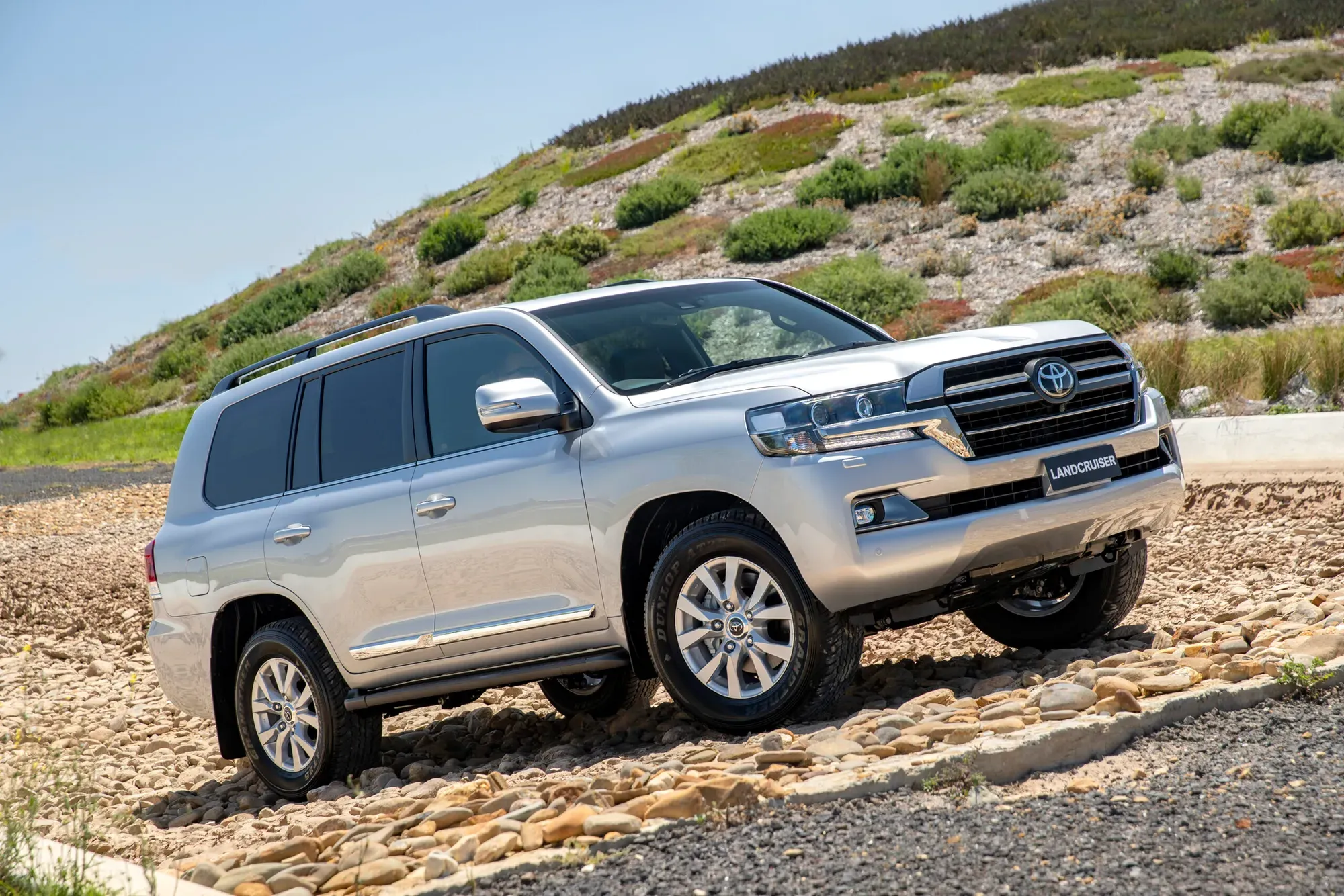
Toyota Land Cruiser
The Toyota Land Cruiser has long been regarded as one of the most durable vehicles ever produced, earning worldwide acclaim for its ability to operate reliably in extreme conditions. From the deserts of the Middle East to the rugged mountains of Africa and Australia, the Land Cruiser has repeatedly demonstrated that it can endure situations that would overwhelm many other vehicles.
This exceptional endurance is not accidental but the result of decades of careful engineering decisions focused on strength and simplicity. While some modern SUVs prioritize luxury and cutting-edge technology, the Land Cruiser’s primary objective is to maintain mechanical integrity and operational reliability over the long term.
Every generation of the Land Cruiser reflects Toyota’s commitment to building vehicles that owners can trust to perform consistently under stress, which has contributed to the model becoming a global symbol of durability and longevity.
One of the key reasons for the Land Cruiser’s legendary longevity is its engine design. Toyota often chooses naturally aspirated engines for the Land Cruiser rather than heavily turbocharged options, prioritizing reliability over peak power output.
These engines are engineered to operate within safe performance limits, which reduces the likelihood of premature wear or catastrophic failure. The cooling systems are overbuilt to prevent overheating in harsh climates, while the lubrication and fuel systems are designed for long intervals between maintenance without sacrificing performance.
Many Land Cruiser engines have achieved mileages exceeding 300,000 to 400,000 miles with routine care, which is virtually unheard of in most modern SUVs. This balance between strength and restraint is central to why Land Cruisers have such a strong reputation for longevity.
The Land Cruiser’s body on frame construction further enhances its durability. Unlike unibody SUVs, which can suffer structural fatigue over time, the Land Cruiser’s frame is designed to handle extreme loads and impacts without compromising integrity.
Heavy duty suspension components and reinforced chassis sections allow the vehicle to maintain performance even when navigating off road terrain or carrying substantial cargo. This robust construction not only contributes to reliability but also makes repairs simpler when they are needed, as major structural components are easier to service or replace.
Many owners report that even vehicles with over 20 years of use retain a solid, confident feel on the road, which is a testament to Toyota’s engineering philosophy.
Another critical factor in the Land Cruiser’s longevity is Toyota’s approach to continuous improvement without radical redesigns. Each new generation of the Land Cruiser tends to refine and perfect existing designs rather than introducing untested features that could compromise reliability.
This incremental approach reduces the risk of mechanical failures, making it easier for owners to maintain vehicles over decades. High quality materials, consistent assembly processes, and rigorous quality control further ensure that every component is capable of lasting the long term.
Collectively, these design choices make the Land Cruiser not only one of the most dependable SUVs ever built but also a trusted companion for owners who prioritize endurance and reliability over temporary trends.
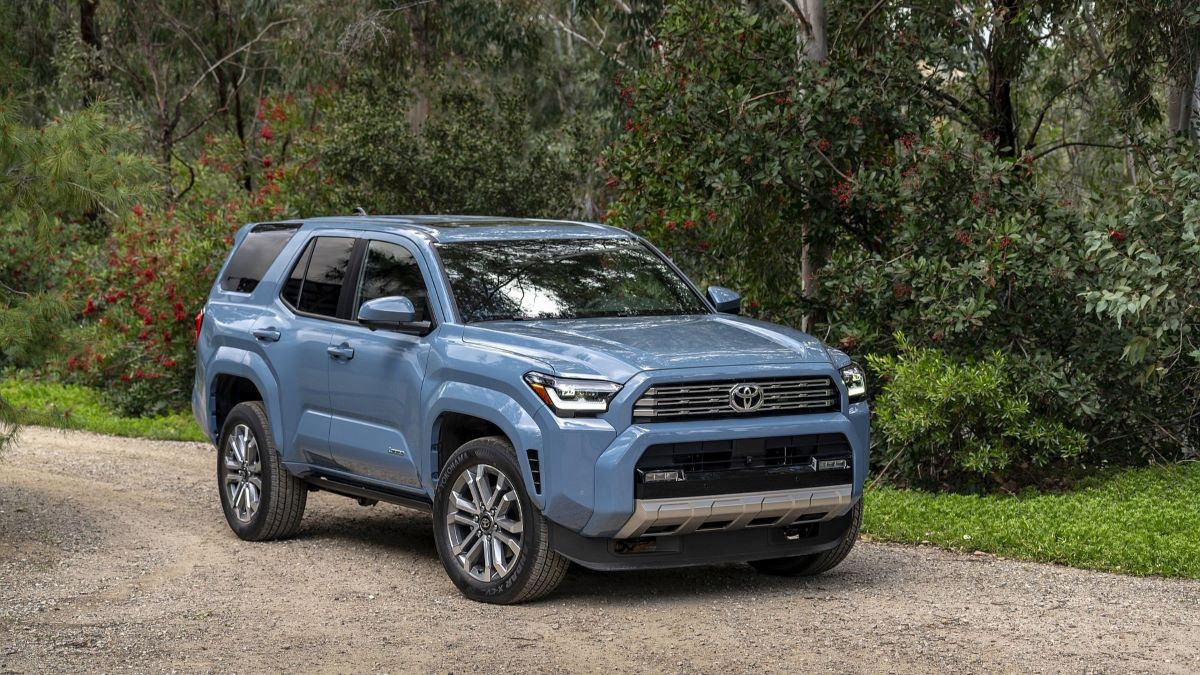
Toyota 4Runner
The Toyota 4Runner has earned a reputation as a rugged, long lasting SUV due to its blend of practicality and durability. Unlike many competitors that have shifted toward crossover styling, the 4Runner has maintained a body on frame architecture for most of its generations, giving it the ability to handle demanding conditions without compromising performance.
Its appeal lies not only in its off road capability but also in the confidence it inspires in owners who require a vehicle that can last for decades. The 4Runner consistently demonstrates that careful engineering, a focus on mechanical simplicity, and durable materials can result in a vehicle that outlives most other SUVs in the same class.
One of the major strengths of the 4Runner is its drivetrain. Toyota often pairs robust engines with proven transmissions that emphasize reliability over extreme performance. These powertrains are known for their smooth operation and low wear rates, even when subjected to frequent towing, off road use, or heavy passenger loads.
Many owners report 4Runners surpassing 200,000 to 300,000 miles without major engine or transmission work, highlighting the effectiveness of Toyota’s approach. The combination of a dependable engine, responsive transmission, and durable driveline ensures that the vehicle can handle a variety of driving conditions while maintaining consistent performance over the long term.
The suspension and chassis of the 4Runner also play a critical role in its longevity. Retaining a body on frame layout, the vehicle is capable of absorbing rough terrain and heavy use without transferring undue stress to the cabin or drivetrain.
Suspension components are reinforced and engineered to withstand repeated impacts, which reduces the need for premature replacements. Even when driven daily in urban environments, the 4Runner’s robust construction minimizes issues such as frame flex, alignment problems, or structural fatigue, all of which are common challenges in lighter, unibody SUVs. This durability extends the vehicle’s lifespan while maintaining a stable and reliable driving experience.
Maintenance accessibility and simplicity further enhance the 4Runner’s long term appeal. Toyota has historically prioritized designs that allow for straightforward repairs, making it easier for owners to perform routine services such as oil changes, brake replacements, or suspension adjustments.
Parts availability remains high even for older models, which lowers the cost of ownership and encourages proper maintenance. As a result, many 4Runner owners choose to retain their vehicles for decades, confident that they can continue to rely on them for both daily commuting and challenging outdoor adventures. This combination of mechanical reliability, structural strength, and serviceability cements the 4Runner’s status as a long lasting, dependable SUV.
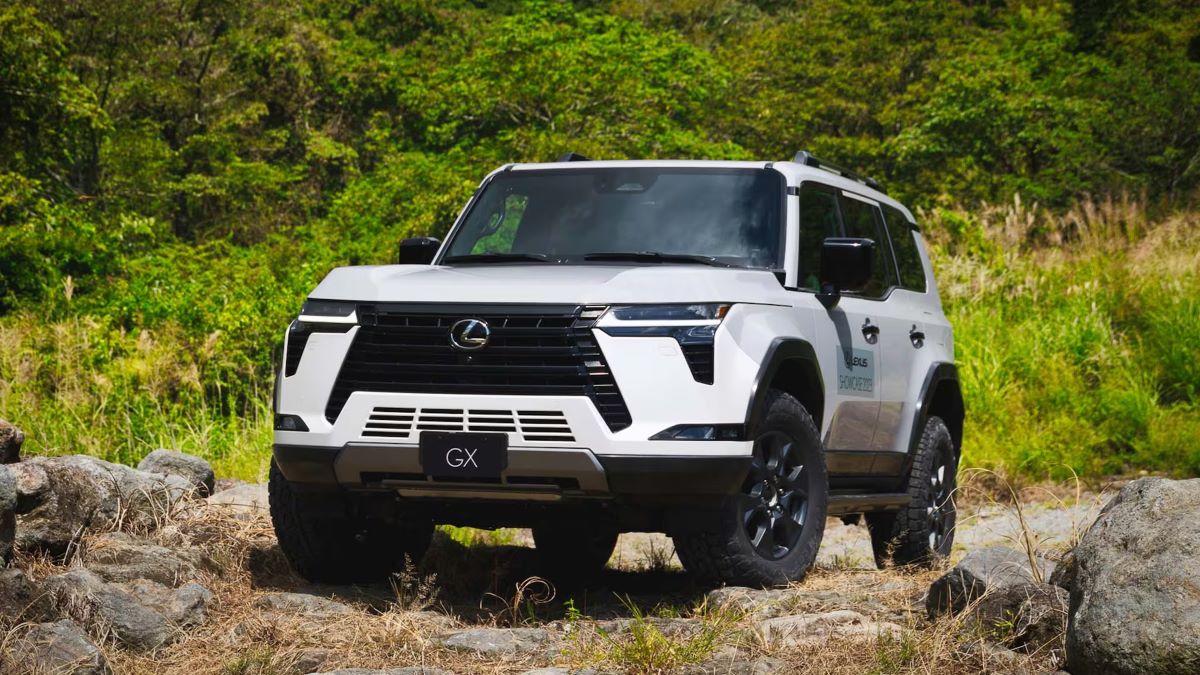
Lexus GX
The Lexus GX combines refined luxury with a mechanical foundation rooted in durability, making it one of the most reliable high end SUVs available. Its platform is closely related to the Toyota Land Cruiser Prado, inheriting much of the legendary Land Cruiser engineering while adding higher levels of comfort, interior refinement, and advanced features.
Despite the additional luxury amenities, the GX retains a focus on strength and long term performance. Many owners report that it continues to operate reliably after hundreds of thousands of miles, making it a rare example of an SUV that blends comfort and longevity without compromise.
A key factor in the GX’s durability is its engine. Lexus typically employs V8 engines tuned for smoothness and efficiency rather than peak performance, allowing them to run reliably under extended use.
The internal components are carefully engineered to withstand long periods of operation without significant wear, while the cooling and lubrication systems are robust enough to handle extended highway and off road driving. Regular maintenance ensures that these engines continue to provide dependable performance for decades, making the GX a favorite among owners who prioritize long term reliability while still seeking a premium driving experience.
The suspension of the Lexus GX strikes a balance between comfort and rugged capability. It is designed to absorb road imperfections while maintaining vehicle stability, even under heavy loads or uneven terrain. Reinforced chassis components and durable suspension parts allow the GX to handle occasional off road conditions without compromising longevity.
Drivers often note that the vehicle maintains a composed ride and solid handling characteristics, even with high mileage, which is uncommon among luxury SUVs. This combination of a capable suspension and durable drivetrain reinforces the vehicle’s reputation as a long lasting option.
Finally, Lexus’ dedication to meticulous quality control contributes to the GX’s endurance. From electrical systems to interior materials, the vehicle is built to reduce the likelihood of premature failure. High quality assembly processes minimize vibration, squeaks, and other age related issues that often affect other SUVs over time.
This level of attention ensures that the GX continues to operate reliably while providing a premium experience, resulting in a vehicle that can serve owners well into the future without frequent major repairs. Its longevity is a testament to the engineering discipline inherited from Toyota’s legendary durability standards.
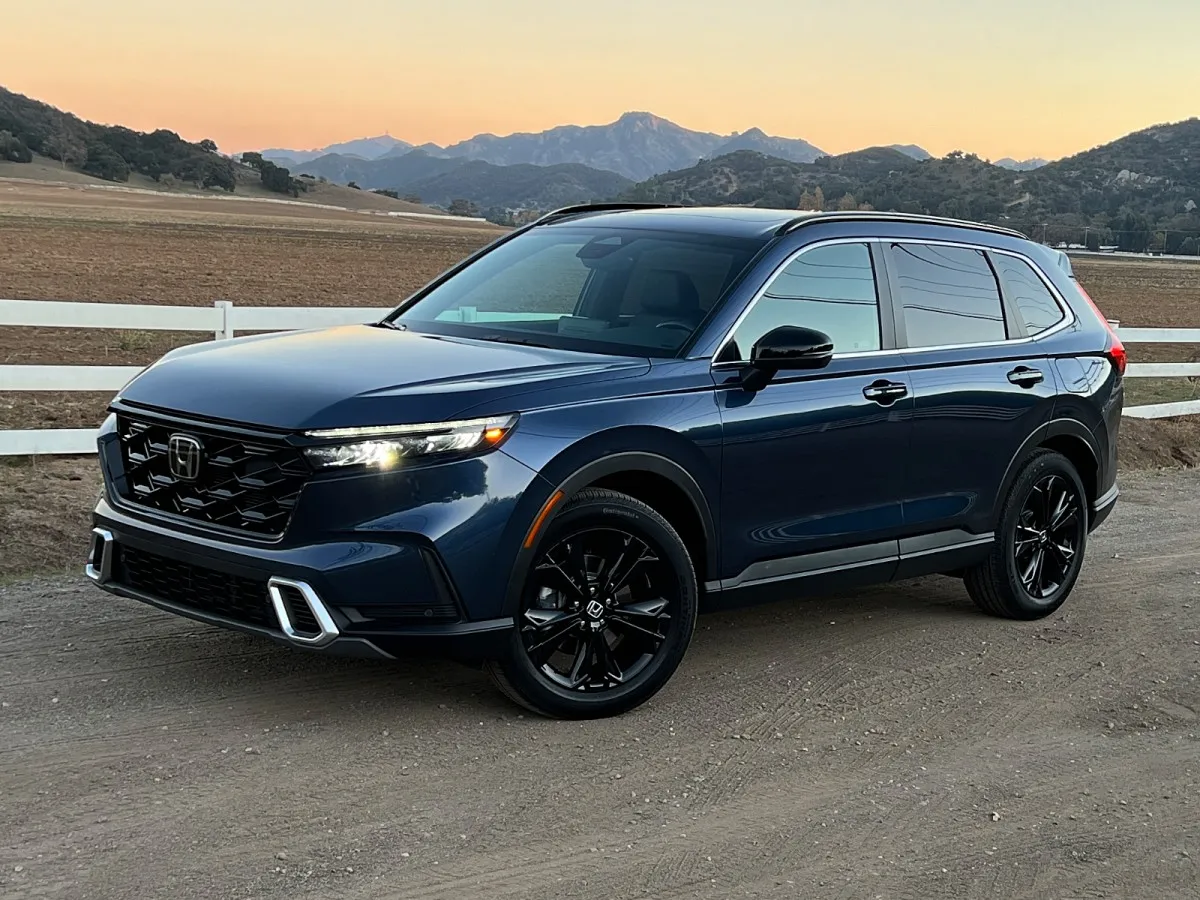
Honda CR V
The Honda CR V may appear unassuming compared to large off road SUVs, but it has established itself as one of the most reliable compact SUVs ever produced. Its longevity comes from a combination of efficient engineering, straightforward mechanical design, and a focus on durability over flashy features.
Honda’s philosophy emphasizes engines and transmissions that are not pushed to extremes, making the CR V a practical choice for drivers who expect their vehicle to last well beyond the typical ownership cycle. Many CR V owners report vehicles reaching 200,000 miles or more with minimal issues, making it a standout in its class.
The engine of the CR V is a major contributor to its long term reliability. Honda designs its powertrains with precision, focusing on smooth operation, efficient combustion, and reduced internal stress. These engines can handle daily commuting, highway driving, and moderate towing without excessive wear.
Combined with Honda’s well engineered automatic or manual transmissions, the CR V delivers dependable performance year after year. Many vehicles retain their engine performance even after extensive mileage, which reflects Honda’s attention to conservative but robust design.
Another reason the CR V remains durable is its balanced structural design. The vehicle’s lighter weight relative to larger SUVs reduces stress on suspension, steering, and braking components, allowing them to last longer.
Honda also focuses on quality materials that resist corrosion, wear, and fatigue, ensuring that critical mechanical systems continue to operate effectively over time. Many owners note that even older CR Vs maintain tight handling and consistent performance without requiring expensive repairs, which contributes to its reputation as a long lasting SUV.
Finally, Honda’s commitment to incremental improvements supports longevity. Rather than introducing untested technologies that could fail, Honda carefully refines each generation to address previous issues while maintaining the core reliability of the vehicle.
Service procedures are straightforward, and parts remain widely available, making it easier to keep the CR V in good condition for decades. This approach has resulted in a vehicle that is both practical and dependable, offering long term ownership value that few compact SUVs can match.
Toyota Highlander
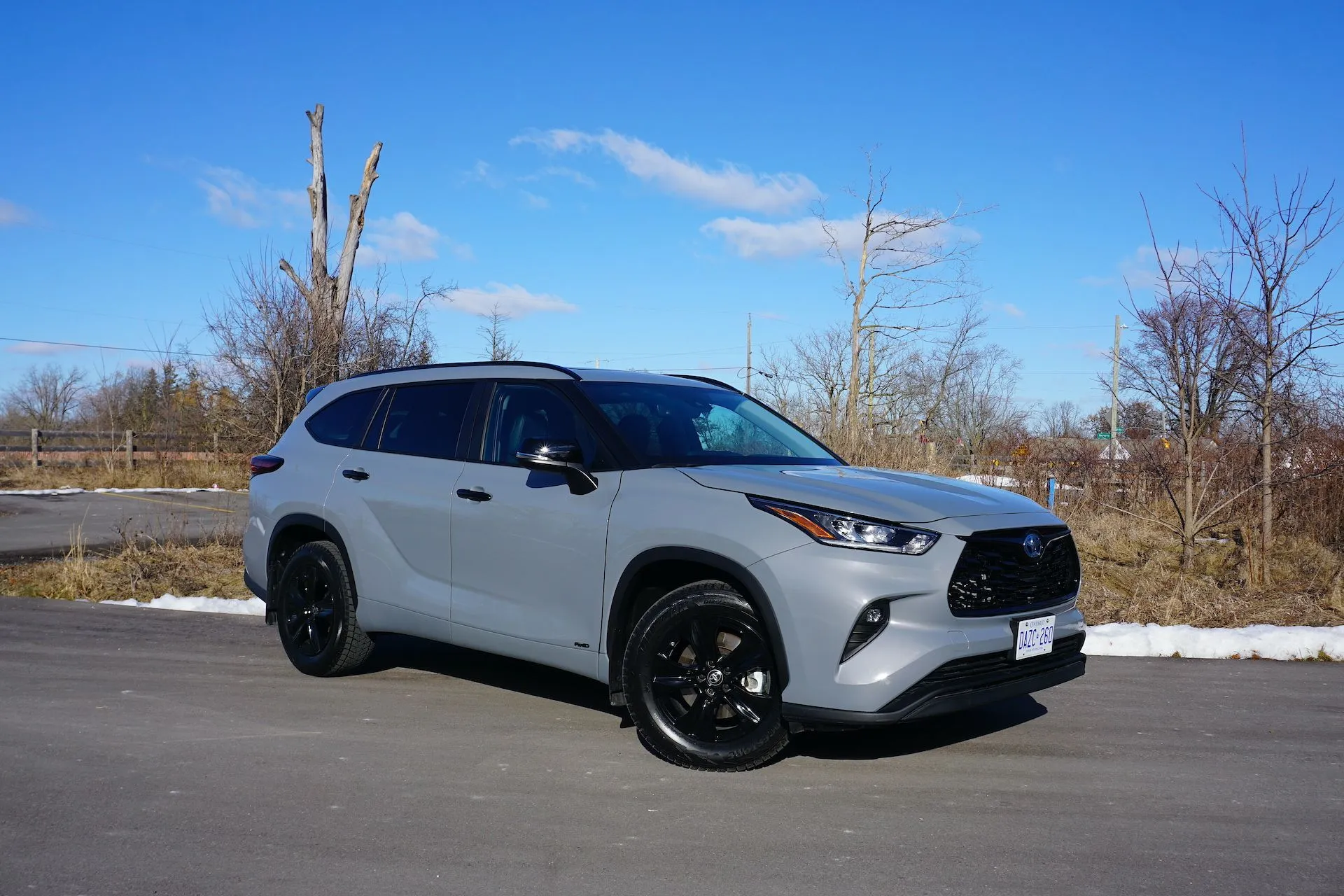
The Toyota Highlander has earned a reputation for reliability and long term performance by combining thoughtful engineering with consistent mechanical quality. As a mid size SUV aimed primarily at families, it focuses on comfort, safety, and durability. Toyota has built the Highlander to withstand years of daily use while maintaining solid performance.
Owners frequently praise its ability to remain dependable over long periods, demonstrating that careful design and conservative engineering can produce vehicles capable of high mileage without major issues.
One of the Highlander’s strengths lies in its drivetrain. Toyota equips the vehicle with engines designed for efficiency, smooth operation, and longevity rather than extreme performance. These engines operate well within their mechanical limits, reducing wear on internal components.
When paired with durable transmissions and robust cooling systems, the Highlander’s powertrain provides reliable performance even after years of regular use. Many vehicles have been known to exceed 250,000 miles with proper care, illustrating the effectiveness of Toyota’s focus on long term durability.
The Highlander’s structural design also contributes to its longevity. The unibody construction provides a stable, rigid platform that balances strength with manageable weight. This reduces stress on the suspension and braking systems, allowing these components to remain functional longer.
Reinforced chassis areas and high quality materials minimize issues such as frame fatigue or excessive wear, which are common in older SUVs. Owners often find that Highlanders maintain consistent handling and a smooth ride even after many years of service, which adds to the vehicle’s reputation for dependability.
Finally, Toyota makes it easy to maintain the Highlander, supporting its long term reliability. Clear service intervals, robust components, and widespread parts availability reduce the likelihood of neglect or deferred maintenance.
Routine services can be performed efficiently, helping owners keep their vehicles in excellent condition for decades. This combination of strong engineering, accessible maintenance, and practical design ensures that the Highlander remains a trusted family SUV capable of standing the test of time.
Subaru Forester
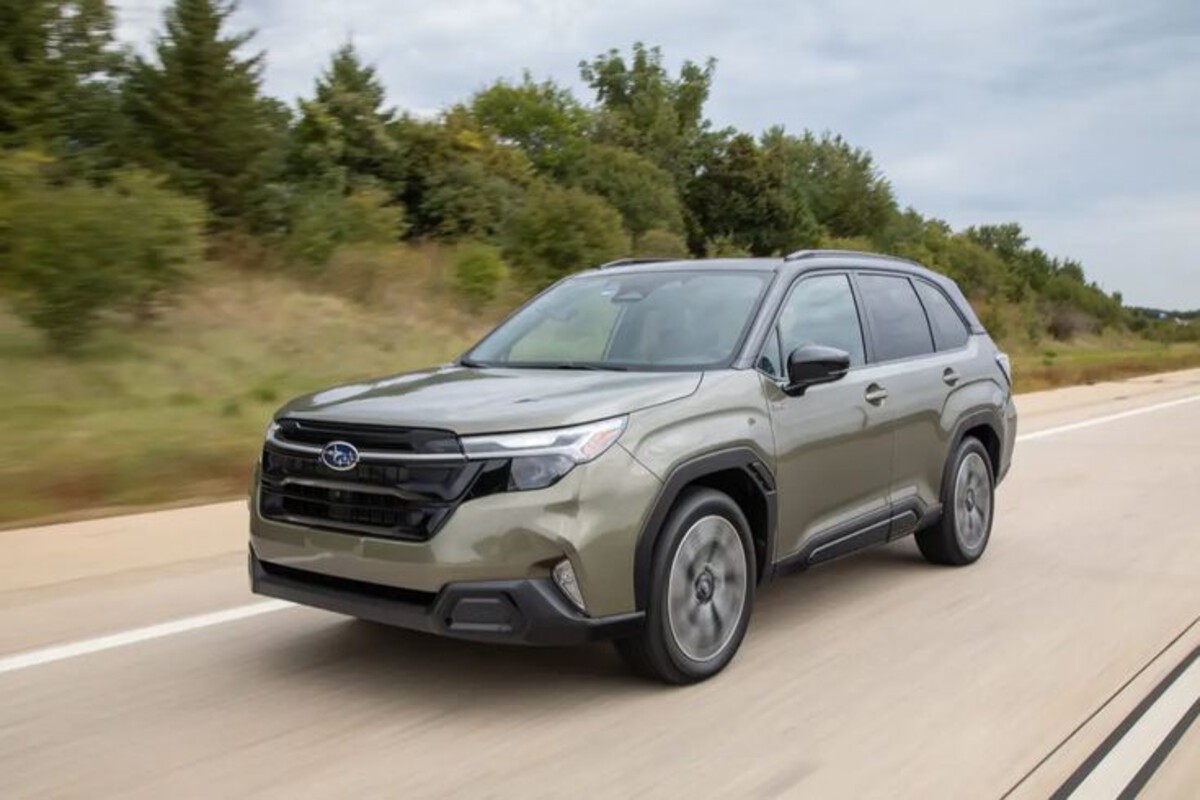
The Subaru Forester has earned a reputation for durability and practical reliability despite its relatively compact size. Known for its standard All Wheel Drive system and rugged platform, the Forester is designed to handle a variety of weather and road conditions with confidence.
Its engineering focuses on balance, stability, and longevity, making it a preferred choice for drivers who require a vehicle capable of consistent performance over long periods. Owners often report that Foresters remain mechanically sound after more than 200,000 miles, which is a testament to Subaru’s emphasis on reliability and functional design rather than flashy trends.
The Forester’s symmetrical all wheel drive system plays a major role in extending the life of its mechanical components. By distributing power evenly to all four wheels, it reduces strain on individual axles and tires, which helps prevent premature wear.
This system is particularly effective in areas with frequent rain, snow, or uneven terrain, providing both stability and durability. Owners frequently praise the Forester for its ability to handle challenging conditions year after year without developing major driveline issues, which is an essential quality for a long lasting SUV.
Finally, the Forester’s interior and structural components are built with longevity in mind. Unlike vehicles that rely heavily on fragile plastics or decorative trim that deteriorates quickly, Subaru emphasizes durability and practicality.
Materials are chosen for resistance to wear, corrosion, and aging, while mechanical components are accessible for maintenance and repair. These factors allow the Forester to remain both functional and comfortable even after years of use, further enhancing its reputation as a reliable, long lived vehicle.
Mitsubishi Pajero
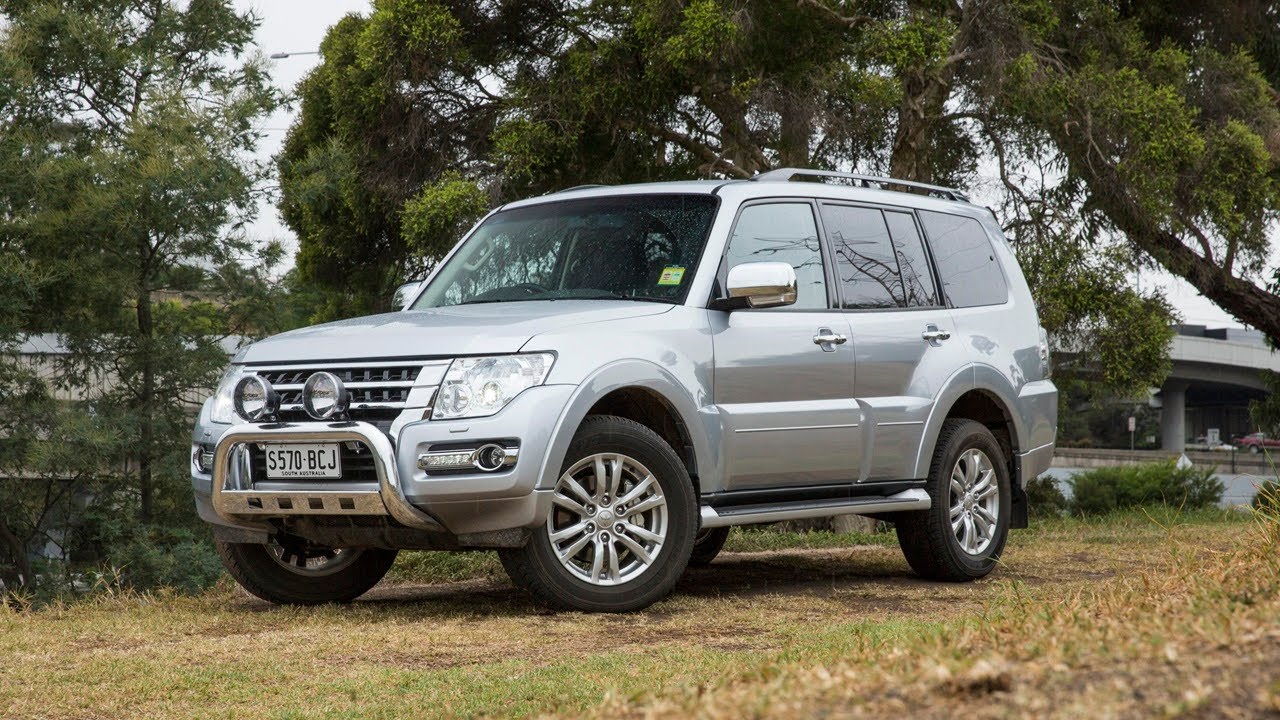
The Mitsubishi Pajero has long been recognized as a durable and capable SUV, particularly in regions where off road performance and mechanical strength are critical. It has been used extensively in challenging terrains, including deserts, mountains, and remote areas where mechanical failure can be particularly costly.
Mitsubishi engineered the Pajero with a focus on strength and reliability, making it one of the most respected Japanese SUVs in terms of longevity. Many vehicles have accumulated high mileage with minimal major repairs, a reflection of the careful engineering behind their drivetrains, suspensions, and chassis designs.
The suspension and chassis also play a central role in the Pajero’s endurance. Its body-on-frame construction allows the SUV to absorb heavy impacts and harsh off-road conditions without transferring damage to critical components. Suspension parts are reinforced and built to last, enabling the vehicle to maintain consistent performance even under repeated stress.
Many Pajero owners report that their vehicles feel solid and reliable after years of extensive use, a testament to the vehicle’s robust design and Mitsubishi’s attention to durability.
Additionally, the Pajero benefits from a straightforward mechanical layout that supports ease of maintenance and repair. Components are accessible and generally uncomplicated, reducing labor time and allowing owners to perform repairs without excessive difficulty or cost.
Widespread parts availability further enhances the vehicle’s long-term usability. Combined with its strong construction and dependable drivetrain, this approach ensures that the Pajero remains a long-lasting SUV capable of serving owners reliably for decades.
Nissan Patrol
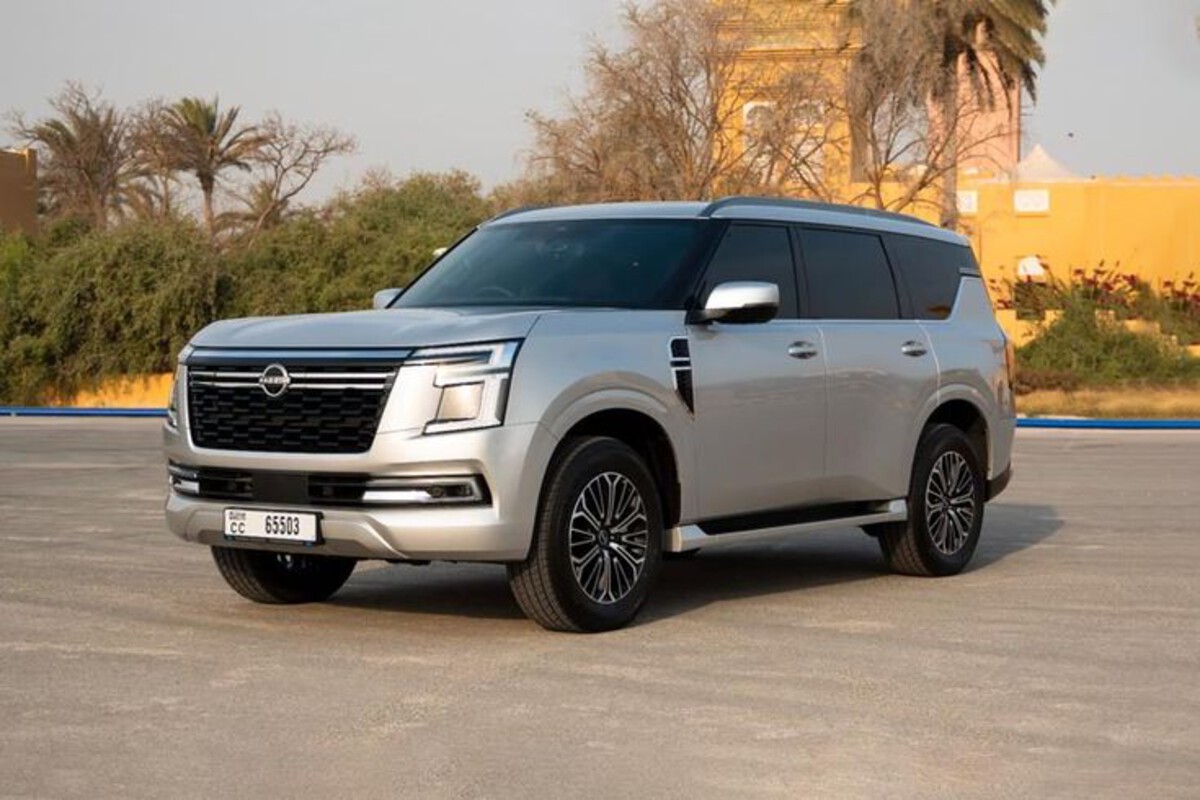
The Nissan Patrol is widely celebrated for its strength and long-lasting performance, making it one of the most trusted full-size SUVs produced by a Japanese manufacturer. Its design reflects a focus on reliability and rugged capability rather than fleeting trends or luxury appeal.
The Patrol has been used extensively in demanding environments such as deserts, rugged mountains, and off-road expeditions, proving its ability to endure conditions that would challenge most other vehicles. Its reputation for longevity is well earned, with many examples remaining fully functional after decades of service.
The Patrol’s body-on-frame construction further enhances its longevity. This design provides a strong foundation capable of absorbing stress from off-road driving, heavy cargo, or towing, while protecting the vehicle’s mechanical and structural components.
Suspension components are robust and reinforced, reducing the likelihood of premature wear and maintaining a stable, comfortable ride even after years of use. This rugged architecture ensures that the Patrol can continue performing reliably in both urban and extreme conditions over extended periods.
Another key factor in the Patrol’s reputation is Nissan’s attention to practicality and maintenance. Components are designed for longevity and accessibility, making routine service straightforward and parts replacement more convenient.
This encourages owners to adhere to maintenance schedules, which in turn helps preserve the vehicle’s performance and reliability. As a result, the Patrol remains a highly regarded SUV among those who need a vehicle that will continue to deliver dependable service year after year, often spanning decades of use.
Mazda CX-5
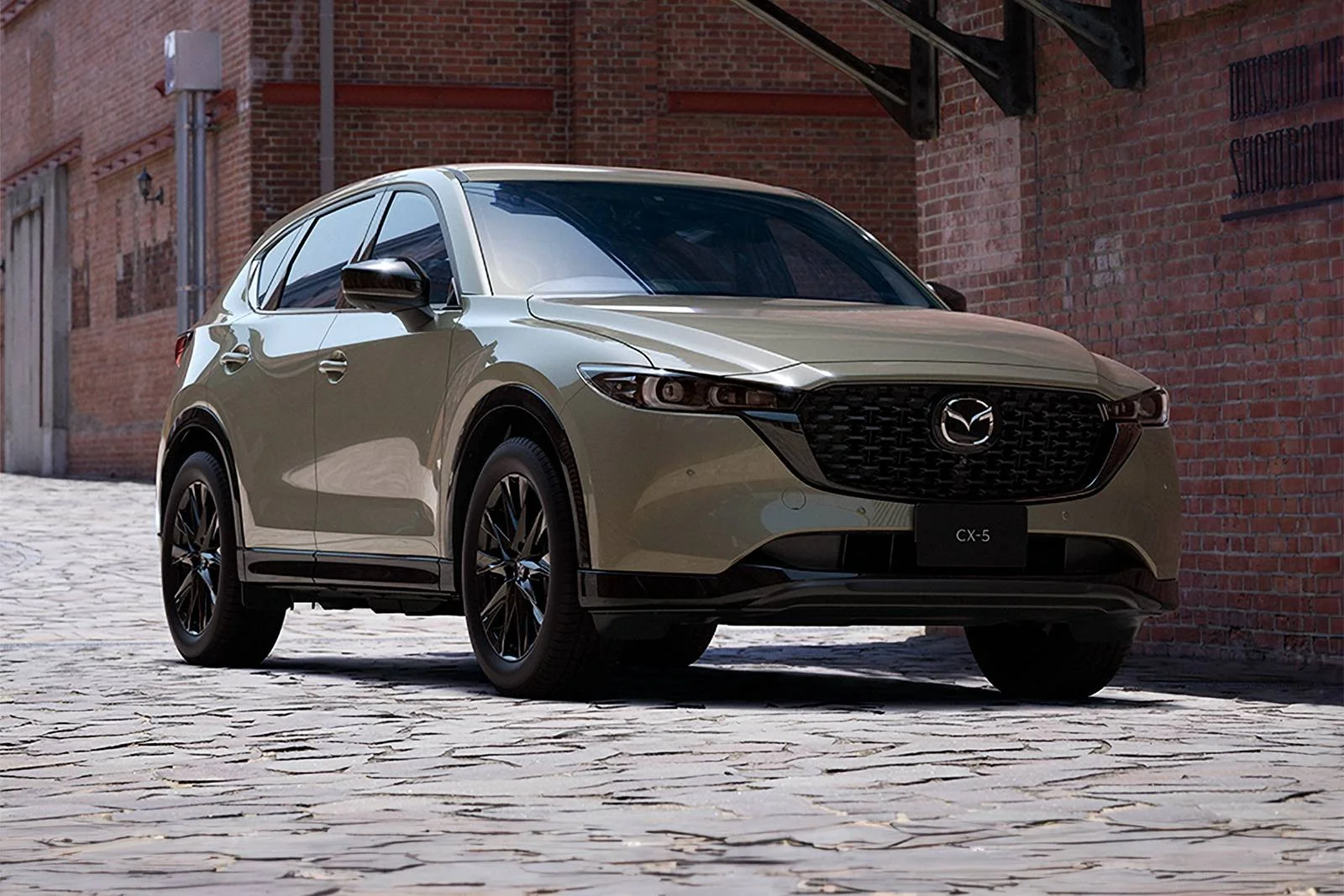
The Mazda CX-5 is a modern compact SUV that combines stylish design with engineering focused on reliability and long-term performance. While smaller and less rugged than some of the other SUVs on this list, the CX-5 has earned praise for its durable engines, efficient drivetrains, and practical construction.
Mazda emphasizes engineering precision and high-quality manufacturing processes, which contribute to the vehicle’s ability to remain dependable over many years. Owners often report that CX-5 models maintain excellent performance and minimal mechanical issues, even after extensive daily use.
Another factor supporting the CX-5’s durability is its lightweight but robust construction. The vehicle’s chassis and suspension are designed to minimize unnecessary stress on mechanical components, allowing them to function reliably over time.
Components such as brakes, steering, and suspension experience less strain compared to heavier vehicles, which contributes to extended service life. Mazda’s attention to quality control ensures that these parts are built to consistent standards, reducing the likelihood of early failures and maintaining the vehicle’s performance and safety for years.
Finally, Mazda focuses on practicality and accessibility in vehicle maintenance. The design allows for routine servicing and repairs without high cost or complexity, while high-quality materials reduce the likelihood of interior and exterior degradation over time.
These factors help the CX-5 remain dependable and retain its functionality long after its initial purchase. The combination of careful engineering, durability focused design, and attention to maintenance makes the CX-5 a long lasting compact SUV capable of serving drivers reliably for many years.
Toyota RAV4
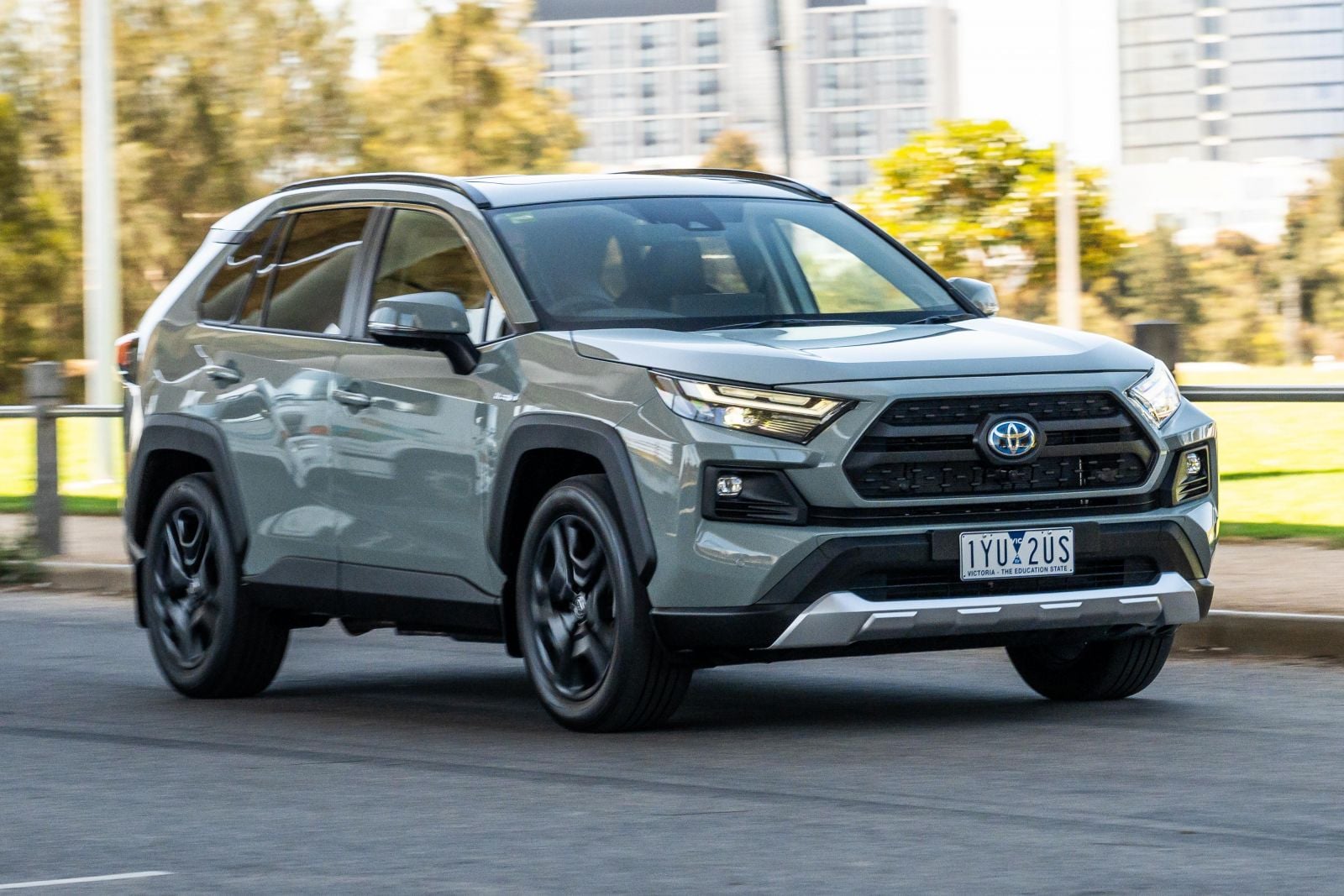
The Toyota RAV4 has become a benchmark for long lasting compact SUVs due to its consistent performance, practical engineering, and widespread reliability. Designed to serve as a daily driver for families and urban commuters, the RAV4 emphasizes balance, durability, and ease of maintenance.
Toyota has refined the RAV4 over multiple generations, focusing on mechanical simplicity and dependable components rather than incorporating untested features. This approach has resulted in a vehicle that continues to operate reliably well beyond typical ownership expectations.
A central factor in the RAV4’s longevity is its engine and transmission design. Toyota equips the RAV4 with powertrains that deliver reliable, efficient performance without overstraining internal components.
These engines operate smoothly even under regular commuting conditions, towing, or light off-road use, while transmissions are engineered to function consistently over hundreds of thousands of miles. Owners frequently report RAV4s reaching 200,000 miles or more with minimal major repairs, underscoring the success of Toyota’s focus on durability.
Finally, Toyota’s emphasis on maintenance accessibility supports the RAV4’s long life. Routine service tasks are straightforward and cost-effective, while parts availability remains strong even for older models.
These factors encourage owners to maintain their vehicles according to schedule, extending the life of both mechanical and structural components. Combined with reliable powertrains and durable construction, these considerations ensure that the RAV4 remains one of the most trusted and long-lasting Japanese SUVs available today.
