
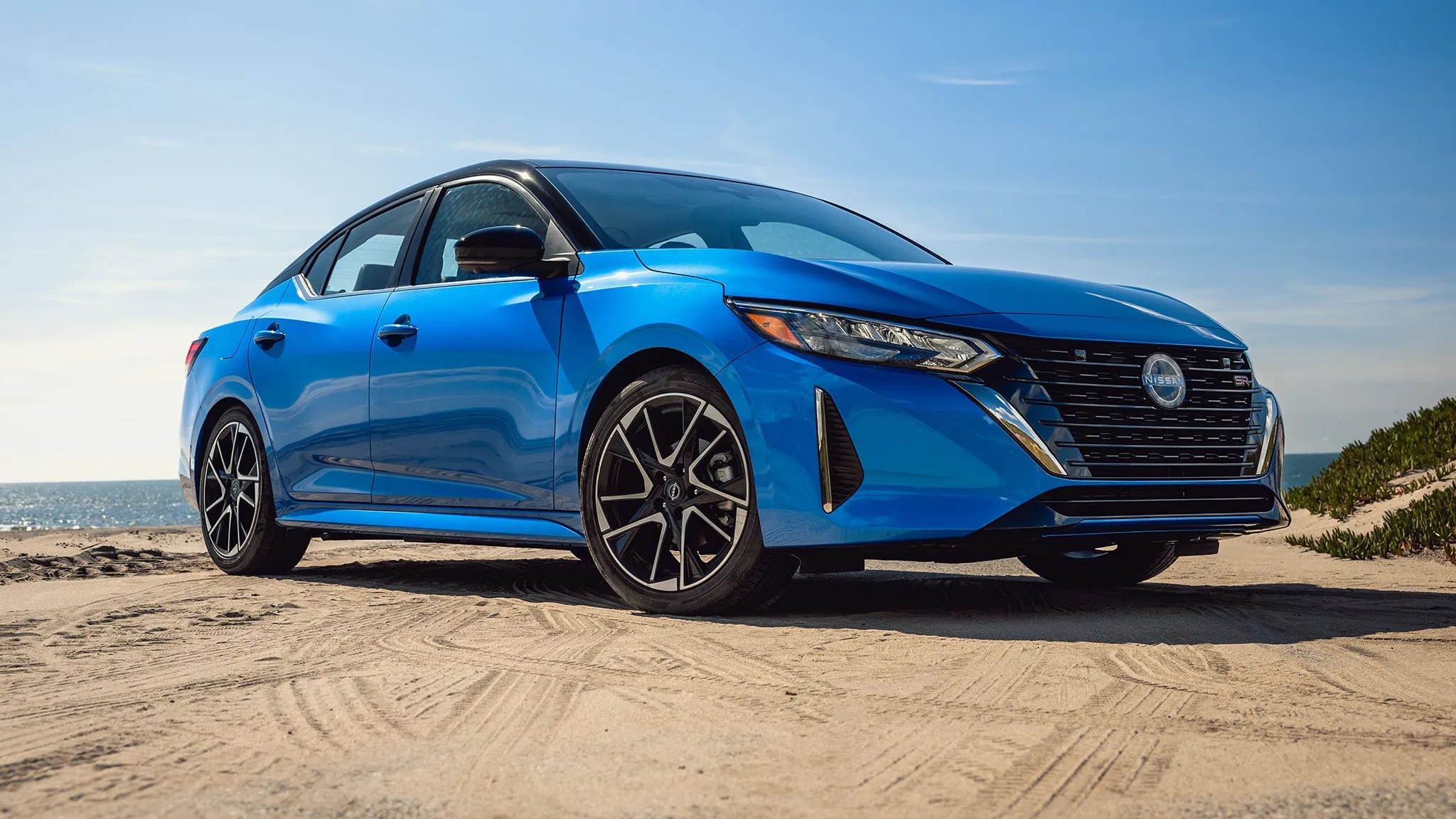
Four-cylinder sedans have been a cornerstone of automotive design and engineering for decades. Their balance of performance, efficiency, and reliability has made them a staple for daily driving as well as long-distance travel. While larger engines have often stolen the spotlight, four-cylinder engines have quietly proven themselves capable of delivering impressive power, excellent fuel economy, and long-term durability.
This combination has made these sedans an ideal choice for millions of drivers across the globe. The appeal of four-cylinder sedans lies not only in their mechanical simplicity but also in the versatility they offer.
They can be small and nimble, yet modern engineering allows them to handle large vehicles with comfort and sophistication. Beyond performance, these vehicles often represent significant milestones in automotive history, marking technological advancements and setting new benchmarks for safety, handling, and economy.
The history of the four-cylinder sedan is rich and diverse. From humble beginnings with modest power output, these vehicles evolved into highly refined machines capable of competing with more powerful rivals. Automakers continually innovated, using lightweight materials, turbocharging, and advanced fuel management systems to extract maximum efficiency without sacrificing drivability.
For many consumers, these cars became more than just a mode of transportation. They symbolized practicality and innovation, providing the perfect combination of affordability, performance, and comfort.
Across continents, four-cylinder sedans have influenced urban planning, commuter culture, and even motorsport. Certain models gained legendary status for their reliability, ease of maintenance, and driving pleasure, earning devoted followings that persist to this day.
Choosing the greatest four-cylinder sedans involves considering multiple factors. Longevity, performance, design, and cultural impact all contribute to a car’s significance. Some vehicles earned their place through sheer engineering excellence, while others became icons due to their influence on the automotive industry.
Each model on this list represents a unique moment in automotive history, demonstrating how a relatively small engine can produce remarkable results. From early classics to modern benchmarks, four-cylinder sedans have consistently proven that smaller engines do not mean compromised performance or status. They show that efficiency, intelligence, and careful design can combine to create vehicles that endure across decades.
This article examines ten of the most influential four-cylinder sedans in automotive history. These cars have shaped the way people view engine efficiency, driving enjoyment, and vehicle reliability. They represent the best examples of design, engineering, and cultural relevance in their respective eras.
By looking at each of these vehicles, it becomes clear why four-cylinder sedans have remained a vital segment in the automotive world. Whether known for innovation, performance, or sheer practicality, these cars demonstrate that greatness is not defined solely by engine size, but by the complete experience they deliver to drivers and enthusiasts alike.
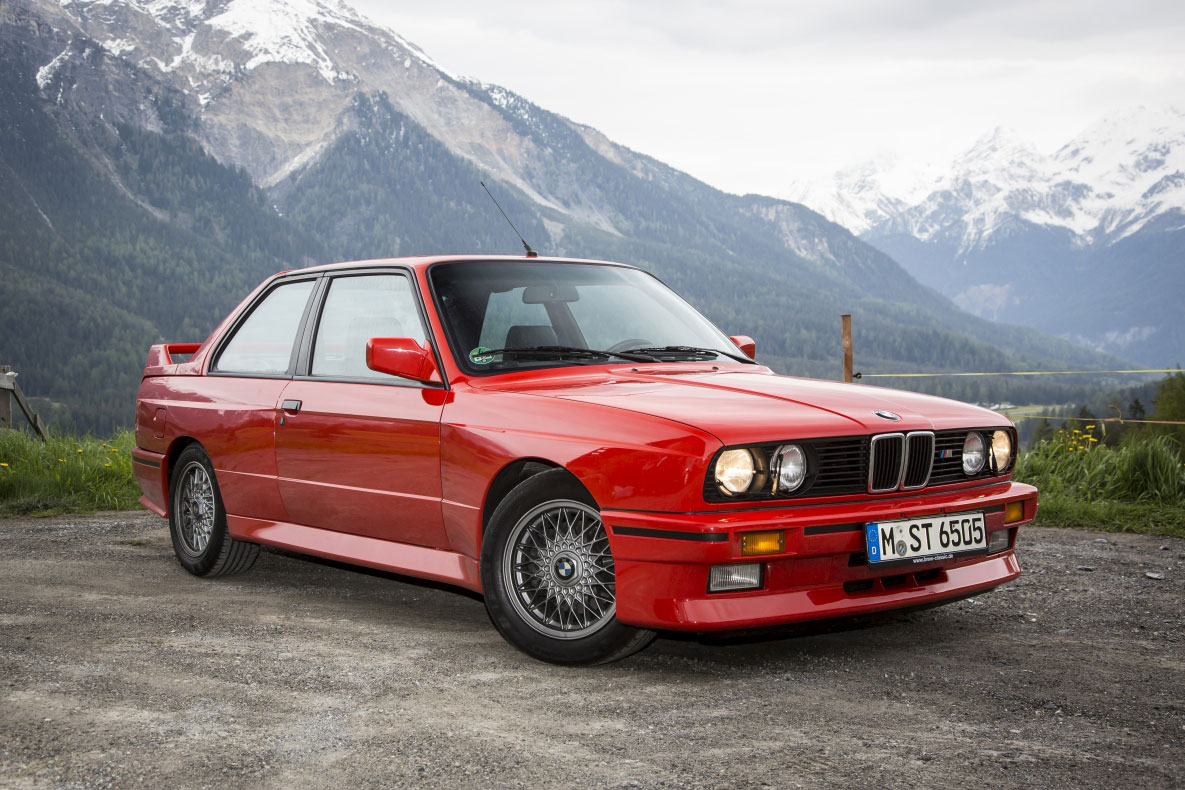
1. BMW 3 Series (E30)
The BMW 3 Series E30 is often regarded as one of the most influential four-cylinder sedans of all time. Introduced in the early 1980s, it established a reputation for precise handling, reliability, and driver engagement. The E30 offered a balanced weight distribution and a nimble chassis that made even four-cylinder models enjoyable to drive.
Unlike many sedans of the era, it did not compromise performance for comfort. Its inline-four engines provided adequate power while remaining economical, making it a versatile choice for enthusiasts and daily drivers alike. This balance helped BMW create a lasting identity for the 3 Series as a sporty yet practical sedan.
The design of the E30 reflected simplicity and functionality. Straight lines, modest proportions, and clean aesthetics gave it a timeless appeal. The interior was ergonomically designed, with easy-to-read gauges and driver-focused controls. While not as luxurious as later models, it prioritized comfort and usability.
The four-cylinder variants, particularly the 318i and 320i, demonstrated that a smaller engine could deliver a rewarding experience when paired with a well-tuned suspension and precise steering. Owners found the car responsive and predictable, qualities that became hallmarks of the E30’s legacy.
Reliability was another strong suit. BMW’s engineering allowed these vehicles to last for hundreds of thousands of miles when maintained properly. Parts were readily available, and the simplicity of the four-cylinder engines meant repairs were straightforward compared to more complex six-cylinder or turbocharged models.
Enthusiasts often tuned these engines, extracting extra performance without sacrificing longevity. The E30 also laid the groundwork for motorsport involvement, with its four-cylinder variants participating in touring car competitions. This duality of road and track competence strengthened its reputation as a true driver’s car.
Culturally, the E30 influenced the perception of compact executive sedans. It proved that a small displacement engine could still provide a premium experience. The four-cylinder models remain highly collectible today, with enthusiasts appreciating the combination of classic styling, responsive handling, and mechanical simplicity.
In many ways, the E30 set the standard for what a four-cylinder sports sedan could achieve. Its influence persists in modern BMWs, where engineering excellence, balance, and driver engagement continue to define the brand’s identity.
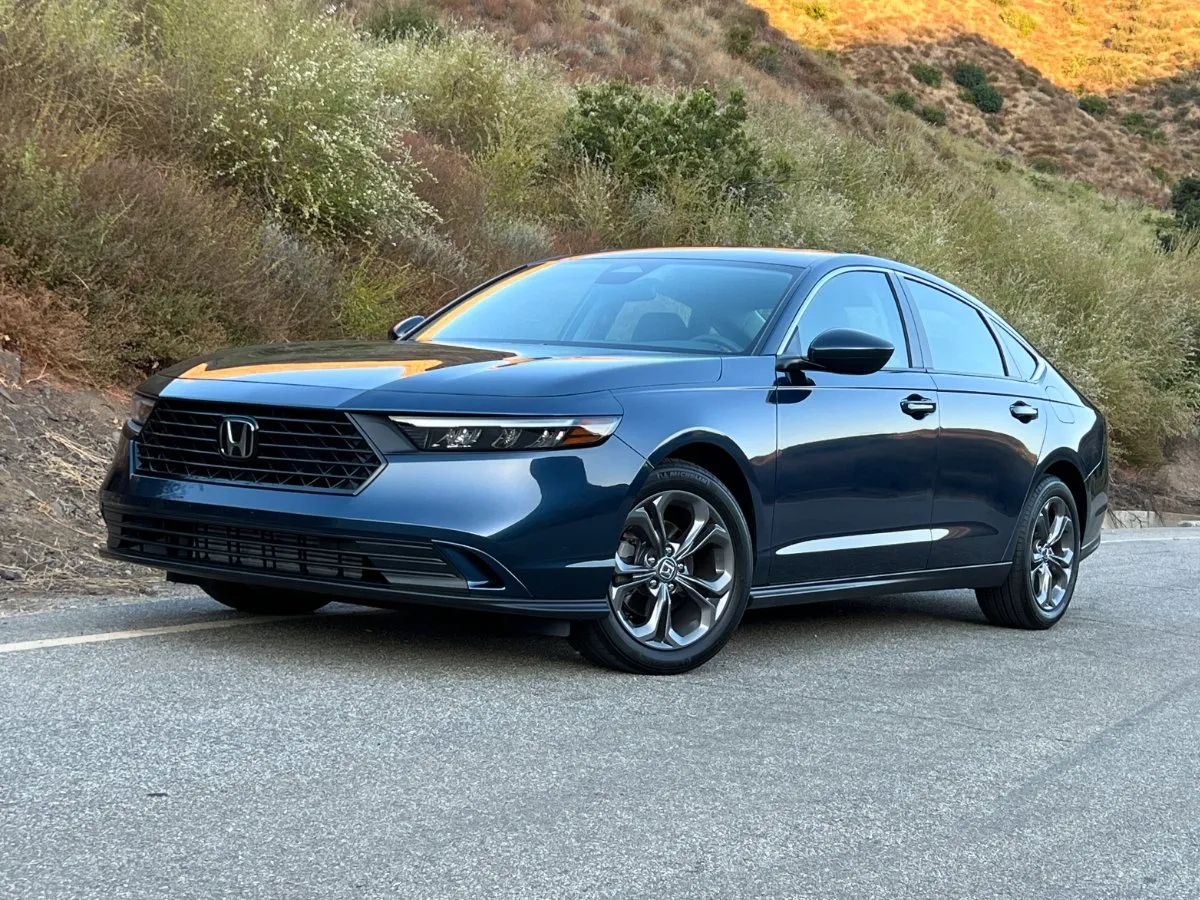
2. Honda Accord (Fifth Generation)
The fifth-generation Honda Accord, produced in the early to mid-1990s, represents a peak in practical and reliable four-cylinder sedans. Known for its spacious interior, smooth ride, and exceptional build quality, it earned widespread acclaim among consumers and critics alike.
The four-cylinder engines offered strong fuel efficiency without sacrificing enough power to impact daily usability. Honda’s focus on durability ensured these engines could endure long-term use, making the Accord a favorite among families, commuters, and automotive enthusiasts.
Engineering and design were carefully balanced to offer comfort and performance. The chassis was stiff yet compliant, absorbing road imperfections while maintaining agile handling characteristics. Honda’s engineering allowed the four-cylinder engines to remain smooth and responsive, making city driving and highway cruising equally satisfying.
The Accord’s interior design emphasized ergonomics, with logically placed controls and generous seating space. Practical features combined with refined mechanical design contributed to its reputation as one of the most dependable sedans of its era.
One of the reasons for the fifth-generation Accord’s enduring popularity is its reliability. The four-cylinder engines required minimal maintenance and were resistant to common mechanical failures. Fuel economy remained competitive, while the engine’s performance met or exceeded expectations for a mid-size sedan.
The combination of reliability and efficiency helped the Accord establish a strong resale value, further solidifying its status as a practical yet enjoyable vehicle. Owners often reported high mileage milestones, demonstrating that the vehicle could remain useful and dependable for well over a decade.
The cultural impact of the fifth-generation Accord is significant. It became a symbol of sensible engineering, blending everyday usability with performance where it mattered most. Many enthusiasts also appreciated the tuning potential, as the four-cylinder engines could be modified to increase power without extensive mechanical changes.
This model cemented Honda’s reputation for creating vehicles that balanced longevity, performance, and driver satisfaction. It remains a reference point when evaluating mid-size four-cylinder sedans today.
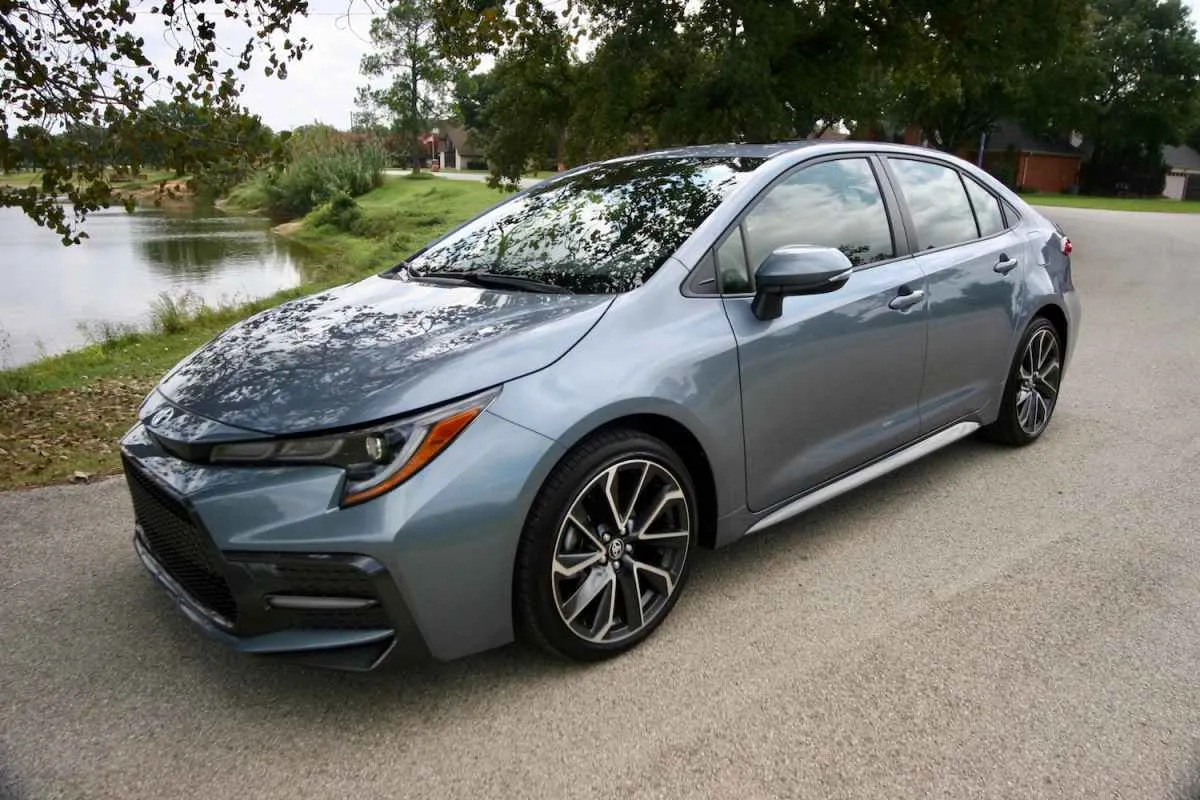
3. Toyota Corolla (AE86)
The Toyota Corolla AE86 is one of the most iconic four-cylinder sedans ever produced. Known for its lightweight chassis, rear-wheel drive layout, and responsive engine, it gained a devoted following among driving enthusiasts and motorsport fans.
While not initially marketed as a high-performance vehicle, the AE86’s engineering allowed it to excel in handling and balance, making it a favorite for both street driving and racing. Its four-cylinder engine was small but lively, providing the right combination of power and efficiency for spirited driving.
The AE86’s design emphasized simplicity and functionality. Compact dimensions, sharp lines, and an unpretentious interior made it approachable for everyday use. The four-cylinder engine complemented the car’s lightweight construction, allowing it to accelerate briskly and maintain excellent cornering stability.
Enthusiasts appreciated the mechanical feedback and predictability, qualities often absent in heavier or more complex sedans of the time. This combination of factors made it highly adaptable for tuning and motorsport applications.
Reliability and affordability were additional strengths. Toyota engineered the AE86 to withstand extended use with minimal mechanical issues. Replacement parts were plentiful, and maintenance was straightforward, allowing drivers to keep these vehicles in excellent condition over many years.
The four-cylinder engine required minimal attention while providing consistent performance, which helped solidify the AE86’s reputation as a practical yet exciting car. Its enduring popularity is partly due to this balance of fun and reliability.
Cultural impact has played a large role in the AE86’s legendary status. It became a symbol of driving enjoyment and grassroots motorsport culture. The vehicle gained exposure through racing, drifting, and even popular media, contributing to a passionate fan base that persists today.
The AE86 demonstrated that a four-cylinder sedan could combine practicality, longevity, and performance, influencing generations of automotive enthusiasts and shaping the perception of small sports sedans worldwide.
4. Mazda 6 (First Generation)
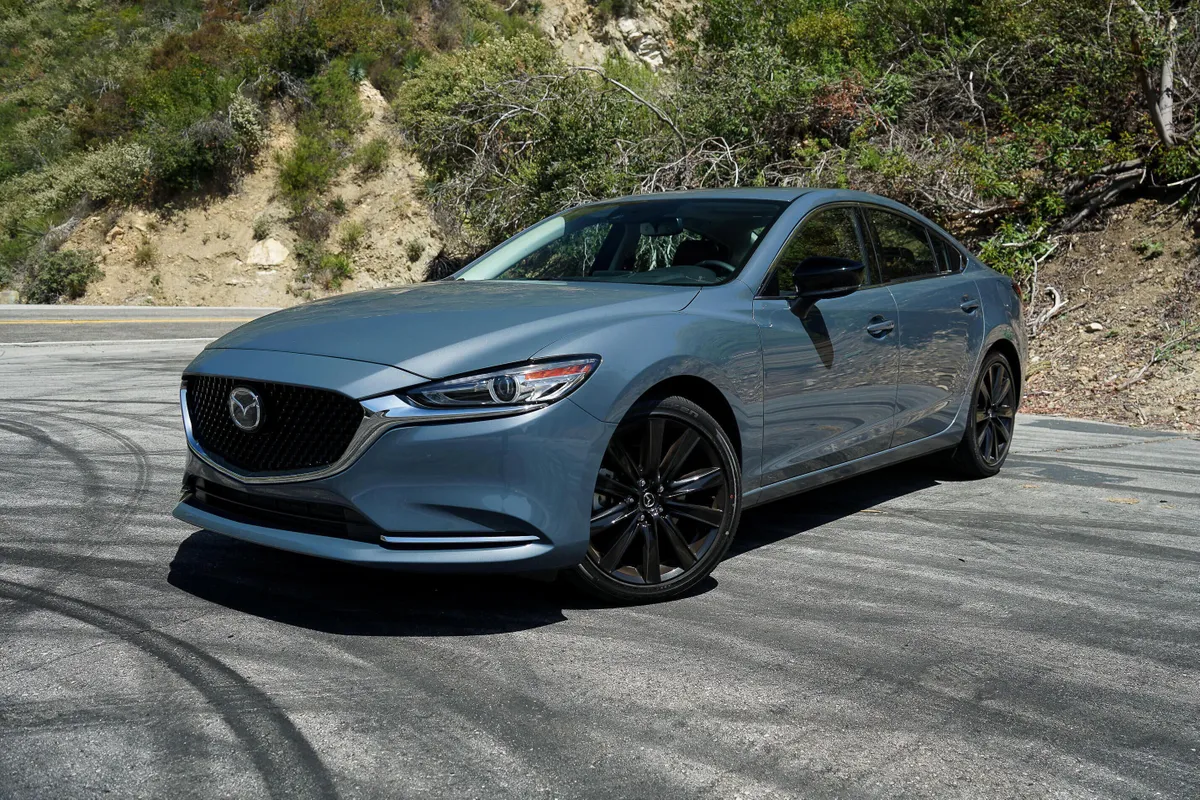
The first-generation Mazda 6, launched in the early 2000s, quickly became known for its engaging driving dynamics and well-rounded performance. Its four-cylinder engines offered a balance of power and efficiency that appealed to both families and driving enthusiasts.
Unlike some sedans that prioritized comfort over agility, the Mazda 6 provided responsive steering, a well-tuned suspension, and a smooth gearbox. These characteristics made it stand out in the mid-size segment, as it proved that practicality did not have to come at the expense of driving enjoyment. The combination of sporty handling and reliable four-cylinder power contributed to its strong sales and positive critical reception.
Design played a significant role in the Mazda 6’s success. The exterior featured flowing lines and a refined presence that distinguished it from more conservative competitors. Inside, the cabin combined comfort with thoughtful ergonomics. Seating was spacious and supportive, and controls were logically placed for a driver-centric experience.
The four-cylinder engine options were versatile, offering enough torque and horsepower to maintain highway cruising ease while providing brisk acceleration for urban environments. Mazda’s attention to detail ensured that the car felt solid and refined without being overly complicated, making it a sedan that appealed to a broad audience.
Reliability and long-term durability were key selling points. The four-cylinder engines used in the Mazda 6 were known for their longevity when maintained properly. Routine maintenance was simple, and parts were generally affordable and accessible. These factors allowed owners to enjoy consistent performance without frequent mechanical issues.
Many enthusiasts also noted that the four-cylinder variants could be tuned modestly to increase output without compromising reliability. This flexibility further enhanced the Mazda 6’s reputation as a practical yet engaging vehicle.
The first-generation Mazda 6 also left a lasting cultural impression. It demonstrated that mainstream manufacturers could deliver cars that were both stylish and fun to drive, even with a four-cylinder engine. The combination of reliability, aesthetic appeal, and driver satisfaction helped the Mazda 6 establish itself as a strong competitor in the mid-size sedan segment.
Today, it is remembered as a vehicle that set new standards for what a four-cylinder sedan could achieve in terms of balance, design, and performance. Its influence can be seen in subsequent Mazda models, which continue to prioritize driving engagement alongside practicality.
5. Volkswagen Jetta (Mk2)
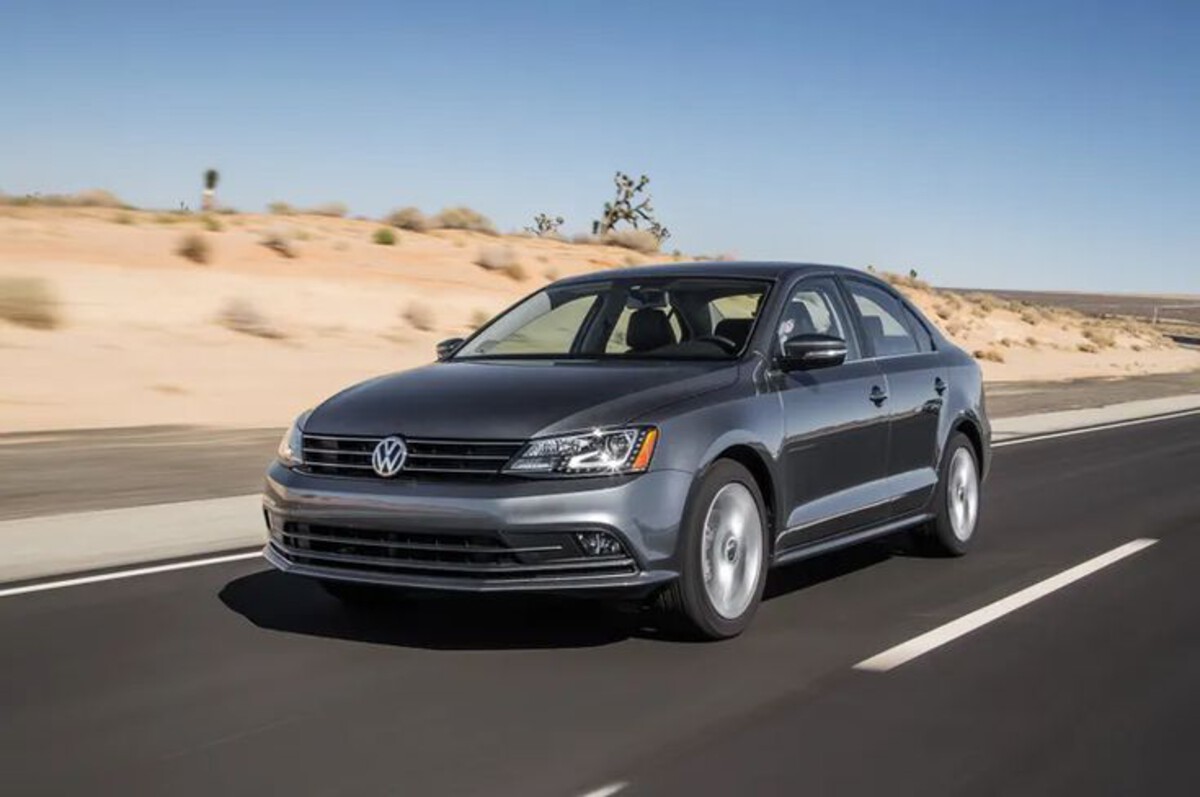
The second-generation Volkswagen Jetta, produced in the 1980s and early 1990s, earned acclaim for its solid construction and efficient four-cylinder engines. It offered European driving characteristics at an accessible price, making it an attractive option for buyers seeking reliability and quality.
The four-cylinder engines delivered smooth power for daily driving, while the car’s suspension and chassis provided confidence-inspiring handling. This balance of practicality and driver engagement helped the Jetta distinguish itself from competitors in the compact sedan segment.
The Jetta Mk2’s design emphasized simplicity and functionality. Exterior lines were clean and aerodynamic, reflecting Volkswagen’s approach to understated elegance. The interior was spacious for its class, with durable materials and logical layouts that contributed to a comfortable driving experience.
The four-cylinder engines offered adequate performance without excessive fuel consumption, appealing to both commuters and longer-distance travelers. Its engineering focused on efficiency and reliability, ensuring that it could withstand years of use with minimal issues.
One of the Jetta Mk2’s strongest attributes was its mechanical durability. The engines were simple, reliable, and easy to maintain, which contributed to its reputation as a long-lasting vehicle. Fuel efficiency remained competitive for its era, while the driving experience retained a degree of European refinement often absent in American sedans.
Enthusiasts appreciated its potential for modification, with many using the four-cylinder engines as platforms for increased performance. This versatility made the Jetta Mk2 popular among a variety of drivers, from daily commuters to hobbyists seeking a dependable yet fun car.
It became a symbol of dependable German engineering accessible to a wider audience, proving that a compact four-cylinder sedan could provide both quality and driving enjoyment. Its blend of reliability, efficient performance, and modest styling allowed it to carve out a loyal fan base.
Today, the Mk2 remains respected among collectors and enthusiasts, with a reputation for practicality and precision that highlights the enduring appeal of well-engineered four-cylinder sedans.
6. Ford Focus (First Generation)
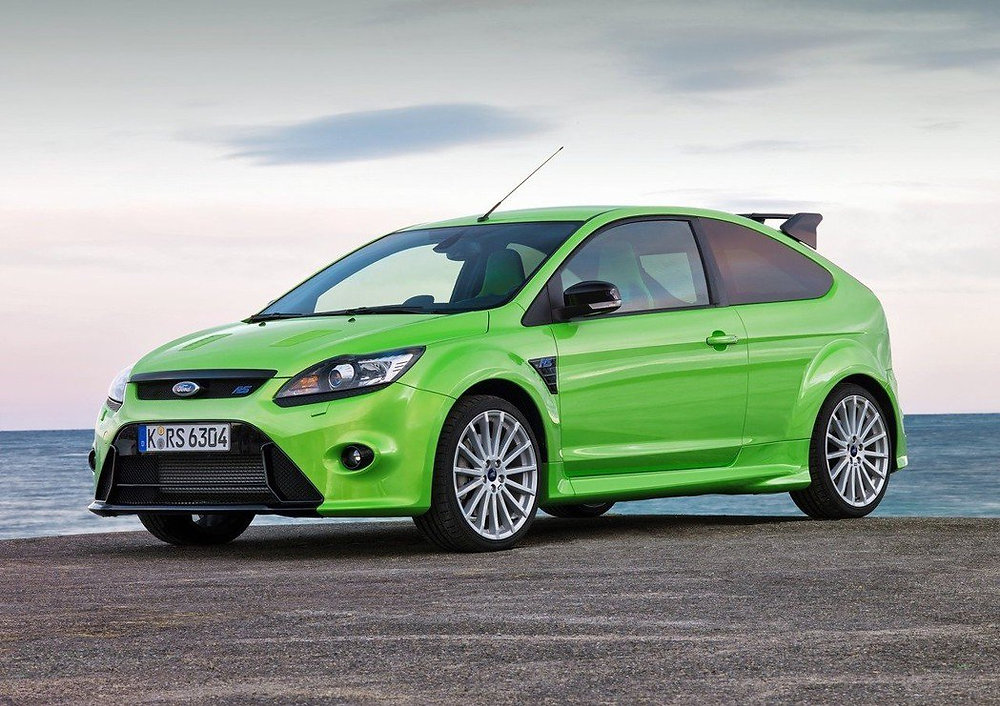
The first-generation Ford Focus, introduced in the late 1990s, represented a turning point for compact four-cylinder sedans. It combined a fun-to-drive nature with strong reliability and practicality, making it a benchmark in its segment.
The four-cylinder engines were designed for efficiency and longevity, yet they offered enough power to maintain enjoyable acceleration. Its suspension system, often praised for its “European feel,” delivered responsive handling and a composed ride, giving drivers confidence on both city streets and highways. By balancing performance, economy, and practicality, the Focus quickly became a popular choice worldwide.
The design of the first-generation Focus was innovative for its time. With rounded yet aerodynamic exterior lines and a modernized interior, it distinguished itself from boxy competitors. Inside, the layout prioritized ergonomics, featuring intuitive controls and comfortable seating.
The four-cylinder engines complemented the design by providing smooth acceleration while maintaining excellent fuel economy. Its engineering emphasized reliability without compromising driving enjoyment, which made it one of the most versatile compact sedans available during its era.
Durability and long-term dependability contributed to the Focus’s positive reputation. The four-cylinder engines were known for requiring minimal maintenance while delivering consistent performance over many years. Routine servicing was straightforward, and parts were generally affordable.
This accessibility allowed owners to maintain their vehicles easily, extending their lifespan. The car also demonstrated adaptability for enthusiasts, as its engines could be tuned or upgraded without significant modification. Its combination of reliability, handling, and efficiency ensured that it could serve multiple roles, from daily commuting to spirited driving.
Culturally, the Focus left a lasting impression on the automotive industry. It showcased that a small four-cylinder engine could provide an engaging driving experience while remaining practical and affordable. Its influence shaped the design philosophy of later Ford vehicles, encouraging a focus on chassis balance, efficiency, and driver-centric dynamics.
Enthusiasts and ordinary drivers alike appreciated the Focus for its ability to combine fun, reliability, and efficiency in a compact package. Even years after production ended, the first-generation Focus remains a reference point for what a well-engineered four-cylinder sedan can accomplish.
7. Subaru Legacy (Second Generation)
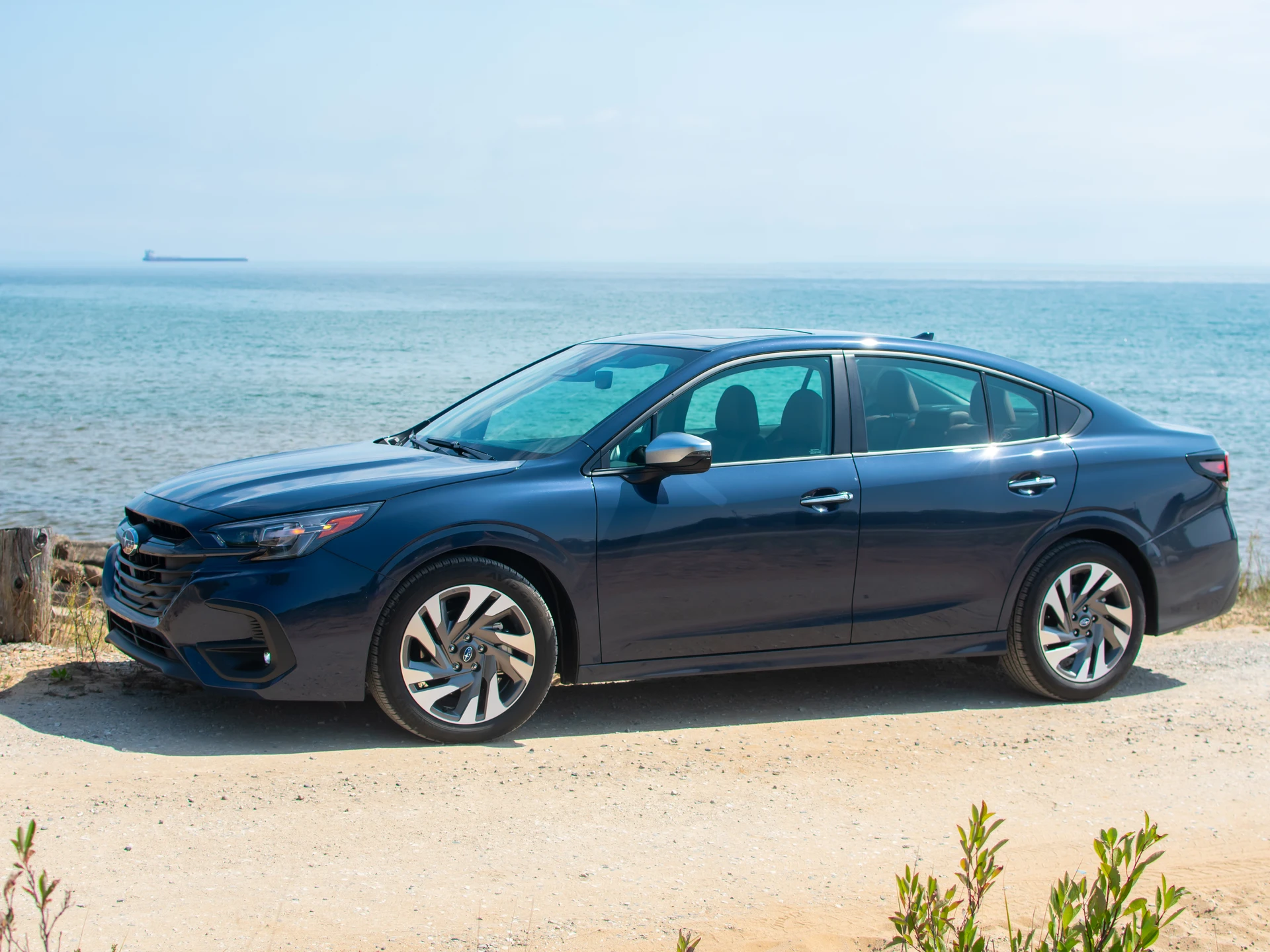
The second-generation Subaru Legacy, introduced in the late 1990s, became well-known for combining all-wheel-drive stability with efficient four-cylinder engines. It was designed to offer safety, reliability, and all-weather performance without sacrificing comfort or driving dynamics.
The four-cylinder boxer engines were smooth, reliable, and provided adequate power for both daily driving and long trips. Its chassis and suspension setup balanced comfort with control, making it a capable performer in various conditions. The Legacy demonstrated that four-cylinder sedans could be both practical and technically sophisticated, appealing to a wide range of drivers.
Design and interior quality were significant strengths. The Legacy offered a roomy cabin with thoughtful ergonomics and durable materials, providing both driver and passenger comfort. Exterior styling was understated yet elegant, emphasizing aerodynamic efficiency and functional design.
The four-cylinder engines contributed to an excellent balance of performance and fuel efficiency, with the flat configuration aiding stability and handling. Subaru’s engineering ensured that these engines remained durable and easy to maintain, supporting the vehicle’s reputation for longevity.
Reliability played a crucial role in the Legacy’s appeal. The four-cylinder engines were designed to operate smoothly under various conditions, including extreme climates. Routine maintenance was simple and accessible, while the all-wheel-drive system added an extra layer of confidence for everyday driving.
Enthusiasts appreciated the vehicle’s potential for tuning and performance upgrades without compromising its reliability, making it a versatile platform for multiple uses. Its combination of practicality, durability, and engineering innovation solidified its position as a leading four-cylinder sedan in its class.
The cultural impact of the second-generation Legacy is significant, particularly for those living in regions with challenging weather. It highlighted the potential of four-cylinder engines to provide both performance and efficiency while remaining safe and practical. Its influence extended beyond consumer markets, shaping Subaru’s design philosophy and establishing a reputation for producing reliable, all-weather capable sedans.
The Legacy’s enduring appeal lies in its ability to combine mechanical sophistication, everyday usability, and long-term durability in a single package, proving that four-cylinder engines can be more than adequate for demanding drivers.
8. Nissan Sentra (B13)
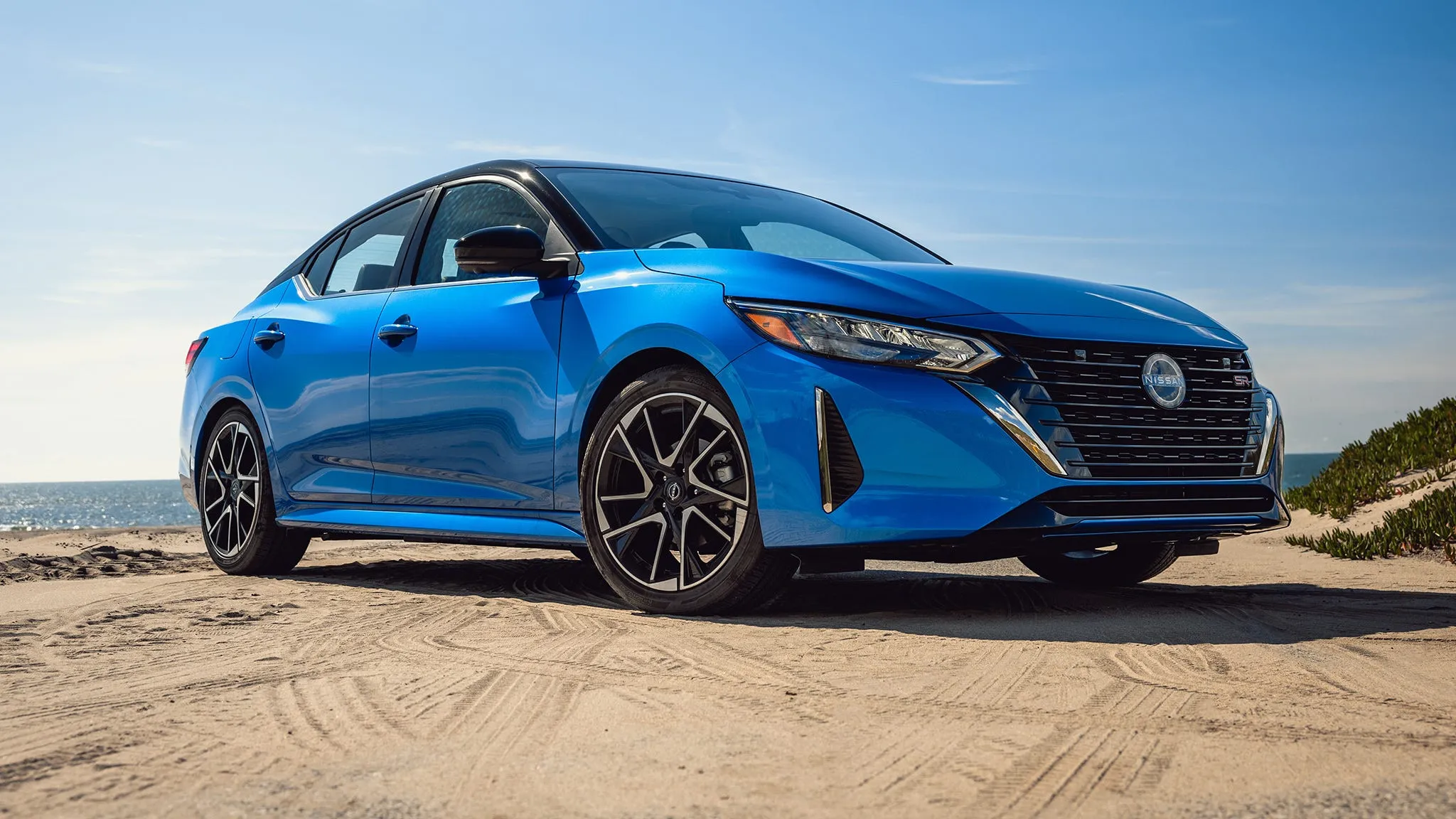
The Nissan Sentra B13, produced during the late 1980s and early 1990s, is remembered as one of the most practical and enduring four-cylinder sedans of its time. It combined simplicity, reliability, and affordability, making it a favorite among first-time car buyers and families alike.
The four-cylinder engines were small yet efficient, providing enough power for everyday commuting while maintaining impressive fuel economy. Beyond performance, the B13 was designed with durability in mind, capable of handling high mileage with minimal issues. Its reputation for longevity has kept many of these vehicles on the road decades after their release, demonstrating the value of practical engineering.
The design of the Sentra B13 focused on functionality rather than flash. Its compact exterior made it easy to maneuver in urban environments, while the interior provided adequate space for passengers and cargo. The seats were supportive, the dashboard was simple and functional, and the controls were intuitive.
While the styling was modest, it was timeless, allowing the vehicle to age gracefully. The four-cylinder engine fit perfectly with this philosophy, providing reliable and predictable performance for daily driving. It was an engine that emphasized consistency and ease of use over raw power, which contributed to the car’s reputation for being dependable and hassle-free.
Maintenance and reliability were significant selling points. The B13’s four-cylinder engines were mechanically straightforward, which made servicing easier and more cost-effective. Parts were readily available, and repairs rarely required specialized tools or knowledge.
Fuel efficiency remained competitive, further enhancing its practicality for budget-conscious drivers. Enthusiasts also found that the B13’s engine and chassis could handle modest upgrades, allowing for performance improvements without undermining reliability. This combination of efficiency, longevity, and simplicity made it a standout in the compact sedan segment of its era.
Culturally, the B13 gained recognition for being a practical, no-nonsense vehicle that could serve multiple roles. It proved that a small four-cylinder sedan could be both accessible and durable, capable of handling the daily demands of city and suburban life.
Its success reinforced Nissan’s reputation for producing reliable, long-lasting cars and influenced the design philosophy of future Sentra generations. Many automotive enthusiasts still regard the B13 as a classic example of how simplicity, efficiency, and careful engineering can combine to create a vehicle that remains relevant decades after its initial release.
9. Hyundai Elantra (Third Generation)
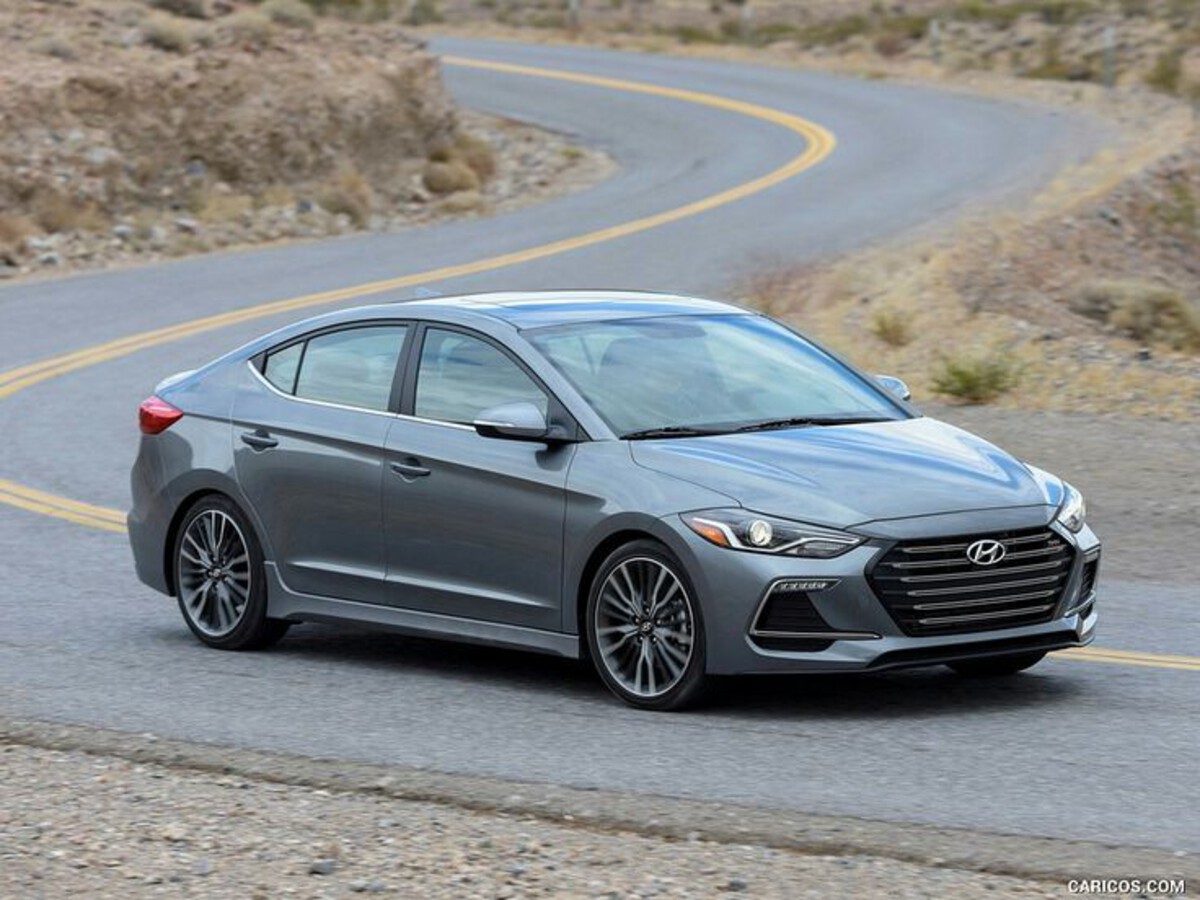
The third-generation Hyundai Elantra, released in the early 2000s, marked a turning point for Hyundai in the global automotive market. It offered a well-built four-cylinder sedan at an affordable price, combining modern styling, improved performance, and reliability.
The four-cylinder engines were tuned to provide a balance between fuel efficiency and sufficient power, allowing the car to function comfortably in both city and highway settings. This generation of Elantra demonstrated that Hyundai could compete with established brands in the compact sedan segment by offering an appealing package for drivers seeking value and consistency.
Design improvements played a major role in the Elantra’s appeal. The exterior showcased a more modern and aerodynamic profile, moving away from the boxy shapes of previous generations. Inside, the cabin was thoughtfully organized, with materials that were durable yet visually appealing.
The four-cylinder engines complemented the design philosophy by delivering smooth, responsive performance suitable for a wide range of driving conditions. Its ride quality and handling balance were also improved, allowing drivers to enjoy a stable and controlled driving experience without sacrificing comfort or efficiency.
Reliability was a crucial factor in the Elantra’s popularity. The four-cylinder engines proved robust, requiring minimal maintenance while providing consistent output over many years. Repairs were generally affordable, and parts were widely available, which contributed to its strong reputation among budget-conscious buyers.
Fuel economy remained competitive, further enhancing the vehicle’s practicality. Enthusiasts occasionally explored minor modifications to improve performance, but the stock engines were capable and dependable enough to meet the needs of most drivers. This combination of reliability, affordability, and practicality made the third-generation Elantra an important milestone for Hyundai.
Culturally, the third-generation Elantra helped redefine perceptions of Korean automakers in the early 2000s. It showed that a four-cylinder sedan could provide a modern, reliable, and attractive alternative to more established competitors.
Its success expanded Hyundai’s presence in markets around the world and paved the way for future innovation in design and technology.
Today, this generation of Elantra is remembered for its combination of value, reliability, and competent engineering, demonstrating that careful design and solid execution can produce a sedan that appeals to both everyday drivers and enthusiasts seeking a dependable compact car.
10. Chevrolet Cruze (First Generation)
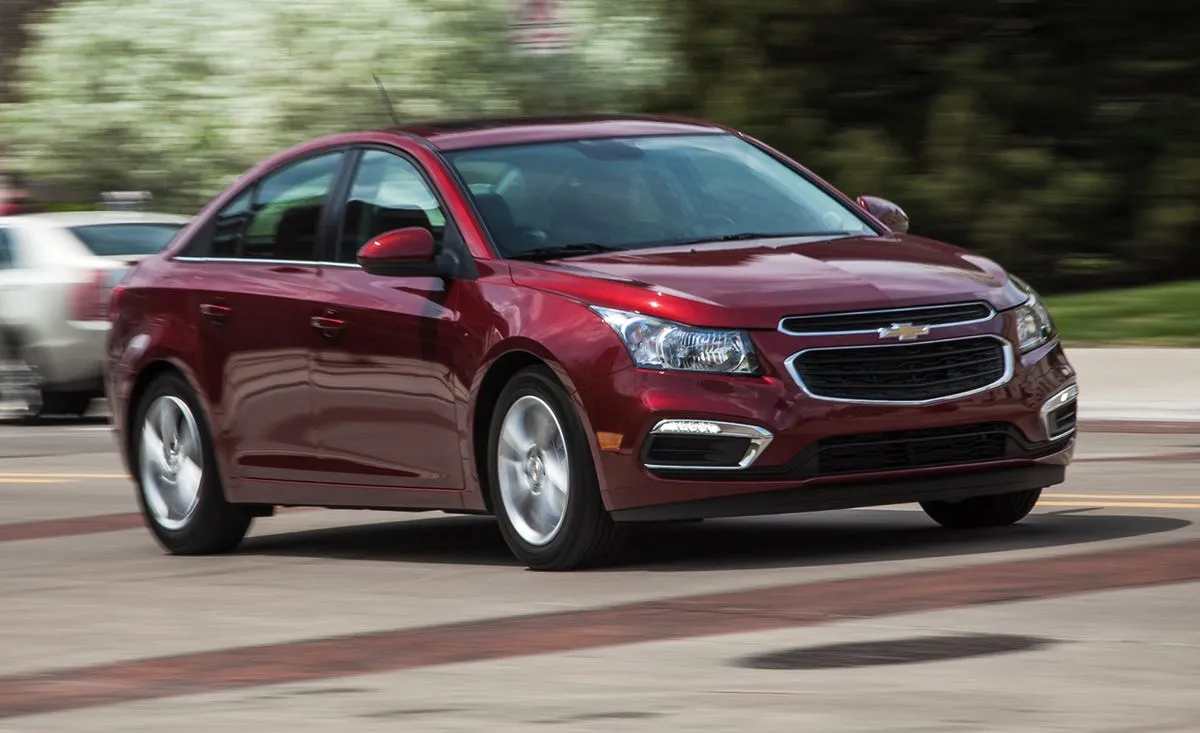
The first-generation Chevrolet Cruze, introduced in the late 2000s, represented an important step for American manufacturers in producing efficient, globally competitive four-cylinder sedans. It combined modern styling, advanced engine technology, and practical features at an affordable price point.
The four-cylinder engines provided adequate power for commuting, highway driving, and light performance demands, while also emphasizing fuel efficiency. This balance allowed the Cruze to appeal to a broad audience, particularly those looking for a reliable and economical daily driver without sacrificing comfort or style.
The Cruze’s design focused on refinement and driver comfort. Exterior styling was modern and attractive, with smooth lines and a contemporary presence that rivaled compact sedans from European and Asian competitors. Inside, the cabin featured ergonomic layouts, durable materials, and adequate space for passengers and cargo.
The four-cylinder engines offered smooth acceleration and responsive throttle control, contributing to a confident and controlled driving experience. Suspension tuning emphasized comfort without sacrificing handling, allowing drivers to navigate city streets and highways with equal ease.
Culturally, the first-generation Cruze played a significant role in Chevrolet’s strategy to produce vehicles that could compete on a global scale. It demonstrated that American manufacturers could deliver four-cylinder sedans that were modern, reliable, and appealing to a diverse range of drivers.
The vehicle helped challenge the dominance of Japanese and European competitors while offering a practical and accessible choice for everyday drivers. Today, the Cruze remains recognized for its well-rounded performance, efficiency, and thoughtful engineering, cementing its place among the most influential four-cylinder sedans in automotive history.
