
Performance cars have traditionally been linked with high ownership costs, constant servicing, and a level of mechanical attention that discourages many buyers.
Over time, engineering standards have improved, and manufacturers have learned how to combine speed, reliability, and durability in ways that were once considered unrealistic. As 2025 approaches, buyers interested in performance no longer need to accept fragile drivetrains or excessive maintenance schedules as part of the experience.
Instead, there is a growing segment of vehicles that deliver strong acceleration, confident handling, and long-term dependability without demanding constant attention from their owners.
Low-maintenance performance cars appeal to a wide range of drivers. Some want an engaging daily driver that does not punish them with frequent repair bills. Others want a weekend car that can sit without constant worry and still perform when called upon.
Modern materials, simplified engine designs, improved cooling systems, and refined electronics have all contributed to this shift.
Manufacturers have also responded to consumer demand by focusing on engines with proven reliability records rather than experimental designs that sacrifice durability for marginal gains.
Another important factor is the availability of parts and qualified service. Performance cars that share components with mass market vehicles tend to be easier and cheaper to maintain.
Brands with long production runs and conservative engineering philosophies have an advantage in this area. These vehicles benefit from predictable wear patterns, strong aftermarket support, and technicians who understand their systems well. This reduces both downtime and ownership stress.
This article highlights ten performance cars worth buying in 2025 that balance speed, handling, and reliability. Each selection prioritizes mechanical simplicity, proven drivetrains, and real world ownership practicality.
While no performance car is entirely free of maintenance needs, these models stand out for their ability to deliver excitement without demanding constant repairs or specialized care. For buyers who value driving enjoyment alongside long term peace of mind, these vehicles represent some of the smartest choices available.
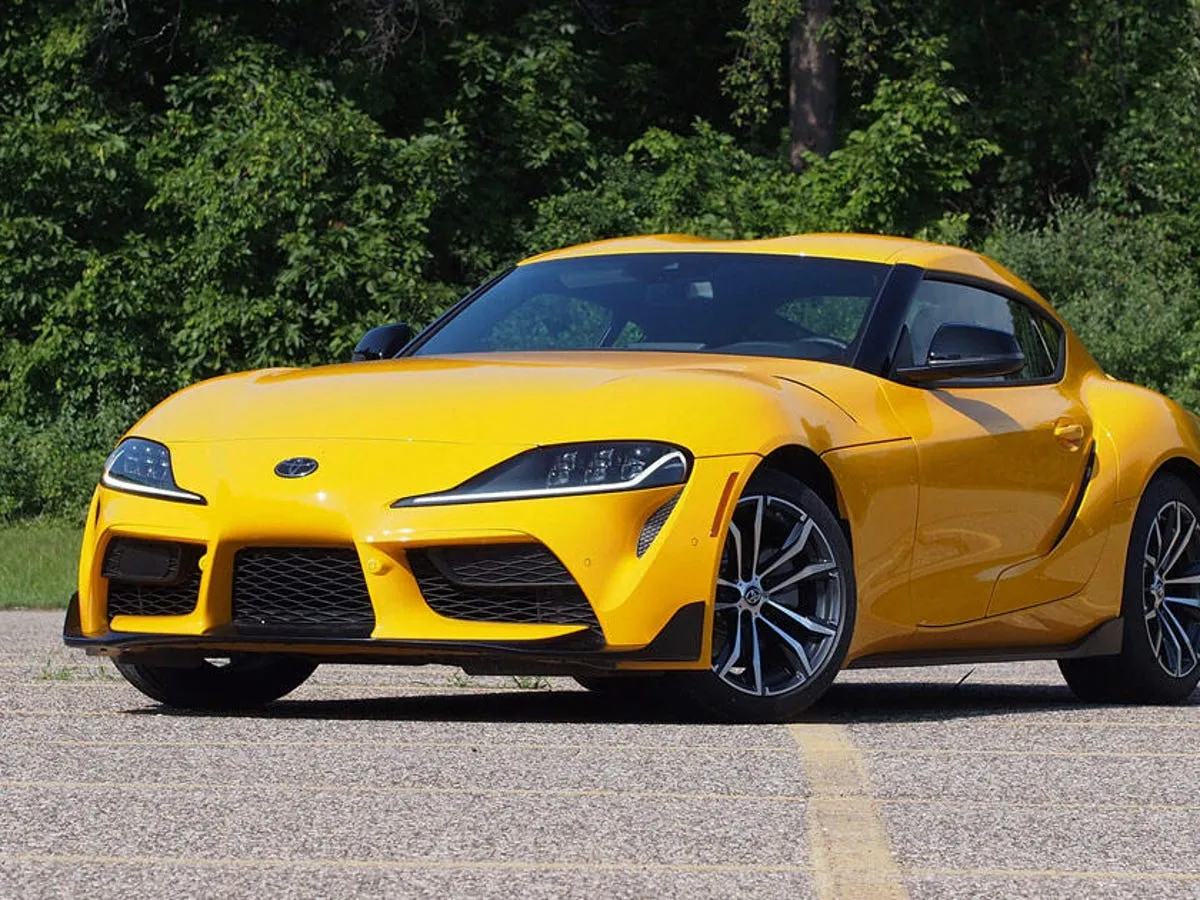
1. Toyota GR Supra 3.0
The Toyota GR Supra 3.0 stands out as a performance car that benefits from a well tested powertrain and conservative tuning.
Its turbocharged inline six engine has roots in a platform designed with longevity in mind. Unlike many high performance engines that prioritize maximum output at the expense of reliability, the Supra’s engine balances efficiency and durability.
The careful calibration of the turbocharger and the use of high quality materials for internal components reduce the likelihood of premature wear, even under spirited driving conditions.
Additionally, the engine management system is optimized to prevent unnecessary stress on the drivetrain while still delivering impressive acceleration and smooth throttle response, which makes the car enjoyable for both daily commuting and occasional track use.
Routine maintenance on the GR Supra remains straightforward for a performance oriented coupe. Regular oil changes, filter replacements, brake service, and cooling system checks follow predictable intervals that are easy for most owners to keep track of.
Unlike some high-performance cars that require special fluids, exotic tools, or complex service procedures, the Supra uses widely available components and maintenance supplies, which keeps servicing simpler and less expensive. Even the turbocharger benefits from conservative tuning, which reduces the chance of overheating or failure.
The design philosophy emphasizes durability, meaning that owners can enjoy high performance without the constant worry of mechanical problems.
The chassis and suspension setup also favor reliability. Toyota engineers focused on a balance between sporty handling and ride comfort, which reduces stress on suspension components such as bushings, ball joints, and dampers.
Unlike ultra stiff sports cars that tend to wear out these parts quickly, the Supra’s system distributes forces more evenly, resulting in longer component life and fewer alignment issues over time.
The car’s braking system, designed with both performance and longevity in mind, features calipers and rotors that handle repeated hard stops without premature fading or warping. This thoughtful engineering approach ensures that the driving experience remains engaging while minimizing long term upkeep.
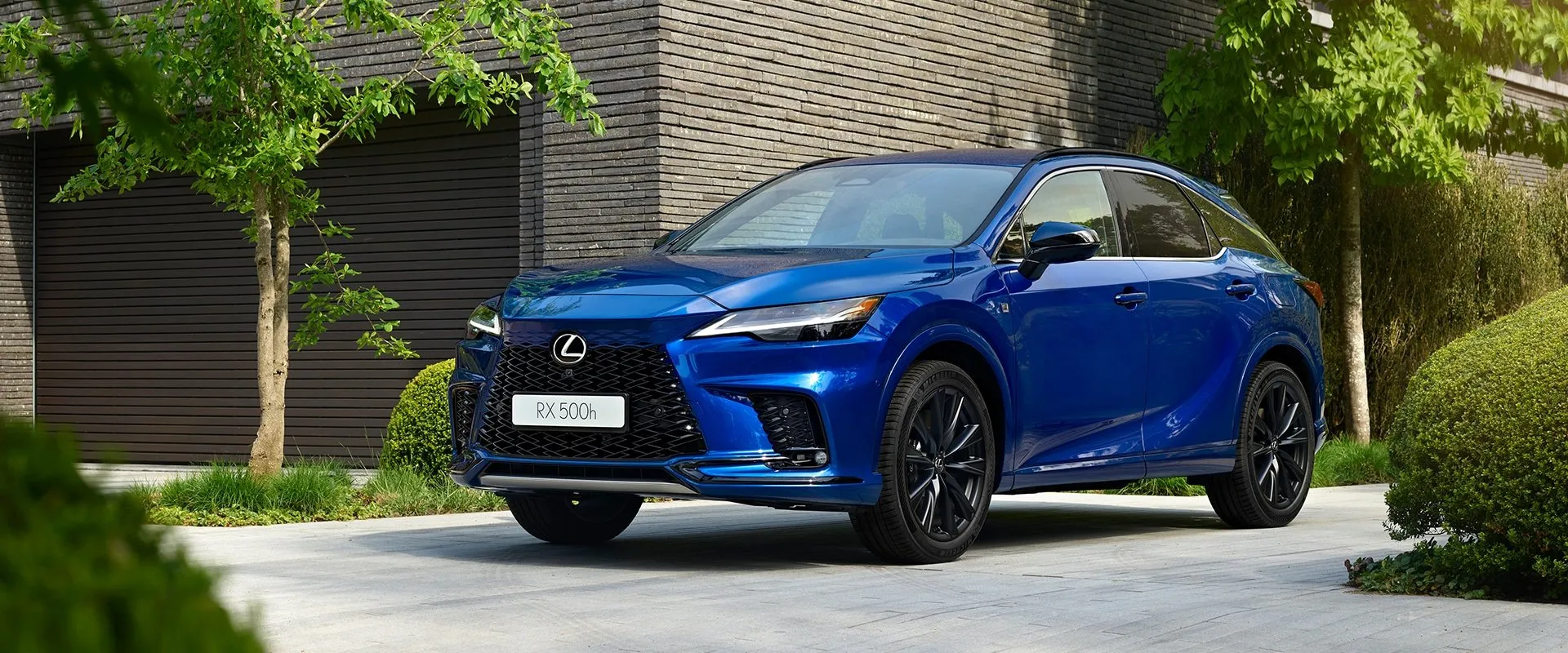
2. Lexus IS 500 F Sport Performance
The Lexus IS 500 F Sport Performance delivers naturally aspirated power in an era dominated by turbocharged engines, which contributes to its low maintenance appeal. Its 5.0 liter V8 engine provides smooth, linear power without relying on forced induction.
Naturally aspirated engines avoid many of the thermal and pressure related issues common to turbocharged systems, which reduces long term wear and increases reliability.
Lexus’s conservative approach to performance ensures that the engine produces thrilling acceleration while maintaining strong mechanical integrity, making it well suited for drivers who want excitement without constant concern about engine longevity.
Lexus engineering places a strong emphasis on long term durability and refinement. The IS 500 uses a transmission and drivetrain that have been refined over multiple generations, incorporating proven components rather than untested experimental designs.
This reduces the likelihood of mechanical failures while allowing the car to maintain high performance levels.
The vehicle’s suspension and steering systems are engineered to provide precise handling without introducing unnecessary complexity, which minimizes wear on moving parts and ensures that owners can enjoy spirited driving without frequent servicing.
Regular servicing for the IS 500 is uncomplicated and follows clear intervals. The vehicle does not require specialized or hard to find fluids, and most routine maintenance procedures can be completed by a standard dealer or trusted independent mechanic.
Components like brakes, belts, and filters are durable and easy to access, which further reduces labor costs and complexity.
The car’s electronics, including driver assistance and infotainment systems, are designed to be reliable over long periods, avoiding the common pitfalls of overly complex modern vehicles that often require frequent software updates or repairs.
Interior durability also contributes to low ownership stress. Lexus materials are chosen not just for appearance but also for long term performance. Seats, trim, and controls are built to withstand years of use without developing rattles, cracks, or wear spots that can plague less thoughtfully designed performance cars.
Even under heavy use, the IS 500 maintains a premium feel and reliable functionality, reducing the risk of small but costly maintenance headaches. The combination of a naturally aspirated V8, proven mechanical components, and a robust interior makes the Lexus IS 500 a strong contender for anyone seeking a reliable performance sedan.

3. Mazda MX 5 Miata
The Mazda MX 5 Miata remains one of the most reliable performance cars ever produced, largely because its philosophy centers on light weight and mechanical simplicity rather than maximum horsepower.
Its four cylinder engine is small, efficient, and tuned for smooth operation rather than peak performance at extreme levels.
The simplicity of its design reduces the number of potential failure points, which means fewer repairs over the life of the vehicle.
Components such as the cooling system, transmission, and suspension are stress tested for daily use and spirited driving alike, giving owners confidence that the car will remain dependable through many miles and years.
Because the Miata’s engine produces modest horsepower compared to larger sports cars, it experiences less internal stress and generates less heat. This contributes to longer service intervals and reduces the likelihood of catastrophic failures, even for owners who enjoy enthusiastic driving on winding roads or occasional track days.
Many Miata owners report that with basic maintenance, these cars can surpass 200,000 miles with minimal issues, which is remarkable for a performance vehicle. This long term reliability makes it particularly appealing to younger drivers or those entering the sports car market who want a fun car without constant worry.
Maintenance costs are further kept low due to the car’s simplicity and the widespread availability of parts. Most consumable components, such as brake pads, tires, and fluids, are affordable and easy to replace.
Routine tasks like oil changes, belt inspections, and brake service can be performed without specialized tools, allowing owners to save money by performing some maintenance themselves.
Additionally, because the MX 5 has been in production for decades, there is strong aftermarket support, meaning replacement parts and upgrades are readily accessible and reasonably priced.
The driving experience remains exceptionally engaging despite the focus on simplicity. The Miata’s lightweight body, precise steering, and balanced chassis ensure that the car remains fun to drive without relying on high power figures.
Handling is sharp, predictable, and responsive, giving drivers a sense of control and connection that few other cars in its class can match. This combination of reliable mechanics, affordable maintenance, and rewarding driving dynamics makes the Mazda MX 5 Miata a rare example of a car that can be both highly enjoyable and low stress to own.
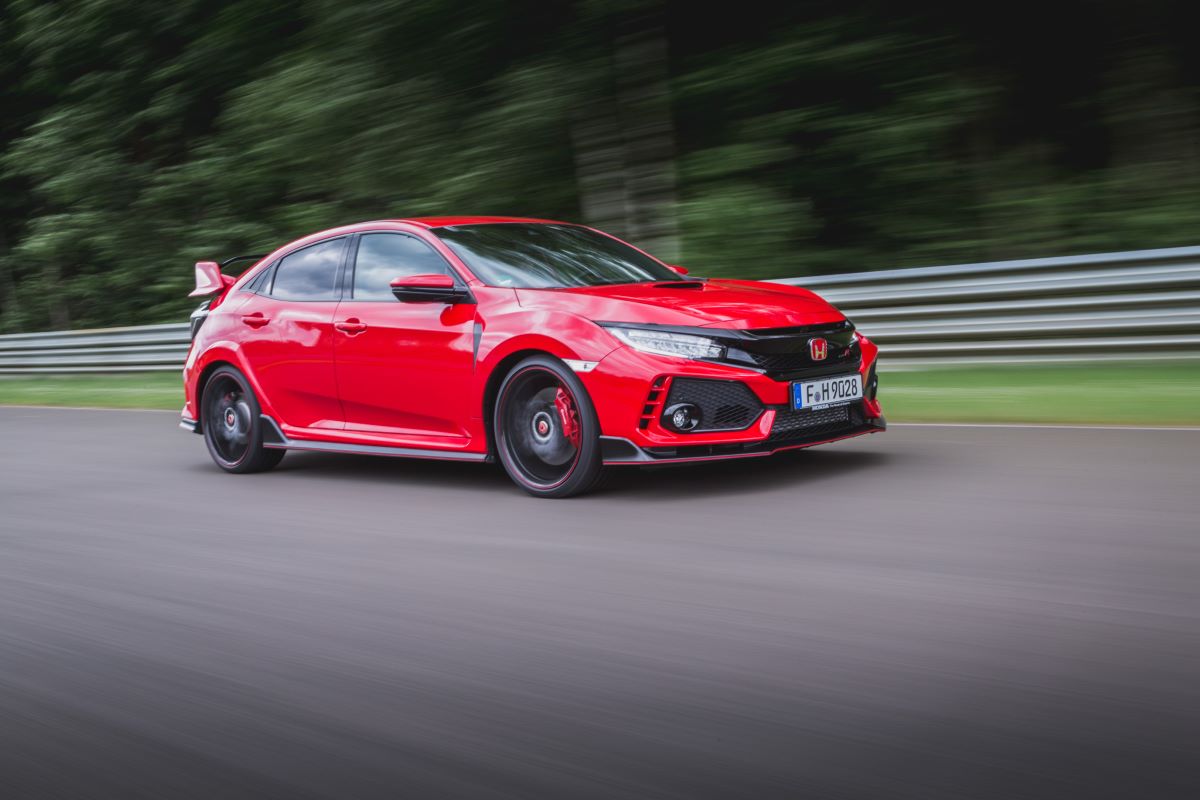
4. Honda Civic Type R
The Honda Civic Type R represents a rare combination of front wheel drive performance and long term dependability, making it an excellent choice for drivers who want speed without frequent maintenance concerns. Honda’s experience with high revving engines plays a major role in the car’s durability.
The turbocharged 2.0 liter four cylinder engine delivers strong power across a broad range of RPMs while avoiding extreme tuning that would compromise long term reliability. Its design emphasizes robust internal components, effective cooling, and precise engineering tolerances, all of which contribute to mechanical longevity.
Cooling systems in the Type R are especially robust, which is essential for maintaining reliability under high performance driving conditions. The radiator, intercooler, and oil cooling system are designed to withstand repeated stress, preventing overheating and excessive wear.
This careful attention to thermal management allows the car to be driven aggressively without the risk of damaging the engine or transmission.
Additionally, the turbocharger is engineered to deliver reliable boost without excessive strain, which further reduces maintenance concerns compared to less conservatively tuned rivals.
The manual transmission is another advantage for reliability-minded buyers. Honda gearboxes are renowned for durability and smooth operation, and the Type R’s transmission is no exception.
Clutch life is reasonable when driven responsibly, and even under spirited driving, the system is capable of handling high torque without frequent replacement. The precise shift feel also contributes to driving enjoyment, ensuring that performance does not come at the cost of mechanical fragility.
Beyond the powertrain, the Civic Type R benefits from a practical design that helps keep maintenance costs manageable. Many components, including brakes, suspension parts, and electronic modules, are shared with other Civic models, making replacements easier and less expensive.
The car’s layout allows technicians to access key areas without excessive labor, further reducing servicing complexity. Combined with Honda’s reputation for reliability and the availability of parts worldwide, the Civic Type R represents a performance car that can be pushed hard while remaining durable and affordable to maintain.
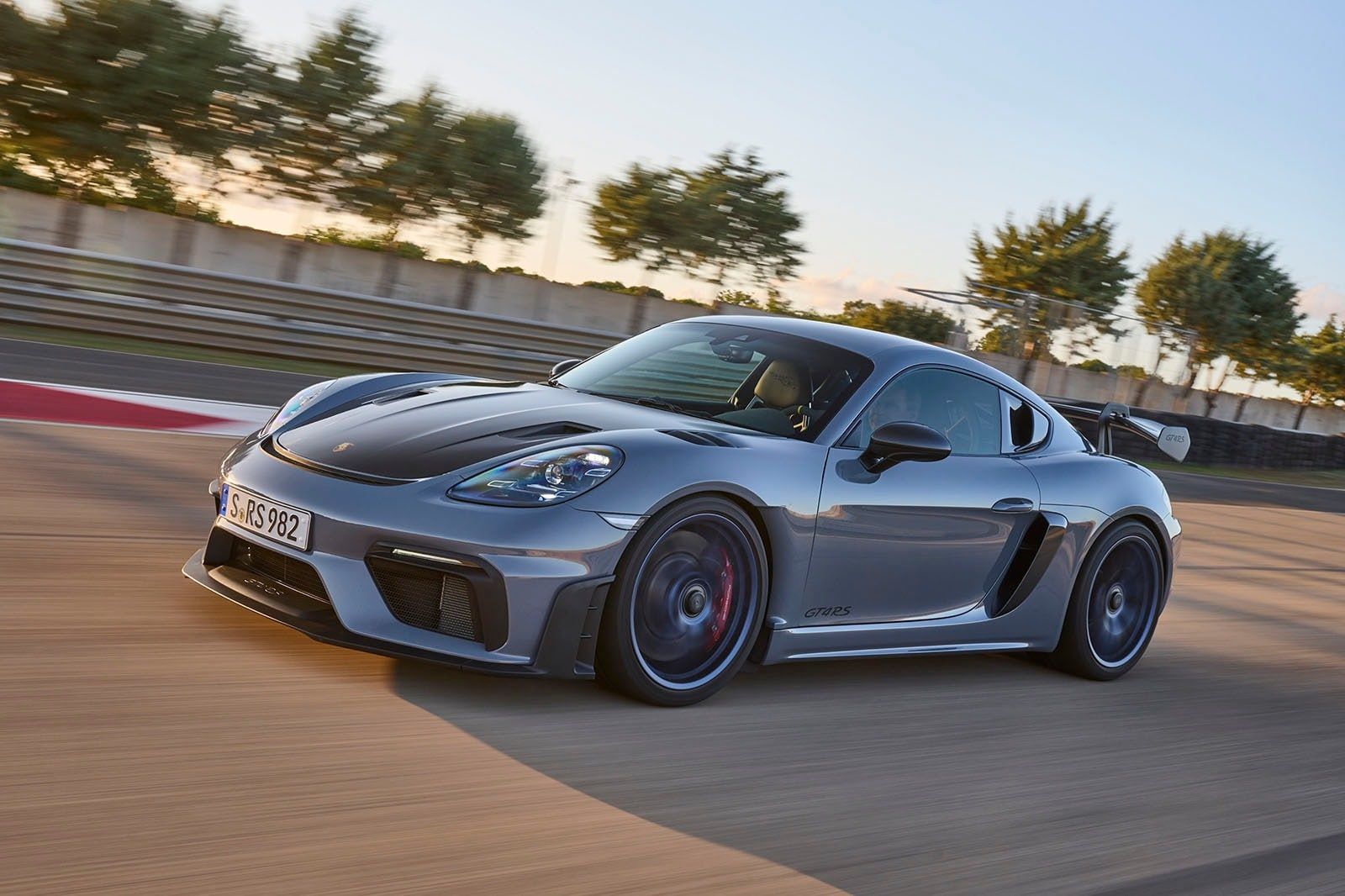
5. Porsche 718 Cayman
The Porsche 718 Cayman offers mid engine balance and precision driving dynamics without the fragile reputation often associated with exotic sports cars. Its turbocharged flat four engine has been refined to maximize both performance and long term durability.
Porsche engineers have focused on achieving consistent thermal stability and mechanical reliability, ensuring that the engine can handle spirited driving without developing excessive wear.
Components such as the turbocharger, pistons, and valvetrain are carefully engineered to operate under high stress conditions while maintaining longevity, making the Cayman suitable for drivers who want a thrilling experience with minimal mechanical compromise.
Service intervals for the 718 Cayman are clearly defined and predictable, which contributes to its low maintenance appeal. While ownership costs are naturally higher than mass market vehicles, they are consistent and manageable when the recommended servicing is followed.
Oil changes, brake inspections, and fluid replacements are straightforward, and Porsche’s build quality ensures that routine service keeps the car performing optimally for many years. The reliability of the engine and transmission allows owners to focus on enjoying the car rather than worrying about unexpected repairs.
Chassis components and suspension design also support long term ownership. The Cayman’s suspension geometry minimizes uneven tire wear, while durable bushings and control arms reduce the need for frequent replacement.
The braking system is engineered to withstand repeated high stress without warping or fading, which is essential for a car that is often driven enthusiastically. Even the body and interior structure are designed to resist wear, ensuring that the car remains functional and enjoyable for a long period of time.
The 718 Cayman also benefits from strong build quality. Interior materials are selected for durability, and electronic systems are tested for reliability under real world conditions. Buttons, controls, and infotainment systems are less prone to failure than those found in older or more experimental sports cars.
This careful combination of engineering, material quality, and practical service intervals ensures that the Cayman delivers consistent performance and ownership satisfaction without frequent or unexpected maintenance headaches.

6. Chevrolet Camaro SS
The Chevrolet Camaro SS delivers classic V8 performance with a relatively simple and robust mechanical layout, which makes it an appealing choice for buyers seeking a low maintenance muscle car.
Its naturally aspirated 6.2 liter V8 engine provides strong acceleration and a satisfying exhaust note without relying on turbochargers or complex forced induction systems.
By avoiding the added complexity of turbocharging, the engine experiences less heat and mechanical stress, contributing to long term reliability and allowing the car to maintain consistent performance even after extended use. The robust design also ensures that high torque output is managed without unnecessary strain on internal components.
General Motors has refined the Camaro’s engine and drivetrain over many years, creating a platform that is both familiar to technicians and reliable over long term ownership. Parts are widely available, and mechanics often have experience servicing these engines, which reduces labor costs and potential downtime.
Many components are shared with other GM vehicles, making replacement parts affordable and easy to source.
This practical approach to design allows owners to enjoy a high performance muscle car without the steep maintenance costs often associated with similarly powerful vehicles.
The Camaro’s suspension and braking systems are designed to handle spirited driving without excessive wear, which is essential for a performance-oriented car. High strength materials are used in critical components to withstand repeated stress, while bushings and mounts are engineered for longevity.
Brake rotors and calipers are durable, minimizing the risk of warping during aggressive stops and reducing the need for frequent replacements. The combination of thoughtful suspension geometry, quality materials, and engineering foresight makes the Camaro SS resilient to the demands of performance driving.
While interior quality may not match that of luxury sports cars, the simplicity of the cabin works in favor of reliability. Fewer complex electronics and simpler systems mean fewer potential failure points, reducing the likelihood of costly repairs over time.
Controls and switches are straightforward, and the infotainment system, while modern, is not prone to the frequent glitches seen in some high tech vehicles. This practical design philosophy aligns with the Camaro SS’s focus on providing strong performance with manageable long term ownership requirements.
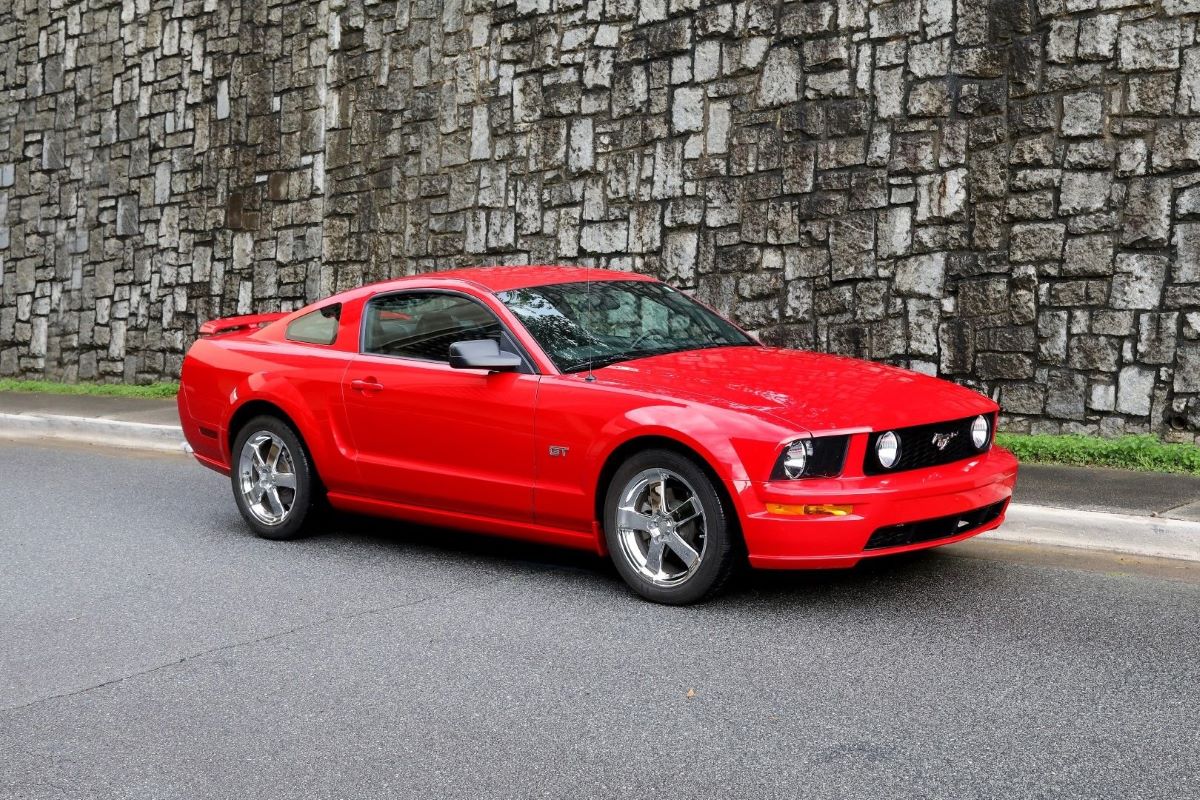
7. Ford Mustang GT
The Ford Mustang GT continues to be a highly attractive option for performance enthusiasts who prioritize durability alongside power. Its 5.0 liter naturally aspirated V8 engine is well known for reliability, especially when left largely in stock form.
Ford’s engineering ensures that the engine delivers strong horsepower and torque without placing unnecessary strain on internal components. Conservative tuning, a well balanced crankshaft, and efficient cooling systems contribute to the engine’s longevity, making the Mustang GT an ideal vehicle for owners who want exhilarating performance without frequent mechanical concerns.
Maintenance procedures for the Mustang GT are straightforward, and parts are widely available across North America and other markets. Standard servicing, such as oil changes, brake replacement, and transmission maintenance, is familiar to most automotive technicians, reducing labor costs and minimizing downtime.
The availability of aftermarket parts also allows for easy repairs and modifications without significantly impacting reliability or increasing maintenance complexity. Ford’s consistent engineering philosophy ensures that components are durable and predictable over years of ownership.
The Mustang’s suspension and braking systems are engineered to handle high speed and aggressive cornering without rapid wear, which is an important factor for performance vehicles. Components such as bushings, shocks, and anti-roll bars are designed for resilience under repeated stress.
The braking system features large rotors and durable calipers capable of repeated hard stops, reducing the likelihood of overheating or premature failure. The combination of suspension geometry and high quality materials ensures that the Mustang can perform well on both daily roads and occasional track sessions while minimizing long term maintenance.
The Mustang GT also benefits from a large, active owner community and abundant technical resources. Shared knowledge about maintenance schedules, common issues, and aftermarket solutions helps owners extend the lifespan of their vehicles while keeping costs reasonable.
Electronics and interior components are durable and reliable, with simple layouts and controls that are resistant to wear. This combination of robust powertrain engineering, accessible maintenance, and practical design makes the Mustang GT an excellent choice for those seeking a reliable yet exciting performance car.
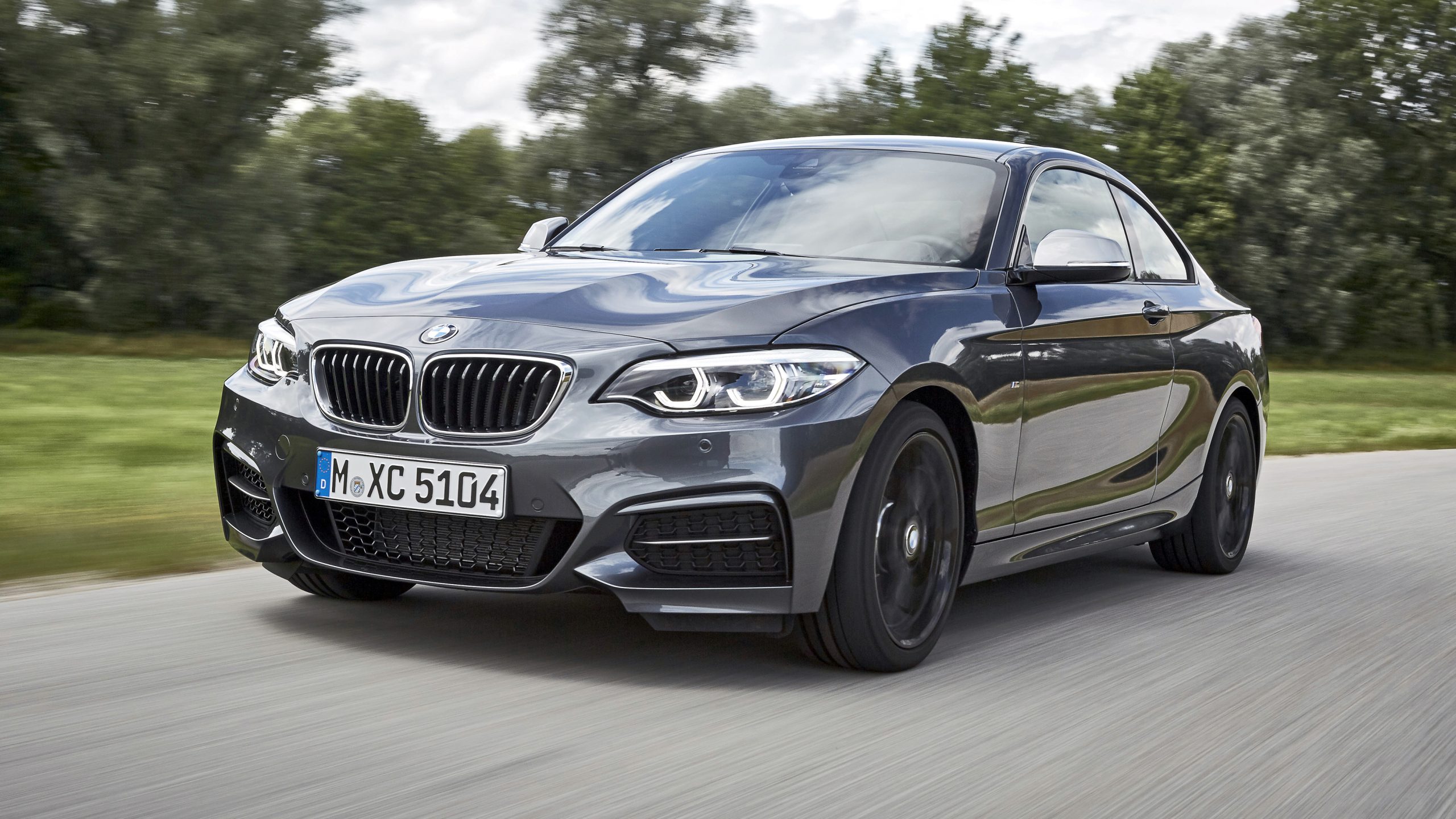
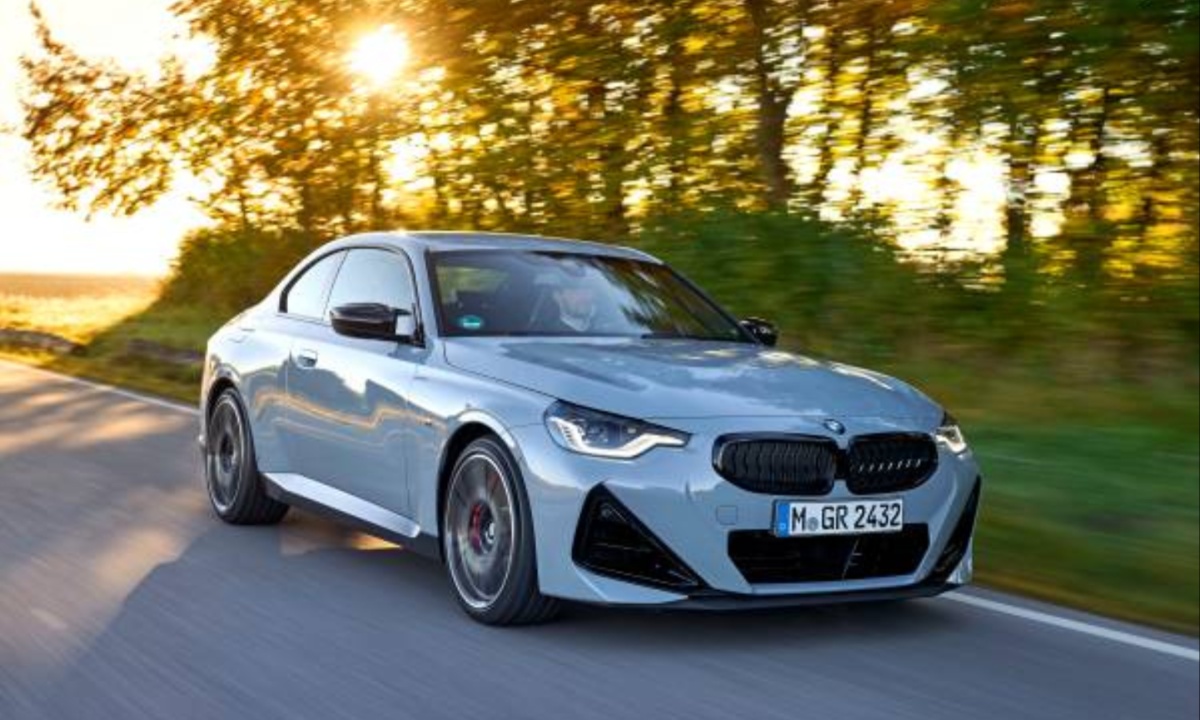
8. BMW M240i
The BMW M240i delivers strong performance without the extreme tuning found in full M models, making it an appealing choice for drivers who want sporty driving with manageable maintenance. Its turbocharged inline six engine combines smooth power delivery with durability, benefiting from BMW’s years of experience refining similar engines across multiple vehicle platforms.
The engine produces responsive acceleration and high torque while avoiding the extreme boost pressures that often reduce reliability in highly tuned models. The careful balance of power and mechanical integrity ensures that the M240i performs confidently in everyday driving and spirited weekend use alike.
Regular maintenance is important for the BMW M240i, but intervals are predictable and reasonable. Oil changes, brake inspections, and fluid replacements follow a clear schedule that prevents excessive wear and ensures the vehicle remains in peak condition.
The turbocharged engine’s cooling and lubrication systems are designed to handle repeated stress, which protects internal components from overheating or premature failure. When maintained according to BMW’s recommendations, the M240i is capable of providing consistent performance for many years, making it a reliable choice for performance enthusiasts.
Interior technology and materials in the M240i are modern, high quality, and designed for longevity. BMW has improved the reliability of electronic systems over recent years, reducing the risk of failures that affected older models.
Controls, buttons, and infotainment systems are resilient under repeated use, minimizing the chance of costly repairs. Combined with the vehicle’s mechanical reliability, this makes the M240i a well rounded option for buyers who want a performance-oriented coupe with a strong track record of durability and practical maintenance requirements.
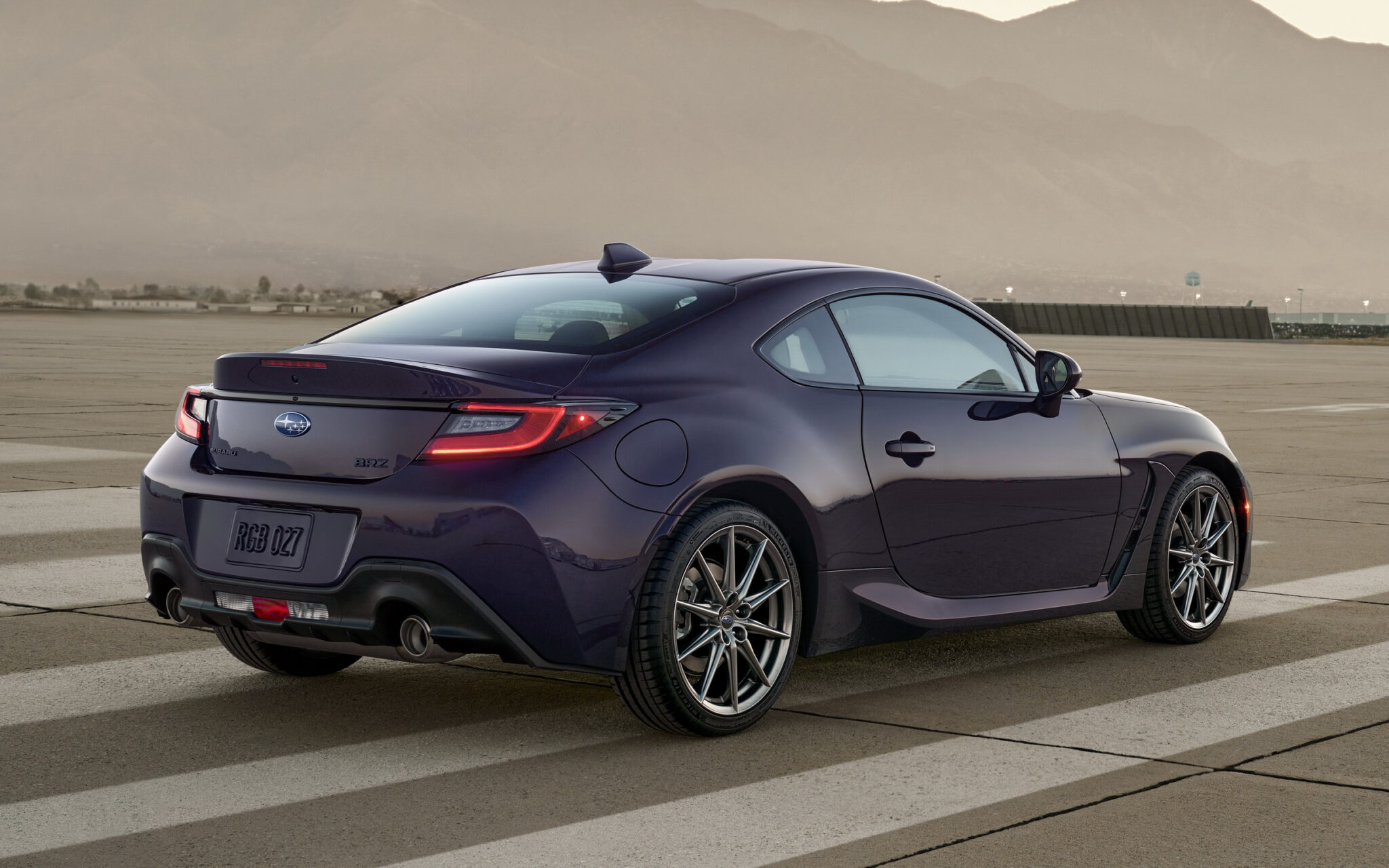
9. Subaru BRZ
The Subaru BRZ emphasizes handling balance, light weight, and simplicity rather than maximum power, which makes it one of the most reliable performance cars in its class. Its naturally aspirated flat four engine delivers consistent and predictable power while avoiding the mechanical stress commonly associated with high horsepower vehicles.
The engine’s design prioritizes durability, with robust internal components and an effective cooling system that allow it to operate safely even under spirited driving conditions. This makes the BRZ an excellent choice for drivers who enjoy a connected driving experience without worrying about high maintenance costs.
The lightweight chassis of the BRZ reduces strain on suspension and braking components, which further contributes to long term reliability. The car’s simple, yet effective, suspension setup helps maintain alignment and minimizes premature wear on bushings and control arms.
Brakes are durable and capable of repeated heavy use without fading, making them practical for both road and track use.
These attributes mean that consumable parts such as tires and brake pads tend to last longer than in heavier, higher powered sports cars, keeping maintenance both predictable and affordable.
The BRZ encourages driving engagement through balance and precision rather than outright speed, which reduces the temptation to overstrain components. Its interior and electronics are also practical and reliable, with simple controls and durable materials that resist wear over time.
The combination of a resilient drivetrain, lightweight chassis, and straightforward electronics makes the Subaru BRZ a highly attractive option for buyers seeking a low maintenance sports car that is equally suited for daily driving and performance-oriented fun.
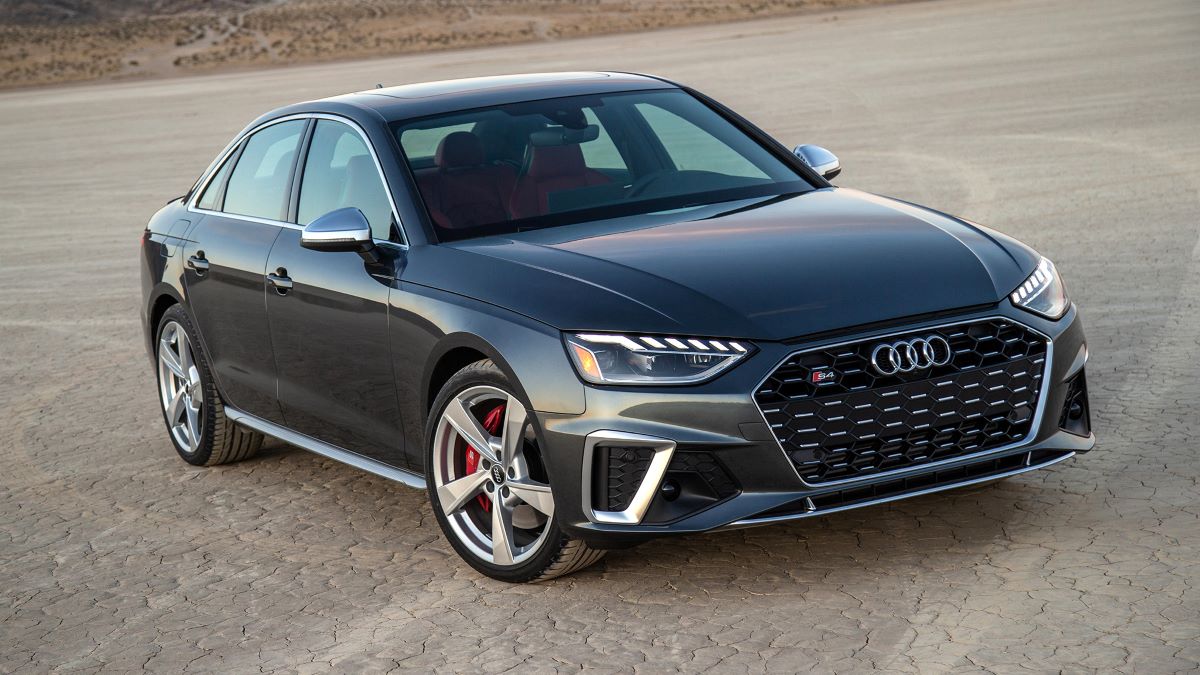
10. Audi S4
The Audi S4 blends strong performance with refined usability, making it a solid choice for drivers seeking a reliable performance sedan. Its turbocharged V6 engine produces smooth and consistent power without extreme tuning, which reduces long term mechanical stress and improves durability.
Audi has refined this engine over multiple generations, balancing responsiveness with stability, ensuring that owners can enjoy spirited acceleration without risking frequent repairs.
The engine’s cooling and lubrication systems are carefully engineered to maintain thermal stability even during aggressive driving, which helps protect internal components and supports long term reliability.
Quattro all wheel drive adds traction and driving confidence without significantly increasing maintenance complexity.
Audi’s system has been refined over decades, and when properly serviced, it is known for long term durability. The all wheel drive system improves stability and handling in a variety of conditions while maintaining reliability.
Routine servicing, such as oil changes, brake inspections, and transmission checks, is straightforward and clearly defined, allowing owners to keep the vehicle in excellent condition over many years without excessive effort or cost.
Interior quality contributes to the low-maintenance appeal of the Audi S4. Materials are durable and resistant to wear, and electronics are engineered for reliability under daily use. Controls, screens, and driver assistance systems remain functional over many years, reducing the potential for costly repairs.
This combination of reliable mechanical systems, durable materials, and practical maintenance intervals ensures that the S4 delivers a performance experience without the frequent mechanical concerns associated with many high powered sedans.
