
Turbocharged four-cylinder engines have been written off many times over the years, especially in the SUV segment, where size, weight, and expectations of power often push buyers toward larger engines.
Yet these compact powerplants continue to survive and adapt, proving that efficiency, durability, and smart engineering can compete with sheer displacement. What makes turbo four-cylinder SUVs so persistent is not just their ability to meet fuel economy targets, but their flexibility.
They deliver usable torque at low engine speeds, respond well to modern transmissions, and fit into a wide range of vehicle sizes without compromising everyday usability.
Manufacturers keep refining them because drivers keep rewarding them with loyalty, especially those who value reliability and long term ownership over raw numbers on a spec sheet.
Another reason these engines refuse to fade away is how well they align with real world driving. Most SUV owners are not towing heavy trailers every day or racing from traffic light to traffic light. They want smooth acceleration, predictable power delivery, and engines that do not feel strained during commuting, road trips, or family errands.
Turbo four cylinders often shine in these conditions, offering a balance that larger engines sometimes struggle to match. When paired with good chassis tuning and modern safety systems, they create vehicles that feel complete rather than compromised.
Longevity also plays a role. Many of these engines have been on the road for years, sometimes across multiple generations, quietly building reputations for durability.
Owners who rack up high mileage often report consistent performance with proper maintenance, reinforcing trust in these designs.
Automakers notice this feedback and continue refining existing platforms instead of abandoning them entirely. The result is a lineup of SUVs that may not dominate headlines but continue to sell steadily and serve reliably.
This list highlights ten SUVs that rely on turbocharged four cylinder engines and have shown remarkable staying power. These vehicles prove that the formula still works, even as trends shift and technology evolves.
Each one represents a different approach to making a compact engine thrive, whether through conservative tuning, strong engineering foundations, or thoughtful integration into the vehicle as a whole.
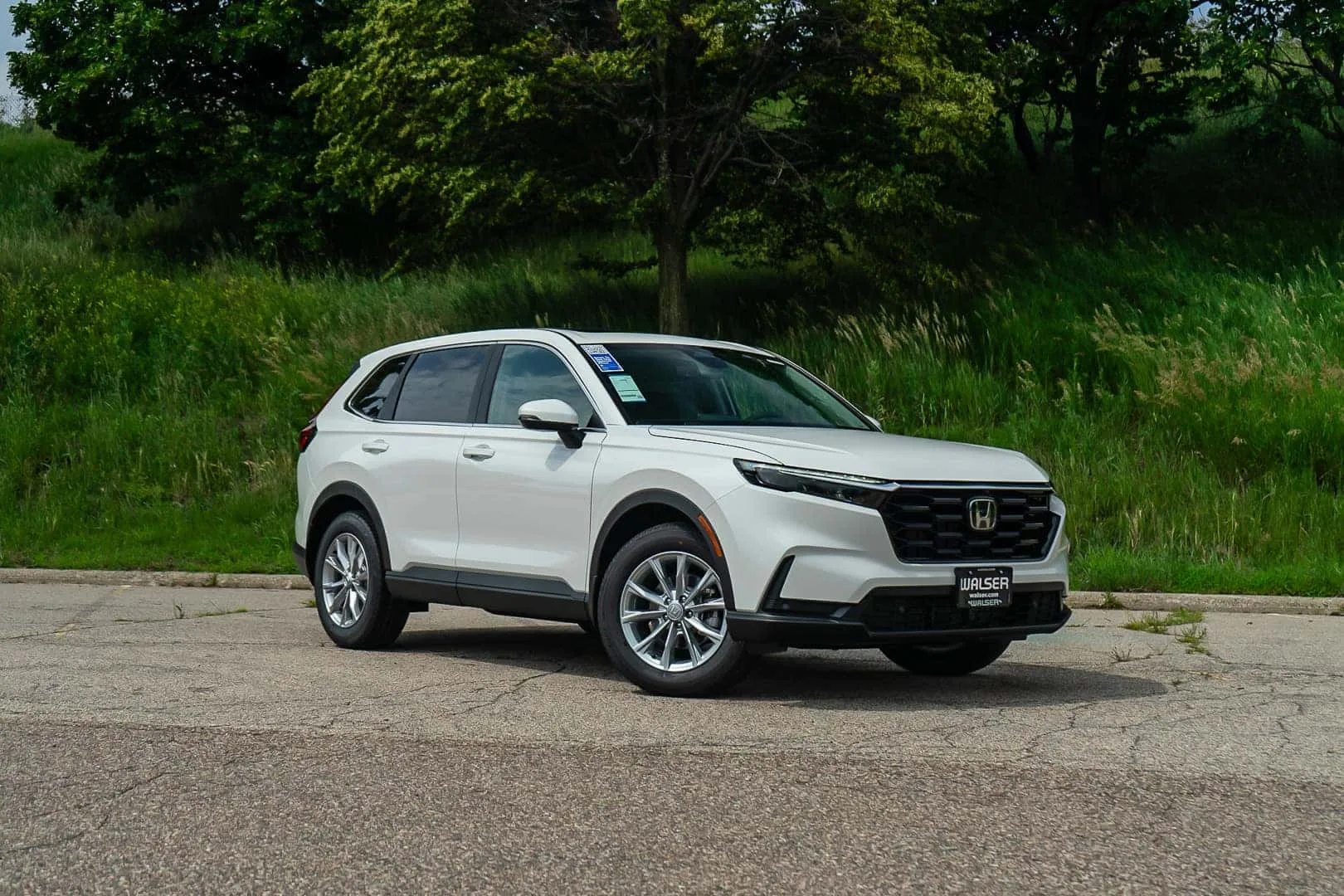
1. Honda CR-V Turbo
The Honda CR-V with a turbocharged four cylinder engine stands as one of the most consistent examples of this formula done right. Honda approached turbocharging with restraint, focusing on smoothness and reliability rather than chasing maximum output.
Unlike some competitors that opt for aggressive tuning or high boost pressures, Honda chose to emphasize consistent power delivery and engine longevity. The result is an SUV that feels refined whether navigating congested city streets or traveling long distances on the highway.
Drivers quickly notice that the turbo four cylinder provides enough punch for merging, overtaking, and hill climbs without ever feeling strained, while also maintaining a quiet cabin and smooth ride, which enhances the comfort and usability of the vehicle.
One reason the engine endures is how well it integrates with the vehicle’s design. The CR-V’s turbo four cylinder works seamlessly with Honda’s continuously variable transmission and well-calibrated suspension, allowing the engine to perform efficiently under almost any driving condition.
Steering and chassis responses complement the powertrain, providing a feeling of control and predictability even when the vehicle is fully loaded. This synergy reduces wear and tear on both the engine and supporting components.
Additionally, the compact design of the turbo four cylinder contributes to better weight distribution and fuel efficiency, which further reinforces its long-term practicality for owners seeking a versatile SUV.
Owners often highlight how predictable the engine feels in varied conditions, ranging from heavy traffic to rural roads and highway cruising. Unlike engines that require constant throttle input to feel lively, the CR-V’s turbocharged four cylinder anticipates driver demands with smooth, linear acceleration.
This predictability fosters confidence for drivers, particularly those with families or frequent long-distance commutes.
Even under stress, such as climbing steep grades or towing light loads, the engine maintains steady performance without noticeable vibrations or overheating concerns. This reliability in everyday scenarios explains why the CR-V continues to be a top choice for many consumers looking for a durable, modern SUV.
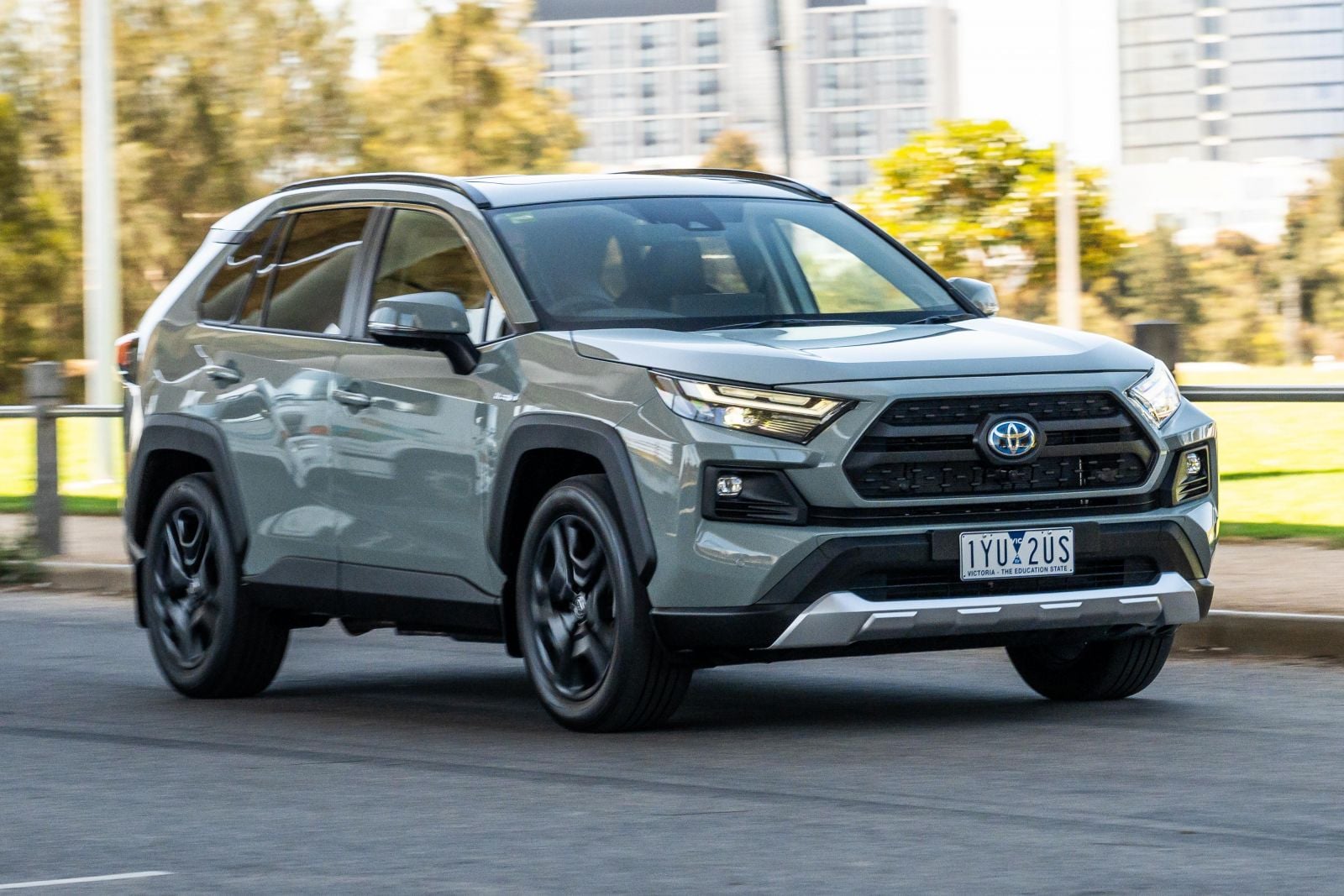
2. Toyota RAV4 Turbo Era Models
Toyota has long been associated with reliability, and its turbo four cylinder SUVs reflect that heritage, particularly during the turbocharged RAV4 era. While Toyota often prioritizes naturally aspirated engines for their simplicity, the turbo variants were carefully engineered to provide both enhanced performance and long-term durability.
The design emphasized stress reduction through modest boost levels, improved cooling systems, and robust internal components.
As a result, these engines offer a quiet, controlled driving experience while still delivering meaningful improvements in acceleration and responsiveness over older naturally aspirated counterparts. Drivers quickly learn to appreciate the balance between fuel efficiency and performance that Toyota achieved with this engine.
The turbo four cylinder in the RAV4 delivers noticeable mid-range torque, which enhances day-to-day usability. This allows for confident highway merging, passing maneuvers, and climbing moderate inclines without excessive throttle input.
Unlike some turbo engines that require constant revving to access power, the RAV4’s setup provides a broad, usable powerband that reduces driver fatigue.
This careful tuning also helps maintain a cooler, more stable engine under varied driving conditions, which contributes to a sense of reliability and reduces long-term maintenance concerns, making it appealing to practical-minded owners who rely on their vehicle for daily commuting and family trips.
Another contributing factor to the longevity of the RAV4 turbo is Toyota’s emphasis on simplicity and practical engineering. The turbocharging system avoids unnecessary complexity, focusing instead on components that are durable and easy to service.
This approach reduces repair costs, simplifies maintenance procedures, and ensures that most minor issues can be resolved quickly without expensive replacements.
For drivers who value reliability and low ownership stress, the RAV4 turbo models continue to be an example of how thoughtful engineering can extend the life of a small but potent powertrain while providing a capable and versatile SUV for a wide range of buyers.

3. Subaru Forester XT
The Subaru Forester XT combines turbocharged power with the brand’s signature all wheel drive system, creating an SUV that is both practical and surprisingly engaging. Its turbocharged four cylinder engine delivers strong low-end and mid-range torque, making it more responsive than many competitors in its segment.
Unlike naturally aspirated versions, the XT’s turbocharged engine allows drivers to accelerate smoothly from a stop, handle overtaking with confidence, and maintain steady performance under full passenger or cargo loads.
This combination of capability and refinement made the Forester XT a compelling choice for drivers who wanted a balance of daily usability, reliability, and spirited driving in one package.
One of the reasons this engine continues to earn respect is its strong mechanical identity, which emphasizes balance and durability.
Subaru engineered the turbocharged four cylinder to complement its symmetrical all wheel drive system, distributing power effectively to maintain traction on challenging surfaces, including snow, wet roads, and uneven terrain.
This robust design ensures that the engine does not need to work excessively to deliver the vehicle’s capabilities, reducing strain and supporting long-term reliability. Drivers quickly notice the predictability and stability provided by the combination, fostering confidence in varying driving conditions and building trust in the vehicle over time.
Even as Subaru updated its lineup and shifted away from certain turbocharged variants, the Forester XT maintained a strong reputation for performance and durability. Many owners still regard it as a reliable workhorse that can handle a wide range of conditions while providing enjoyable driving dynamics.
The continued admiration for this model underscores how a well-executed turbo four cylinder can leave a lasting impression in the SUV market, maintaining relevance even years after production, due to a combination of reliability, performance, and thoughtful engineering.
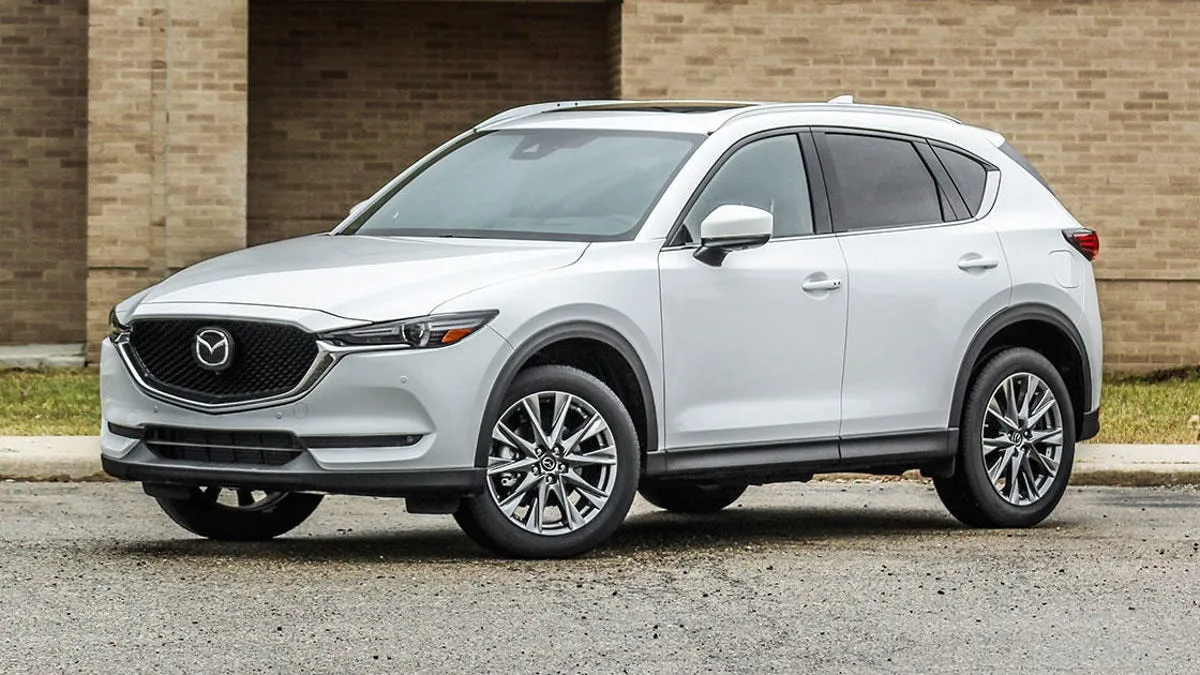
4. Mazda CX-5 Turbo
Mazda’s CX-5 turbo represents a carefully balanced approach to turbocharged four cylinder engines, emphasizing refinement, smoothness, and integration with the vehicle’s design. The engine provides ample torque at low and mid-range RPMs, delivering acceleration that feels effortless and well-matched to the SUV’s chassis.
This approach ensures that the CX-5 remains both practical and enjoyable to drive, whether in city traffic, on winding roads, or on long highway trips.
Unlike competitors with aggressive turbo setups, Mazda’s tuning ensures that the engine feels composed and refined, contributing to the vehicle’s reputation for premium handling and driving comfort.
The turbo system is calibrated to prioritize low-end responsiveness, which enhances everyday usability and reduces engine strain. Drivers benefit from smoother acceleration during common maneuvers, such as merging, passing, or climbing inclines.
This thoughtful engineering reduces the need for high engine revs, contributing to longevity by minimizing stress on the internal components.
Additionally, Mazda engineers pay close attention to thermal management, ensuring that the turbo system operates efficiently without overheating or excessive pressure buildup, further extending the engine’s lifespan.
Mazda’s emphasis on high-quality materials and precise engineering also supports the engine’s durability. Components such as the intercooler, turbocharger internals, and engine block are designed to withstand consistent use under moderate stress.
Careful calibration of the engine management system allows for consistent performance across different climates and driving styles. This attention to detail ensures that owners experience reliable operation for years, creating confidence that the CX-5 turbo can serve as a long-term vehicle without major surprises or premature wear.
The CX-5 turbo’s balance of performance and refinement has helped Mazda establish a strong reputation for turbocharged SUVs that are both enjoyable and dependable.
By avoiding extreme tuning or cutting corners on durability, Mazda demonstrates that four-cylinder turbo engines can offer satisfying acceleration, practical usability, and long-term reliability in a single package.
This combination reinforces the notion that smaller turbo engines can thrive in modern SUVs without compromising on driving experience or longevity.
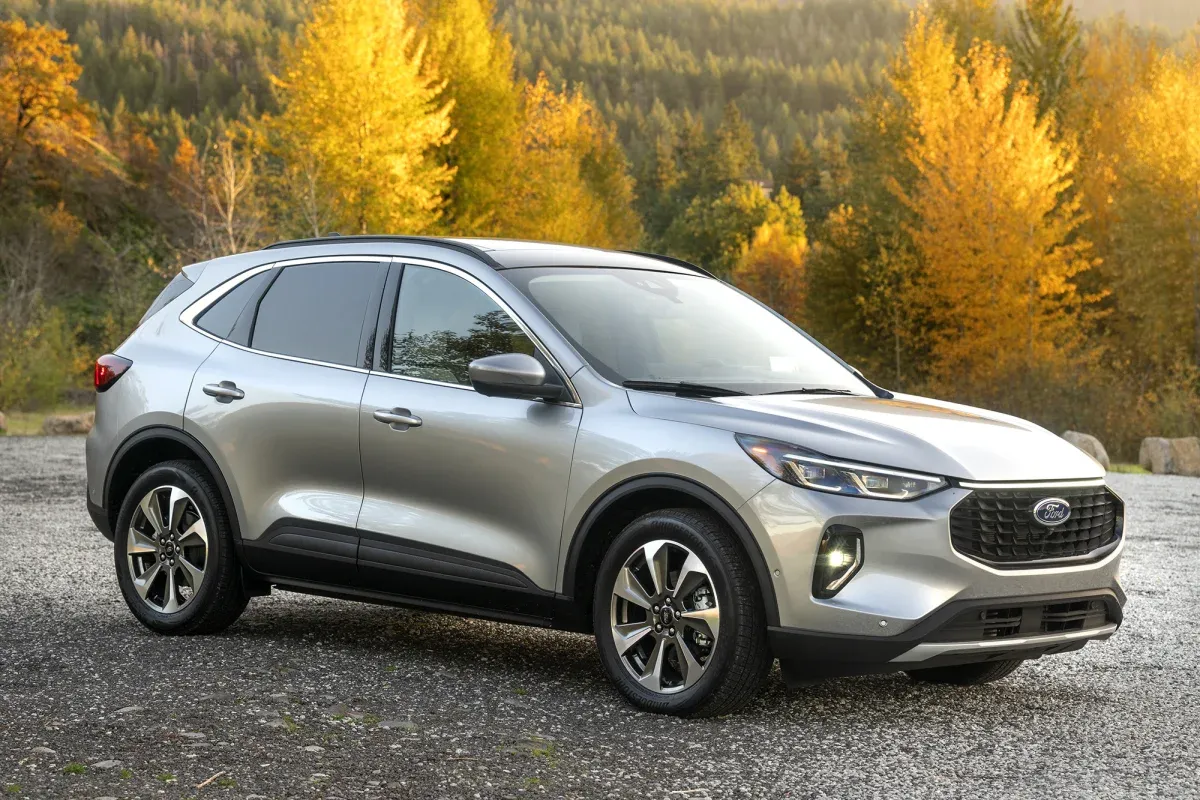
5. Ford Escape EcoBoost
Ford’s EcoBoost four cylinder engine brought turbocharged performance to mainstream SUVs in a way that balanced efficiency, usability, and long-term durability. The Escape benefited from this approach, offering a lively driving experience without demanding excessive engine management from drivers.
The engine’s responsive low-end torque allowed the Escape to feel energetic in city traffic while remaining capable on highways, creating a versatile package for a variety of driving conditions.
The EcoBoost system also contributed to competitive fuel economy, demonstrating that smaller turbo engines could deliver both performance and efficiency without compromise.
A key factor in the EcoBoost engine’s resilience is its adaptability. Ford engineered the engine to perform reliably across different driving scenarios, from stop-and-go urban traffic to sustained high-speed highway runs.
This adaptability reduces stress on the engine and related components, as the power delivery remains controlled and predictable. Drivers also benefit from the synergy between the turbo four cylinder and modern automatic transmissions, which help manage engine load efficiently, reducing wear and enhancing long-term durability.
Owners who maintain their Escape EcoBoost properly often report consistent performance over many years, with relatively few mechanical issues compared to more aggressively tuned competitors.
While turbocharged engines require careful attention to oil changes, cooling, and maintenance, Ford’s approach prioritizes reliability alongside performance.
Proper service intervals, combined with robust engineering, ensure that the engine continues to provide consistent power even after high mileage, making it a practical option for daily driving and long-term ownership.
The Escape EcoBoost exemplifies how a turbo four cylinder can serve as the foundation of a modern, versatile SUV. It offers a combination of fuel efficiency, usable power, and long-term reliability that appeals to a broad range of consumers.
By focusing on predictable performance, moderate tuning, and careful engineering, Ford ensured that the Escape’s turbo four cylinder would remain relevant and dependable, reinforcing the staying power of small turbo engines in an increasingly competitive segment.
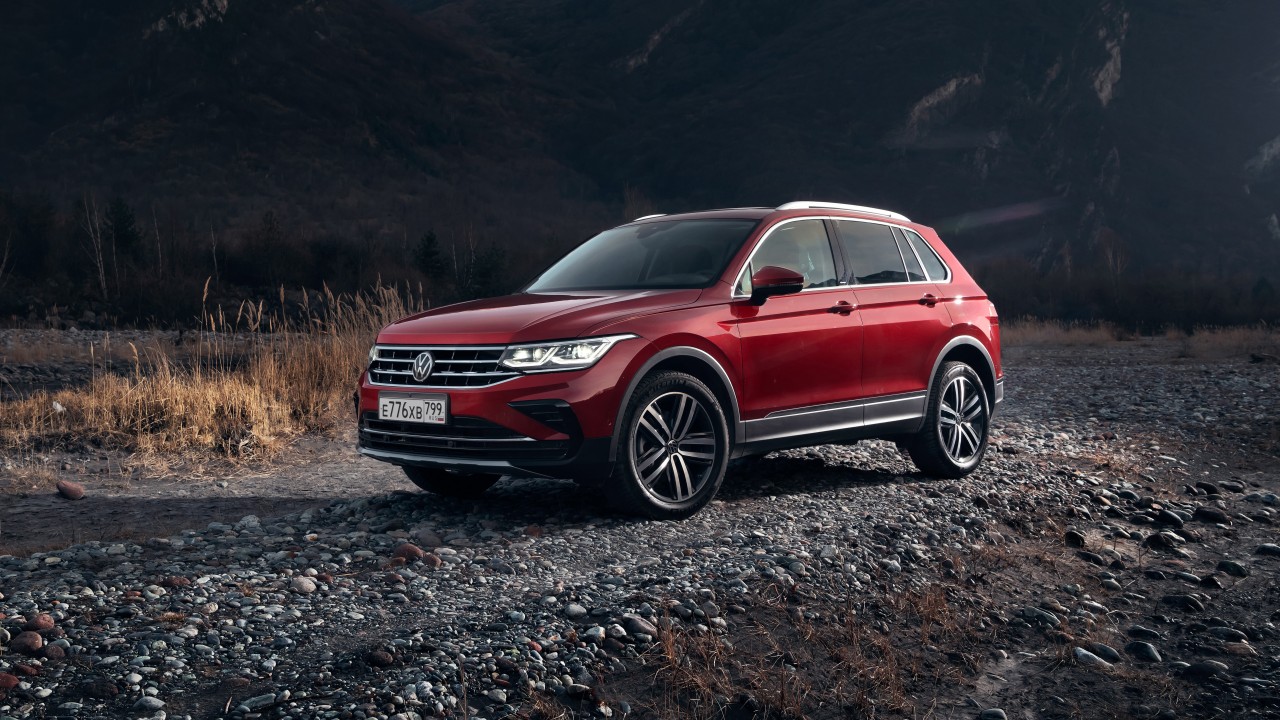
6. Volkswagen Tiguan Turbo
Volkswagen’s Tiguan relies heavily on its turbocharged four cylinder engine, which has evolved carefully over multiple generations. Unlike some competitors that overhaul engines completely, VW chose gradual improvements, addressing weak points and refining the design over time.
The result is a powertrain that feels mature, predictable, and robust. The engine delivers adequate power without feeling strained, providing smooth acceleration for highway driving and city commutes alike.
The turbo system enhances mid-range torque, allowing the Tiguan to merge, pass, and climb hills confidently, while still maintaining a refined and quiet cabin environment that complements the SUV’s understated German styling.
The Tiguan’s turbo four cylinder emphasizes consistency and smoothness rather than extreme performance, making it easy to drive and comfortable for long distances.
Its design prioritizes usable torque, which translates to more relaxed driving, particularly during stop-and-go traffic or while carrying passengers and cargo.
By avoiding excessive turbo boost or harsh power delivery, Volkswagen ensures that the engine experiences less stress over time, reducing the risk of premature wear. This attention to drivability and reliability allows the Tiguan to remain a trustworthy SUV for owners who value comfort and steady performance over raw horsepower.
Maintenance considerations also contribute to the Tiguan engine’s longevity. Volkswagen engineered the turbo system to require straightforward, predictable care, including timely oil changes, cooling system inspections, and regular software updates for engine management.
Following these guidelines allows owners to enjoy consistent performance over many years, often with minimal unexpected repairs. This predictable maintenance pattern reinforces confidence in the engine’s durability, which is critical for SUV owners who may keep their vehicles for a decade or longer.
Finally, Volkswagen’s gradual approach to engineering improvements ensures the Tiguan’s turbocharged four cylinder remains relevant even as technology evolves.
The company focused on stability, efficiency, and reliability instead of chasing headline-grabbing horsepower figures, creating an engine that fits well with the vehicle’s design and long-term goals.
This philosophy has allowed the Tiguan to maintain a solid reputation in the market, proving that thoughtful refinement can make a turbo four cylinder SUV endure and thrive in a competitive segment.
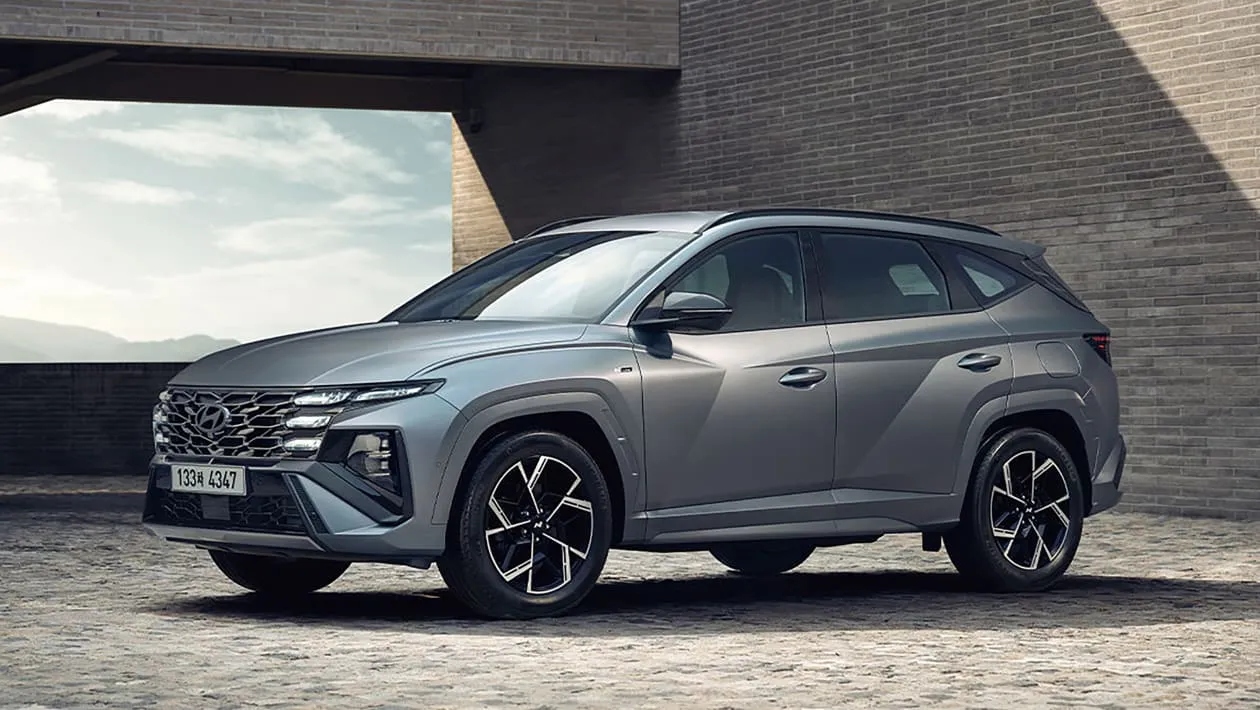
7. Hyundai Tucson Turbo
Hyundai’s turbocharged four-cylinder engine in the Tucson reflects the brand’s focus on delivering value, performance, and long-term dependability.
Unlike some turbo engines that push aggressively for maximum output, the Tucson’s engine is tuned conservatively, providing smooth and linear acceleration that works well for daily driving.
The power delivery is immediate enough to keep the vehicle responsive in urban environments, yet controlled enough to avoid excessive wear or stress on engine components.
Combined with modern transmission technology, the engine produces a balanced and predictable driving experience, making it an attractive option for families and long-term owners who prioritize reliability over flashy numbers.
The turbo system in the Tucson emphasizes usable torque rather than extreme peak power. Drivers notice that the engine responds well at low RPMs, which reduces the need for high revving in common driving scenarios, such as merging onto highways or overtaking slower vehicles.
This moderation in tuning contributes to lower thermal and mechanical stress, which in turn enhances longevity.
The vehicle also benefits from Hyundai’s focus on efficient cooling and engine management, which ensures that the turbocharger and associated systems operate effectively in a variety of climates and driving conditions, further supporting durability.
Maintenance and ownership experience are key reasons why the Tucson turbo remains a viable option. Hyundai provides accessible service intervals and components designed for ease of repair, allowing owners to maintain the vehicle without excessive costs or complexity.
This practical approach helps prevent neglect, ensuring that the engine remains reliable even after years of use. Many drivers report consistent performance over high mileage, highlighting the careful balance Hyundai strikes between efficiency, power, and long-term durability in the Tucson turbo.
Finally, the Tucson turbo demonstrates that a small, well-engineered engine can meet the needs of modern SUV owners without sacrificing reliability or comfort.
The combination of thoughtful tuning, robust engineering, and user-friendly maintenance makes the turbo four cylinder a compelling choice for drivers seeking an SUV that delivers both daily usability and long-term confidence.
Its continued presence in the lineup underscores Hyundai’s commitment to keeping this engine relevant and dependable over time.

8. Kia Sportage Turbo
The Kia Sportage turbo shares many foundational elements with its Hyundai counterpart but introduces unique features that enhance its appeal. The engine provides responsive acceleration that supports confident highway driving and nimble city handling.
Drivers often appreciate the balance between fuel efficiency and power delivery, as the turbo system allows the Sportage to feel lively without becoming difficult to control.
Unlike highly aggressive turbo engines, Kia’s design prioritizes smoothness, making the SUV approachable for a wide range of drivers. The engine complements the Sportage’s chassis dynamics, contributing to a vehicle that feels cohesive and reliable under a variety of conditions.
Kia engineered the turbocharged four cylinder with durability in mind, reflecting the company’s long warranty coverage policies. Engineers prioritized reliability by limiting extreme boost pressures and carefully managing engine heat, which reduces the likelihood of premature wear.
These design choices, combined with thoughtful materials selection and cooling strategies, ensure that the engine remains stable over time. The Sportage benefits from consistent low-to-mid-range torque, which makes everyday driving comfortable and reduces mechanical stress, reinforcing its suitability as a long-term ownership vehicle.
Owners frequently praise the engine’s consistency and predictability. The turbo four cylinder responds smoothly to throttle input without sudden surges or hesitation, creating a calm and manageable driving experience.
Over years of regular use, this stability translates into fewer unexpected issues, strengthening the vehicle’s reputation for dependability. Kia’s engineering ensures that performance remains consistent across different climates, road conditions, and driving styles, contributing to the Sportage’s enduring appeal.
Finally, the Sportage turbo illustrates how a small turbocharged engine can thrive in a compact SUV designed for broad market appeal. By combining reliability, efficiency, and practical performance, Kia created a vehicle that meets the daily needs of drivers while remaining durable enough for high-mileage ownership.
The careful balance of engineering, tuning, and usability ensures that the Sportage turbo continues to compete effectively, proving that turbo four cylinder engines can succeed even in value-oriented, mainstream SUVs.
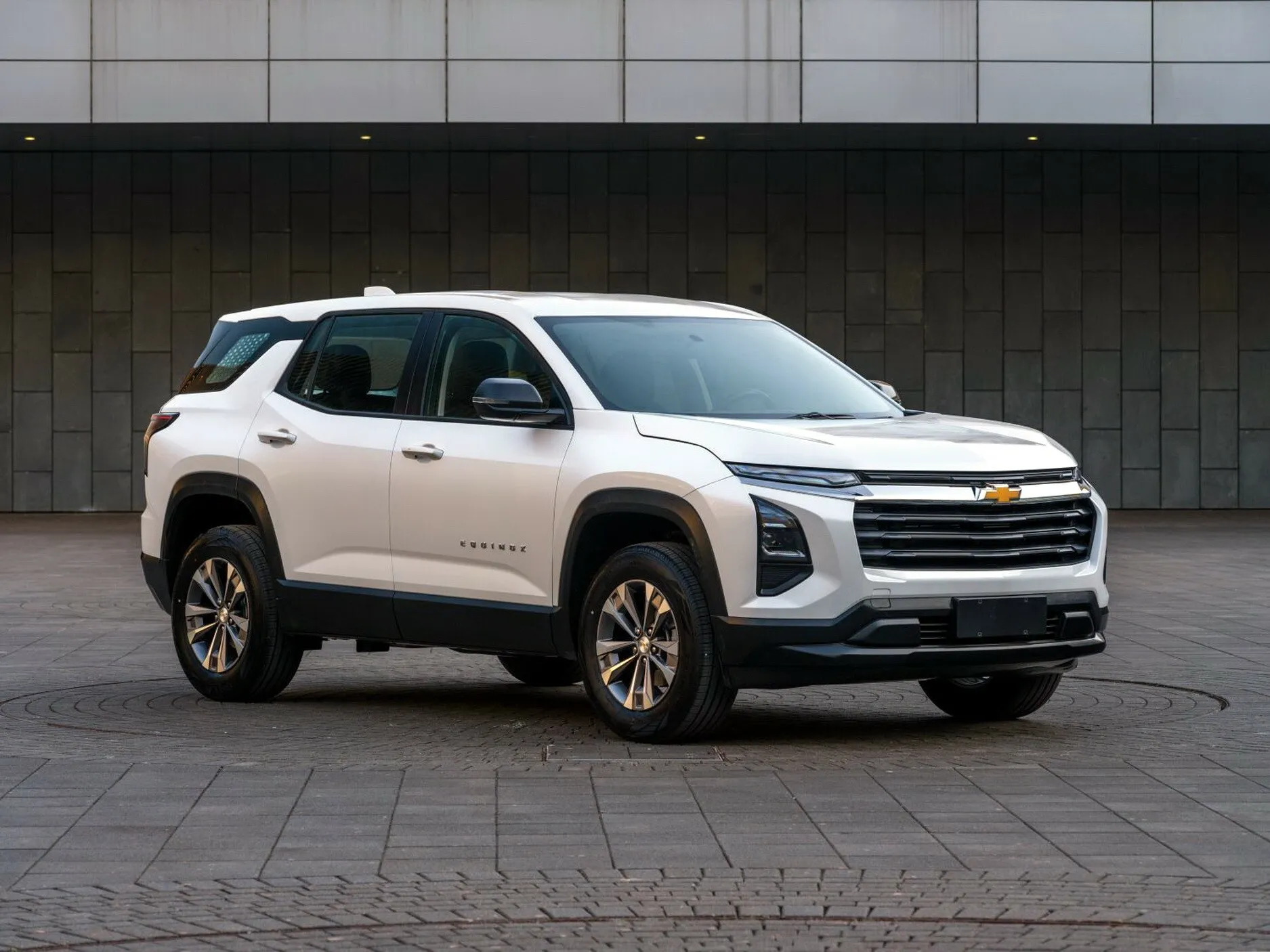
9. Chevrolet Equinox Turbo
Chevrolet’s Equinox utilizes a turbocharged four cylinder engine designed to deliver a balance of power, efficiency, and long-term reliability. Unlike large displacement alternatives, the turbo engine provides sufficient performance for commuting, highway travel, and light towing without feeling overworked.
The vehicle maintains a smooth and composed ride, even under full load, which enhances comfort and usability. Drivers quickly notice the engine’s linear response and ability to handle everyday tasks without excessive noise or vibration, making it a practical choice for families and long-distance commuters who value predictability and convenience in an SUV.
The turbo system in the Equinox emphasizes smooth power delivery rather than abrupt acceleration spikes, which reduces stress on internal components. This approach enhances engine longevity while keeping the driving experience accessible and safe for a wide range of users.
The four cylinder turbo allows the vehicle to maintain steady torque across most driving scenarios, making it easy to navigate hills, merge onto highways, and overtake slower traffic without unnecessary strain. This reliability in real-world conditions has contributed to the engine’s reputation as a durable and dependable option in the compact SUV segment.
Maintenance and accessibility play a crucial role in the Equinox turbo’s staying power. Chevrolet designed the engine and supporting systems to be service-friendly, with straightforward access to oil, filters, and cooling components.
This allows owners to follow recommended maintenance routines efficiently, helping to avoid costly repairs or complications.
Many drivers report that the engine continues to perform consistently for years with standard upkeep, demonstrating how thoughtful design can extend the operational lifespan of a turbocharged four cylinder SUV.
Finally, the Equinox turbo represents Chevrolet’s philosophy of combining practicality with modern performance. The engine balances fuel economy, reliability, and usable power in a package that supports diverse driving needs.
By focusing on predictable performance, manageable power delivery, and user-friendly maintenance, Chevrolet ensured that the Equinox turbo remains a relevant and practical choice for buyers seeking a capable SUV that can endure daily use and high mileage without major issues.
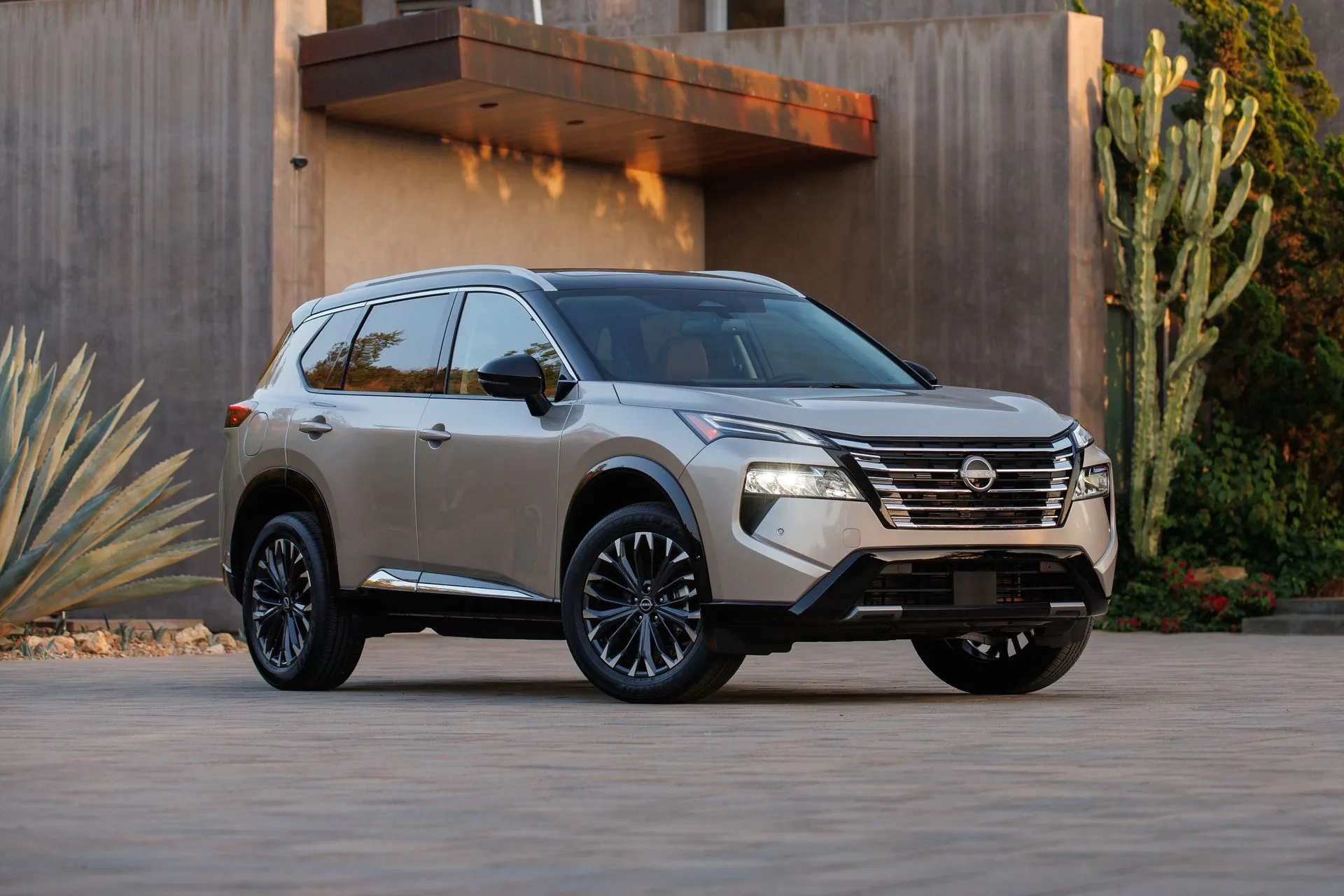
10. Nissan Rogue Turbo Variants
Nissan’s turbocharged four cylinder engines in Rogue variants were developed to improve efficiency and provide sufficient performance for a variety of driving conditions. Unlike engines tuned for peak horsepower, the Rogue turbo emphasizes smooth, manageable power delivery suitable for commuting, family trips, and occasional highway driving.
Drivers experience responsive acceleration from low speeds and a broad, usable torque curve, which reduces the need for high revving and helps prevent unnecessary stress on engine components. The result is a vehicle that feels comfortable and predictable for most owners, balancing modern performance expectations with long-term reliability.
The turbo system supports low-to-mid-range torque, which enhances everyday usability and reduces mechanical stress. Drivers notice that the engine handles city driving, highway merging, and moderate inclines without significant effort, creating a sense of reliability and predictability.
Unlike more aggressively tuned turbo engines, the Rogue’s setup avoids sudden surges that can accelerate component wear.
This careful calibration ensures consistent performance and contributes to the vehicle’s durability over time, making it suitable for high-mileage owners seeking longevity and efficiency.
Finally, the Rogue turbo illustrates how smaller turbocharged engines can continue to adapt in an evolving SUV market. By prioritizing efficiency, smooth operation, and long-term reliability, Nissan created a vehicle that meets the needs of everyday drivers without compromising durability.
The careful combination of engineering, tuning, and practical usability ensures that the Rogue turbo remains relevant and respected, confirming that turbo four cylinder engines can endure across multiple generations in compact SUVs.
