
Family road trips are a special way to create lasting memories. For families in Pensacola, Florida, these trips often include visits to the white sandy beaches, the historic downtown areas, nearby state parks, or even excursions into neighboring states.
Choosing the right car for such trips is not just about comfort; it’s about safety, space, reliability, and the ability to handle long drives without stress. A vehicle that can carry luggage, sports equipment, and even a few snacks for the kids while maintaining fuel efficiency can make all the difference.
Families often look for vehicles that provide a balance between passenger space and practicality. This means SUVs, minivans, and some crossover vehicles frequently top the list because they combine roominess with a smooth driving experience.
However, not every vehicle is suitable for road trips. Some cars might look stylish or even feel comfortable during short drives but reveal serious flaws on longer journeys. These flaws can include mechanical breakdowns, overheating engines, or even electrical issues.
Road trips demand consistent performance, and a car that cannot meet those expectations can quickly turn an enjoyable experience into a stressful ordeal. Therefore, knowing which cars tend to perform reliably and which cars are prone to problems on long drives is essential.
In this article, we will look at two contrasting lists. The first highlights five cars that are particularly well-suited for family trips around Pensacola.
These are vehicles known for reliability, spacious interiors, and smooth handling. The second list identifies five cars that are more likely to face difficulties on road trips, whether due to mechanical weaknesses, small fuel tanks, or other design flaws.
By examining these categories, families can make informed decisions about the vehicles they choose for travel and avoid unnecessary headaches on the road. This guide is aimed at providing practical advice while keeping in mind both safety and comfort.
The comparisons will take into account passenger capacity, storage space, driving performance, fuel economy, and the experience of a long drive. With these factors in mind, families can ensure their trips are memorable for all the right reasons.
5 Cars for Pensacola Family Trips
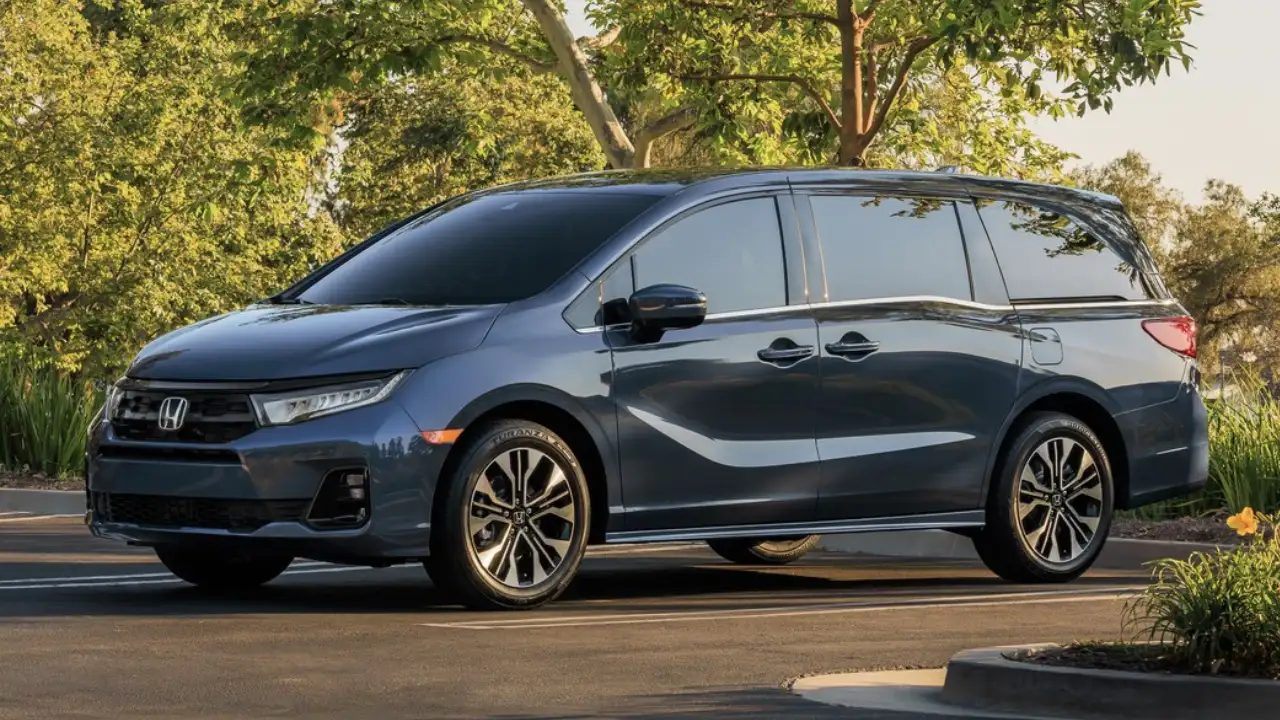
1. Honda Odyssey
The Honda Odyssey has long been a top choice for families needing a reliable, spacious, and comfortable minivan for trips. With three rows of seats, it comfortably fits seven to eight passengers depending on the configuration, allowing parents to travel with children, friends, or relatives without feeling cramped.
The second-row seats can slide, recline, or even fold into the floor for additional space, which is a huge convenience when juggling multiple car seats, booster seats, or other seating needs.
Storage compartments are plentiful, including overhead bins, underfloor storage, and cup holders strategically placed for both adults and children. Families heading to Pensacola’s beaches or state parks can easily carry coolers, sand toys, fishing gear, and extra clothing while still keeping the cabin organized and accessible.
From a performance perspective, the Odyssey provides a smooth and controlled ride. Its V6 engine delivers reliable power even when fully loaded, ensuring that highway merges, passing maneuvers, and climbing hilly areas are manageable without straining the vehicle.
The transmission shifts smoothly, and the suspension absorbs most bumps and road imperfections, which is particularly important for families with young children who may become restless during long drives. Its fuel efficiency, while average for a minivan, is respectable, and the large fuel tank allows for longer stretches between gas stops.
Many parents also praise the Odyssey’s durability; Honda has a long history of producing vehicles that remain dependable well past 200,000 miles, making it a worthwhile investment for families planning years of road trips.
Safety features in the Honda Odyssey are extensive and family-oriented. Modern models include adaptive cruise control, which adjusts speed based on traffic conditions, as well as lane-keeping assistance to reduce the likelihood of accidental lane drift. Blind-spot monitoring and rear cross-traffic alerts are particularly useful in crowded parking lots or during coastal drives when traffic can be unpredictable.
Collision mitigation systems and multiple airbags enhance protection in emergencies, and the vehicle’s stability control ensures that the minivan maintains predictable handling even in wet or windy conditions.
This combination of safety technology and engineering design provides peace of mind on longer journeys, allowing parents to focus on enjoying the trip rather than worrying about vehicle performance.
The Odyssey is also highly adaptable to a family’s lifestyle beyond road trips. Its Stow ‘n Go seating and modular interior make it suitable for daily errands, school pickups, sports practices, and grocery runs. Even for spontaneous weekend getaways, it allows families to quickly reorganize the interior to accommodate whatever cargo or passenger needs arise.
For those in Pensacola, this could mean transporting paddleboards for a day at the beach, bicycles for a trail ride in nearby parks, or even extra luggage for an extended vacation. Its combination of space, comfort, safety, and dependability makes the Honda Odyssey a top contender for families seeking a long-term vehicle that meets both everyday needs and travel adventures.
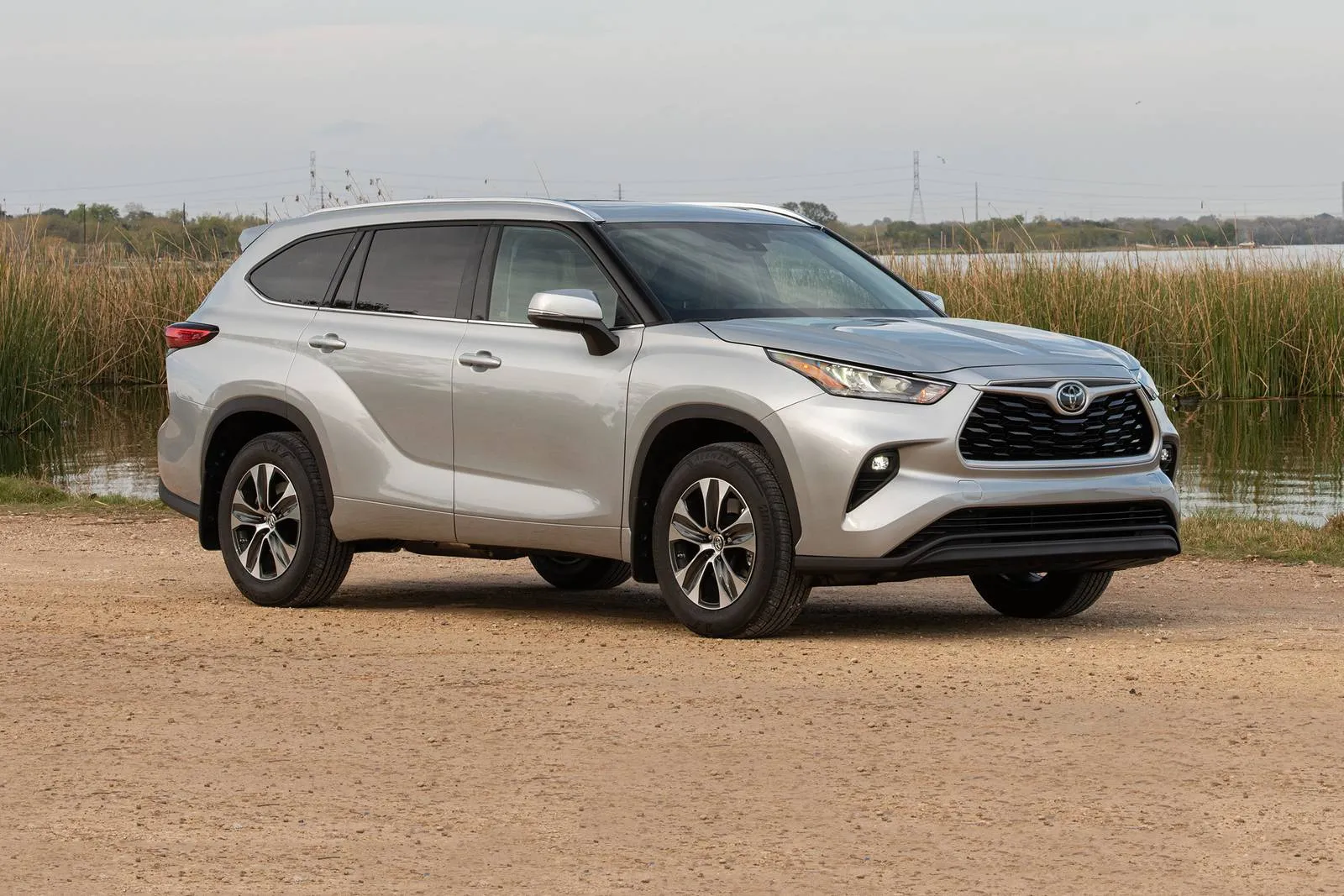
2. Toyota Highlander
The Toyota Highlander is a midsize SUV that strikes an impressive balance between family-friendly features, comfort, and reliable performance. With seating for seven or eight passengers, depending on the trim, it accommodates larger families or those who frequently carpool for activities or vacations.
The interior design emphasizes comfort, with generous legroom and headroom in both the front and rear rows. Materials are durable and resistant to wear and tear, which is especially important when traveling with children who may spill snacks or carry wet swimsuits from Pensacola’s beaches. Cargo space is substantial, particularly when the third row is folded down, giving families flexibility to store luggage, sports equipment, strollers, or coolers for longer trips.
Performance-wise, the Highlander provides a smooth and stable ride. Its engine options deliver sufficient power for highway driving, passing slower vehicles, and climbing inclines, even with a full load of passengers and gear. Steering is responsive and handling feels controlled, providing a sense of confidence on longer journeys.
The available all-wheel-drive system adds traction and stability, which can be useful in rainy conditions or when venturing onto less-maintained roads around the Gulf Coast. Fuel economy is competitive for its class, with hybrid options offering extended range, reducing the number of stops families need to make on a trip.
The Highlander comes equipped with an array of safety features designed to protect both passengers and drivers during long drives. Adaptive cruise control helps maintain consistent speed, while lane departure alerts and lane-keeping assist reduce fatigue on highways.
Pre-collision warning systems can detect potential hazards, and automated emergency braking helps minimize risk in critical situations. These features allow families to travel with confidence, knowing that the vehicle actively supports safety rather than relying solely on the driver’s attentiveness.
Toyota’s reputation for reliability is a key factor that makes the Highlander suitable for repeated use on family trips. The SUV consistently performs well under long-term stress, experiences fewer major mechanical failures than many competitors, and maintains strong resale value.
For Pensacola residents, the Highlander is versatile for trips to the beach, parks, or neighboring states, while also functioning as a dependable everyday vehicle. Its combination of interior comfort, cargo space, performance, and advanced safety features makes it one of the most well-rounded vehicles for families planning frequent road trips.
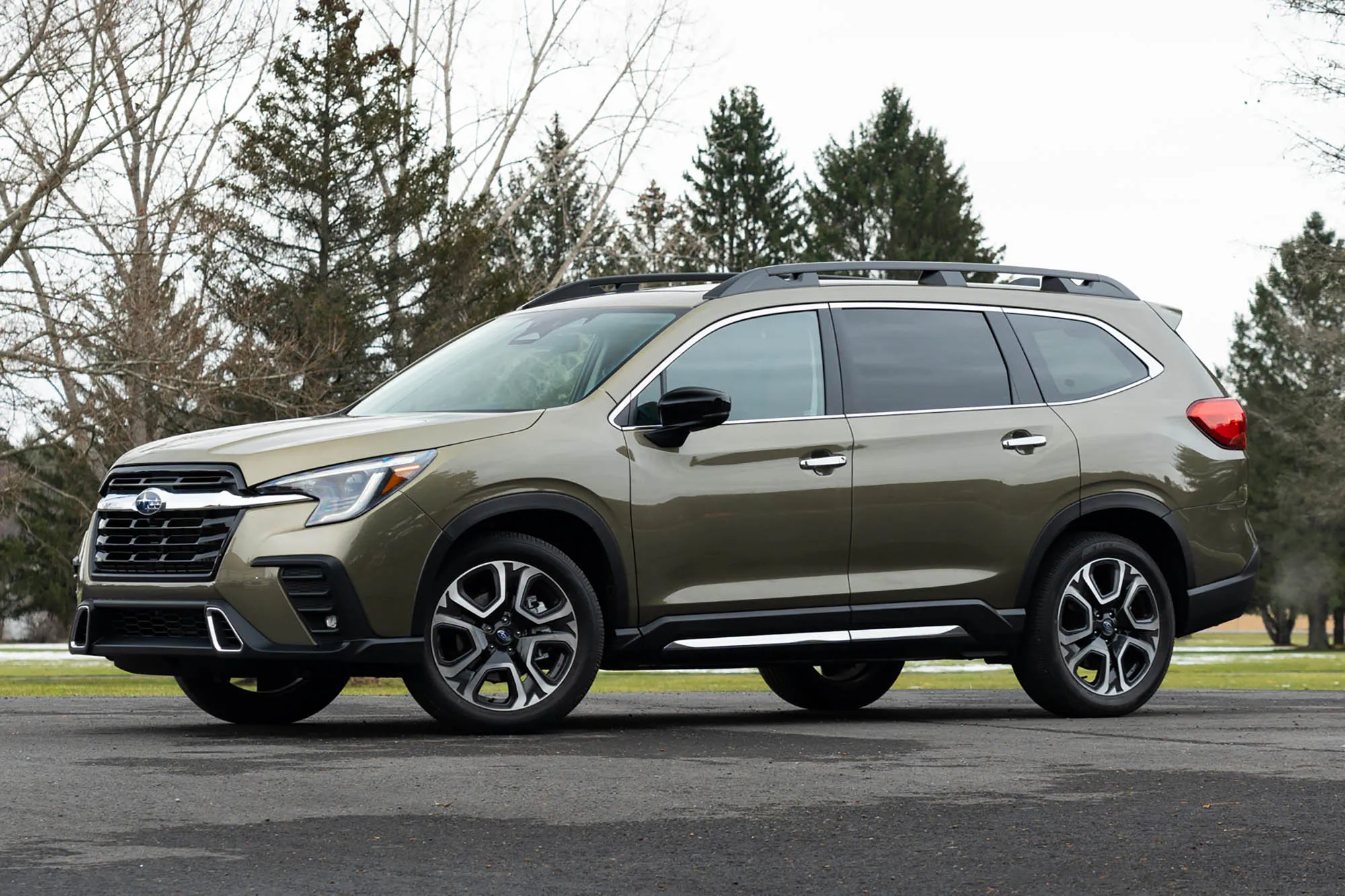
3. Subaru Ascent
The Subaru Ascent is a full-size SUV designed with large families and extended travel in mind. One of its main advantages is that it comes standard with all-wheel drive, offering improved stability and traction on wet, uneven, or sandy roads, which are common in coastal areas like Pensacola.
The Ascent can seat up to eight passengers and offers multiple configurations for cargo and seating arrangements. This flexibility is ideal for families traveling with children, pets, or large gear, allowing them to optimize space for both passengers and storage.
Its generous cargo area makes it easy to bring beach umbrellas, chairs, and coolers, or even kayaks and bicycles with roof racks, enhancing recreational options during trips.
The interior is designed for comfort and convenience. Premium materials, intuitive controls, and a quiet cabin make long drives less tiring for all passengers. Rear-seat passengers benefit from ample legroom and amenities such as USB ports, climate control, and optional rear-seat entertainment systems.
Tri-zone climate control ensures that everyone can maintain a comfortable temperature, which is particularly useful when traveling with children who may be sensitive to heat or cold. Storage compartments, cup holders, and door bins are strategically placed, keeping essentials within reach and reducing clutter during long drives.
Performance is smooth and well-suited for highway and local travel. The turbocharged four-cylinder engine provides enough power for merging onto highways or climbing moderate inclines while maintaining decent fuel economy for a large SUV.
Handling is responsive, and braking is reliable, contributing to driver confidence. Even with a full load of passengers and gear, the Ascent maintains stability and performance, making extended trips more comfortable and safer.
Safety is a core strength of the Subaru Ascent. Advanced systems include adaptive cruise control, lane centering, blind-spot detection, automated emergency braking, and rear cross-traffic alerts.
These technologies help reduce the likelihood of accidents, provide guidance on longer drives, and enhance driver awareness during fatigue or distraction. The SUV’s durability and reliability further reinforce its suitability for family trips, making it a practical investment for parents who plan to use it regularly for vacations, weekend excursions, and everyday life.
Its combination of comfort, safety, and capability ensures that families can enjoy Pensacola and beyond without worrying about performance issues or passenger discomfort.
4. Kia Telluride
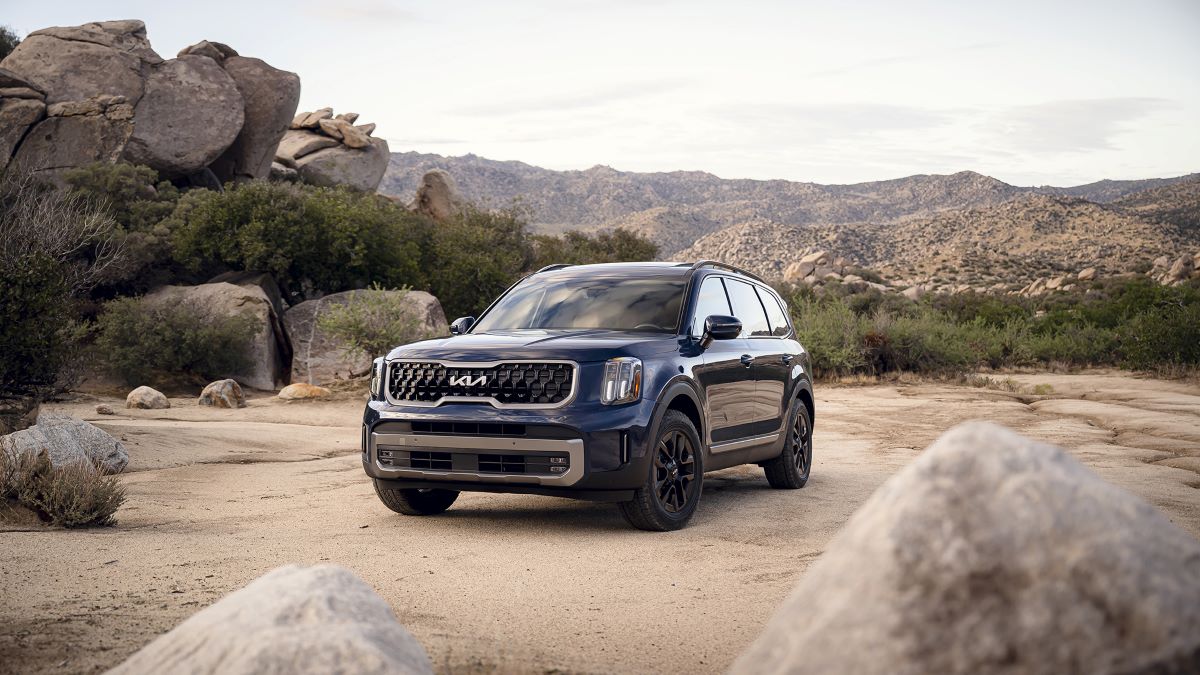
The Kia Telluride is a modern midsize SUV that has quickly gained recognition for its family-friendly design, high-quality interior, and robust performance. It offers seating for up to eight passengers, and the cabin layout ensures that every occupant has sufficient space for long trips.
The second and third rows are accessible with ease, and the interior materials are durable and resistant to stains, making it practical for families with children. Cargo space is generous, and folding the third row creates even more room for luggage, sports equipment, or beach supplies. Families in Pensacola will find the Telluride practical for transporting gear for day trips, weekend getaways, or even seasonal vacations.
The Telluride’s V6 engine provides strong performance, allowing confident acceleration on highways and maintaining stability during overtaking or merging. Its suspension absorbs bumps and uneven road surfaces, ensuring that the ride remains comfortable even on roads that are less smooth.
The SUV’s fuel economy is competitive for its size, making longer drives more convenient with fewer fuel stops. Maintenance costs are generally reasonable, adding to the value of the vehicle for families who plan frequent road trips.
Technology features in the Telluride enhance both comfort and safety. The infotainment system is intuitive and easy to use, with large screens, smartphone integration, and multiple USB ports for charging devices.
Driver assistance features include blind-spot monitoring, forward collision warnings, lane-keeping assistance, and adaptive cruise control. These systems help reduce stress for drivers during longer trips by offering guidance and support on highways and busy streets alike.
The combination of comfort, performance, reliability, and safety makes the Kia Telluride an excellent choice for Pensacola families. Its ability to handle both everyday errands and long road trips ensures that parents can invest in a single vehicle for multiple purposes. With a spacious interior, advanced technology, and robust engine performance, the Telluride provides confidence and convenience for families seeking a reliable vehicle for years of travel and leisure.
5. Chrysler Pacifica
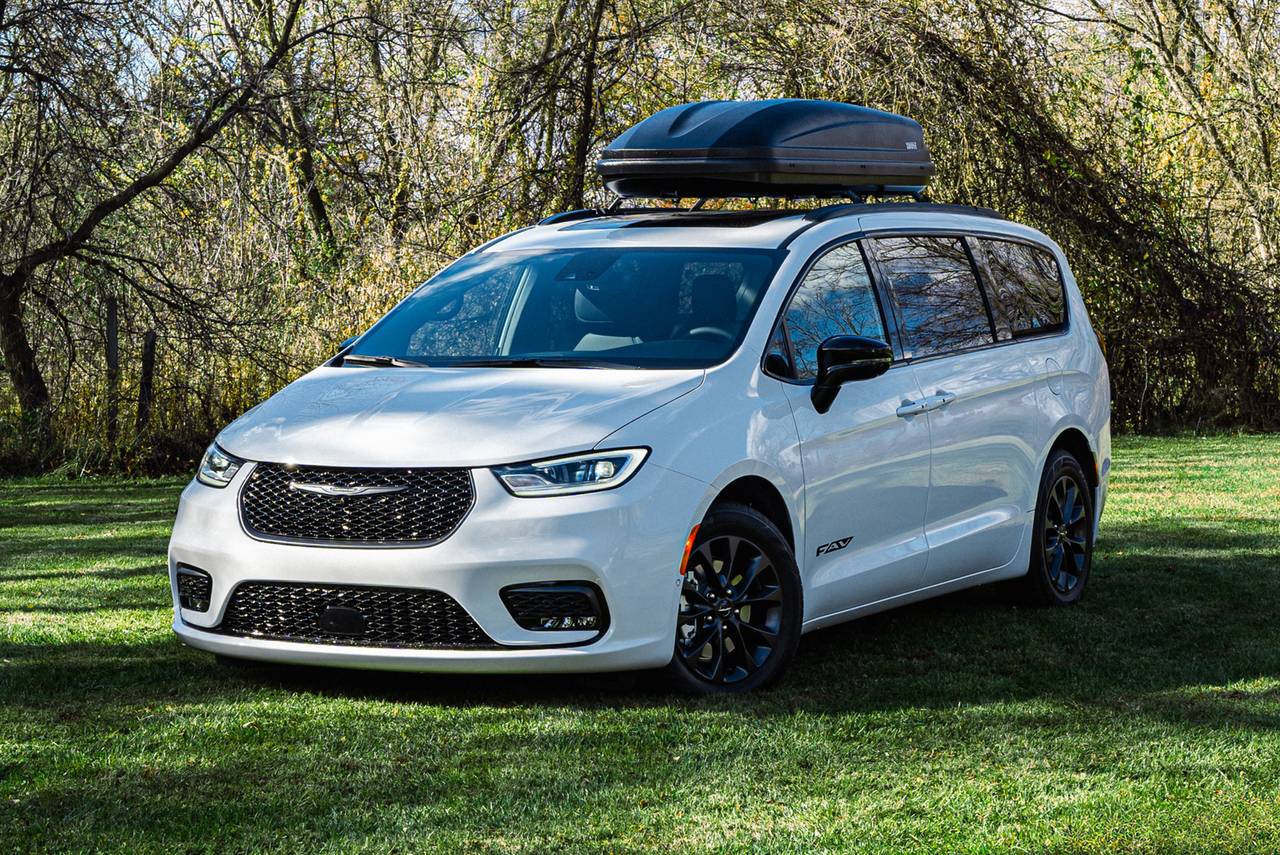
The Chrysler Pacifica is a minivan designed with family comfort and practicality in mind. Its Stow ‘n Go seating system allows the second and third rows to fold into the floor, creating an enormous cargo area for suitcases, sports gear, and recreational equipment. Seating for seven or eight passengers makes it versatile for families of different sizes, while the interior layout ensures that all occupants have enough space to remain comfortable during long drives.
Parents appreciate the multiple storage solutions, including overhead bins, cup holders, and compartments that help keep items organized and accessible. This level of organization is particularly important for longer trips in Pensacola, where families may need to carry supplies for multiple activities or outings.
Performance is smooth, with a V6 engine that delivers adequate power for highway driving and hilly terrain. The Pacifica maintains stability and comfort even when fully loaded with passengers and luggage.
Fuel economy is reasonable for a minivan, and hybrid versions offer even more efficiency for extended trips. Its handling is predictable, and the suspension absorbs bumps and uneven surfaces, making the journey less tiring for the driver and more comfortable for passengers, particularly children.
Safety and convenience features are plentiful. Adaptive cruise control, blind-spot monitoring, lane departure warning, and automated emergency braking provide additional protection, while rear-seat entertainment systems and multiple USB charging ports help keep children occupied.
Tri-zone climate control ensures that passengers in the front and rear can enjoy comfortable temperatures regardless of external weather conditions, which is especially important during the hot Pensacola summers.
The Chrysler Pacifica’s blend of practicality, safety, and comfort makes it a reliable choice for family trips. Its long-standing reputation as a family-focused minivan, combined with modern technology and efficient performance, ensures that families can travel with confidence.
Whether heading to beaches, parks, or weekend getaways, the Pacifica provides ample space, advanced safety features, and a smooth driving experience, making it a dependable option for long-term family travel and everyday use.
5 Cars That Break on Road Trips
1. Fiat 500
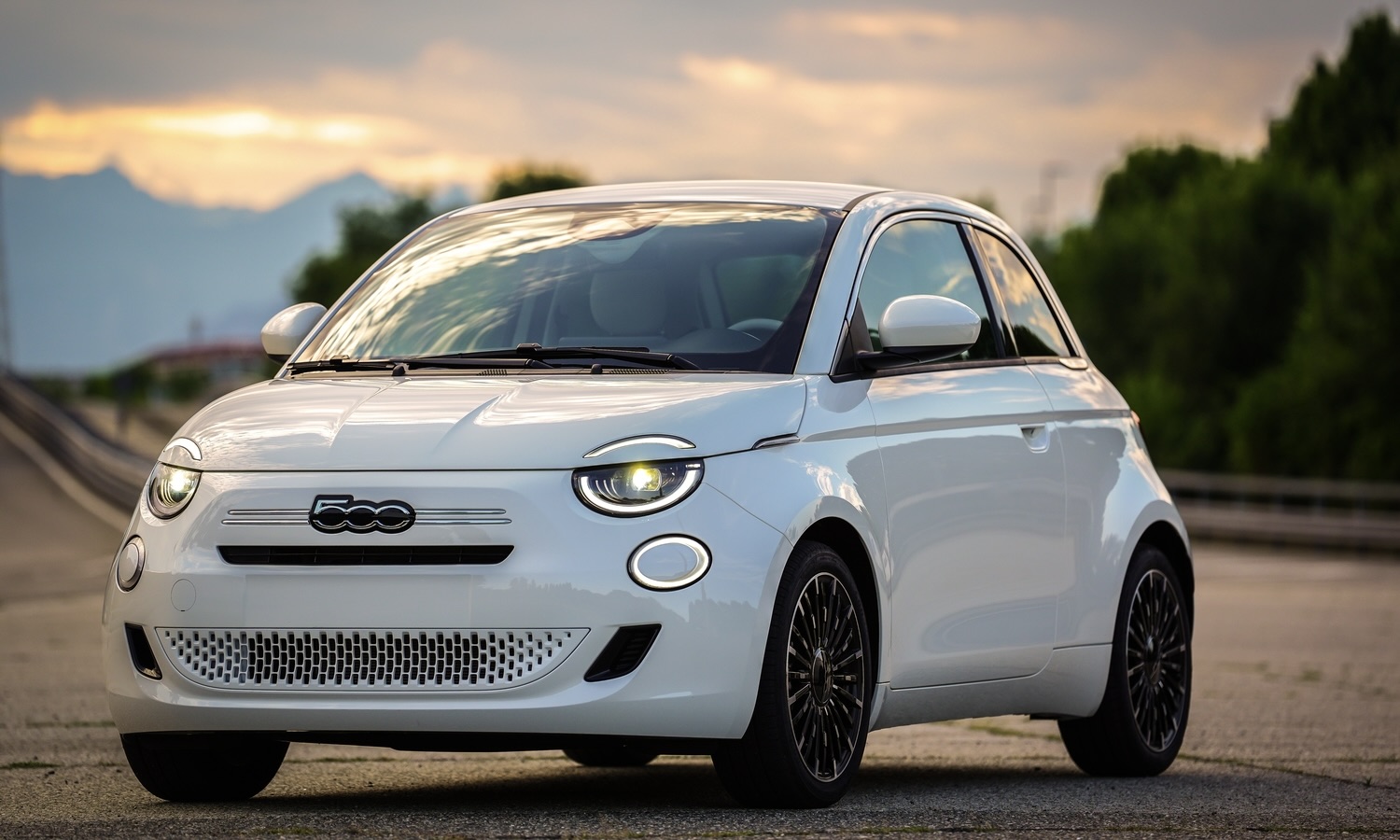
The Fiat 500 is a subcompact car that appeals to drivers because of its small size, affordability, and Italian-inspired styling. While it may be enjoyable for short urban drives, it faces several limitations that make it a poor choice for long-distance road trips. The interior is extremely cramped, with minimal legroom and headroom, particularly in the rear seats.
Attempting to fit three or more passengers in the back is uncomfortable, and long drives can quickly become tiresome for both adults and children. Its small trunk offers very little space for luggage, groceries, or sports equipment, making it nearly impossible for families to pack what they need for extended trips or vacations.
Even small bags can take up most of the available cargo space, forcing passengers to store items inside the cabin, which can lead to a cluttered and uncomfortable environment.
Mechanically, the Fiat 500 has shown a higher-than-average likelihood of problems during long trips. The engine is prone to overheating under heavy use, particularly in hot climates or when climbing hills while fully loaded. Transmission issues have been reported, including delayed or rough shifting, which can be stressful during highway driving.
Electrical problems, such as faulty sensors or wiring malfunctions, are not uncommon and may leave drivers stranded in the middle of a trip. These mechanical challenges make the Fiat 500 an unreliable companion for road trips that involve multiple stops or extended driving hours.
Fuel efficiency is one of the few strengths of the Fiat 500, but it is less impressive on highways, especially when the car is carrying extra passengers or cargo. Its suspension is tuned for city streets rather than long-distance travel, meaning that bumps, uneven roads, and potholes are felt more intensely, which reduces comfort over time. The cabin can be noisy, with road and wind sounds penetrating easily, adding to fatigue during extended drives.
Safety features are basic and do not match the level found in larger family vehicles. While it may have standard airbags and antilock brakes, it lacks advanced driver assistance systems such as adaptive cruise control, blind-spot monitoring, or lane-keeping assistance.
These omissions become more noticeable on long trips when fatigue and distractions are common. While the Fiat 500 can be charming and fun for daily city commutes, its cramped interior, mechanical vulnerabilities, limited cargo space, and basic safety features make it one of the least suitable vehicles for long family road trips.
2. Mini Cooper
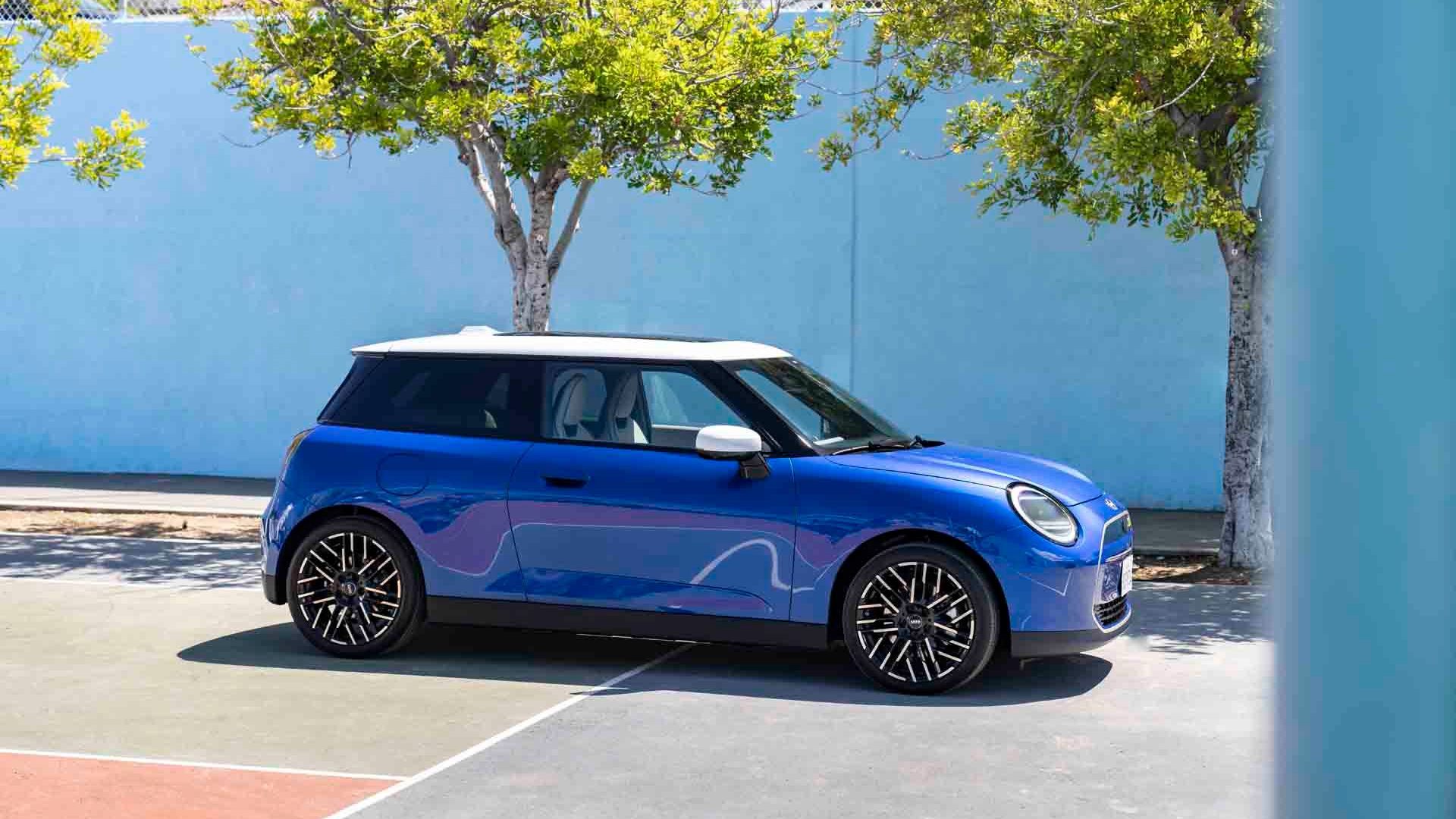
The Mini Cooper is a compact and stylish car that has a reputation for fun driving and nimble handling in urban areas. However, its size and design make it far less practical for family road trips. Passenger space is extremely limited, especially in the rear seats, where adults may struggle to find adequate legroom and headroom.
Long drives with multiple passengers can be uncomfortable and lead to fatigue. Luggage capacity is also restricted, with a small trunk that cannot accommodate large suitcases or multiple bags. This creates a challenge for families attempting to travel with sufficient supplies for a day at the beach or an overnight trip.
Mechanically, Mini Coopers have a history of reliability issues, particularly when subjected to the stress of long-distance travel. Problems with the engine, transmission, and electrical system can arise, leaving drivers frustrated and potentially stranded.
The car’s small engine may struggle with highway speeds when the vehicle is fully loaded, reducing acceleration and driving confidence. Overheating can also be a concern during summer road trips or when climbing hills with multiple passengers and cargo.
Safety features are limited compared to modern family vehicles. While it has airbags and standard braking systems, advanced features such as lane-keeping assist, forward collision warning, or adaptive cruise control are not available in many older models.
This makes it less suitable for long-distance travel where driver support systems are valuable. The Mini Cooper may be an excellent choice for short, fun drives around town, but its limited space, mechanical vulnerabilities, and reduced comfort make it an unreliable and stressful option for extended family road trips.
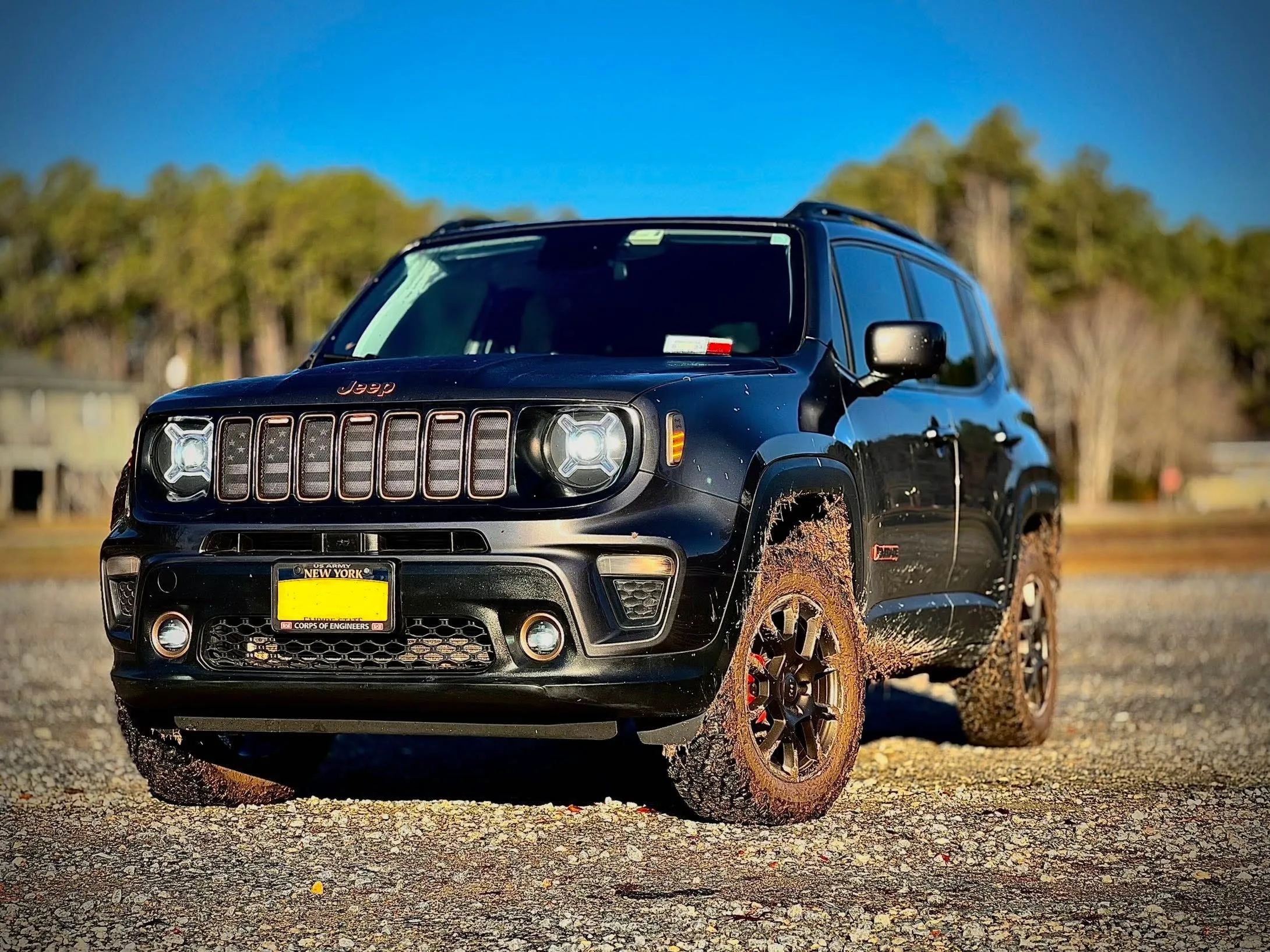
3. Jeep Renegade
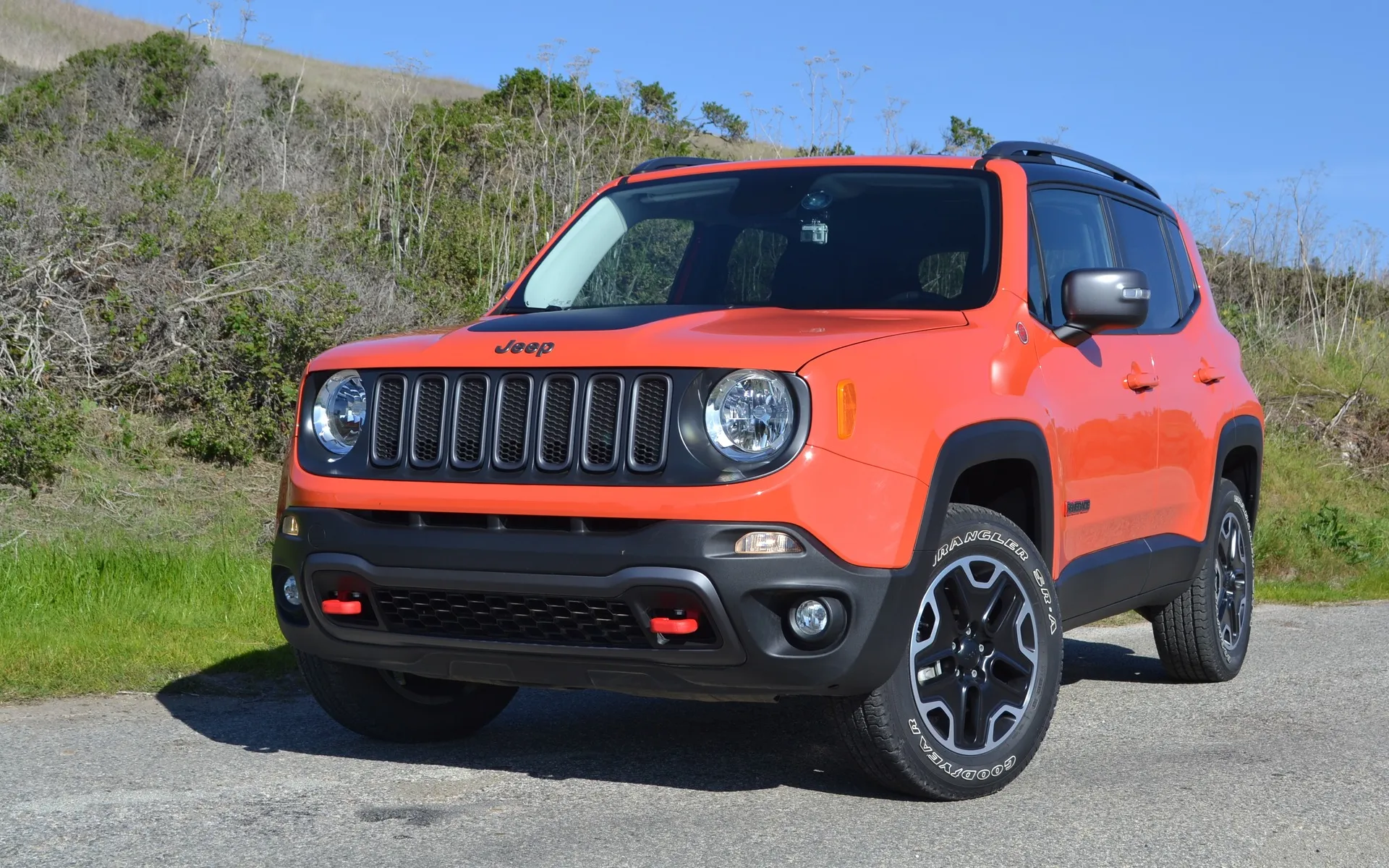
The Jeep Renegade is a small SUV designed primarily for off-road enthusiasts and urban drivers who appreciate its compact design. However, it has several drawbacks that make it less than ideal for long-distance family travel. The interior is small, with limited rear-seat space that can make long drives uncomfortable for adults and children alike.
The cargo area is also constrained, providing only minimal room for luggage, sports equipment, or recreational gear. For families traveling with multiple passengers and luggage, packing becomes a challenge, and items may need to be stored in ways that reduce comfort and accessibility.
On highways, the Renegade’s performance can be underwhelming. The engine may feel sluggish, especially when the vehicle is fully loaded, making passing slower vehicles or climbing steep inclines more difficult. Fuel economy is below average for a small SUV, meaning families may have to stop more frequently for refueling, adding time and inconvenience to trips.
The suspension can transmit bumps and vibrations from uneven roads into the cabin, further reducing comfort on longer drives. Mechanical issues, including electrical problems and transmission concerns, have also been reported in some models, increasing the likelihood of breakdowns during extended travel.
Additionally, road noise and the small cabin size make extended drives less enjoyable, especially for families with children or pets.
Renegade is better suited for short trips or weekend adventures on uneven terrain, but its combination of limited interior space, subpar highway performance, and occasional mechanical issues makes it a less dependable choice for long-distance family road trips. Parents may find themselves frustrated by the compromises required when using this vehicle for extended travel.
4. Chevrolet Spark
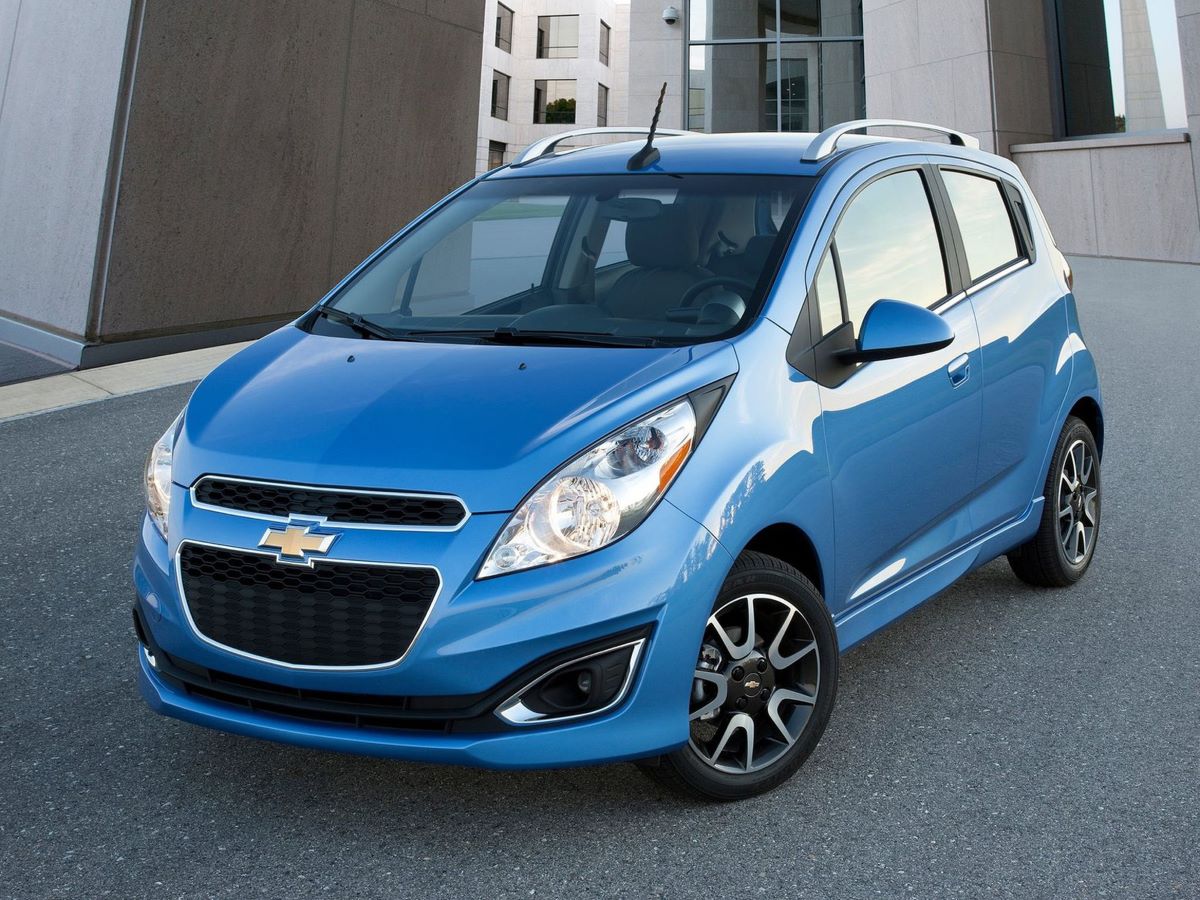
The Chevrolet Spark is a subcompact car that is primarily designed for city driving, where its small size and maneuverability shine. However, these same characteristics make it an impractical choice for long family road trips. Its tiny interior provides minimal legroom and headroom, particularly in the rear seats, which can make hours on the road uncomfortable for passengers.
Luggage space is extremely limited, and the small trunk cannot accommodate multiple suitcases, backpacks, or sports equipment. Families may find themselves forced to place belongings on seats or the floor, further reducing comfort and convenience.
Mechanically, the Spark is prone to challenges when used for extended highway driving. Its small engine struggles with maintaining high speeds over long distances, and transmission issues have been reported in some models.
The suspension is tuned for city streets rather than highways, which means that passengers will feel every bump or irregularity on the road. Additionally, the vehicle can experience overheating and wear more quickly when driven long distances, leading to potential breakdowns or expensive repairs.
Safety features are basic. While it includes standard airbags and braking systems, advanced driver assistance systems are often missing. This lack of support can make long trips more stressful, especially when driving on unfamiliar highways or in adverse weather conditions.
Chevrolet Spark is well-suited for short commutes and city errands but fails to provide the comfort, space, reliability, and safety necessary for long family road trips.
5. Mitsubishi Mirage
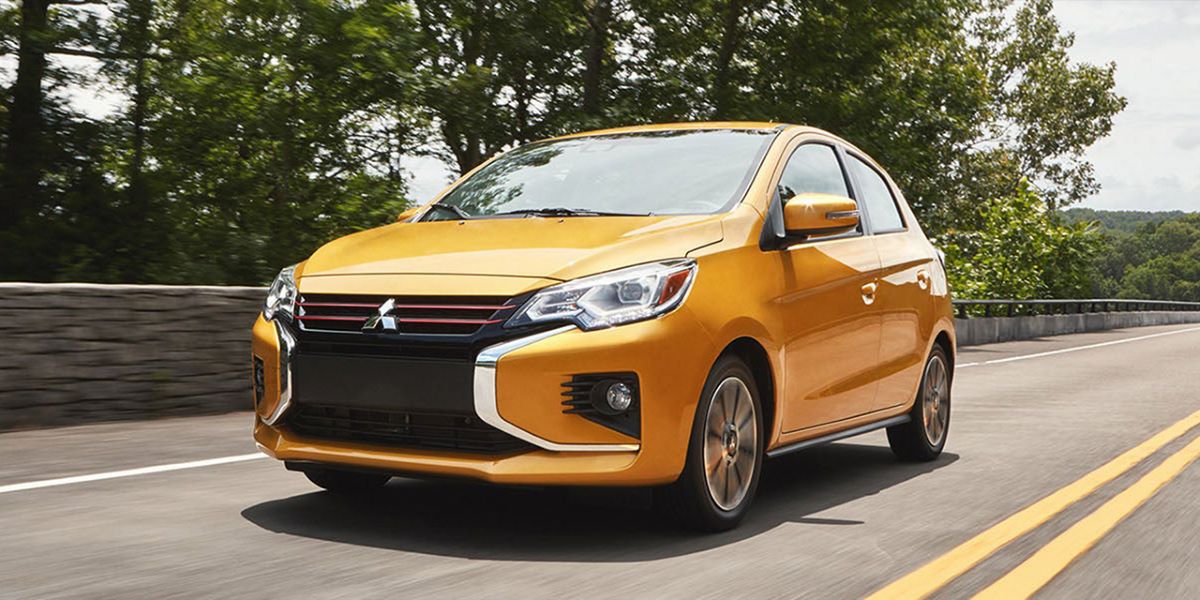
The Mitsubishi Mirage is another subcompact car that is economical and practical for city commuting, but it falls short when it comes to long-distance travel. The interior is very small, making long hours on the road uncomfortable for both passengers and drivers.
Rear-seat passengers in particular may struggle with limited legroom and headroom, which can lead to restlessness and discomfort during extended trips. Cargo space is similarly constrained, making it difficult to pack luggage, recreational equipment, or essential items for a family vacation. Families may need to make difficult choices about what to bring or find alternative ways to store items inside the vehicle.
While fuel efficiency is one of the Mirage’s advantages, it does not offset the lack of comfort, interior space, or reliability on longer journeys. The vehicle also lacks modern driver assistance technologies such as lane-keeping assist, adaptive cruise control, or blind-spot monitoring, which are valuable tools for families traveling long distances.
Road noise is noticeable, and long hours behind the wheel or in the backseat can become tiresome. The Mitsubishi Mirage is better suited for short trips and city driving, but its limitations in space, comfort, and reliability make it an unsuitable choice for extended family road trips.
