
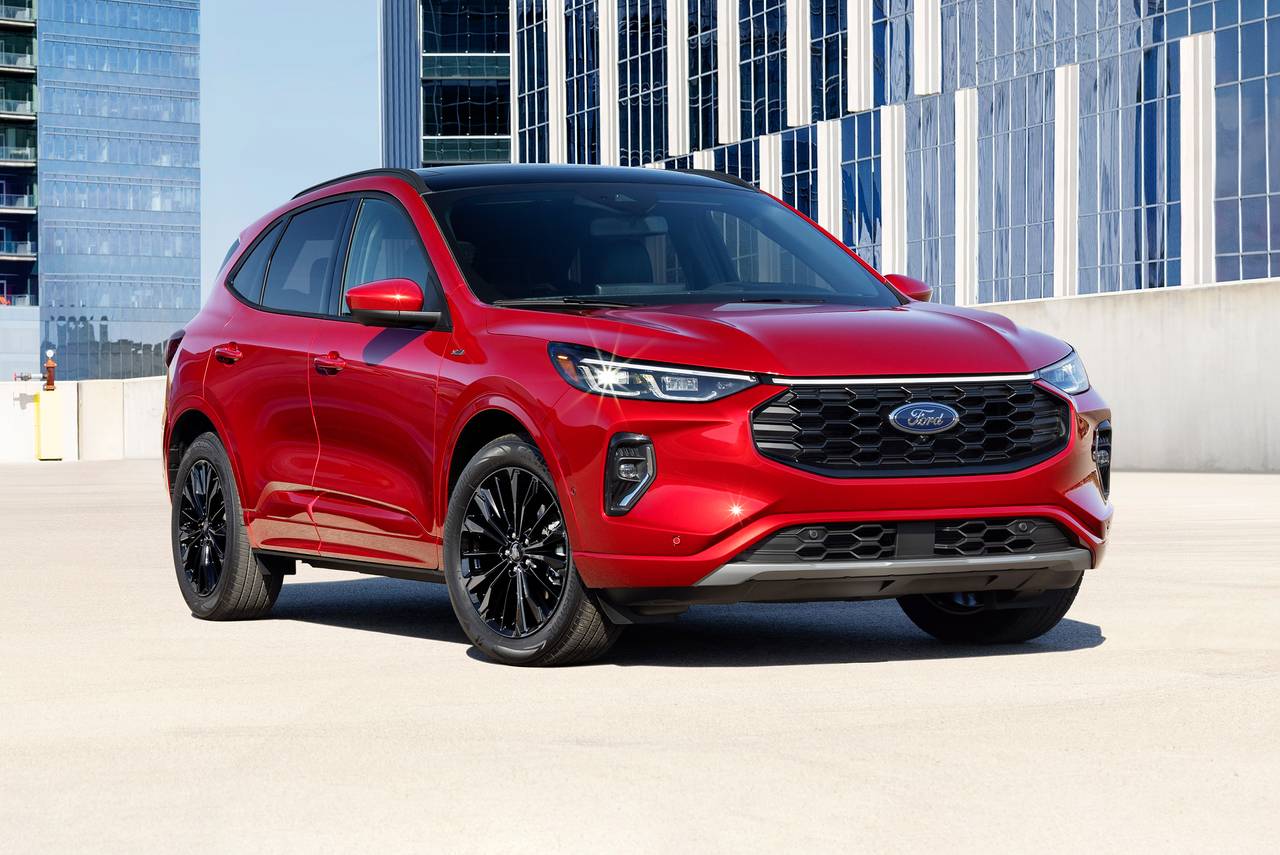
Choosing the right SUV for Erie, Pennsylvania, requires careful consideration because the region experiences some of the harshest winter conditions in the country.
Snowfall in Erie can be heavy and persistent, often accompanied by freezing rain, icy roads, and temperatures that regularly drop below zero.
These conditions create unique challenges for vehicles, particularly SUVs, which are often relied upon for family transportation, commuting, and navigating hilly or snow-covered terrain.
Beyond the obvious need for traction and stability, another critical factor is how well a vehicle can withstand the corrosive effects of road salt.
Erie roads are heavily salted throughout the winter months to reduce ice and improve safety, but this practice accelerates rust and deterioration in vehicles that are not properly protected.
Salt exposure can affect not only the visible body panels but also critical components such as the undercarriage, suspension, and brake lines.
A vehicle that struggles with corrosion may look aged and worn far sooner than expected, and it may even compromise safety if rust reaches essential mechanical parts.
For this reason, understanding which SUVs hold up well in these conditions and which are more prone to rust is crucial for anyone living in the Erie area or similar climates.
Selecting an SUV for cold and salted roads is about more than just choosing a model with all-wheel drive. While four-wheel-drive systems and traction control are important for maintaining grip on icy streets, durability and corrosion resistance play an equally vital role in long-term performance.
Vehicles built with high-quality materials, rust-resistant coatings, and thoughtfully designed underbodies tend to withstand the combined stresses of winter weather and road salt much better than those without these protections.
Additionally, features like sufficient ground clearance, heated seats, and heated mirrors make driving in subzero temperatures more comfortable and safer.
A well-designed SUV balances winter performance with practical usability, allowing drivers to navigate snow-laden roads, steep hills, and urban streets that may not be cleared as quickly during storms.
Erie’s winters are unpredictable, often fluctuating between heavy snow, freezing rain, and slush in a single day. Vehicles that are not designed to cope with these changing conditions may experience traction loss, mechanical strain, and accelerated rusting, making the choice of a winter-ready SUV even more important.
At the same time, some SUVs, despite offering impressive performance or comfort in other conditions, are more susceptible to corrosion and long-term damage in areas like Erie.
Factory rust protection varies between manufacturers and models, and some vehicles have historically shown a tendency to develop rust quickly in salted environments.
The effects of rust go beyond appearance; compromised body panels and undercarriage components can affect handling, safety, and the lifespan of a vehicle.
Erie drivers who fail to consider rust-prone models may face unexpected repair costs, reduced resale value, and increased safety risks, especially during winter months when roads are slippery and conditions are harsh.
By identifying both vehicles that excel in winter durability and those prone to rust, drivers can make informed decisions that protect their investment while maintaining safety, reliability, and comfort.
5 SUVs That Handle Erie (PA) Cold & Salt
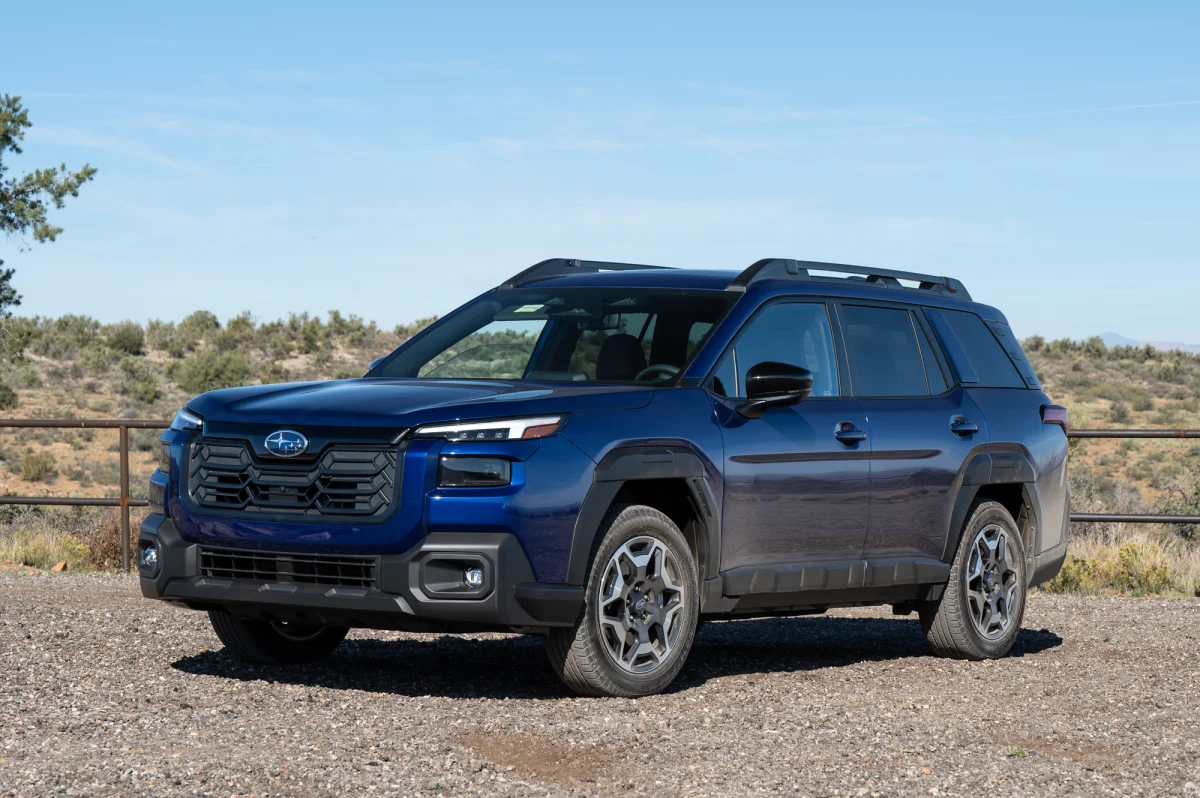
1. Subaru Outback
The Subaru Outback has earned a reputation as one of the most reliable vehicles for cold, snowy regions.
Its standard all-wheel drive provides consistent traction on icy and snow-covered roads, which is essential in Erie’s winter months. The vehicle’s low center of gravity helps it remain stable even when driving on slippery surfaces.
Additionally, Subaru includes features like hill descent control and advanced stability systems, making it easier for drivers to maintain control on steep or slippery inclines, which are common in snowy areas.
The combination of all-wheel drive and advanced traction technologies ensures that the Outback can navigate winter roads without excessive wheel spin or sliding, giving drivers both confidence and safety.
Another strength of the Outback is its durability and long-term reliability. Subaru has a strong history of producing vehicles that withstand harsh winters without extensive maintenance issues.
Rust prevention is a consideration for any car exposed to salt, and the Outback features galvanized body panels and corrosion-resistant coatings that reduce the likelihood of significant rust formation over time.
Erie drivers, in particular, benefit from these protections because the city applies heavy salt to roadways each winter, which can damage unprotected vehicles quickly. With proper care, the Outback can maintain structural integrity and appearance even after several years of exposure to winter conditions.
The interior of the Outback is also suited for winter driving. Heated seats and available heated steering wheels help keep passengers warm in freezing temperatures. Cargo space allows for storage of winter gear, snow shovels, and emergency kits, which is particularly useful for Erie drivers who might need to prepare for sudden snowstorms.
Additionally, the cabin is designed for comfort during longer drives, making it easier to handle traffic delays caused by snow removal or icy roads. The combination of comfort, space, and winter-focused features makes the Outback a strong choice for those living in areas with prolonged harsh winters.
Finally, fuel efficiency is another advantage of the Outback compared to larger SUVs. While still offering all-wheel drive, the Outback typically consumes less fuel than heavier, more powerful SUVs.
This makes it a practical choice for Erie drivers who need a reliable winter vehicle without frequent stops at the gas station during cold weather trips. The Outback balances performance, durability, and efficiency, making it one of the top SUVs for dealing with cold, snowy, and salty roads.
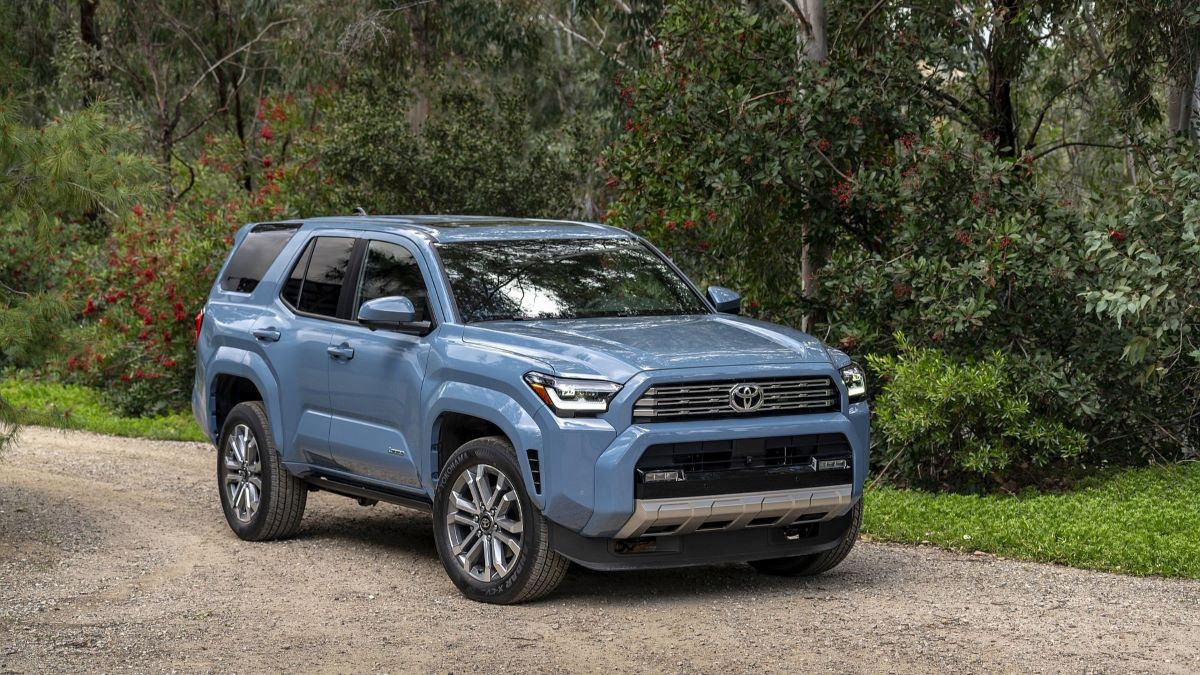
2. Toyota 4Runner
The Toyota 4Runner is known for its rugged durability and off-road capability, which translates well to Erie’s winter conditions. Its body-on-frame construction gives it structural strength that is less prone to damage from road salt, while the available four-wheel drive system ensures traction on snow-covered and icy roads.
This SUV is designed to handle rough conditions, which makes it capable of traversing slushy streets, frozen patches, and hilly areas commonly found in northern Pennsylvania winters. Its high ground clearance also reduces the risk of snow buildup under the vehicle, preventing potential loss of control or damage.
Corrosion resistance is another reason the 4Runner performs well in Erie. Toyota applies rust-resistant coatings to vulnerable areas, including the undercarriage, which helps prevent rapid deterioration from salt exposure.
This durability allows drivers to keep the vehicle in top condition for many years, even if it is regularly driven in harsh winter conditions.
Unlike some vehicles that quickly develop rust spots in salty environments, the 4Runner maintains structural integrity and appearance, which can save owners significant repair costs over time.
The 4Runner’s interior is practical for winter use. While not as luxurious as some other SUVs, it offers sufficient heating capabilities to keep passengers warm, including strong cabin heating systems that quickly reach comfortable temperatures.
The vehicle’s cargo area is large and versatile, accommodating winter equipment such as snowboards, skis, shovels, and emergency supplies. This makes it suitable for families or outdoor enthusiasts who require both functionality and winter safety.
Finally, the 4Runner’s reputation for reliability in harsh climates contributes to its suitability for Erie winters. Maintenance requirements are generally straightforward, and parts tend to last longer under stressful conditions, reducing the chance of unexpected breakdowns in freezing temperatures.
For Erie drivers who want a combination of off-road capability, winter traction, and long-term durability against salt, the 4Runner stands out as a dependable choice.
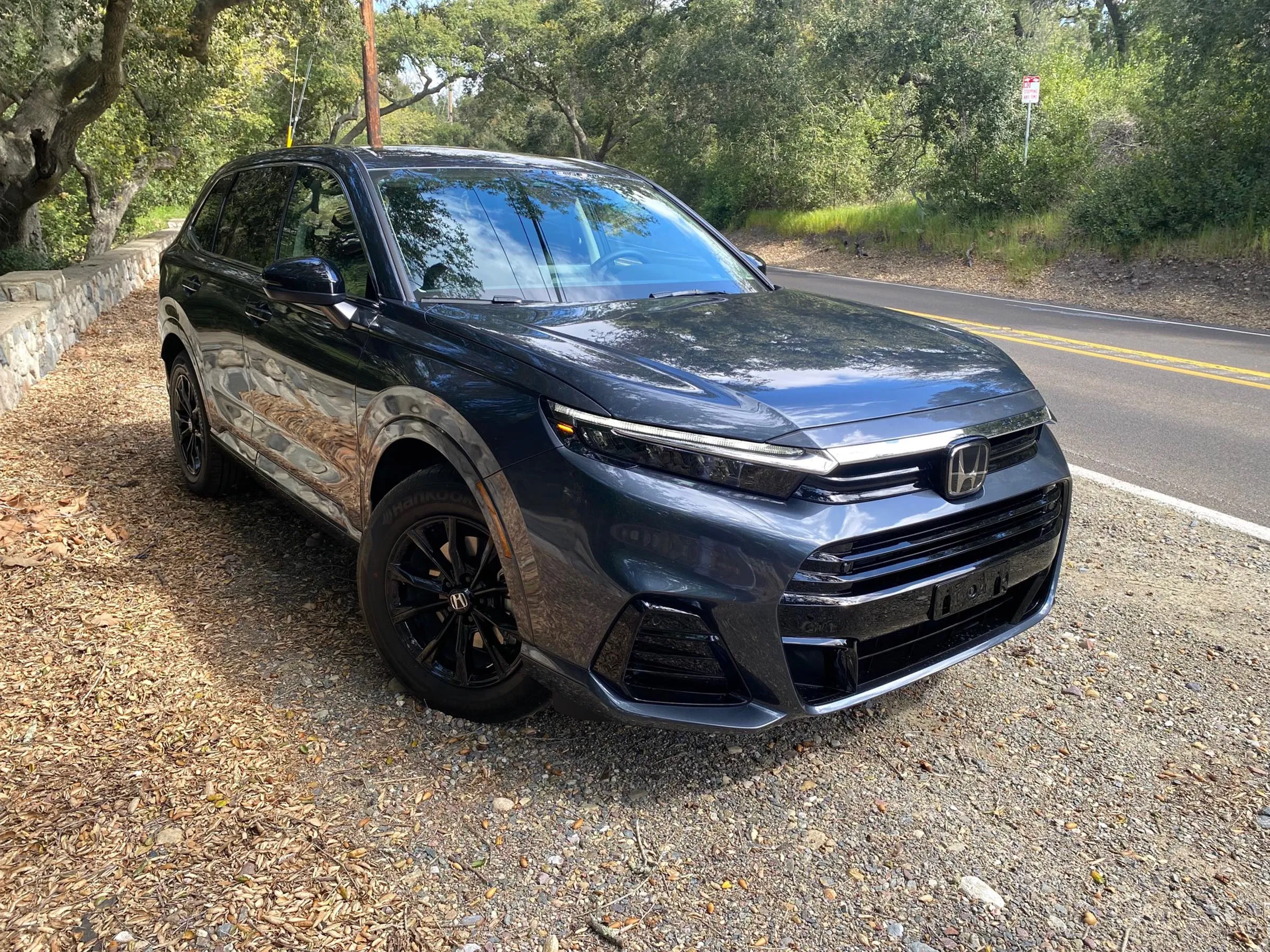
3. Honda CR-V
The Honda CR-V is a compact SUV that combines efficiency with all-weather capability. Its available all-wheel drive system provides sufficient traction for snowy and icy roads, making it a practical choice for Erie winters.
While it is not as rugged as some larger SUVs, its smaller size allows for easier maneuvering on narrow streets and in tight parking situations during snowstorms. The CR-V’s responsive handling and stability features help maintain control in slippery conditions, ensuring driver safety even when roads are treacherous.
Corrosion resistance is another important factor for the CR-V. Honda implements protective coatings and uses galvanized steel in the body construction, which helps limit rust formation from exposure to salt.
This makes it a more durable option for drivers who need a reliable SUV over several winters without excessive rust repair costs. Erie residents who use their vehicles daily during winter months benefit from the CR-V’s combination of rust protection and practical all-wheel-drive performance.
The interior of the CR-V is also comfortable for winter conditions. The heating system is efficient, and many trims offer heated seats and mirrors, reducing the need to scrape ice manually.
Additionally, the cabin is spacious enough to carry winter clothing, boots, and other gear necessary for harsh winter outings. Its practical design ensures that drivers and passengers remain comfortable, even when temperatures drop well below freezing.
Fuel efficiency is another strong point for the CR-V, especially compared to larger, heavier SUVs. While still offering all-wheel drive and capable winter performance, it provides excellent mileage, reducing the impact of frequent winter drives.
The CR-V represents a balance between winter reliability, rust protection, comfort, and efficiency, making it a solid choice for those navigating Erie’s harsh winter conditions.

4. Ford Explorer
The Ford Explorer is a midsize SUV designed for families and drivers who require a mix of comfort, performance, and winter capability. Its available all-wheel-drive system and advanced traction control make it well-suited for icy roads, snowy hills, and slushy streets.
With sufficient ground clearance, the Explorer can handle deep snow and avoid undercarriage damage from ice accumulation. This SUV also offers towing capabilities, which may be useful for Erie drivers needing to pull trailers or small boats during winter transport.
Ford places attention on corrosion protection, with rust-resistant coatings and underbody treatments applied to reduce exposure-related damage. While no vehicle is completely immune to salt, the Explorer’s protective measures help it remain durable even after years of winter driving.
This is particularly important in Erie, where road salt is heavily used throughout the colder months. Drivers benefit from a vehicle that maintains both performance and structural integrity despite repeated exposure to corrosive conditions.
Inside, the Explorer provides a comfortable cabin with ample space for passengers and cargo. Heated seating and climate control systems ensure comfort during cold commutes, and the interior materials are designed to handle wet clothing, snow boots, and other winter gear without rapid wear.
The vehicle also comes with advanced safety features such as blind-spot monitoring and lane-keeping assistance, which are valuable when roads are slick and visibility is reduced due to snowstorms.
The Explorer’s engine options provide sufficient power for winter driving without excessive fuel consumption for its size. It strikes a balance between performance and efficiency, making it practical for longer drives across Erie and the surrounding areas during winter weather.
With its combination of safety, durability, and winter-focused features, the Ford Explorer remains a popular choice for those needing a reliable SUV in cold and salty conditions.
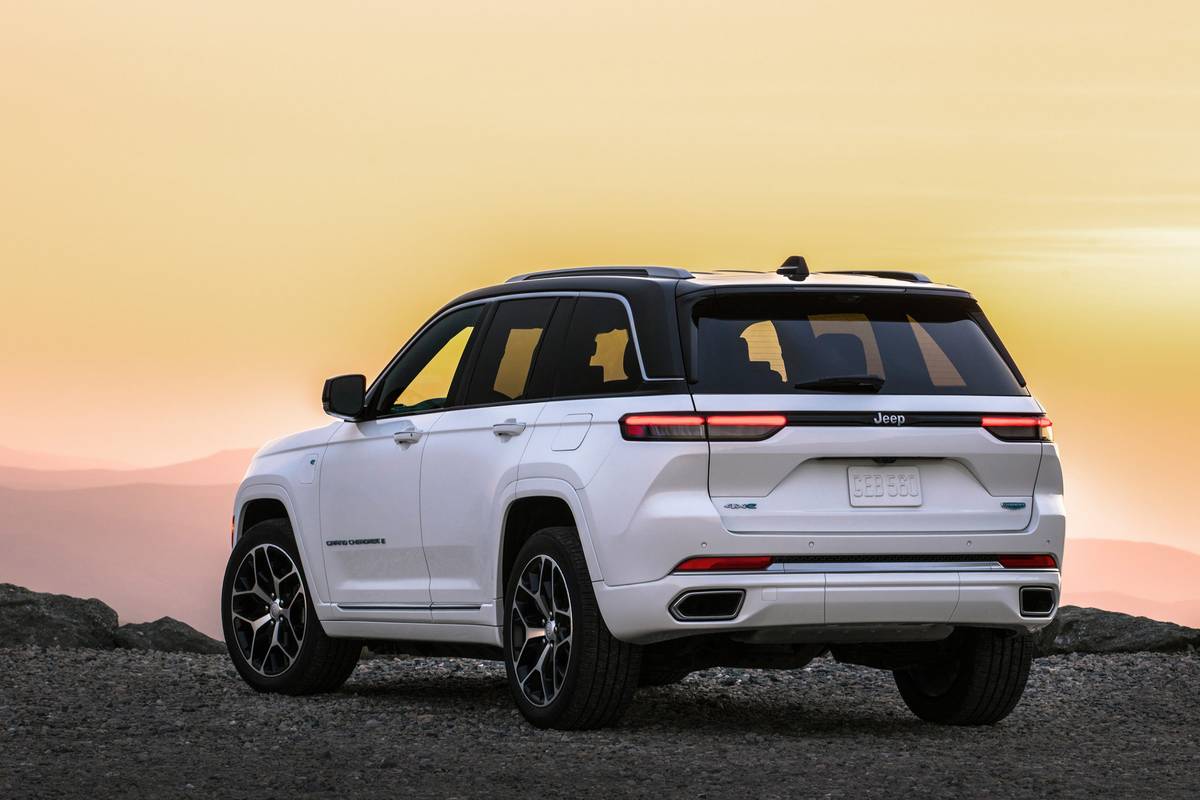
5. Jeep Grand Cherokee
The Jeep Grand Cherokee has long been a favorite for drivers who face challenging road conditions. Its four-wheel-drive systems are designed for traction in deep snow, ice, and slippery surfaces.
The vehicle’s off-road capability translates directly to winter driving, allowing Erie residents to maintain control even during heavy snowstorms. Ground clearance is adjustable on some models, further improving snow-handling ability and preventing undercarriage damage from ice and snow buildup.
Rust resistance is another benefit of the Grand Cherokee. Jeep uses protective coatings and materials to combat corrosion from road salt, making the SUV more durable over time.
While salt can damage any vehicle, the Grand Cherokee’s design helps reduce the rate at which corrosion spreads, preserving both aesthetics and structural integrity. This is particularly important for Erie drivers who regularly contend with salted roads.
The interior provides a comfortable winter experience with available heated seats, heated steering wheels, and dual-zone climate control.
Cabin space allows for the storage of winter gear, emergency kits, and other essentials. Jeep’s infotainment and navigation systems also support safe winter driving, helping drivers avoid hazardous areas and plan routes that minimize exposure to poor conditions.
Finally, the Grand Cherokee balances rugged performance with daily usability. While it is capable off-road, it also provides a smooth driving experience on highways and city streets.
Its engine options provide enough power to handle snow and ice without excessive fuel consumption, and its durable construction ensures long-term reliability in Erie’s cold, salty winters. For drivers prioritizing traction, rust resistance, and winter comfort, the Grand Cherokee stands out as a top choice.
5 SUVs That Rust Fast
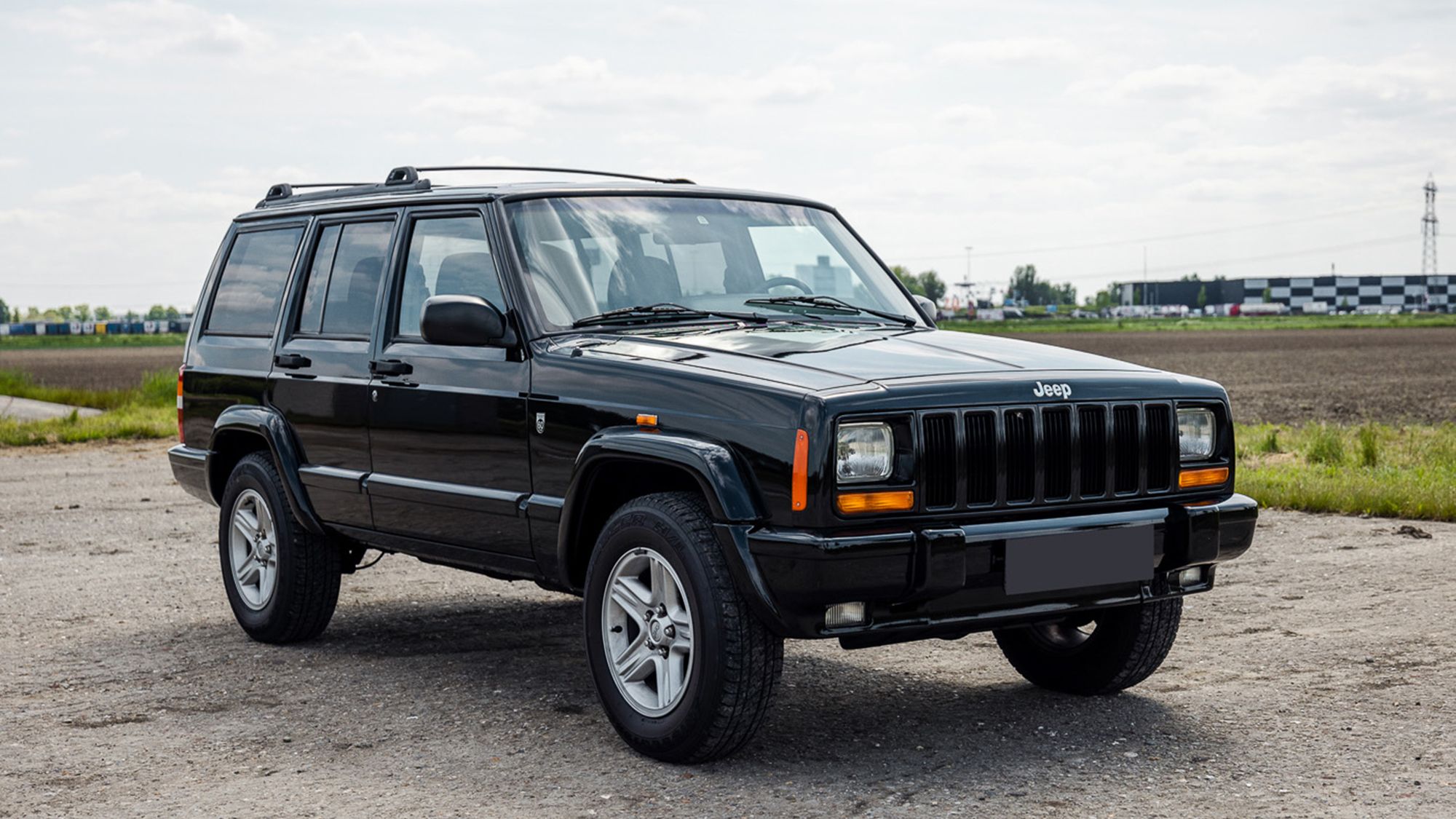
1. Jeep Cherokee (Older Models)
Older Jeep Cherokee models, particularly those from the early 2000s, have earned a reputation for rusting quickly when exposed to salted roads. While the Cherokee offers off-road capability and a solid drivetrain, corrosion-prone areas include the rocker panels, wheel arches, and undercarriage.
These spots are frequently in direct contact with salt during winter driving, allowing rust to form rapidly if not treated.
For Erie residents who drive daily during snowy months, untreated metal can begin to show significant corrosion within a few years, even with regular washing. The structural design of older Cherokees exposes seams that are difficult to clean thoroughly, further increasing the risk of rust spreading.
In addition to cosmetic concerns, rust on older Cherokees can compromise critical suspension components and brake lines. These areas are particularly vulnerable because salt accelerates metal fatigue, causing components to weaken or fail prematurely.
Drivers may notice unusual noises, reduced handling stability, or even visible rust around mounting points. Repairing these issues is often costly, as rusted suspension parts may require full replacement rather than simple repairs.
Erie’s harsh winter roads make these vulnerabilities more pronounced, and drivers need to consider the long-term costs of maintaining a vehicle prone to corrosion.
Interior features of the older Cherokee are generally solid, but exposure to winter moisture through door seals and floor pans can worsen corrosion problems.
Snow and slush tracked into the vehicle can accumulate under carpets, creating additional moisture sources that accelerate rust from the inside out.
Without careful maintenance, owners may find themselves dealing with both visible exterior rust and hidden structural damage. This dual exposure makes older Cherokees a challenging option for Erie drivers who want reliability without constant maintenance.
Despite its off-road strengths, the older Cherokee’s weaknesses in corrosion resistance make it a less desirable option for areas with heavy salt use.
Erie drivers may need to invest in aftermarket rust-proofing, frequent undercarriage washes, or more aggressive preventative care to avoid accelerated deterioration.
While it can still be a capable winter vehicle in terms of traction, its susceptibility to rust significantly impacts long-term durability and cost-effectiveness.
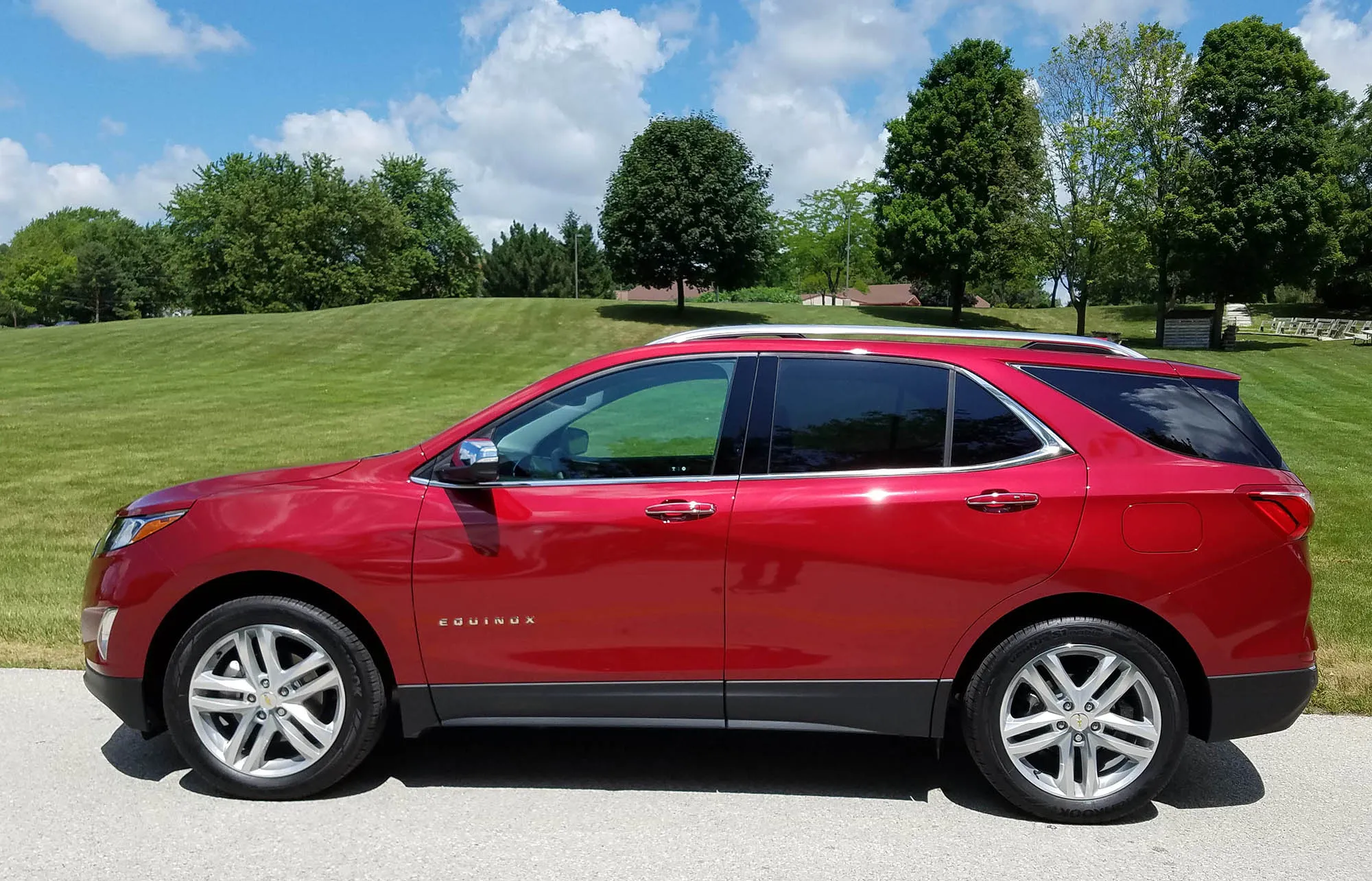
2. Chevrolet Equinox (Early Generations)
Early-generation Chevrolet Equinox models have also shown a tendency to rust quickly in environments where salt is used extensively. Common areas for corrosion include wheel wells, door bottoms, and the rear liftgate, which are regularly exposed to snow, slush, and salt spray.
Erie’s winters can accelerate this process, especially for drivers who park outside or do not wash their vehicles frequently. Rust may appear as bubbling paint, pitting, or flaking metal, which not only affects appearance but can also compromise the structural integrity of panels over time.
The undercarriage of early Equinox SUVs is another area of concern. Critical components such as the frame, exhaust system, and brake lines can begin to deteriorate faster than expected when exposed to corrosive road treatments.
Rusted brake lines or weakened suspension mounts pose safety risks, especially when driving on icy or snow-covered roads where stability is crucial.
Erie drivers must be vigilant in monitoring these components and performing regular inspections to prevent failures. The cost of addressing rust damage on these areas can quickly surpass the initial purchase price if left untreated.
Interior moisture can exacerbate rust problems in early Equinox models. Snow and slush entering through door seals or floor mats can trap water near metal supports, accelerating corrosion from beneath the carpet or under body panels.
Combined with limited rust protection from the factory, this can lead to a situation where the vehicle appears solid externally but suffers significant internal damage. Erie drivers who frequently encounter wet or slushy conditions need to take additional measures to protect the vehicle.
While the Chevrolet Equinox offers comfort, fuel efficiency, and decent handling in winter conditions, its rapid susceptibility to rust in salted environments makes it less suitable for long-term ownership in Erie.
Preventive measures like undercoating and frequent washing can help, but owners must remain proactive to maintain both safety and appearance. Without careful attention, corrosion can reduce reliability, resale value, and enjoyment of the SUV.
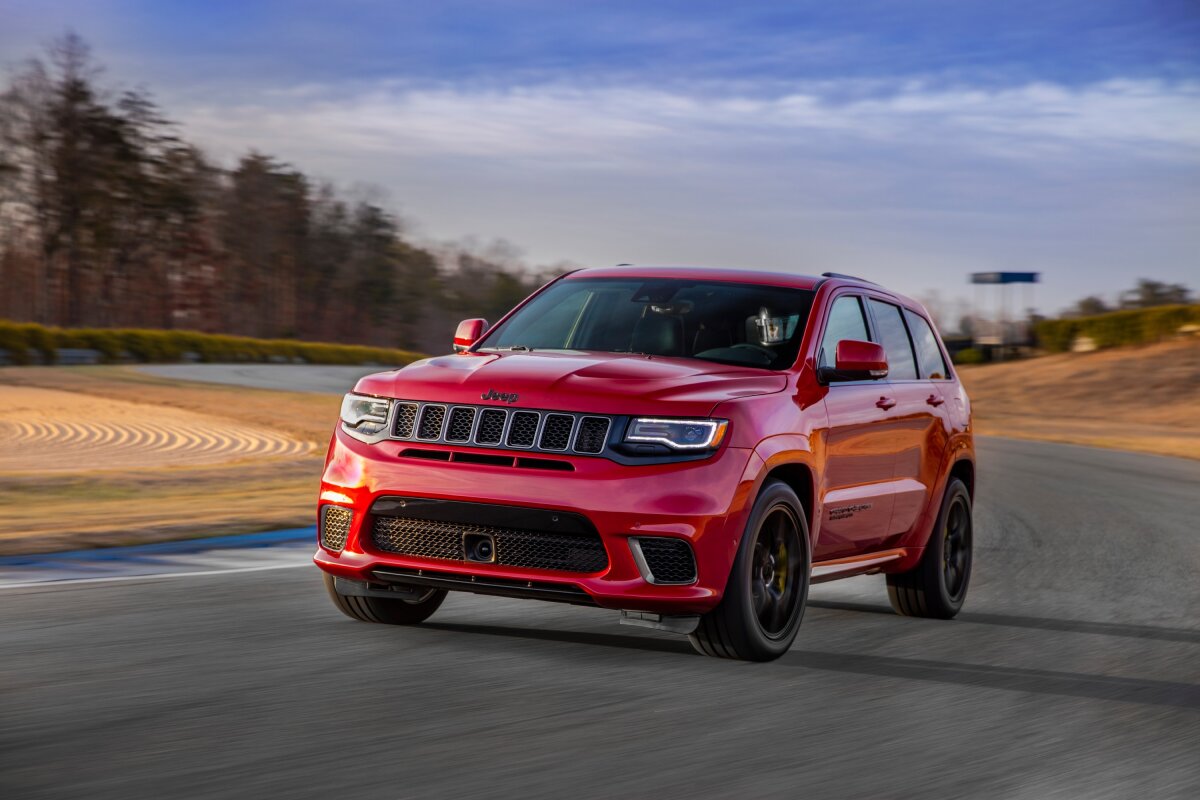
3. Jeep Grand Cherokee (Older Models)
Although newer Grand Cherokees are more resistant to corrosion, older models are notoriously prone to rust. Areas of concern include wheel arches, rocker panels, and the lower door edges, which are consistently exposed to road salt and moisture during Erie winters.
Over time, rust can compromise structural strength, particularly on suspension mounts and frame connections. Older Grand Cherokees often lack the comprehensive rust-proofing found on newer models, leaving them vulnerable to accelerated deterioration even with routine maintenance.
Rust on older Grand Cherokees can affect both appearance and safety. Bubbling paint or flaking metal can quickly progress to weakened body panels and compromised mounting points.
Components such as brake lines, fuel lines, and suspension arms may also corrode faster, increasing the risk of mechanical failures on slippery roads. Erie residents who rely on this SUV for winter travel need to monitor rust-prone areas regularly and invest in rust prevention products to maintain reliability.
Interior moisture is another contributor to corrosion in older Grand Cherokees. Snow, slush, and wet footwear can introduce water into floor pans and lower panels, promoting rust from the inside out.
Erie winters, with their heavy snow and frequent road treatments, exacerbate this issue. Failure to address trapped moisture can lead to extensive underbody rust, which may affect critical systems and require expensive repairs.
Despite its off-road capabilities and comfortable interior, older Grand Cherokees’ vulnerability to rust makes them less practical for Erie winters.
Owners must weigh the SUV’s performance advantages against the long-term maintenance and repair challenges posed by corrosion. Vehicles that rust quickly may lose reliability and safety over time, emphasizing the importance of selecting rust-resistant options for winter-heavy regions.
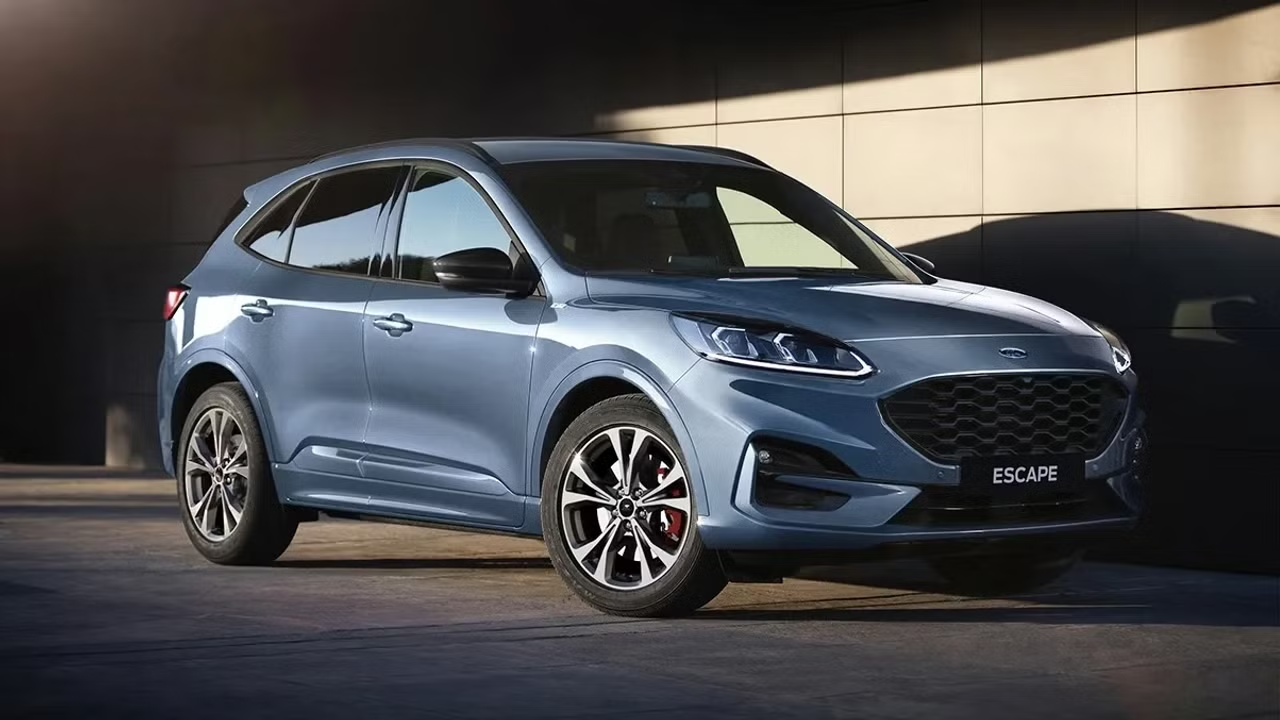
4. Ford Escape (Early Models)
Early Ford Escape models are also known to develop rust relatively quickly under harsh winter conditions. Common areas include the lower doors, wheel arches, and underbody frame components.
These areas are highly exposed to salt-laden slush during Erie winters, accelerating corrosion if not regularly treated. Rust can lead to visible paint bubbling, pitting, and eventual structural weakening, reducing both safety and aesthetics over time.
Undercarriage components, including suspension parts, brake lines, and exhaust systems, are particularly vulnerable in older Escapes.
Erie’s salted roads can erode metal quickly, creating potential failure points for mechanical systems. Rusted brake lines or weakened suspension arms are safety concerns, particularly when driving on ice or deep snow. Regular inspections and rust prevention treatments are critical to extend the life of these SUVs in winter conditions.
Interior moisture issues further contribute to rust problems. Slush, snow, and water can enter the cabin through door seals or floor mats, providing additional sources of corrosion from underneath.
Erie drivers who frequently transport passengers or winter gear without protective mats may notice accelerated rust progression on floor pans and lower body panels. Preventive measures such as undercoating, rust inhibitors, and thorough cleaning are essential to slow deterioration.
While the Ford Escape offers practicality, fuel efficiency, and moderate winter performance, its early models’ susceptibility to corrosion makes it a challenging choice for Erie winters.
Rust-prone components can affect both safety and resale value, requiring ongoing maintenance to prevent serious damage. Owners must remain proactive in protecting vulnerable areas to maintain reliability during harsh winter conditions.
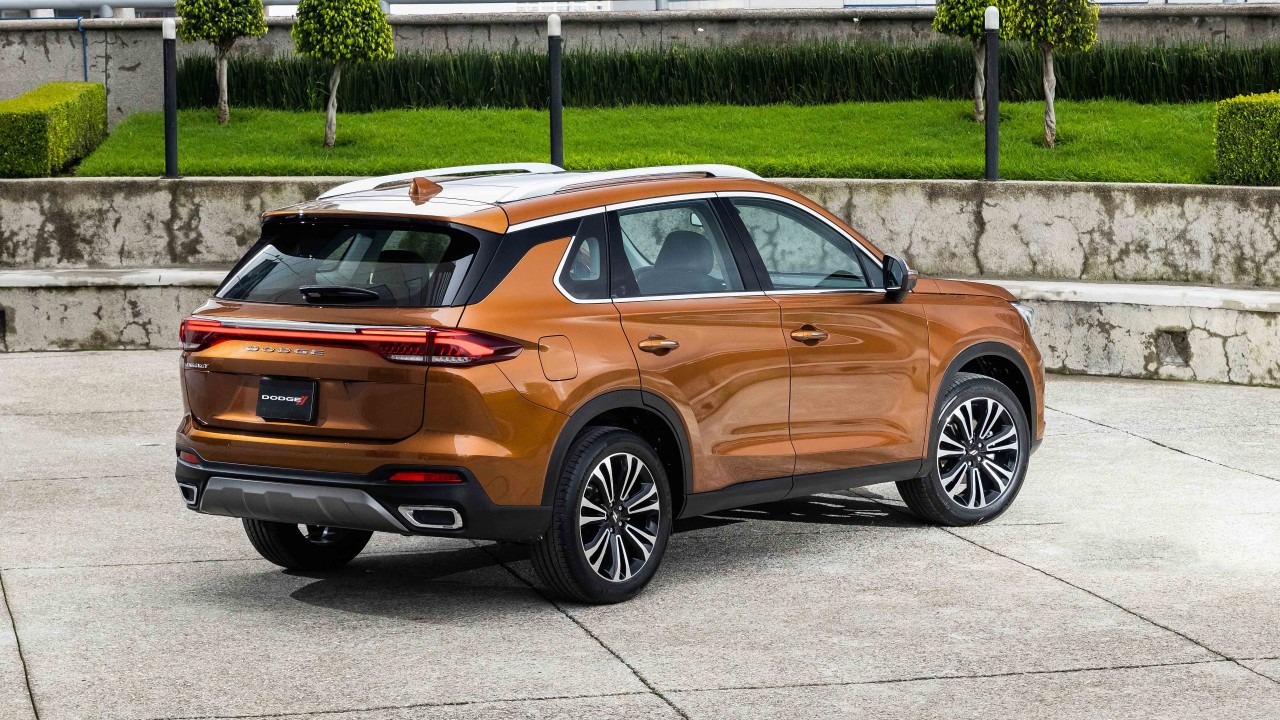
5. Dodge Journey
The Dodge Journey has a reputation for rusting more quickly than average, particularly when subjected to salty road conditions. Rust tends to appear on wheel wells, rocker panels, and the lower edges of doors.
Erie winters, with frequent snowstorms and heavy salt use, create an environment where corrosion can progress rapidly. Vehicles exposed to these conditions without additional protective measures often experience visible deterioration within a few years of ownership.
Undercarriage corrosion is a major concern for the Dodge Journey. Frame rails, exhaust components, and suspension mounts can develop rust quickly, compromising the vehicle’s structural integrity.
Erie residents who drive frequently on salted roads may notice rust spreading to critical mechanical areas, potentially impacting safety and requiring costly repairs. Routine inspections and rust protection treatments are crucial to extend the life of these vehicles in harsh winter climates.
The interior is also affected by winter conditions. Snow, slush, and wet footwear can introduce moisture that accelerates corrosion from floor pans and lower panels. Combined with limited factory rust protection, this makes the Dodge Journey particularly vulnerable to long-term damage in Erie.
Drivers who do not take preventive steps may find their vehicles deteriorating faster than expected, both visually and mechanically.
Despite its affordability and practicality, the Dodge Journey’s rapid susceptibility to rust limits its suitability for winter-heavy regions like Erie. Owners must invest time and resources into preventative maintenance to mitigate corrosion and preserve reliability.
Without careful care, rust can significantly reduce the vehicle’s lifespan, safety, and resale value, making it a less ideal choice compared to more winter-hardy SUVs.
