

Choosing the right car for daily commuting is more than just picking something that looks good or has a fancy interior. In places like Charleston, West Virginia, where roads can vary from smooth city streets to hilly or rural roads, a car’s reliability, fuel efficiency, and maintenance cost are critical factors for residents.
A vehicle isn’t just a convenience; it becomes a tool that shapes your daily routine. For many people, the commute can take up a significant portion of the day, meaning a car that is dependable can save stress, time, and money over the years.
Understanding which vehicles are dependable and which are prone to repeated repairs is crucial. Cars that break often can not only cost more in maintenance but can also cause disruptions to work, social commitments, and personal life.
When considering practical commuter cars for Charleston, it’s important to weigh factors like fuel efficiency, ease of driving in both urban and hilly areas, the availability of service and parts, and long-term durability.
Compact sedans, smaller SUVs, and certain reliable hatchbacks often fit this description well. These vehicles balance affordability with functionality, ensuring that commuting remains manageable even when gas prices fluctuate or weather conditions are less than ideal.
On the other hand, some vehicles tend to accumulate problems faster, often due to design flaws, mechanical complexity, or high-maintenance components.
Cars that frequently break down might have attractive features or a stylish appearance, but the cost of keeping them running can outweigh the initial appeal. For commuters, this can mean unexpected repair bills, unreliable transportation, and the constant need to troubleshoot problems.
This article examines five practical commuter cars that offer dependability and efficiency for Charleston residents, followed by five cars known for frequent mechanical issues.
By comparing these vehicles, readers can gain insight into which cars are more likely to serve as reliable companions for daily life and which might bring more frustration than value. Understanding the differences between these two categories can guide better decisions when purchasing a car for commuting or personal use.
5 Practical Commuter Cars for Charleston, WV
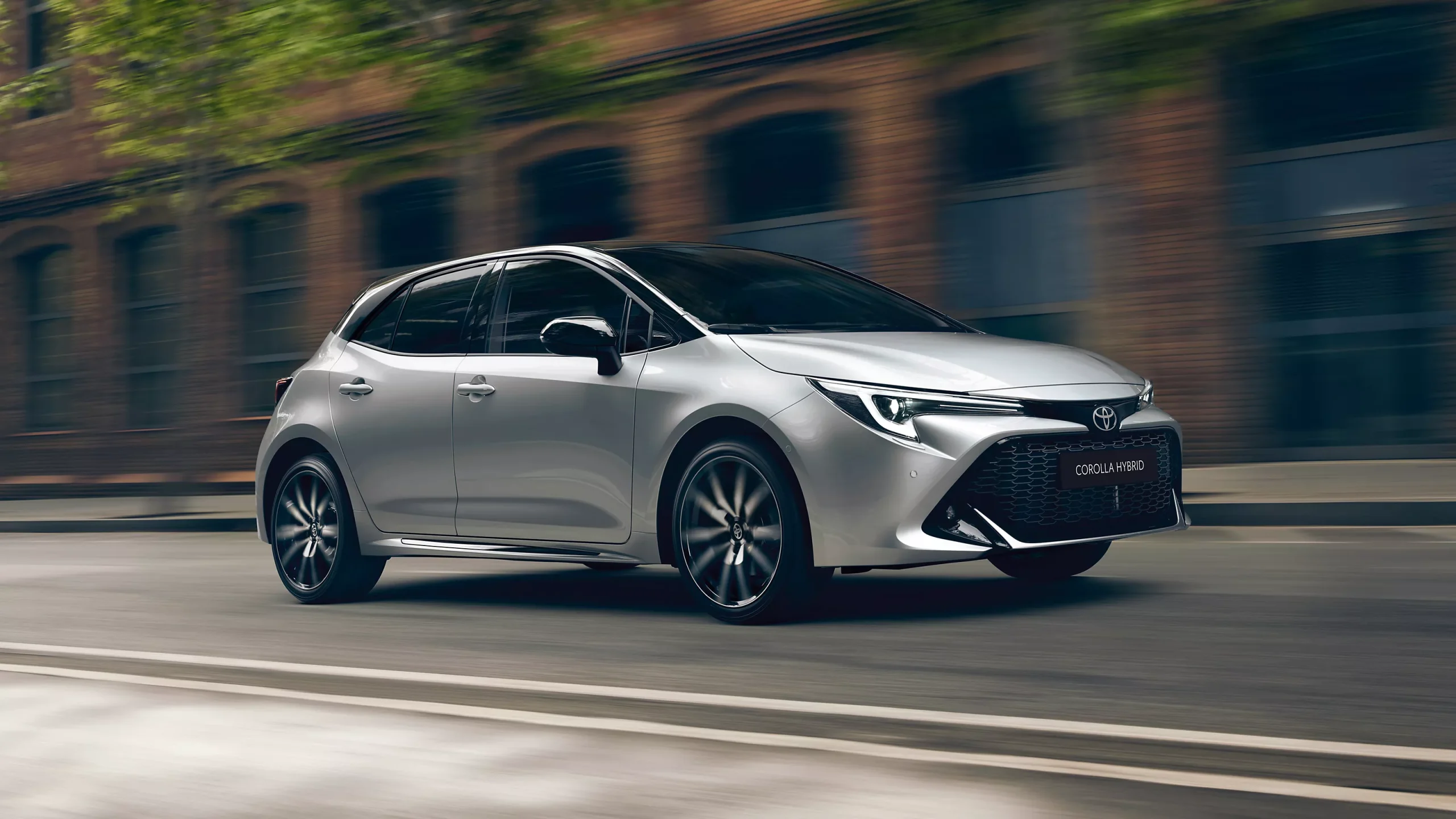
1. Toyota Corolla
The Toyota Corolla has long been recognized as a reliable and efficient compact sedan. Its engine is designed to last for hundreds of thousands of miles if properly maintained, which is particularly important for commuters who rely on their vehicles every day.
In Charleston, where roads can shift from smooth city streets to hilly or uneven suburban areas, the Corolla’s suspension system provides a steady and predictable ride. Drivers will find that acceleration is smooth and manageable, making stop-and-go traffic less stressful.
Fuel efficiency is another major advantage, often exceeding 30 miles per gallon combined, which helps reduce the cost of commuting and makes long trips more economical. The Corolla also benefits from a proven track record of dependability; drivers rarely encounter serious mechanical issues, meaning less time and money spent at repair shops.
Comfort is another area where the Corolla shines. The cabin is thoughtfully designed to maximize interior space, providing ample legroom for both front and rear passengers. Even during longer trips, the seating remains supportive, which helps reduce fatigue over extended periods behind the wheel.
The dashboard layout is simple yet functional, with easily accessible controls for climate, audio, and navigation features. Additionally, noise insulation is surprisingly good for a compact sedan, helping to make daily commutes quieter and more relaxing.
This combination of comfort and efficiency ensures that drivers can arrive at work or school feeling less drained, which is an often-overlooked benefit of a practical commuter car.
Safety features are another key strength of the Corolla. Toyota consistently equips this vehicle with advanced braking systems, stability control, multiple airbags, and traction management. In Charleston, where drivers may encounter rain, icy conditions in winter, or heavy traffic during rush hours, these safety systems provide extra confidence on the road.
Many newer models also include driver-assist technologies such as lane departure warnings and adaptive cruise control, which enhance both safety and convenience. Insurance rates for the Corolla are generally reasonable, partly because of its strong safety record and low repair costs, further adding to its value as a commuter vehicle.
Another factor that makes the Corolla an excellent choice is its long-term maintenance and resale value. Replacement parts are widely available and reasonably priced, and most mechanics are familiar with the vehicle’s design, which reduces downtime if repairs are necessary.
Corollas tend to retain value exceptionally well, so drivers considering an upgrade in a few years can usually sell or trade in their vehicle without significant financial loss. The Corolla combines affordability, efficiency, reliability, and comfort, making it one of the most practical cars for daily commuting in Charleston, WV.

2. Honda Civic
The Honda Civic has established itself as a standout among compact sedans, combining durability, efficiency, and driver-friendly handling. Its engines are renowned for longevity, and even models with high mileage are known to remain dependable when properly maintained.
For daily commuters in Charleston, this means fewer unexpected breakdowns and more confidence in getting to work or school on time.
The Civic’s responsive steering and balanced suspension make it easy to maneuver through both crowded city streets and winding suburban roads. Fuel efficiency is impressive, often exceeding 30 miles per gallon combined, which helps manage the cost of daily driving, especially when gas prices fluctuate.
Comfort is another major benefit of the Civic. The cabin is thoughtfully designed with ergonomics in mind, including supportive seats and easily reachable controls for the driver. Passengers enjoy adequate legroom and headroom, and the interior materials are durable enough to withstand the wear and tear of frequent commuting.
Many recent models also include upgraded infotainment systems, touchscreen displays, and smartphone integration, offering convenience and entertainment during longer trips. Quiet cabin design minimizes engine and road noise, helping drivers focus on traffic and navigation without unnecessary distractions.
Safety features in the Civic are robust, contributing to its reputation as a reliable daily driver. Most models include multiple airbags, anti-lock braking systems, electronic stability control, and advanced driver-assistance features such as forward collision warning and lane-keeping assist.
These features are especially valuable in a city like Charleston, where sudden stops, pedestrian crossings, and variable traffic patterns can create hazards for inattentive drivers. By providing active and passive protection, the Civic ensures that commuters can travel safely in a variety of conditions.
The Civic also excels in terms of maintenance and resale value. Parts are plentiful and affordable, and the vehicle’s mechanical simplicity relative to its durability reduces the frequency of costly repairs.
Its resale value remains strong because of Honda’s reputation for reliability, allowing owners to recover a significant portion of their investment when upgrading to a newer vehicle. The Civic offers a combination of fuel efficiency, comfort, safety, and durability that makes it an ideal choice for anyone seeking a practical commuter car in Charleston.
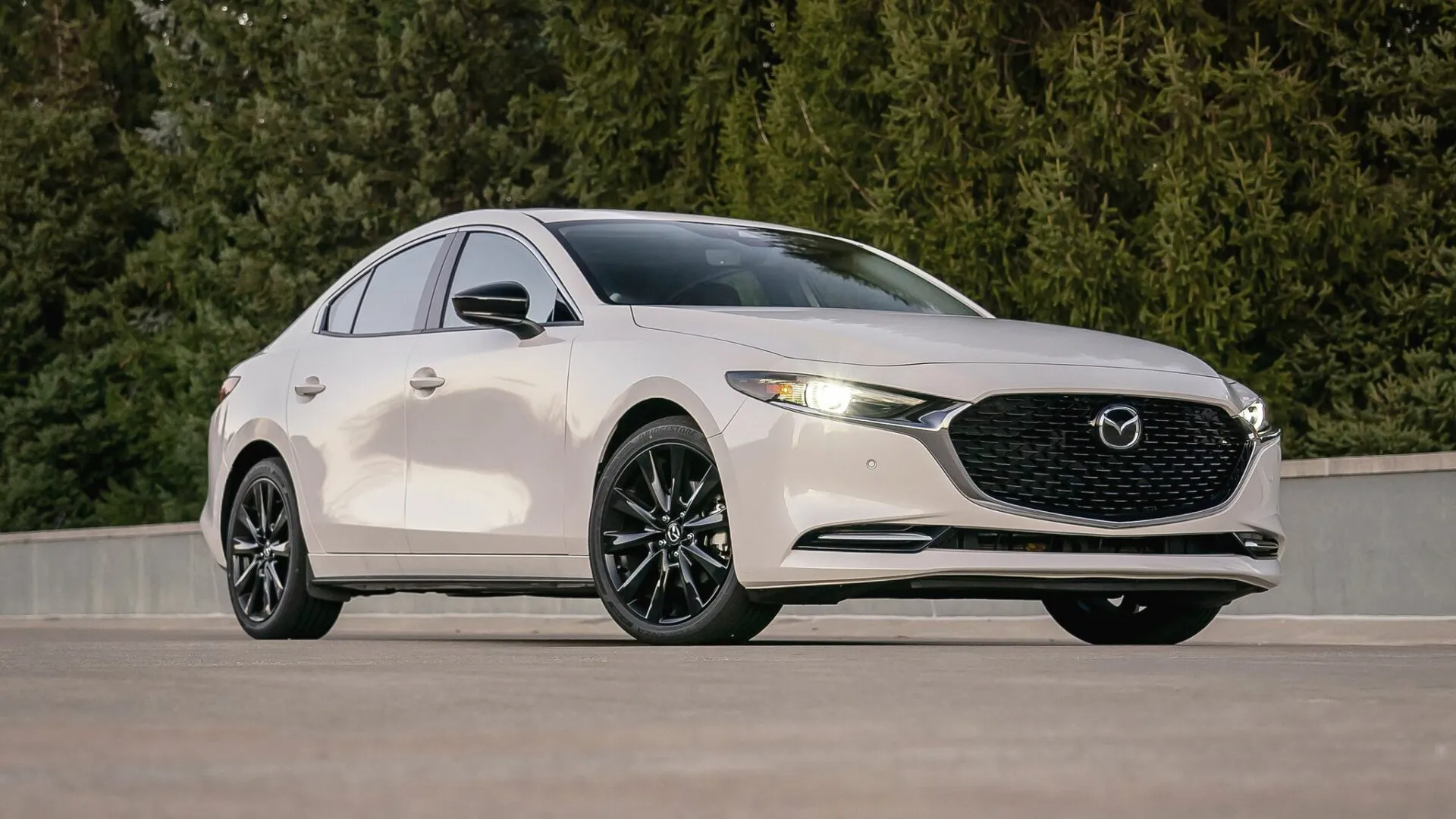
3. Mazda3
The Mazda3 is a compact car that successfully combines driving enjoyment with practical efficiency, making it a favorite for commuters who want a little excitement in their daily routine.
The vehicle’s Skyactiv engines are designed for fuel efficiency without sacrificing performance, often achieving mid-30s miles per gallon on combined city and highway driving.
Its handling is sharp yet controlled, providing responsive steering and stability during cornering, which is especially helpful for navigating Charleston’s hilly areas.
Additionally, the Mazda3’s compact size makes it easy to park and maneuver through narrow city streets, while its suspension absorbs bumps and uneven surfaces well, contributing to a comfortable ride.
Inside the cabin, the Mazda3 offers a level of refinement that surpasses many other vehicles in its class.
Seating is supportive, with adequate legroom for both front and rear passengers. The dashboard layout is driver-centric, with clearly labeled controls and intuitive interfaces.
High-quality materials and thoughtful design elements contribute to a pleasant interior environment, making commutes more enjoyable. Road and wind noise are minimized, allowing for quiet, focused driving, which can reduce fatigue over extended periods behind the wheel.
Safety is also a highlight of the Mazda3. It generally includes multiple airbags, electronic stability control, and anti-lock brakes as standard features. Many recent models are equipped with advanced driver-assist technologies, including adaptive cruise control, blind-spot monitoring, and lane-keeping assistance.
These systems are especially useful in urban driving conditions or during longer suburban commutes, helping drivers maintain control and avoid accidents.
Finally, the Mazda3 balances durability with manageable maintenance costs. While slightly more expensive to maintain than a Corolla or Civic, the Mazda3’s engines and chassis are known for longevity when properly serviced.
Replacement parts are widely available, and the car’s reliability record is strong. For commuters in Charleston who want a car that is both fun to drive and practical for daily transportation, the Mazda3 provides a compelling mix of style, efficiency, and long-term value.
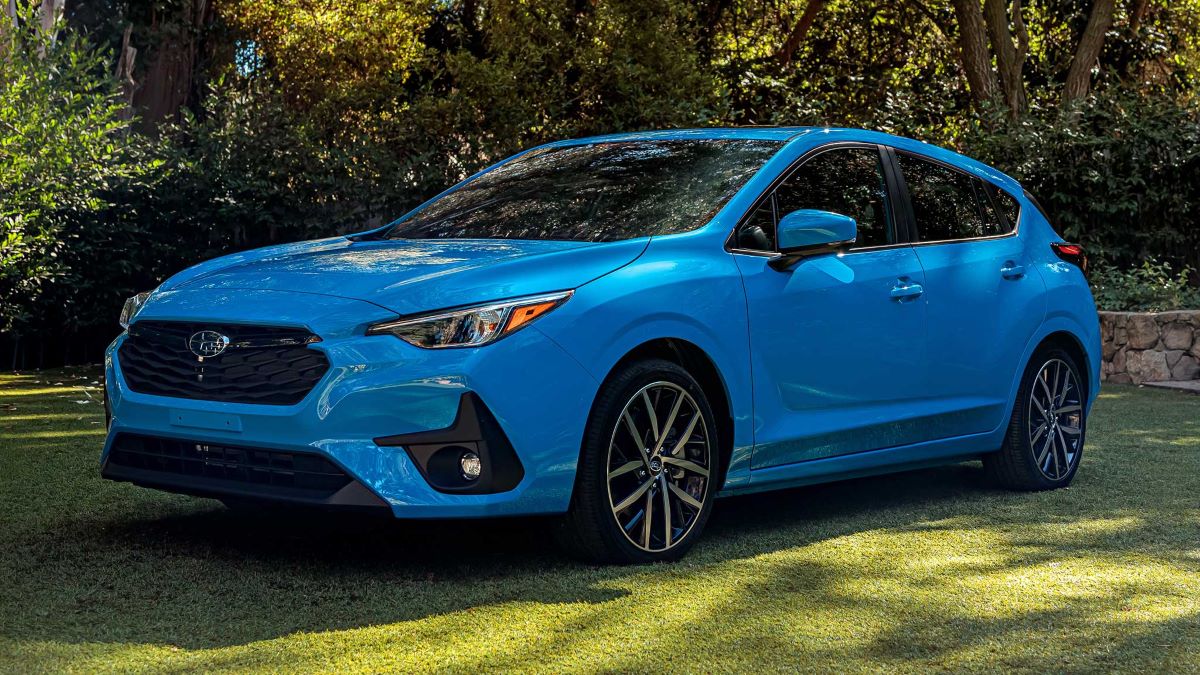
4. Subaru Impreza
The Subaru Impreza distinguishes itself from other compact cars through its standard all-wheel-drive system, which provides enhanced traction and stability in diverse weather conditions.
Charleston residents who encounter rain, occasional snow, or slippery roads will benefit from the extra control that all-wheel drive provides, reducing the likelihood of skidding or losing traction.
Despite the added drivetrain complexity, the Impreza remains relatively fuel-efficient for an all-wheel-drive vehicle, often achieving low-to-mid 30s miles per gallon. This combination of efficiency, stability, and performance makes it highly suitable for daily commuting.
The Impreza also offers a practical and comfortable interior. Seats are supportive for both short trips and longer drives, and the cabin provides ample cargo space for groceries, sports equipment, or work materials. Visibility is excellent, allowing drivers to spot hazards quickly in traffic or on winding roads.
Ergonomically placed controls, a user-friendly infotainment system, and a quiet cabin all contribute to a stress-free driving experience. For those who spend significant time in their vehicle, these features improve comfort and reduce fatigue.
Safety is a major strength of the Impreza. Subaru equips this vehicle with multiple airbags, electronic stability control, anti-lock braking, and, in newer models, advanced driver-assistance features such as adaptive cruise control and collision mitigation systems.
The all-wheel-drive system adds a layer of safety by improving control on slippery or uneven roads. This combination of active and passive safety features ensures that the Impreza remains a dependable choice for commuters facing variable driving conditions.
Finally, the Impreza is known for its long-term reliability. Engines and drivetrains are durable when maintained regularly, and parts are readily available through dealerships and independent mechanics.
While routine maintenance can be slightly higher than for some compact sedans, the increased safety and stability often justify the investment. For Charleston drivers seeking a dependable, safe, and versatile commuter vehicle, the Subaru Impreza offers an excellent balance of performance, comfort, and durability.
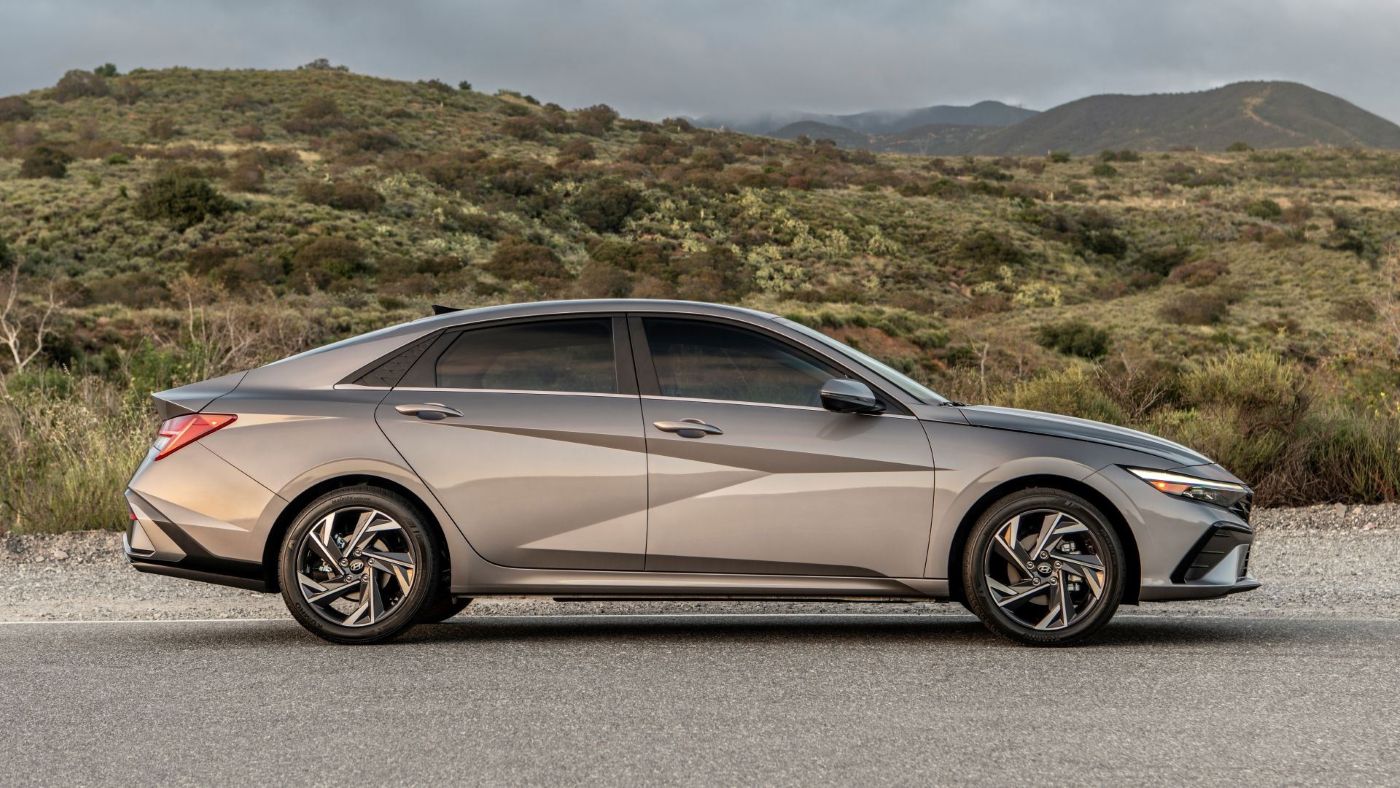
5. Hyundai Elantra
The Hyundai Elantra is a compact sedan that combines affordability, reliability, and efficiency, making it an attractive choice for daily commuters.
Modern Elantras feature fuel-efficient engines that often achieve mid-30s miles per gallon combined, which helps reduce the cost of frequent city and highway driving.
Hyundai also provides generous warranties, which can ease concerns about unexpected repair costs, giving commuters peace of mind.
Its compact size allows for easy navigation through traffic and convenient parking, while the vehicle maintains a comfortable and stable ride on highways and uneven roads.
Comfort and practicality are central to the Elantra’s appeal. The cabin is spacious for a compact sedan, with supportive seating and sufficient legroom for front and rear passengers.
The dashboard is ergonomically designed, with easy-to-reach controls for audio, climate, and navigation systems. Noise insulation is effective, allowing a quieter ride, which helps reduce driver fatigue.
The trunk offers generous cargo space for groceries, luggage, or sports equipment, increasing the vehicle’s practicality for daily commuting and weekend trips.
Safety features in the Elantra are comprehensive. Most models include multiple airbags, stability and traction control systems, and anti-lock braking. Recent models also offer driver-assistance technologies, including lane-keeping assist, blind-spot monitoring, and forward collision warnings.
These features enhance safety in congested traffic or on wet or slippery roads, giving drivers extra confidence during their commute.
Maintenance costs for the Elantra are reasonable, and the vehicle is generally reliable when serviced regularly.
Parts are widely available, and mechanics are familiar with Hyundai models, reducing downtime for repairs. The combination of low maintenance, fuel efficiency, comfort, and safety makes the Elantra a practical and cost-effective choice for commuters in Charleston who want a dependable, everyday vehicle.
5 Cars That Break Often
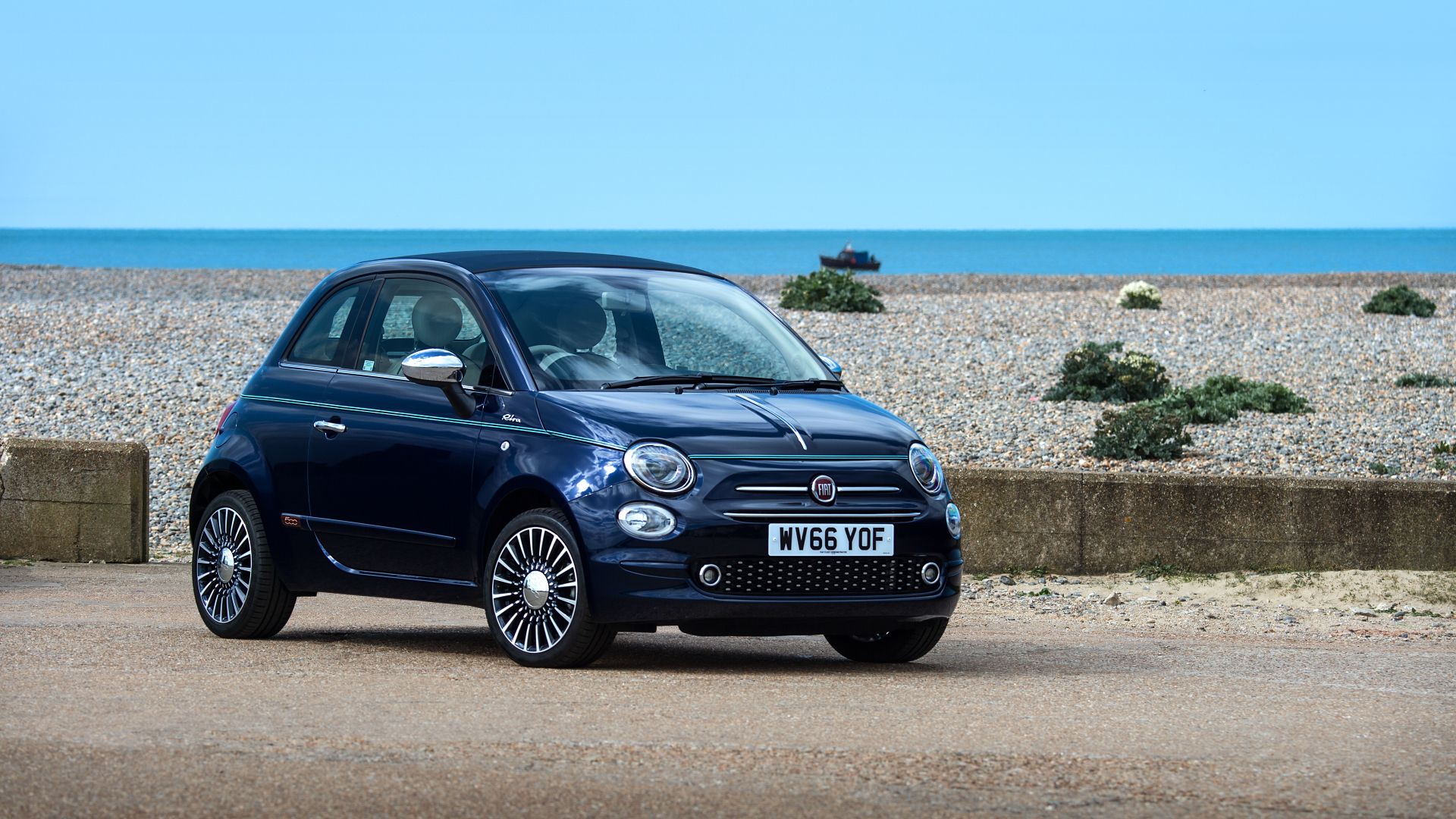
1. Fiat 500
The Fiat 500 is a small and stylish vehicle that often attracts drivers looking for a unique, city-friendly car. However, its compact size and charming design come at the cost of reliability. Owners frequently report engine problems, transmission issues, and electrical malfunctions that can leave the car inoperable at inconvenient times.
For daily commuters in Charleston, WV, this lack of dependability can disrupt work schedules, school runs, and personal plans. Regular trips to the repair shop can become a burden, both financially and logistically, as the vehicle may require specialized attention that general mechanics are not familiar with.
Maintenance costs for the Fiat 500 tend to be higher than many other compact cars. Replacement parts are often more expensive and can take longer to arrive due to the limited availability in some areas. Even small issues, such as faulty sensors or electrical glitches, can escalate into larger problems that require professional servicing.
For a commuter who relies on consistent transportation, the time and money spent addressing recurring issues make the Fiat 500 a less practical choice, especially when compared to similarly sized sedans with a stronger reliability record.
Safety ratings for the Fiat 500 are generally lower than those of other compact vehicles, which can be concerning for daily drivers. Recurring problems with brakes, airbags, and electronics have been reported on some models, which can compromise vehicle safety.
For someone commuting through Charleston’s mix of city traffic and suburban roads, these safety concerns add another layer of stress. Drivers cannot always predict when a malfunction might occur, which diminishes confidence in the vehicle as a reliable daily transporter.
Resale value for the Fiat 500 is weak because of its frequent reliability issues. Potential buyers often hesitate to invest in a used Fiat due to the likelihood of recurring repairs.
Even when cosmetic appearance and mileage are favorable, the car’s reputation for mechanical problems reduces its market value. While the Fiat 500 may have an appealing design and compact size, its reliability challenges and high maintenance demands make it a poor choice for commuters seeking a dependable vehicle.
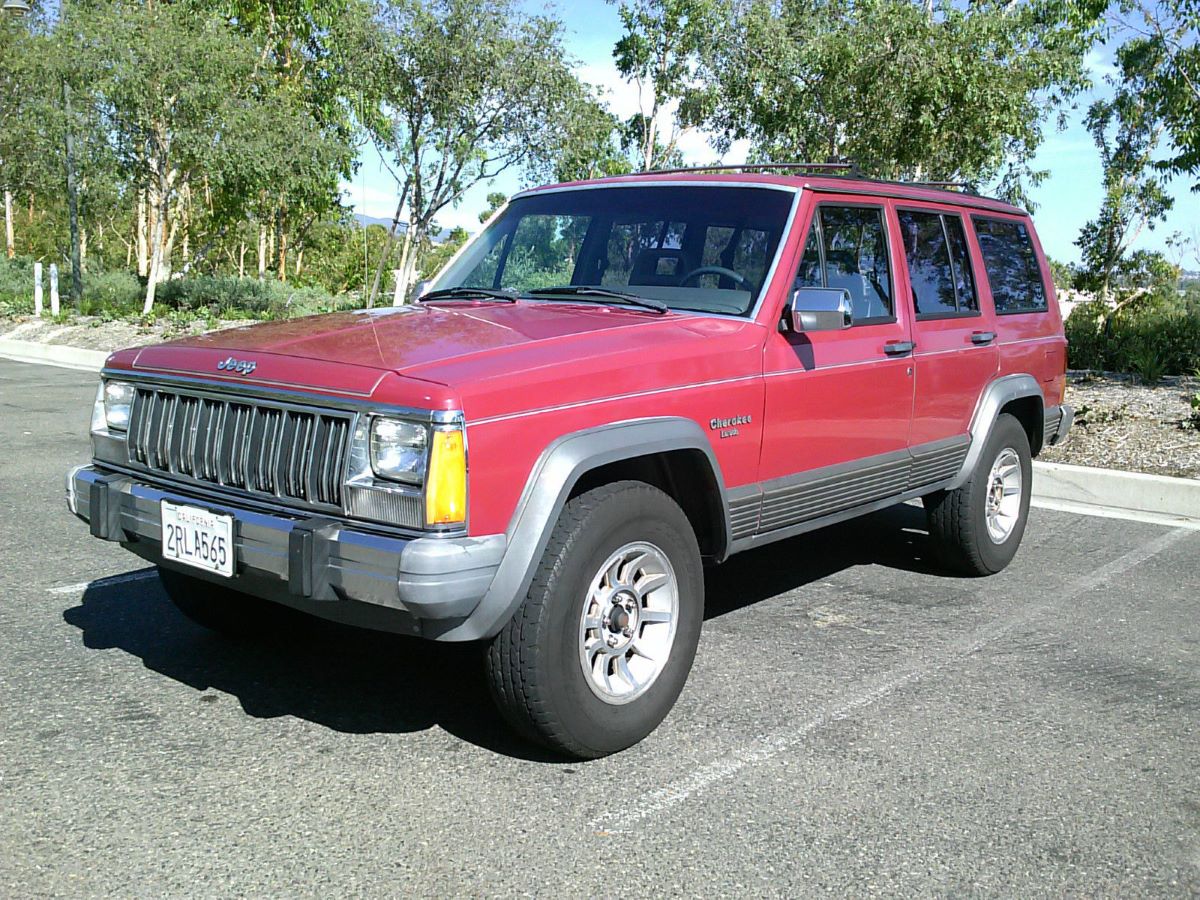
2. Jeep Cherokee (Older Models)
Older Jeep Cherokee models are known for their rugged appearance and off-road capability, but they often struggle with reliability, especially for daily commuting.
Common issues include transmission failures, engine malfunctions, and electrical system problems. For commuters in Charleston, relying on such a vehicle can lead to frequent trips to repair shops, unexpected breakdowns, and significant frustration.
Even simple repairs can become costly due to the complexity of the vehicle’s systems and the need for specialized parts.
Fuel efficiency is another drawback of older Cherokee models. These SUVs typically consume more gasoline than compact sedans or newer crossover vehicles, which can significantly increase commuting costs over time.
The combination of poor fuel economy and frequent repairs makes ownership expensive and less convenient for those who rely on their vehicle every day. Additionally, the Cherokee’s ride quality can be stiff or rough, making longer commutes less comfortable than a smoother, more modern compact vehicle.
Safety systems in older Cherokees are often outdated. Features such as advanced braking assist, lane-keeping systems, and electronic stability control may be absent or less effective, which can create concerns for drivers navigating busy streets or hilly roads.
Brake performance, in particular, has been a recurring issue for some models, adding risk during wet or slippery conditions. These limitations reduce confidence in the vehicle as a safe commuter option.
The longevity of older Cherokee models is inconsistent. Rust and wear on suspension or drivetrain components are common, especially in regions with harsh weather conditions. Even though these vehicles are designed for rugged terrain, their reliability for daily commuting is questionable.
The combination of frequent repairs, high maintenance costs, and outdated safety features makes older Jeep Cherokees less suitable for someone who needs a dependable vehicle for everyday use.
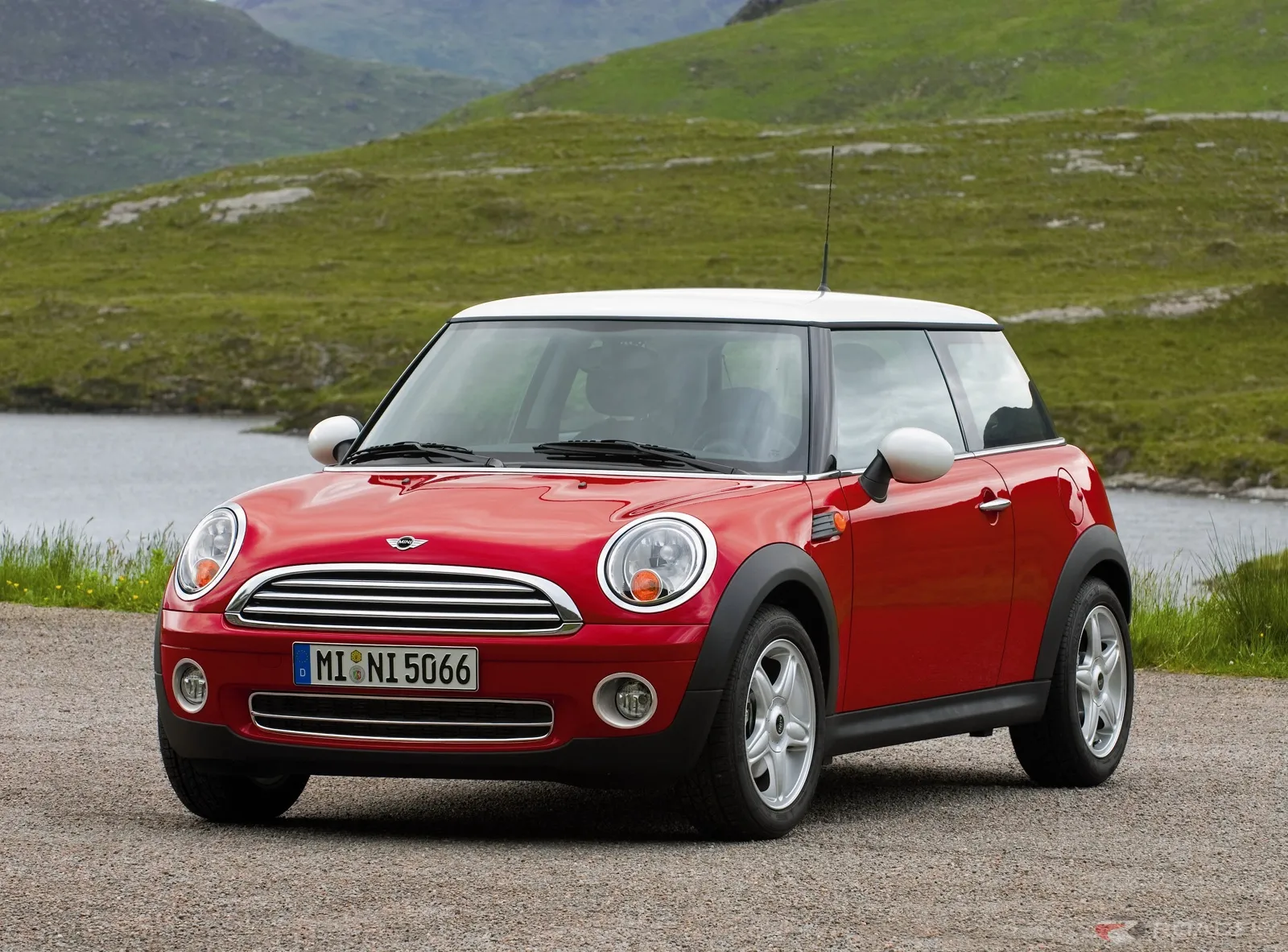
3. Mini Cooper (Early Models)
Early Mini Cooper models are stylish and fun to drive but come with a history of mechanical and electrical issues. Many owners have reported frequent transmission failures, power steering malfunctions, and engine problems that require immediate attention.
For commuters in Charleston, this can result in unexpected downtime and an unreliable daily transportation option. Although the car’s compact size is convenient for city parking, the frequent repairs often outweigh the benefits of maneuverability.
Maintenance costs for these early Mini Coopers are higher than average due to the premium parts and specialized mechanics required. Even routine servicing, such as oil changes or brake replacements, can be more expensive than other compact cars.
Electrical problems are particularly problematic, as malfunctions in sensors, infotainment systems, or dashboard controls can interfere with the vehicle’s daily usability. Over time, these recurring issues add significant expense and frustration.
The compact design and sporty feel do not compensate for the lack of reliability. Owners frequently encounter problems with cooling systems, turbochargers, and suspension components, leading to unplanned downtime.
For daily commuting, this unpredictability creates stress and inconvenience. Drivers often need backup transportation or face missed appointments, which diminishes the practicality of the vehicle.
Safety ratings for early Mini Coopers are generally adequate, but they do not offset the frequent mechanical problems. While the cars are fun to drive in short bursts, they are less practical for extended commutes or heavy use.
The combination of recurring mechanical issues, high maintenance costs, and limited reliability makes early Mini Cooper models a risky choice for anyone who needs a dependable daily commuter vehicle.
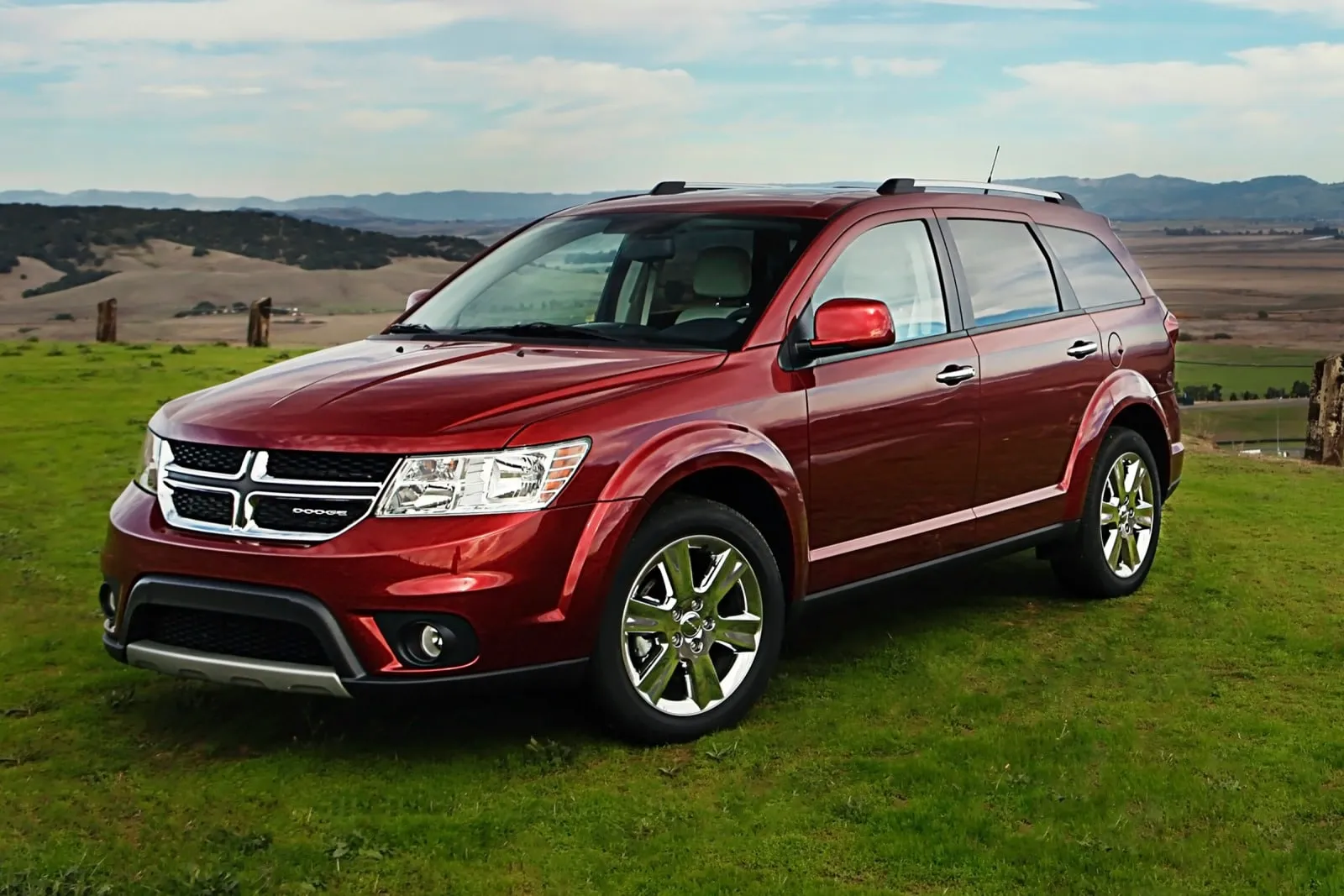
4. Dodge Journey
The Dodge Journey, a mid-size SUV, is often criticized for its recurring mechanical problems. Common issues include engine and transmission failures, electrical malfunctions, and suspension problems that affect ride comfort and handling.
For commuters in Charleston, these frequent issues can disrupt daily life and result in expensive repairs. While the Journey offers ample interior space and a comfortable ride under ideal conditions, the vehicle’s unreliability often outweighs these benefits.
Fuel efficiency is relatively low, especially compared to smaller sedans or crossovers designed for urban commuting. This increases the cost of daily driving, particularly in areas with fluctuating gas prices.
The combination of poor fuel economy and frequent mechanical problems makes the Journey less economical over time. Drivers may find that the time and money spent on repairs negate the convenience of extra space and seating.
Maintenance costs are moderate to high, as recurring issues often require professional servicing and replacement of major components.
Electrical problems, including malfunctioning sensors and warning lights, are common, while suspension wear can affect vehicle handling and comfort. Repairs can be time-consuming, which reduces the vehicle’s practicality for someone who relies on consistent transportation.
The Dodge Journey is an appealing vehicle on the surface due to its spacious interior and SUV styling, but the combination of unreliable mechanical systems, higher fuel costs, and frequent repairs makes it a poor choice for commuters. Drivers seeking a dependable, everyday vehicle would likely experience more frustration than convenience with this SUV.
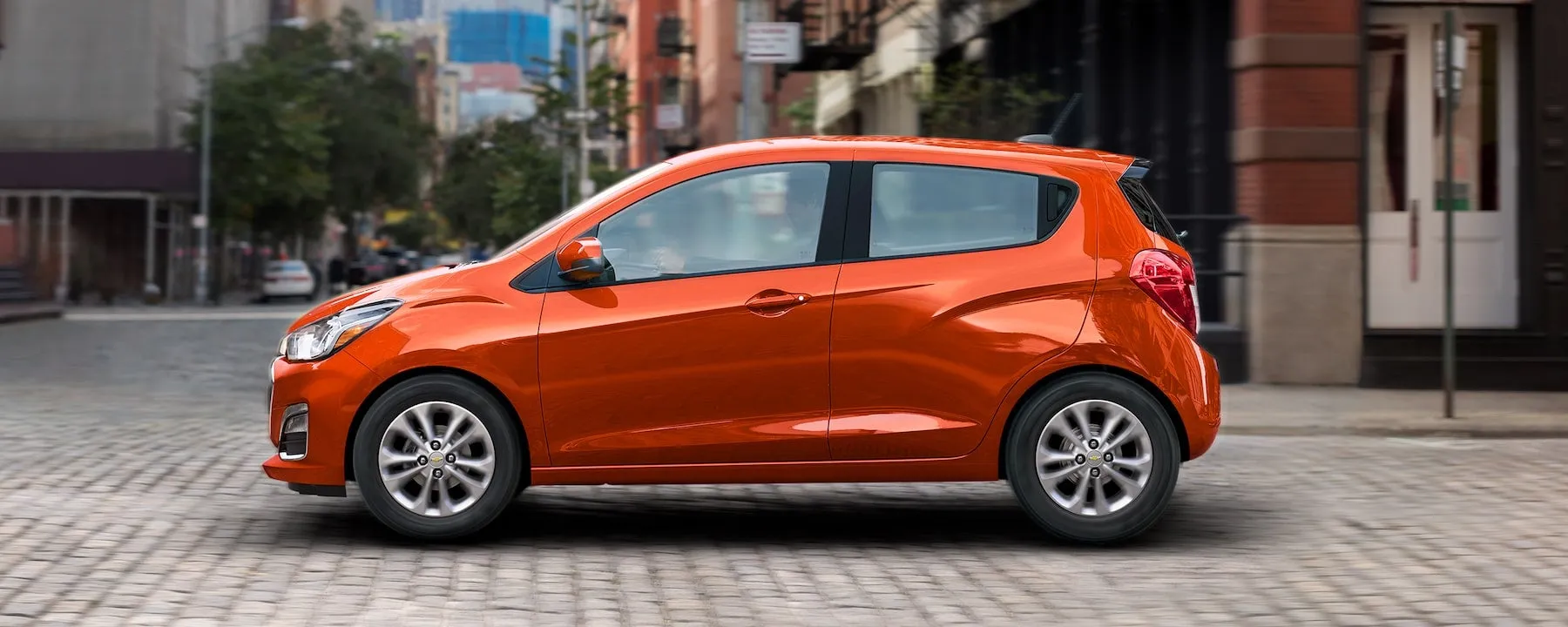
5. Chevrolet Spark
The Chevrolet Spark is a small and inexpensive car, making it initially attractive for budget-conscious commuters. However, it has been reported to suffer from engine issues, transmission problems, and electrical malfunctions, making it less reliable than many other compact vehicles.
Daily commuters in Charleston may encounter frequent repairs that disrupt work schedules and create ongoing stress. Even though the Spark is small and easy to park, its tendency to break down reduces the practical benefits of its size.
Performance can be inconsistent, particularly on hills or during highway driving. The small engine struggles under heavy loads or steep inclines, which can make longer commutes or trips outside of the city less convenient.
While fuel efficiency is decent, it does not compensate for the higher likelihood of mechanical problems that increase the total cost of ownership over time.
Interior comfort and practicality are limited. The cabin is compact, with minimal legroom and cargo space, which can become a drawback for daily commuting, especially for passengers or carrying work-related items.
Electrical problems, such as malfunctioning lights or dashboard displays, add further inconvenience and can reduce the vehicle’s usability.
Resale value for the Spark is generally low due to its frequent reliability issues. Even well-maintained vehicles can be difficult to sell or trade, as buyers are cautious about potential mechanical problems.
While the Chevrolet Spark may be appealing as an entry-level car, its tendency to experience frequent breakdowns, combined with limited comfort and practicality, makes it a less suitable choice for a dependable commuter vehicle.
