

Commuting in Lancaster, Pennsylvania brings together a mix of suburban sprawl, rural highways, compact town streets, and seasonal weather shifts that place very specific demands on a vehicle.
A good commuter car in this region must balance fuel efficiency with durability, handle frequent stop and go driving, and remain dependable during winter months when cold starts and icy roads become routine.
At the same time, Lancaster drivers often keep vehicles for many years, which means long term reliability and transparent ownership costs matter just as much as comfort or styling.
A car that performs well during a short test drive may slowly reveal hidden weaknesses once daily commuting begins, especially when maintenance schedules are ignored or engineering shortcuts surface over time.
Not all vehicles marketed as practical commuters truly serve that role in real life. Some cars earn strong reputations because they age predictably, respond well to routine service, and avoid unpleasant surprises. Others appear attractive at first glance but conceal design flaws, fragile components, or costly systems that fail after the warranty period.
These hidden problems often emerge gradually through transmission behavior, electrical gremlins, oil consumption, or suspension wear that exceeds expectations. For commuters who rely on their vehicles every weekday, these issues translate directly into lost time, unexpected repair bills, and frustration.
This article separates ten commonly encountered commuter vehicles into two distinct groups. The first group highlights five cars that tend to suit Lancaster commuters well, offering a balance of reliability, efficiency, and manageable ownership costs when properly maintained.
The second group examines five vehicles that may look appealing but often hide problems that surface after regular use. The goal is not to attack or praise brands blindly, but to provide practical insight into how different vehicles behave over time in a setting similar to Lancaster County.
By understanding both sides, commuters can make decisions that protect their time, finances, and peace of mind over the long term.
5 Cars for Lancaster Commuters
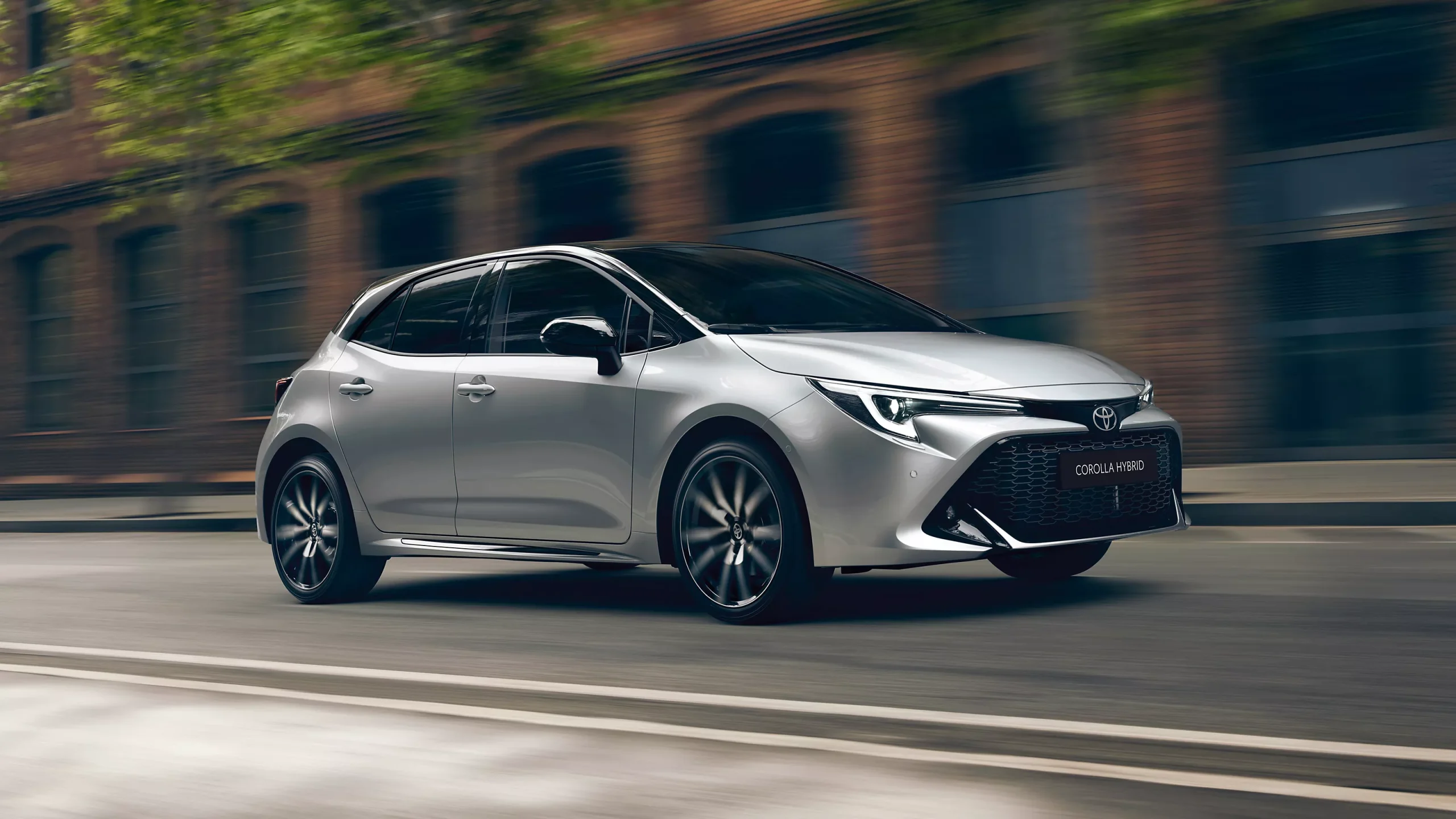
Toyota Corolla
The Toyota Corolla has long been associated with consistency, and that reputation holds up well for daily commuting in Lancaster. Its compact size makes it easy to navigate town centers, parking lots, and narrow residential streets while still feeling stable on longer highway stretches.
The suspension tuning favors comfort over sportiness, which reduces fatigue during repeated commutes and smooths out uneven road surfaces common in older areas.
Lancaster roads include a mix of paved highways and areas with potholes or uneven surfaces, and the Corolla’s suspension absorbs these imperfections without transferring excessive jolts to the cabin.
Engine reliability is one of the Corolla’s strongest traits. The powertrain is designed with simplicity in mind, avoiding excessive stress or complex systems that tend to fail prematurely.
For commuters, this means predictable cold starts during winter mornings and steady fuel consumption that does not fluctuate wildly over time.
Even older models, when maintained properly, continue to deliver dependable performance. Drivers rarely encounter sudden mechanical failures, which provides peace of mind for daily commutes that are often time-sensitive.
The interior durability of the Corolla also supports long term use. Materials are not flashy, but they resist wear well under daily use. Seats maintain their shape, and the dashboard does not warp or discolor easily even after years of exposure to sun through windshield and side windows.
Controls remain intuitive, and visibility is generally good, which helps during early morning drives or heavy traffic. Features such as straightforward infotainment systems and climate control make daily operation simple and reliable.
Another advantage is the Corolla’s low cost of ownership. Parts are widely available and repair costs are generally reasonable. Mechanics in Lancaster are familiar with the model, so service does not require specialized knowledge.
Regular maintenance such as oil changes, brake service, and tire replacement is straightforward and rarely results in unexpected expenses. This predictability encourages owners to keep the vehicle in service for many years without feeling burdened by maintenance challenges.
Additionally, fuel efficiency makes the Corolla well-suited for long commutes. It consistently delivers competitive miles per gallon for city and highway driving, which is crucial for drivers traveling between suburban neighborhoods and commercial areas.
The combination of comfort, efficiency, and low maintenance demands positions the Corolla as one of the most practical vehicles for a Lancaster commuter who prioritizes reliability and peace of mind over flashy features or aggressive styling.
Finally, the resale value of a Corolla is strong relative to other compact cars. Many owners find that after years of service, the vehicle retains sufficient value to support a trade-in or sale without a significant financial loss.
This financial predictability complements its mechanical reliability and makes the Corolla a consistently safe choice for those seeking a low-risk, dependable daily commuter.

Honda Civic
The Honda Civic stands out as a commuter car that blends efficiency with a slightly more engaging driving feel. Its steering and chassis tuning offer confidence on winding back roads while remaining comfortable during highway travel.
This balance suits Lancaster commuters who encounter both rural routes and busier arterial roads during their daily drive. The Civic handles cornering with poise, yet its ride remains forgiving over rougher stretches of pavement, making it versatile in mixed driving conditions.
Honda’s engine design emphasizes longevity when properly maintained. Civics are known to deliver stable fuel economy across varying driving conditions, which helps commuters budget fuel expenses accurately.
The power delivery remains smooth, and the drivetrain tends to age gracefully if routine maintenance is not neglected. For commuters facing stop-and-go traffic or longer highway trips, this reliability translates into consistent performance without the anxiety of sudden mechanical issues.
Inside the cabin, the Civic offers a thoughtful layout that supports frequent use. Seats provide adequate support for longer drives, and the dashboard design prioritizes visibility and ease of access. Materials tend to resist wear, and buttons and knobs remain functional over years of repeated use.
The cabin is designed to reduce distraction while driving, which is especially valuable for commuters navigating traffic or dealing with morning and evening rush hours.
The Civic also offers strong fuel efficiency for daily commuting. Compact engines deliver adequate power without consuming excessive fuel, and some newer models provide hybrid or turbocharged options that further improve efficiency.
For Lancaster drivers, this helps manage the recurring cost of commuting while still ensuring that the vehicle responds well when acceleration is necessary.
Ownership costs are generally predictable. Replacement parts and service are widely available, and the widespread familiarity of local mechanics with Honda vehicles ensures efficient maintenance.
Routine service such as brake pads, filters, and tire rotations can be completed without a significant financial burden. This combination of reliability, efficiency, and low ongoing maintenance costs makes the Civic a compelling option for commuters who value consistent performance without surprises.
Additionally, resale value is a consideration for commuters who plan to upgrade eventually. Civics typically maintain value well, reflecting both brand reputation and long-term reliability. This benefit reinforces the Civic’s appeal as a practical, low-risk commuter car for Lancaster drivers who want a balance of comfort, durability, and economic sense.
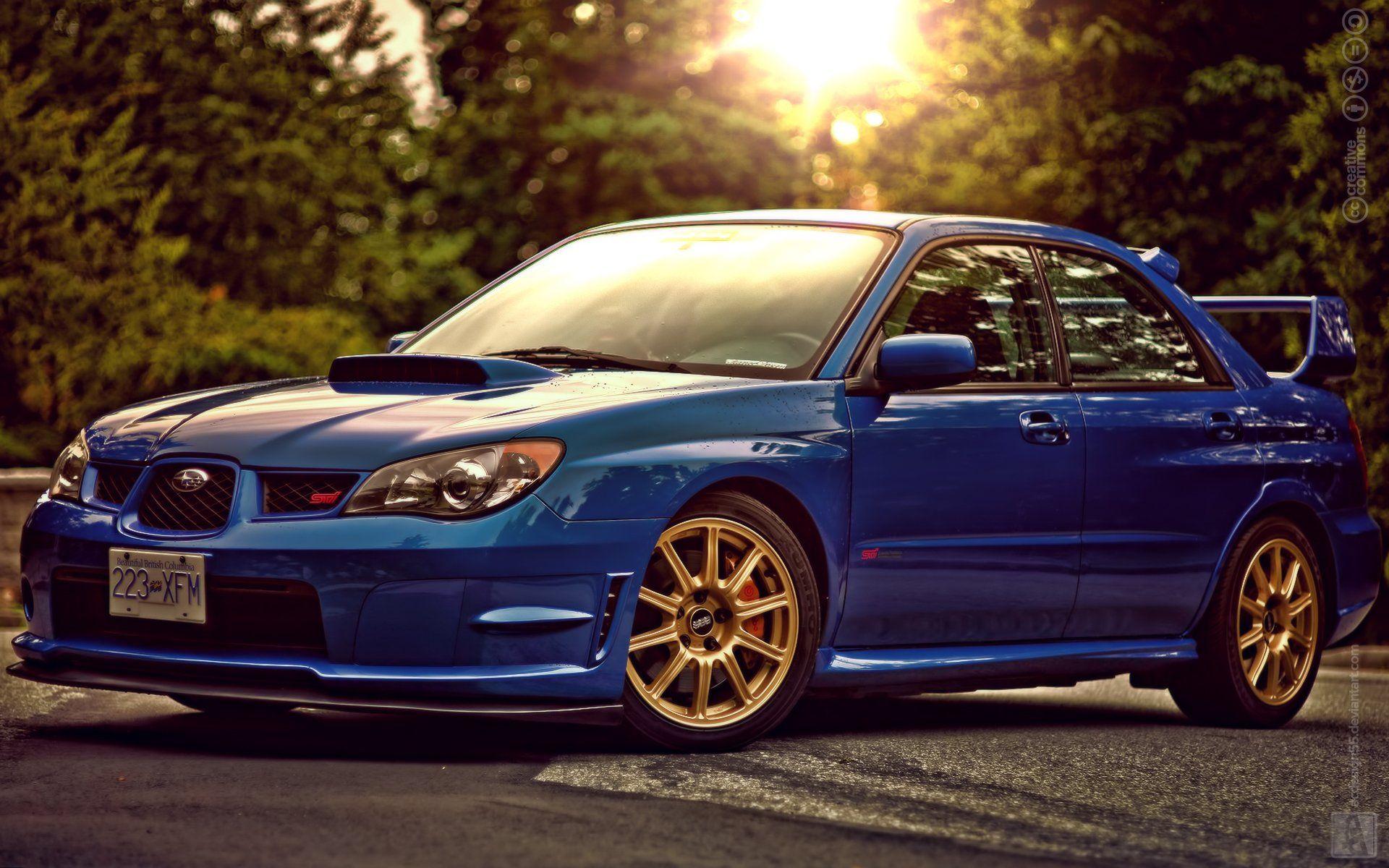
Subaru Impreza
The Subaru Impreza appeals to Lancaster commuters largely because of its standard all-wheel drive system. This feature provides added traction during winter weather, especially on untreated rural roads or during early morning commutes after snowfall.
For drivers who prioritize confidence in changing conditions, this capability reduces the anxiety associated with icy or uneven pavement and allows for safer daily driving during Pennsylvania winters.
The Impreza’s boxer engine design contributes to a low center of gravity, enhancing stability during cornering and uneven road conditions. While not designed for high performance, it delivers steady power suitable for everyday driving needs.
The engine’s horizontally opposed layout distributes weight evenly, which improves balance and handling, particularly when traveling through Lancaster’s rolling terrain and curving country roads.
Interior space is another advantage. The Impreza comfortably accommodates passengers and cargo without feeling oversized, supporting commuters who occasionally transport equipment, groceries, or family members.
Rear legroom and headroom are sufficient for taller passengers, and cargo access is practical thanks to a wide hatchback or sedan trunk design. The vehicle’s cabin materials are durable, designed to withstand daily use and resist wear over time.
Long-term ownership tends to reward attentive maintenance. Regular oil changes, tire rotations, and brake inspections help preserve both the engine and drivetrain.
Subarus are generally known for longevity when cared for properly, and the Impreza is no exception. Drivers who adhere to maintenance schedules often experience fewer surprises compared with vehicles that conceal hidden issues.
The Impreza also provides a sense of versatility for commuters who occasionally travel longer distances or engage in weekend activities.
Its fuel efficiency remains competitive for an all-wheel drive vehicle, and the ride quality strikes a balance between comfort and road feedback. Combined with reliability, these traits make it a dependable choice for Lancaster commuters seeking both practicality and peace of mind.
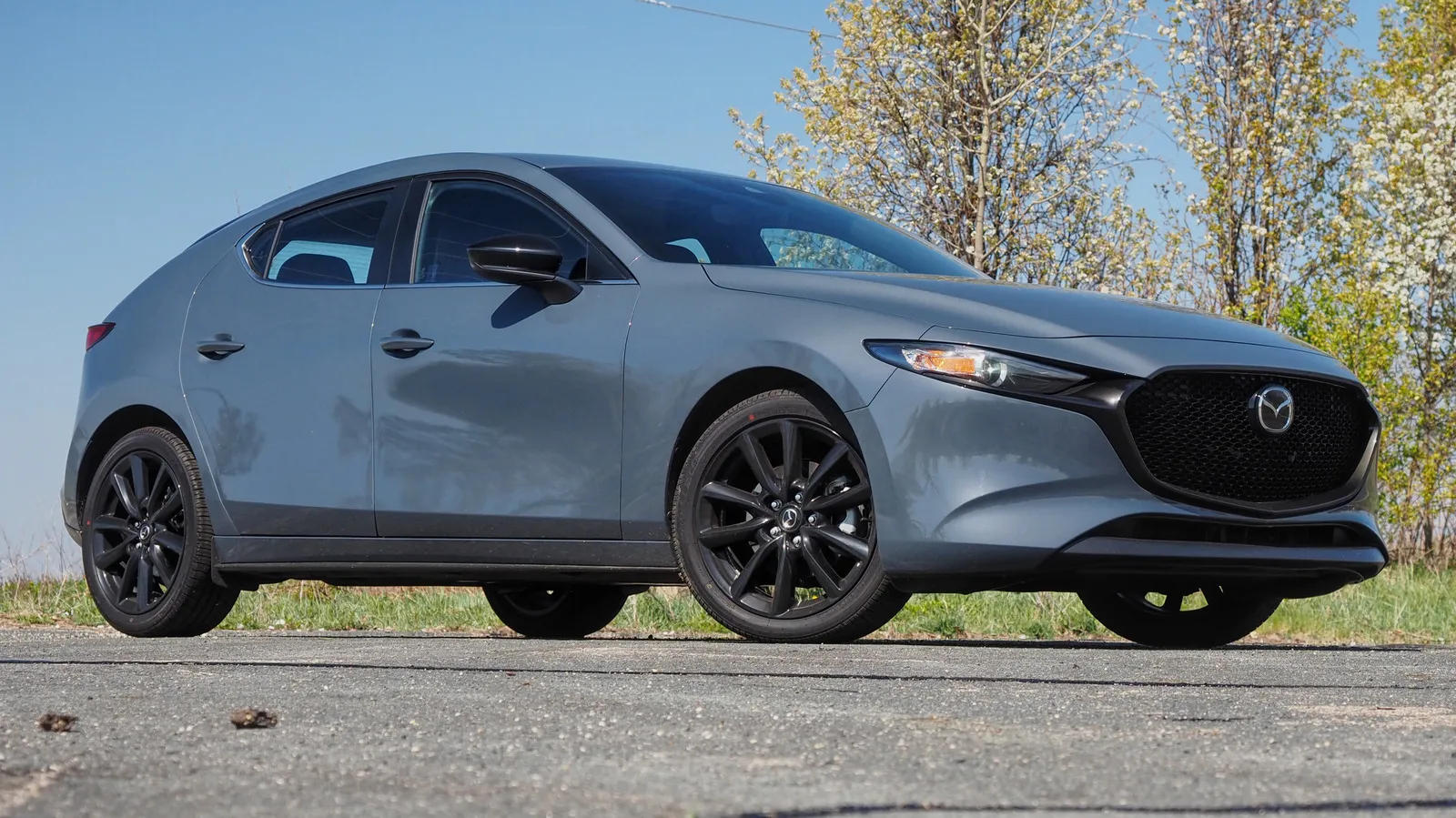
Mazda3
The Mazda3 offers a more connected driving experience without sacrificing commuter practicality. Its steering response and chassis tuning provide a sense of control that makes daily driving feel less monotonous.
This characteristic appeals to drivers who spend significant time in traffic or on back roads and appreciate a car that communicates road conditions effectively.
Engine performance remains efficient while delivering adequate power for merging and passing. The powertrain avoids unnecessary complexity, supporting reliability over time.
Even in older models, the Mazda3 tends to maintain performance when serviced consistently, allowing commuters to enjoy both comfort and responsiveness without sacrificing long-term dependability.
Interior design reflects Mazda’s focus on driver engagement. Controls are placed logically, and the cabin materials feel refined for the segment.
This attention to detail contributes to a more pleasant commuting environment, with seating that balances support and comfort during longer drives. Infotainment and climate systems are user friendly, reducing distraction during daily travel.
Ownership costs tend to remain reasonable when maintenance is performed regularly. The Mazda3 does not typically suffer from widespread mechanical issues, and repair costs are generally manageable.
Replacement parts are available without excessive expense, and local mechanics are familiar with the model. This predictability makes it a viable option for commuters seeking reliability alongside a more responsive driving feel.
Another feature is the Mazda3’s handling in adverse weather. While not all-wheel drive, the vehicle’s stability systems and balanced chassis help maintain traction and control on wet or mildly icy roads.
For Lancaster commuters who encounter seasonal variations in driving conditions, this provides confidence and reduces anxiety during the winter months.

Hyundai Elantra
The Hyundai Elantra has gained recognition as a value-oriented commuter vehicle. It offers a comfortable ride that absorbs road imperfections well, which is useful on Lancaster’s varied surfaces.
The suspension design emphasizes comfort, providing a smooth experience during both short neighborhood trips and longer highway commutes.
Engine efficiency plays a key role in the Elantra’s appeal. Fuel consumption remains predictable, and the powertrain is tuned for everyday usability rather than aggressive performance.
This balance supports long-term durability when paired with routine service. Hyundai engines tend to operate reliably under consistent care, making the vehicle suitable for daily commuting over multiple years.
Interior space and features exceed expectations for the class. The Elantra provides ample legroom and a user-friendly layout that simplifies daily operation.
Controls are accessible, storage compartments are practical, and visibility is generally good. For commuters who often carry passengers or supplies, this combination enhances the daily experience.
The vehicle’s technology suite is practical without being overwhelming. Basic safety features, infotainment, and climate systems are intuitive and reliable. Unlike some models that overcomplicate daily operation with excessive controls, the Elantra focuses on straightforward usability that remains consistent over time.
From a cost perspective, the Elantra represents a sensible balance of affordability and dependability. Parts and service are generally accessible, and maintenance does not typically carry surprise expenses.
For Lancaster commuters on a budget, the Elantra delivers a reliable, comfortable, and efficient daily driving experience.
Additionally, Hyundai has made improvements in warranty coverage and build quality in recent years, which further reassures owners about long-term ownership.
The combination of comfort, fuel efficiency, practicality, and reasonable ownership costs makes the Elantra a well-rounded choice for commuters who value predictability and low risk.
5 That Hide Problems
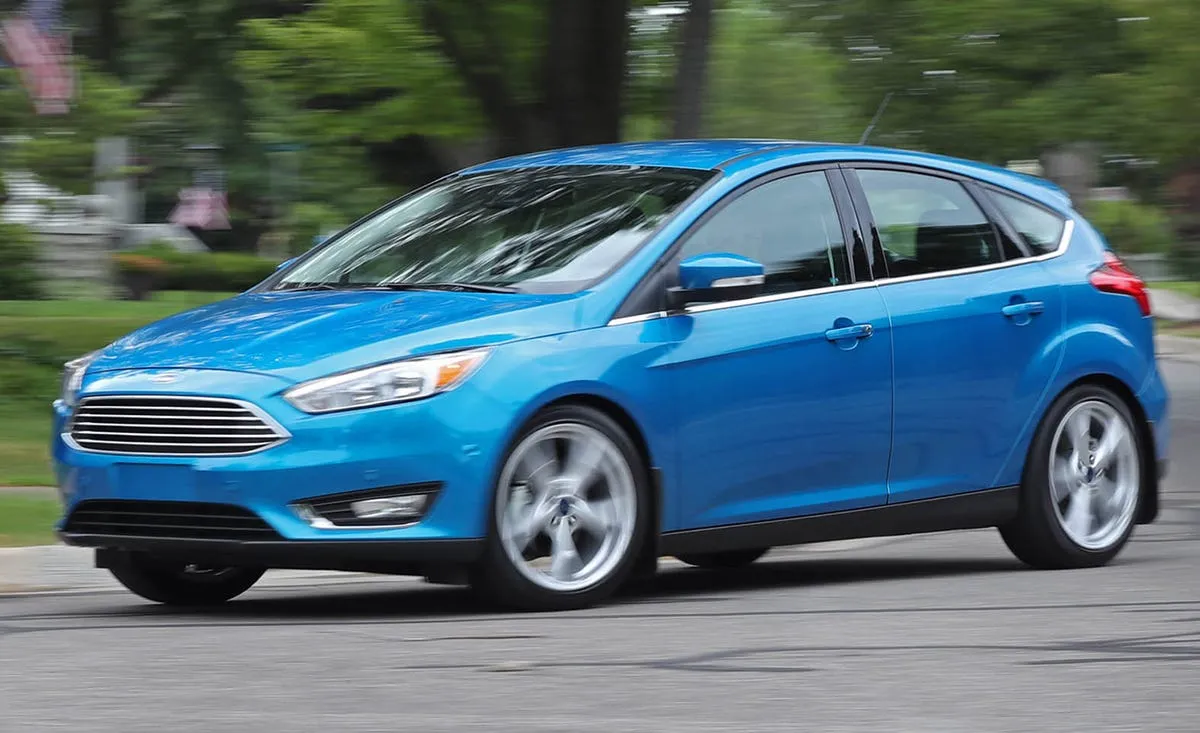
Ford Focus
The Ford Focus may appear appealing due to its styling, fuel efficiency, and compact dimensions, but certain versions conceal long-term transmission problems.
The dual-clutch automatic transmission, commonly found in many model years, is particularly prone to issues that often develop gradually. Drivers might notice hesitation, jerking, or delayed engagement during stop-and-go commuting, which can be subtle at first and easily overlooked during a short test drive.
Commuters may also experience inconsistent performance when the car is cold or under light loads. These symptoms tend to worsen over time, particularly as mileage accumulates, and can eventually lead to expensive repairs or full transmission replacement. Even with careful maintenance, many Focus owners report recurring issues that diminish confidence in reliability.
Interior and build quality may not match initial impressions. Materials on seats and dashboards may wear faster than expected, particularly under frequent use.
Buttons, knobs, and trim pieces can become loose or fail after repeated commuting cycles. This can make the vehicle feel less durable than competitors, contributing to owner frustration.
Fuel efficiency, while initially attractive, may decline as transmission issues worsen. Hesitation or erratic shifts can increase fuel consumption during city driving, undermining one of the car’s primary benefits. For Lancaster commuters, this translates to higher costs and more frequent stops at the gas station.
Finally, resale value is affected by these hidden problems. Even well-maintained Ford Focus cars may struggle to command strong prices on the used market, as buyers are wary of known transmission issues. This makes the Focus a high-risk choice for commuters who prioritize dependability and predictable ownership costs.
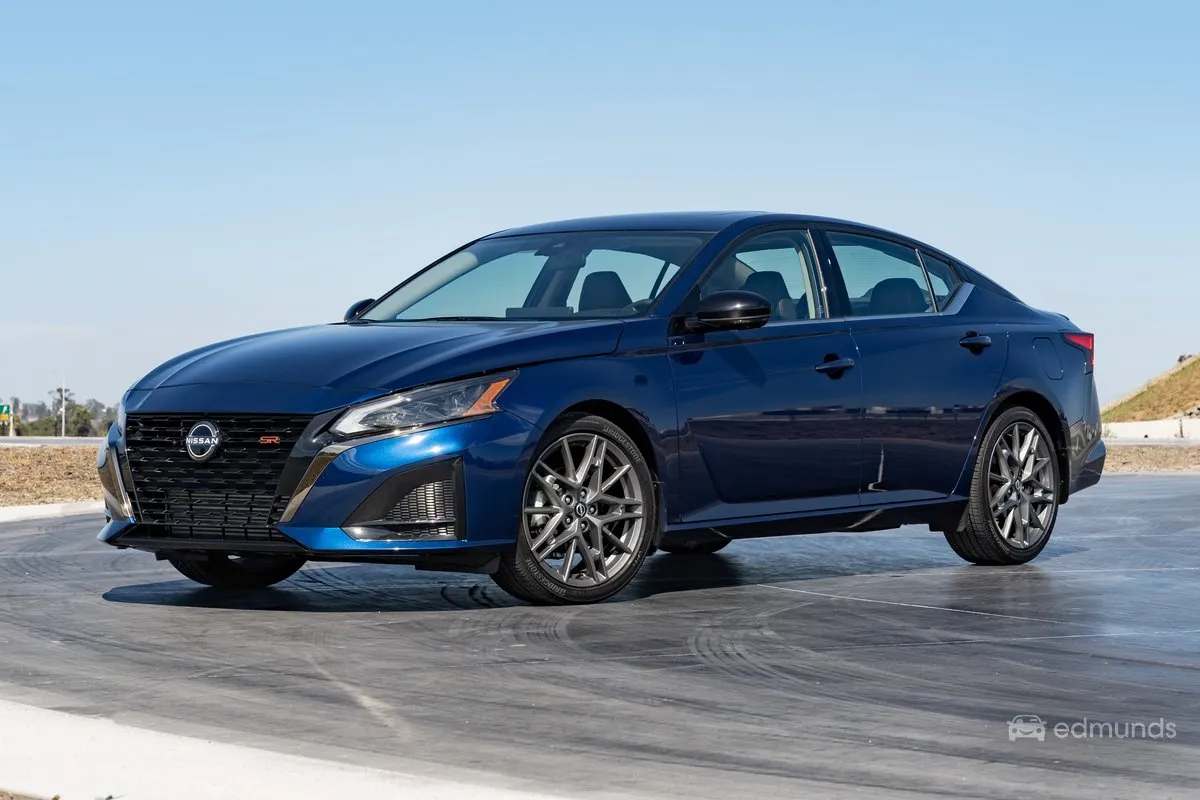
Nissan Altima
The Nissan Altima has a reputation for offering comfort, space, and a smooth driving experience. However, many models utilize continuously variable transmissions (CVTs) that have been known to develop problems after moderate use.
Early warning signs may include slipping, delayed acceleration, or a “rubbery” feeling when pressing the gas pedal. These issues can be subtle initially but tend to worsen over time.
CVT failures often result in costly repairs, sometimes requiring a full transmission replacement. While some drivers may not experience immediate problems, the risk increases significantly for those using the vehicle as a daily commuter.
Lancaster drivers, who frequently navigate a mix of suburban streets and rural roads, may find themselves dealing with these failures sooner than anticipated.
Fuel economy is another concern as transmission performance declines. The CVT is designed to maximize efficiency, but when it begins malfunctioning, fuel consumption may rise unexpectedly.
This can make the Altima more expensive to operate than advertised, reducing its appeal for commuters who rely on predictable operating costs.
Interior comfort and features may remain appealing initially, but electrical or sensor malfunctions associated with the CVT system can affect driving enjoyment. Warning lights may appear intermittently, adding stress to the daily commute. Even routine maintenance may not prevent some of these problems from emerging after several years of service.
Considering long-term reliability, the Altima carries a hidden risk that is not immediately obvious. While it may perform flawlessly for a short period, owners who rely on the car every day may eventually encounter issues that are both inconvenient and expensive to address, making it a less-than-ideal choice for consistent commuting.
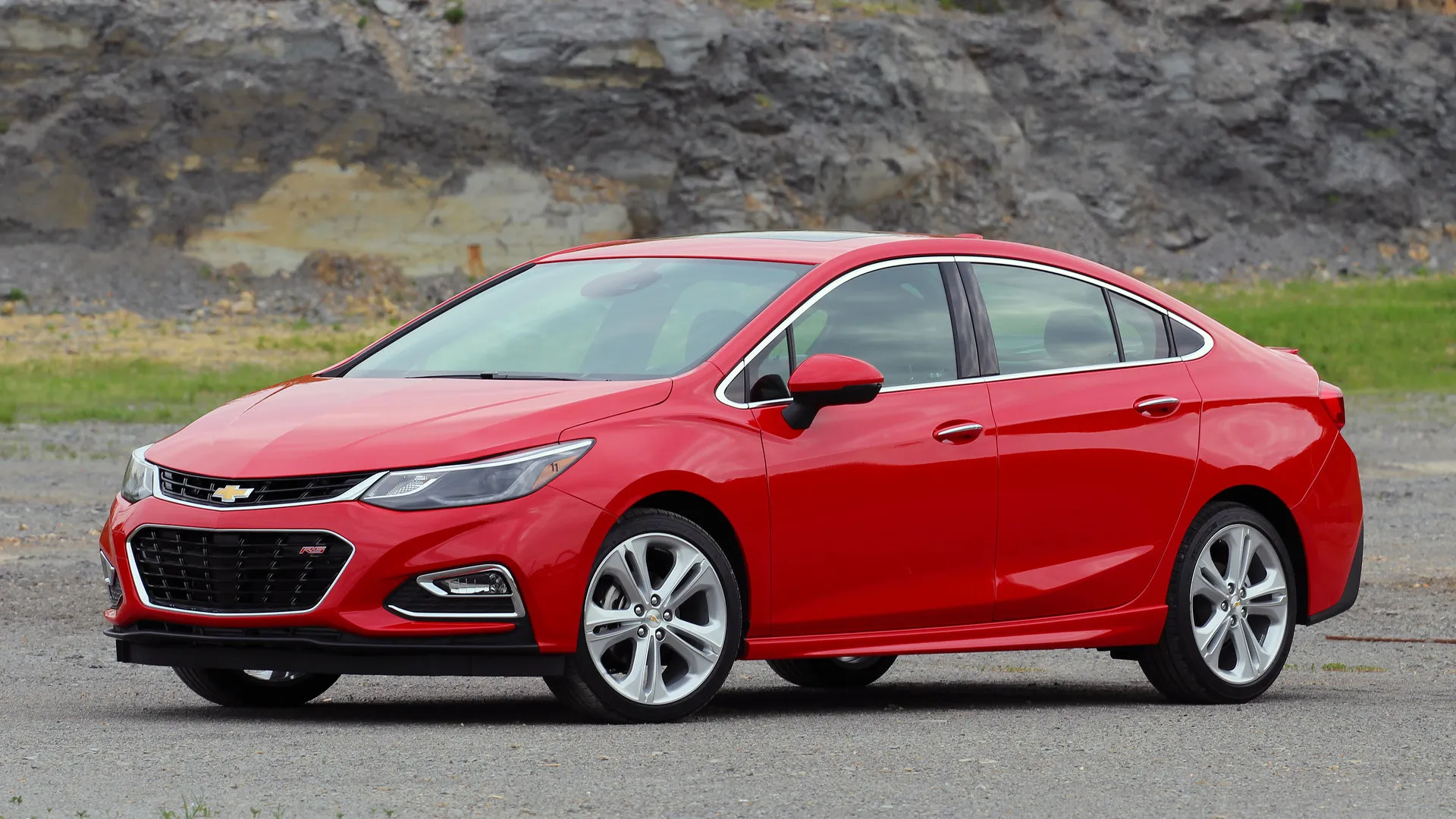
Chevrolet Cruze
The Chevrolet Cruze presents itself as a compact commuter with good initial performance, stylish looks, and efficient fuel economy.
Over time, however, the Cruze’s cooling system has been known to develop problems that can severely affect reliability. These issues often include leaks, faulty thermostats, or water pump failures, which can lead to engine overheating if left unaddressed.
Overheating can cause gradual but serious engine damage. While early signs may be subtle, such as minor temperature fluctuations or brief warning lights, the underlying issue can escalate quickly if unnoticed. For commuters, an unexpected breakdown can disrupt daily schedules and incur substantial repair costs.
Turbocharged versions of the Cruze introduce additional complexity. High-pressure components operate at elevated temperatures, placing further stress on the cooling system. Neglecting maintenance or delaying repairs can amplify the risk of engine problems, making ownership more expensive and unpredictable.
Interior durability is generally acceptable, but the initial perception of reliability may mask these mechanical vulnerabilities. Drivers might focus on fuel efficiency or cabin comfort while overlooking the long-term stress placed on engine components. This disconnect often results in surprises for commuters who depend on consistent daily performance.
The Cruze’s maintenance demands and hidden cooling system weaknesses reduce its suitability as a daily commuter vehicle. Even with careful service, owners may face expensive repairs that offset the initial cost savings, making it a riskier choice for Lancaster drivers seeking dependable transportation.
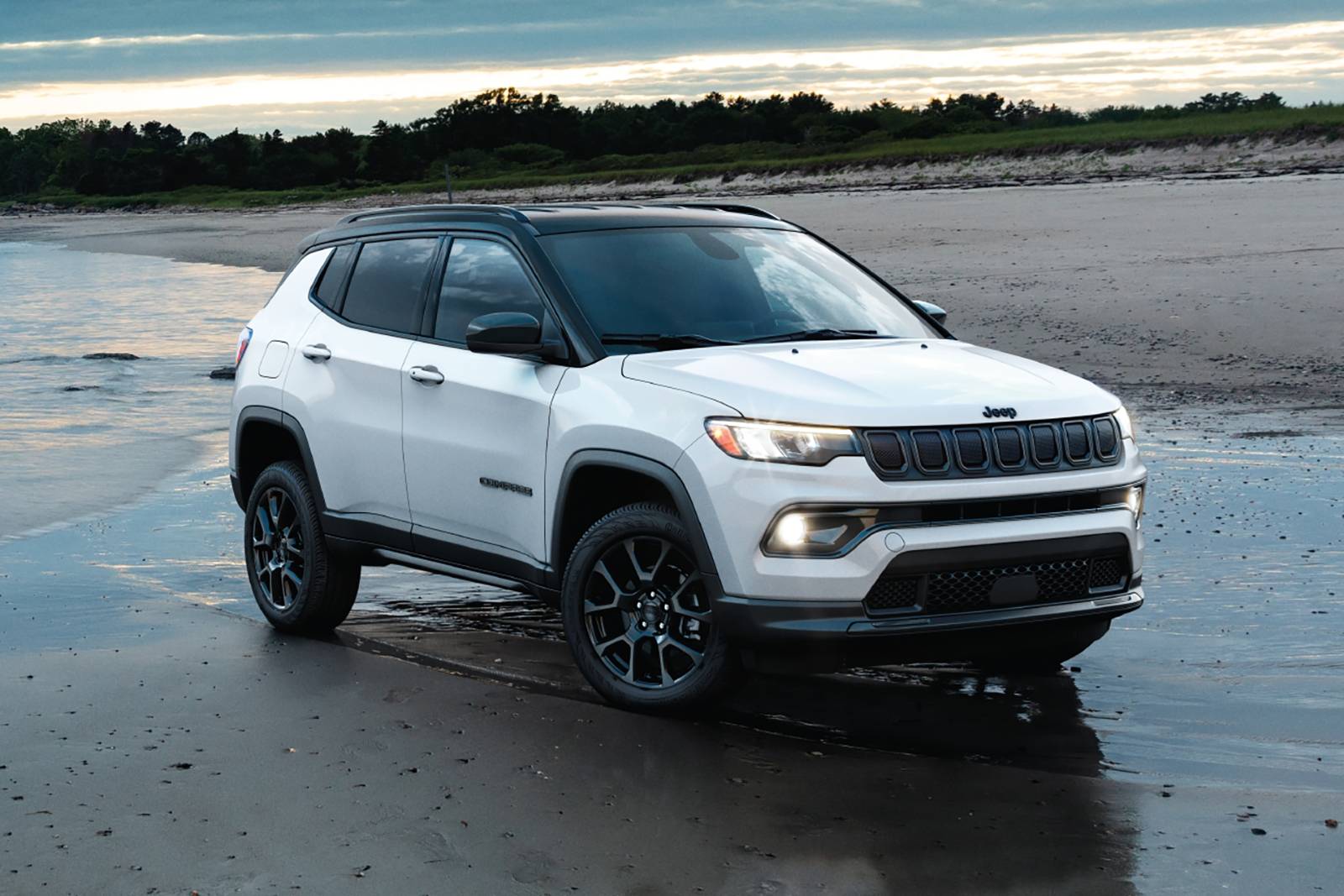
Jeep Compass
The Jeep Compass is often marketed for its rugged appearance and elevated driving position, making it seem like a versatile option for daily commuting.
However, long-term reliability concerns frequently emerge under everyday driving conditions. Suspension components, drivetrain systems, and transmission units are prone to accelerated wear, which may go unnoticed during short-term ownership.
Transmission performance can be inconsistent, especially in urban traffic or frequent stop-and-go situations. Shifting may feel delayed or rough, diminishing driving comfort and reducing confidence on roads with unpredictable traffic patterns. Over time, this can result in costly repairs that compromise the vehicle’s practicality.
Fuel efficiency is another consideration. The Compass generally consumes more fuel than comparable compact vehicles, which increases operational costs for commuters. When combined with higher potential maintenance expenses, the financial burden of ownership grows significantly.
The interior, while functional, does not always justify the vehicle’s premium appearance. Trim pieces and electronic controls may degrade faster than expected, especially under daily use. Owners may notice wear on seats, buttons, or climate control systems, which can detract from long-term satisfaction.
For Lancaster commuters who rely on reliability, the Jeep Compass often falls short. While its design and driving position might appeal visually, hidden mechanical vulnerabilities and ongoing wear make it less practical for consistent daily use. The combination of maintenance unpredictability and higher running costs reduces its appeal compared with more dependable alternatives.
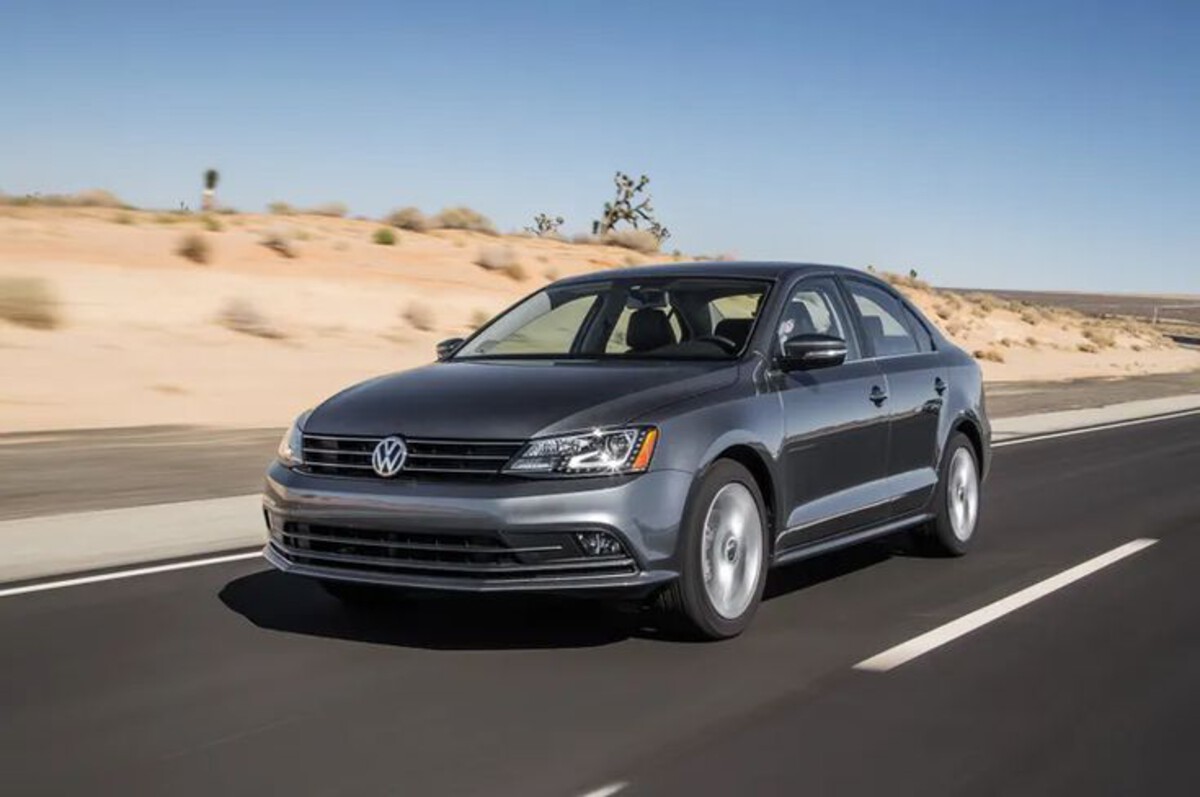
Volkswagen Jetta
The Volkswagen Jetta initially attracts buyers with its refined driving experience, responsive handling, and comfortable interior.
However, its electrical system is complex and can introduce hidden problems that often appear gradually over time. Sensors, wiring harnesses, and control modules are susceptible to failure, leading to intermittent malfunctions or dashboard warning lights that are difficult to diagnose.
Electrical faults in the Jetta may affect essential systems, such as engine performance, transmission behavior, or safety features. These issues can arise unpredictably, creating inconvenience and stress for daily commuters who rely on consistent operation. Even routine diagnostics may not fully prevent surprises from emerging.
Maintenance and repair costs tend to be higher than average. Specialized components and labor requirements increase the financial impact of resolving electrical or mechanical problems. This unpredictability diminishes the vehicle’s practicality for commuters who need low-cost, reliable transportation.
Engine and transmission reliability may remain satisfactory initially, but ignoring minor warning signs can escalate problems.
Over time, a combination of hidden electrical faults and component complexity can result in a vehicle that is less predictable than other commuter options. For Lancaster drivers, this reduces confidence and peace of mind during daily driving.
Despite its appealing handling and ride comfort, the Volkswagen Jetta’s hidden challenges make it a riskier choice for those seeking long-term reliability. Electrical complexity, repair costs, and potential for intermittent malfunctions can transform a seemingly solid commuter into a source of frustration and expense over time.
