
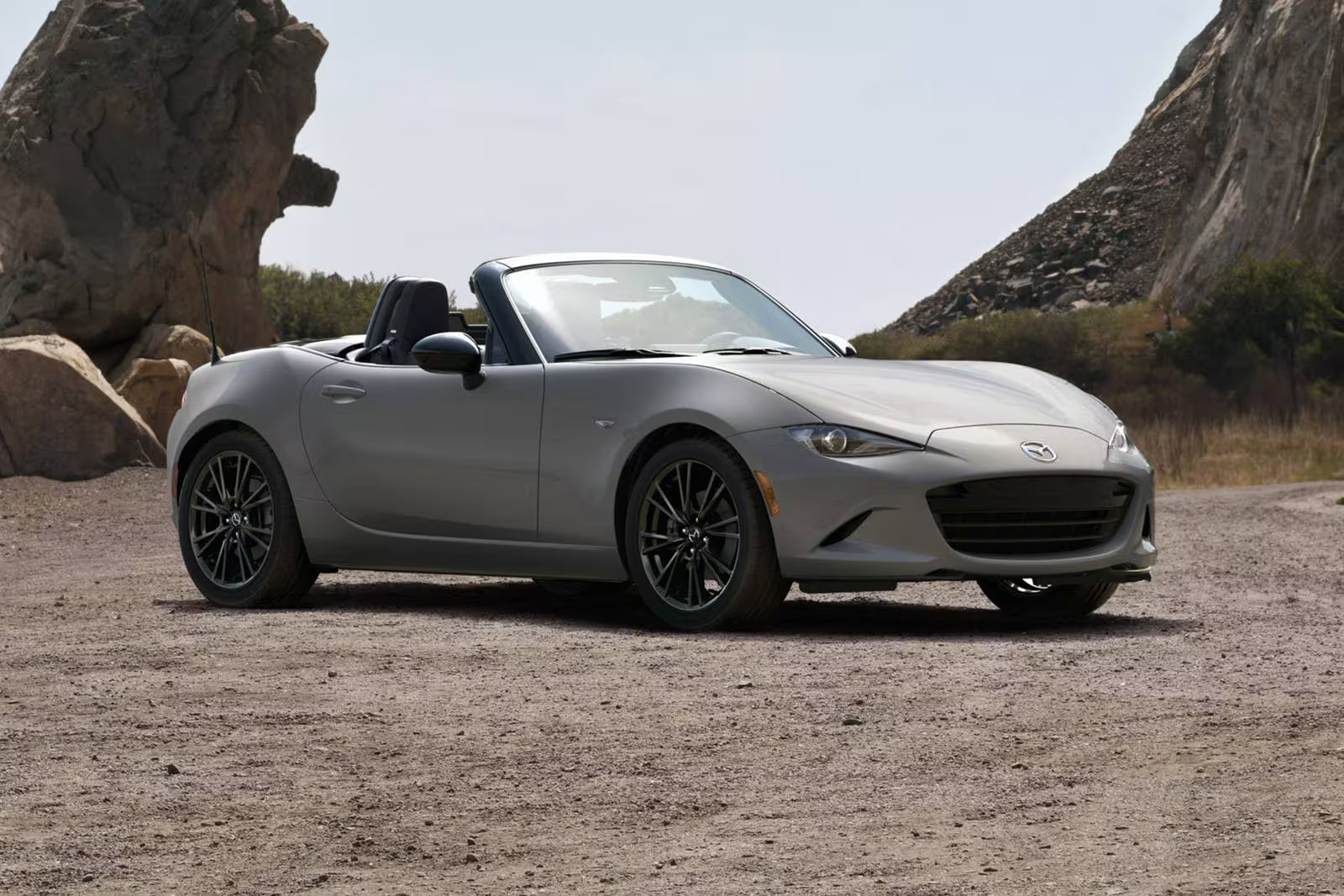
Japanese Domestic Market cars have always held a special place in the hearts of car enthusiasts. Known for their engineering precision, innovative technology, and unique driving dynamics, these vehicles offer experiences that go beyond mere transportation.
From high-revving engines to agile handling and distinct styling, JDM cars provide a connection between driver and machine that is hard to replicate elsewhere.
Over the decades, models from manufacturers like Nissan, Toyota, Honda, Subaru, and Mazda have become legends not just in Japan but across the globe. Many of these cars were designed with motorsport in mind, resulting in vehicles that perform remarkably well on both the street and the track.
In 2025, the appeal of JDM cars continues to grow, blending nostalgia with modern performance and reliability. While some models are classic icons, others have achieved cult status due to their limited production runs or innovative designs. These vehicles embody the philosophy of making the driving experience exciting, precise, and memorable.
For enthusiasts, driving a JDM car is not simply about speed; it is about the feel of the steering, the sound of the engine, the responsiveness of the gearbox, and the character that each model possesses.
Owning or even experiencing these cars can give a sense of immersion into automotive culture that is difficult to achieve with contemporary mass-produced vehicles.
The JDM scene is also fueled by community and shared passion. Car meets, track days, and online forums provide platforms for enthusiasts to celebrate these machines and exchange knowledge about tuning, maintenance, and preservation.
With the rise of import opportunities, even models that were once exclusive to Japan are becoming more accessible worldwide, giving more drivers the chance to experience their unique charm.
Each car on this list has its own story, its own quirks, and its own personality. Whether it is raw power, refined handling, or historical significance, these vehicles are worth seeking out for anyone who wants to understand what makes JDM cars so special.
This article highlights ten JDM vehicles that every enthusiast should experience in 2025. The selection balances classic icons with more modern offerings, ensuring a mix of history, performance, and excitement.
Each car has left an indelible mark on automotive culture, and driving them allows one to fully appreciate the philosophy and ingenuity behind Japanese engineering.
From legendary sports cars to practical yet thrilling machines, this list provides insight into the richness of the JDM world and why these vehicles continue to inspire passion and admiration.
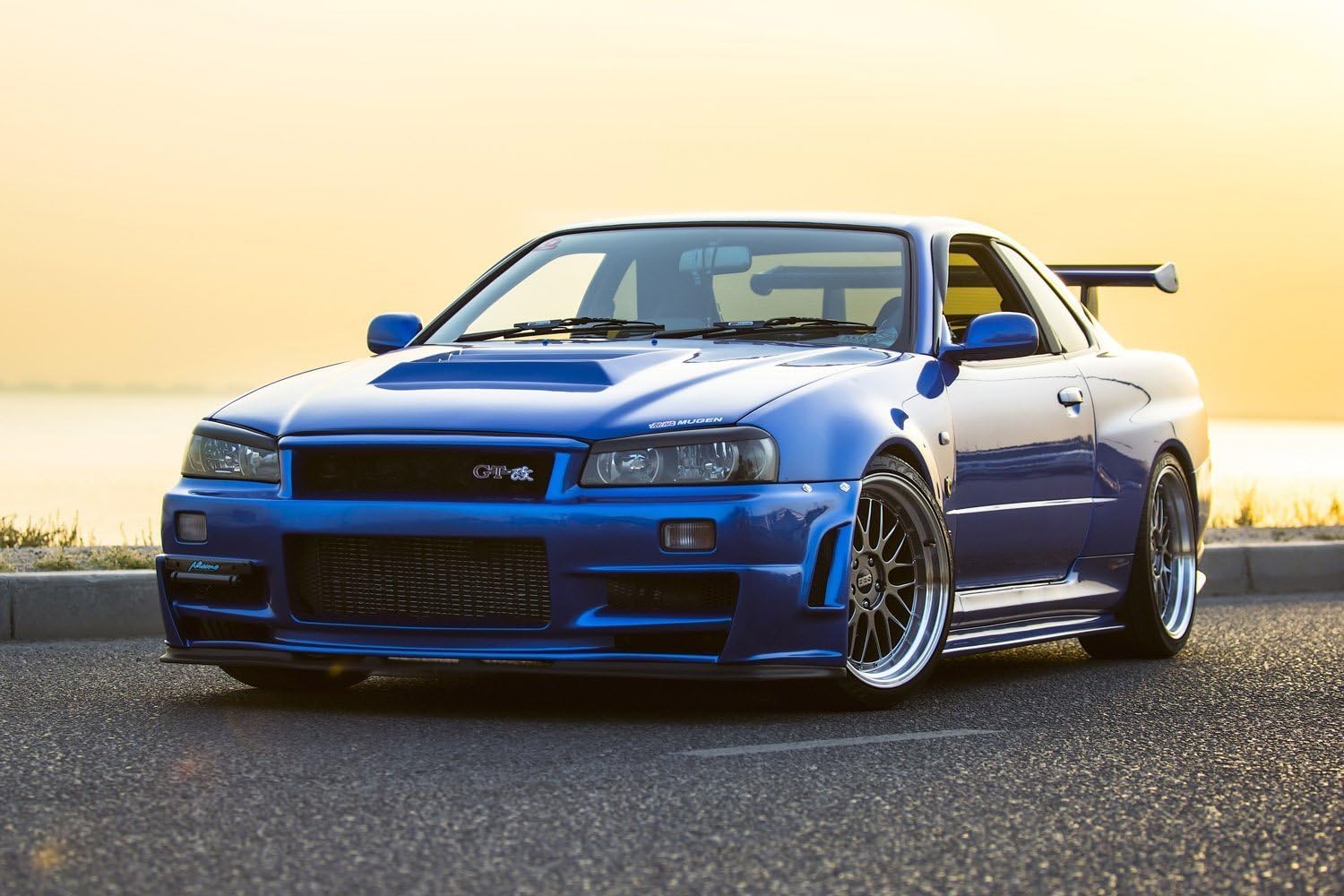
1. Nissan GT-R R34
The Nissan GT-R R34 is widely regarded as one of the most iconic Japanese sports cars ever produced. It was the pinnacle of Nissan’s Skyline GT-R lineup and became famous for its advanced technology and remarkable performance.
The R34 featured the RB26DETT engine, a twin-turbo inline-six capable of producing significant power, and combined this with an all-wheel-drive system that offered incredible grip and control.
For enthusiasts, the R34 represents a perfect balance between raw mechanical power and electronic precision. It is a car that feels alive at all speeds, responding to driver inputs with accuracy and intensity.
Beyond performance, the R34 is celebrated for its design. Its aggressive styling, compact proportions, and functional aerodynamics make it instantly recognizable. Every curve and vent on the car serves a purpose, contributing to stability and cooling at high speeds.
Inside, the driver is surrounded by an ergonomically focused cockpit with a multifunction display that was ahead of its time, providing critical information about the car’s performance. The interior emphasizes functionality over luxury, reflecting the GT-R’s purpose as a performance-focused machine rather than a comfort-oriented vehicle.
The R34’s cultural impact cannot be overstated. It became a legend not only in Japan but also internationally, thanks to movies, video games, and motorsport achievements.
It is a car that embodies the spirit of Japanese engineering excellence during the late 1990s and early 2000s.
Collectors and enthusiasts alike seek the R34 not just for its performance but also for the history and emotion it represents. Driving one today is like connecting with a pivotal moment in automotive history.
Maintaining and experiencing an R34 can be a challenge due to its rarity and the need for specialized knowledge. However, for those who manage to acquire or drive one, the experience is unforgettable.
The combination of turbocharged power, responsive chassis, and all-wheel-drive precision makes it an ideal choice for anyone who wants to feel the intensity of a true Japanese sports car. The Nissan GT-R R34 remains a symbol of performance, technology, and passion that every JDM enthusiast should encounter at least once.
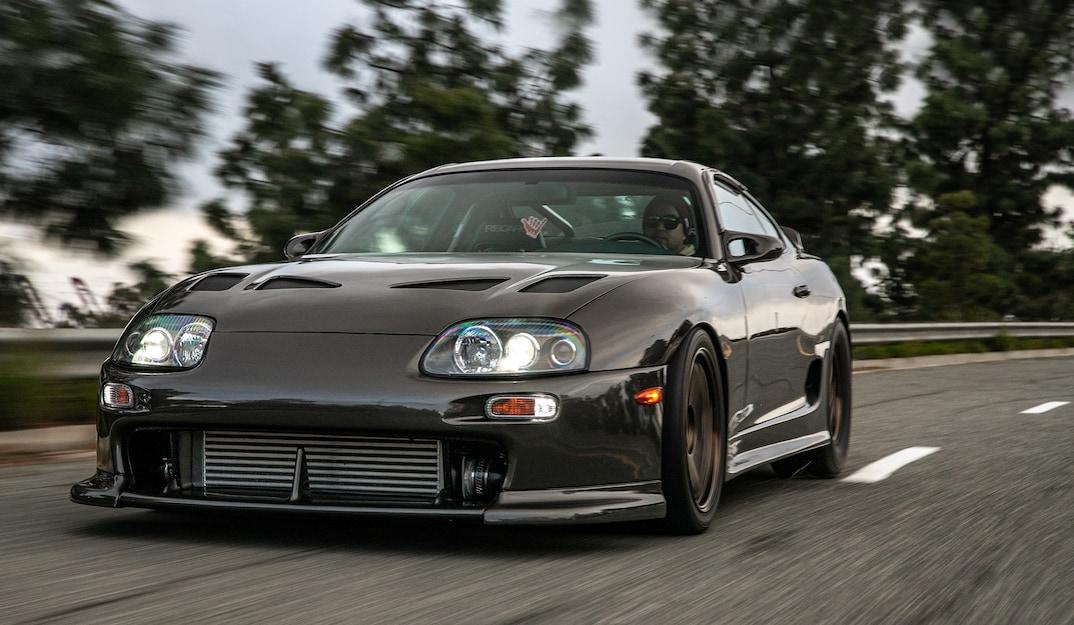
2. Toyota Supra MK4
The Toyota Supra MK4 is a vehicle that has achieved almost mythical status among car enthusiasts. Its 2JZ-GTE engine is legendary for its robustness, tunability, and ability to handle extreme power levels.
Enthusiasts appreciate the MK4 Supra for its potential to be transformed into an absolute powerhouse while maintaining balance and reliability. Beyond the engine, the car features a chassis and suspension system designed to handle high speeds and precise cornering, making it both a formidable track car and a thrilling road vehicle.
Styling is another reason the MK4 Supra is so adored. Its smooth lines, long hood, and wide stance give it a presence that commands attention. The interior, while simple, is driver-focused, with controls positioned for ease of use during spirited driving.
Even after decades, the design remains appealing, demonstrating Toyota’s skill in creating timeless sports car aesthetics. The Supra’s combination of elegance and aggression continues to inspire admiration among enthusiasts and collectors.
The Supra MK4 also holds a special place in automotive culture due to its appearances in popular media and its dominance in motorsports. It represents the golden era of Japanese sports cars, when performance and innovation were at the forefront of development.
For enthusiasts, driving the Supra is not only about speed but also about participating in a larger legacy of engineering achievement. Each aspect of the car, from its turbocharged engine to its responsive suspension, reflects a thoughtful approach to performance.
For those fortunate enough to experience the Supra MK4 firsthand, the feeling is unforgettable. The engine’s smooth yet potent output, coupled with the car’s precise handling, creates a sense of harmony between driver and machine. Even today, it is a benchmark for tuners and racers, proving that its design and engineering remain relevant.
Owning or driving a Supra MK4 is a chance to connect with a car that has shaped the industry of Japanese sports cars and continues to inspire admiration worldwide.
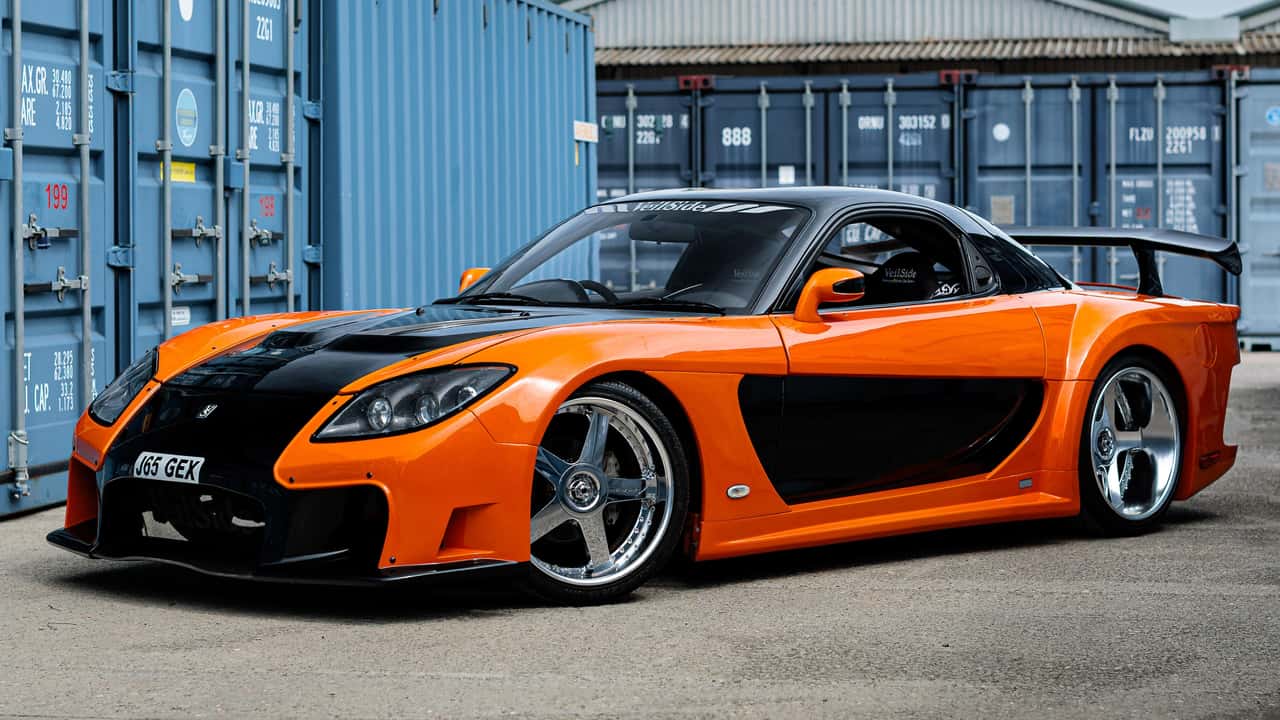
3. Mazda RX-7 FD
The Mazda RX-7 FD is one of the most celebrated rotary-engine cars ever made. Its 13B-REW twin-rotor engine delivers high-revving excitement and a unique exhaust note that distinguishes it from any piston-engine vehicle.
The FD’s lightweight construction and near-perfect weight distribution allow for exceptional handling, making it an ideal choice for driving enthusiasts who appreciate precision and responsiveness. Unlike many cars, the RX-7 FD feels agile and lively at all speeds, rewarding drivers who can master its dynamics.
Design played a major role in the FD’s success. Its curvaceous body, pop-up headlights, and flowing lines create a look that is both elegant and aggressive. The car’s aerodynamic efficiency contributes to its stability, while its low center of gravity enhances handling.
Inside, the cockpit is compact and driver-oriented, reinforcing the feeling that the RX-7 FD is built for the thrill of driving rather than luxury. Every aspect of the car reflects Mazda’s dedication to engineering a pure sports car experience.
Experiencing the RX-7 FD is a unique opportunity to understand the philosophy of lightweight, high-revving sports cars. Its combination of responsive steering, rapid engine response, and precise handling makes every corner feel engaging.
Even decades after its production ended, the RX-7 FD remains an icon of Japanese engineering innovation, proving that performance, design, and driver involvement can coexist harmoniously. For any JDM enthusiast, driving an RX-7 FD is an essential experience.
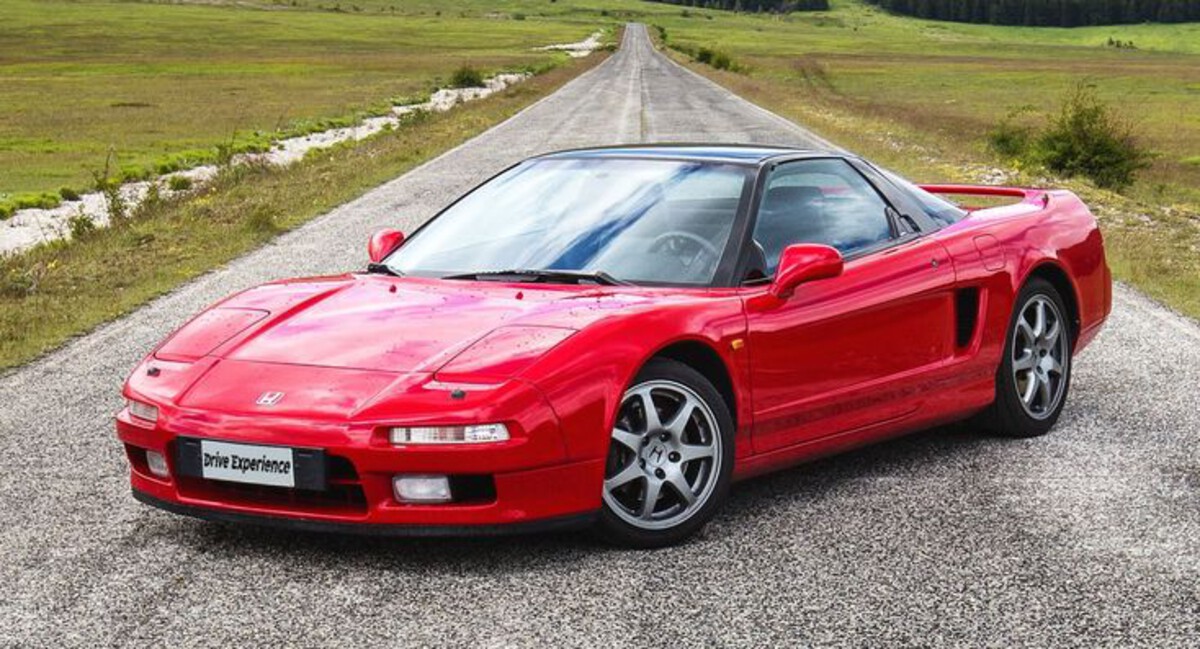
4. Honda NSX (First Generation)
The Honda NSX, first introduced in the early 1990s, revolutionized the idea of a Japanese supercar. Unlike many exotic cars of its era, the NSX combined breathtaking performance with everyday usability, reliability, and driver-focused design.
Its mid-engine layout, paired with a naturally aspirated V6 engine, offered superb balance and responsiveness, allowing drivers to exploit the full potential of the chassis without intimidation.
This level of precision made the NSX appealing not only to professional drivers but also to enthusiasts who sought a thrilling yet approachable experience. Unlike many European supercars, the NSX was engineered with an emphasis on mechanical simplicity, ensuring that even high-performance driving remained predictable and enjoyable.
The exterior design of the NSX was purposeful and forward-thinking. Smooth, aerodynamic lines, integrated spoilers, and a low-slung profile contributed to both aesthetics and performance. The car’s lightweight aluminum construction reduced weight while improving structural rigidity, enhancing handling and agility.
Inside, the cockpit was driver-centric, with seating that encouraged engagement with the pedals and steering. Every control was placed intuitively, allowing the driver to remain focused on the road or track. Even decades after its release, the NSX’s design remains a benchmark for combining elegance with performance.
Its influence extended beyond the streets, inspiring later sports cars and teaching manufacturers that precision engineering could coexist with high performance. For enthusiasts, experiencing an NSX provides insight into Honda’s philosophy of building driver-focused machines that emphasize balance, feedback, and control.
Driving the NSX is a revelation in precision and balance. Its naturally aspirated engine delivers power smoothly across the rev range, while the chassis remains composed under aggressive cornering. Unlike turbocharged competitors, the NSX rewards patient and skillful driving, highlighting finesse over brute force.
Experiencing the NSX is more than acceleration; it is a connection to the road, an understanding of automotive engineering that prioritizes harmony between driver and machine. It remains a quintessential JDM experience for enthusiasts who value precision, elegance, and a car that rewards respect and skill.
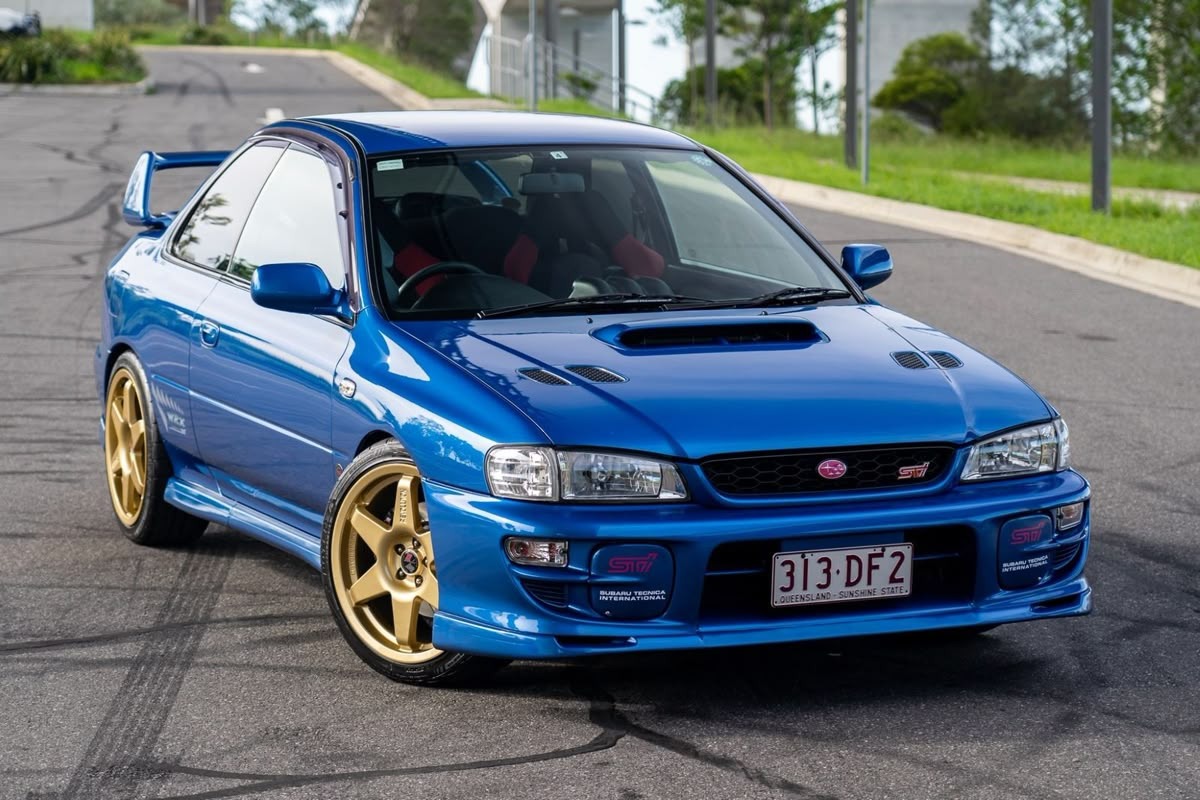
5. Subaru Impreza WRX STI (GC8)
The Subaru Impreza WRX STI, particularly the GC8 generation, is a rally legend that brought motorsport performance into the hands of everyday enthusiasts. Built with a turbocharged boxer engine and all-wheel-drive system, it offered exceptional grip, balance, and agility on a wide variety of surfaces.
Unlike many street cars, the WRX STI delivered raw performance with a visceral feel, translating the thrill of rally racing to the road. Its responsiveness and connection to the driver made it one of the most celebrated performance cars of the 1990s and early 2000s.
Every corner taken in a GC8 STI offers a glimpse into Subaru’s dedication to handling precision and durability, a combination that made the model famous among enthusiasts worldwide.
The WRX STI’s design reflected its rally heritage. Wide fenders, hood vents, and aggressive front fascia not only looked purposeful but served functional roles in cooling and aerodynamics. The interior, while utilitarian, focused on driver engagement, with supportive seats and a straightforward layout that emphasized control over luxury.
Its compact dimensions and relatively low weight enhanced its agility, making it feel smaller than it was and allowing for precise maneuvering on winding roads. The GC8 STI’s ability to inspire confidence in aggressive driving situations contributed significantly to its legendary status.
For enthusiasts, driving one evokes the intensity and excitement of rally stages, even on ordinary streets, offering an unparalleled combination of adrenaline and control. The legacy of the GC8 remains influential, as it set a standard for compact performance cars that could both challenge competitors and serve as practical daily drivers.
Driving the WRX STI is a multi-sensory experience. The turbocharged engine provides thrilling acceleration, while the symmetrical all-wheel-drive system ensures confidence in cornering and traction. Its handling rewards precise inputs, and the chassis communicates the limits clearly, requiring skillful driving to extract maximum performance.
Experiencing a GC8 STI offers a lesson in balance, rally-inspired engineering, and the sheer joy of driving a car that feels alive at all times. It is a JDM icon that every enthusiast should encounter.
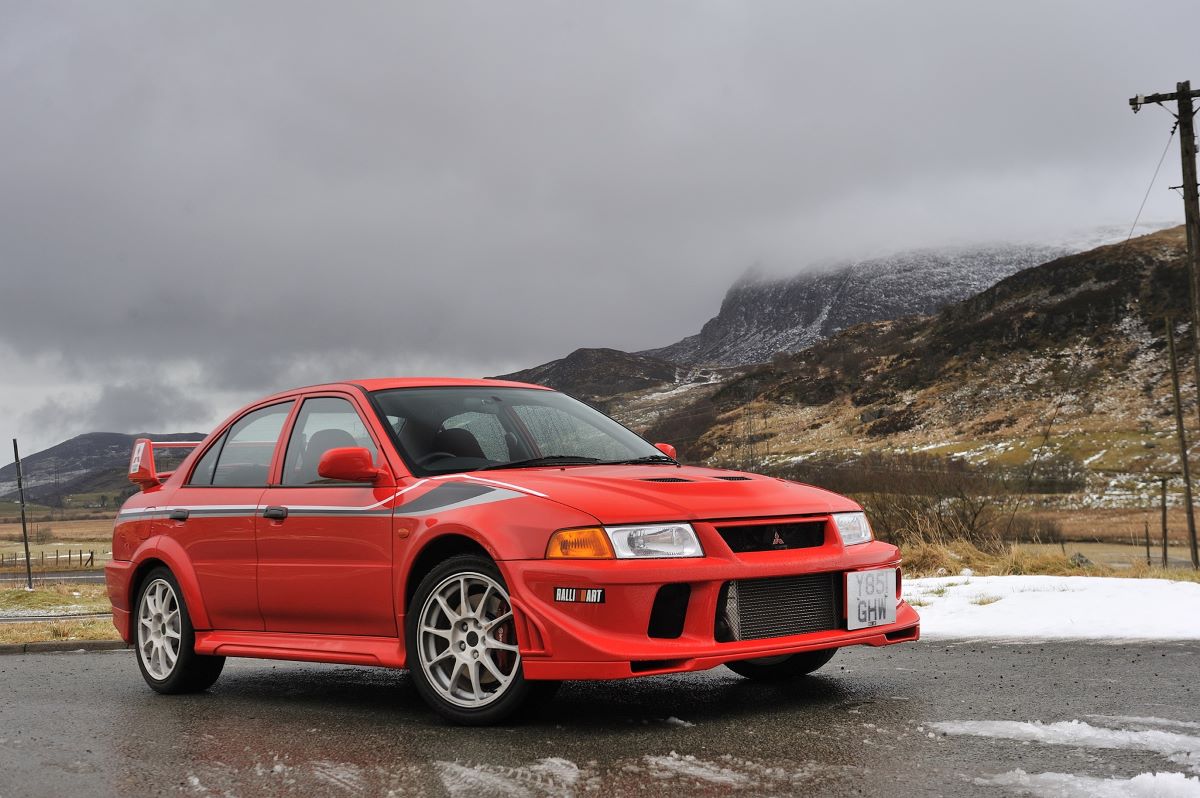
6. Mitsubishi Lancer Evolution VI
The Mitsubishi Lancer Evolution VI represents the culmination of Evolution’s early development in rally racing, blending turbocharged power, all-wheel-drive technology, and lightweight construction.
Known for its ferocious performance, the Evo VI featured a turbocharged inline-four engine with impressive tuning potential.
The car’s design emphasizes functionality, with aggressive aero components, large vents, and a prominent rear spoiler. These features contribute to cooling, stability, and downforce at high speeds, demonstrating Mitsubishi’s commitment to performance-oriented engineering.
Inside, the cockpit is driver-focused, with simple yet effective gauges, bucket seats, and a layout that prioritizes control and responsiveness. Every element reinforces the car’s identity as a machine built for speed and precision rather than luxury or comfort.
The Lancer Evolution VI has become an icon in JDM culture due to its dominance in rallying and its accessibility as a street car. Its success in motorsports demonstrated Mitsubishi’s engineering capabilities, while its availability to enthusiasts allowed for personal connection and modification.
The Evo VI represents a rare combination of race-bred performance and everyday usability, providing an experience that few cars can match. Driving one connects the enthusiast to a lineage of high-performance engineering and motorsport history.
Experiencing an Evo VI is both thrilling and demanding. Its turbocharged engine responds instantly to driver inputs, and the all-wheel-drive system keeps the car planted through corners, even under aggressive driving.
The steering, suspension, and chassis work in harmony, creating a feeling of control and excitement that is rare in modern vehicles.
Owning or driving a Lancer Evolution VI offers an intimate connection to Japanese performance engineering and an unforgettable reminder of the capabilities of a well-engineered compact sports sedan.
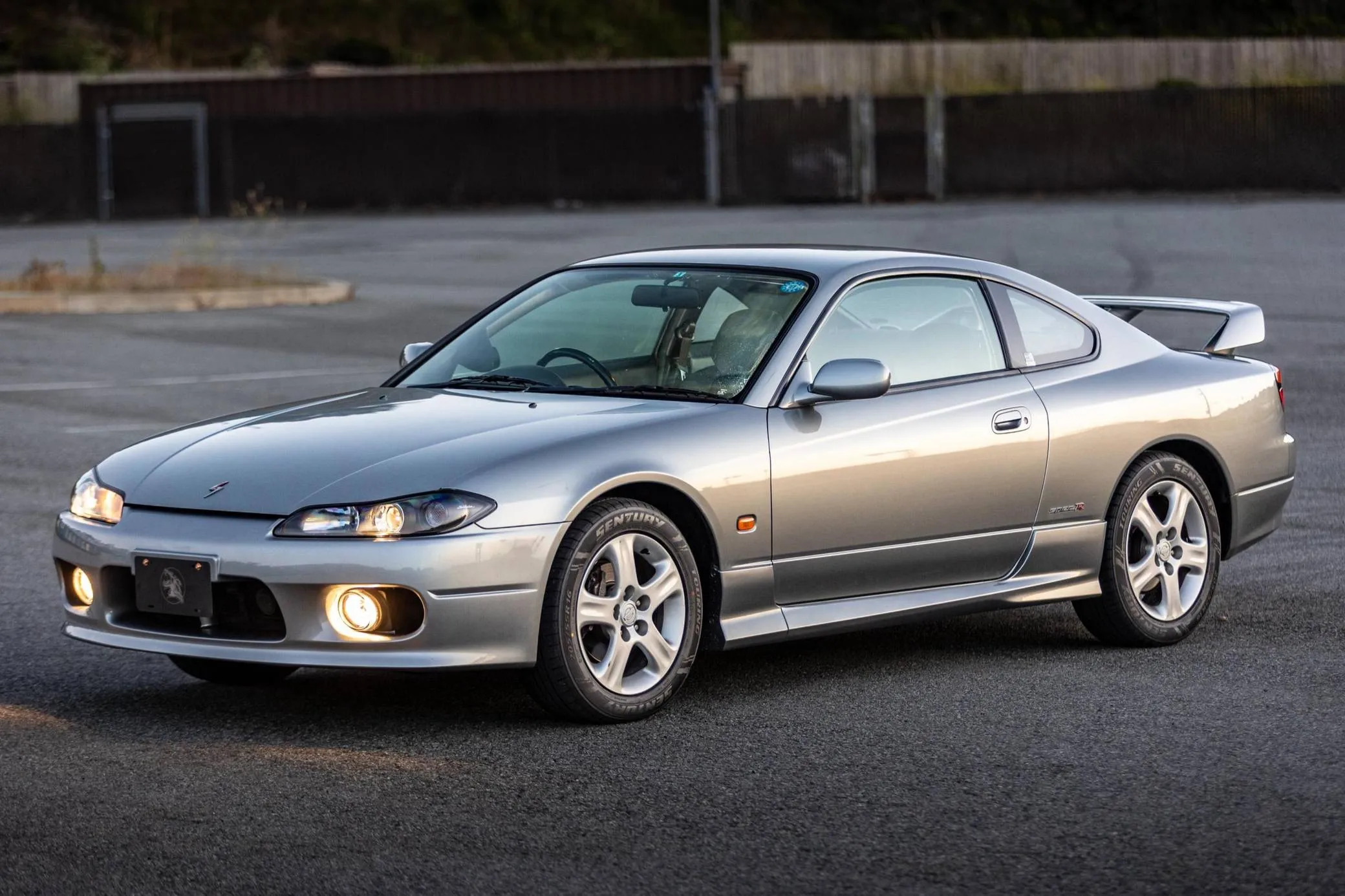
7. Nissan Silvia S15
The Nissan Silvia S15 is widely considered one of the most refined versions of the Silvia lineup. Known for its lightweight construction, rear-wheel-drive layout, and turbocharged SR20DET engine, the S15 offers an exceptionally engaging driving experience.
Its balanced chassis and precise handling make it ideal for both spirited street driving and competitive motorsport, including drifting, where the car has earned legendary status. The S15 provides an experience that emphasizes skill and connection, rewarding drivers who master its responsive dynamics and high-revving power delivery.
Styling played a crucial role in the S15’s appeal. With sleek, flowing lines, low stance, and aggressive front fascia, it captures attention while remaining purposeful. Aerodynamic considerations, such as subtle spoilers and venting, enhance stability and performance at speed.
Inside, the cabin focuses on the driver, with ergonomic controls, supportive seating, and minimal distractions, ensuring that attention remains on the road or track. The interior reinforces the vehicle’s performance-oriented identity while providing comfort and accessibility for everyday use.
The S15 has become a symbol in JDM tuning and drifting culture. Its lightweight chassis allows for extensive modification without sacrificing handling balance, and its turbocharged engine responds well to performance upgrades.
Driving the Silvia S15 is a pure and engaging experience. Its rear-wheel-drive dynamics offer a connection to the road that emphasizes throttle control and steering precision. The turbocharged engine delivers power smoothly but eagerly, allowing for both controlled acceleration and high-performance excitement.
Every corner, turn, and maneuver feels alive, creating a sense of partnership between driver and machine. The S15 remains a must-experience car for enthusiasts who appreciate skillful driving, balance, and the essence of Japanese sports car engineering.
8. Lexus LFA
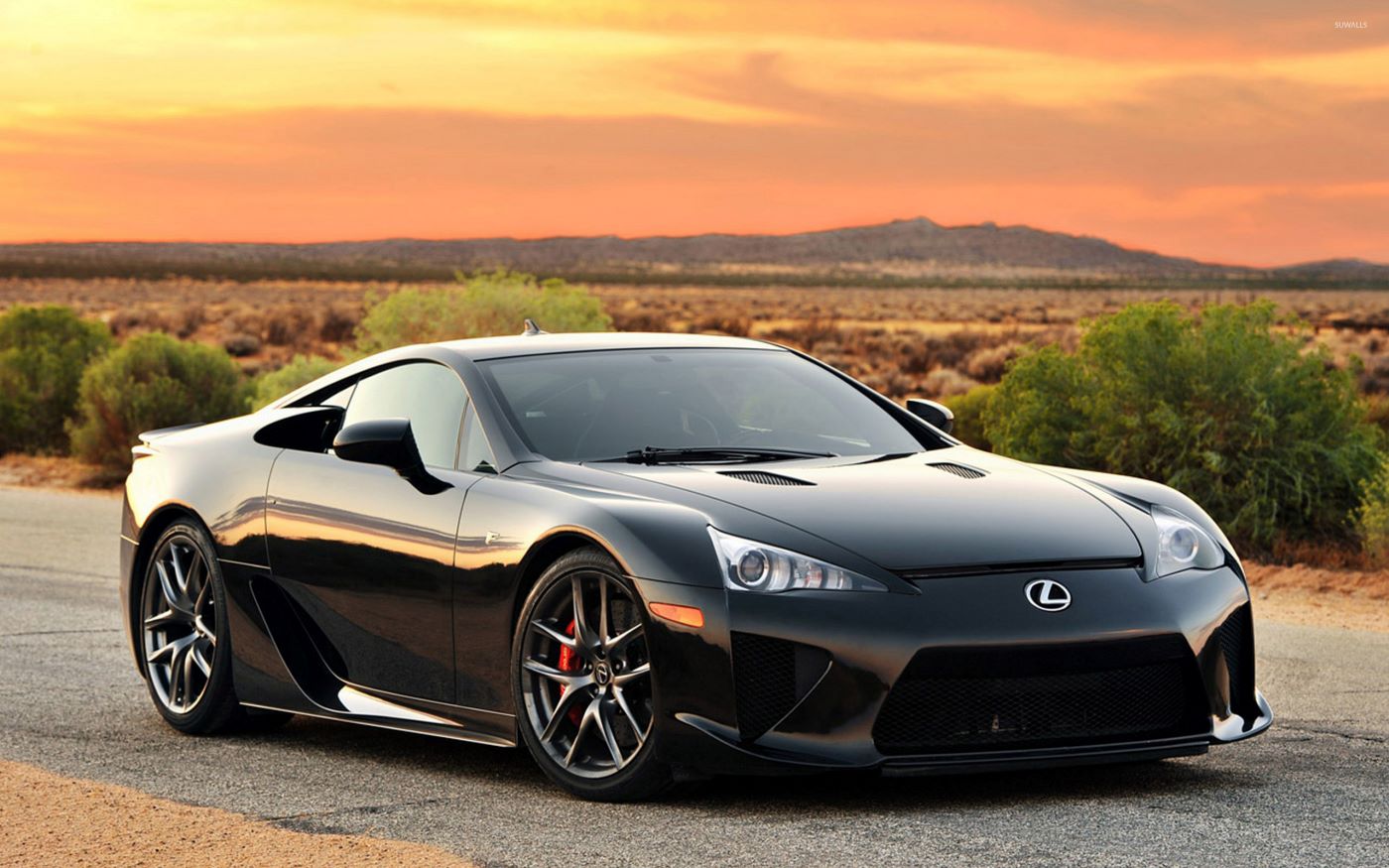
The Lexus LFA is a modern Japanese supercar that showcases engineering excellence and cutting-edge design. Unlike other cars that prioritize comfort or practicality, the LFA is focused entirely on driving purity and performance. Its naturally aspirated 4.8-liter V10 engine produces a distinctive, high-revving soundtrack that is instantly recognizable and thrilling to experience.
The LFA’s exterior design balances elegance and aggression. Its low-slung stance, wide fenders, and purposeful aerodynamic elements contribute to stability and high-speed control. Every detail, from the sculpted side intakes to the rear diffuser, has a functional purpose in managing airflow and cooling.
Inside, the cockpit is focused on the driver, with digital displays, premium materials, and controls engineered for intuitive operation at high speeds. Despite its supercar performance, Lexus ensured the interior was approachable, offering comfort without compromising the immersive driving experience.
The LFA also holds significance in Japanese automotive culture because it represents a rare example of a manufacturer fully embracing engineering freedom. Lexus, typically associated with luxury and reliability, created a car that prioritizes extreme performance, precision, and technology.
Only a limited number were produced, making the LFA a highly sought-after experience for enthusiasts. Driving one allows the owner to witness the culmination of years of research in aerodynamics, materials science, and engine development, making it more than just a car, it is a demonstration of Japanese technical mastery.
Experiencing the LFA on the road or track is an intense sensory journey. The engine’s high-revving character provides exhilaration unmatched by most supercars, while the chassis reacts instantly to driver input, offering precise feedback in corners.
Its braking, steering, and balance are engineered to create confidence, allowing drivers to push the car to its limits safely.
Every drive emphasizes harmony between human and machine, proving that Japanese manufacturers can produce a car that combines innovation, performance, and artistry. The LFA is a must-drive for enthusiasts seeking an advanced and unforgettable JDM supercar.
9. Toyota 86 / Subaru BRZ (GT86)
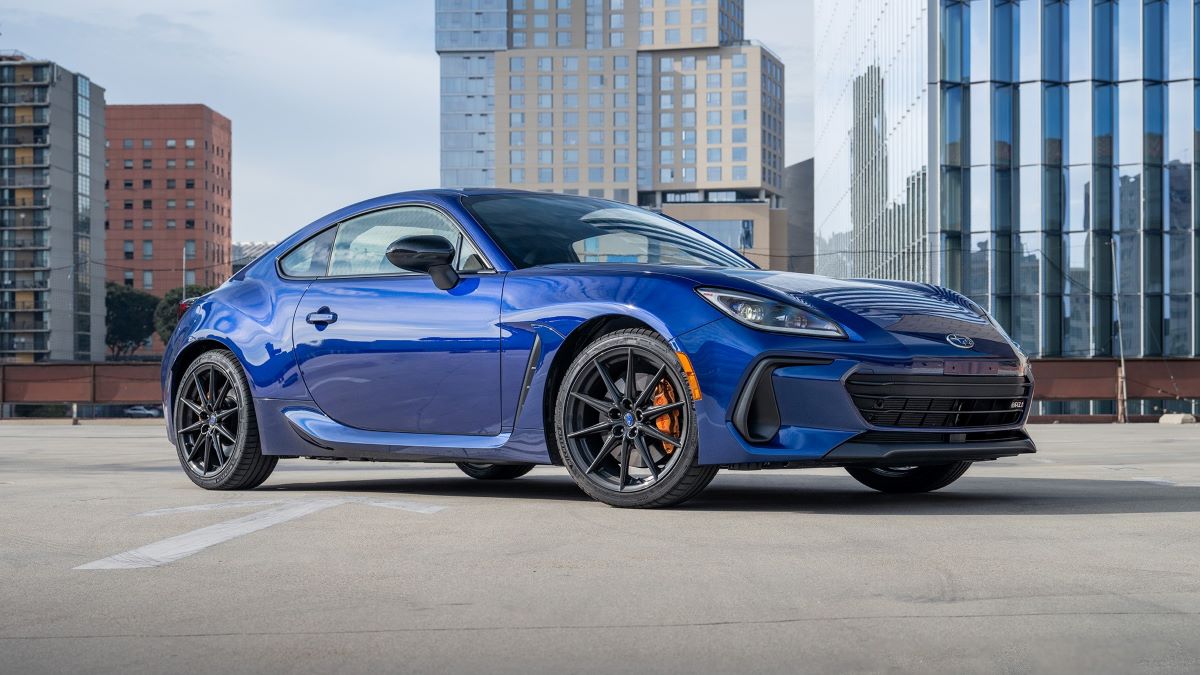
The Toyota 86, also known as the Subaru BRZ, is a modern JDM sports car that emphasizes driving engagement over outright power. Its naturally aspirated flat-four engine and lightweight chassis create a balanced, responsive, and playful driving experience.
Design is another strong point for the 86/BRZ. Its low, sleek profile, aggressive front fascia, and sculpted sides give it a purposeful and athletic presence. Aerodynamics were carefully considered to provide stability at higher speeds, while the lightweight construction keeps handling responsive and sharp.
Inside, the cockpit is driver-focused, with supportive seats, intuitive controls, and clear visibility, creating an environment that encourages engagement and concentration. Comfort is sufficient for daily driving, but the emphasis is clearly on performance and connection.
Culturally, the 86/BRZ represents a return to affordable and accessible sports cars that prioritize driver enjoyment. It is a car that enthusiasts can modify and tune to personal preferences without compromising the balance and handling that make it so enjoyable from the factory.
The platform has gained a strong following in both track and drift communities, reinforcing its status as a versatile and capable sports car. Driving one provides insight into Japanese engineering philosophy, where simplicity, balance, and driver interaction are prioritized over excessive power or complexity.
On the road, the 86/BRZ delivers a dynamic and playful experience. Its engine provides smooth power delivery, while the chassis and suspension offer precise feedback and responsive handling. Cornering feels intuitive and rewarding, allowing drivers to explore the limits of grip while maintaining control.
The car’s lightweight nature amplifies its agility, making it enjoyable in both city streets and winding mountain roads. For enthusiasts seeking a modern JDM car that emphasizes skillful driving and connected performance, the Toyota 86/BRZ is a must-experience vehicle that captures the spirit of fun behind the wheel.
10. Mazda MX-5 Miata (ND)
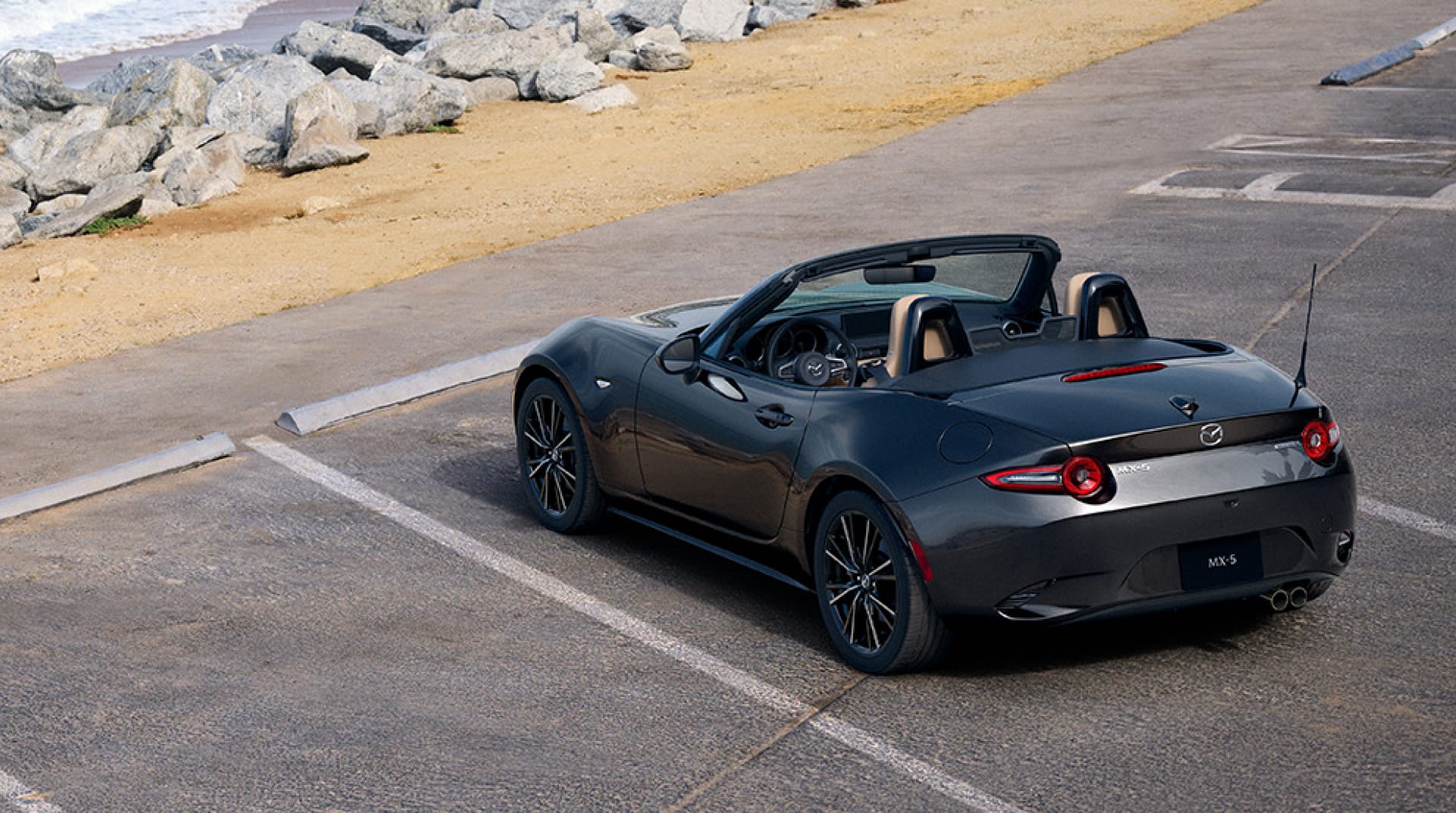
The Mazda MX-5 Miata is one of the most celebrated lightweight sports cars in history, and its ND generation continues the legacy of simplicity, balance, and pure driving enjoyment. Unlike high-powered JDM sports cars, the Miata prioritizes connection and feel over brute force. Its compact size, low weight, and precise steering create a vehicle that is remarkably responsive and fun to drive.
The naturally aspirated engine, while modest in output, allows drivers to focus on momentum, cornering, and maintaining a harmonious rhythm on the road. The Miata’s philosophy is clear: driving should be engaging, rewarding, and accessible to everyone.
The ND Miata’s design emphasizes both agility and style. Its sleek, aerodynamic body, retractable roof, and lightweight construction contribute to handling and performance, while also providing a visually appealing silhouette. Inside, the cabin is minimalist yet ergonomic, designed to keep the driver connected to the car and the road.
Controls are simple, seats supportive, and the layout ensures focus remains on the driving experience rather than distractions. This approach reinforces Mazda’s commitment to delivering a pure sports car experience.
Culturally, the MX-5 Miata embodies the concept of a car built for the joy of driving. It is not the fastest or most powerful JDM car, but its balance, handling, and approachability have earned it a devoted following worldwide.
The Miata is frequently used in track days, autocross events, and spirited weekend drives, demonstrating its versatility and charm. For enthusiasts, driving the ND Miata is an exercise in precision, timing, and connection, showing that less can be more when engineering a vehicle with driving purity in mind.
On the road, the ND Miata’s agility is immediately apparent. Its responsive steering and low center of gravity allow it to dance through corners with confidence, while the lightweight construction makes even small changes in throttle or steering feel impactful.
