
Choosing a car for daily driving is rarely just about looks or speed. For many people, the decision quietly shapes daily routines, financial stability, and even stress levels. A dependable daily driver can simplify life, reduce unexpected expenses, and offer peace of mind during long commutes or quick errands.
On the other hand, a poorly chosen vehicle can become a constant source of frustration, draining both time and money while demanding attention that most drivers never planned for. Understanding the difference between sensible daily drivers and cars that quietly accumulate repair bills is essential, especially for someone like Tyler who needs reliability without constant compromise.
Daily drivers need to perform consistently in real conditions rather than ideal ones. They must handle traffic, weather changes, short trips, and occasional long journeys without complaint.
Fuel efficiency, maintenance costs, availability of parts, and long term durability matter far more than flashy features. While almost any car can feel exciting during the first few months, the true test begins after years of ownership when small weaknesses turn into recurring expenses.
On the opposite end of the spectrum are vehicles that often appeal emotionally but punish owners financially. These cars may offer performance, luxury, or unique styling, yet they tend to demand frequent repairs, specialized servicing, or premium components. Owners may tolerate these costs initially, believing the experience justifies the expense, but over time the reality becomes harder to ignore. Repair bills accumulate quietly, often outpacing the original purchase price.
This article separates practical choices from financial pitfalls by examining ten vehicles. Five are reliable options that suit Tyler as daily drivers, while five others are known for turning ownership into an expensive commitment.
Each vehicle is discussed in detail, focusing on everyday usability, reliability patterns, ownership experience, and long term costs. The goal is not to praise or criticize blindly, but to offer realistic perspectives based on mechanical behavior, maintenance trends, and how these cars fit into daily life rather than ideal scenarios.
5 Cars for Tyler Daily Drivers
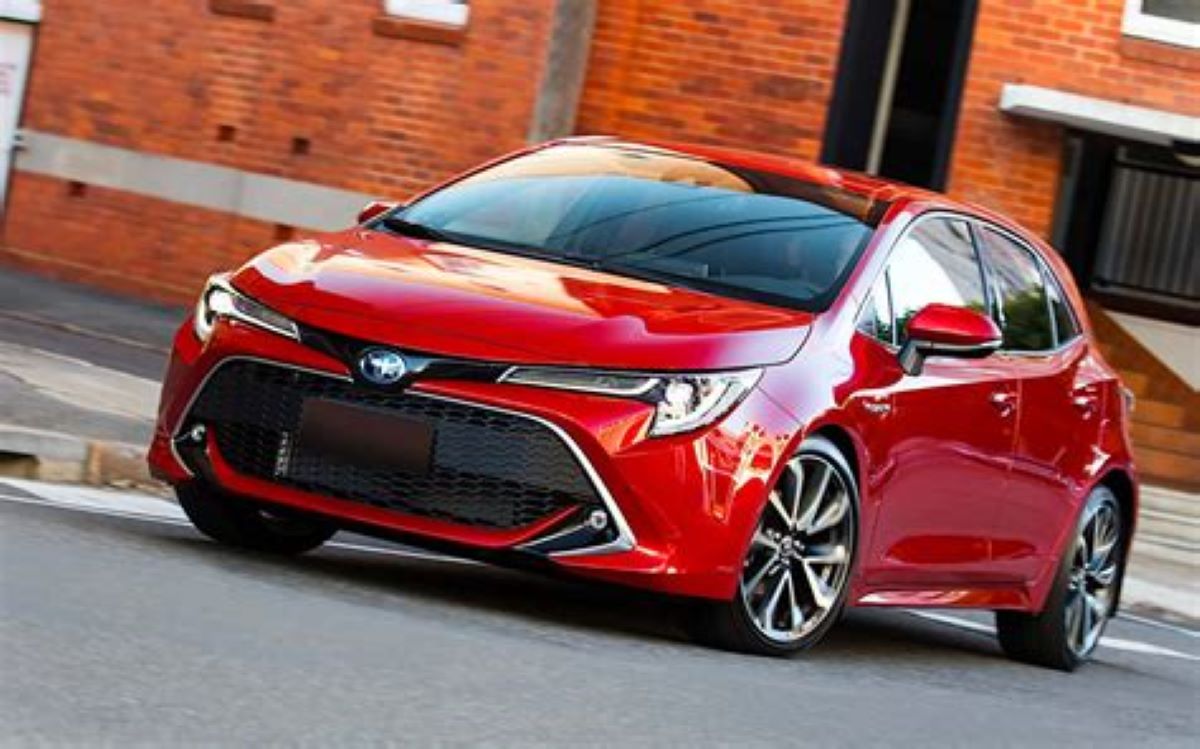
Toyota Corolla
The Toyota Corolla has built its reputation on consistency rather than excitement, and for good reason. It is often considered one of the most reliable compact sedans on the market, with decades of proven engineering that prioritizes durability over flashy features.
For daily use, it excels by performing precisely what drivers need without surprises or interruptions, whether navigating crowded city streets or taking longer highway trips. Its engines are designed for longevity, often surpassing 200,000 miles without major issues when maintained properly.
Additionally, Toyota’s conservative approach to performance reduces the likelihood of mechanical failures caused by overstressed components, which is a key consideration for someone who depends on their car every day for commuting or errands. The Corolla is not just a vehicle but a tool that supports a structured and predictable daily routine.
Maintenance costs for the Corolla remain manageable because parts are both widely available and relatively inexpensive. Routine services such as oil changes, brake replacements, and suspension maintenance are straightforward, and most mechanics are very familiar with the platform, which reduces labor costs.
Even when unexpected repairs occur, the combination of standardization and simplicity in the car’s design ensures they are rarely complicated or exorbitantly expensive.
Over the long term, this reliability translates into financial stability for owners, reducing the stress often associated with car ownership. In a sense, the Corolla rewards proactive maintenance habits with dependable performance, enabling drivers to focus on their daily responsibilities rather than worrying about potential breakdowns or unexpected costs.
Fuel efficiency is another significant strength of the Corolla that supports its role as a daily driver. It is engineered to provide consistent mileage in both city and highway driving, making it ideal for commuters who want to minimize fuel costs. Unlike some vehicles where efficiency can degrade sharply over time, the Corolla’s engines maintain stable fuel consumption even as mileage accumulates, helping owners stick to a predictable budget.
The combination of a fuel-efficient drivetrain, lightweight design, and aerodynamic profile creates a balance between performance and economy. This allows drivers to enjoy a smooth ride without feeling guilty about frequent stops at the gas station, a critical consideration for students or professionals who rely on their car every day.
Comfort and practicality are also strong points of the Corolla. While it may not offer luxury-grade materials, the seating is supportive enough for long commutes, visibility is excellent, and the controls are intuitive and user-friendly. Storage space is sufficient for groceries, backpacks, or small cargo, and the interior layout minimizes distractions for the driver.
In addition, the Corolla’s predictable handling and smooth ride quality make it easy for both new and experienced drivers to feel confident on the road. It does not demand excessive attention or effort from the driver, which is precisely why it remains a top choice for a reliable daily companion.
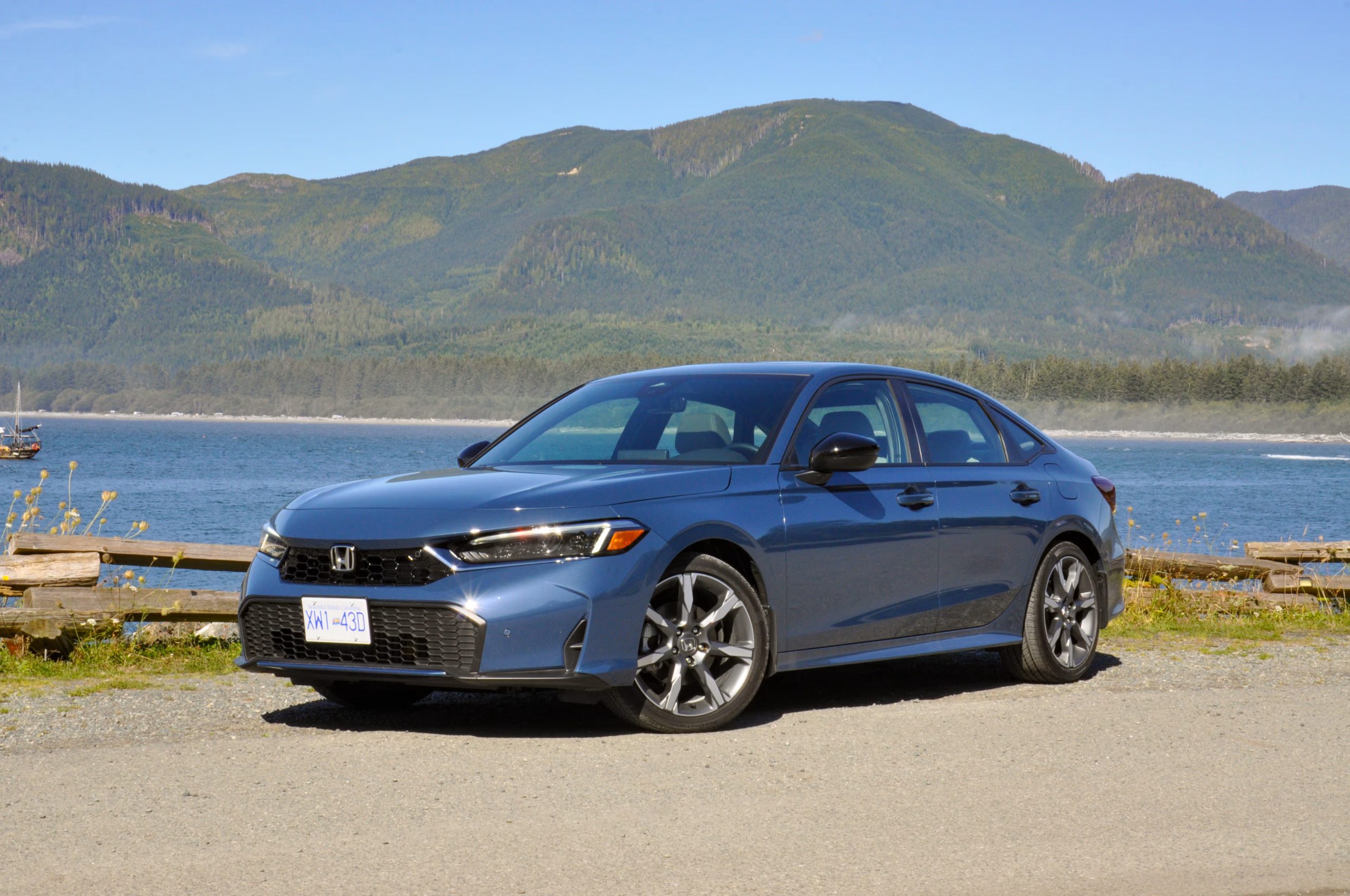
Honda Civic
The Honda Civic strikes an impressive balance between reliability and a more engaging driving experience than many compact cars. Unlike some sedans that prioritize utility above all else, the Civic provides responsive handling and a smoother, more enjoyable ride without introducing complexity that could compromise long-term reliability.
Its engines are designed to be efficient and durable, supporting high mileage ownership with minimal issues. For a daily driver, this combination of reliability and driving satisfaction creates a vehicle that feels lively and competent, rather than mechanical and uninspiring. The Civic’s engineering emphasizes simplicity and durability, allowing drivers to focus on their commutes instead of constant maintenance concerns.
Engine reliability is one of the Civic’s most significant strengths, making it a standout in the compact sedan segment. Many models can achieve well over 200,000 miles with proper maintenance, and common issues such as timing belt wear, coolant leaks, or transmission problems are typically predictable and manageable.
Honda’s engineering philosophy emphasizes robust internal components that tolerate regular use without major failures. This reliability reduces the risk of unexpected repair bills and helps drivers maintain confidence in their vehicle’s performance, which is particularly important for individuals who rely on their car daily to meet work or school commitments.
Ownership costs for the Civic are reasonable and predictable. Replacement parts are widely available, and the aftermarket provides many affordable options for maintenance or upgrades. Routine repairs such as brake replacements, battery changes, and minor suspension work are straightforward, and most mechanics have extensive experience with the platform.
Insurance costs also tend to be moderate, particularly when compared to larger sedans or vehicles with higher performance profiles. The combination of affordable parts, manageable labor, and dependable insurance rates ensures that the Civic can remain a cost-effective choice over the long term, making it a practical investment for daily use.
The interior design of the Civic supports comfort, convenience, and functionality, which are critical for a daily driver. Seats are supportive and ergonomically designed, offering comfort on longer trips while keeping the driver in control. Controls are logically arranged, making it easy to operate the vehicle without distraction.
Noise levels are kept low, enhancing the sense of refinement, and cabin storage is adequate for everyday necessities. While it may not offer the luxury of more premium vehicles, the Civic excels at providing a practical, durable, and enjoyable driving environment that meets the daily needs of its owners.
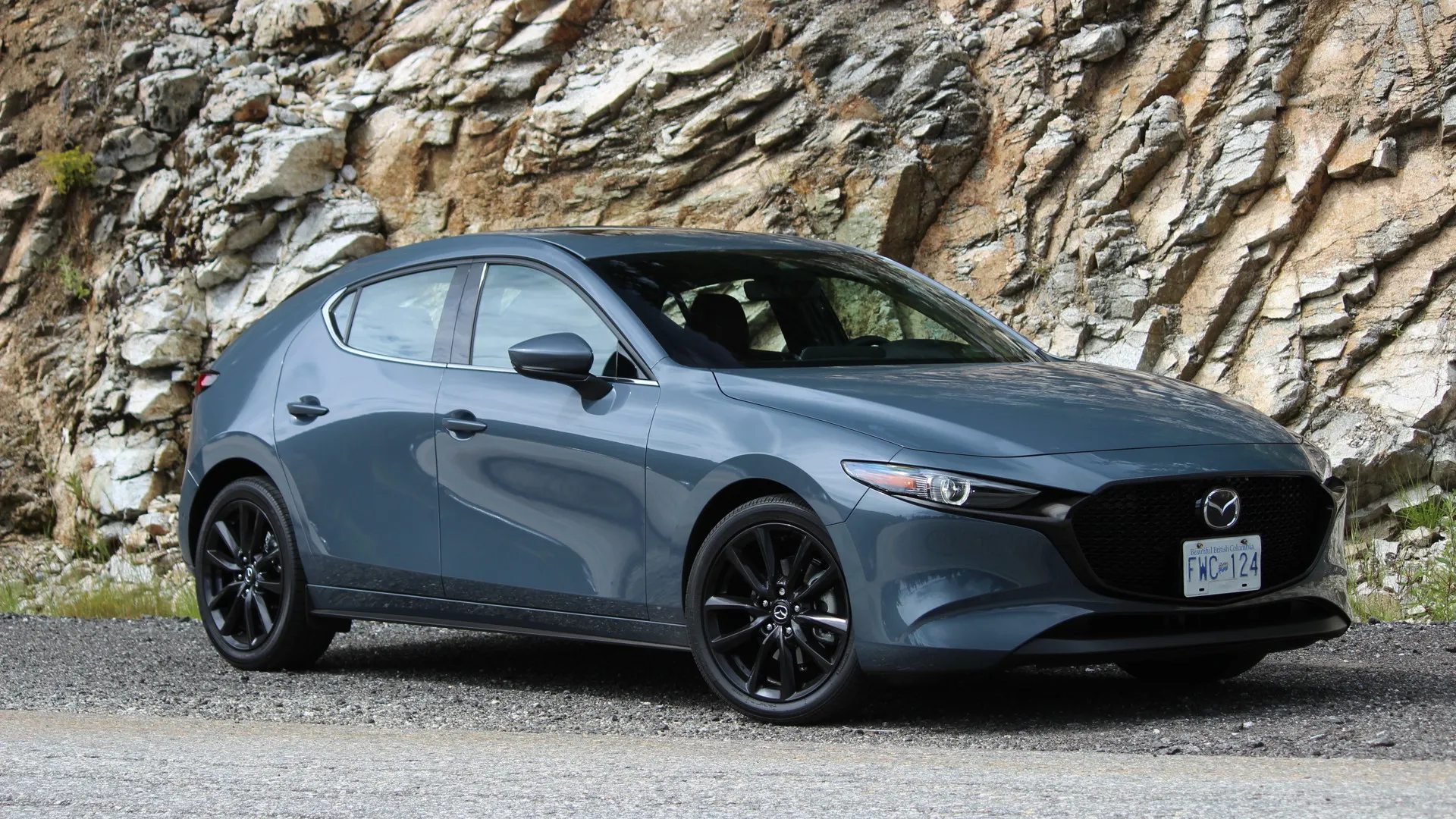
Mazda 3
The Mazda 3 has gained a reputation for offering a refined driving experience while remaining dependable for daily use. It combines an engaging driving feel with strong build quality and mechanical simplicity, which makes it a suitable choice for someone who wants more driving enjoyment without sacrificing reliability.
Its responsive steering and well-tuned suspension allow for confident handling in city traffic, winding roads, or highway cruising. While it is fun to drive, it does not compromise the practical aspects that define a reliable daily driver. This balance of performance and usability sets it apart from many other compact sedans.
Mazda’s approach to engine design contributes significantly to long-term reliability. Many models feature naturally aspirated engines rather than complex turbocharged systems, reducing stress on internal components and minimizing the likelihood of expensive failures.
Regular maintenance, such as oil changes and coolant checks, is straightforward and relatively inexpensive. When handled consistently, these engines can remain strong and dependable for years, providing predictable performance without the frequent surprises that can plague more complex vehicles. For daily commuting or weekend trips, this reliability ensures that drivers can rely on their car for consistent transportation.
Maintenance requirements for the Mazda 3 are relatively simple, which enhances its appeal as a daily driver. The platform avoids unnecessary electronic complexity while still providing modern conveniences such as infotainment systems and safety features.
Replacement parts are readily available, and the labor involved in repairs is generally uncomplicated. These factors combine to keep the long-term cost of ownership reasonable, which is critical for someone managing a daily driving schedule. Predictable maintenance cycles also allow for easy planning, reducing the stress of unexpected car troubles or repair costs.
The interior of the Mazda 3 strikes a balance between practicality and comfort. Seating is supportive for both short and long journeys, and controls are logically placed for intuitive use. Noise levels inside the cabin are well managed, contributing to a pleasant driving experience even during rush hour traffic.
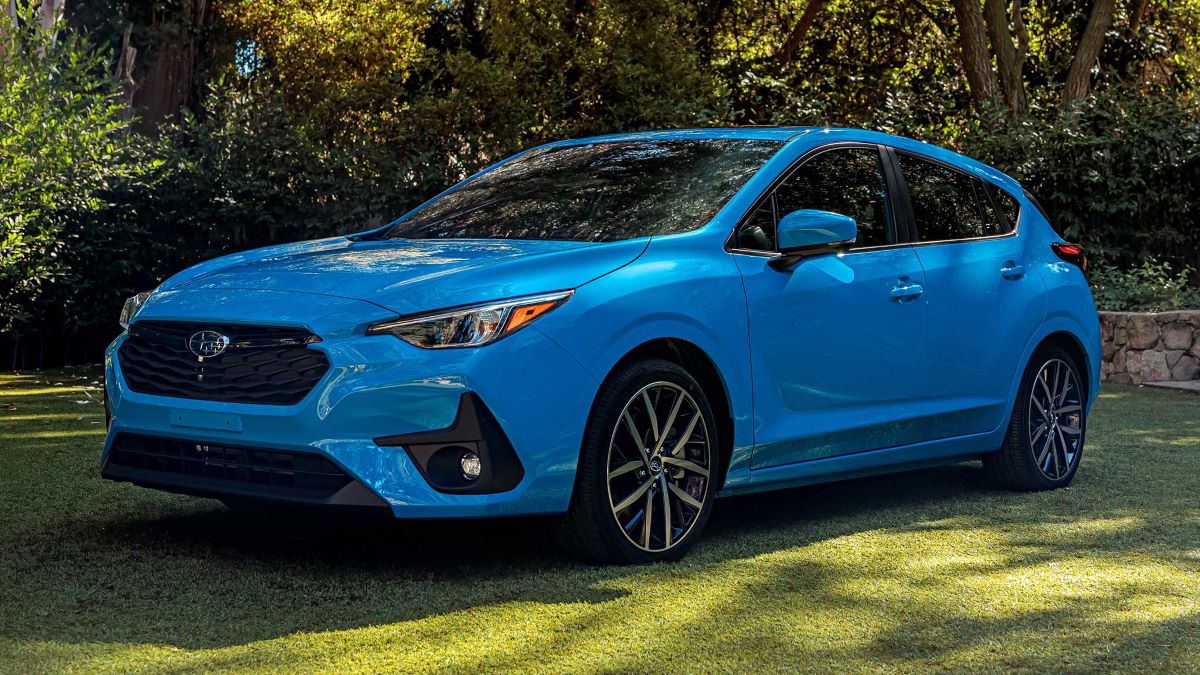
Subaru Impreza
The Subaru Impreza is unique among compact sedans because it comes standard with all wheel drive. This feature provides enhanced stability and control in various weather conditions, such as rain, snow, or wet roads, which can be particularly valuable for daily drivers who live in regions with unpredictable climates.
The system is engineered to be reliable and low maintenance, unlike some all wheel drive setups that require constant attention. For a driver like Tyler, this means confidence during daily travel without the stress of losing traction in unexpected conditions.
Subaru’s use of the boxer engine contributes to the Impreza’s distinctive driving feel and reliable performance. The horizontally opposed engine layout lowers the center of gravity, improving stability and handling during cornering or abrupt maneuvers.
While boxer engines require careful maintenance, when serviced properly they tend to remain dependable over many miles. These engines are less prone to certain types of wear seen in inline engines, which can extend the vehicle’s lifespan and reduce the likelihood of serious mechanical failures. This combination of stability and engine reliability makes the Impreza a practical daily driver.
Routine maintenance costs for the Impreza are reasonable, though slightly higher than some competitors due to the unique drivetrain. Oil changes, brake work, and other standard maintenance are familiar to most mechanics and parts are relatively easy to source.
However, the added durability of the all wheel drive system can offset slightly higher maintenance costs by providing consistent performance in conditions that might challenge other vehicles. Over time, the benefits of traction and safety often justify the slightly higher ownership costs for drivers who rely on their car every day.
The interior of the Impreza is designed for practicality and ease of use. Visibility is excellent, controls are logically arranged, and storage options are sufficient for groceries, bags, or small luggage. While it is not as luxurious as some competitors, the Impreza emphasizes functionality and user-friendly design, which supports daily driving.
Comfort is adequate for longer trips, and the interior layout minimizes driver fatigue, making it a reliable companion for a variety of driving conditions. Its focus on practicality rather than flash ensures it remains a dependable and versatile choice for everyday use.
Hyundai Elantra
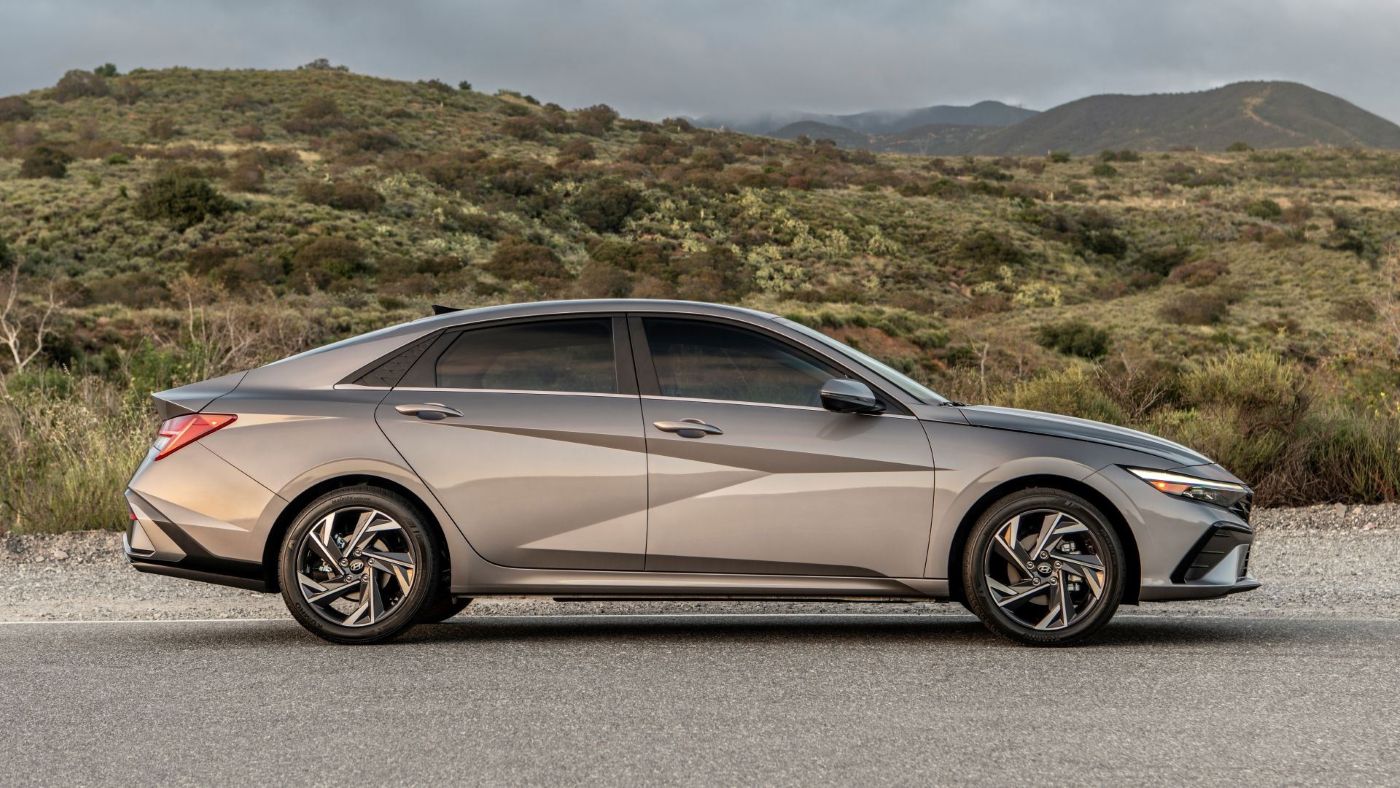
The Hyundai Elantra has evolved over the years into a practical, reliable, and cost-effective daily driver. Modern models combine efficient engines with simple, durable transmissions, resulting in dependable performance over a variety of conditions.
Unlike vehicles that rely heavily on complex technology, the Elantra emphasizes reliability through straightforward engineering. This makes it particularly appealing for someone who needs a car for consistent commuting or running errands without constant attention to repairs or unexpected issues.
Hyundai’s commitment to long warranties reflects the company’s confidence in the Elantra’s durability. Many models come with extended coverage for powertrain and key components, providing peace of mind during the first several years of ownership.
While warranties do not replace proper maintenance, they reduce the financial risk of unforeseen mechanical problems early in the vehicle’s life. This combination of durable engineering and extended coverage ensures that the Elantra can be a practical investment for daily drivers, particularly those concerned about long-term reliability.
Fuel efficiency is another key advantage of the Elantra, which helps reduce daily operating costs. The vehicle performs well in urban traffic, suburban commuting, and highway travel, maintaining consistent fuel economy under varying conditions.
This predictability allows owners to budget accurately for fuel expenses, a major factor in daily driving decisions. Unlike vehicles with declining efficiency over time, the Elantra’s powertrains are engineered to sustain good performance, which makes it easier for drivers to rely on it as a long-term transportation solution.
The interior of the Elantra is designed to enhance comfort and convenience. Seats are supportive, ergonomically designed, and spacious enough for adults to travel comfortably on longer journeys. Controls are intuitive and easy to use, minimizing driver distraction, while the cabin layout provides adequate storage for personal items, groceries, or small luggage.
The simplicity of the interior contributes to durability, as fewer delicate components are likely to fail over time. By combining practicality, comfort, and reliable mechanical performance, the Elantra offers a comprehensive solution for daily driving needs.
5 That Rack Up Bills
BMW 7 Series
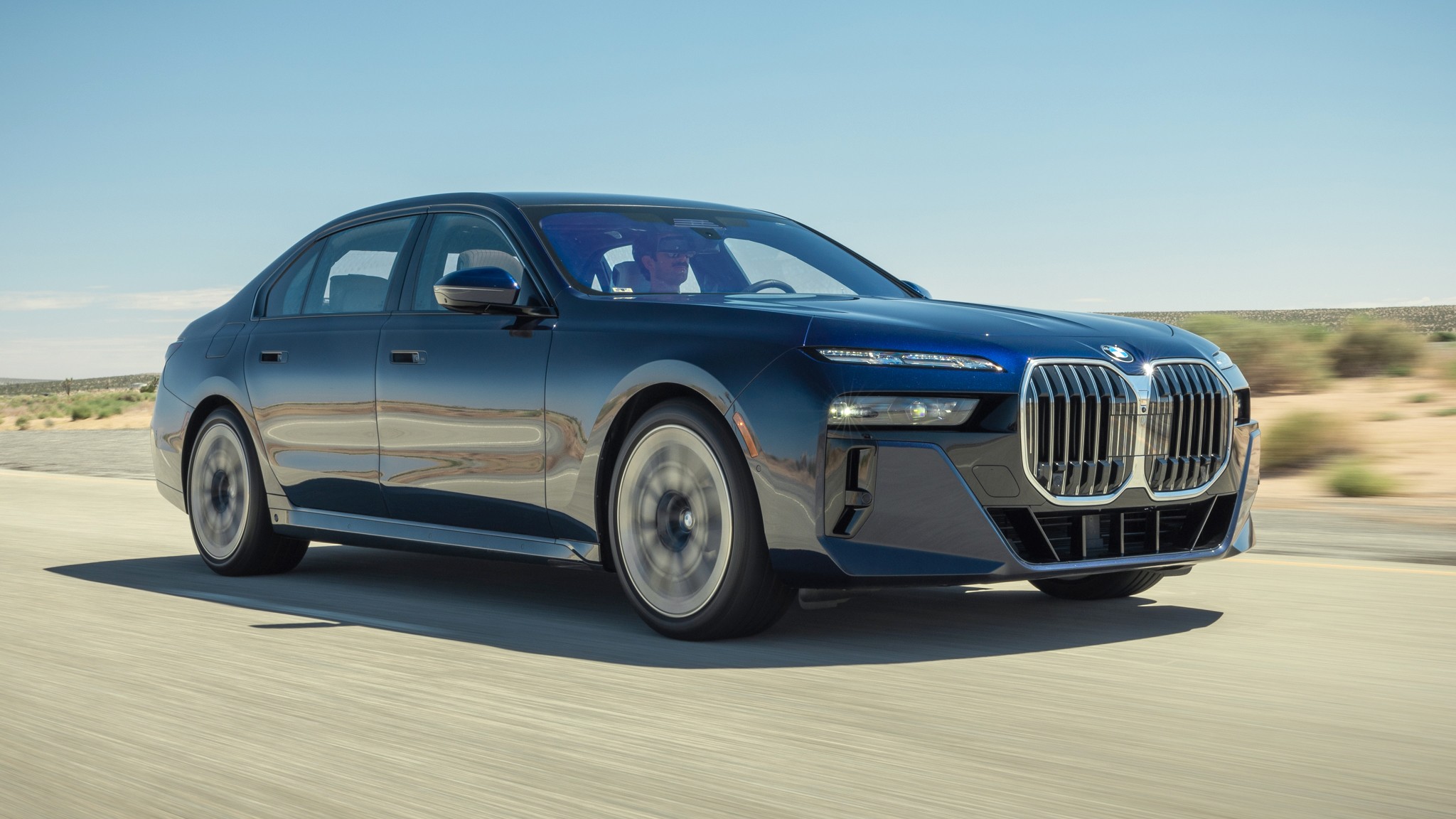
The BMW 7 Series is a symbol of luxury and performance, yet these qualities often come with hidden financial burdens. The car is packed with advanced electronic systems that control everything from suspension adjustments to infotainment and climate control.
While impressive when fully operational, these systems are prone to failure over time. Each malfunction can require specialized diagnostics, often only available at authorized service centers, making repairs expensive. For daily drivers, this means the risk of encountering unexpected problems is high, and each repair can take both time and money, transforming a vehicle meant for comfort into a source of stress.
The complexity of the 7 Series’ engine contributes significantly to maintenance costs. High-performance engines, especially those with turbocharging or complex cooling systems, operate under constant stress. Components such as turbochargers, high-pressure fuel pumps, and sophisticated cooling circuits are prone to wear, and failures can be costly.
Even minor issues, such as a malfunctioning sensor or an oil leak, can escalate into major repairs if not addressed promptly. This combination of advanced engineering and delicate components means owners must remain vigilant, and small maintenance mistakes can quickly result in expensive repairs.
Replacement parts for the BMW 7 Series are often proprietary and costly. Even routine items such as brakes, filters, or belts can come with premium pricing, and labor is often higher due to the complexity of the vehicle. Repairs that might be simple on other cars become time-consuming projects requiring specialized tools and knowledge.
Owners frequently find that what appears to be a minor problem can translate into hundreds or even thousands of dollars in service bills. Over time, these costs accumulate, making ownership a financial challenge rather than a simple matter of driving enjoyment.
While the driving experience is undeniably refined, the financial burden can overshadow the enjoyment of the car. Daily use can quickly become stressful, as owners must constantly monitor the car’s condition to avoid costly breakdowns.
The combination of high maintenance costs, complex systems, and expensive parts creates an ownership experience that can feel more like managing a collection of problems than enjoying a luxury sedan. For someone looking for a dependable daily driver, the 7 Series demonstrates how sophistication can translate into continuous expenses rather than convenience.
Mercedes Benz S Class
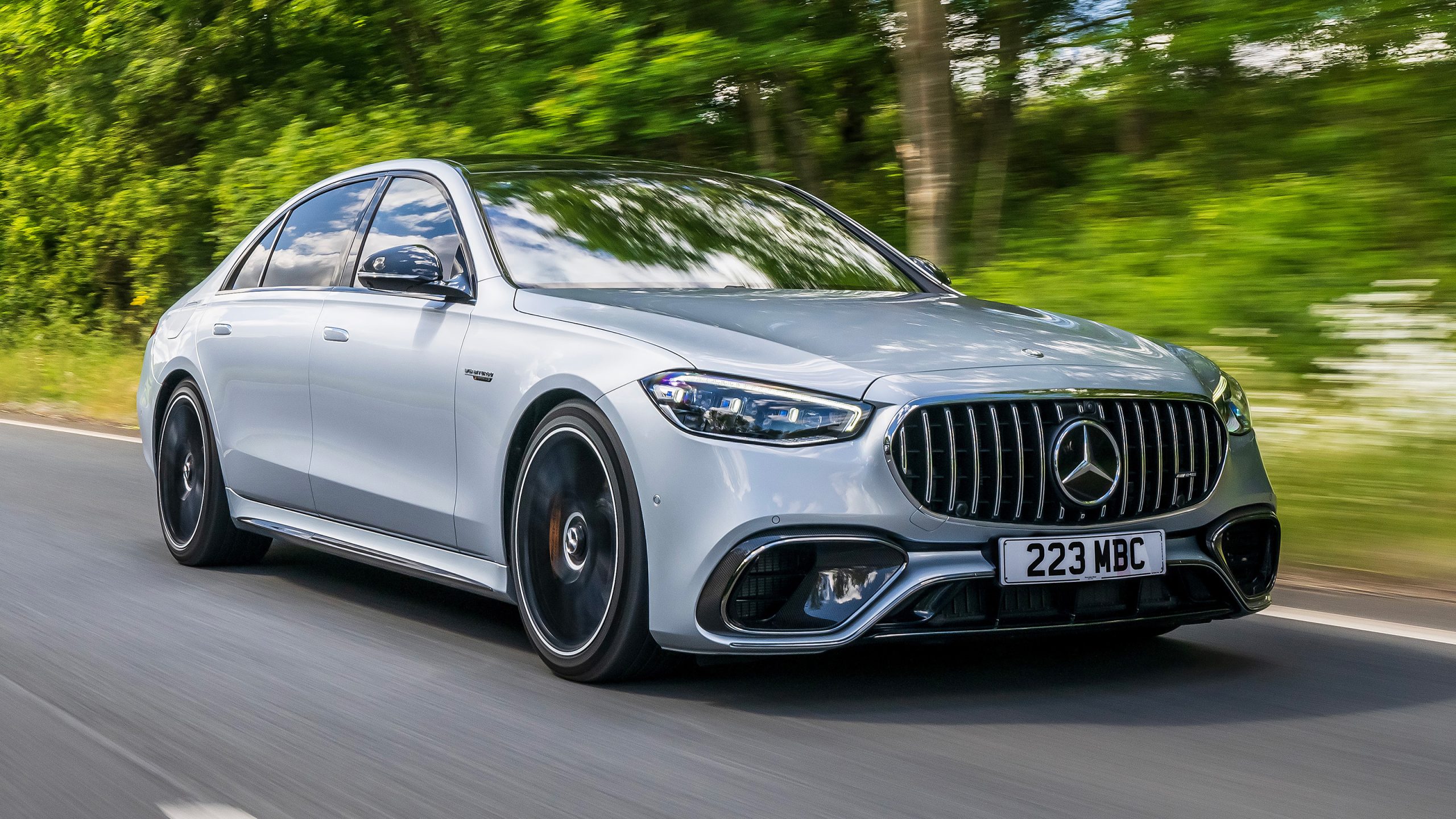
The Mercedes Benz S Class represents one of the pinnacles of automotive luxury, but this sophistication comes with a high likelihood of financial strain. Its advanced suspension, particularly the air suspension system, offers unmatched comfort but is prone to wear and failure over time.
Repairing or replacing air suspension components is complex and costly, often exceeding the prices of equivalent repairs on simpler vehicles. Daily use can accelerate wear, especially on rough roads, leading to frequent visits to specialized service centers. This makes owning an S Class for regular commuting a potentially expensive commitment.
Electronic systems dominate nearly every function in the S Class, from seat adjustments to advanced driver assistance features. As the vehicle ages, malfunctions in these systems become more frequent, often triggered by software glitches or sensor failures.
Diagnosing these problems requires specialized expertise and diagnostic equipment, increasing labor costs. Even seemingly minor electronic faults, such as malfunctioning infotainment screens or seat controls, can result in extensive service sessions and high bills. For a driver relying on the car daily, these issues can turn routine maintenance into a continuous financial concern.
The S Class engines are powerful and refined, but they demand careful maintenance to avoid costly breakdowns. High-output powertrains generate significant heat and stress on components, making timely oil changes, fluid replacements, and inspections crucial.
Ignoring service intervals or using non-specialized parts can quickly lead to serious engine problems. As a result, the combination of sophisticated engineering and intensive maintenance requirements means owners must remain proactive or risk expensive repairs that can dwarf the vehicle’s purchase price.
While the S Class provides comfort and luxury unmatched by many competitors, its high operating costs often make daily driving impractical. The vehicle is designed for refinement and prestige, but frequent repairs and ongoing maintenance challenges can overshadow these benefits.
Drivers who use the S Class daily may find themselves constantly budgeting for repairs instead of enjoying the driving experience, transforming a symbol of status into a recurring financial obligation rather than a convenient tool for commuting or errands.
Range Rover
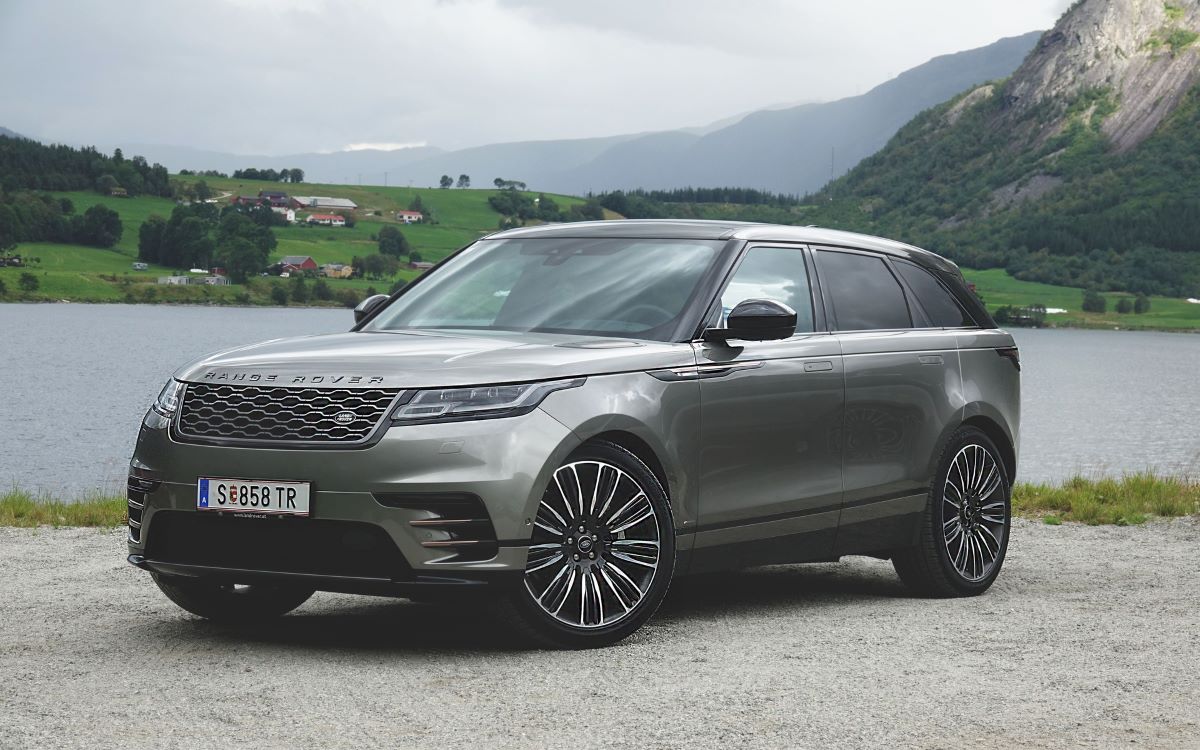
Range Rover vehicles are renowned for off-road capability and luxury, yet these qualities often come with a high cost of ownership. The advanced drivetrain and terrain management systems, which allow the vehicle to perform in challenging conditions, also increase the likelihood of component failures.
Axles, transfer cases, and air suspension systems are particularly vulnerable when subjected to regular city driving, as the systems are engineered for off-road stress but can wear faster in daily commuting conditions. This results in frequent, costly repairs for owners who rely on the vehicle for everyday travel.
Electrical issues are another common source of frustration with the Range Rover. Sensors controlling everything from traction to infotainment frequently malfunction, often interacting unpredictably with other electronic systems.
Diagnosing these issues is rarely straightforward, as multiple systems can fail simultaneously or intermittently. Owners often face repeated trips to service centers, with no guarantee that a single visit will fully resolve the problem. These recurring electronic faults contribute to an ownership experience dominated by repair bills rather than driving enjoyment.
Maintenance costs for Range Rovers are consistently high, even for routine servicing. Specialized parts and labor requirements mean that even minor repairs can be expensive, and replacement components are often proprietary.
Tasks such as brake work, oil changes, and suspension repairs can exceed the cost of equivalent work on simpler vehicles. Over time, these repeated expenses accumulate, making ownership financially demanding and reducing the practical appeal of the vehicle for daily use.
While the Range Rover provides a commanding driving position, comfort, and a sense of luxury, the high frequency of mechanical and electronic issues can make daily use stressful. Owners often spend significant time and money managing the car’s various systems rather than enjoying its capabilities.
The combination of complex engineering, sensitive electronics, and costly maintenance creates an ownership experience that is far more demanding than the benefits of driving a luxurious SUV would suggest.
Maserati Ghibli
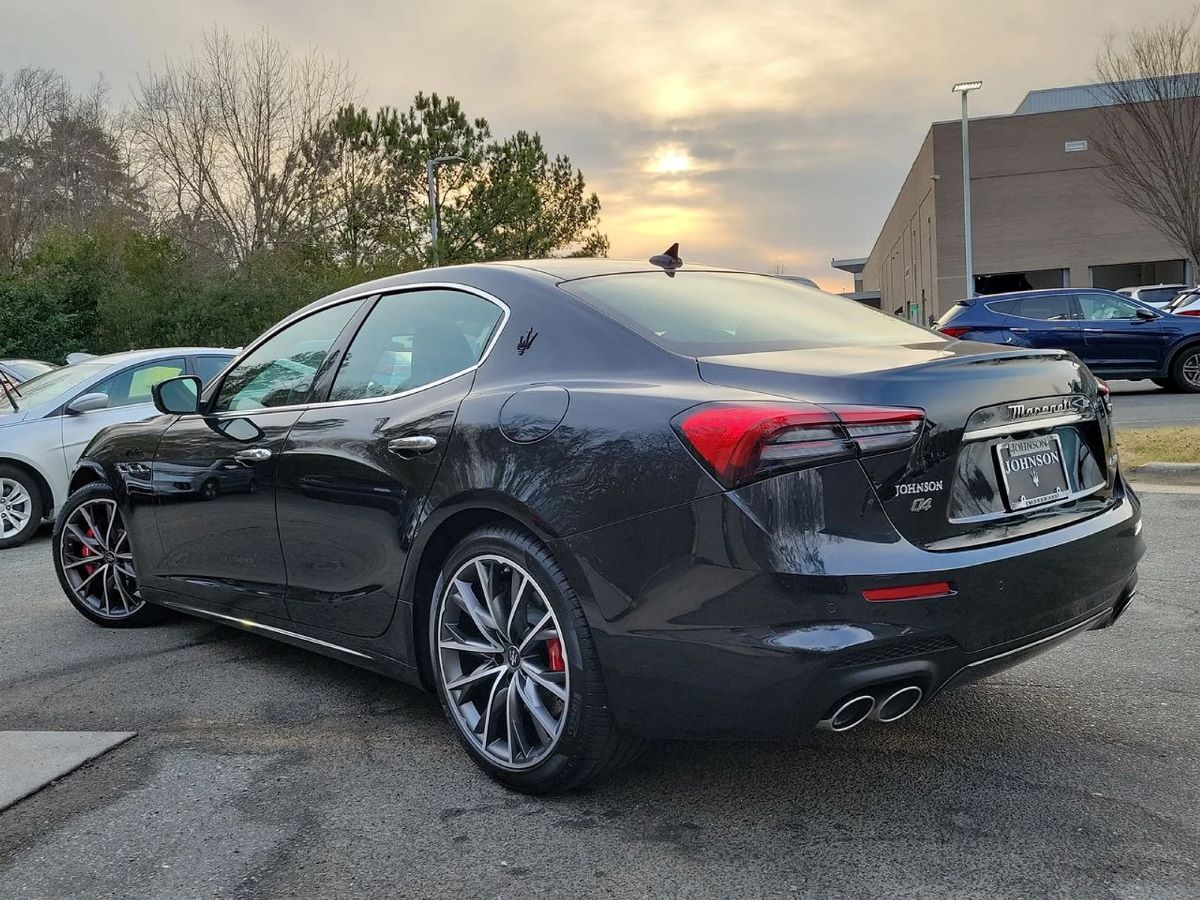
The Maserati Ghibli is a performance-focused luxury sedan that attracts attention with its aggressive styling and distinctive engine sound. However, these qualities often come with high ownership costs. The finely tuned mechanical components are sensitive to wear and require meticulous maintenance.
Even small issues, such as oil leaks or minor electronic malfunctions, can escalate into expensive repairs due to the complexity of the car’s engineering. Owners frequently find that daily driving exposes these vulnerabilities, turning what should be an enjoyable commute into a source of concern.
Parts availability is limited, and many components are sourced from specialized or international suppliers. This increases both the cost and the wait time for repairs.
Components such as suspension parts, engine modules, or interior electronics are often expensive to replace, and labor is typically billed at premium rates due to the vehicle’s complexity. The combination of high-priced parts and intensive labor makes even minor issues costly, discouraging owners from taking their Ghibli out for regular daily use.
For daily driving, the Maserati Ghibli demands a combination of patience, mechanical knowledge, and financial flexibility. While it offers a thrilling driving experience when functioning optimally, the frequent need for repairs and ongoing maintenance obligations can overshadow the car’s appeal.
Owners often face a trade-off between enjoying the vehicle and managing its costs, making it a less practical option for anyone seeking reliability and predictability in a daily driver.
Jaguar XF
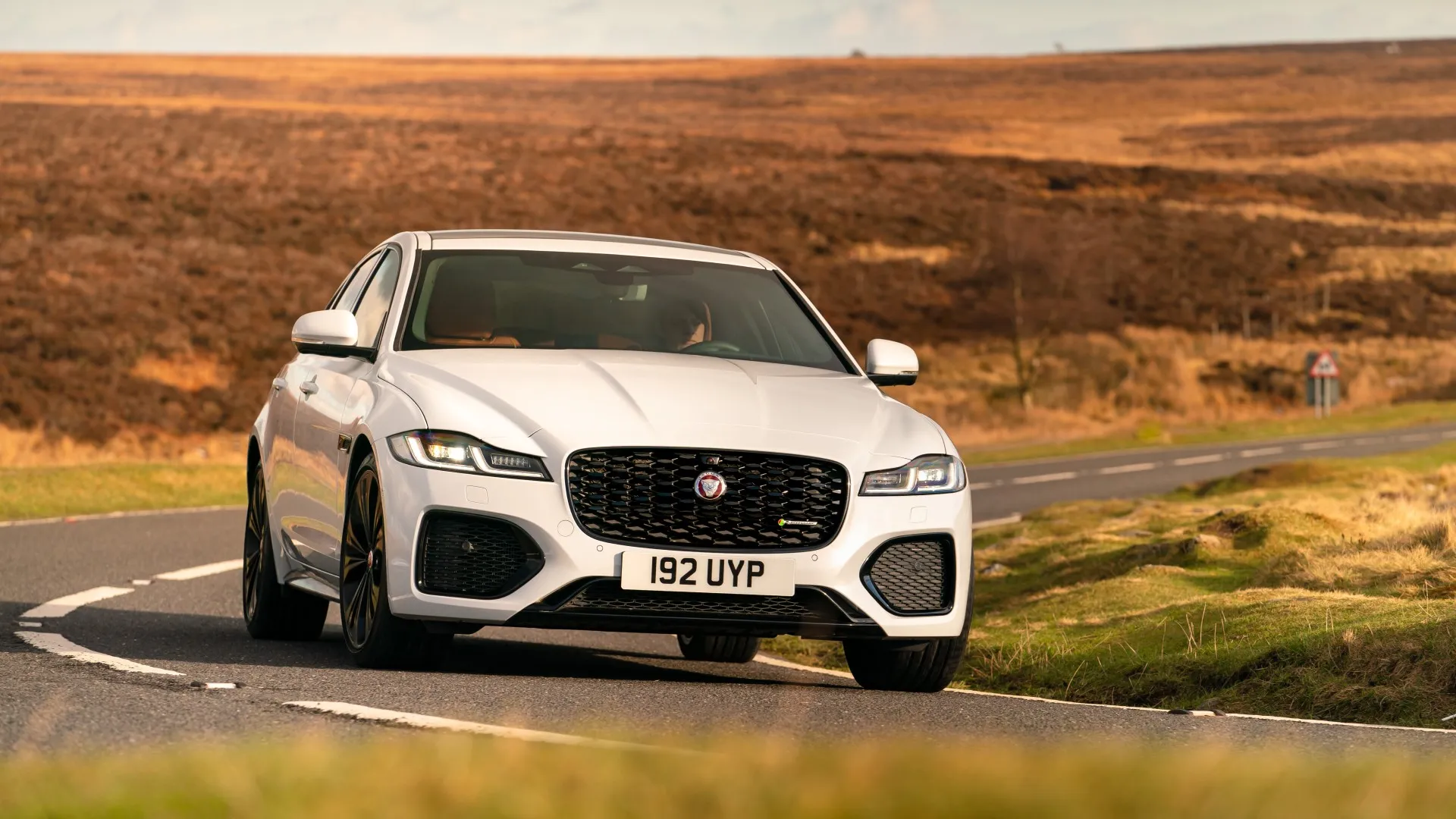
The Jaguar XF combines elegance, performance, and high-end features, but these qualities come at a significant cost. Engine and transmission systems are finely tuned for smooth performance, but they require careful and regular maintenance to avoid expensive failures.
Even routine maintenance can be complex due to the precision engineering involved. For daily drivers, this creates a scenario where consistent use can quickly lead to wear and issues that demand attention from specialized mechanics.
Electrical systems are another source of concern in the XF. Advanced electronics control functions ranging from infotainment to engine management, and failures are not uncommon as the vehicle ages.
Diagnosing these issues often requires specialized knowledge and diagnostic equipment, resulting in high labor costs. Additionally, electronic problems can interact with mechanical components, making repairs unpredictable and occasionally requiring repeated visits to service centers to fully resolve issues.
While the Jaguar XF delivers a refined and enjoyable driving experience, the ongoing financial and maintenance demands can outweigh the benefits for daily commuting. The combination of delicate mechanical systems, sensitive electronics, and costly repairs creates an ownership experience where reliability is uncertain and expenses are frequent.
For a driver seeking a practical daily car, the XF demonstrates how sophistication and performance can result in high costs and regular attention rather than consistent convenience.
