
College life is an exciting time filled with learning, new friendships, and developing independence. For many students, having a car is not just a convenience but almost a necessity. The right car can make daily commuting to classes, part-time jobs, and social activities smoother, safer, and more enjoyable.
While some students may think any vehicle will do, the choice of a car can significantly affect both the college experience and finances. A reliable car can reduce stress, save money on repairs, and even improve safety on the road, while the wrong choice may lead to frequent breakdowns, high maintenance costs, and frustration. Students often have limited budgets, so factors like fuel efficiency, insurance costs, and long-term reliability become crucial in making a smart decision.
When selecting a car for college, students must consider more than just looks or horsepower. Practical aspects such as fuel economy, ease of parking, and storage space for textbooks or groceries are essential. Many college campuses have tight parking spaces or limited spots, so smaller cars often perform better in these environments.
Beyond practicality, safety features like airbags, anti-lock brakes, and stability control systems should be prioritized. Modern cars often come with advanced safety technology that can prevent accidents or reduce injury severity, which is vital for inexperienced drivers or students driving in varying weather conditions.
Budgeting is another key factor. College students often manage part-time jobs, student loans, and tuition fees, so spending excessively on a car can create unnecessary financial strain. Choosing a vehicle that is affordable not only to buy but also to maintain, repair, and insure ensures that the car supports college life rather than complicates it.
Some students may opt for used vehicles, which can provide excellent value, but careful inspection and research into reliability and common issues are essential to avoid frequent mechanical problems. In contrast, new cars may come with warranties and fewer immediate maintenance concerns but at a higher price.
The goal is to find a car that balances practicality, affordability, and reliability. For students at Norman College, where commuting may involve both city streets and occasional long drives, the right vehicle can make a huge difference in daily life.
The choice should focus on dependable performance, reasonable running costs, and safety while also fitting into the student’s lifestyle. By considering these factors, students can make an informed decision that ensures their college years are both convenient and enjoyable. The following sections outline five cars that work well for college life and five that students are better off avoiding.
5 Cars Suitable for Norman College Runs
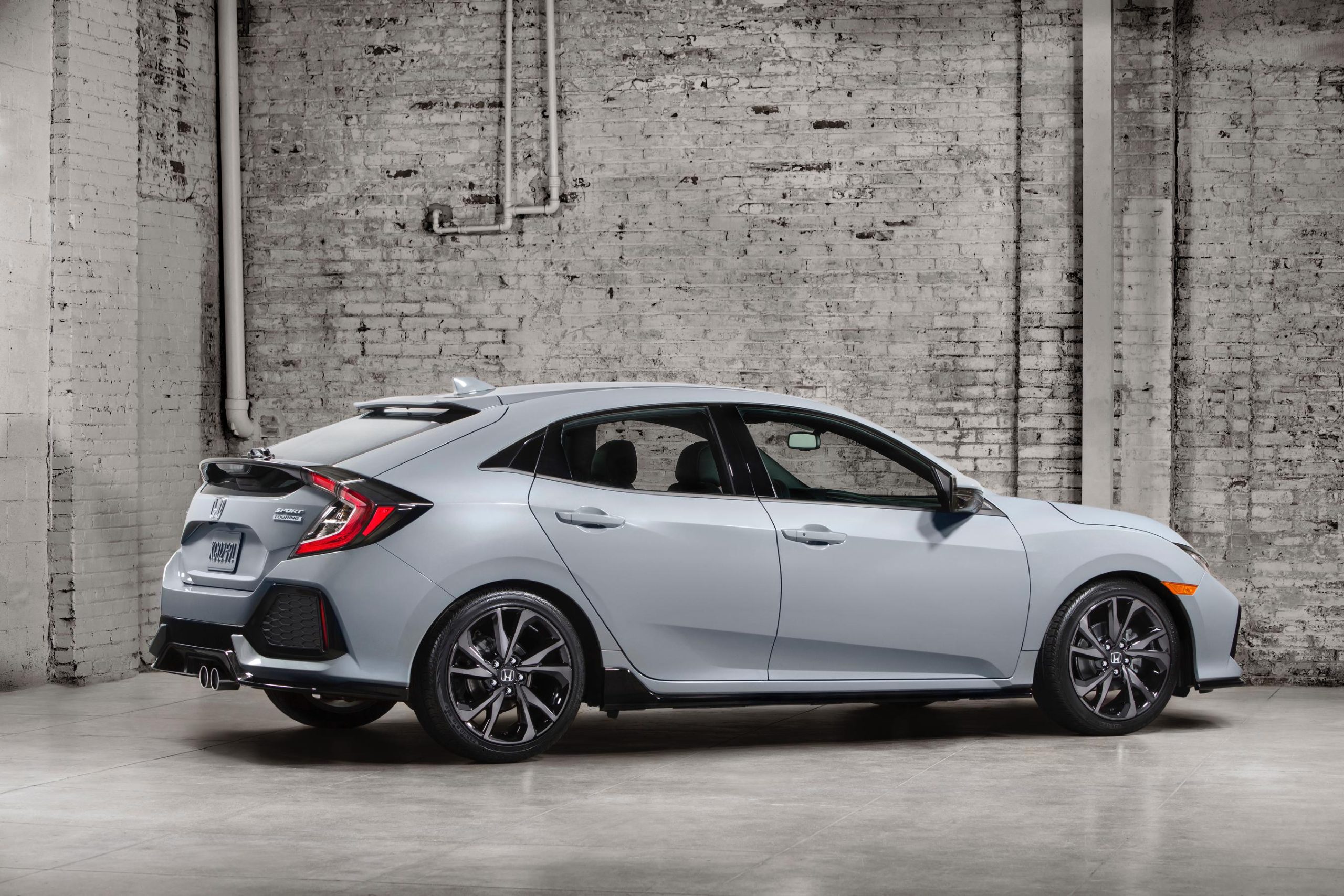
Honda Civic
The Honda Civic has long been recognized as one of the most reliable and practical choices for college students, combining fuel efficiency, durability, and value. Its fuel economy is impressive, often achieving over 30 miles per gallon in city driving, which is especially useful for students who need to commute daily between classes, part-time jobs, or social events.
Beyond just mileage, the Civic’s engines are designed to handle long-term use with minimal issues, making it one of the most dependable cars on the road. For students living on a budget, this reliability reduces unexpected repair costs and helps avoid the stress of unplanned mechanical failures.
Its compact size is particularly advantageous for students who frequently navigate tight parking spaces or crowded streets near campus, allowing them to park easily without worrying about scratches or accidents. Additionally, the Civic’s interior provides sufficient comfort for passengers while accommodating backpacks, sports equipment, or groceries, striking a balance between functionality and everyday usability.
Safety is another key factor that makes the Honda Civic appealing for college students. Modern models are equipped with features like lane departure warning, collision mitigation braking, and electronic stability control, which help prevent accidents and enhance confidence for newer drivers.
These safety tools are particularly valuable for students who are still building driving experience or navigating heavy traffic areas during rush hours. Insurance rates for Civics are typically moderate compared to other vehicles, further enhancing its suitability for students managing tight budgets. The combination of low maintenance, affordability, and strong safety measures positions the Civic as not just a vehicle for transportation but a tool that contributes to student independence and security.
Beyond immediate practicality, the Civic is also highly durable, making it a smart long-term investment for students who may rely on the car throughout their college years and even afterward. Many owners report driving their Civics well past 150,000 miles with minimal issues, which reflects the vehicle’s reputation for longevity and consistent performance.
Its engine provides smooth acceleration suitable for both city traffic and highway driving, making longer trips to family homes or weekend outings more manageable. Additionally, the Civic’s trunk offers adequate storage space for luggage, textbooks, and groceries, adding to its versatility as a student car. Its simple yet stylish exterior design also makes it appealing without being flashy, which is important for students who want practicality without unnecessary attention.
The Civic’s widespread availability of parts and service centers adds another layer of convenience for students. Mechanics are usually very familiar with this model, which reduces repair times and keeps maintenance costs low. Whether purchasing new or used, students can find options that fit their financial situations while still ensuring quality and reliability.
Its strong resale value allows students to recoup some of their investment when they graduate or decide to upgrade. The Honda Civic offers an ideal blend of efficiency, safety, comfort, and durability, making it one of the most practical choices for Norman College students who need a dependable vehicle for daily life.
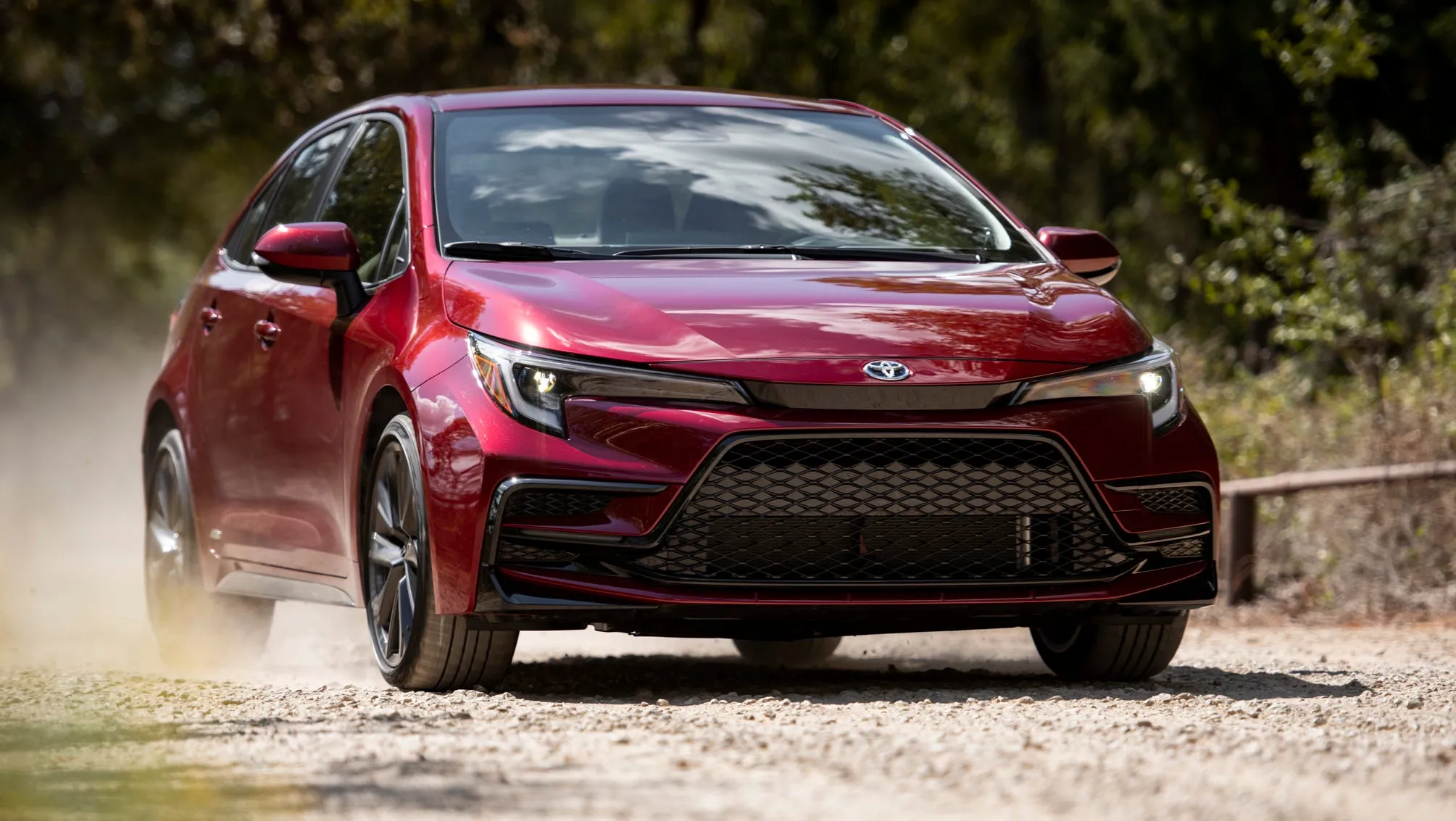
Toyota Corolla
The Toyota Corolla is widely regarded as one of the most dependable and budget-friendly cars for students, with a combination of reliability, fuel efficiency, and low operating costs. Its engines are known for lasting well over 200,000 miles with proper maintenance, which means students can use it throughout their college years without constant repairs.
Fuel economy is excellent, often comparable to the Honda Civic, which helps keep costs manageable for students who need to commute regularly. Its compact yet comfortable interior is suitable for transporting passengers and belongings, making it practical for group projects, grocery runs, or weekend trips. The Corolla is also designed to handle city and highway driving efficiently, providing a smooth and predictable ride even in challenging traffic conditions.
Safety is a primary advantage of the Corolla, with many recent models offering adaptive cruise control, pre-collision systems, and lane departure alerts. These features are particularly helpful for younger drivers who may be less confident navigating busy roads.
The Corolla’s smooth ride quality enhances driving comfort during longer commutes or weekend trips, while its moderate size ensures it can fit into tight parking spots on campus or in residential neighborhoods. Insurance rates for the Corolla are usually reasonable, which helps students manage their monthly expenses. Its reputation as a safe, practical, and reliable vehicle gives peace of mind for both students and parents who may be concerned about daily commuting.
Another benefit of the Corolla is its long-term value and low maintenance needs. Toyota vehicles, in general, retain resale value well, which is useful for students planning to sell the car after graduation. The engines are simple yet robust, requiring only basic upkeep to maintain smooth operation.
Minor repairs are often affordable, and parts are widely available, which reduces downtime if maintenance is needed. Additionally, the Corolla performs well under a variety of driving conditions, making it versatile enough for campus life, local errands, and weekend getaways. Students can rely on this vehicle for years without significant financial burden.
The Corolla’s ease of use and dependability make it a strong option for students with busy schedules and tight budgets. It balances comfort, efficiency, and practicality while providing reliable transportation that doesn’t demand constant attention or high maintenance costs.
For students navigating college life, the Corolla ensures that commuting, trips to local stores, or visits home remain smooth and stress-free. Its combination of safety, affordability, and reliability makes it a car that suits the needs of almost any student, making it one of the top choices for Norman College transportation.
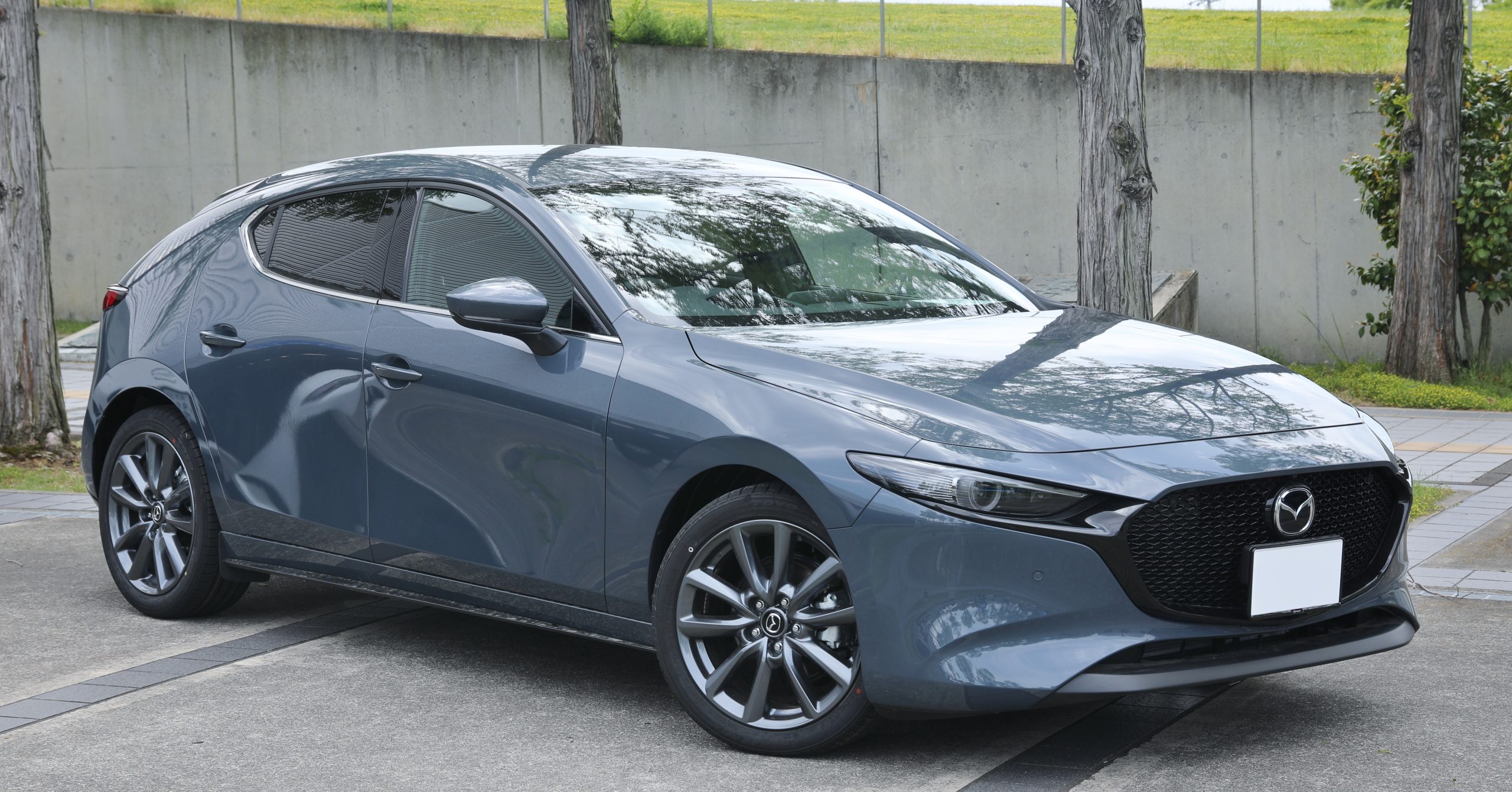
Mazda3
The Mazda3 stands out as a car that combines sporty handling, attractive design, and practicality, making it a suitable option for students who want a balance between driving enjoyment and daily functionality. Its compact size is ideal for navigating narrow streets and parking spaces near campus while still offering a comfortable interior that accommodates passengers and school supplies.
Fuel efficiency is excellent, which helps students manage their commuting costs without sacrificing performance. The Mazda3 is often praised for its responsive steering and smooth handling, making city traffic and highway driving more enjoyable, which can be a welcome relief during stressful college days.
Safety is a significant strength of the Mazda3. Many models come with advanced features such as blind-spot monitoring, lane-keeping assist, and automatic emergency braking, providing added security for younger or inexperienced drivers. These features help prevent accidents and enhance driving confidence.
Reliability is also solid, with engines known to perform consistently over long distances if maintained properly. Maintenance costs are reasonable compared to luxury or high-performance vehicles, which is important for students managing limited budgets. Additionally, the Mazda3 handles various road conditions, including wet or uneven surfaces, with stability and control, offering peace of mind during different weather conditions.
Another advantage of the Mazda3 is its balance between fuel efficiency and enjoyable driving performance. While it offers a sportier feel compared to the Civic or Corolla, it does not compromise on cost-effectiveness. Its interior is thoughtfully designed, providing ample space for passengers and a trunk capable of carrying groceries, sports equipment, or luggage.
Infotainment features like touchscreens, Bluetooth connectivity, and smartphone integration add convenience for students who rely on their phones for navigation and communication. The Mazda3 allows students to enjoy a more engaging driving experience without sacrificing practicality or affordability.
Finally, the Mazda3 combines style with dependability, making it appealing for students who want both function and aesthetics. It maintains reasonable maintenance and insurance costs, ensuring that students can manage finances effectively.
With high safety ratings, strong handling, and efficient fuel consumption, the Mazda3 meets the essential needs of daily college transportation while also appealing to students seeking a more engaging vehicle. Its combination of reliability, comfort, and performance makes it a well-rounded choice for Norman College students seeking a car that is both practical and enjoyable.

Hyundai Elantra
The Hyundai Elantra offers an excellent balance of affordability, reliability, and practicality, making it ideal for college students on a budget. It is highly fuel-efficient, which reduces the cost of daily commuting and long drives, a critical factor for students managing limited income or loans.
Its compact size makes navigating crowded streets and parking spaces simpler, yet the interior remains spacious enough to accommodate passengers, groceries, or study materials. Elantras have a reputation for reliability, with many drivers reporting minimal issues even after several years of use, reducing the stress and financial burden of unexpected repairs. These characteristics make the Elantra a practical and low-maintenance vehicle suitable for busy college schedules.
The Elantra’s affordability extends to both new and used markets, giving students options to suit their financial situations. Maintenance is straightforward and relatively inexpensive compared to more premium models, and parts are widely available, which minimizes downtime for repairs.
The car’s practical design allows it to handle short daily commutes as well as longer trips to family or friends’ homes, making it versatile for a student’s lifestyle. Modern features like touchscreen infotainment systems, Bluetooth, and USB connectivity also provide convenience for commuting and social activities.
Durability and low operating costs make the Hyundai Elantra an especially appealing choice for students who prioritize practicality and financial efficiency. Its engine longevity, ease of maintenance, and safety features ensure that students can rely on the car without frequent disruptions or expenses.
In combination with its fuel efficiency, comfortable interior, and reasonable insurance rates, the Elantra is a dependable and sensible vehicle for Norman College students who need a reliable, everyday car for commuting, errands, and occasional road trips.
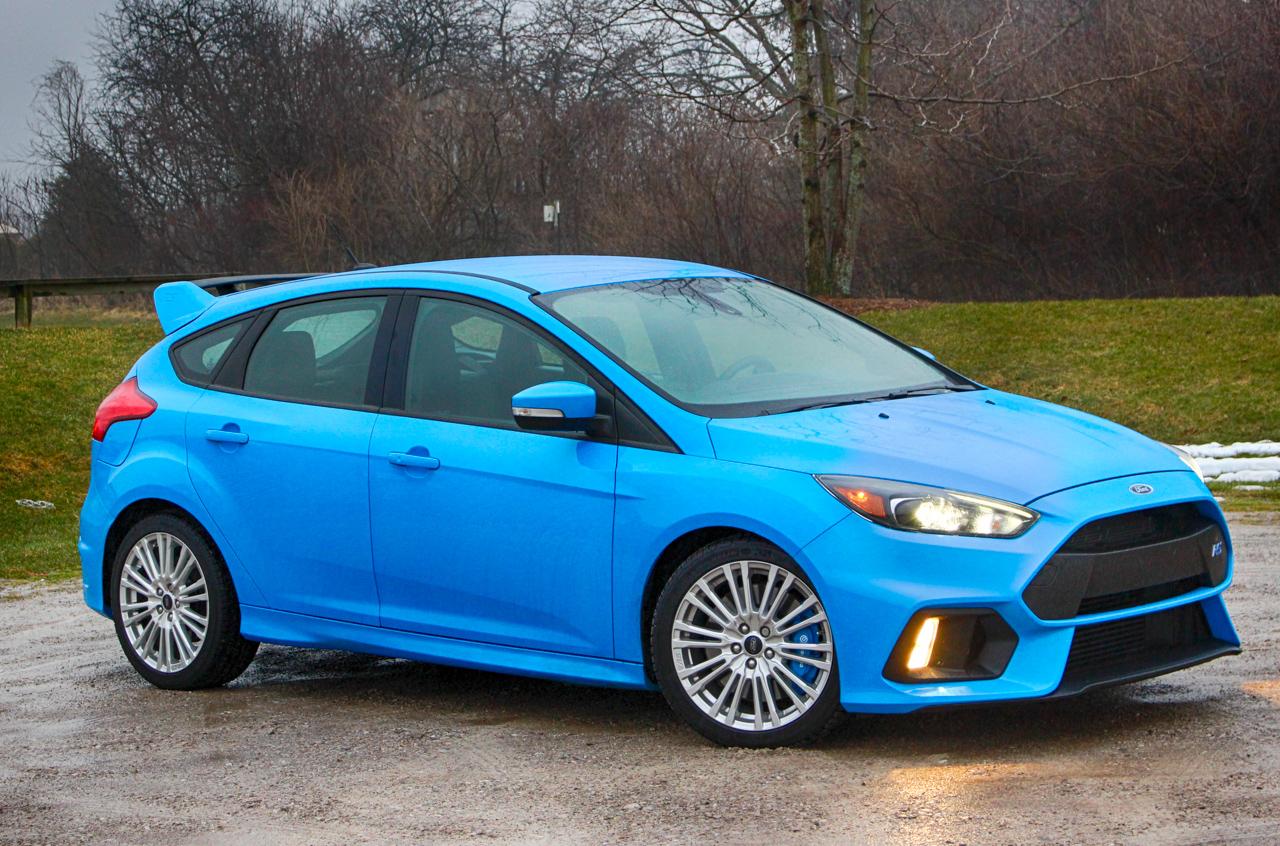
Ford Focus
The Ford Focus is a compact and versatile car that suits the needs of students who want reliable transportation with manageable costs. Its fuel efficiency is competitive for city and highway driving, allowing students to save money on daily commutes.
The compact design also simplifies parking, an important consideration for students navigating busy college areas or tight residential streets. Inside, the Focus provides a comfortable interior with adequate space for passengers and school-related items, offering both practicality and convenience. Its smooth handling improves maneuverability, making everyday driving more enjoyable and less stressful.
Safety is a significant advantage for the Ford Focus, with features such as stability control, multiple airbags, and anti-lock braking systems often included in recent models. Later versions may also provide driver assistance technologies like rearview cameras and blind-spot monitoring, which increase safety and confidence for young drivers.
The Focus’s engines are generally reliable, requiring basic maintenance to perform well over several years. Insurance costs for the vehicle are typically moderate, making it suitable for students with limited budgets while still providing peace of mind.
The Focus is also appealing because of its affordability in both the new and used markets. Its durable build allows it to withstand the daily wear and tear associated with student life, including commuting, weekend trips, or transporting friends and belongings.
Fuel-efficient engines combined with reasonable maintenance requirements ensure that the cost of ownership remains manageable. Students can enjoy dependable transportation without worrying about unexpected expenses that may disrupt their schedules or finances.
Finally, the Ford Focus balances practicality and visual appeal. Its exterior design is modern and stylish without appearing overly luxurious, making it attractive to students while still remaining budget-friendly. Its reputation for reliability and strong resale value ensures that students can recoup some investment when they decide to sell the car.
The Focus provides a combination of efficiency, safety, comfort, and dependability, making it a solid choice for Norman College students seeking an everyday vehicle that meets the demands of campus life and commuting.
5 Cars Students Should Avoid
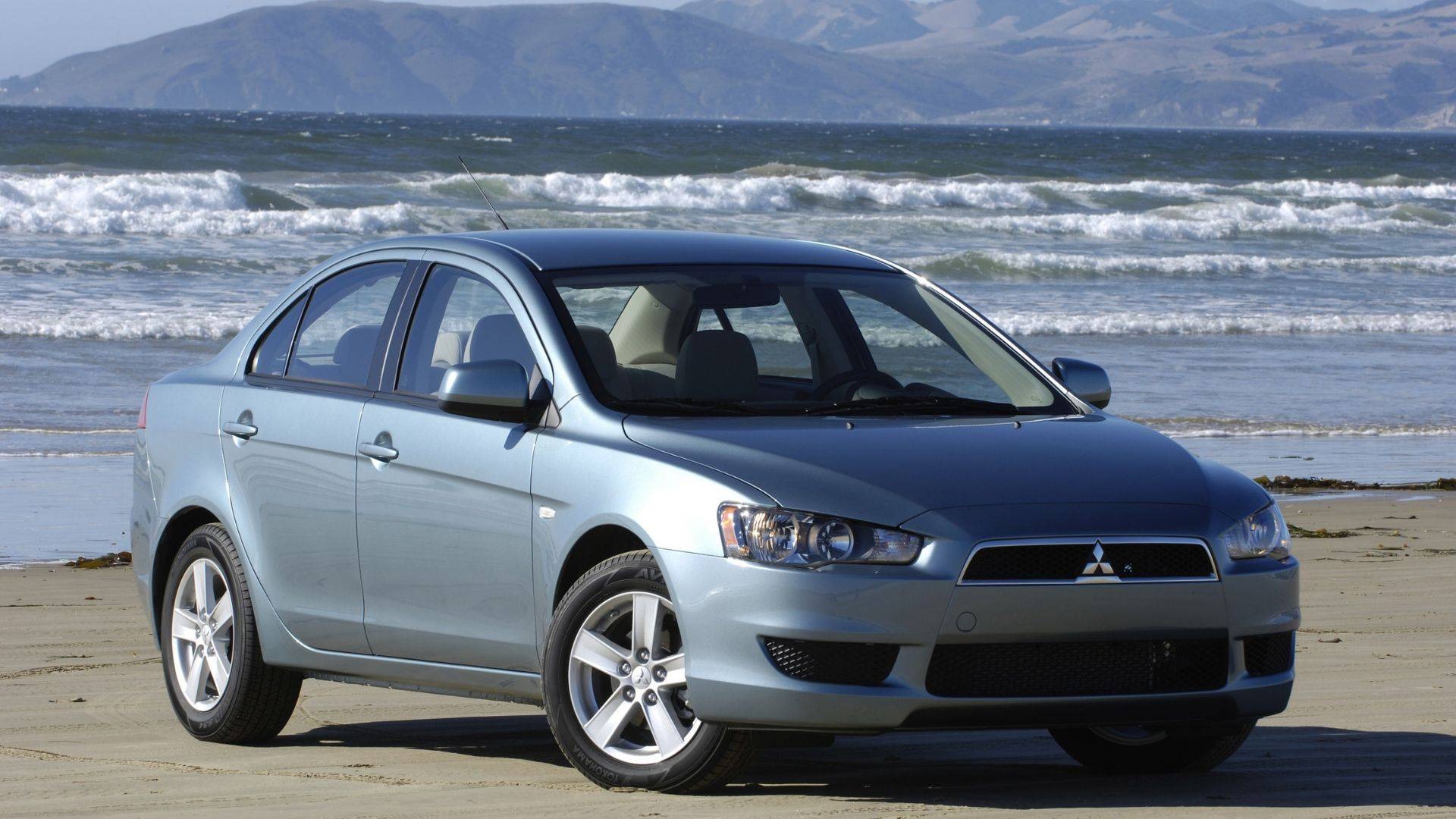
Mitsubishi Lancer (older models)
The Mitsubishi Lancer, particularly older models, may have once been popular for their sporty appearance, but they are generally not suitable for college students today due to reliability issues and high maintenance costs. Many owners of older Lancers report frequent mechanical problems, especially with the engine, transmission, and electrical systems.
These repairs can become costly and inconvenient, placing a financial and time burden on students who already have limited budgets. Fuel efficiency is often below average for the model, which further increases the ongoing cost of ownership. While the car may appear stylish or fun to drive, the practical drawbacks make it difficult to rely on for daily commuting or longer trips.
The Lancer’s interior space is another factor to consider. Many models offer cramped seating and limited trunk space, which can make transporting friends, groceries, or larger items difficult. Comfort during daily commuting or long drives may be lacking due to older suspension systems that provide a rougher ride compared to more modern vehicles. For students who need a reliable and practical vehicle to support campus life, these limitations create unnecessary stress and inconvenience.
While the Mitsubishi Lancer may appeal to students looking for a sporty appearance, the combination of frequent mechanical issues, low fuel efficiency, limited safety features, and tight interior space make it a poor investment.
College students need cars that are dependable, safe, and cost-effective, and older Lancers generally fail to meet these essential requirements. Students would be better off choosing a vehicle with a proven reputation for reliability and affordability, which would reduce both financial strain and stress during their college years.

Jeep Wrangler
The Jeep Wrangler is widely known for its off-road capabilities, but it is rarely a practical choice for college students. Its fuel consumption is significantly higher than that of compact or mid-sized vehicles, which can put a serious strain on a student’s budget.
City driving and parking can also be difficult due to the Wrangler’s larger size and boxy design. While the car is appealing to those who enjoy recreational driving or off-road adventures, these features are generally unnecessary for daily college commutes, grocery runs, or trips to friends’ houses.
High maintenance costs add to the challenge, as parts and repairs for Wranglers tend to be more expensive than standard cars, especially if the vehicle is used off-road.
Safety is another concern with the Jeep Wrangler. While newer models have improved safety features, older versions often lack advanced driver-assistance systems such as blind-spot monitoring or automated emergency braking.
The vehicle’s height and off-road design can affect handling, particularly in wet, icy, or uneven conditions, which could increase the risk of accidents for inexperienced drivers. For students who are still gaining driving experience, these factors make the Wrangler less safe than more practical alternatives.
The Jeep Wrangler is better suited for recreational driving rather than student life. Its poor fuel economy, limited practicality, higher maintenance costs, and potential safety risks make it a car that students should generally avoid. A smaller, more fuel-efficient vehicle with better safety ratings and lower upkeep would serve students far more effectively, providing dependable transportation without unnecessary expense or inconvenience.
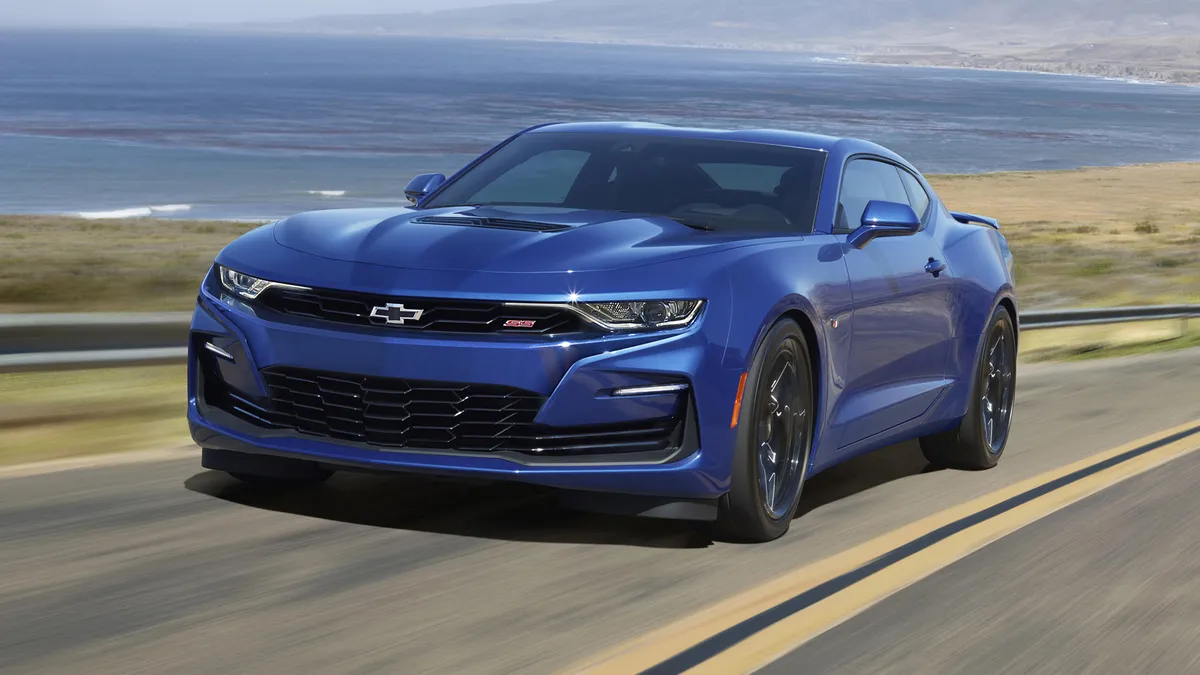
Chevrolet Camaro
The Chevrolet Camaro is a high-performance sports car that looks impressive but is generally impractical for college students. Its fuel economy is low, which can result in frequent visits to the gas station and increased transportation costs.
Insurance premiums are also high because of its classification as a sports car and the increased risk of accidents associated with higher-speed vehicles. The Camaro’s compact interior and limited trunk space make it difficult to carry textbooks, groceries, or other essential student items. While the car may offer excitement and aesthetic appeal, these practical concerns outweigh its benefits for day-to-day college life.
Daily commuting can also pose challenges with a Camaro. Its low ground clearance and firm suspension are not ideal for potholes, speed bumps, or uneven roads, which are common in city or campus areas.
Parking can be more difficult due to the car’s wide stance, especially in tight lots, adding to the frustration of daily use. Students often prioritize convenience, efficiency, and low operating costs, and the Camaro fails to meet these expectations.
While the Camaro may appeal to those seeking style and performance, it is not suited for college students who need reliable and affordable transportation. Its low fuel efficiency, high insurance costs, limited storage space, and expensive maintenance make it an impractical choice. Students would benefit more from a dependable compact car that offers reliability, safety, and reasonable operating costs.
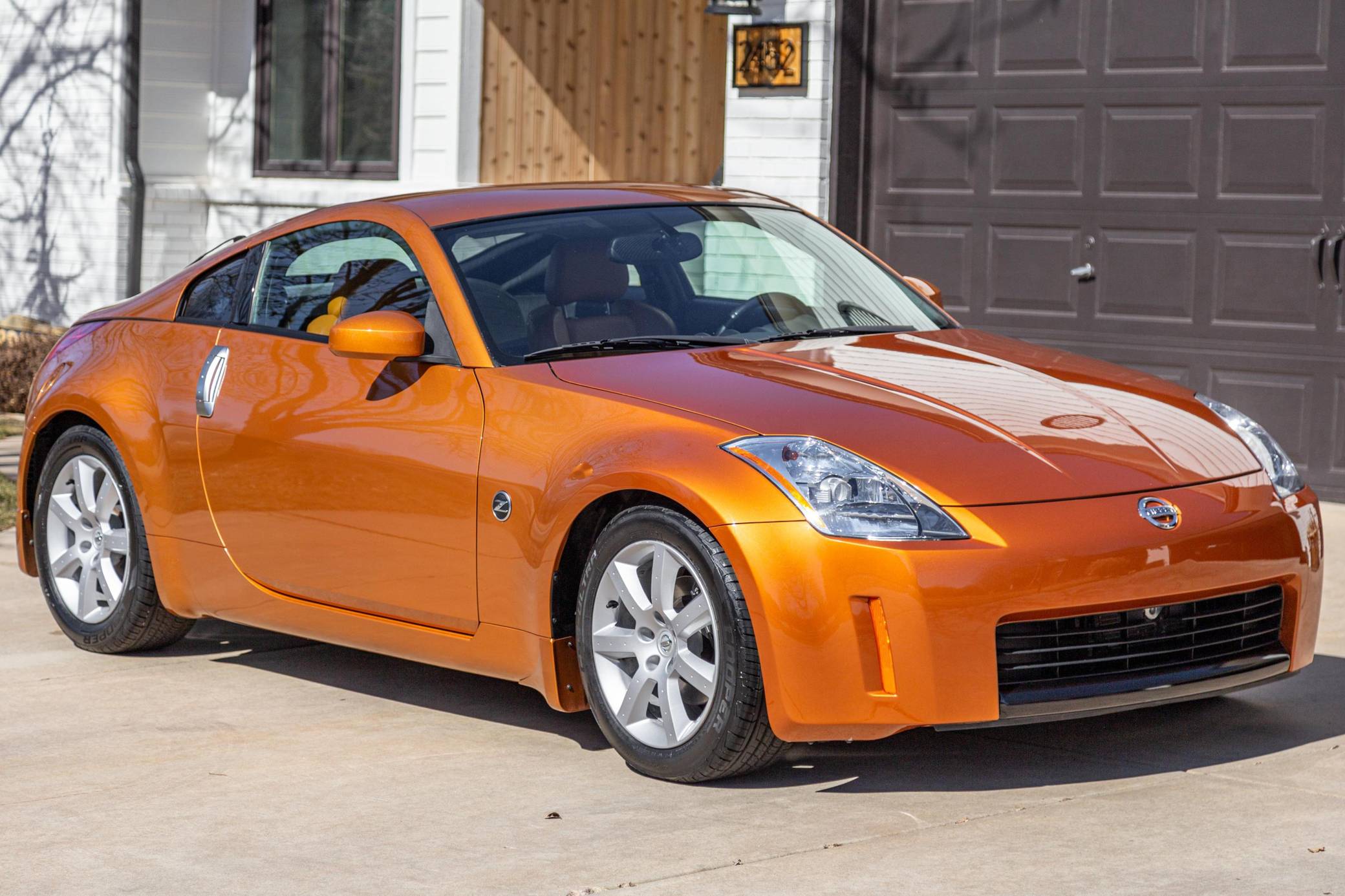
Nissan 350Z / 370Z
Nissan sports cars like the 350Z and 370Z are appealing for their design and high-performance capabilities, but they are rarely practical for college students. Their fuel efficiency is poor, resulting in frequent trips to the gas station and additional expenses that can strain a student’s budget.
Insurance premiums are higher than for standard compact or midsize cars due to the vehicle’s sporty classification and potential risk of accidents. Interior space is limited, both for passengers and cargo, making it difficult to transport textbooks, groceries, or larger items comfortably. These limitations make them unsuitable for the daily needs of most students.
Safety can also be a concern with these vehicles. While newer models include some modern safety features, younger drivers may find the high horsepower challenging to manage. This increases the risk of accidents, especially for inexperienced drivers navigating city traffic or campus streets. For students who require a dependable vehicle for daily transportation, these cars provide excitement but lack the practicality, comfort, and safety necessary for routine use.
The Nissan 350Z and 370Z may offer style and performance, but their poor fuel efficiency, high insurance costs, limited interior space, and potential reliability issues make them unsuitable for most college students. A reliable compact or mid-sized car is a far better investment, providing practical transportation, lower costs, and fewer headaches over time.
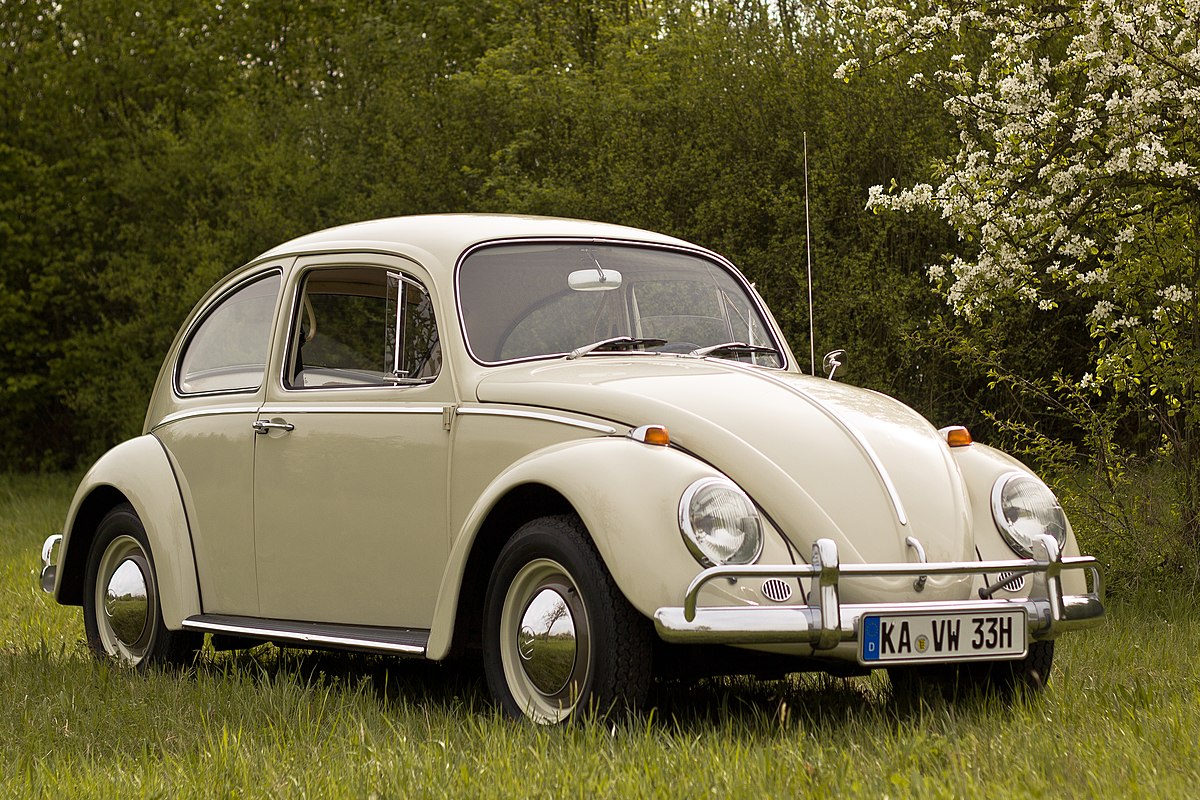
Volkswagen Beetle (older models)
Older Volkswagen Beetles are known for their distinctive design and nostalgic appeal, but they are generally not practical for college students. Their small engines limit performance, making highway driving or long trips more challenging. Fuel efficiency is moderate but not exceptional, meaning students may spend more on gasoline than with other compact cars.
Additionally, repair costs can be higher due to parts availability and the need for specialized mechanics. While the Beetle may be visually appealing, it lacks the reliability, practicality, and safety features that students require in a daily driver.
Maintenance can be challenging because older Beetles require parts that are increasingly hard to find. Regular mechanical issues can become frustrating, especially for students without easy access to specialized mechanics. Comfort and practicality are also limited, which can make daily commuting or longer trips stressful and inconvenient. Students need vehicles that are easy to drive, maintain, and rely on, and the Beetle’s limitations make it less suitable for these purposes.
While the Volkswagen Beetle may have charm and a unique design, it is generally not appropriate for college students who need reliable transportation. Its limited performance, moderate fuel efficiency, higher repair costs, and lack of safety features make it a poor choice. Students would benefit more from a dependable, safe, and affordable vehicle that supports their daily routines and reduces stress while navigating campus life and commuting.
