
Muscle cars are usually remembered as loud, aggressive coupes built for straight line speed and attitude. Wagons, on the other hand, are often associated with practicality, family duties, and long road trips with a full load of passengers and luggage.
When these two ideas collide, the result can feel unexpected, yet that contrast is exactly what makes muscle car wagons so appealing. They combine the power and personality of classic performance cars with the usefulness of a long roof and a spacious cargo area. This unusual blend creates vehicles that challenge traditional categories and reward drivers who appreciate both speed and substance.
During the peak muscle car years, manufacturers experimented more than people often realize. Big engines were not limited to two door bodies, and high performance options sometimes found their way into wagons either officially or through clever ordering combinations.
Some of these wagons were sleepers from the factory, while others gained their reputation later through restorations and engine swaps that stayed true to period correct performance. Even in more modern times, the idea of a fast wagon has continued, proving that the formula still works when done right.
What makes these wagons especially interesting is their versatility. They could haul kids to school during the week and still embarrass sports cars at a stoplight on the weekend.
The longer wheelbase often improved ride quality, and the added weight did little to dull the impact of large-displacement V8 engines. For enthusiasts, these cars represent freedom from expectations. They show that performance does not have to come in a predictable shape.
This article looks at ten muscle car wagons that stand out for their design, performance, and attitude. Each one earned its reputation in a different way, whether through factory options, racing connections, or sheer engine size.
Together, they form a reminder that muscle car history is broader than most people assume, and that sometimes the most exciting cars are the ones that refuse to fit neatly into a single category.
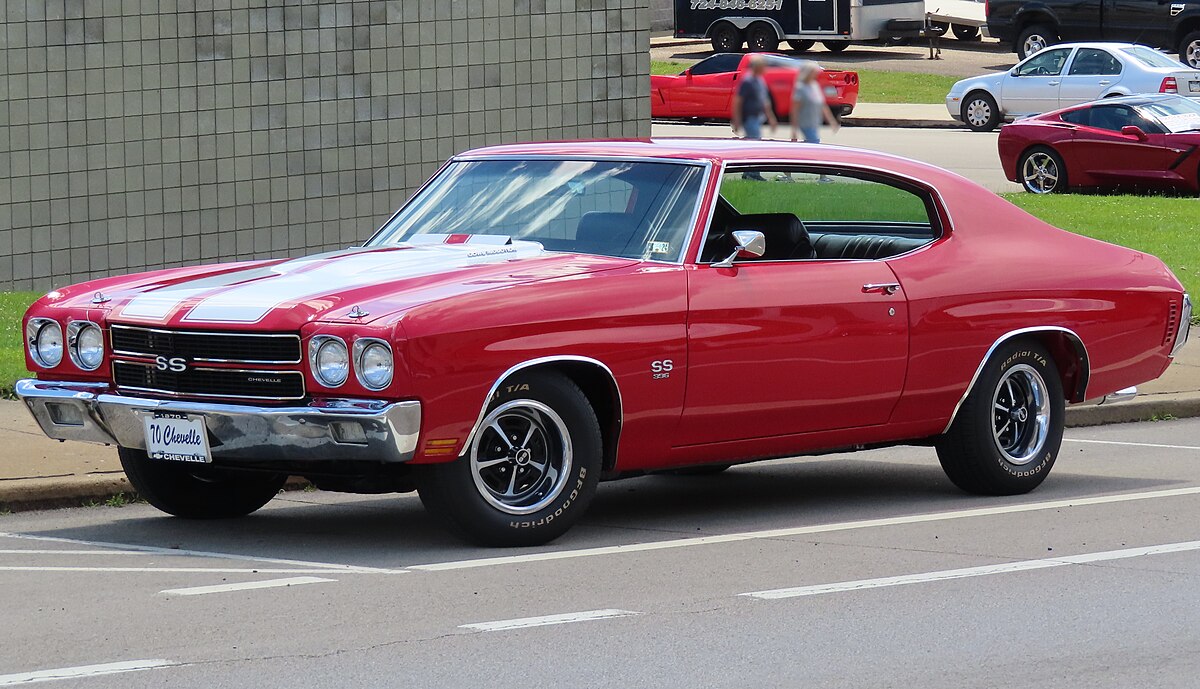
Chevrolet Chevelle SS Wagon
The Chevrolet Chevelle is one of the most iconic muscle cars ever produced, and its wagon variant deserves far more recognition than it usually gets. Beneath the long roof and practical rear end, the Chevelle wagon shared much of its structure with the coupe and sedan models.
This meant it could accept the same powerful engines, suspension upgrades, and performance parts that made the SS models legendary. When equipped correctly, the Chevelle wagon became a true sleeper with serious potential.
One of the most exciting aspects of the Chevelle wagon was the availability of big block V8 engines. These engines delivered massive torque, making the wagon feel surprisingly quick despite its size.
The long wheelbase helped keep the car stable under hard acceleration, and the extra weight over the rear wheels improved traction. This combination made the car feel confident and planted, especially in straight-line driving.
Styling also played a role in its appeal. The Chevelle wagon retained the clean, muscular lines of the standard Chevelle, just stretched to accommodate the cargo area. Chrome trim, aggressive wheels, and subtle performance cues gave it an understated look. To the untrained eye, it could pass as a family hauler, which only added to its charm among enthusiasts who enjoy understatement.
The interior of the Chevelle SS wagon balanced comfort with sportiness. High-backed seats and quality trim created a driver-focused environment while still offering space for passengers and luggage. Optional gauges and performance accessories allowed owners to tailor the car to their preferences, making it both practical and enjoyable for spirited driving.
Over time, the Chevelle SS wagon developed a reputation as a collector’s dream. Its rarity and combination of performance and practicality make it highly desirable today. Enthusiasts value it as a unique example of muscle car ingenuity, and restoring one offers both a rewarding challenge and the opportunity to own a vehicle that stands apart from the typical coupe or sedan models.
Finally, the Chevelle wagon also benefited from aftermarket support. Enthusiasts could further enhance its acceleration, handling, and braking, transforming an already impressive car into a true performance machine. The combination of factory power and upgrade potential ensures the Chevelle SS wagon remains a symbol of American muscle versatility.
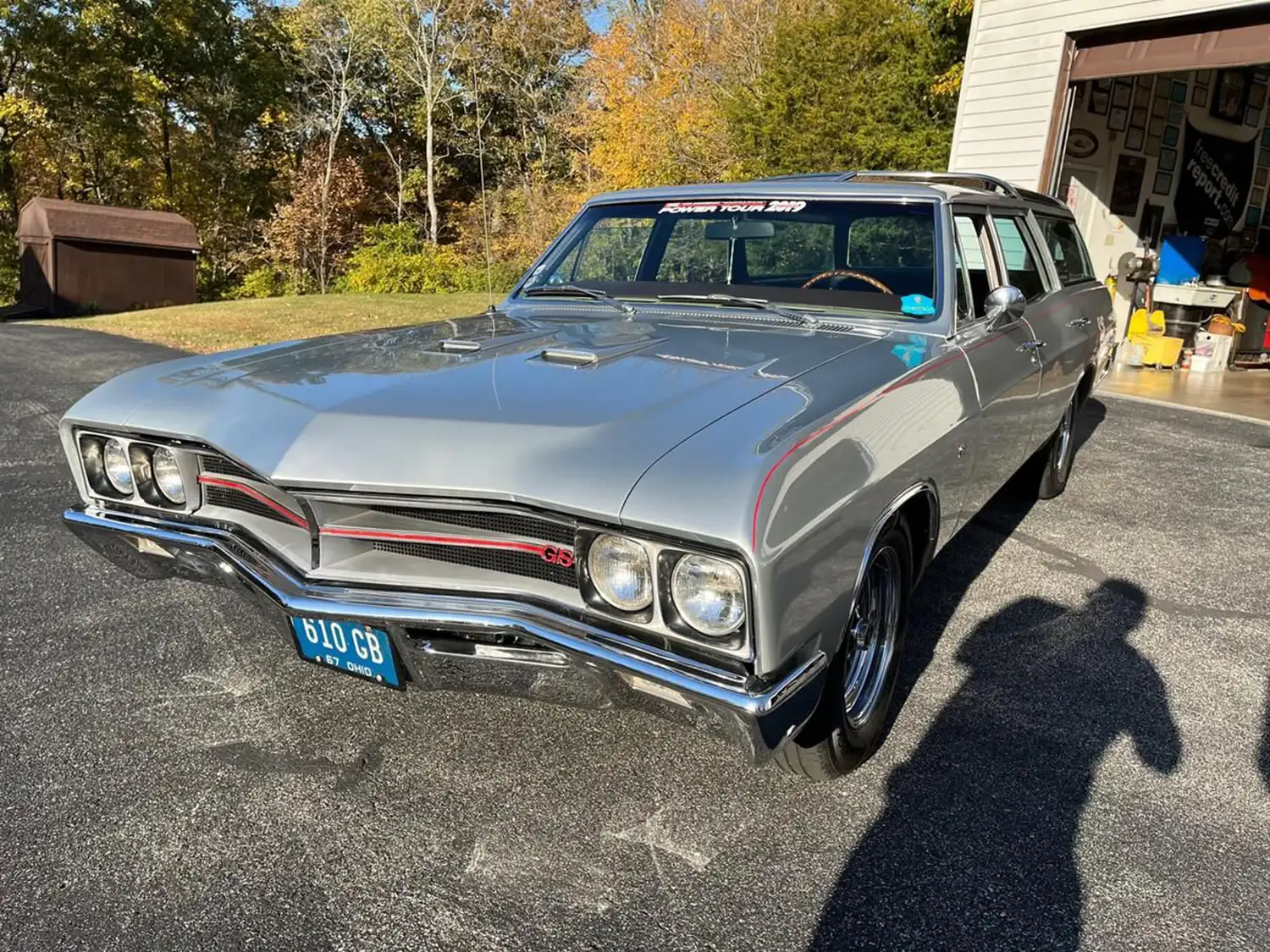
Buick Sport Wagon GS
Buick has long balanced luxury and performance, and the Sport Wagon GS is a perfect example of that philosophy. This wagon combined Buick’s smooth ride quality with the option of high-performance engines that rivaled those found in more aggressive brands. The GS designation signaled that this was not an ordinary family vehicle, even if its appearance suggested otherwise.
Under the hood, Buick’s powerful V8 engines delivered strong acceleration with a refined character. These engines were known for their torque, which suited the wagon body perfectly. Rather than feeling strained, the Sport Wagon GS moved with confidence and ease. The driving experience emphasized smooth power delivery rather than raw aggression, which made long drives just as enjoyable as quick bursts of speed.
The interior reflected Buick’s attention to comfort. Plush seating, quality materials, and thoughtful design touches made the cabin feel upscale. This combination of comfort and power set the Sport Wagon GS apart from many of its competitors. It offered an experience that appealed to drivers who wanted performance without sacrificing refinement.
Another appealing aspect of the Sport Wagon GS was its suspension and ride tuning. Buick engineers managed to balance comfort with performance handling, resulting in a wagon that felt composed on winding roads while still handling straight-line power effectively. This made it suitable for everyday driving as well as spirited weekend outings.
The exterior styling emphasized understated muscle. Sleek lines, minimal badging, and subtle performance cues allowed the GS wagon to blend in, which added to its sleeper appeal. Enthusiasts often sought out the GS specifically for this reason, appreciating the idea of a powerful, almost secretive performance machine hidden beneath familiar bodywork.
Finally, the Buick Sport Wagon GS had long-term appeal thanks to its versatility. With ample cargo space, seating for a family, and performance levels rivaling many two-door muscle cars, it remains a rare but respected example of American automotive creativity. Collectors value it not only for its power but also for its unique combination of comfort, utility, and performance.
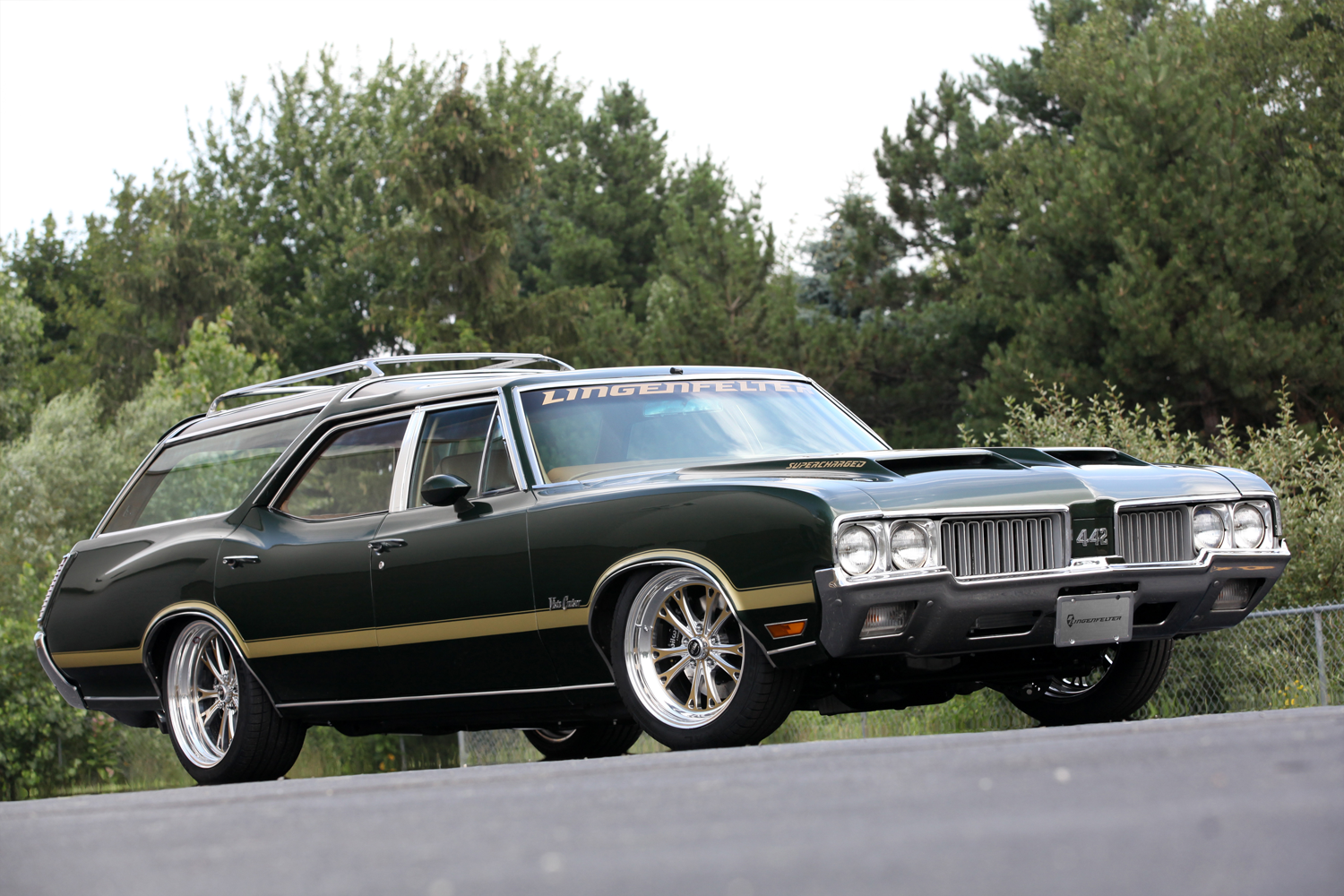
Oldsmobile Vista Cruiser 442
The Oldsmobile Vista Cruiser is often remembered for its distinctive roof windows and spacious interior, but when paired with performance options, it became something far more exciting. The 442 connection brought muscle car credentials to a wagon that already had a strong identity. This blend of style and strength made the Vista Cruiser a standout.
Performance engines available during this era gave the Vista Cruiser surprising speed. The added length and weight did not prevent it from delivering impressive straight line performance. Instead, the car felt stable and confident, especially at highway speeds. This made it an excellent choice for drivers who wanted both performance and practicality.
Design played a big role in its appeal. The raised roof section with glass panels gave the interior an open, airy feel. From the outside, the car looked distinctive without being flashy. When equipped with performance wheels and subtle badging, it sent a clear message to those who knew what they were looking at.
Inside, the Vista Cruiser 442 was functional and driver-friendly. The raised roof and extended glass provided excellent visibility, while the spacious rear area allowed for passengers or cargo. Optional bucket seats and performance trim details reminded occupants that this was more than a regular family wagon, combining practicality with sportiness.
The 442 engine package itself was no joke. With enhanced carburetors, camshaft profiles, and exhaust options, the Vista Cruiser could keep pace with many coupes of its era. Its large displacement V8 and torque-heavy characteristics made it feel lively despite the added weight, proving that muscle car performance was not limited to small, two-door designs.
Collectors today appreciate the Vista Cruiser 442 for its balance of style, comfort, and power. It is a rare example of a car that could serve a family during the week and still provide excitement on the weekend. Its combination of distinctive design and muscle car credentials ensures it remains a favorite among enthusiasts seeking something truly different.
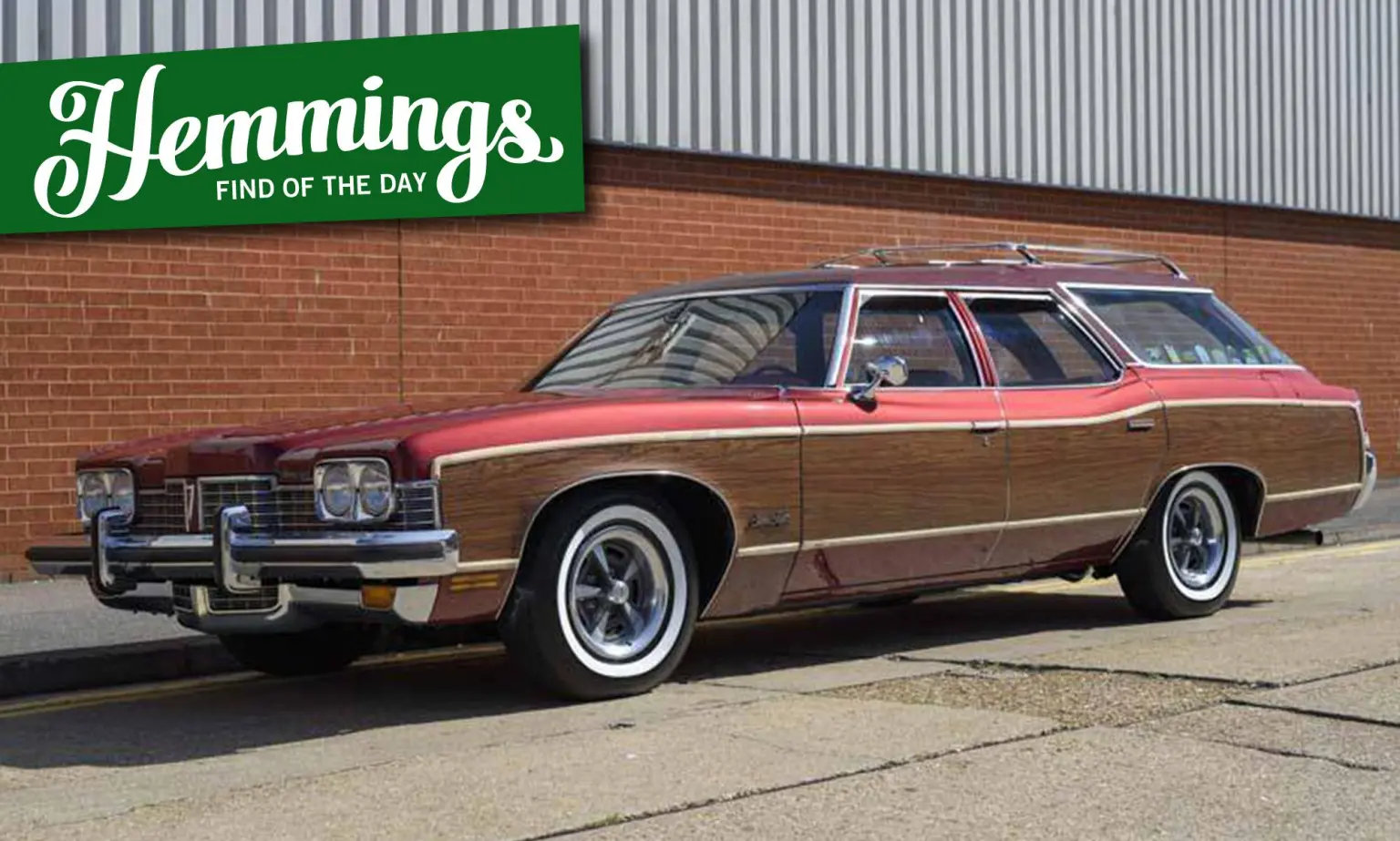
Pontiac Safari 455
Pontiac built its reputation on performance, and the Safari wagon carried that tradition forward in an unexpected form. When equipped with a 455 cubic inch V8, the Safari became a powerful machine disguised as a family vehicle. This combination of size and strength made it one of the most impressive wagons of its time.
The 455 engine delivered immense torque, which suited the Safari’s weight perfectly. Acceleration felt effortless, and the car could maintain high speeds with ease. Pontiac’s focus on performance tuning ensured that the suspension and brakes were capable of handling the power, making the driving experience surprisingly engaging.
Visually, the Safari retained Pontiac’s bold styling cues. Strong lines, wide stances, and aggressive front ends gave it a presence that hinted at its capabilities. While it did not shout for attention, it certainly did not disappear into traffic either. The wagon format added a layer of practicality without dulling the design.
Inside, the Safari 455 offered a combination of space and comfort. Large seats, roomy legroom, and practical cargo arrangements made it suitable for family use. Yet the V8 engine and optional performance upgrades reminded drivers that this was no ordinary wagon. Every press of the accelerator reinforced its muscle car roots.
The Safari 455 also reflected Pontiac’s racing heritage. Its suspension geometry, braking, and optional rear axle ratios were influenced by performance models in the lineup. These elements ensured the wagon could handle spirited driving and long road trips with confidence, giving drivers a unique blend of speed and utility.
Finally, Pontiac Safari 455 remains admired today for its dual personality. It could transport a family with ease while delivering real muscle car thrills. This versatility, combined with distinctive design and a legendary engine, makes it one of the most desirable and surprising wagons from the muscle car era.
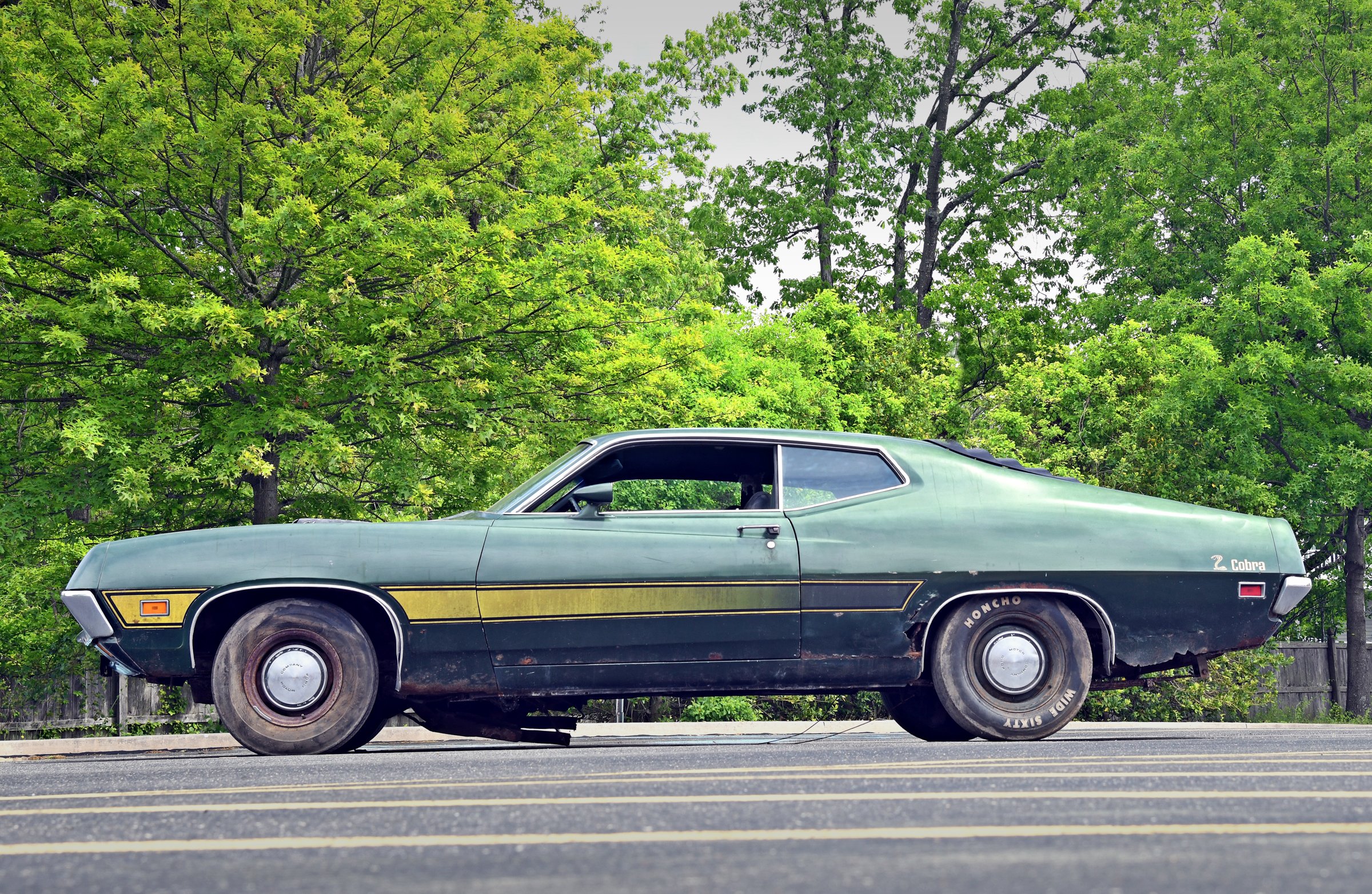
Ford Torino Cobra Jet Wagon
The Ford Torino is often associated with racing and high performance coupes, but its wagon variant deserves equal respect. When equipped with Cobra Jet power, the Torino wagon became a formidable performer. This was a car that could haul cargo and still deliver thrilling acceleration.
The Cobra Jet engines were designed with performance in mind, offering strong horsepower and high revving capability. In wagon form, this translated into surprising speed and confidence. The longer body helped smooth out the ride, making the car feel composed even when pushed hard.
Ford’s styling during this period emphasized bold shapes and strong proportions. The Torino wagon carried these elements well, with a muscular stance that hinted at its potential. Performance options such as upgraded suspension and brakes further enhanced its capabilities.
Inside, the wagon offered a driver-friendly layout that balanced comfort with performance. Supportive seating, clear instrumentation, and thoughtful cabin design allowed drivers to enjoy spirited driving while still accommodating passengers and cargo. This interior balance contributed to its practical yet exciting character.
The Torino Cobra Jet wagon also benefited from its drag racing pedigree. Many owners appreciated the car’s ability to handle high horsepower with minimal modifications. The combination of factory tuning, suspension enhancements, and engine power made it competitive even among lighter, smaller coupes, proving the wagon’s capabilities were more than just visual.
Finally, the Torino wagon is now a rare and collectible example of Ford’s willingness to think outside the box. Its blend of size, power, and usability makes it stand out in the muscle car world. Enthusiasts today admire it for challenging assumptions and showing that even a practical body style could carry serious performance credentials.
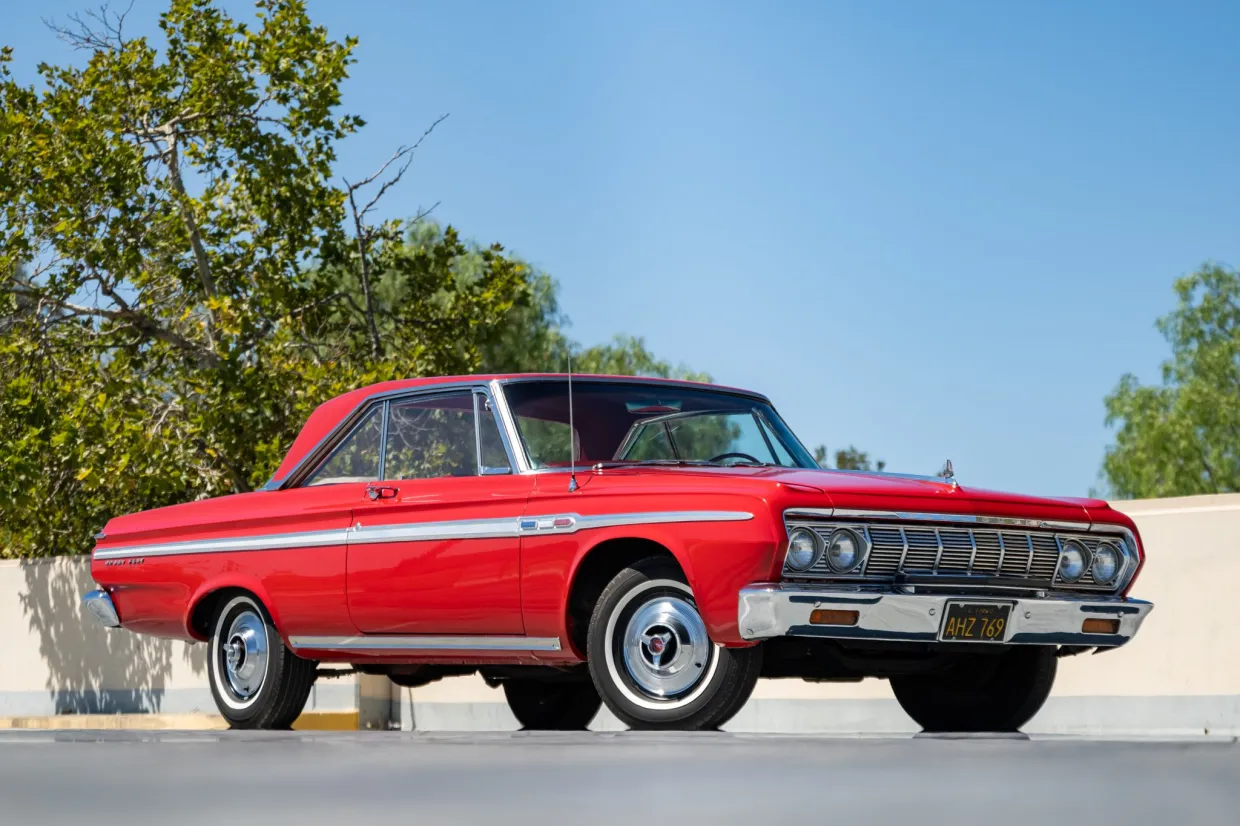
Plymouth Fury Sport Wagon 440
The Plymouth Fury Sport Wagon offered a blend of size, comfort, and serious power. With a 440 V8 under the hood, this wagon delivered muscle car performance in a full-size package. It was built for drivers who wanted power without compromise, combining family-friendly practicality with thrilling acceleration.
The 440 engine was known for its strength and durability. In the Fury wagon, it provided strong acceleration and confident passing power. The car’s weight did little to hold it back, as the engine’s torque easily overcame inertia. This made the Fury feel surprisingly quick for its size, with effortless highway performance and respectable straight-line speed.
The Fury’s handling was designed to balance comfort and performance. Heavy-duty suspension components helped control body roll, while optional upgraded shocks and sway bars improved cornering stability. The result was a wagon that remained composed under spirited driving, providing both confidence and excitement behind the wheel.
Inside, the Fury focused on comfort and space. Wide seats, generous legroom, and a large cargo area made it ideal for families. At the same time, performance touches such as sporty steering wheels and optional tachometers reminded drivers that this was no ordinary wagon. It balanced practicality and excitement in a way few vehicles could.
Visually, the Fury Sport Wagon 440 was striking without being overbearing. Clean lines, subtle chrome accents, and carefully designed proportions gave it a commanding presence on the road. Enthusiasts often added performance wheels or upgraded trim packages to further emphasize its muscle car credentials, creating a wagon that was both practical and unmistakably powerful.
Collectors today value the Fury Sport Wagon 440 for its combination of size, performance, and usability. It remains a symbol of an era when American automakers were willing to push boundaries and offer vehicles that could perform just as well on the racetrack as on a family trip. Its rarity and versatility make it a highly sought-after classic.
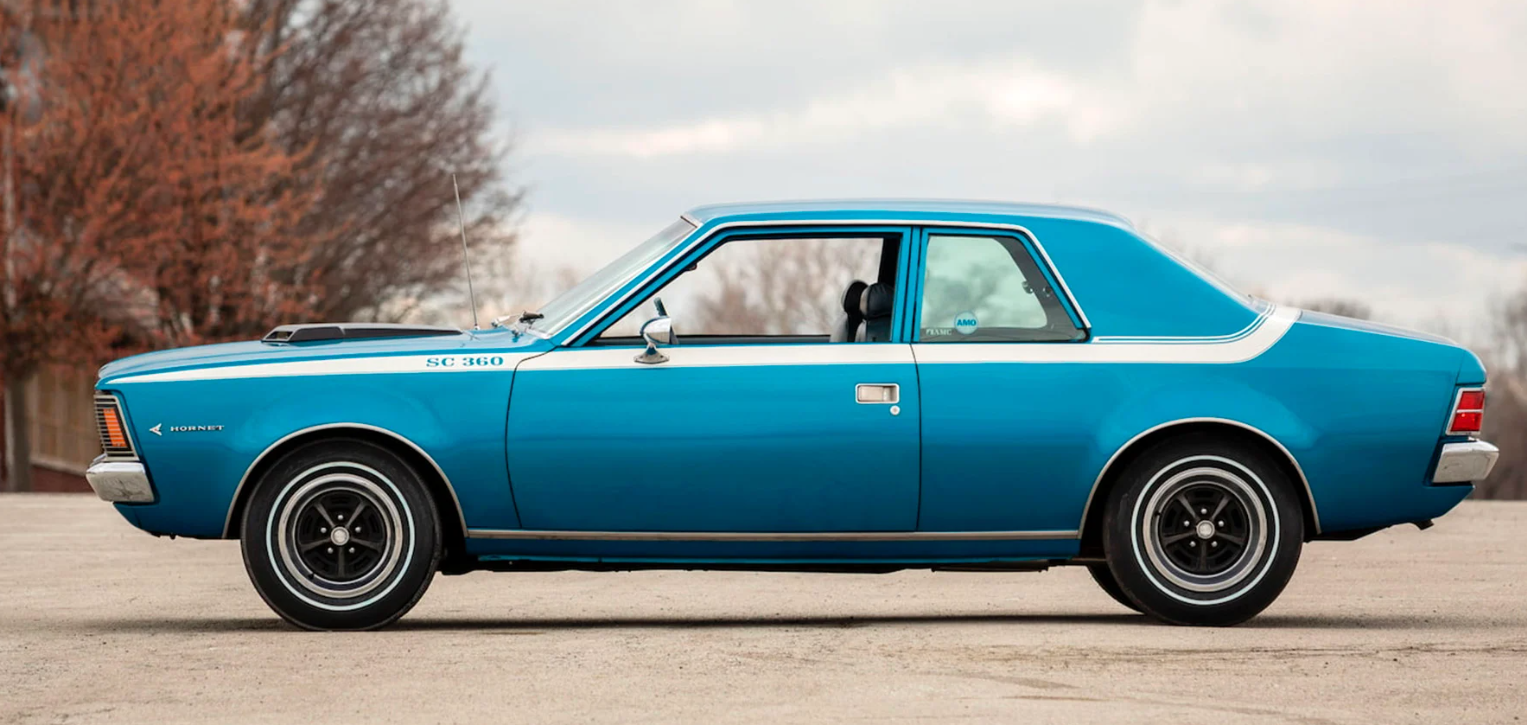
AMC Hornet Sportabout SC360
AMC was never afraid to challenge conventions, and the Hornet Sportabout SC360 is a perfect example. This compact wagon packed a surprising punch thanks to its high-performance V8 engine. It proved that muscle car performance did not require a large body, showing that agility and speed could coexist with practicality.
The SC360 engine gave the Hornet strong acceleration and a lively character. The smaller size of the wagon helped maximize performance, making it feel quick and responsive. This combination created a unique driving experience, with the car feeling light and nimble yet surprisingly powerful for its dimensions.
Styling was straightforward but effective. The Hornet Sportabout looked clean and purposeful, with just enough performance cues to stand out. Its compact size made it easy to drive in urban environments while still offering cargo and seating space. The balance between practicality and performance was one of its most appealing traits.
The interior of the SC360 reflected its dual personality. While compact, it offered thoughtful design, comfortable seats, and a driver-focused layout. Optional upgrades such as performance gauges and sporty trim details reinforced its muscle car pedigree. It could serve as a daily driver or a weekend performance car without compromise.
Over time, the Hornet SC360 gained a cult following due to its originality and rarity. Enthusiasts appreciate the car for breaking the mold and showing that American muscle could come in smaller, unconventional forms. Its combination of nimble handling, performance, and utility makes it a standout among compact muscle wagons.
Finally, the Hornet Sportabout SC360’s place in muscle car history is significant. While overshadowed by larger, more popular models, it remains an example of AMC’s innovation and willingness to experiment. For collectors, it represents a rare chance to own a unique piece of performance history.
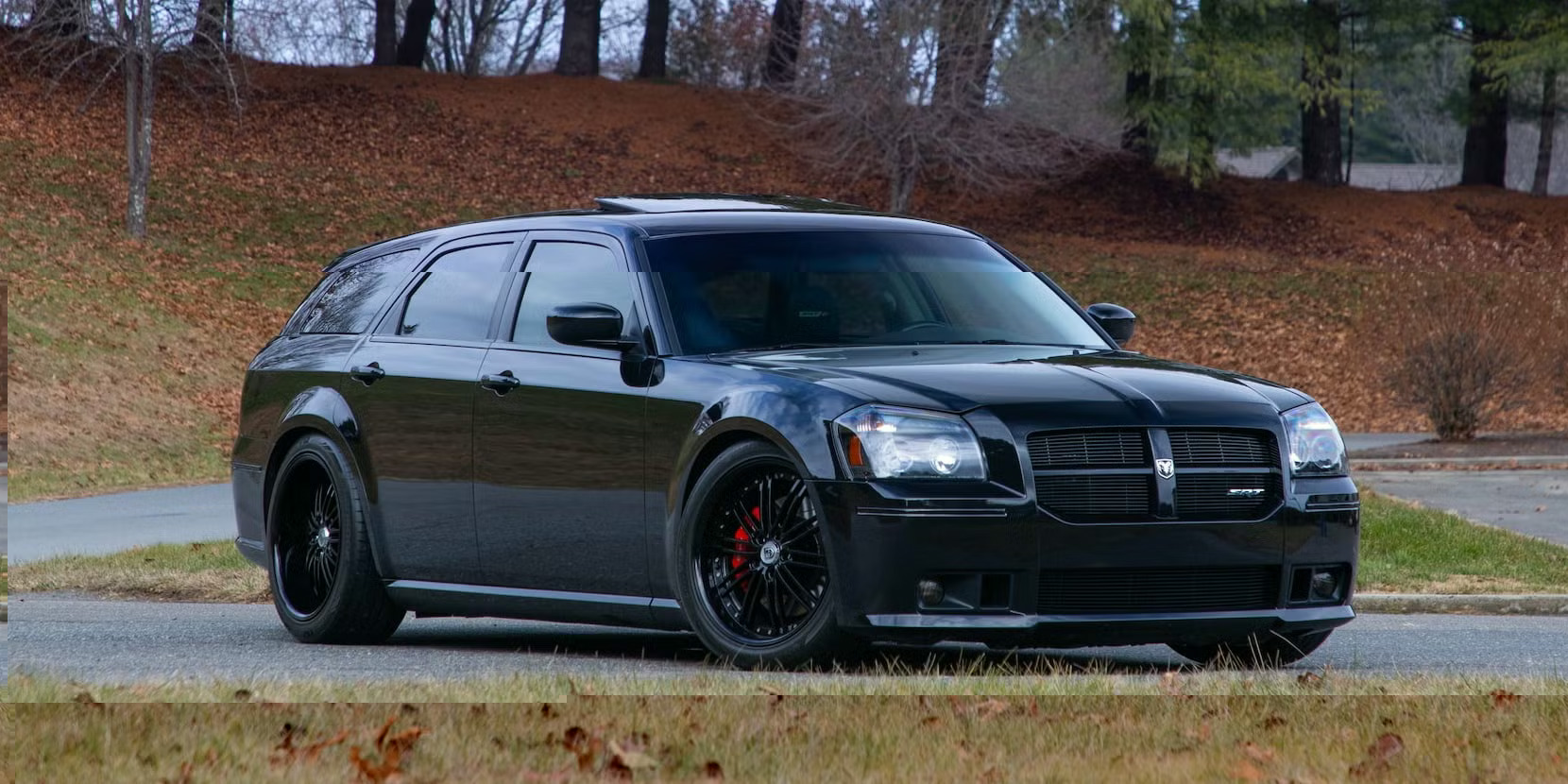
Dodge Magnum SRT8
The Dodge Magnum SRT8 brought the muscle wagon concept into the modern era. With aggressive styling and a powerful V8, it reintroduced the idea of a fast wagon to a new generation. It combined bold design with performance engineering to create a vehicle that was unmistakably American muscle.
The engine delivered strong horsepower and a deep, authoritative sound. Acceleration was immediate, and the car felt confident at any speed. Its modern suspension and braking systems ensured that it could handle its power with control and precision, making it a thrilling yet safe driving experience.
Inside, the Magnum SRT8 balanced performance features with everyday usability. Supportive seats, advanced technology, and ample cargo space allowed it to serve as a practical family vehicle while still delivering sports car excitement. This combination set it apart from many other contemporary wagons.
The exterior styling emphasized muscular proportions. Bold lines, wide fenders, and aggressive front and rear fascias gave the Magnum a commanding road presence. Its look communicated performance without relying on exaggerated features, and enthusiasts often added aftermarket upgrades to further emphasize its aggressive character.
The Magnum SRT8 also represented a cultural statement. In an era dominated by SUVs, Dodge created a vehicle that merged practicality with raw muscle car power. Its rarity and unapologetic design make it a modern classic among collectors and performance enthusiasts alike.
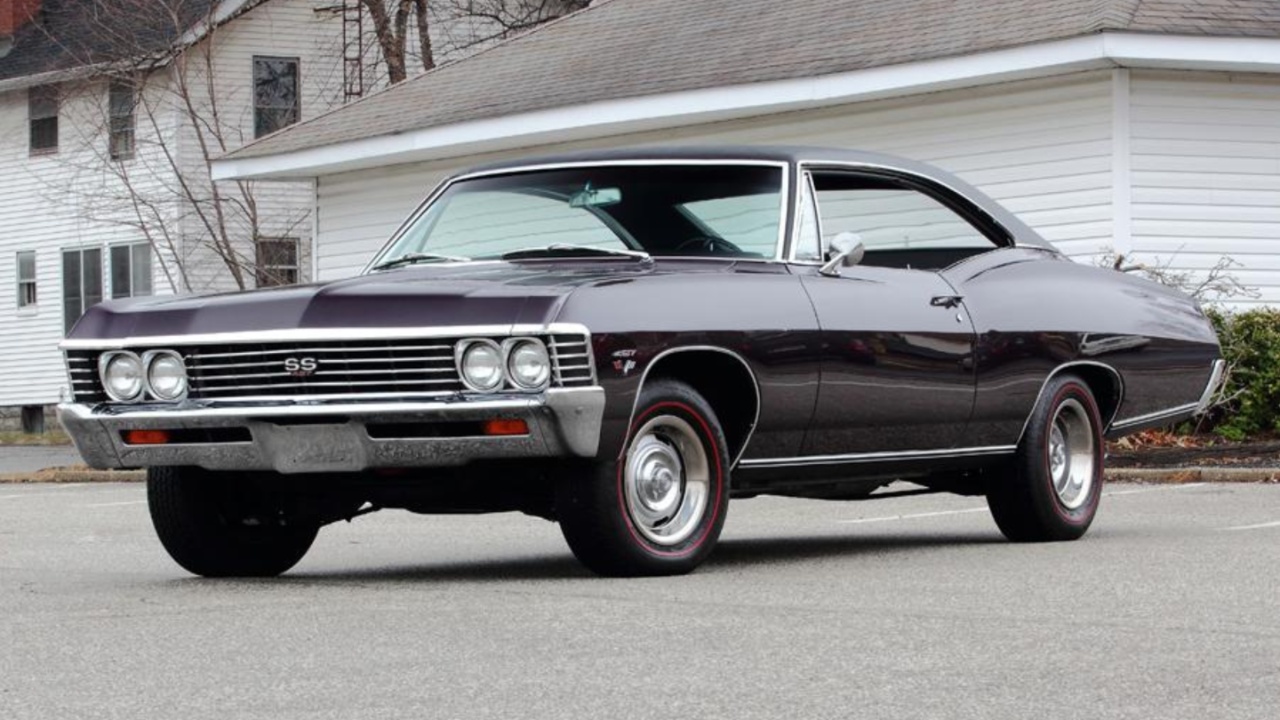
Chevrolet Impala SS Wagon
The Chevrolet Impala SS of the mid-1990s is already respected as a performance sedan, but the wagon variant takes that appeal even further. Built on the same platform, the wagon offered similar performance with added practicality. It became a favorite among enthusiasts who wanted space and speed combined in one vehicle.
The V8 engine provided strong acceleration and a smooth powerband. The car felt composed and confident, especially on highways. Its rear-wheel-drive layout and performance-oriented tuning gave it a classic muscle car feel, allowing the wagon to feel engaging and responsive under spirited driving conditions.
Styling was subtle yet purposeful. Dark trim, wide wheels, and a low stance gave the Impala SS wagon a serious presence without calling too much attention to itself. It maintained an understated elegance while communicating that this was a performance-focused vehicle at its core.
The interior offered a comfortable and practical layout. Spacious seating, quality materials, and thoughtful storage solutions allowed the Impala SS wagon to function as a family car while retaining its sportiness. Optional performance details, such as upgraded instrumentation and supportive seats, further reinforced its identity as a muscle wagon.
Over the years, the Impala SS wagon has become a favorite for enthusiasts who appreciate sleeper performance. Its combination of modern amenities, reliable V8 power, and practicality makes it a unique example of how muscle car traditions carried forward into later decades.
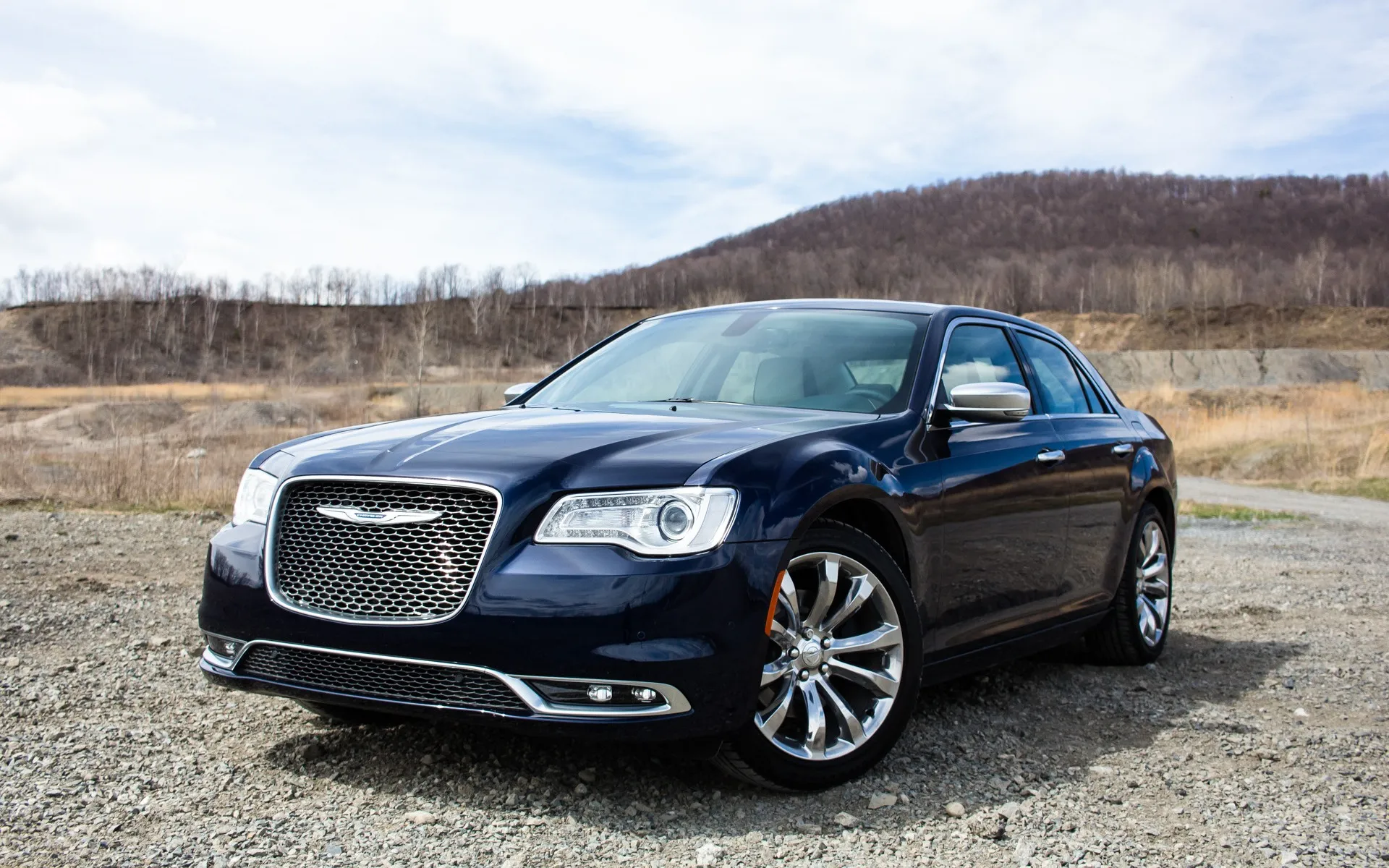
Chrysler 300C Touring SRT8
The Chrysler 300C Touring SRT8 represents a bold approach to the muscle wagon idea. With its strong design and powerful engine, it offered a blend of luxury and performance that few wagons could match. This vehicle was designed for drivers who wanted presence, power, and practicality all in one package.
The engine delivered impressive acceleration and a confident driving experience. Modern engineering ensured smooth power delivery and strong handling. Despite its size, the car felt agile and responsive, especially at higher speeds. Its rear-wheel-drive configuration contributed to a classic American performance feel.
Interior quality was a key strength of the 300C Touring SRT8. Premium materials, advanced features, and a spacious layout made the cabin inviting for both drivers and passengers. The wagon format added practicality without compromising the upscale, luxurious character that defined the model.
The exterior styling emphasized boldness. Its upright stance, strong lines, and large wheels projected confidence and performance simultaneously. Subtle details, such as SRT8 badging and aerodynamic touches, reinforced its performance credentials while maintaining a polished appearance.
The 300C Touring SRT8 showed that muscle wagon ideas could thrive in modern automotive culture. It combined the utility of a wagon with high-performance engineering and luxury appointments, creating a vehicle that appealed to enthusiasts seeking a unique blend of speed, style, and practicality.
