
Muscle cruisers occupy a unique position in the world of motorcycles. Unlike sport bikes, which focus on extreme speed and cornering agility, or touring motorcycles designed primarily for comfort and long-distance travel, muscle cruisers blend raw power with a distinctive, commanding presence on the road.
Riders drawn to this category are often looking for machines that combine impressive engine output with a weight that allows for a thrilling, responsive riding experience. One of the most important performance metrics in this context is the power-to-weight ratio.
This ratio measures how much power a bike produces relative to its mass, giving a more practical indicator of acceleration and performance than horsepower alone. A high power-to-weight ratio translates into quicker launches, more responsive handling, and an exhilarating ride that can rival even some sport-oriented motorcycles.
The design philosophy behind muscle cruisers emphasizes bold styling and a comfortable, upright riding position without compromising engine performance. These motorcycles are often built with V-twin engines or parallel-twin configurations, delivering deep, resonant exhaust notes that reflect both power and craftsmanship.
Weight management plays a crucial role in this class. Even a bike with a massive engine can feel sluggish if its mass overwhelms the available horsepower. Conversely, a carefully engineered muscle cruiser can offer a nimble and engaging ride despite its seemingly bulky appearance. Understanding which bikes combine these factors effectively allows enthusiasts to make informed decisions when choosing their next ride.
This article will highlight ten muscle cruisers that excel in power-to-weight performance, demonstrating how manufacturers balance engine output with frame design, suspension tuning, and ergonomics. These bikes are not only capable of impressive straight-line acceleration but also provide a confident, planted feel during everyday riding.
From classic American cruisers with modern engineering tweaks to more contemporary machines with aggressive styling, each entry on this list represents a careful balance of strength, weight, and rideability. Riders who prioritize responsiveness, thrill, and presence will find that a well-designed muscle cruiser with an excellent power-to-weight ratio offers a unique experience that few other motorcycle categories can match.
By examining these motorcycles, we can understand how engineering choices influence performance, why certain bikes stand out, and how a high power-to-weight ratio affects both practicality and enjoyment on the road.
Whether for city riding, weekend getaways, or spirited backroad runs, muscle cruisers with optimized power-to-weight ratios deliver a combination of excitement, confidence, and raw emotion that defines the essence of this motorcycle segment.
This list is meant to guide enthusiasts, spark conversation, and highlight motorcycles that excel not only in specifications but also in real-world performance, ensuring that riders can choose a machine that truly fits their vision of power and agility.
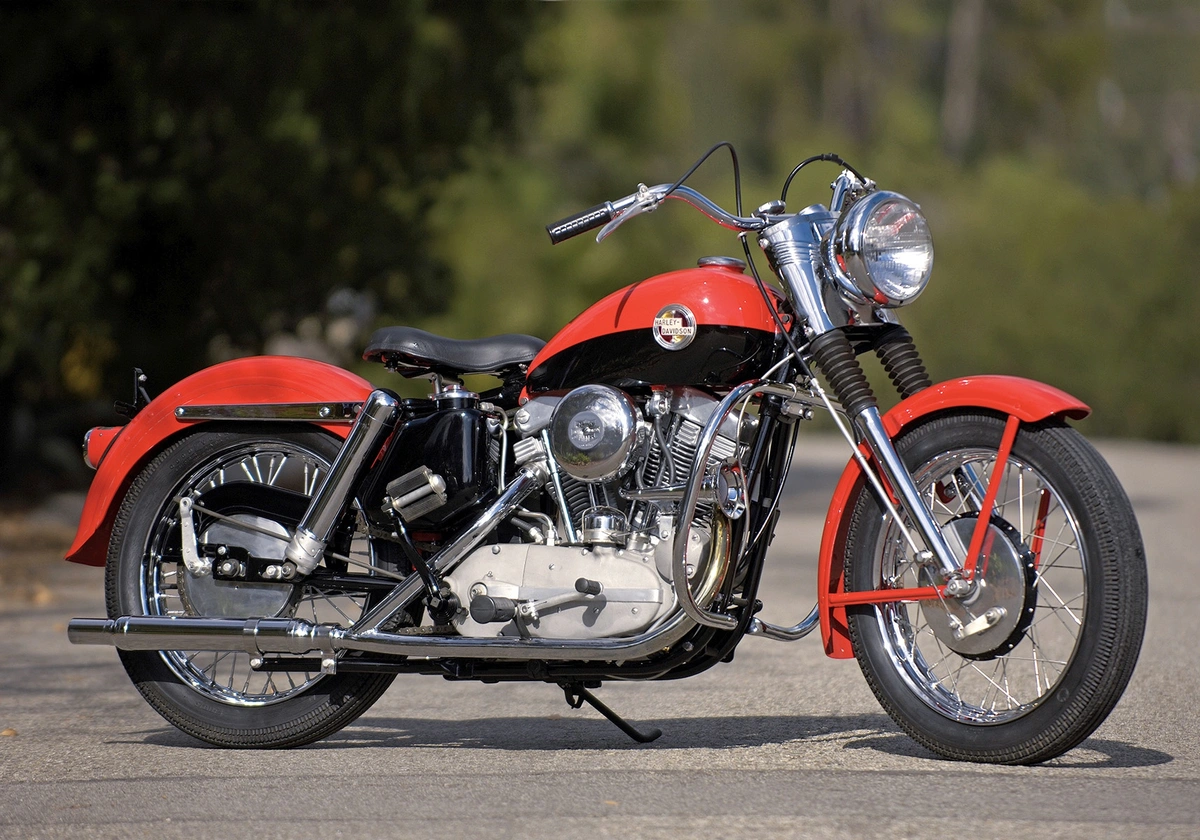
1. Harley-Davidson Sportster S
The Harley-Davidson Sportster S stands as one of the most distinctive models in the modern cruiser lineup. Unlike traditional Sportsters, this version combines aggressive styling with a liquid-cooled Revolution Max engine that dramatically improves power-to-weight efficiency.
The bike’s engine generates robust torque across the mid-range, which allows riders to accelerate effortlessly from a standstill without the need for constant gear changes. This combination of lightweight design and powerful output gives the Sportster S a competitive edge, particularly in urban environments where responsiveness is key.
One of the defining features of the Sportster S is its chassis design, which complements the engine’s performance. The lightweight frame reduces mass, ensuring that the significant horsepower is not hindered by excess weight.
Suspension geometry is tuned to provide a balance between comfort and control, making the bike capable of spirited cornering while remaining stable at higher speeds. This thoughtful engineering ensures that the power-to-weight ratio translates into tangible performance, rather than being just a numerical advantage on paper.
Ergonomics also contributes to the Sportster S’s appeal. Riders benefit from a slightly forward-leaning position that balances comfort with a sense of control over the bike’s dynamics.
The combination of the engine’s torque delivery and the bike’s relatively low weight gives the Sportster S an exciting, almost sportbike-like acceleration feel, without sacrificing the cruiser identity. This makes it a versatile option for riders who want performance alongside classic Harley-Davidson styling cues.
Finally, the electronics package enhances the riding experience by allowing precise control over power delivery. Traction control, ride modes, and cornering ABS help ensure that the engine’s output is usable in a variety of conditions, which is especially important for a bike with a high power-to-weight ratio.
This synergy between hardware and software ensures that riders can enjoy both the thrill and the confidence that come with a powerful, lightweight cruiser.
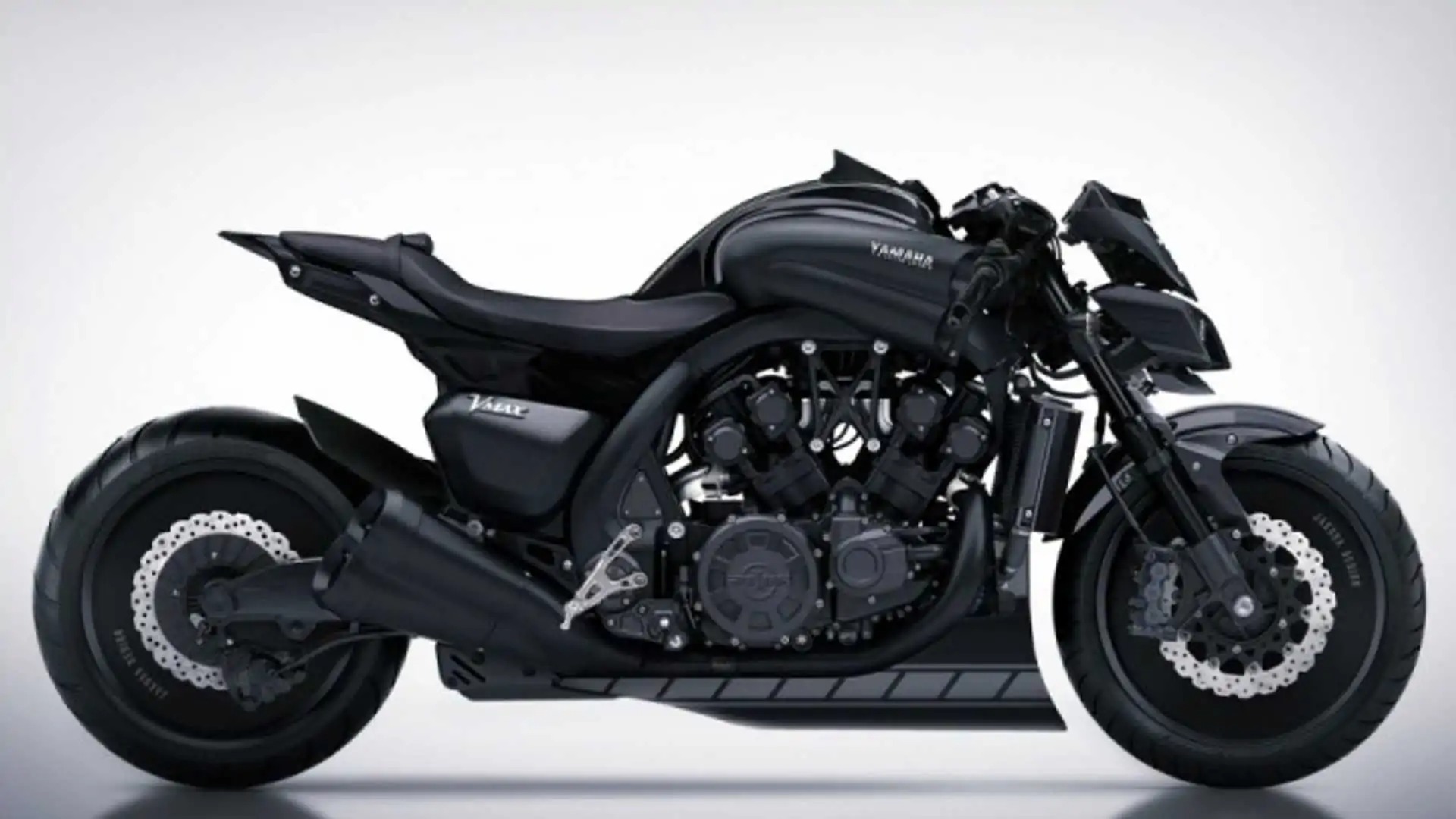
2. Yamaha VMAX
The Yamaha VMAX has long been synonymous with raw muscle cruiser performance. Its V4 engine produces extraordinary torque, which, when combined with a relatively compact frame for its class, results in one of the highest power-to-weight ratios among cruisers.
The VMAX’s throttle response is immediate, delivering an intense acceleration experience that has become legendary among enthusiasts. Unlike many large cruisers, which prioritize low-speed comfort over punch, the VMAX offers both instant power delivery and stability at high speeds.
Engine architecture is central to the VMAX’s reputation. The V4 design allows for both high output and smooth torque distribution, making the bike feel responsive without overwhelming the rider.
Its weight is carefully managed through the use of aluminum components and a minimalistic approach to bodywork, ensuring that the power from the engine translates efficiently into acceleration. This focus on mass reduction is a key reason the VMAX continues to be regarded as a performance leader in the muscle cruiser category.
Beyond raw power, the VMAX excels in handling for a cruiser. Its suspension and frame geometry allow it to corner with surprising precision, despite its muscular appearance. Riders can feel confident pushing the bike through curves, as the lightweight design prevents the kind of sluggishness that heavier cruisers sometimes experience. This combination of straight-line acceleration and nimble cornering defines the VMAX as a true muscle machine.
Finally, the VMAX’s design emphasizes rider feedback and connection to the engine. Every twist of the throttle produces a tactile response that reinforces the bike’s high power-to-weight ratio.
The result is a visceral, engaging experience that makes even short rides feel thrilling. The VMAX demonstrates that muscle cruisers can achieve the delicate balance of heavy-hitting performance and agile handling when engineered with both power and weight in mind.
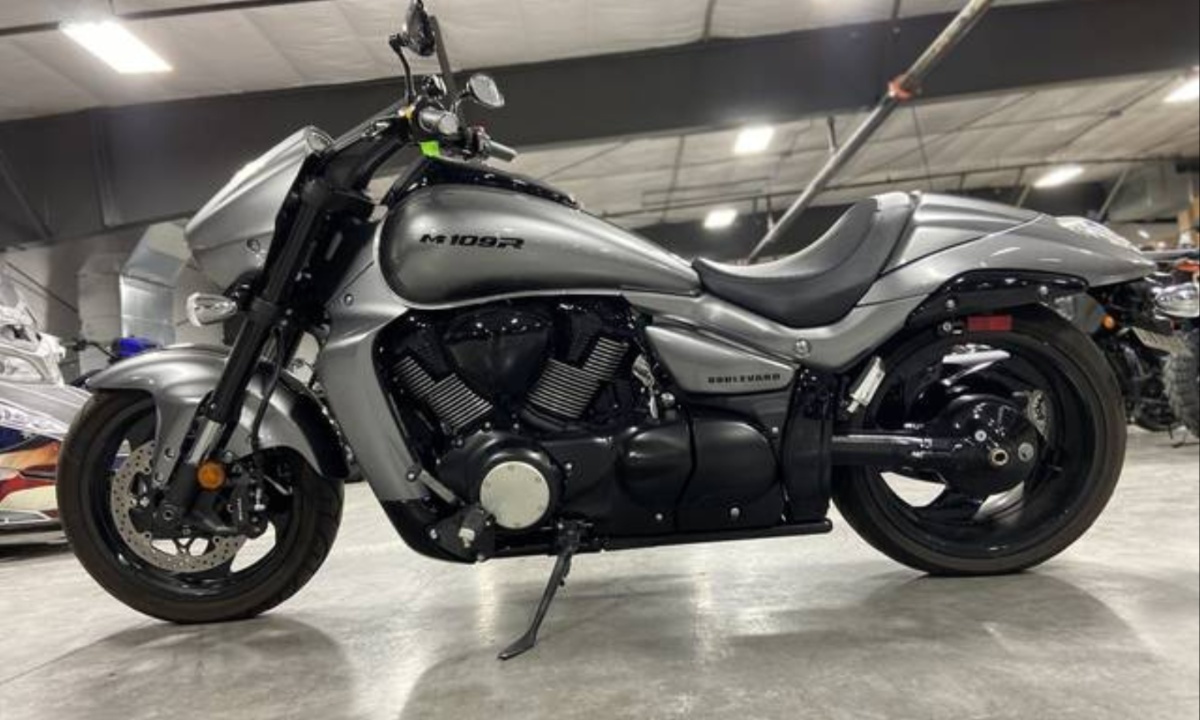
3. Suzuki Boulevard M109R
The Suzuki Boulevard M109R is a heavyweight in appearance but surprisingly agile due to its efficient power-to-weight ratio. Its massive V-twin engine produces enormous torque, yet the bike’s relatively low curb weight for its engine class allows riders to manage it confidently. This combination provides a sense of control that is uncommon in cruisers of similar size, allowing the M109R to accelerate rapidly without feeling cumbersome.
Engineering choices play a significant role in the M109R’s performance. Suzuki carefully designed the frame to balance stability and weight distribution.
This ensures that the bike remains composed during acceleration while still feeling responsive during turns. The engine itself is tuned to deliver power smoothly, which, when coupled with the bike’s weight management, enhances ride quality and performance efficiency.
Riders also benefit from ergonomics that balance comfort and control. Footpeg positioning, seat height, and handlebar placement allow for extended rides without fatigue while maintaining precise handling. The result is a muscle cruiser that combines explosive straight-line performance with usability in everyday situations, a rare trait in this class of motorcycles.
Finally, the M109R features a design philosophy that emphasizes both aesthetics and functionality. The bold, aggressive styling reflects its performance capabilities, while the chassis, suspension, and weight distribution ensure that this visual power is matched by real-world performance. It is a motorcycle where power-to-weight considerations are not just theoretical but immediately apparent in ride dynamics and acceleration.
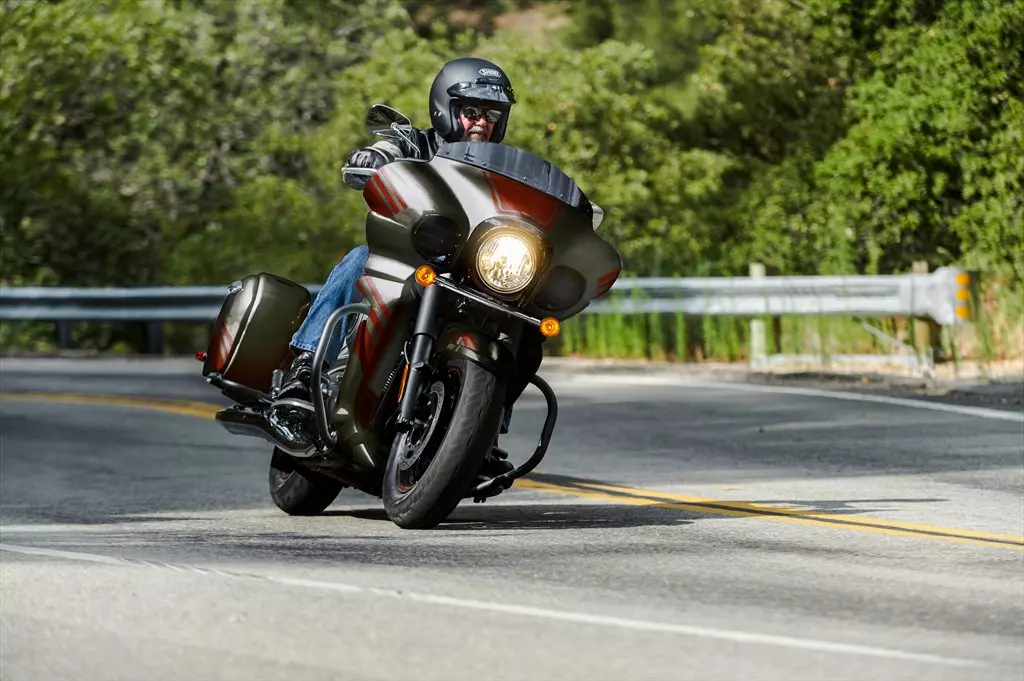
4. Kawasaki Vulcan 1700 Vaquero
The Kawasaki Vulcan 1700 Vaquero may appear as a traditional touring cruiser, but its performance credentials make it an unexpected contender in the power-to-weight category. At first glance, the Vaquero’s substantial fairing and luggage might suggest bulk and reduced agility, yet the bike’s V-twin engine produces substantial torque that offsets its mass.
The engine delivers smooth, linear power throughout the rev range, allowing riders to accelerate confidently even when the bike is fully loaded with gear. Weight distribution has been optimized in the chassis to maintain stability without compromising responsiveness, which is crucial for a cruiser intended for both long trips and spirited rides.
The Vaquero’s frame design contributes heavily to its efficiency. By using lightweight aluminum components alongside a carefully balanced steel frame, Kawasaki ensures that the bike’s mass does not impede its acceleration capabilities.
The suspension is tuned for comfort but retains enough rigidity to transmit the engine’s power effectively through the wheels, resulting in a feeling of controlled force rather than overwhelming heaviness. These engineering decisions demonstrate that even larger cruisers can maintain a competitive power-to-weight ratio if the weight is managed intelligently and the engine is calibrated for usable power.
Ergonomics play a key role in the Vaquero’s experience. With a well-padded seat, forward-positioned foot controls, and adjustable handlebars, riders can maintain comfort over long distances while still enjoying the bike’s responsiveness.
Unlike some cruisers where power delivery can feel disjointed due to bulk, the Vaquero’s lightweight handling characteristics, combined with the engine’s torque create an engaging experience that rewards both casual and aggressive riding. The synergy between comfort and performance makes the Vaquero stand out among cruisers that prioritize either one at the expense of the other.
Finally, electronics enhance the Vaquero’s practical performance without undermining its raw muscle character. Modern ride modes, traction control, and ABS allow the engine’s high output to be utilized safely and efficiently.
Riders can push the bike to its limits with confidence, knowing that the power-to-weight ratio has been engineered not just for numbers on paper but for real-world application. The Vaquero illustrates that with thoughtful engineering, even a cruiser designed for touring can excel in acceleration, responsiveness, and handling when weight and power are balanced effectively.
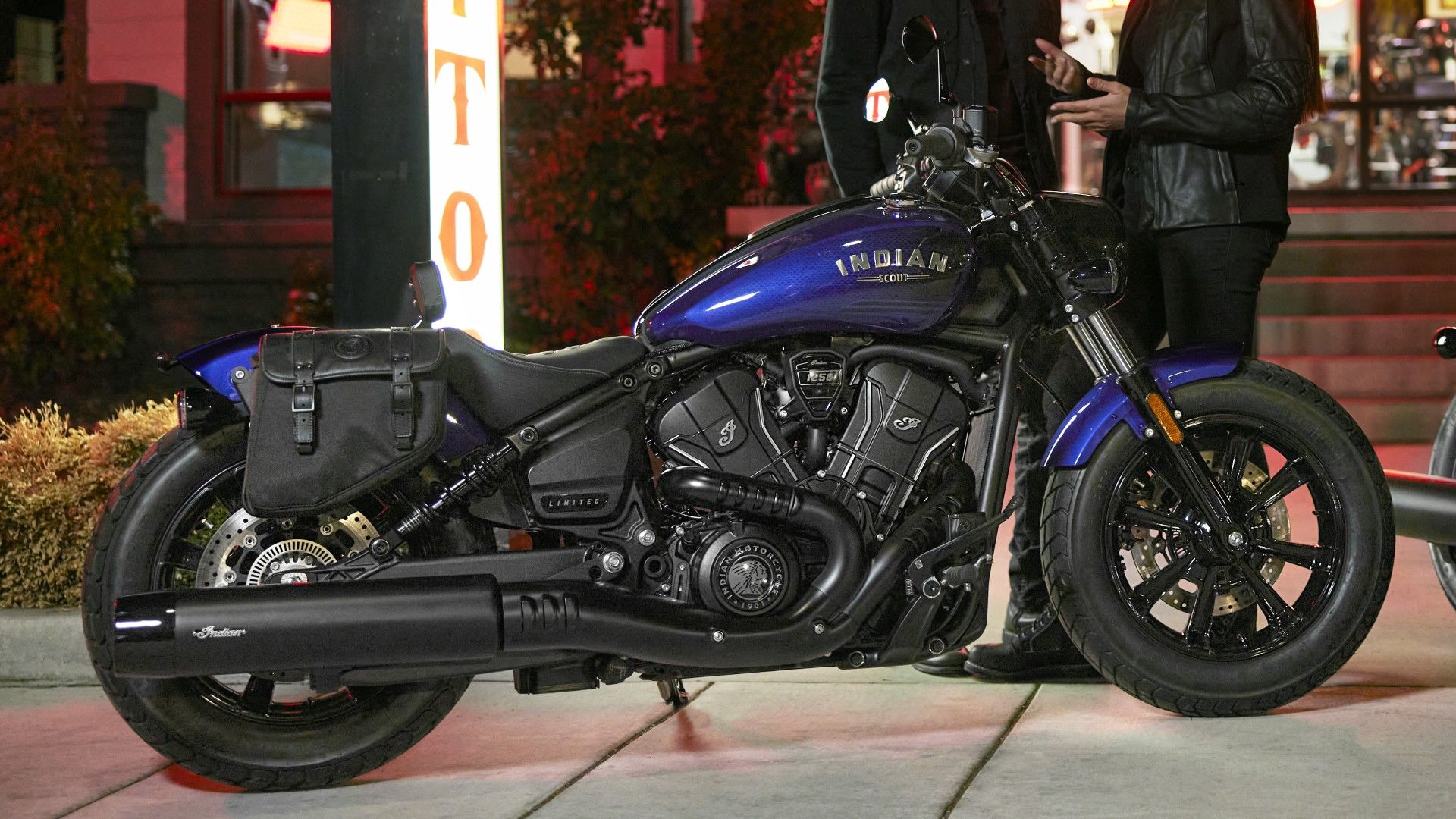
5. Indian Scout Bobber
The Indian Scout Bobber combines minimalist styling with a surprisingly high power-to-weight ratio, making it one of the most engaging muscle cruisers in its class. The liquid-cooled V-twin engine provides both substantial horsepower and torque, while the bike’s relatively light frame ensures that the engine’s output translates directly into performance.
The Scout Bobber’s acceleration is immediate, giving the impression of a larger, heavier machine moving effortlessly, which is a testament to the careful attention paid to engine and frame synergy.
The frame itself is compact and designed with an emphasis on weight reduction. Indian has utilized a combination of high-strength steel and aluminum components to keep the mass low without compromising structural integrity.
This careful balance allows the Scout Bobber to deliver a ride that feels nimble and responsive, particularly when compared to larger, more cumbersome cruisers. Suspension tuning complements the lightweight frame, absorbing road imperfections while maintaining enough stiffness to allow precise handling and controlled acceleration.
Ergonomically, the Scout Bobber is designed for aggressive yet comfortable riding. Its low seat height and mid-mounted foot controls encourage a slightly forward-leaning position that maximizes leverage and control over the rear wheel.
The engine’s torque delivery is linear and predictable, allowing riders to modulate power effortlessly, whether navigating city streets or open highways. These features together make the Scout Bobber feel lighter than it actually is, further enhancing its power-to-weight advantage.
Finally, styling and performance work together seamlessly on the Scout Bobber. Its stripped-down aesthetic highlights the engine, frame, and mechanical components, reinforcing its muscular character while maintaining agility.
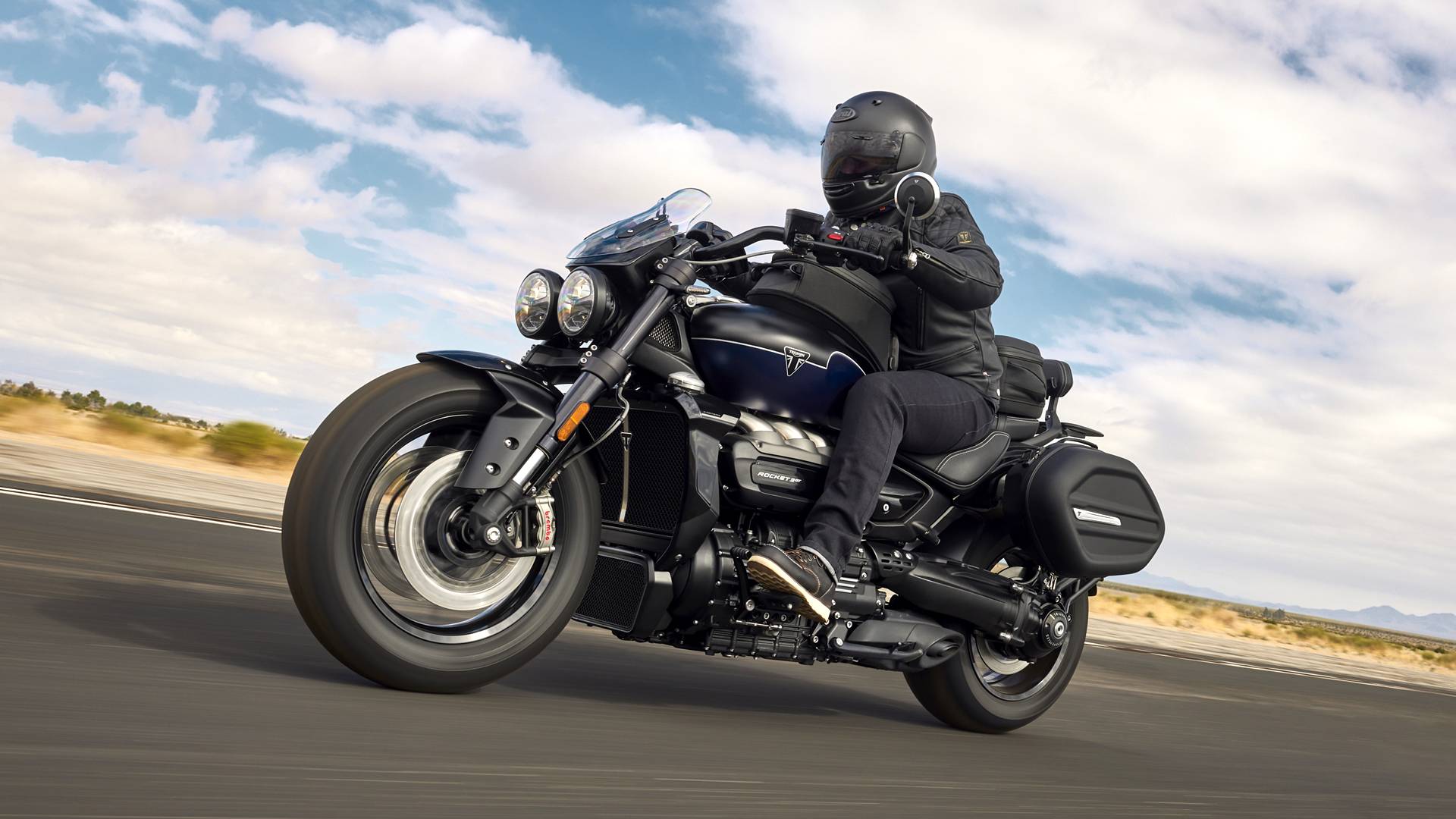
6. Triumph Rocket 3
The Triumph Rocket 3 is an extreme example of power-to-weight engineering in a cruiser. Its massive three-cylinder engine produces record-breaking torque, yet clever weight management allows it to remain surprisingly agile.
The Rocket 3’s aluminum frame, compact layout, and optimized component placement reduce the perceived weight, ensuring that the enormous engine output is usable in real-world riding conditions. Riders experience acceleration that feels instantaneous, with torque delivery so immediate that it transforms even routine riding into an exhilarating experience.
Engineering on the Rocket 3 emphasizes structural balance. Despite the engine’s size and output, the bike remains composed under acceleration thanks to carefully designed suspension geometry and weight distribution.
Components are selected not only for strength but also to minimize unnecessary mass, allowing the bike to harness its power efficiently. This ensures that the Rocket 3 doesn’t feel like an overwhelming brute but instead behaves as a controllable, high-performance machine capable of both straight-line acceleration and stable cornering.
The ergonomics of the Rocket 3 are another key element in translating power-to-weight advantages into a real-world experience. Its seating position, handlebar placement, and foot controls are designed to give riders leverage over the rear wheel, maximizing traction and control.
The result is a bike that feels as commanding in the hands of an experienced rider as it does on the highway, where stability and comfort are equally critical. Torque is delivered smoothly and predictably, making the Rocket 3 approachable despite its impressive specifications.
Finally, the electronics suite enhances both safety and performance. Ride modes, traction control, and cornering ABS allow riders to exploit the Rocket 3’s immense torque without fear of losing control.
These systems ensure that the power-to-weight advantage is not just theoretical but actionable, enabling riders to enjoy the muscle cruiser experience fully. The Triumph Rocket 3 exemplifies how careful engineering, innovative design, and rider-focused ergonomics can produce a cruiser that is both a powerhouse and a manageable, rewarding motorcycle to ride.
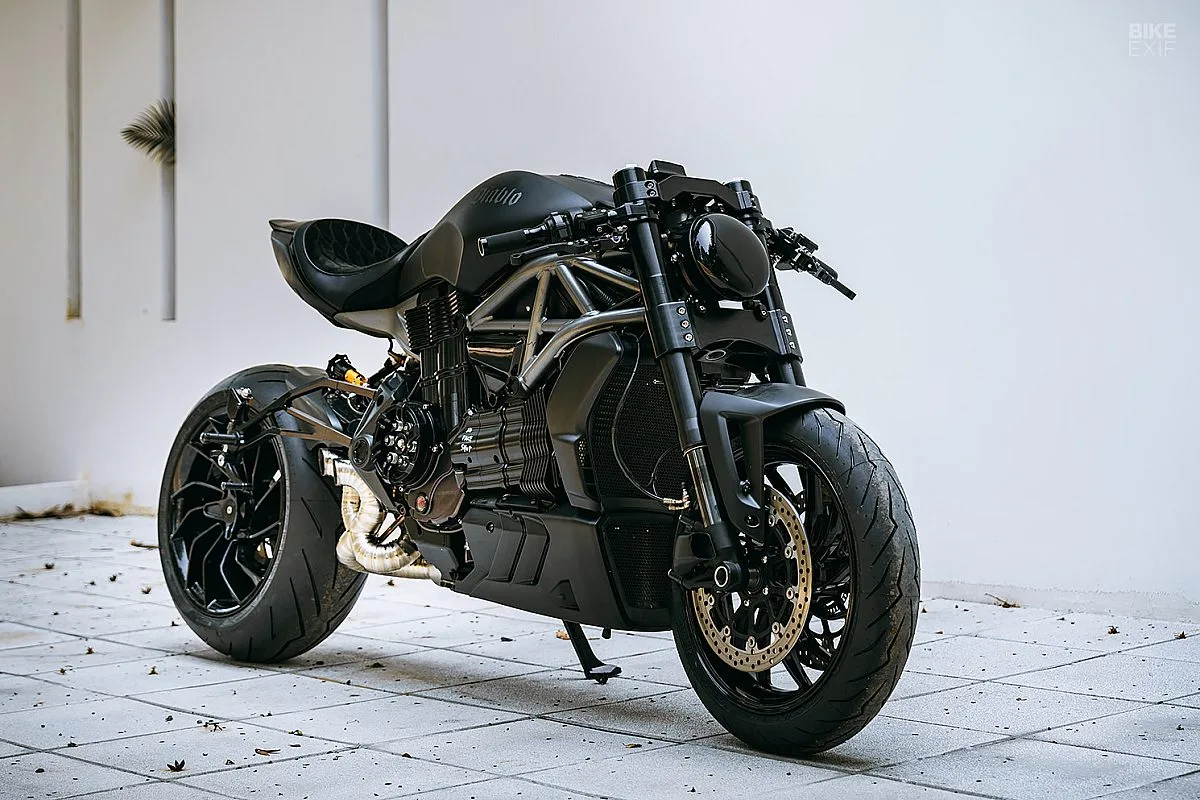
7. Ducati XDiavel
The Ducati XDiavel is an Italian interpretation of a muscle cruiser, blending performance-oriented engineering with a commanding presence. Its Testastretta DVT engine produces significant torque at low and mid-range RPMs, which gives riders immediate acceleration without needing to push the revs to the redline.
Despite the bike’s muscular build, Ducati has kept weight relatively low for its engine size through extensive use of aluminum and high-strength steel, enhancing its power-to-weight ratio and making the XDiavel feel surprisingly nimble for a cruiser of its scale.
The chassis design of the XDiavel further complements its engine performance. Ducati engineers have focused on optimizing the frame geometry to maintain balance and stability during rapid acceleration while allowing for precise handling in tight turns.
The low center of gravity contributes to excellent road feel, making the bike easy to maneuver even in urban traffic or on winding roads. Weight distribution is engineered so that the front and rear wheels maintain traction during aggressive acceleration, which maximizes the effectiveness of the XDiavel’s substantial horsepower.
Ergonomically, the XDiavel is built for a confident, commanding riding posture. The forward-set footpegs and wide handlebars position the rider in a semi-reclined stance that enhances control over the rear wheel while keeping comfort in mind.
This configuration allows riders to exploit the torque without feeling overextended or fatigued, ensuring that both short, spirited rides and longer journeys remain enjoyable. Ducati’s focus on rider-machine connection is evident in how the XDiavel’s engine responsiveness feels intuitive, enhancing the perception of a high power-to-weight ratio.
Finally, Ducati has integrated a sophisticated electronics suite to manage the XDiavel’s immense output. Multiple ride modes, traction control, cornering ABS, and power delivery settings ensure that the bike’s power is accessible in a safe and controlled manner.
This synergy between hardware and software allows riders to explore the XDiavel’s performance potential without feeling overpowered, making it a muscle cruiser that combines Italian style, innovation, and tangible real-world power-to-weight efficiency.
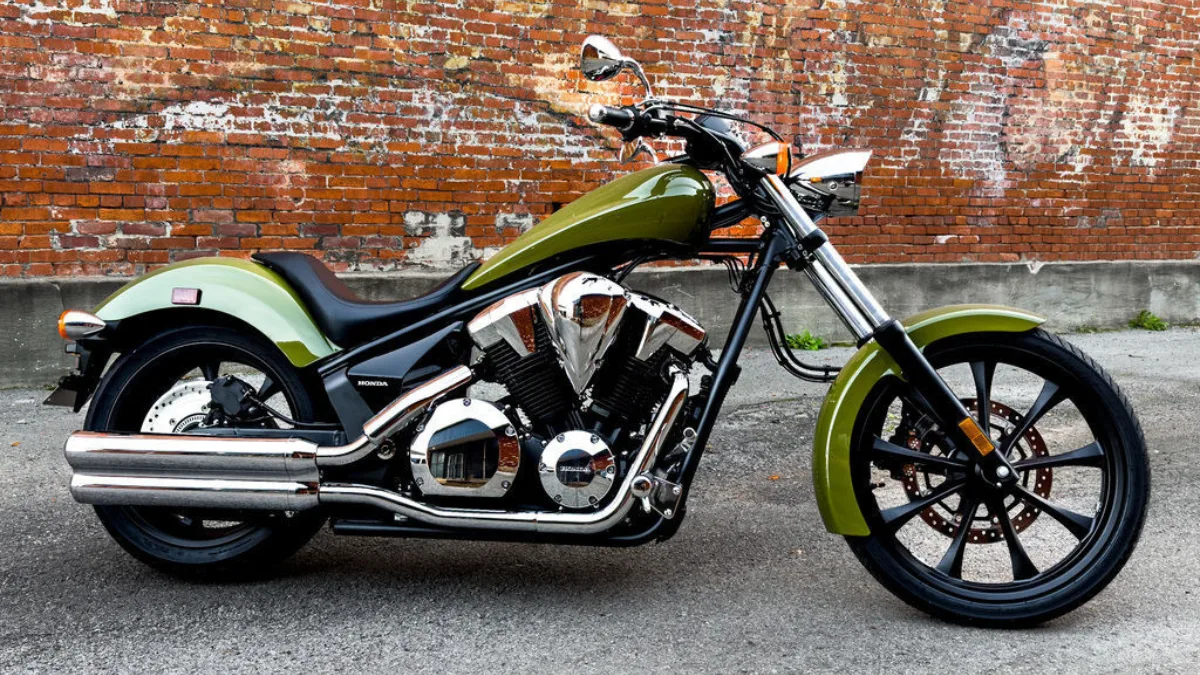
8. Honda Fury
The Honda Fury offers a unique approach to muscle cruising, combining chopper-inspired styling with a high-output V-twin engine. Its engine produces ample torque that is well-matched to the bike’s relatively low weight, making acceleration smooth yet assertive.
Unlike some larger cruisers that feel heavy and unwieldy, the Fury’s weight-to-power balance allows riders to experience confident launches and responsive throttle control in a wide range of riding conditions. The bike is especially suited for riders who appreciate the aesthetic of a stretched, low-slung cruiser but want performance that doesn’t compromise handling.
The Fury’s frame is engineered to maintain a balance between the chopper-style stretched appearance and structural rigidity. Despite its extended front end and long wheelbase, careful distribution of weight prevents the bike from feeling unwieldy.
Suspension tuning plays a key role in translating the engine’s power to usable performance, providing stability during straight-line runs while maintaining sufficient compliance for road imperfections. This balance ensures that the Fury remains enjoyable and predictable under acceleration, a hallmark of a muscle cruiser with an excellent power-to-weight ratio.
Ergonomics reinforce the Fury’s performance characteristics. The low seat height combined with forward-mounted foot controls gives riders leverage over the rear wheel, improving traction during hard acceleration.
Handlebars are positioned to offer comfort without sacrificing control, ensuring that the rider can maintain command over the bike even during extended rides. This ergonomic design enhances the sensation of responsiveness, making the bike feel lighter than it is and allowing riders to fully enjoy the engine’s torque output.
Finally, the Honda Fury demonstrates how styling and performance can coexist. Its bold chopper lines are matched by engineering that ensures power is usable, controlled, and engaging.
The bike’s design philosophy focuses on harmonizing engine output, frame geometry, and rider ergonomics, creating a muscle cruiser that delivers a sense of strength and agility simultaneously. The Fury proves that even visually imposing bikes can excel in power-to-weight performance when engineered with precision and attention to detail.
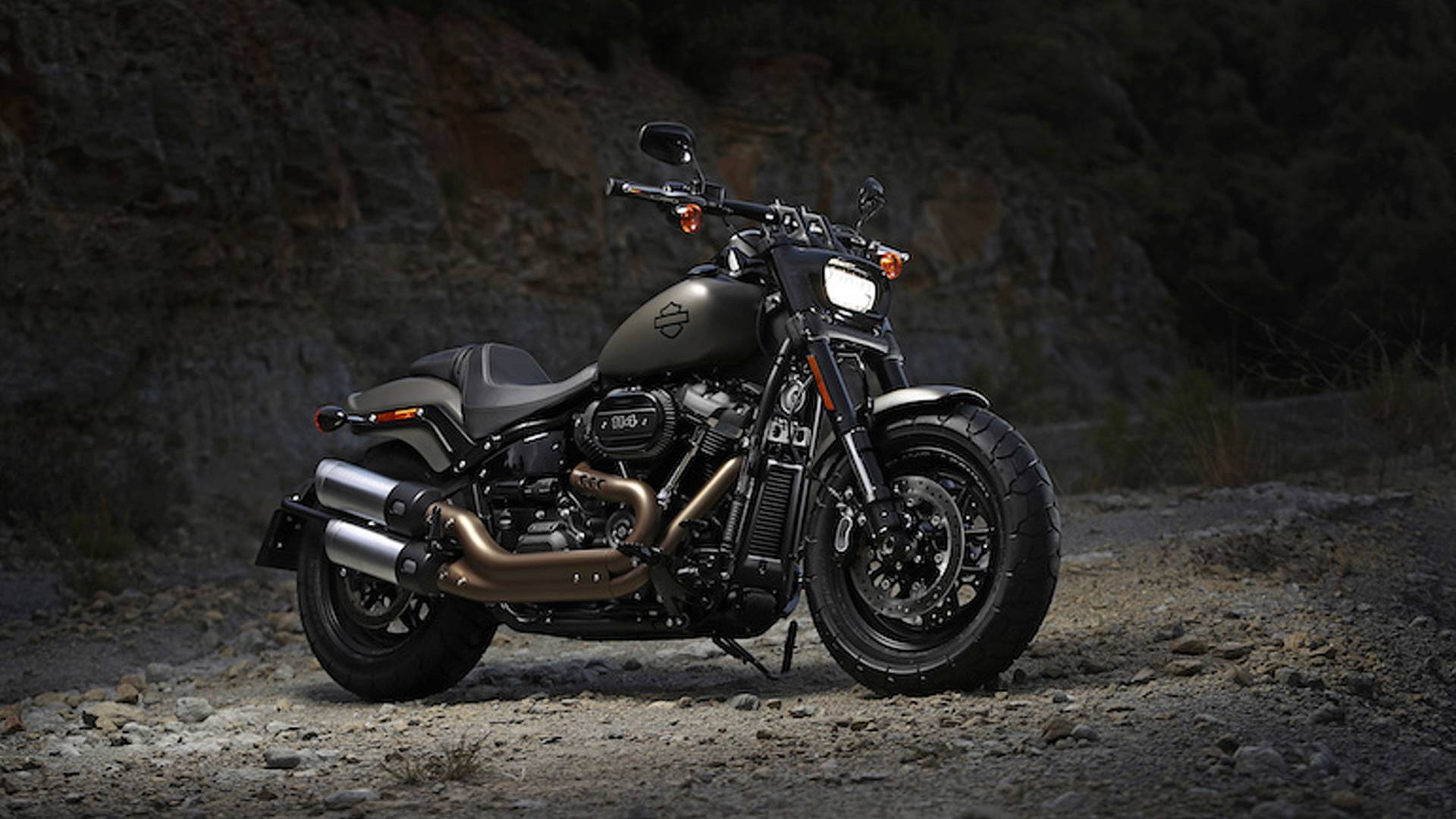
9. Harley-Davidson Fat Bob 114
The Harley-Davidson Fat Bob 114 exemplifies a modern muscle cruiser with aggressive styling and an engine tuned for high torque. Its Milwaukee-Eight 114 V-twin engine delivers impressive horsepower relative to its curb weight, ensuring that acceleration is immediate and thrilling.
The Fat Bob 114’s relatively short wheelbase and lightweight frame contribute to a nimble feel that contrasts with the bike’s muscular appearance, allowing riders to enjoy spirited rides without the sluggishness typical of larger cruisers.
The Fat Bob’s engineering focuses on a combination of power and handling. The suspension is designed to provide a firm, controlled ride that maximizes stability while transmitting the engine’s power efficiently to the rear wheel.
Weight management in the chassis ensures that the bike remains responsive during acceleration and deceleration, enhancing the sense of agility despite its aggressive, heavy-duty looks. The result is a muscle cruiser that is as capable in tight city streets as it is on open highways.
Rider ergonomics on the Fat Bob 114 are built to enhance control and confidence. The upright seating position and mid-mounted foot controls allow the rider to engage the engine’s power effectively, while the wide handlebars provide leverage for precise steering input.
The combination of ergonomic design and lightweight handling gives riders the ability to exploit the bike’s power-to-weight ratio fully, creating a riding experience that feels both commanding and enjoyable.
Finally, Harley-Davidson has integrated electronics to support performance without diluting the raw character of the Fat Bob. Traction control, ABS, and selectable ride modes allow riders to harness the engine’s torque safely, ensuring that acceleration is usable and predictable.
This thoughtful integration of technology and mechanical engineering ensures that the Fat Bob 114 lives up to its reputation as a high-performance muscle cruiser, combining power, agility, and a sense of presence that few motorcycles can match.
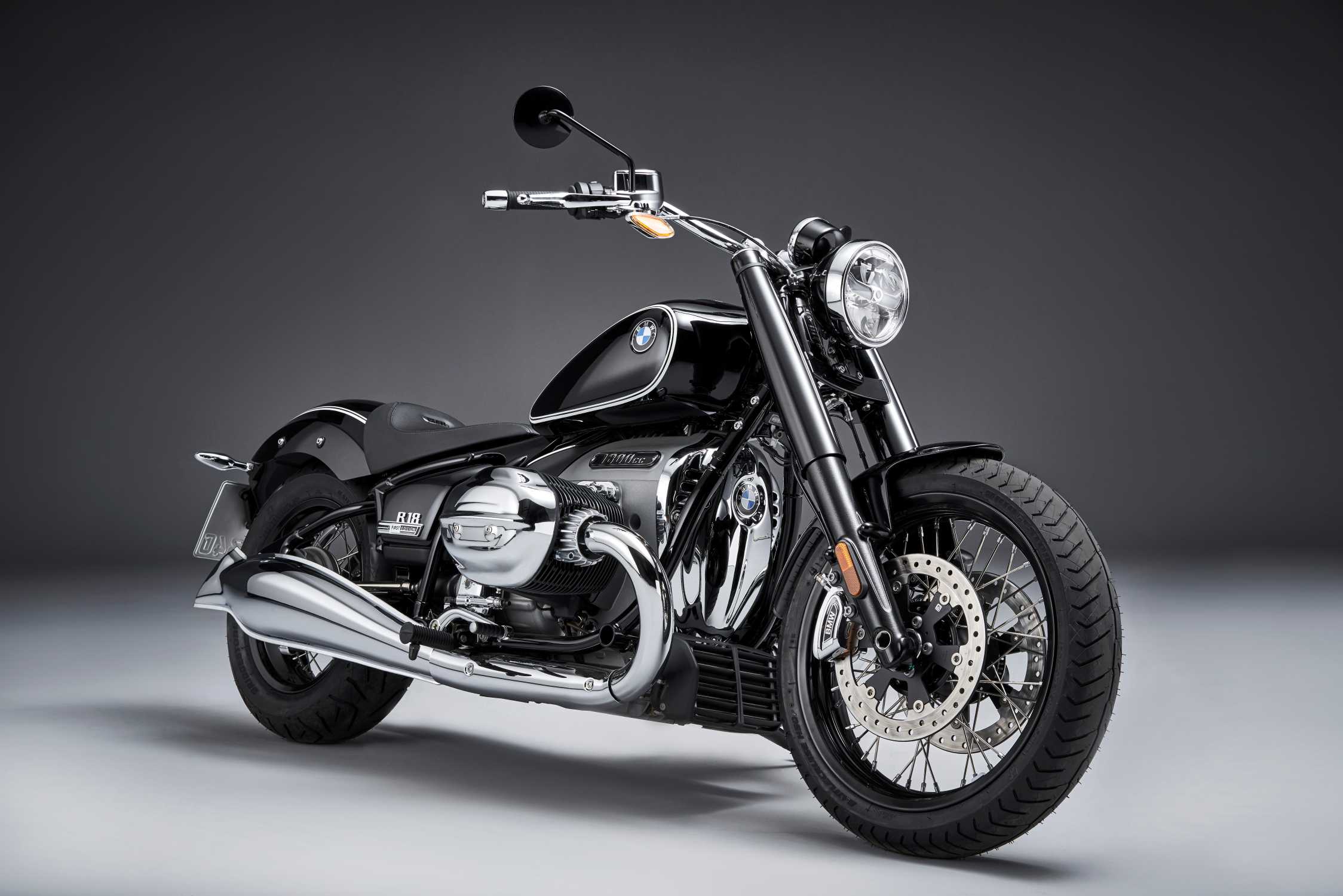
10. BMW R18
The BMW R18 is a large-displacement cruiser that defies expectations in terms of its power-to-weight ratio. Its massive flat-twin engine produces substantial torque from low RPMs, giving riders a commanding presence on the road while still allowing for surprisingly agile handling.
BMW’s careful weight management, including the use of lightweight alloys and a minimalist frame design, ensures that the R18 does not feel cumbersome despite its size. This combination allows riders to enjoy both dramatic straight-line acceleration and controlled cornering, a rare balance in heavy cruisers.
The R18’s frame and suspension are engineered to complement the engine’s performance characteristics. Weight distribution is optimized for stability during hard acceleration and braking, while the suspension provides a balance of comfort and road feedback.
BMW has ensured that the bike’s mass does not impede the torque output, allowing riders to experience the engine’s power in a tangible, immediate way. The engineering ensures that the R18 feels lively and responsive even at low speeds, enhancing its usability as both a cruiser and a performance-oriented machine.
Ergonomically, the R18 places the rider in a comfortable, commanding position. Foot controls and seat placement allow for leverage over the engine’s torque, while the wide handlebars provide control over steering inputs.
This design ensures that even longer rides remain comfortable while still giving riders the ability to exploit the bike’s power-to-weight advantage fully. BMW’s focus on ergonomics and balance translates directly into an engaging, confidence-inspiring riding experience that matches the R18’s engine capabilities.
Finally, the R18 integrates modern electronics and safety features that enhance performance without diminishing the raw cruiser experience. Traction control, ride modes, and ABS allow riders to take full advantage of the engine’s torque safely.
The combination of thoughtful engineering, rider-focused ergonomics, and efficient power-to-weight management makes the BMW R18 an example of how a large, traditionally heavy cruiser can remain a nimble, thrilling, and highly responsive motorcycle for enthusiasts seeking both performance and presence.
