
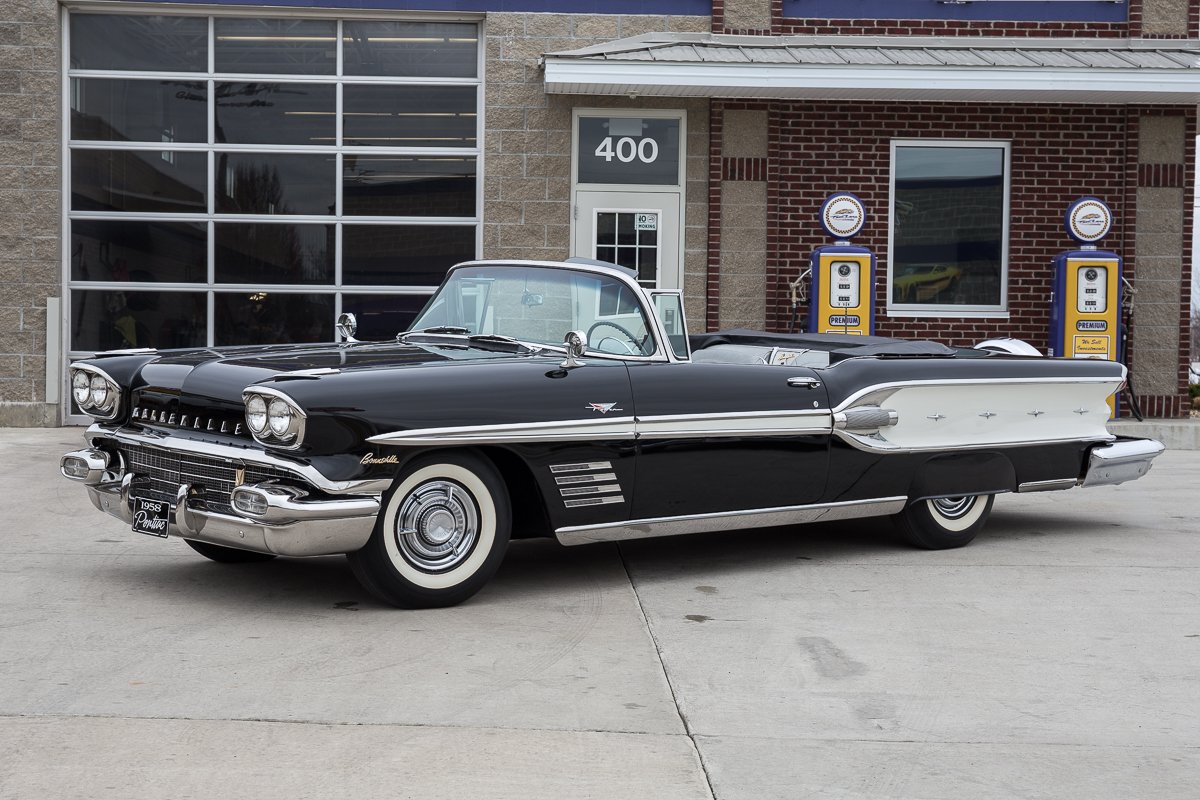
Pontiac has long been recognized as one of the most influential American car brands, known for producing vehicles that combine style, performance, and a unique sense of character. Although the brand was discontinued in 2010, classic Pontiac cars remain highly sought after by collectors, enthusiasts, and anyone with a passion for American automotive history.
While some Pontiac models can fetch high prices at auctions or specialty dealerships, there are still affordable options for buyers who want to own a piece of this iconic legacy. This article focuses on the most budget-friendly classic Pontiac cars currently available for sale.
The cars listed here range from sporty coupes to practical sedans, offering a variety of options depending on individual taste, needs, and intended use.
One reason classic Pontiac cars remain popular is their balance between performance and design. Models like the Pontiac Firebird and the GTO became symbols of power and freedom, while others like the Pontiac Grand Prix and Bonneville were celebrated for comfort and elegance.
Today, these vehicles carry a sense of nostalgia that makes them more than just cars; they are reminders of an era when American automotive design emphasized both form and function. Even for buyers on a tight budget, owning a classic Pontiac is an opportunity to experience a car that has historical significance and aesthetic appeal.
Another factor influencing the affordability of these cars is their availability. Certain Pontiac models were produced in large numbers, meaning there are more used vehicles on the market, which often translates into lower prices. Meanwhile, some rarer models remain costly due to their limited production or high demand among collectors.
This article highlights the more accessible options, focusing on vehicles that are both reasonably priced and reliable enough to be restored, driven, or simply enjoyed as collector items. For someone looking to buy a classic car without spending a fortune, these options represent an ideal entry point into the world of Pontiac enthusiasts.
Finally, purchasing a classic Pontiac on a budget requires careful consideration of condition, mileage, and historical documentation. While some vehicles may appear inexpensive, restoration and maintenance costs can vary greatly depending on the model and its current state. Understanding which models provide the best value for the price is crucial for both new and experienced collectors.
This article aims to guide potential buyers toward 8 classic Pontiac cars that are currently among the cheapest on the market, offering a balance of affordability, reliability, and timeless style. Each car mentioned provides a unique experience and a chance to own a piece of American automotive heritage.
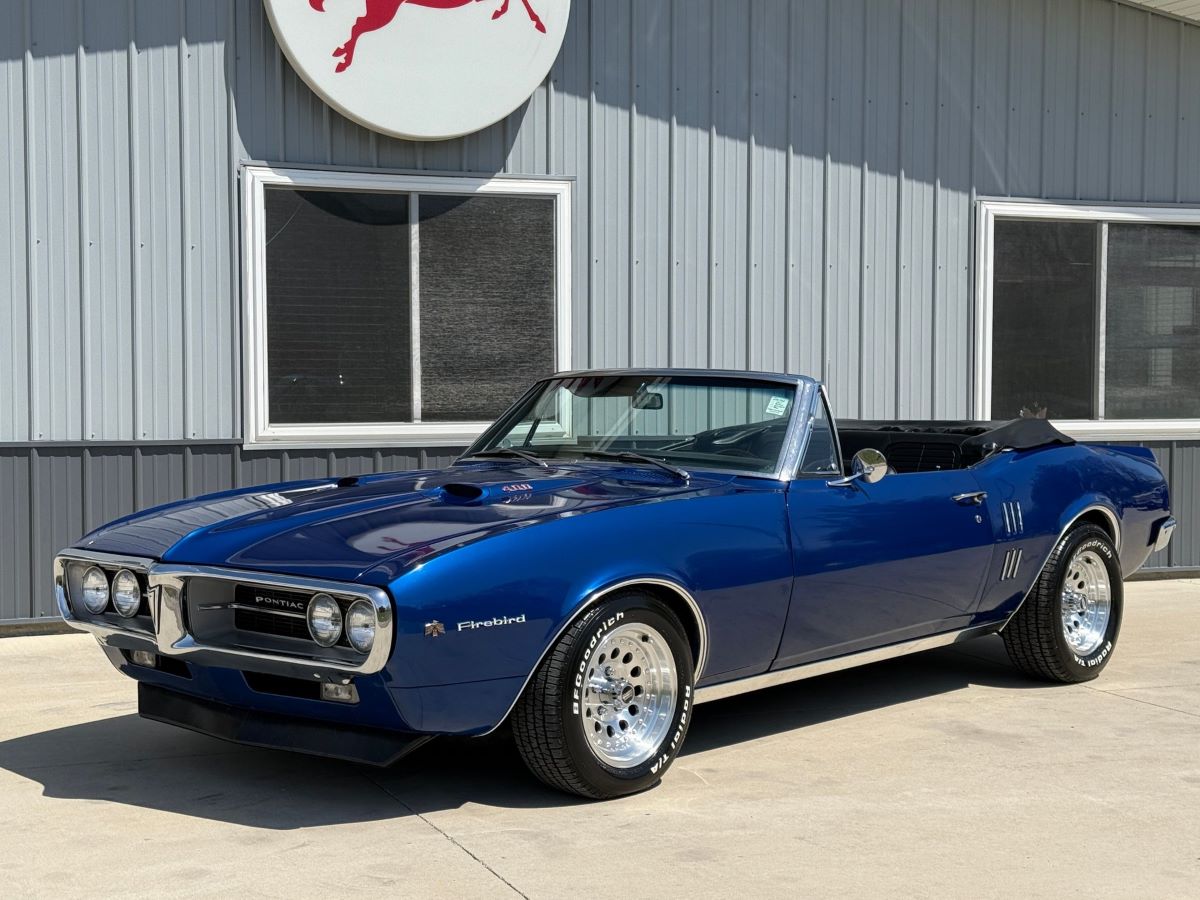
1. Pontiac Firebird (1967–1970 Models)
The Pontiac Firebird is one of the most recognizable classic Pontiacs ever produced. Introduced in 1967 as a direct competitor to the Ford Mustang, the Firebird quickly established itself as a favorite among muscle car enthusiasts. Early models feature sleek body lines, a long hood, and a short rear deck, giving them a distinctive and sporty profile.
These first-generation Firebirds are often available at reasonable prices due to the large number produced and the variety of engine options offered, from economical inline-sixes to powerful V8s. Buyers seeking an affordable entry into the world of classic muscle cars often start with these early Firebirds.
An appeal of the 1967–1970 Firebirds is their customization potential. Many owners have modified their cars over the years, whether by upgrading engines, suspensions, or interiors. While some purists prefer original models, the availability of aftermarket parts makes it easier to restore or enhance these cars without a significant financial burden.
Additionally, the variety of trims and packages offered during this period allows buyers to select a Firebird that fits both their aesthetic preferences and budget constraints. Convertible models may cost slightly more, but coupes remain widely available at lower prices.
Another advantage of early Firebirds is their balance between performance and drivability. Even the smaller-engine versions provide a satisfying driving experience, making them suitable for casual weekend use.
Maintenance and repair costs are manageable, as many replacement parts are still being manufactured, and the car shares components with other General Motors vehicles of the same era. For someone entering the classic car market, the Firebird provides a combination of style, performance, and affordability that is difficult to match.
Finally, the 1967–1970 Firebirds hold historical significance as Pontiac’s first entry into the pony car segment. Collectors often seek these cars for their value appreciation potential, but even less pristine examples offer an opportunity to experience a genuine classic American muscle car.
With careful research and patience, buyers can find a Firebird that is not only affordable but also represents a rewarding investment in automotive history.
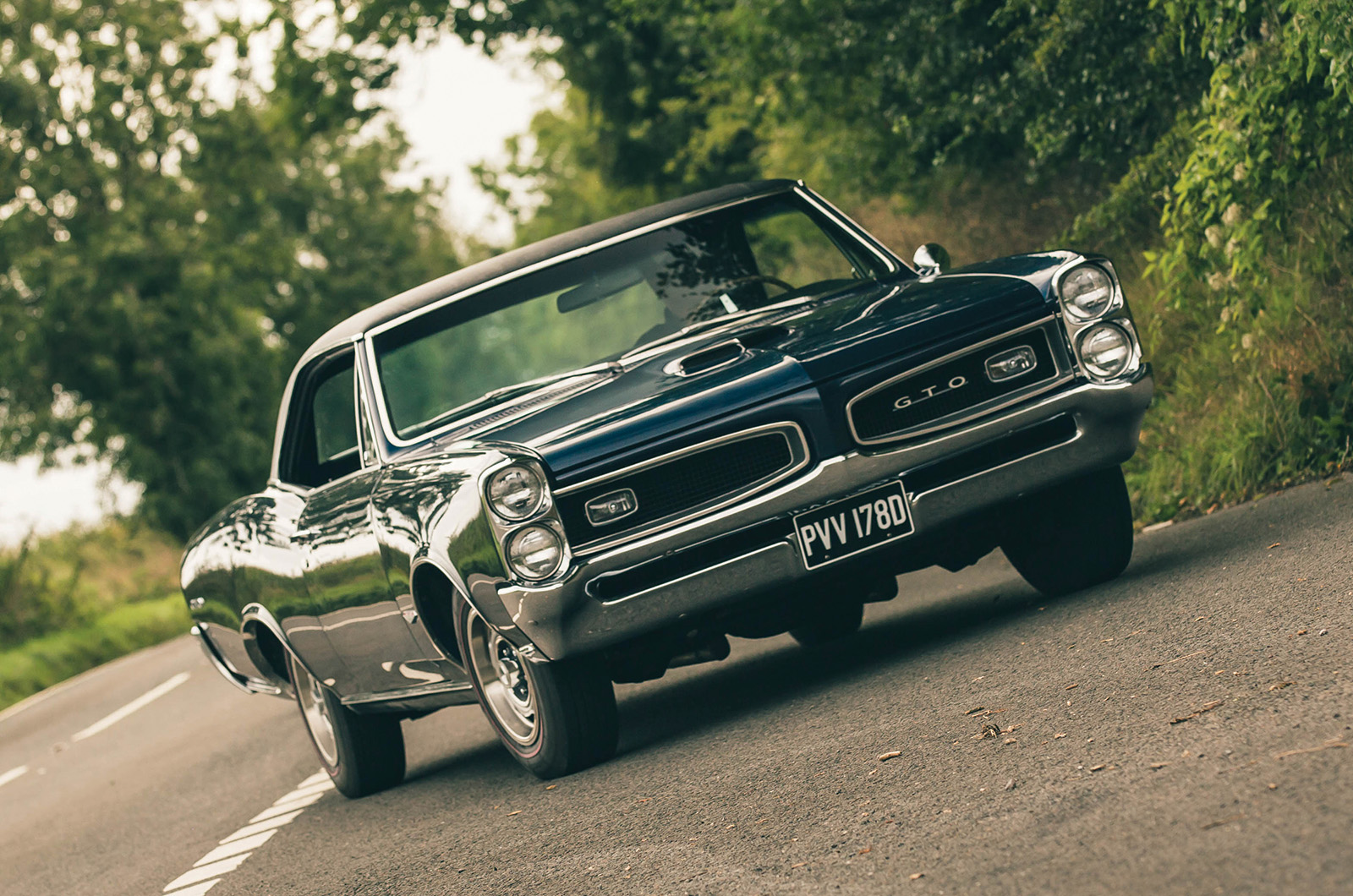
2. Pontiac GTO (1964–1967 Models)
The Pontiac GTO is widely regarded as one of the original muscle cars, and early models from 1964 to 1967 are often the most accessible for buyers on a budget. These cars feature aggressive styling, powerful V8 engines, and a reputation for thrilling performance.
While later GTO models may command higher prices due to rarity, the early models are still abundant enough to allow buyers to find vehicles at reasonable rates. Their straightforward design and reliable mechanics make them excellent candidates for restoration or daily driving.
One of the defining features of these GTOs is their engine options. The cars came standard with a V8, but higher-performance versions offered larger displacement engines with more horsepower.
Even the base models provide a robust driving experience, making them appealing for those who want classic performance without extreme costs. Enthusiasts often appreciate the simplicity of these early engines, which are easier to maintain than later, more complex versions. This simplicity contributes to lower ownership costs.
In addition to performance, the 1964–1967 GTO models have iconic styling that remains timeless. Elements like dual headlights, split grilles, and sporty rear designs make these cars instantly recognizable.
Interior design varies by trim, but many models offer comfortable seating and practical layouts, ensuring the car is enjoyable to drive as well as visually striking. For budget-conscious buyers, the combination of affordability and classic looks makes the GTO a particularly attractive option.
Finally, the GTO represents a significant part of Pontiac’s heritage. As a car that helped define the muscle car era, it carries both historical and cultural value.
Early GTOs that are well-maintained or restored can appreciate over time, making them a smart investment for collectors. Even for those primarily seeking a fun driving experience, these cars offer reliability, character, and the unmistakable thrill of driving a true classic American muscle car.
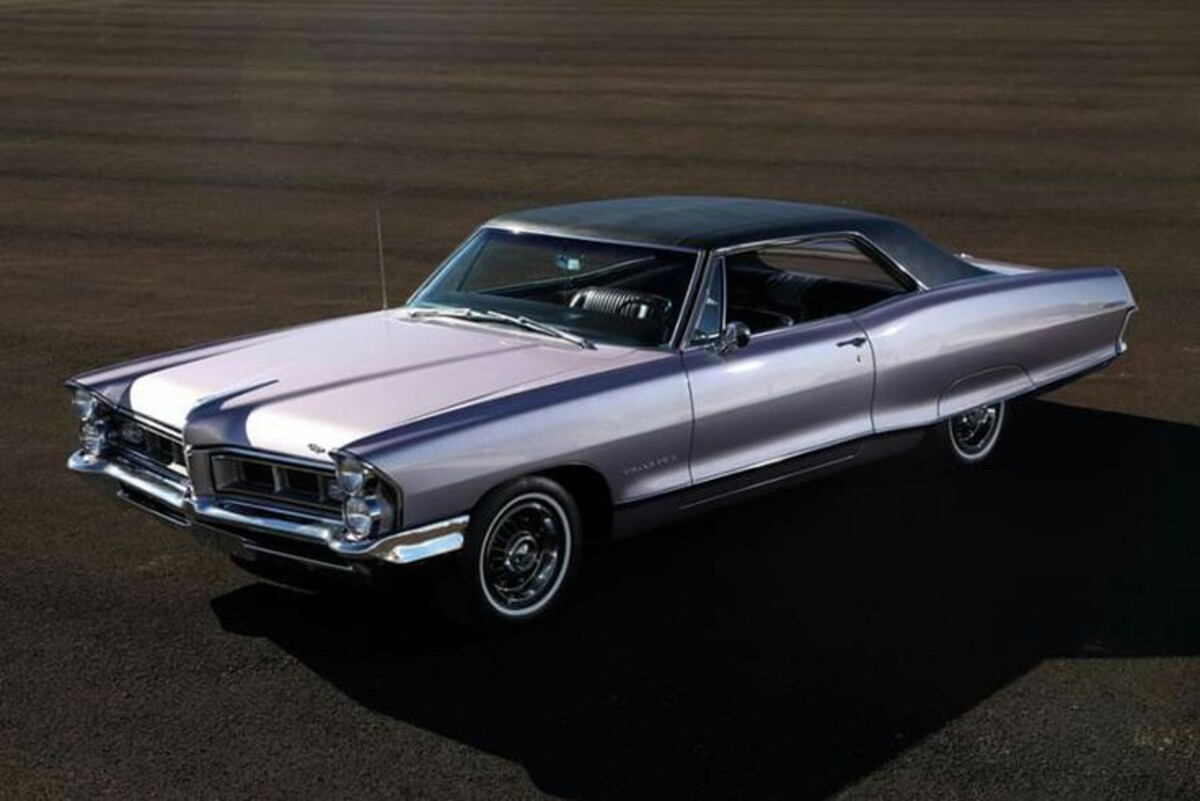
3. Pontiac Grand Prix (1963–1968 Models)
The Pontiac Grand Prix is often overlooked in discussions about classic Pontiacs, but early models from the 1960s offer a combination of luxury and performance at a surprisingly affordable price.
These cars were designed as personal luxury vehicles, featuring longer, more elegant bodies and comfortable interiors. Unlike Pontiac’s muscle cars, the Grand Prix emphasized smooth rides and style, making them suitable for buyers who want classic appeal without the aggressive reputation of a performance car.
One advantage of the early Grand Prix models is their variety of engine options. Buyers can choose from smaller V8 engines for better fuel efficiency or larger high-performance V8s for more power.
These cars were well-built and engineered to last, so even higher-mileage examples can be reliable with proper maintenance. Replacement parts remain widely available due to their shared components with other GM vehicles, keeping repair costs manageable.
The interior experience of a 1963–1968 Grand Prix is a key selling point. These cars often come with cushioned seats, woodgrain accents, and spacious cabins, offering a luxurious feel without the cost of modern luxury vehicles.
Their design and comfort make them practical as well as stylish, appealing to buyers who want a daily driver that also makes a statement. Additionally, classic exterior styling, including chrome trim and sleek lines, adds to their collector value.
Finally, the Grand Prix has a reputation for being a reliable classic Pontiac that can fit a range of budgets. While fully restored examples may command higher prices, many cars are available at entry-level rates that allow buyers to enjoy a classic vehicle while still investing in maintenance and restoration over time. For those seeking a blend of luxury, affordability, and classic design, the Grand Prix offers a compelling option.
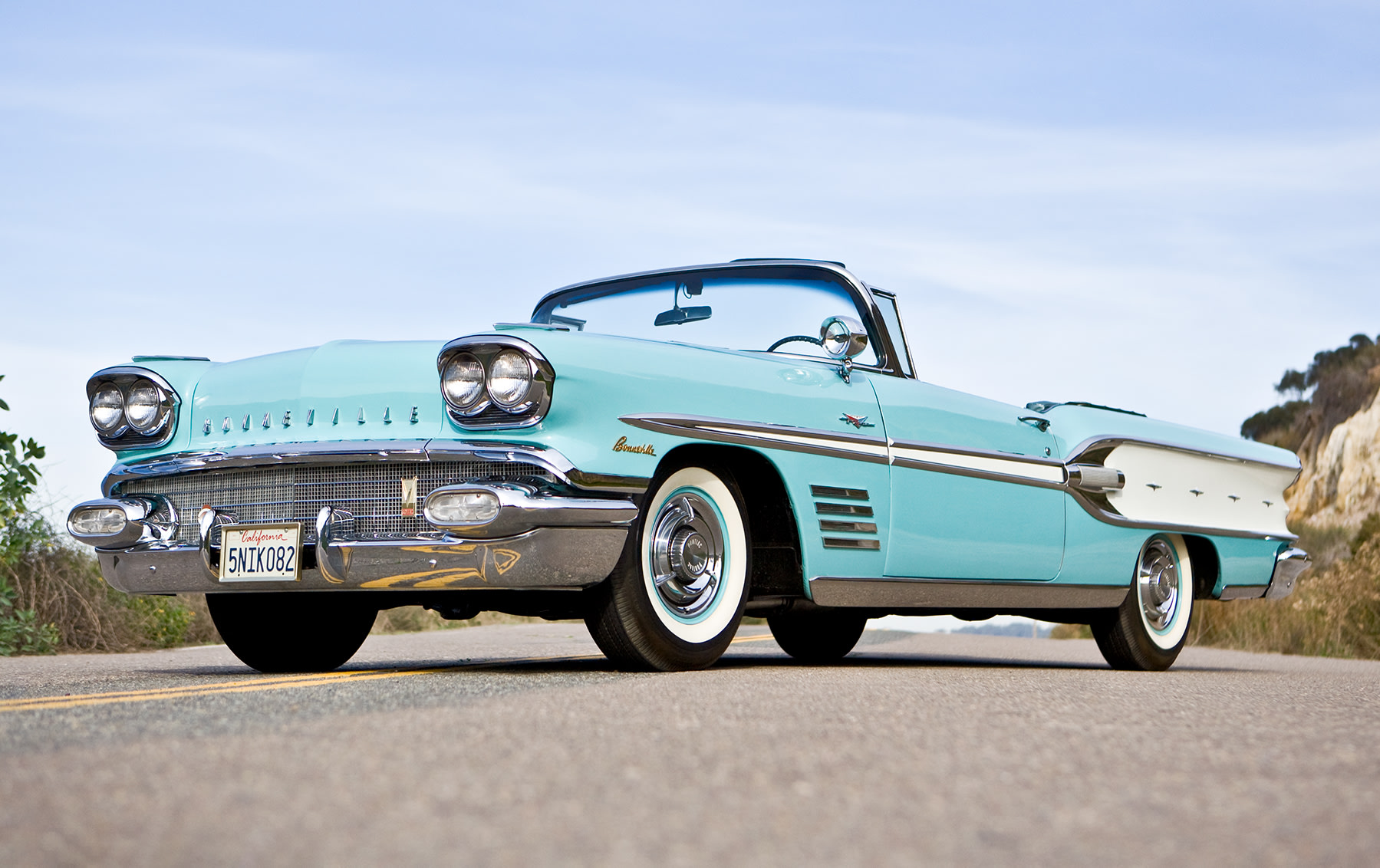
4. Pontiac Bonneville (1961–1965 Models)
The Pontiac Bonneville, particularly early 1960s models, represents the brand’s emphasis on full-size comfort and style. These vehicles were built with large, spacious bodies and were designed for smooth, comfortable rides.
Unlike muscle-focused models, the Bonneville focused on delivering a premium experience for passengers, making it a practical choice for collectors who value comfort as much as performance. Early Bonneville models can often be found at very reasonable prices, especially compared to other full-size classics from the same era.
One of the key features of the 1961–1965 Bonneville is its powerful V8 engines. These engines provide strong performance while maintaining the smooth ride expected from a full-size car. While some buyers may prefer smaller engines for fuel economy, the larger engines deliver the iconic sound and feel of a classic Pontiac. Maintenance is relatively straightforward, as many parts are compatible with other GM vehicles, and aftermarket support remains strong.
In terms of styling, the Bonneville is known for its elegant lines, prominent chrome accents, and signature grille designs. The interiors are spacious and often feature bench seating, providing comfort for both driver and passengers.
These features make the car practical for longer drives, as well as visually appealing as a restored classic vehicle. The Bonneville’s design remains attractive today, demonstrating Pontiac’s focus on combining style and functionality.
Finally, the Bonneville offers a solid entry point for those interested in full-size classic cars. Its affordability, combined with strong performance and comfortable design, makes it an appealing option for collectors and enthusiasts alike.
These early models remain widely available, providing an opportunity to own a classic Pontiac without paying premium prices for rarer muscle cars or limited editions. With proper care and maintenance, a Bonneville can offer years of enjoyment and a tangible connection to Pontiac’s rich automotive history.
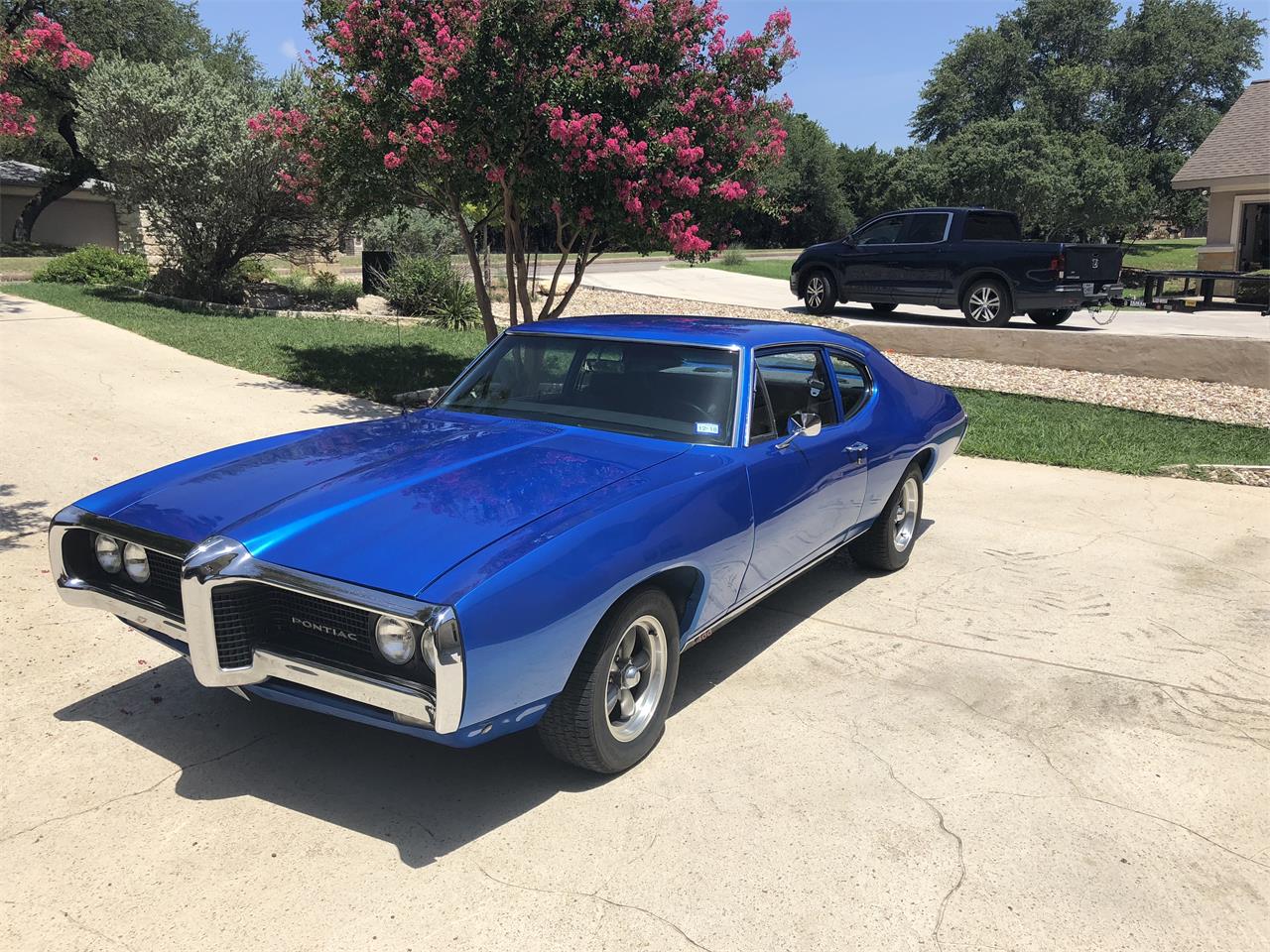
5. Pontiac Tempest (1961–1967 Models)
The Pontiac Tempest is often one of the most affordable classic Pontiacs on the market, particularly early 1960s models. Introduced as a compact car, the Tempest was Pontiac’s response to growing demand for smaller, economical vehicles while maintaining the brand’s reputation for style and performance.
These vehicles are accessible for collectors who want a classic car that is easy to maintain and relatively inexpensive to restore. Despite being compact, the Tempest retained a sense of elegance with its clean lines and attention to interior comfort, setting it apart from many other compact cars of the era.
One of the remarkable features of the Tempest is its engineering innovation. Early models were equipped with an unusual rear-mounted transaxle paired with a unique torque-tube drive shaft, which contributed to balanced weight distribution and smooth handling.
For buyers interested in a car with distinctive mechanics, the Tempest provides both a historical talking point and a hands-on learning experience. Furthermore, engine options ranged from small inline-sixes to more powerful V8s, allowing buyers to choose a model that fits their budget and desired performance level. The availability of these engines ensures that parts and maintenance remain reasonably affordable.
Interior design also played a significant role in the Tempest’s appeal. Even budget-friendly models often feature well-finished interiors with comfortable seating and a thoughtful layout. For collectors or enthusiasts who want a car suitable for casual drives or weekend cruising, the Tempest offers a surprising level of comfort for its class.
Its compact size makes it easier to store, park, and maneuver compared to larger classic cars, which is an advantage for buyers who lack extensive garage space. Additionally, the simplicity of its interior and mechanical components makes restoration less daunting and more cost-effective.
Finally, the Tempest has a certain charm that appeals to collectors seeking a car that is both unique and historically significant. While it may not carry the same muscle car prestige as a Firebird or GTO, its affordability and originality make it a worthwhile option for entry-level collectors.
Early Tempests often require some cosmetic work, which allows buyers to personalize the car and enhance its value over time. For those willing to invest time and effort, the Tempest represents a rewarding opportunity to own a piece of Pontiac history without breaking the bank.
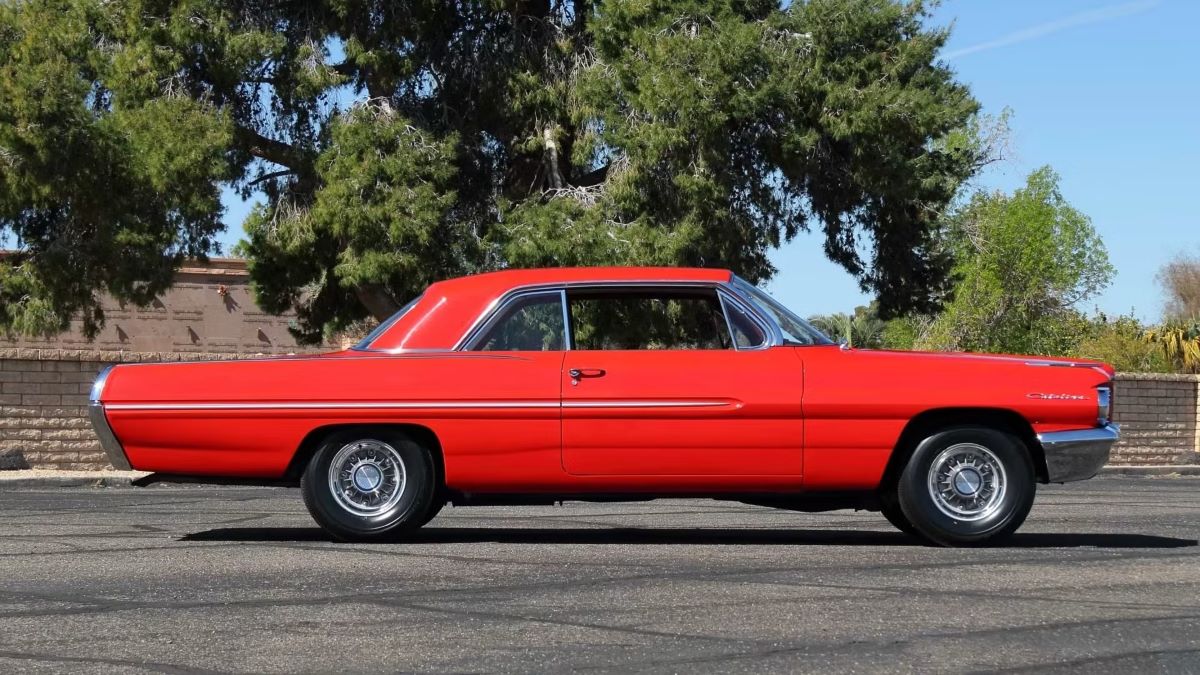
6. Pontiac Catalina (1962–1967 Models)
The Pontiac Catalina was a full-size vehicle that combined performance, comfort, and style, making it an appealing choice for collectors who want a larger, classic American car at a reasonable price.
Early 1960s Catalina models remain affordable due to the high production volume, providing buyers with multiple options in varying conditions. These cars often feature long, sleek bodies, chrome accents, and spacious interiors, reflecting the design trends of the era. For those seeking a visually striking and comfortable classic, the Catalina offers strong appeal.
Under the hood, Catalina models provided a range of engine options. Buyers could choose from inline-six engines for efficient everyday driving or more powerful V8 engines for a performance-oriented experience.
Many of these engines are straightforward to maintain, and parts are widely available due to the popularity of the model and its shared components with other GM vehicles. Even early budget-friendly examples provide a satisfying driving experience, making them practical for weekend use or as project cars for restoration enthusiasts.
Inside, the Catalina emphasizes comfort and style. Spacious seating and refined interior materials make it suitable for longer trips, while design touches like chrome trim, woodgrain accents, and elegant dashboard layouts enhance its classic appeal.
These cars often come with bench seating, which adds to their practicality for both driver and passengers. The blend of comfort and affordability allows buyers to enjoy a classic full-size car without the higher costs associated with more rare or luxury-focused models.
Finally, Catalina’s versatility contributes to its continued popularity among collectors. It can serve as a practical driver, a restoration project, or a showpiece for those who appreciate classic American automotive design. With the right maintenance, these cars remain reliable and visually impressive even decades after their production.
For buyers focused on finding a classic Pontiac that balances affordability, performance, and comfort, the Catalina remains one of the best options available.
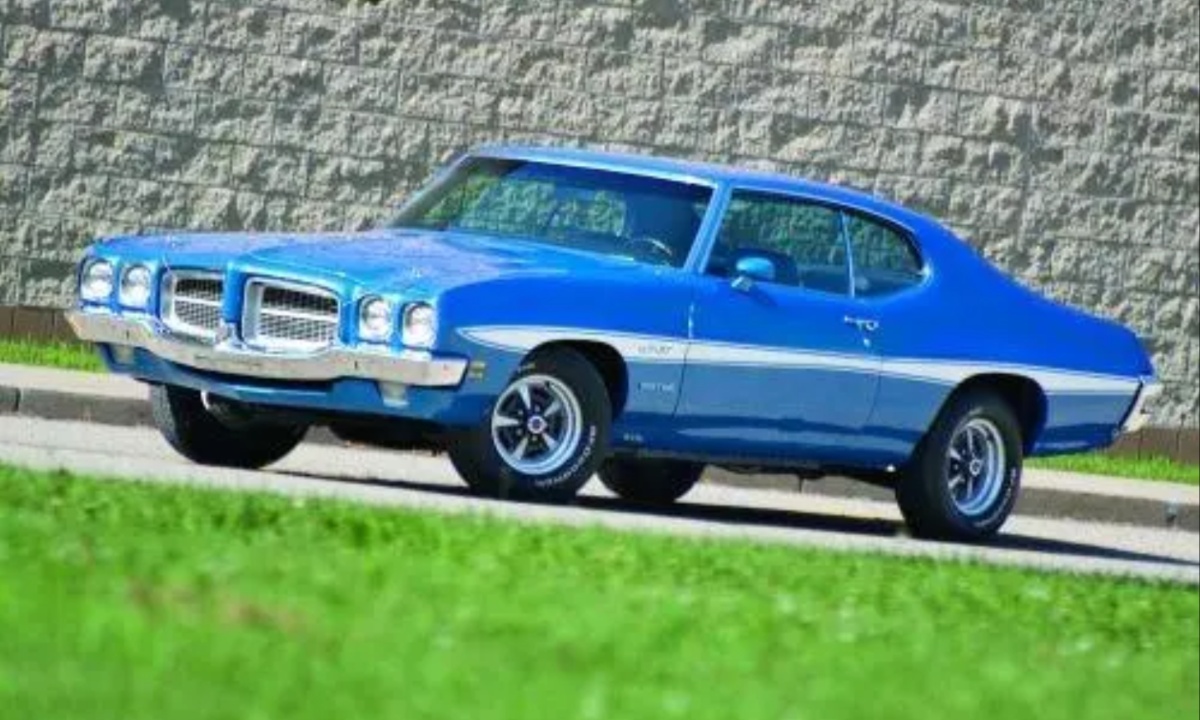
7. Pontiac LeMans (1964–1969 Models)
The Pontiac LeMans gained popularity as a mid-size model that offered sporty styling and reliable performance without the higher costs of muscle cars like the GTO. Early LeMans models from the mid to late 1960s are often among the most affordable classic Pontiacs on the market. These cars are recognized for their clean lines, balanced proportions, and functional interiors, making them practical options for buyers seeking a stylish yet cost-effective entry into classic car ownership.
One of the LeMans’ strongest selling points is its engine variety. Buyers could select from modest inline-sixes to powerful V8 options, allowing the car to appeal to both casual drivers and performance enthusiasts.
Even base models provide a satisfying driving experience, with responsive handling and smooth gear shifts that make the car enjoyable for everyday use. Restoration projects are more accessible than many higher-end muscle cars due to the abundance of parts and straightforward mechanical layout.
The LeMans also benefits from its interior design. Seats are typically comfortable, and the dashboard layout is intuitive, ensuring that driving remains a pleasure even on longer trips.
The cars often include vinyl or cloth upholstery, which is easy to clean and replace, further reducing long-term ownership costs. The combination of interior comfort, manageable size, and aesthetic appeal makes the LeMans an excellent choice for first-time classic car buyers.
Finally, the LeMans represents a significant part of Pontiac’s mid-size lineup during the 1960s. It bridged the gap between full-size luxury vehicles and high-performance muscle cars, offering a versatile option that remains highly regarded among collectors.
Its affordability, combined with the potential for customization or restoration, ensures that the LeMans remains a practical and enjoyable choice for anyone looking to own a classic Pontiac. With proper care, these vehicles can continue to provide a rewarding ownership experience for many years.
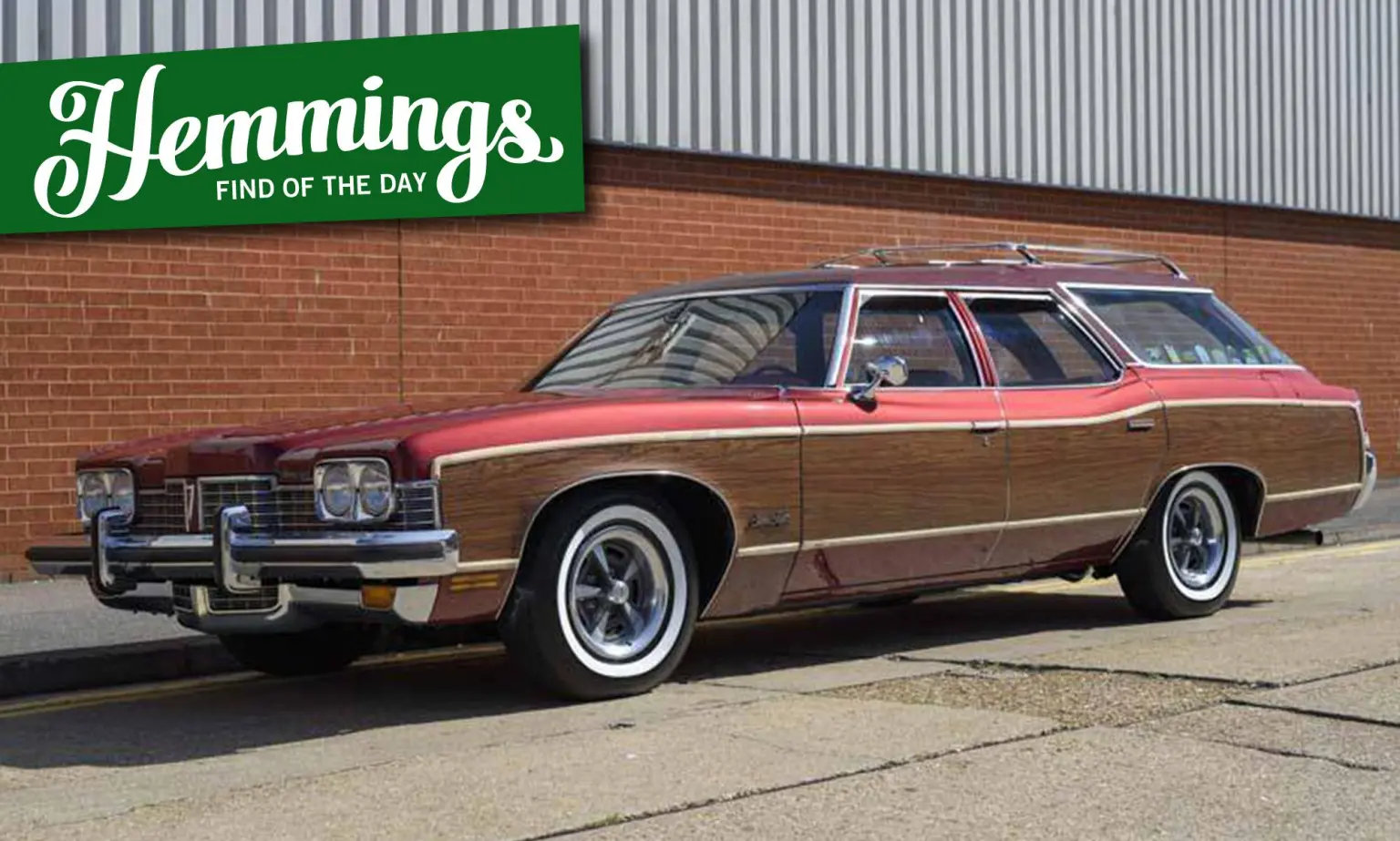
8. Pontiac Safari (1962–1967 Models)
The Pontiac Safari is a unique entry in the classic Pontiac lineup, combining the functionality of a station wagon with the elegance and style associated with the brand. Early 1960s Safari models remain relatively affordable, providing an opportunity to own a spacious, practical, and distinctive vehicle.
These cars feature long, roomy bodies with versatile interiors that can accommodate both passengers and cargo. For buyers seeking a classic vehicle that stands out while still being budget-friendly, the Safari offers a compelling choice.
Engine options for the Safari range from inline-sixes to V8s, offering both fuel efficiency and power depending on the buyer’s preference. While station wagons are often overlooked in favor of muscle cars, the Safari provides a driving experience that is smooth and enjoyable.
Its size contributes to stability on the road, while the availability of parts ensures that maintenance costs remain manageable. For someone looking to restore a classic vehicle, the Safari’s mechanical simplicity and robust build make it an attractive project car.
The interior of the Safari is both functional and comfortable. With room for multiple passengers and space for cargo, these cars are well-suited for road trips, family outings, or transporting goods.
Early models include design elements such as woodgrain paneling, chrome trim, and spacious seating layouts that enhance their vintage appeal. The combination of practicality and style allows the Safari to be enjoyed as a daily driver, a collector’s item, or both.
Finally, the Pontiac Safari holds historical significance as one of the brand’s iconic station wagons. While it may not have the performance reputation of a GTO or Firebird, its affordability and distinctive design make it a valuable option for collectors looking for something different.
Early Safaris can be restored or preserved to provide both aesthetic enjoyment and functional use, allowing owners to experience a classic Pontiac in a unique and practical format.
