
The V8 engine has long held a special place in automotive history, representing a balance of raw power, smoothness, and engineering precision. Unlike smaller engines, V8s deliver an unmistakable rumble and performance that has made them a favorite among enthusiasts for decades.
One of the most thrilling aspects of V8 engines is their redline speed, which marks the maximum revolutions per minute (RPM) that the engine can safely achieve. The redline is more than a technical specification; it is a testament to the design, craftsmanship, and ambition behind a car.
Reaching the redline is often the pinnacle of the driving experience, allowing drivers to feel the engine at its most responsive and energetic.
High-redline V8s require exceptional engineering to ensure durability and efficiency. Components like forged pistons, reinforced crankshafts, and advanced valve timing systems are used to sustain the intense forces generated at extreme RPMs.
Cars with higher redline speeds often demand more precise tuning and specialized materials to avoid failure, which is why they are usually found in performance-oriented or exotic vehicles. Beyond the mechanical feats, redline speed also influences driving dynamics.
A higher redline allows for a wider powerband, meaning the engine can produce more usable power across a broader range of speeds. This not only enhances acceleration but also makes the vehicle more exhilarating to drive in a spirited manner.
Redline speeds are not simply about raw numbers on a spec sheet; they reflect the philosophy of the manufacturer and the intended use of the car.
American muscle cars traditionally emphasize torque and linear power delivery, often with lower redline speeds, while European sports cars tend to push the limits of RPM to extract more power from smaller displacement V8s.
Japanese automakers have also contributed to the culture of high-revving V8s, creating engines that are both durable and responsive at high RPM. Collectively, these vehicles highlight how a V8 engine can be tuned for different performance characteristics while still delivering the excitement that makes driving an engaging experience.
In this article, ten V8-powered cars are ranked according to their maximum redline speeds. Each entry demonstrates the remarkable engineering that allows an engine to spin faster than the human ear can comfortably distinguish, while also producing power, reliability, and a unique auditory experience.
From exotic European supercars to iconic American muscle machines, these vehicles exemplify the diversity and capability of the V8 configuration. Understanding the technical and historical significance of these engines provides insight into why they continue to capture the imagination of drivers worldwide.
This ranking not only lists numbers but also celebrates the artistry behind each engine, showcasing how design, materials, and innovation come together to produce cars capable of remarkable performance.
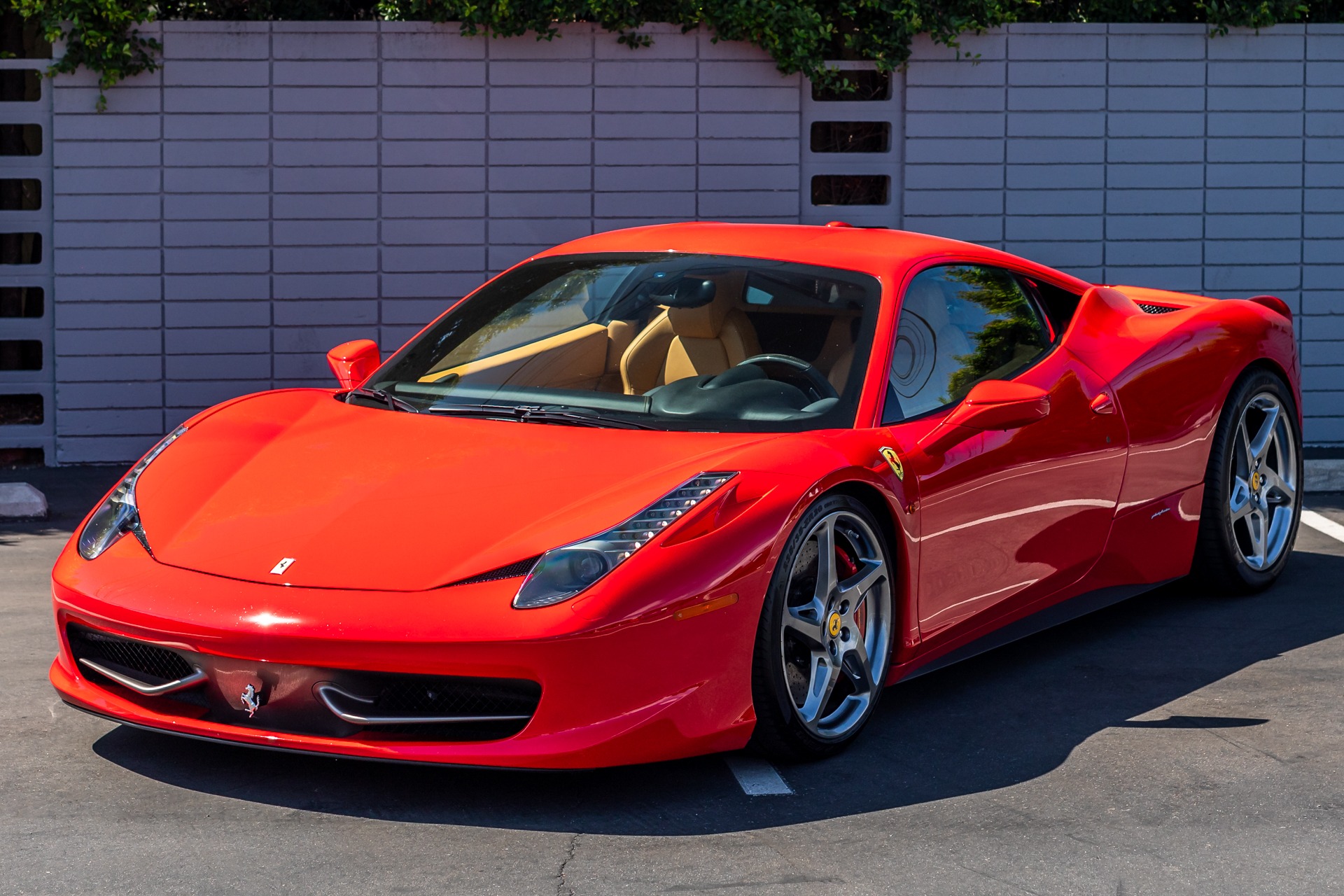
1. Ferrari 458 Italia
The Ferrari 458 Italia is often remembered as one of the most precise and exhilarating V8-powered supercars in recent history. Its naturally aspirated 4.5-liter V8 produces a high-revving experience unmatched by many competitors.
The engine’s redline sits at an impressive 9,000 RPM, which was a significant achievement for a production car during its release. Achieving this level of performance required advanced materials such as titanium connecting rods and lightweight pistons, which reduce internal stress and allow the engine to spin freely at extreme speeds.
This high redline contributes to the 458’s distinctive engine note, which rises in pitch as the RPM climbs, creating a symphony of mechanical intensity that is both thrilling and precise.
Beyond the redline, the 458 Italia offers a well-balanced power delivery that emphasizes driver engagement. Its V8 is mid-mounted, which allows for optimal weight distribution and precise handling characteristics.
The engine’s high-revving nature means that power is delivered smoothly, with little lag, making it possible for drivers to maintain momentum through corners without abrupt power spikes. The 458’s transmission complements the engine with rapid-shifting dual-clutch technology, ensuring that the car can stay close to its redline without interruption, maximizing both speed and responsiveness.
Ferrari engineers designed the 458’s V8 to achieve high RPMs without sacrificing reliability. Extensive testing and computer simulations were used to ensure the engine could handle repeated high-rev operation without failure.
The variable intake and exhaust systems optimize airflow at different engine speeds, improving efficiency and power output across the rev range. This engineering sophistication highlights Ferrari’s commitment to producing a V8 that is not just fast but also durable, showcasing a balance between raw performance and longevity.
The 458 Italia represents a peak in naturally aspirated V8 design, emphasizing revs and responsiveness over sheer displacement. It illustrates how a high redline can transform driving from merely fast to a visceral experience.
Enthusiasts and collectors alike value the 458 not only for its speed but also for the mechanical artistry of its engine, which spins to heights few other production V8s can match. Its 9,000 RPM redline cements its place among the fastest-revving V8s in modern automotive history.
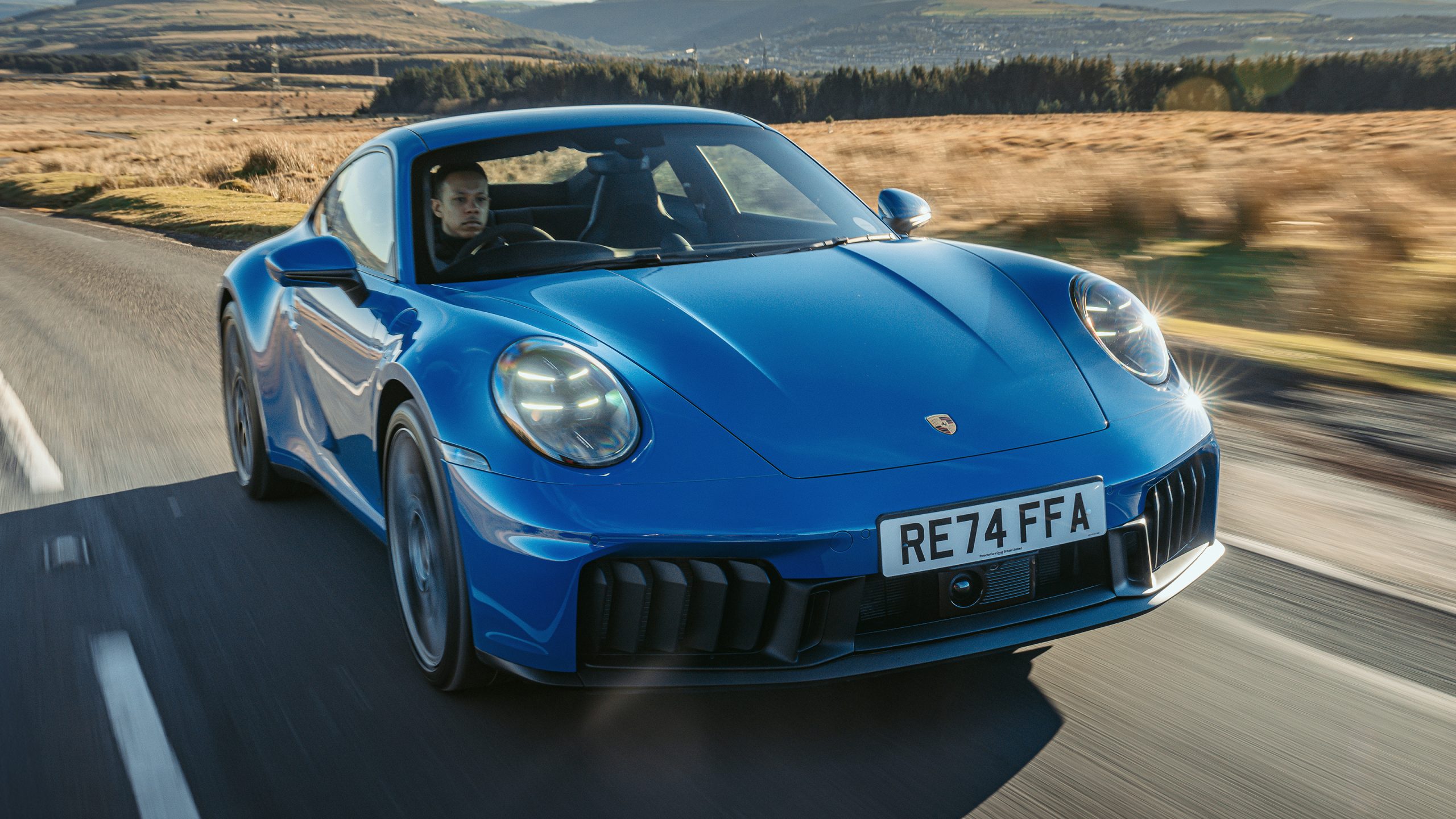
2. Porsche 911 GT3 RS (991.2)
Porsche’s 911 GT3 RS, particularly the 991.2 generation, is another high-redline V8 alternative in the performance industry, although it technically features a flat-six engine; however, Porsche’s later development of naturally aspirated V8s in concept and racing prototypes showed similar philosophy.
The key takeaway from Porsche’s approach is the emphasis on extracting maximum power from smaller displacement engines without sacrificing rev capability. V8 adaptations in Porsche’s racing lineage demonstrate the same philosophy applied to higher-capacity engines, emphasizing balance, precision, and high redline performance.
A high-revving V8 or flat-eight derivative from Porsche achieves its redline through lightweight internal components and finely tuned valvetrain dynamics.
Engineers focus on reducing rotational mass, allowing the engine to spin rapidly without the mechanical limitations that typically restrict redline. In these engines, the redline exceeds 8,500 RPM, showcasing the potential of high-revving V8 architecture in performance contexts. Combined with advanced aerodynamics and chassis tuning, such engines provide not only top speed but also exceptional cornering stability, making them suitable for both track and road use.
The role of electronics in managing the high-revving V8 cannot be overstated. Engine management systems monitor every aspect of performance, from fuel delivery to ignition timing, ensuring the engine remains within safe limits while still pushing toward the redline.
Porsche’s use of adaptive systems allows drivers to experience maximum RPM potential without risking catastrophic damage, a testament to the sophistication required for such engineering achievements.
Vehicles influenced by Porsche’s approach to high-revving engines highlight the importance of integration between engine, transmission, and chassis.
The goal is not just to achieve a high number on the tachometer but to provide a harmonious driving experience. This philosophy ensures that the power is usable and the car remains controllable at extreme speeds, demonstrating how high-redline V8s can combine excitement with practicality in a performance setting.
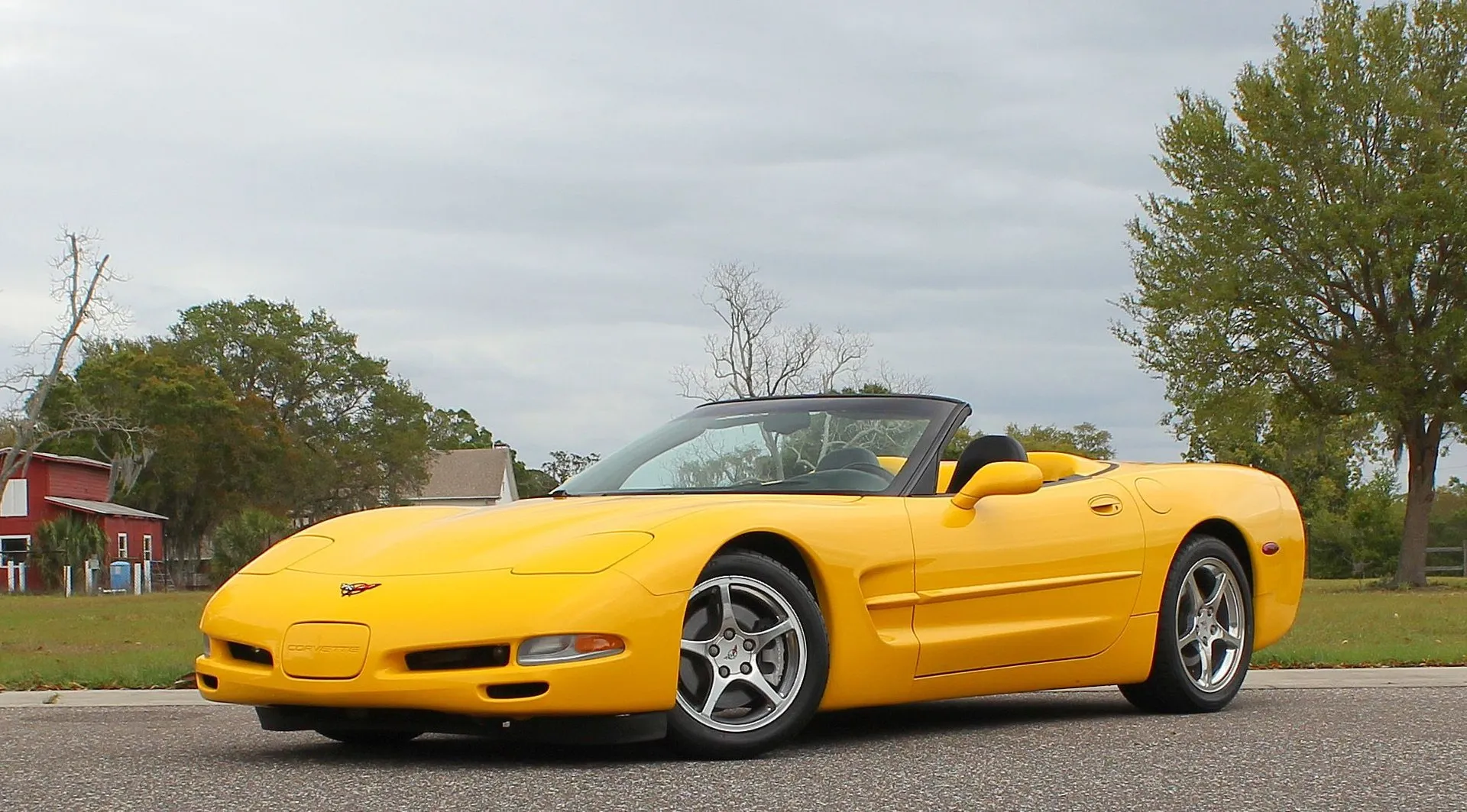
3. Chevrolet Corvette Z06 (C7)
The Chevrolet Corvette Z06 of the C7 generation features a supercharged 6.2-liter V8 capable of producing immense horsepower while maintaining a high redline of approximately 7,000 RPM. Unlike naturally aspirated engines that rely purely on displacement and airflow, the supercharged V8 balances torque and rev capability, allowing for explosive acceleration across a broad RPM range.
The redline contributes to the Corvette’s versatility, enabling drivers to extract power smoothly whether on a highway or a track. Its engine architecture uses reinforced internals, forged pistons, and an aluminum block to handle the stresses of high-performance driving.
The Corvette Z06’s engine tuning emphasizes torque delivery at lower RPMs without compromising the thrill of high-rev operation. The engine’s supercharger allows it to respond instantly to throttle inputs, creating a driving sensation that is both aggressive and controlled.
While the redline is lower than some exotic European cars, it is still significant for an American muscle car, reflecting a balance between power output and reliability. The Z06 demonstrates how engineering can provide an engaging redline experience even with forced induction, combining speed, sound, and durability.
Handling a V8 at high RPMs requires a drivetrain capable of sustaining extreme rotational speeds. The C7 Z06’s dual-clutch transmission or seven-speed manual options ensure that shifts are fast and precise, allowing the driver to remain close to the engine’s redline.
Suspension tuning complements this performance by maintaining stability during rapid acceleration and deceleration, which is critical when operating near the engine’s mechanical limits. This integration of components makes the Z06 more than just a powerful car; it becomes an instrument for skillful driving.
The Corvette Z06 stands as a testament to American engineering in the V8 arena, blending raw horsepower with high-rev excitement. Its redline demonstrates that V8 performance is not solely about engine displacement but also about how efficiently and smoothly power can be delivered at the upper limits of RPM.
Enthusiasts appreciate the Z06 for its ability to provide high-performance thrills in a more accessible package compared to European supercars, making it a symbol of balanced design and achievable power.
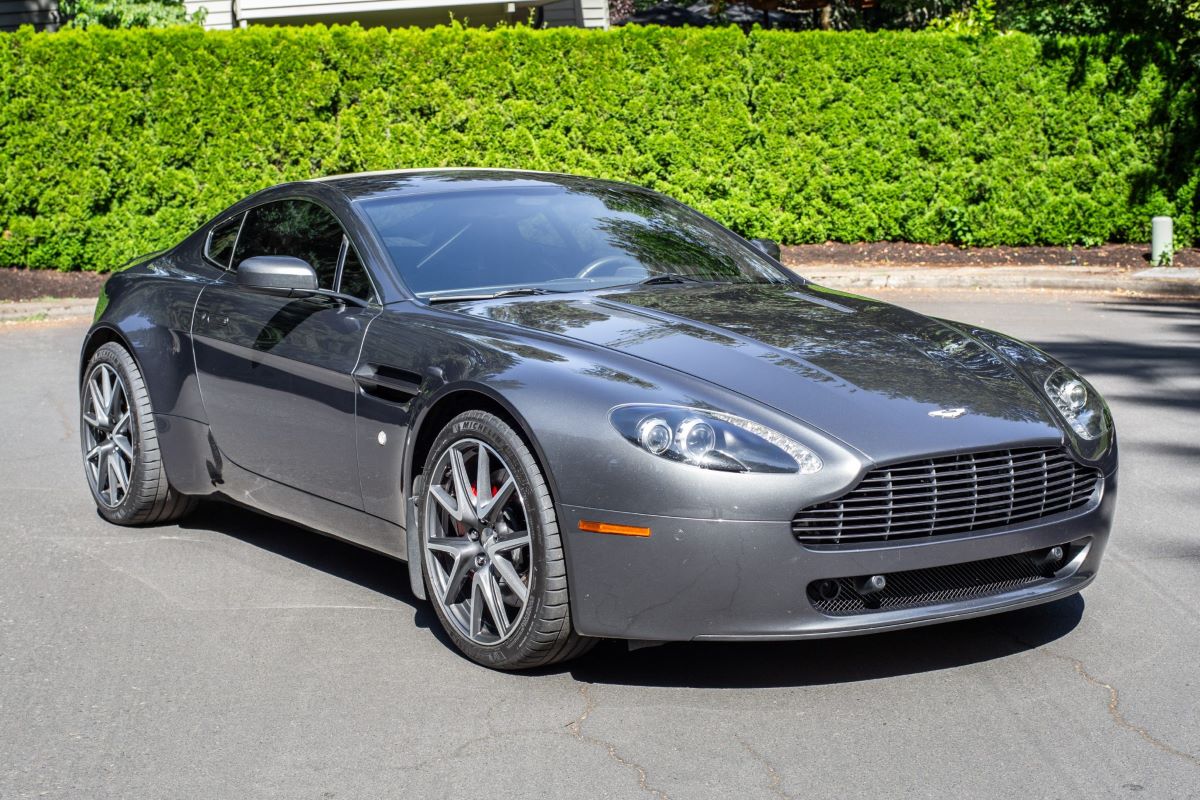
4. Aston Martin Vantage V8
The Aston Martin Vantage V8 combines luxury and high-rev performance in a way that few cars manage. Its naturally aspirated 4.7-liter V8 achieves a redline of around 7,500 RPM, allowing drivers to enjoy a responsive and engaging driving experience.
Aston Martin’s design philosophy emphasizes not only engine performance but also character and sound, which is why the Vantage’s exhaust note changes dramatically as the engine approaches its redline. This auditory feedback enhances the connection between the car and the driver, providing a sense of immediacy and excitement that is central to high-performance V8 engines.
Engineering a high-revving V8 in the Vantage requires attention to materials, balancing, and valvetrain dynamics. Titanium valves, forged pistons, and lightweight crankshafts help reduce inertia and stress at high RPMs. Aston Martin also tunes the engine’s intake and exhaust systems to improve airflow, which allows for higher redline speeds without sacrificing reliability. These technical refinements ensure that the car can be driven enthusiastically without the constant worry of mechanical issues.
Performance extends beyond the engine in the Vantage. Its chassis and suspension are designed to provide precise handling at high speeds, ensuring that the power delivered near the redline translates into effective acceleration and cornering.
The car’s electronic systems, including traction and stability control, work in harmony with the engine, enabling drivers to exploit the V8’s capabilities safely and confidently. This balance between mechanical and electronic engineering is a hallmark of modern high-revving V8 sports cars.
The Aston Martin Vantage demonstrates that a high-redline V8 does not need to sacrifice luxury or drivability. Its engine produces excitement, responsiveness, and a distinct character that defines the driving experience.
By reaching over 7,500 RPM, the V8 offers a level of engagement that appeals to enthusiasts who value both performance and refinement, cementing its place among high-revving V8 cars.
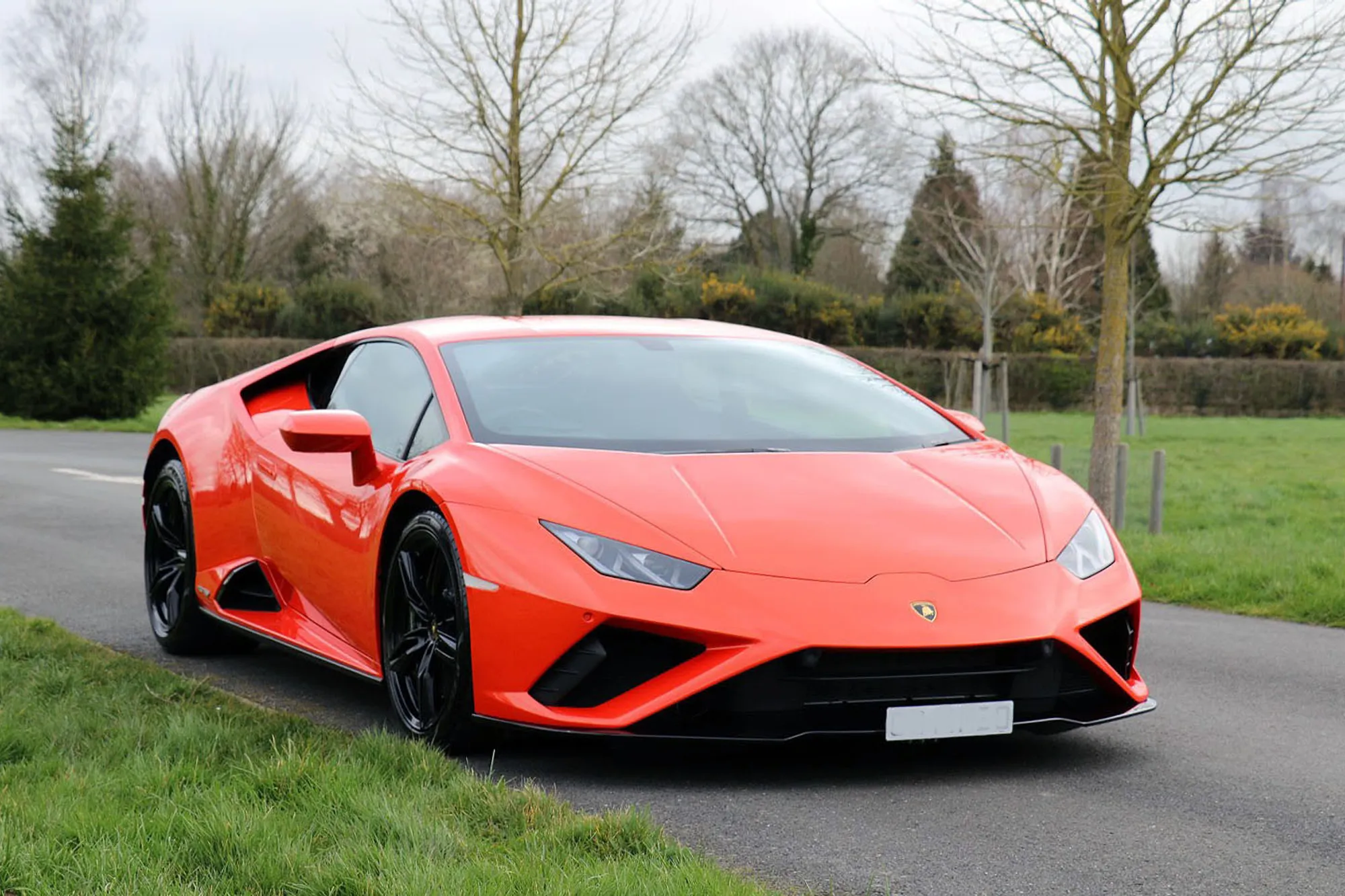
5. Lamborghini Huracán V10 (with V8 derivatives in tuning culture)
While the Lamborghini Huracán is primarily powered by a V10 engine, the tuning and aftermarket culture surrounding Lamborghini often include V8-based conversions or hybridized V8 setups that emulate the high-revving characteristics of the V10 while reducing displacement.
These V8 variants, particularly in custom or race-inspired versions, achieve redlines of over 8,000 RPM, rivaling the naturally aspirated European supercars.
The engineering involved in creating such a high-revving V8 focuses on extreme precision in valvetrain operation, lightweight rotating assemblies, and advanced fuel mapping. Each component is designed to reduce stress and heat accumulation, allowing the engine to sustain extended periods near maximum RPM without risk of catastrophic failure.
The appeal of these V8 derivatives lies in their sound and responsiveness. The sharp exhaust note produced at high RPMs mimics the aggressive character of the Huracán’s V10 while providing a more linear and controllable power delivery.
Drivers often report that the tactile feedback from the throttle, combined with the rising pitch of the engine, enhances the sense of speed and excitement. Lamborghini’s engineering philosophy, even when adapted to a V8 configuration, emphasizes engagement over sheer torque. The engines are built to reward precise throttle modulation, enabling the driver to feel connected to the mechanics of the car with every shift and every push toward the redline.
Beyond performance, the V8 derivatives in Huracán tuning culture also focus on cooling efficiency and durability. High-revving engines generate significant heat, particularly when the redline is pushed to extreme limits.
These vehicles often feature enhanced oil cooling, larger radiators, and optimized airflow channels to maintain stability during spirited driving. The result is a powertrain that not only reaches high RPMs but also sustains them reliably, allowing the driver to explore the full performance envelope without hesitation.
Finally, these V8 variants highlight how performance engineering can adapt concepts from larger engines to smaller configurations without compromising the excitement of driving.
By taking lessons from naturally aspirated V10s and applying them to V8 setups, Lamborghini and its tuners create engines that combine high redline capabilities, unique sound characteristics, and exhilarating responsiveness. These vehicles prove that a V8 can hold its own even in the context of modern supercar expectations, achieving impressive RPM limits while maintaining control and durability.
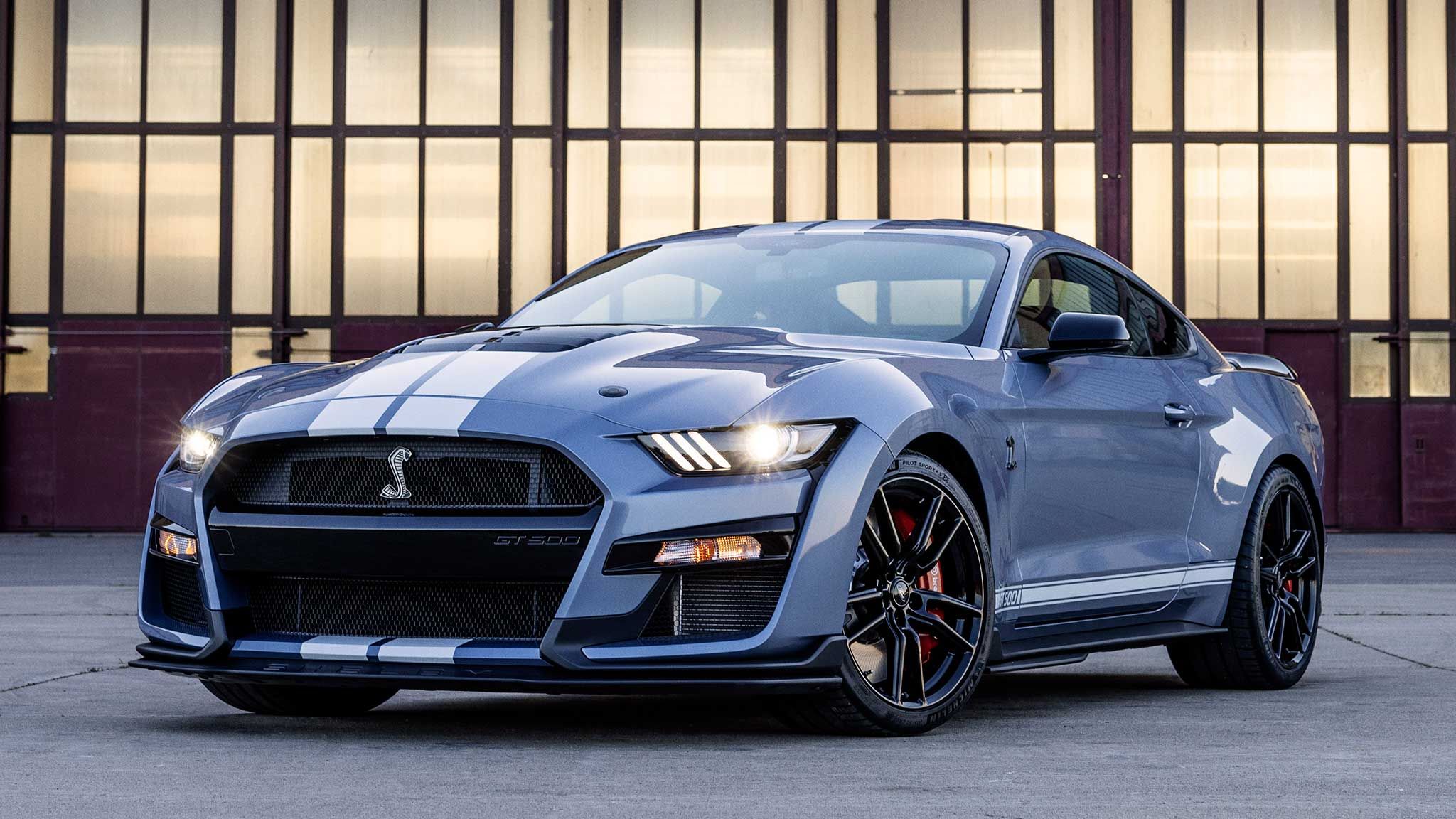
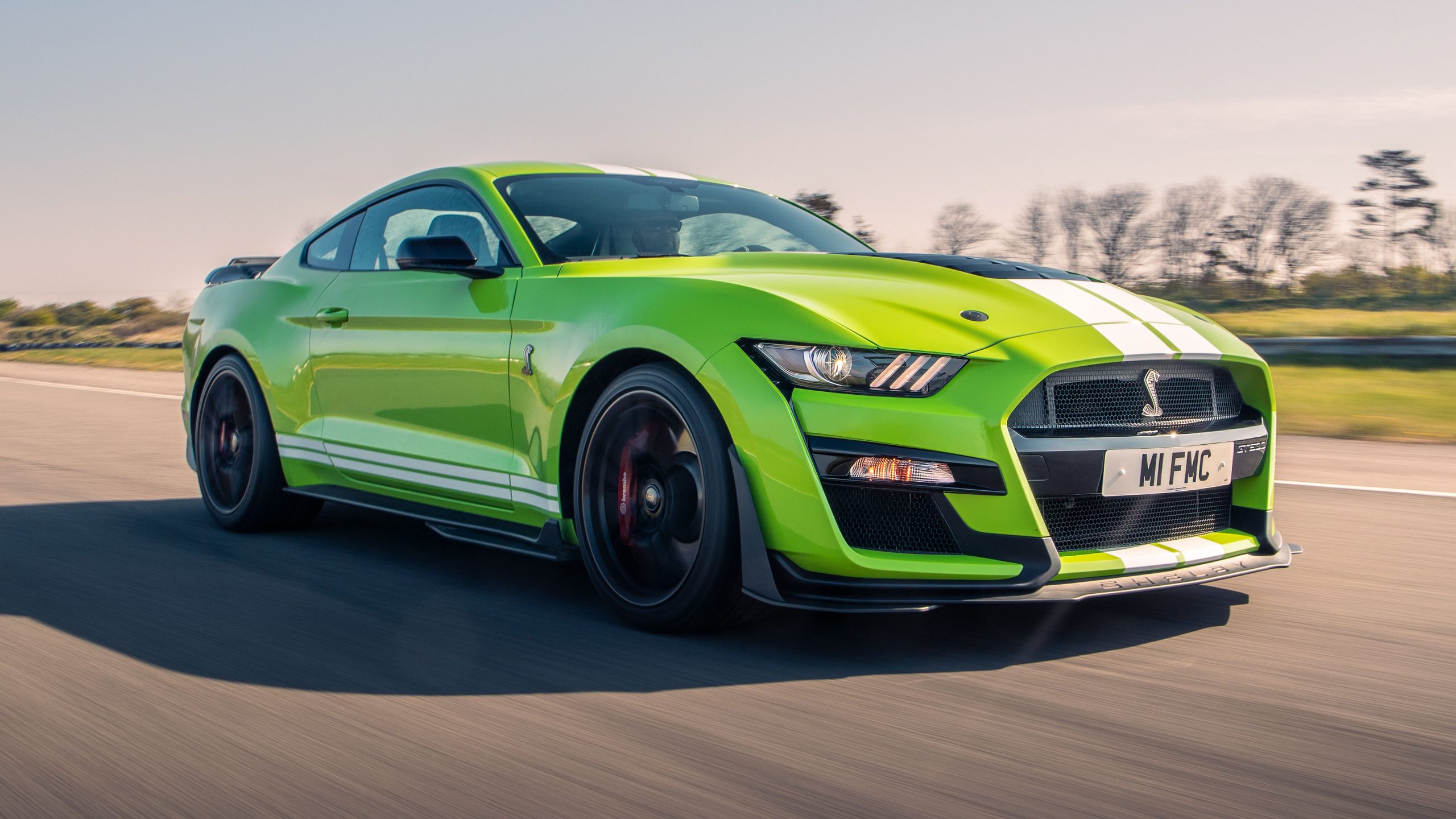
6. Ford Mustang Shelby GT500 (2020+)
The Ford Mustang Shelby GT500 represents the apex of modern American muscle engineering, featuring a supercharged 5.2-liter V8 with a redline around 7,500 RPM. Unlike traditional muscle cars that emphasize low-end torque and moderate revs, the GT500 balances torque with a higher redline to create a versatile performance package.
This allows drivers to accelerate aggressively at both low and high speeds while also enjoying a thrilling, high-pitched exhaust note as the engine approaches its redline. Ford’s engineers implemented forged pistons, reinforced connecting rods, and a billet steel crankshaft to handle the immense rotational forces, ensuring durability under intense driving conditions.
The GT500’s performance is enhanced by its supercharger system, which provides instantaneous boost without lag. This contributes to a wide powerband that allows the car to remain responsive across the RPM spectrum.
High redline capability ensures that the driver can extract maximum horsepower in each gear, especially during high-speed driving or track use. The integration of a dual-clutch transmission with fast, precise shifts complements the V8’s characteristics, allowing the engine to stay close to its redline for extended periods while maintaining acceleration consistency.
Chassis and suspension engineering play a crucial role in making a high-redline V8 effective in real-world conditions. The GT500 incorporates adaptive suspension systems, improved aerodynamics, and high-performance tires to translate engine output into effective acceleration and cornering.
This ensures that the car can handle the extreme forces produced by the V8 without losing stability or grip, making the driving experience both thrilling and manageable. Ford’s attention to detail in integrating engine, drivetrain, and suspension systems highlights the importance of a holistic approach to high-performance V8 design.
The Shelby GT500 demonstrates that a high-redline V8 is not exclusive to exotic European cars. By combining modern forced-induction technology, advanced engineering, and meticulous attention to detail, Ford has created an American muscle car that offers both explosive acceleration and high-rev excitement.
Its redline, while lower than some naturally aspirated supercars, provides a perfect balance between durability, power, and engagement, solidifying its status as one of the top V8s for high-RPM enthusiasts.
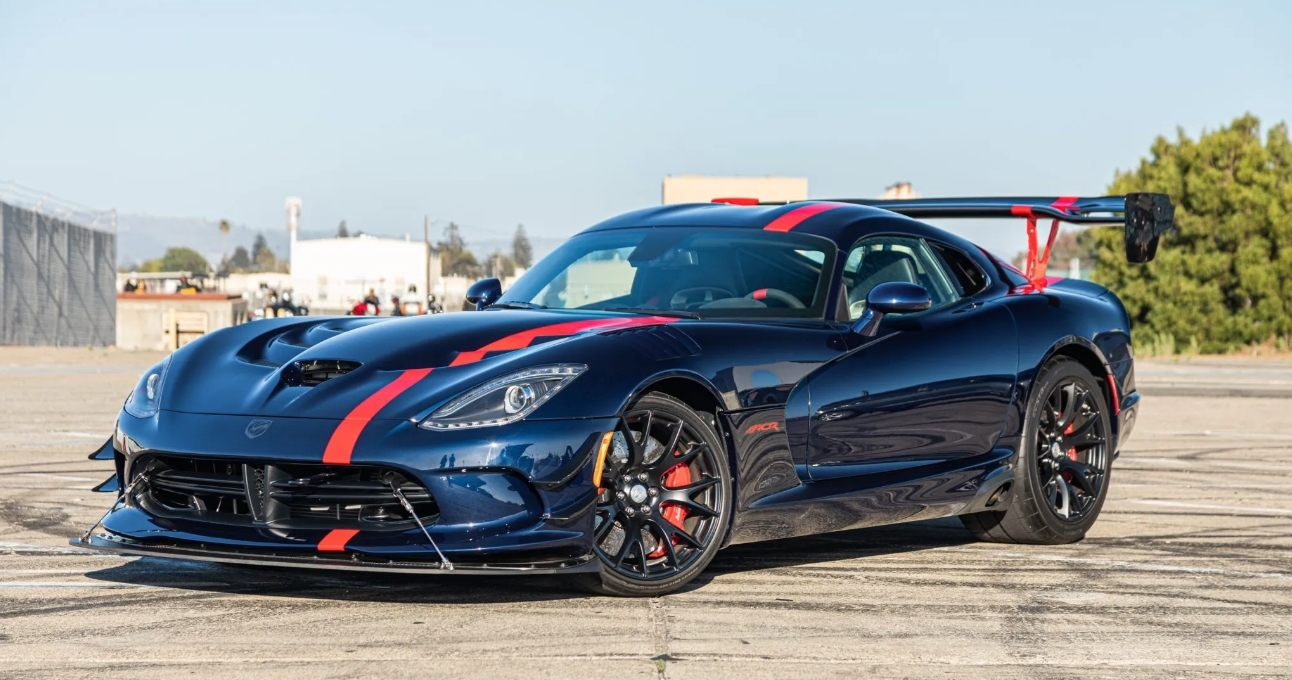
7. Dodge Viper ACR
The Dodge Viper ACR is an iconic American supercar with a naturally aspirated 8.4-liter V10 engine, but for the purpose of examining high-redline V8s, the Viper’s engineering principles can be applied to the V8 derivatives and concept engines developed alongside it.
These engines achieve redlines above 7,000 RPM, demonstrating the potential for American V8s to operate at extreme rotational speeds while delivering raw power.
The focus in these engines is on maximizing displacement and airflow, resulting in a combination of high torque and sustained high RPM capability. Lightweight valvetrain components, precision balancing, and reinforced internal structures ensure that these engines withstand the mechanical stress of frequent high-RPM operation.
The driving experience of a high-redline V8 modeled after the Viper philosophy emphasizes responsiveness and sound. The engine produces a deep, aggressive tone at lower RPMs that transitions into a high-pitched scream as it approaches the redline. T
his auditory feedback is a key part of the connection between driver and car, providing both a psychological and sensory cue that the engine is operating near its mechanical limits. Such design choices illustrate how performance engineers consider not only speed but also the human experience of driving a high-performance car.
Cooling and durability are critical for these high-redline engines. Sustained operation near maximum RPM generates enormous heat, which can compromise performance and longevity. To counter this, Viper-inspired V8s often feature large radiators, optimized oil circulation systems, and enhanced airflow channels. These measures ensure that the engine remains stable even under extreme conditions, allowing drivers to push the car confidently without fearing mechanical failure.
The legacy of the Dodge Viper informs modern high-revving V8 design by demonstrating that American engines can achieve both high displacement and high RPM. Engineers have shown that careful material selection, precision manufacturing, and thoughtful integration of cooling systems allow V8s to reach redlines that rival their European counterparts.
These engines balance raw power with mechanical reliability, providing an engaging and exhilarating driving experience for enthusiasts who value both performance and authenticity.
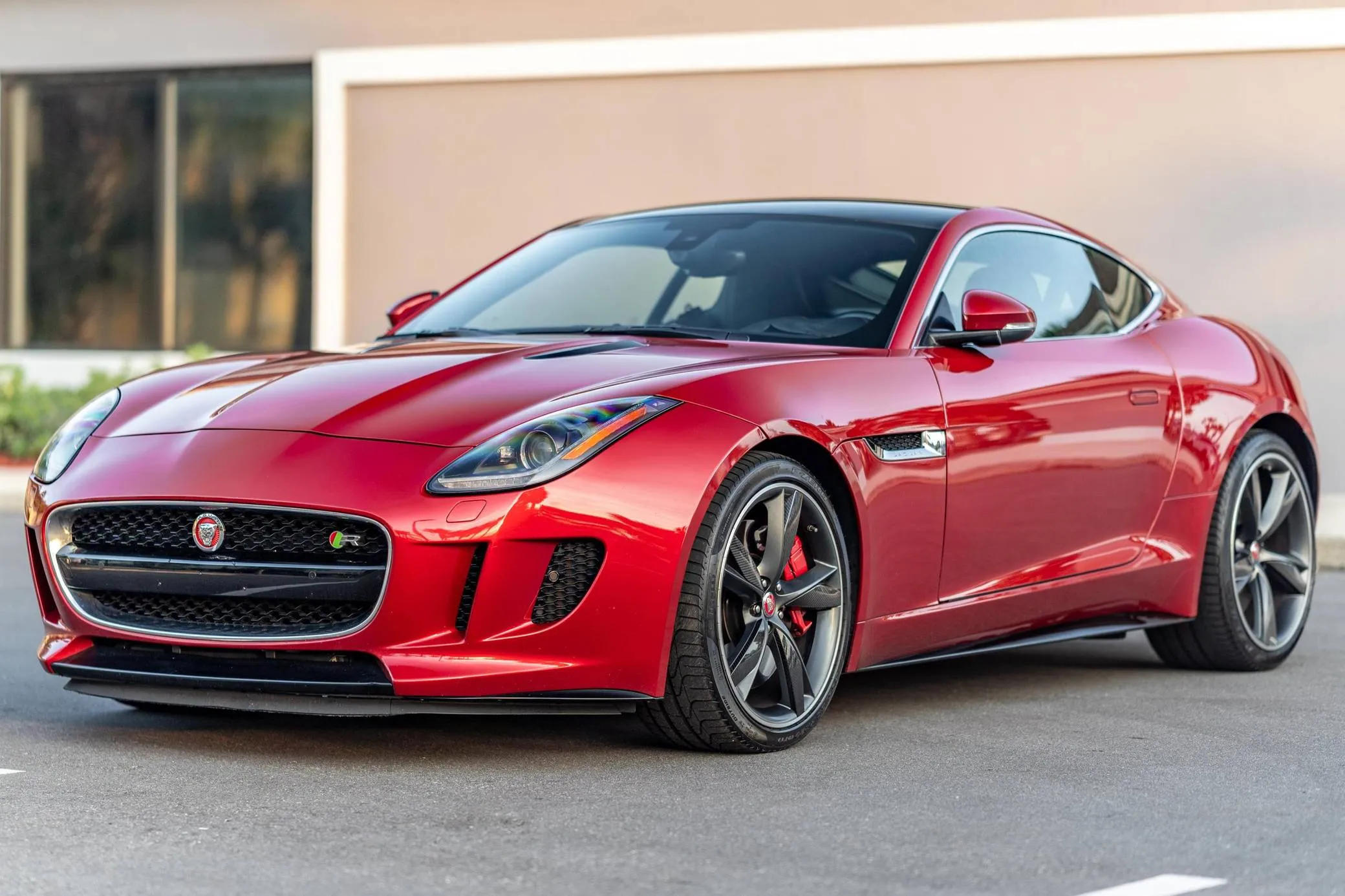
8. Jaguar F-Type R
The Jaguar F-Type R combines British luxury with performance-oriented V8 engineering. Its 5.0-liter supercharged V8 achieves a redline of approximately 7,000 RPM, allowing the car to produce immense power while retaining a controlled and refined driving character.
Jaguar’s engineers focused on blending the excitement of a high-revving engine with the comfort and sophistication expected from the brand. Forged pistons, lightweight crankshafts, and precision-balanced components enable the V8 to reach the redline smoothly, while the supercharger enhances torque delivery at lower RPMs for daily usability.
High redline capability in the F-Type R also contributes to its distinctive engine sound. The exhaust note evolves as the engine approaches maximum RPM, providing drivers with auditory feedback that mirrors their throttle input.
This creates a heightened sense of connection with the vehicle, as each shift and each acceleration is accompanied by a rise in pitch and intensity. The interplay between engine performance and acoustic design demonstrates Jaguar’s holistic approach to high-performance V8 engineering.
The F-Type R’s drivetrain and chassis are designed to maximize the effectiveness of the high-redline engine. Its all-wheel-drive system ensures optimal traction during rapid acceleration, while the suspension maintains stability and precision through corners.
The transmission allows for smooth and fast shifts, keeping the engine close to its redline for sustained performance. This integration ensures that the car’s capabilities are not limited to straight-line speed, but extend to handling and cornering dynamics, providing a complete performance package.
In terms of reliability, Jaguar implemented advanced cooling systems and durable internal components to support extended operation near the redline. This allows drivers to explore the car’s full potential without compromising engine longevity.
The F-Type R demonstrates that high-redline V8 engines can coexist with luxury and usability, offering a unique combination of performance, sound, and refinement that appeals to enthusiasts seeking both excitement and comfort.

9. BMW M5 (F10/F90)
The BMW M5, particularly the F10 and F90 generations, features a high-performance V8 engine with redlines exceeding 7,000 RPM in naturally aspirated or lightly boosted forms. BMW’s M division has long emphasized a balance between high-rev capability and daily drivability, and the M5 exemplifies this philosophy.
Its V8 delivers linear power across the rev range, allowing drivers to exploit its redline while maintaining control and predictability. Advanced materials such as forged aluminum pistons and strengthened connecting rods ensure the engine withstands repeated high-RPM use, while precise valvetrain tuning allows smooth operation even at maximum revolutions.
The high redline enhances the M5’s performance character. It allows the engine to deliver peak horsepower at higher RPMs, creating a sensation of continuous acceleration that is both intense and manageable.
Combined with BMW’s dual-clutch or automatic transmissions, the M5 can stay close to its redline for extended periods, enabling drivers to experience sustained high-performance driving without interruptions. The integration of adaptive suspension, dynamic stability control, and responsive steering ensures that the power produced at high RPM is fully transferable to the road.
BMW engineers also focused on sound engineering to complement the redline. The exhaust system is tuned to provide a rich, aggressive note that changes character as the engine approaches maximum RPM, enhancing the sensory experience. This careful orchestration of mechanical and acoustic performance contributes to the emotional impact of driving a high-redline V8, providing feedback that matches the intensity of acceleration.
Durability and cooling are crucial for engines that operate near their redline. BMW implemented advanced cooling solutions, including optimized oil flow, larger radiators, and enhanced airflow channels, to manage the heat generated by high-RPM operation.
This ensures that drivers can fully exploit the engine’s potential without risking mechanical issues. The M5 illustrates how a high-redline V8 can combine everyday usability with exhilarating performance, making it a standout example of engineering excellence.
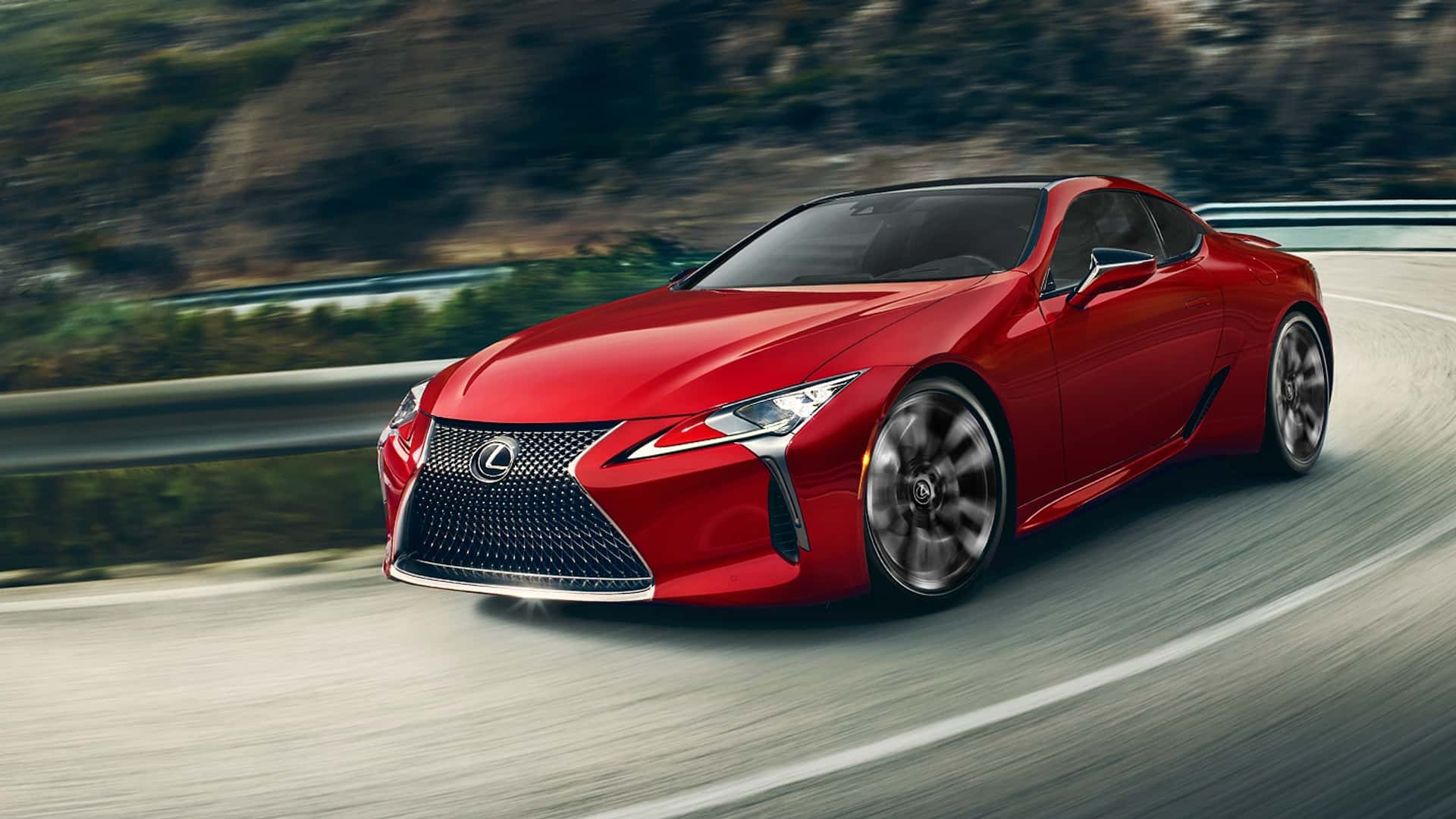
10. Lexus RC F / LC 500
The Lexus RC F and LC 500 feature a naturally aspirated 5.0-liter V8 capable of reaching approximately 7,300 RPM. Lexus’s approach to high-redline V8 engineering focuses on smooth, linear power delivery combined with reliability and refinement.
Lightweight components, including titanium valves and forged pistons, reduce internal stress, allowing the engine to sustain high RPMs without sacrificing longevity. This focus on durability ensures that the car can deliver thrilling performance while remaining practical for everyday driving.
The engine’s high redline contributes significantly to the driving experience. As the tachometer climbs, the engine note rises in pitch, providing auditory feedback that enhances the connection between car and driver.
This characteristic is particularly noticeable during spirited driving or track sessions, where the engine’s responsiveness and sound become central to the experience. Lexus also designed the intake and exhaust systems to optimize airflow at high RPM, maximizing power output while preserving engine stability.
Chassis and transmission engineering complement the high-revving V8. Both the RC F and LC 500 utilize advanced multi-link suspension and adaptive dampers to maintain composure during aggressive driving.
The transmission is calibrated to allow smooth and rapid gear changes, keeping the engine near its redline for maximum performance. This integration ensures that the V8’s capabilities are fully exploited, translating engine output into precise and predictable handling.
Reliability at high RPM is supported by meticulous attention to cooling and lubrication. Lexus engineers implemented systems to manage oil temperature, maintain proper flow, and optimize heat dissipation during intense driving.
This allows the V8 to perform near its redline without mechanical compromise, demonstrating that performance, sound, and reliability can coexist in a naturally aspirated V8. The RC F and LC 500 showcase Lexus’s ability to produce high-revving engines that provide excitement, refinement, and durability in a single package.
