
Sport motorcycles have always represented a blend of engineering ambition, stylistic confidence, and mechanical refinement.
By 2026, this category stands at an interesting crossroads where traditional internal combustion performance continues to evolve while electronic systems, materials science, and rider-focused design philosophies reach higher levels of maturity.
Manufacturers are no longer competing only on peak horsepower numbers. Instead, they are refining how power is delivered, how stability is maintained at speed, and how machines communicate feedback to the rider. These changes have gradually reshaped what defines a sport bike that is considered desirable, capable, and relevant.
Earlier generations often demanded a narrow use case, prioritizing track riding above all else. Contemporary designs place greater emphasis on usability without abandoning performance credentials.
Ergonomics are increasingly adjustable, electronic rider aids are more intuitive, and chassis development is aimed at providing confidence rather than intimidation. This has broadened the appeal of sport motorcycles to riders with varying levels of experience, while still satisfying those who demand precision and responsiveness.
Design language has also evolved significantly. Aerodynamic considerations now influence everything from fairing contours to mirror placement. Winglets, once a novelty limited to racing homologation models, are becoming a regular feature, not only for visual impact but for stability during high speed riding.
At the same time, manufacturers are careful to maintain brand identity, ensuring that each model remains instantly recognizable even as technology advances.
Looking toward 2026, the sport bike market reflects both continuity and change. Flagship models remain symbols of brand excellence, mid range sport machines offer exceptional value, and emerging technologies quietly redefine expectations.
The following list highlights ten sport bikes that exemplify these trends and represent strong options available in 2026, based on performance philosophy, design evolution, and balance rather than speculation rooted in marketing promises.
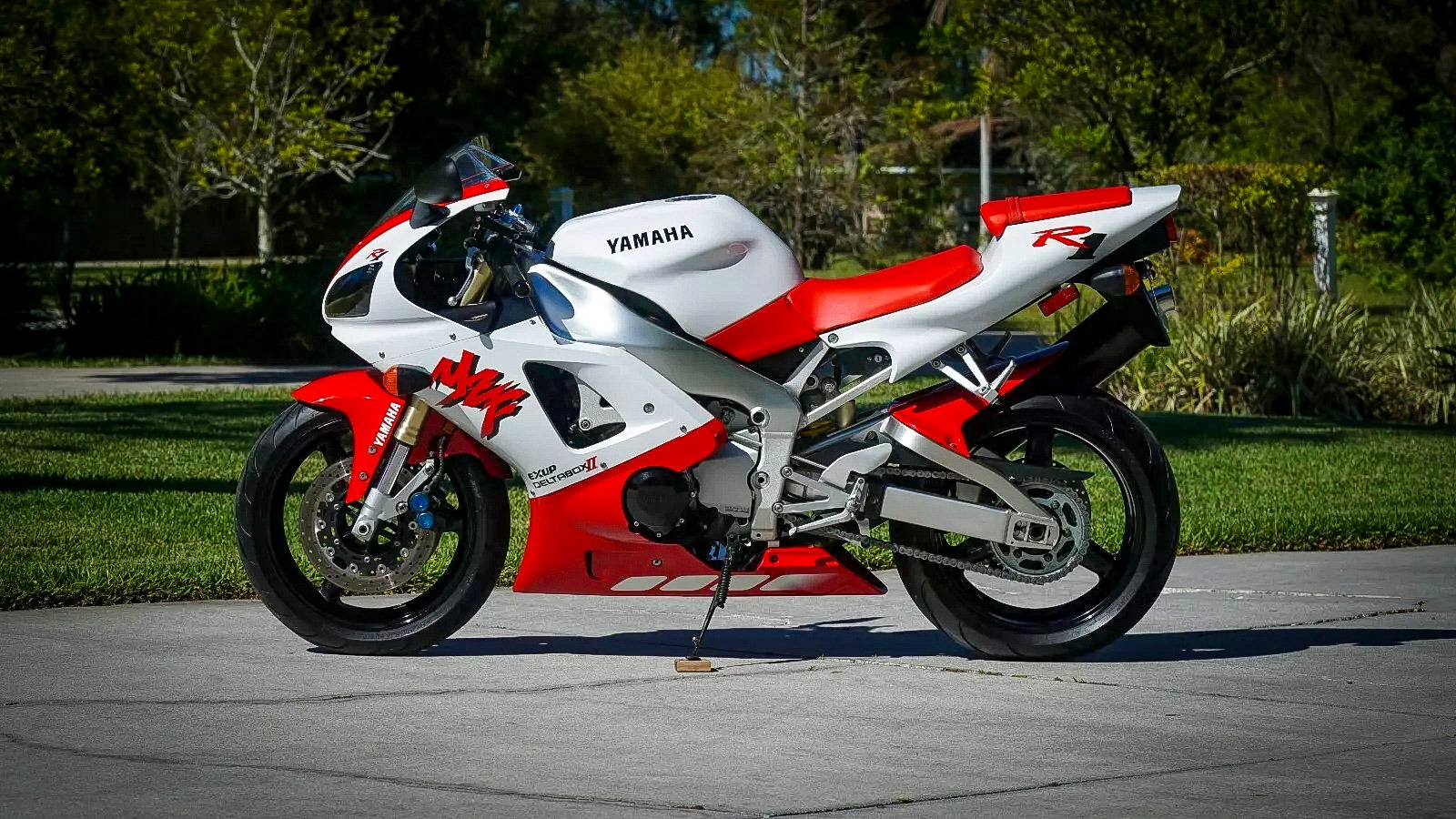
1. Yamaha YZF R1
The Yamaha YZF R1 continues to occupy a central position in the sport bike segment due to its race derived engineering and unmistakable character. Its crossplane inline four engine remains one of its defining traits, delivering power in a way that emphasizes connection and feel rather than sheer linear output.
This characteristic gives the R1 a personality that appeals to riders who value feedback and control as much as raw acceleration.
The engine’s distinct delivery allows riders to modulate power precisely, which is especially useful during tight cornering or quick transitions between throttle inputs. Its sound and vibration patterns also create a unique experience, making every ride feel more engaging.
Chassis development on the R1 reflects Yamaha’s ongoing focus on mass centralization and rigidity balance. The aluminum frame is designed to provide stability during aggressive cornering while still allowing enough flex to communicate grip levels.
The swingarm and suspension geometry complement this approach, offering a combination of stiffness and compliance that allows the rider to trust the bike’s responses. Adjustability in the suspension ensures that both track-focused riders and street riders can optimize performance, making the R1 adaptable to a wide range of conditions.
Electronics on the R1 are integrated seamlessly rather than dominating the riding experience. Traction control, slide control, and engine braking management work together to support the rider without feeling intrusive.
The quick shifter and launch control are examples of systems that enhance performance while preserving the sense of control. Each of these aids can be tuned to match the rider’s skill level or the specific demands of the environment, allowing the R1 to be both approachable and competitive.
The ergonomics of the R1 also reflect careful thought. Rider positioning encourages a forward lean for aerodynamic efficiency without excessively compromising comfort. Footpegs and handlebar placement support agile handling and quick weight shifts, crucial for fast cornering. The seat design balances firmness with cushioning, making longer rides less fatiguing while maintaining precise feedback from the chassis.
Visually, the R1 balances sharp aggression with functional design. Its aerodynamic fairings and compact tail section reflect a clear racing influence, while subtle refinements keep it modern. The front intake ducts and winglets not only contribute to style but improve high-speed stability.
By 2026, the R1 stands as a machine that respects its heritage while embracing the incremental improvements that sustain long term excellence. It remains a reference point for sport bike enthusiasts seeking a comprehensive blend of technology, feel, and performance.
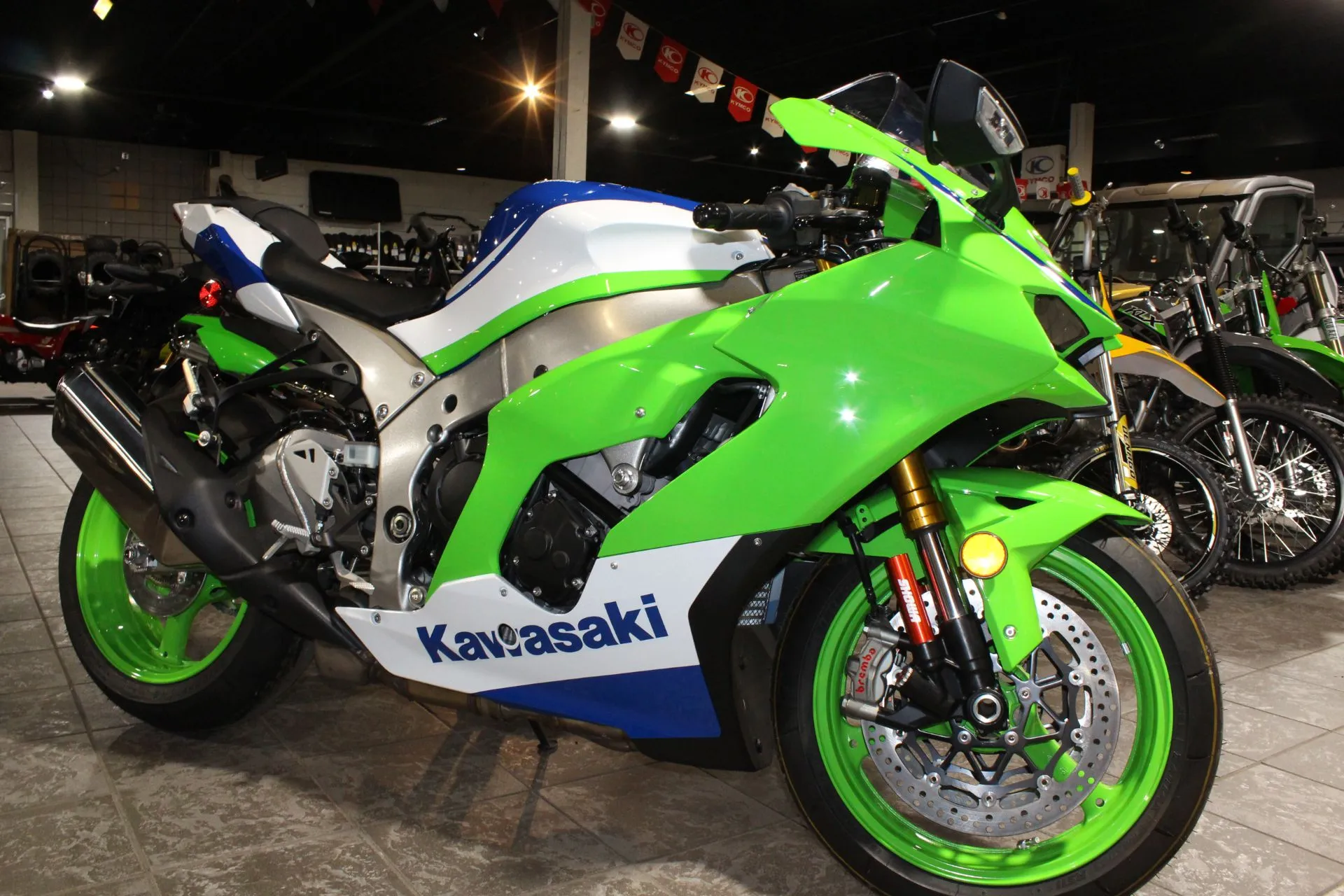
2. Kawasaki Ninja ZX 10R
The Ninja ZX 10R has long been associated with competitive success and an uncompromising approach to performance. Its engine configuration emphasizes high revving power, delivering strong acceleration across the upper range of the tachometer.
This characteristic makes the ZX 10R particularly appealing to riders who enjoy exploiting the top end of a sport bike’s performance envelope. The engine produces a linear surge that feels effortless when pushed, yet retains refinement at lower speeds, making it versatile for both track and street riding.
Kawasaki’s approach to chassis design on the ZX 10R prioritizes stability under extreme conditions. The frame geometry is optimized for high speed confidence, allowing the bike to remain composed during aggressive braking and rapid direction changes.
The suspension, including fully adjustable front forks and rear shock, is engineered to handle repeated high load events without losing performance. Weight distribution is carefully balanced to maintain agility without compromising control.
Electronic systems on the ZX 10R are designed with racing application in mind. Rider modes allow for quick adjustments, and advanced traction management supports consistent performance.
Braking assistance, wheelie control, and launch features are integrated to complement the mechanical characteristics of the bike, rather than override them. These features give the rider more confidence to push boundaries while maintaining safety.
Aerodynamic development has been an important part of the ZX 10R’s evolution. Bodywork is sculpted to reduce drag and improve stability at high speeds. Small winglets and fairing adjustments help generate downforce without adding excessive weight. This careful attention to airflow ensures that the motorcycle remains planted during corner exits and straight line acceleration.
Visually, the ZX 10R maintains a purposeful and assertive presence. Sharp lines, distinctive lighting, and a compact stance communicate its intent clearly. The aggressive styling matches the performance philosophy, creating an impression of speed even when stationary.
In 2026, the Ninja ZX 10R remains a benchmark for riders seeking a focused and disciplined sport bike experience, combining technology, power, and precision engineering.
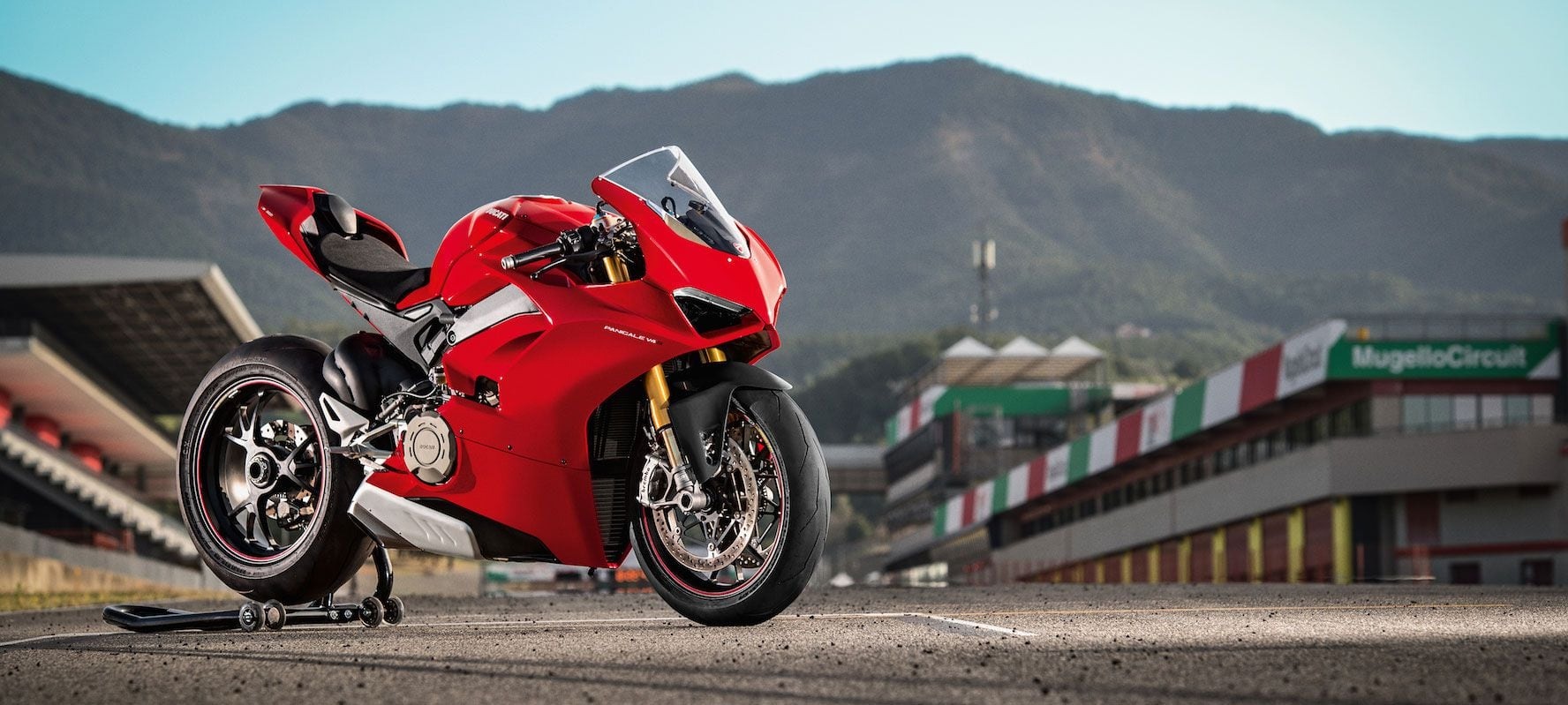
3. Ducati Panigale V4
The Ducati Panigale V4 represents a departure from tradition while preserving the brand’s emphasis on emotion and design. Its V4 engine configuration delivers a broad and forceful powerband, offering strong midrange torque alongside impressive top end performance.
This balance makes the Panigale V4 versatile across different riding scenarios. The engine responds instantly to throttle inputs, giving riders a sense of connectedness that is rare in motorcycles with such high output.
Ducati’s chassis philosophy emphasizes rigidity combined with precise geometry. The Panigale V4 uses a compact frame that allows the engine to play a structural role, contributing to stiffness and responsiveness.
The result is a bike that communicates road feedback clearly and accurately. This approach ensures confidence at speed and allows riders to exploit traction with precision in corners.
Electronic integration on the Panigale V4 is comprehensive yet refined. Systems such as cornering traction control and adjustable engine maps are designed to work cohesively, allowing the rider to tailor the bike’s behavior without complexity.
Even sophisticated functions such as slide control and lift mitigation are calibrated to enhance rather than dominate the riding experience. Ducati’s approach ensures that technology amplifies rider skill instead of masking it.
Suspension and ergonomics on the Panigale V4 are tuned to complement performance. Adjustable components allow riders to optimize the ride for track or street conditions.
Rider positioning emphasizes forward lean, yet seat and handlebar geometry reduce fatigue during longer rides. This combination of performance and ergonomics makes the V4 one of the most versatile superbikes available.
Design remains a defining aspect of the Panigale V4. Flowing lines, exposed mechanical elements, and aerodynamic additions create a visual identity that is both elegant and aggressive.
Every detail, from the tail section to the front intake ducts, serves both aesthetic and functional purposes. By 2026, the Panigale V4 continues to symbolize Italian performance philosophy applied to modern sport biking, combining emotion, engineering, and precision.
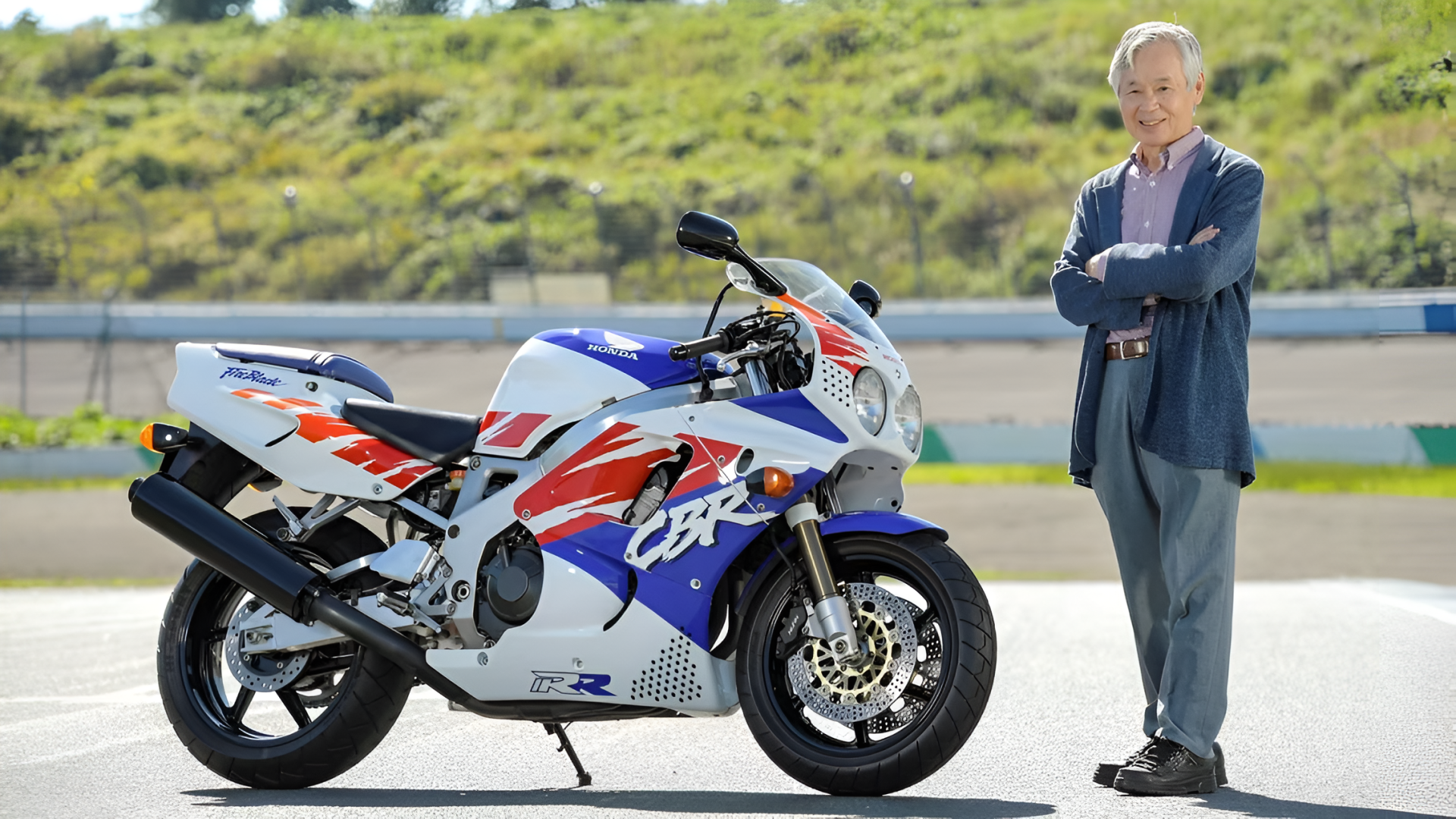
4. Honda CBR1000RR R Fireblade
Honda’s CBR1000RR R Fireblade reflects a methodical approach to performance development. Its engine is engineered for high output while maintaining reliability and smooth operation.
Power delivery is refined, allowing riders to access performance progressively rather than abruptly. This makes it approachable for intermediate riders while retaining enough punch for experienced enthusiasts seeking competitive performance.
The Fireblade’s chassis is built around balance and predictability. Honda engineers prioritize feedback, ensuring that the rider can sense traction levels and weight transfer clearly.
This focus results in a motorcycle that feels intuitive, even when ridden aggressively. The frame’s rigidity is tuned to maximize cornering precision without sacrificing stability during straight line acceleration.
Electronic systems on the Fireblade emphasize precision and customization. Multiple riding modes and adjustable parameters allow the bike to adapt to various conditions. Honda’s reputation for user friendly systems is evident in how accessible these features are during real world use.
Traction control, ABS, and engine braking support are integrated to maintain rider confidence without compromising the bike’s natural feel.
Suspension and ergonomics are a key part of the Fireblade’s appeal. Adjustable front forks and rear shock provide flexibility for different riding styles, while seat and handlebar placement allow riders to maintain comfort during extended periods.
This combination enhances control, reduces fatigue, and ensures that the Fireblade remains agile in technical sections of road or track.
The visual design of the Fireblade blends sharp edges with purposeful restraint. Aerodynamic elements are integrated seamlessly into the shape, providing functional airflow management without excessive ornamentation.
By 2026, the CBR1000RR R Fireblade stands as a disciplined and highly refined sport bike that rewards skill, precision, and consistency.
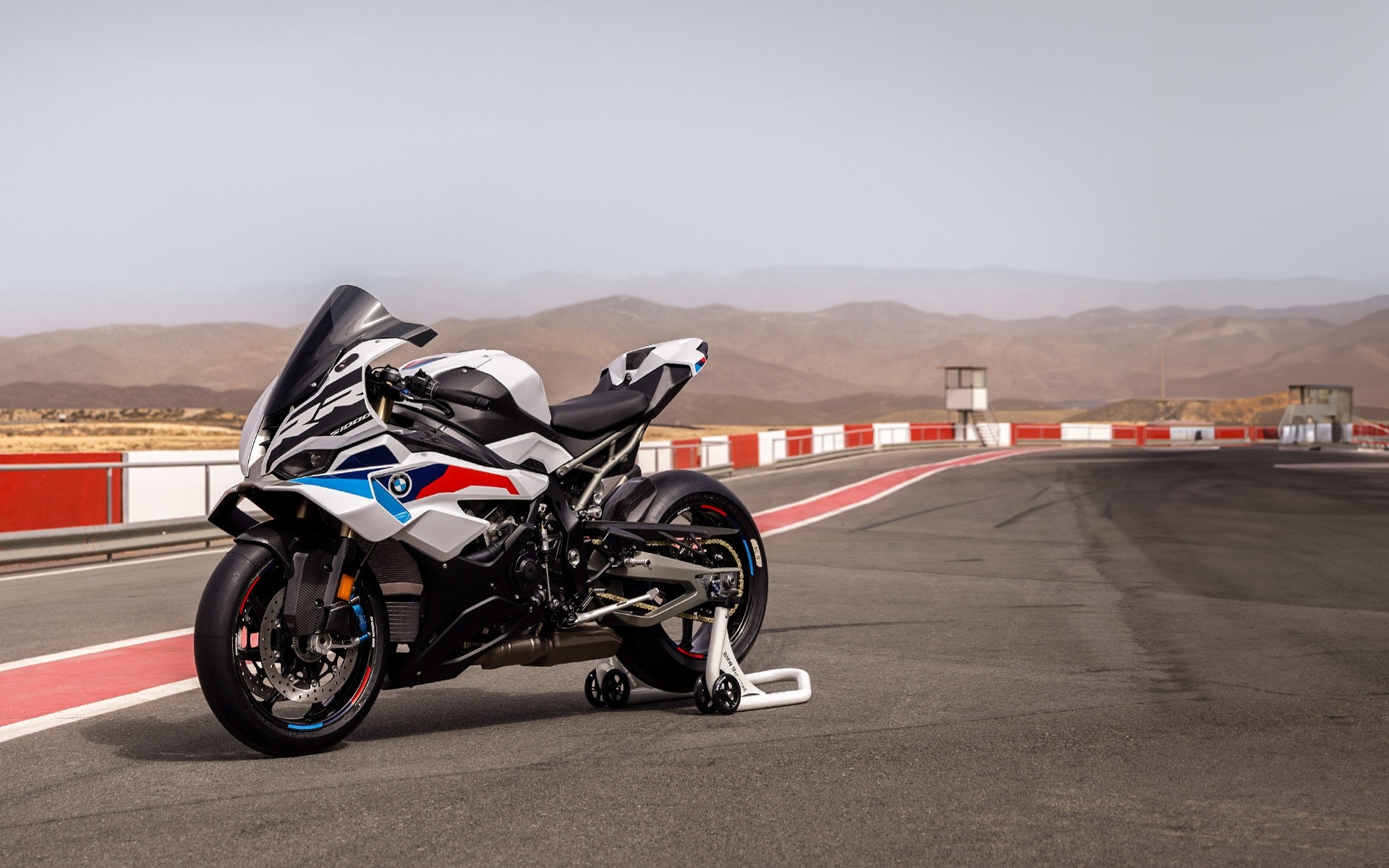
5. BMW S1000RR
The BMW S1000RR is known for its combination of advanced technology and user oriented design. Its inline four engine delivers strong acceleration across a wide range, making it approachable yet formidable.
Power delivery is smooth yet aggressive when demanded, allowing riders to enjoy both urban commuting and high speed performance on open roads or tracks.
BMW places significant emphasis on electronic assistance, and the S1000RR reflects this philosophy. Rider aids are designed to enhance safety and performance without overwhelming the rider.
Adjustable traction control, ABS, engine brake settings, and multiple riding modes provide a highly configurable experience. This flexibility ensures the bike adapts seamlessly to the rider’s skill and the riding environment.
Chassis design on the S1000RR balances agility with stability. The frame, swingarm, and suspension work together to provide responsive handling while maintaining composure at speed.
Advanced materials reduce weight without compromising strength, allowing the bike to remain nimble in corners while stable under heavy braking or rapid acceleration.
Ergonomics are tuned for both performance and comfort. The riding position encourages forward lean for aerodynamic efficiency while still allowing natural weight distribution.
Footpegs and handlebars are positioned to optimize control during aggressive maneuvers, and the seat is shaped to reduce fatigue on longer rides. Suspension adjustability further ensures the bike responds predictably to varied road conditions.
Styling on the S1000RR has evolved to become more symmetrical and cohesive. Functional elements such as aerodynamic winglets are integrated thoughtfully.
The bike maintains a bold visual presence with sharp lines and compact proportions. By 2026, the S1000RR continues to represent a technologically advanced, performance oriented, and adaptable sport bike that appeals to a wide range of riders.
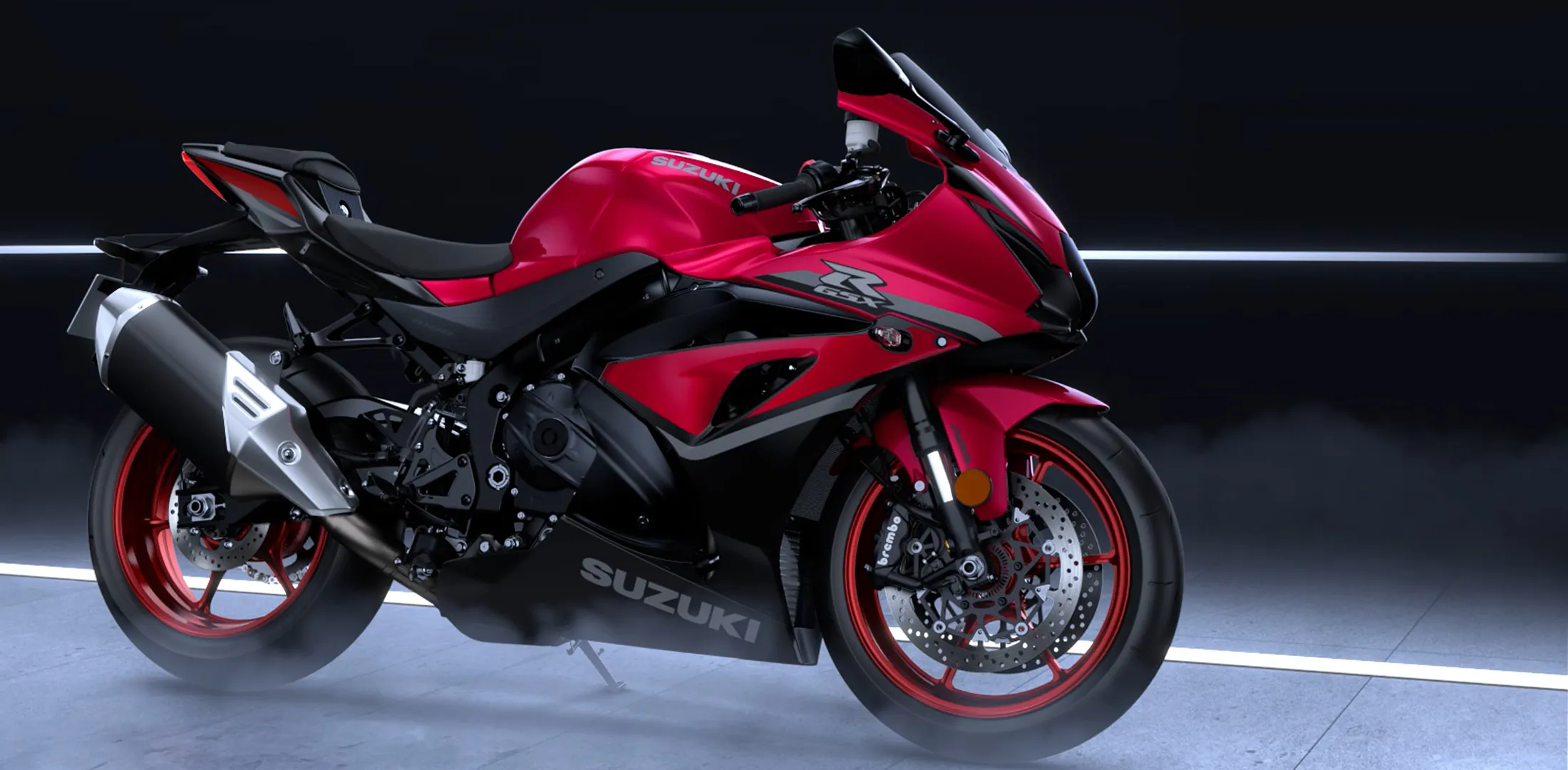
6. Suzuki GSX R1000R
The Suzuki GSX-R1000R maintains a reputation for mechanical simplicity paired with strong performance. Its engine emphasizes usable power and durability, making it appealing to riders who value consistency.
The inline four-cylinder produces linear acceleration while maintaining a responsive feel across the rev range. Riders often praise the engine’s ability to deliver immediate throttle response without harshness, making it versatile for both track sessions and spirited road rides.
Suzuki’s chassis design focuses on weight reduction and rigidity. The aluminum frame ensures a precise connection between rider input and handling, while the swingarm and suspension geometry contribute to stability during aggressive cornering.
Adjustability in suspension components allows the bike to be tuned for different riding environments, whether for technical twisty roads or high-speed track conditions.
Electronic systems on the GSX R1000R are implemented thoughtfully. Traction control, wheelie control, and multiple riding modes help the rider manage the bike’s considerable performance without diminishing engagement.
These systems are integrated seamlessly, allowing riders to maintain confidence and control while enjoying the mechanical character of the motorcycle.
The ergonomics of the GSX R1000R provide a balance between aggressive posture and comfort. Footpeg positioning and handlebar height encourage a forward lean that enhances aerodynamic efficiency and handling precision, while the seat offers enough support for longer rides. This combination makes the bike approachable for experienced riders and confident enough for intermediate enthusiasts.
Design-wise, the GSX R1000R preserves classic sport bike proportions while incorporating modern touches. Its fairings are sculpted to improve airflow, and the aggressive front-end styling gives it a strong presence on the road.
The compact tail section and integrated lighting complete the look, maintaining Suzuki’s focus on performance-oriented aesthetics. By 2026, the GSX R1000R will continue to serve as a dependable yet exciting option for riders seeking a sport bike that is balanced and reliable.
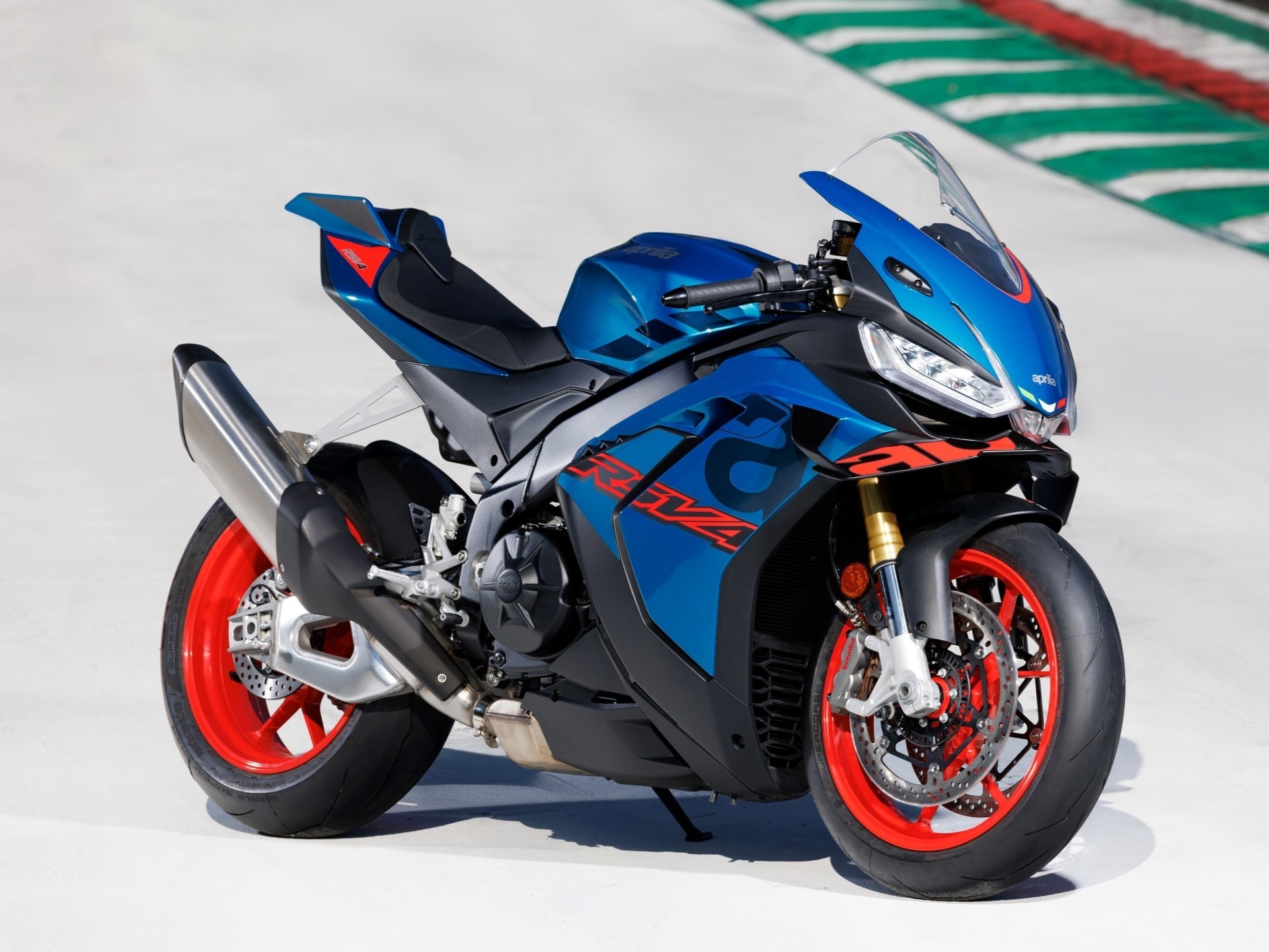
7. Aprilia RSV4
The Aprilia RSV4 is recognized for its compact dimensions and distinctive V4 engine configuration. Its power delivery combines sharp responsiveness with high-end performance, providing a thrilling experience across the rev range.
The engine’s unique character, combined with its sound and smooth torque curve, gives the RSV4 a dynamic and engaging personality unmatched by many inline four-cylinder rivals.
Chassis development on the RSV4 prioritizes agility and rider feedback. Its lightweight frame and carefully engineered geometry allow precise cornering and quick changes of direction, making it especially capable on technical tracks or twisty roads.
The suspension setup, including fully adjustable forks and shock, enables the rider to fine-tune handling characteristics to suit personal preferences or conditions.
Aprilia’s electronic suite is advanced yet intuitive. Traction control, wheelie control, slide control, and launch assistance are all integrated in a way that supports rider skill rather than compensating for it.
These systems allow confident riding at high speeds while retaining the tactile feedback that enthusiasts value.
Ergonomics on the RSV4 encourage a sport-focused riding position without excessive fatigue. The seat, footpegs, and handlebars are arranged to allow precise weight transfer and control, and adjustable components enable customization to fit various body types.
This balance of comfort and sport orientation makes the bike suitable for both track and longer road rides.
Visually, the RSV4 presents an aggressive stance with compact proportions and sharp lines. Its fairings are designed for aerodynamic efficiency, and design elements such as winglets enhance stability at speed.
By 2026, the RSV4 remains a favorite among riders who prioritize character, handling precision, and the thrill of a V4 powertrain.
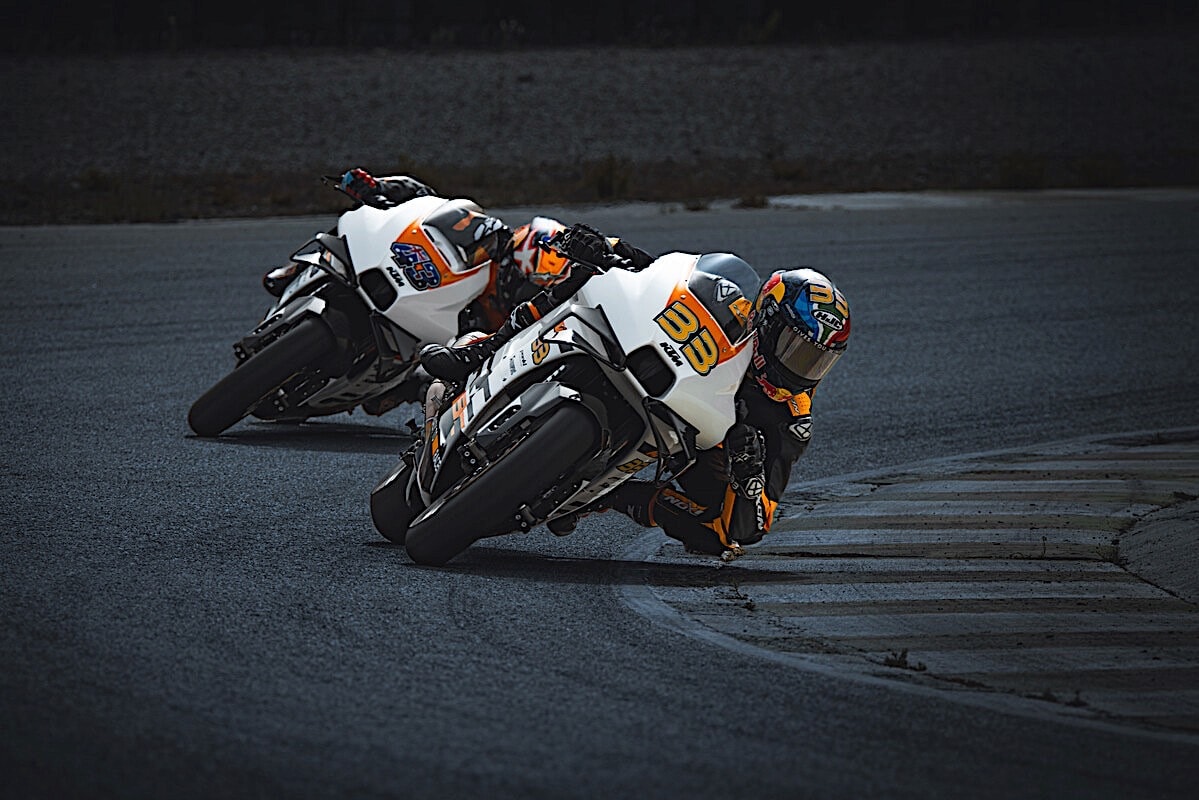
8. KTM RC 8C Inspired Sport Model
KTM’s RC 8C-inspired sport bike philosophy focuses on lightweight construction, agility, and rider engagement. The engine emphasizes torque delivery and rapid response, offering immediate feedback to throttle inputs.
This makes the KTM RC 8C models particularly exciting to ride on twisty roads or circuits, where responsiveness is more crucial than outright top-end power.
The chassis design reflects KTM’s racing heritage, emphasizing rigidity and feedback. Lightweight frames and optimized suspension geometry allow the bike to react quickly to rider inputs, making direction changes precise and predictable.
Suspension components are chosen to maximize handling rather than comfort, reinforcing the focused nature of the bike.
Electronic systems are applied selectively to support performance without overshadowing rider skill. Traction control, ABS, and launch assistance are calibrated to provide stability while retaining a natural feel. This philosophy keeps the RC 8C in line with KTM’s approach of creating machines that reward active riding and engagement.
Ergonomics on the RC 8C are optimized for performance. The riding position encourages forward lean, with handlebars and footpegs arranged for maximum control during aggressive maneuvers.
While comfort is secondary, the balance between ergonomics and weight distribution ensures that riders remain in control during high-speed riding.
The RC 8C’s visual design mirrors its performance intent. Angular lines, minimal bodywork, and compact proportions highlight the bike’s lightweight philosophy. Its sharp aesthetics convey aggression and purpose.
By 2026, KTM continues to appeal to riders seeking a lightweight, focused sport bike that emphasizes agility, responsiveness, and riding involvement.
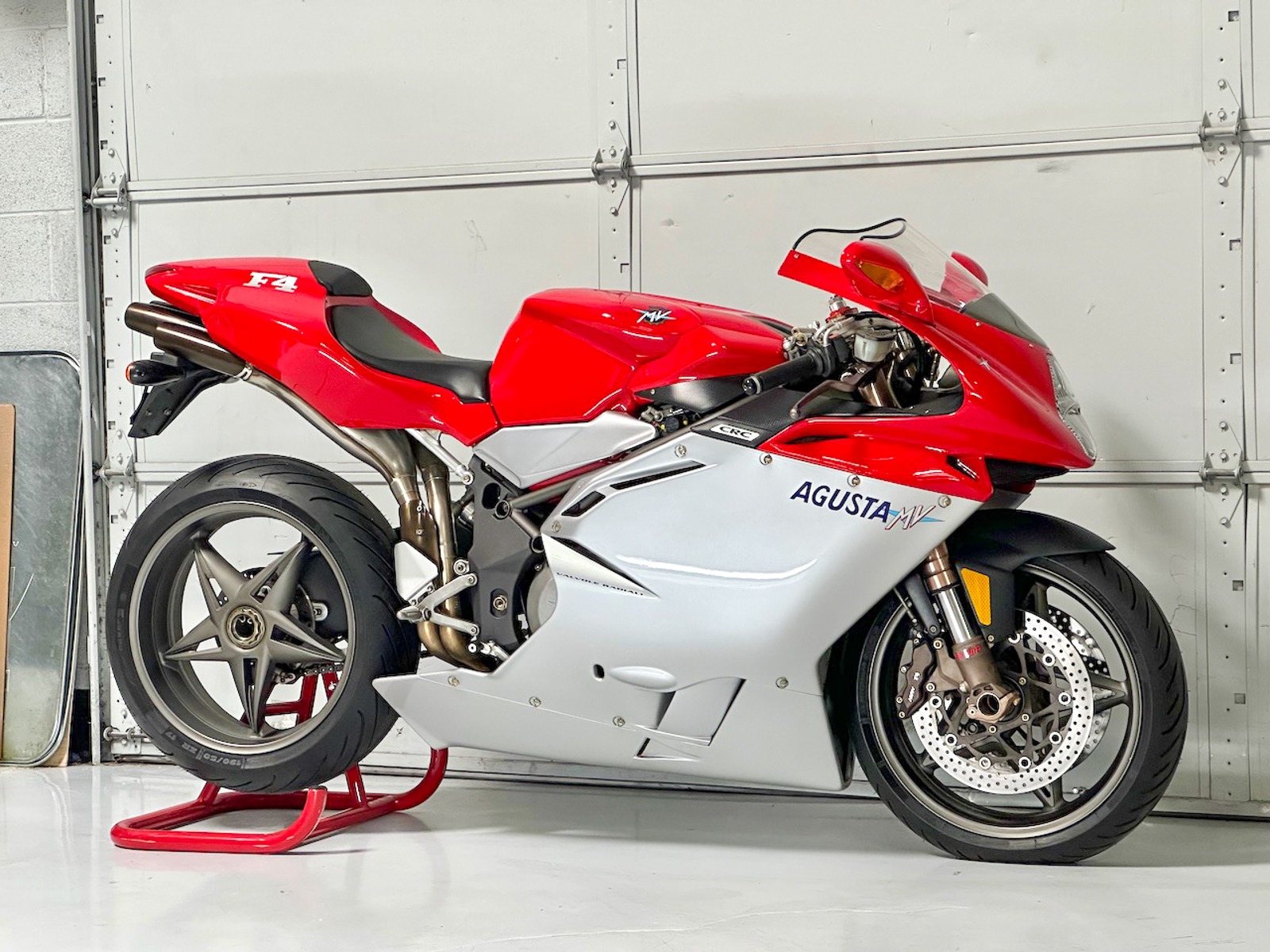
9. MV Agusta F4 Successor
MV Agusta sport bikes are known for their combination of performance, design, and exclusivity. A modern successor to the F4 lineage carries forward these traits with high-revving engines and a refined aesthetic.
The powertrain delivers strong acceleration and a distinctive sound that creates a sense of connection between the rider and the machine, enhancing the emotional appeal of every ride.
Chassis construction emphasizes precision and craftsmanship. Materials are selected for strength and lightweight performance, contributing to stability and responsiveness.
The geometry and rigidity of the frame support confident handling during aggressive maneuvers, while also enhancing the feel of the bike on corner entry and exit.
Electronic features are integrated subtly, with traction control, ABS, and riding modes designed to complement the bike’s performance rather than dominate it.
This ensures that the rider retains full engagement and a sense of control, consistent with MV Agusta’s philosophy of combining engineering excellence with a pure riding experience.
Design is central to the identity of the MV Agusta F4 successor. Sculpted fairings, sharp lines, and exposed mechanical elements create a bike that is visually striking while maintaining aerodynamic efficiency.
Every aspect, from the tail section to the front intake ducts, serves both aesthetic and functional purposes. By 2026, MV Agusta continues to provide a sport bike experience that blends emotion, craftsmanship, and high-performance engineering.
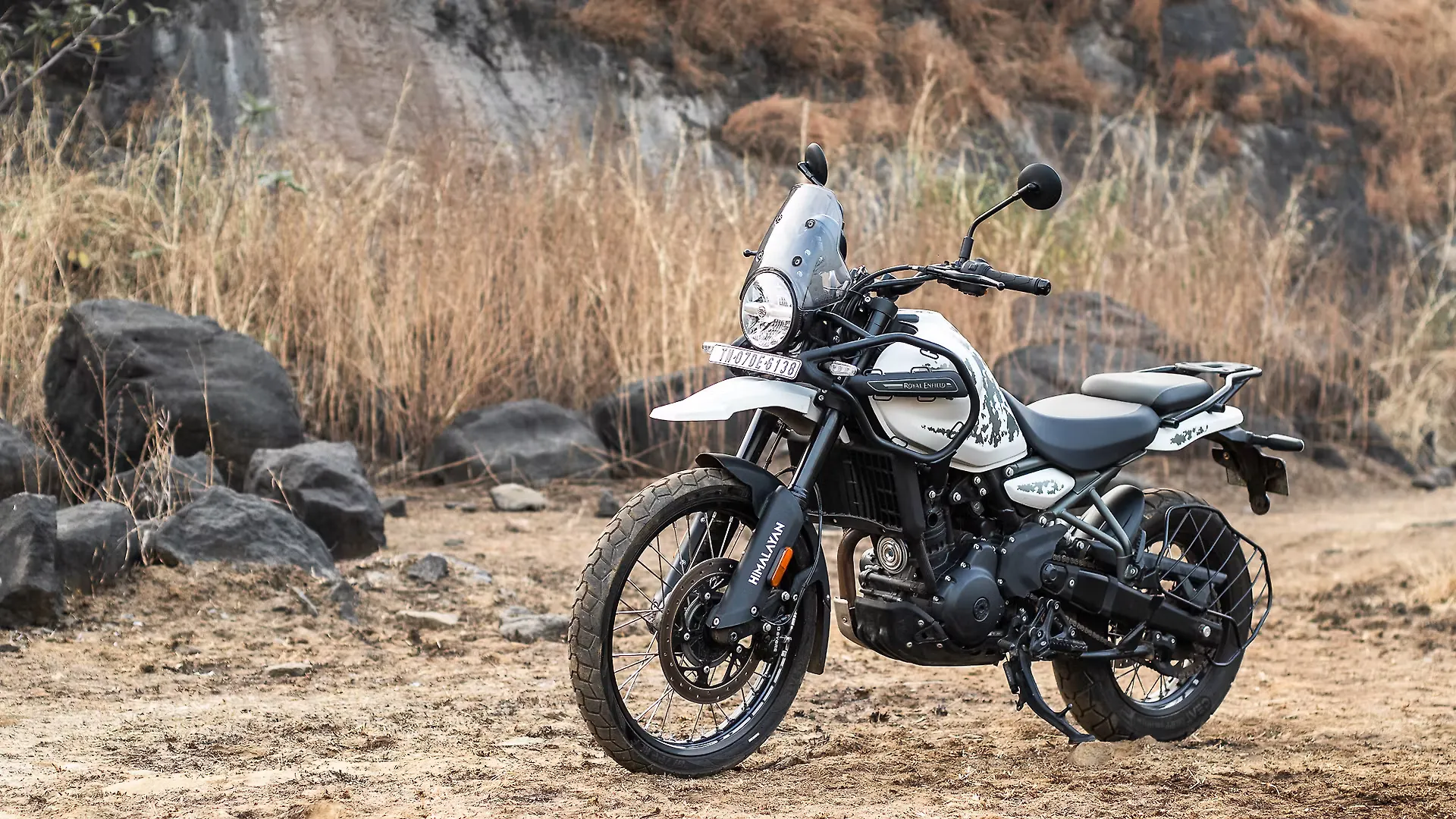
10. Midweight Sport Bike Flagship
Midweight sport bikes have become increasingly important in 2026 due to their balance of performance, accessibility, and versatility. A flagship model in this category emphasizes manageable power, nimble handling, and modern electronics.
These bikes allow riders to experience the thrill of sport biking without the overwhelming demands of a full liter-class motorcycle, making them suitable for both newer and experienced riders.
Chassis design prioritizes agility and light weight. Short wheelbases and optimized geometry contribute to responsive cornering and stability.
Suspension systems are adjustable and tuned for versatility, allowing riders to balance performance with comfort depending on the environment and personal preference.
Electronic features enhance control and confidence, including traction management, ABS, and multiple riding modes.
These aids are designed to adapt the bike to varying skill levels and road conditions without compromising the feeling of direct rider input. The systems encourage growth and experimentation while maintaining safety.
Aesthetically, midweight sport bikes combine aggressive styling with compact proportions. Bodywork is designed for aerodynamic efficiency and visual impact, creating a confident stance on the road.
By 2026, these bikes provide an engaging sport bike experience, offering excitement, agility, and balance without the intimidating power of liter-class machines. They remain an accessible yet thrilling choice for riders seeking performance in a lighter, more manageable package.
