
Italian sport motorcycles hold a special place in the imagination of riders, designers, and engineers alike.
For decades, Italy has produced machines that combine mechanical excellence with an unmistakable sense of style. These bikes are not just built to perform on racetracks or mountain roads; they are shaped to stir emotion.
Every curve, color choice, and engine note reflects a long tradition of craftsmanship that values beauty as much as speed. Italian manufacturers have often treated motorcycles as moving sculptures, where function and form are closely connected rather than separated.
What sets Italian sport bikes apart is their personality. While many countries build fast motorcycles, Italy has consistently focused on character.
Riders often speak of how these bikes feel alive, responding with a sense of drama that turns every ride into an experience rather than a routine commute. This emotional quality comes from bold design decisions, unique engine layouts, and a willingness to prioritize passion even when it challenges convention. Italian engineers are known for taking risks that lead to iconic results.
Another reason these motorcycles stand out is their deep connection to racing. From Grand Prix circuits to endurance events, Italian brands have used competition as a testing ground for innovation.
Lessons learned on the track often make their way into production models, giving road riders access to advanced technology. At the same time, designers ensure that these race inspired machines remain visually striking, often becoming symbols of their era.
This article presents ten of the most gorgeous Italian sport bikes ever created. The focus is not only on speed or technical achievement, but on appearance, presence, and lasting influence.
Each motorcycle on this list earned its place through a combination of design harmony, engineering confidence, and cultural impact. Together, they represent Italy’s enduring ability to turn high performance machinery into objects of desire that continue to inspire riders around the globe.
1. Ducati 916
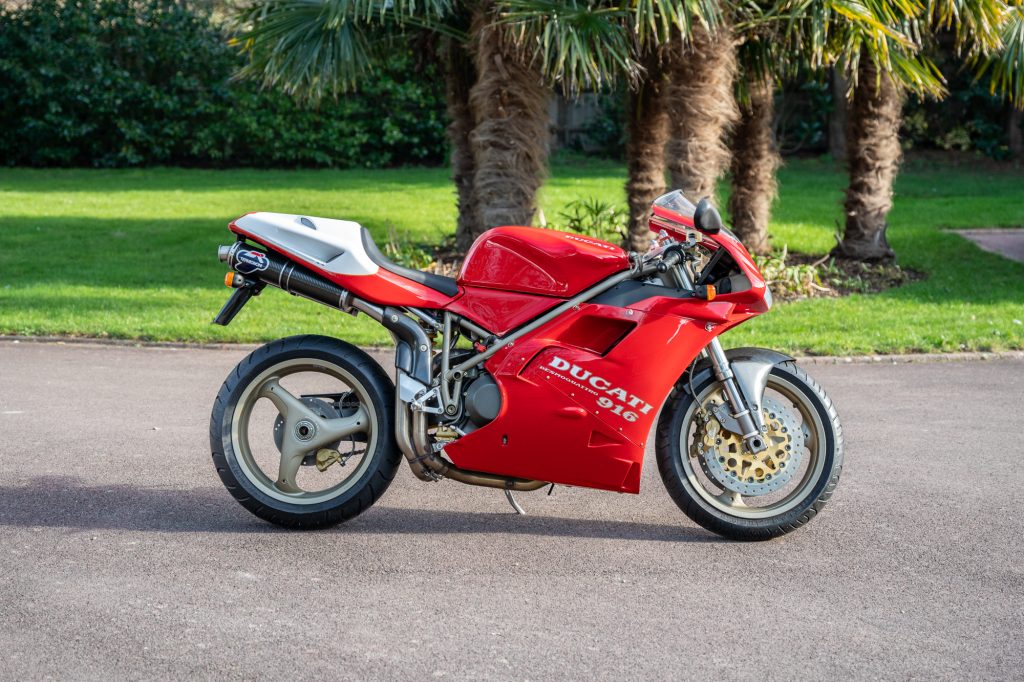
The Ducati 916 is often regarded as one of the most beautiful sport motorcycles ever produced. Its design marked a turning point for Ducati, setting a visual language that would influence sport bike styling for many years.
The sharp lines, compact proportions, and underseat exhausts created a clean and aggressive silhouette.
Everything about the bike appeared intentional, with no unnecessary elements distracting from its focused appearance. Its proportions were revolutionary at the time, making the bike look agile and lightweight even when standing still.
Designers paid careful attention to the way each curve interacted with airflow, creating a form that was as aerodynamic as it was attractive.
From the side, the 916 looks perfectly balanced. The single-sided swingarm exposed the rear wheel, adding to the bike’s sculptural quality while also showcasing Ducati’s engineering confidence.
The slim tail section flowed smoothly from the fuel tank, giving the bike a sense of forward motion even when stationary.
This design choice made the motorcycle appear light and agile, reinforcing its racing roots. Every angle, from the nose to the tail, seemed choreographed to create an impression of motion.
Even the placement of the lights and mirrors contributed to the symmetry, giving the bike a sense of completeness.
Beyond looks, the 916 delivered performance that matched its appearance. The V twin engine provided strong torque and a distinctive sound that became closely associated with Ducati’s identity.
Riders appreciated how the power delivery complemented the bike’s chassis, making it both thrilling and manageable on demanding roads.
This harmony between design and function strengthened the bike’s reputation. Its suspension geometry allowed precise cornering and stability at high speeds, giving riders confidence to explore its full potential without hesitation.
The cultural impact of the 916 cannot be overstated. It dominated racing championships and appeared in countless magazines and posters, becoming a dream machine for an entire generation. Its visual impact was so profound that it inspired numerous designers and even influenced other manufacturers.
The bike represents a rare instance where engineering and artistry intersect perfectly, creating a machine that is admired decades after its release. Owning or even seeing a 916 evokes nostalgia and respect for the era of motorcycles that valued emotion as much as performance.
2. Ducati 998
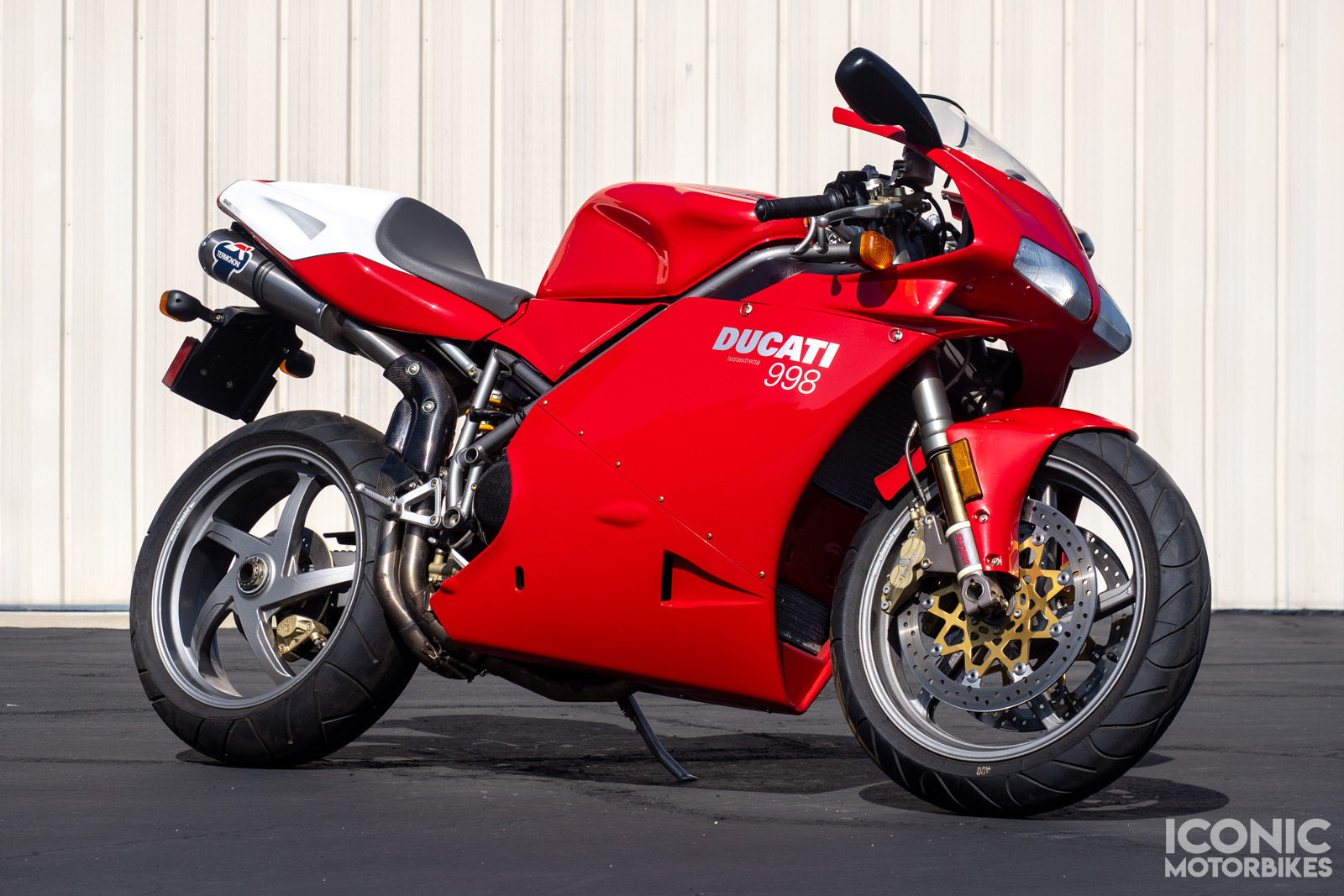
The Ducati 998 refined the formula established by the 916 while maintaining its visual appeal. At first glance, the two bikes appear closely related, but the 998 introduced subtle changes that enhanced both performance and aesthetics.
These refinements demonstrated Ducati’s commitment to evolution without sacrificing the identity that made the original so admired.
The 998’s design added slightly sharper lines, giving it a more aggressive stance while keeping the flowing silhouette that made its predecessor iconic.
The bodywork remained tight and aerodynamic, emphasizing the engine and frame rather than hiding them. This approach allowed the mechanical components to become part of the visual experience.
The bike looked like a racing machine adapted for the road, not the other way around. The redesigned tail and updated front fairing gave it a more modern feel, while still preserving the elegance associated with Ducati’s style.
The engine improvements brought smoother power delivery and increased reliability, making the bike more usable while retaining its aggressive nature. Riders often praised how the 998 felt more polished without losing the raw excitement that defined earlier models.
The upgraded suspension and braking system allowed for more confidence during spirited riding, while subtle refinements to ergonomics made it more comfortable for everyday use. These improvements ensured that the 998 appealed to both track enthusiasts and road riders.
As a result, the 998 is often seen as the most complete expression of Ducati’s classic V twin superbike era. It carried forward the design legacy of the 916 while quietly improving every aspect of the riding experience.
Its influence extended beyond Ducati, inspiring trends in sport bike aesthetics for years to come.
Owning a 998 remains a mark of appreciation for an era when motorcycles were not only measured by speed but by the ability to evoke emotion and admiration.
3. Ducati Panigale V4
The Panigale V4 marked a dramatic shift for Ducati, introducing a four cylinder engine to its flagship sport bike line. Despite this major technical change, the motorcycle retained the brand’s signature visual drama.
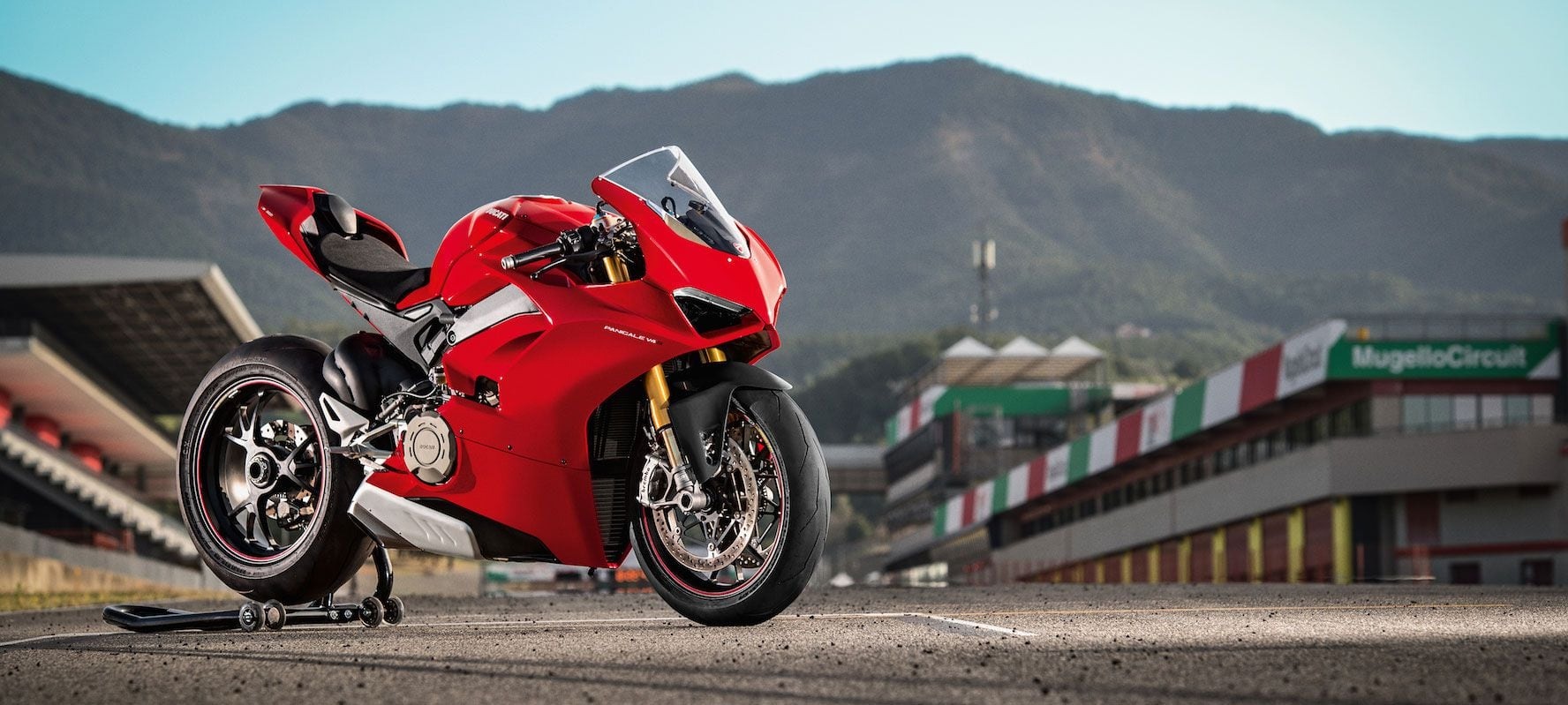
The Panigale V4 looks sharp, modern, and unmistakably Italian, combining advanced aerodynamics with elegant proportions.
Its bodywork integrates smooth panels with bold lines, creating a sense of motion even when parked. Every curve serves both functional and aesthetic purposes, enhancing the bike’s efficiency while highlighting its design.
The fairings of the Panigale V4 are shaped to manage airflow efficiently while maintaining a sleek appearance. Winglets integrated into the bodywork add a futuristic touch without appearing out of place.
These aerodynamic features not only improve stability at high speeds but also reinforce the bike’s aggressive visual personality. The attention to detail, from the sculpted tank to the sharp tail, demonstrates Ducati’s ability to combine technical performance with artistry.
Underneath the striking exterior lies an engine derived from Ducati’s MotoGP experience. The V4 configuration delivers immense power and a high revving character that differs from the traditional V-twin feel.
The exhaust note is sharper and more intense, underscoring the machine’s sporty nature. This combination of engine performance and design creates a bike that is thrilling both to see and to ride.
Visually and mechanically, the Panigale V4 represents a new chapter for the brand. It shows how Ducati can embrace innovation while preserving its reputation for beautiful motorcycles.
Its advanced electronics, lightweight chassis, and race-inspired ergonomics make it a machine designed for serious riders. Yet, the bike maintains an elegance that makes it desirable even to those who appreciate motorcycles as objects of design and culture.
4. MV Agusta F4
The MV Agusta F4 is often described as a masterpiece of motorcycle design. Created with an uncompromising vision, it blends aggressive styling with refined details that reward close inspection.
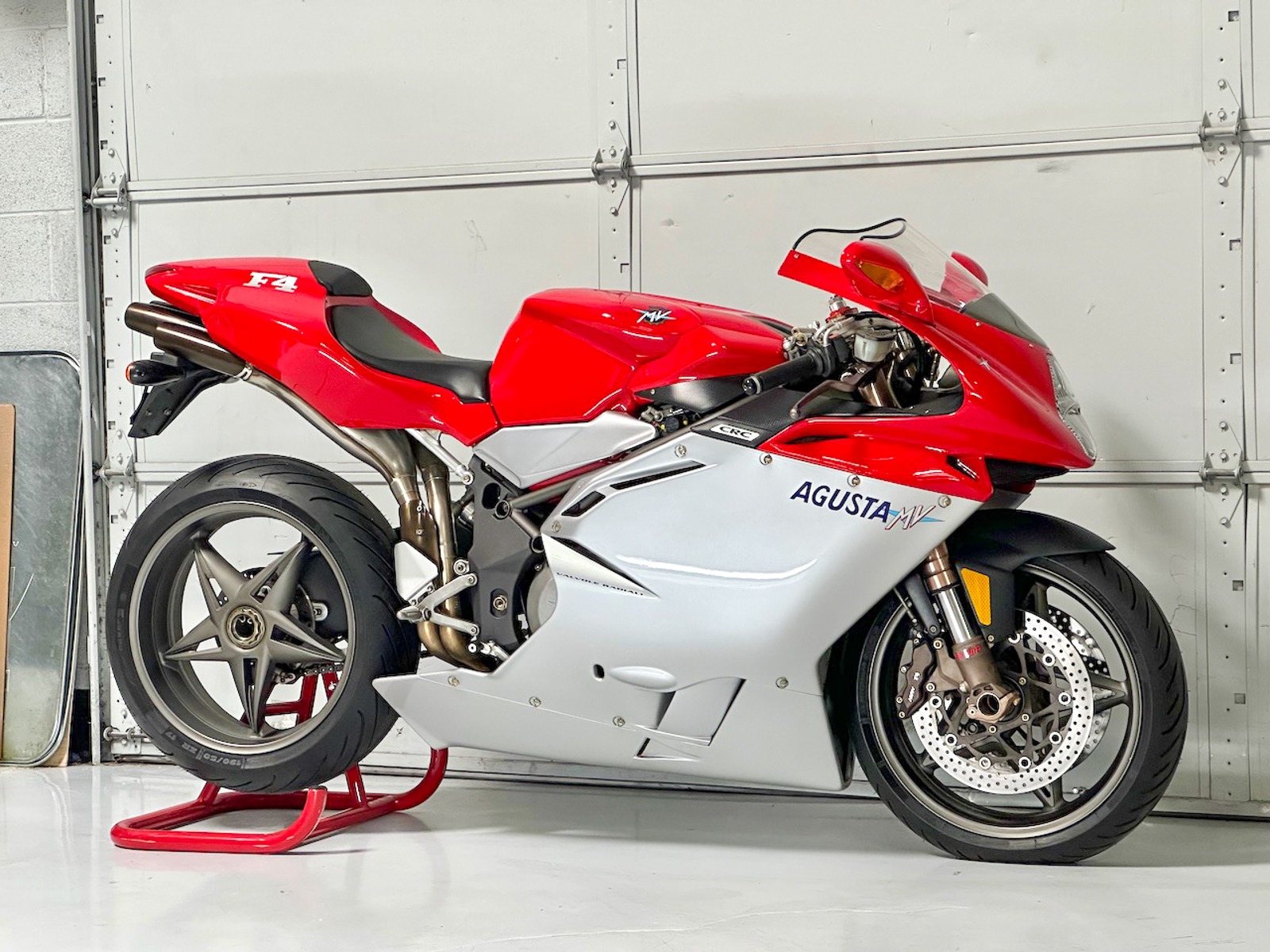
The bike’s slender profile and exposed mechanical elements give it a distinctive presence unlike any other sport bike. Every angle appears carefully considered, with a focus on proportion, balance, and aesthetic drama.
One of the most iconic features of the F4 is its four exhaust pipes exiting beneath the tail. This design choice became a defining visual signature and set the bike apart instantly.
Combined with the single sided swingarm and sculpted fuel tank, the F4 looks like a work of art built for speed.
The aluminum frame, visible through the fairings, emphasizes both strength and beauty, reminding the viewer that the F4 is a machine as much as a piece of design.
The inline four engine delivers strong performance with a thrilling top end, reinforcing the bike’s racing inspired nature. While the F4 demands respect from its rider, it rewards skill with a unique and engaging riding experience.
The suspension and braking components were carefully selected to provide a responsive and dynamic ride, making the motorcycle not only attractive but extremely capable on both road and track.
Beyond performance, the F4 carries immense emotional value. It symbolizes MV Agusta’s return to prominence and reflects a dedication to beauty that few manufacturers dare to pursue.
Riders often describe a sense of pride and admiration simply by standing near the bike, a testament to its ability to inspire awe through design alone. The F4 demonstrates that motorcycles can be objects of art while remaining powerful and functional machines.
5. MV Agusta F3
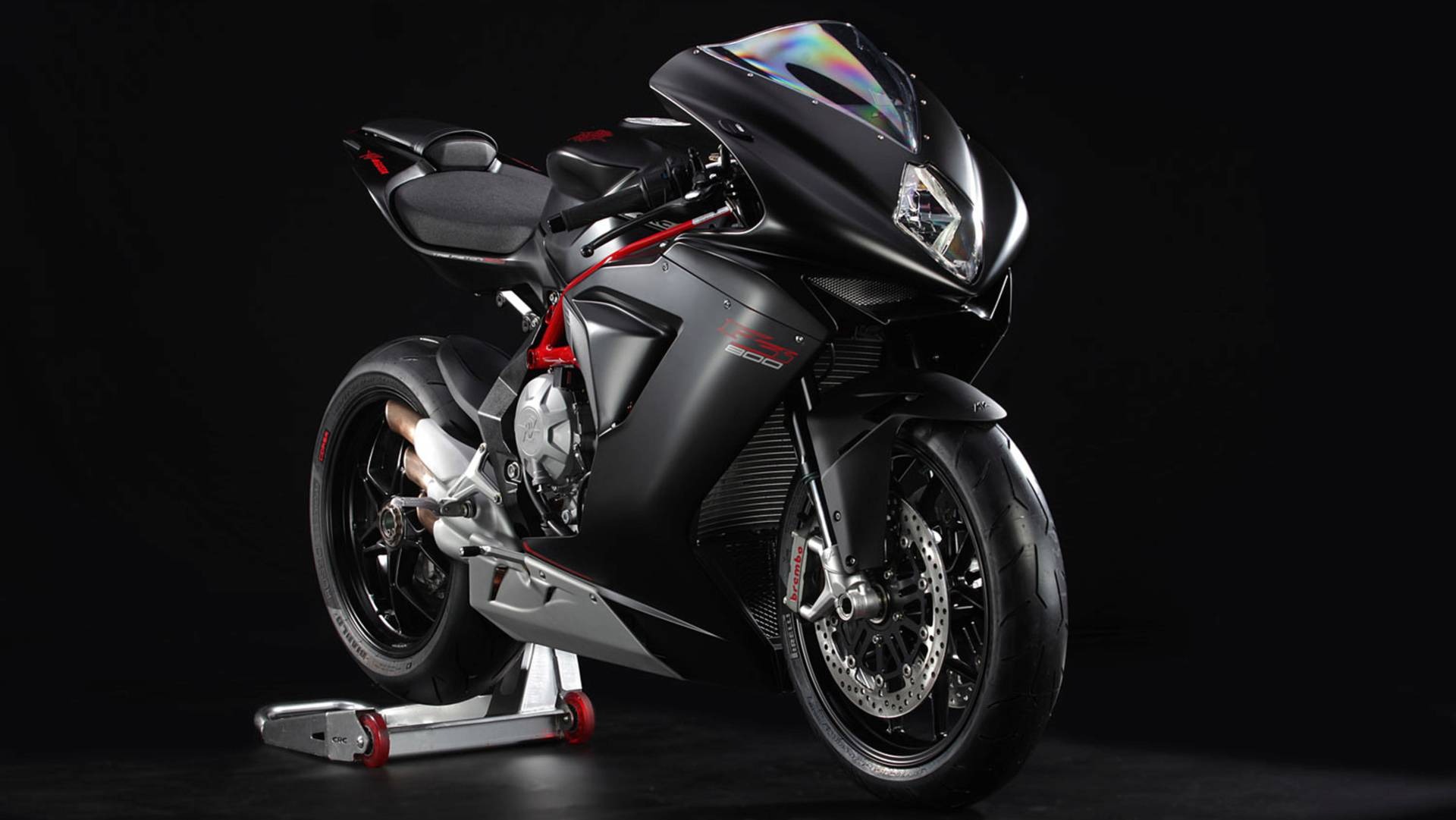
The MV Agusta F3 offers a more compact interpretation of the brand’s design philosophy. With its smaller engine and lighter chassis, it presents a youthful and agile appearance while retaining the elegance expected from MV Agusta.
The bike looks sharp and refined, with every line contributing to its dynamic stance. Its proportions are carefully tuned to create an impression of speed and agility, even at low speeds.
The triple cylinder engine allows for a narrow frame, which enhances the bike’s slim proportions. This design choice makes the F3 appear almost delicate, yet it remains undeniably aggressive.
The distinctive headlight design and sculpted fairings give the motorcycle a modern and confident look. Every detail, from the aerodynamic winglets to the minimalist tail section, reflects a commitment to beauty and functionality.
On the road, the F3 feels responsive and engaging. The engine provides a unique blend of torque and high rev excitement, setting it apart from typical sport bike configurations.
Its lightweight frame allows for precise handling and nimble maneuvering, giving riders confidence on twisty roads. The balance of power and control creates a rewarding and memorable riding experience.
The F3 demonstrates how beauty does not require extreme size or power. Its charm lies in balance and precision, offering a sport bike that appeals to riders who value style as much as performance.
The bike’s design inspires admiration even when stationary, and the integration of engineering with visual aesthetics highlights MV Agusta’s commitment to creating machines that are both functional and beautiful.
6. Aprilia RSV4
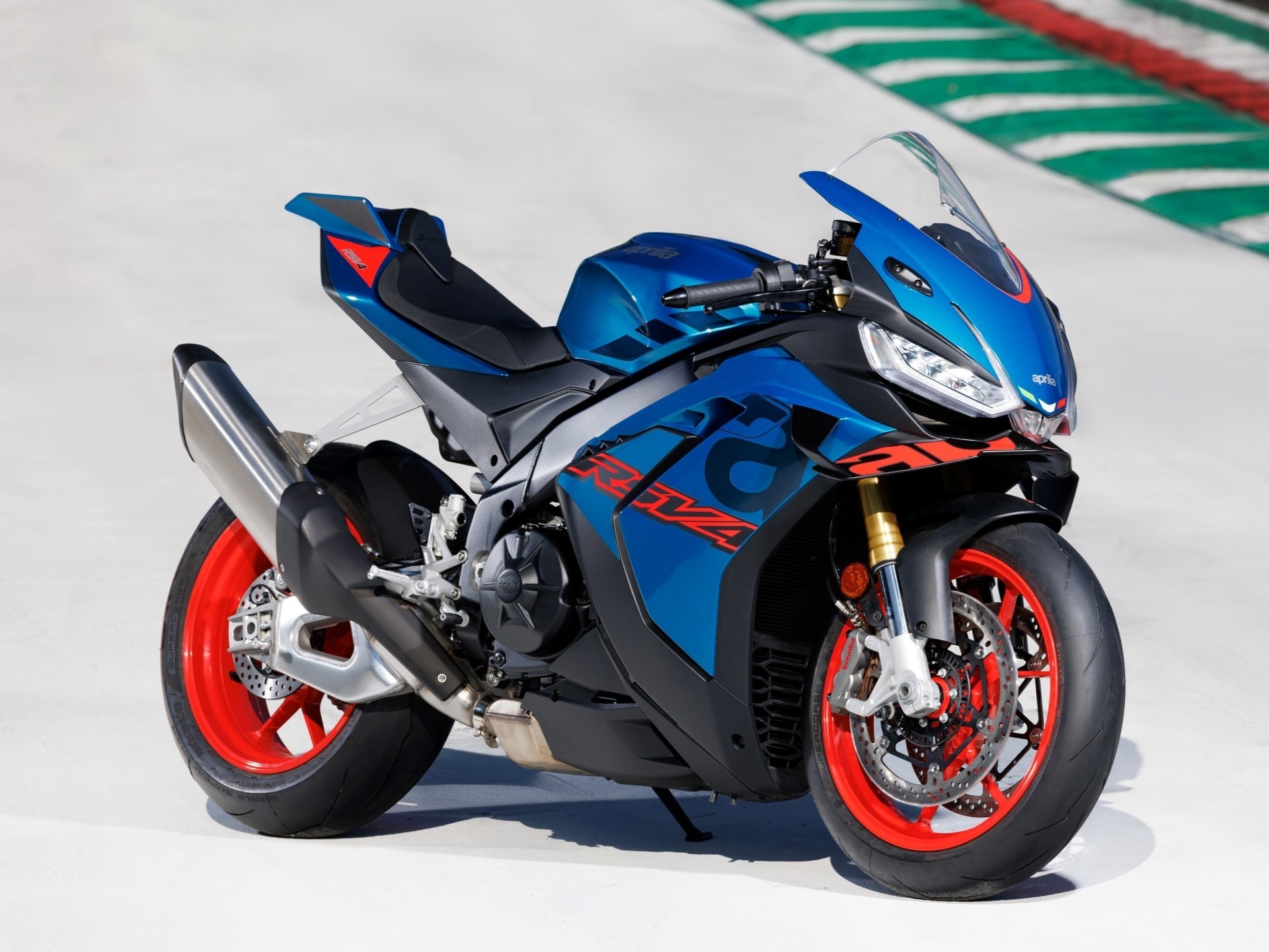
The Aprilia RSV4 combines technical sophistication with purposeful design. Unlike some Italian sport bikes that prioritize flowing curves, the RSV4 adopts a more aggressive and functional appearance.
Sharp angles, compact dimensions, and muscular fairings give it a commanding presence that immediately signals its racing pedigree.
The bike is both intimidating and elegant, showing that performance and style can coexist without compromise. Every edge of the bodywork seems carefully placed to suggest speed even when standing still.
The fairing design reflects Aprilia’s racing background, emphasizing aerodynamics and cooling efficiency. Air vents, winglets, and sculpted panels serve a practical purpose while enhancing visual impact.
The front end is particularly aggressive, with narrow headlights and a pointed nose that seem to pierce the air. This design communicates a sense of precision and purpose, making it clear that the RSV4 is built to perform at the highest level.
At the heart of the RSV4 is a powerful V4 engine known for its smooth power delivery and thrilling sound. Its compact configuration allows for a tight frame and low center of gravity, which contribute to its precise handling.
Riders often comment on the bike’s agility and stability, noting how seamlessly it transitions from twisty mountain roads to high-speed straights. The synergy between the chassis, suspension, and engine creates a motorcycle that is not only fast but also incredibly connected to the rider.
The RSV4’s beauty lies in its honesty. It does not rely solely on curves or dramatic styling, but earns admiration through performance-oriented design and engineering excellence. It represents a modern interpretation of Italian sport bike philosophy, where form and function merge seamlessly.
The bike’s aggressive stance, refined aerodynamics, and race-inspired engineering make it a standout example of how Italian motorcycles continue to push the boundaries of both beauty and technology.
7. Aprilia RS 250
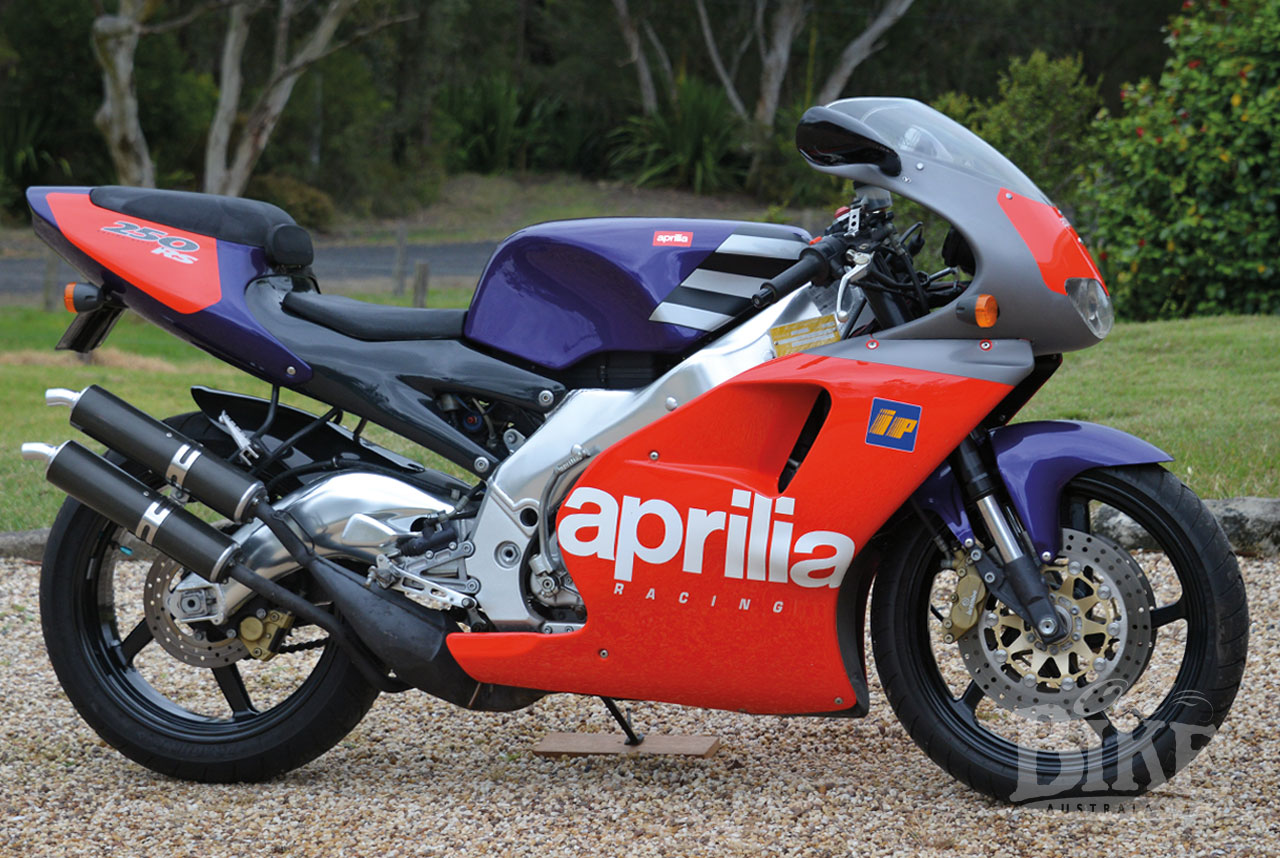
The Aprilia RS 250 holds a special place among lightweight sport bikes. Despite its smaller engine, it delivers a striking visual impact that rivals larger machines. Its proportions, sharp lines, and race-inspired bodywork make it look like a true grand prix replica, showcasing Aprilia’s commitment to precision and style.
The bike embodies the thrill of racing in a compact and approachable package, appealing to riders who prioritize handling and agility over raw power.
The slim fairings and pointed tail section give the RS 250 a focused and athletic appearance. Every element seems designed for maximum efficiency, from the aerodynamic nose to the sculpted tank and seat.
The bike’s stance conveys motion and intent, creating a sense of energy even at rest. Designers intentionally minimized excess, allowing the RS 250’s clean lines and aggressive shapes to dominate its aesthetic.
On the road and track, the RS 250 rewards precision and skill. Its lightweight chassis allows riders to maneuver with ease, while the two-stroke engine delivers a sharp and responsive powerband.
This combination encourages riders to engage with the machine fully, making every turn and acceleration feel like part of a coordinated dance between rider and bike. The RS 250 demonstrates that even modestly powered motorcycles can create intense excitement when engineered and designed thoughtfully.
The RS 250 represents a time when lightweight sport bikes were celebrated for balance, agility, and finesse. Its enduring popularity is a testament to the appeal of motorcycles that emphasize riding experience over sheer speed.
Beyond performance, the bike’s aesthetic clarity and purposeful design give it a timeless quality. It remains a symbol of Italian innovation in creating machines that are as fun to ride as they are pleasing to the eye.
8. Ducati 1098
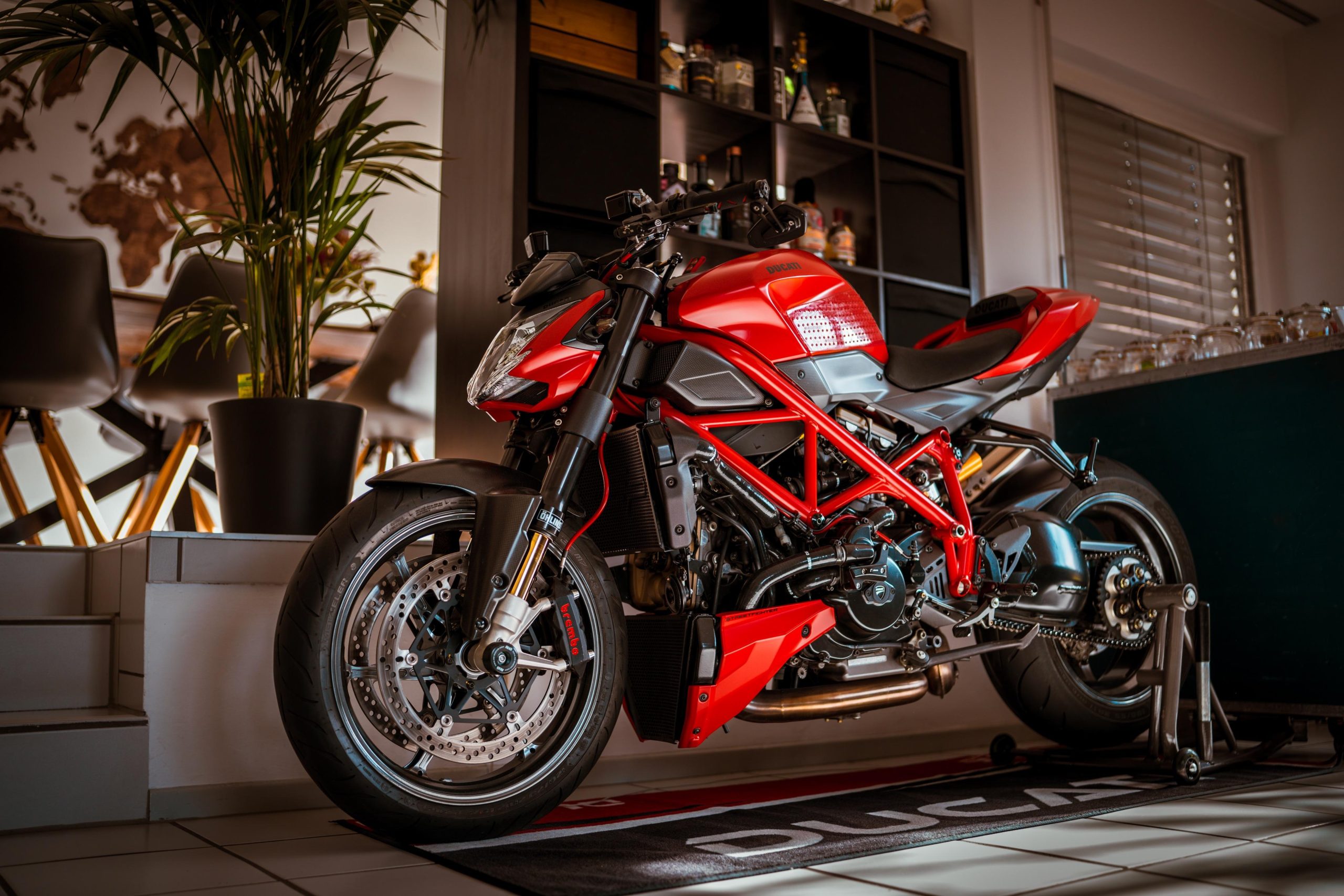
The Ducati 1098 reintroduced a more aggressive design language after the softer lines of its predecessor. With sharper edges, muscular proportions, and a compact stance, it brought back the visual intensity associated with classic Ducati superbikes.
The 1098 looks purposeful, with every line seemingly designed to communicate speed and power. Its front fairing, featuring distinctive twin headlights, gives it a fierce expression that complements its aggressive bodywork.
The exposed frame and sculpted tail section highlight Ducati’s engineering while reinforcing its racing-inspired identity. The underseat exhausts and narrow profile create a sense of lightness, emphasizing the bike’s agility despite its powerful engine.
Designers ensured that each visual element had both a functional and aesthetic role, blending performance requirements with the brand’s signature style. The result is a motorcycle that feels balanced, muscular, and ready to attack every corner.
Performance-wise, the 1098 delivers strong torque and exhilarating acceleration. Its L-twin engine provides a mix of punchy low-end power and thrilling high-rev intensity, which complements the aggressive design.
The bike’s suspension and braking systems are tuned to match its racing capabilities, offering stability and control even in demanding riding conditions. This cohesion between visual aggressiveness and mechanical performance strengthens the bike’s appeal.
The 1098 succeeded in reconnecting Ducati with its design roots while introducing modern advancements. It is admired not only for its speed but for the clarity of its aesthetic expression.
The combination of aggressive styling, mechanical excellence, and racing pedigree makes the 1098 a true Italian masterpiece. It remains a benchmark for superbike design, demonstrating that performance and beauty can exist in perfect harmony.
9. Bimota Tesi 3D
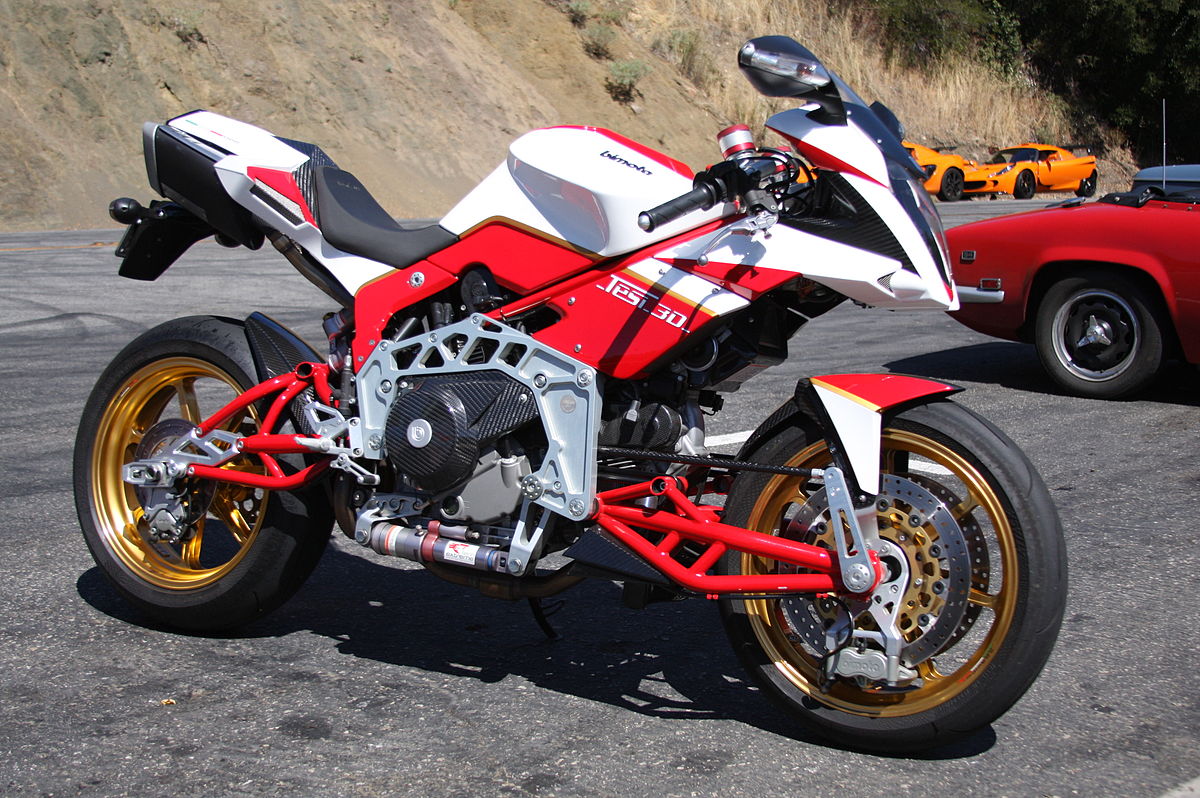
The Bimota Tesi 3D is unlike any other sport bike on this list. Its unconventional hub center steering system immediately sets it apart, giving it a futuristic and experimental appearance.
The bike challenges traditional motorcycle aesthetics while creating a distinctive visual identity. Its mechanical components, normally hidden, are deliberately exposed, turning engineering into art. This approach reinforces Bimota’s reputation for innovation and bold design choices.
The exposed frame, swingarm, and suspension components give the Tesi 3D a technical and almost skeletal appearance. Unlike conventional sport bikes that hide mechanical complexity behind smooth bodywork, this machine celebrates it.
The geometry and proportions feel deliberate and purposeful, giving the bike an aggressive, forward-leaning stance that suggests motion even when stationary. Its design provokes curiosity and admiration, highlighting Bimota’s unique vision of motorcycling.
Riding the Tesi 3D is equally distinctive. The hub center steering delivers a different feel compared to traditional forks, offering stability under braking and cornering while requiring adaptation from the rider.
This innovation reflects Bimota’s commitment to engineering solutions that challenge norms and provide unique riding experiences. For those willing to explore its unconventional nature, the bike rewards skill with a sense of connection unlike any other sport bike.
The Tesi 3D represents Italian creativity at its most daring. Its beauty emerges from experimentation and the willingness to take risks that many manufacturers would avoid.
Every visual and mechanical choice is designed to create a machine that stands out in both appearance and performance. The Tesi 3D is proof that Italian motorcycles can be objects of art while delivering a thrilling and unique riding experience.
10. Moto Guzzi Le Mans
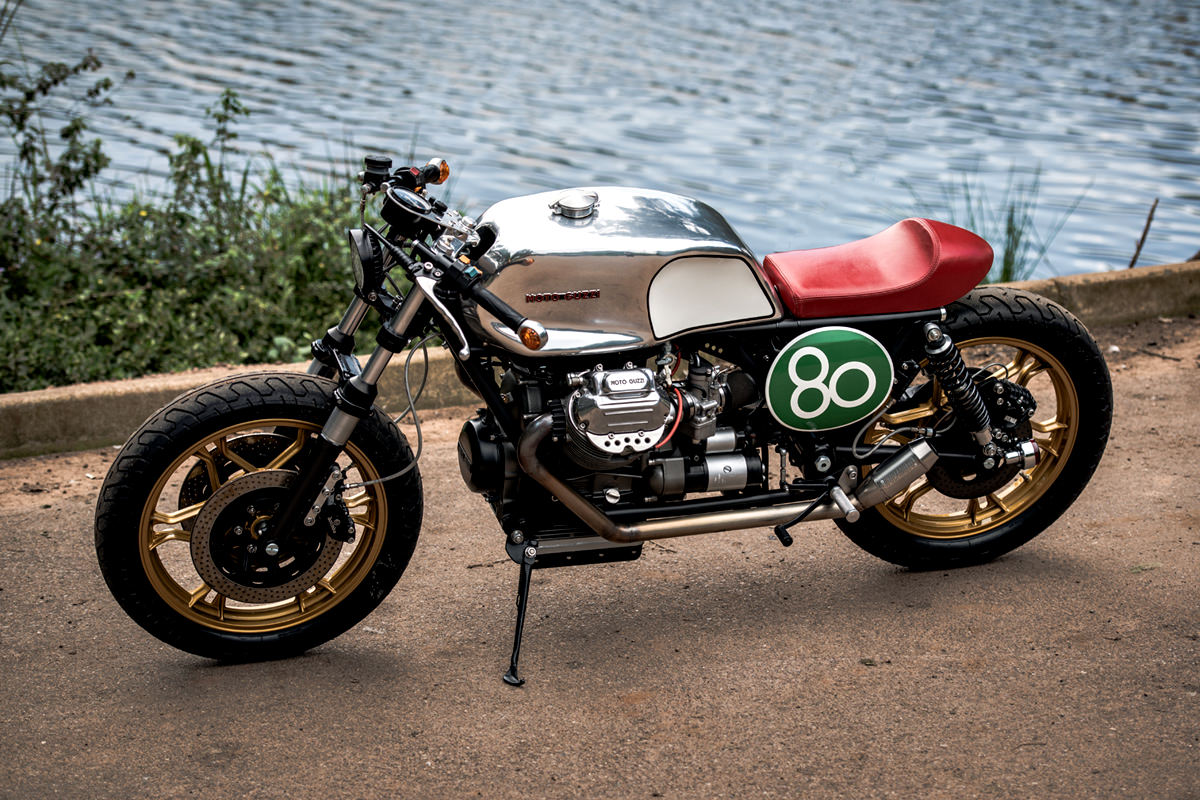
The Moto Guzzi Le Mans stands out as a classic sport bike with timeless appeal. Its design reflects an era when simplicity, character, and authenticity were prioritized over aggressive styling or extreme performance.
The long, low stance gives it a confident and relaxed presence, evoking a sense of maturity and mechanical honesty. Its understated elegance contrasts with the more aggressive motorcycles on this list, making it instantly recognizable.
The transverse V twin engine defines the Le Mans visually and mechanically. Its exposed cylinders contribute to the bike’s distinctive silhouette, emphasizing the mechanical essence of the machine.
The engine is a focal point of the design, creating an aesthetic that highlights function and form simultaneously. Even small details, such as the shape of the fuel tank and the seat, reinforce its classic Italian character.
Riding the Le Mans is a sensory experience. The engine’s character, paired with the stable chassis, creates a smooth and engaging ride. While it may not match modern superbikes in raw speed, its charm lies in its connection to the rider and the road.
The bike encourages a thoughtful, appreciative style of riding, where the pleasure comes from rhythm, balance, and control rather than sheer horsepower.
The Le Mans earns its place on this list through its enduring style and influence. It represents the foundation upon which many later Italian sport bikes were built, showing that beauty can emerge from authenticity and purposeful design.
Riders and enthusiasts continue to admire the Le Mans for its balance of simplicity, elegance, and mechanical integrity, proving that Italian motorcycles can be timeless without needing to follow fleeting trends.
