
Fort Myers is a place where daily driving conditions shape the kind of vehicle that makes sense to own. Heat, humidity, frequent sunshine, coastal air, seasonal rainstorms, and long stretches of flat roads all influence how a car performs over time.
Vehicles that thrive here tend to manage engine temperature well, resist corrosion, and remain comfortable when the sun feels relentless.
Air conditioning systems, cooling components, and engine design matter just as much as style or speed. A car that works perfectly in a cooler or drier region can feel stressed when exposed to Gulf Coast conditions year after year.
Many drivers moving to or living in Fort Myers focus on appearance, fuel efficiency, or brand reputation without thinking deeply about thermal management. Yet overheating is one of the most common mechanical complaints in hot climates.
Stop-and-go traffic, long idle times, and high ambient temperatures push cooling systems to their limits.
Some vehicles are built with wider tolerances and conservative engine tuning, while others run hot even under ideal conditions. Over time, that difference can affect reliability, maintenance costs, and peace of mind.
This article separates vehicles into two clear groups. The first group includes cars that tend to fit Fort Myers Gulf life well. These models are known for stable cooling behavior, strong air conditioning performance, and mechanical layouts that tolerate heat and humidity.
5 Cars for Fort Myers Gulf Life
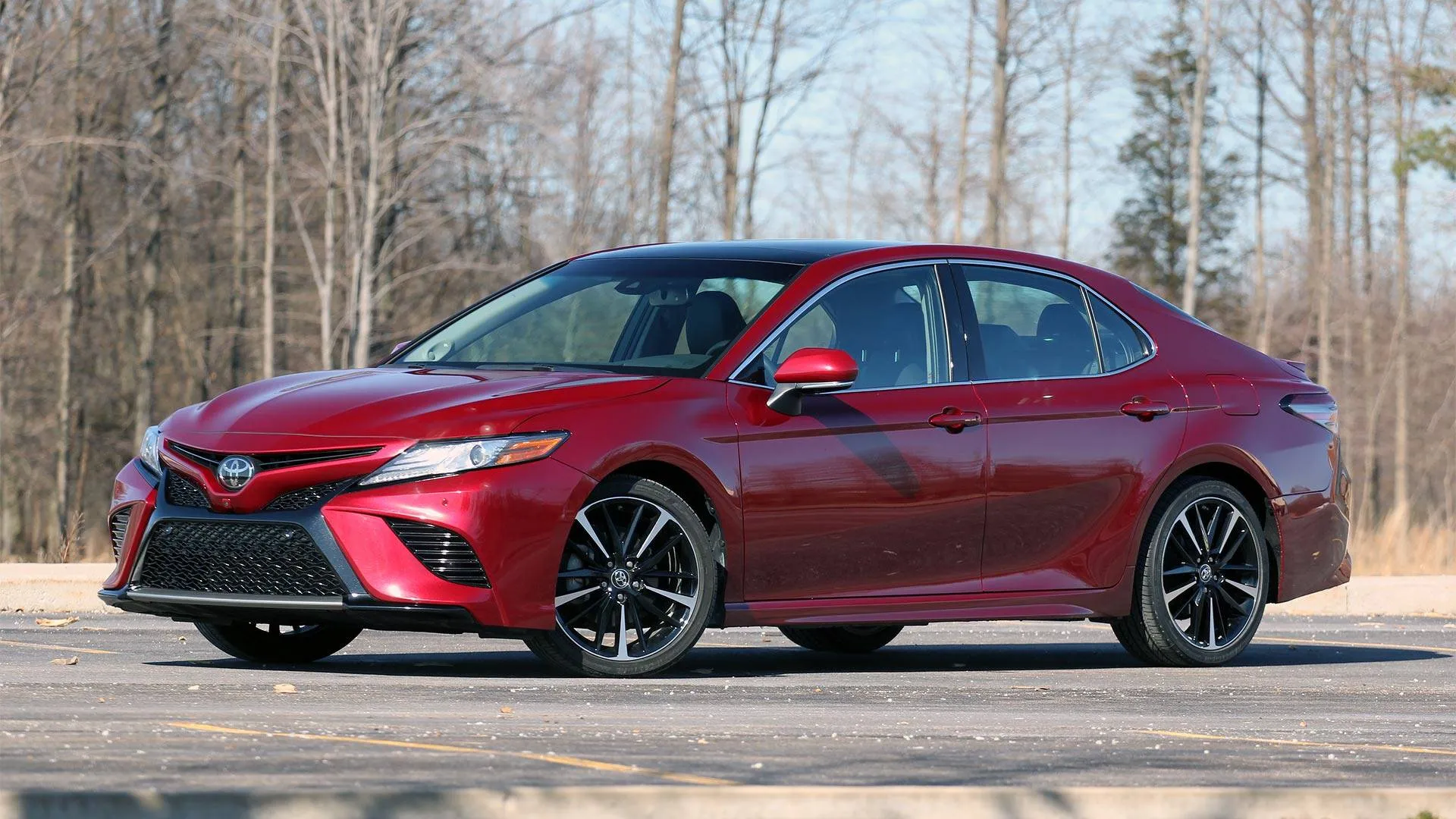
Toyota Camry
The Toyota Camry has long been associated with mechanical stability, and that reputation is particularly strong in warm coastal environments like Fort Myers. One reason for this is its conservative engine tuning, which prioritizes long-term reliability over extreme performance.
Unlike high-strung engines that operate at their thermal limits, the Camry’s powertrain is designed to run comfortably within safe temperature ranges.
This approach reduces the stress on internal components such as pistons, cylinder walls, and head gaskets, which is especially important in hot climates.
Drivers who live in areas where heat is constant, like Fort Myers, benefit from an engine that maintains a consistent temperature, avoiding sudden spikes that could lead to premature wear or failure.
Another advantage of the Camry is the efficient airflow throughout the engine bay. Toyota’s engineers have arranged critical components such as the radiator, fans, and coolant hoses to allow air to circulate naturally around the engine.
Heat does not linger in isolated pockets, which prevents localized overheating that can damage sensors or wiring.
The cooling fans are strong enough to provide consistent airflow even when the vehicle is stationary, which is crucial in areas prone to heavy traffic during hot afternoons.
Additionally, the radiator’s design includes wide cooling fins and adequate coolant capacity, allowing the engine to shed heat steadily over long commutes or during stop-and-go driving conditions typical in Fort Myers.
Air conditioning performance in the Camry is another factor that contributes to its suitability for warm climates. The system is powerful enough to cool the cabin quickly without placing excessive load on the engine, which can happen in some vehicles where the AC draws a significant amount of power.
Plastic components in the engine bay are resistant to softening under heat, and metal parts are treated to resist corrosion from humidity and salt air.
The combination of conservative engine design, efficient airflow, strong climate control, and durable materials makes the Toyota Camry a dependable option for drivers who want a low-stress, reliable vehicle in the warm, humid conditions of Fort Myers.
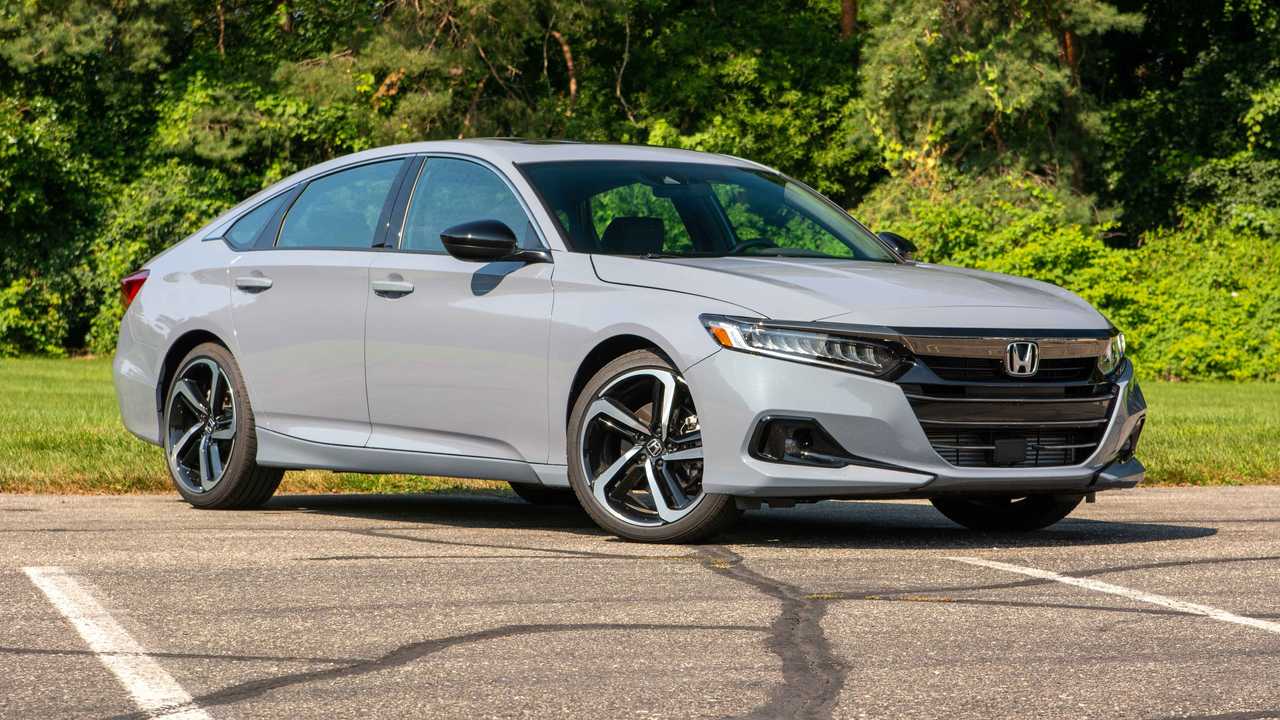
Honda Accord
The Honda Accord is widely respected for its engineering reliability, and its ability to maintain stable operating temperatures makes it particularly well-suited for warm, humid regions.
Honda engines are built for clean combustion and efficient heat distribution, which reduces the risk of temperature spikes even during extended highway travel.
The engine’s design prioritizes smooth performance rather than pushing components to extreme limits, which allows drivers to navigate summer traffic without constantly worrying about overheating.
Consistent performance under stress is essential in Fort Myers, where daily temperatures often exceed 90 degrees, and vehicles are exposed to high humidity that can accelerate wear.
Cooling systems in the Accord are highly effective, partly because of responsive electric fans that adjust dynamically to driving conditions. During stop-and-go traffic, which is common in urban areas of Fort Myers, these fans provide essential airflow to prevent the radiator from overheating.
Radiator size, fan speed, and coolant circulation are balanced so that even extended periods of idle or low-speed driving do not compromise engine performance.
The system is designed to work quietly yet efficiently, allowing drivers to benefit from both cooling reliability and reduced noise levels inside the cabin, enhancing comfort on hot days.
Another significant advantage of the Accord is the layout of the engine compartment. Honda engineers have placed sensitive components such as wiring harnesses, sensors, and control modules away from the hottest zones.
This careful placement prevents heat soak, a phenomenon where trapped heat gradually affects nearby electronics or causes intermittent faults.
By ensuring that airflow reaches critical areas, Honda reduces the likelihood of failures due to sustained high temperatures. For a Gulf Coast driver, this means fewer unexpected repairs and a more predictable ownership experience over time.

Subaru Outback
The Subaru Outback, although often associated with colder or mountainous regions, demonstrates excellent adaptability in warmer coastal climates. Its flat, horizontally opposed boxer engine spreads heat evenly across the engine block, minimizing localized hot spots that can stress components.
This layout allows the cooling system to maintain uniform temperatures, reducing the chances of thermal fatigue in parts like gaskets, cylinder heads, and turbocharged elements.
The even heat distribution is particularly important in Fort Myers, where ambient temperatures remain high for much of the year, placing continuous demand on the engine’s cooling capacity.
Coolant flow in the Outback is designed to maximize efficiency. Channels within the engine and radiator ensure that heat is transported away from the hottest zones quickly, preventing overheating during extended periods of high-speed travel or long idle times.
The Subaru’s cooling fans respond effectively to changes in temperature, which is critical in urban traffic conditions where airflow from motion alone is insufficient.
This intelligent cooling behavior allows the Outback to handle the combination of slow city driving and occasional highway cruising without putting excessive strain on the engine or associated systems.
The engine bay itself is arranged to optimize airflow and protect sensitive components from heat exposure. Electrical systems, sensors, and fuel lines are positioned away from the most intense heat sources, reducing the likelihood of premature failure.
Combined with the efficient cooling layout, this makes it a reliable vehicle for coastal residents who value dependability over raw speed. Regular maintenance further ensures that coolant levels, belts, and hoses continue to function correctly, preserving the Outback’s ability to handle Fort Myers heat for years without major engine problems.
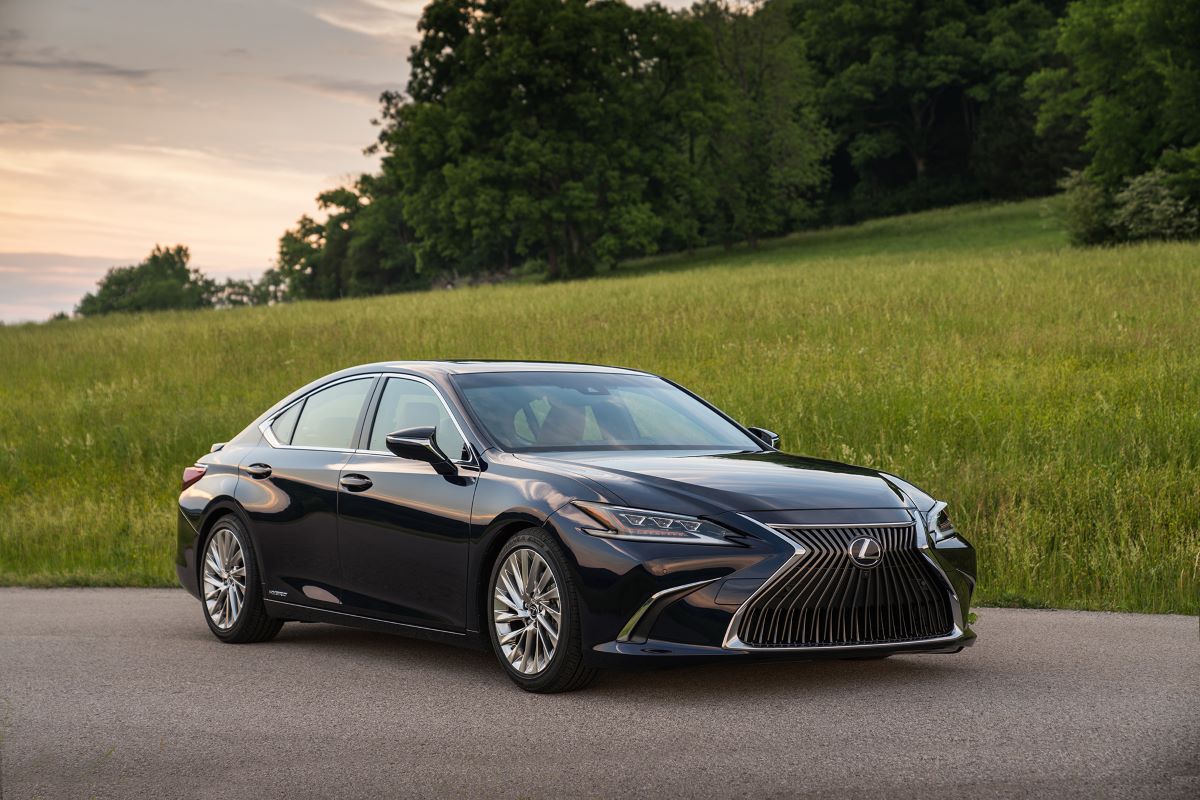
Lexus ES
The Lexus ES carries forward Toyota’s philosophy of dependable, smooth-running engines while adding refinement that enhances its performance in warm climates. Engine designs prioritize thermal stability, ensuring that even prolonged operation in high heat does not result in dangerous temperature spikes.
The ES typically uses engines that are smooth and quiet, generating heat more gradually than more aggressively tuned competitors.
This creates a naturally lower stress environment for critical components such as pistons, cylinder heads, and timing systems, making the car well-suited for year-round operation in hot coastal regions like Fort Myers.
The cooling system in the ES is robust and intentionally designed with redundancy. Large radiators, high-capacity coolant channels, and strong electric fans allow the engine to shed heat steadily, even in extreme conditions.
The system is capable of handling extended idling, traffic congestion, and elevated ambient temperatures without allowing the engine to exceed safe limits.
Lexus emphasizes long-term durability in all aspects of its vehicles, and the effectiveness of the cooling system is a key example. This reliability reduces stress for drivers, who can rely on consistent performance during long drives or short trips alike.
Cabin climate control is another area where the ES excels, indirectly contributing to engine longevity. The air conditioning system is highly efficient and designed to cool the interior quickly, which prevents the engine from being overworked by excessive AC demands.
When the interior temperature is controlled efficiently, the engine does not need to compensate with higher idle speeds or increased load, reducing heat accumulation. For drivers in Fort Myers, this balance between engine and climate control improves comfort while maintaining mechanical stability.

Mazda CX 5
The Mazda CX 5 offers an impressive balance of performance, fuel efficiency, and reliability, making it suitable for warm coastal climates. Mazda engines are designed to produce adequate power without generating excessive heat, which reduces the load on the cooling system.
This approach ensures that even during long drives on hot days, engine temperatures remain within safe ranges. For drivers in Fort Myers, where daily temperatures are often high and humidity can add stress, this characteristic helps prevent overheating while maintaining consistent performance.
The CX 5’s cooling system is well-matched to its engine output. Radiators, electric fans, and coolant circulation systems respond quickly to changes in temperature, ensuring the engine remains cool even during extended idle periods or congested traffic.
By keeping temperatures stable, the system prevents issues such as heat-induced wear on gaskets, hoses, and electronic sensors. This responsiveness is particularly important in Gulf Coast cities, where traffic patterns often involve stop-and-go driving during peak heat hours.
Vehicle weight also plays a role in the CX 5’s heat management. Lighter weight compared to some SUVs means the engine does not have to work as hard to accelerate or maintain speed, resulting in lower heat generation.
This advantage becomes noticeable during long commutes or trips along the coastal highways of Fort Myers, where sustained engine effort could otherwise stress cooling systems. Reduced heat production contributes to reliability and longevity, which is a key consideration for drivers in hot climates.
5 Cars That Overheat Frequently

Mini Cooper
The Mini Cooper is a car that is praised for its compact design and agile handling, but these same features can create challenges in warm climates. Its engine bay is extremely tight, which restricts airflow and makes it easier for heat to build up during operation.
In Fort Myers, where temperatures often remain high and the sun beats down relentlessly, this trapped heat can affect sensitive components more quickly than in cars with more spacious layouts.
The problem is particularly noticeable in models with turbocharged engines, which generate additional heat during acceleration and high-speed driving.
While Mini Coopers offer an engaging driving experience, their compact packaging requires careful attention to cooling system performance and maintenance to avoid thermal issues.
Turbocharged variants of the Mini Cooper are especially prone to overheating due to the extra thermal load generated by the turbocharger itself.
Turbochargers operate at extremely high temperatures, and in a confined engine compartment, this heat radiates to nearby components, including sensors, hoses, and wiring.
Over time, continuous exposure can weaken these parts, causing premature wear or intermittent malfunctions.
Even though the vehicle’s cooling system is designed to manage normal thermal loads, the combination of a hot environment, turbo operation, and limited airflow can sometimes exceed the system’s ability to keep engine temperatures stable, leading to overheating warnings or reduced performance.
While the Mini Cooper remains a fun and stylish car, it demands a more proactive approach to maintenance in hot climates. Regular inspection of coolant levels, radiator condition, hoses, and fans is essential to prevent overheating from becoming a frequent issue.
Fort Myers drivers who rely on the Mini for daily commuting or long summer drives should be particularly cautious when idling in traffic or driving in direct sunlight for extended periods. Without careful attention, the Mini’s overheating tendencies can turn from a minor inconvenience into a recurring and frustrating problem, despite the vehicle’s otherwise appealing driving dynamics.

Jeep Wrangler
The Jeep Wrangler is widely recognized for its off-road capability and rugged appearance, but high temperatures can expose some of its weaknesses when used as a daily driver. The upright, boxy design and solid front axle limit natural airflow around the engine compared to more aerodynamic vehicles.
At highway speeds, airflow is sufficient to keep temperatures stable, but during stop-and-go city driving or extended idling in Fort Myers heat, air can stagnate in the engine bay, making it more challenging for the cooling system to dissipate heat efficiently.
For owners who primarily use the Wrangler on paved roads in hot climates, this can contribute to higher engine temperatures and a greater risk of overheating.
The engine bay design of the Wrangler adds to its susceptibility to heat accumulation. Components are tightly packed, and modifications such as lift kits, oversized tires, or aftermarket accessories can further restrict airflow.
When air cannot circulate effectively, critical parts like radiators, hoses, and electrical wiring may be exposed to higher-than-normal temperatures.
This problem is amplified in coastal environments like Fort Myers, where heat, humidity, and occasional salt exposure create an even more stressful environment for engine components. Proper maintenance and careful consideration of aftermarket modifications are essential to ensure reliable operation.
The Wrangler’s cooling system is capable of managing heat under normal conditions, but it is sensitive to even minor issues. Low coolant levels, partially blocked radiators, or failing thermostats can quickly lead to overheating, particularly in high-temperature environments.
Regular inspections are crucial because heat and humidity accelerate wear on hoses, clamps, and seals. Ignoring early signs of cooling problems, such as fluctuating temperature readings or reduced AC performance, can result in a cascading effect that threatens engine health and reliability.
Despite these challenges, the Jeep Wrangler continues to be a popular choice for drivers who value its rugged design and off-road versatility. However, Fort Myers residents who rely on the vehicle for daily commuting or frequent city driving must prioritize diligent maintenance and monitor engine temperatures carefully.
By taking proactive steps to manage heat and ensure optimal cooling system performance, owners can enjoy the Wrangler’s unique capabilities without being consistently frustrated by overheating issues that are more common in warm, coastal climates.

BMW 3 Series
The BMW 3 Series is known for delivering a high-performance driving experience and luxurious interior, but these traits come with increased demands on the cooling system. BMW engines are often tuned aggressively, producing more heat than comparably sized engines in non-performance vehicles.
In Fort Myers, where ambient temperatures remain high throughout much of the year, this combination of heat generation and environmental stress can reduce the margin for safe operation.
Drivers who rely on the 3 Series for commuting or longer trips during hot months may notice that engine temperatures rise more quickly than expected, particularly in traffic or during extended idling.
The design of the engine bay in the 3 Series contributes to potential overheating challenges. Components are tightly packed to maximize efficiency and performance, leaving little space for heat to dissipate naturally. Cooling systems rely heavily on electronic management, sensors, and electric pumps to maintain temperature stability.
While these systems are highly effective when functioning properly, even minor failures or blockages can quickly result in overheating. This reliance on electronic control makes regular inspection and preventative maintenance critical for owners in warm climates like Fort Myers.
Component aging is another factor that can increase the risk of overheating in the BMW 3 Series. Many models use plastic cooling system parts, including reservoirs, radiator tanks, and hose connectors, which degrade more rapidly under sustained heat exposure.
In Fort Myers, where summer temperatures and humidity are consistently high, these components may fail earlier than expected, leading to coolant leaks, temperature spikes, and potential engine damage. Proactive replacement of aging parts is essential to prevent heat-related breakdowns and ensure long-term reliability.
Despite these challenges, the BMW 3 Series remains an attractive choice for drivers who prioritize performance and handling. However, owning one in a warm, coastal region requires careful attention to cooling system health, early recognition of temperature warning signs, and timely maintenance.
Without this vigilance, overheating can become a recurring concern rather than a rare event, potentially undermining the vehicle’s performance and increasing repair costs. For Fort Myers drivers, understanding the specific thermal demands of the 3 Series is critical to maintaining both reliability and driving enjoyment.
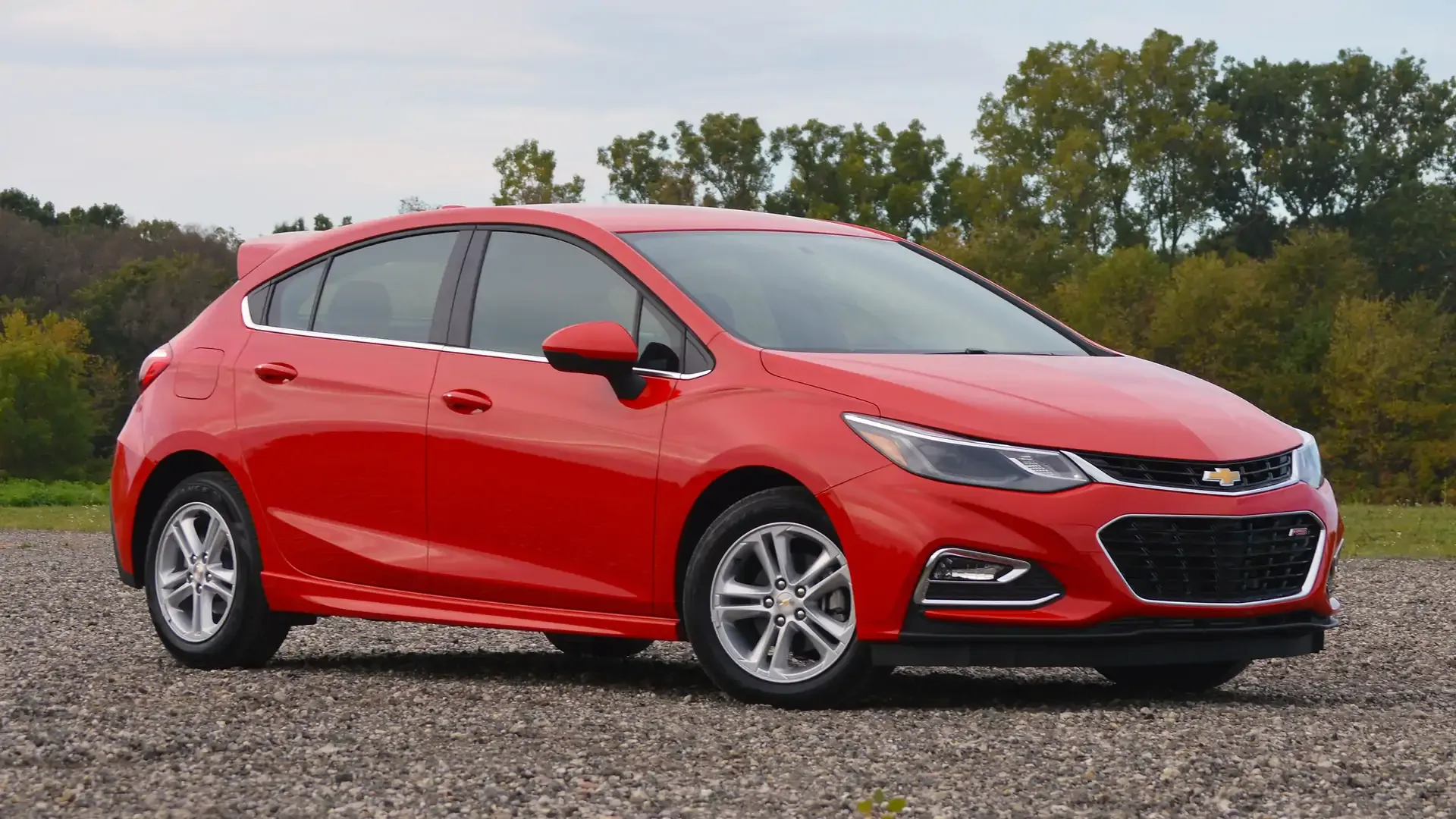
Chevrolet Cruze
The Chevrolet Cruze has gained a reputation for occasional overheating issues, particularly in warmer climates. Its engines are often designed for fuel efficiency rather than extreme durability under heat, which can lead to elevated operating temperatures during extended hot weather driving.
In Fort Myers, where summer temperatures often exceed 90 degrees and humidity is high, this characteristic makes careful attention to cooling system performance essential. Even short commutes in traffic or idling under direct sun can challenge the vehicle’s thermal management, highlighting the importance of proactive maintenance.
Cooling system components in the Cruze, such as thermostats, water pumps, and coolant sensors, are somewhat sensitive to heat stress. Minor issues can quickly escalate if not addressed promptly. For example, a failing water pump may reduce coolant flow, causing engine temperature to rise, while a malfunctioning thermostat can prevent proper heat regulation.
Fort Myers drivers who overlook these small problems may find themselves facing more serious overheating events, often accompanied by warning lights or temporary loss of performance. Regular inspections and timely part replacements are critical to avoid such problems.
Turbocharged versions of the Cruze face additional challenges because the turbocharger itself generates substantial heat, which further stresses the engine and cooling system. In compact engine compartments, heat from the turbo can affect nearby components, including hoses, wiring, and sensors.
Prolonged exposure to high temperatures increases the likelihood of premature wear or intermittent failures, making cooling system maintenance even more essential for turbo models. Drivers need to monitor coolant levels and fan performance closely, particularly during long drives or in stop-and-go city traffic.
Despite these issues, the Chevrolet Cruze remains a popular compact car due to its affordability and fuel efficiency. However, in hot coastal climates like Fort Myers, it requires more diligence than many other vehicles to avoid overheating.
Owners must stay attentive to early warning signs, conduct regular maintenance, and ensure the cooling system remains fully functional.
When these steps are followed, the Cruze can still provide reliable transportation, but neglecting heat management increases the risk of recurring thermal problems that can affect performance and long-term engine health.
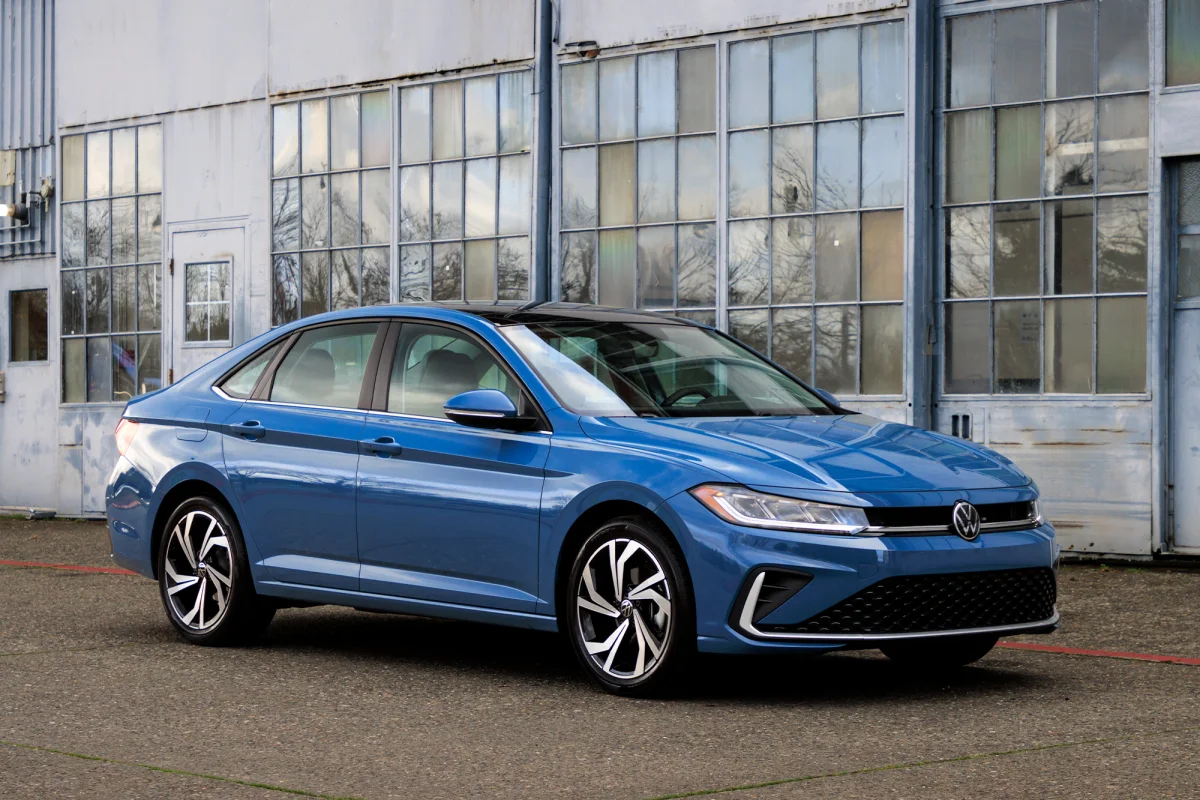
Volkswagen Jetta
The Volkswagen Jetta is known for efficient performance and solid driving dynamics, but its cooling system can struggle under consistently high temperatures. Engine designs prioritize responsiveness and moderate power output, which increases heat generation during everyday driving in hot climates.
In Fort Myers, where temperatures often remain elevated for much of the year, this heat can accumulate quickly, placing stress on critical components such as the radiator, thermostat, and water pump. Drivers who are not proactive in monitoring these systems may notice overheating during prolonged idle periods or heavy traffic.
Cooling system complexity in the Jetta adds another layer of risk for overheating. Sensors, electronically controlled pumps, and specialized coolant types all work together to regulate engine temperature.
While effective under normal conditions, any small failure or delay in system response can lead to overheating, and repairs may be more costly due to the vehicle’s sophisticated design. This makes preventative maintenance essential for Fort Myers drivers, including regular inspection of coolant levels, hoses, and radiator performance.
While the Jetta can perform reliably in moderate climates, consistently hot environments require greater vigilance.
Fort Myers owners need to maintain the cooling system meticulously and respond quickly to temperature warnings to prevent overheating from becoming a recurring issue.
Failure to do so increases the likelihood of engine stress, potential component damage, and reduced vehicle reliability. For drivers who are attentive to maintenance and careful with engine load during extreme heat, the Jetta can remain a practical and enjoyable choice despite its thermal challenges.
