
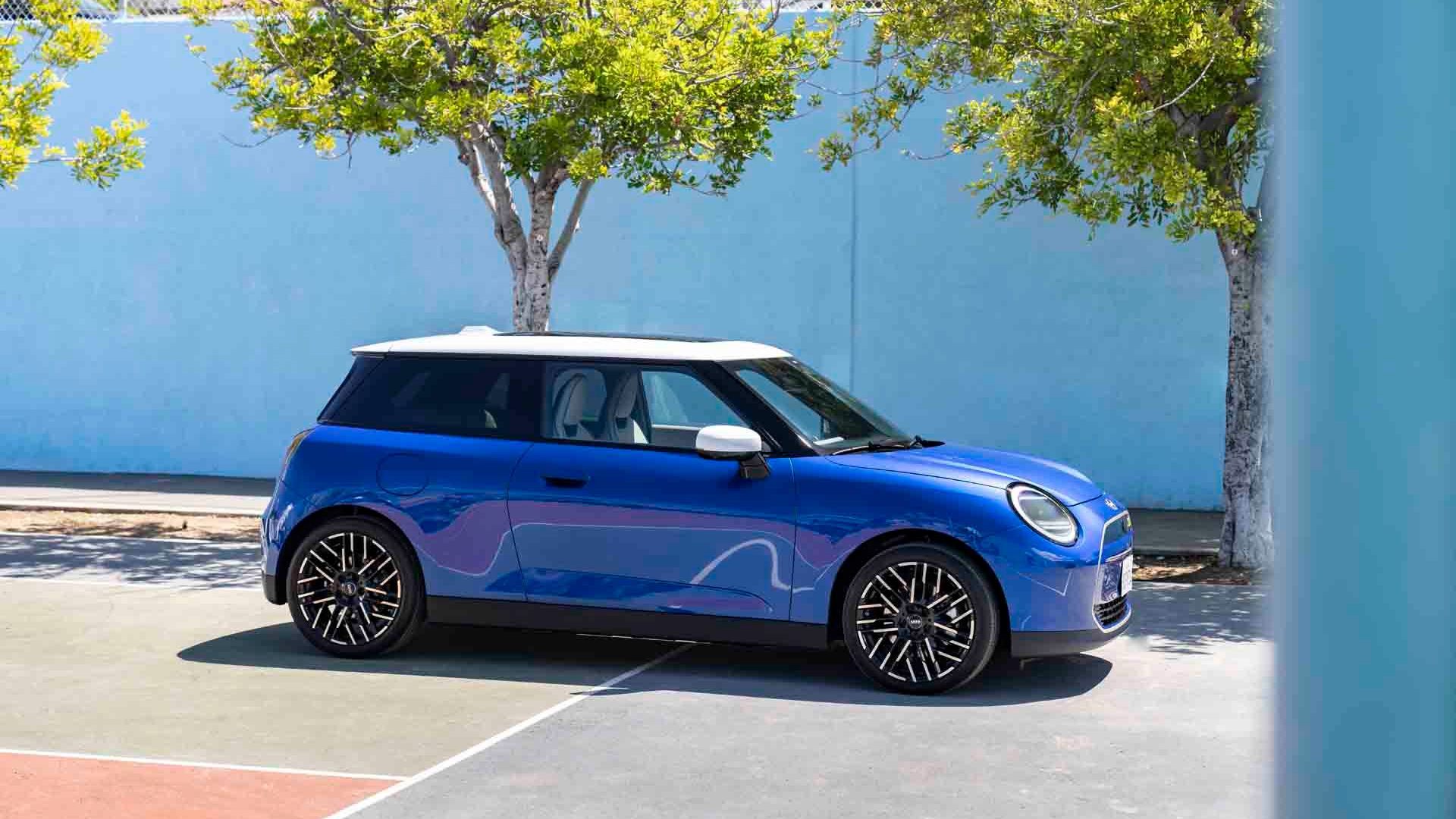
Hatchbacks are among the most versatile and practical cars available today. They combine the efficiency of smaller vehicles with a surprising amount of storage space, making them ideal for a variety of driving situations.
In areas like Colorado Springs, where the roads often ascend into mountainous terrain, a hatchback must have specific qualities to handle elevation changes effectively.
Drivers need vehicles with reliable powertrains, efficient cooling systems, and responsive handling to manage the combination of steep inclines, sharp turns, and thinner air at higher altitudes. Choosing the right hatchback for mountainous environments requires considering engine performance, torque, transmission, weight, and stability.
Even though hatchbacks are generally smaller than SUVs or sedans, some models are surprisingly capable on hills, thanks to modern engineering that balances compactness with adequate horsepower.
Mountain driving is not just about raw power. The cooling system becomes critical as engines work harder to climb inclines, and brakes must remain effective during long descents.
Hatchbacks designed for performance, or those with turbocharged engines, often handle these conditions better because they maintain consistent power output without overheating.
Additionally, drivers may encounter variable weather conditions, from sudden snow in higher elevations to heat in lower valleys.
This requires a hatchback with both traction control and stability management. On the flip side, some hatchbacks struggle with uphill driving due to underpowered engines or inefficient cooling systems.
These models can show early signs of overheating, experience reduced acceleration, and sometimes cause long-term engine stress if driven aggressively on steep inclines. Understanding which hatchbacks are suitable for mountain roads and which ones are prone to overheating is important for both safety and enjoyment while driving in regions like Colorado Springs.
In this article, we will identify five hatchbacks that are particularly well-suited for mountain driving around Colorado Springs. These models combine power, durability, and stability, making them reliable companions for long climbs and winding roads.
Conversely, we will also highlight five hatchbacks that tend to overheat or struggle during uphill driving. While these cars may perform adequately on flat terrain or city streets, their limitations become apparent when faced with prolonged steep ascents.
By analyzing these vehicles, readers can make informed choices about which hatchbacks are best suited for mountain driving and which should be approached with caution if regular hill climbing is required.
Understanding these distinctions ensures that drivers not only enjoy the journey but also protect their vehicles from excessive wear and engine stress.
5 Hatchbacks for Colorado Springs Mountain Runs
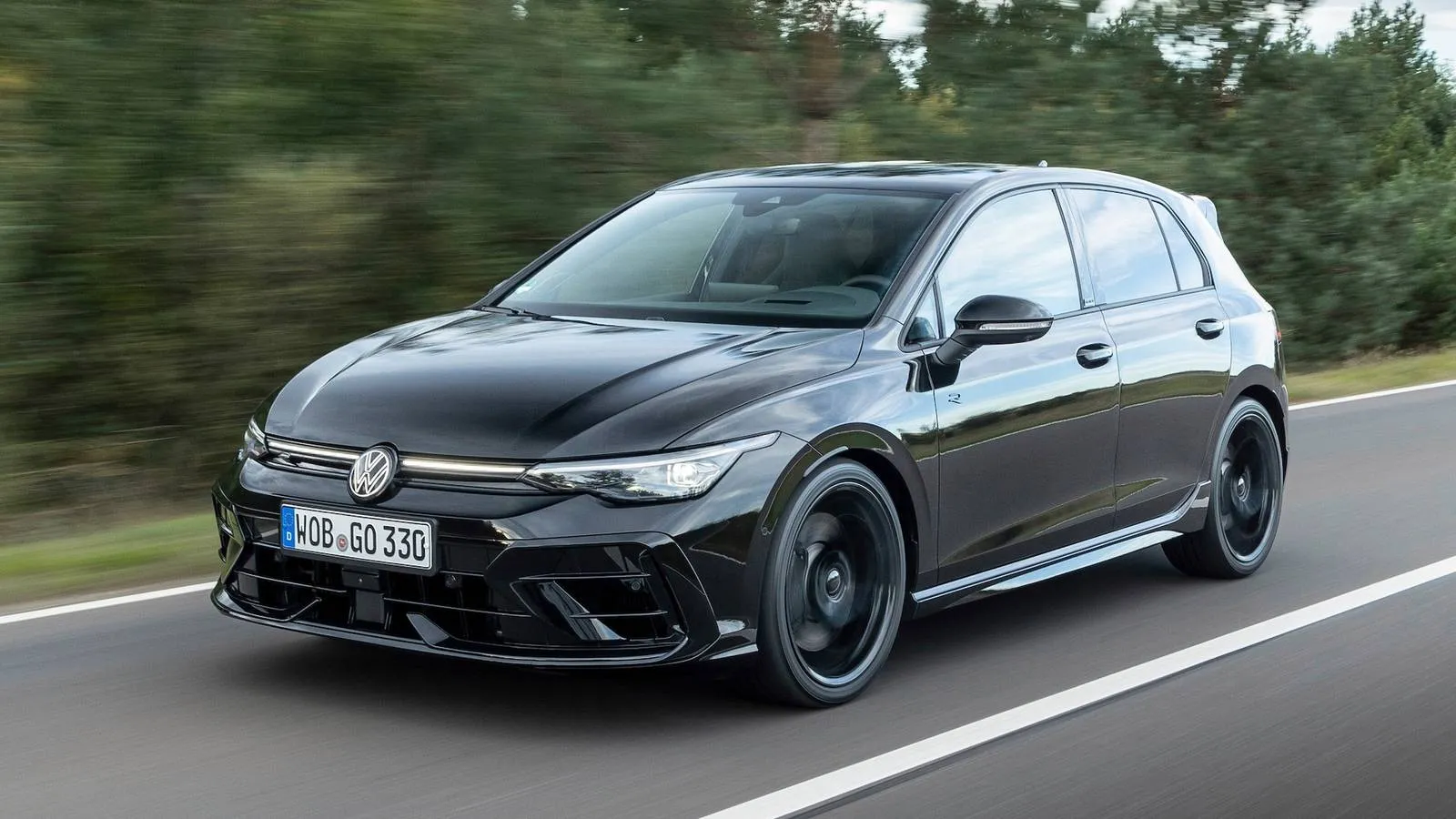
1. Volkswagen Golf GTI
The Volkswagen Golf GTI is one of the most well-rounded hatchbacks for mountainous terrain, combining performance, comfort, and practicality in a compact package. Its turbocharged engine delivers impressive torque even at lower RPMs, which is crucial when climbing steep inclines.
The GTI’s six-speed manual transmission allows precise control over power delivery, giving the driver the ability to maintain momentum on winding roads without overworking the engine. Even the optional automatic transmission provides smooth shifts that keep the engine in its optimal power range.
Beyond the engine, the GTI’s suspension is finely tuned for both sporty handling and comfort, allowing it to absorb bumps and uneven surfaces that are often encountered on mountain roads without sacrificing stability or control.
The combination of turbocharged power, responsive transmission, and sport-tuned suspension makes the GTI highly capable when dealing with challenging elevation changes.
One of the key advantages of the Golf GTI on mountainous terrain is its braking system. Equipped with performance brakes, the car can handle repeated descents without suffering from brake fade, which is a common issue on long downhill stretches.
The electronic stability control and traction management systems work together to maintain grip, particularly on sharp corners or loose surfaces. This ensures that the driver maintains control even when navigating tricky sections of road, which is especially valuable in Colorado Springs where roads can be narrow and winding.
Additionally, the GTI’s weight distribution is well-balanced, contributing to predictable handling and reducing the chances of understeer or oversteer when cornering at higher speeds, making it one of the most reliable hatchbacks for demanding mountain runs.
The practicality of the Golf GTI also makes it well-suited for outdoor enthusiasts. The hatchback design provides a spacious cargo area for transporting gear such as hiking backpacks, mountain bikes, or skiing equipment, while the rear seats fold flat to accommodate larger items.
Despite its compact exterior dimensions, the interior is designed with driver and passenger comfort in mind. Seats are supportive and well-cushioned, which helps reduce fatigue on longer drives.
Visibility is also sufficient for mountain driving, giving drivers confidence when approaching blind corners or navigating winding roads.
This combination of practicality and comfort means that the GTI is not just a performance-oriented hatchback but also a versatile vehicle capable of handling both recreational and practical mountain trips.
Reliability and durability further contribute to the GTI’s suitability for mountain driving. Volkswagen engines, when properly maintained, are capable of handling repeated uphill runs without overheating, especially with the turbocharged version, which maintains torque efficiently.
Routine checks of coolant levels, oil, and brakes are recommended to ensure optimal performance, but when cared for, the GTI performs consistently even under sustained mountain driving conditions.
The combination of power, handling, and practicality makes the Volkswagen Golf GTI one of the most compelling hatchbacks for anyone who enjoys driving in elevated, challenging environments, offering both the excitement of a sporty car and the reassurance of a capable, reliable companion on mountain roads.
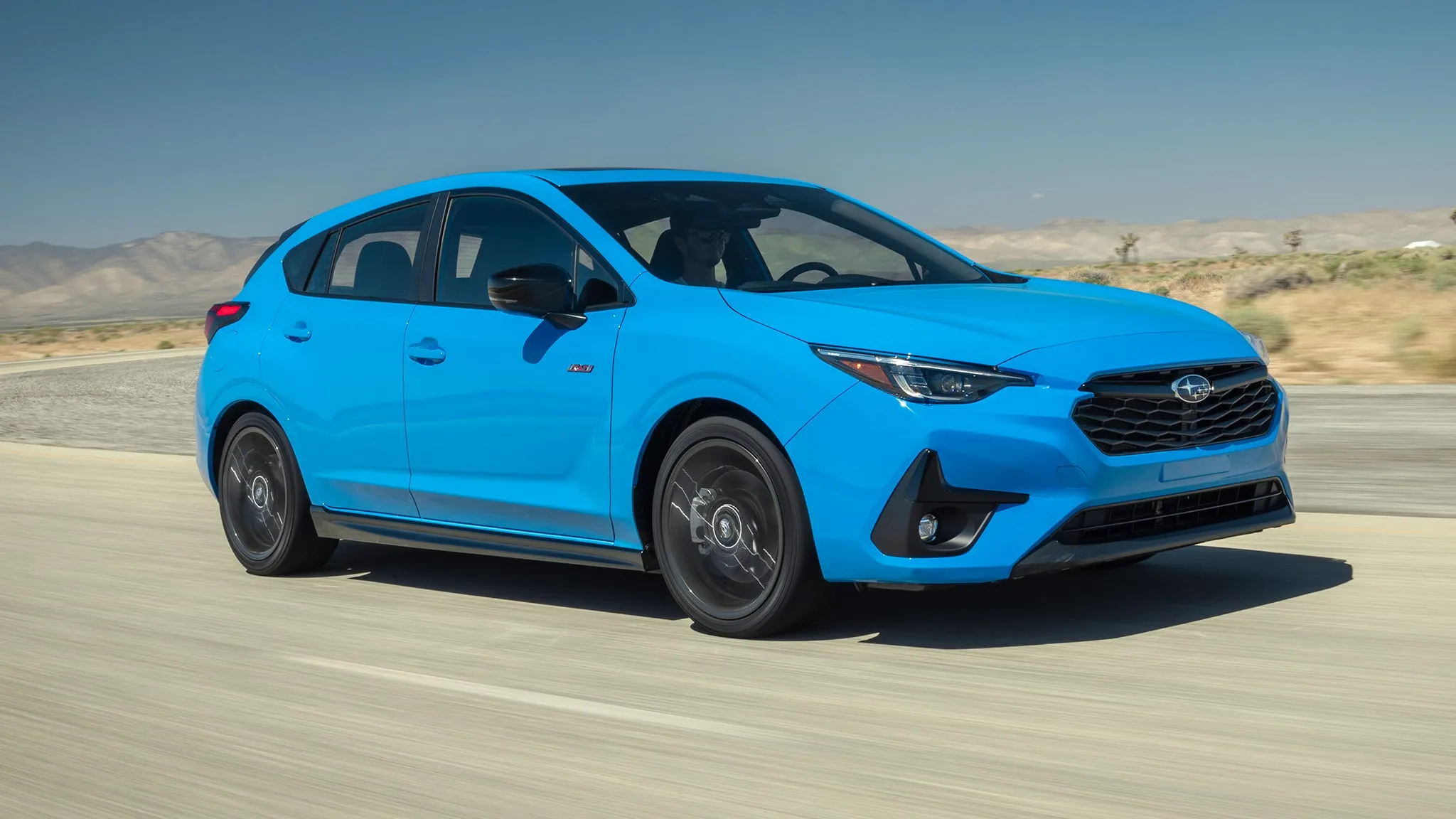
2. Subaru Impreza Hatchback
The Subaru Impreza hatchback stands out for mountain driving primarily due to its all-wheel-drive system, which offers exceptional traction and stability on inclines and winding roads.
Unlike front-wheel-drive hatchbacks that may struggle with wheel slip on steep or loose surfaces, the Impreza can distribute power to all four wheels, ensuring maximum grip even in rainy or snowy conditions.
Its engine delivers consistent torque throughout the RPM range, which is especially important on long uphill stretches where maintaining speed is necessary to avoid overheating the engine.
The transmission, whether manual or automatic, provides smooth power delivery, minimizing strain and ensuring that climbing mountains remains a controlled and predictable experience for the driver.
The combination of torque, AWD, and transmission reliability makes the Impreza particularly suited to the variable terrain around Colorado Springs.
Suspension and ride quality are also significant advantages of the Impreza for mountainous driving. The car’s suspension absorbs minor bumps and imperfections on curving roads, ensuring that the vehicle remains stable and comfortable for both the driver and passengers.
Braking systems are designed for reliability, with anti-lock braking technology helping prevent skidding during rapid stops on steep descents. In addition, the Impreza’s relatively compact size makes it easy to maneuver through narrow switchbacks and tight corners, which are common on mountain routes.
This agility, combined with the AWD system, allows drivers to maintain control in situations where other hatchbacks might struggle or require more cautious driving.
The practicality of the Impreza hatchback adds further appeal for mountain use. The rear cargo area is spacious enough to carry outdoor equipment such as hiking packs, climbing gear, or skiing equipment, while the rear seats fold flat to accommodate larger items.
Interior comfort is thoughtfully considered, with supportive seats that reduce fatigue on long drives and adequate legroom for passengers.
Modern models also come with infotainment systems and navigation aids that help drivers plan routes through unfamiliar mountainous terrain. These features enhance convenience and safety, allowing the driver to focus on the road while remaining informed about upcoming curves or elevation changes.
Durability is another factor that makes the Subaru Impreza a dependable mountain hatchback. The engine and cooling system are designed to handle extended periods of uphill driving without overheating, as long as regular maintenance is performed.
Subaru’s reputation for reliability, combined with the AWD capability, ensures that drivers can confidently tackle mountain roads without worrying about unexpected performance issues.
For individuals seeking a hatchback that balances comfort, practicality, and stability on demanding terrain, the Impreza stands out as one of the most capable options available.
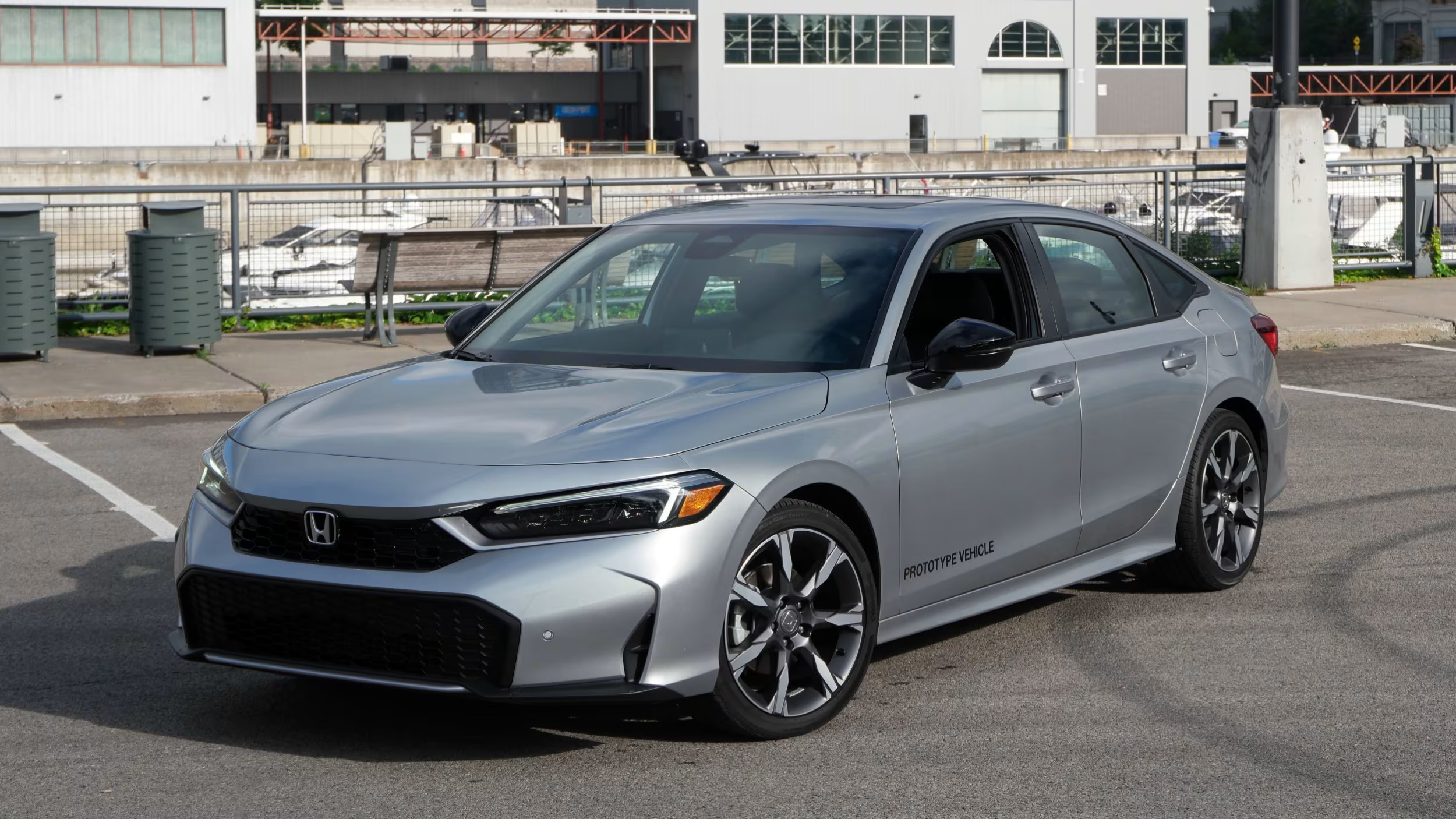
3. Honda Civic Hatchback
The Honda Civic hatchback offers a strong balance of efficiency, power, and practicality, which is especially important for mountain driving. Modern Civic models often feature turbocharged engines that provide adequate low-end torque for climbing steep inclines without placing excessive strain on the engine.
Lightweight construction allows the vehicle to accelerate smoothly uphill, while the responsive CVT or manual transmission ensures consistent power delivery on winding roads.
The Civic’s sharp steering and precise handling make cornering on curving mountain roads more manageable, reducing the risk of understeer and giving the driver confidence during challenging drives.
These attributes combine to make the Civic hatchback both enjoyable and reliable when navigating the mountainous terrain of Colorado Springs.
Braking and suspension are also noteworthy in the Civic. Performance brakes provide consistent stopping power during descents, reducing the risk of brake fade that can occur on extended downhill drives.
The suspension offers a balance between comfort and control, absorbing bumps and uneven surfaces while maintaining stability on turns.
Electronic assist features such as traction control and stability management further enhance the car’s ability to climb steep roads safely. This combination of braking performance, suspension design, and electronic assistance ensures that the Civic maintains both control and safety in challenging conditions.
The Civic hatchback is practical as well as capable. The rear hatch allows for versatile cargo storage, accommodating sports equipment, luggage, or camping gear. Interior design emphasizes driver and passenger comfort, with supportive seating and ergonomic controls that reduce fatigue on longer journeys.
Visibility from the driver’s seat is sufficient to monitor road conditions and approaching curves, which is crucial for maintaining safety on mountain roads. Infotainment systems provide navigation assistance and traffic updates, helping drivers plan routes efficiently and avoid unexpected obstacles or delays.
Reliability and maintenance further enhance the Civic’s suitability for mountain driving. Honda engines are known for their longevity, and when paired with regular oil and coolant checks, the Civic can handle repeated uphill climbs without overheating.
This reliability, combined with responsive handling, adequate torque, and practical cargo capacity, makes the Honda Civic hatchback a strong choice for drivers who require both performance and versatility in a vehicle capable of tackling mountain roads.
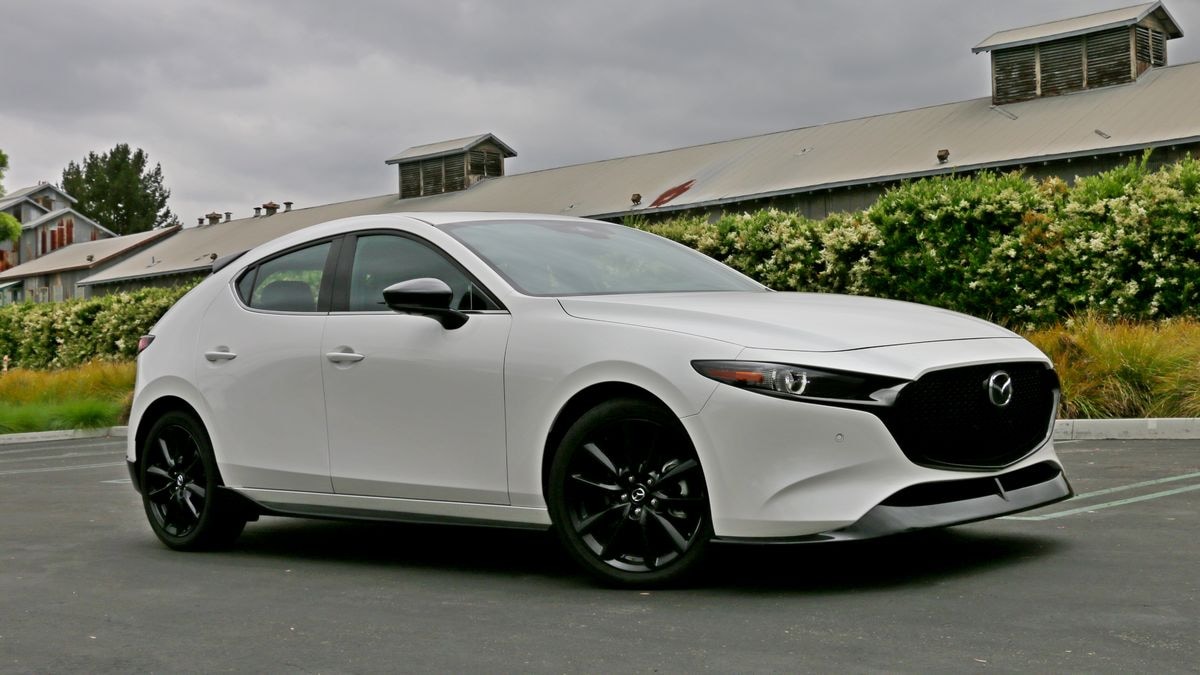
4. Mazda3 Hatchback
The Mazda3 hatchback is designed with a focus on driving enjoyment, but it also offers performance and reliability that make it well-suited for mountain roads.
Its engine provides sufficient torque for uphill driving while maintaining fuel efficiency, a critical factor on longer trips where elevation gain can increase fuel consumption.
The steering is precise and responsive, allowing drivers to navigate tight curves with confidence. The car’s handling is balanced, providing stability and minimizing body roll, which can otherwise be a concern on winding mountainous terrain.
The combination of responsive handling, torque, and lightweight construction ensures that the Mazda3 can tackle long inclines efficiently and safely.
The braking system in the Mazda3 is strong and reliable, capable of handling multiple descents without losing effectiveness. The suspension balances comfort with stability, absorbing irregularities in the road while keeping the vehicle planted during cornering.
Weight distribution is optimized to provide predictable handling, which is critical when driving through winding switchbacks or on roads with elevation changes.
This engineering allows the driver to maintain momentum without excessive strain on the engine or brakes, which is vital for avoiding overheating during extended mountain drives.
Interior comfort and practicality are additional strengths of the Mazda3 hatchback. Seats are supportive and designed for long journeys, reducing driver and passenger fatigue. Cargo space is sufficient for sporting equipment, camping gear, or other essentials for mountain excursions.
Rear seats fold flat for extra storage flexibility, allowing drivers to carry larger items when needed. Infotainment and navigation features help drivers stay informed about road conditions, weather, and potential obstacles, further enhancing safety and convenience in mountainous areas.
Durability is another key factor for mountain suitability. The Mazda3’s engine and cooling system are engineered to handle repeated uphill driving without excessive heat buildup, provided that regular maintenance is performed.
This reliability, combined with responsive handling, supportive interior design, and sufficient cargo space, makes the Mazda3 hatchback a strong candidate for drivers who frequently tackle mountain roads and desire both performance and comfort in a compact vehicle.
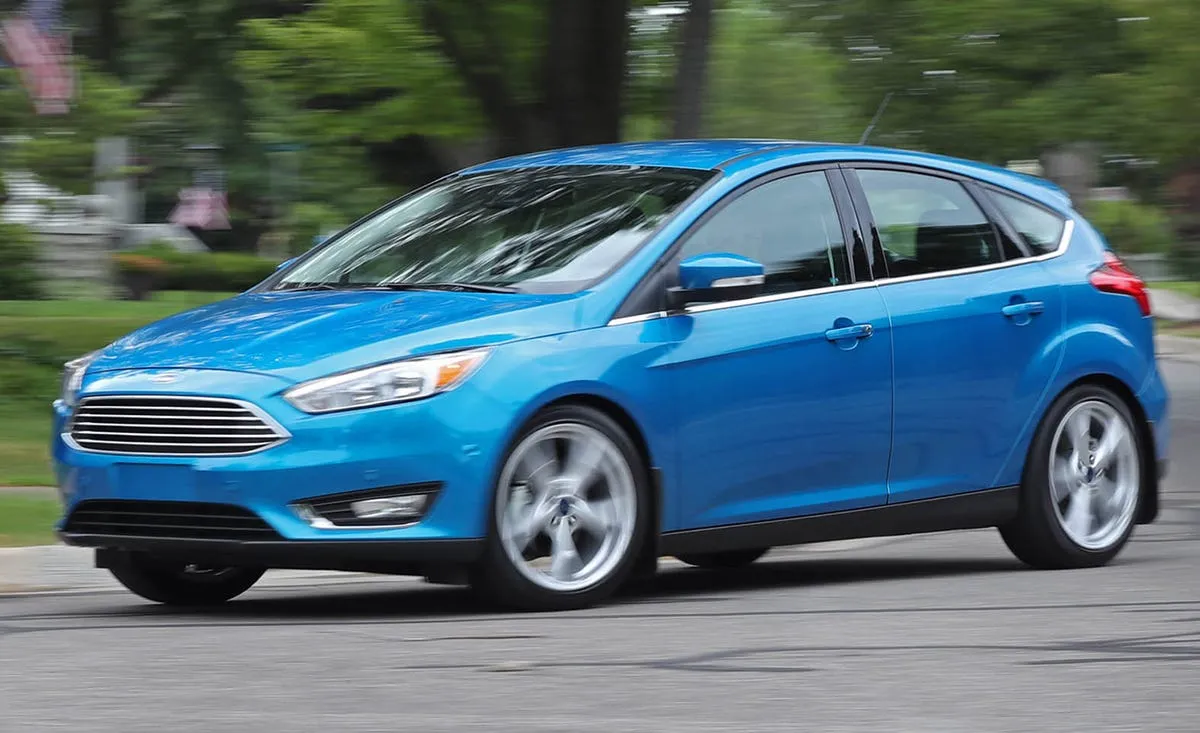
5. Ford Focus Hatchback
The Ford Focus hatchback, particularly in higher-performance trims, is capable of handling mountainous terrain effectively due to its engine power, responsive transmission, and agile handling.
Turbocharged engine options provide adequate torque for climbing steep inclines while maintaining smooth acceleration, reducing the risk of engine strain or overheating.
Steering is precise and responsive, making it easier to navigate winding roads, while suspension tuning offers a balance of comfort and stability, allowing the Focus to absorb bumps without compromising control.
Its compact size also makes it easier to maneuver through tight turns and narrow mountain roads, which can be challenging for larger vehicles.
The braking system in the Ford Focus is designed to be reliable, offering consistent stopping power on both flat and downhill sections. Electronic stability control and traction management systems further improve safety, allowing drivers to maintain grip in slippery conditions or during sudden braking.
Suspension tuning ensures that weight transfer is managed effectively during cornering, which helps prevent understeer and contributes to predictable handling on twisty mountain roads. These features collectively make the Focus confident and secure when tackling varying elevations.
Practicality is another strength of the Focus hatchback. Its rear cargo area provides sufficient space for outdoor equipment, and the folding rear seats expand storage capacity for larger items, making it ideal for hiking, skiing, or camping trips.
The interior is designed with comfort in mind, providing adequate legroom and supportive seats that reduce fatigue during longer mountain drives.
Visibility is good, and driver-assistance features such as lane-keeping aids and parking sensors add convenience when navigating tight or unfamiliar mountain roads.
Reliability and performance consistency make the Ford Focus a dependable choice for mountain driving. When the cooling system is properly maintained, the engine can handle repeated climbs without overheating, and routine checks of oil and brake fluids further enhance reliability.
Combined with agile handling, turbocharged power, and practical interior space, the Focus hatchback proves itself as a versatile and capable vehicle for drivers who frequently navigate mountainous terrain, balancing both performance and everyday usability.
5 Hatchbacks That Overheat Uphill
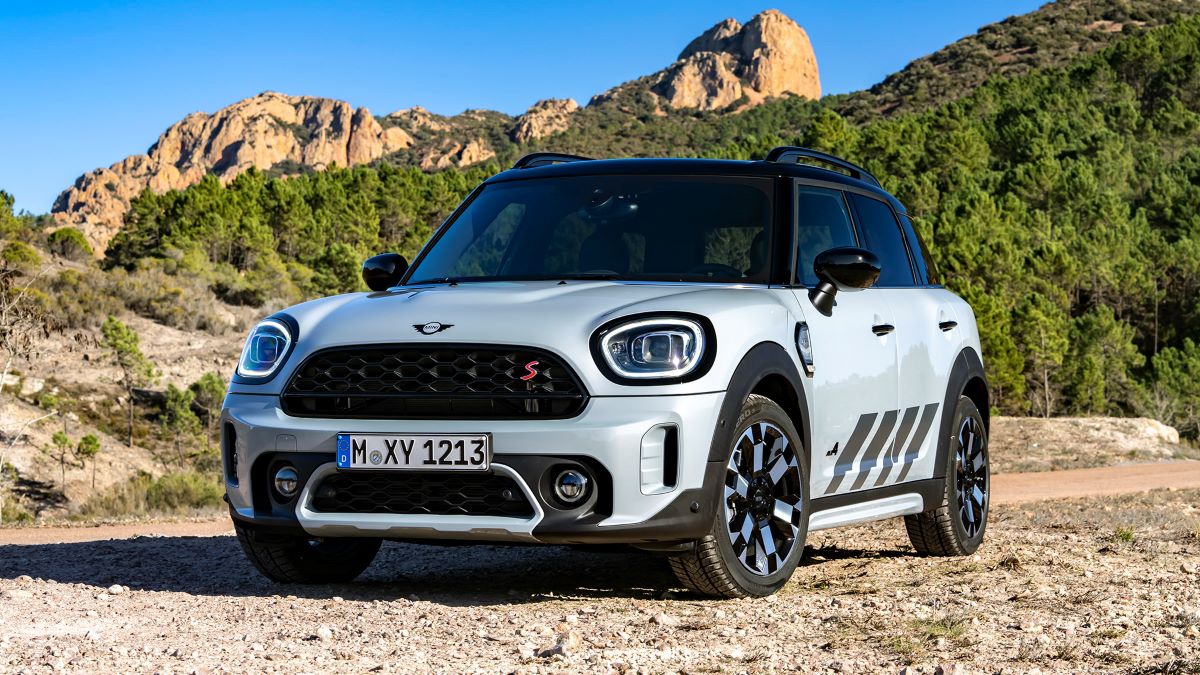
1. Mini Cooper Base Model
The base Mini Cooper, while stylish and nimble for city driving, often struggles with prolonged uphill climbs due to its small naturally aspirated engine. Unlike turbocharged variants, the base model lacks the low-end torque necessary to maintain smooth acceleration on steep inclines.
Drivers may notice sluggish performance when climbing multiple hills in succession, and the engine can become stressed if the climb is prolonged or if the vehicle is fully loaded with passengers and cargo.
The combination of a compact engine and lightweight body, while advantageous in urban environments, becomes a limiting factor when sustained power output is required.
The lack of reserve torque forces the driver to constantly monitor engine RPMs and adjust gear selections to prevent stalling or overheating, making long mountain climbs more challenging and less comfortable.
Transmission performance can also become a limiting factor for uphill runs. While the manual gearbox provides some control over engine output, the automatic or CVT versions may frequently downshift in an attempt to maintain speed, which can exacerbate engine strain and increase heat generation.
These frequent adjustments can result in a noticeable lag in acceleration, especially when trying to pass slower vehicles on inclines. This constant demand on the powertrain highlights the Mini Cooper’s limitations for drivers who regularly encounter long, steep climbs.
Despite these shortcomings, the Mini Cooper excels in other areas, such as maneuverability and interior comfort for city use. Its compact size and tight turning radius make it excellent for urban driving, parking, and navigating narrow streets.
However, for consistent mountain driving, the base Mini Cooper’s combination of small engine, limited cooling capacity, and modest torque make it less suitable.
Drivers who intend to frequently climb hills or mountain roads should consider higher-performance variants with turbocharged engines and more robust cooling systems to ensure reliability and prevent overheating during extended uphill runs.
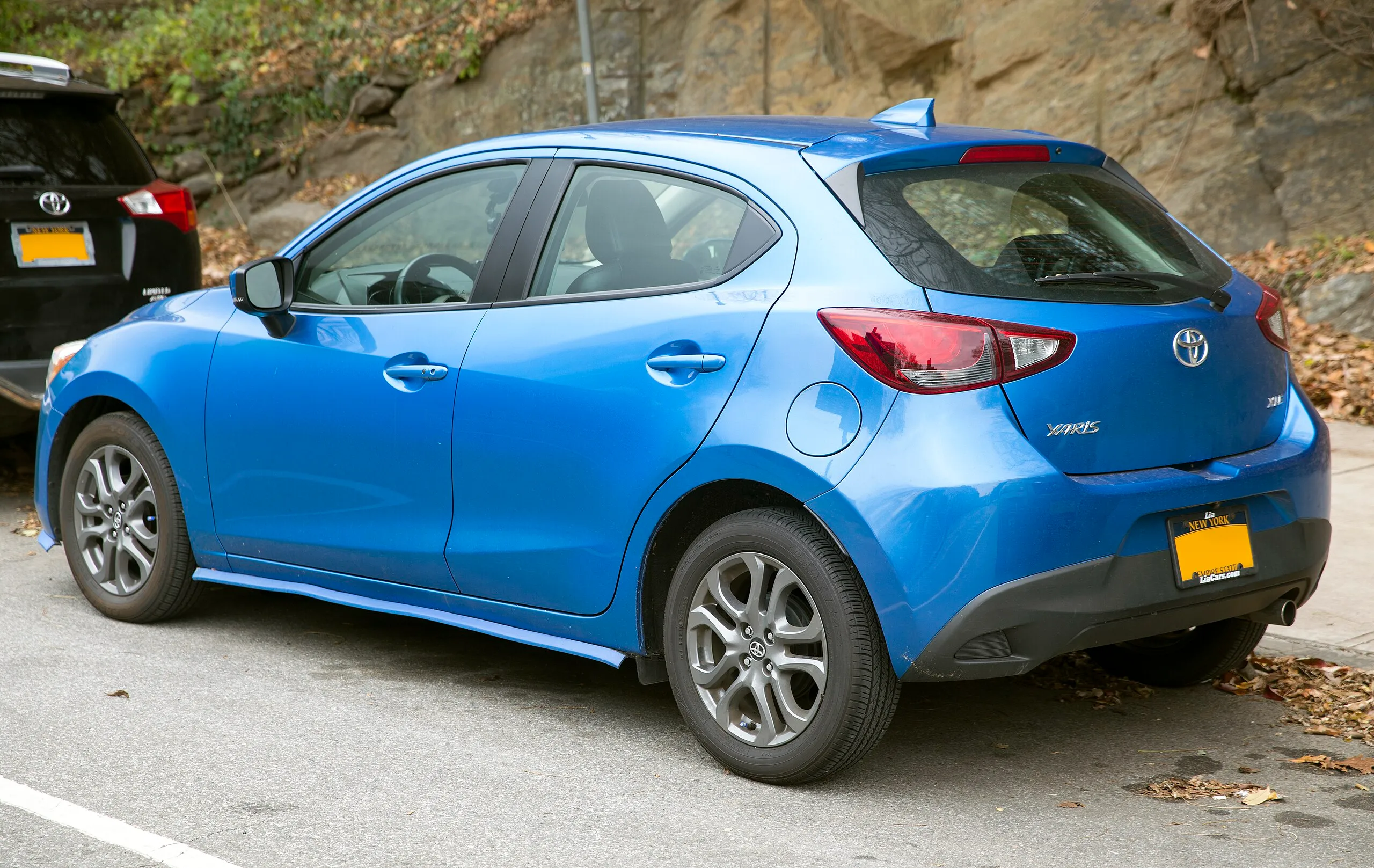
2. Toyota Yaris Hatchback
The Toyota Yaris hatchback is designed primarily for urban efficiency, with a small engine optimized for fuel economy rather than power output. While this makes it ideal for city streets and light commuting, it becomes a significant limitation on long uphill stretches.
Drivers may notice a slower response when accelerating on steep inclines, and the engine can feel strained if the vehicle is fully loaded or climbing for extended periods. The small displacement engine produces limited torque at low RPMs, which makes maintaining a consistent speed on steep hills difficult.
When tackling multiple inclines in succession, this lack of power becomes more pronounced, requiring careful throttle modulation and longer acceleration times, which can frustrate drivers accustomed to more responsive vehicles.
Transmission performance also contributes to the Yaris’ uphill challenges. Many models use a CVT, which is tuned for fuel efficiency rather than rapid acceleration. When climbing steep grades, the transmission can feel hesitant or overly busy, frequently adjusting ratios to maintain speed.
This can make the car feel sluggish and reduce the driver’s control over power delivery, especially when navigating tight turns or passing slower vehicles on hills. For drivers seeking a hatchback that responds consistently to throttle input, the Yaris’ lightweight engine and transmission setup may feel inadequate.
Despite these limitations, the Yaris remains practical and efficient for flat-road and city use. Its compact size allows easy maneuvering and parking, and the interior provides adequate comfort for short trips.
However, for regular mountain driving or extended uphill trips, the Yaris’ combination of limited torque, modest engine capacity, and cooling constraints makes it a vehicle that requires careful handling and moderation to avoid engine stress and overheating.
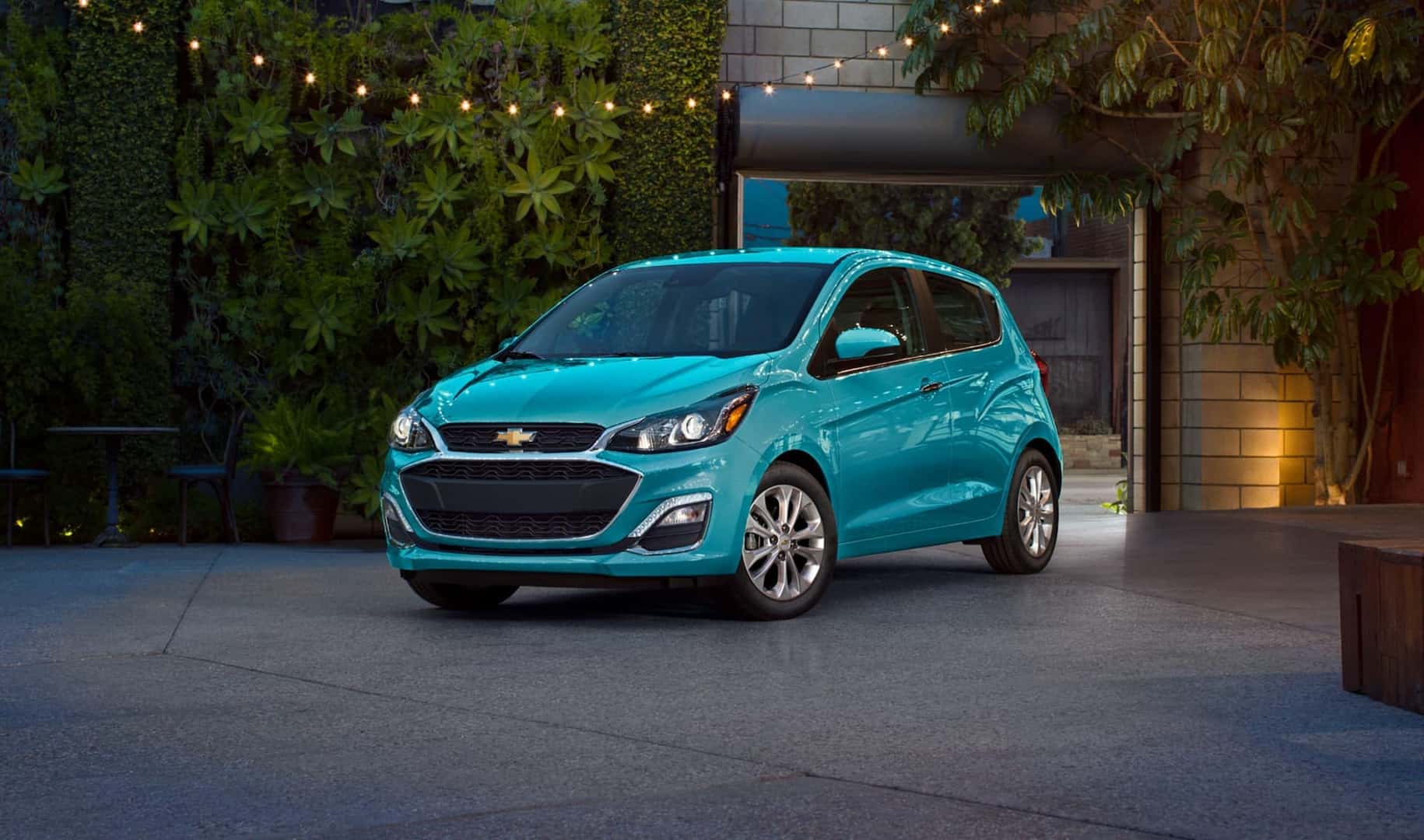
3. Chevrolet Spark
The Chevrolet Spark is a subcompact hatchback designed with urban efficiency in mind, which makes it ill-suited for prolonged uphill driving.
Its small naturally aspirated engine delivers minimal torque, which is noticeable when attempting to climb steep inclines or accelerate while fully loaded.
On long or consecutive hills, drivers may find that the Spark struggles to maintain momentum, requiring constant throttle input and careful management of gear selection in manual versions.
Automatic transmissions, while convenient for city driving, can become stressed under repeated uphill demands, leading to slower acceleration and higher engine temperatures.
The lightweight construction, which benefits fuel economy, cannot compensate for the engine’s limited ability to produce sustained power for mountain roads.
The Spark’s handling and braking systems are designed primarily for low-speed maneuverability and stop-and-go traffic. While they function adequately on flat roads, extended mountain driving can expose limitations in suspension stability and brake endurance.
Drivers may find that the car feels less planted on sharp corners or uneven roads, and repeated downhill braking can place stress on the brakes, especially when the engine is working hard uphill. This can affect confidence and safety on longer mountain trips.
Although the Chevrolet Spark is practical for city use, offering easy parking, good fuel efficiency, and a compact interior, it is not designed for repeated uphill or mountainous driving.
Drivers seeking a hatchback for mountain regions will find that the Spark’s small engine, limited cooling capacity, and minimal torque make it prone to overheating and reduced performance on steep roads, making it a vehicle that should be used cautiously in hilly environments.
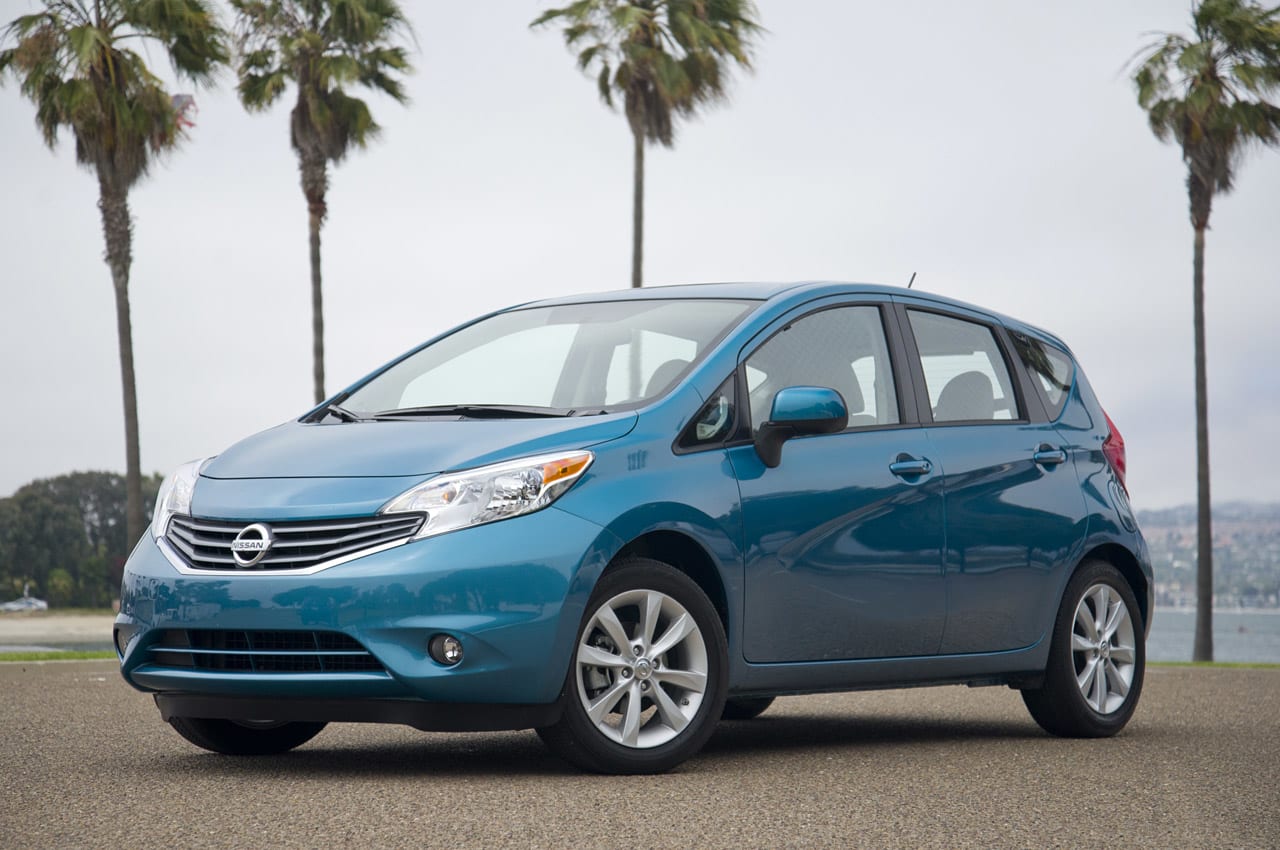
4. Nissan Versa Note
The Nissan Versa Note is a hatchback focused on economy and affordability, and its small engine size becomes evident when driving uphill.
Its limited torque and modest horsepower make climbing steep roads a slower, more strenuous process compared to larger or turbocharged hatchbacks.
Drivers may notice a lag in acceleration when attempting to ascend long hills, and the engine may run hotter than expected during extended climbs.
When carrying passengers or cargo, the vehicle’s uphill performance diminishes further, requiring careful throttle management to maintain speed. These limitations make the Versa Note less suited for mountainous terrain, where consistent power and torque are essential for safe and efficient driving.
The CVT transmission, standard in most Versa Notes, prioritizes fuel efficiency over power delivery. On uphill drives, it may struggle to provide consistent acceleration, resulting in frequent ratio adjustments that can make the engine feel overworked.
This contributes to slower climb times and a sense that the car lacks responsiveness compared to hatchbacks with stronger engines or manual transmissions.
Drivers attempting to overtake or maintain speed on mountain roads may find this aspect frustrating, especially in areas with continuous elevation changes.
Despite these challenges, the Versa Note offers interior comfort, adequate cargo space, and excellent fuel economy, making it suitable for urban driving and light commuting.
However, for consistent mountain use, the small engine, modest torque, limited cooling system, and CVT behavior combine to make the Versa Note prone to overheating and insufficient performance on steep hills, highlighting its limitations in challenging terrains.
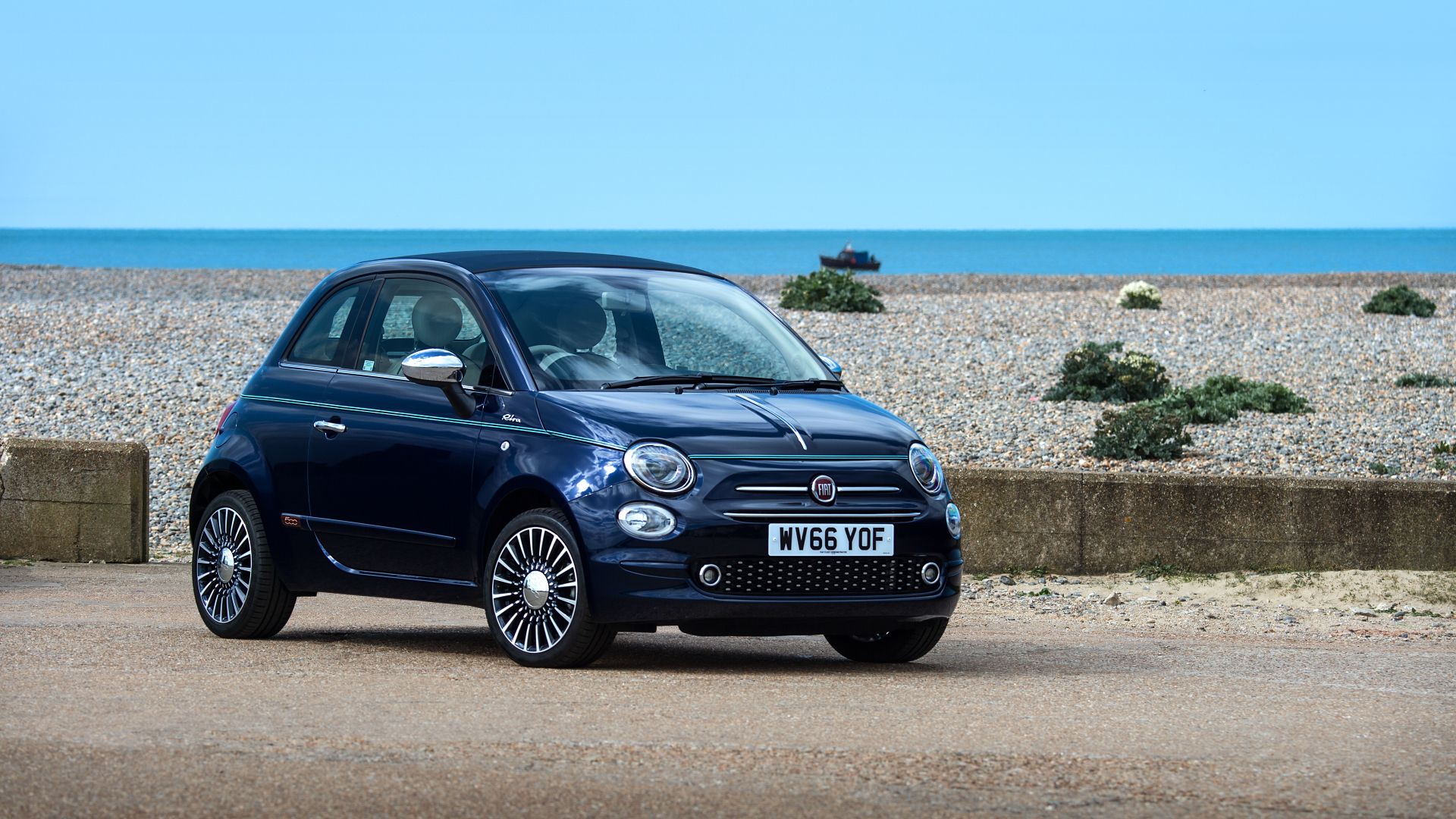
5. Fiat 500 Hatchback
The Fiat 500 hatchback is renowned for its compact size and stylish design, but it struggles with extended uphill driving due to its small naturally aspirated engine.
While efficient and responsive for city streets, the engine lacks the torque and horsepower necessary to sustain high speeds on steep grades.
Drivers may notice sluggish acceleration, particularly when the car is carrying multiple passengers or additional cargo. Maintaining momentum requires careful throttle control, and frequent gear adjustments in manual versions can become tiresome on long climbs.
The combination of low torque, small displacement, and lightweight design, while advantageous for maneuvering in urban settings, becomes a disadvantage in mountainous conditions where sustained engine power is essential.
The cooling system of the Fiat 500 is relatively compact, designed for urban efficiency rather than prolonged high-load operation. On long uphill drives, the engine generates more heat than the system can efficiently dissipate, causing the temperature gauge to rise.
Drivers may need to allow brief cooldown periods or reduce throttle to avoid overheating. In hot weather or on particularly long inclines, these limitations become more noticeable, placing additional stress on engine components and increasing the likelihood of long-term wear or mechanical issues if the vehicle is pushed too hard.
While the Fiat 500 excels in city environments with its compact size, fuel efficiency, and easy parking, it is not designed for frequent mountain driving. The combination of small engine, limited torque, and a minimal cooling system makes it prone to overheating during prolonged uphill driving.
Drivers who regularly tackle hilly terrain should consider more powerful or turbocharged hatchbacks, as the Fiat 500’s strengths in urban maneuverability do not translate effectively to mountainous environments.
