
Classic Dodge muscle cars hold a special place in automotive history because they combine bold styling, strong engines, and a sense of personality that many modern vehicles lack.
For enthusiasts on a budget, Dodge offers a surprising number of older muscle cars that can still be found at reasonable prices if buyers are patient and informed.
These vehicles were built during a time when performance mattered, but practicality and mass production kept prices within reach for everyday drivers.
Decades later, that same balance helps keep certain models affordable for collectors and hobbyists who want classic American power without spending a fortune.
Many people assume that all muscle cars are wildly expensive, but that idea is not always accurate. While rare, high performance trims can command enormous prices, there are still plenty of standard or mid level versions that deliver the same visual appeal and much of the driving experience.
Dodge, in particular, produced a wide range of cars using shared platforms and engines, which means parts availability remains decent and restoration costs can be manageable. This makes ownership less intimidating for newcomers who want to learn basic maintenance or light restoration skills.
Another reason these cars remain attainable is that Dodge often emphasized straight-line performance and aggressive looks rather than luxury interiors. As a result, many examples survive with worn but usable cabins that are easy to refresh over time.
Even cars with cosmetic flaws can still run strong, offering owners the chance to improve them gradually. This approach appeals to buyers who prefer to enjoy the journey of ownership rather than chasing perfection from the start.
This article focuses on nine classic Dodge muscle cars that can still be purchased without draining savings accounts. Each model has its own strengths, weaknesses, and personality, but all of them represent solid entry points into the muscle car hobby.
By understanding what makes each one special, buyers can choose a car that fits their taste, budget, and mechanical comfort level while still delivering that unmistakable Dodge attitude.
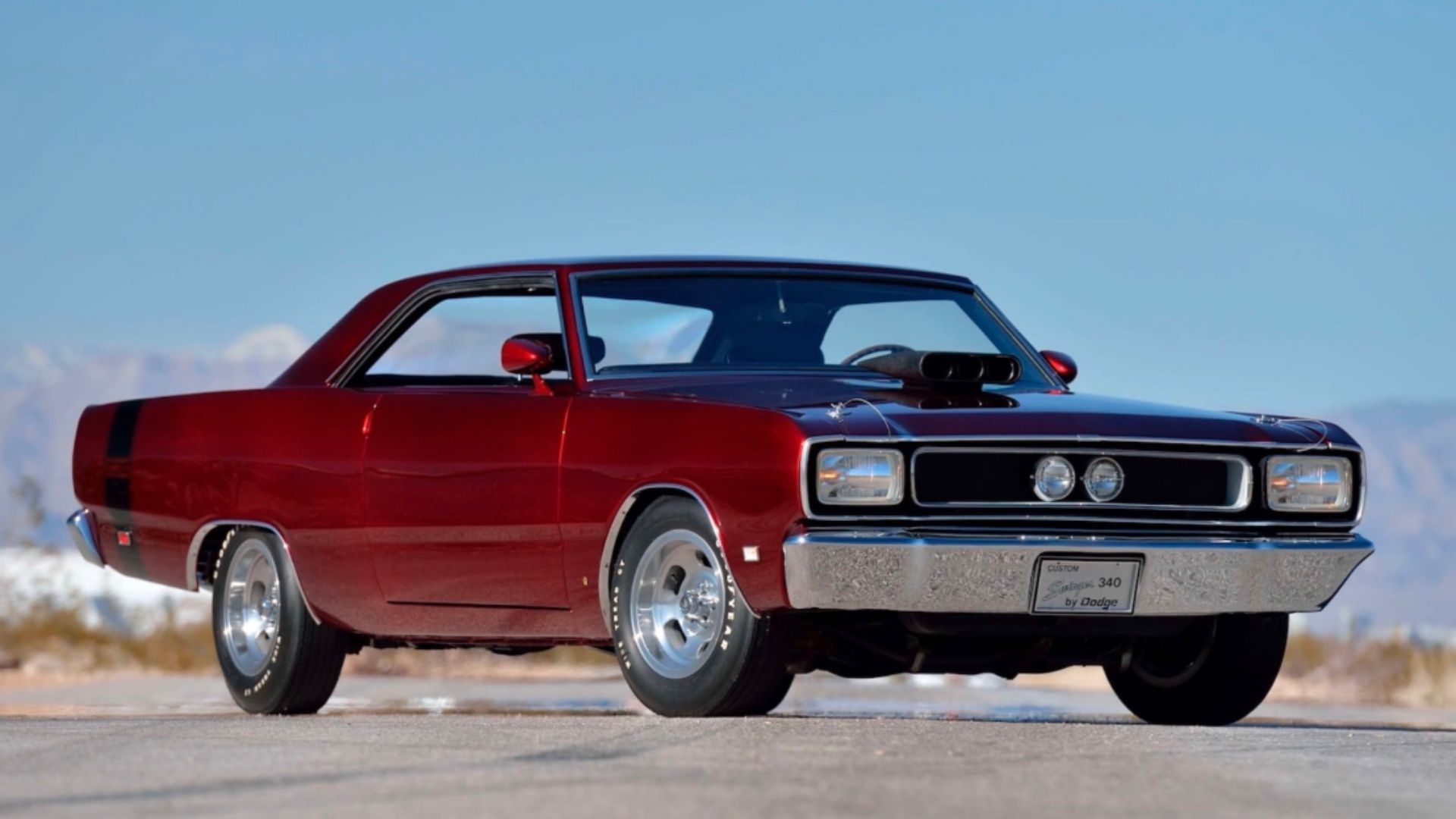
Dodge Dart Swinger
The Dodge Dart Swinger is a compact muscle car that has flown under the radar for decades, which is one reason it remains affordable for enthusiasts.
Originally introduced as a smaller, more accessible alternative to Dodge’s larger muscle cars, the Swinger delivered a unique combination of performance, efficiency, and style.
Unlike bigger cars that were expensive to maintain, the Dart Swinger’s lightweight frame made it nimble, while still offering enough space for daily use.
It was marketed toward young drivers who wanted the thrill of a muscle car without the prohibitive costs of the Charger or Challenger.
Over time, these vehicles became known for their simplicity, practicality, and adaptability, which has helped them survive in relatively good numbers compared to rarer muscle cars.
One of the Dart Swinger’s strongest points is its mechanical straightforwardness. Most models were equipped with simple suspension systems and reliable engines that were easy to work on without specialized tools.
Six-cylinder engines were common, providing decent performance for everyday driving, while V8 options delivered a more traditional muscle car experience.
The availability of replacement parts remains strong today, in part because Dodge used similar engines and components across multiple vehicle lines.
This ease of repair and the ability to maintain the car without breaking the bank is one of the reasons the Dart Swinger appeals to first-time muscle car owners or hobbyists on a budget who want to gradually improve the car’s performance or aesthetics.
Styling on the Dart Swinger is both clean and expressive, with subtle lines and modest chrome accents that give it personality without being over the top.
The interior, while basic, is functional and durable, allowing drivers to focus on the joy of driving rather than luxurious details.
Owners often upgrade small cosmetic elements, such as paint or interior trim, while the fundamental structure and engine remain solid.
This makes the Dart Swinger an ideal candidate for incremental restoration, allowing enthusiasts to spread costs over time while still enjoying a car with authentic muscle car character.
Despite its relative obscurity, the Dart Swinger captures the essence of the muscle car era in a compact, budget-friendly package.
Collectors and casual drivers alike find that its understated reputation works in their favor, allowing them to own a classic Dodge without competing with high-demand models.
The Swinger provides a pure driving experience, emphasizing agility, engine response, and straightforward mechanics.
Its small footprint, simple design, and reliability make it a practical option for anyone interested in classic American cars who does not want to overspend on rare or highly sought-after vehicles.
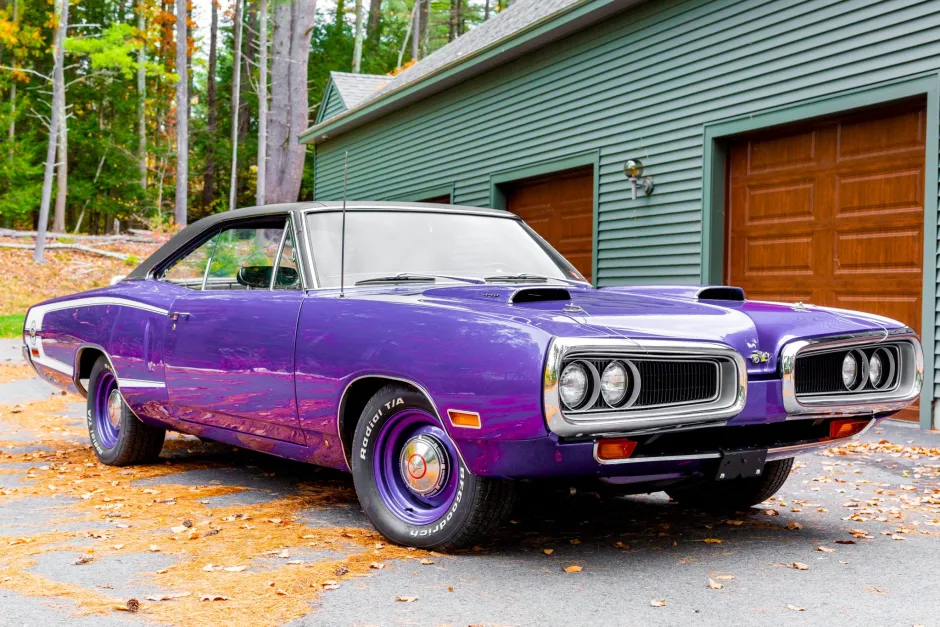
Dodge Coronet
The Dodge Coronet is a versatile mid-size muscle car that offers a balance of style, comfort, and performance, making it a practical choice for budget-conscious enthusiasts.
Introduced during the height of the muscle car era, the Coronet came in multiple body styles, including sedans, hardtops, and coupes, allowing buyers to select a configuration that suited their personal taste.
Engine options ranged from economical six cylinders to powerful V8s, which meant the car could function as a daily driver or a weekend performance vehicle.
Its mix of practicality and potential for power contributed to its popularity, and it remains a common entry-level muscle car for collectors looking for classic Dodge heritage without premium prices.
A key feature of the Coronet is its spacious interior and robust build quality. Unlike smaller muscle cars that prioritize performance over comfort, the Coronet provides ample room for passengers and cargo, making it suitable for long drives or family outings.
Its suspension system offers stability and a composed ride, which adds to comfort without completely sacrificing performance.
This combination of utility and classic styling allows the Coronet to function as a usable car rather than purely a collector’s item. Many owners appreciate being able to drive a car that is both enjoyable and practical, rather than treating it as a fragile museum piece.
Mechanically, the Coronet benefits from Dodge’s reliable small block V8 engines, which are both durable and widely supported in the aftermarket.
Even base models respond well to simple performance upgrades, allowing owners to increase horsepower or improve handling without major investments.
The availability of parts and the simplicity of the engines make the Coronet accessible to first-time muscle car restorers who want a vehicle they can work on themselves.
This mechanical reliability, combined with flexible tuning options, makes the Coronet a practical choice for both casual driving and weekend track days.
Affordability is another strong point for the Coronet, largely because Dodge produced it in significant numbers. Its wide production run ensures a steady supply of vehicles in varying conditions, which keeps market prices relatively low compared to rarer muscle cars.
Buyers willing to consider standard trims or slightly worn examples can often find solid cars that need only minor cosmetic or mechanical attention.
The Coronet, therefore, represents a practical and achievable entry point into the muscle car hobby while still delivering the classic American style and performance that enthusiasts seek.
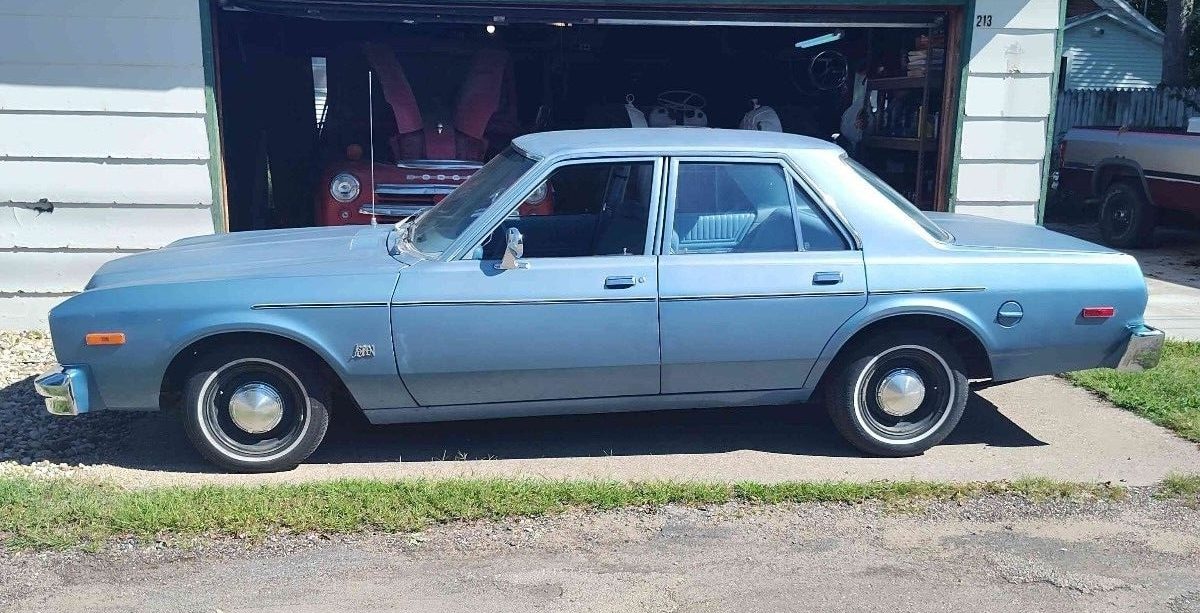
Dodge Aspen R T
The Dodge Aspen R T is an underrated muscle car that was produced during a transitional period for American performance vehicles, which ironically makes it an affordable option today.
Released in the mid-1970s, it arrived at a time when emissions regulations and rising fuel prices limited the output of many muscle cars, resulting in lower competition among buyers for these models.
Despite these constraints, the Aspen R T retained sporty styling, V8 engine options, and distinctive trim packages that emphasized a performance-oriented image.
Its moderate size, understated presence, and available graphics made it appealing to enthusiasts who wanted muscle car looks without the exaggerated demand and costs of higher-profile Dodge models.
Driving the Aspen R T is a comfortable and enjoyable experience for those who appreciate balance rather than raw speed. The suspension is tuned to offer a smoother ride than earlier muscle cars, while still providing enough responsiveness for spirited driving.
This combination makes it a practical car for both short city drives and longer road trips, which distinguishes it from more aggressive and harshly sprung muscle cars of the late 1960s and early 1970s.
Owners often praise the car’s manageable handling characteristics, which make it easy to enjoy without specialized driving skills or high-performance tires.
From an ownership standpoint, the Aspen R T remains accessible due to its low initial pricing and continued availability of replacement parts.
Many of its mechanical components are shared with other Dodge and Chrysler vehicles, simplifying maintenance and lowering costs.
While interior parts and trim may require more effort to source, the car’s mechanical reliability allows owners to prioritize engine, suspension, and drivability first. This makes it a smart choice for enthusiasts who want a classic muscle car that can be gradually restored over time without facing prohibitive expenses.
The Dodge Aspen R T’s combination of affordability, subtle styling, and practical mechanics gives it a distinctive place among classic muscle cars.
Its boxy design and available sporty graphics capture the late muscle era without commanding premium prices, which appeals to collectors looking for personality and value.
For buyers who appreciate less obvious muscle car options, the Aspen R T provides both historical significance and driving enjoyment, offering a rewarding ownership experience without the financial pressure of more iconic Dodge models.
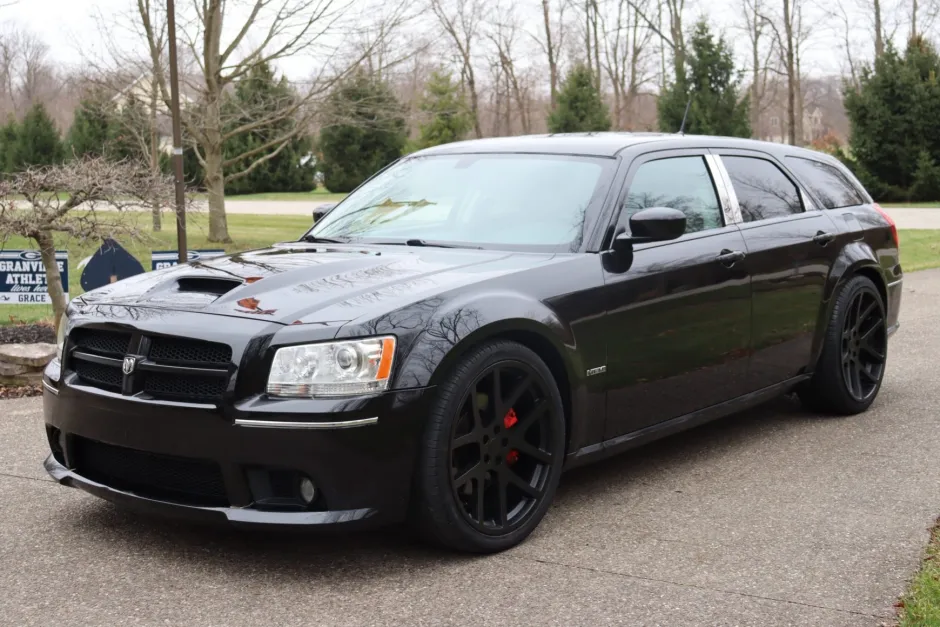
Dodge Magnum
The Dodge Magnum, produced in the late 1970s, is often overlooked as a muscle car, yet it provides an accessible option for enthusiasts seeking a distinctive and powerful vehicle without paying high collector prices.
While it appeared after the peak of the muscle car era, the Magnum retained V8 engine options, bold styling, and a long, aggressive profile that made it stand out on the road.
Its slightly larger size and fastback coupe design give it a unique identity compared to earlier Dodge models, attracting buyers who want a muscle car with personality and style that is less commonly seen at shows or in collections.
Driving the Magnum is an interesting experience because it combines classic muscle power with a more refined ride.
Unlike earlier muscle cars that favored raw acceleration and stiff suspensions, the Magnum offers a smoother driving experience while still retaining the torque and engine sound muscle car enthusiasts love.
The long wheelbase contributes to stability at highway speeds, and the car’s weight provides a planted feeling on the road.
This makes the Magnum suitable for both weekend cruising and longer journeys, a versatility that appeals to owners who want a classic car they can actually drive rather than merely display.
Mechanical reliability is another strong feature of the Dodge Magnum. Many of its engines are shared with other Chrysler vehicles from the same era, and parts remain widely available today. This allows owners to perform repairs or modest upgrades without excessive cost or specialized knowledge.
Even basic V8 models respond well to relatively simple performance modifications, such as improved carburetors, exhaust upgrades, or suspension tweaks. The combination of reliability and upgrade potential gives the Magnum lasting value for enthusiasts seeking an affordable classic.
The Dodge Magnum’s affordability and unique character make it an appealing alternative for those looking to own a piece of Dodge history without competing for the highly sought-after Chargers or Challengers.
Its distinctive style, comfortable ride, and mechanical simplicity create a car that is fun to own and drive, while remaining within reach for buyers on a budget. For enthusiasts willing to consider a muscle car from the post-peak era, the Magnum represents a compelling option that blends nostalgia, usability, and value.
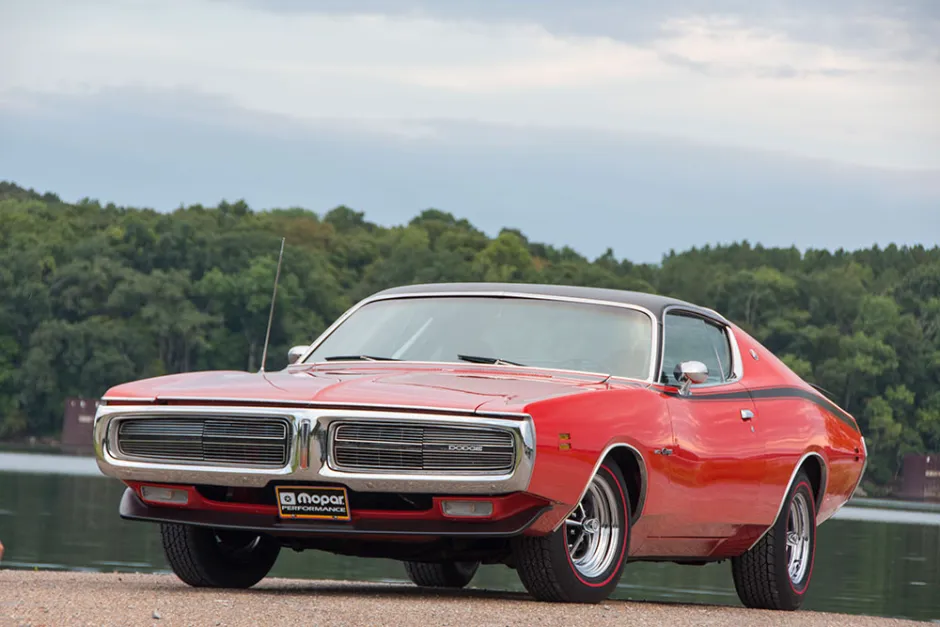
Dodge Charger SE
The Dodge Charger SE is a way for enthusiasts to experience one of Dodge’s most famous nameplates without paying the premium associated with high-performance versions.
While models like the R/T and Daytona attract serious collectors and command high prices, SE trims were designed for comfort and style, yet they still carry the iconic Charger silhouette.
This makes the SE a practical entry into classic muscle car ownership, as it provides the recognizable shape, solid performance, and cruising appeal at a fraction of the cost of top-tier models. It is often overlooked by collectors, which works in the buyer’s favor for affordability.
Driving the Charger SE is a satisfying experience for those who enjoy muscle car aesthetics and presence more than extreme acceleration.
Most SE models came with smaller V8 engines or even six-cylinder options, which, while less powerful than R/T trims, still deliver a solid, responsive driving experience.
Owners often appreciate the balance between power and drivability, particularly for weekend cruising, car shows, or casual drives. The SE’s weight and suspension design provide stability, making it comfortable on highways while maintaining that classic muscle car feel in turns and acceleration.
The interior of the Charger SE emphasizes comfort over raw sportiness, with a more luxurious feel than high-performance trims. Seats are supportive, the dashboard is simple yet functional, and interior features make it pleasant to spend time in the car.
This approach reduces restoration pressures because originality is less critical to collectors compared to rarer models. Owners can upgrade materials or modernize components without significantly affecting the car’s value, allowing them to enjoy both aesthetics and practicality.
The Dodge Charger SE represents a smart and practical way to own a classic Dodge muscle car while avoiding the financial strain of the R/T or Daytona trims.
Its combination of iconic styling, moderate performance, and comfort makes it ideal for first-time muscle car owners or those seeking a car they can actually drive regularly.
For enthusiasts focused on value and usability rather than rarity and top-level performance, the Charger SE is a rewarding choice that embodies the Charger spirit without the extreme costs.
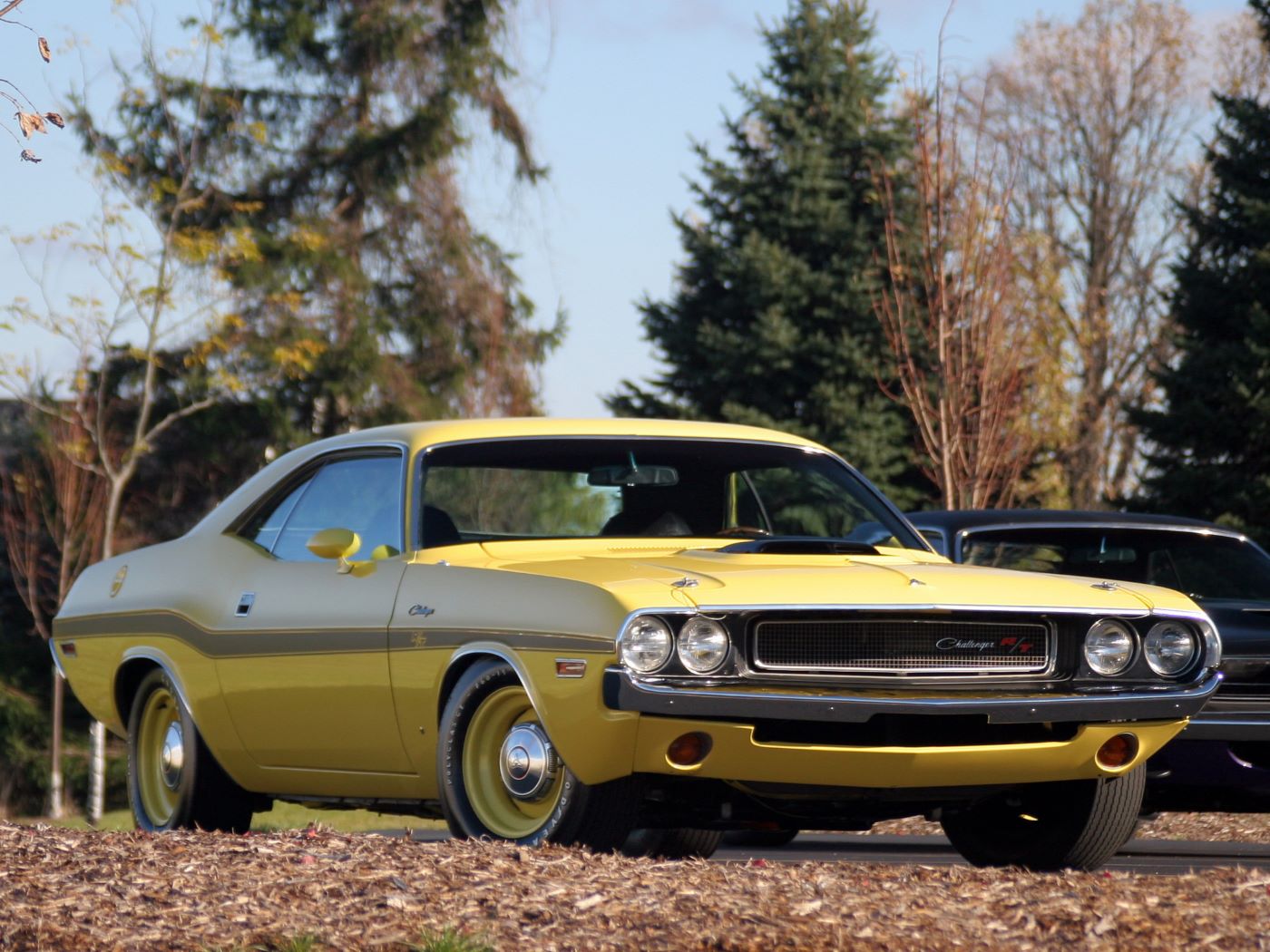
Dodge Challenger Base Models
Base model Dodge Challengers from the early 1970s provide an affordable way to enjoy one of Dodge’s most celebrated muscle cars.
While high-performance trims such as the R/T and T/A command premium prices due to their rarity and historical significance, base models share the same iconic body style and much of the same engineering.
This means buyers can enjoy the classic long hood, wide stance, and aggressive profile without stretching their budgets.
Many enthusiasts are surprised by how well base models capture the experience of the muscle car era, delivering a satisfying blend of style, comfort, and everyday usability.
Even without the high-output engines of the premium trims, base Challengers offer a strong and engaging driving experience. Most came with V8 engines of moderate displacement, which provided enough torque for lively acceleration and fun in everyday driving conditions.
The car’s long wheelbase and wide track contribute to stability at higher speeds, while the steering and suspension are forgiving enough for street driving.
Many owners focus on improving handling, braking, and minor engine tuning rather than chasing extreme horsepower, which makes the base Challenger a versatile and approachable muscle car for hobbyists or first-time classic car buyers.
Restoration and maintenance costs for base Challengers are reasonable because of the strong availability of aftermarket parts. The popularity of the Challenger ensures that replacement body panels, interior pieces, and mechanical components are widely produced, allowing enthusiasts to restore or customize the car without exorbitant expense.
Additionally, the mechanical systems are relatively straightforward, meaning that even owners with limited experience can perform maintenance or upgrades themselves.
This combination of accessibility and iconic design makes the base Challenger an excellent choice for someone who wants to enjoy classic Dodge styling without paying collector-level prices.
The appeal of the base model Challenger extends beyond affordability. Its timeless lines, classic proportions, and recognizable profile make it an instantly recognizable piece of automotive history. Even with modest performance, the car delivers the visual and tactile excitement that enthusiasts associate with muscle cars.
With thoughtful upgrades and proper care, a base Challenger can become a reliable daily driver, a show-quality vehicle, or a fun weekend cruiser, all while remaining within the reach of those seeking a reasonably priced entry into the muscle car hobby.
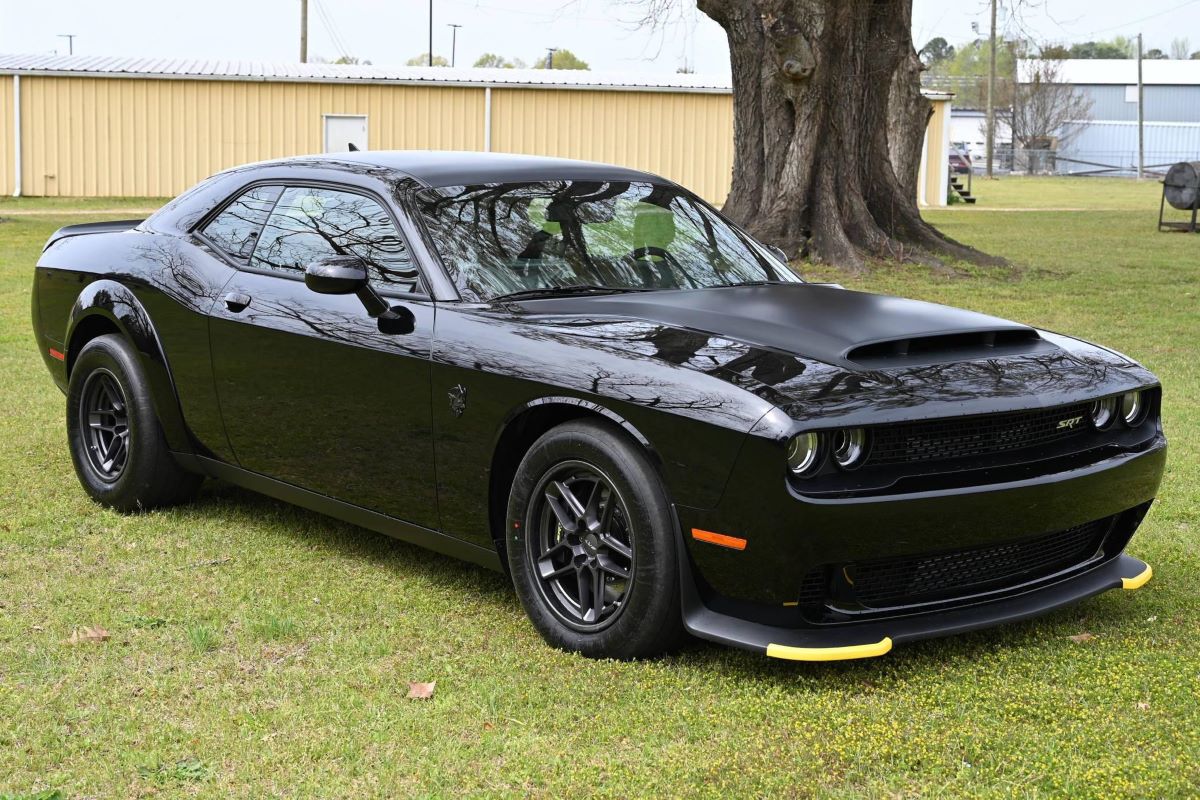
Dodge Demon
The Dodge Demon, sometimes referred to as the Dart Demon, is a compact muscle-inspired car that offers a unique blend of performance, style, and affordability.
Produced in the early 1970s, the Demon was Dodge’s attempt to provide a smaller, more economical alternative to its larger muscle cars while still delivering the thrill of a V8 engine.
Its compact size and lighter weight give it agility that larger muscle cars often lack, making it particularly enjoyable on twisty roads or in urban settings.
Despite being less famous than models like the Charger or Challenger, the Demon maintains a strong following among enthusiasts who appreciate its distinctive graphics, sporty design, and manageable size.
Performance was a strong point for the Demon relative to its weight. While the base engines offered modest output, V8-equipped models delivered lively acceleration and a responsive driving experience. The lightweight chassis amplified the power, allowing the car to feel nimble and quick even without extremely high horsepower figures.
The Demon’s short wheelbase and compact dimensions also make it easier to handle and park compared to larger muscle cars, adding to its practicality for daily driving or weekend outings. Owners often describe it as a “pocket muscle car” that delivers fun without requiring excessive space or fuel.
Affordability and character are key selling points of the Dodge Demon. Its distinctive styling, compact size, and spirited performance make it stand out in a crowd of larger, more common muscle cars.
While it may not have the fame or collector demand of a Challenger or Charger, it offers an accessible and enjoyable muscle car experience. For those looking for a small, fun, and historically significant Dodge, the Demon represents excellent value, offering both practicality and classic American charm.
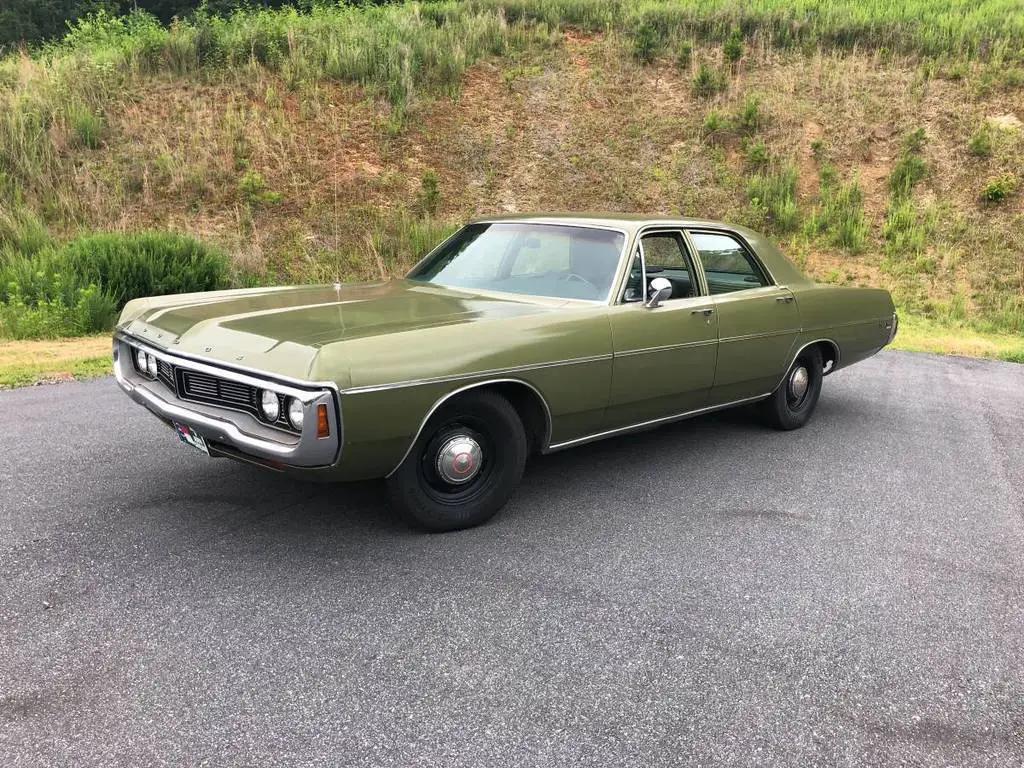
Dodge Polara
The Dodge Polara is a full-size muscle-inspired car that offers surprising value for enthusiasts seeking power and classic styling without high costs.
Introduced in the 1960s and continuing into the 1970s, the Polara could be equipped with a variety of V8 engines, including small and big block options, delivering respectable straight-line performance for its size.
While larger than most traditional muscle cars, the Polara’s proportions and design gave it a commanding presence on the road. It was often overshadowed by more famous Dodge models, which has helped keep prices accessible and provides buyers an opportunity to own a classic car with significant engine potential.
Comfort is a major advantage of the Polara. Its full-size interior offers spacious seating and a smooth ride that is well-suited to long drives or daily use.
Unlike smaller, more aggressively tuned muscle cars, the Polara emphasizes stability and comfort, which makes it an attractive choice for those who want both performance and practicality.
Many owners appreciate that they can drive the car for extended periods without fatigue, while still experiencing the power and sound of a classic V8 under the hood. The balance between comfort and performance makes the Polara an appealing option for a wide range of enthusiasts.
Affordability and understated style make the Dodge Polara a practical choice for those who want full-size muscle car presence without the collector-level pricing of rarer Dodge models.
Its spacious interior, comfortable ride, and strong performance options combine to create a car that is both usable and historically significant. For buyers seeking a large, powerful, and versatile classic Dodge, the Polara represents excellent value and an opportunity to enjoy American muscle in a slightly different package.
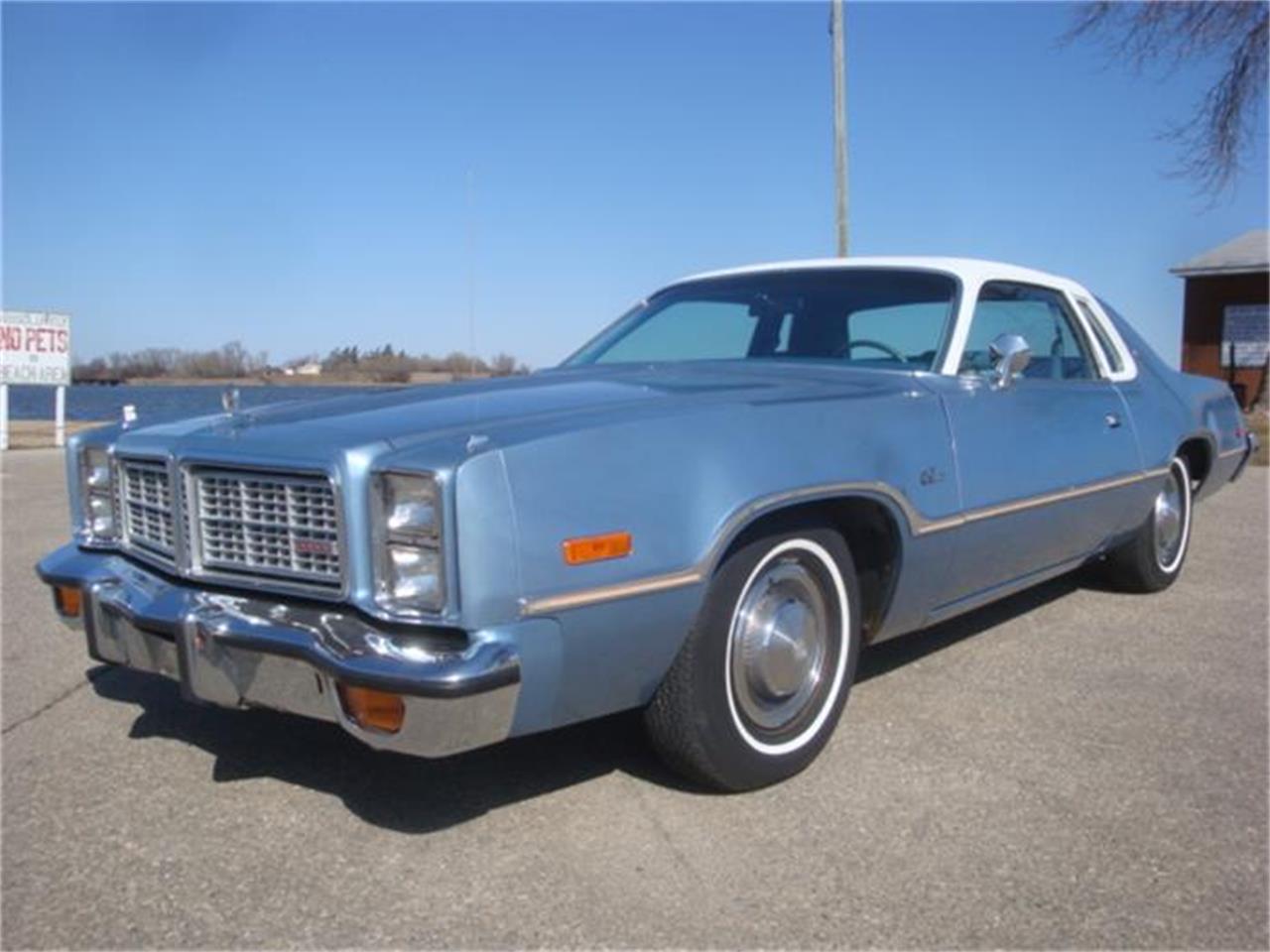
Dodge Monaco
The Dodge Monaco is a full-size classic that embodies the intersection of comfort, reliability, and muscle car power. Produced during the late 1960s and 1970s, it was often used as a family or fleet car, which has contributed to its affordable status today.
Despite its reputation as a practical vehicle, the Monaco could be equipped with strong V8 engines that delivered satisfying acceleration and highway performance.
Its understated design and larger size made it less of a target for collectors, which helps keep acquisition costs low and allows buyers to enjoy muscle-era performance without paying premium prices.
Restoration and maintenance are relatively straightforward due to the Monaco’s shared parts with other Dodge models. Engines, transmissions, and other components are durable and well-understood by mechanics, which helps keep repair costs manageable.
Cosmetic restoration may require attention, particularly for interior materials or exterior trim, but the car’s mechanical reliability ensures that owners can enjoy it immediately while gradually addressing cosmetic issues.
This approach makes the Monaco a sensible choice for buyers seeking a classic muscle-era Dodge without excessive expense.
The Dodge Monaco appeals to enthusiasts who prioritize comfort, usability, and affordability alongside muscle car power. Its larger size and understated style provide a unique perspective on the muscle car era, showing that performance and refinement could coexist.
For buyers who want a full-size classic Dodge with V8 capability that won’t dominate their budget, the Monaco delivers a compelling combination of history, practicality, and driving enjoyment.
