
Reaching 300,000 miles in a vehicle is not a matter of luck or coincidence. It is the result of careful engineering, conservative design choices, durable materials, and mechanical systems designed to last decades rather than years.
Cars that survive this distance are often the product of manufacturers who value consistency, reliability, and maintainability above flashiness or fleeting trends. These vehicles are rarely the most exciting on paper, yet their true value becomes apparent through real-world use over tens or hundreds of thousands of miles.
While many cars falter under the stresses of everyday driving, those that endure demonstrate the subtle brilliance of thoughtful automotive design.
They are a testament to engineering that favors longevity, simplicity, and predictable performance over short-term appeal or high horsepower figures.
A critical factor behind long-lasting vehicles is the simplicity of their mechanical systems. Engines designed with fewer extreme stresses, minimal complicated components, and proven layouts tend to last far longer than engines built for rapid power gains.
Transmissions that prioritize smooth and predictable operation over aggressive acceleration contribute to the endurance of these cars.
Cooling systems designed to operate efficiently without overheating, combined with robust internal engine components, significantly reduce wear over time.
Even small design decisions, such as a slightly lower compression ratio, naturally aspirated rather than turbocharged engines, or conservative tuning of fuel and ignition systems, can dramatically extend a car’s operational life.
Another essential element in achieving extreme mileage is the accessibility of parts and service knowledge. Vehicles that are easily understood and repaired tend to remain on the road much longer. Mechanics around the world are familiar with these models, parts remain affordable and widely available, and maintenance does not require exotic tools or excessive expertise.
This ecosystem of knowledge ensures that owners can keep their cars running without the fear of insurmountable repair costs or the unavailability of essential components. Reliability, in this sense, is not just mechanical but also practical. A car can be mechanically capable of reaching 300,000 miles, but without a support system for repairs and maintenance, longevity becomes almost impossible.
Finally, the following cars have earned reputations for surpassing 300,000 miles while remaining functional, comfortable, and safe. They represent a wide range of eras, countries of origin, and body styles, yet all share a commitment to durability, ease of maintenance, and predictable performance.
These vehicles are proof that long-lasting cars are not a myth or marketing claim but real machines proven through decades of real-world use. They show that with regular care, mechanical understanding, and quality construction, a car can continue to serve its owner reliably for far longer than most people expect, making them some of the most respected models in automotive history.
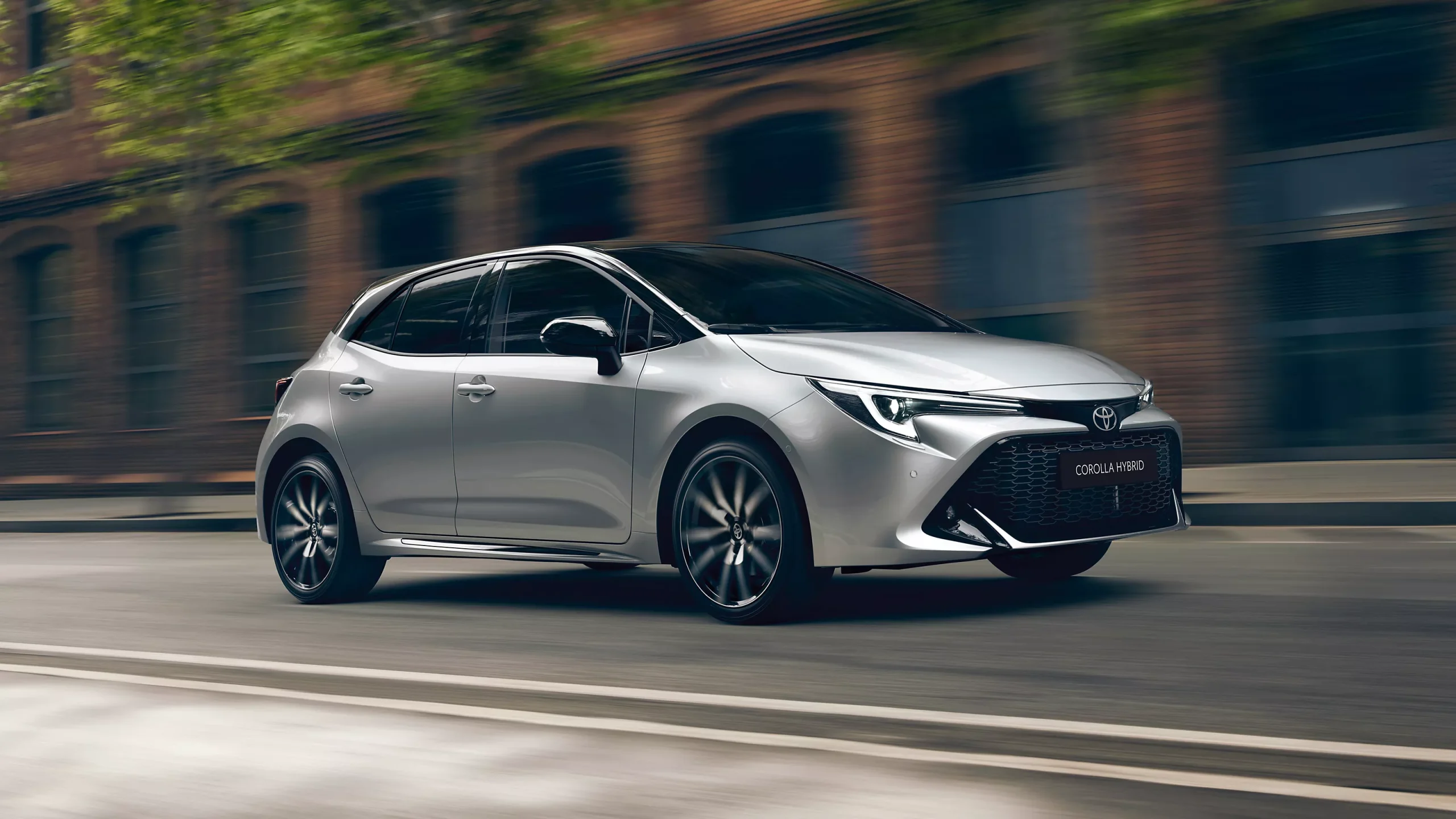
Toyota Corolla
The Toyota Corolla has earned a reputation as one of the most reliable vehicles ever produced. Its engines are not designed to impress with raw power or flashy performance, but they are remarkably durable and consistent over time. Typically featuring naturally aspirated four-cylinder engines, the Corolla’s powerplants are engineered to operate efficiently without placing excessive stress on internal components.
Timing chains or long-life belts reduce the likelihood of catastrophic failures, while robust cooling and fuel systems ensure that the engine remains stable even in extreme conditions. The simplicity of its engine design means that it wears gradually rather than suddenly, which allows many Corollas to reach extraordinary mileage when maintained properly.
Transmission design is another key reason why the Corolla consistently achieves high mileage. Both manual and automatic transmissions are engineered for smooth and predictable operation rather than high performance.
Gear ratios are carefully chosen to keep engine speeds reasonable during extended highway driving, which helps minimize wear on the engine and drivetrain. Automatic transmissions, when serviced according to recommended intervals, can continue shifting smoothly beyond 200,000 miles, with many surpassing 300,000. Owners often find that even higher-mileage transmissions retain their reliability when the fluid is changed regularly, highlighting the importance of preventative care.
Beyond the engine and transmission, the Corolla’s chassis and suspension components contribute significantly to its longevity. Bushings, control arms, shocks, and steering components are designed to wear gradually and predictably, which allows minor repairs to be addressed before they escalate into major problems.
The car’s compact size and moderate weight also reduce stress on these systems. Additionally, rust protection on many models ensures that the body and frame remain structurally sound, particularly in regions where road salt is not heavily used. These elements collectively allow the Corolla to maintain reliability over hundreds of thousands of miles.
The Corolla also benefits from a global reputation that ensures parts and knowledge are readily available. Mechanics are highly familiar with its components, which makes repairs simpler, faster, and less costly than more complicated vehicles.
Replacement parts are abundant and affordable, so owners are encouraged to perform routine maintenance instead of delaying it due to expense. This combination of reliability, serviceability, and affordability has resulted in countless Corollas exceeding 300,000 miles, often continuing to operate smoothly and providing dependable transportation for decades.

Toyota Camry
The Toyota Camry represents a slightly larger and more refined approach to long-term reliability compared to the Corolla. Its engines, whether four-cylinder or V6, are well-regarded for smooth operation and conservative engineering, allowing them to last hundreds of thousands of miles with consistent maintenance.
The four-cylinder engines are particularly durable because of their low-stress design, though the V6 models also benefit from robust internal components and careful tuning that minimizes wear. The Camry’s engine architecture emphasizes balance and stability rather than aggressive output, which contributes significantly to its long lifespan.
Transmissions in the Camry are designed for smooth, predictable shifting rather than rapid acceleration. This is especially true for automatic transmissions, which are engineered to reduce internal friction and heat buildup. Such design considerations minimize the likelihood of failure over extended use.
With regular transmission fluid changes, even high-mileage Camrys maintain reliable performance and smooth gear changes, which is a major factor in the car’s reputation for longevity. The consistency of these systems allows owners to trust their vehicles for long-distance commuting and daily driving without worrying about costly failures.
The interior and chassis of the Camry are also built with durability in mind. Seat materials, trim panels, and controls resist wear and retain functionality over decades, making the vehicle feel comfortable even after extensive use.
Suspension components are engineered to provide a stable ride without excessive stress, while steering systems are precise and resilient. These features combine to create a car that remains practical and enjoyable to drive even after high mileage, encouraging owners to keep the vehicle rather than replacing it prematurely.
A major factor in the Camry’s continued popularity is its widespread support network. Replacement parts are plentiful and reasonably priced, and mechanics are familiar with the car’s systems, making repairs relatively straightforward.
This accessibility, combined with proven durability, allows many Camrys to exceed 300,000 miles without serious mechanical issues. Owners who follow recommended maintenance schedules often find that their Camry remains reliable and comfortable for decades, reinforcing its status as one of the longest-lasting mid-size sedans ever produced.
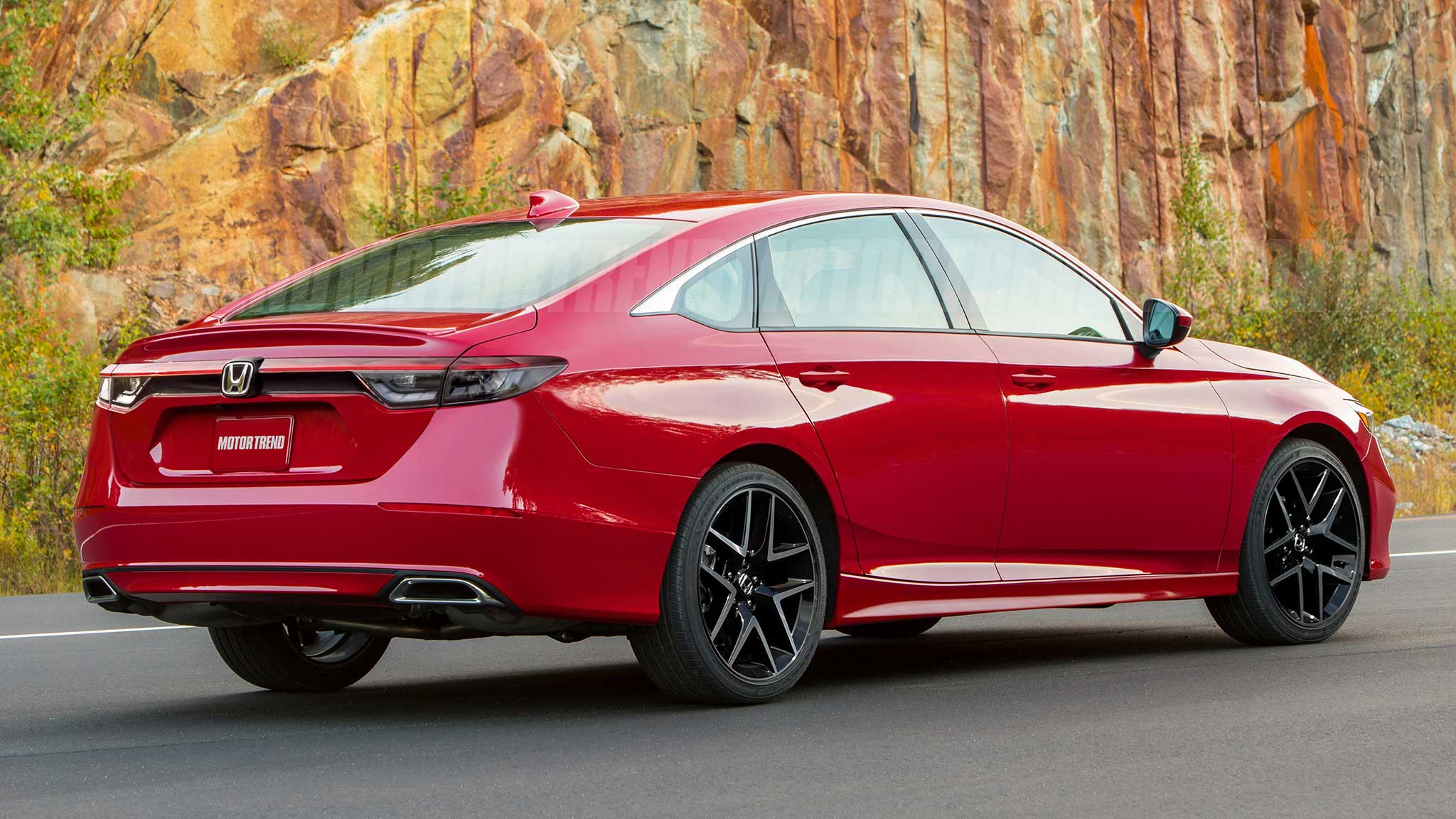
Honda Accord
The Honda Accord has earned a long-standing reputation for reliability and longevity, balancing performance and practicality in a way few cars manage. Its engines are praised for efficient design and mechanical precision, allowing them to provide steady power without placing excessive strain on critical components.
Both four-cylinder and V6 engines demonstrate strong durability, maintaining compression and smooth operation even after extensive use. Honda’s commitment to precision engineering ensures that internal wear occurs gradually, making it possible for these engines to endure well past 300,000 miles with proper maintenance.
Accord transmissions are another reason for the model’s longevity. Manual versions are particularly robust, featuring smooth engagement, precise gear ratios, and durable components that tolerate frequent shifting over long periods.
Automatic transmissions vary in reliability depending on the model year, but many maintain strong performance well into high mileage when serviced regularly. Proper fluid maintenance is critical, as it reduces heat and wear, which are major contributors to transmission failure in high-mileage vehicles.
The suspension and steering systems in the Accord are designed to provide comfortable yet responsive handling while remaining durable. Components such as shocks, struts, and control arms wear gradually, and replacement parts are typically easy to find and replace.
This allows owners to maintain ride quality and handling characteristics without excessive cost or effort. The car’s balance between ride comfort and mechanical simplicity contributes to its ability to remain a dependable daily driver even after long-term use.
Owner behavior also contributes to the Accord’s high-mileage success. Many Accord owners follow recommended maintenance schedules closely, which prolongs the life of the engine, transmission, and other critical systems.
This commitment to care, combined with Honda’s reputation for reliability, results in countless examples of Accords exceeding 300,000 miles. These vehicles continue to offer dependable, comfortable, and predictable performance, highlighting Honda’s ability to engineer long-lasting automobiles.
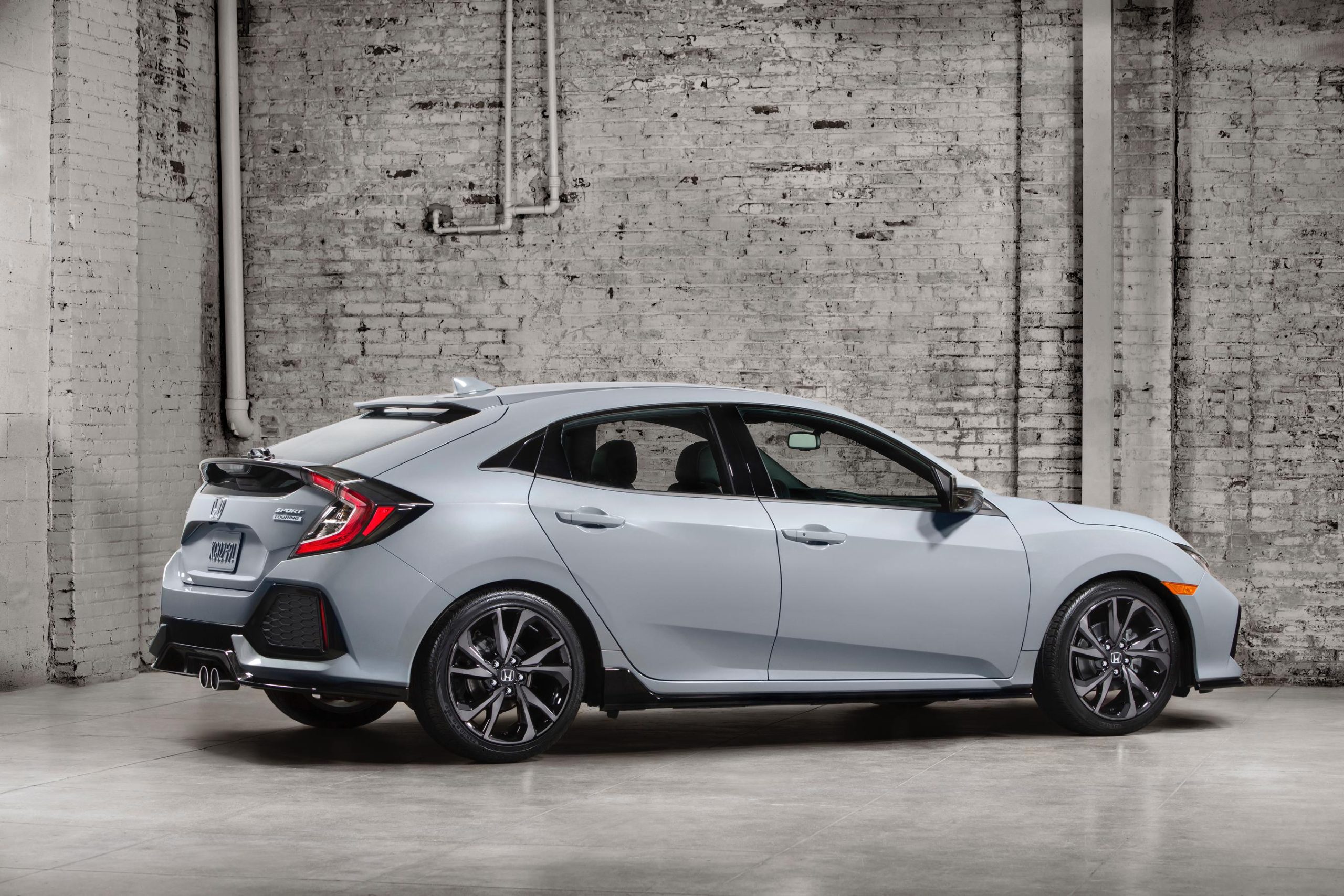
Honda Civic
The Honda Civic is often recognized for its efficiency and compact design, but it is also a standout in terms of durability and long-term reliability.
Its small, efficient engines are engineered to rev freely while minimizing wear, allowing them to maintain strong performance over extended periods. Lightweight internal components, effective cooling systems, and efficient lubrication all contribute to longevity, ensuring that engine performance remains stable even after hundreds of thousands of miles.
Civic transmissions, particularly manual versions, are known for their strength and resilience. Smooth clutch engagement, well-balanced gearing, and low internal stress allow these transmissions to last far longer than in many competing vehicles. Automatic transmissions, when properly maintained, also achieve impressive mileage. The car’s relatively light weight reduces strain on the drivetrain, which is a key factor in why Civics continue running reliably after many years of use.
Simplicity is a hallmark of the Civic’s design. Fewer luxury or electronic systems mean fewer components that can fail over time. Electrical systems tend to be reliable, and mechanical components are easy to access, making routine maintenance and repairs straightforward.
This encourages owners to address issues promptly, preventing minor problems from escalating into major failures that would otherwise shorten the vehicle’s lifespan.
Economic considerations also support long-term ownership of the Civic. Affordable parts, low fuel consumption, and reasonable repair costs make it practical for owners to maintain their vehicles over extended periods. Many Civics have surpassed 300,000 miles, continuing to provide dependable, efficient, and reliable transportation while retaining much of their original performance and usability.
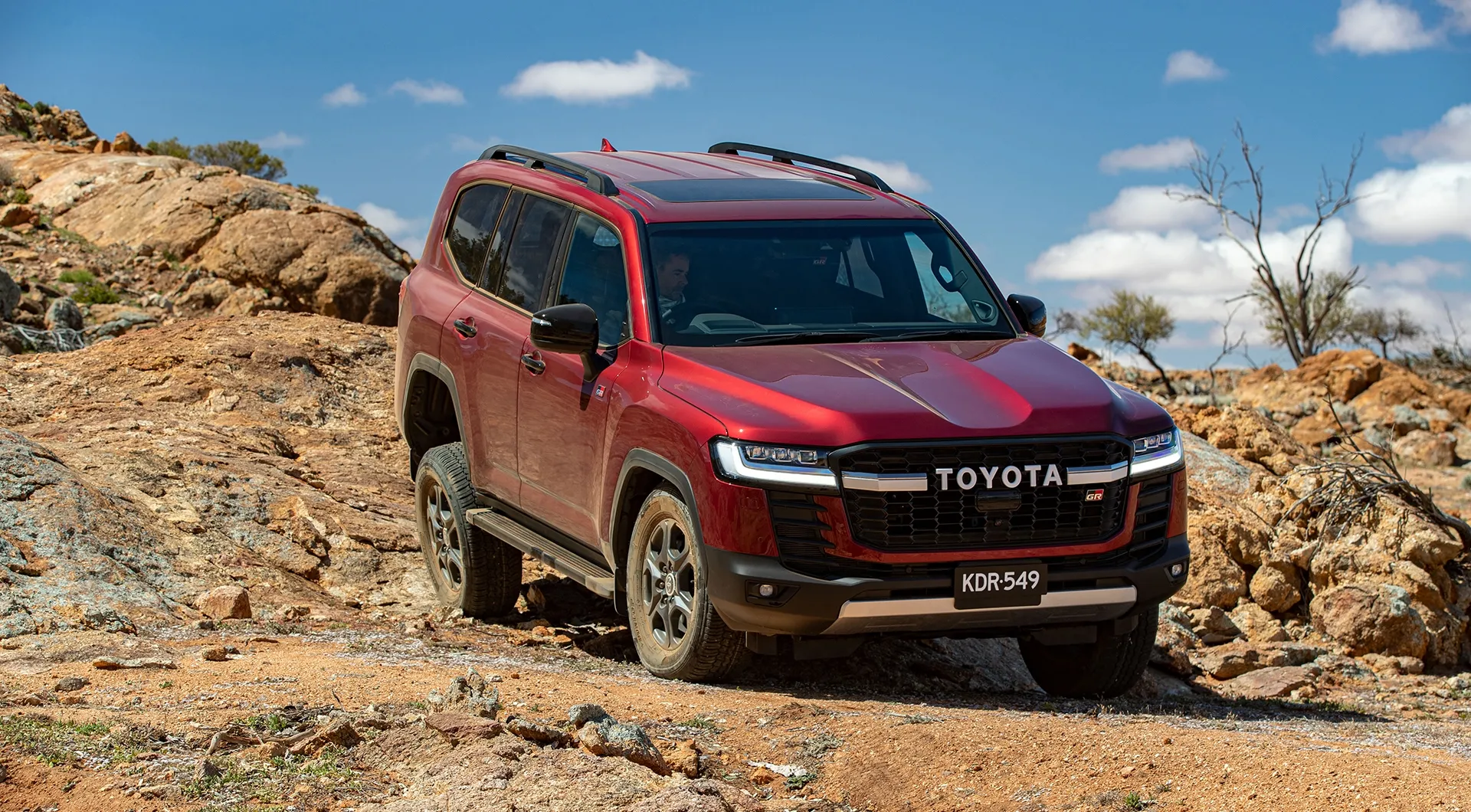
Toyota Land Cruiser
The Toyota Land Cruiser is a vehicle designed for durability and endurance, capable of surviving some of the harshest conditions on earth. Its engines are deliberately overbuilt, emphasizing longevity and reliability rather than peak output or extreme efficiency.
These power plants are capable of carrying heavy loads, operating in extreme temperatures, and continuing to perform even when maintenance intervals are stretched, which contributes to their legendary long-term reliability.
The Land Cruiser’s drivetrain is engineered to withstand extreme stresses. Transmissions, transfer cases, and differentials are designed for heavy-duty use, allowing them to remain operational even under significant loads or rough terrain.
When these vehicles are used primarily on highways and city roads, the components experience far less stress than they were designed for, which results in extremely long life spans. Many Land Cruisers surpass 300,000 miles with the original drivetrain intact, a testament to the careful engineering applied to these systems.
The chassis and suspension of the Land Cruiser are equally robust. The vehicle features a strong frame, reinforced suspension components, and high-quality materials that resist fatigue and corrosion. Even after decades of exposure to harsh environments, many Land Cruisers remain structurally sound and capable of providing safe, reliable transportation. This durability extends to the interior as well, with well-built controls and durable surfaces supporting extended use.
Maintenance costs for the Land Cruiser can be higher than smaller, less complex vehicles, but the investment pays off in extraordinary reliability. Owners who adhere to regular service schedules often report that their vehicles continue operating smoothly and reliably well past 300,000 miles. This combination of robust engineering, durability-focused design, and accessible maintenance makes the Land Cruiser one of the most legendary long-lasting vehicles in automotive history.
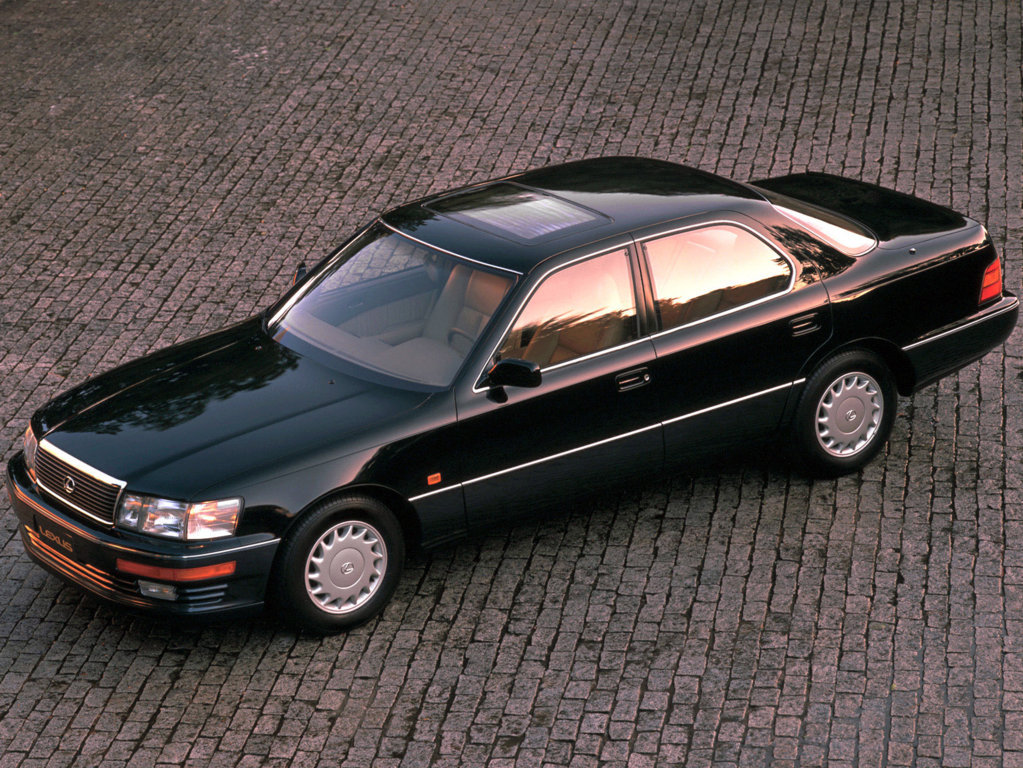
Lexus LS400
The Lexus LS400 was conceived as a luxury sedan that could combine refinement with extraordinary reliability, a rare balance in the automotive world. Its V8 engine is designed for smooth, quiet operation while prioritizing mechanical endurance over extreme performance.
The engine features strong internal components, balanced rotating assemblies, and precise manufacturing tolerances that allow it to operate efficiently for decades.
Low-stress tuning and a robust lubrication system help prevent premature wear, and the car’s naturally aspirated engine avoids the complexity and potential failure points of turbocharged setups.
Owners often report that even after hundreds of thousands of miles, the LS400 maintains consistent power delivery with minimal oil consumption and no major mechanical issues.
The LS400’s transmission is another factor in its legendary longevity. Automatic gearboxes are engineered for smooth, seamless shifting rather than aggressive performance, which reduces internal stress and heat buildup.
This careful engineering allows the transmission to remain reliable well past 200,000 miles, and with consistent fluid changes, many surpass 300,000 miles without requiring major service. The combination of a low-stress engine and a durable transmission ensures that the car continues to operate smoothly under daily driving conditions while preserving key drivetrain components.
The interior build quality also plays a role in the LS400’s long-lasting appeal. High-quality leather, solid switches, and carefully engineered controls resist wear and maintain their functionality over decades.
Seats remain supportive, dashboard materials resist cracking, and trim pieces retain their appearance even in sunlight-heavy environments. This level of durability not only makes the car more enjoyable to drive but also encourages owners to maintain and preserve the vehicle for long-term use, contributing to its extraordinary mileage potential.
Maintenance practices are a critical factor in achieving the LS400’s high mileage. While these vehicles are more complex than compact sedans, parts availability and a strong knowledge base among mechanics make long-term ownership feasible.
Owners who consistently replace fluids, timing belts, and other wear components often find their LS400 running smoothly well past 300,000 miles. This combination of luxury, build quality, and engineering foresight makes the LS400 one of the most remarkable examples of a long-lasting vehicle capable of delivering decades of dependable performance.
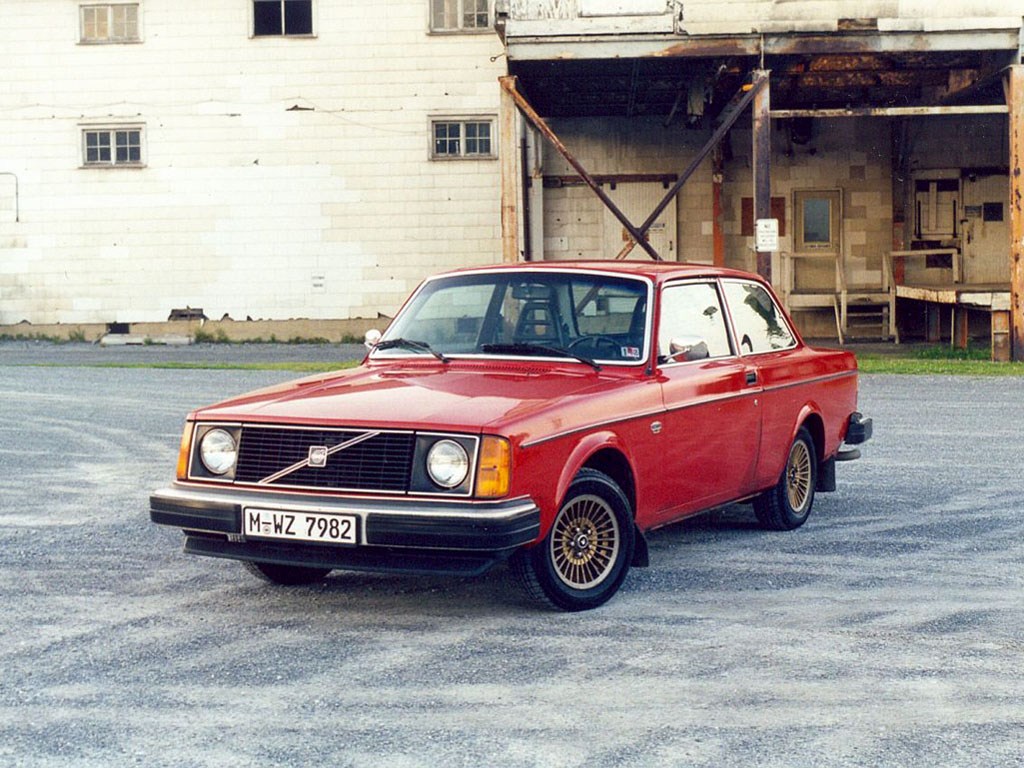
Volvo 240
The Volvo 240 is often regarded as a symbol of mechanical durability and practical design. Its engines are built with heavy-duty blocks, simple valve trains, and conservative tuning, allowing them to last for hundreds of thousands of miles.
Power output is modest, which reduces stress on critical components, while the engines’ design emphasizes longevity over short-term performance gains. The simplicity of the mechanical systems, combined with excellent cooling and lubrication, allows the engines to maintain stable operation even under high mileage and frequent use, making the 240 one of the most reliable cars of its era.
The 240’s suspension and chassis design contribute significantly to its ability to survive for decades. Strong frames, heavy-duty control arms, and simple yet effective shock absorbers allow the car to handle rough roads without significant wear.
Rust resistance is also a feature on many models, allowing the car’s body to remain structurally sound even in regions with harsh winters or heavy road salt. The durability of the frame and suspension ensures that the car can maintain predictable handling and ride quality over long-term ownership.
Mechanical simplicity is another reason the Volvo 240 has earned a reputation for longevity. Unlike more complex vehicles, most systems are easy to diagnose and repair.
Electrical components, fuel systems, and other wear-prone elements are designed to be accessible and replaceable, encouraging owners to perform routine maintenance rather than abandoning the vehicle due to cost or complexity. The combination of robust design and easy serviceability allows the 240 to continue operating reliably well beyond the mileage that would sideline most modern cars.
Finally, a strong community of Volvo enthusiasts and mechanics has developed around the 240, which helps maintain these vehicles on the road. Replacement parts are generally easy to source, and repair knowledge is widespread, making it practical for owners to address any issues promptly.
This strong support network, combined with the car’s inherently durable design, has resulted in countless Volvo 240s surpassing 300,000 miles. Many of these vehicles remain functional, comfortable, and safe decades after their initial production, cementing their place as one of the most long-lasting cars in history.
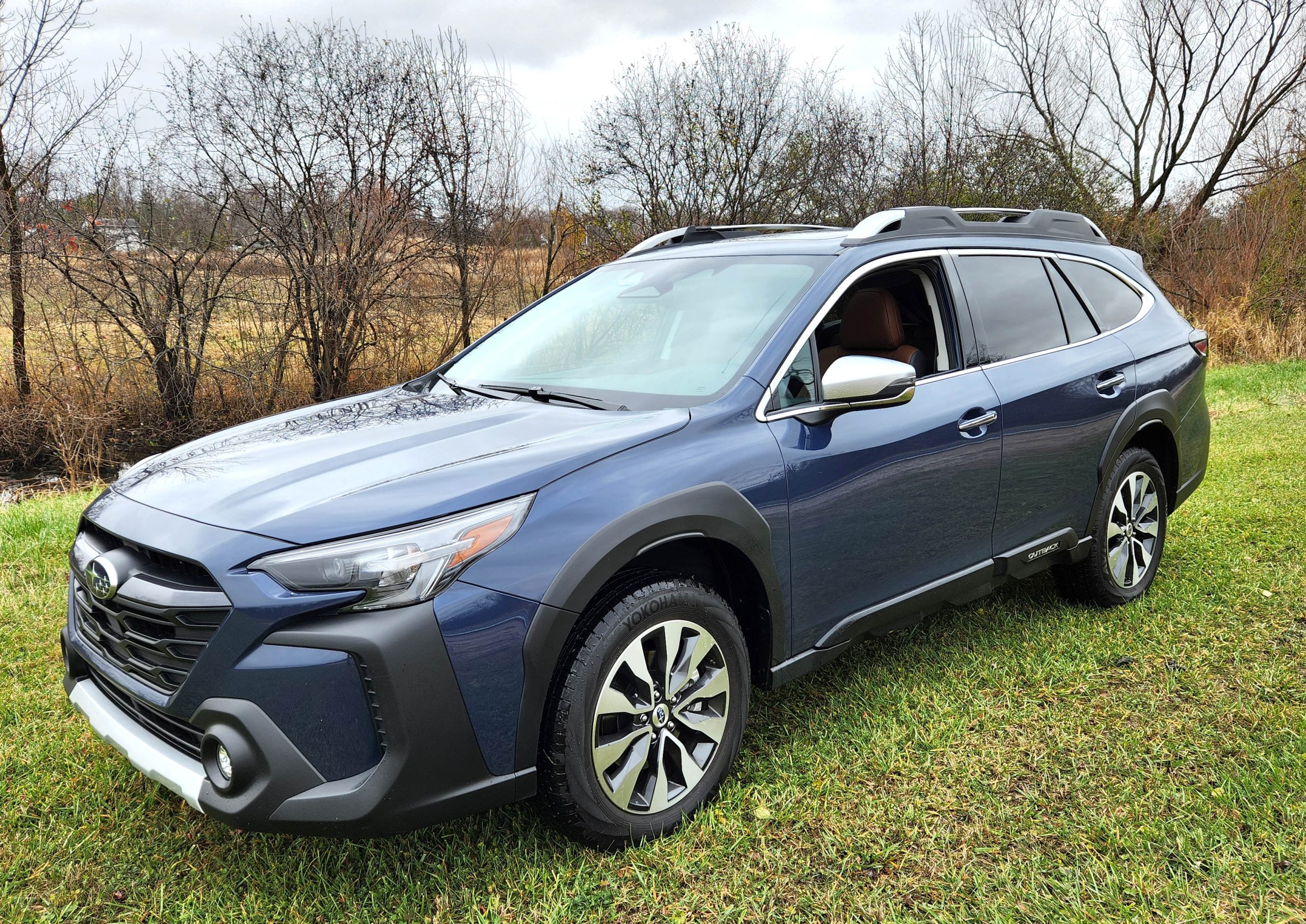
Subaru Outback
The Subaru Outback has earned a reputation for long-term reliability, especially when owners adhere to regular maintenance schedules. Its horizontally opposed engine design contributes to mechanical balance and smooth operation. This layout distributes engine forces evenly, which reduces internal wear and helps maintain long-term reliability.
Engine components are built for durability, with robust cooling, lubrication, and materials that resist common forms of mechanical degradation. While Subarus require attentive maintenance, particularly regarding head gaskets in older models, well-cared-for vehicles often exceed 300,000 miles with stable performance.
The Outback’s all-wheel-drive system is a major contributor to its durability and resilience. By distributing power evenly to all four wheels, it reduces the strain on individual drivetrain components. The system is designed to handle harsh weather, uneven terrain, and daily commuting demands.
Proper maintenance, including regular fluid changes and inspections, ensures that the transfer case, differentials, and transmission remain reliable even under extended use. This capability makes the Outback not only versatile but capable of reaching extraordinary mileage without major failures.
Chassis and suspension design in the Outback also supports long-term use. The suspension is engineered to handle both on-road comfort and occasional off-road conditions, meaning that it is durable enough to withstand decades of variable driving conditions.
Control arms, bushings, and shocks are designed to wear slowly and predictably, allowing owners to address replacements before serious damage occurs. The interior, while practical rather than luxurious, uses durable materials that can survive heavy use over many years, further encouraging longevity.
Owners who follow recommended service schedules often find that the Subaru Outback remains dependable far beyond the typical lifespan of a modern vehicle. With proper maintenance of fluids, brakes, and drivetrain components, these vehicles can easily surpass 300,000 miles while remaining comfortable, versatile, and mechanically reliable.
The combination of a durable engine, AWD system, and robust chassis design ensures that the Outback continues to serve its owners reliably for decades.
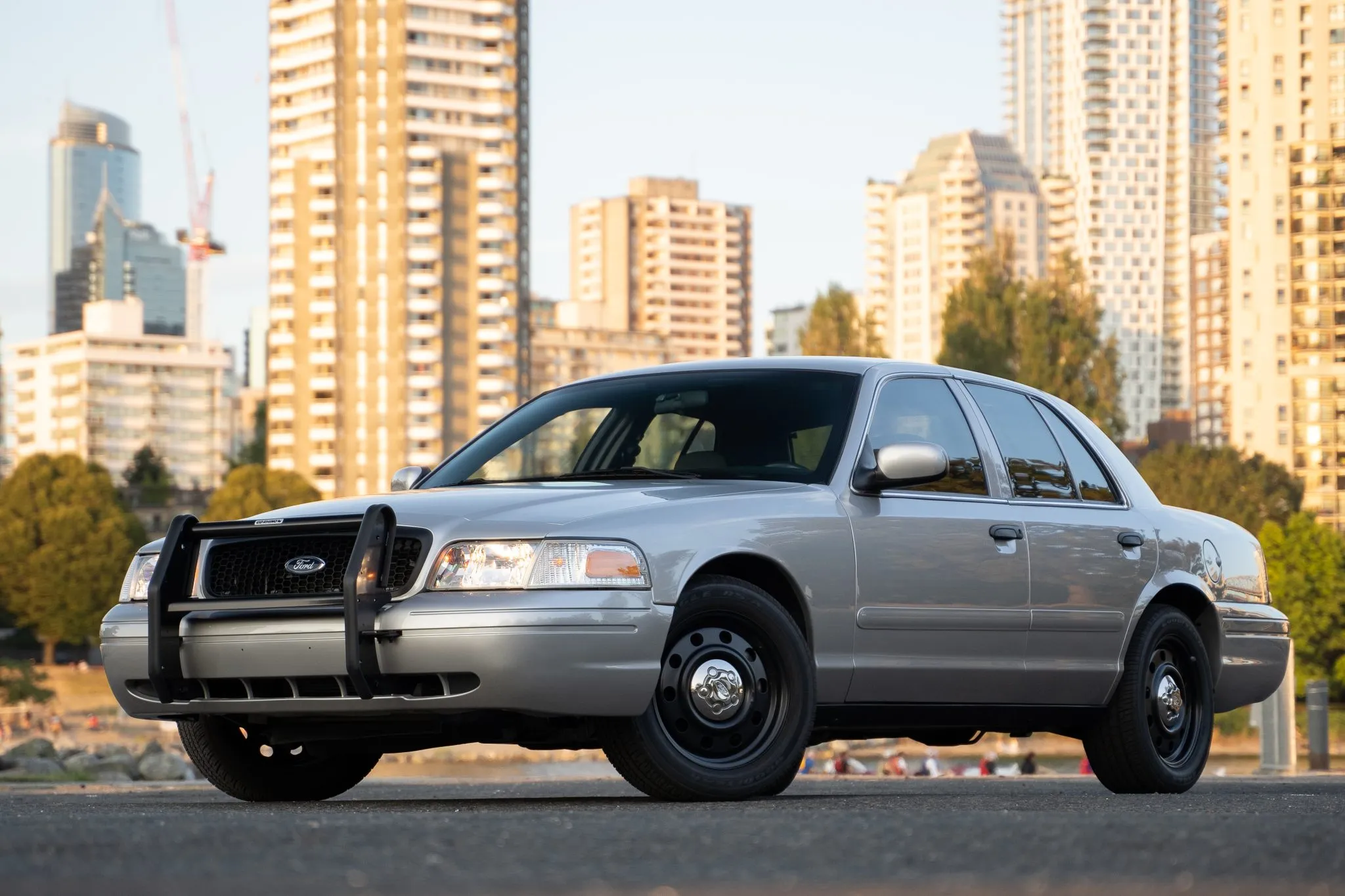
Ford Crown Victoria
The Ford Crown Victoria was engineered with heavy-duty applications in mind, particularly for police, taxi, and fleet use, which has contributed greatly to its reputation for durability. Its V8 engine is simple, powerful, and built to withstand long hours of operation without significant wear.
The engine’s low-stress design allows it to perform consistently under heavy loads, extended idling, and stop-and-go city driving. Many Crown Victorias have accumulated hundreds of thousands of miles while still maintaining reliable engine performance, making them one of the most long-lasting American sedans ever produced.
The transmission in the Crown Victoria is similarly engineered for longevity. Automatic gearboxes are robust, designed to tolerate frequent use and extended idling without failure.
The vehicle’s drivetrain, combined with a sturdy rear-wheel-drive layout, ensures that power delivery remains predictable and reliable even under heavy loads or long-term use. When owners maintain the transmission with regular fluid changes, it is not uncommon for the gearbox to last well past 300,000 miles, providing smooth operation and dependable shifting throughout the vehicle’s life.
The Crown Victoria’s body-on-frame construction is a major factor in its durability. The frame absorbs stress from the suspension and body, protecting the integrity of the car over time. Suspension components such as control arms, bushings, and shocks are designed for longevity and easy replacement, which makes the car easy to maintain. Rust-resistant panels on many models also help the car survive in challenging climates, further contributing to its long-term reliability.
Finally, the widespread use of the Crown Victoria as a fleet vehicle has created an extensive support network. Replacement parts are affordable and readily available, and mechanics are familiar with the car’s systems, making repairs straightforward and cost-effective.
This combination of engineering foresight, mechanical simplicity, and accessibility has allowed many Crown Victorias to surpass 300,000 miles while remaining comfortable, reliable, and capable of daily driving duties even decades after their initial production.
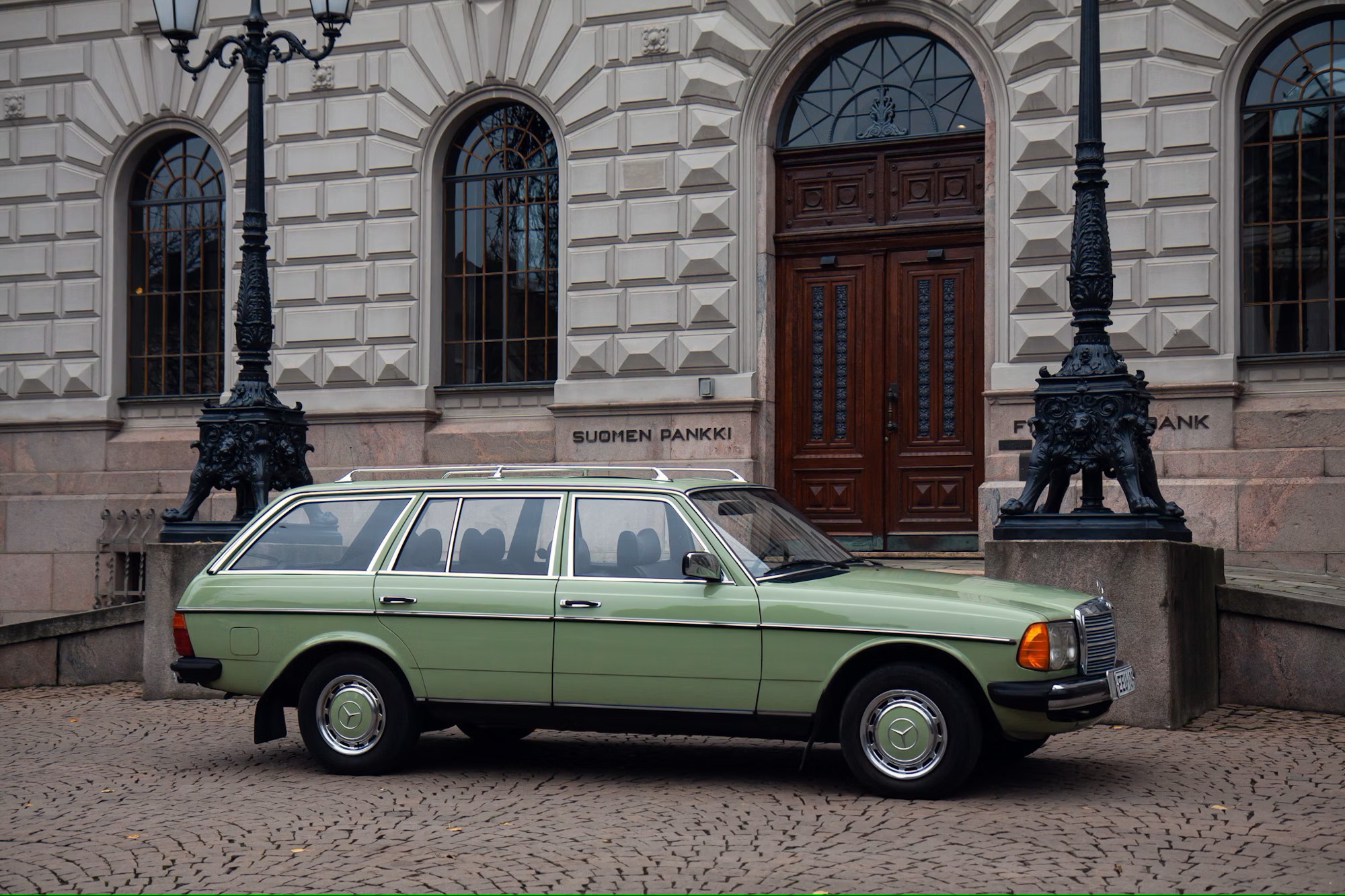
Mercedes Benz W123 300D
The Mercedes-Benz W123 300D is widely considered one of the most durable vehicles ever made. Its diesel engine was designed for endurance, with heavy-duty internal components, efficient fuel delivery, and low-stress operation. This engine configuration allows it to operate continuously under high mileage without significant wear.
The use of robust materials, precision engineering, and simple mechanical design ensures that even vehicles decades old continue to run smoothly with proper maintenance. Many W123 300Ds have reached mileage well beyond 300,000, demonstrating the effectiveness of Mercedes’ focus on durability.
Transmission reliability is another hallmark of the W123. Both manual and automatic versions were engineered to handle high mileage, torque, and daily driving demands.
Smooth gear changes, durable internal components, and conservative engineering allow the transmission to remain functional for hundreds of thousands of miles, particularly when proper fluid changes are performed. These characteristics make the W123 not only reliable but exceptionally long-lasting compared to other vehicles of its era.
The build quality of the W123 extends beyond the engine and transmission. Its thick metal panels, solid interior components, and high-quality materials resist wear, corrosion, and fatigue, which contribute to the vehicle’s longevity.
Even after decades of use, the interior remains functional and relatively comfortable, while the structural integrity of the body is often maintained. This durability allows owners to drive the car safely for decades, even under heavy usage.
Regular maintenance is critical for the W123 to achieve its full potential. Diesel fuel systems, brakes, and other consumables require attention, but parts are available and the car is straightforward to service.
Owners who commit to proper maintenance often find that the W123 continues to operate reliably well past 300,000 miles, providing a rare combination of mechanical simplicity, luxury, and exceptional endurance that few other vehicles can match.
