

Vehicle ownership is not only defined by the purchase price but also by the long term financial commitment required to keep a car running reliably. Maintenance costs often determine whether a vehicle remains affordable over many years or becomes a constant financial burden.
For buyers in 2026, this concern is especially relevant as labor costs continue to rise, parts pricing fluctuates, and vehicles become increasingly complex.
American car manufacturers have responded to these challenges by refining engineering practices, simplifying mechanical systems, and improving durability across several models that prioritize cost efficiency and dependability.
Maintenance expenses include routine services such as oil changes, brake replacements, tire rotations, and fluid checks, as well as less frequent repairs like suspension components, cooling system parts, and electrical repairs. Cars with lower maintenance costs typically share several traits.
They use proven engines rather than experimental designs, avoid overly complex electronics, rely on widely available replacement parts, and have service procedures that do not require extensive labor time.
American brands have traditionally excelled in these areas due to domestic manufacturing, strong dealership networks, and long standing mechanical platforms.
Another factor that influences maintenance affordability is reliability consistency. Vehicles that age predictably allow owners to budget accurately for repairs instead of dealing with unexpected breakdowns.
Models that share components across multiple years and trims also benefit from economies of scale, which keeps replacement parts inexpensive and readily available. In addition, many American cars continue to use naturally aspirated engines or conservative turbocharging setups that place less stress on internal components.
This article focuses on ten American cars expected to have the lowest maintenance costs in 2026 based on design philosophy, historical reliability trends, ease of service, and component durability.
The list includes sedans, compact cars, and small crossovers that emphasize practicality over excessive performance or luxury features. Each vehicle is discussed in depth to explain why it stands out as a cost effective option for long term ownership.
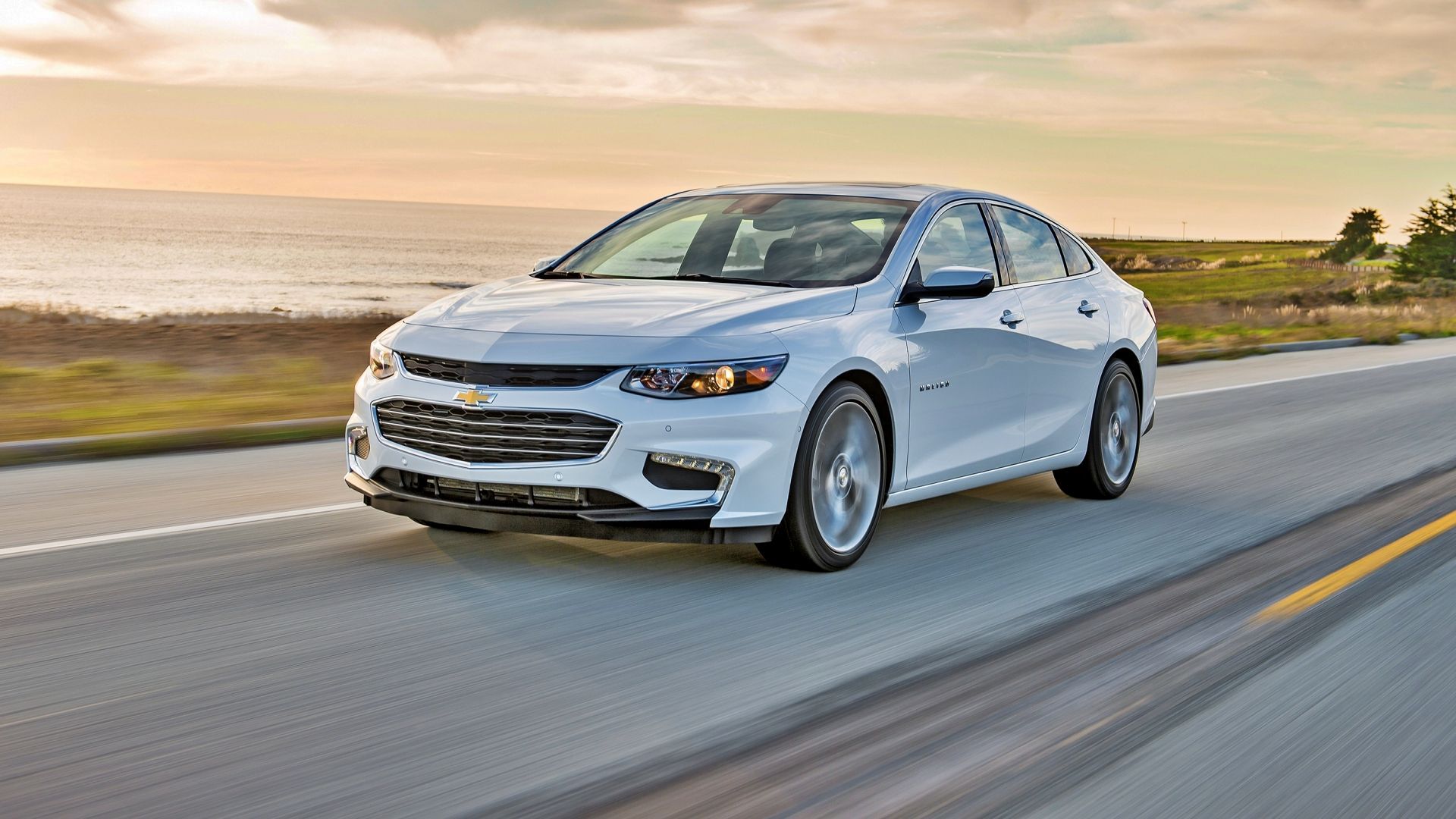
Chevrolet Malibu
The Chevrolet Malibu continues to earn recognition for its straightforward mechanical design and emphasis on everyday reliability. Its engine lineup has traditionally favored proven four cylinder configurations that avoid excessive strain on internal components.
These engines operate efficiently under normal driving conditions, which reduces wear and extends service intervals. Owners frequently report that oil changes, spark plug replacements, and minor tune-ups are affordable and straightforward, especially compared to vehicles with more complex powertrains.
The Malibu also benefits from a predictable maintenance schedule, meaning that owners can plan and budget for expenses without being surprised by sudden repairs, which is a critical factor for long term affordability.
Another reason the Malibu maintains low ownership costs is its suspension and braking system. The components are designed for comfort rather than aggressive handling, which means they experience less stress over time.
This is particularly important for drivers in urban or suburban areas where frequent stops and uneven road surfaces are common.
Brake pads and rotors tend to last longer than those on performance-oriented sedans, and suspension parts such as control arms and bushings often exceed their expected lifespans.
These features allow owners to avoid costly replacements while maintaining ride quality and safety standards, making it a dependable option for families or daily commuters.
Interior electronics in the Malibu are intentionally restrained compared to luxury competitors. While it still offers modern infotainment and safety features, it avoids overly complex systems that often fail as vehicles age.
Systems such as the touchscreen, climate control, and basic driver assistance features are designed with simplicity and reliability in mind.
This simplicity contributes to lower diagnostic and repair costs, especially once the factory warranty expires. For owners concerned about long term ownership, having fewer potential electronic failures translates to significant savings over the life of the vehicle, especially when compared to cars that feature more experimental technology.
Parts availability is another major advantage. As a long running model with high production numbers, replacement components for the Malibu are widely available across dealerships and independent repair shops.
This keeps pricing competitive and reduces labor time, as mechanics are already familiar with the vehicle’s layout and common maintenance procedures. From engine components to suspension parts, the widespread availability of parts ensures that repairs are completed efficiently and affordably.
Combined with the vehicle’s reliability record, this makes the Malibu one of the most attractive midsize sedans for buyers seeking low maintenance costs in 2026.
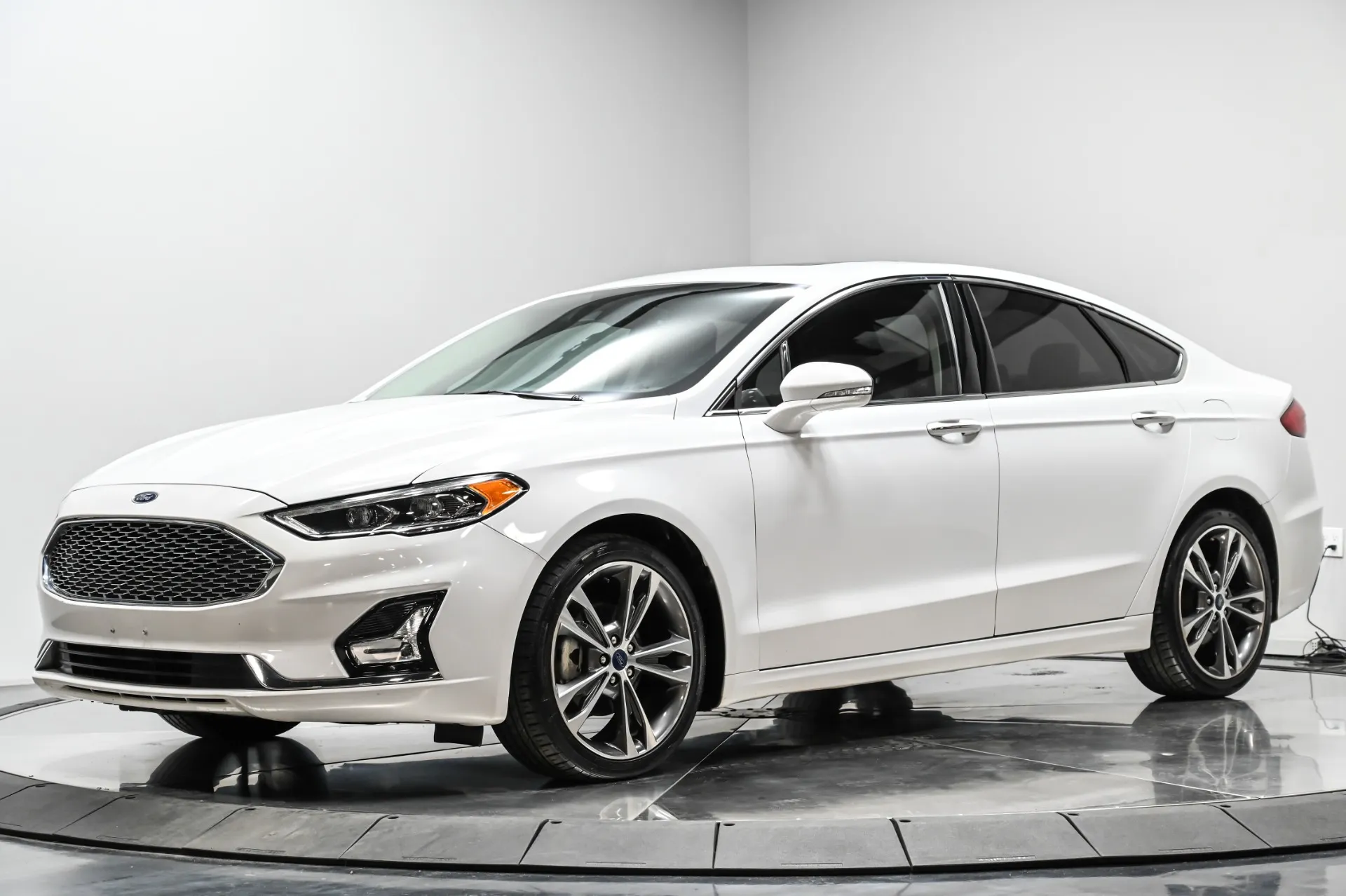
Ford Fusion
The Ford Fusion remains a strong option for drivers seeking a balance between comfort and manageable maintenance expenses. Its mechanical architecture relies on engines that have been refined over multiple generations, allowing Ford to address weaknesses and improve long-term durability.
These engines typically deliver consistent performance without requiring premium fuel or specialized service procedures.
Additionally, Fusion owners benefit from clear manufacturer maintenance guidelines, which help prevent preventable failures and keep costs predictable. This makes it easier for drivers to budget for ownership expenses and reduces the risk of unexpected financial strain.
The Fusion benefits from a well engineered cooling and lubrication system that helps prevent overheating and premature engine wear.
Radiators, thermostats, and oil circulation systems are designed for efficiency and longevity, ensuring that heat and friction are managed effectively.
As a result, major engine repairs are less common when routine maintenance is followed. Transmission servicing is also relatively straightforward, with many fluid changes and inspections able to be completed quickly.
This predictability in maintenance routines ensures that drivers spend less on both parts and labor, which directly contributes to lower lifetime costs.
Suspension tuning on the Fusion prioritizes ride quality rather than aggressive cornering. The struts, shocks, and control arms are built to absorb road imperfections over thousands of miles, extending the lifespan of these components.
This means that suspension related repairs occur later in the vehicle’s life compared to sportier sedans with more performance-focused setups.
Steering components, bushings, and linkages are also designed with longevity in mind, resulting in fewer replacements and a more comfortable driving experience. Owners benefit from both reduced maintenance expenses and a smoother ride for daily commuting.
Ford’s extensive dealership network further helps keep maintenance costs low. Access to trained technicians and competitively priced parts ensures that routine service remains affordable. Independent mechanics are also familiar with Fusion systems, which increases service options and reduces labor charges.
Combined with the vehicle’s reliable mechanical layout, this broad availability of service providers allows owners to maintain the car with minimal inconvenience and maximum cost efficiency. This accessibility makes the Fusion an attractive choice for budget conscious drivers in 2026.
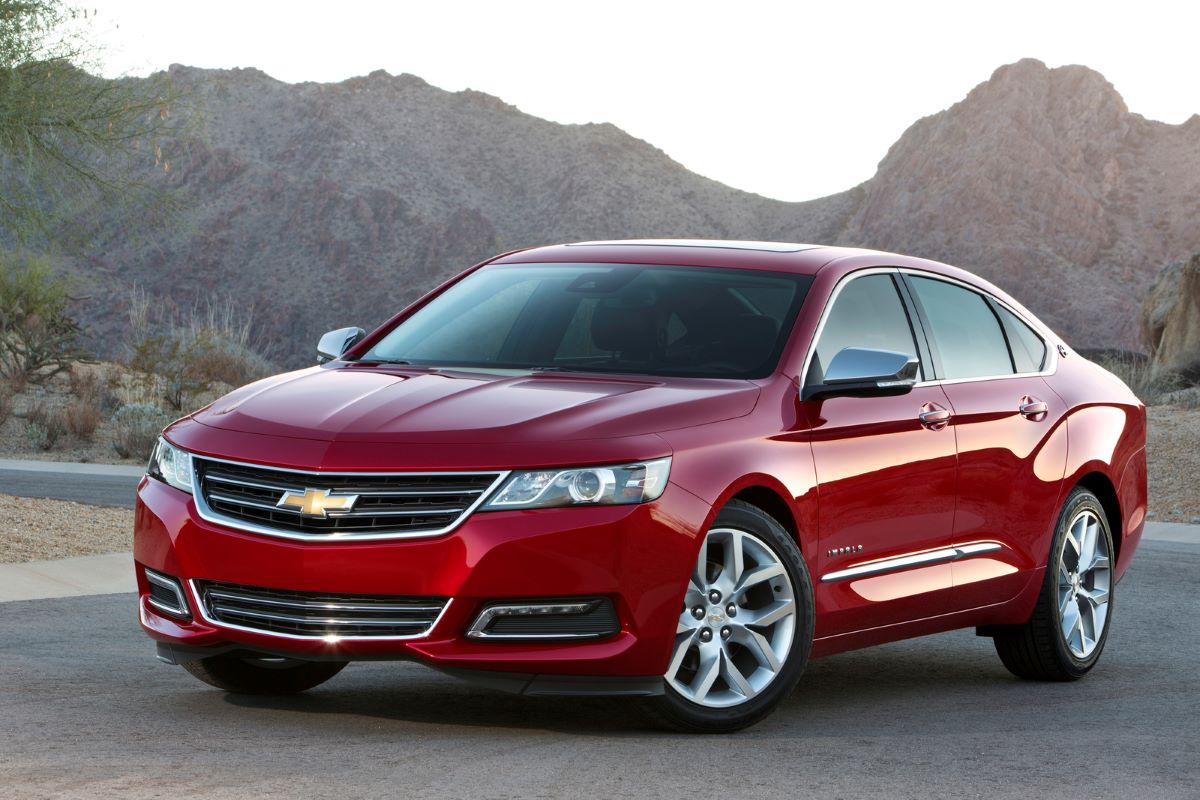
Chevrolet Impala
The Chevrolet Impala has long been associated with durability and low ownership costs, particularly among fleet operators and large families. Its large platform allows components to operate under less stress, which contributes to a long service life.
Engines used in the Impala are known for smooth operation and conservative tuning that prioritizes longevity over maximum output.
The fuel system, ignition components, and other critical systems are designed for straightforward maintenance, which ensures that routine repairs such as filter changes and spark plug replacements remain simple and inexpensive. These factors make the Impala a practical choice for anyone who plans to keep their vehicle for many years.
One of the Impala’s key strengths is its simple drivetrain layout. With fewer moving parts and minimal mechanical complexity, there is a reduced likelihood of costly failures compared to more intricate designs. Timing chains, drive axles, and transmission systems are engineered for durability, helping to prevent early wear and expensive repairs.
Owners who follow the recommended maintenance schedule often experience extended reliability, which further lowers long term costs and increases peace of mind. Even as the car ages, these characteristics make the Impala predictable and affordable to maintain.
The Impala’s braking system is designed for gradual wear rather than aggressive stopping performance. Rotors, calipers, and pads experience slower wear patterns, resulting in extended service intervals and lower replacement costs.
Tire longevity is also improved due to weight distribution and suspension geometry, reducing the frequency of replacements and the associated labor expenses. For families or commuters, this predictability ensures fewer disruptions to their daily routine and a more manageable ownership experience over time.
Interior durability further supports low maintenance costs. Materials are chosen for resilience rather than luxury appeal, meaning switches, seat mechanisms, and trim components hold up well over time. Electronics such as infotainment and climate systems are designed for reliability, reducing the risk of unexpected repairs.
These factors combine to make the Impala a cost effective full size sedan in 2026, offering both comfort and long term savings for its owners.
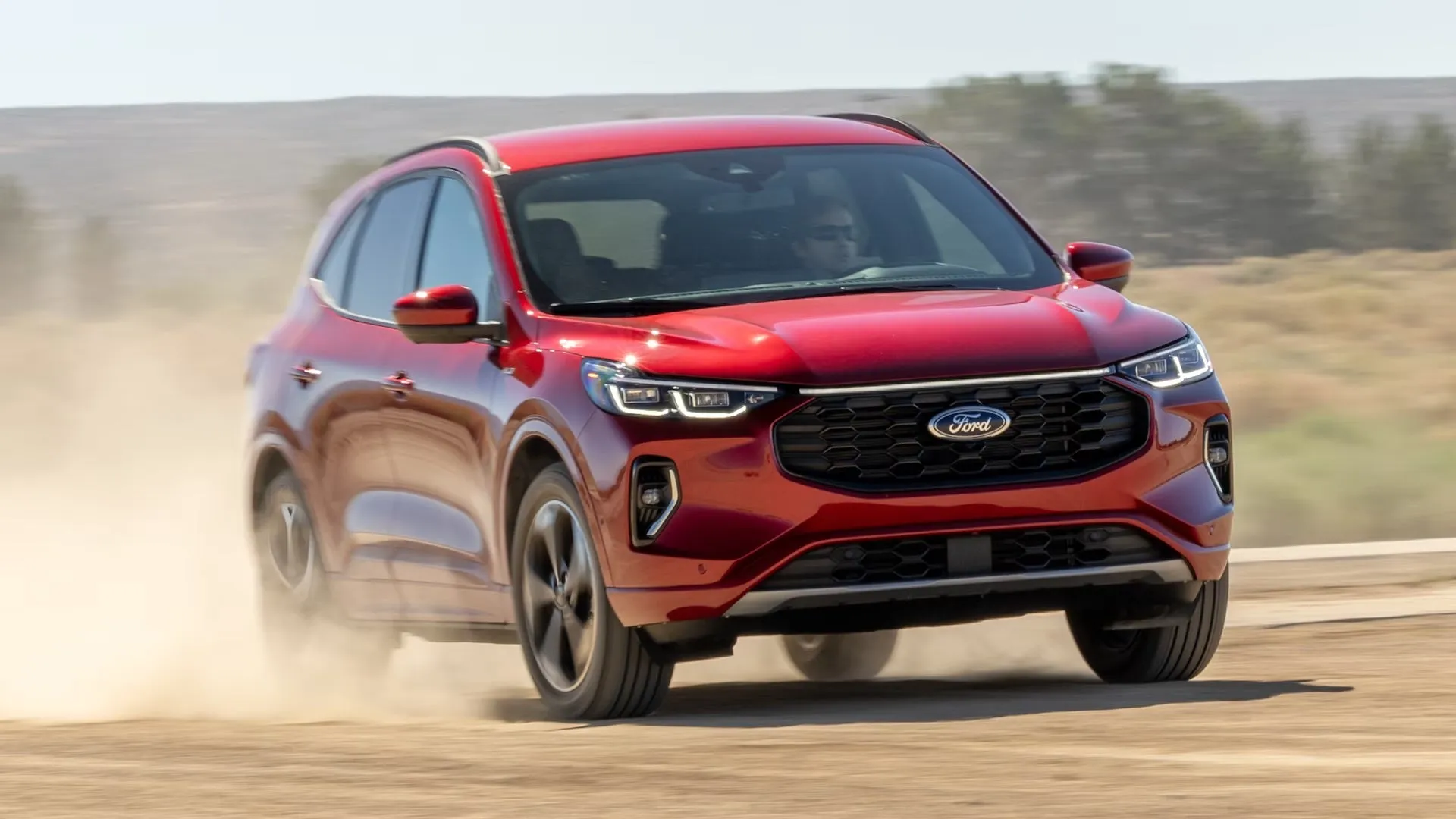
Ford Escape
The Ford Escape offers crossover versatility while maintaining affordable maintenance expenses. Its compact size and efficient engine options help minimize wear on major components.
The engines are engineered for everyday driving, providing sufficient power without excessive stress, which directly contributes to long term reliability.
Owners often find that basic servicing such as oil changes, air filter replacements, and minor tune-ups are inexpensive and widely available at local service centers, making the Escape an easy vehicle to maintain even as it ages.
Cooling system efficiency plays a major role in the Escape’s durability. Radiators, water pumps, and thermostats are designed to handle a variety of climates without overtaxing engine components. This prevents overheating and protects internal systems from premature degradation.
The transmission is similarly reliable, with routine fluid changes sufficient to maintain smooth shifting over the life of the vehicle. These design choices contribute to predictable service intervals and help drivers avoid expensive repairs that often plague smaller, less durable crossovers.
The Escape’s suspension system is optimized for urban and suburban driving, which reduces wear on struts, shocks, and control arms. Components absorb road imperfections without excessive stress, extending their functional lifespan.
Tires also wear evenly due to balanced suspension geometry, reducing the frequency of replacements. For owners navigating city streets or highways regularly, these features translate to fewer unexpected costs and a more comfortable driving experience, enhancing the Escape’s reputation for practicality.
Maintenance affordability is also supported by strong parts availability. Many components are shared with other Ford models, including the Escape’s engines, brakes, and suspension parts.
This shared architecture ensures that replacement parts are both inexpensive and widely available. Combined with a predictable service schedule and straightforward mechanical layout, the Escape becomes a reliable and cost efficient option for drivers in 2026, appealing to those seeking a dependable yet affordable compact SUV.
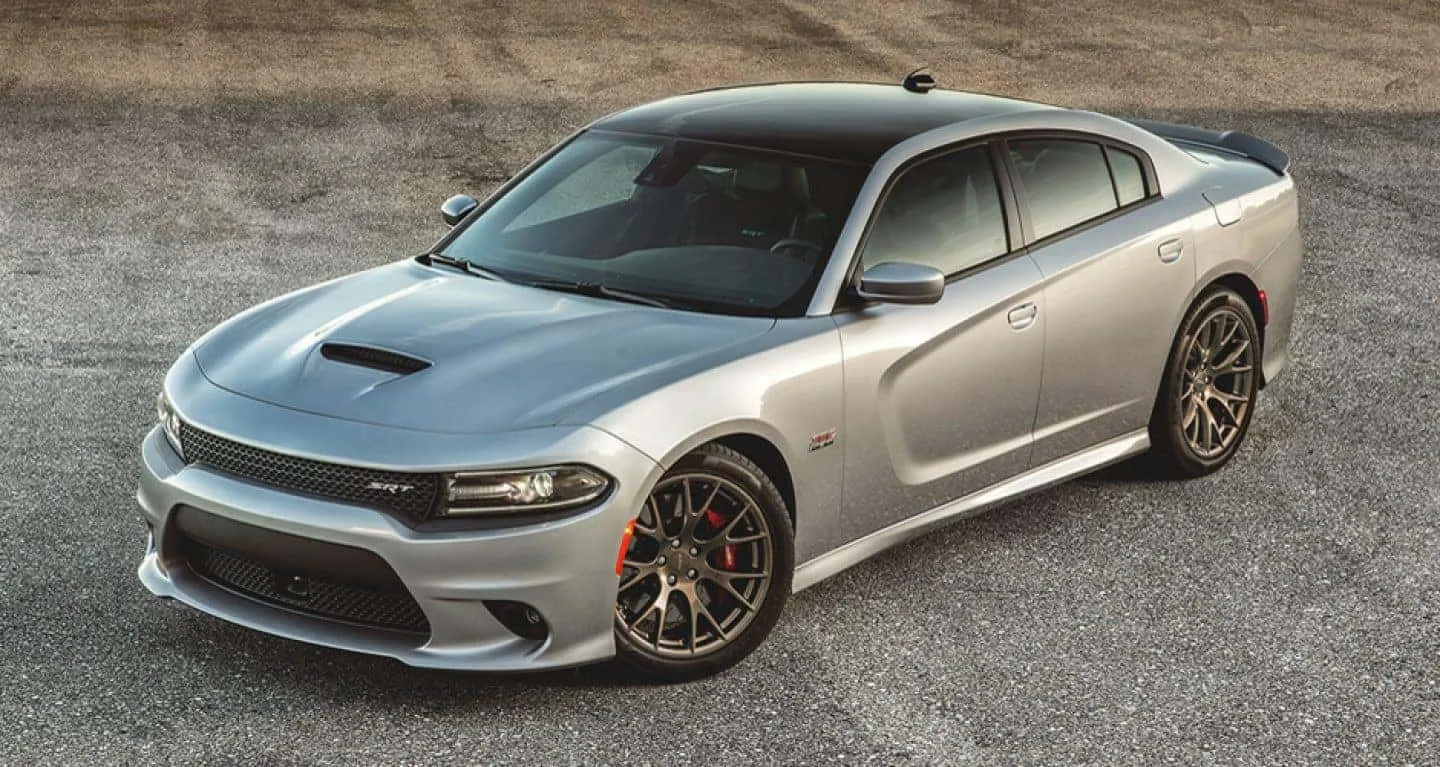
Dodge Charger
Despite its performance oriented image, the Dodge Charger remains relatively inexpensive to maintain when equipped with its standard engine options. These engines are built with durability in mind and avoid excessive tuning that would increase wear.
Routine maintenance procedures such as oil changes, fluid replacements, and filter swaps are straightforward, keeping ownership costs predictable. The Charger’s engines are also designed to handle high mileage without significant degradation, which reduces the likelihood of costly major repairs in the later years of ownership.
The Charger’s larger chassis allows drivetrain components to operate efficiently without being pushed to their limits. Transmissions, differentials, and axles benefit from additional space and weight distribution, which reduces stress and extends lifespan.
Regular preventive maintenance ensures that these systems continue to perform reliably, minimizing the risk of unexpected mechanical failures. Owners who adhere to scheduled servicing find that the Charger remains a dependable vehicle with manageable long term costs, despite its sporty appearance.
Suspension design emphasizes stability and comfort rather than track performance. Struts, shocks, bushings, and control arms are engineered for longevity, even under heavy daily driving conditions.
Brake systems on non performance trims are also cost effective to service, with rotors and pads designed to last longer than those found on sports oriented vehicles. The result is a full size sedan that balances driving enjoyment with predictable and affordable maintenance needs, appealing to a wide range of buyers.
Interior systems are robust and designed for extended use. Electronics, climate controls, and infotainment systems are simple and reliable, minimizing the need for costly diagnostics or repairs. The Charger’s strong parts availability and familiarity among mechanics further contribute to low ownership costs.
This combination of reliable mechanics, durable components, and service accessibility ensures that the Dodge Charger continues to be a cost effective full size sedan for 2026, making it an appealing option for those seeking both style and affordability.
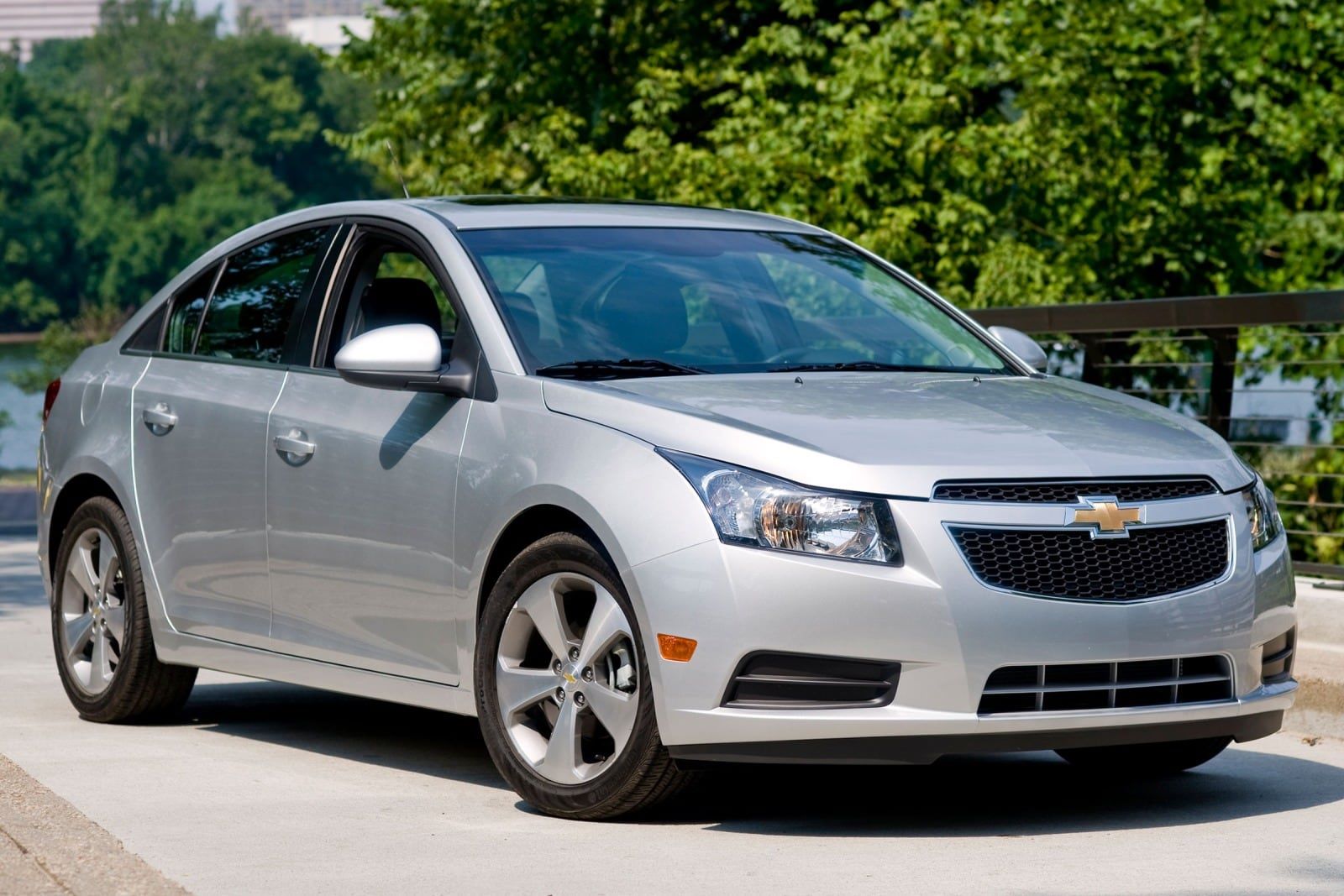
Chevrolet Cruze
The Chevrolet Cruze stands out as one of the most affordable compact cars to maintain. Its lightweight design reduces strain on the engine, brakes, and suspension components, which translates into fewer mechanical failures over time.
The Cruze’s fuel-efficient engines are engineered for consistent performance, prioritizing longevity over high horsepower.
Routine services, such as oil changes, air and fuel filter replacements, and spark plug maintenance, are straightforward and inexpensive.
Owners frequently report that even after several years, the Cruze’s drivetrain remains dependable, making it an appealing choice for commuters and small families seeking predictable ownership costs.
Engine options in the Cruze are tuned for fuel efficiency and reliability rather than extreme performance, limiting wear on internal components. This conservative engineering approach means that common issues such as overheating, excessive oil consumption, or timing chain failures are less frequent than in comparable vehicles.
The cooling system, including radiators and water pumps, is designed to operate effectively under various driving conditions, further reducing the risk of expensive repairs.
The fuel injection system and transmission are similarly straightforward, allowing independent mechanics and dealerships alike to perform routine servicing efficiently, which keeps labor costs down.
The Cruze benefits from a simple suspension setup that prioritizes comfort and durability. Fewer moving parts reduce the chance of failures and extend the lifespan of shocks, struts, and control arms. Tires wear predictably due to the well-balanced chassis, which also contributes to reduced maintenance costs.
Brake components are similarly robust, with pads and rotors designed to endure long periods of normal driving without frequent replacement. This combination of mechanical simplicity and quality engineering ensures that the Cruze remains a cost-effective option for urban and suburban driving.
Interior systems are minimalistic yet functional, emphasizing durability over complex technology. The infotainment system is easy to operate, and interior switches, seat mechanisms, and trim materials are built to withstand years of daily use without deterioration.
Replacement parts are widely available, thanks to high production numbers, keeping costs reasonable. This design philosophy makes the Cruze particularly attractive to first-time car owners and budget-conscious buyers who value long-term reliability and manageable maintenance costs.
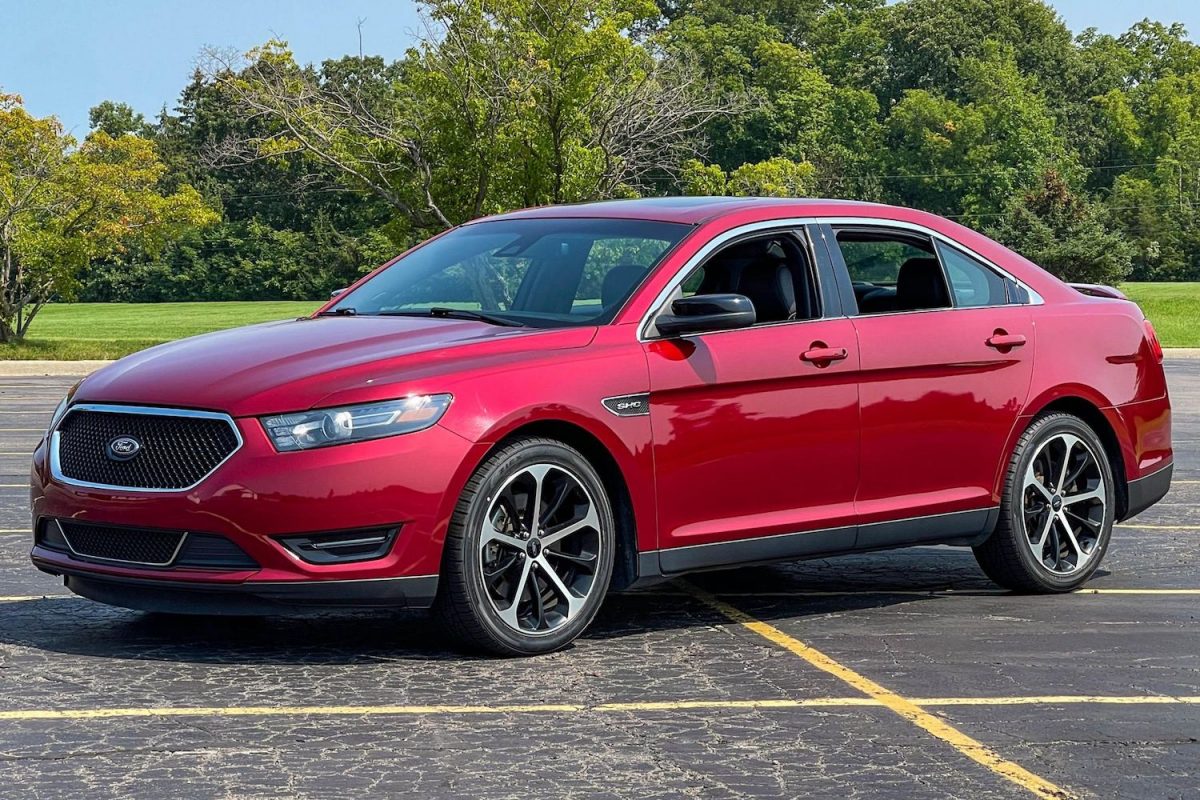
Ford Taurus
The Ford Taurus has a long reputation for dependability and manageable maintenance costs. Its engines are designed with smooth power delivery and conservative tuning, reducing internal wear and extending component lifespans.
The V6 and four-cylinder engines used in the Taurus have proven reliable over multiple generations, providing consistent performance without excessive strain.
Routine maintenance, including oil changes, fluid replacements, and minor repairs, is accessible and relatively inexpensive. This predictable upkeep helps owners avoid costly surprises and ensures that the vehicle remains practical for long-term use.
The Taurus uses a suspension system designed for highway comfort rather than aggressive cornering, which prolongs the life of struts, shocks, and control arms. Bushings and joints are also engineered for durability, reducing the frequency of replacements.
Tires wear evenly due to the well-distributed weight of the vehicle, which further minimizes long-term expenses.
This focus on predictable wear patterns and component longevity is particularly important for buyers who rely on their Taurus for daily commuting or long-distance travel, as it ensures reliability without repeated repair costs.
Cooling and electrical systems in the Taurus are built for ease of service and durability. Radiators, fans, and thermostats are designed to handle a variety of climates, preventing overheating and reducing the risk of engine damage.
Electrical systems, including basic infotainment and lighting, are simple and reliable, minimizing the likelihood of costly diagnostics.
Preventive maintenance is straightforward and can often be completed by independent mechanics, which adds to the vehicle’s affordability over time. Owners can rely on the Taurus for consistent performance with minimal disruption or expense.
The Taurus also benefits from a strong supply of replacement parts due to its long production history. Many components are shared with other Ford vehicles, which keeps pricing competitive and ensures availability at both dealerships and independent shops.
This accessibility reduces labor costs and simplifies routine repairs. Combined with a predictable maintenance schedule and reliable mechanical layout, the Taurus remains a practical choice for buyers prioritizing low-cost ownership in 2026, making it an attractive full-size sedan option for families and commuters alike.
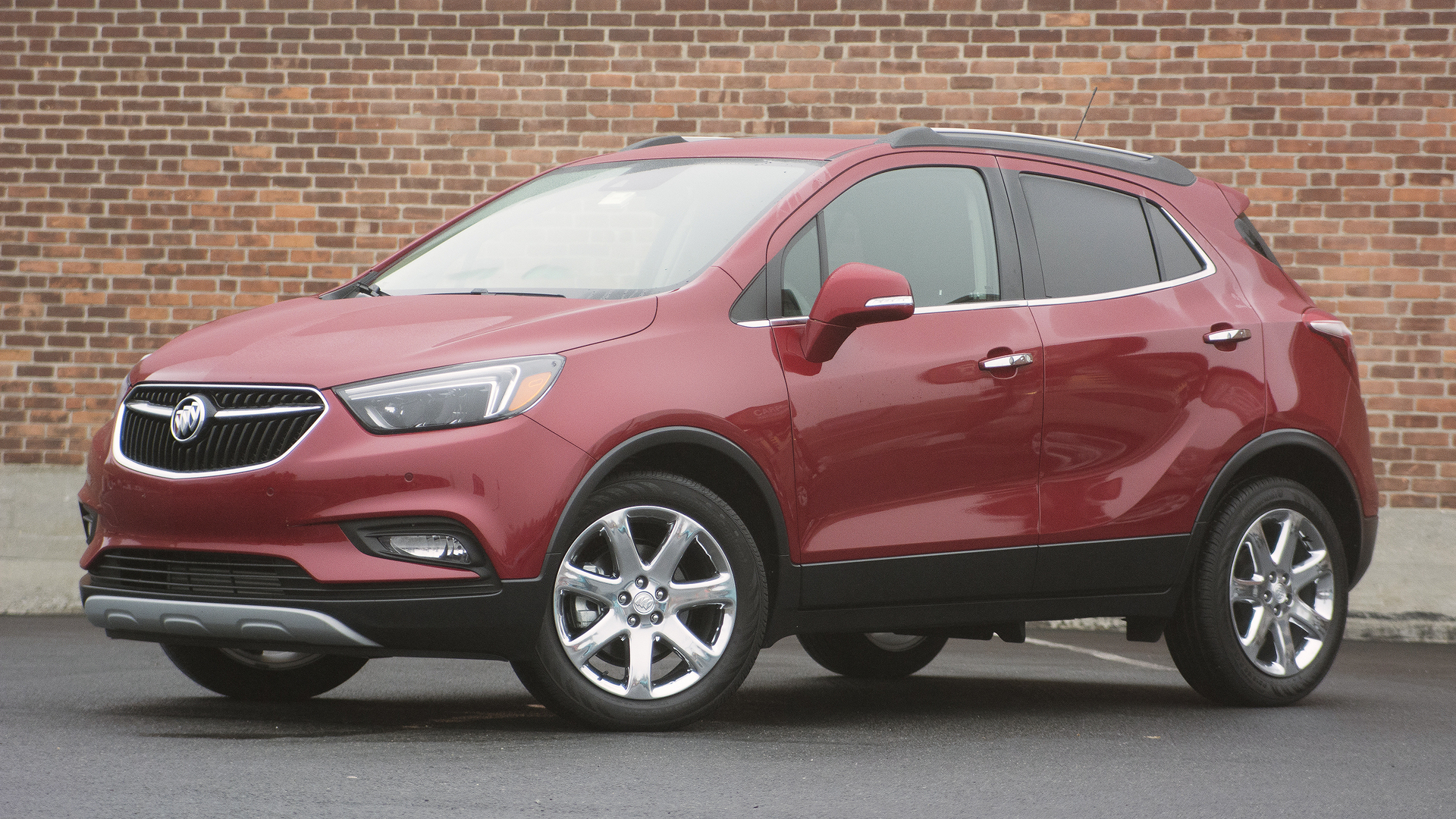
Buick Encore
The Buick Encore combines compact crossover practicality with low maintenance expenses. Its small engine size and efficient design help minimize wear while still providing sufficient power for daily driving.
Engines in the Encore are engineered with a focus on long-term durability and fuel efficiency, allowing for extended service intervals.
Routine maintenance, including oil changes, filter replacements, and brake inspections, is straightforward and affordable. Drivers appreciate that the Encore remains reliable even after several years of use, reducing both stress and unexpected repair costs.
Suspension components in the Encore are tuned for comfort and city driving, which reduces wear on struts, shocks, and bushings. The compact chassis helps distribute weight evenly, minimizing tire wear and extending the lifespan of suspension elements.
Braking systems are similarly designed for predictability and efficiency rather than high-performance use, which allows pads and rotors to last longer. For owners navigating urban streets, this results in fewer repair visits and more manageable long-term expenses, making the Encore a cost-effective crossover choice.
Interior quality emphasizes durability rather than excessive luxury, with materials chosen to withstand frequent use. Infotainment controls, climate systems, and dashboard electronics are simple and reliable, reducing the likelihood of malfunctions that can be costly to repair.
Seats, handles, and switches are designed for repeated use, maintaining functionality over time. The combination of robust materials and straightforward electronics ensures that owners face minimal unexpected expenses while maintaining comfort and usability.
Buick’s focus on reliability and ease of ownership makes the Encore a strong option for cost-conscious buyers. Parts availability is excellent, and many components are shared with other General Motors vehicles, which helps keep replacement costs low.
Service procedures are straightforward for independent mechanics and dealerships alike, making routine maintenance accessible. This combination of durability, simple design, and parts availability allows the Encore to maintain a reputation as a low-maintenance, dependable compact SUV in 2026.
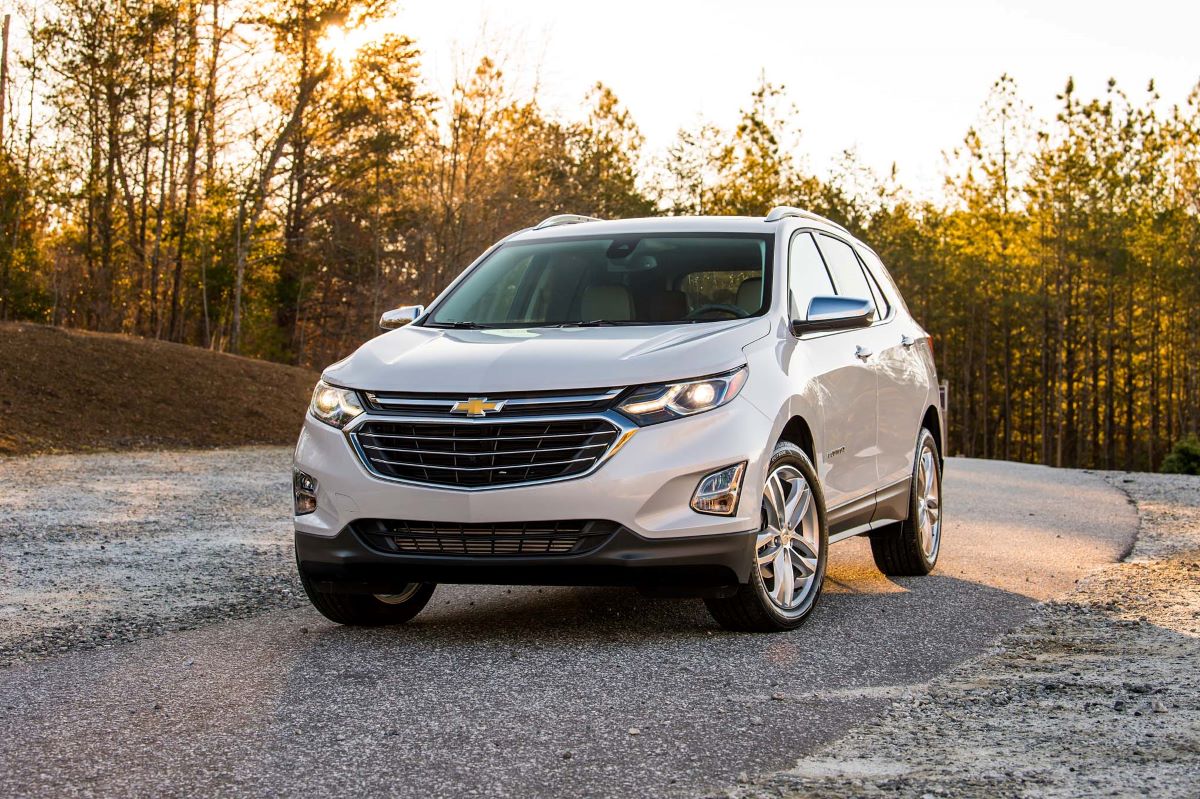
Chevrolet Equinox
The Chevrolet Equinox has steadily improved in reliability and maintenance affordability, making it a practical choice for families and commuters.
Its engines are designed for a balance of performance and efficiency, limiting wear on internal components while still delivering adequate power for city and highway driving.
Routine maintenance, such as oil and filter changes, brake inspections, and fluid replacements, is straightforward and affordable. This predictability ensures that owners can budget for upkeep without facing sudden or expensive repairs.
The Equinox benefits from a well-tuned suspension that absorbs road imperfections without causing excessive wear. Components such as shocks, struts, and control arms are engineered for longevity, even under the stress of daily commuting or long trips.
Tires experience even wear due to the vehicle’s balanced weight distribution, reducing replacement frequency.
Brake systems are designed for long-term use, allowing pads and rotors to last longer than average for a compact SUV. These features collectively reduce the maintenance burden and contribute to cost-effective ownership.
Transmission design in the Equinox prioritizes smooth shifting and durability. Regular fluid maintenance helps prevent wear and keeps the system functioning optimally over time.
Cooling systems are similarly efficient, protecting engines from overheating and reducing the likelihood of major repairs.
Combined with easy access for mechanics, these attributes allow owners to maintain the Equinox with minimal inconvenience and cost, which is particularly appealing for families seeking a reliable, low-maintenance vehicle.
High production volumes and shared components across General Motors vehicles ensure that replacement parts remain affordable and widely available. Independent repair shops are familiar with Equinox systems, allowing for competitive labor costs and efficient service.
The combination of accessible parts, reliable mechanical design, and predictable maintenance needs makes the Equinox a strong choice for drivers seeking a low-maintenance compact SUV in 2026, offering both convenience and long-term value.
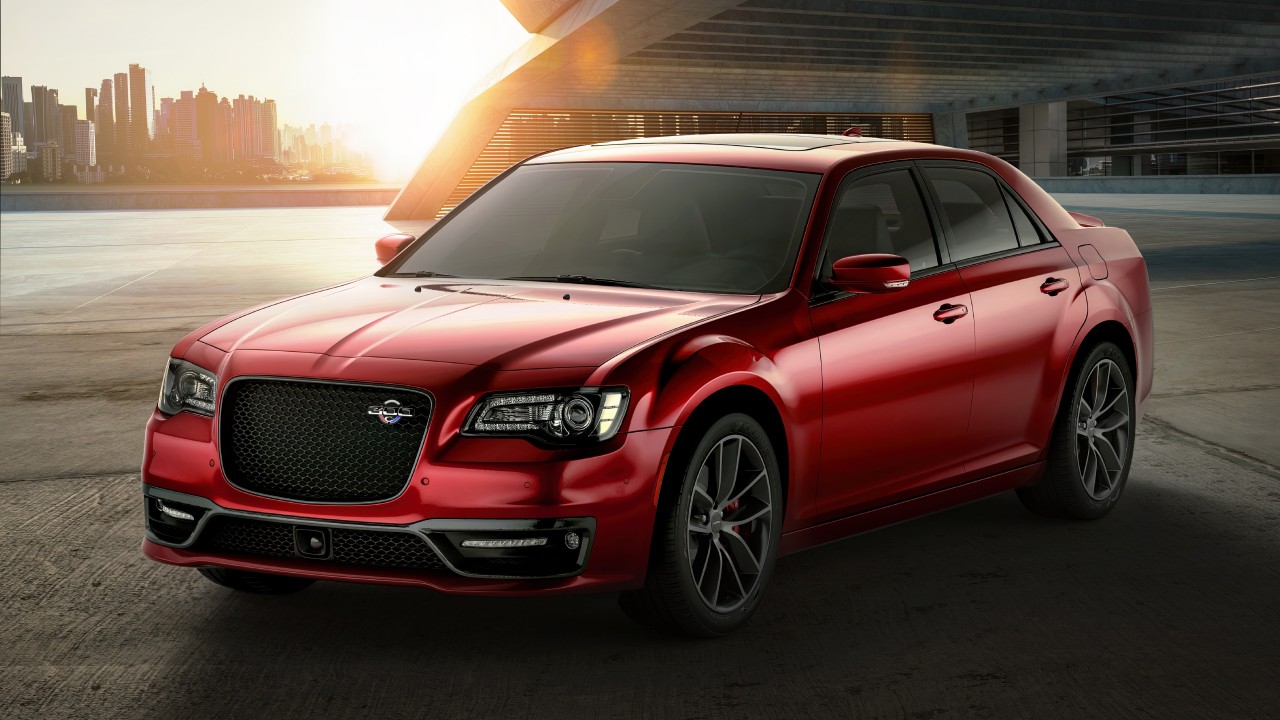
Chrysler 300
The Chrysler 300 combines full-size comfort with relatively low maintenance costs when equipped with standard powertrains. Its engines are known for durability, smooth operation, and conservative tuning, which reduces the likelihood of major mechanical issues.
Routine maintenance, including oil and filter changes, fluid replacements, and minor repairs, is straightforward and relatively inexpensive. The vehicle’s engines are engineered for high-mileage reliability, allowing owners to keep the car in excellent condition for years with predictable upkeep.
The vehicle’s size allows components to operate efficiently without being overstressed. Suspension systems are tuned for relaxed driving, ensuring struts, shocks, and bushings experience minimal wear even under extended use.
Braking components are similarly designed for durability, with rotors and pads lasting longer than average for a full-size sedan.
This emphasis on longevity allows owners to enjoy a smooth, comfortable ride while avoiding frequent and costly maintenance interventions, which is particularly important for long-term ownership.
Interior systems in the Chrysler 300 are built with robustness and ease of use in mind. Electronics, infotainment systems, and climate controls are reliable and straightforward, reducing the risk of expensive repairs.
Dashboard materials, seats, and interior trim are designed to withstand long-term use, maintaining both aesthetics and functionality.
This combination of durable materials and simple systems ensures that owners face fewer unexpected repair expenses, adding to the affordability of ownership.
Parts availability and familiarity among mechanics further contribute to low ownership costs. The Chrysler 300 has a long production history, meaning replacement components are widely available and reasonably priced.
Independent shops and dealerships alike are familiar with its systems, ensuring that routine maintenance is completed efficiently and affordably.
With a reliable drivetrain, durable suspension, and accessible parts, the Chrysler 300 remains a cost-effective full-size sedan in 2026, appealing to buyers seeking both comfort and long-term savings.
