
Luxury cars have always carried an image of prestige, advanced engineering, and refined comfort. Many buyers assume that a high price tag automatically means long-term value, but the reality of the automotive market tells a very different story. Depreciation affects every vehicle, yet it strikes luxury models with particular force.
High purchase prices, rapid technology changes, and expensive maintenance costs combine to push resale values down faster than many owners expect. For some buyers, this steep decline represents a painful financial loss. For others, it creates an opportunity to purchase an exceptional vehicle for far less than its original cost.
Depreciation in the luxury segment is shaped by several predictable factors. New technology becomes outdated quickly, especially in infotainment systems, driver assistance features, and hybrid or electric components.
Buyers shopping on the used market often prioritize reliability and lower ownership costs over premium branding, which weakens demand for older luxury vehicles. Repair and maintenance expenses also play a major role.
As warranties expire, the fear of costly repairs discourages second owners, further reducing resale prices. Even brand reputation alone cannot always counter these concerns.
Another key influence is market perception. Luxury brands often release frequent updates, refreshes, and redesigns. When a newer version appears with noticeable improvements, the previous model can seem outdated almost instantly.
Lease-heavy sales strategies also flood the used market with similar vehicles after just a few years, increasing supply and pushing prices down. This cycle repeats itself across many high end manufacturers.
This article examines ten luxury cars known for losing value at a rapid pace. Each section explains why depreciation hits these models so hard, how ownership costs contribute to declining demand, and what this means for both original buyers and secondhand shoppers.
The focus is not on criticism, but on understanding how market forces interact with design, technology, and consumer behavior.
By the end, the pattern behind fast depreciation in luxury vehicles becomes much clearer, offering useful insight for anyone considering a premium car purchase.
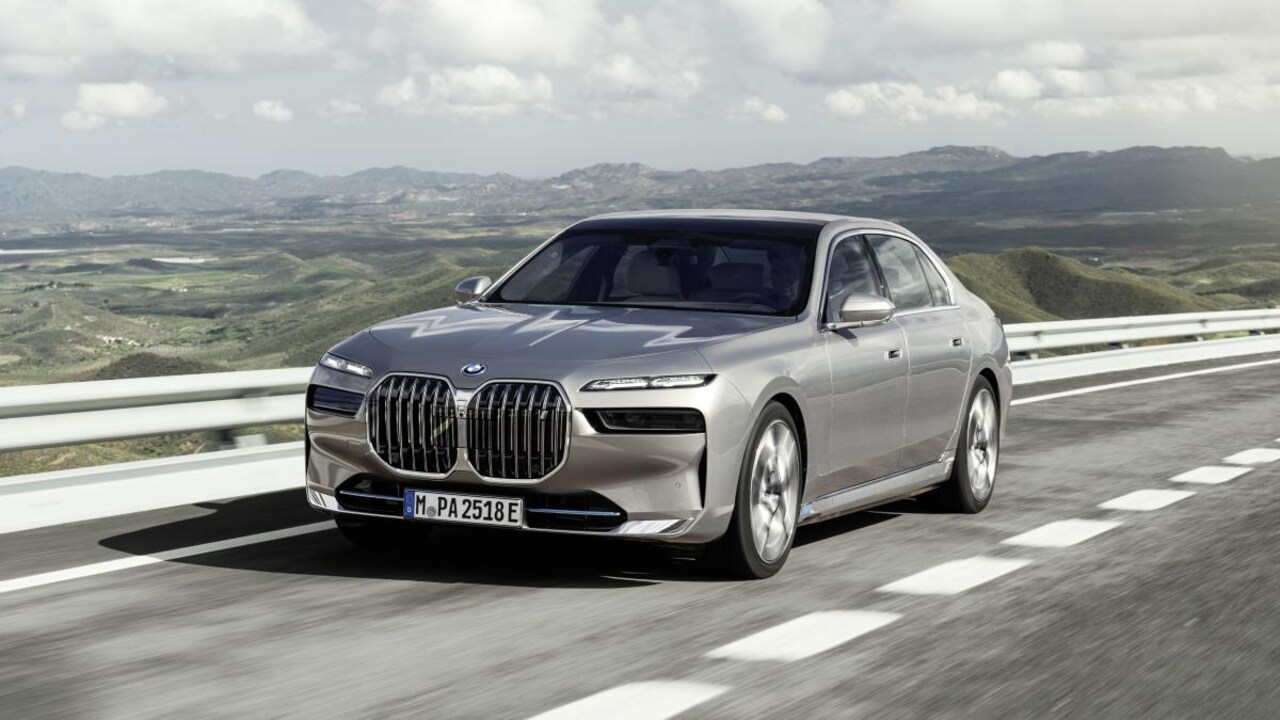
BMW 7 Series
The BMW 7 Series is one of the most iconic flagship sedans in the luxury market, representing a combination of performance, cutting-edge technology, and interior opulence. It is designed to appeal to buyers who demand prestige as well as comfort.
Despite its strengths, the 7 Series depreciates rapidly compared to other luxury vehicles. One of the primary reasons is its high initial price tag. When new, the cost can easily exceed six figures, which immediately limits the pool of potential buyers.
As soon as the vehicle is driven off the dealership lot, its value begins to drop sharply, reflecting the realities of supply and demand in the luxury used car market. The steep initial price does not always translate into long-term financial retention, making it a challenging vehicle for owners hoping to preserve resale value.
Another factor accelerating depreciation is the speed at which technology evolves within the 7 Series. BMW is known for introducing advanced driver assistance systems, digital instrument clusters, and luxury amenities in this sedan before they appear elsewhere in the lineup.
While these features are impressive when new, they quickly become outdated as newer models offer upgraded displays, improved infotainment systems, and enhanced autonomous driving functions.
Used buyers often prioritize the latest technological advancements, making older 7 Series models feel dated despite remaining highly functional. This perception heavily influences resale value, as the market favors vehicles that appear modern and up to date.
Maintenance and repair costs are a significant contributor to depreciation in the 7 Series. The vehicle’s complexity, including air suspension, electronically controlled engines, and numerous electronic modules, requires specialized service. Once the factory warranty expires, the cost of keeping the car in peak condition can become considerable.
Potential buyers of used 7 Series models are aware of these expenses, and the fear of high repair bills often leads them to negotiate prices down aggressively or avoid the model altogether. This combination of high ownership costs and complex engineering makes the 7 Series less appealing to the broader secondhand market, contributing to its rapid depreciation.
Lastly, BMW’s sales strategy also impacts the 7 Series’ resale value. Many units are leased due to their high price, and lease returns flood the used car market after just a few years of ownership. This sudden increase in supply often coincides with decreased demand, creating a sharp drop in resale prices.
Additionally, newer iterations with updated styling and technology can make previous versions appear less desirable. Together, these factors create a pattern where the BMW 7 Series, despite its prestige and engineering excellence, loses value faster than many owners expect, making it a classic example of a flagship luxury sedan with steep depreciation curves.
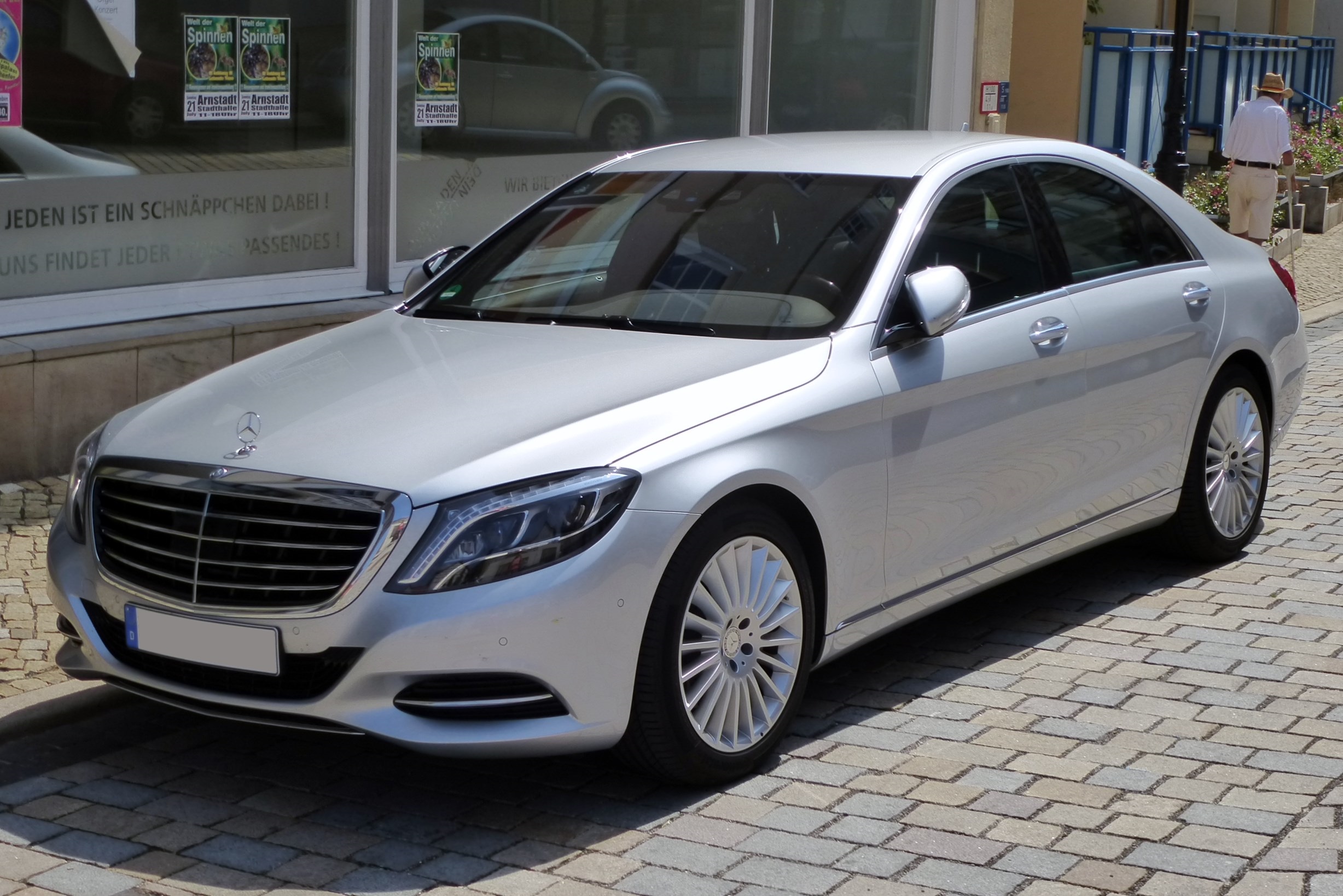
Mercedes-Benz S Class
The Mercedes-Benz S Class is widely regarded as a benchmark for luxury sedans, offering an unmatched combination of interior refinement, advanced technology, and smooth performance. As the flagship model of Mercedes-Benz, it is expected to hold its value, but the reality is that the S Class depreciates significantly over its first few years.
The high cost of acquisition plays a major role in this decline. With starting prices well into six figures for newer models, the S Class is financially accessible to only a small group of buyers. When these vehicles enter the secondary market, prices adjust sharply to reflect broader consumer demand, and resale value often drops faster than for less expensive luxury models.
The speed of technological advancement in the S Class accelerates depreciation as well. Mercedes frequently introduces new generations with dramatic design updates, enhanced interior features, and sophisticated driver assistance systems. Each new version can make the previous model feel less modern, even if it remains mechanically sound.
Buyers looking for a luxury vehicle often prefer the latest iteration with the newest technology, which reduces demand for older S Class sedans. Infotainment systems, digital dashboards, and autonomous driving features can feel outdated within just a few years, further pressuring resale prices.
High maintenance and repair costs also contribute to the S Class’s depreciation. The car’s advanced electronics, air suspension, and complex engine configurations often require specialized care. Repairs outside of warranty coverage can be particularly expensive, which discourages used buyers from considering older models.
Additionally, the S Class’s fuel efficiency and insurance costs tend to be higher than those of smaller luxury sedans, which can further influence resale demand. All these factors combine to make potential buyers more cautious when considering the S Class, accelerating depreciation.
Another factor impacting resale is brand competition. While Mercedes-Benz has a strong reputation, buyers of pre-owned luxury vehicles often compare the S Class to alternatives like the BMW 7 Series or Audi A8.
These competitors may offer similar or slightly more updated features at a lower cost, making them more attractive in the used market. The combination of rapid technological turnover, high maintenance expenses, and stiff competition results in a steep depreciation curve, illustrating how even the most prestigious sedans can lose value quickly over time.
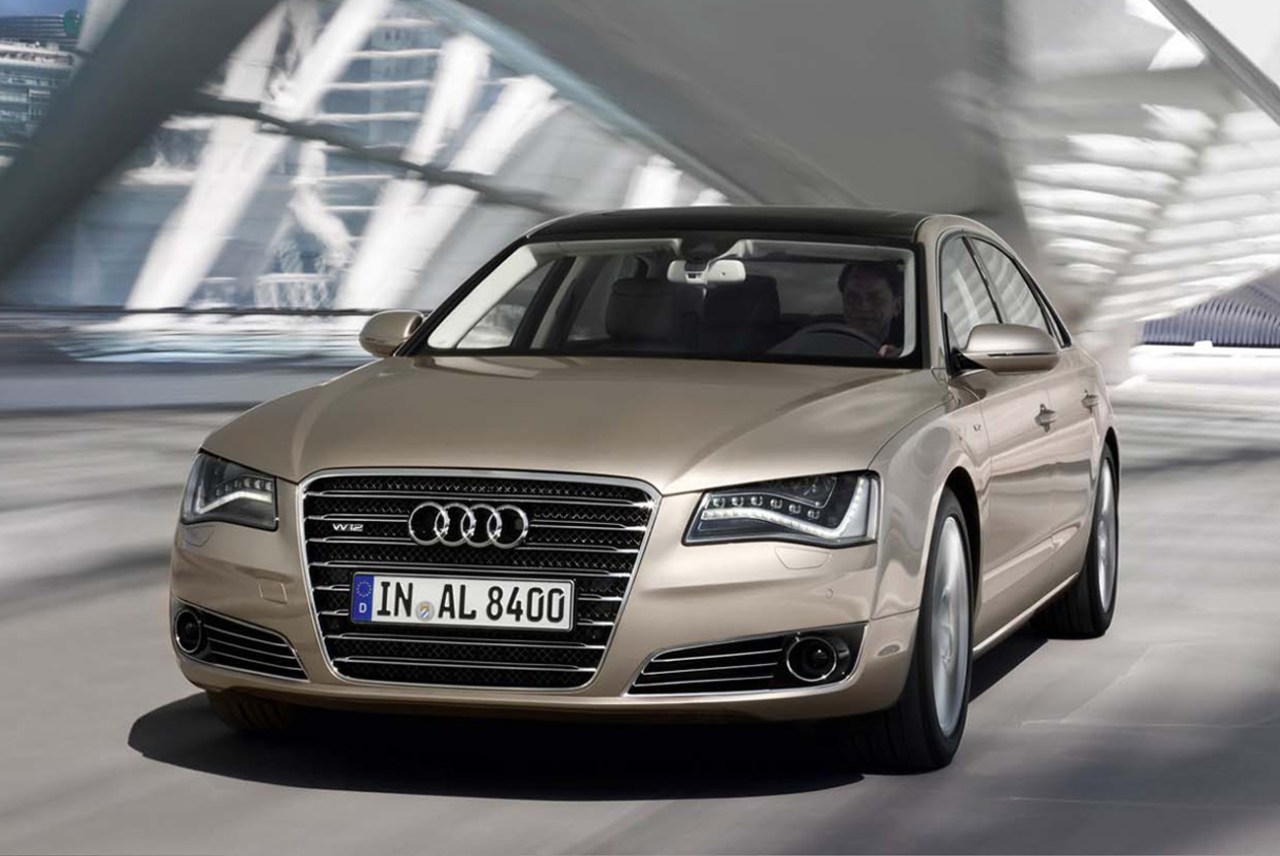
Audi A8
The Audi A8 is a full-size luxury sedan that blends understated elegance with advanced technology and refined performance. Despite its strong engineering credentials, it suffers from rapid depreciation compared to many other luxury sedans.
One reason is its conservative design language. While tasteful and refined, the styling is less aggressive or attention-grabbing than competitors, which can make older models blend into the used car market. Without a strong visual presence, potential buyers may opt for newer or more striking alternatives, pushing resale prices down.
Rapid technological turnover further contributes to the A8’s depreciation. Audi incorporates sophisticated digital displays, adaptive suspension systems, and semi-autonomous driving features that evolve quickly over a few model years.
As newer A8 models are released with updated technology and refreshed interiors, older versions begin to feel outdated despite their continued functionality. Buyers seeking a modern luxury experience often prioritize vehicles that reflect current trends in tech and design, making earlier models less desirable in the secondary market.
Maintenance and ownership costs play a significant role as well. The A8’s advanced engineering, including quattro all-wheel drive systems, air suspension, and complex electronic modules, increases the cost of repairs and routine servicing.
As these vehicles age, the likelihood of expensive maintenance rises, which can deter potential buyers and reduce resale value. Even buyers attracted by the car’s prestige and comfort weigh the long-term costs carefully, affecting demand in the used market.
Finally, internal brand competition also impacts depreciation. Audi offers several models, such as the A6 and A7, that provide many luxury features at a lower cost. Buyers may see these alternatives as better value for money, reducing the market for the larger A8.
This internal competition, combined with external pressures from BMW, Mercedes-Benz, and Lexus, contributes to faster depreciation. As a result, while the A8 is an exceptional luxury sedan, it tends to lose value more quickly than many buyers might anticipate.
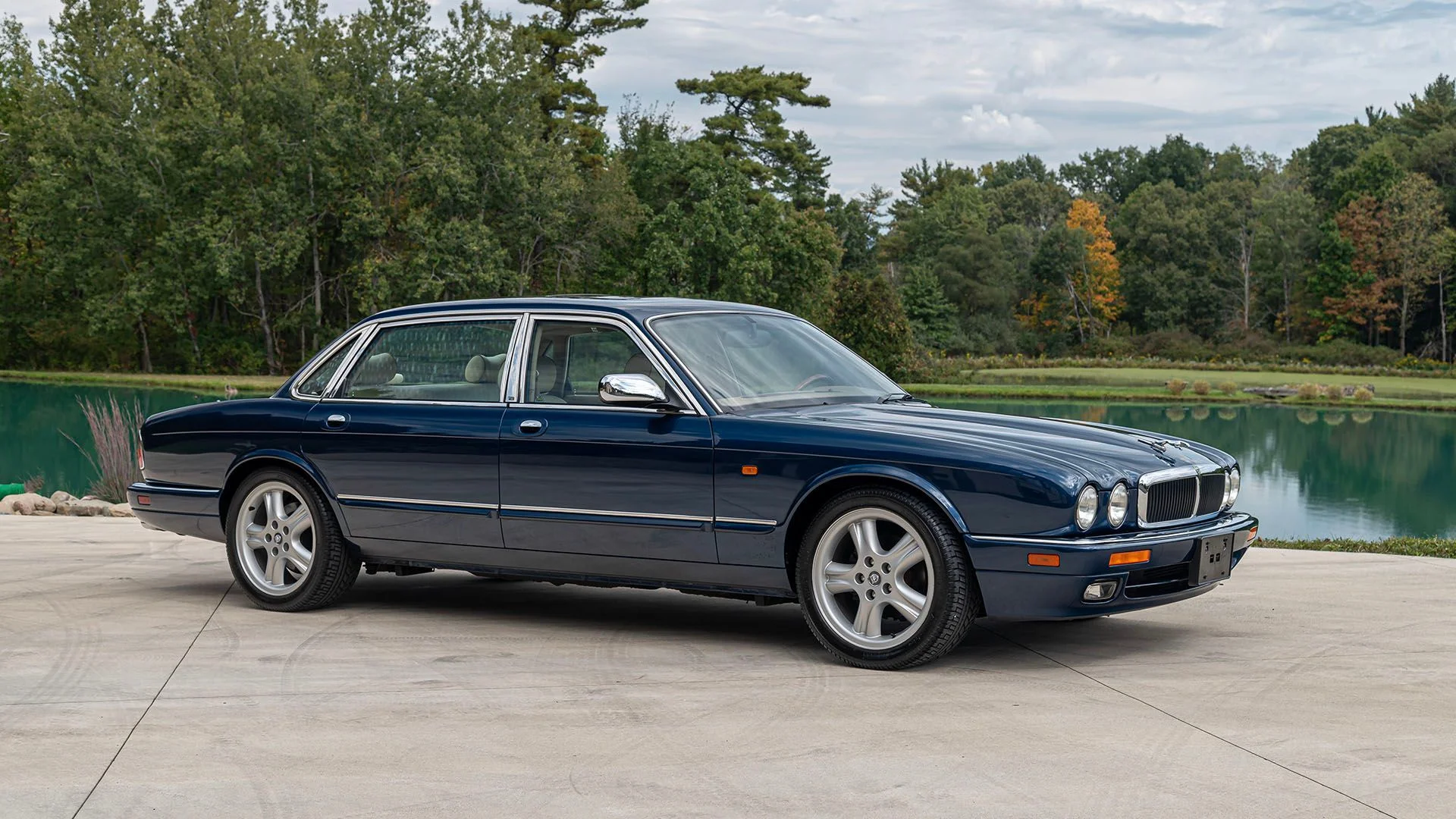
Jaguar XJ
The Jaguar XJ is a distinctive luxury sedan known for its elegant styling, comfortable ride, and engaging driving dynamics. Despite these qualities, it has long been a vehicle that depreciates quickly. One of the primary reasons is the brand’s perception of reliability.
While newer models have made improvements, historical concerns over mechanical and electronic issues continue to influence buyer confidence. Many used buyers approach the XJ cautiously, fearing potentially high repair costs and uncertain ownership experiences.
Market appeal is another challenge for the XJ. Its design is unique and somewhat polarizing. While this individuality attracts a dedicated fan base, it limits the broader audience willing to purchase it.
When entering the used market, the car may appeal to fewer potential buyers, creating a situation where supply exceeds demand and driving resale values downward. The sedan’s styling, though elegant, is no longer seen as modern by some buyers, accelerating the decline in market value.
Maintenance and repair costs significantly affect depreciation. Jaguar vehicles often require specialized service, and parts can be expensive or difficult to source outside of major metropolitan areas.
Issues such as complex electronics, suspension components, and engine servicing can add considerable costs over time. Prospective buyers frequently factor these expenses into their purchase decisions, often lowering the price they are willing to pay or avoiding the vehicle altogether, which directly impacts depreciation.
Competition from other luxury sedans also plays a major role. Buyers often compare the XJ to German rivals like the BMW 7 Series, Mercedes-Benz S Class, or Audi A8. These alternatives are perceived as more reliable, technologically advanced, or easier to maintain, which makes them more attractive options in the used market.
The combination of reputation concerns, limited appeal, high ownership costs, and strong competition explains why the Jaguar XJ experiences rapid depreciation despite its strong design and driving experience.
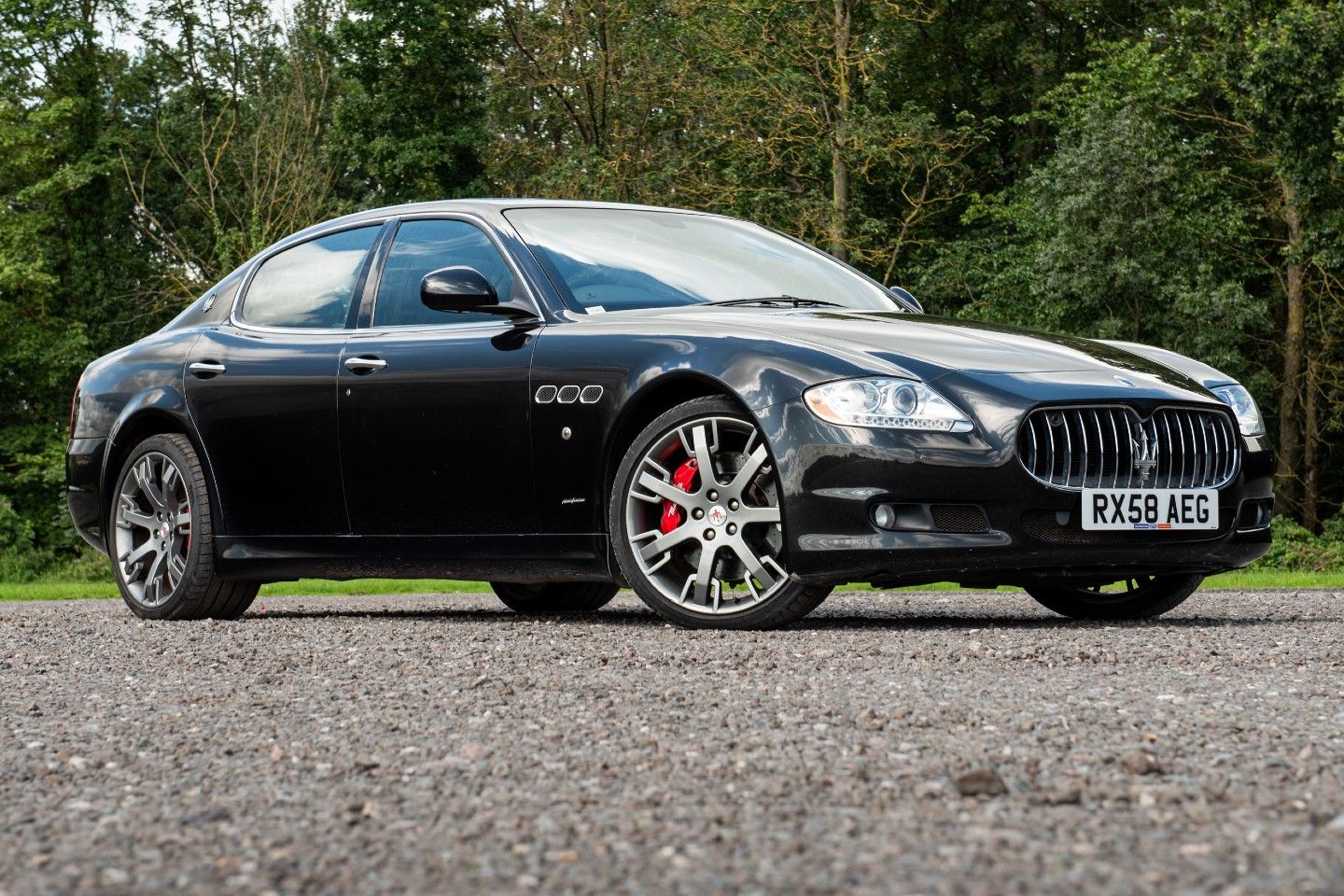
Maserati Quattroporte
The Maserati Quattroporte is an Italian luxury sedan celebrated for its dramatic design, powerful engine options, and uniquely emotional driving experience. However, it suffers from some of the fastest depreciation rates in its segment. One reason is the car’s high entry price relative to its brand recognition.
While Maserati is respected for its heritage and style, it lacks the widespread recognition and perceived reliability of brands like BMW, Mercedes-Benz, or Audi. This makes it a more niche choice, limiting its appeal in the used market.
Reliability concerns significantly influence depreciation. Maserati vehicles, particularly as they age, require specialized maintenance and high-quality replacement parts, which can be costly.
Even minor mechanical or electronic issues can become expensive due to the brand’s limited service network. Buyers considering a pre-owned Quattroporte are often wary of these potential costs, which reduces demand and drives resale prices down more quickly than for competitors with stronger reliability reputations.
Technological aging also plays a role. Maserati updates its infotainment systems and driver assistance features less frequently than German rivals, so older Quattroporte models can feel outdated sooner.
Buyers in the luxury market increasingly expect modern digital interfaces and advanced safety features, making these vehicles less appealing as time passes. The combination of niche appeal and slower tech refresh cycles accelerates depreciation in the used market.
Finally, the limited dealership and service network contributes to declining value. In regions where Maserati dealerships are scarce, potential buyers may hesitate due to concerns over servicing and parts availability.
This practical consideration, coupled with brand perception and the car’s high operating costs, means the Quattroporte tends to lose value rapidly. Despite its compelling styling and powerful performance, these factors combine to create one of the steepest depreciation curves in the luxury sedan segment.
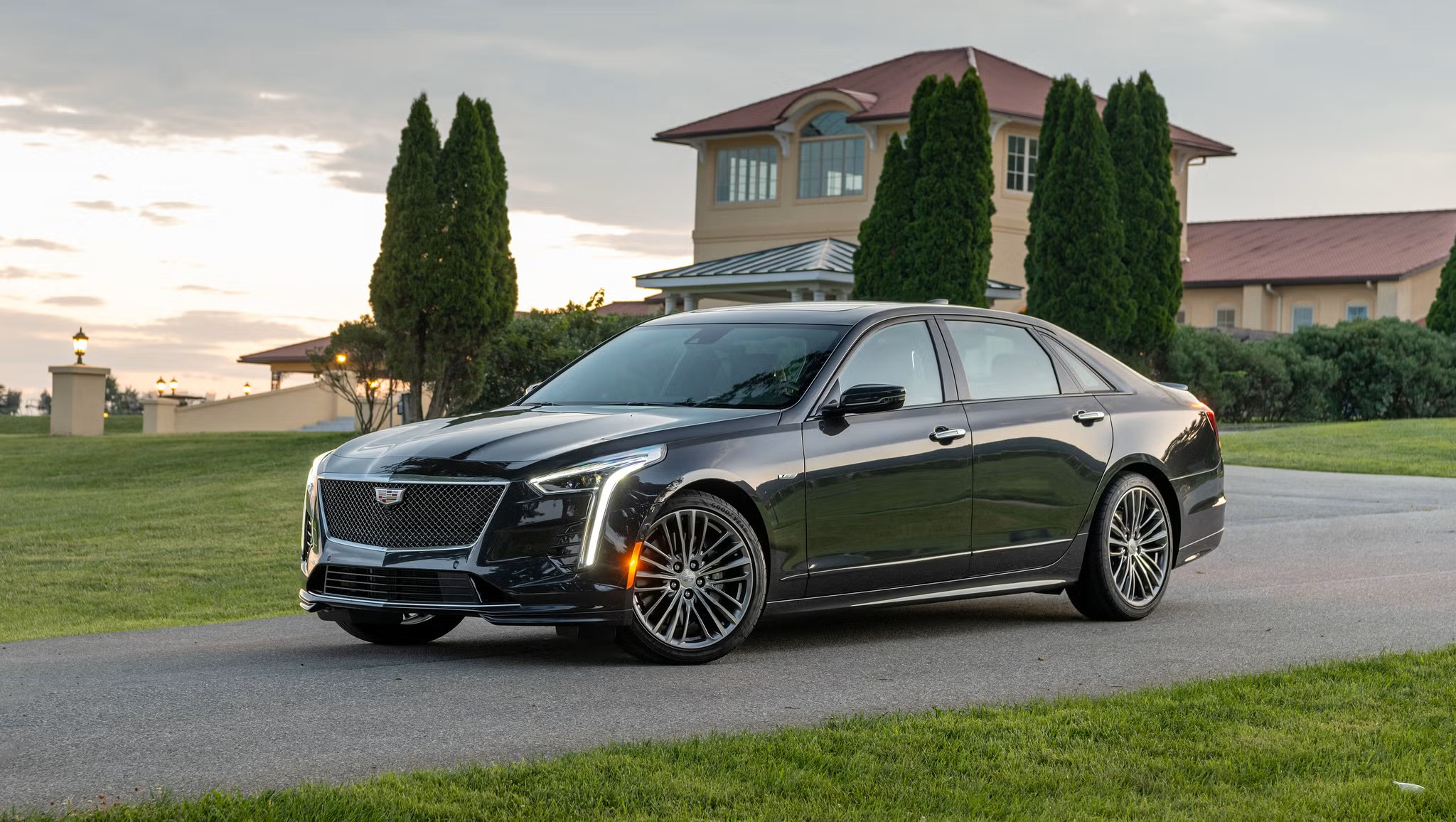
Cadillac CT6
The Cadillac CT6 was introduced as the brand’s attempt to reclaim its position in the full-size luxury sedan market, offering a blend of American luxury, advanced technology, and powerful engine options. Despite its engineering merits, the CT6 depreciates quickly in the used car market.
One major reason is brand perception. While Cadillac has a storied history, it is often viewed as less prestigious than European competitors such as BMW, Mercedes-Benz, or Audi.
Even with significant technological features and premium interior materials, potential buyers may hesitate due to lingering perceptions that Cadillac sedans lack the refinement or long-term reliability of European rivals.
Market demand also affects depreciation. Large luxury sedans have experienced declining popularity over the past decade, as many buyers shift their attention to SUVs and crossovers.
The CT6 arrived at a time when the sedan market was shrinking, which reduced its pool of potential buyers. Even though the car offers excellent space, comfort, and technology, fewer people are seeking vehicles of this size in the used market, contributing to faster depreciation.
Technology turnover is another factor. The CT6 includes features like advanced infotainment, semi-autonomous driving aids, and high-end safety systems. However, rapid development in the automotive sector means that these features become outdated within a few years.
Buyers comparing older CT6 models with newer luxury cars may perceive the technology as inferior or less responsive, which reduces their willingness to pay a high resale price. This perception accelerates depreciation despite the car’s quality.
Finally, production and marketing strategy also play a role. Changes in Cadillac’s lineup, including the discontinuation of certain models, created uncertainty about long-term support and parts availability.
This hesitation can discourage potential buyers in the secondary market, further reducing demand. When combined with limited brand prestige relative to German rivals, high maintenance costs, and declining sedan demand, these factors make the CT6 one of the fastest-depreciating luxury sedans in its category.
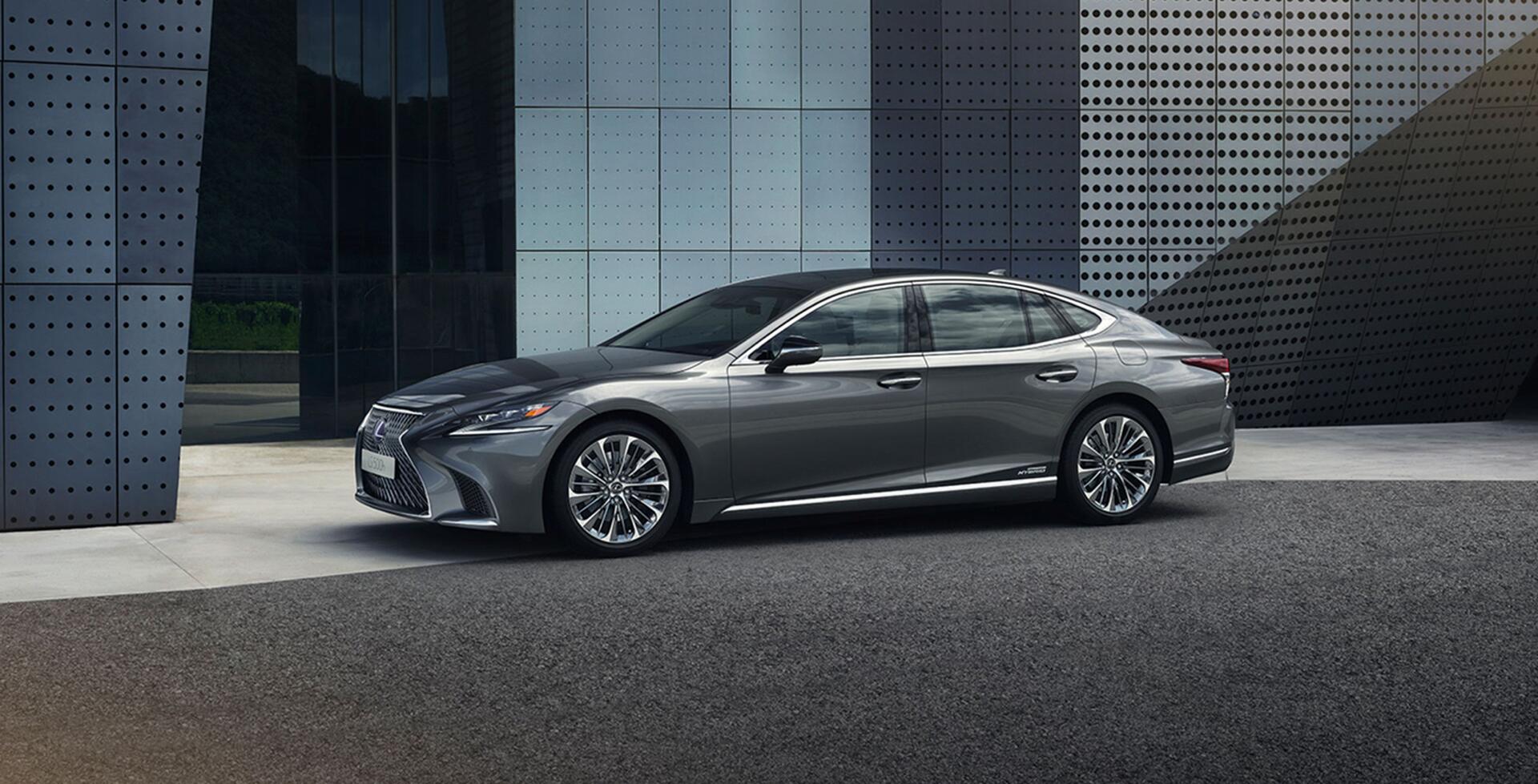
Lexus LS
The Lexus LS is the flagship sedan of the Lexus brand, known for its legendary reliability, quiet ride, and luxurious interior appointments. Despite these strengths, it experiences rapid depreciation compared to what one might expect from a premium vehicle renowned for longevity.
One reason is its conservative design and understated styling. While this appeals to buyers who value refinement and discretion, it can limit broader appeal in the secondary market. Some buyers are drawn to the visual excitement of European sedans, leaving older LS models less sought after.
Technological turnover impacts the LS as well. Lexus updates its infotainment systems, safety features, and digital interfaces frequently. Older LS models, while mechanically reliable, may lack the modern connectivity and interactive interfaces of newer vehicles.
Potential buyers often prioritize these features, especially in a market where digital technology is seen as integral to the driving experience. As a result, even a well-maintained LS can appear outdated, accelerating depreciation.
Driving dynamics and brand positioning also influence resale value. The LS is renowned for its smooth, comfort-oriented ride rather than sporty handling.
While this is appealing to many buyers, it may limit appeal among those looking for a more engaging driving experience.
Competitors like the BMW 7 Series or Mercedes-Benz S Class may offer both luxury and sportiness, drawing attention away from the LS and contributing to faster value loss over time.
Finally, the high initial price of the LS, combined with strong competition from other luxury sedans, reduces long-term value retention. While Lexus reliability mitigates some depreciation, buyers in the secondary market often compare costs, features, and driving experience.
These comparisons, along with rapidly changing technology and conservative styling, explain why the LS can lose value faster than its reputation for reliability might suggest.
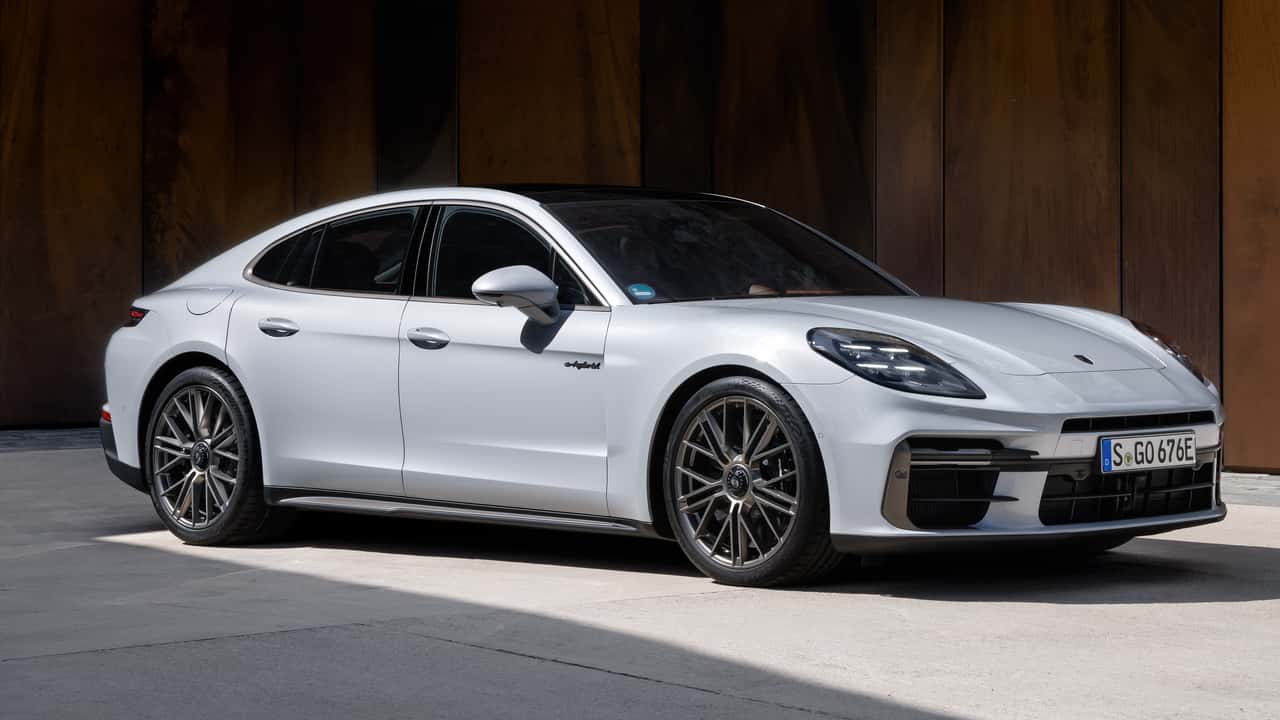
Porsche Panamera
The Porsche Panamera is a distinctive luxury sedan that blends high-performance engineering with everyday usability. Despite its strong performance credentials, the Panamera suffers from significant depreciation.
One reason is its polarizing design. The vehicle’s silhouette and styling differ considerably from more traditional sedans, which can divide potential buyers. While enthusiasts appreciate the unique appearance, others may prefer more conventional European luxury sedans, limiting the used market appeal.
High maintenance and repair costs accelerate depreciation. The Panamera incorporates advanced suspension systems, high-performance engines, and intricate electronics that require specialized care. Once warranties expire, servicing costs can be substantial, making potential buyers cautious.
Even with its performance reputation, the fear of expensive repairs discourages many used car shoppers, reducing demand and driving resale values down.
Rapid technological evolution also plays a role. Porsche updates its infotainment, driver assistance, and performance systems frequently. Older Panamera models can quickly feel outdated compared to newer iterations with enhanced technology and updated interiors.
Buyers in the used market often prioritize modern amenities and responsive electronics, which can make early-generation Panameras less desirable and push depreciation higher.
Finally, market positioning contributes to declining value. Many Porsche enthusiasts prioritize the brand’s sports cars, such as the 911 or Cayman, over the four-door Panamera.
While the Panamera offers luxury and performance, it may not attract the same level of attention from traditional Porsche buyers, especially in the used market. This narrower audience, combined with high ownership costs and fast-changing technology, results in significant depreciation over the first several years of ownership.
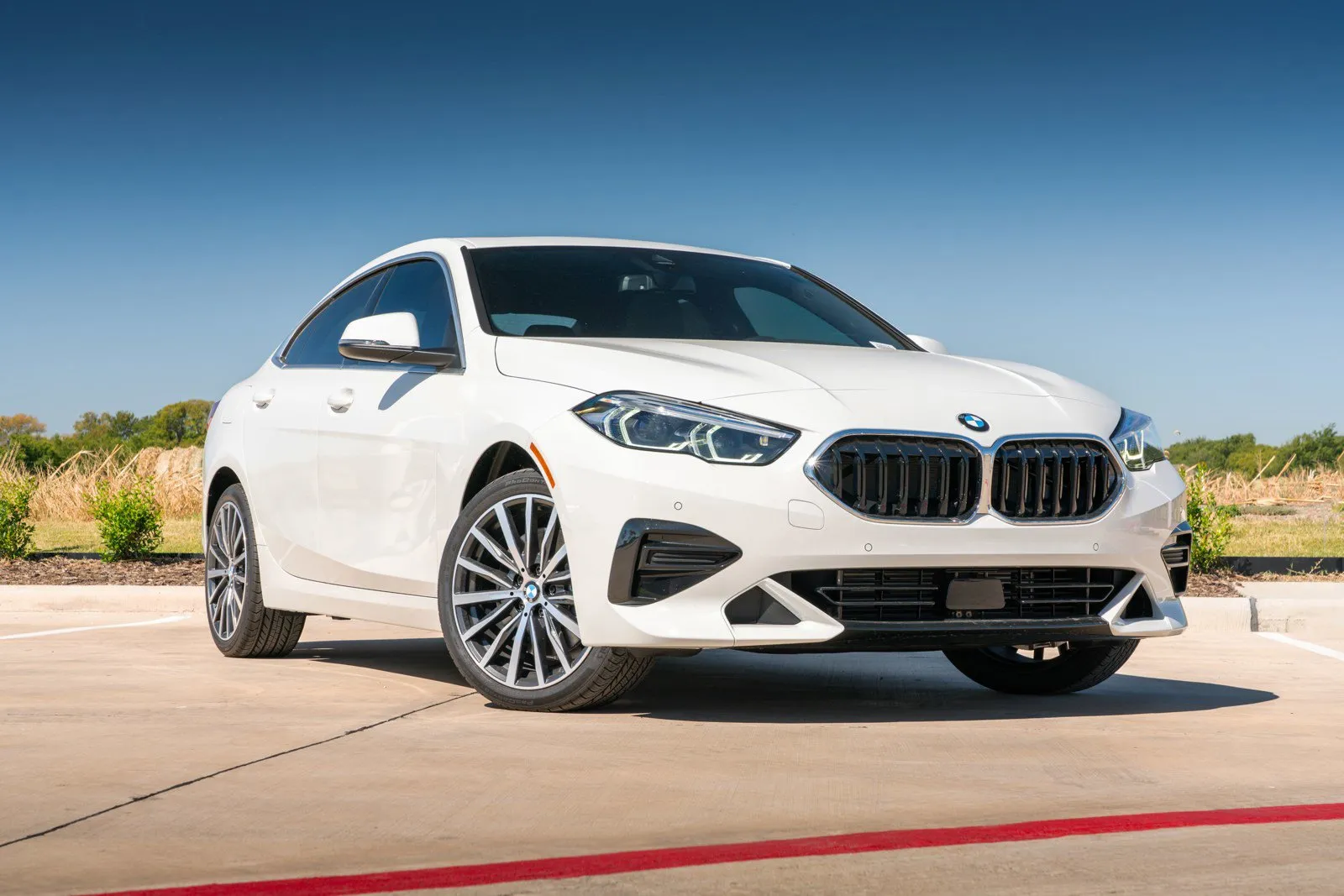
BMW 8 Series Gran Coupe
The BMW 8 Series Gran Coupe is a stylish, performance-oriented luxury sedan that combines the aesthetics of a coupe with the practicality of four doors. Despite its eye-catching design and engineering, it experiences rapid depreciation. One key factor is internal competition within BMW’s own lineup.
With other sedans and Gran Coupes in the 6 and 7 Series offering overlapping features, the 8 Series can be perceived as redundant, which affects resale value. Buyers often compare these vehicles directly, seeking similar performance and luxury at a lower price.
High pricing also limits demand in the secondary market. The 8 Series Gran Coupe is priced at the top of BMW’s lineup, which can restrict the pool of potential buyers when it enters the used market.
Even when incentives are applied during new vehicle purchases, the combination of high cost and steep depreciation makes buyers cautious about paying full value for an older model.
Ownership and maintenance costs further influence depreciation. Performance-focused features such as twin-turbo engines, adaptive suspension, and advanced electronic systems can become expensive to maintain as the car ages.
Buyers aware of these potential costs often factor them into resale pricing, leading to lower market values for older models. High-performance luxury sedans are particularly susceptible to rapid depreciation due to these cost considerations.
Lastly, rapid technology and design updates impact the 8 Series Gran Coupe’s value. BMW frequently introduces refreshed styling, updated interiors, and improved infotainment across its lineup.
Older models can quickly appear less modern, even if they remain mechanically sound and enjoyable to drive. Combined with internal competition, high maintenance costs, and pricing challenges, these factors contribute to the Gran Coupe’s reputation for steep depreciation in the luxury segment.
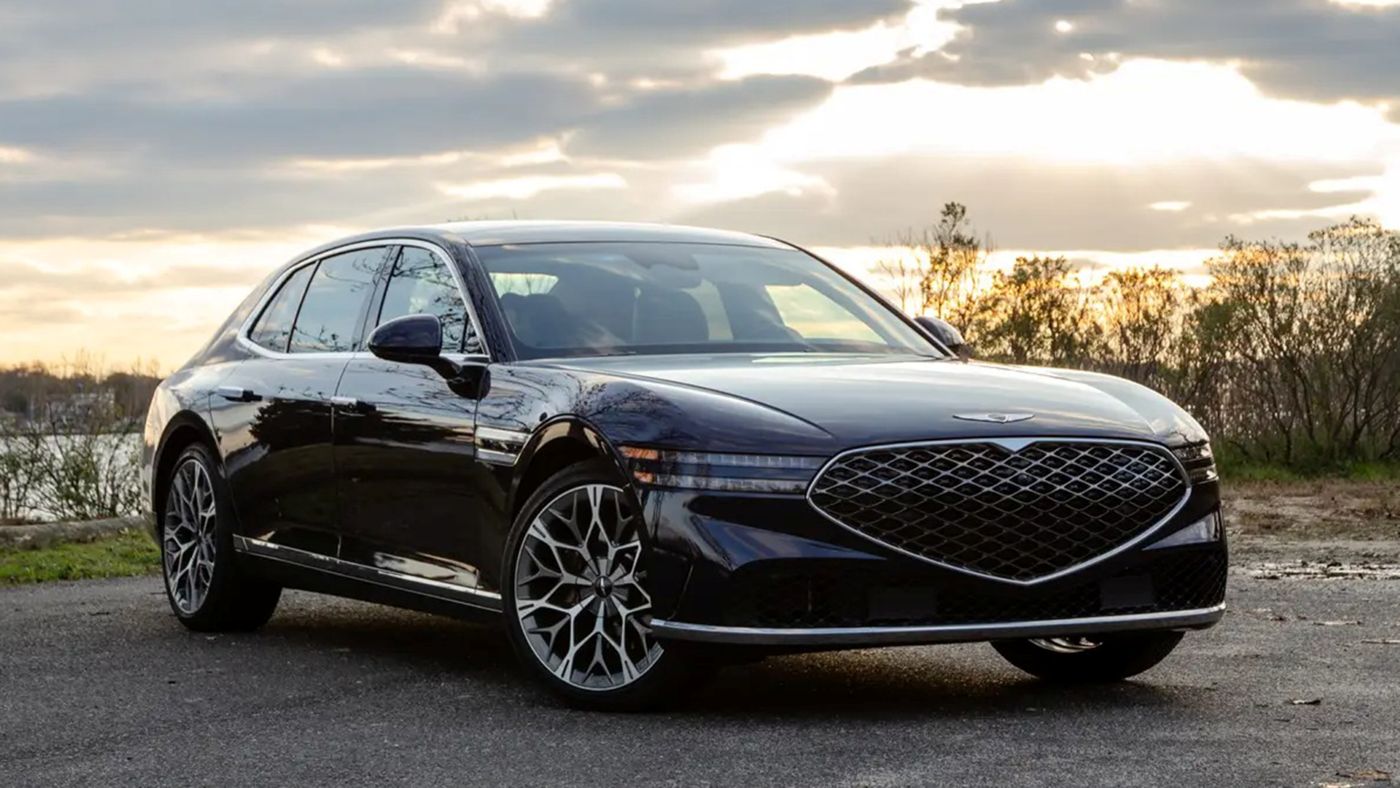
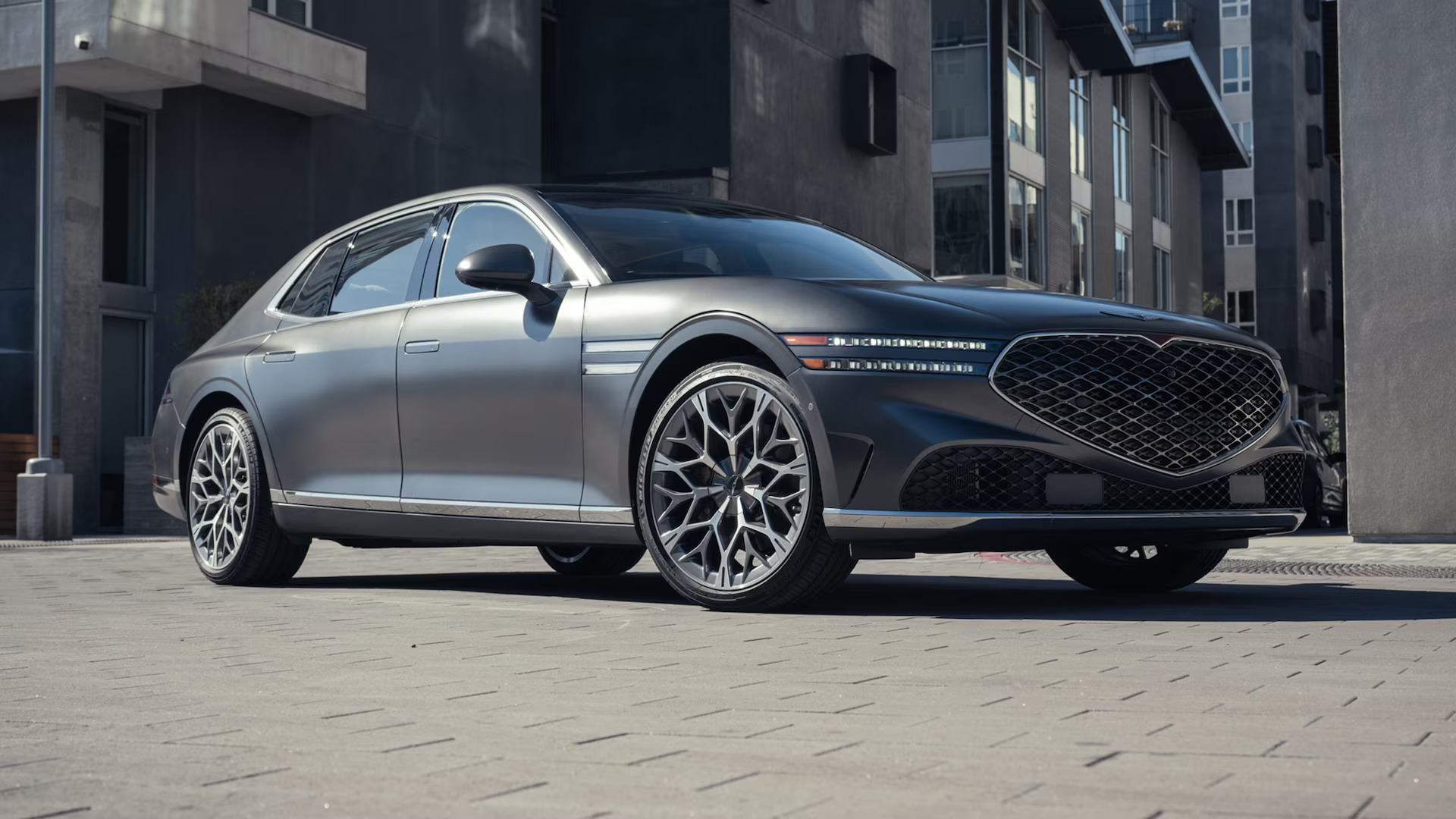
Genesis G90
The Genesis G90 is the flagship sedan from Hyundai’s luxury division, offering a compelling mix of technology, comfort, and value for money. Despite these advantages, it experiences significant depreciation.
One major factor is brand recognition. As a relatively new luxury brand, Genesis lacks the prestige of established competitors like Mercedes-Benz, BMW, and Lexus. Even with strong reviews and high-quality features, some buyers are hesitant to invest in a brand that is still building its reputation in the luxury market.
High initial incentives also impact resale value. Genesis has historically offered aggressive pricing and financing deals to attract buyers to the G90.
While this strategy increases sales of new vehicles, it often suppresses used car values. Buyers in the secondary market can find recent models at relatively low prices, making it difficult for G90 owners to maintain strong resale value even if the car is well-maintained.
Limited dealership networks in certain regions contribute to depreciation as well. While Genesis continues to expand, some buyers remain concerned about access to service centers and parts availability, which influences their willingness to pay top dollar for a used vehicle. Convenience and peace of mind play a significant role in luxury purchases, and any uncertainty can reduce demand for the G90.
Finally, perception issues influence the G90’s market performance. Although it delivers impressive comfort, performance, and features, buyers often compare it to more familiar luxury brands with established reputations for status, technology, and long-term value retention.
This comparison often results in lower resale prices for the G90, despite its strengths. Together, brand recognition, pricing strategy, dealership access, and market perception contribute to the G90’s rapid depreciation in the luxury segment.
