
Driving in mountain regions requires more than just owning a car; it demands a vehicle that can handle steep inclines, tight curves, and unpredictable weather. Flagstaff, located in northern Arizona, sits at an elevation of about 7,000 feet and is surrounded by mountainous terrain.
Roads here can change dramatically depending on the season. In the winter, snow and ice make driving even more challenging, while the summer brings high temperatures and occasional rainstorms.
Because of this combination of conditions, not all cars are suited for the area. Choosing a vehicle involves considering traction, engine power, handling, and ground clearance, all of which can make a difference in safety and comfort.
Mountain roads often test a car’s braking ability as much as its acceleration. Descending a steep slope requires strong brakes and stability systems that prevent skidding. Similarly, climbing steep grades demands sufficient torque and an engine capable of maintaining performance under load.
Vehicles with all-wheel or four-wheel drive are generally more reliable in these situations because they distribute power to multiple wheels, improving grip on loose or slippery surfaces. Beyond performance, comfort and storage also matter. A car that handles well but lacks space for supplies or emergency gear may not be practical for longer trips or family outings.
The weather in Flagstaff can change quickly, and drivers may encounter snow, ice, or fog even in the same day. Winter tires or all-season tires with good tread are critical for maintaining traction. Cars that are lightweight or have poor weight distribution can struggle in these conditions, while heavier vehicles with proper drive systems tend to maintain stability.
Road salt and gravel used to improve traction can also take a toll on vehicles, meaning durability and corrosion resistance should be considered when picking a car for mountain driving. Some vehicles are better equipped to handle these challenges, while others are prone to slipping, spinning, or simply lacking the power to climb steep slopes safely.
Finally, owning a car for mountainous and snowy conditions requires thoughtful maintenance. Checking brakes, tires, and fluid levels regularly ensures the car can respond to sudden demands. Drivers also need to be aware of their vehicle’s limits. Even the best-equipped car cannot overcome extreme snow, ice, or mechanical failure if pushed too far.
Knowing which cars perform well in Flagstaff’s terrain and which ones struggle in snow helps drivers make informed decisions, ensuring both safety and enjoyment. The following sections provide examples of five vehicles suited for Flagstaff mountain roads and five that face difficulties in snowy conditions.
5 Cars Suited for Flagstaff Mountain Roads
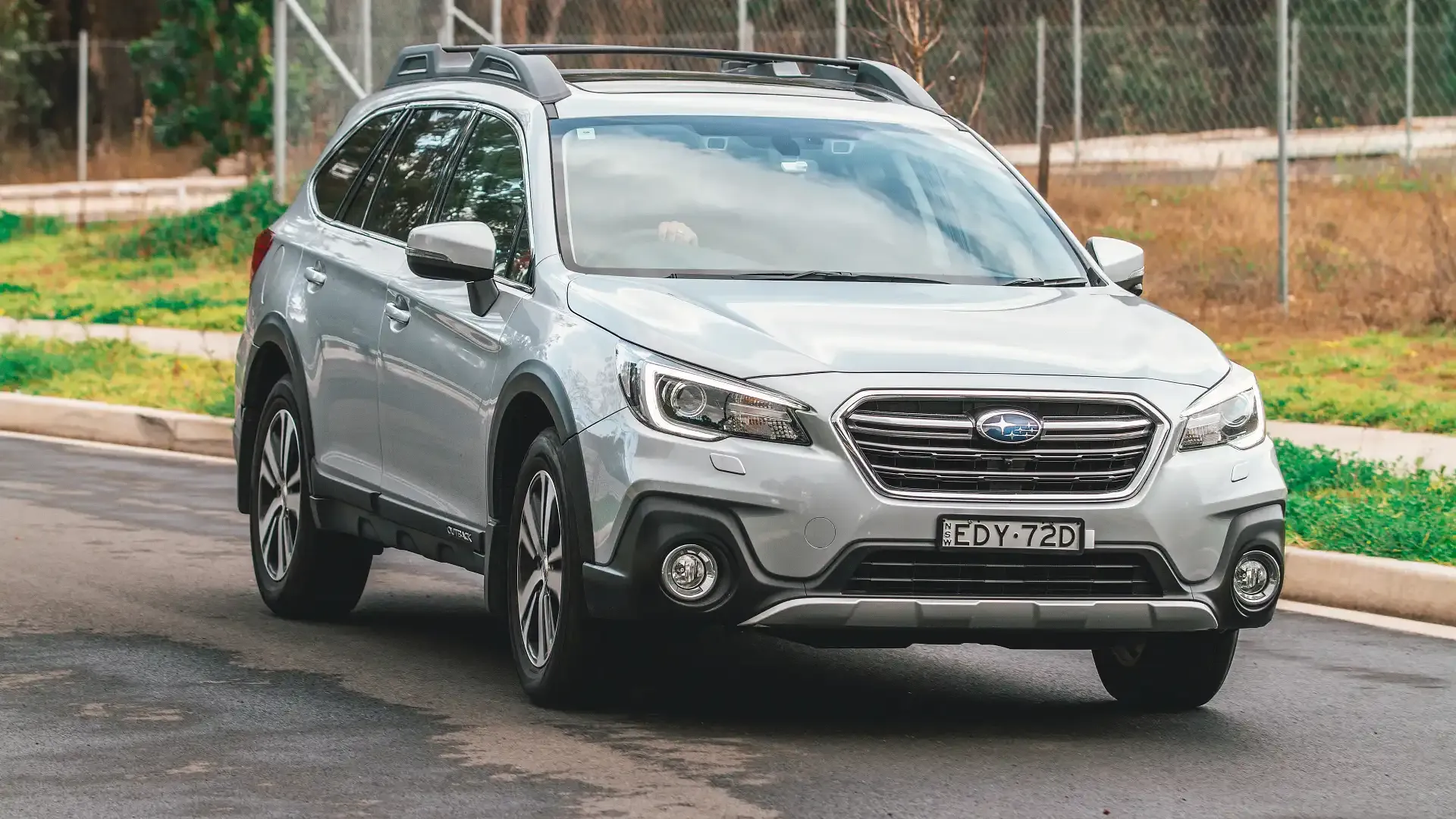
Subaru Outback
The Subaru Outback is a reliable choice for mountain roads because of its standard all-wheel drive system and high ground clearance. The car’s suspension is tuned for comfort on uneven surfaces, and it offers excellent stability on steep slopes.
The engine delivers adequate torque for climbing inclines without putting excessive strain on the drivetrain. On winding roads, the Outback provides responsive handling that helps maintain control in curves.
Interior space is another advantage of the Outback. Ample cargo room allows drivers to carry outdoor gear or emergency supplies, which is especially useful on longer trips into the mountains.
Seating is comfortable for passengers, and the cabin design minimizes fatigue during extended drives. Drivers benefit from a clear view of the road, aided by higher ride height, which improves safety when navigating blind corners or sudden turns.
Traction and braking are crucial in mountainous areas, and the Outback performs well in both. Its symmetrical all-wheel drive distributes power evenly, reducing the risk of slipping on loose gravel or wet roads.
Braking systems respond predictably, giving the driver confidence when descending steep grades. Additionally, stability control systems help prevent oversteering, which is a common challenge on mountain roads.
Durability is another key factor. The Outback is known for reliability and can withstand the stresses of frequent climbs, descents, and rough surfaces without significant mechanical issues. Its tires, suspension, and engine are built to endure these conditions, making it a trustworthy vehicle for drivers who regularly traverse Flagstaff’s challenging terrain. It combines performance, comfort, and safety features that make it one of the best choices for mountainous driving.
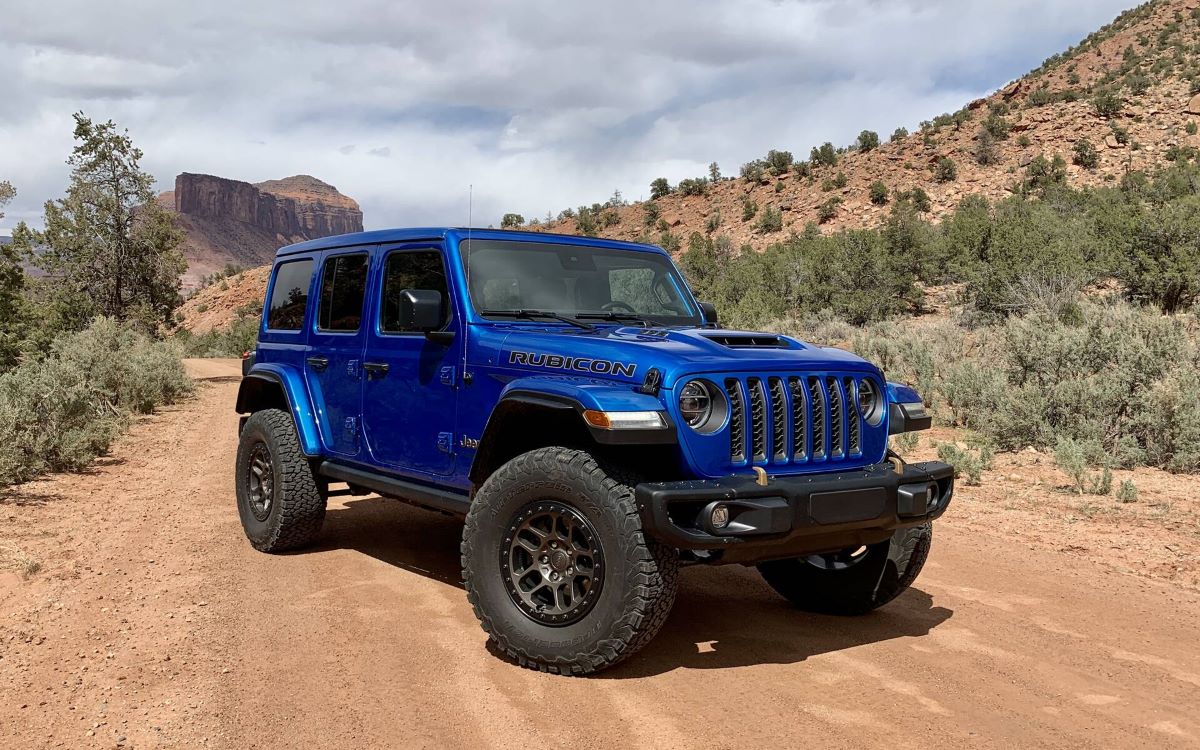
Jeep Wrangler
The Jeep Wrangler is designed for off-road performance, making it naturally suited for mountainous terrain. Its four-wheel drive system allows drivers to tackle steep inclines, rocky surfaces, and dirt paths that are common around Flagstaff.
The vehicle’s short wheelbase enhances maneuverability, letting drivers handle tight curves without difficulty. Its rugged suspension absorbs shocks from uneven terrain, reducing wear on the vehicle and discomfort for passengers.
One of the Wrangler’s strengths is its ability to maintain traction in challenging conditions. Its tires are often larger and more aggressive than typical road vehicles, allowing the Jeep to grip loose or uneven surfaces.
Locking differentials provide additional control, ensuring that power is directed to the wheels that need it most. This feature is particularly valuable on slippery or steep roads where traction can vary dramatically.
The Wrangler also provides a high vantage point, which improves visibility on mountain roads. Drivers can spot obstacles earlier and judge distances more accurately, which is essential for safety on narrow, winding roads.
Its durable construction means the vehicle can handle minor impacts from rocks or debris without major damage. For outdoor enthusiasts, the removable doors and roof add flexibility for carrying oversized gear or enjoying an open-air experience in scenic areas.
Another factor that makes the Wrangler ideal is its reliability in extreme conditions. While other vehicles may overheat or lose power on long climbs, the Wrangler’s engine and cooling system are designed to perform under stress.
Maintenance is relatively straightforward, and replacement parts are widely available, which is useful for drivers who spend extended periods off the beaten path. Its combination of power, stability, and durability makes it a top choice for Flagstaff mountain roads.
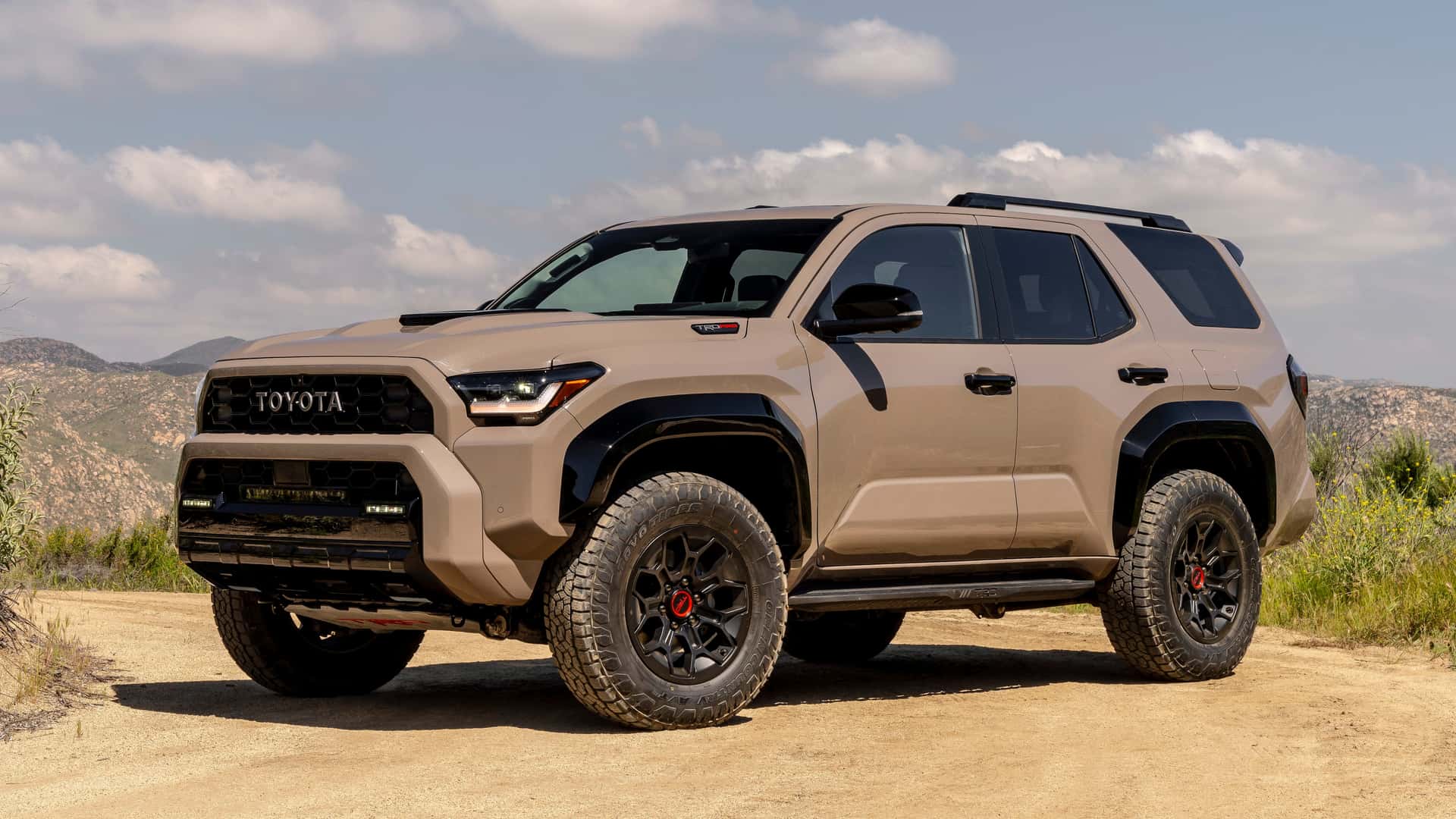
Toyota 4Runner
The Toyota 4Runner is a midsize SUV built to withstand rugged conditions. It comes with four-wheel drive options and a sturdy body-on-frame construction, which gives it stability on uneven and hilly roads.
Engine performance is sufficient to handle steep inclines, and the vehicle maintains traction even when loaded with passengers or cargo. Suspension is designed to absorb shocks from rough surfaces, making rides smoother and reducing driver fatigue on long trips.
The 4Runner’s cargo capacity is an asset for drivers who need to carry gear for outdoor activities or emergencies. Seating is spacious, allowing multiple passengers to ride comfortably on longer mountain drives.
Visibility from the cabin is generally good, which helps when navigating blind curves or steep descents. The high ground clearance also allows the 4Runner to pass over small rocks, potholes, or snow patches without damage.
Traction control and stability systems enhance the 4Runner’s performance in tricky conditions. Its four-wheel drive helps maintain grip on loose gravel, wet pavement, or light snow, while braking systems provide predictable stopping power on steep roads.
The vehicle’s balance between weight and power reduces the likelihood of slipping, which is critical on narrow mountain roads. Drivers can focus on steering and maneuvering rather than worrying about losing control.
Durability is a major advantage of the 4Runner. It is built to last, with engines, suspensions, and drivetrains capable of handling repeated stress from climbs and descents. Owners can rely on it for long-term performance without frequent repairs. Its reliability, combined with ample interior space and safety features, makes it an excellent option for those navigating Flagstaff’s mountain roads regularly.
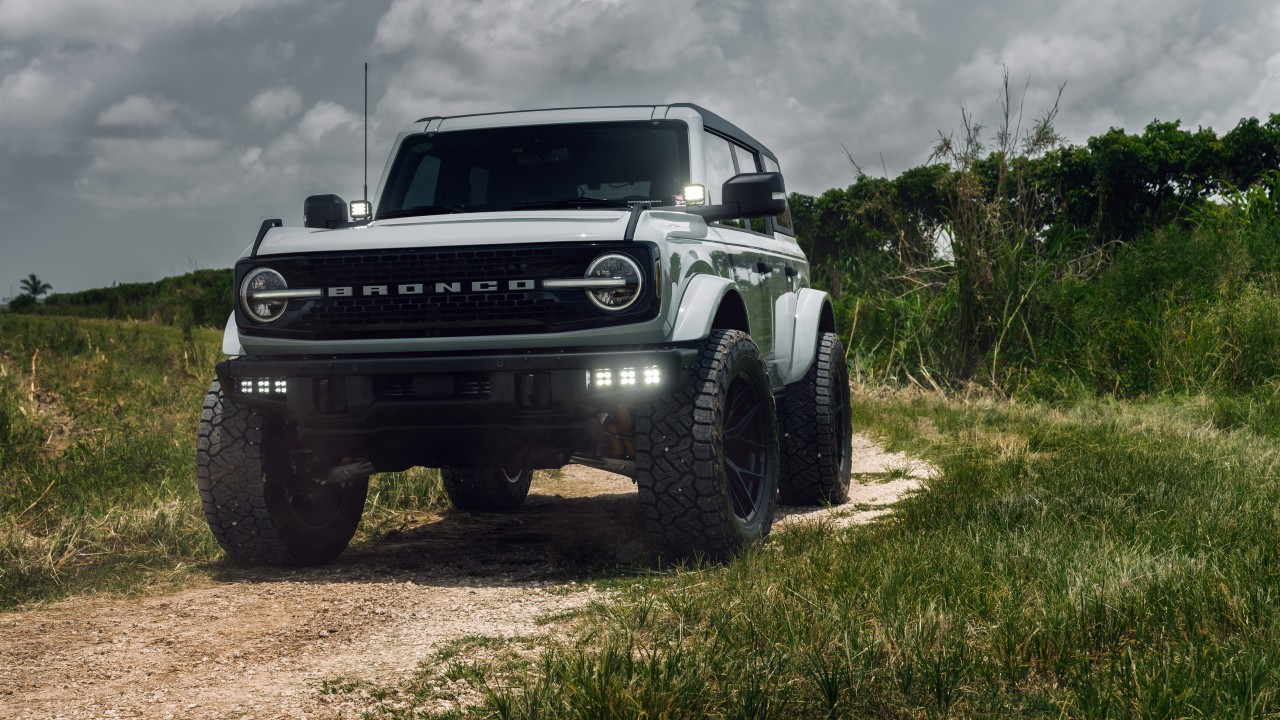
Ford Bronco
The Ford Bronco, especially in its newer iterations, is engineered for off-road performance and mountain driving. Four-wheel drive is standard, and its suspension is tuned to handle both rocky terrain and steep inclines.
Engine options provide enough torque for climbing, and the vehicle responds well to driver inputs, which is essential for winding roads with sharp turns.
The Bronco’s design emphasizes durability and adaptability. Removable roof panels and doors allow for versatility when carrying larger items, while its high ground clearance reduces the risk of undercarriage damage on uneven roads.
Tires and wheel design are optimized for traction, ensuring the Bronco remains stable even on loose or slippery surfaces. This stability is crucial for navigating Flagstaff’s variable road conditions safely.
Comfort and interior space are also considered in the Bronco’s design. Passengers can enjoy a stable, cushioned ride, and cargo space allows for storage of outdoor equipment, groceries, or emergency supplies.
Visibility is high, giving drivers a better perspective of the road ahead and improving safety on curves and slopes. The Bronco also provides advanced safety and stability features, adding another layer of protection in challenging conditions.
Its durability under stress sets the Bronco apart from many SUVs. Engines are built to perform under load, and the vehicle can endure repeated climbs and descents without mechanical failure. Its off-road capabilities make it ideal for mountain roads where surfaces can change quickly, ensuring reliability and confidence for drivers.
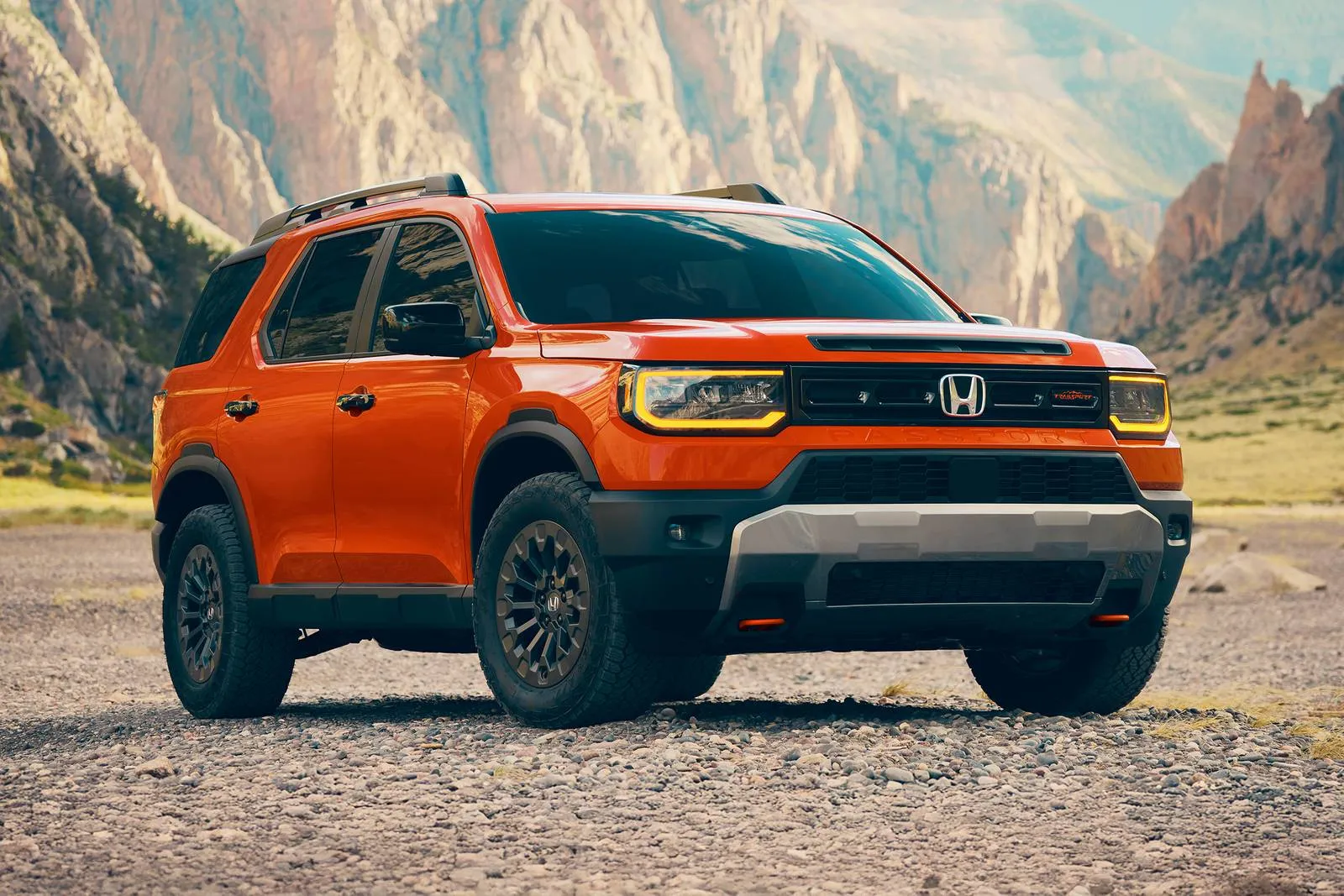
Honda Passport
The Honda Passport is a midsize SUV that combines off-road ability with comfort and convenience. Its all-wheel drive system allows it to handle rough terrain and steep inclines, making it suitable for Flagstaff’s mountainous roads. Ground clearance is sufficient for small obstacles, and the suspension is designed to absorb bumps and uneven surfaces, providing a smoother ride.
Performance under load is another strength of the Passport. Its engine provides adequate torque for climbing steep slopes, and the vehicle remains stable when carrying passengers or gear. Steering is responsive, which helps drivers navigate tight curves and switchbacks safely. Braking systems work predictably, enhancing control on descents and slippery sections of road.
The Passport offers spacious seating, allowing for longer trips without discomfort. Cargo capacity is generous, which helps transport camping or emergency gear. Visibility is enhanced by the higher seating position, helping drivers anticipate obstacles and judge road conditions effectively.
Durability and reliability are key considerations for mountain driving. The Passport is built to withstand frequent climbs and rough roads without excessive wear on the engine or suspension.
Regular maintenance is straightforward, and the vehicle’s performance remains consistent in varied weather conditions. The Honda Passport is a well-rounded option for mountain driving, combining traction, stability, comfort, and reliability.
5 Cars That Struggle in Snow
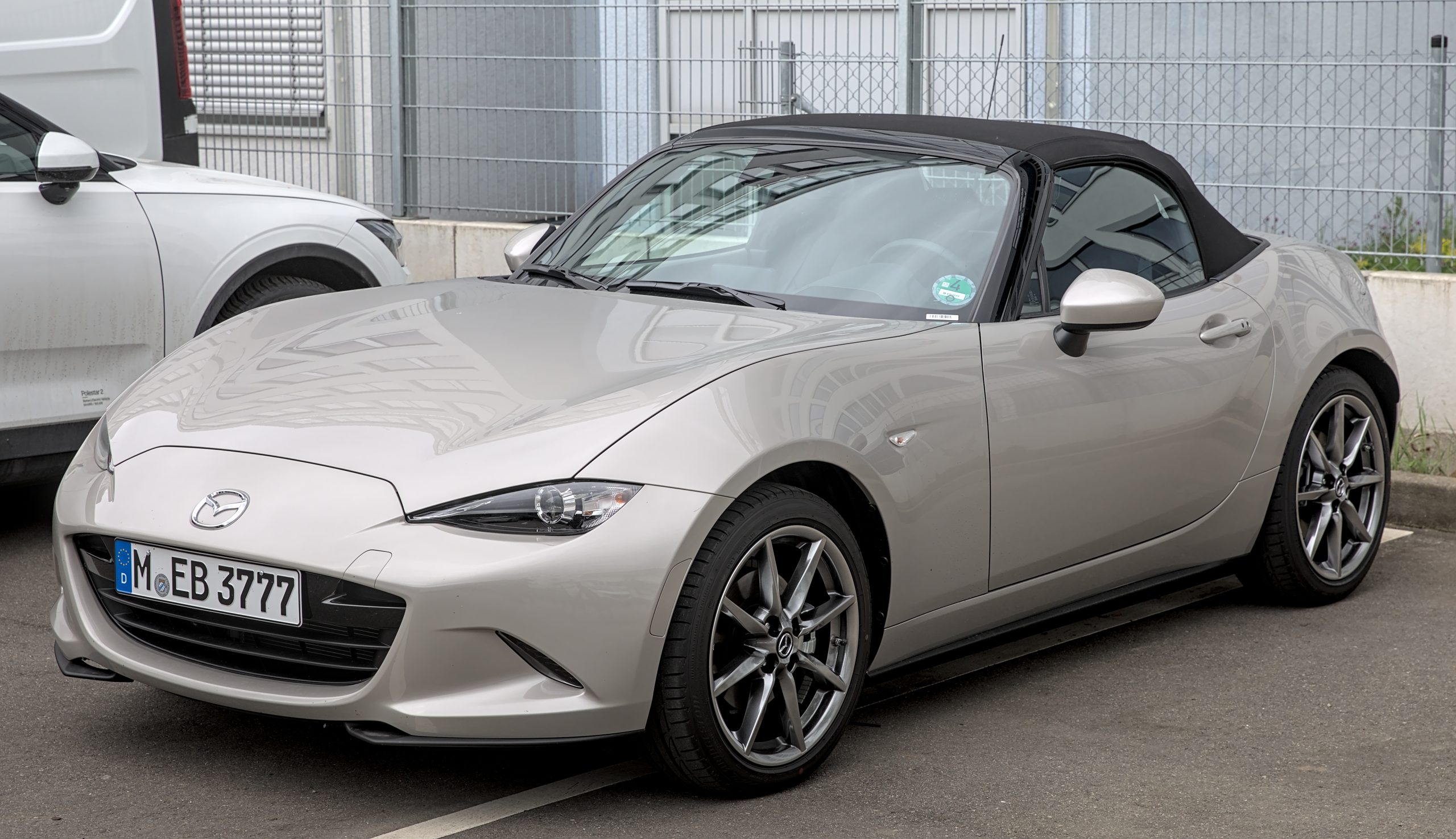
Mazda MX-5 Miata
The Mazda MX-5 Miata is widely praised for its agility and fun driving experience, but it has significant limitations in snowy conditions. Its light weight, while advantageous on dry roads, becomes a disadvantage on snow and ice.
Without substantial weight over the drive wheels, the Miata can easily lose traction, making it difficult to climb inclines or maintain control on slippery surfaces. Even with winter tires, the car’s low mass and rear-wheel drive configuration make it prone to spinning or sliding, which can be dangerous on mountain roads.
Another issue is ground clearance. The Miata sits very low to the ground, which increases the risk of scraping the undercarriage or getting stuck in even shallow snow. Snow accumulation along the road can impede movement, and the car’s low clearance leaves very little room for maneuvering over uneven surfaces.
Additionally, road salt and grit can quickly damage the underside of the vehicle, especially since the Miata’s body and suspension components are designed more for light performance than harsh winter durability.
The interior and cargo space of the MX-5 Miata also limit its practicality in snowy conditions. With minimal storage and compact seating, it is challenging to carry emergency supplies, snow gear, or additional passengers safely.
In the event of getting stranded, the lack of storage space for blankets, shovels, or traction aids could become a serious problem. Its focus on sportiness over utility means that drivers cannot rely on it as a fully functional winter vehicle.
Finally, the Miata’s stability and braking systems, though excellent for dry road performance, struggle on ice and snow. Without all-wheel drive or significant weight distribution adjustments, the car does not respond well to sudden changes in traction.
Quick braking on slippery surfaces can easily cause the rear to swing out, and sharp turns may result in loss of control. For drivers living in areas with regular snow, the Miata is more of a summer sports car than a reliable all-season vehicle.
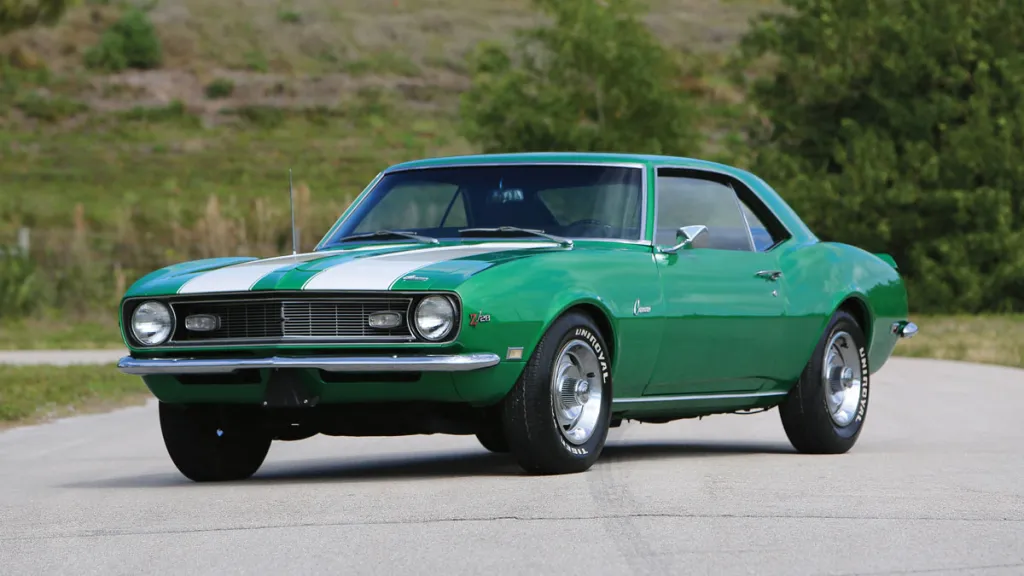
Chevrolet Camaro
The Chevrolet Camaro is a high-performance sports car designed primarily for speed and handling on dry pavement. Its low ride height and rear-wheel drive layout make it extremely vulnerable in snowy conditions.
Rear-wheel drive vehicles in general have difficulty maintaining traction on ice, and the Camaro’s powerful engine can exacerbate this problem by causing wheels to spin even with gentle acceleration. Climbing hills or navigating snow-covered curves can be especially treacherous, and drivers must exercise extreme caution.
Ground clearance is another significant limitation. The Camaro sits close to the road, leaving very little room to navigate snow accumulation. Even a few inches of fresh snow can impede its movement, potentially leaving the vehicle stuck or forcing it to rely on nearby plowed areas.
Additionally, the low clearance exposes the undercarriage to ice and snow damage, which could harm essential components like the oil pan or exhaust system.
Cargo and interior considerations make the Camaro even less practical in snow. With a small trunk and limited passenger space, it cannot accommodate emergency supplies, winter gear, or multiple passengers comfortably.
If drivers need to carry items such as snow chains, shovels, or blankets for safety, they will likely struggle to fit them without crowding the cabin or trunk space. This reduces its usability as a winter-capable vehicle.
Finally, braking and traction control systems, although advanced, are optimized for sporty handling rather than snowy performance. Sudden stops or rapid acceleration on ice can easily overwhelm the Camaro’s tires, leading to loss of control.
Even skilled drivers may find it difficult to maintain safe navigation on slippery roads. While it excels in dry, open conditions, the Camaro is far from ideal for snowy environments and should be considered a seasonal vehicle rather than an all-weather option.
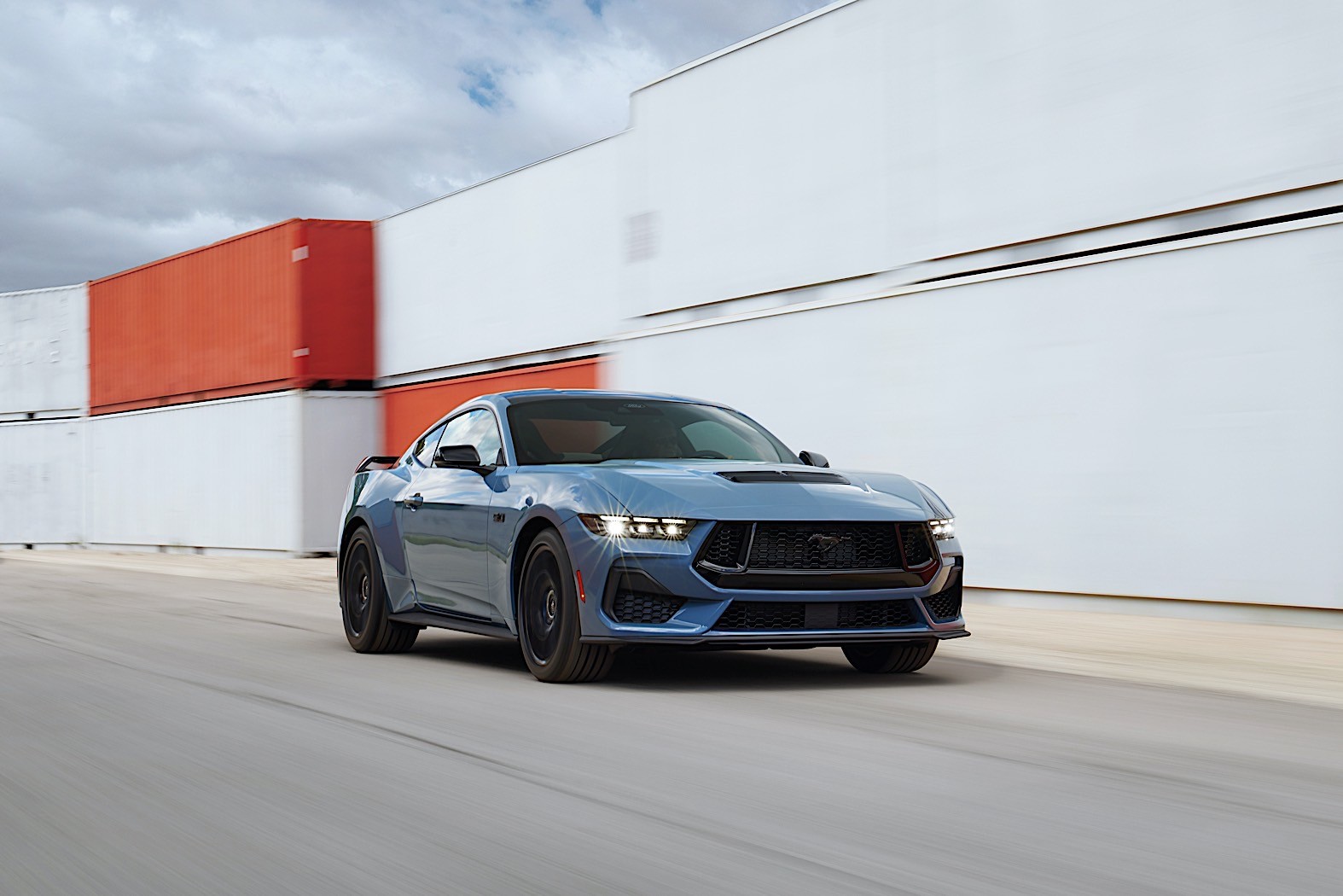
Ford Mustang
The Ford Mustang faces many of the same challenges as the Camaro, making it another sports car that struggles in snow. Its rear-wheel drive system and powerful engine can make maintaining control on icy roads difficult.
Snowy conditions demand careful throttle management, as the tires can easily spin when the engine delivers too much torque to the rear wheels. Without a proper all-wheel drive system, the Mustang has limited traction, which can be dangerous on inclines or curves in winter weather.
The Mustang’s low ground clearance further exacerbates its struggles in snow. Even a small accumulation of snow can hinder movement, and uneven roads or drifts can make it difficult for the vehicle to navigate safely.
Road salt and ice also pose risks to the car’s body and undercarriage, as components are not designed to withstand prolonged exposure to harsh winter conditions. These limitations make it unsuitable for areas where snowfall is frequent or heavy.
Interior space and practicality are additional concerns. The Mustang offers limited cargo room, making it challenging to carry winter supplies such as blankets, traction aids, or emergency tools.
For drivers who may encounter extended periods in snow or remote areas, this lack of storage could pose a safety risk. The compact seating and sport-oriented interior focus more on performance than practicality, which reduces its effectiveness as a winter vehicle.
Even with advanced electronic stability and traction systems, the Mustang remains difficult to control in snow. Its tires are typically designed for performance, not winter conditions, which further decreases grip on icy or snowy roads.
Acceleration, braking, and cornering are all compromised in slippery conditions, requiring drivers to adopt slower speeds and more cautious maneuvers. While the Mustang offers exhilarating performance on dry pavement, it is not a reliable option for snowy driving.

BMW 4 Series
The BMW 4 Series is a luxury sports coupe that delivers exceptional handling and performance on dry roads, but snow exposes several weaknesses. Its rear-wheel drive models are particularly prone to losing traction in slippery conditions.
Even models with all-wheel drive, while more capable, can struggle when encountering deep snow or steep, icy inclines. The combination of low ground clearance and a sporty suspension makes navigating snowy streets and mountain roads challenging, especially when ice or slush accumulates.
The 4 Series’ ground clearance is low, which limits its ability to handle snow accumulation. Snow can build up under the vehicle, causing resistance and reducing traction.
The low ride height also increases the risk of scraping the undercarriage or damaging components in rough winter conditions. While it excels in smooth, dry environments, the car is not designed for uneven or snowy roads, making it less versatile in winter climates.
Interior and cargo considerations reduce the BMW 4 Series’ winter practicality. Although the cabin is comfortable and luxurious, storage space is limited compared to SUVs or larger vehicles.
Carrying snow gear, emergency supplies, or multiple passengers can be difficult, making it less suitable for trips into areas where snow may accumulate. For drivers who prioritize safety and preparedness during winter driving, this is a drawback.
Finally, while BMW stability and traction control systems are sophisticated, they cannot fully compensate for the car’s limitations in snow. Tires are often optimized for performance rather than winter conditions, and abrupt maneuvers can still lead to loss of control.
On icy roads, even small adjustments require caution, and braking distances can increase significantly. The BMW 4 Series remains best suited for fair weather, dry roads, or controlled environments rather than snowy conditions.
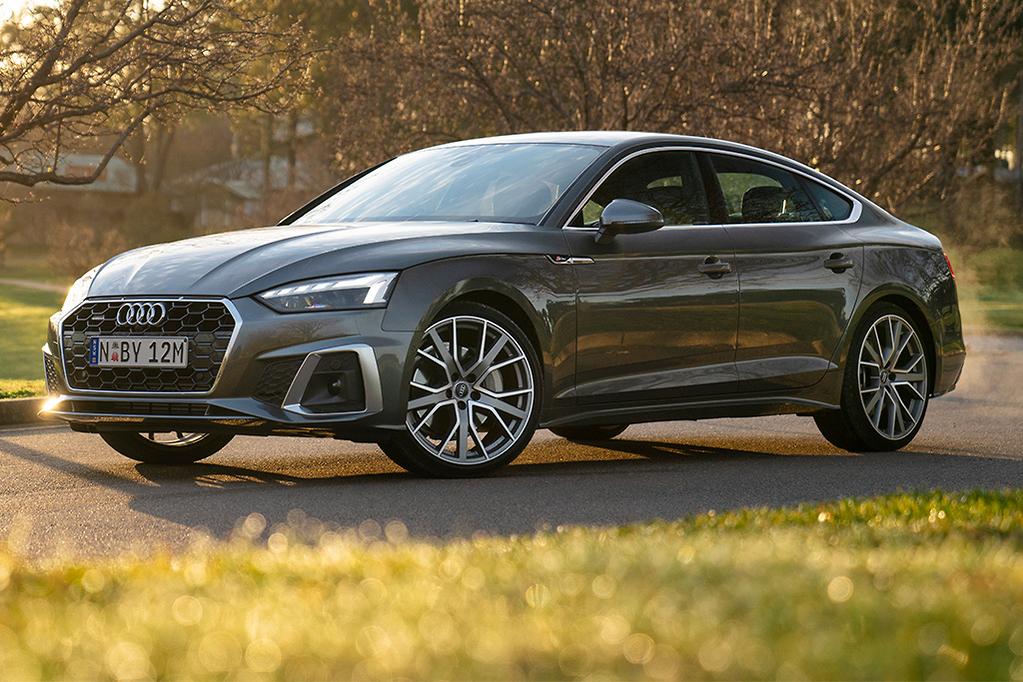
Audi A5
The Audi A5 is another luxury coupe that struggles in snow despite its refined handling and stylish design. While some A5 models come with Audi’s Quattro all-wheel drive system, the vehicle’s weight distribution and low ground clearance limit its performance in heavy snow.
Rear-wheel drive versions are particularly vulnerable, with traction issues becoming apparent on inclines, corners, or icy patches. Without specialized winter tires, the A5 can slide or struggle to maintain grip.
Ground clearance is a significant limiting factor. Snow accumulation can impede movement, especially on unplowed or uneven roads. The low-profile design of the A5 means that even a few inches of snow can reduce traction or cause the car to get stuck. This makes the A5 less reliable in areas where snowfall is frequent, forcing drivers to rely on cleared streets and careful navigation to avoid difficulties.
Cargo space and interior practicality are also limited. The A5, being a coupe, does not have the storage capacity necessary for winter emergencies, including snow chains, blankets, or shovels.
Passengers may also find seating cramped if winter gear is needed, reducing comfort and convenience. This makes the car better suited for urban or fair-weather driving rather than mountainous or snowy environments.
Even with electronic assistance, the A5’s handling in snow is compromised. Braking distances increase, and sharp turns or sudden acceleration can easily overwhelm traction systems.
The tires are generally designed for performance rather than winter, reducing grip in icy conditions. While the A5 offers an enjoyable driving experience on dry roads, it is not a dependable choice for snowy regions or mountain roads that experience frequent winter weather.
